
Table of Contents — Jump to a Province
This article is work in progress. Last update: August 2026.
Beyond the vibrant streets of Amsterdam and the iconic windmills of Kinderdijk lies a whole new side of the Netherlands waiting to be discovered. Join me in an expedition through the picturesque landscapes, rich cultural heritage, and the diversity of the Dutch provinces, each one with its unique charm and captivating stories.
If you’re planning a weekend road trip or a string of dagjes weg (the Dutch word for day trips) from Amsterdam, this guide doubles as a day-trip planner, walking you through the 12 Dutch provinces, the cities and villages worth a visit, and the nature and culture that make regions distinct.
In 2022, I started a project called “Discover the Netherlands, Province by Province“. Because there are 12 Dutch provinces, the plan was to discover a province each month. I wanted to travel to at least four places in that province and tell their stories, through words and images. Personal circumstances forced me to stop the project after only five provinces, but what a journey it was! The more I read about each Dutch province, the more I understood this country and its history. I visited well-known cities and well-hidden villages; I learned that there are way too many castles in the Netherlands to be able to visit all of them, and I’ve met cool people. I travelled by train, bus and boat, in all kinds of weather, and I discovered how ambitious my plan was while doing it.
Determined to finish what I started and to document all 12 Dutch provinces, I continued my travels at a slower pace. This article will serve as a guide to the collection of all the articles I’m going to write as part of the project. Enjoy!
1. North Holland (Noord Holland)
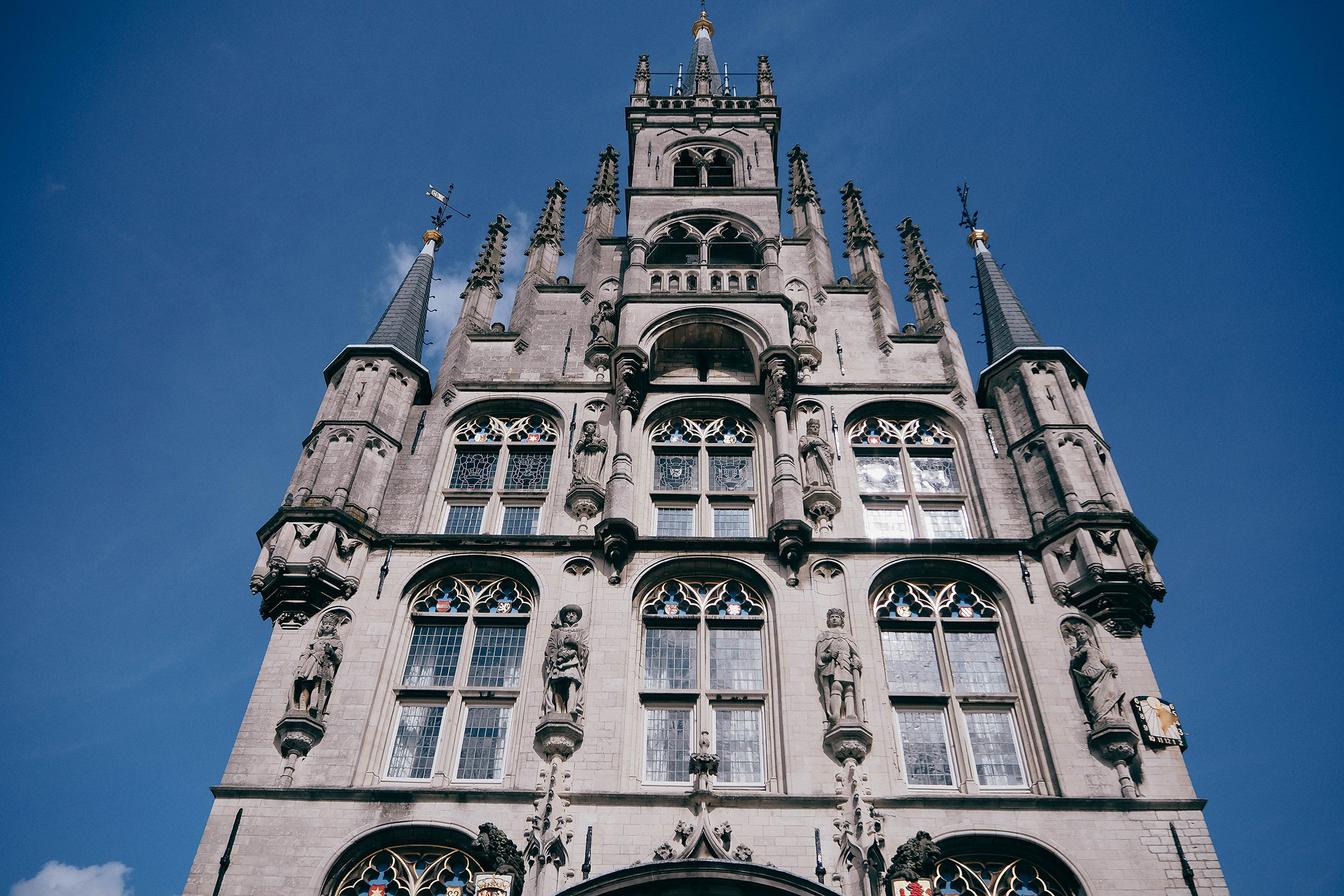
North Holland (Noord-Holland in Dutch) is a province in the northwest of the Netherlands, bordered by the North Sea, the Wadden Sea, IJsselmeer, and Markermeer. With a population of around 2.9 million (2019) and an area of 4,092 km², it combines rich history, iconic Dutch landscapes and diverse attractions. Much of the land lies at or below sea level, characterised by polders, canals, windmills, and farms.
North Holland is the most visited part of the country. Its name, “Holland,” was even used as a nickname for the Netherlands in tourism until 2020, when the government retired it to reduce over-tourism, particularly in Amsterdam (it’s debatable if it had any effect though). The province’s largest city is Amsterdam, the national capital, while Haarlem serves as the provincial capital.
Highlights & Places to Visit
North Holland is packed with cultural and natural gems, all within easy reach of Amsterdam. Tourists often remain in this province for good reason: here you’ll find windmills, tulip fields, cheese markets, historic towns, and charming fishing villages.
Notable towns include Haarlem, Alkmaar (cheese market), Hoorn (Golden Age heritage), Den Helder (naval base), Enkhuizen, Volendam, Edam, Monnickendam, Medemblik, Hilversum, and many others, each with its unique charm. Picturesque villages like Marken, Broek in Waterland, Bergen, and De Rijp are also worth exploring.
The west coast offers beautiful beaches from Zandvoort to Petten aan Zee and to Texel Island, backed by protective sand dunes and rich nature reserves. Texel itself is a popular destination, known for unspoiled nature and unique Wadden Sea experiences like mud walking. The IJsselmeer and Markermeer offer quieter beach options and tell the story of the former Zuider Zee, now closed off by the Afsluitdijk.
Top Attractions & Nature
Must-see attractions include Amsterdam’s world-class museums, Zaanse Schans (windmills), the fishing villages of Volendam and Monnickendam, Alkmaar and Edam cheese markets, Muiderslot and Radboud castles, the historic Hoorn-Enkhuizen train, the Zuiderzee museum, tulip fields, and Texel Island.
Nature lovers can enjoy national parks and dune areas such as Zuid-Kennemerland, Schoorlse Duinen, Amsterdamse Waterleidingduinen, Texel Dunes, Naardermeer, and Amsterdamse Bos. North Holland proves that flat landscapes can be anything but dull.
Want to discover more? Check out my stories and tips about the towns, villages, and natural gems of North Holland – places I’ve explored and loved myself.
Day trips in North Holland: Easy escapes from Amsterdam include Haarlem, Hoorn, Edam, Volendam, Alkmaar, Monnickendam, Zandvoort and Texel Island, most reachable in under an hour by train or bus.
Two more easy escapes belong on the Noord-Holland list: the fishing villages of Volendam & Marken, and Zaandam, with the windmills of the Zaanse Schans just beyond.
About North Holland – history, attractions, nature – know before you go
Visiting Medemblik, a Charming Town on IJsselmeer
Medemblik Marina: a Photo Essay
Discover Noord-Holland: a Visit to Den Helder
Charming Dutch villages: Volendam
Visit Edam, an Authentic Dutch Town Without the Tourist Crowds
Discover the Netherlands: Schagen – the Market City
Bergen: a Beautiful Small Town in Noord-Holland
Say Cheese! A visit to Alkmaar Cheese Market
Day-Trips from Amsterdam: A Guide to Haarlem
Dutch Gems: Medemblik, Radboud Castle and Harbours – Video
2. Utrecht
With a population of 1,388,000(January 2023) and covering just 1,485 km², Utrecht is the smallest Dutch province. Small, but rich in history, culture, and nature. Located in the heart of the Netherlands, it offers a mix of historical cities and green countryside. The capital, Utrecht, was founded in 47 AD by Roman legions and has remained an important cultural and religious centre ever since. It played a key role in Dutch history, especially through the Union of Utrecht in 1579, which helped lay the foundation for the modern Netherlands.
The province is ideal for spring and summer visits, when scenic bike and sailing routes take you past old villages, castles, and country estates. Notable destinations include Utrecht, Amersfoort, Woerden, Oudewater (the “witch village”), and Spakenburg. History lovers can explore medieval towns and impressive UNESCO-listed sites such as the Roman Limes and the Dutch waterlines.
Don’t miss the Vechtstreek region, perfect for riverside trips past historic estates, or Fort Vechten and the Waterline Museum to learn about Utrecht’s unique flood-based defence systems.
Day trips in Utrecht: Amersfoort, Woerden, Abcoude and the fairy-tale Kasteel de Haar are all within easy day-trip distance from Amsterdam (30–45 minutes by train)
About Utrecht: history, attractions, nature – know before you go
Day Trip to the Medieval City of Amersfoort
Cultural Amersfoort: Museum Flehite
Visit a Fairy-Tale Castle: Kasteel de Haar
Things to Do in Utrecht: a Complete Guide to Discovering the City and Its Surroundings
Exploring Woerden: A Journey through the Charming Heart of Holland
The Most Beautiful Village in Utrecht Province: Abcoude
A Walk in Medieval Amersfoort – video
3. South Holland (Zuid-Holland)
South Holland (Zuid-Holland) is a province packed with historic cities, coastal nature, and colourful flower fields. Located along the North Sea, this is one of the Netherlands’ most populous and diverse provinces, with a population of over 3.7 million (as of 2021) and a total area of 1,373 km², almost half of which is water.
The provincial capital is The Hague (Den Haag), home to the Dutch government. Rotterdam is the largest city and is known for its bold architecture and the busiest port in Europe. The oldest city, Dordrecht, dates back to 1220. South Holland’s western side is densely urban, while the east is greener, with agricultural landscapes.
The province includes several distinct regions: the Bollenstreek (Bulb Region), Groene Hart (Green Heart), Haaglanden, Rijnmond, Alblasserwaard-Drechtsteden, and the South Hollandic Islands. One of the most famous areas is the Bulb Region, home to the world-renowned Keukenhof Gardens and vast tulip fields blooming from late March to May.
South Holland is ideal for day trips from Amsterdam, with towns like Leiden (with the country’s oldest university), Delft (famous for its blue porcelain), Rotterdam (with its bold architecture), Gouda (cheese and history), and The Hague (museums and beaches). The coastal dunes and long beaches, like those in Scheveningen, Katwijk, and Ouddorp, draw visitors year-round.
For the nature lovers, the Biesbosch National Park, a lush network of wetlands is perfect for hiking and boat rides. Other nature areas include Voornes Duin, The Hague Forest, Meijendel dune reserve, and the Reeuwijkse Plassen lakes.
Top attractions: Keukenhof, Mauritshuis, Madurodam, Fenix Museum Rotterdam, Binnenhof The Hague, Scheveningen Beach, Erasmus Bridge and Cube Houses in Rotterdam, Royal Delft, Kinderdijk windmills, and many local museums – Leiden alone has 13!
Day trips in South Holland: Leiden, Delft, Rotterdam, Gouda, The Hague and Dordrecht are classic day trips from Amsterdam (all under or around an hour by direct train) with the Keukenhof gardens a seasonal must from late March to mid-May.
About South Holland: history, attractions, nature – know before you go
Top Seven Places to See in South Holland
Day Trip to Leiden: Rembrandt’s Birthplace and the Netherlands’ Oldest University City
A Lovely Day-Trip to Gouda, the City of Cheese
Keukenhof: One of the Most Beautiful Gardens in Europe
Day Trip to Delft: Things to Do in This Charming Dutch City
Idyllic Dutch Villages: Warmond in South-Holland
Lovely Day-Trip to Gouda – Video
Idyllic Dutch Village: Warmond – Video
4. Gelderland
Gelderland is the largest province in the Netherlands by land area (5,136 square kilometres ) with over 2 million inhabitants (as of 2023). It’s located in the centre-east of the country, bordering Germany, and it’s a province rich in history, culture, and nature. The capital is Arnhem, and it’s also home to the country’s oldest city – Nijmegen.
Historically, Gelderland originated in the 11th century as the countship of Gelre, which expanded to include regions like the Betuwe, Veluwe, and Zutphen. It became a duchy in the 14th century and, after many territorial changes, a province of the Kingdom of the Netherlands in 1815.
Gelderland is divided into four regions: Veluwe, known for forests and heathlands; Rivierenland (or Betuwe), famous for fruit orchards and river landscapes; Achterhoek, a rural and culturally rich area; and the Arnhem-Nijmegen region, which combines urban life with historical landmarks.
This province offers a wide variety of experiences – from beautiful towns to vast nature reserves. Cities like Arnhem, Apeldoorn, Zutphen, Nijmegen, Doesburg, and Elburg all have historic charm, museums, and vibrant culture. Villages like Bronkhorst, Buren, Bredevoort, and Batenburg are perfect for peaceful getaways.
Among the highlights are National Park De Hoge Veluwe, a vast natural reserve with sand dunes, forests, and wildlife, and the Kröller-Müller Museum, home to an impressive Van Gogh collection. Other cultural gems include Paleis Het Loo, Openluchtmuseum Arnhem, Freedom Museum Groesbeek, and Museum MORE.
Gelderland is ideal for castle road trips, being home to a good number of castles, like Huis Bergh, Rosendael, Cannenburch, Doorwerth, and Middachten.
For nature lovers: Veluwezoom, Mookerheide, Ooijpolder, Wodanseiken, and more.
Day trips in Gelderland: Arnhem, Nijmegen and Zutphen, plus Hoge Veluwe National Park and the Kröller-Müller Museum, make for rewarding longer day trips from Amsterdam — about 1 to 1.5 hours by train.
About Gelderland: history, attractions, nature – know before you go
Visit a Fairy-Tale Town: Zutphen, One of the Best Preserved Medieval Towns in Europe
Discover the Hidden Oases of Zutphen: the Hofjes
A Day-Trip to Arnhem: History and Fashion
Five Castles to Visit in Gelderland
A Fairy-Tale Town: Zutphen, the Netherlands – Video
5. North Brabant (Noord Brabant)
North Brabant – The Welcoming South of the Netherlands.
North Brabant (Noord-Brabant), often simply called Brabant, is a province in the southern Netherlands. The capital is ’s-Hertogenbosch (also known as Den Bosch). This is an exciting region, full of energy and surprises. It’s the birthplace of Vincent van Gogh and Hieronymus Bosch, home to four national parks, the spectacular Efteling theme park, and the famously strange border village of Baarle-Nassau.
The area was once part of the Duchy of Brabant and became North Brabant when Belgium and the Netherlands split in the 19th century. Some of the strangest remnants of this division can still be seen in Baarle-Nassau, where streets and even houses are split by international borders running right through living rooms.
Today, Brabant is a well-developed, urbanised province, yet it’s full of peaceful countryside, lovely villages, and scenic walking and cycling routes — like most Dutch areas. Unlike the canal-covered lowlands of the west, most of Brabant sits above sea level, so it feels slightly different from other Dutch provinces.
Brabant is divided into several regions, including De Peel, the Barony, the Kempen, the Brabantse Wal, and Hart van Brabant.
What to see and do in North Brabant
Where to begin? Brabant is perfect for city breaks and cultural weekends. Notable cities include Eindhoven, Breda, Tilburg, Den Bosch, Bergen op Zoom, and Roosendaal. For smaller towns and villages, don’t miss Heusden, Zundert (Van Gogh’s birthplace), Ravenstein, and the fortified town of Willemstad.
You’ll find Van Gogh-related sites in Nuenen and Etten-Leur, while art lovers can visit the Jheronimus Bosch Art Center, Van Abbemuseum (Eindhoven), and Noordbrabants Museum (Den Bosch). Families love Efteling and Beekse Bergen Safari Park, and there’s a unique experience to be had walking the Monastery Trail, which links dozens of monasteries across the countryside.
Nature in Brabant
Nature lovers are in for a treat. Brabant is the only Dutch province with four national parks: De Biesbosch(a tidal freshwater wetland and haven for birds), Loonse en Drunense Duinen(drifting sands, nicknamed the Dutch Sahara), De Grote Peel(peat bog and one of Europe’s richest bird areas), Zoom-Kalmthoutse Heide(a cross-border heathland).
Other beautiful areas include Kampina, the Oisterwijk lakes, Mastbos forest, and Bossche Broek wetlands.
Day trips in North Brabant: Den Bosch, Breda, Eindhoven and Tilburg are doable as day trips from Amsterdam by direct train (1 to 1.5 hours), with Den Bosch the easiest gateway into the province and Efteling a favourite for families.
About North Brabant: history, attractions, nature – know before you go
Day-Trip to Den Bosch: the Best Things to Do in This Picturesque Brabantian City
In the Footsteps of Hieronymus Bosch in Den Bosch
Three Urban Gardens You Should Visit in Breda – guest post
Seven Awesome Weekend Trips in Brabant
Day Trips from Amsterdam: My Guide to Breda
Eindhoven Day Trip Guide: How to Spend the Perfect Day in the City of Light
Things to Do in Tilburg: A Complete Guide to the Dutch Wool City
Exploring Den Bosch — the Birthplace of Famous Painter Hieronymus Bosch – Video
6. Zeeland
Zeeland, meaning “Sea land,” is the southwesternmost province of the Netherlands. It comprises a scattering of islands, peninsulas, and a narrow mainland bordering Belgium, with Middelburg as its capital. Though Zeeland is the least populous Dutch province, its numbers swell at the height of summer as tourists – Dutch and German alike – flock to its famed golden beaches.
The region’s identity has long been shaped by its ongoing battle with the sea. Villages have disappeared under waves after repeated flooding over the years, most notably in the devastating flood of 1953. The Zeeland flag, showing a lion rising from the water and the motto “Luctor et emergo” (“I struggle and emerge”), sums up this dogged defiance. In response to disasters, Zeeland spearheaded the monumental Delta Works: a system of dams, sluices, storm surge barriers and dykes praised worldwide for protecting land from the encroaching North Sea.
Traces of Roman settlers dating back to 55 BC are found alongside evidence of the mysterious Nehalennia, a goddess venerated before and during Roman times. More recently, Zeeland was a theatre of fierce fighting during WWII under German occupation. Its modern boundaries enclose six main regions: Schouwen-Duiveland, Noord-Beveland, Zuid-Beveland, Walcheren, Tholen en Sint Philipsland, and Zeeuws-Vlaanderen.
The beaches might be Zeeland’s main tourist attraction, but there’s much more to discover. Strolling through its towns and fishing villages, one can almost picture ancient mariners braving the gales or tall ships filling Veere’s harbor. The province’s unique light has lured artists and writers for centuries – and if you see it, you’ll understand why.
Notable cities include Middelburg, Vlissingen, Terneuzen, Zierikzee, Oostburg, Brouwershaven, and Westkapelle. Among the seaside towns, Domburg, Breksens, Cadzand, and Renesse reign supreme, while villages like Yerseke (the mussel and oyster capital), Bruinisse, Nisse, and Goes each offer their own charms. Zuid-Beveland is famous for its flowered dikes and abundant orchards, and the province is home to the traditional ring-riding tournament where you can see the impressive local horses in action.
Zeeland’s landscape is haunted by the memory of sunken villages, lost to the sea; their legacy is honoured by the Monument for the Drowned Villages on the Oosterscheldedijk. Today, only salt marshes and mud flats remain there, as chilly reminders of nature’s might.
Getting around Zeeland is easiest by car due to limited public transport, though trains reach Middelburg and Vlissingen and buses connect to other destinations – although on sometimes infrequent schedules. For short hops, nothing beats a bicycle, if the weather cooperates.
Beyond beaches, highlight attractions include the mighty Delta Works and Deltapark Neeltje Jans, the Zeeuws Museum and abbey in Middelburg, Bunkermuseum Zoutelande, Oosterschelde Museum in Yerseke, Terra Maris, Grote Kerk Veere, the Zeeland Bridge, Gravensteen, and Stadhuismuseum Zierikzee.
Nature lovers can enjoy water sports on Veerse Meer or Grevelingenmeer (the largest saltwater lake in Western Europe), explore Oosterschelde National Park, wander the woods of Westerschouwen or the Manteling van Walcheren, and visit unique marshlands like Verdronken Zwarte Polder and the Drowned Land of Saeftinghe. Don’t miss Het Zwin, a cross-border nature reserve awash with tidal waters and rare wildlife.
Day trips in Zeeland: Middelburg and Vlissingen are reachable in around 2.5 hours by train from Amsterdam — better suited to a weekend, but possible as a long summer day trip when the beaches of Domburg and Cadzand are at their best.
About Zeeland: history, attractions, nature – know before you go
Zeeland Travel Guide: Experience the History and Beauty of Middelburg
Ring Riding in Zeeland: an Age-Old Tradition
Domburg: Beach, Art and Nature on the Zeeland Coast
7. Friesland
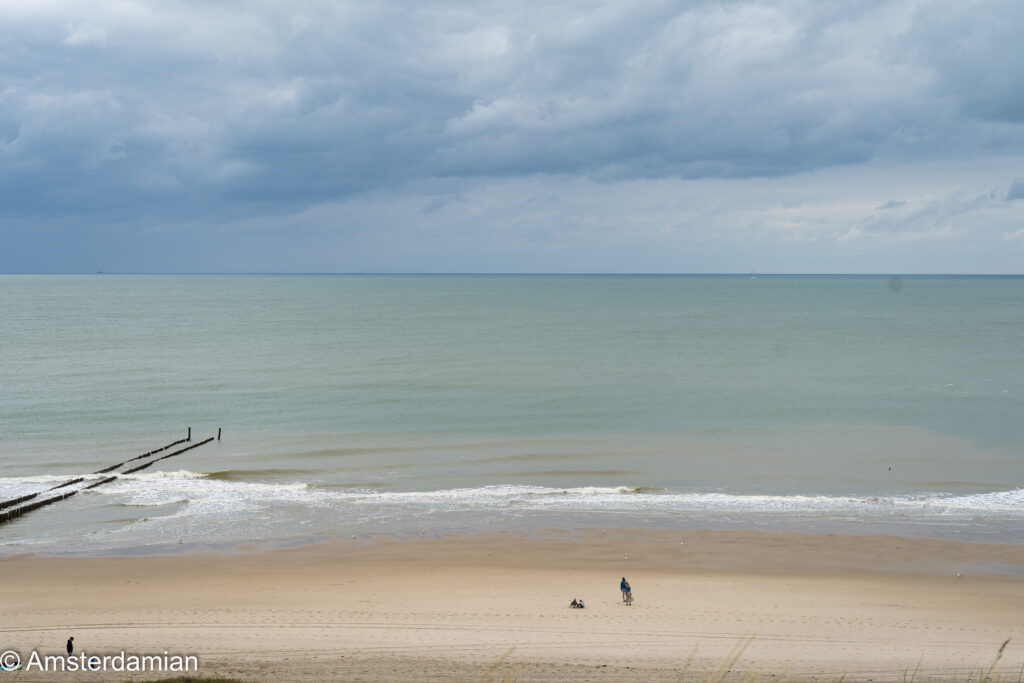
Friesland (Fryslân in West Frisian) is a proud northern province of the Netherlands where the locals fiercely cherish their own language (Frisian) and unique culture. A destination known for its slow pace and vast open spaces, Friesland invites visitors to unwind amid nature, water, and timeless traditions. The province boasts four national parks, an intricate network of navigable waterways, and the largest chain of connected inland lakes in Europe.
Friesland is the country’s largest province (if you count its water areas) and is quite diverse. Its 18 municipalities include coastal expanses, centuries-old cities, and the beloved Wadden Islands: Vlieland, Terschelling, Ameland, and Schiermonnikoog, each accessible by ferry and famed for their beaches, dunes, and teeming birdlife. The capital, Leeuwarden, is a vibrant city, home to historic architecture, lively markets, green parks, and universities, attracting both locals and visitors.
Friesland’s landscape is defined by water. The province’s position embraces both the IJsselmeer and the Wadden Sea, with interconnected lakes and winding canals drawing boaters and water sports enthusiasts from all over Europe. It’s the home of Elfstedentocht, a legendary long-distance ice skating race passing through eleven historic Friesland cities, which remains iconic, even if it’s rarely held now due to warmer winters. These eleven cities, including Leeuwarden, Sneek, Dokkum, Harlingen, Bolsward, and others, are well worth a visit for their charm and history. In 2018, each city received an artistic fountain, adding contemporary flair to ancient streets.
Adventure-seekers can try “mud walking” (wadlopen) at low tide on the Wadden Sea mudflats, an interesting way to witness the region’s tidal rhythms and marine life – just make sure you go with a guide and not end up in the news because you had to be picked up with the helicopter. The nearby islands are popular getaways, with car-free Vlieland standing out as a peaceful haven. Terschelling hosts the vibrant Oerol arts festival, while Schiermonnikoog is itself a national park, prized for tranquil nature.
Because waterways dominate Friesland, the province’s boating infrastructure is great, with rental options and even free mooring spots like De Marrekrite. The Afsluitdijk is also located in Friesland. This is a monumental dam that links Friesland with North Holland, protecting against the sea and serving as a roadway.
For culture, Friesland has much to offer. Leeuwarden’s Fries Museum, the Natuurmuseum Fryslân, and De Oldehove tower are highlights. Visit Franeker’s Eise Eisinga Planetarium, the Maritime Museum and Waterpoort in Sneek, Harlingen’s harbors and museums, and the Wadden Center on the Afsluitdijk. The province is also renowned for its dark sky parks, like the Boschplaat on Terschelling, where minimal light pollution lets visitors enjoy star-filled nights.
Day trips in Friesland: Leeuwarden, Sneek and Harlingen are about 2 to 2.5 hours from Amsterdam and are best enjoyed over a weekend. Harlingen is also the ferry gateway to the Wadden Islands for a longer escape.
About Friesland: history, attractions, nature – know before you go
Tall Ships and Mudflats: a Trip to Harlingen
Exploring Sneek: A Guide to Friesland’s Nautical Gem
The Afsluitdijk: A Dutch Icon Holding Back the Sea
8. Overijssel
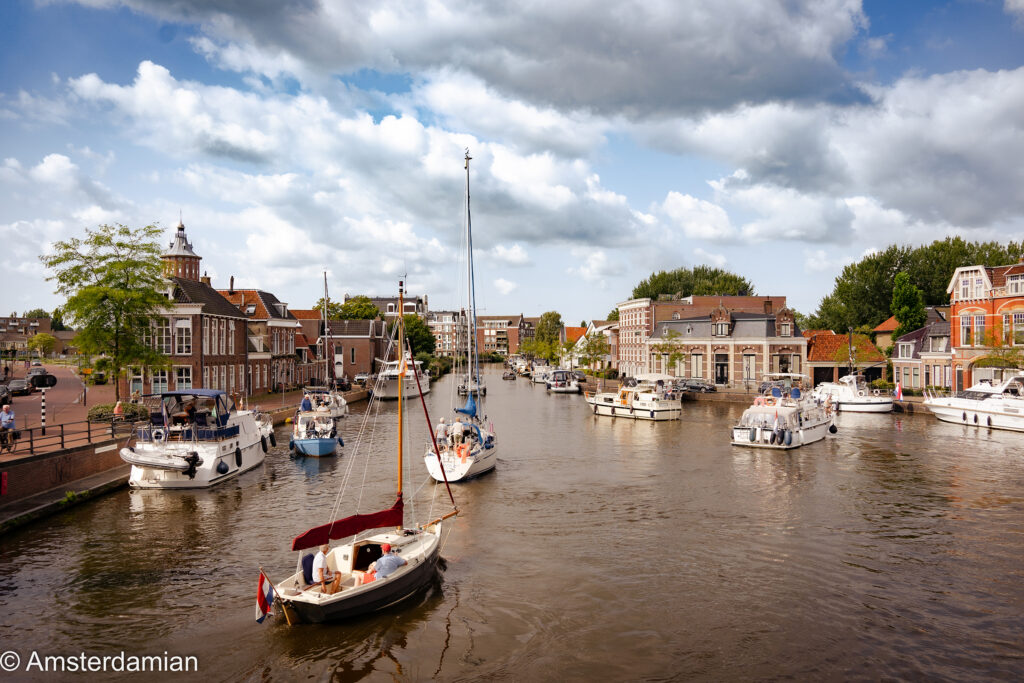
Overijssel is a province of rivers, Hanseatic cities, rolling countryside, and wetlands, stretching from the IJssel River to the German border. It’s located in the eastern Netherlands and combines historic urban centres with varied landscapes, from peat bogs and lakes in the northwest to wooded estates and sandy hills in Twente. The capital is Zwolle.
Historically, Overijssel played an important role in medieval trade. Cities such as Zwolle, Kampen, and Deventer were members of the Hanseatic League, growing wealthy through commerce along the IJssel River. Their historic centres still preserve merchant houses, old churches, defensive gates, and atmospheric squares that make them some of the most beautiful cities in the Netherlands, and my favourite to visit.
The province is generally divided into three regions: Twente in the east, Salland in the centre, and Kop van Overijssel in the northwest. Each has its own character. Twente is greener and more wooded, known for estates, castles, and villages with a strong regional identity. Salland is rural, and the northwest is dominated by wetlands and waterways.
One of Overijssel’s highlights is Weerribben-Wieden National Park, one of the largest lowland peat bog areas in northwestern Europe. Here, canals, reed beds, marshes, and lakes create a landscape that can be exploreed by boat, canoe, bicycle, or on foot. The picturesque village of Giethoorn, famous as the village with no roads, lies within this watery region and attracts visitors from all over the world.
A great destination for nature lovers is also Sallandse Heuvelrug National Park, where heathlands and forests cover a rare hilly landscape by Dutch standards. The area is home to the endangered black grouse, one of the Netherlands’ rarest birds.
Overijssel’s cities offer a strong cultural mix. Deventer hosts one of Europe’s largest book markets, Zwolle combines medieval heritage with contemporary culture, and Enschede reflects the province’s industrial and textile history. The region’s castles, manor houses, and estates add a new layer to its historical character.
Top attractions include Giethoorn, Weerribben-Wieden National Park, Sallandse Heuvelrug, the historic centres of Zwolle, Kampen, and Deventer, Museum de Fundatie in Zwolle, and the castles and estates of Twente.
Day trips in Overijssel:
Day Trip to Deventer: a Beautiful Hanseatic Town in the Netherlands
Kampen, One of the Famous Hansa Towns of the Neteherlands
Beautiful Bookstores: Bookstore in a 15th Century Cathedral in Zwolle
Visiting Giethoorn from Amsterdam: An Honest Guide to the Village With No Roads
More coming soon.
9. Flevoland
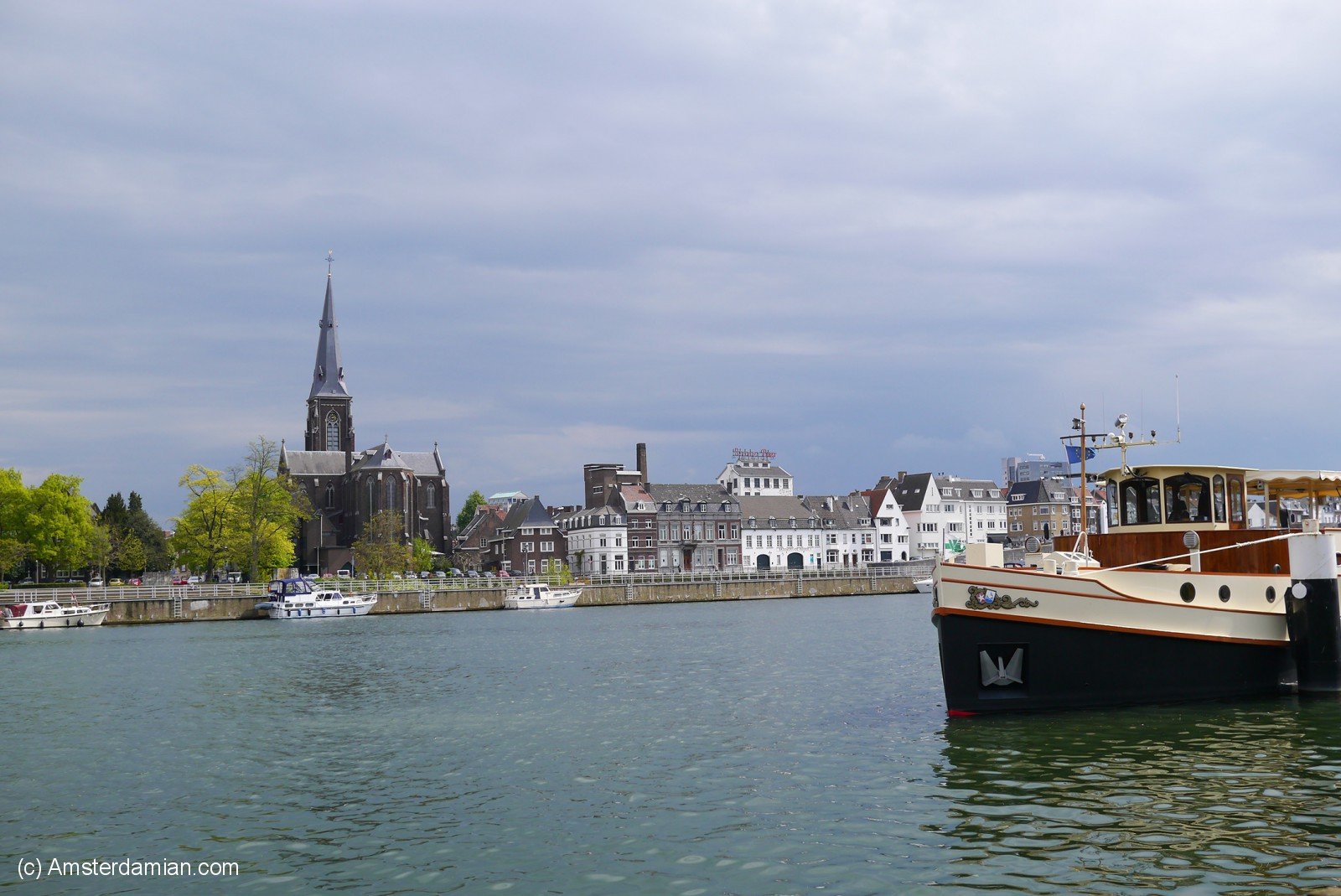
Flevoland is the Netherlands’ youngest province and a bold experiment. This is an area literally created by human engineering, with land reclaimed from the former Zuiderzee in the 20th century. Where once was the sea, there are now cities, forests, farms, nature reserves, and modern infrastructure. Flevoland officially became the country’s twelfth province in 1986. How amazing is that?
The province consists largely of three polders: Noordoostpolder, Oostelijk Flevoland, and Zuidelijk Flevoland. Wide-open landscapes, straight roads, geometric fields, and expansive skies define the scenery. Much of the land lies several metres below sea level, protected by dikes and sophisticated water management systems.
The provincial capital is Lelystad, named after engineer Cornelis Lely, and Almere is one of the Netherlands’ fastest-growing cities. Urk and Schokland tell a very different story: both were once islands in the Zuiderzee before the surrounding sea became land. Schokland is now a UNESCO World Heritage Site, preserving traces of life before the reclamation projects transformed the region.
Despite being new land, Flevoland has developed impressive nature areas. Oostvaardersplassen, between Almere and Lelystad, became internationally known as a major wetland for birds and wildlife. Together with the Marker Wadden, Lepelaarplassen, and Markermeer, it forms National Park Nieuw Land, often described as the world’s largest man-made nature park.
Flevoland is also strongly associated with contemporary architecture, renewable energy, and experimentation.
The Noordoostpolder is known for its tulip fields in spring. Meanwhile, Urk still preserves a strong fishing identity and village culture that predates the province itself.
Top attractions include Oostvaardersplassen, National Park Nieuw Land, Schokland, Urk, Batavia Stad Fashion Outlet, the modern architecture of Almere, and the tulip fields of the Noordoostpolder.
Day trips in Flevoland: coming soon.
10. Drenthe
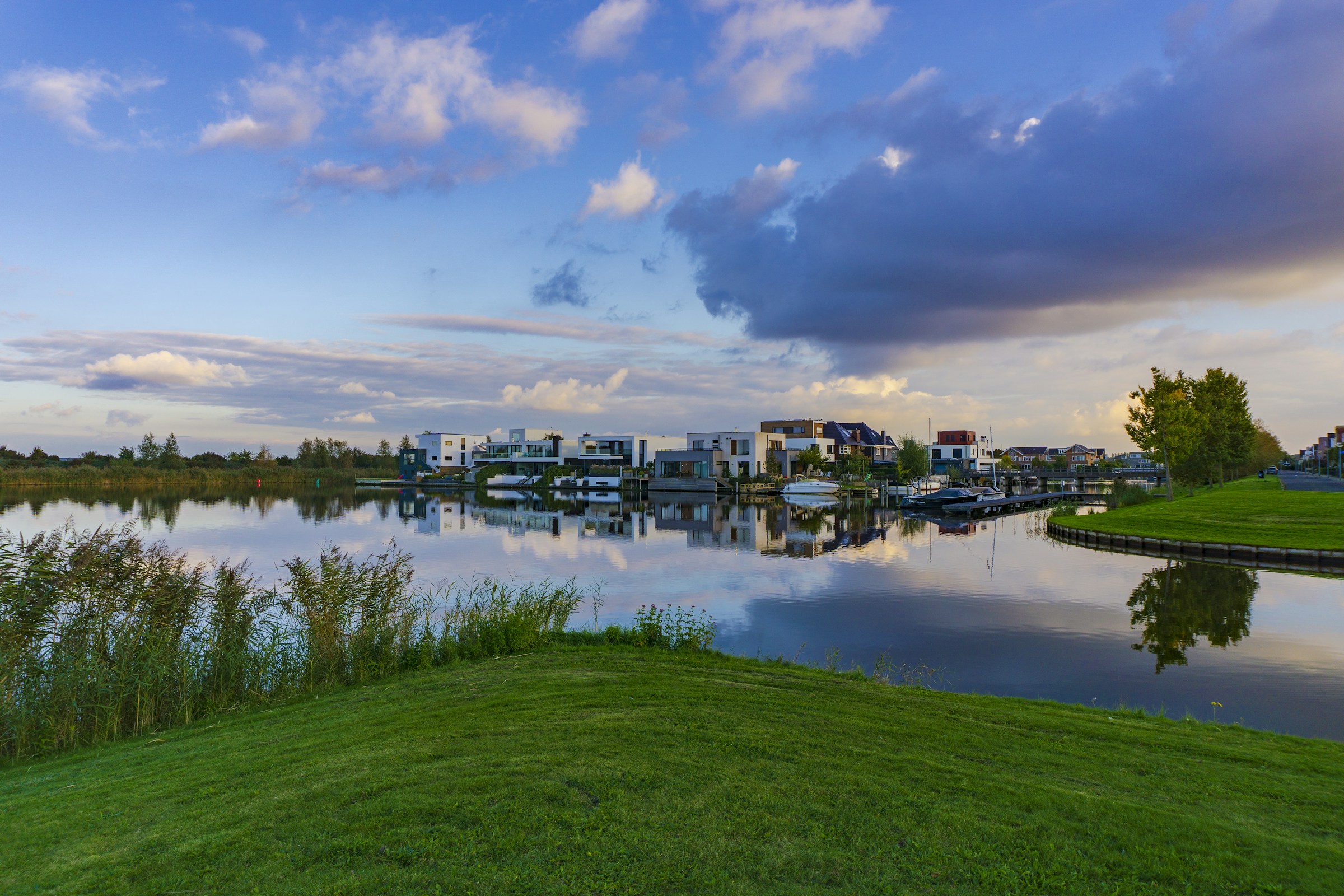
Drenthe is often described as the Netherlands’ most ancient and peaceful area. It’s a sparsely populated province located in the northeast of the country, and it’s known for forests, heathlands, prehistoric monuments, and endless cycling paths. The landscape here is defined by nature, quiet, and open space, where the horizon is rarely interrupted by large cities. The provincial capital is Assen, and Emmen is the largest municipality.
Drenthe is made especially unique by its prehistoric heritage. The province is home to 52 hunebedden: prehistoric megalithic tombs built around 5,000 years ago by the Funnelbeaker culture. These are the oldest visible monuments in the Netherlands, and nowhere else in the country are they found in such numbers. The largest hunebed, near Borger, stretches almost 23 metres long.
Drenthe’s landscape was shaped during the Ice Age. The UNESCO Global Geopark De Hondsrug preserves ridges, heathlands, forests, and glacial formations created thousands of years ago.
Drenthe is considered one of the country’s best provinces for outdoor activities. Vast heathlands bloom purple at the end of summer, forests stretch for kilometres, and the silence of the country roads make cycling especially enjoyable. National parks like Dwingelderveld, Drents-Friese Wold, and Drentsche Aa showcase the region’s diversity, with wetlands and drifting sands, streams and ancient oak forests.
History appears everywhere here, in the ancient hunebedden but also in traditional farm villages and wartime heritage sites. Westerbork Memorial Centre, located near the former transit camp used during the Second World War, remains one of the Netherlands’ most important historical memorials. Beautiful villages to visit are: Orvelte, Dwingeloo, Veenhuizen, Borger, Norg, and more.
Top attractions include the Hunebedcentrum in Borger, Dwingelderveld National Park, Drents-Friese Wold, Westerbork Memorial Centre, Wildlands in Emmen, the Hondsrug Geopark, Wildlands Adventure Zoo in Emmen, TT motorcycle races in Assen and the many cycling routes winding through forests and heathlands.
Day trips in Drenthe: coming soon.
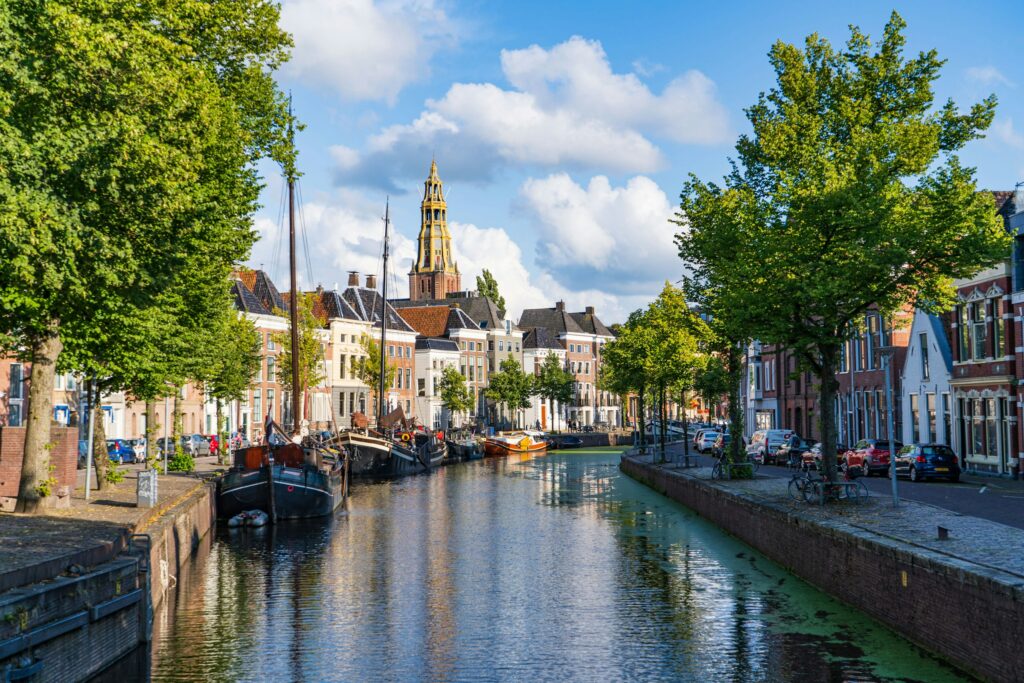
11. Groningen
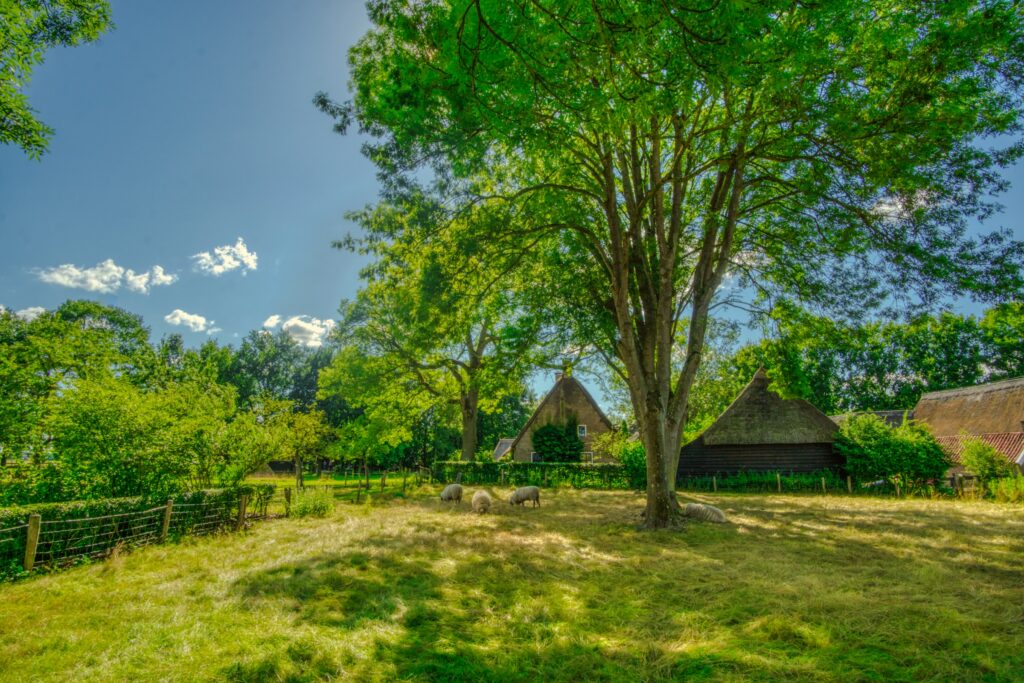
Welcome to Groningen, the Netherlands’ northernmost province, a land of wide horizons, old brick churches, windswept coastlines, and lively student culture. Groningen borders the Wadden Sea and Germany. The province covers around 2,955 km², including significant water areas, and has a population of just under 600,000 people. The capital is the city also called Groningen.
The landscape consists of open farmland, dikes, canals, and endless skies. Along the coast lies the UNESCO-listed Wadden Sea, one of the world’s most important tidal ecosystems, where mudflats appear and disappear with the rhythm of the tides. Groningen is also home to Rottumeroog, the only Dutch Wadden Island not permanently inhabited by people. Inland, the region feels peaceful and spacious, dotted with villages built on artificial dwelling hills called wierden, created centuries ago to protect communities from flooding before the dikes existed.
Groningen’s history is closely tied to trade and the sea. The city of Groningen became an important Hanseatic trading centre during the Middle Ages, and today it remains one of the Netherlands’ youngest-feeling cities thanks to its large student population and university life. Beyond the capital, smaller towns like Appingedam, with its famous hanging kitchens over the canal, and fortified Bourtange near the German border, reveal another side of the province.
The region is also known for its Romanesque churches, many built from distinctive red brick, standing solitary in the open countryside. Those interested in Dutch heritage will find beautiful examples in villages such as Middelstum, Leermens, and Noordbroek. The province’s rural character makes cycling especially rewarding, with long uninterrupted routes across fields, along canals, and over sea dikes.
For nature lovers, there’s Lauwersmeer National Park on the border with Friesland, one of the Netherlands’ designated Dark Sky Parks, known for birdlife and remarkably clear night skies. The coast and polders attract migratory birds in huge numbers throughout the year, making Groningen a favourite destination for birdwatchers.
Top attractions include the Martinitoren and Forum in Groningen city, Bourtange Fortress, the Wadden coast, Lauwersmeer National Park, the Groninger Museum, Appingedam’s historic centre, and the monumental churches scattered across the countryside.
Day trips in Groningen: coming soon.
12. Limburg
As soon as you reach it, Limburg feels different from the rest of the Netherlands. Limburg has rolling hills, vineyards, Burgundian culture, and landscapes far less flat than what many visitors expect from the Netherlands. It’s located in the far southeast of the country, squeezed between Belgium and Germany, and stretches in a narrow strip along the Maas (Meuse) River. The province capital is Maastricht, the oldest major city.
South Limburg, especially around Valkenburg, Gulpen, and Vaals, is defined by limestone hills, sunken lanes, orchards, and panoramic views. The Vaalserberg, the highest point in the Netherlands, lies here, marking the tripoint where the Netherlands, Belgium, and Germany meet.
Limburg’s history has long been shaped by its border position. Roman settlements once flourished here, medieval duchies left castles and fortified towns behind, and centuries of cross-border influence created a culture distinct from the rest of the country. Maastricht, with its cobbled streets, churches, caves, and lively squares, often feels more Belgian than stereotypically Dutch.
The province is rich in historic towns. Maastricht is famous for Vrijthof square, the Basilica of Saint Servatius, and its underground tunnel systems in Sint Pietersberg. Valkenburg combines castle ruins with marlstone caves and spa culture, while Roermond is known for its cathedral, shopping outlets, and position along the Maasplassen lake district.
Nature in Limburg is varied. National Park De Maasduinen stretches along the German border with forests, dunes, and heathlands, while South Limburg’s Heuvelland region offers some of the country’s most scenic walking and cycling routes. Vineyards have expanded in recent decades thanks to the warmer microclimate, adding another layer to the province’s increasingly culinary reputation. Amazingly, the Netherlands produces wines now, and I’ve heard some of them are pretty good.
Limburg is also famous for its festivals and traditions, particularly the Carnival, celebrated here with exceptional enthusiasm. People in Limburg speak Limburgish, a regional language recognised in the Netherlands and closely tied to the province’s identity. It includes numerous local dialects, often varying from one town or village to another.
Top attractions include Maastricht, Valkenburg, the Vaalserberg, Sint Pietersberg caves, the Maasplassen, De Maasduinen National Park, and the rolling landscapes of South Limburg. Limburg offers a side of the Netherlands that surprises many visitors: softer hills, layered history, and a culture with its own unmistakable rhythm.
Day trips in Limburg:
More coming soon.
Stay tuned for more and follow Amsterdamian on Instagram and Facebook for more stories about life in the Netherlands, written by a real local, updated constantly.
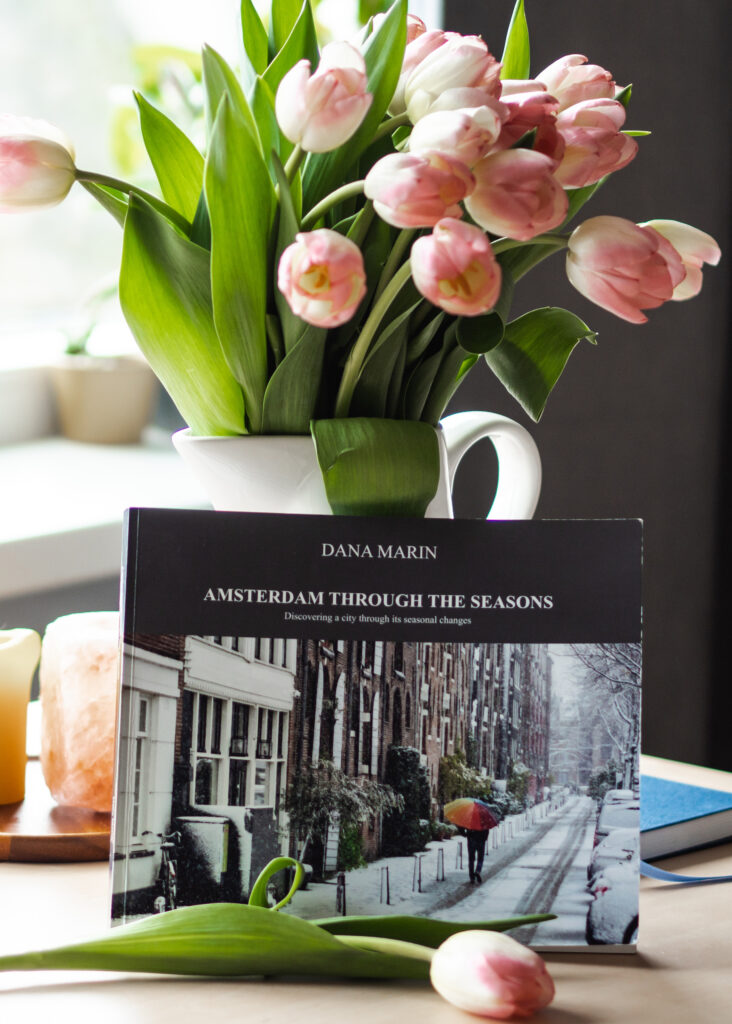
Check out my photo book: Amsterdam Through the Seasons!
Love what you’re reading? Support my work with a small donation.
And share this post if you liked it!






Excellent project!
Thanks!