
Last updated: May 2026
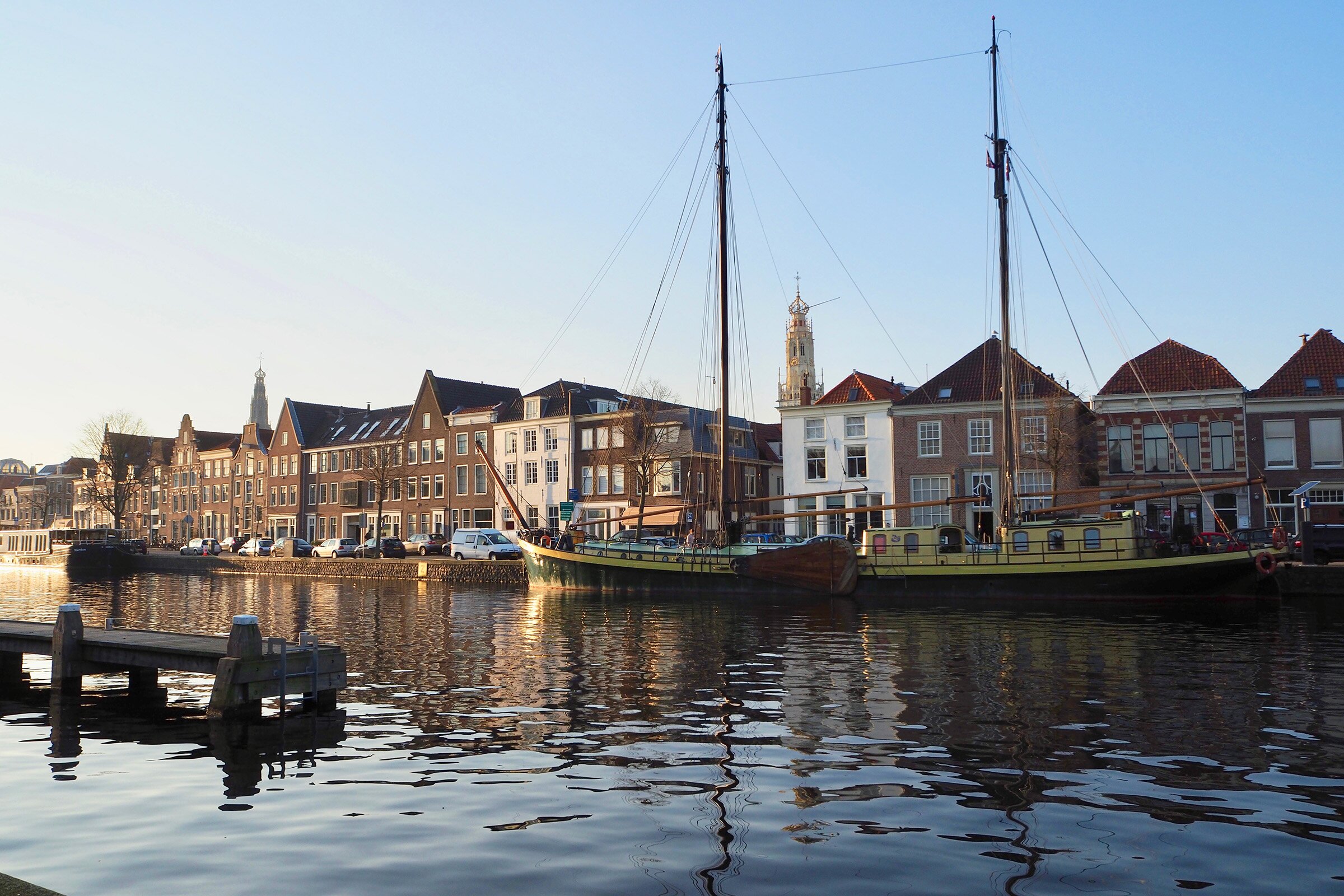
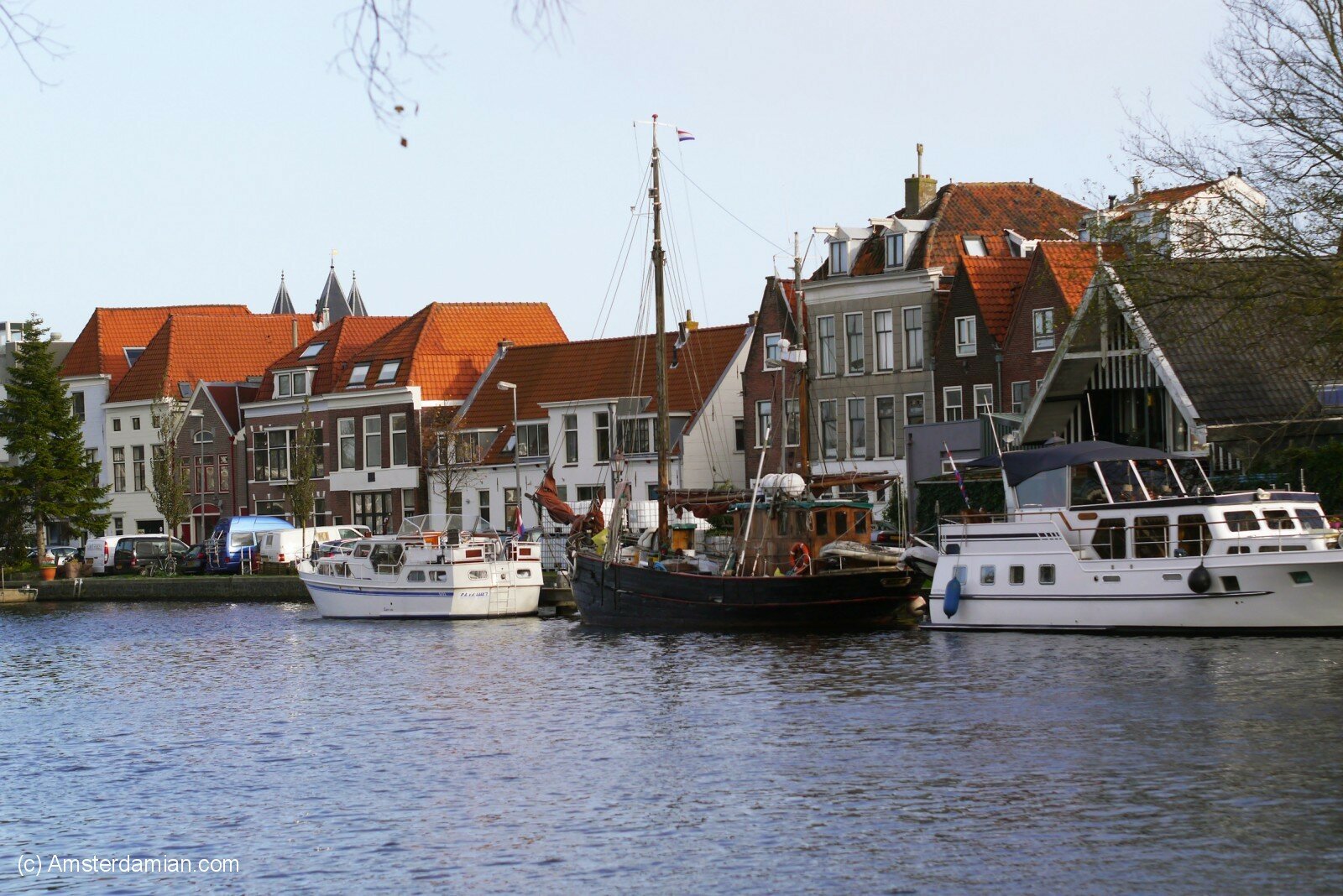
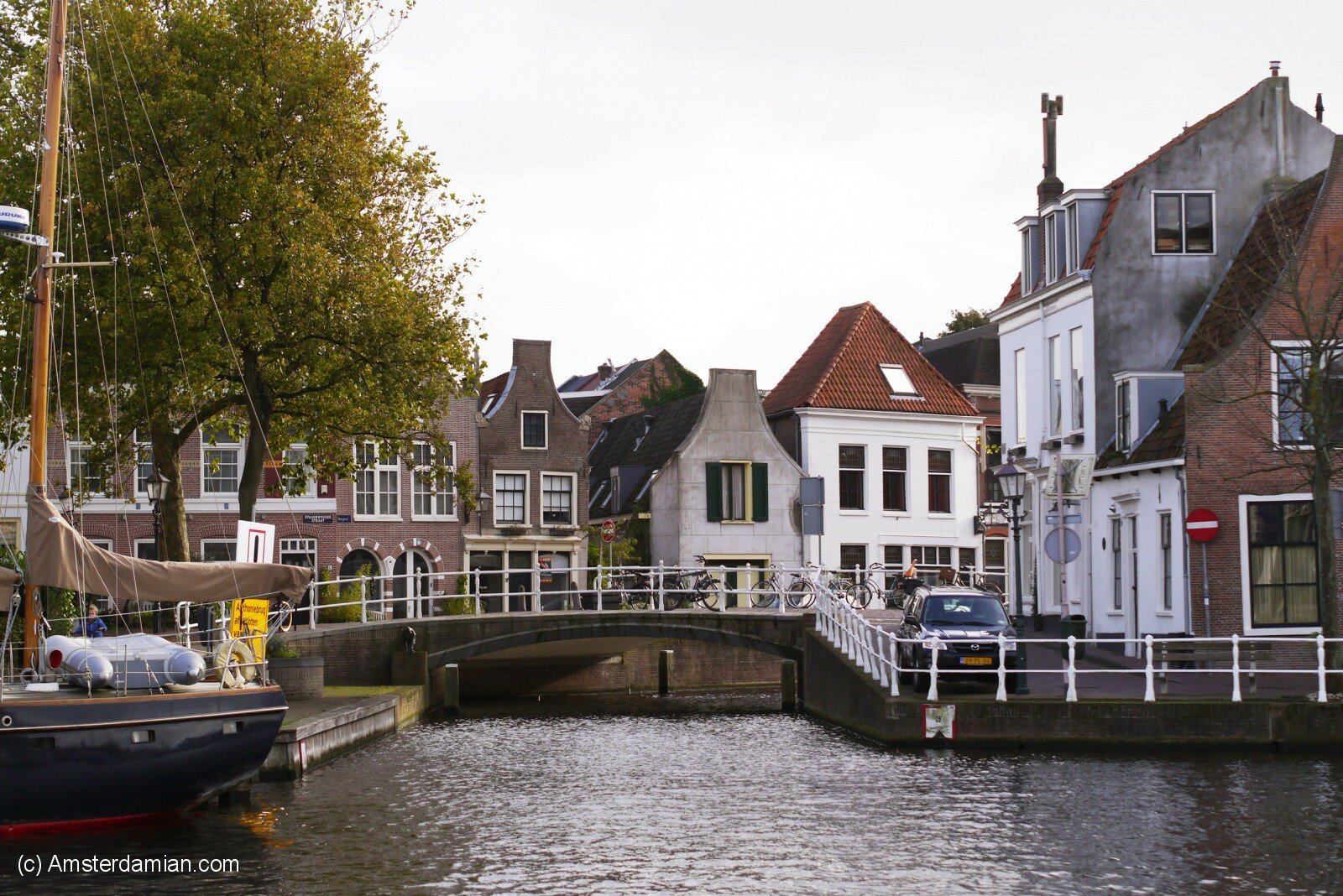
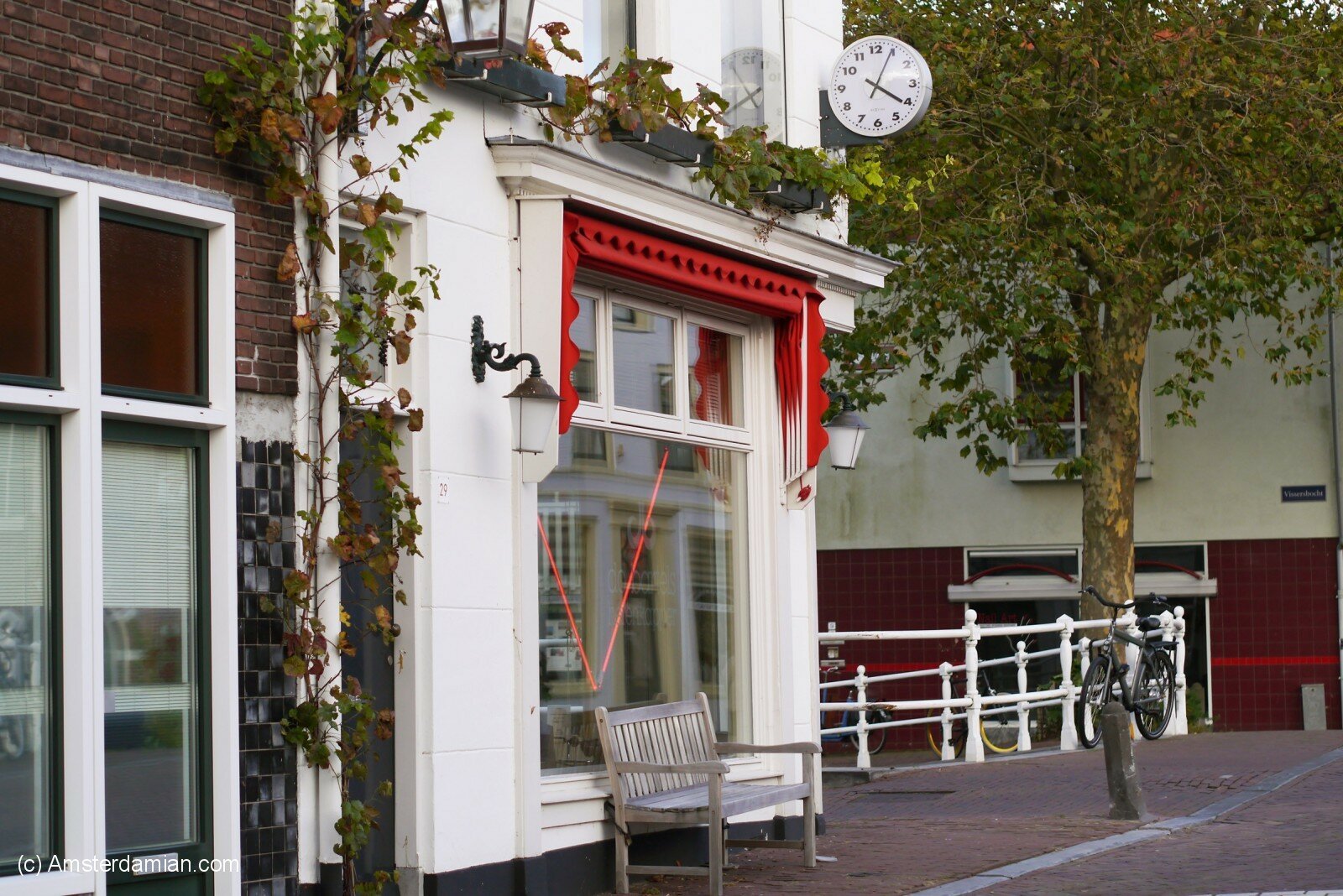
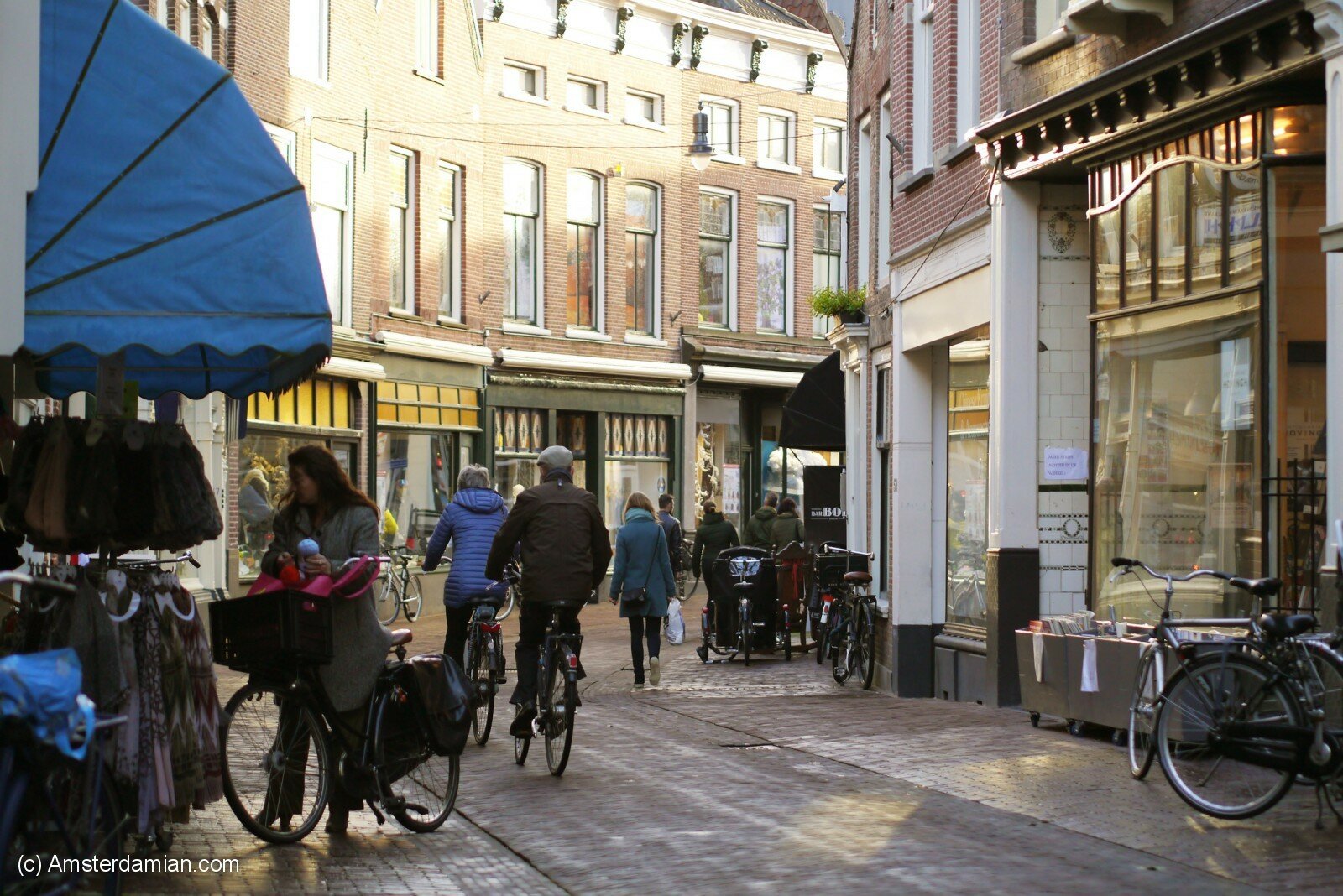
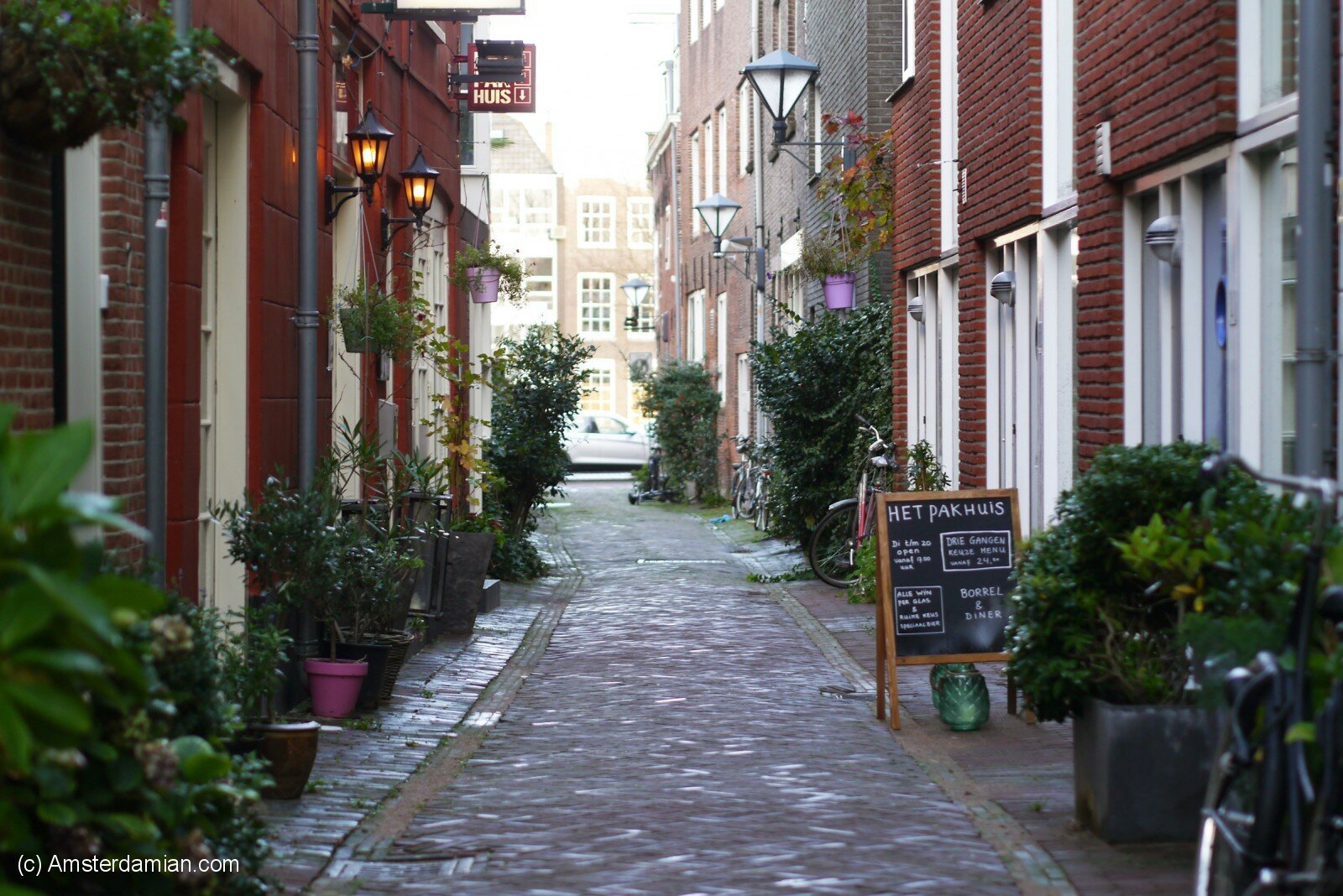
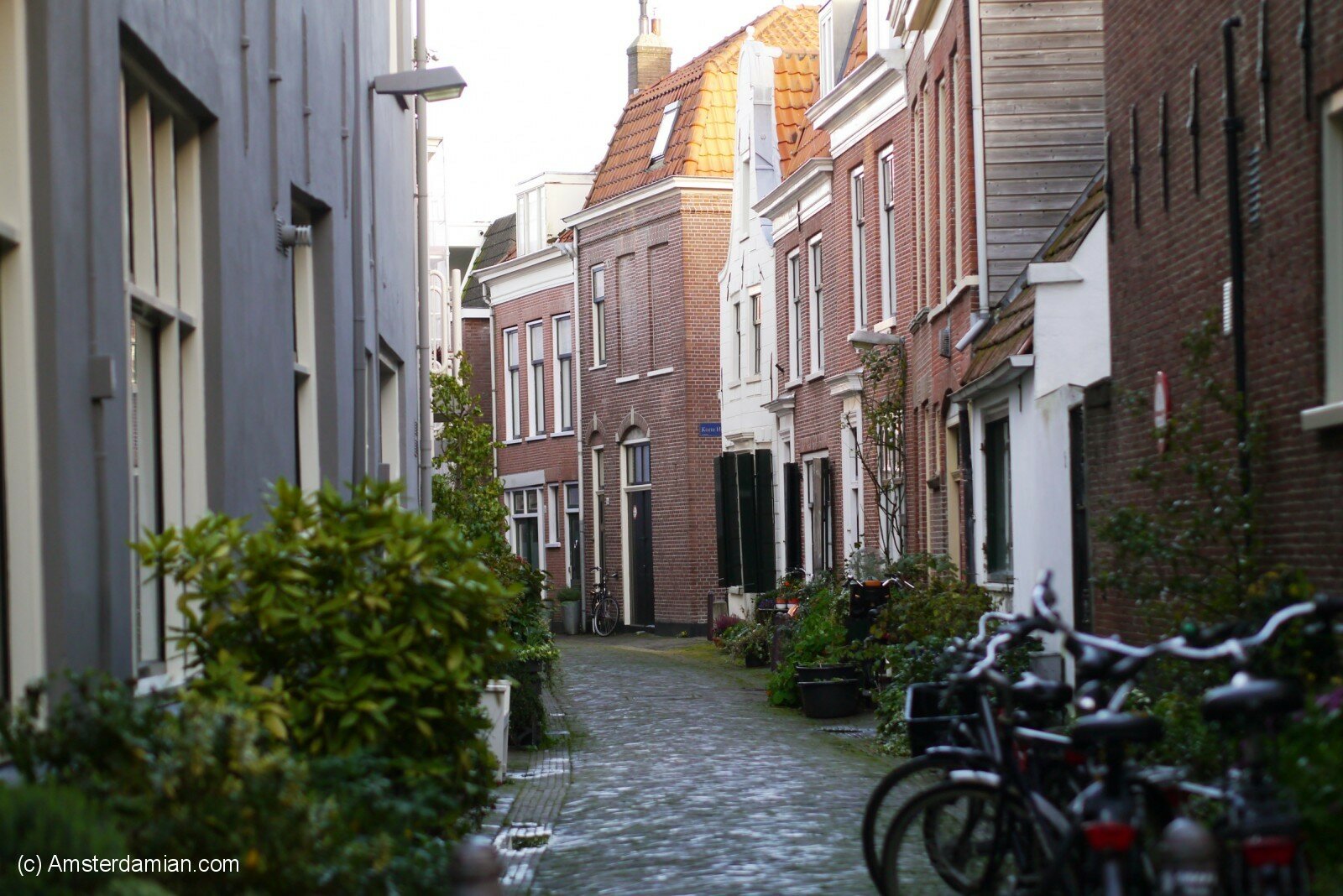
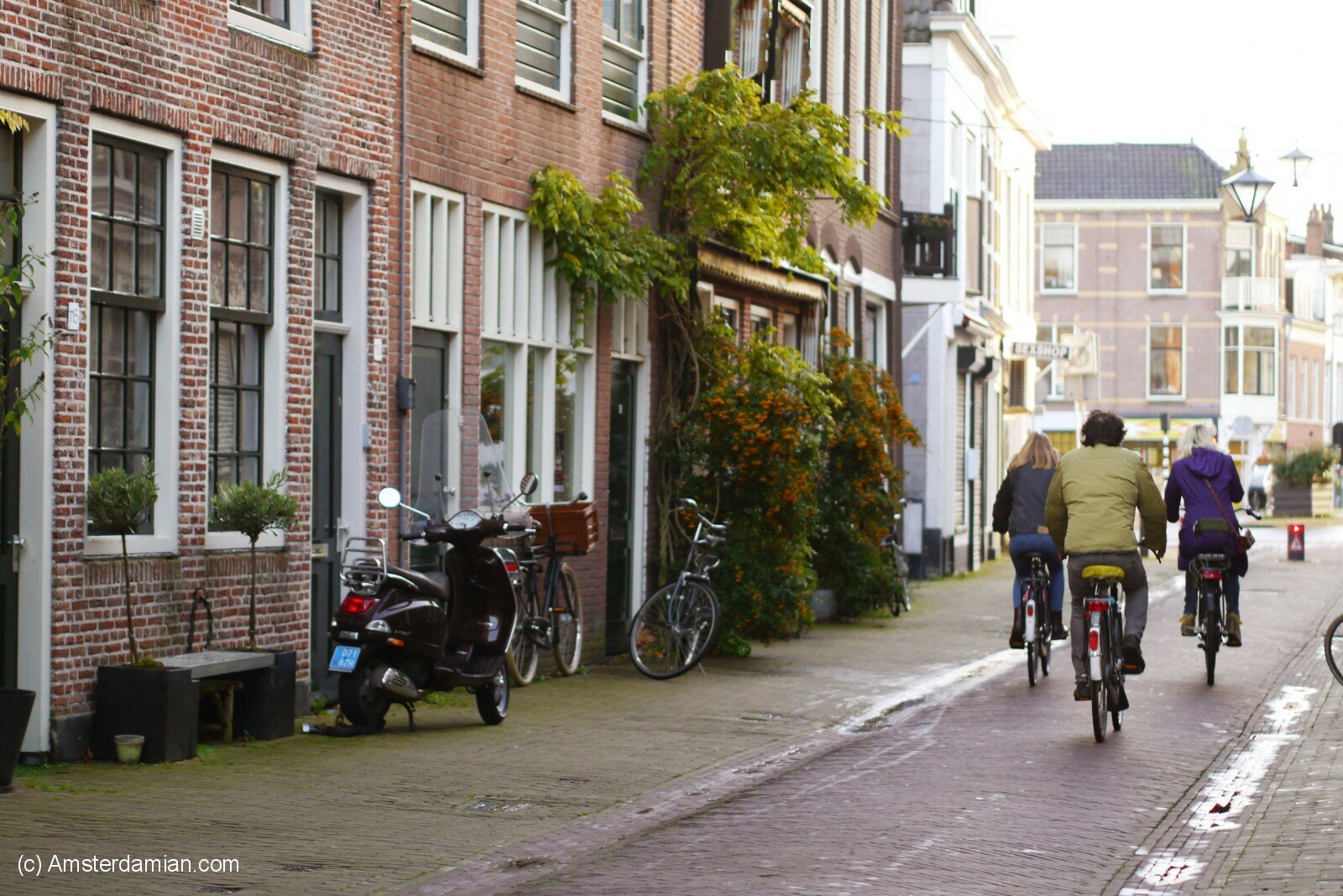
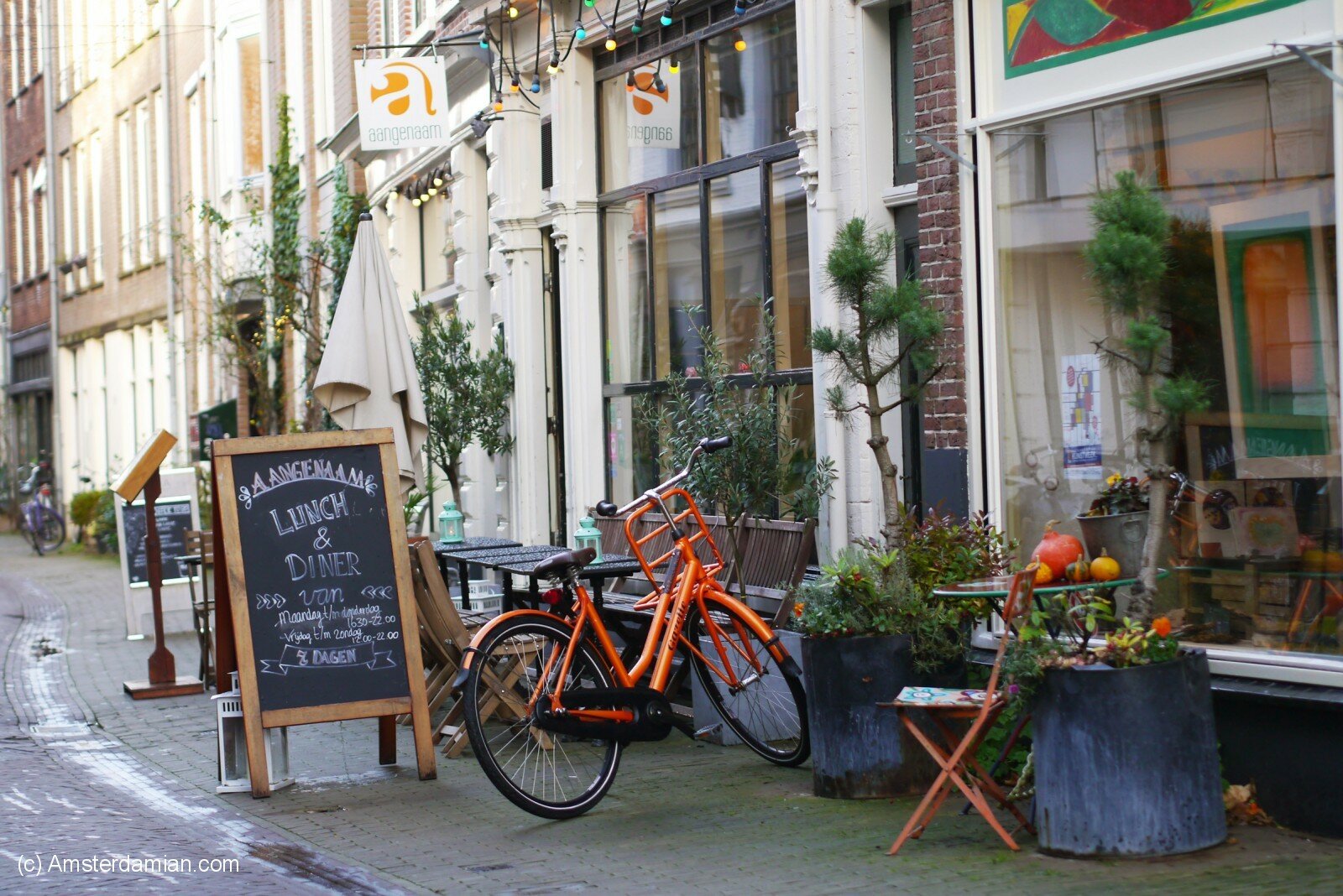
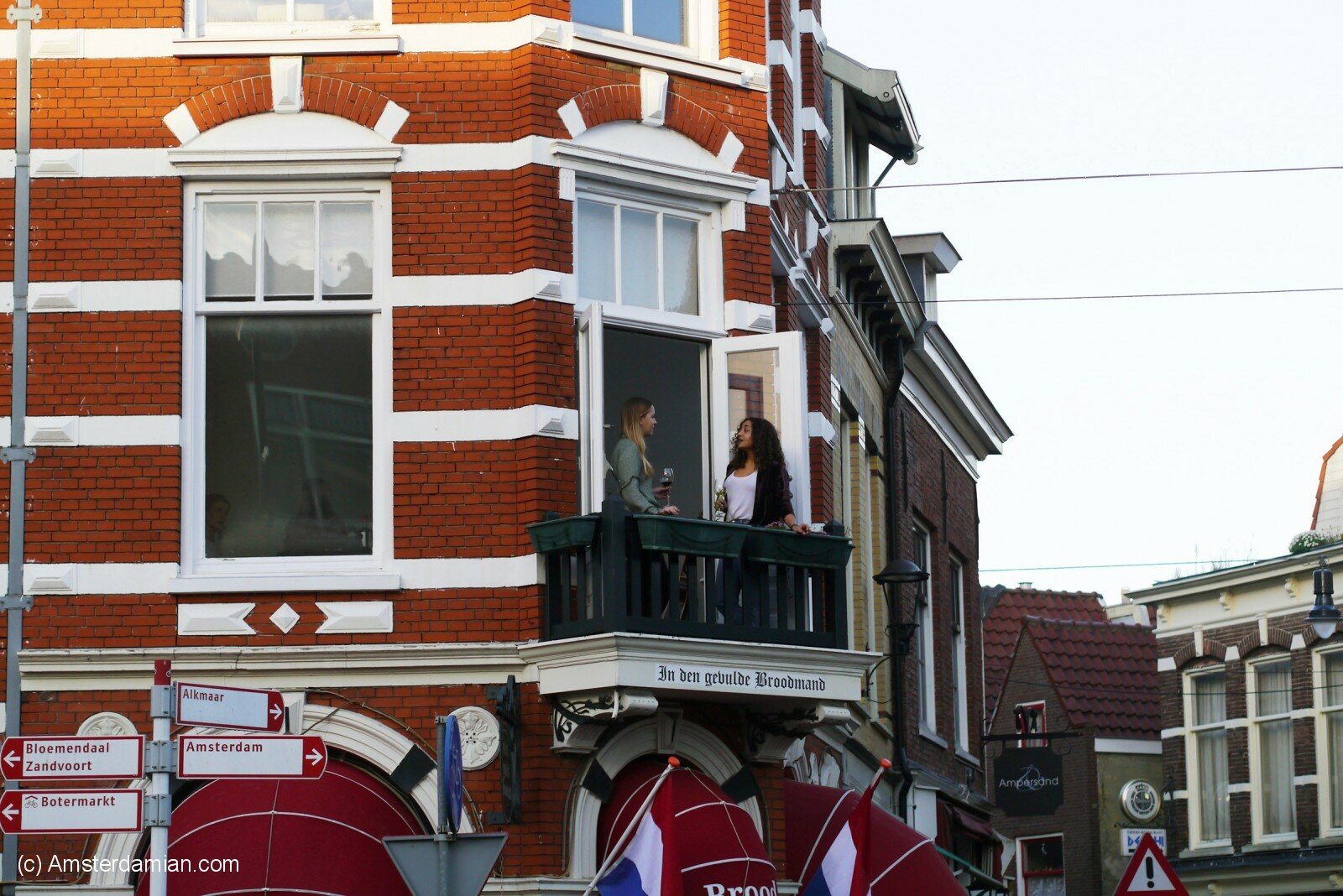
What better way to spend a windy afternoon than going on a day trip? Haarlem is so close to Amsterdam that it doesn’t really feel like leaving the city; only 15-20 minutes on the train and you’re there! This is one of the best day trips from Amsterdam that you can take, especially when time is short. You will instantly fall in love with the charming city of Haarlem, its narrow streets, the laid-back atmosphere and friendly people; and you will enjoy strolling through the quiet streets, with almost no tourists in sight.
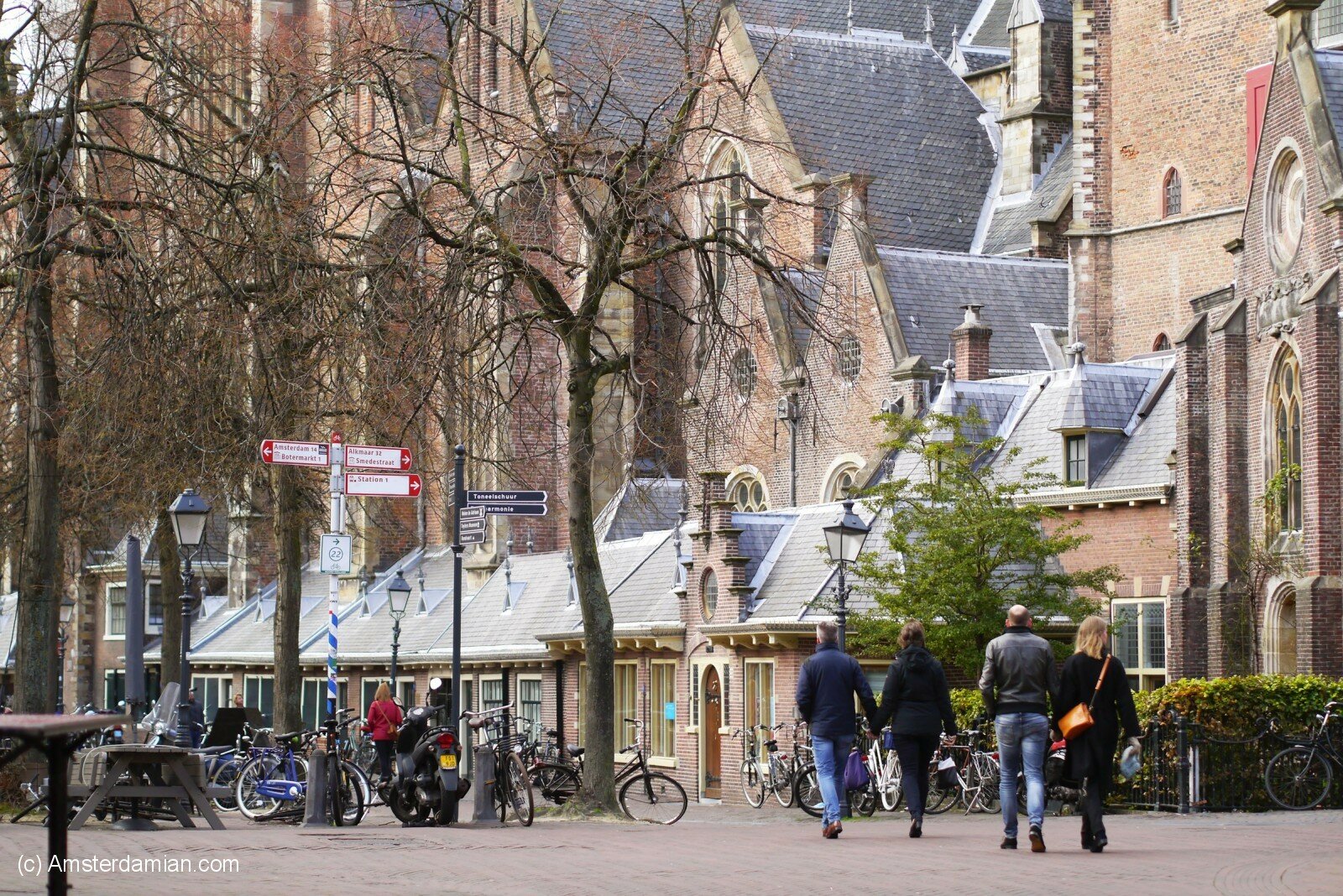
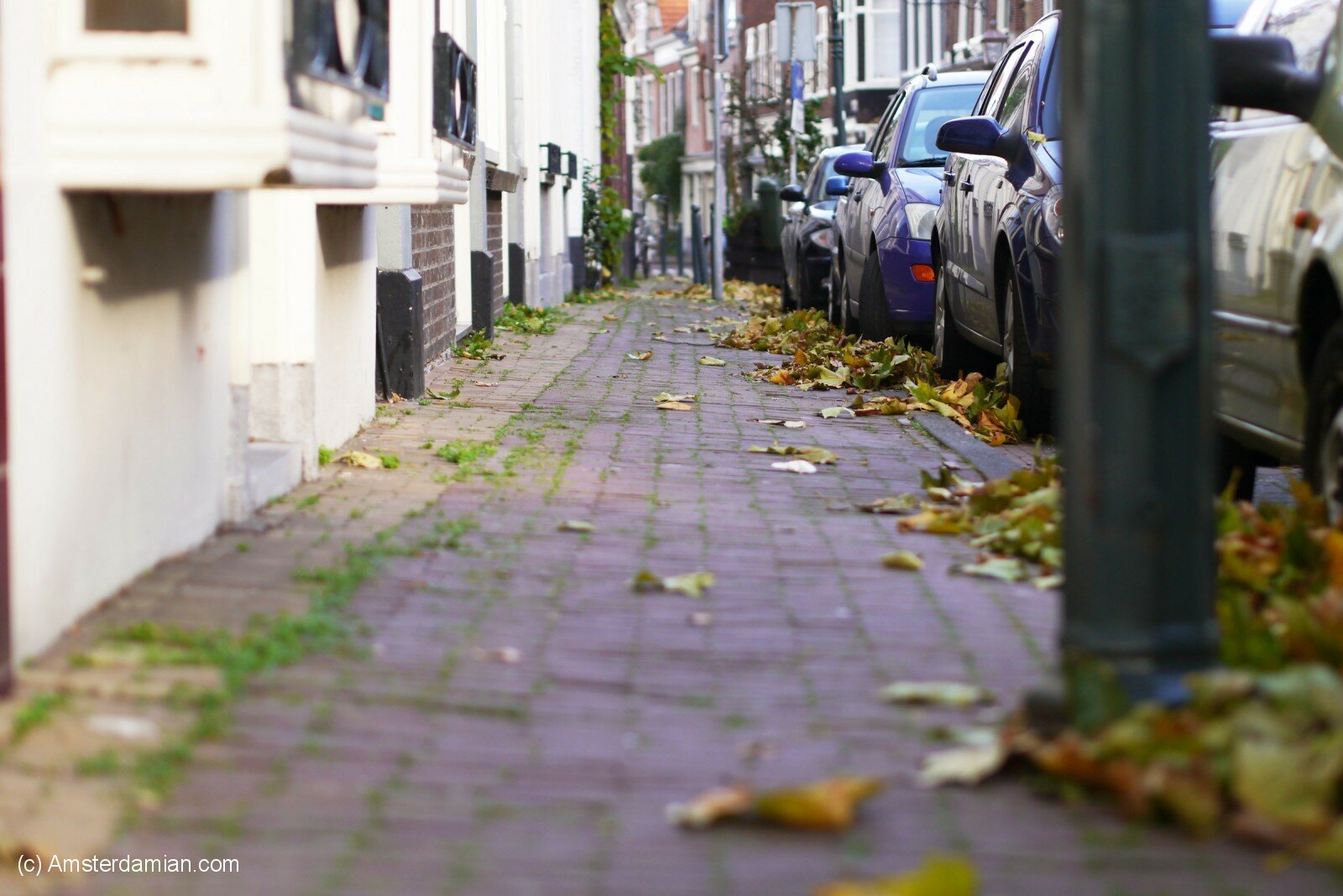
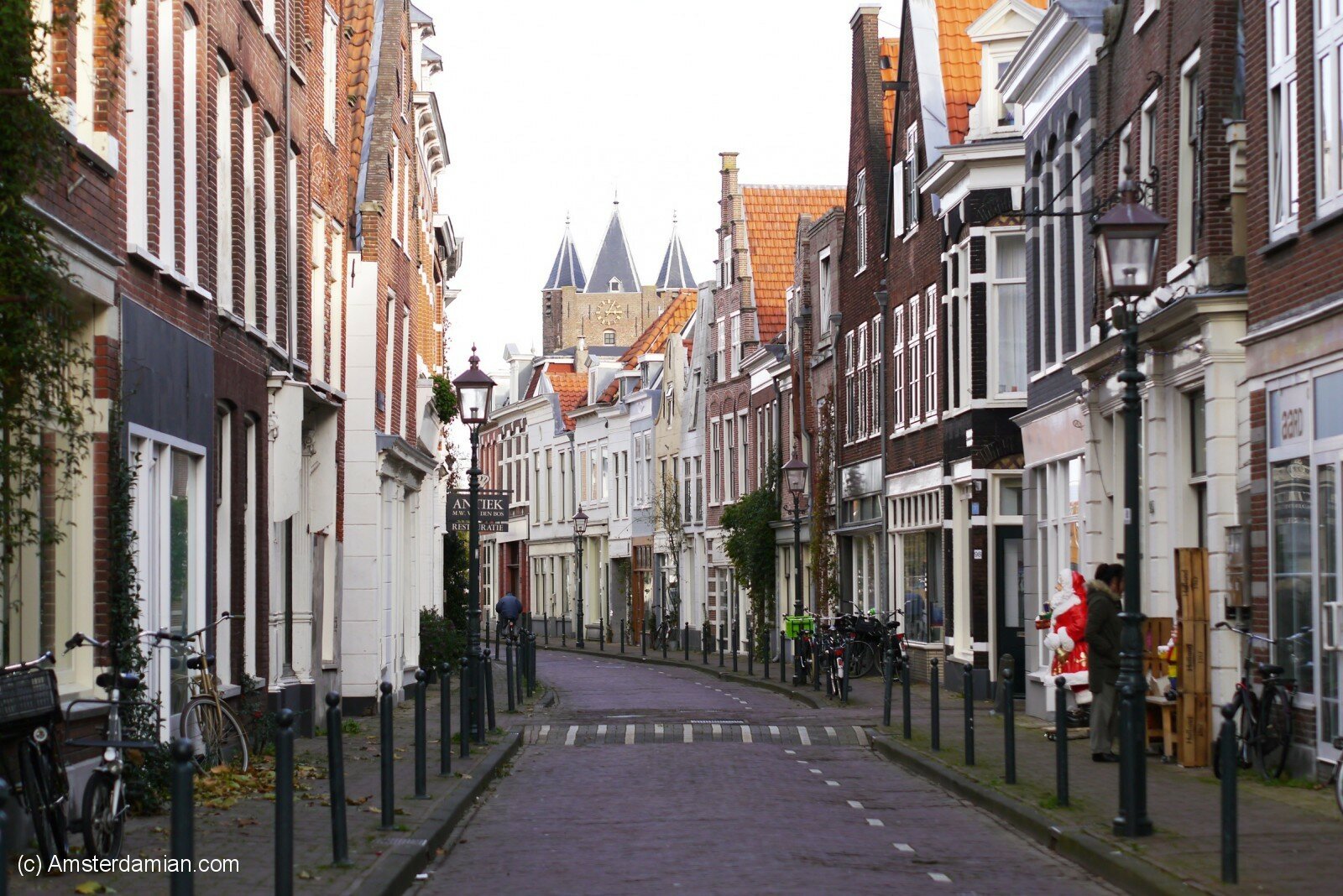
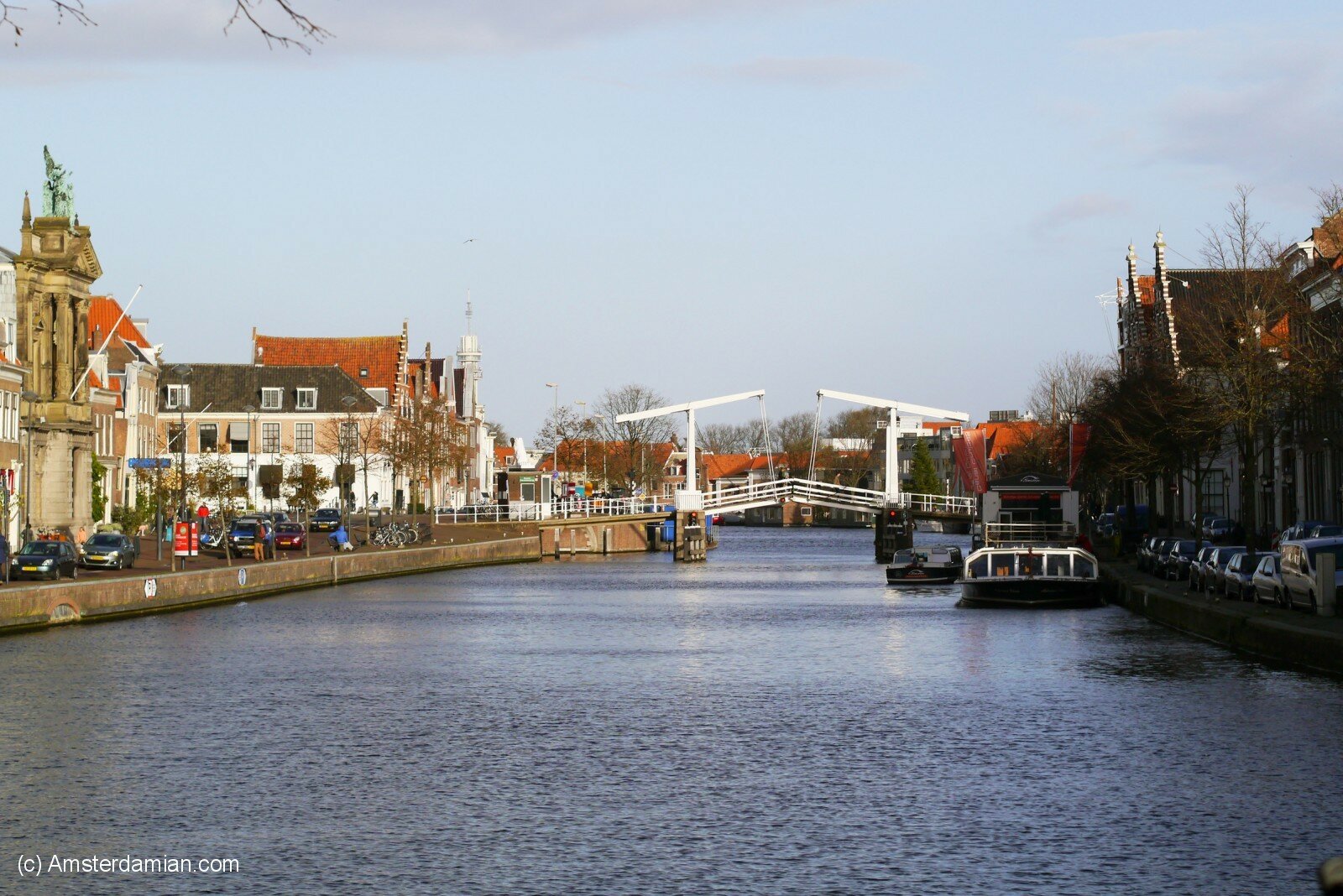
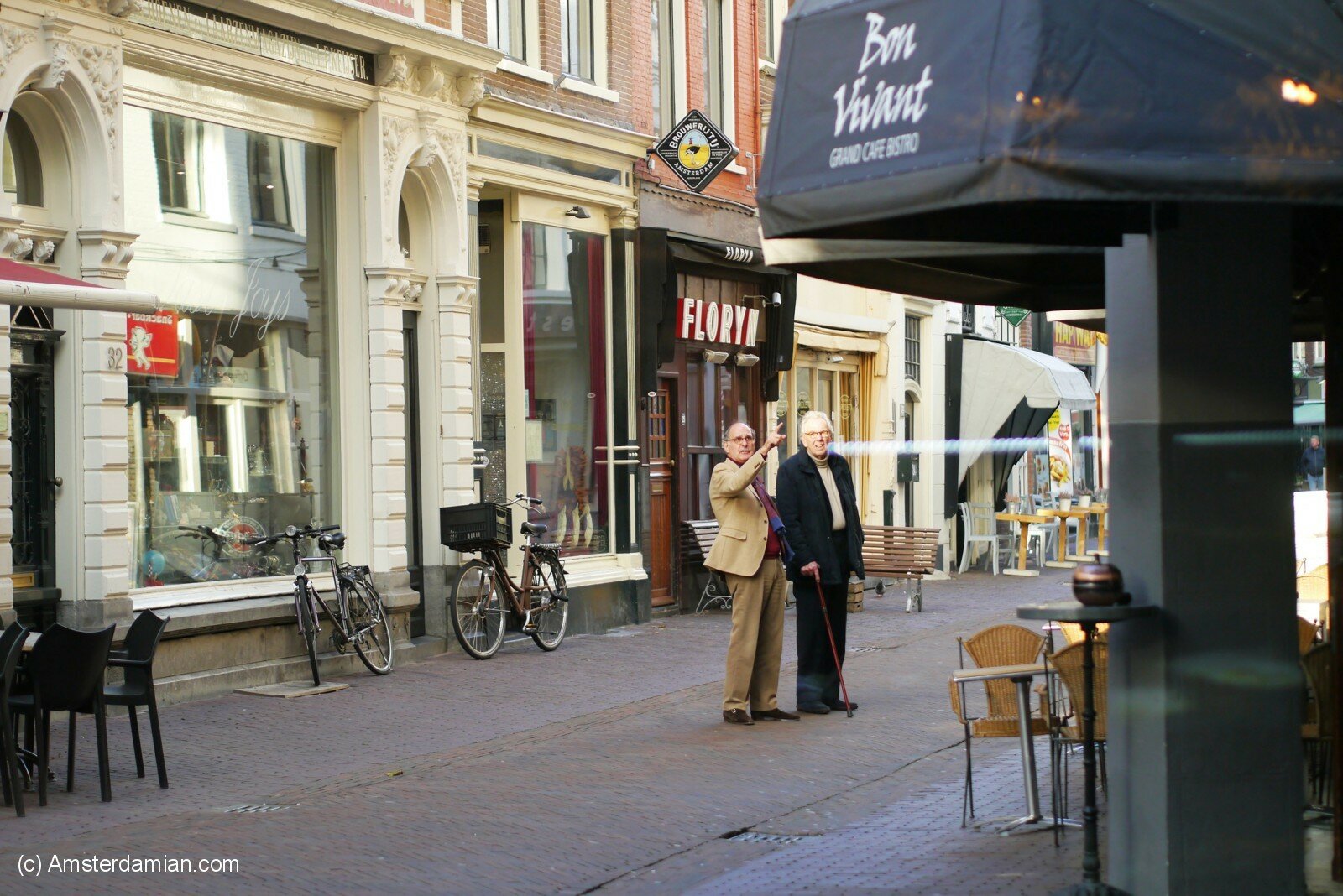
When Amsterdam becomes too overwhelming for my taste, I like to leave it, even for only a few hours. I take the train and go towards smaller towns, quieter places that offer me the much needed peace. The first time I visited Haarlem was on a windy afternoon when I decided to see how Haarlem looks like in autumn. There weren’t many yellow leaves left in the trees and a powerful wind was trying to send me back to Amsterdam, but I didn’t give up. I roamed the cosy streets of the old city centre, stopping here and there to warm up with a cappuccino and hide from the rain. I did a bit of shopping as well, and I even had an ice cream at Gelateria Bartoli. Because a sore throat is best treated with ice cream! I also discovered a pretty street scattered with art galleries (Spaarnwouderstraat) which leads the way towards Amsterdamse Poort, the old city gate.
I’ve been there many times since, and I love how every time I discover new places and new hidden corners, so I thought I’d create a guide for you, with the main things Haarlem has to offer. There will still be enough left to discover for yourself when roaming the streets, no worries. Haarlem breathes history through every brick and cobblestone.
Summary of this article:
- Why visit
- Brief history of Haarlem
- What to do in Haarlem
- Museums to see in Haarlem
- Where to eat and drink
- Yearly notable events in Haarlem
- Haarlem Parks
- What to see around Haarlem
- Practical tips
Why Visit Haarlem
Haarlem is Amsterdam’s quieter, more relaxed neighbour, and, for many people, it’s love at first sight. The city has everything Amsterdam has (canals, historic architecture, world-class museums, excellent food) but without the crowds. It’s the capital of North Holland province, it was a major cultural hub during the Dutch Golden Age, and it gave its name to New York’s Harlem. It’s also a fantastic base if you want to explore the coast, the tulip fields, or the dune national parks, which are all within cycling distance.
What I love most about Haarlem is that it feels like a real, lived-in city rather than a tourist destination. People here aren’t performing for visitors, they’re just going about their day, and you get to be part of that. It’s the kind of place where you come for an afternoon and immediately start wondering what it would be like to live here.
A Brief History of Haarlem
Haarlem is a place of rich history, and it has many stories to tell. This city is the capital of the North-Holland province, and is situated 20 km west of Amsterdam, towards the coast. Archaeological research shows that the area has been inhabited since long before the city received its official rights in 1245. From a small village on the banks of the River Spaarne, it quickly grew into an important trading centre in the region. During the Dutch Golden Age in the 17th century, Haarlem experienced a period of great prosperity and cultural significance, with its artists and craftsmen producing some of the most renowned works of art and crafts in the world. It was home for many powerful and rich people and a centre of culture and trade.
Today, Haarlem is a vibrant and charming city, boasting a wealth of historic architecture, cultural landmarks, and picturesque canals that draw visitors from all over the world. It’s also a popular relocation destination for people who leave behind the busy Amsterdam in search of a more relaxed home. It’s a great place to live and also a great place to visit, for a day or even for a weekend.
✨Day-trip suitability
International visitors: ● ● ● ● ● — A must on a first visit
NL-based day-trippers: ● ● ● ● ● — Worth planning a day/weekend around
● Circles indicate suitability, not quality. Some subjectivity included. How to read these ratings 📜
This page includes affiliate links. If you click and purchase, I may receive a small commission at no extra costs to you.
What to do in Haarlem
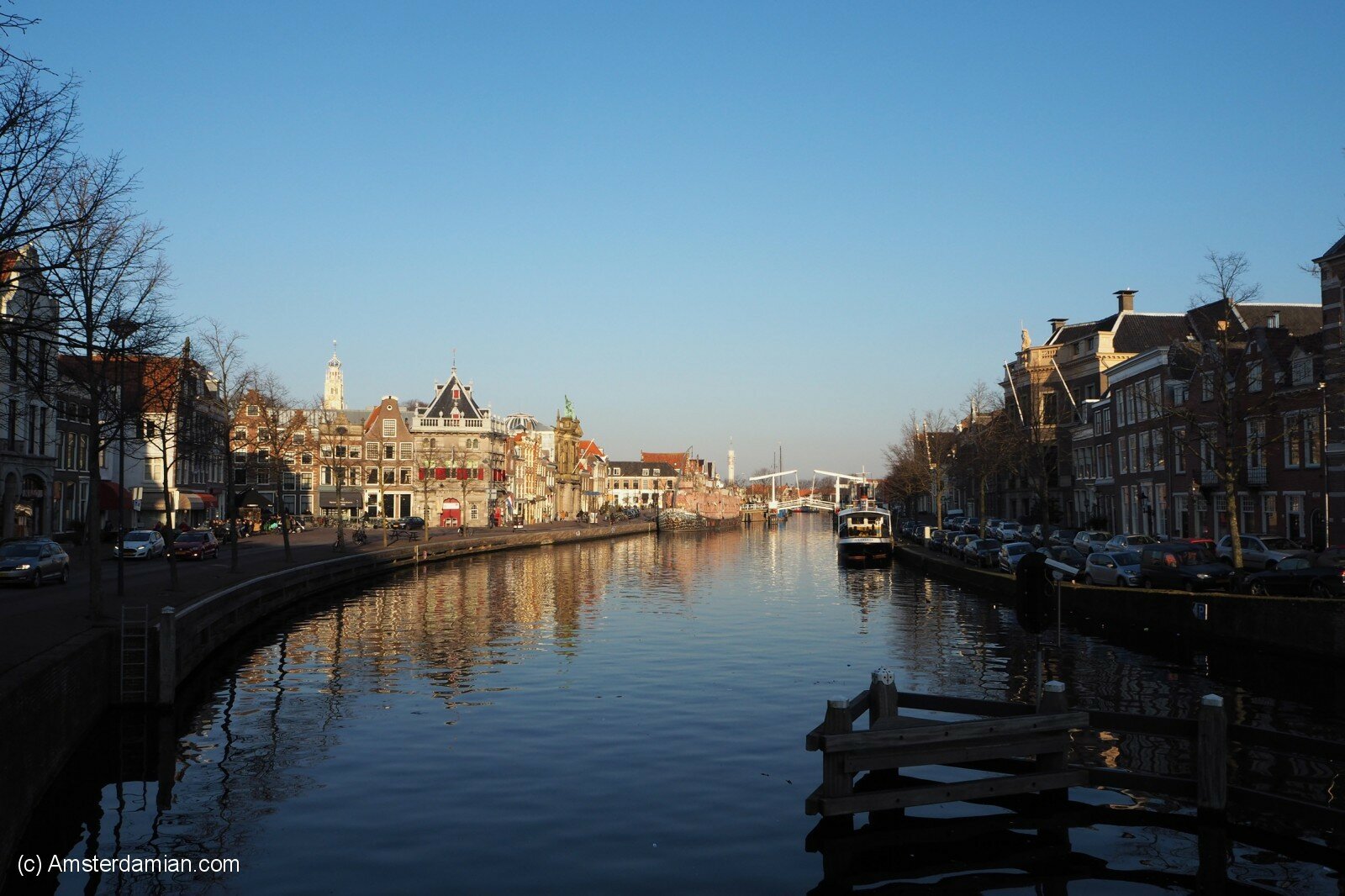
The first thing you should know is that Haarlem can be visited on foot. There’s no need to think about public transportation while you’re there. If you travel to Haarlem by train, you can start the tour at the train station, which is a beauty itself: an Art Nouveau building, still decorated with old elements, like the tiles indicating the waiting room areas. After leaving the station, just walk towards the city centre, which you can explore by walking from place to place. My favourite things to do in Haarlem:
● Wander around the city centre
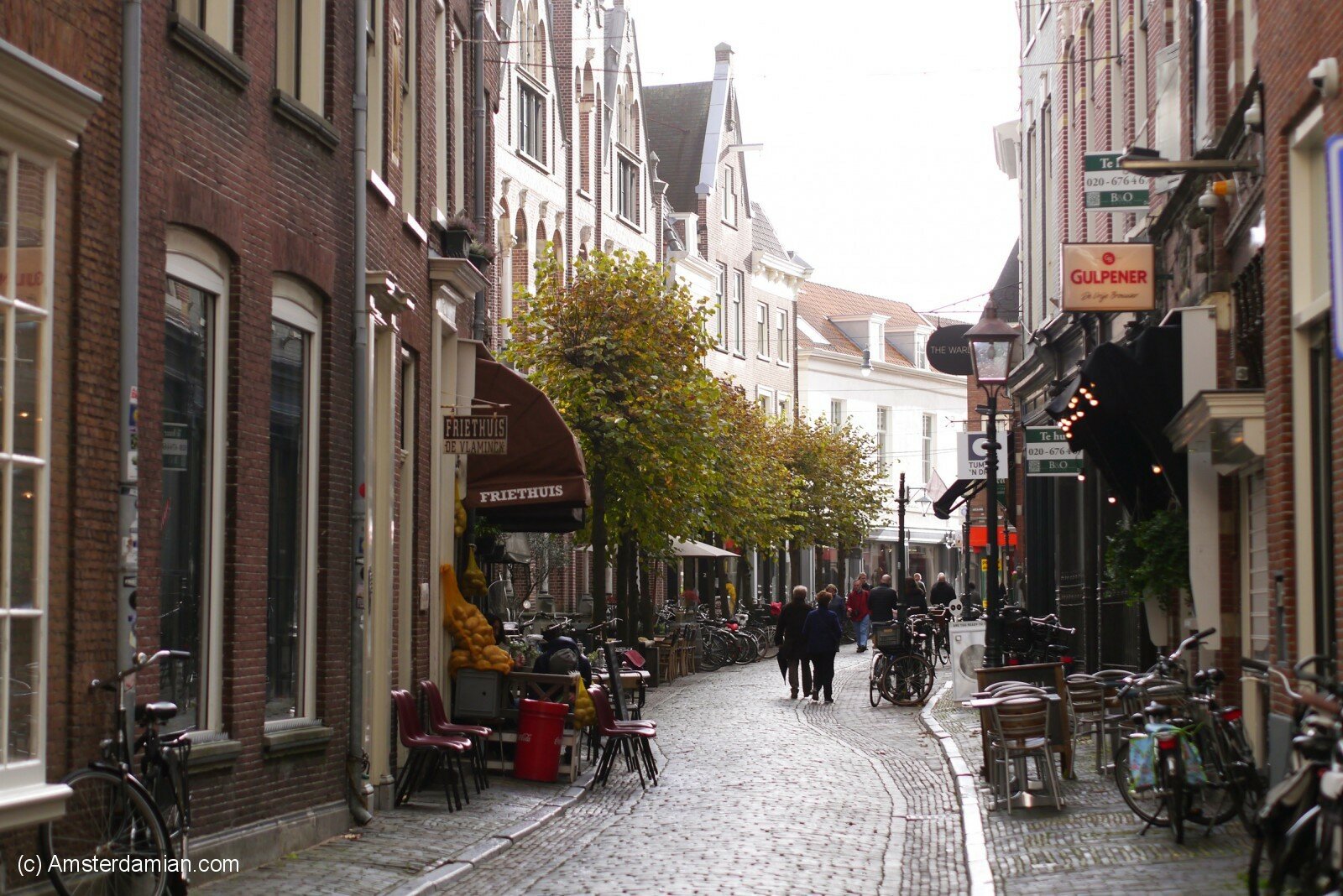
We are all different when it comes to visiting places. Some like to check out all the important sightseeing of a city, some like to visit museums and others like to wander around and get the feel of a place, taking pleasure from discovering the hidden gems by themselves. I am more of the latter type of traveller, and walking aimlessly around a city is my favourite thing. There are many places to discover in Haarlem, and the fact that is a small city guarantees you will find at least a few gems, even if you won’t carry a list with you.
● Take a canal tour
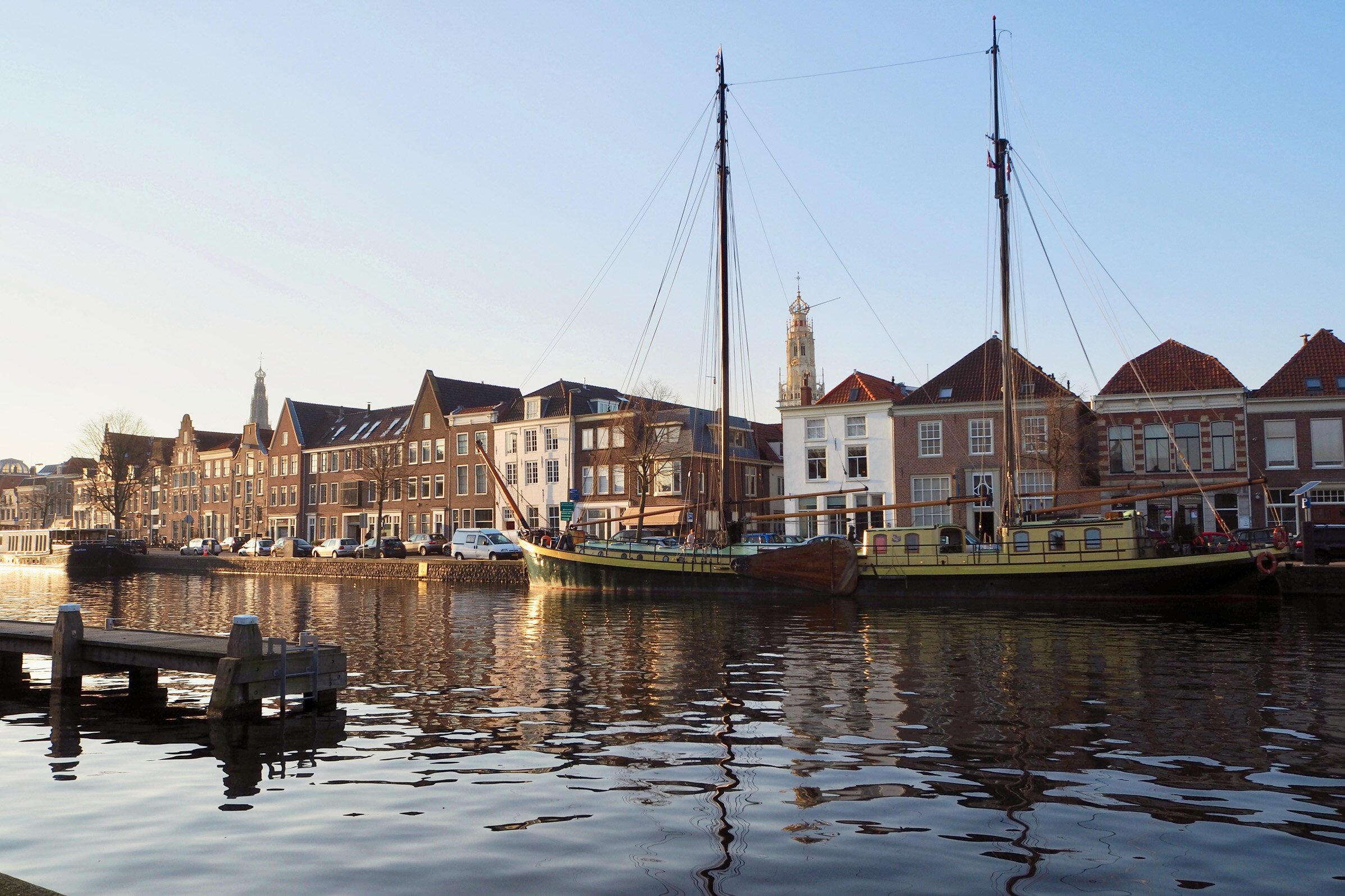
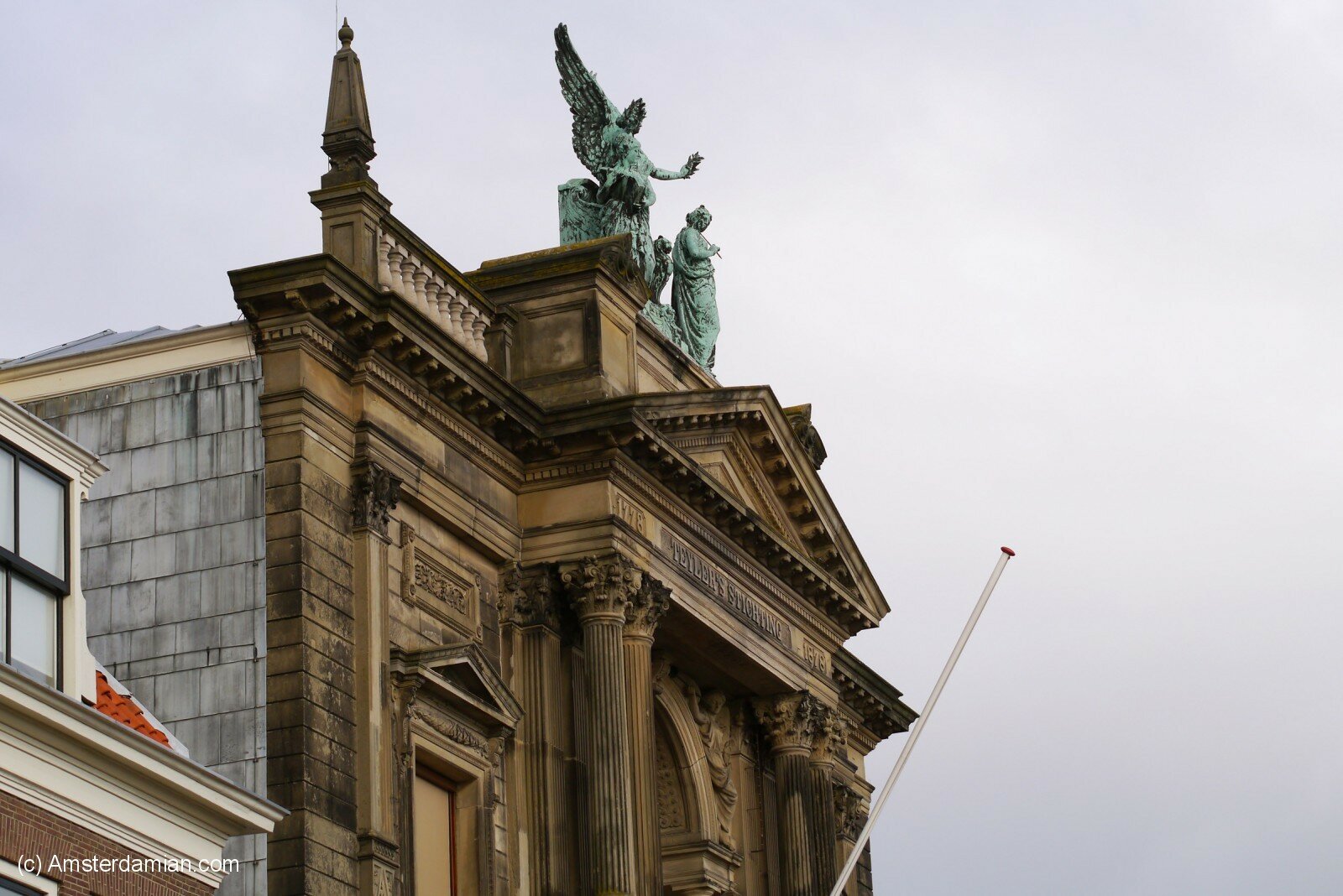
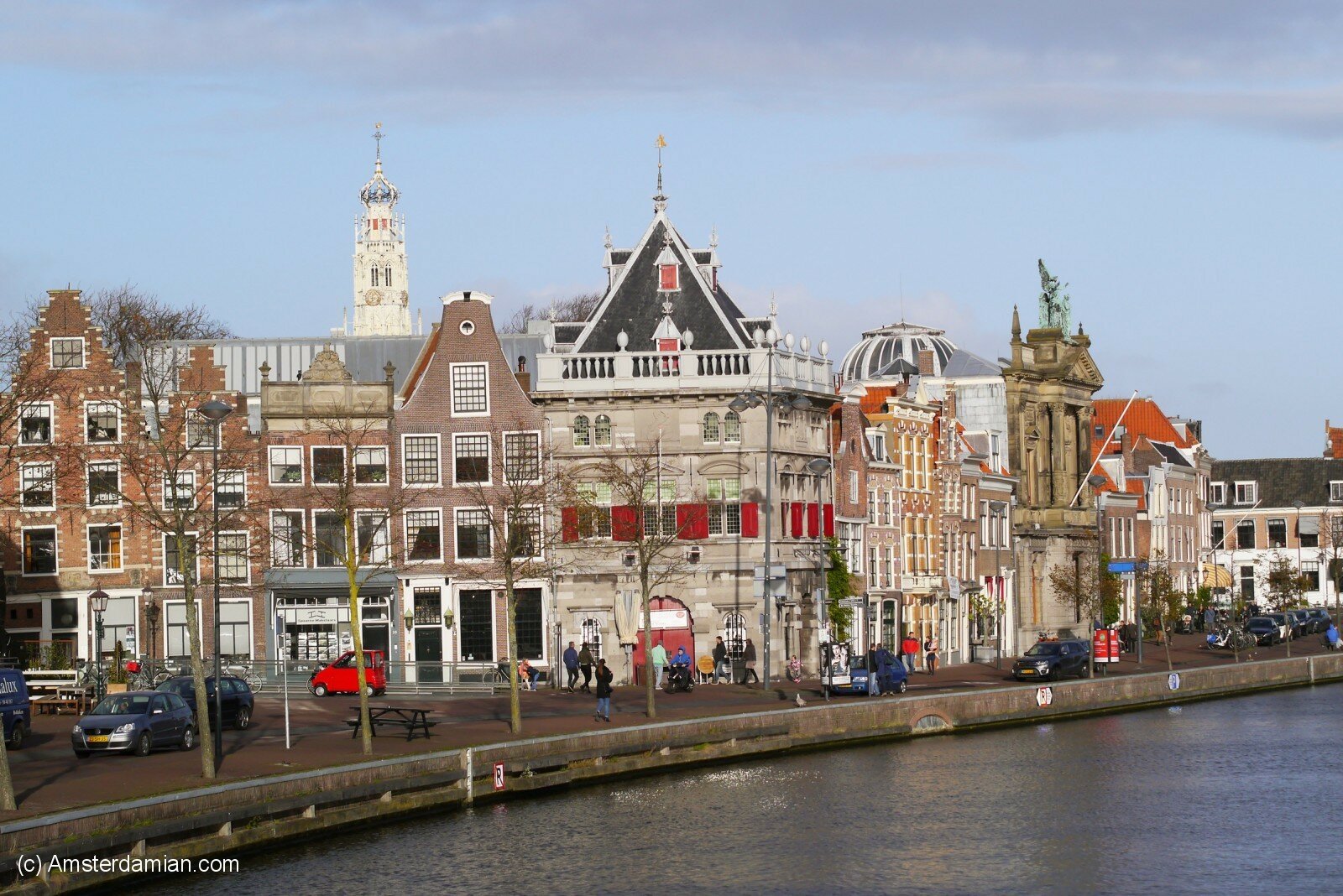
There is something special about seeing a city from a boat: the new perspective shows a new side of the place, and you can cover a lot in a shorter time. The canal tour typically starts at one of the several pick-up points along the river Spaarne, where you can board a boat that takes you on a leisurely cruise through the city’s canals. As you glide along the calm waters, you will be able to enjoy the scenic views of the city’s iconic landmarks, such as the imposing St. Bavo Church, the historic Teylers Museum, and the centuries-old windmill ‘De Adriaan.’ The knowledgeable guides will provide you with interesting facts and insights into the city’s fascinating history, including its role as a trading centre during the Dutch Golden Age and its importance as a cultural hub. As you make your way along the canals, you will also have the opportunity to admire the stunning architecture of the city’s historic buildings, many of which date back several centuries. From grand mansions to charming townhouses, Haarlem’s buildings are renowned for their unique style and character.
↪ Book a canal tour here: Haarlem Canal Cruise
● Taste local beers at the Jopenkerk
This is a former church, transformed into a restaurant and microbrewery. I love how the practical Dutch transform church buildings into something else, when they are no longer used as worshipping places! The brewery itself cannot be visited because the space is too small; however, you can watch the brewing process while you are sipping a Jopen beer. Jopen is one of the largest independent craft breweries in The Netherlands and if you are a fan of special beers, you don’t want to miss this one. Beer brewing was an important industry in Haarlem for centuries; in 1620 the city numbered no fewer than 100 breweries! Fun fact: until the 16th century, the beer was produced using water from the city’s canals. When this became too polluted, a special canal was built to bring water from the surrounding dunes area. The canal still exists today and it’s called Brewers’ Canal (Brouwersvaart).
● Take a guided tour of Molen de Adriaan (de Adriaan Windmill)
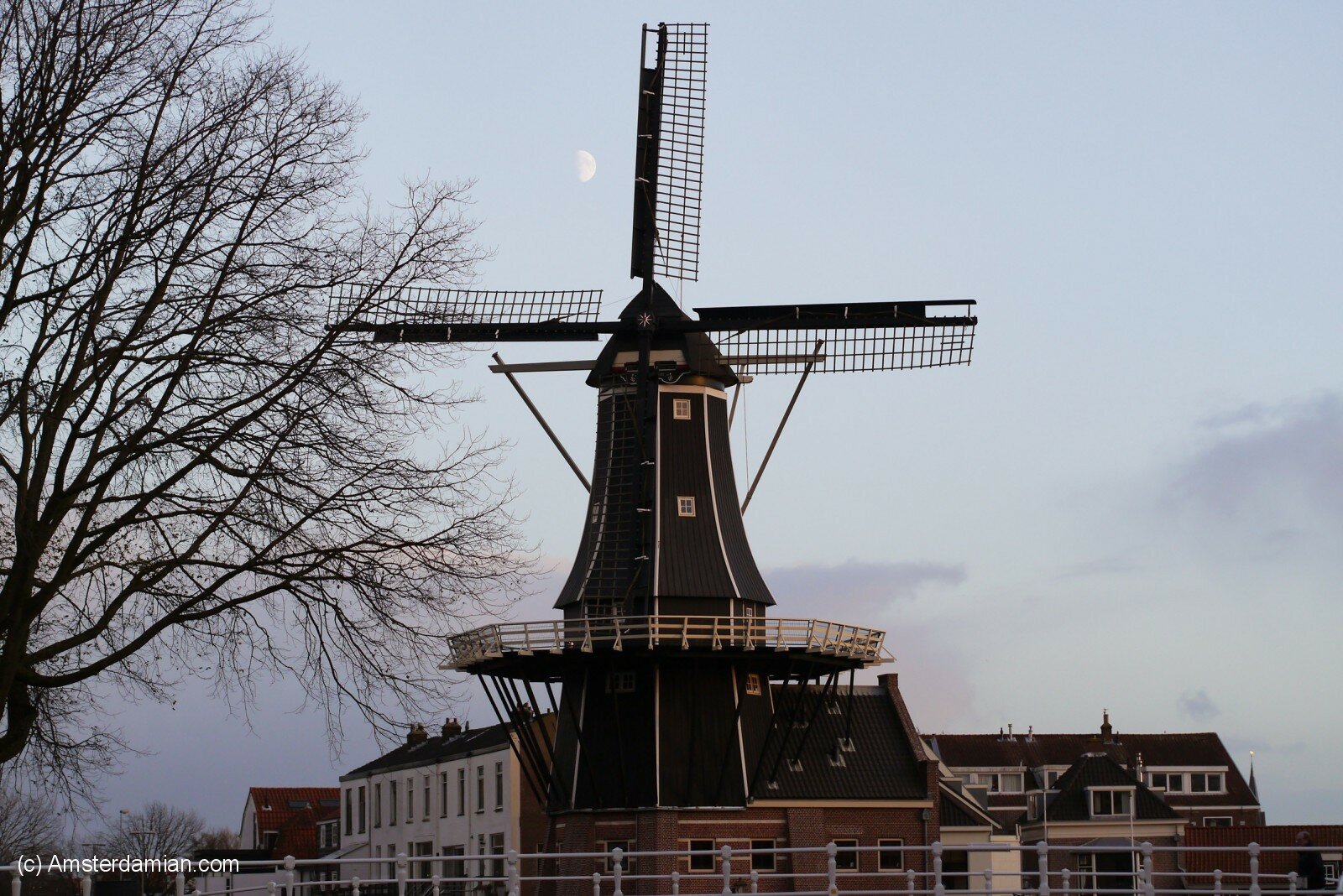
It’s impossible to miss this windmill while you are strolling the streets of Haarlem (it’s even visible from the train, when you approach the city). De Adriaan is a smock mill – which means it’s a wooden towered mill. This historic windmill is located on the banks of the river Spaarne, and it has played a significant role in the city’s history for over 250 years. Molen de Adriaan was built in 1778 on top of an old defence tower and put into use in 1779. It was completely destroyed in a fire in 1932. The locals combined their efforts to rebuild it, and on 23 April 2002, exactly 70 years after the fire, Haarlem got its windmill back.
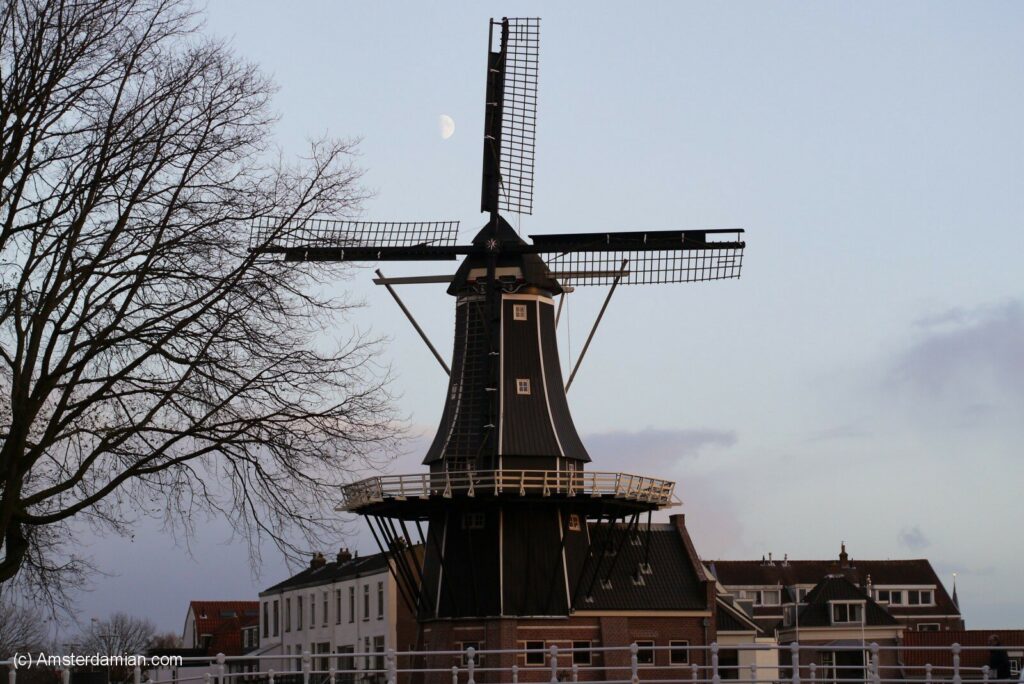
Today, visitors to Haarlem can explore the restored De Adriaan windmill and learn about its history and the vital role it played in the city’s development. The museum offers guided tours that take visitors through the various levels of the windmill, from the grinding floor where the grain was processed, to the roof where you can go out and admire the scenic view over the city. In addition to its historical significance, Molen de Adriaan is also a symbol of the resilience and determination of the people of Haarlem. Despite its destruction and long period of neglect, the windmill has been lovingly restored and preserved, reminding us of the importance of our cultural heritage and the power of community.
● Set on a quest to find the hidden courtyards (de hoofjes)
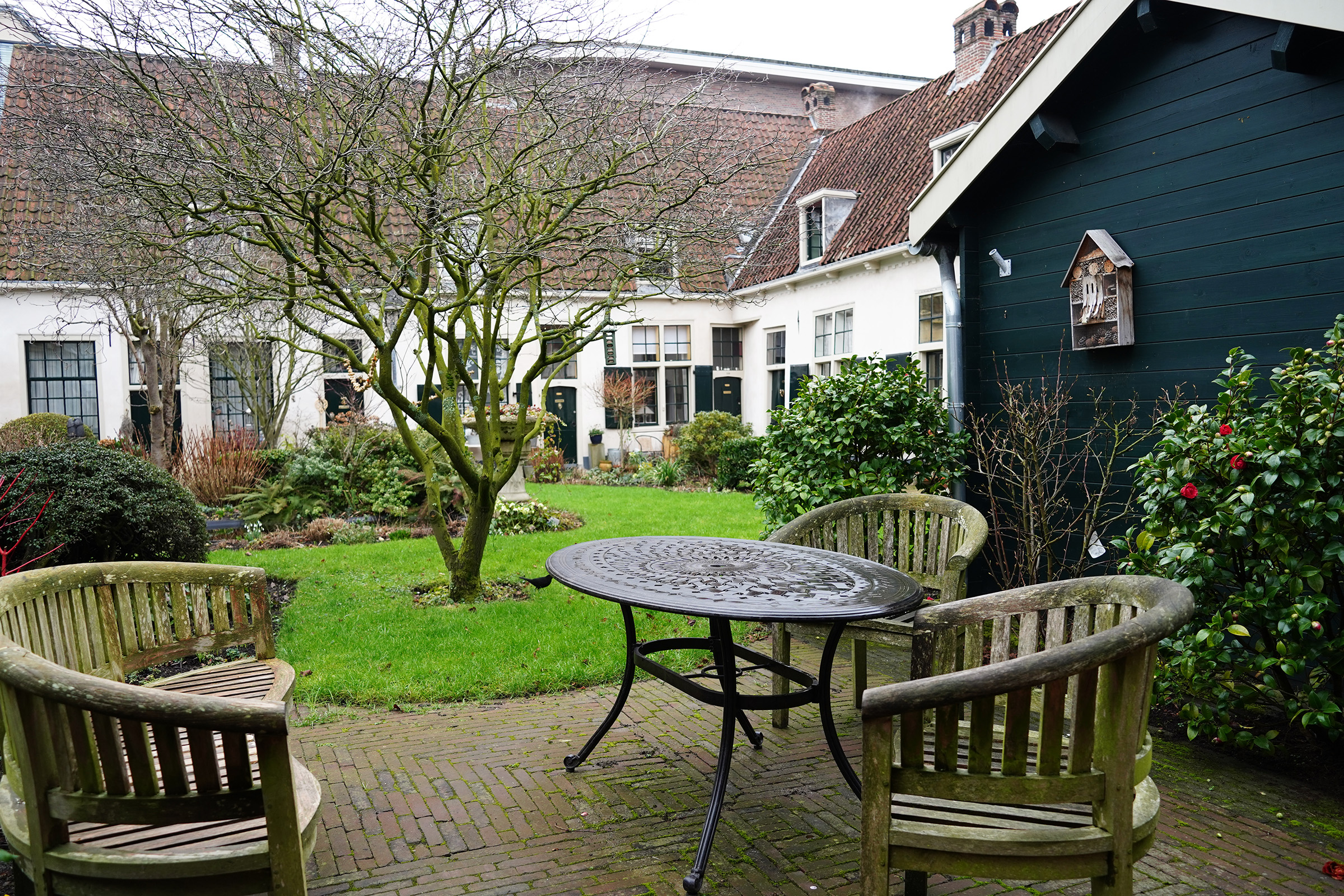
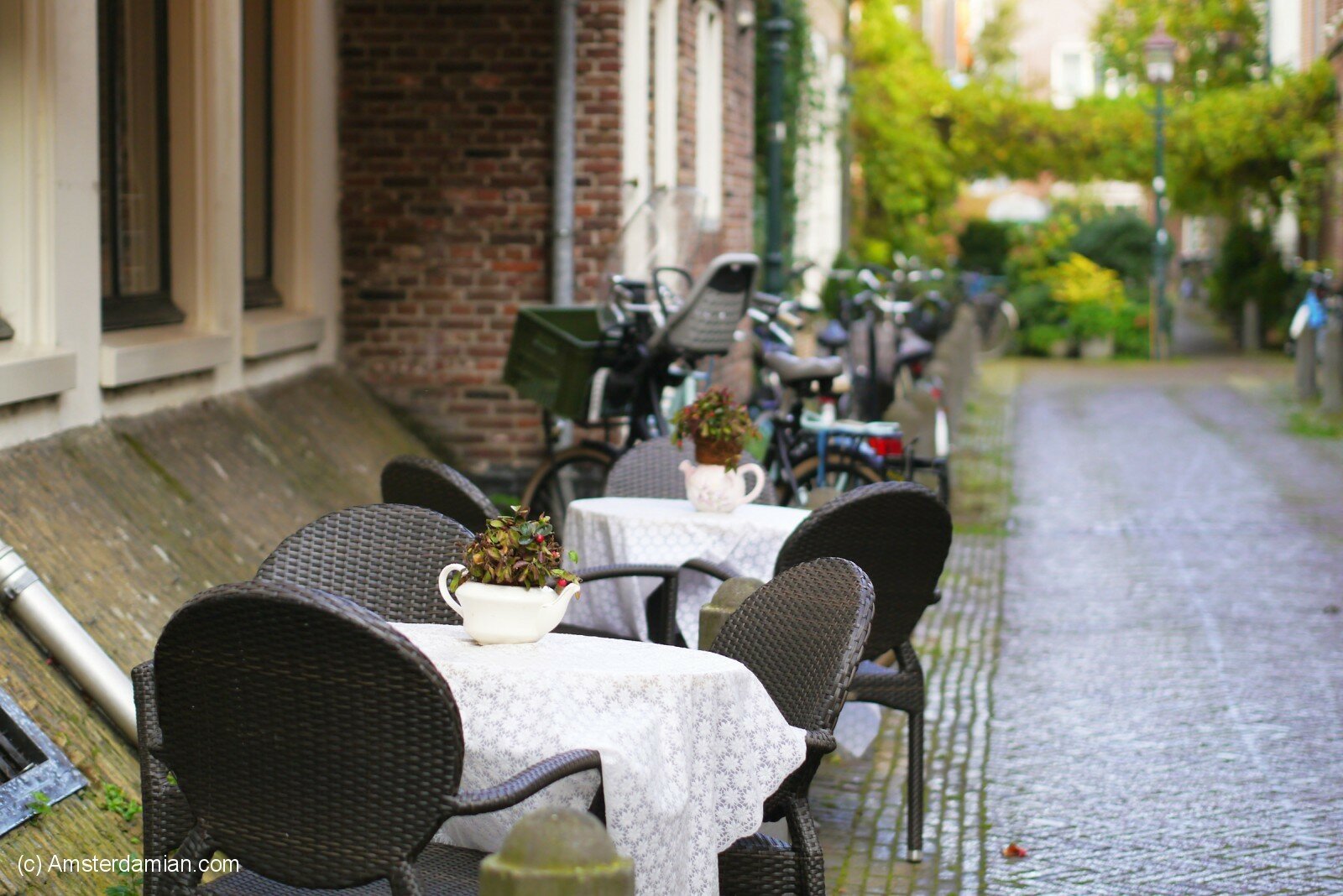
Hofjes are enclosed courtyards, most of them with gardens, green oasis hidden behind buildings. This is one feature of Dutch cities that I like so much, probably because it was such a surprise to discover it. Streets that are more or less green, sometimes mainly brick walled, hide these beautiful spaces behind their walls; they make me think of the Secret Garden book. The hofjes were built, traditionally, by wealthy people of the city to house poor or unmarried women. They were places where these women could find a safe shelter and live their lives, but very simply, because they relied only on a small allowance and a bit of food. Nowadays, many of the hofjes were modernised and, luckily, women are doing a good job at providing for themselves and buying their own houses.
There are at least 20 hofjes in Haarlem, many of them dating back to the 17th and 18th centuries. Most are open to the public — if you can find the door. Look for small entrances between buildings, especially around the centre. They’re one of Haarlem’s loveliest secrets.
● Visit the Grote Markt (Main Square)
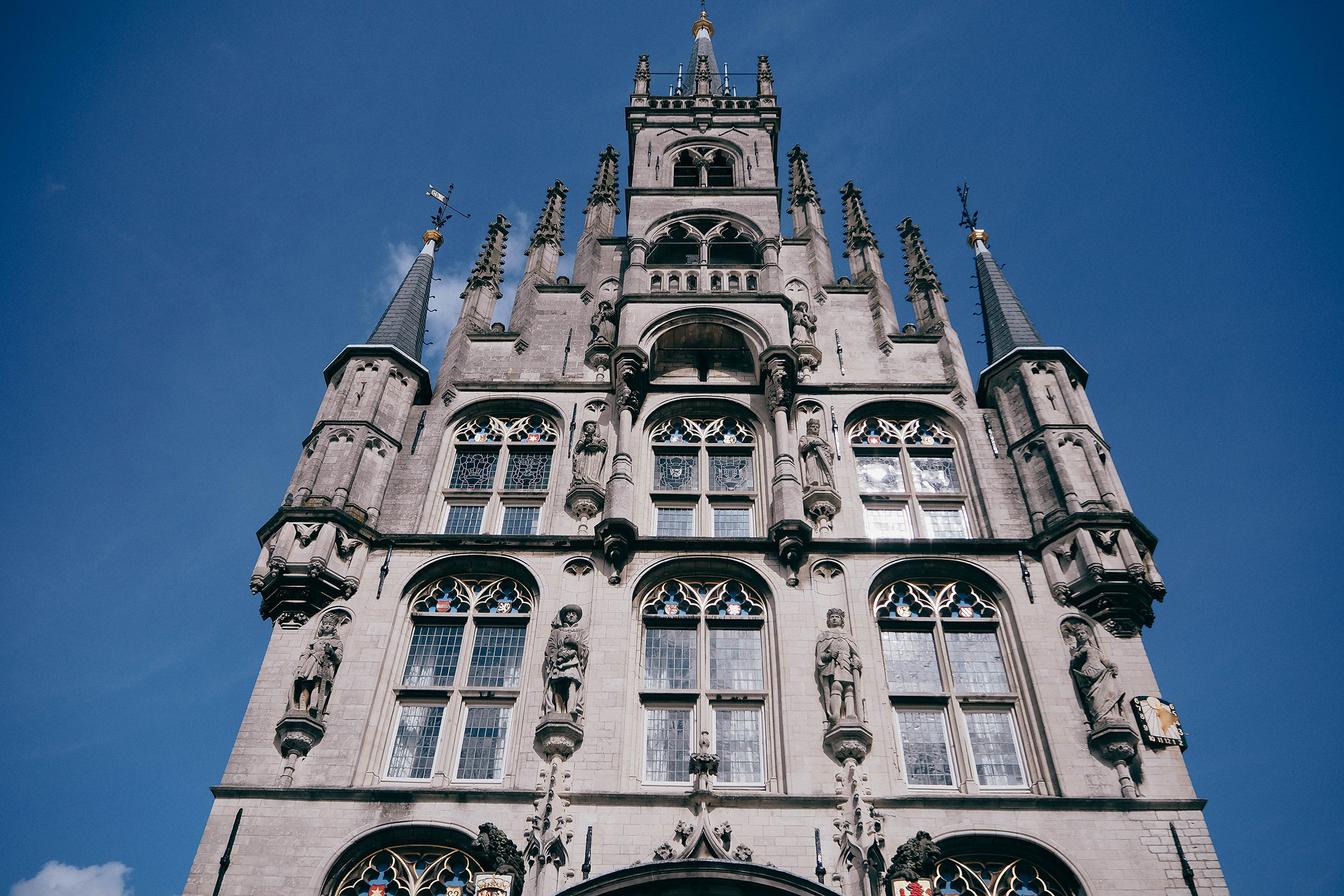
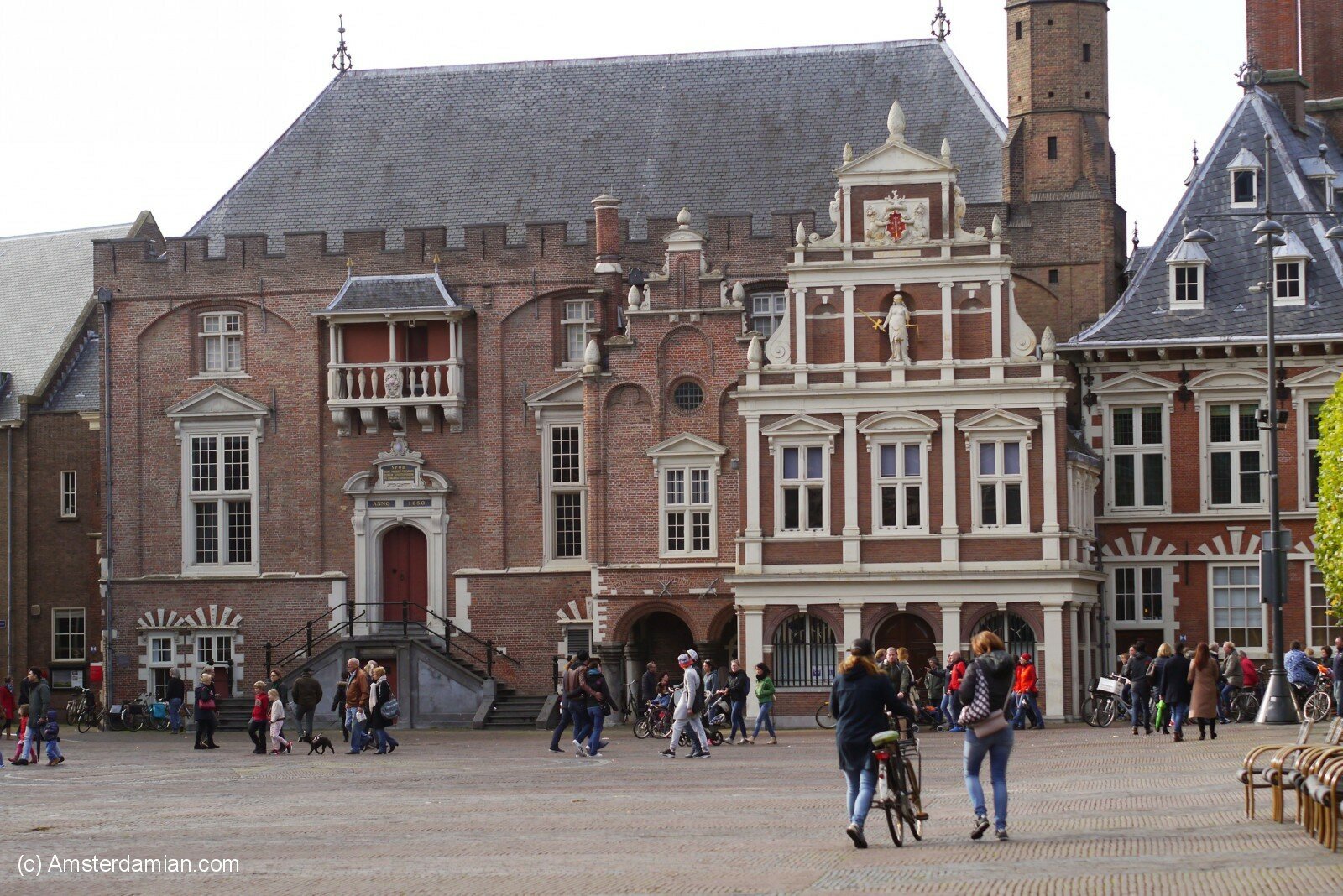
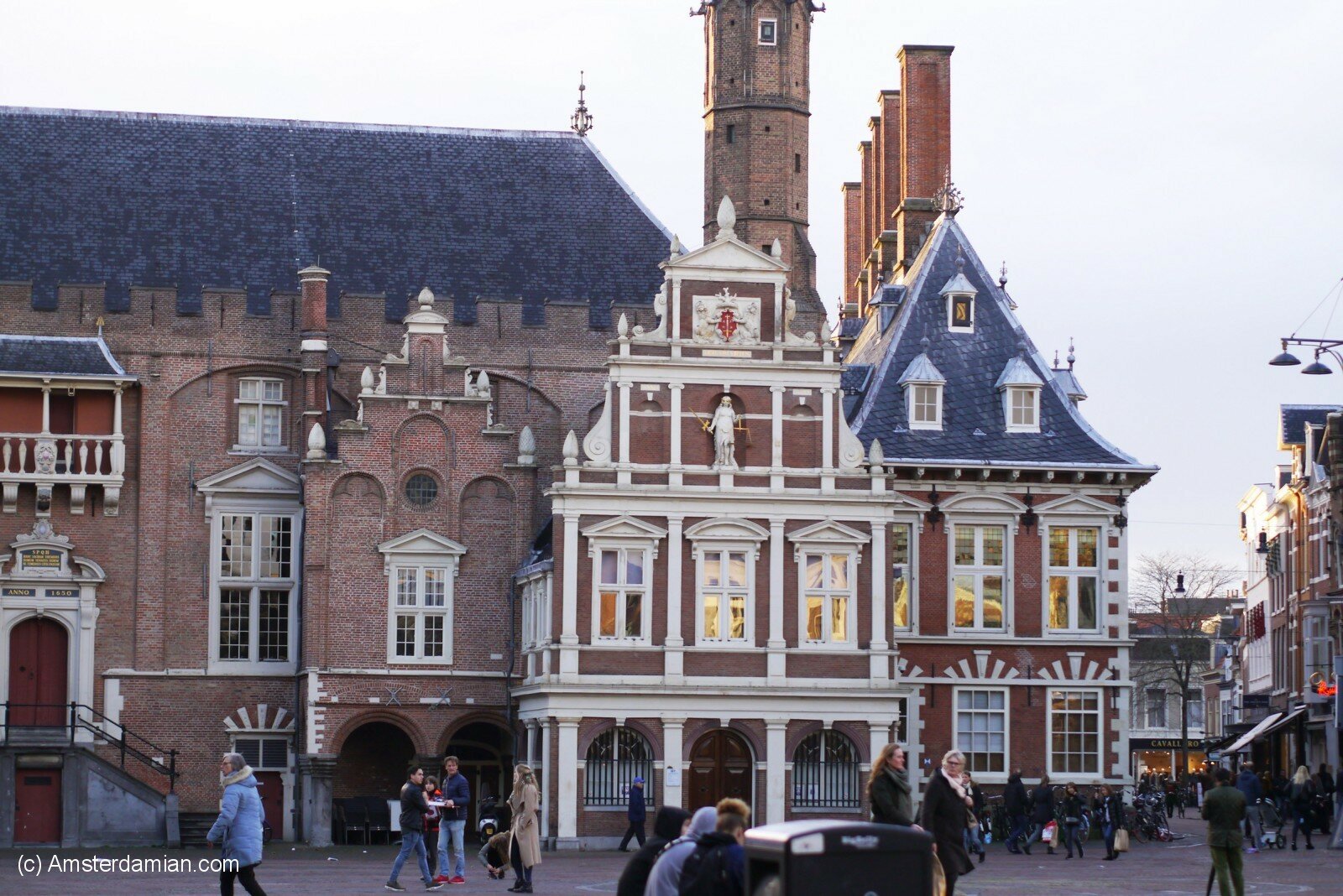
If you’re in the city centre, your steps will inevitably bring you here. The Grote Markt is where you can find the Grote Kerk and the Old City Hall (Stadhuis), both beautiful buildings that are worth a visit. On Saturdays, there is a big market on this square, the busiest moment of the week for this city.
● Take a look inside the Grote Kerk, or St. Bavokerk
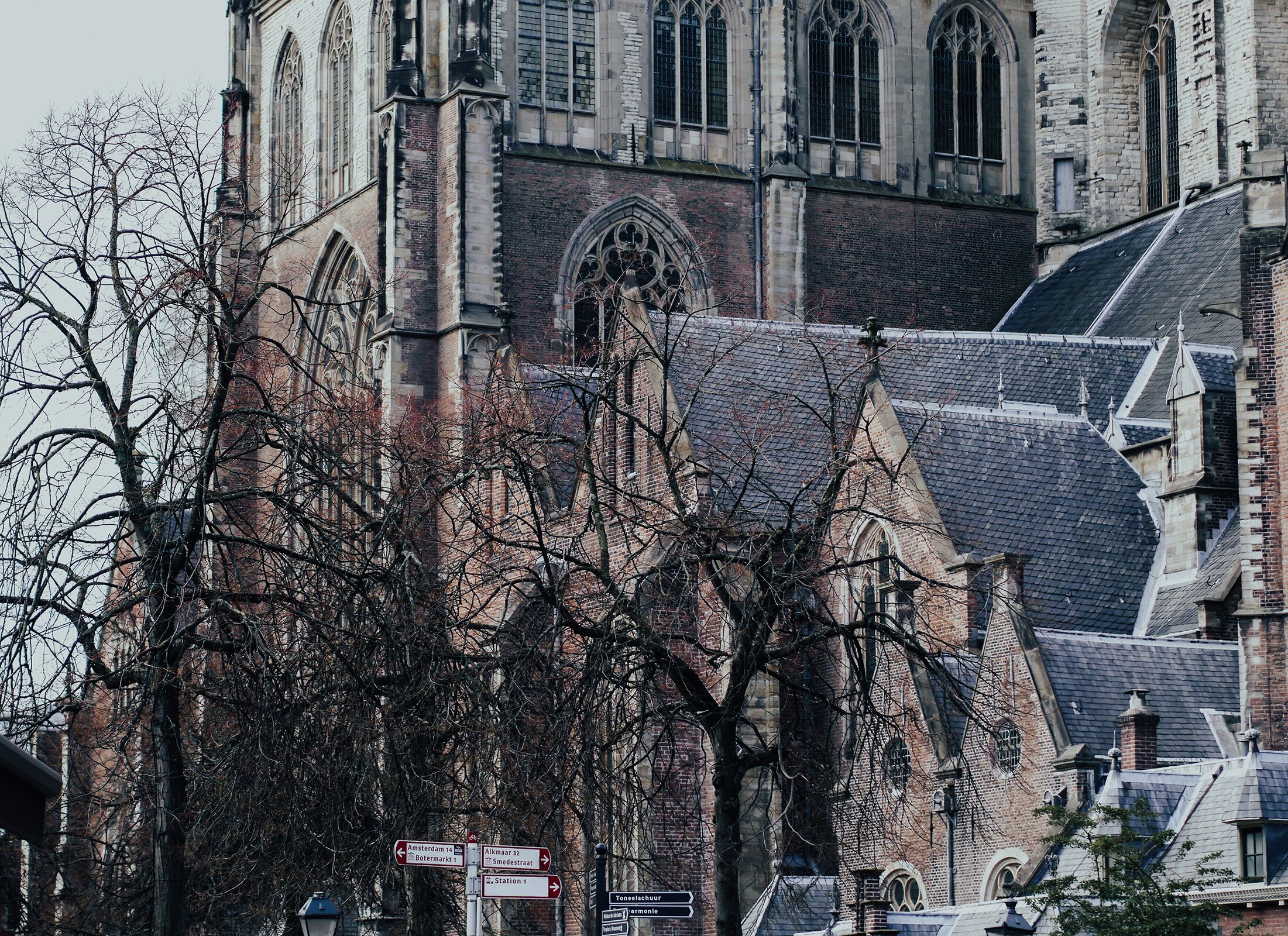
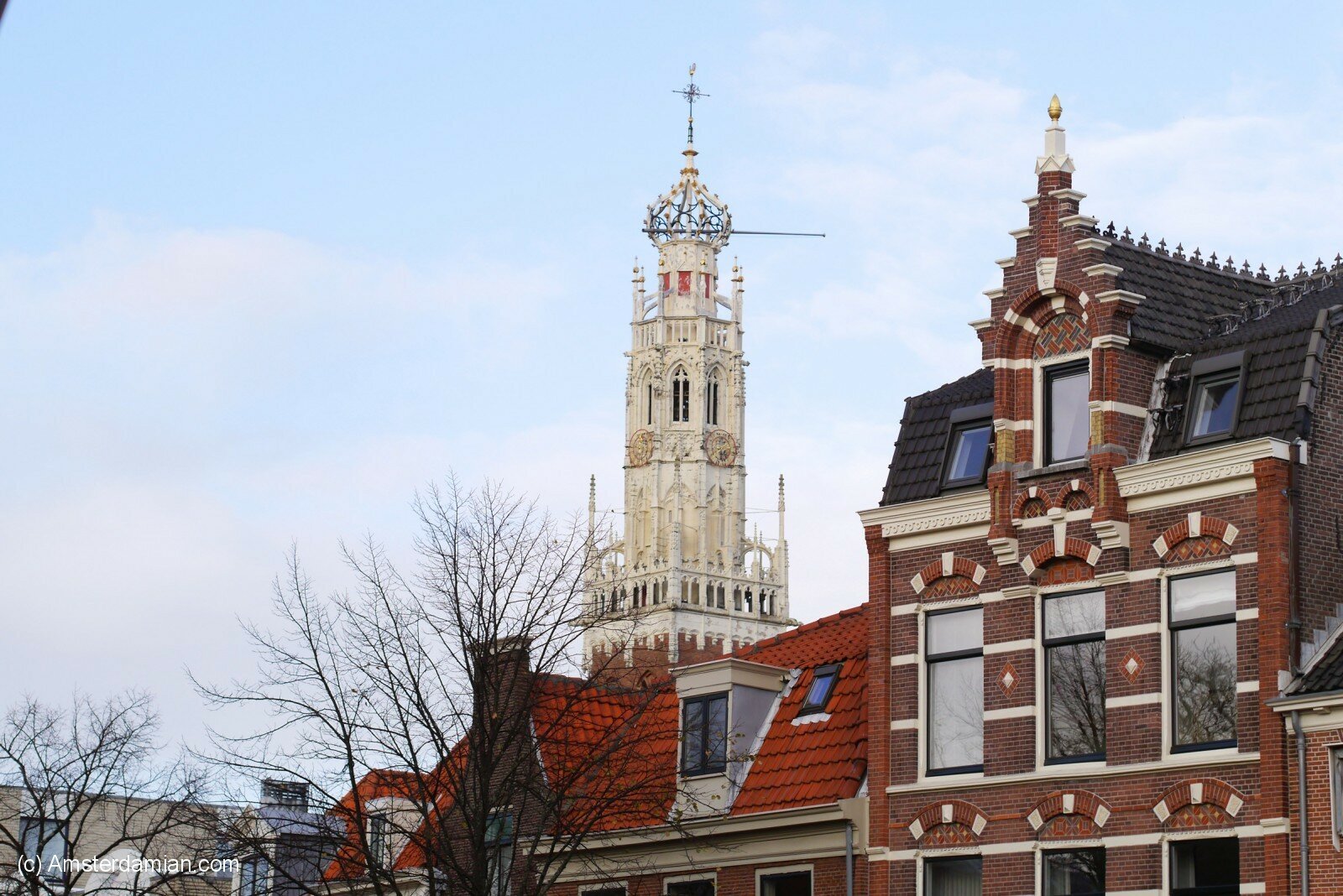
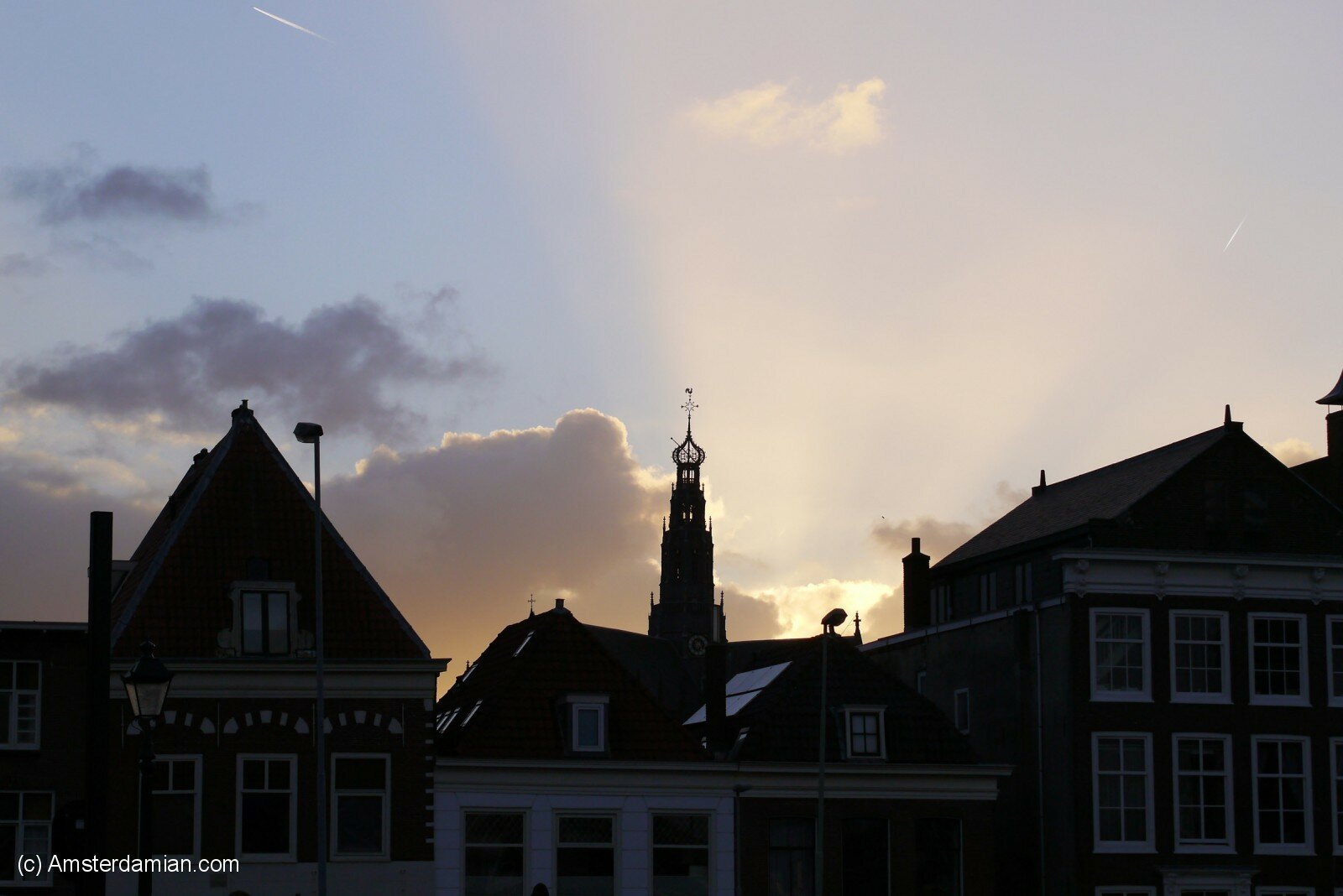
This towering Gothic-style church stands in the main square since around 1500 and dominates the skyline of Haarlem. The interior features a wooden beam ceiling, a Müller Organ (played by Händel in 1740 and 1750, and by a ten-year-old Mozart in 1766), and the tombstones of major figures from Dutch history, such as Frans Hals and Willem Bilderdijk. It was designed to be one of the largest and most impressive churches in the Netherlands, with its soaring arches, intricate stained glass windows, and massive organ. Throughout the year, the Grote Kerk hosts a variety of cultural events and concerts, including the annual Haarlem Jazz & More festival. The church’s acoustics make it an ideal venue for classical and contemporary music performances, attracting visitors from all over the world.
● Visit the Cathedral of St. Bavo
The Roman Catholic Cathedral of St. Bavo is a good example of the changes in church architecture from the traditional to the modern. It might take you by surprise with its Neo-baroque design and the multitude of turrets and towers; not the kind of building you would expect in this city!
● See the Amsterdamse Poort
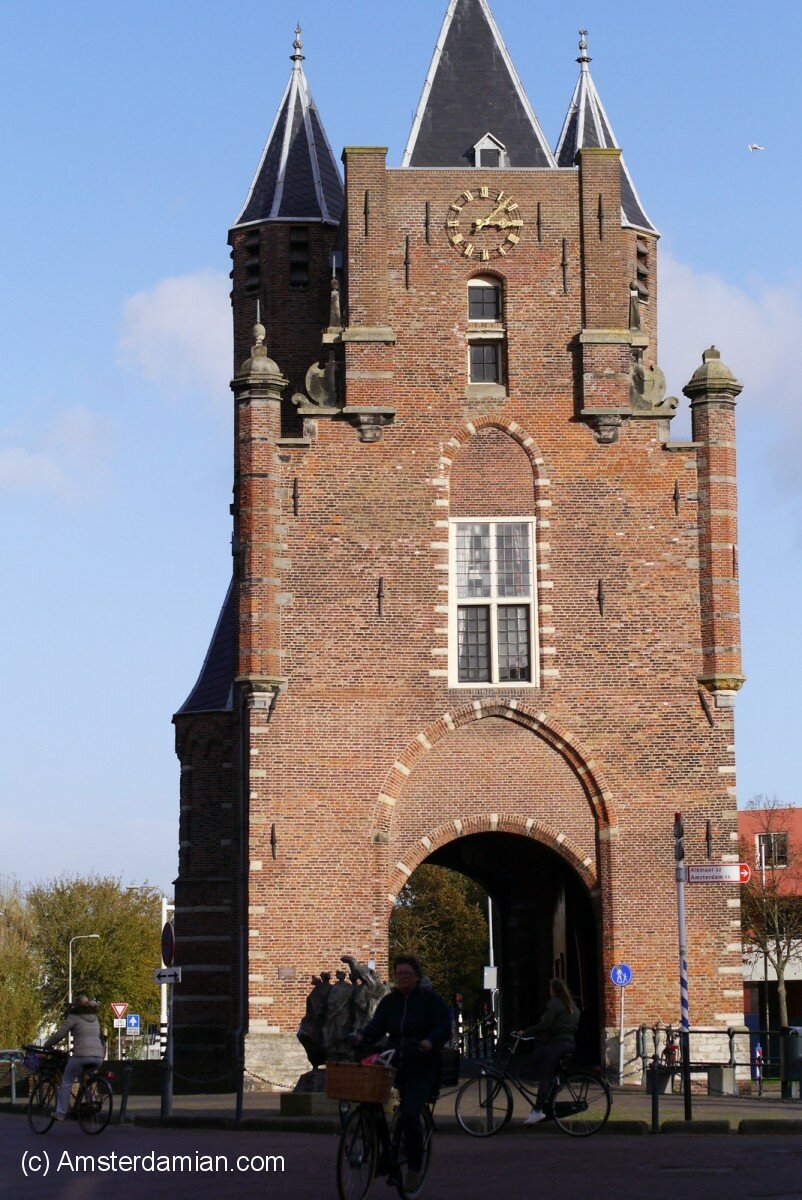
Previously known as Spaarnwouderpoort, this is the only remaining city gate of Haarlem. Amsterdamse Poort was the gate on the route from Amsterdam to Haarlem, one of the fourteen city gates. Built in the early 1400s and a national monument nowadays, the gate is flanked by two octagonal towers and two round towers, as well as remnants of the old city walls.
● Browse Art on Spaarnwouderstraat
If you love art, don’t miss Spaarnwouderstraat, a little street peppered with art galleries. Have a look at the work of local artists and maybe buy yourself a special souvenir.
● Go shopping on the Gouden Straatjes
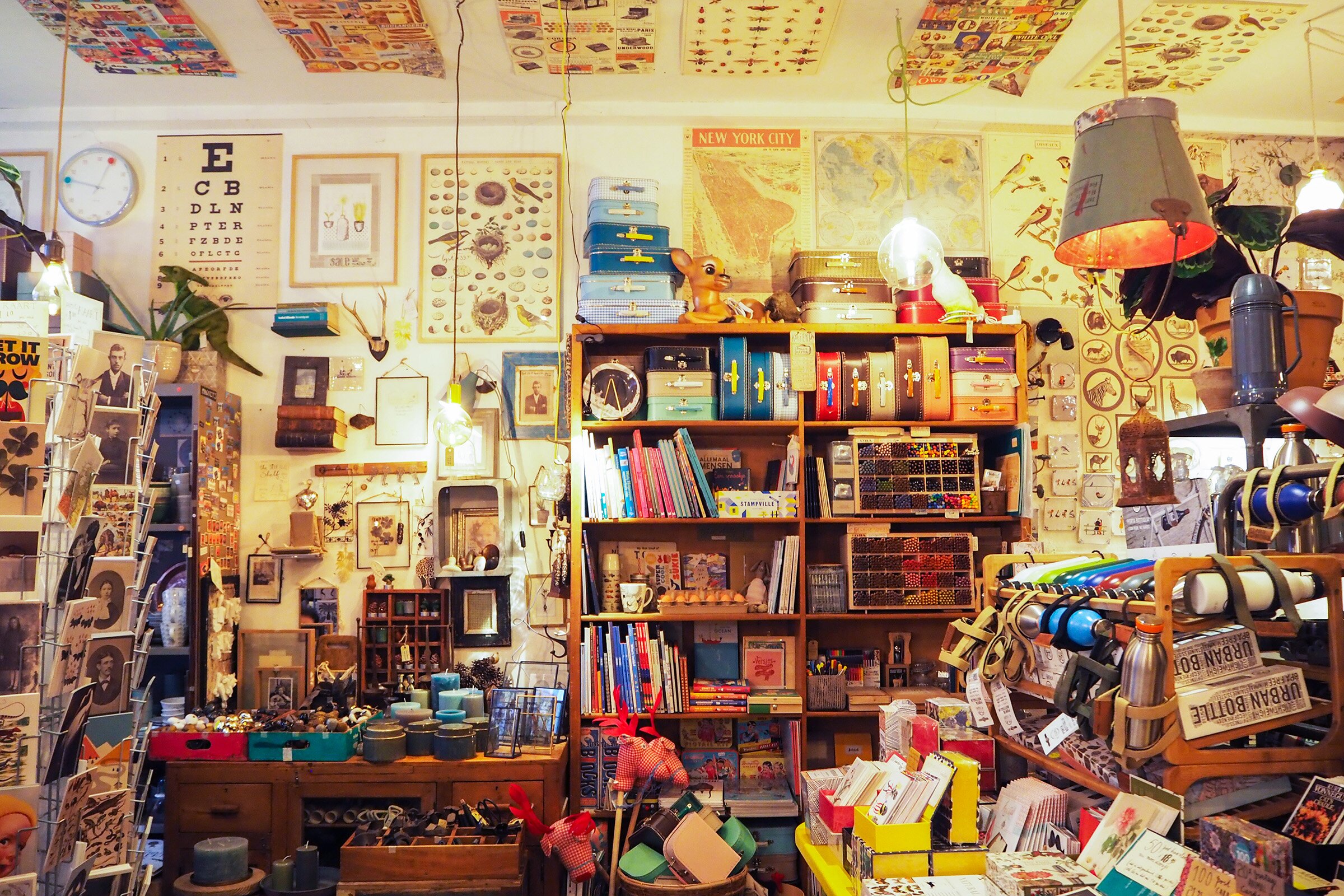
The Gouden Straatjes (Golden Streets) is Haarlem’s boutique shopping district, a network of charming streets packed with independent shops, vintage stores, and local designers. Haarlem is regularly voted one of the best shopping cities in the Netherlands, and this area is the reason why.
Museums to see in Haarlem
● Teylers Museum – the Museum of Wonder.
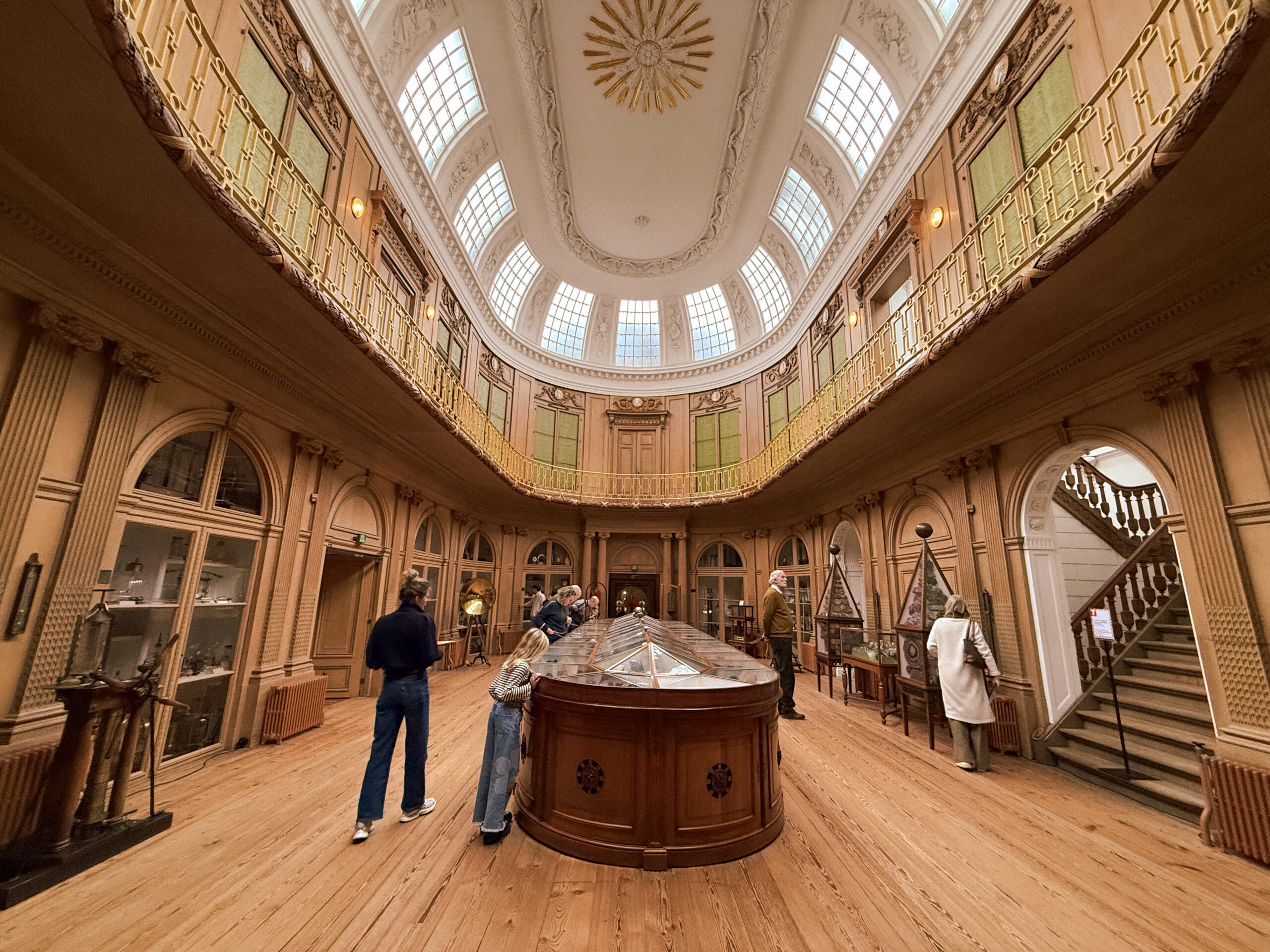
This is one of the oldest museums in the Netherlands, a museum for art and science, very interesting for kids and adults alike. You can find everything in the Teylers museum, from dinosaur bones to antique machines and classic painters. The building itself is a must see, and the Oval Room is something that you shouldn’t miss. An interesting fact is that the museum rooms with the large display cabinets are still illuminated by daylight, which means they can get very dark in the winter days – so you can have a feeling of how the experience of visiting a museum was in the past.
● Frans Hals Museum
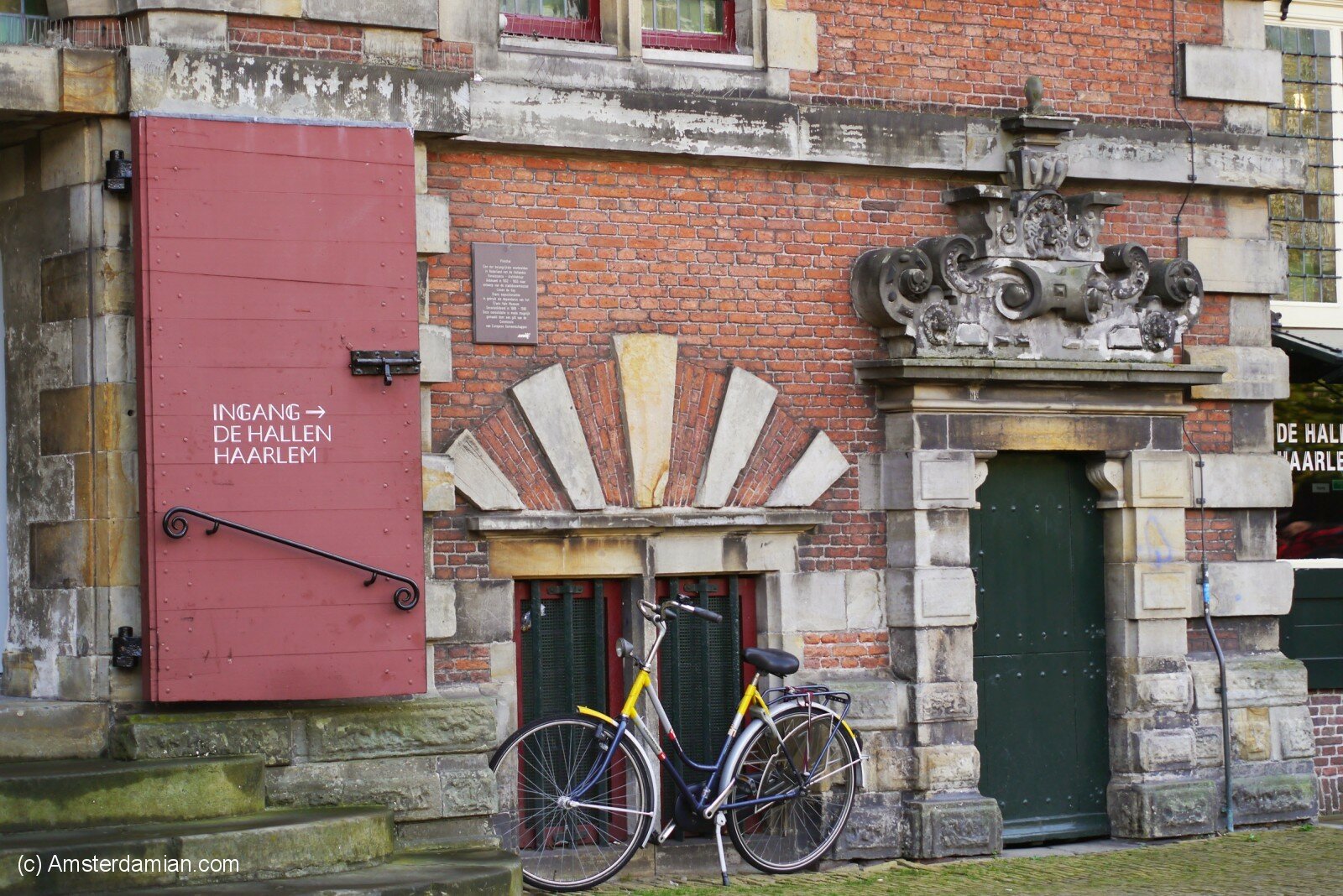
The museum is dedicated to the life and work of Frans Hals, one of the most famous Dutch Golden Age painters (together with Rembrandt and Vermeer), who lived and worked in Haarlem in the 17th century. He made a name for himself in Haarlem and the city celebrates his life and art through this dedicated museum, which has two locations in Haarlem: the Hof and the Hal. The museum’s extensive collection includes many of Hals’ most famous works, including portraits of wealthy merchants, civic leaders, and other notable figures of his time. The museum also features works by other artists from the Dutch Golden Age, providing visitors with a unique insight into the art and culture of this period. The collections combine Golden Age art with modern one, in a quest to offer the visitor a different perspective.
● Verwey Museum Haarlem
The museum features a permanent exhibit about the history of the city of Haarlem, as well as a regularly changing programme of temporary exhibitions highlighting artists from the Haarlem community or exhibitions about remarkable things about the city.
● Corrie ten Boomhuis
A house transformed into a museum. But not any house: similar to Anne Frank Museum in Amsterdam, this house in Haarlem was a place of hiding for the persecuted Jews during WWII. It is an emotional visit to a place with a tragic history. Access to the Corrie ten Boomhuis Museum is possible only with a guided tour (Tuesday to Saturday) and you need to make a reservation on their website. During the tour, visitors receive information about Corrie and her family as well as the events in this house before and during the Second World War. Guests can view the ‘Hideout’, family photos and World War II artefacts. The entire top floor is furnished as an exhibition space.
● Museum van de Geest (Dolhuys – the Museum of Mind)
A former mental institution a few centuries ago, this place was transformed into the national museum of psychiatry. It’s an interactive museum where you can explore how society has dealt with mental disease over the years and how thin the line between sanity and madness can be. It gives food for thought and might bring down shivers along your spine, but it is a very interesting experience. The museum’s collection includes a wide range of artefacts, including straitjackets, restraints, and other equipment used in the treatment of mental illness. Museum van de Geest also features a number of interactive exhibits and multimedia installations, offering visitors a unique and engaging experience. The museum’s innovative approach to mental health care and its commitment to breaking down the stigma surrounding mental illness have made it a popular destination for visitors from around the world.
Where to eat and drink in Haarlem
Specialty coffee: AX Specialty Coffee, Mica Coffee Bar, Jules Coffee & Concept, Kohi, Coffee Habits, La Maru.
For lunch, Jamón Jamón is a Spanish delicatessen serving sandwiches and tapas, Bar Gast is an espresso bar with grilled sandwiches and healthy lunch options, Toast is the place to go for brunch, De DAKKAS is a rooftop restaurant with seasonal, mostly plant-based dishes, Cafe Beau is conveniently located at the Grote Markt, and Native is a specialty coffee and lunch spot. For dinner, Ratatouille Food & Wine is Haarlem’s Michelin-starred restaurant, housed in a 17th-century warehouse on the Spaarne, Fishbar MONK is a heaven for seafood enthusiasts, Kus van de Cactus serves authentic Mexican food with house-made gluten-free tortillas, Restaurant De Zeeuw offers seasonal tasting menus using local ingredients and North Sea bycatch, and Jacobus Pieck is a Haarlem classic with a courtyard garden.
At Gelateria Bartoli you can find the best ice cream in Haarlem. Worth a visit any time of year (even with a sore throat, like I do).
Yearly notable events in Haarlem.
There’s a good collection of events in the city, all around the year, but I’ll just mention a few that captured my attention:
- Bloemencorso (Flower Bulbs parade) is one of the most important spring festivals in the Netherlands. Usually taking place in April, this parade of floats, amazingly decorated with spring flowers, travel a 42 km route, from Noordwijk to Haarlem, where they make a stop for the weekend.
- Houtfestival. The largest outdoor festival in Haarlem, taking place in summer in the Stadspark de Haarlemmerhout.
- Culinary festival that takes place on the Grote Markt: Haarlem Culinair.
- Jazz festival: Haarlem Jazz&More. Takes place in August and claims to be the largest jazz festival in Europe.
- Christmas sing-a-long. On the evening of 24 December, everyone gathers in the Grote Markt to sing Christmas carols together.
Haarlem parks
What would a city be without its parks and gardens? Haarlem has its beautiful parks where people can enjoy nature without leaving the city:
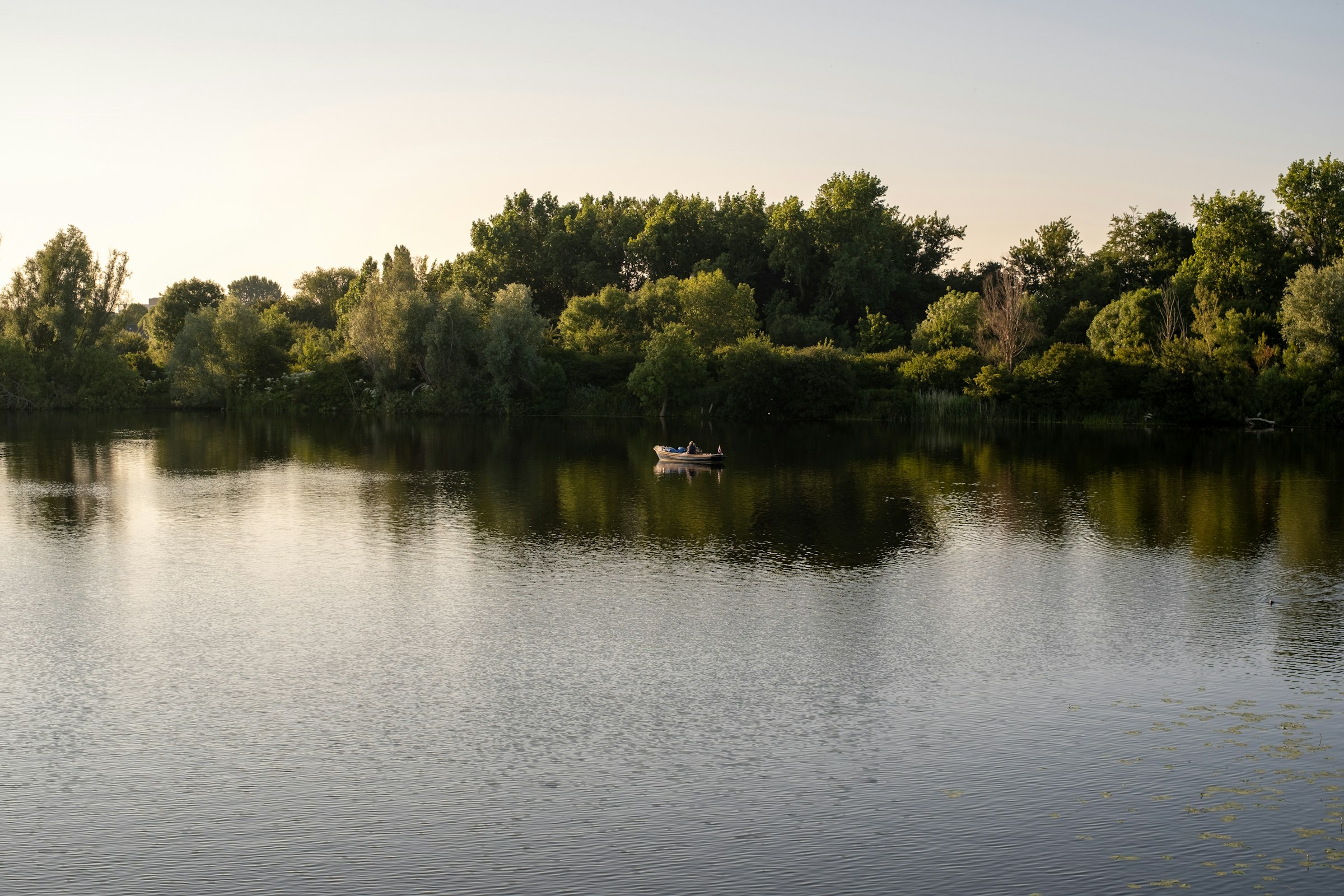
- De Haarlemmerhout— the largest and most beautiful park in Haarlem, a historic forest park on the edge of the city centre. It’s one of the oldest public parks in the Netherlands and hosts the Houtfestival in summer.
- Frederikspark— a quiet green space near the city centre, ideal for a relaxed walk or a picnic.
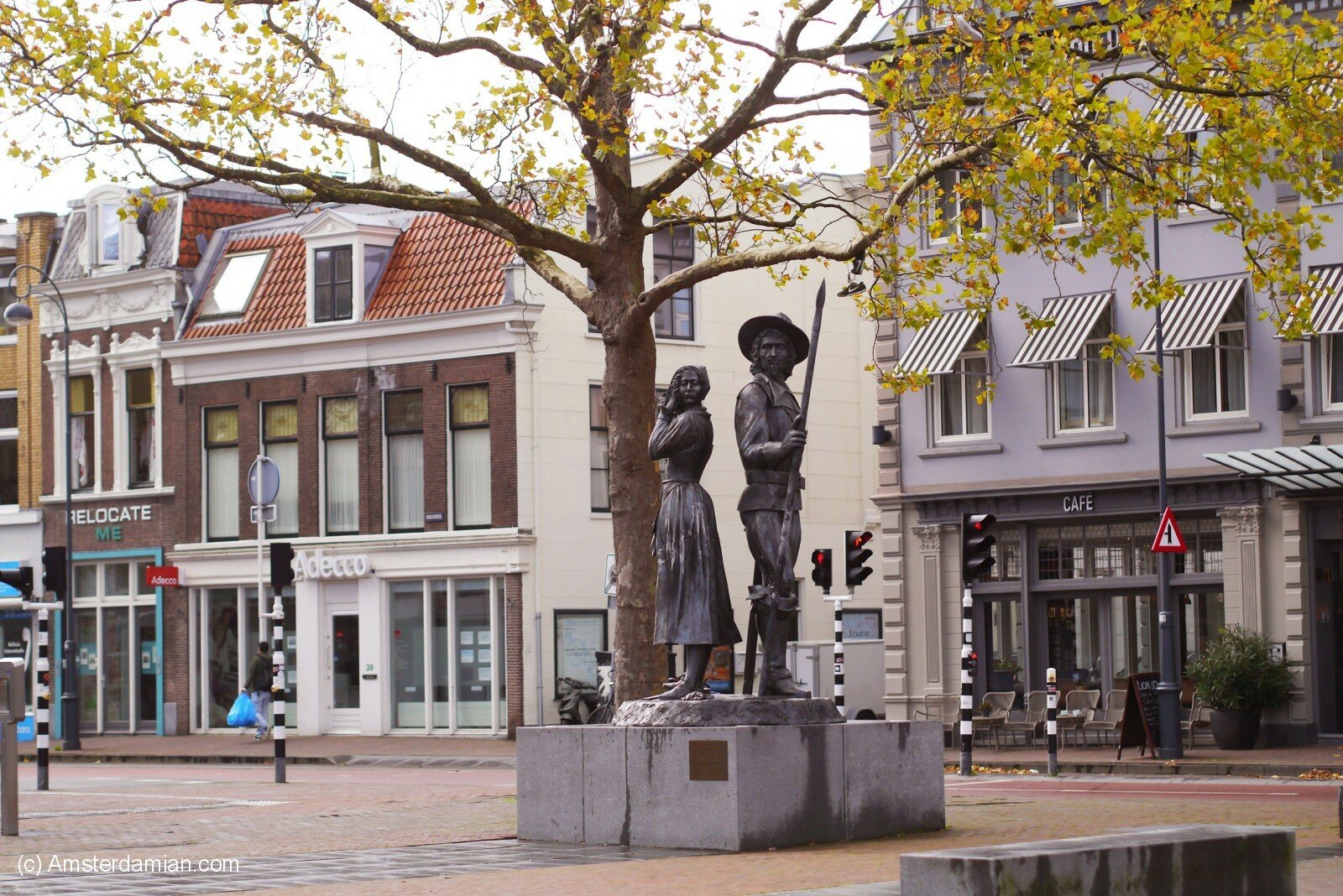
- Kenaupark— a small but charming park named after Kenau Simonsdochter Hasselaer, a Haarlem heroine from the Dutch Revolt.
- Bolwerken— the green belt that follows the line of the old city walls, perfect for a stroll or a jog around the historic centre.
- Other green spaces include Burgemeester Reinaldapark and Molenplas.
What to see around Haarlem
Haarlem is a great spot for nature lovers, as it is very easy to reach beautiful forests, dune areas and beaches right outside the city.
1. Amazing beaches.
The North Sea is only a short train ride (or bike ride) away, and the beaches at Zandvoort, Bloemendaal aan Zee and IJmuiden are amazing in summer as well as in any other season.
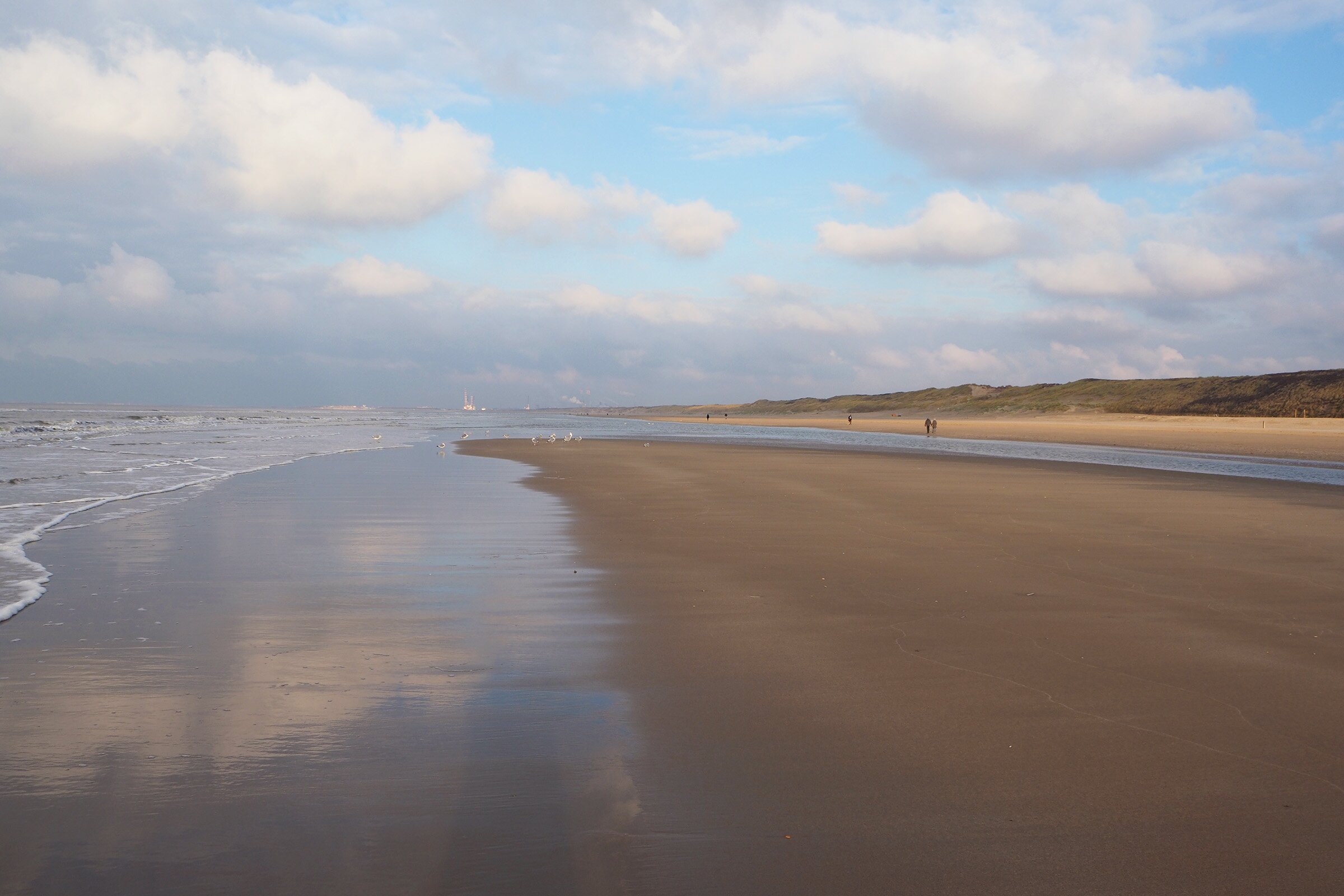
Between Haarlem and the sea there’s the Zuid-Kennemerland National Park: sand dunes covered in forest and dune vegetation, providing a habitat for many animals that you might have the luck to encounter during your walk. It’s a great place for hikes, bike rides, swimming (in the summer) and bird spotting.
A bit more to the south we can find the Amsterdamse Waterleidingduinen, a beautiful park where you can enjoy a varied landscape and spot wild animals. Covering about 3400 hectares, the area was designed for the extraction of drinking water for Amsterdam, and it has provided water for the city since 1853! There is a lot to see in this park: you can stroll through the forest, walk on the dunes or walk all the way to the seaside. You can be sure you will spot a few deer and, if you’re very lucky, maybe a fox. A ticket is required to enter, and keep in mind that dogs are not allowed here. Bikes can’t enter the park either, so the paths can be explored only on foot. The routes are marked and you can choose which one to follow.
3. Visit the flower fields in spring.
Haarlem has been an important trading centre for tulips since 1630, and it was at the epicentre of the tulip mania. Nowadays, the fields surrounding Haarlem become colourful flower blankets in spring, and you can see them even from the train. For a better experience, take your bike and follow the countryside routes, especially the ones in the south, towards Lisse and Keukenhof.
4. Castle Ruins.
Close to Haarlem, in the village of Santpoort, you can see the Ruins of Brederode Castle. The castle was built in the 13th century in a strategic spot on an offshoot of a beach wall and surrounded by water, swamps and peatland. The House Brederode was a noble family, who descended from the Lords Of Teylingen. The castle was destroyed and rebuilt a couple of times along the years, and it’s been a national monument since the 19th century. It is closed for visits during the winter months.
Practical Tips for Visiting Haarlem
Getting There
From Amsterdam Centraal, the train to Haarlem takes just 15–20 minutes. Trains run every 10–15 minutes throughout the day, making it one of the easiest day trips from Amsterdam. A return ticket costs around €10. No need to reserve, just tap in with your OV-chipkaart or buy a ticket at the station.
By bike, it’s about 30–40 minutes from Amsterdam via the cycle path along the A200. A beautiful ride, especially in spring when the tulip fields are in bloom.
How Long to Spend
Half a day is enough for the main sights (Grote Markt, Grote Kerk, a canal walk, a coffee stop). For a more complete visit including museums, the hofjes, and lunch, plan a full day. If you want to add the beaches or dunes, consider making it a weekend.
Best Time to Visit
Haarlem is lovely year-round. Spring (April–May) is magical thanks to the flower fields and the Bloemencorso parade. Summer brings the best terrace weather and beach access. Autumn has a cosy charm (as I discovered on my windy afternoon). Winter is quieter but the Christmas sing-a-long on the Grote Markt is a special experience.
Worth knowing: Haarlem is connected with New York. When New York was still the Dutch colony ‘New Amsterdam,’ a neighbourhood was named after the city of Haarlem in the Netherlands. Over time, the spelling changed to Harlem.
Related
More day trips: Best Day Trips from Amsterdam: 16 Dutch Cities You Need to Visit
North Holland: About North Holland – history, attractions, nature
Province guide: Dutch Provinces: a Complete Guide




If Haarlem leaves you wanting more Golden Age streets, a day trip to Hoorn continues the story on the former Zuiderzee. And when you’re ready to take it further afield, a day trip to Middelburg carries the same atmosphere all the way to Zeeland.
Stay tuned for more and follow Amsterdamian on Instagram and Facebook for more stories about life in the Netherlands, written by a real local, updated constantly.
Check out my photo book: Amsterdam Through the Seasons!
Love what you’re reading? Support my work with a small donation.
And share this post if you liked it!







Trackbacks/Pingbacks