Last updated: May 2026
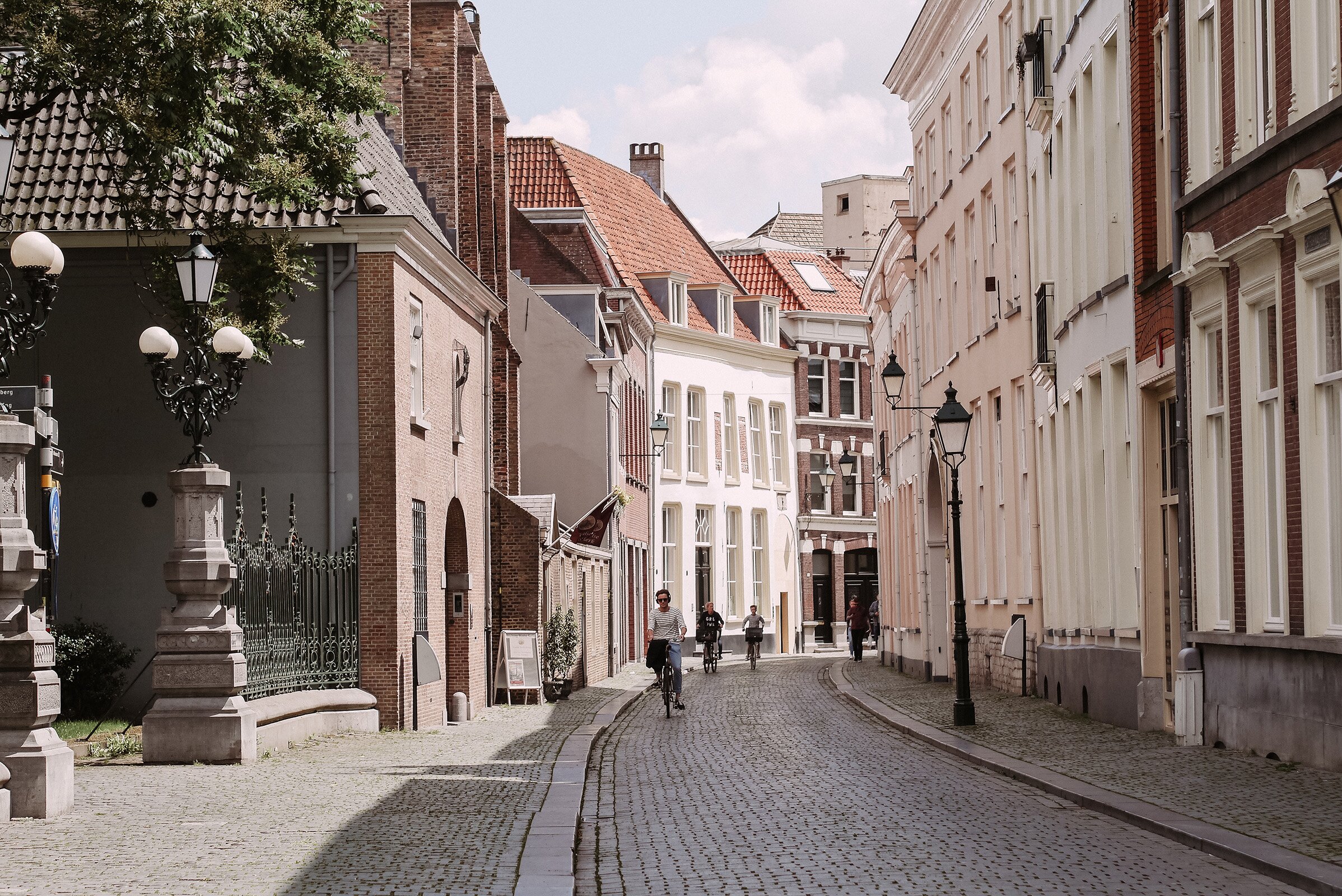
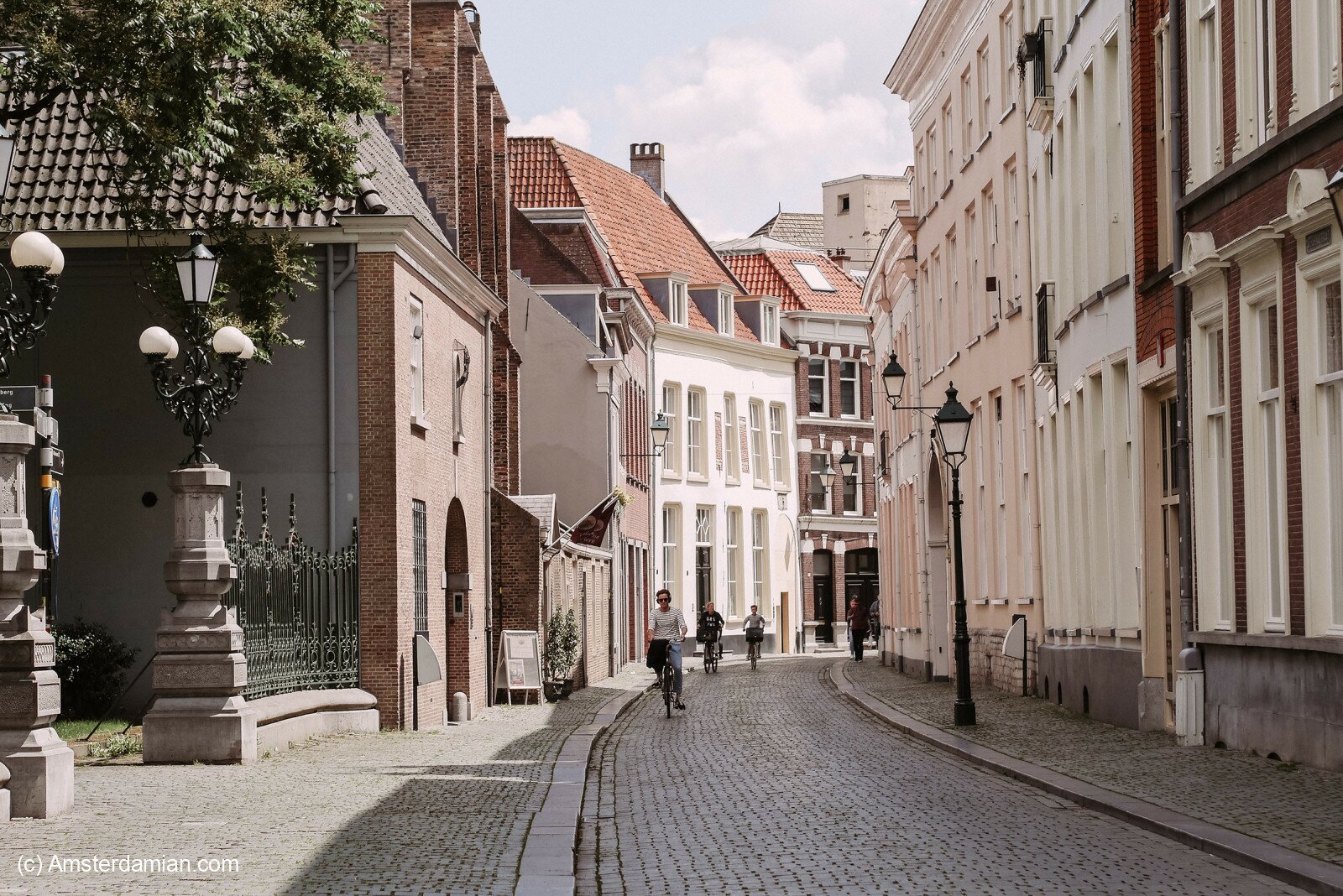
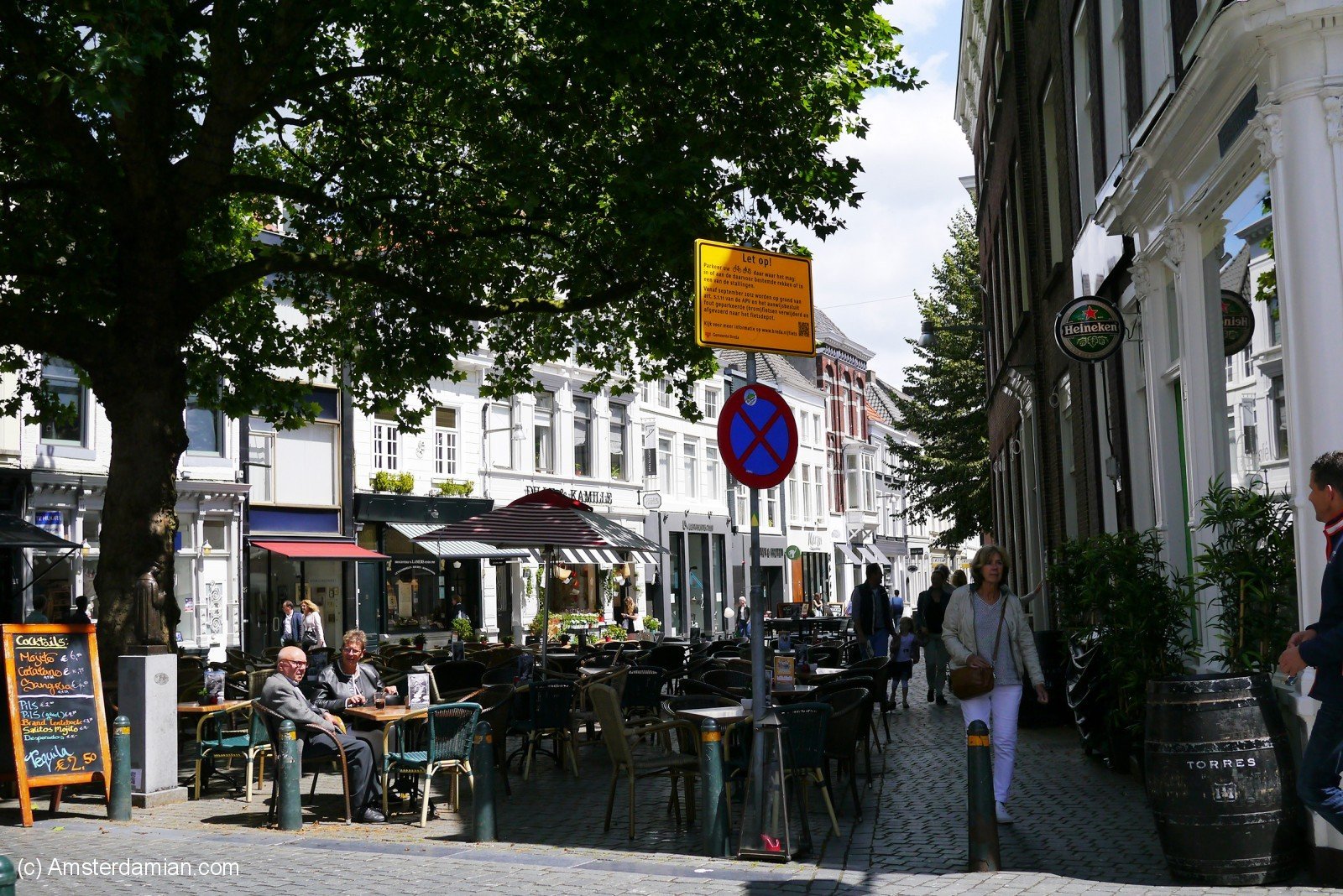
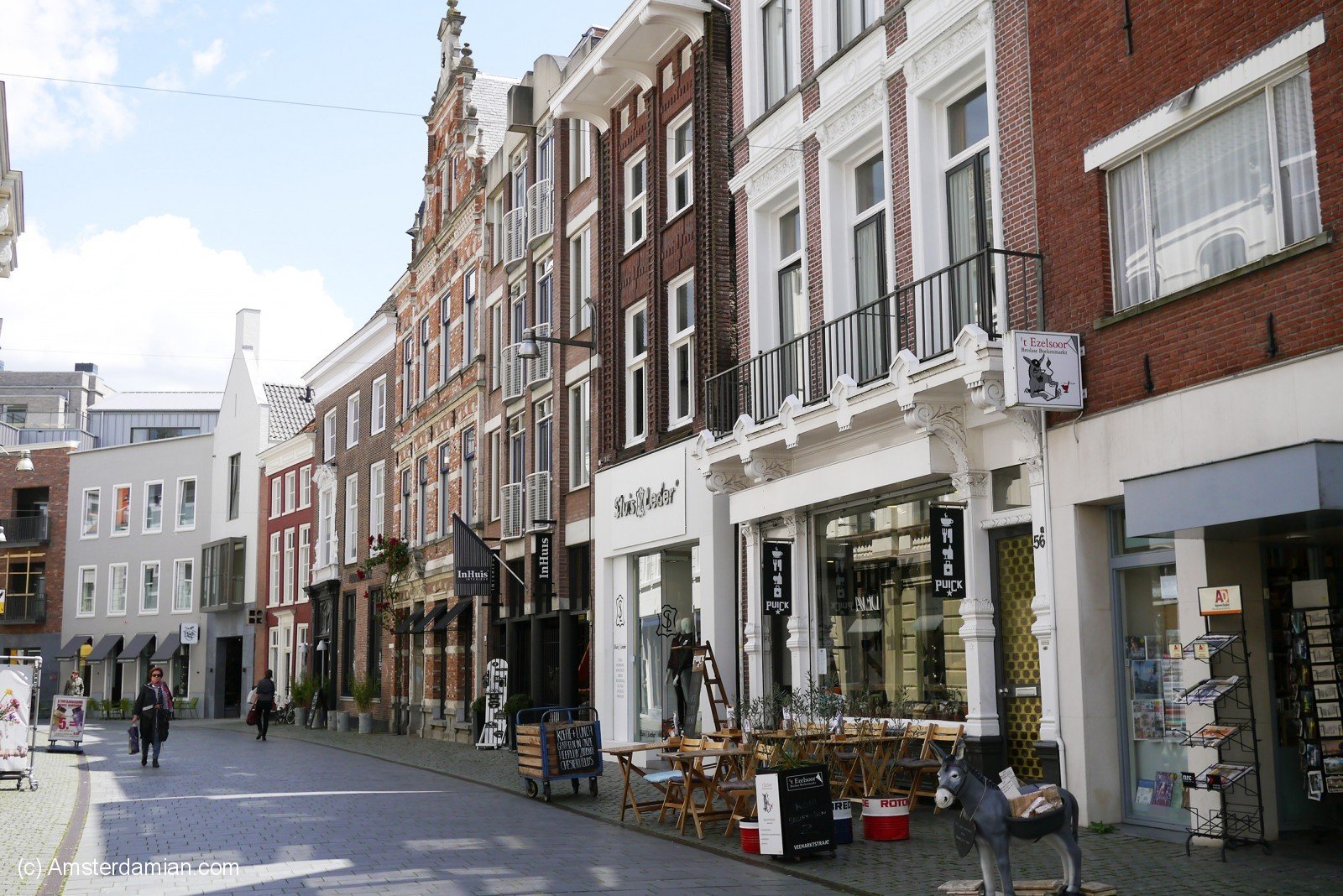
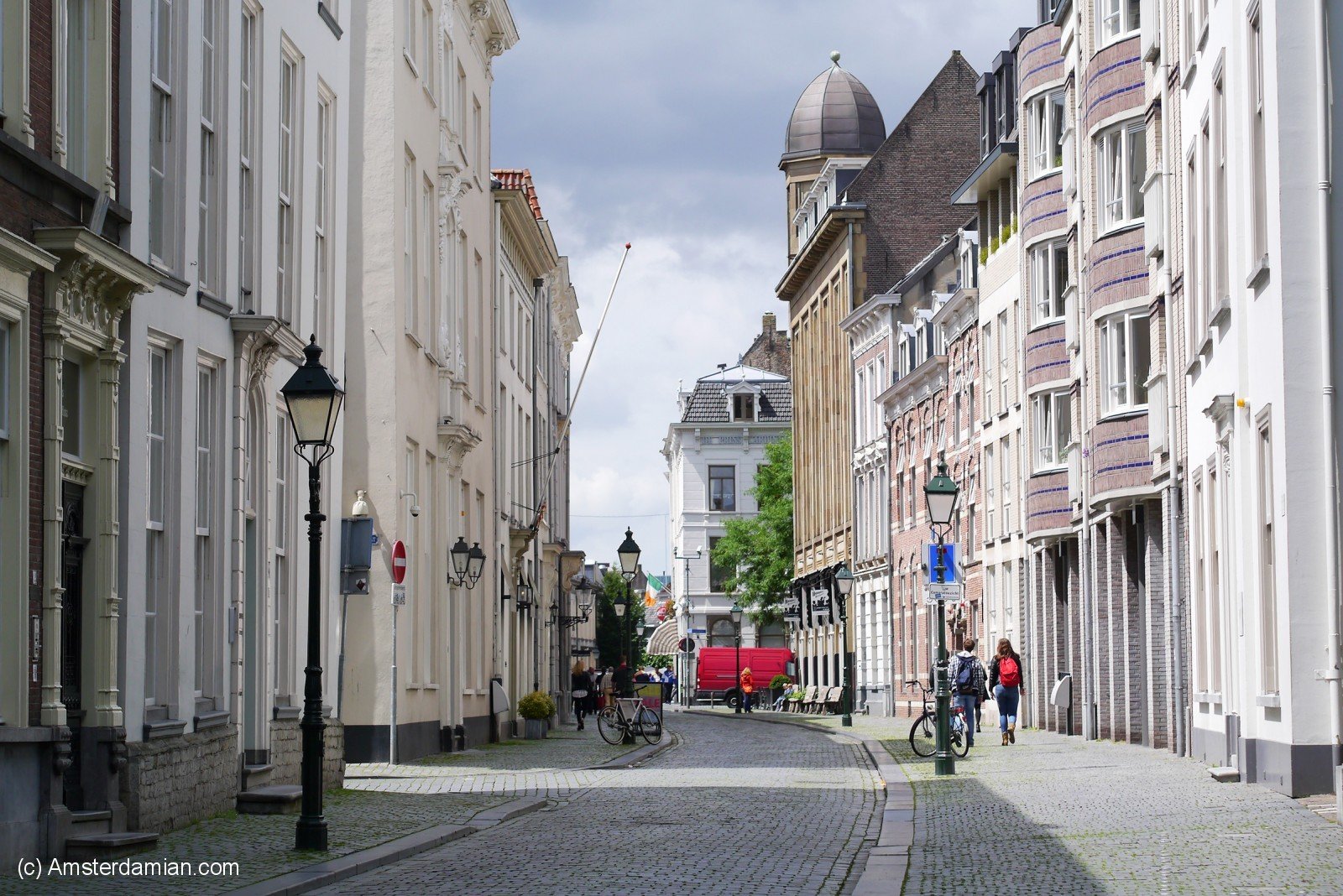
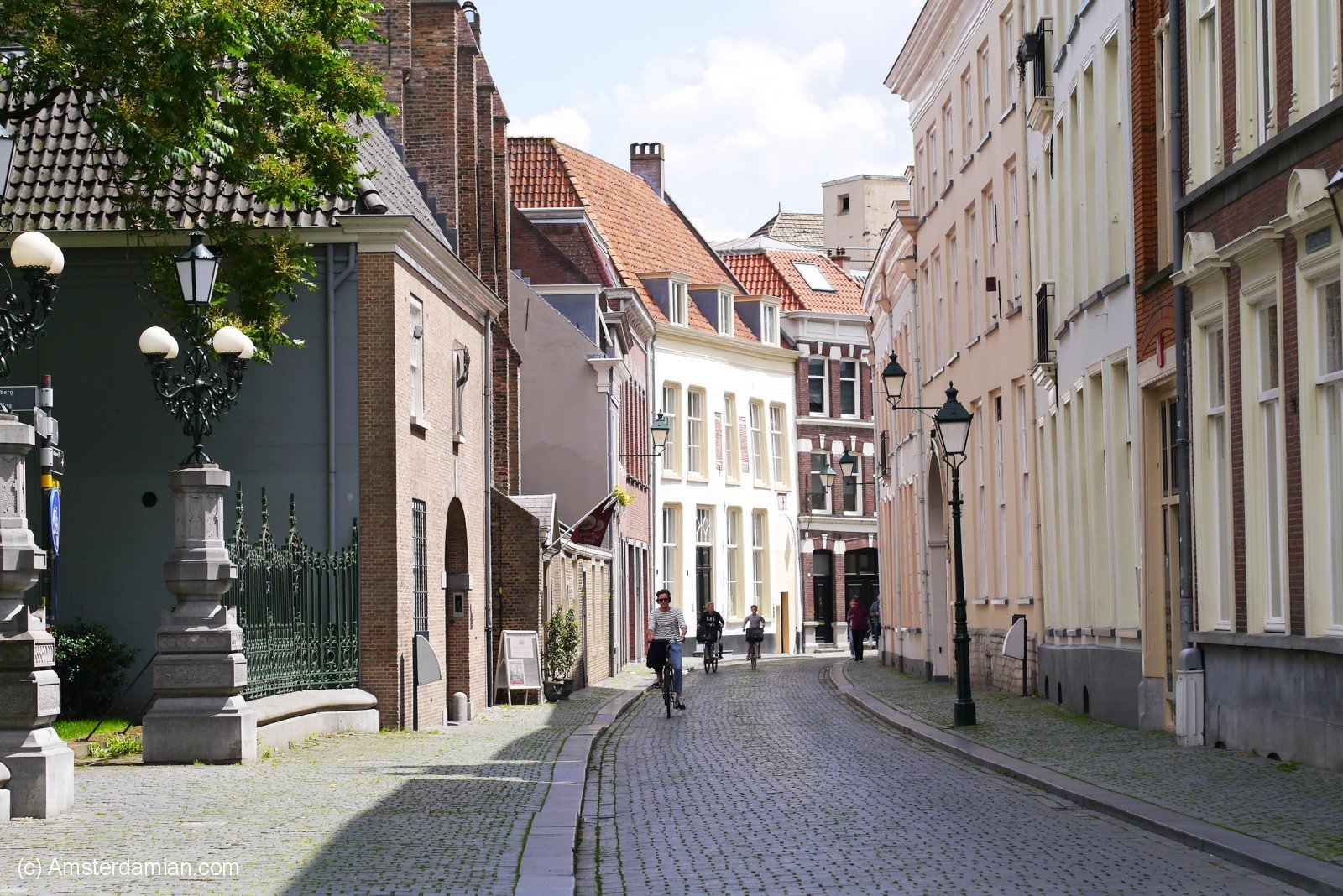
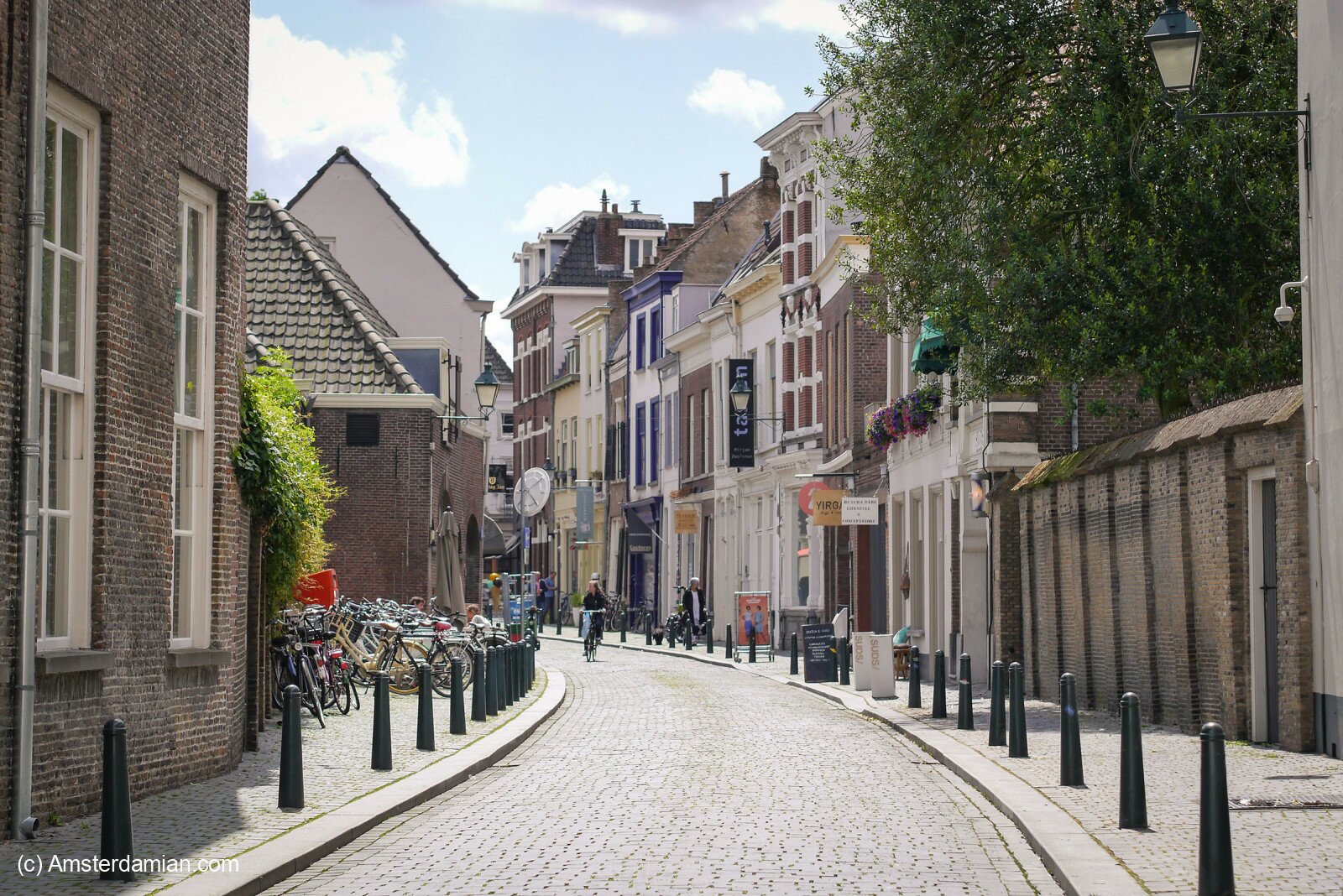
Looking for a perfectly relaxed day trip from Amsterdam? Then you might want to consider Breda, a lovely city in the southern province of North-Brabant. Breda is also known as the Nassau Stad, because it was the official residence of the Orange-Nassau family for several centuries (the current Dutch king Willem-Alexander is a descendant of this family). But even if you’re not a history aficionado and you don’t care about royal families, you will still like Breda for the pastel colours of the houses, the southern Dutch architecture, the laid-back vibe and the shopping areas.
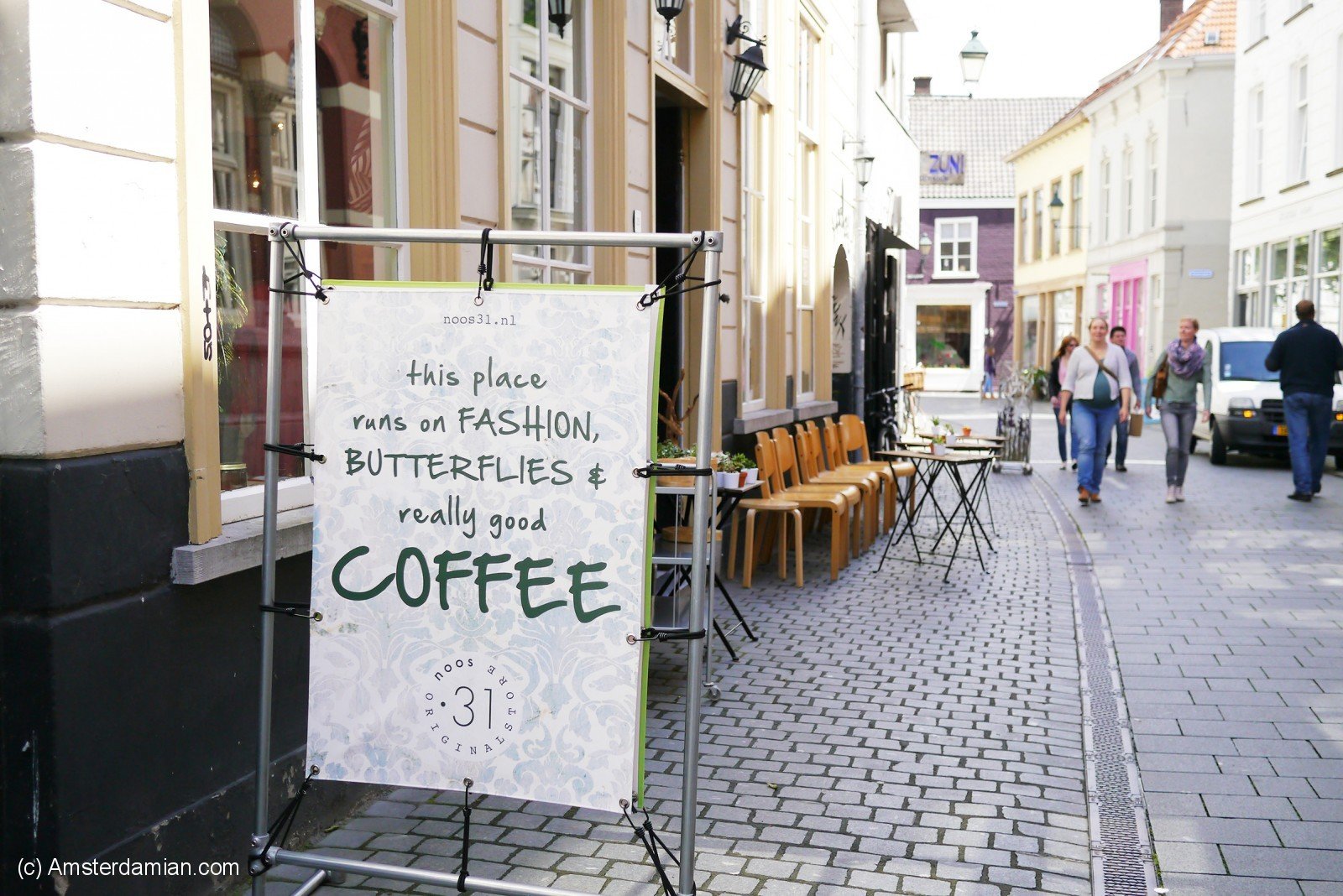
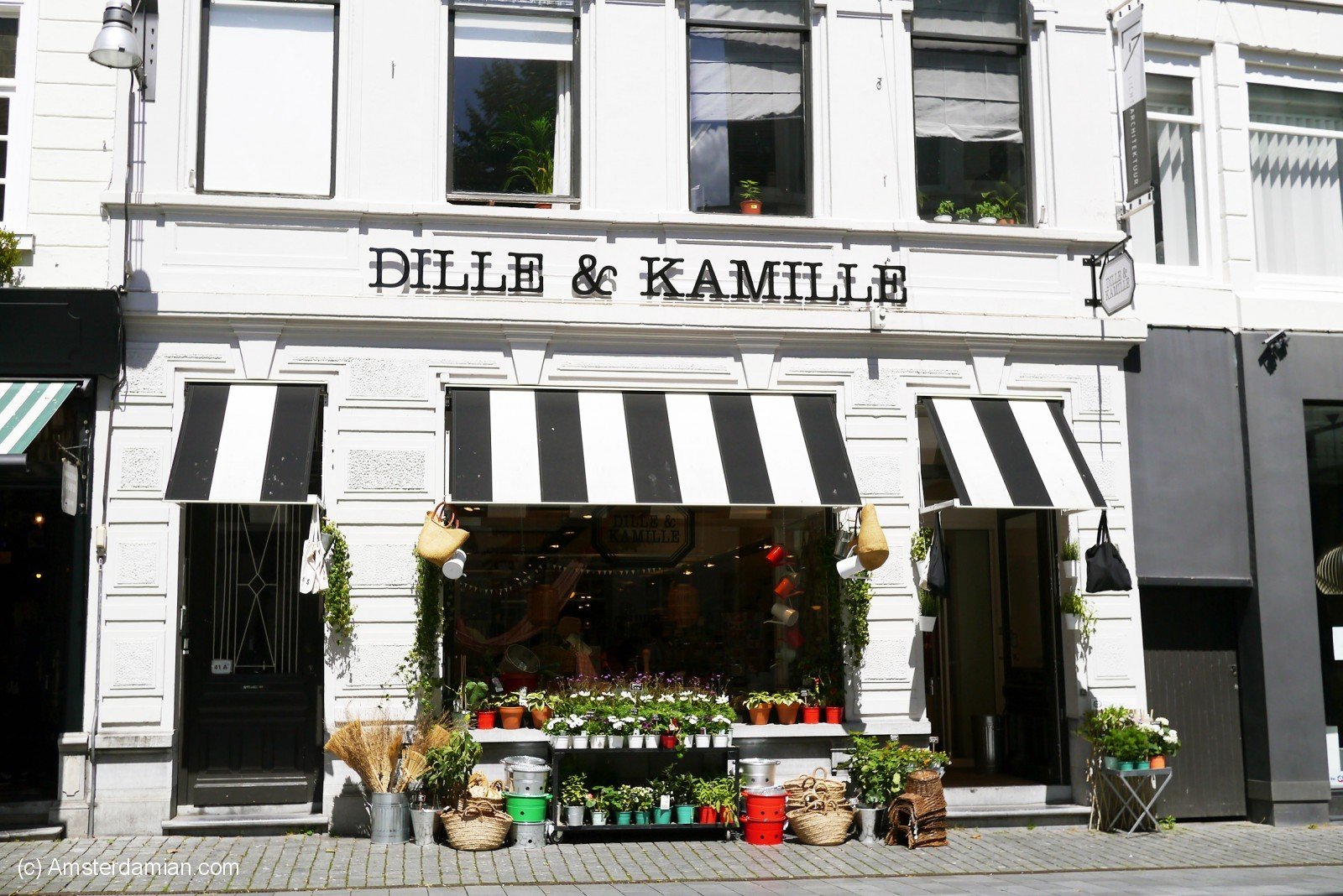
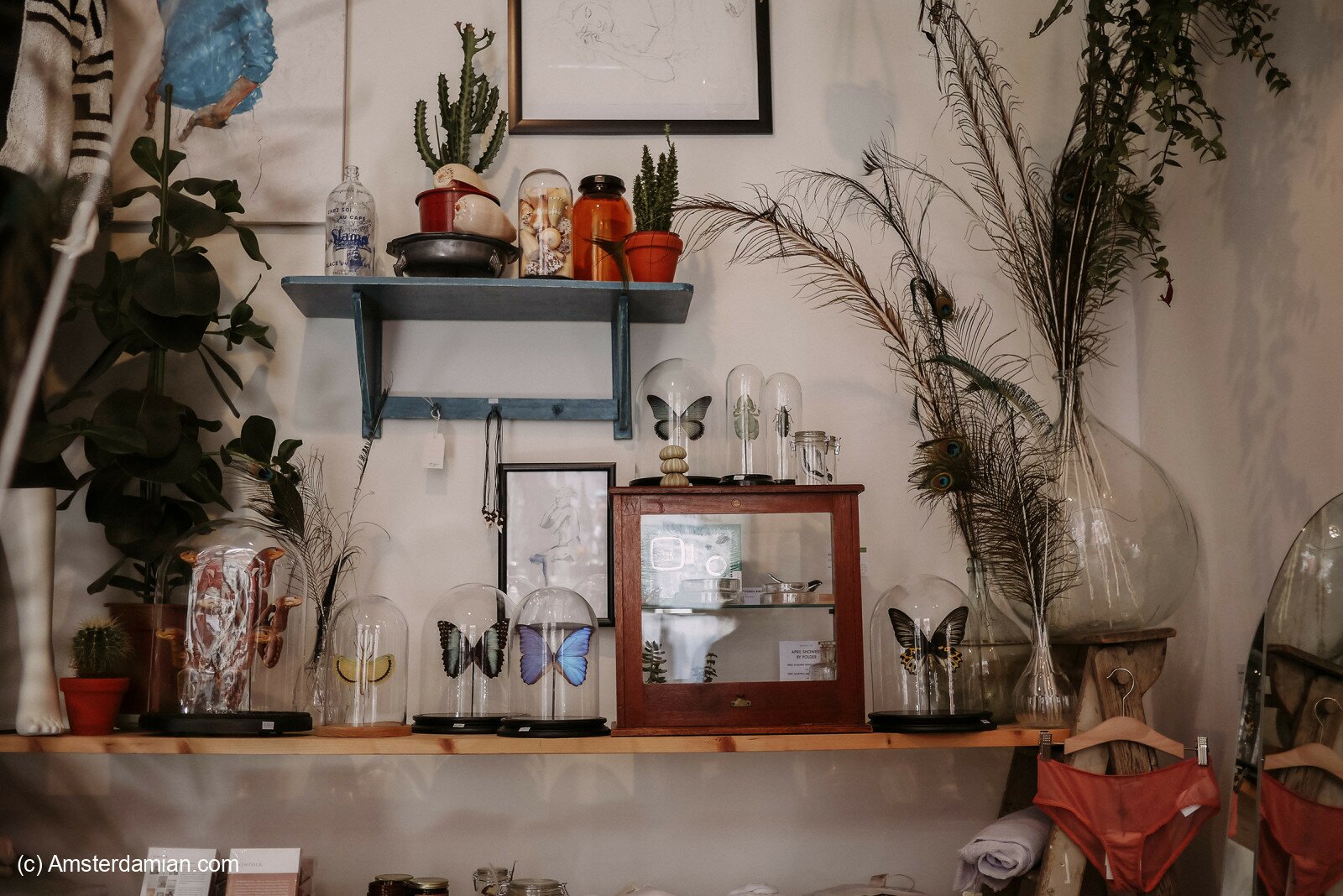
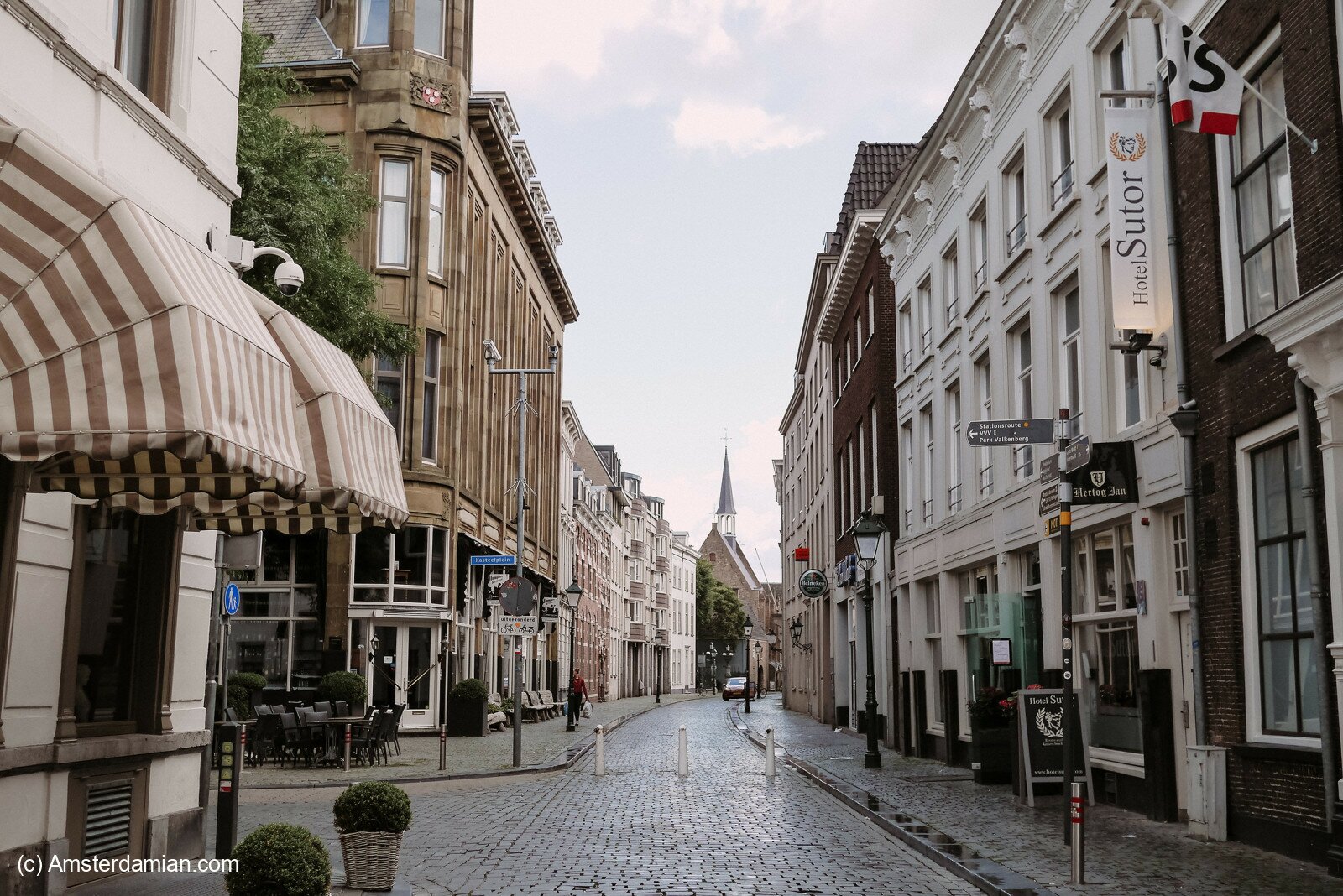
Nowadays, you can learn about Breda’s history by visiting the standing monuments and museums, although it’s hard to imagine the city’s agitated past when you wander the cosy, quiet streets. I loved my trip to Breda very much and I enjoyed it despite the typical Dutch weather that day, which compelled me to hide from time to time in the cosy shops and restaurants (such a hard life, don’t you think?).
✨Day-trip suitability
International visitors: ● ● ● ● ○ — Highly recommended if you have time
NL-based day-trippers: ● ● ● ● ○ — A great day out
● Circles indicate suitability, not quality. Some subjectivity included. How to read these ratings 📜
Why visit Breda
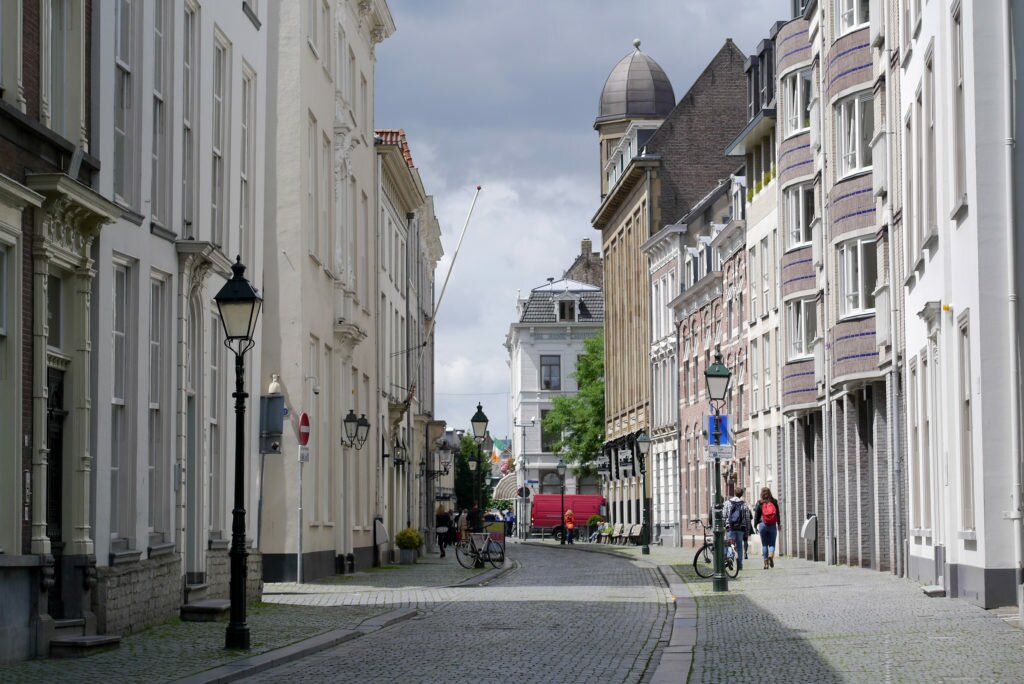
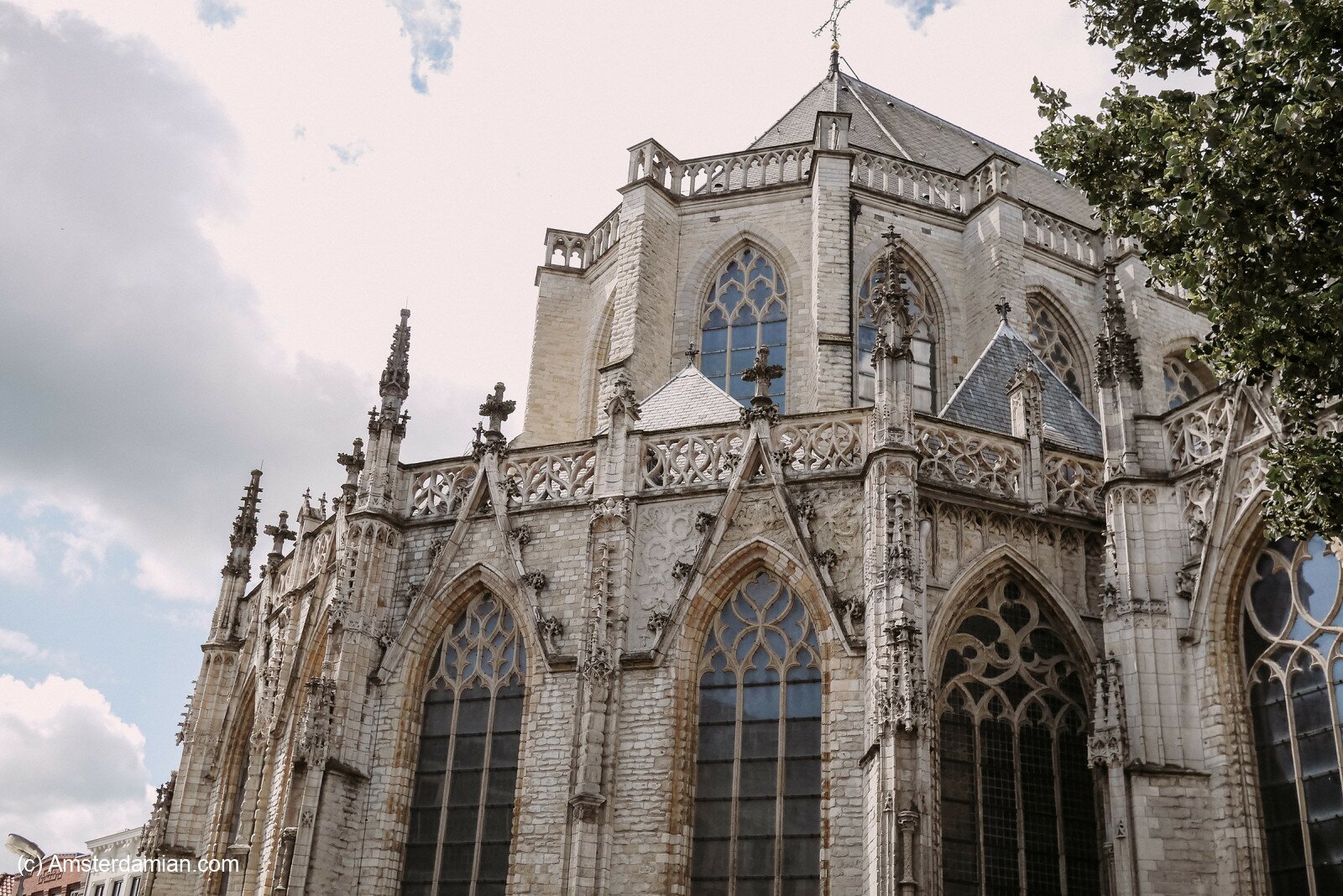
Breda is one of those Dutch cities that surprises you with how much it has to offer for a day trip. A royal Nassau residence for centuries, it blends Gothic grandeur (the 97-metre Grote Kerk tower dominates the skyline) with pastel-coloured streets, one of Europe’s largest open-air street art galleries, and the relaxed, southern charm that sets Brabant apart from the rest of the Netherlands. Add centuries-old forests, a fairy-tale castle on the water, and some of the best café terraces in the south, and you’ve got a day trip that punches well above its weight.
A bit of history: Breda, the Nassau City
The first mention of Breda dates back to 1125, in a charter concerning a donation to the Abbey of Affligem, but the city received its city rights in 1252, which granted the right to build fortifications. From that point on, Breda grew in strategic importance.
The city’s destiny changed in 1403, when Count Engelbrecht I of Nassau married Johanna van Polanen, the Lady of Breda. The Barony of Breda became one of the principal residences and political centers of the Nassau family in the Low Countries. William the Silent, the father of the Dutch nation, was Lord of Breda; René de Chalon, the first Nassau to bear the title Prince of Orange, was born in Breda.
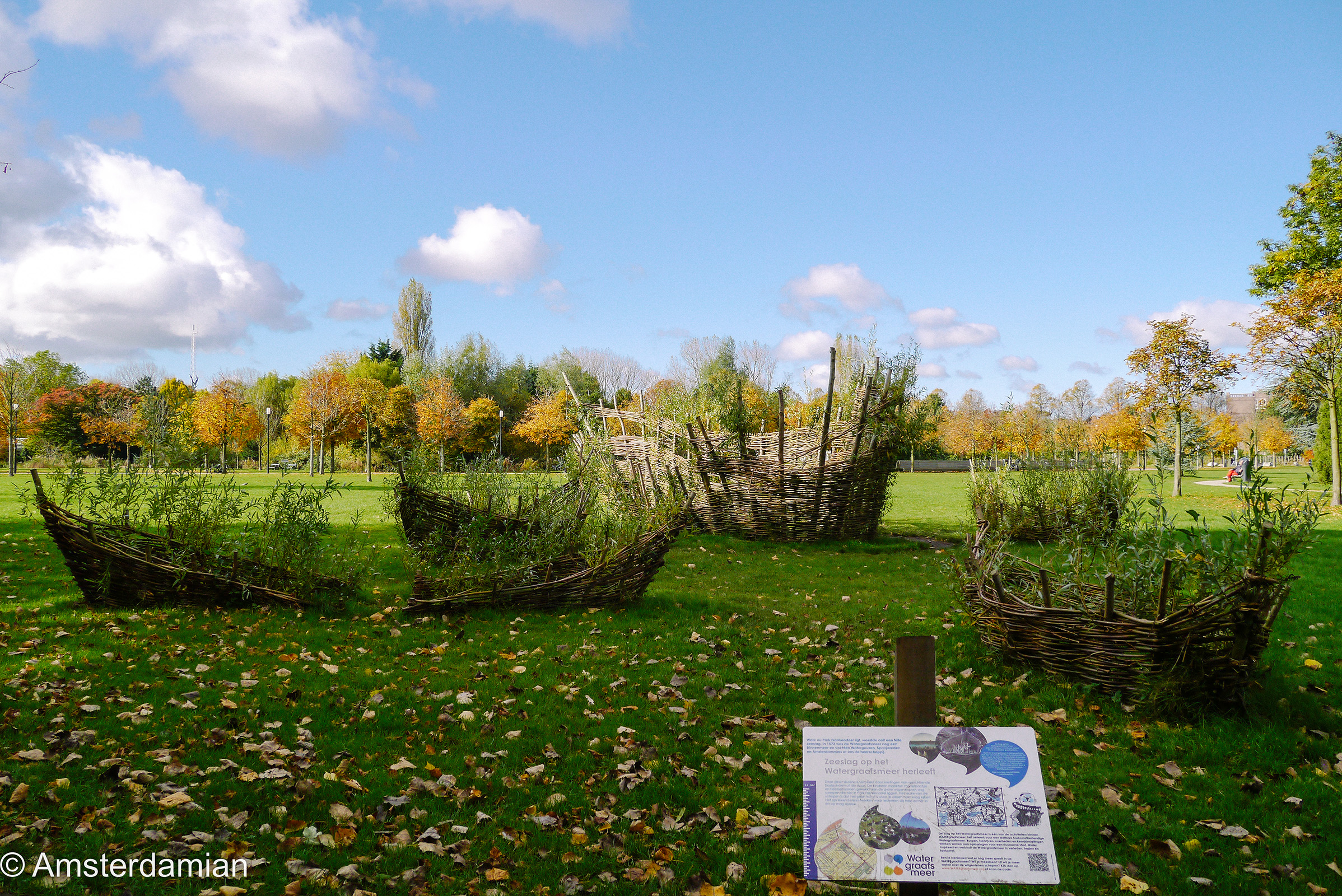
Through the Eighty Years’ War, Breda changed hands multiple times between the Dutch and Spanish forces. The most famous episode is the 1590 Peat Boat ruse, when Dutch soldiers hid inside a barge loaded with turf and slipped past the Spanish garrison — an event still celebrated at the Spanjaardsgat gate. The Siege of Breda in 1625, when Spinola recaptured the city, was immortalised by Velázquez in one of the most famous paintings of the Golden Age.
Things to do in Breda
If you’re preparing a day trip to Breda, you’re in for a treat: take your sit in the train and get ready for a relaxed escape to the south of the Netherlands! You could organise a weekend there, especially if you are a Van Gogh admirer. Brabant is the province where Van Gogh was born and raised, and there are trips in the area that you can do to follow Vincent’s history.
● Visit the city on foot
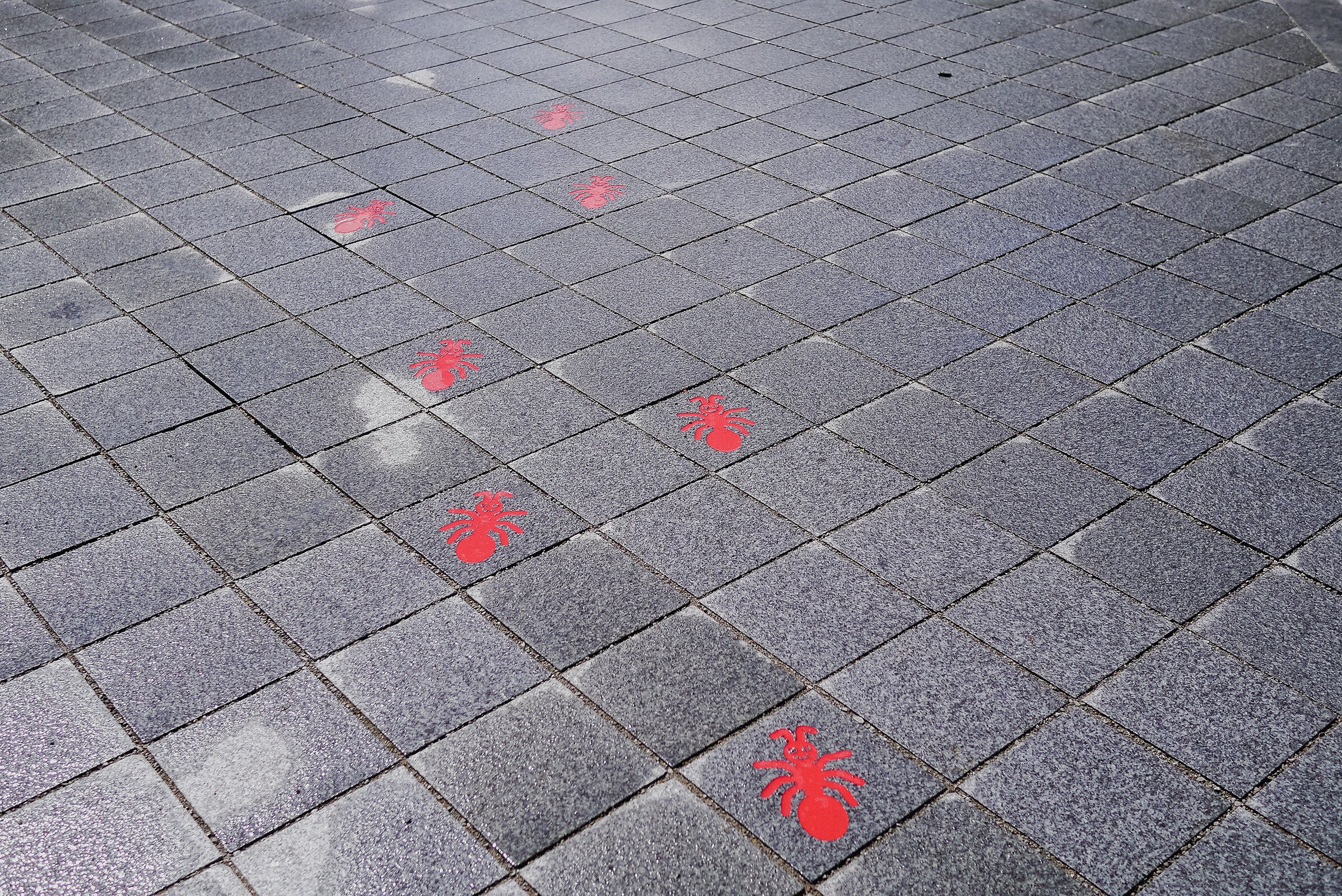
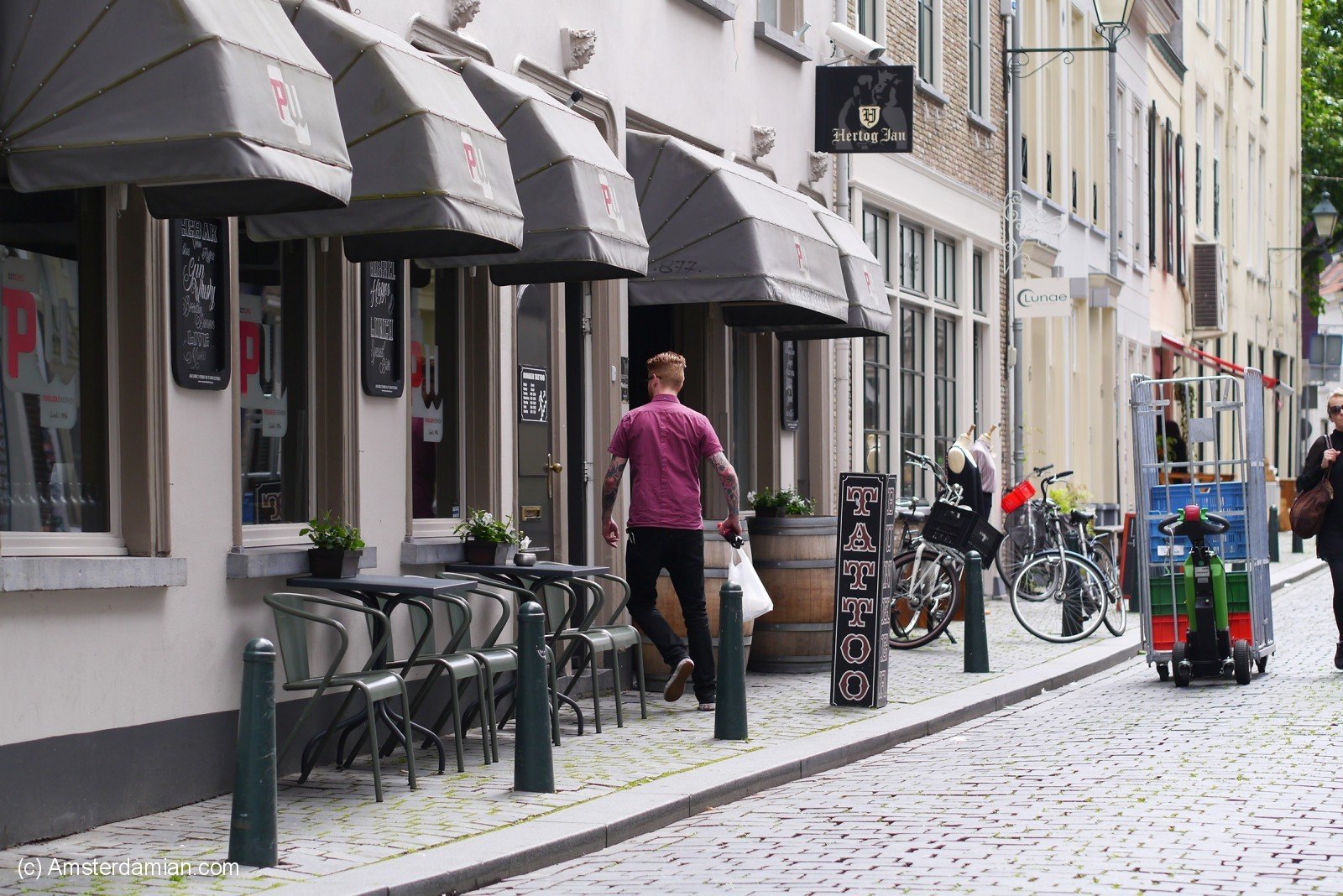
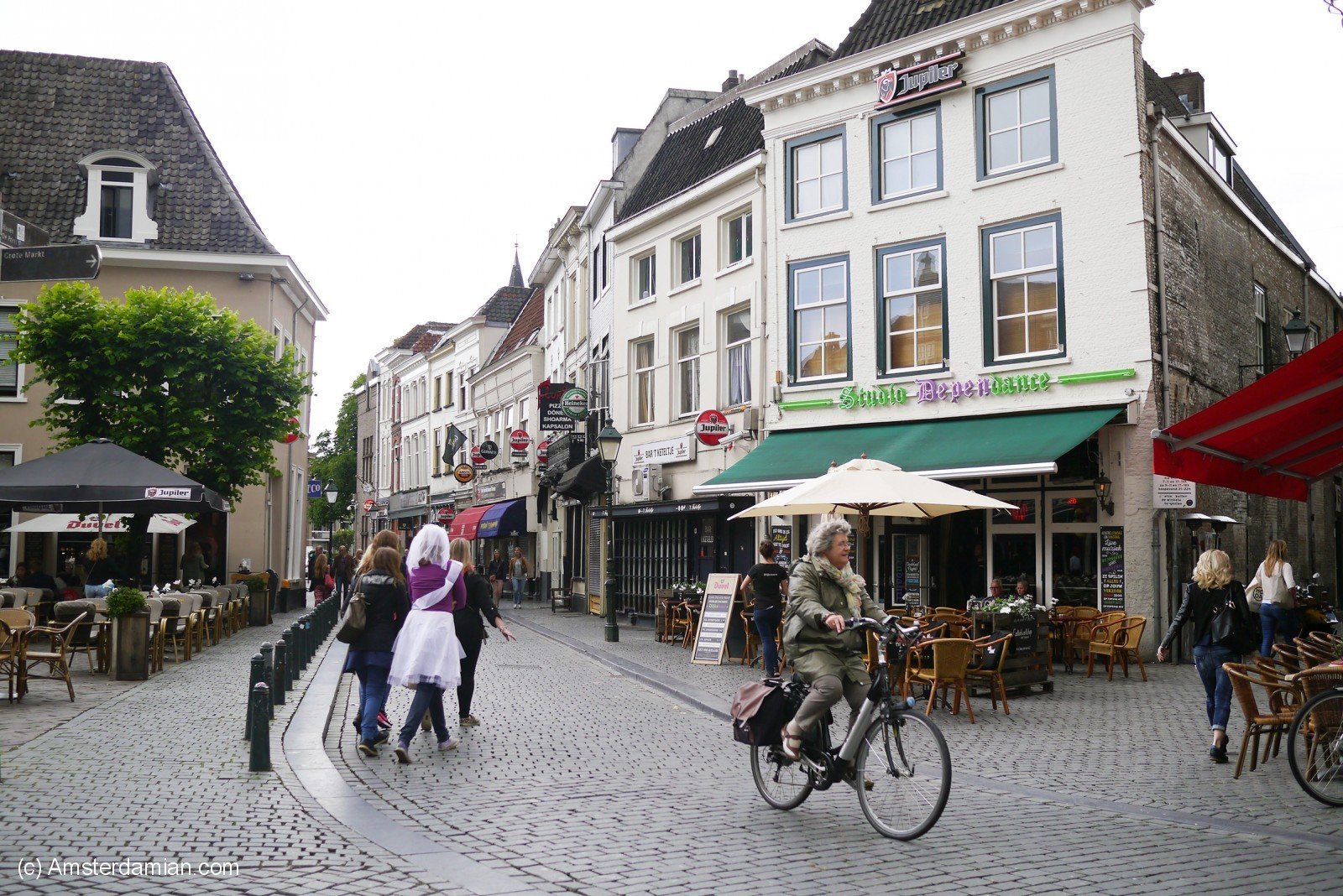
Wander around the city centre, discovering the city by yourself or with a free guided tour if you’d like. Take in the beauty of the streets, stop by to visit monuments or for a well deserved rest at one of the cafés. Pay attention to details and discover the art around the city, like the ants on the sidewalk on Willemstraat or the Troubadour on the Havermarkt.
● Visit Breda by boat
If you want to see the city from the water, book a boat tour around the canals with the electrical boats. The canal tour will take you around Breda while your guide will give you information over the most important landmarks and history of the city.
● Grote Markt, Stadhuis and Grote Kerk
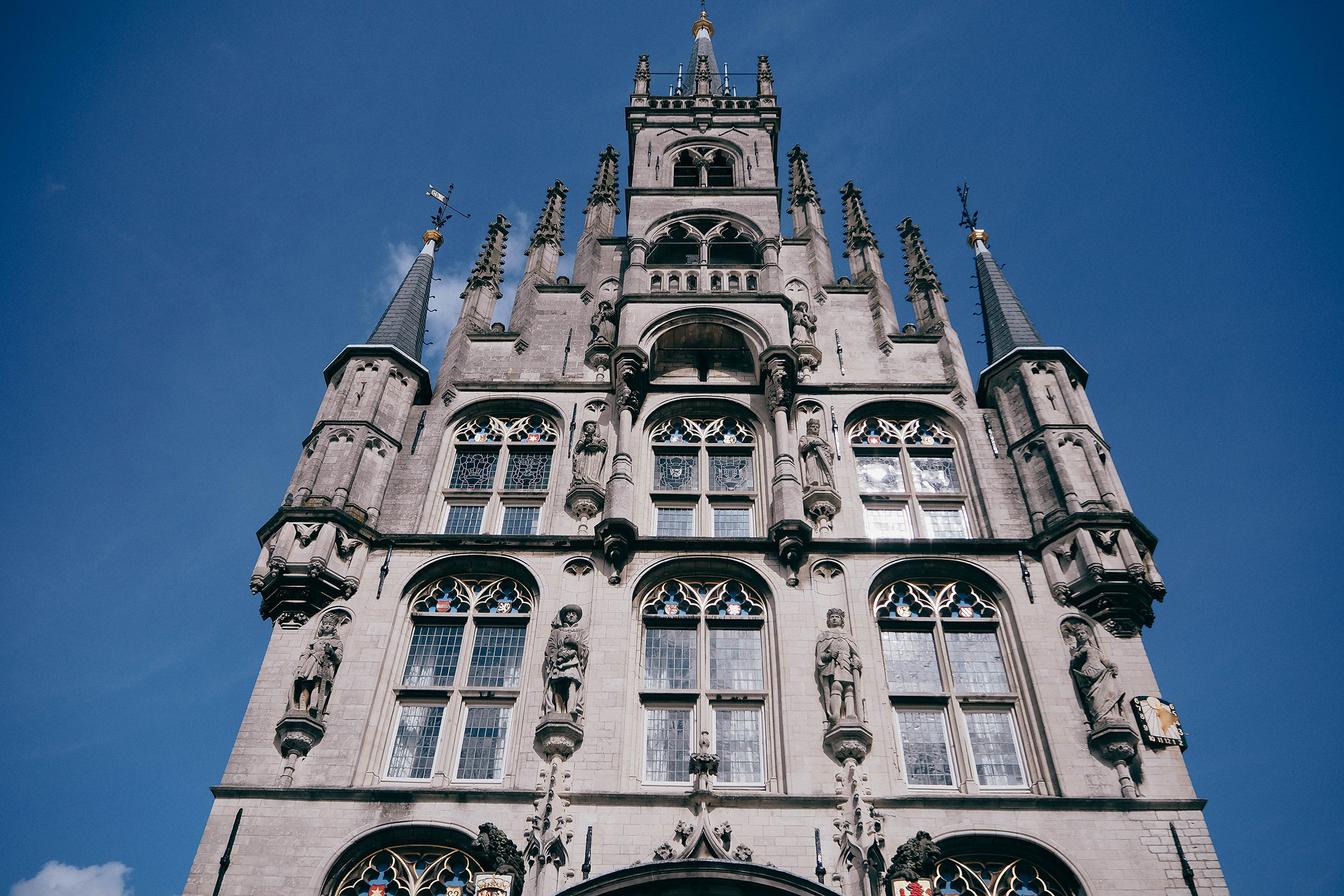
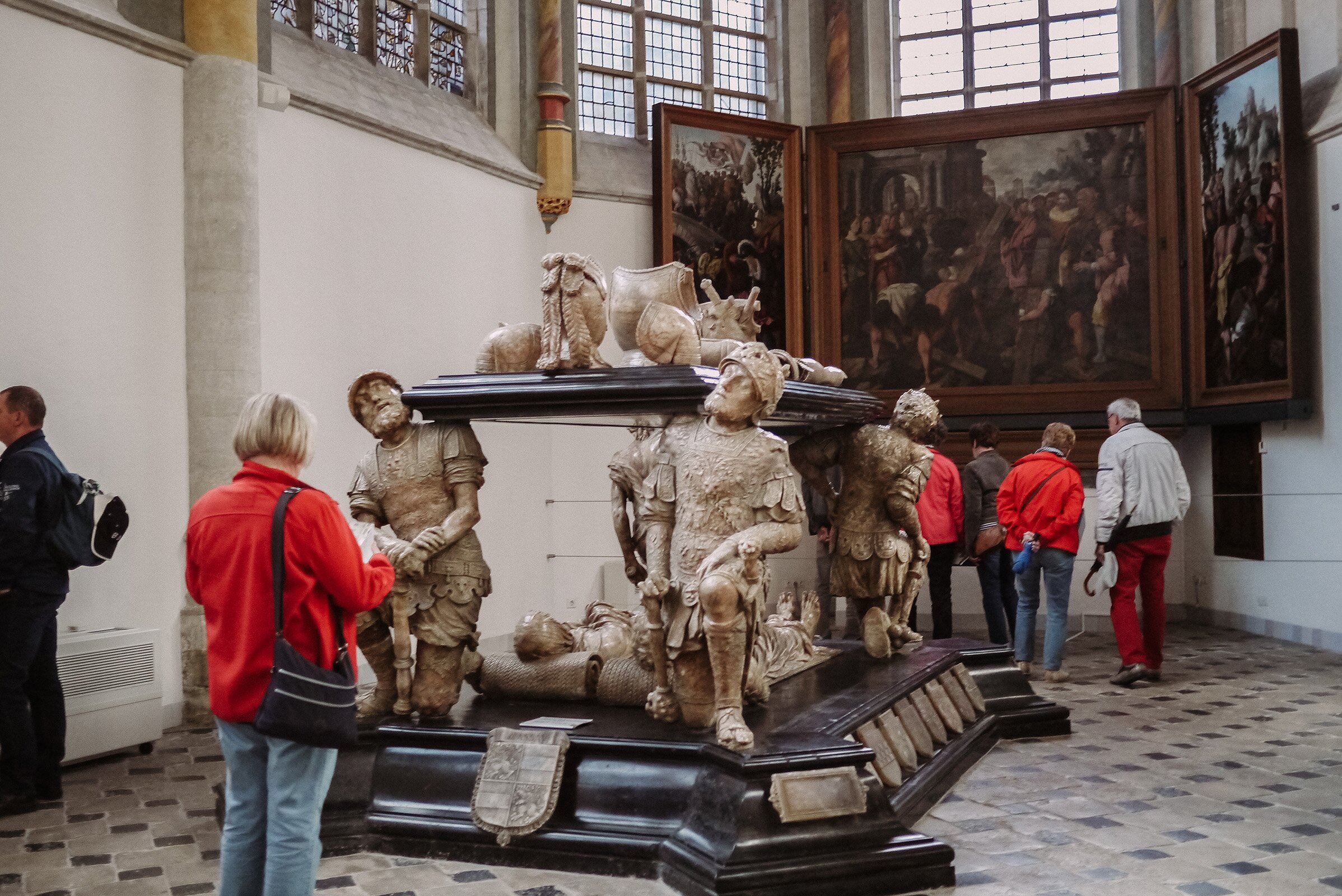
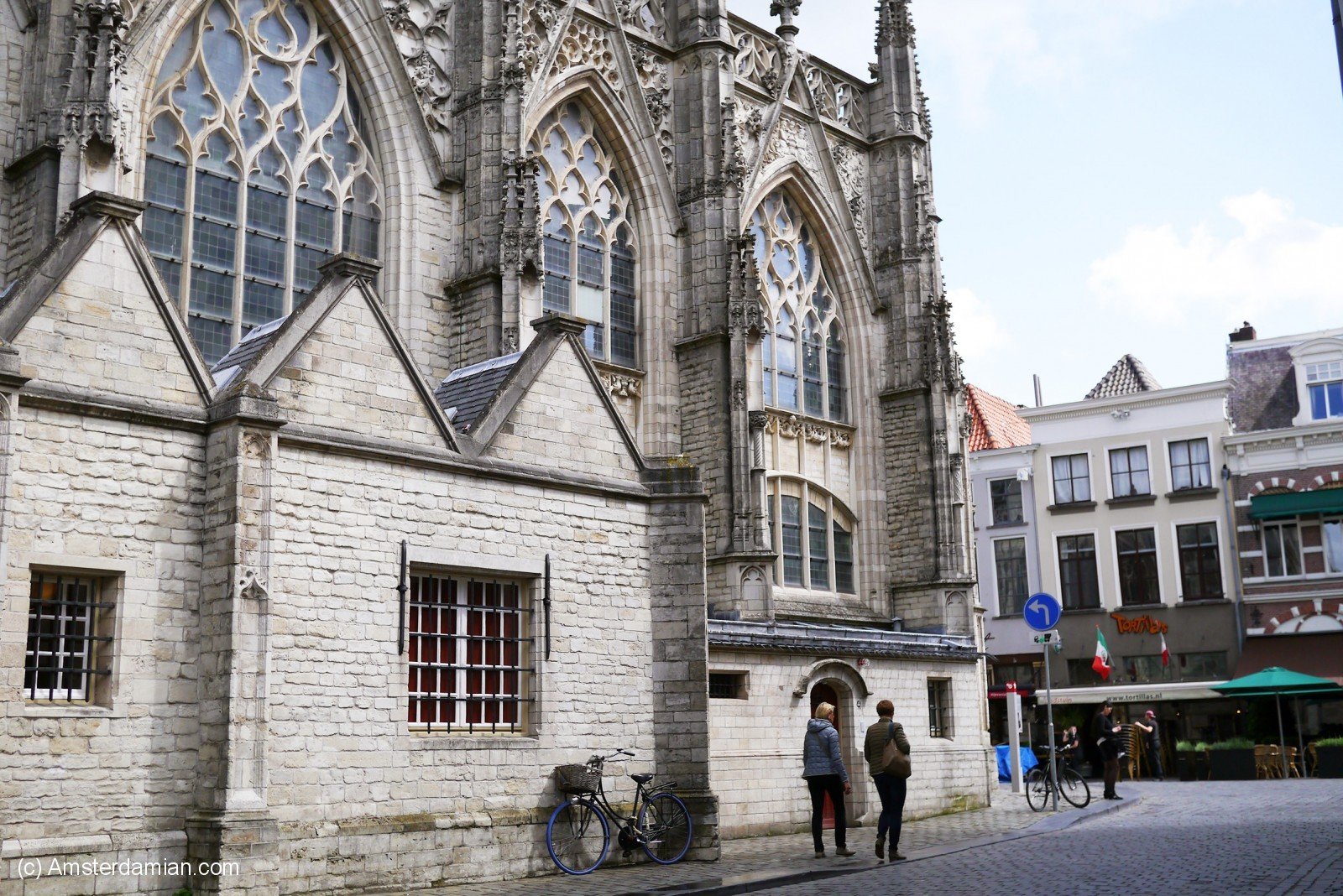
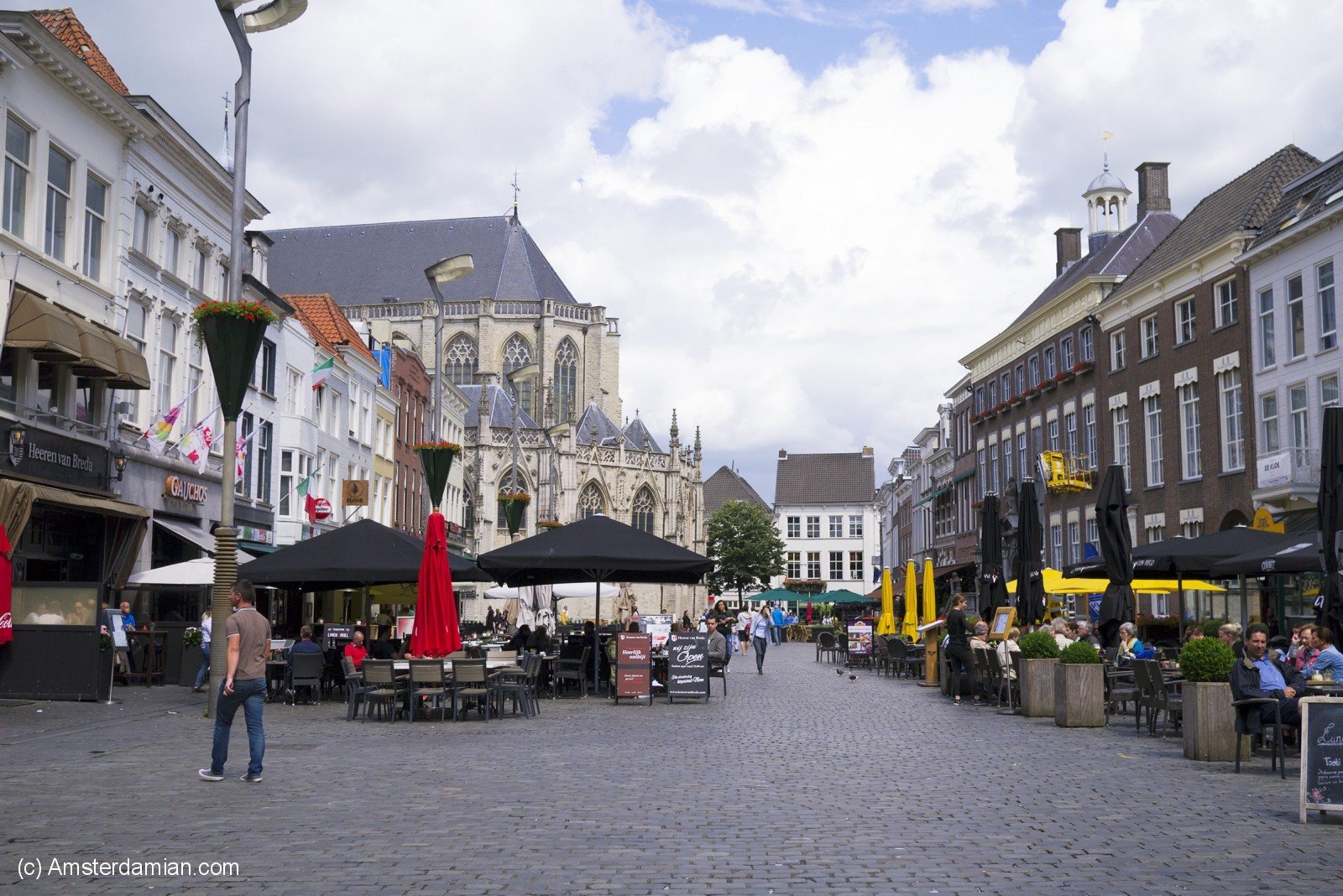
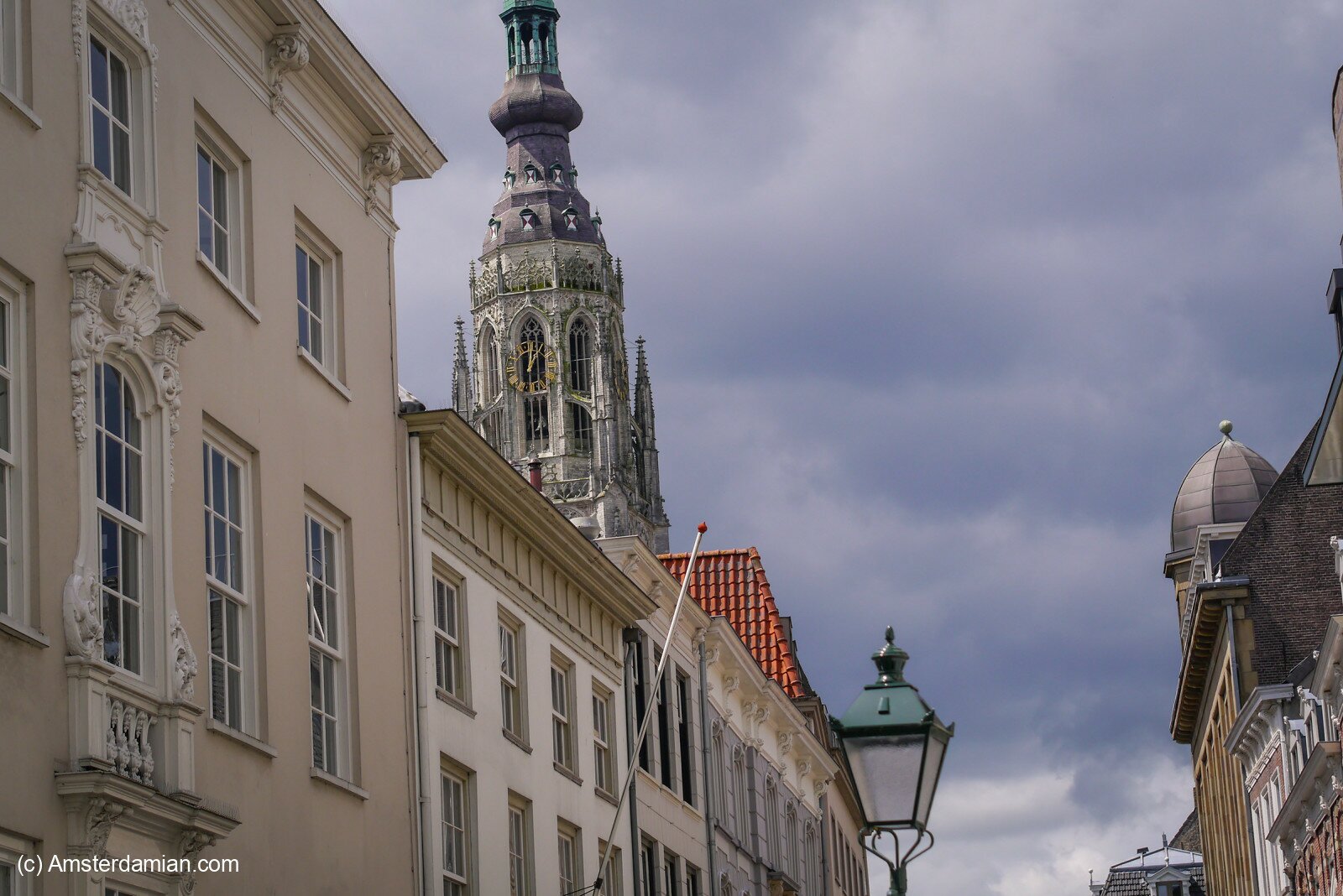
You won’t have any chance of missing these three during your walk around the city centre. You can stop in the charming Grote Markt (Main Square) for a drink, a bite, and people watching at one of the outdoor restaurants. The Stadhuis (old Town Hall), an elegant building, and the Grote Kerk, or Onze-Lieve-Vrouwekerk, built in Gothic style and featuring a 97-metres tower, are right there waiting for a visit. Inside the church you can admire the gothic style and a few Renaissance elements as well, an impressive organ (bearing the colours of the house Nassau, blue and gold), the 16th-century Renaissance alabaster tomb of Count Engelbrecht II of Nassau, and the monument dedicated to Count Engelbrecht I and his son.
● Kasteel van Breda (Breda’s Castle)
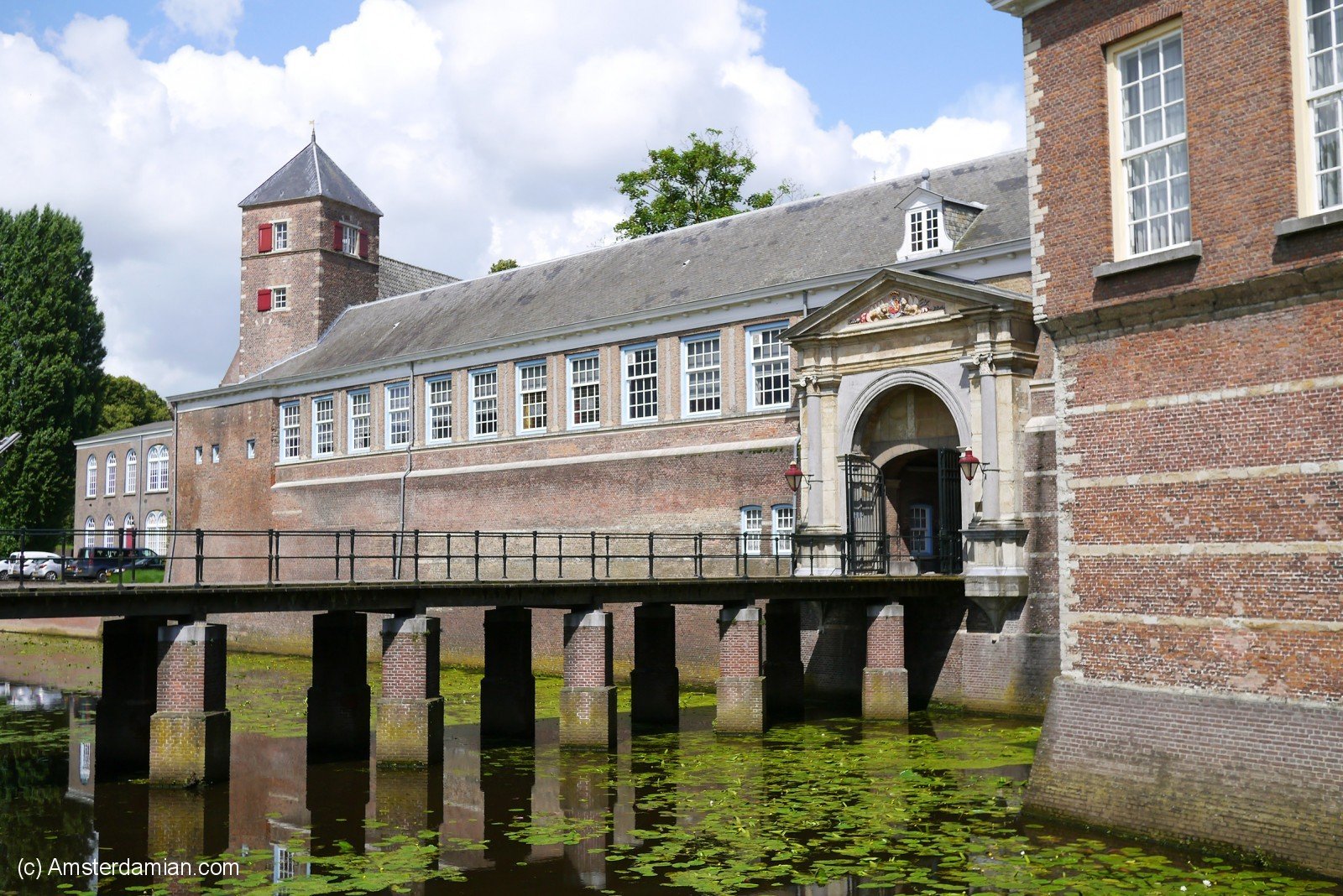
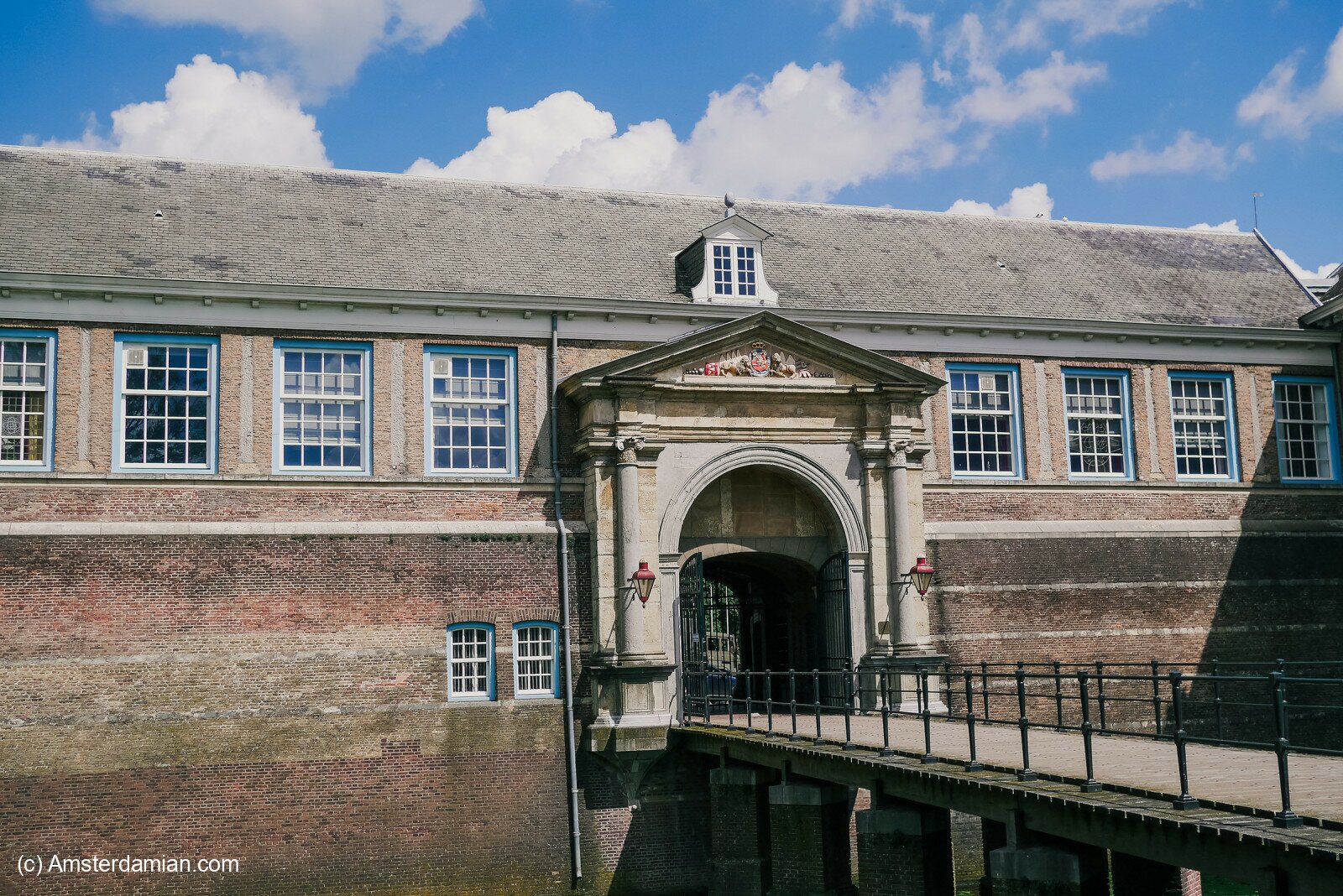
The castle is one of the main attractions of the city, and you can book a guided tour to see it and learn more about the history. There are not many castles that you can see in the Netherlands, so it’s nice for a change.
● The Spanjaardsgat (Spaniards Hole)
See the Spanjaardsgat (Spaniards Hole), which was originally used as a gate that would allow supplies to be carried to Breda by water. Built around 1610, the gate commemorates one of the most famous military ruses in Dutch history: the 1590 Peat Boat of Breda, when soldiers led by Charles de Héraugière hid inside a turf barge and slipped past the Spanish garrison to recapture the city for Maurice of Nassau.
● Visit Castle Bouvigne
Looking as if it’s floating on the water surface, this castle has a fairy-tale look and feel to it and it’s surrounded by beautiful gardens and orchards laid out in English, French, and German styles. You will need to take public transport to get there (check current bus routes on 9292.nl), because the castle is not in the city centre, but it’s well worth it.
● The Begijnhof
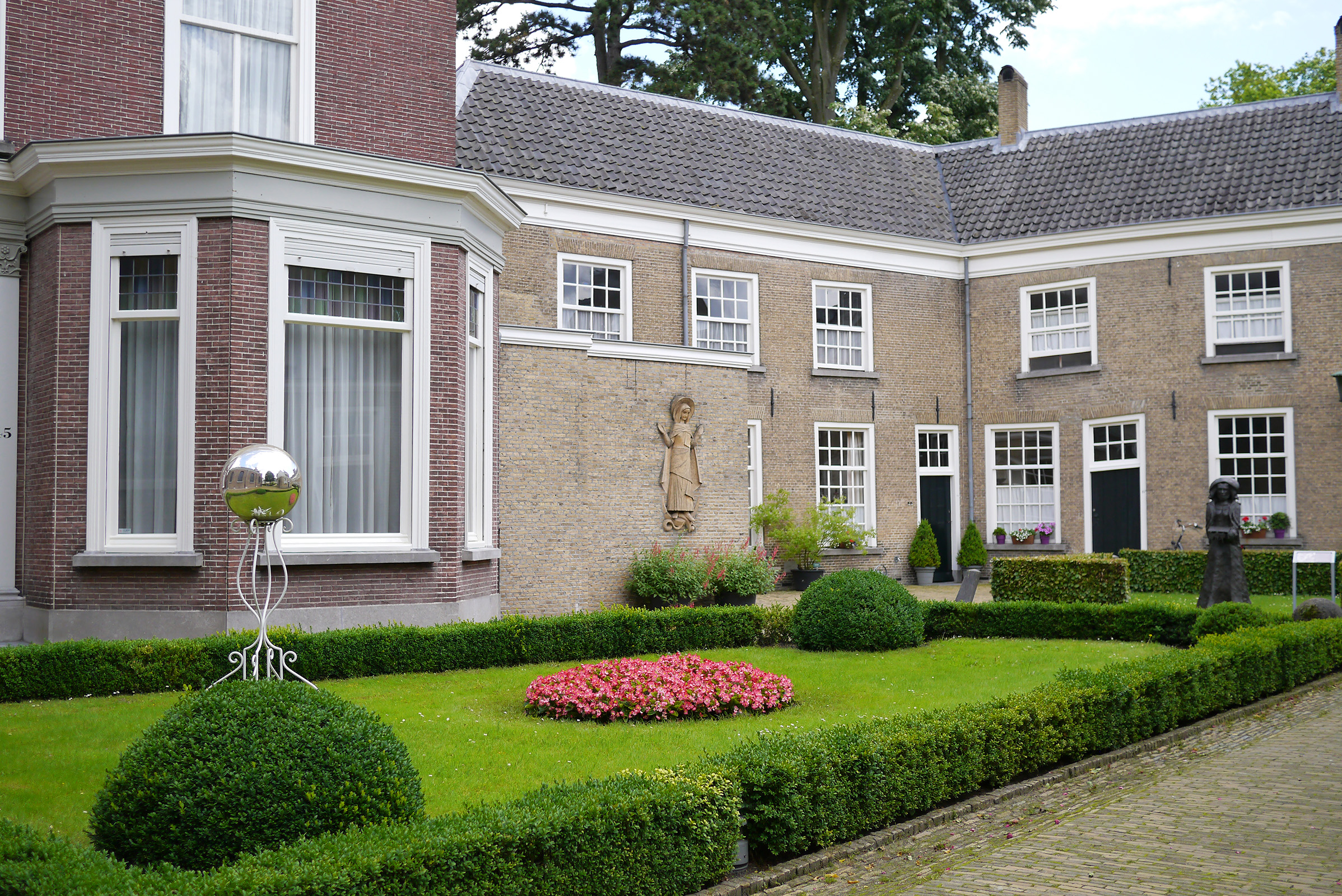
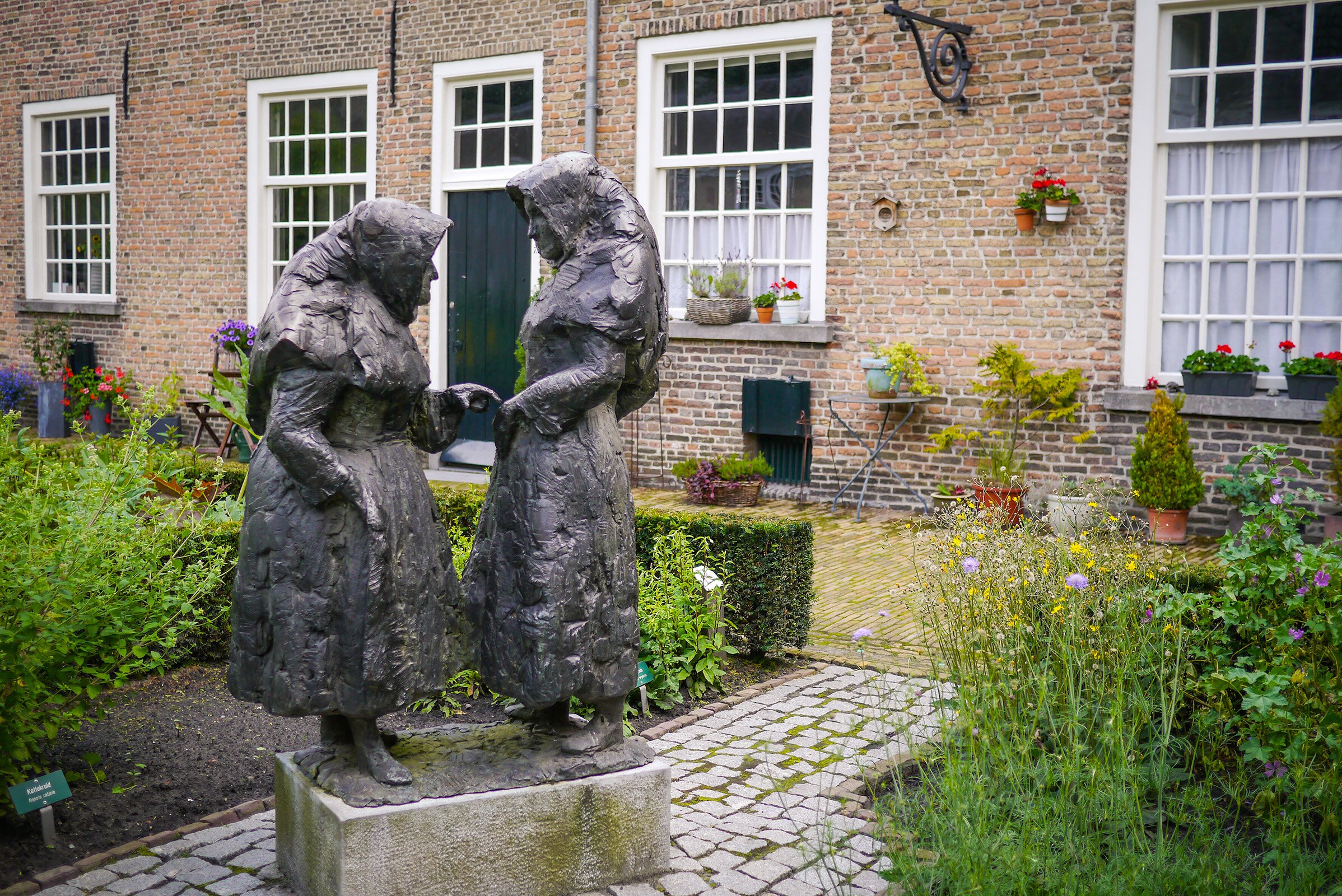
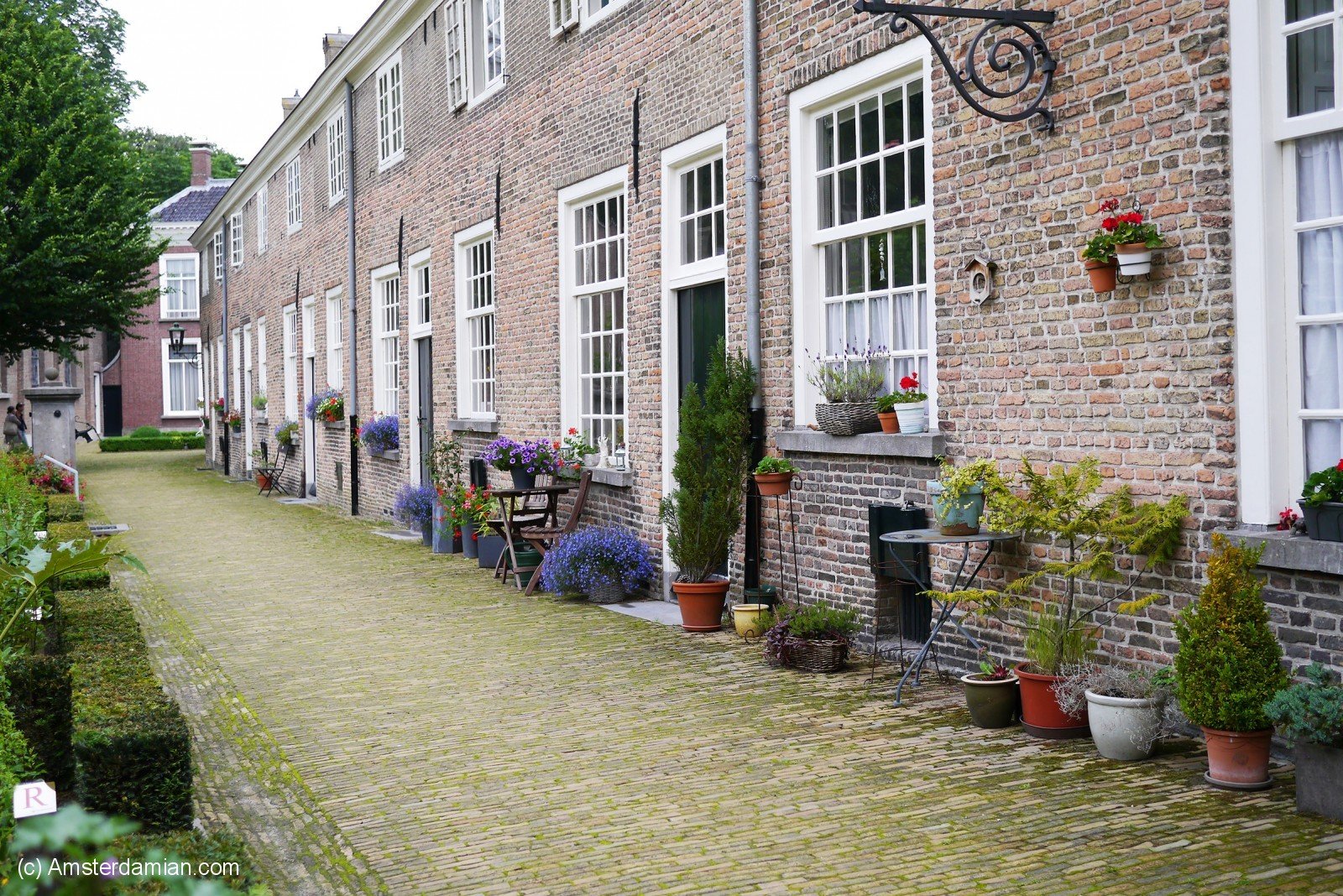
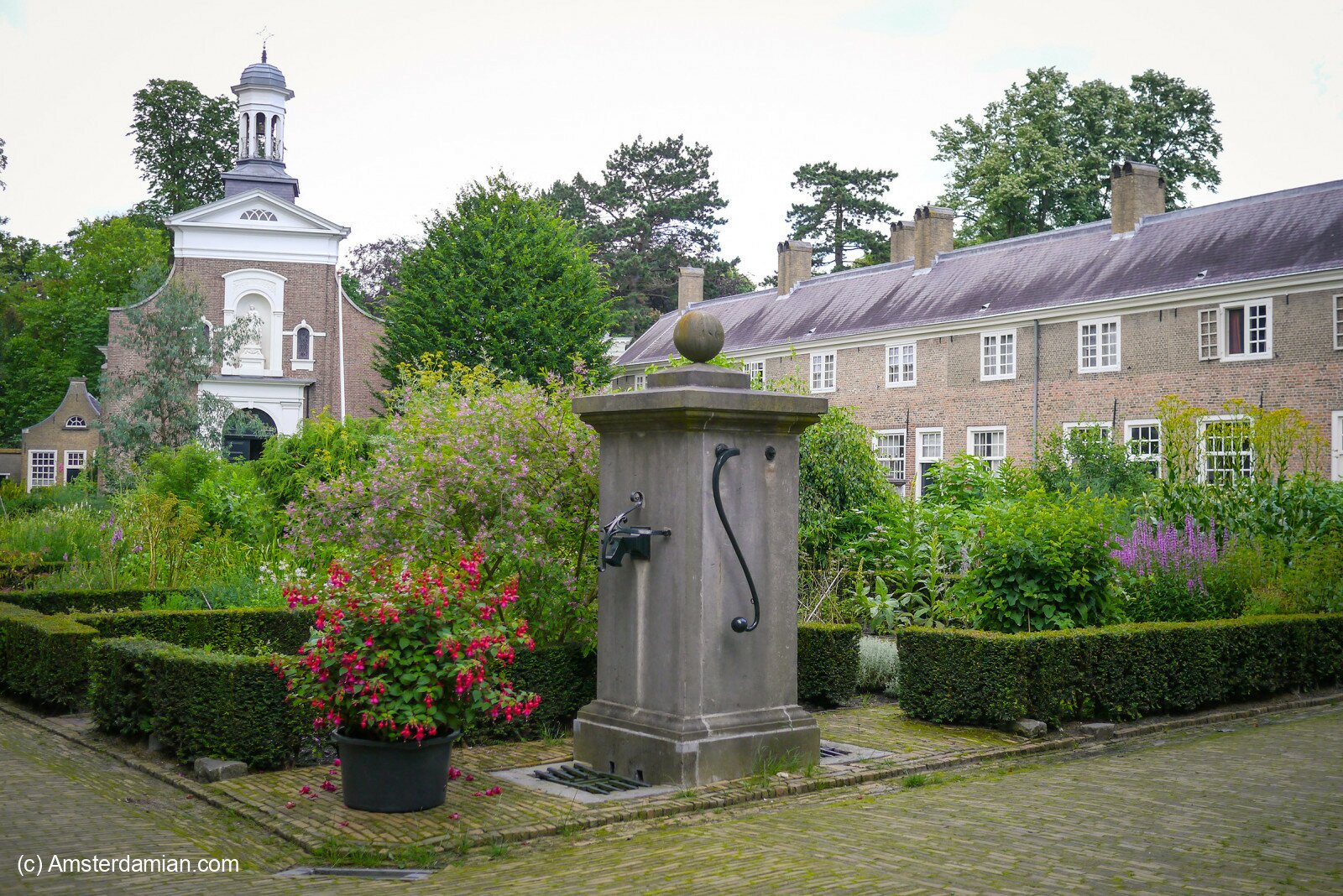
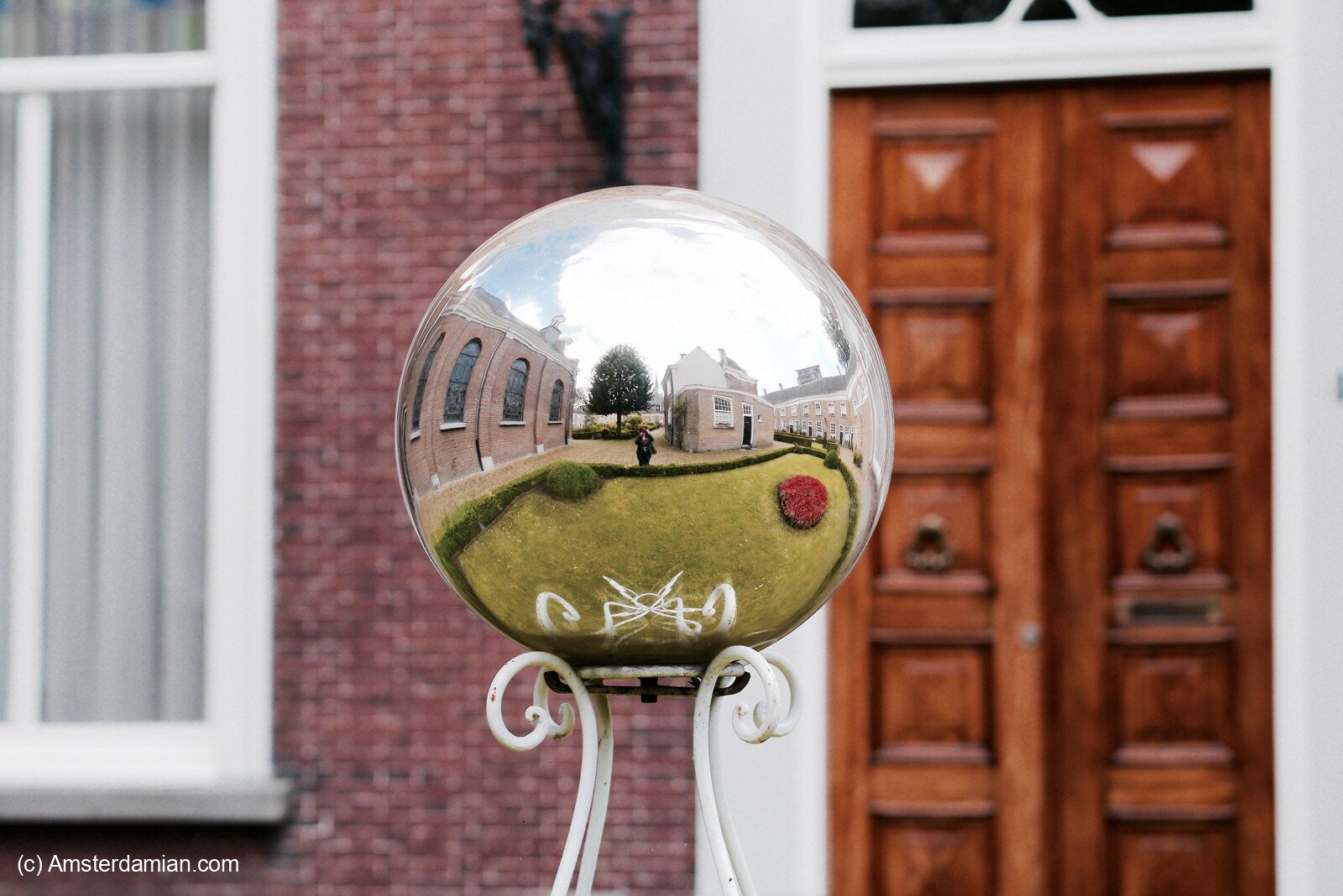
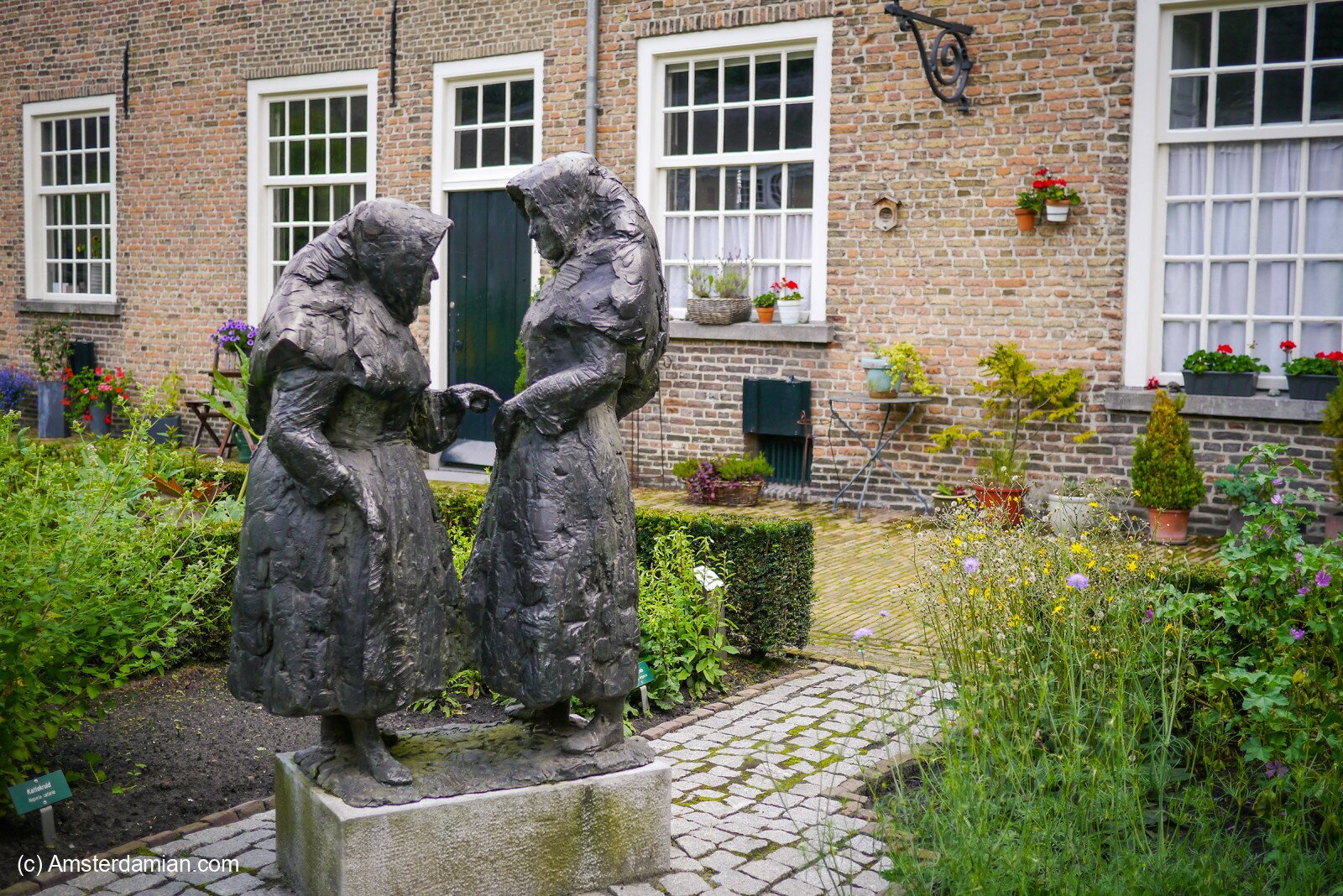
The Begijnhof was built by a community of lay religious women known as the Beguines (unmarried women who lived in community without taking permanent vows), and it’s a peaceful oasis in the city. Dating back to 1267, it’s one of the oldest surviving institutions in the Netherlands. I loved walking in the garden and admiring the Beguines statues all around it — they look almost alive.
● The Blind Walls Gallery
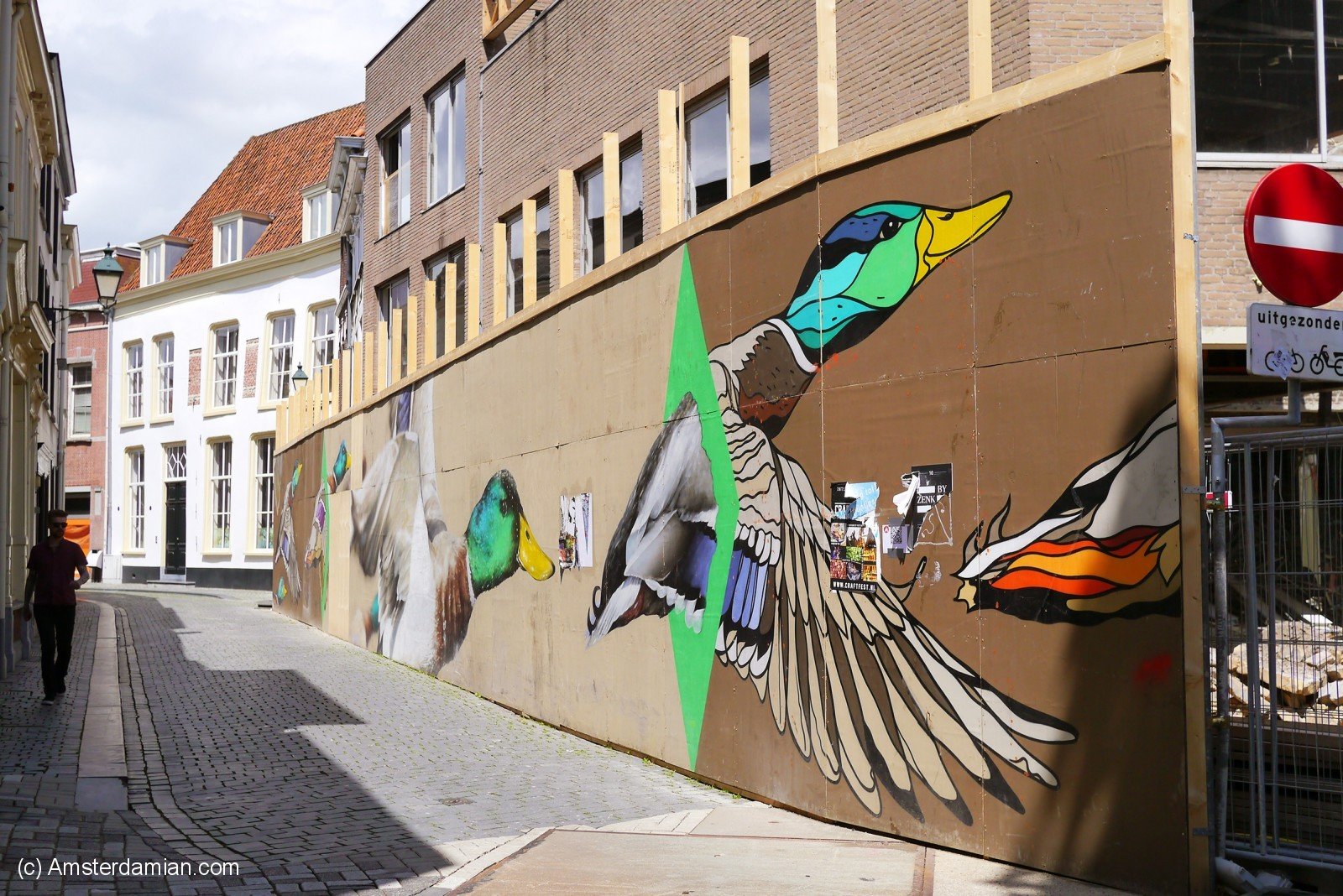
Don’t forget to admire the street art in Breda. The Blind Walls Gallery consists of over 170 murals inspired by the past, present and future of Breda, making it one of the largest open-air street art collections in Europe. One example is the Ring around the Rosie painting, a rat surrounded by dancing kids, telling the story of a cemetery for people who died of the plague, which used to be, around 1514, in the place where the Mol parking stands now. You can find the paintings while you walk around the city centre, but if you want to know the story behind each of them, it’s better to book a tour.
Subscribe to our newsletter!
Museums in Breda
● Stedelijk Museum Breda
Housed in one of Breda’s oldest buildings, a former medieval guesthouse dating back to the 13th century, Stedelijk Museum Breda is the city’s museum of history, heritage, and contemporary visual culture. It explores the city’s past through permanent exhibitions such as The Nassaus of Breda, while also presenting changing shows dedicated to contemporary art, photography, design, and local creative talent.
● Begijnhof Museum
Located within the peaceful Begijnhof Breda, this small museum offers insight into the lives of the Beguines of Breda, the independent religious women who lived here for centuries. Visitors gain a glimpse into their daily routines and spiritual world through historic rooms, furnishings, and displays. The site also includes the Miniaturen- en Poppenhuismuseum, a charming collection of dollhouses and miniature interiors.
Breda parks and gardens
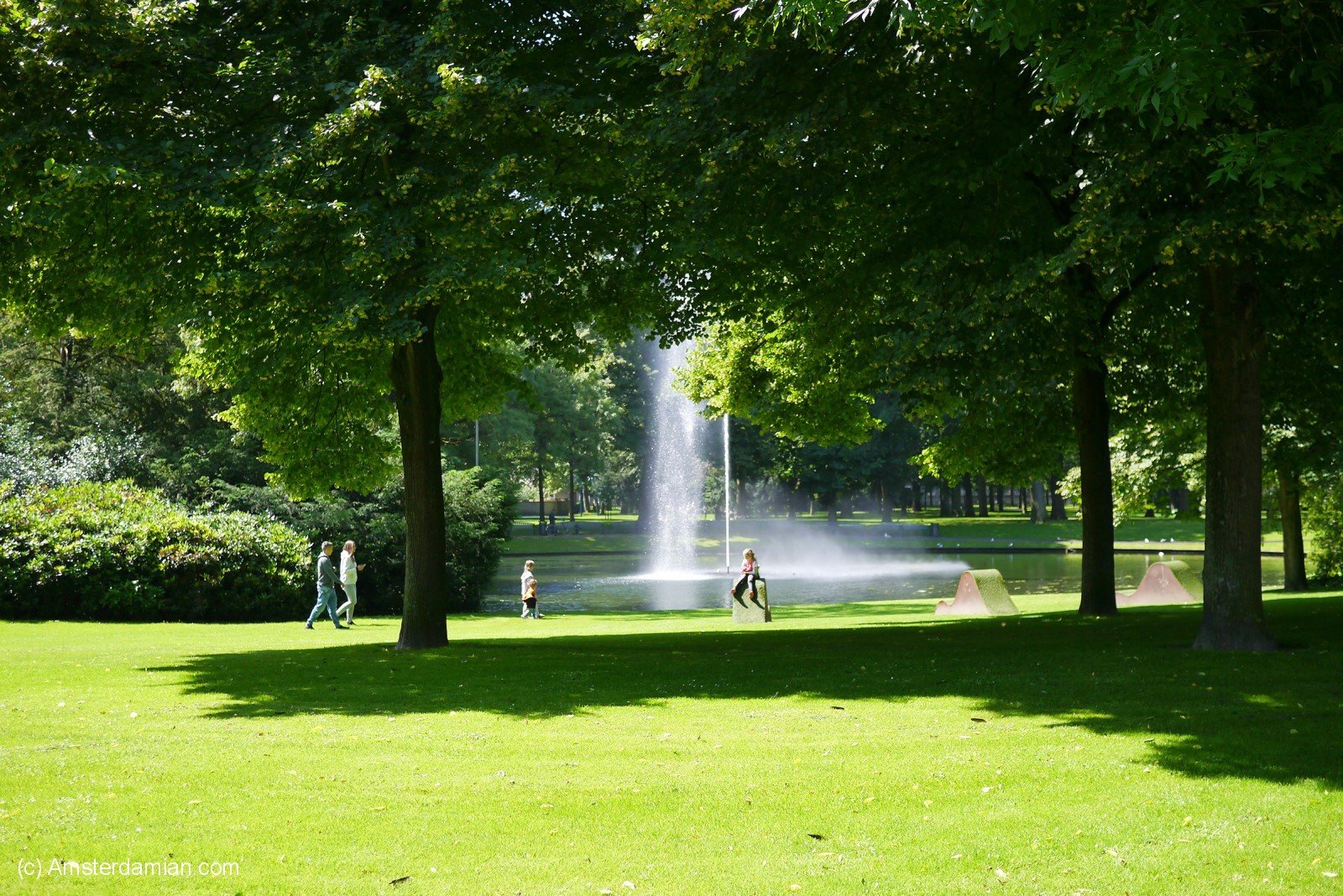
Breda is a green city, with many green areas. You can visit the parks or look for the smaller gardens all around the city.
- Valkenberg Park. Until 1812, Valkenberg served as a castle garden for the lords of Breda. It owes its name to a falcon house that stood on the edge, from which the castle residents and their guests practiced falconry. Nowadays it’s a beautiful green area accesible to everyone.
- Wilhelminapark. A park with two large ponds and historical monuments.
- Mastbos. One of the oldest forests in the Netherlands (around 500 years), can be found South of Breda, close to the Bouvigne Castle. The name of the forest comes from the historical use of the trees for building ship masts for the Dutch and Spanish fleets. Mastbos is a big forest, with narrow paths that open to beech avenues, heathland, deciduous trees and dark coniferous forest. It’s a home to many animals (deer, foxes, martens, squirrels etc.) which you might spot if you’re lucky. I, for one, have yet to meet the animals hiding in the Dutch forests, no matter how often I visited!
What to see around Breda
De Biesbosch National Park
Just 20 minutes from Breda by car, De Biesbosch is one of the largest national parks in the Netherlands and one of the last remaining freshwater tidal wetlands in Europe. You can explore it by kayak, boat tour, or on foot along the walking trails. It’s a wonderful contrast to the city: wide open water, reed beds, and a surprisingly wild landscape for a country this flat.
Etten-Leur & Van Gogh
Visit the place where the famous artist Van Gogh started his career, walk in his footsteps and discover the Van Gogh related monuments in the village.
Efteling
Efteling is a fairy-tale inspired theme park, one that deserves a full day trip. It’s a magical place for adults and kids alike: thrilling roller coasters, enchanting attractions or spectacular park shows. If you don’t like the rollercoasters you can spend your time in the Enchanted Forest, meeting Snow-White or the mean witch, visit the spooky places that mess with your head or ride on the gondoletta.
Baarle-Nassau
This village is famous for the fact that the Dutch-Belgian border passes right through its centre, splitting streets and sometimes even houses. It’s the place where you can literally sit with your feet in two countries at the same time, and some people have their living room in the Netherlands, while the bedroom is in Belgium. The residents seem to get along just fine and probably don’t think about their weird border situation too much.
How to Get There
Breda is easy to reach by train from Amsterdam. Direct Intercity trains run throughout the day, and the journey takes about 1 hour and 20 minutes. Check NS website for the latest timetable and ticket prices.
Frequently Asked Questions
Is Breda worth a day trip from Amsterdam?
Absolutely. Breda offers a mix of royal history, Gothic architecture, one of Europe’s largest street art galleries, and the relaxed southern Brabant atmosphere, and it’s relatively close to Amsterdam.
How long do you need in Breda?
A full day is enough to see the main sights in the city centre, including the Grote Kerk, Begijnhof, Kasteel van Breda, and the Blind Walls murals. If you want to visit Castle Bouvigne, Mastbos, or De Biesbosch, consider a long weekend.
What is Breda known for?
Breda is known for its royal Nassau history, the Grote Kerk, lively terraces, the historic Turfschip story, the Begijnhof, Blind Walls Gallery street art, and its location near Brabant’s forests and Van Gogh heritage sites.
I hope this article gave you inspiration for your next trip, and if you visited Breda before, let me know what you liked about it!








Breda is one of the Noord-Brabant stops in the Dutch Provinces guide.
While you’re in Noord-Brabant, a day trip to ’s-Hertogenbosch pairs naturally with Breda — the two cities are a short train ride apart.
Stay tuned for more and follow Amsterdamian on Instagram and Facebook for more stories about life in the Netherlands, written by a real local, updated constantly.
Check out my photo book: Amsterdam Through the Seasons!
Love what you’re reading? Support my work with a small donation.
And share this post if you liked it!