Last update May 2026
Wide beaches, foamy waves, sun and relaxation. For many, this is the essence of the Zeeland province and what has drawn visitors here year after year since the 19th century, alongside the wellness resorts of more recent decades. One of the oldest seaside resorts in the Netherlands, Domburg, with its tall dunes and magical light, was the place I couldn’t skip on my Zeeland route: the town that, more than a century ago, drew Piet Mondrian back summer after summer.
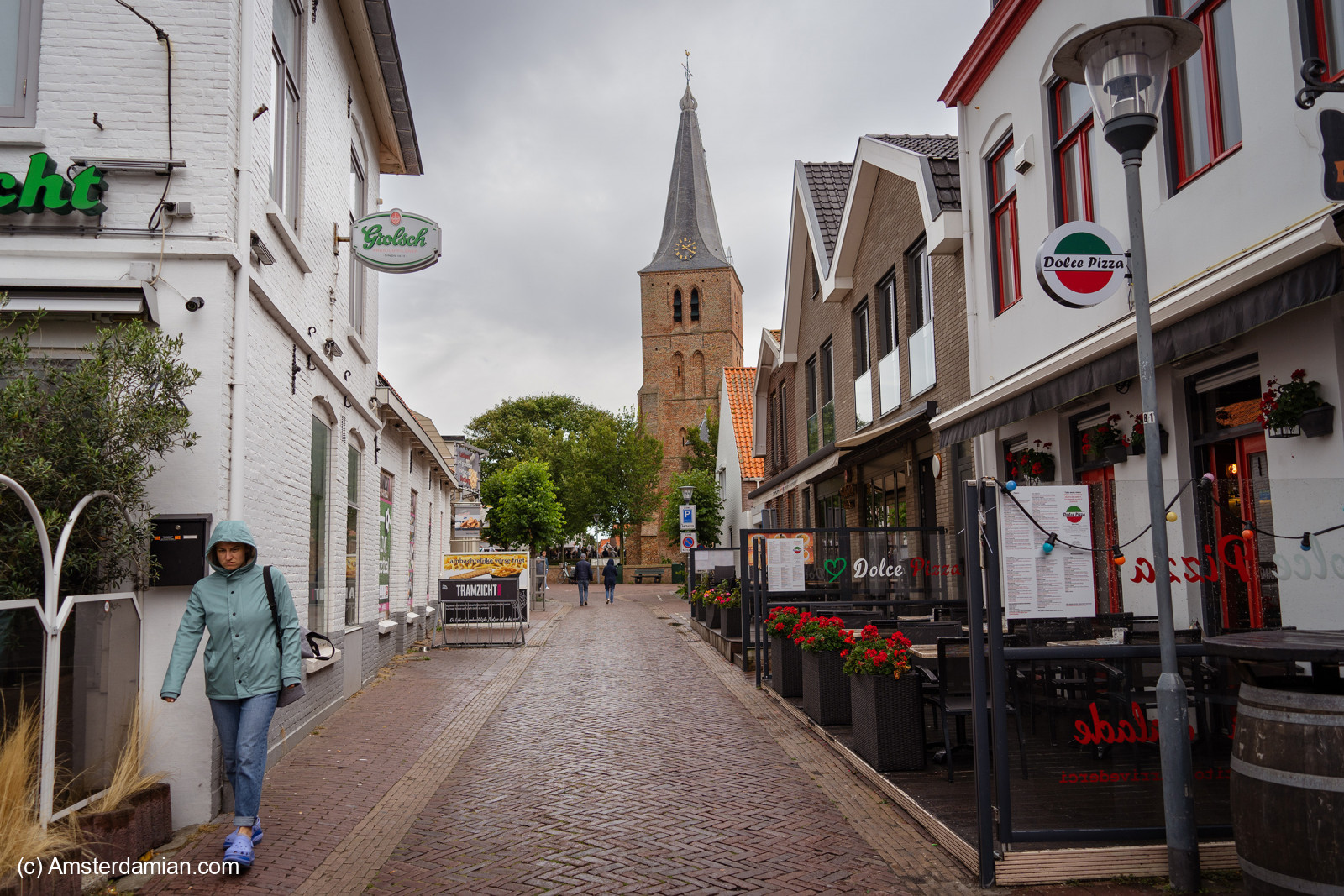
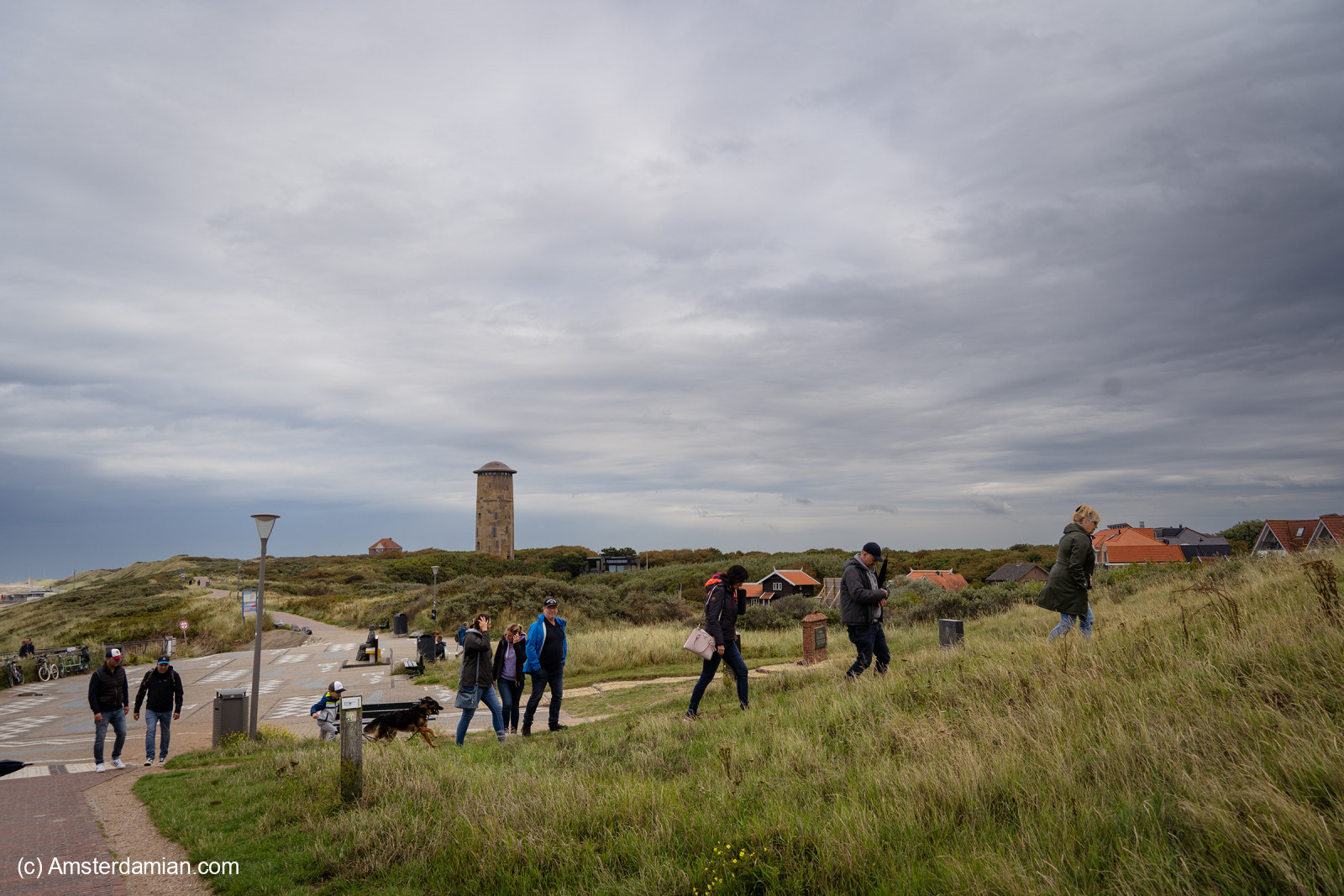
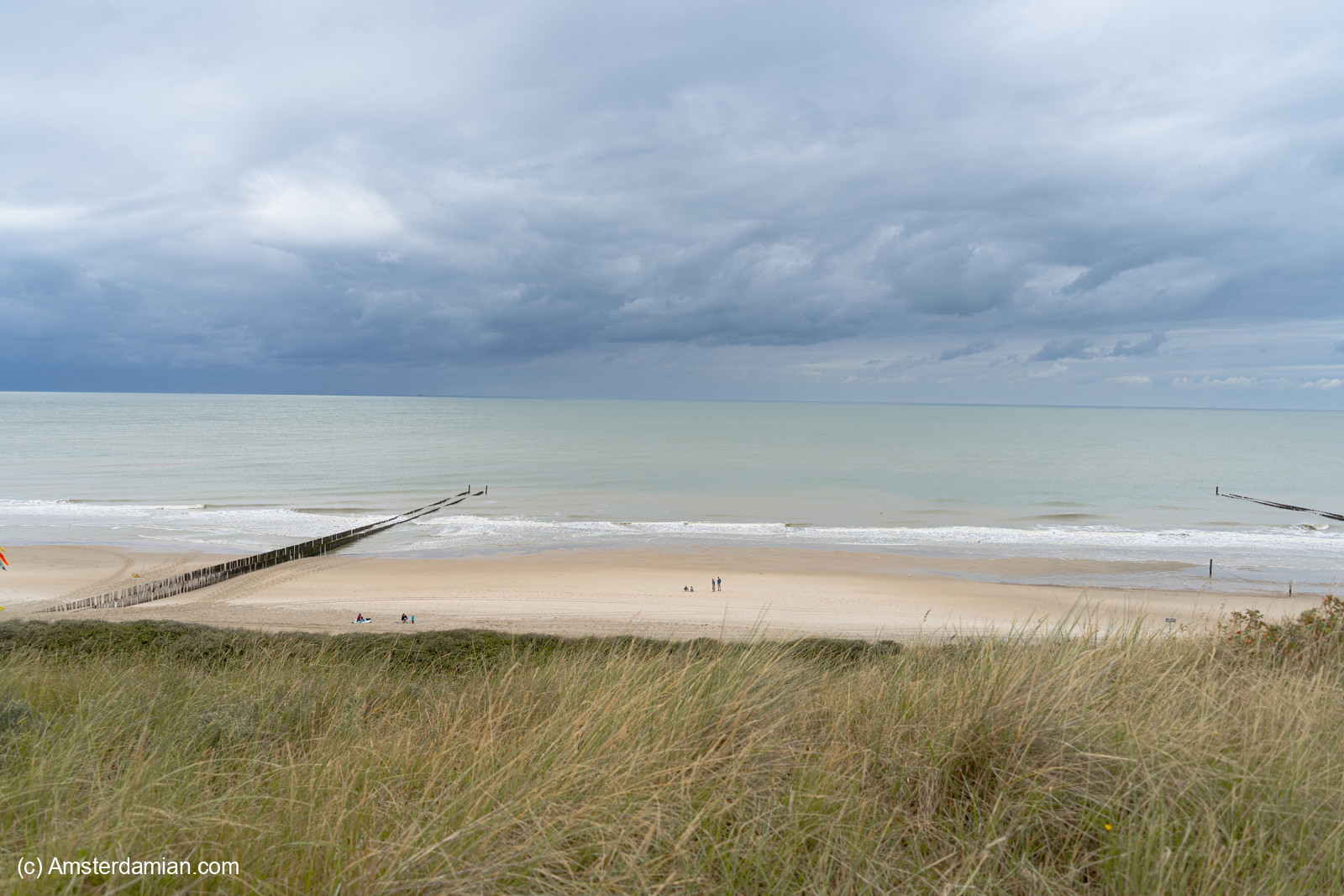
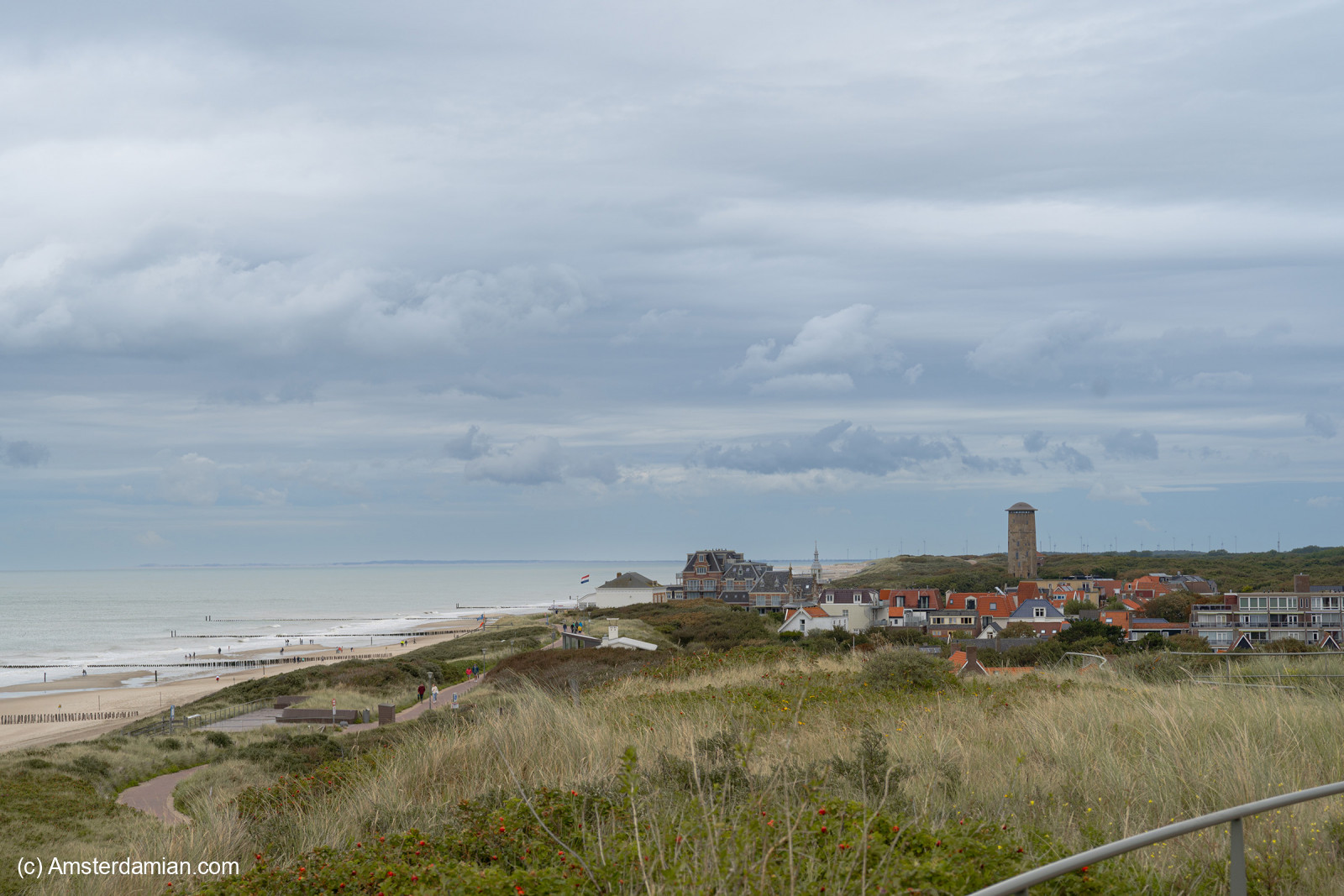
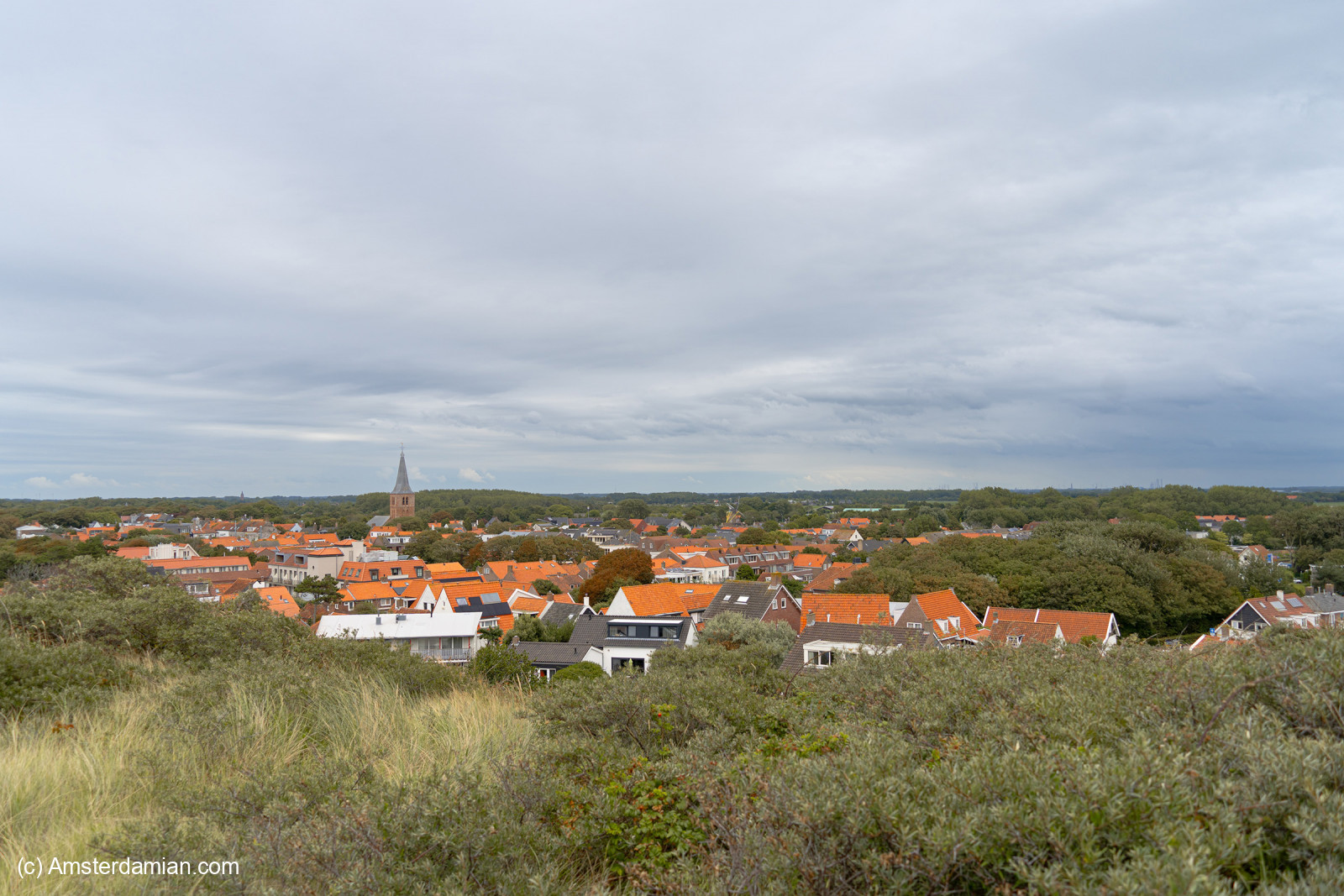
Although I visited Domburg in August, the weather wasn’t suitable for sunbathing and swimming. It was a rainy day, with cold winds blowing from the sea. The town is small and cosy, with houses painted in white and pastel colours specific to this province. There are many restaurants, most of them offering sea food menus, and bakeries where you can sample the local delicacies.
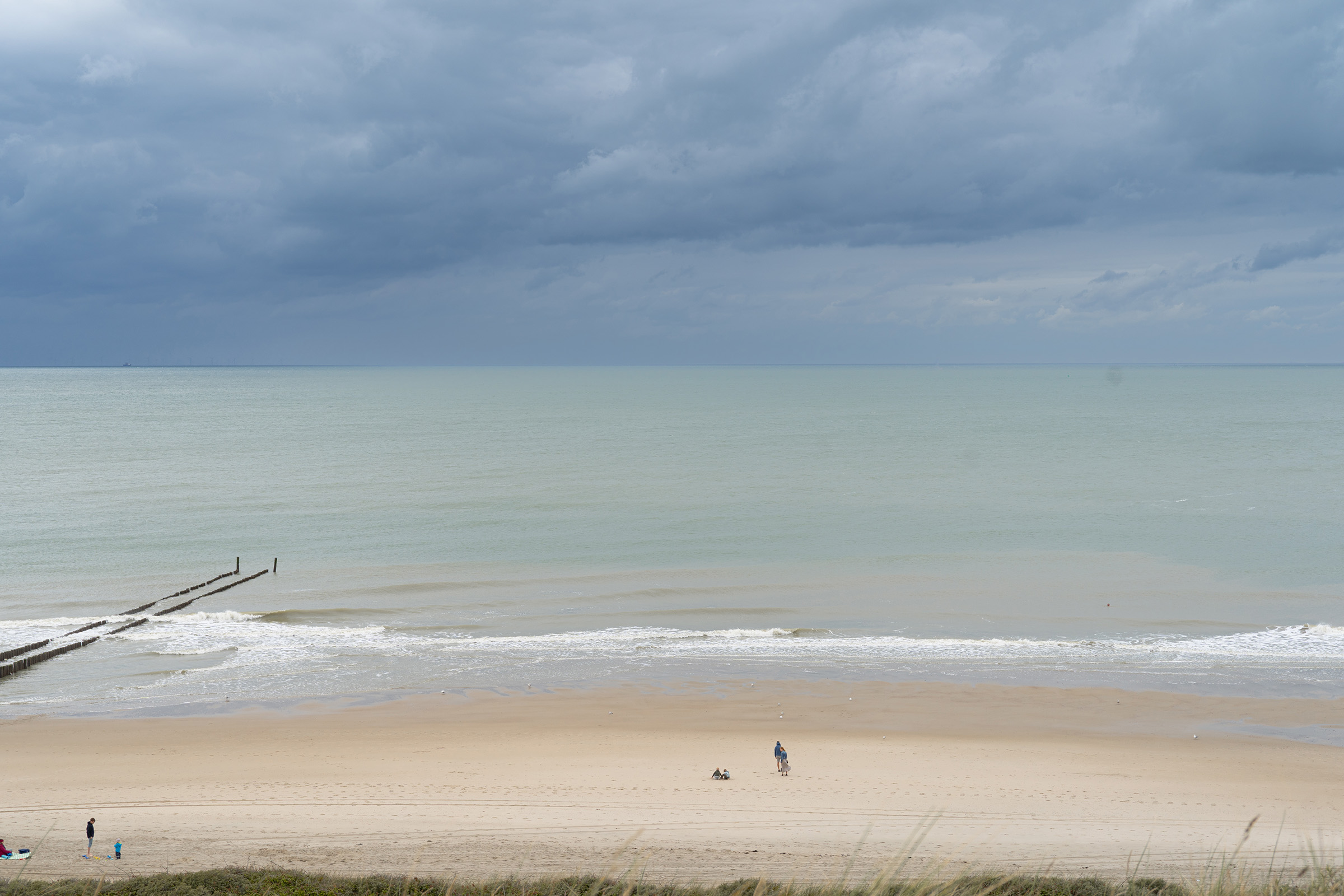
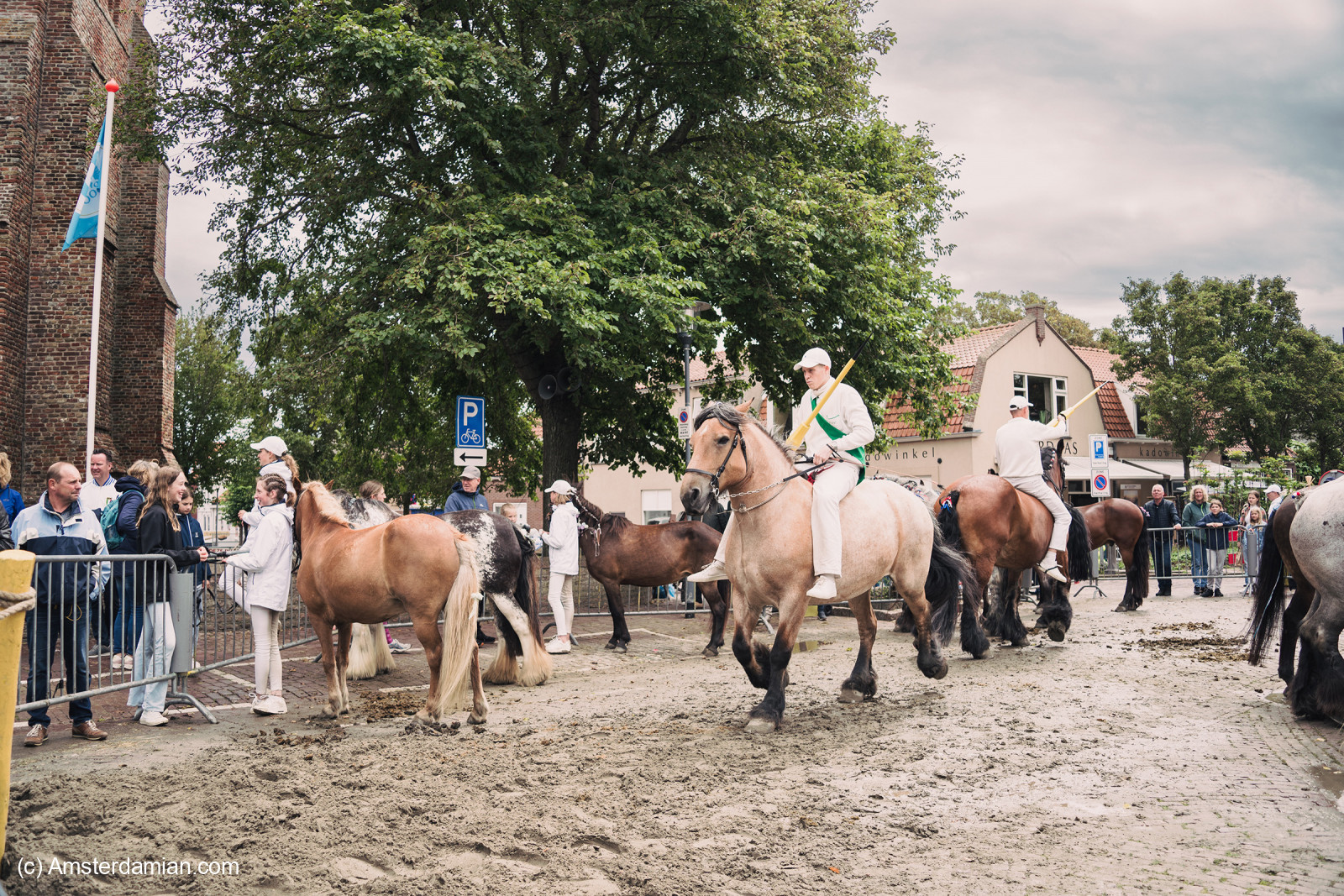
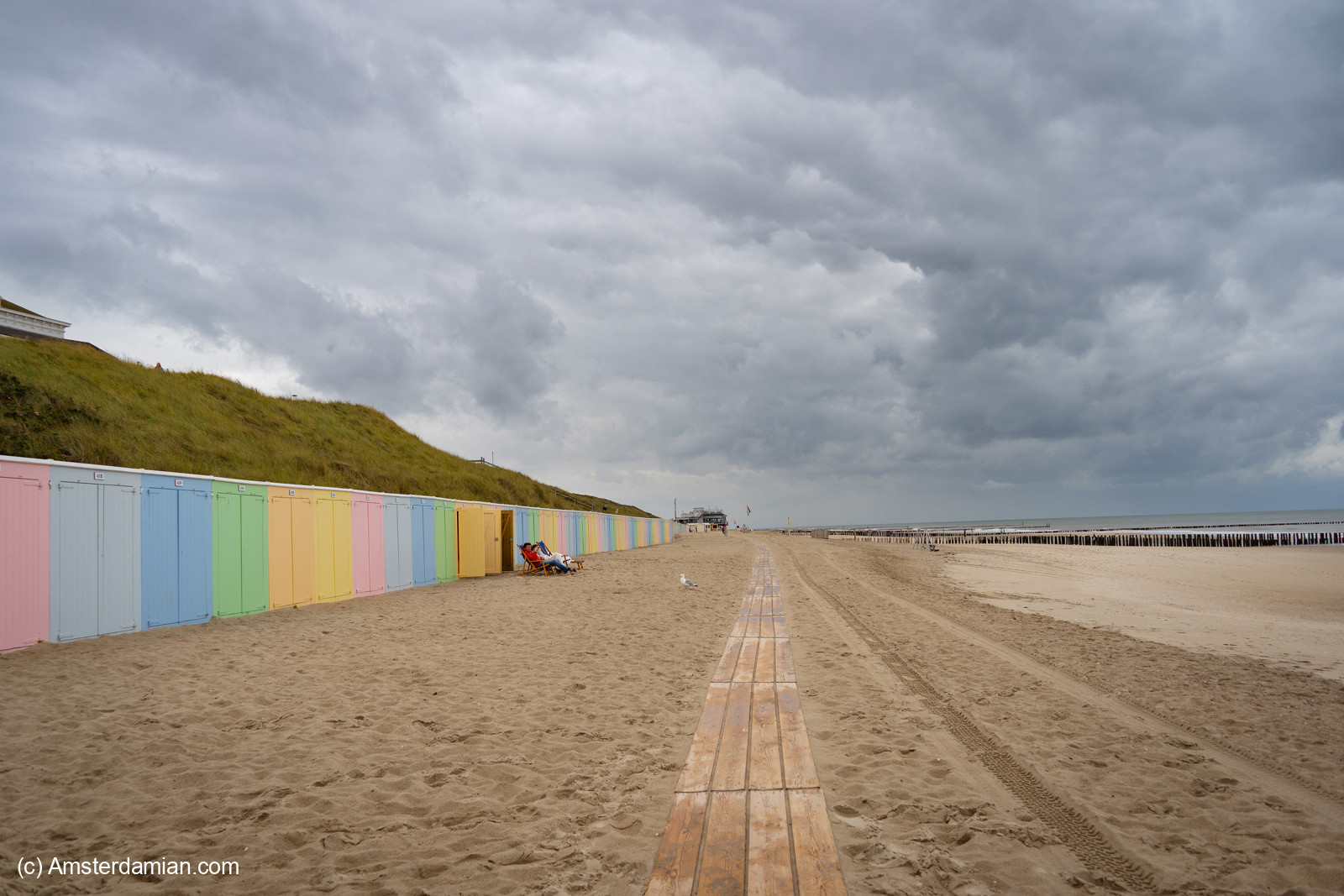
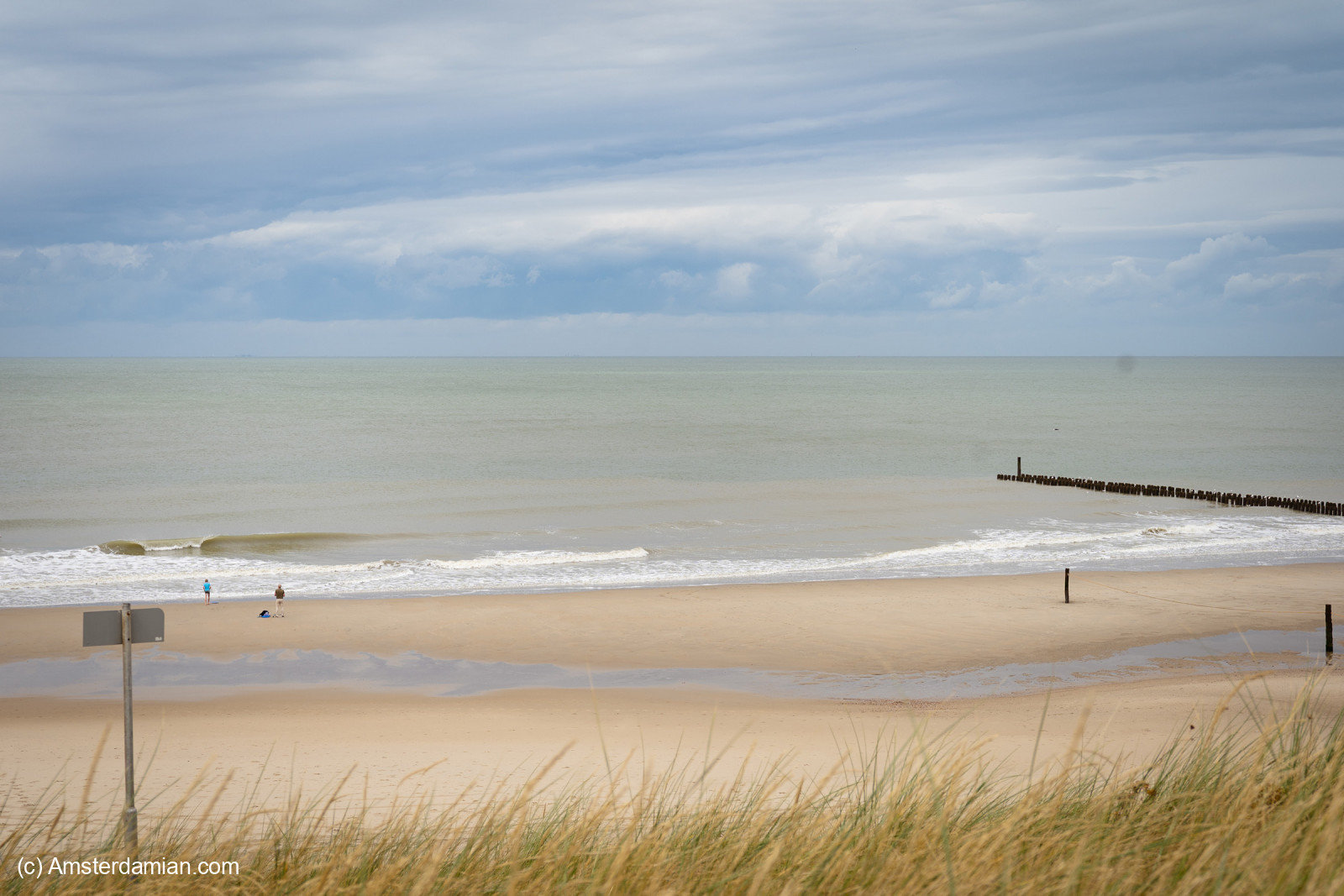
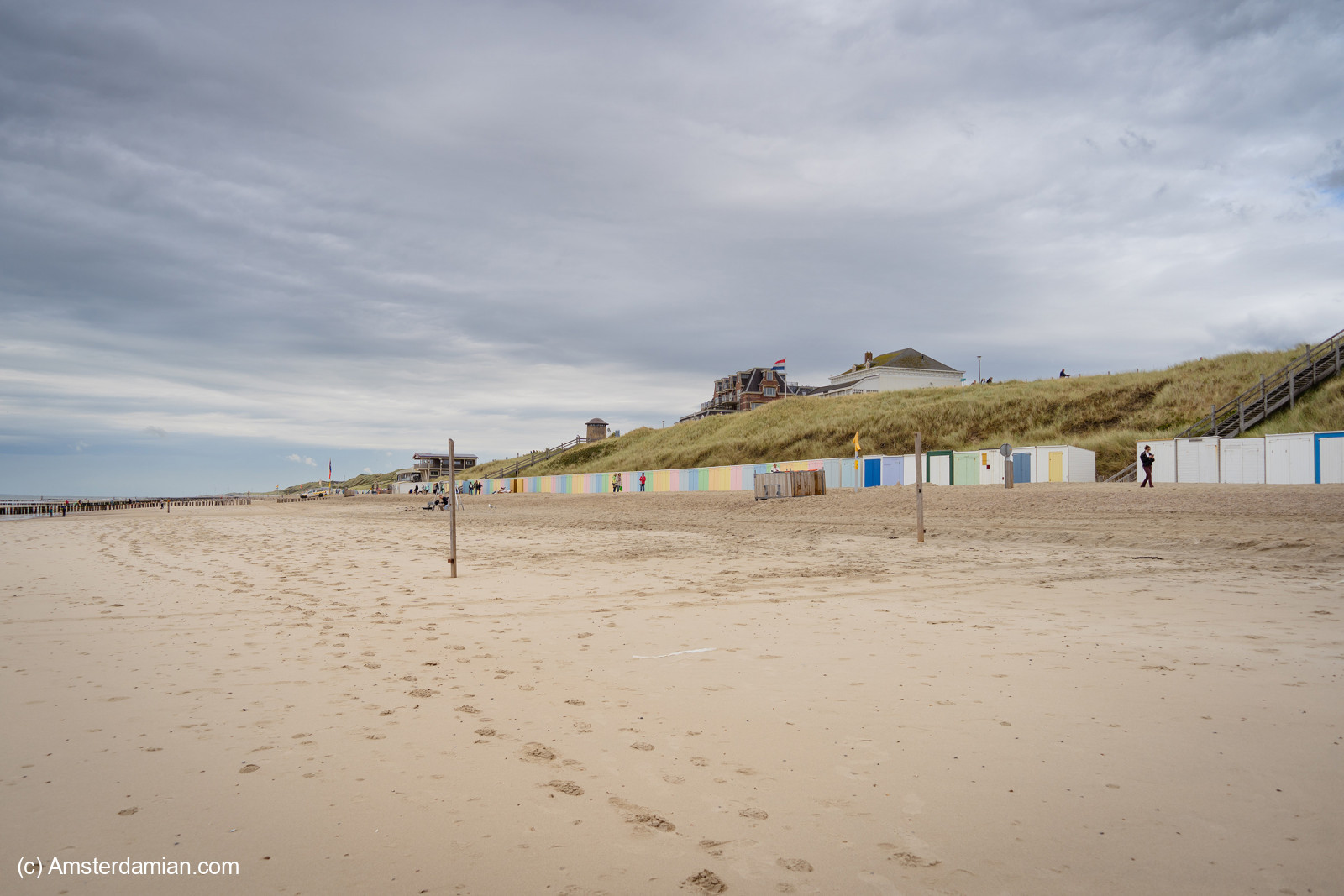
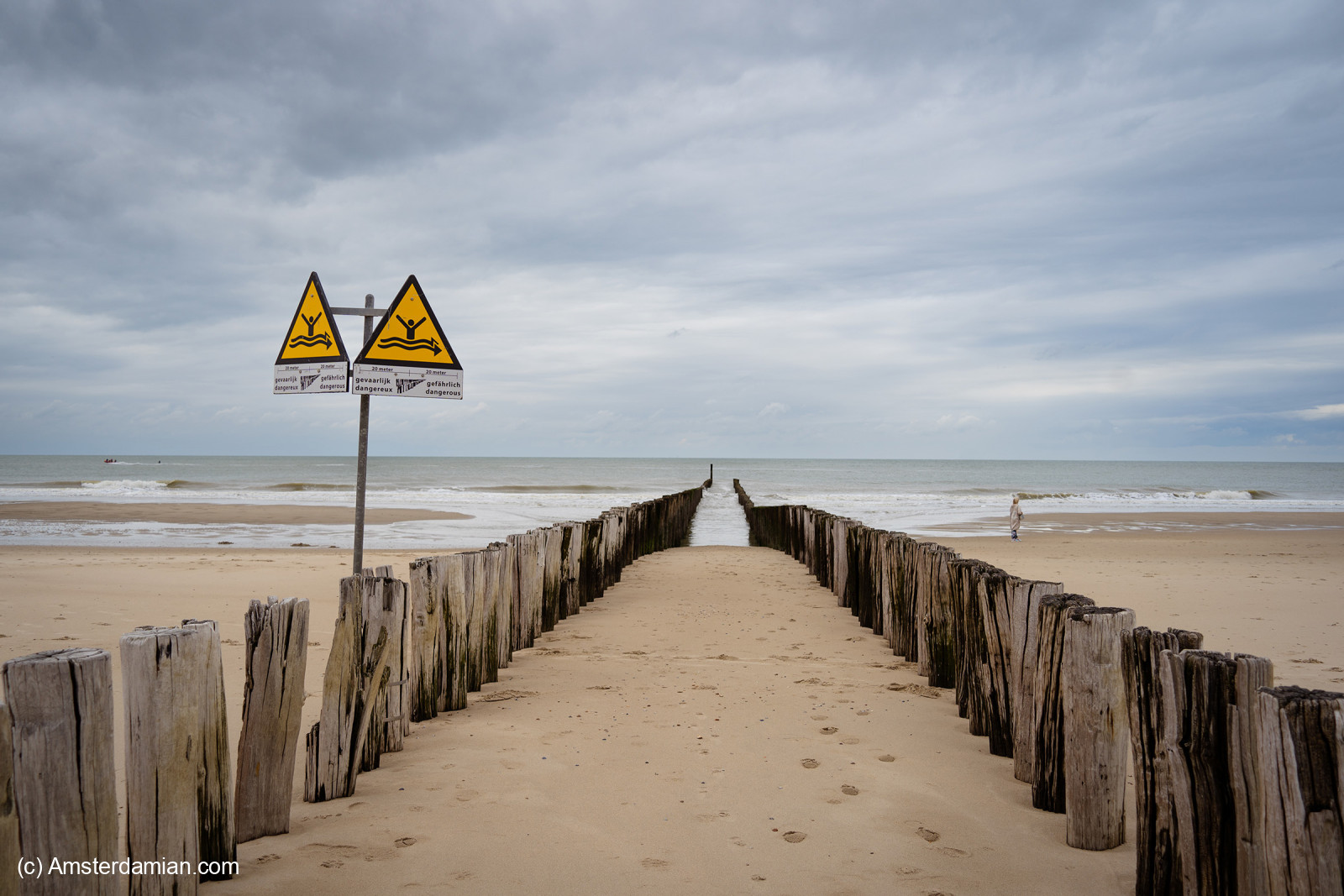
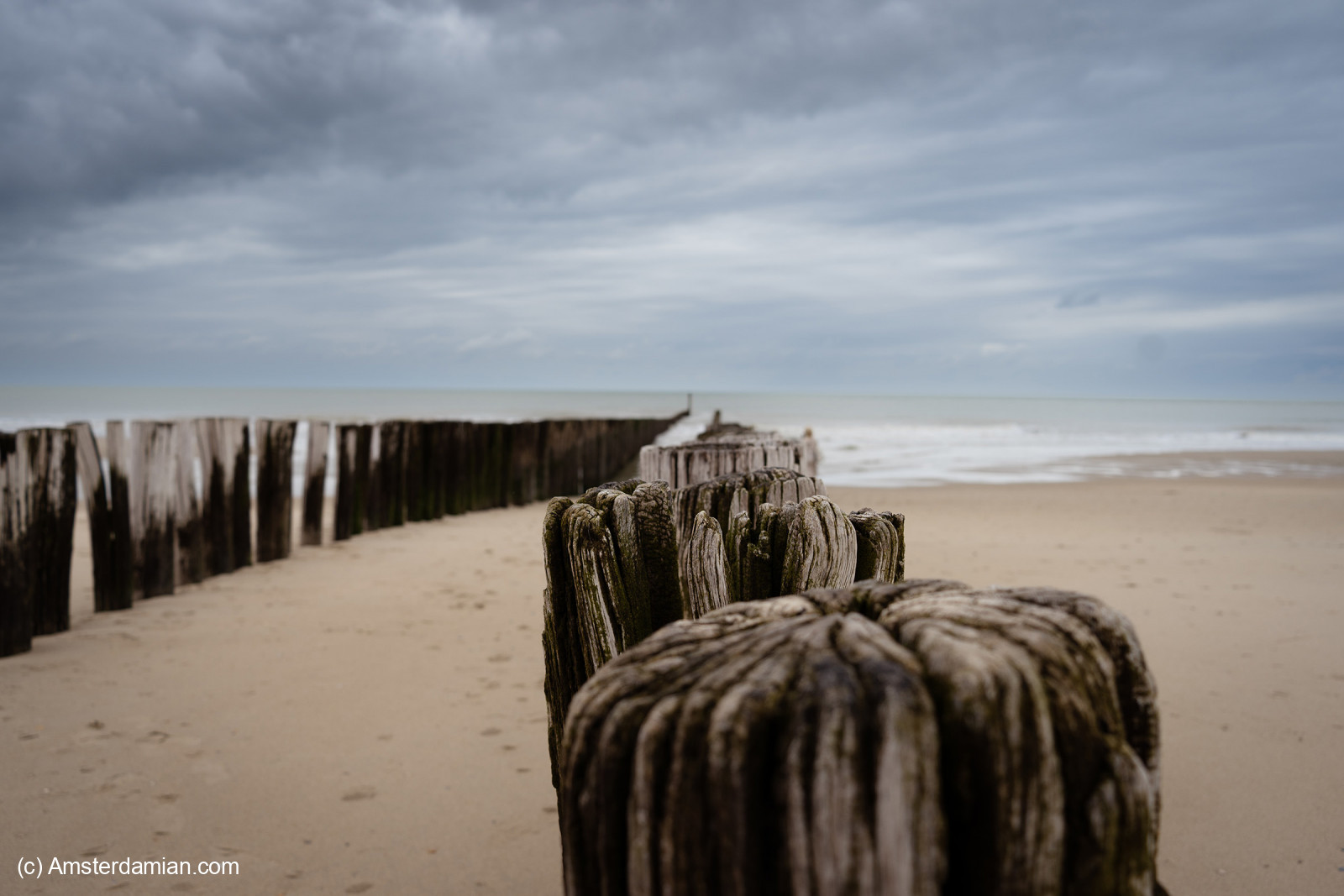
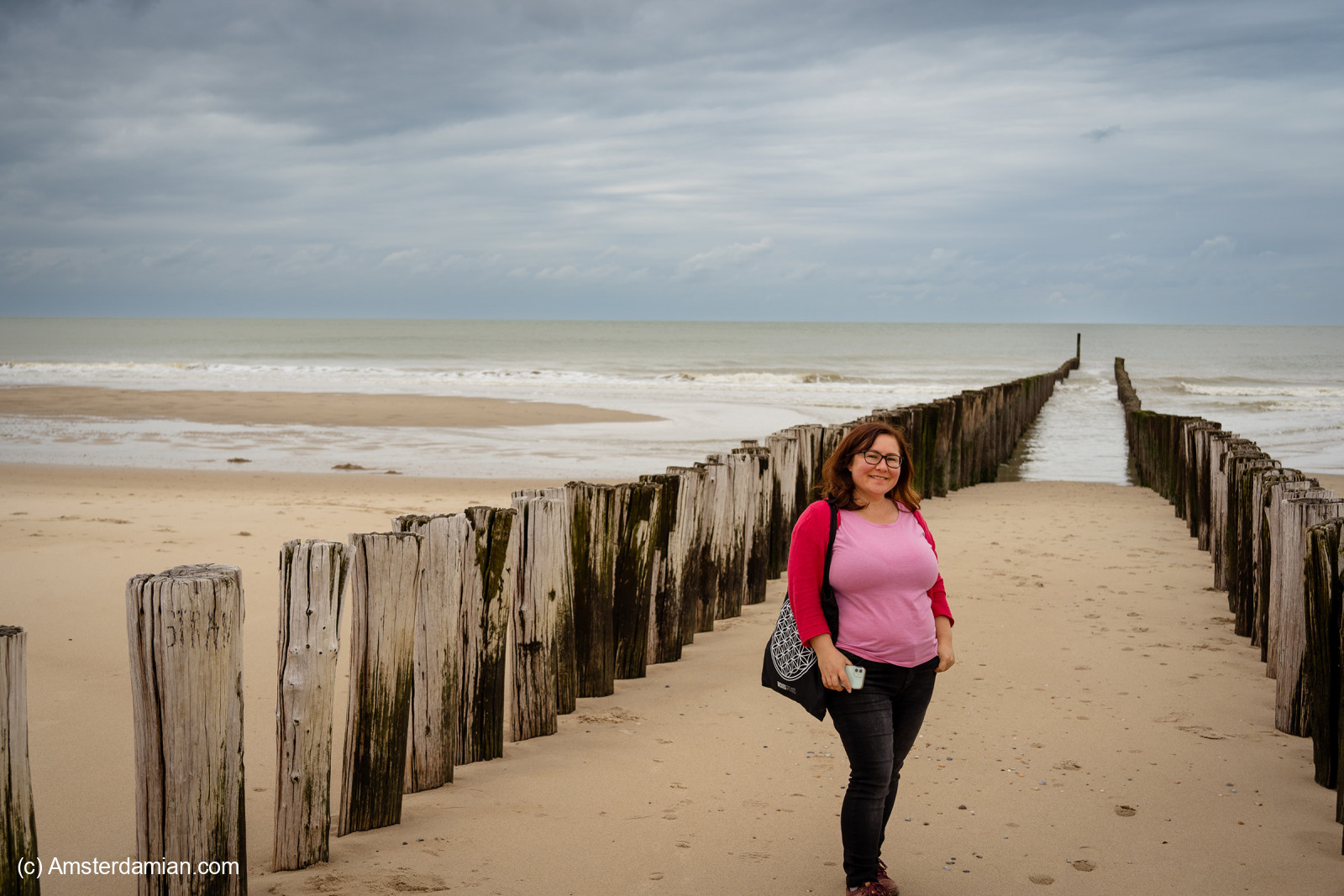
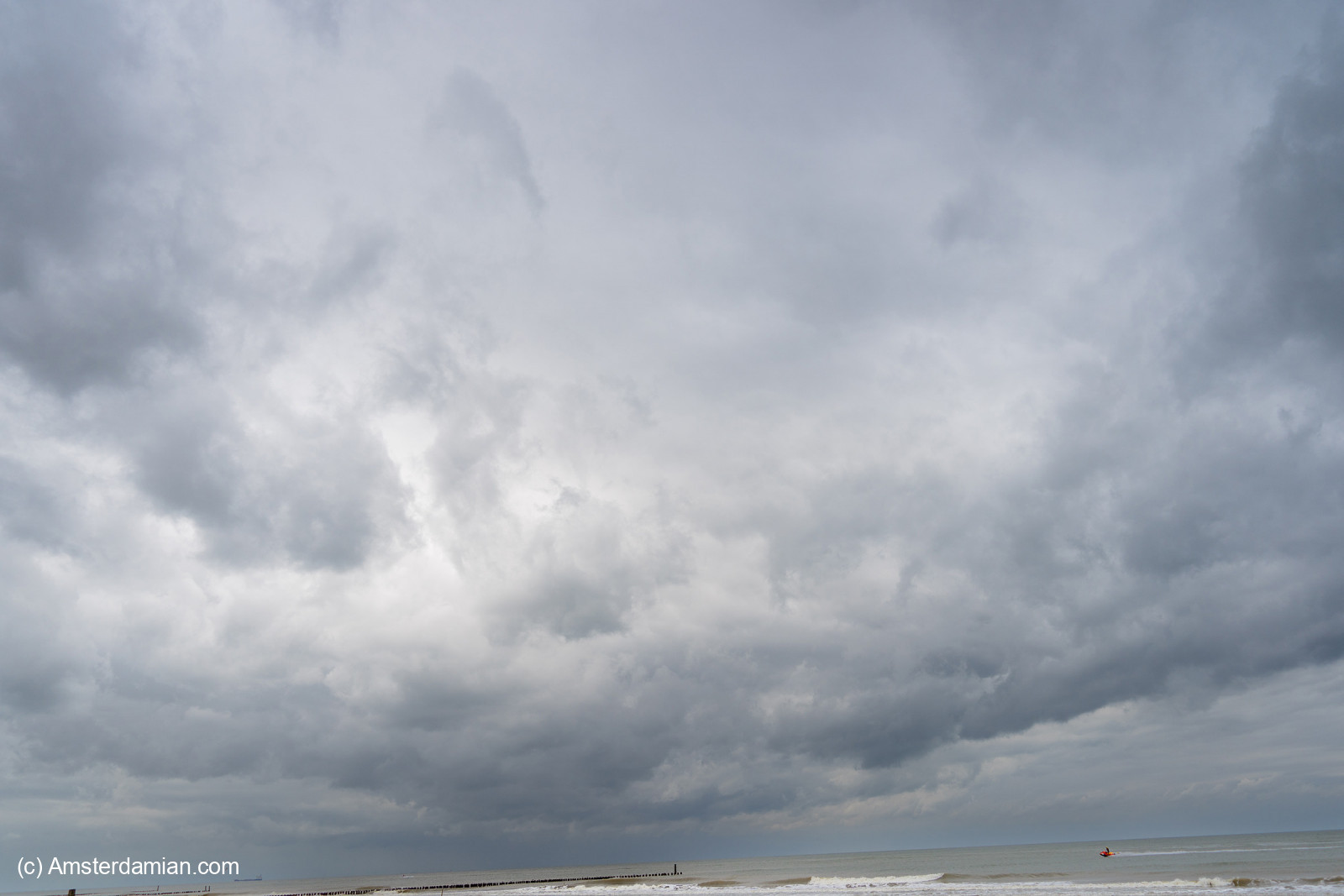
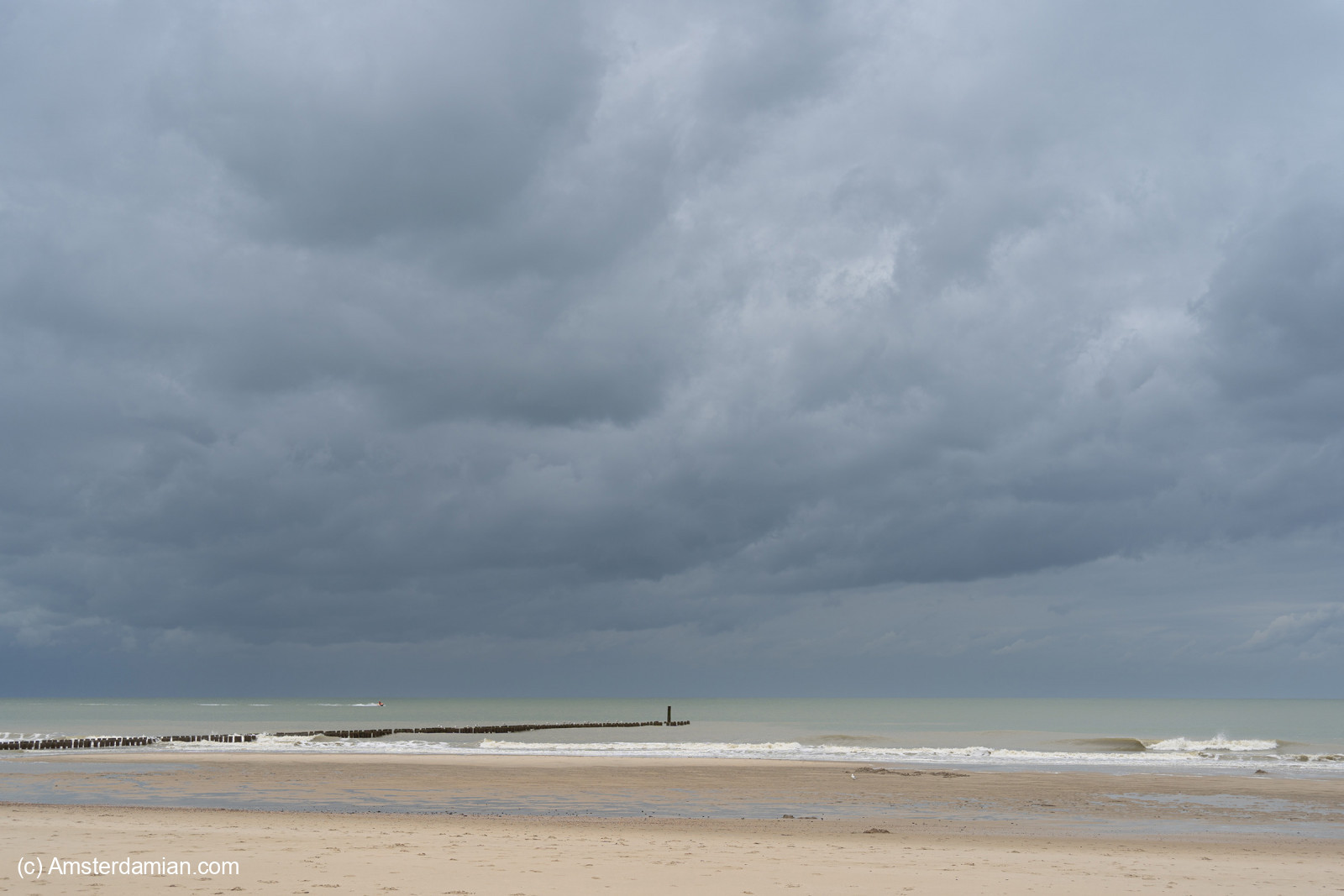
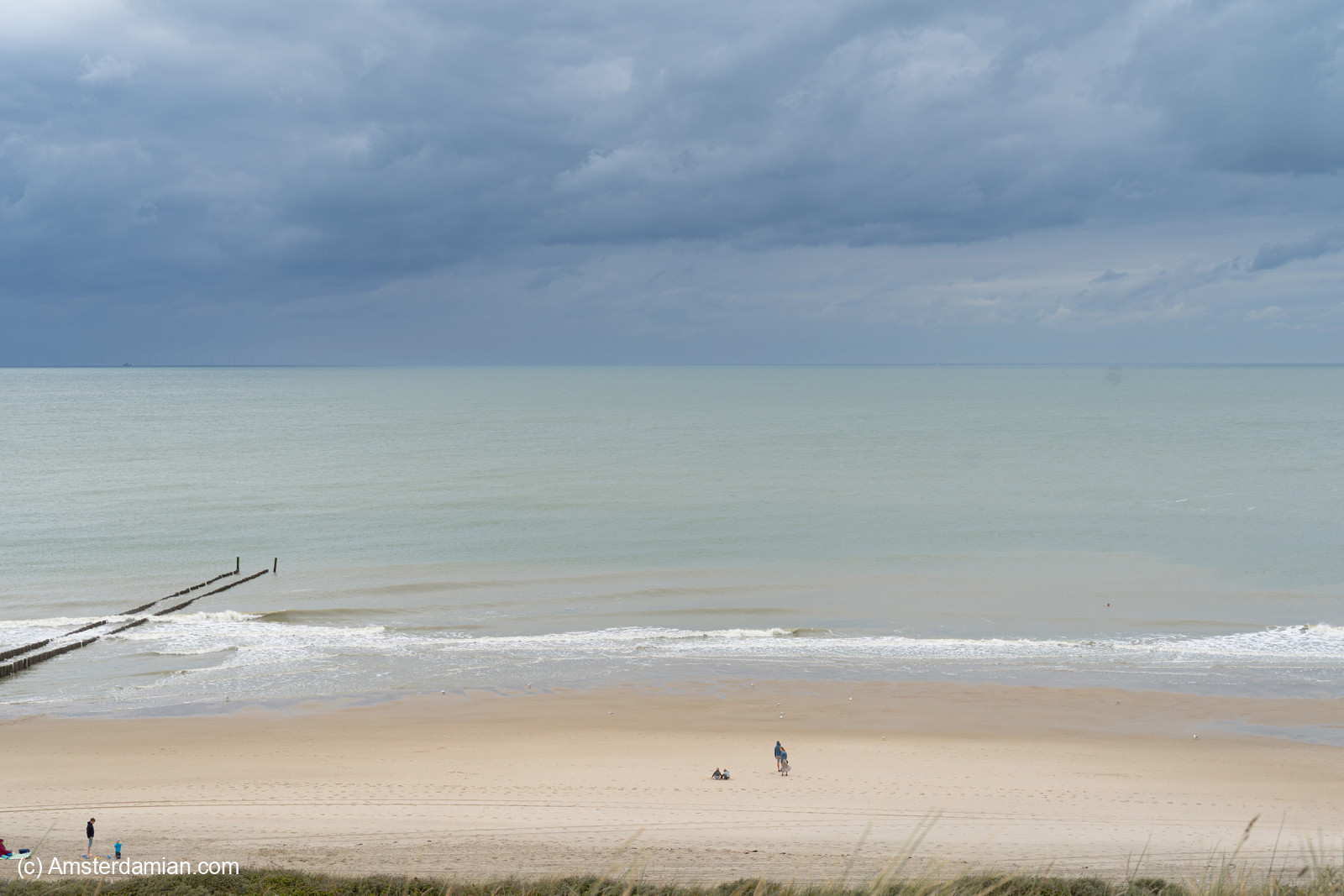
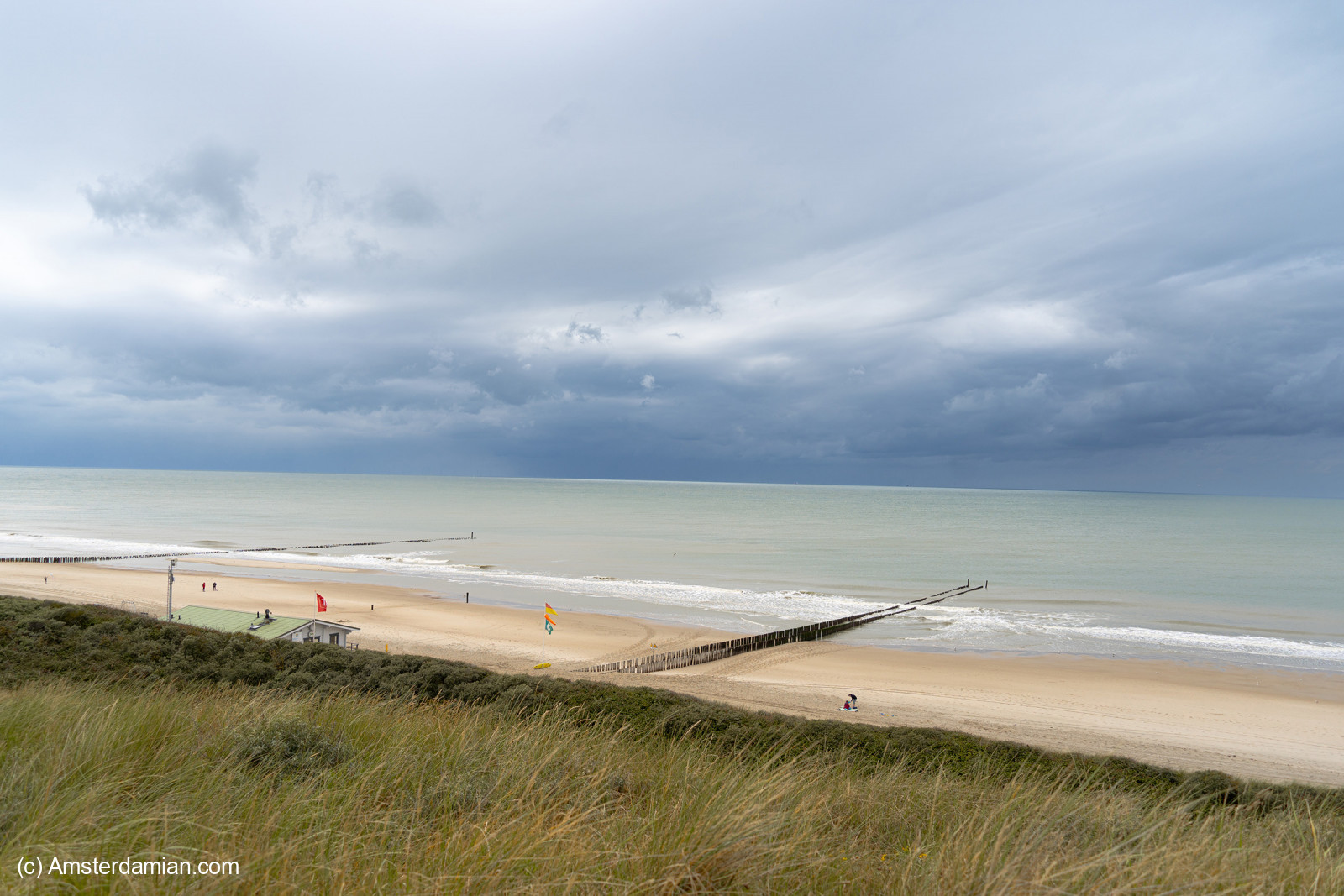
After a short walk through town and watching part of the ring riding tournament held that day, we headed down to the beach. The clouds were spectacular, and so was the shoreline.
✨Day-trip suitability
International visitors: ● ● ○ ○ ○ — Only if it strongly matches your interests (if you go for the beach or Ring Riding Festival)
NL-based day-trippers: ● ● ● ○ ○ — Nice, especially if you’re nearby
● Circles indicate suitability, not quality. Some subjectivity included. How to read these ratings 📜
A Bathing Town Since 1834
Domburg, Zeeland, started its history as a seaside resort in 1834, when a Badpaviljoen was built, to host people who wanted to enjoy the sea. A connecting steamship brought tourists from England, and this British influence was responsible for the construction of the second golf course in the Netherlands, still existing today. The original pavilion was so quickly outgrown that a much larger replacement — concert hall, reading rooms, sea-facing terrace — went up in 1889, and Domburg shifted from a quiet bathing spot to a proper resort almost overnight.
Domburg also has a villa named Carmen Sylva, after a former queen of Romania who spent some weeks there in 1889 and helped popularise the resort internationally through her widely read writings. Carmen Sylva was her writer’s pseudonym; her real name was Elisabeth of Wied, wife of King Carol I.
Mondrian’s Domburg: Where Modern Art Took Shape
The light along this stretch of coast is unlike anywhere else in the Netherlands, and that is precisely what brought Piet Mondrian here. From 1908 onwards he returned to Domburg summer after summer, painting at intervals until 1916.
He concentrated on four motifs that recur across his Domburg canvases: the church tower in town, the lighthouse at nearby Westkapelle, the dunes, and the sea. The longer he stayed, the further those motifs drifted from realism. Domburg is, in that sense, the coast where Mondrian’s path toward abstraction began.
He wasn’t alone here. Jan Toorop had been summering in Domburg since 1897 and went on to organise the famous Domburgsche Tentoonstellingen between 1911 and 1921, drawing avant-garde Dutch and foreign artists to the town each summer. Jacoba van Heemskerck and her partner Marie Tak van Poortvliet (the collector for whom the museum in town is named) spent every summer here from 1906. For a small dune town, that is an outsized share of early modernism.
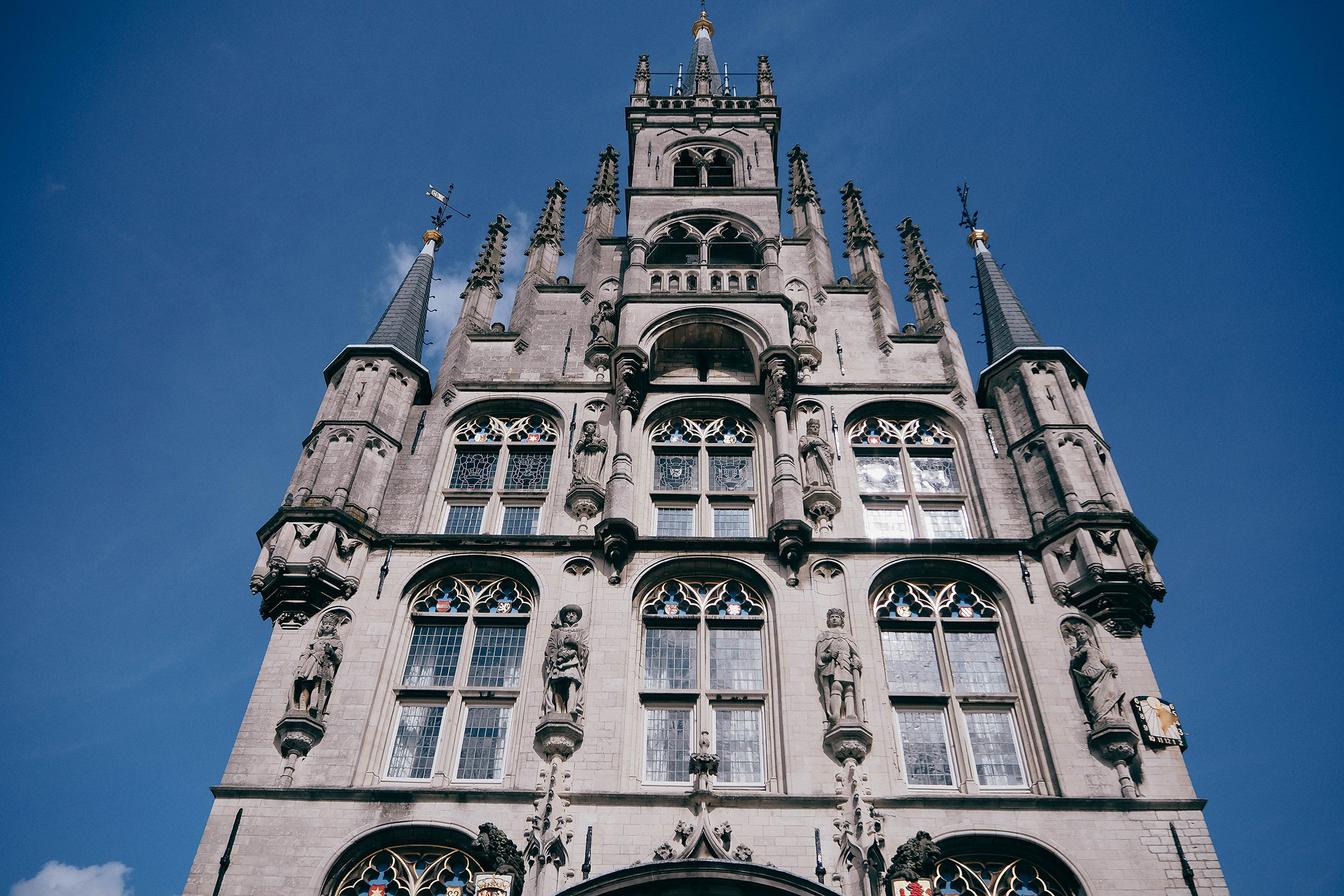
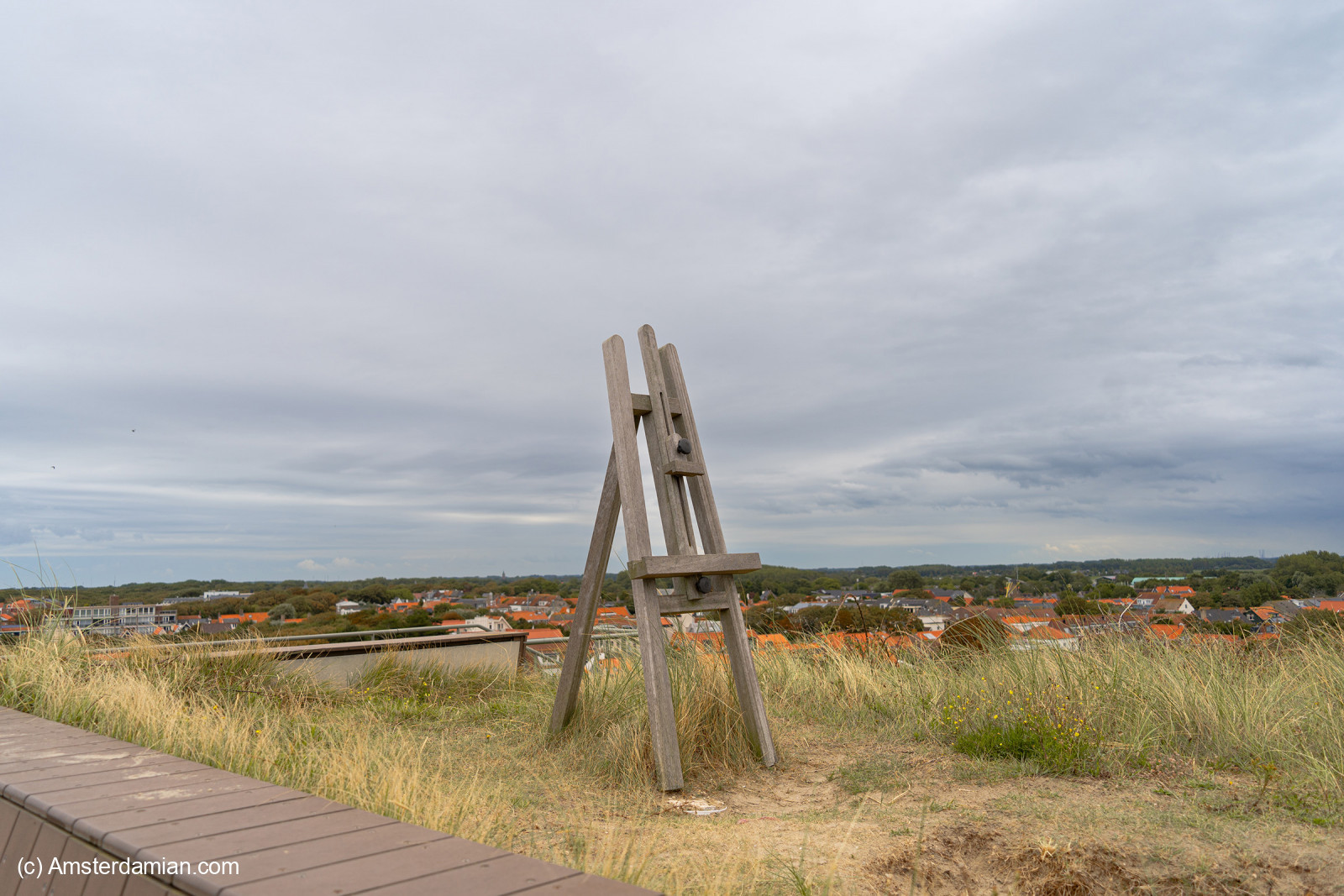
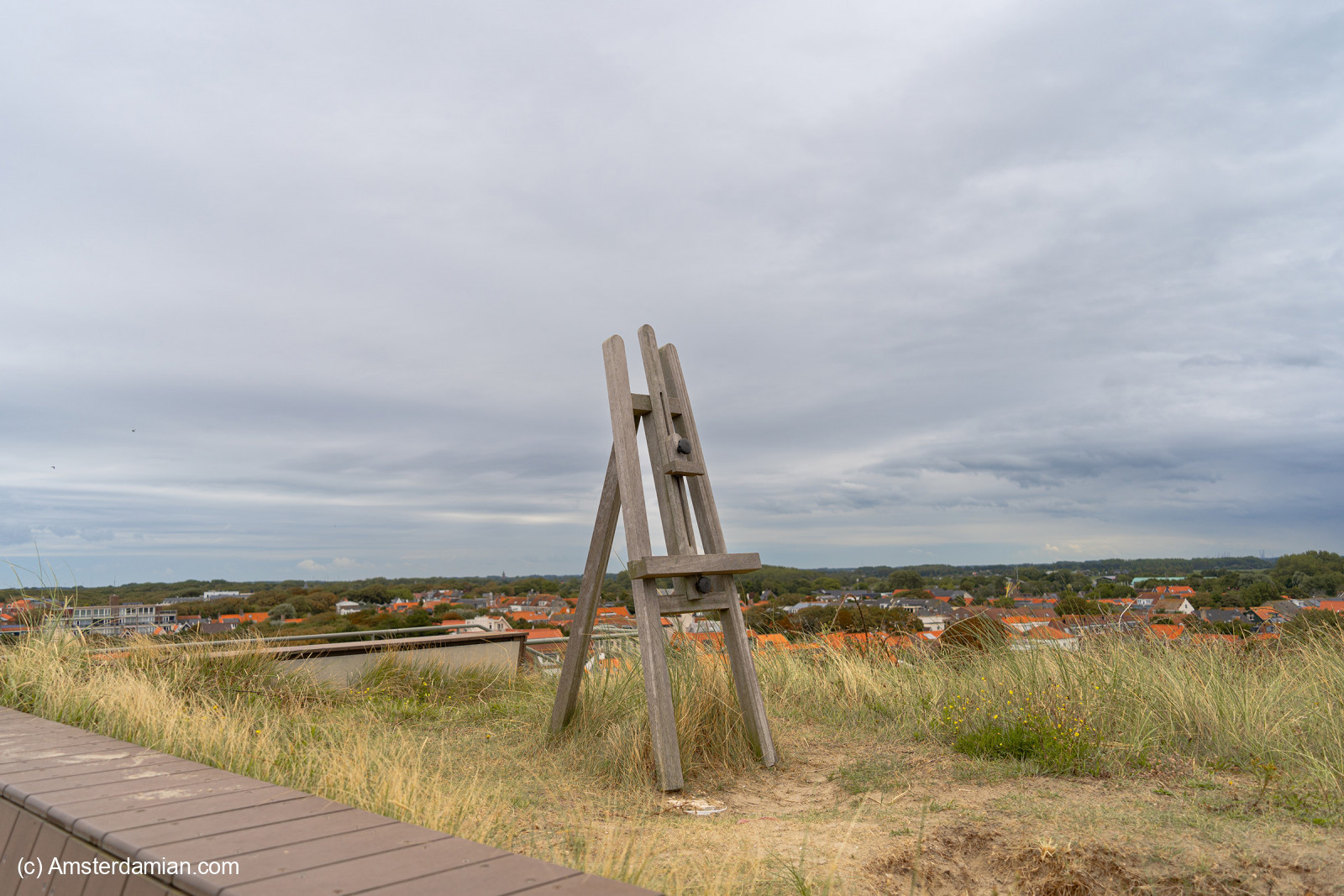
Domburg is part of the Mondriaan Route, and you can follow it through the town using a route map — past the spots where he set up his easel.
The Beach, the Light, and the Dunes
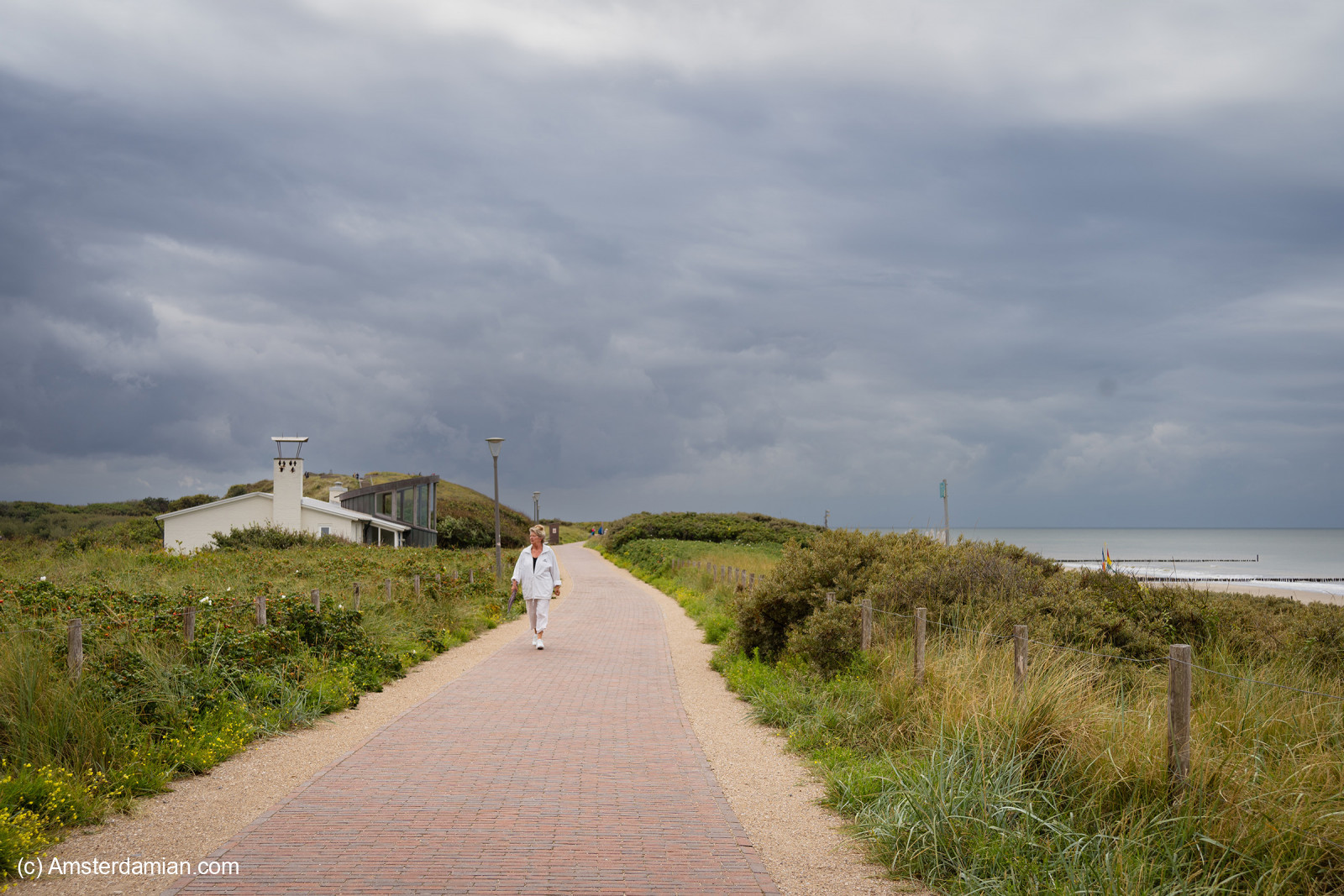
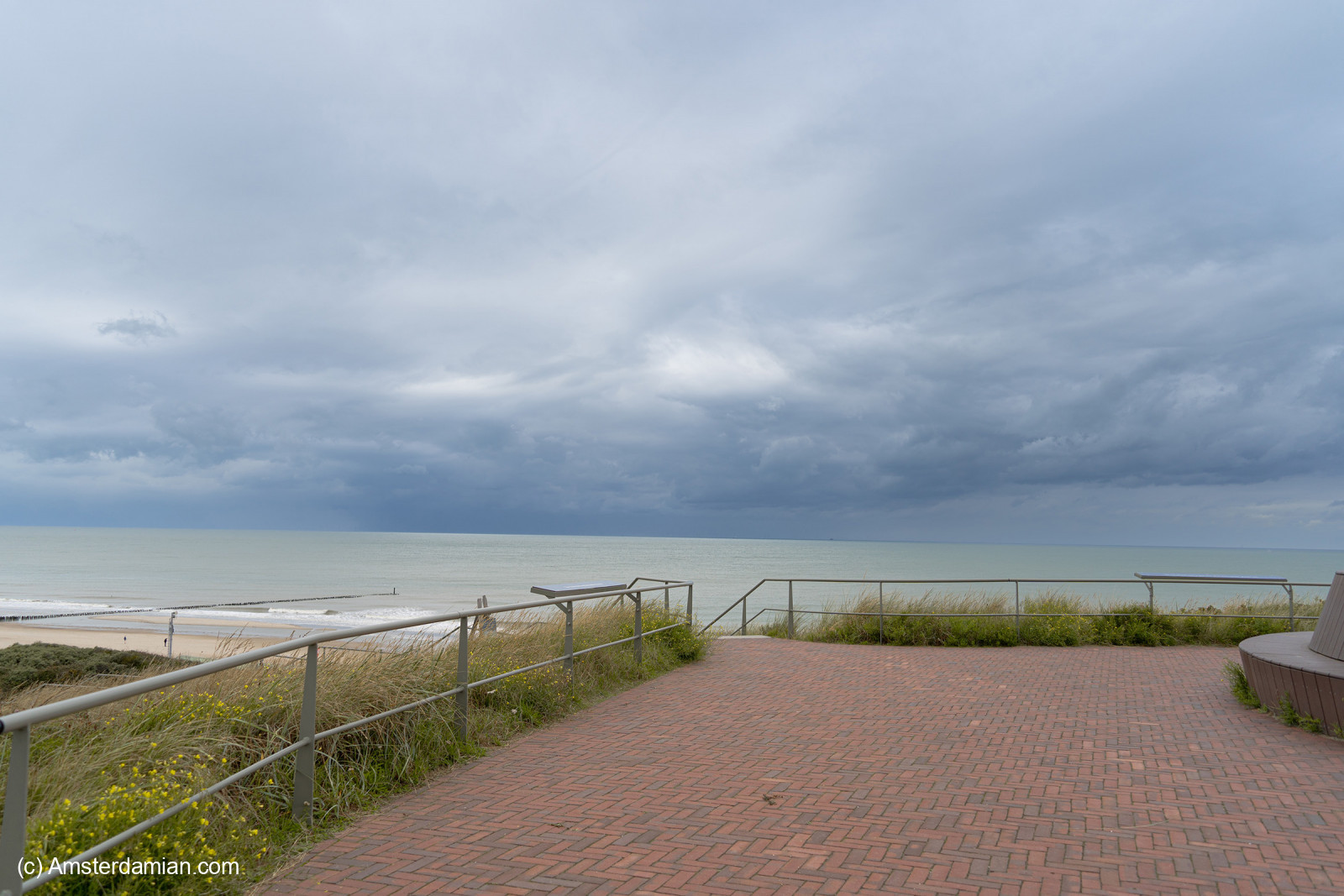
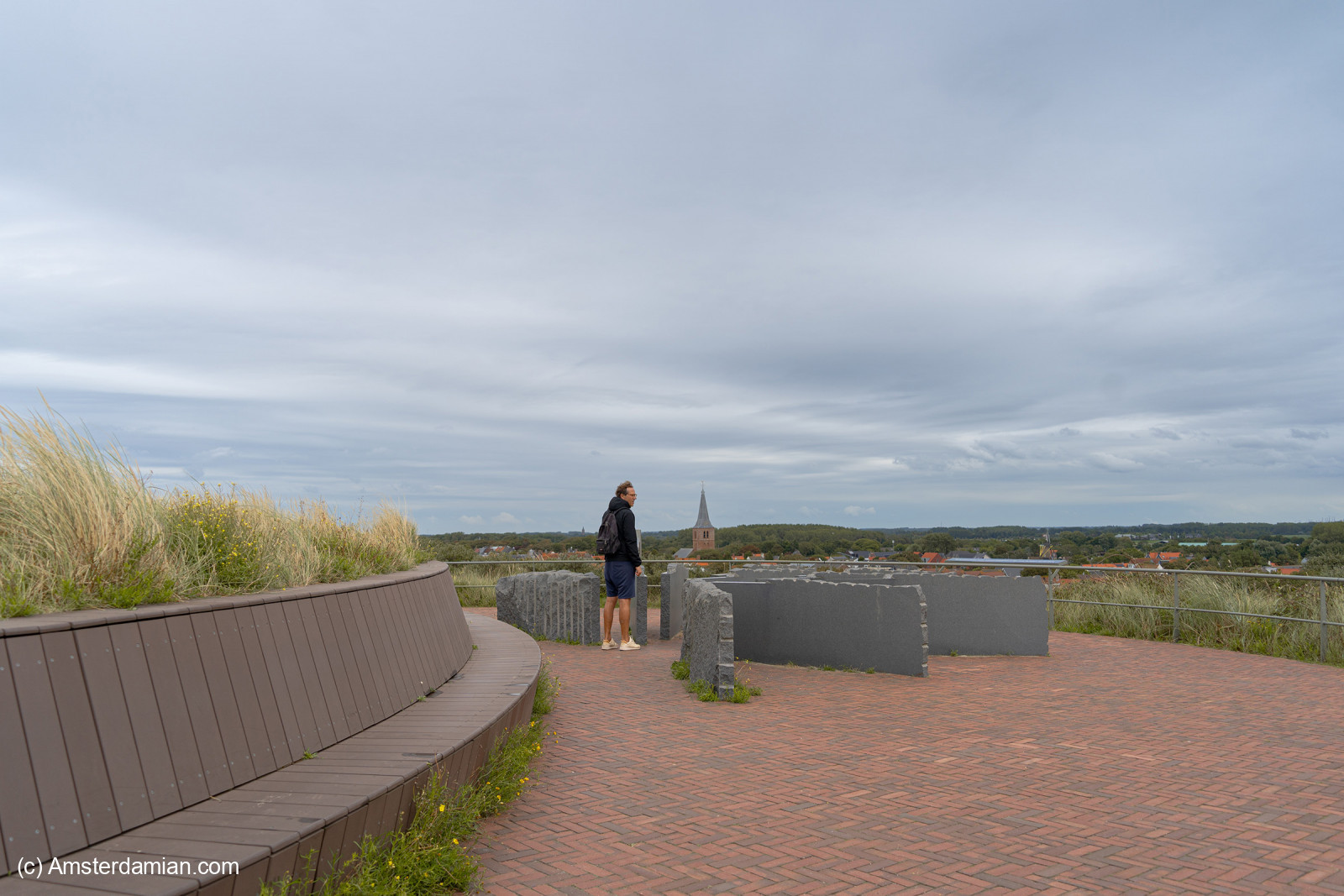
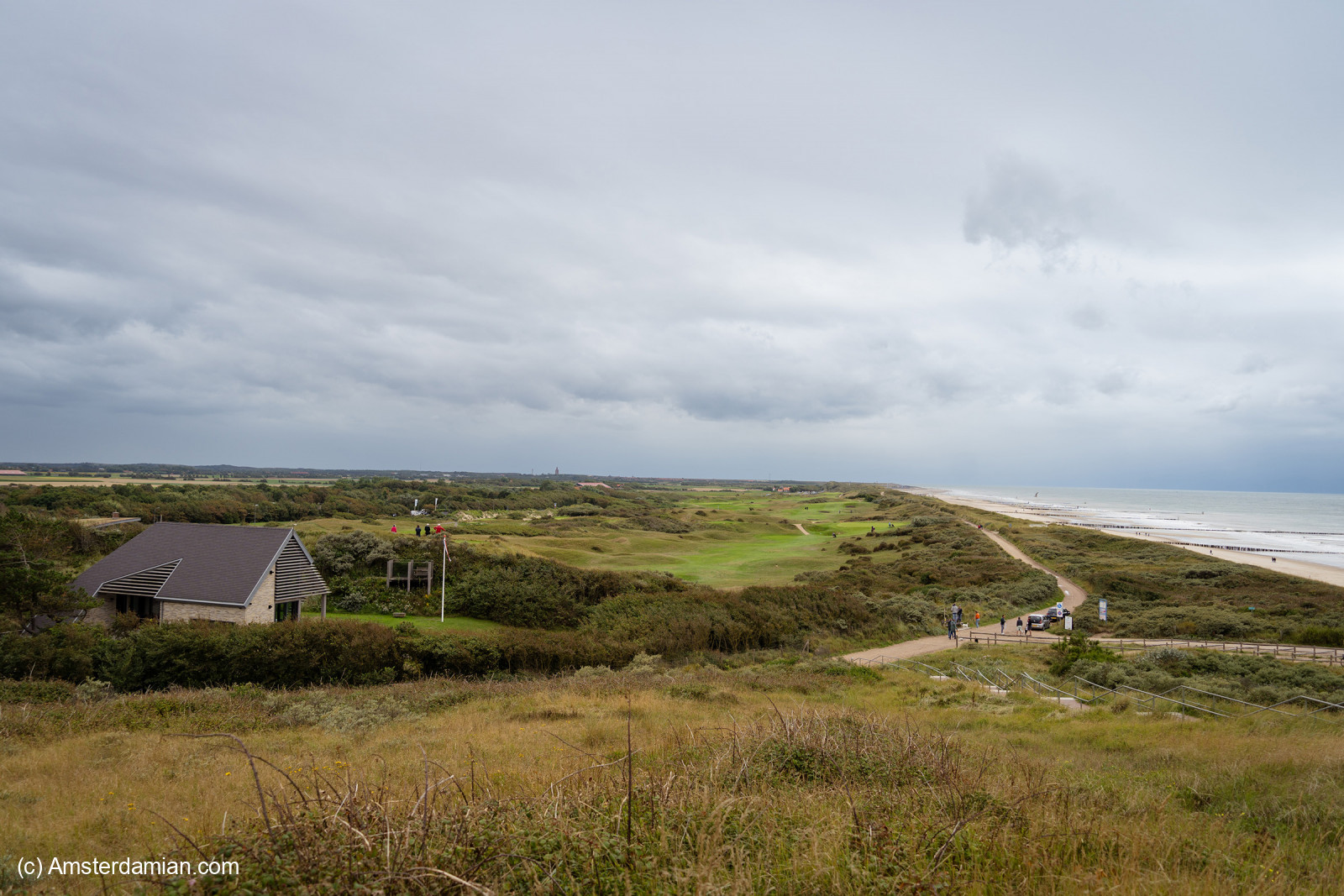
The colour of the sea in Domburg was something I hadn’t seen before in the Netherlands. There’s a viewpoint on the dunes from which you can take in the whole stretch: beach, golf course and town in a single sweep. Standing up there, with the wind off the North Sea and that silver light spreading across the sand, it becomes very easy to understand why so many painters made the trip.
Manteling van Walcheren: Nature, Castle, Museum
Manteling van Walcheren. Close to Domburg, as you walk towards Oostkapelle, there’s a nature reserve, Manteling van Walcheren, where you can go for walks or cycling. Inside the reserve you will find a castle, Kasteel Westhove, and a museum, Terra Maris, in the former orangery of the castle. The museum is dedicated to the nature and landscape of Zeeland.
Art Galleries and Museums in Domburg
Another museum worth your time is Marie Tak van Poortvliet Museum Domburg, showing rotating art collections and named for the early-twentieth-century painter and collector who championed the artists who worked in Domburg alongside Mondrian.
There are also a few art galleries in town that should be on your list, with lovely contemporary work; you may well end up taking a piece home.
A Modern Spa Town
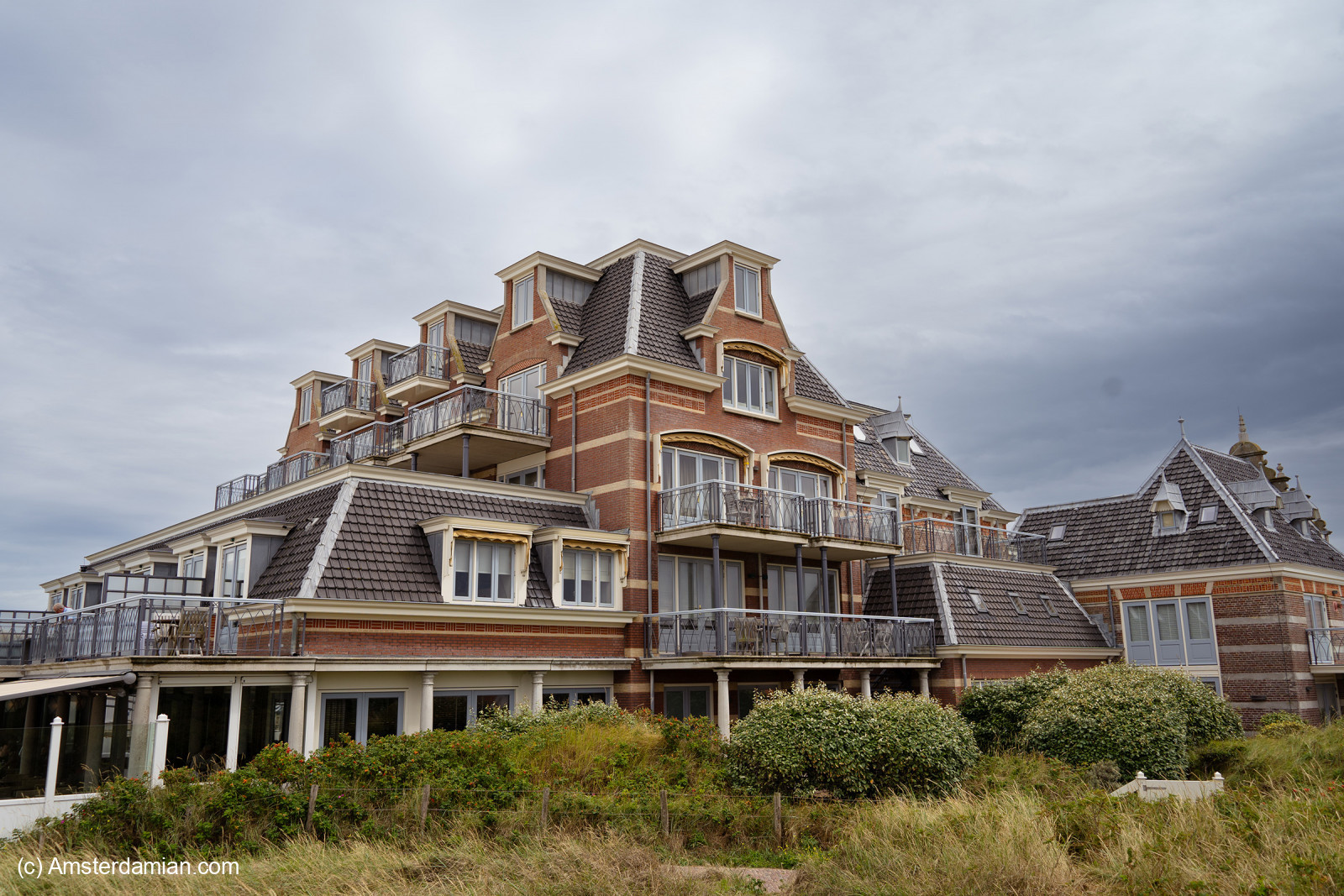
In 2013, Domburg received the official designation of “heilzame zeebadplaats” (health-giving seaside resort), a status shared by only one other Dutch coastal town, Cadzand-Bad. This means it meets all the international criteria: the sea water, the climate and the natural resources of the soils here have health-giving properties. So perhaps the best thing to do in Domburg, once you’ve walked the dunes and stood in front of Mondrian’s church tower, is simply to have a relaxed stay at one of the spa hotels.
As you can see, Domburg could be a great destination for any season, not only for the summer. I hope I will return there someday for a well-deserved spa break.
To learn more about Zeeland and other Dutch provinces, check out Amsterdamian’s other articles: Dutch Provinces, a Complete Guide.
Domburg combines beautifully with a day trip to Middelburg, Zeeland’s elegant capital just up the road. If it’s fishing-village charm you’re after closer to Amsterdam, the day trip to Volendam & Marken scratches the same itch. Beach days like this are the essence of the Dutch dagje weg tradition.
Stay tuned for more and follow Amsterdamian on Instagram and Facebook for more stories about life in the Netherlands, written by a real local, updated constantly.
Check out my photo book: Amsterdam Through the Seasons!
Love what you’re reading? Support my work with a small donation.
And share this post if you liked it!