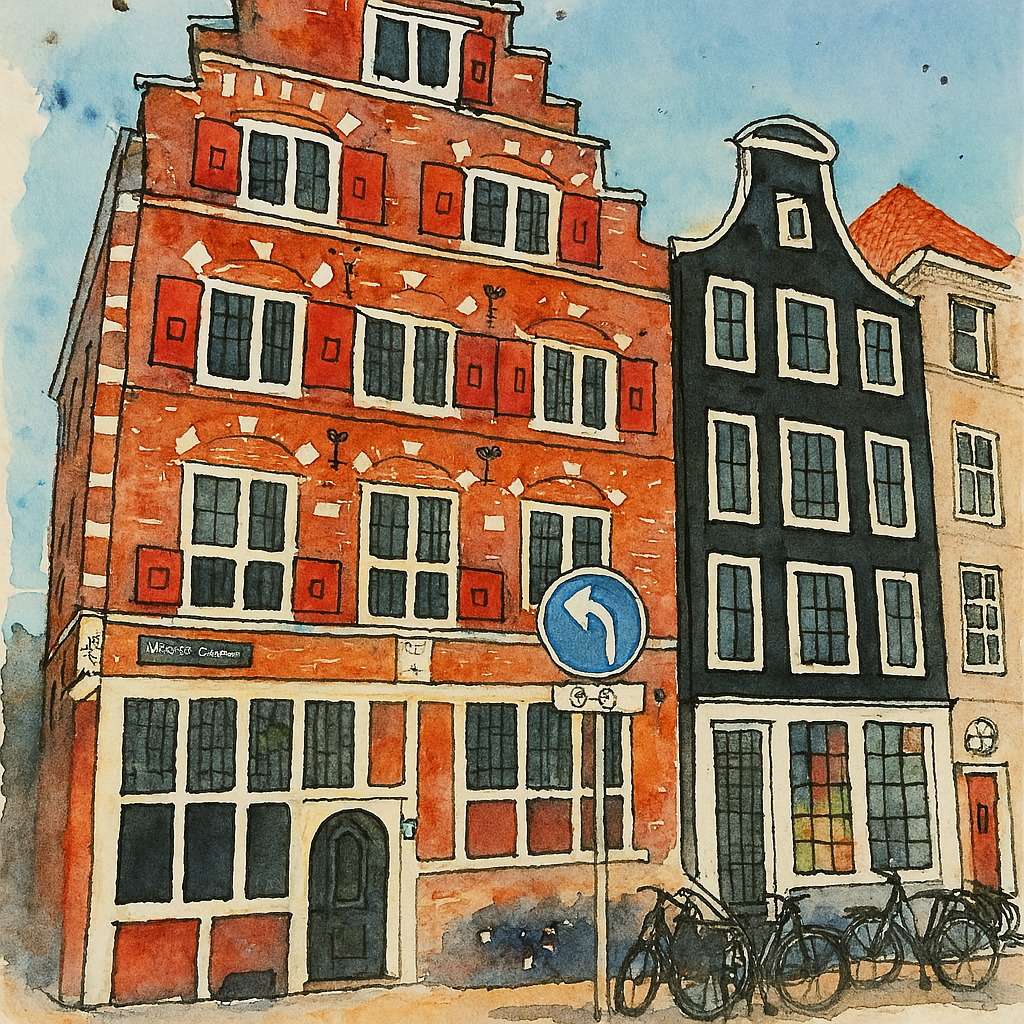
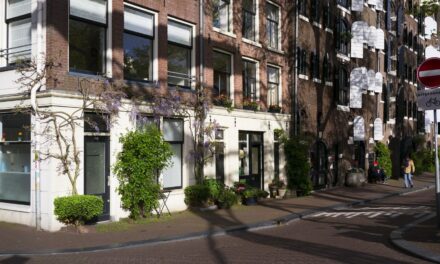
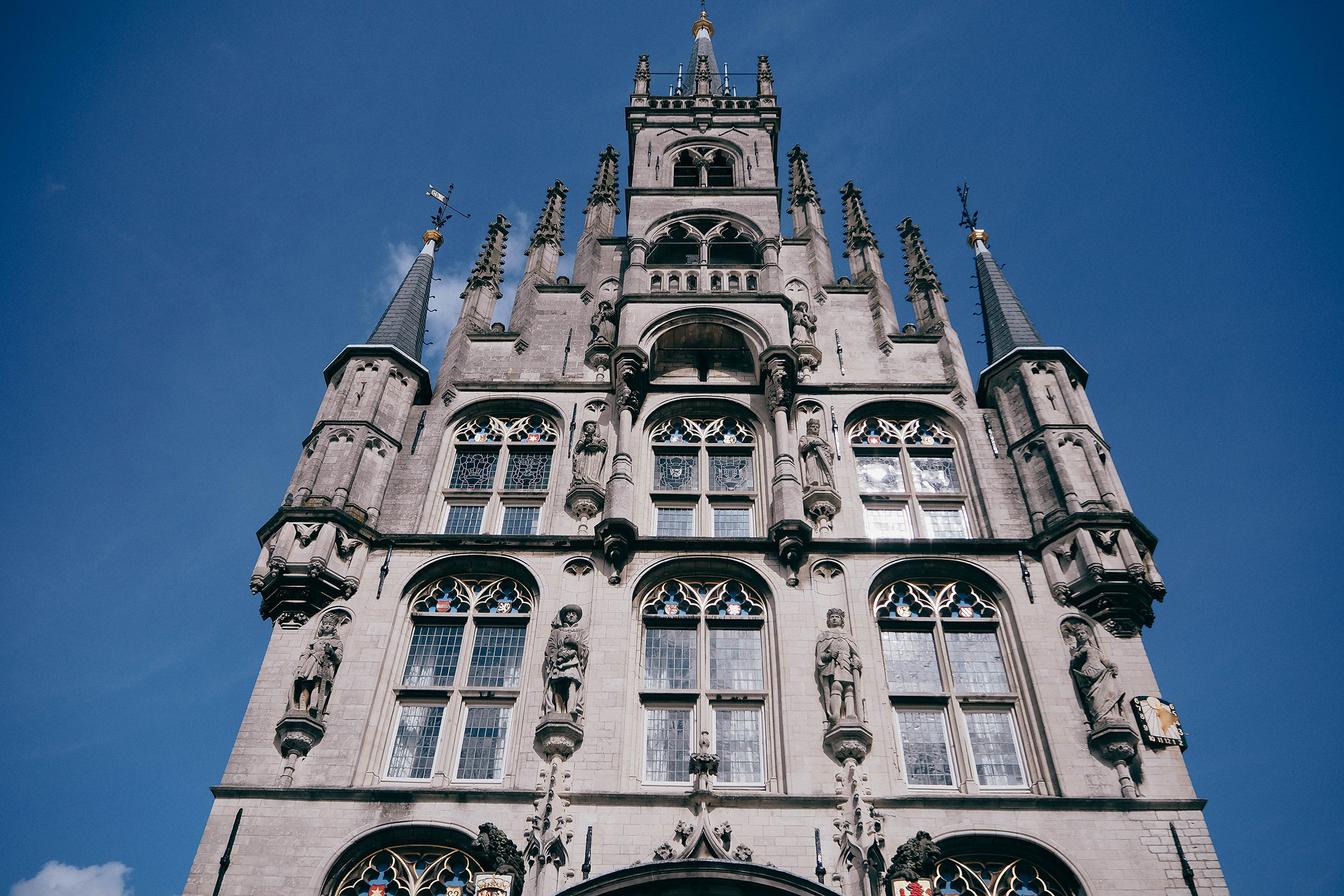
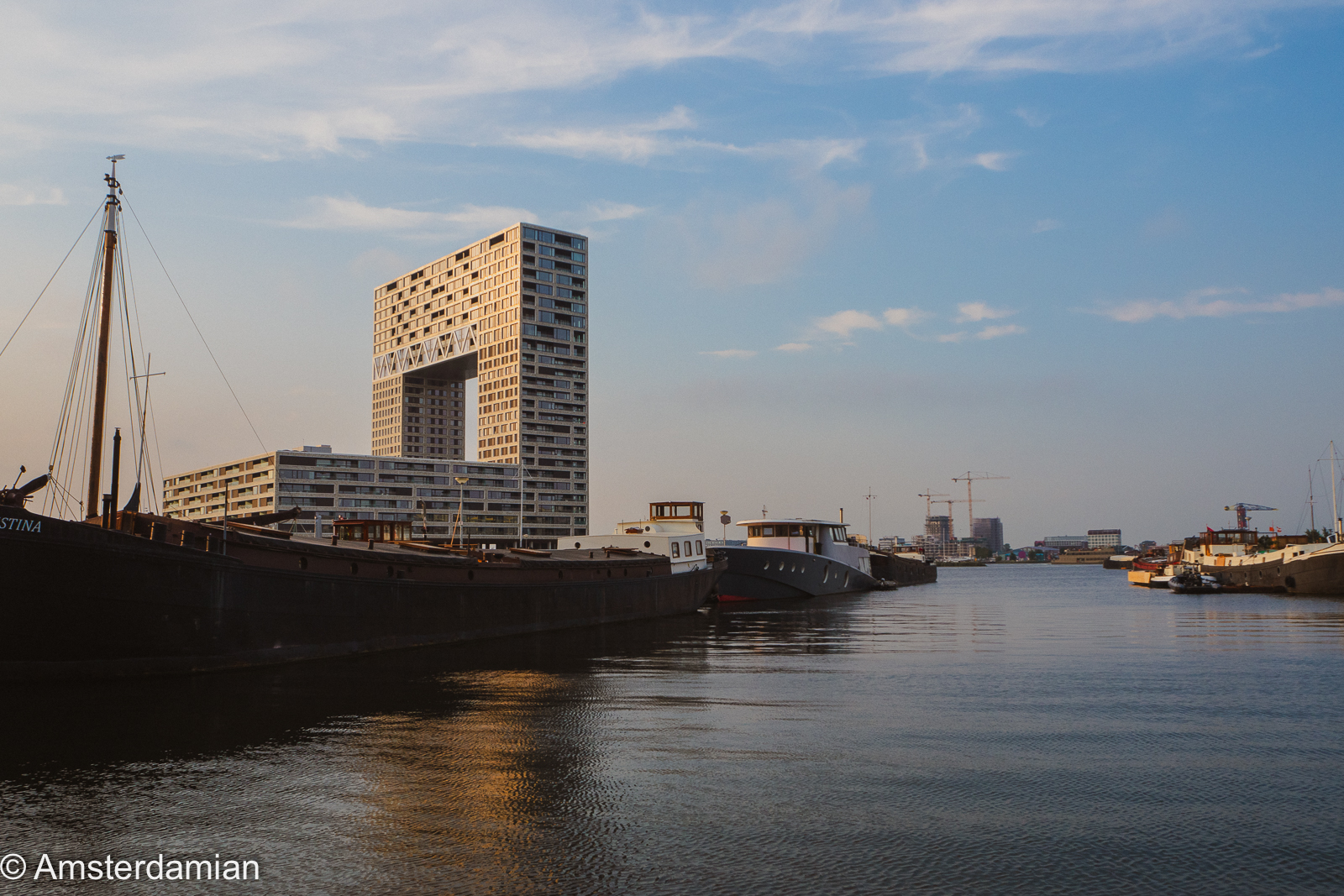
You’ve just landed the job in the city you’ve dreamed about moving to for so long. Or maybe you’ve got a temporary contract and are excited to spend a few months in the city of canals, freedom, and gingerbread houses! Amsterdam will soon be your home — finally! Congratulations! But speaking of those gingerbread houses: how does one get to live behind those beautiful facades and enjoy the gezelligheid of the city?
Today, I want to talk about short-term rentals and share a few insights that might help you find the right accommodation in Amsterdam. Whether you need a furnished apartment for three months or a place to land while you hunt for something permanent, here’s how the short-term rental market in Amsterdam actually works — and how to avoid its traps.
Once you start looking for rentals in Amsterdam, reality hits. And it’s not very pretty. Everyone complains about finding a good place to rent, whether for the long or short term. The search for a home quickly becomes a part-time job, and it can sometimes feel like navigating Amsterdam’s canals without a map. Amsterdam is a great place to live; it ranked number six on the Quality of Living City Ranking 2024 published by Mercer. And it’s not hard to see why: I’m thinking bike lanes, work-life balance, good schools, a wide range of cultural institutions and entertainment options, safety, air quality, and more. Add to this the many opportunities for international professionals and students, and it’s easy to see why so many want to call this city home.
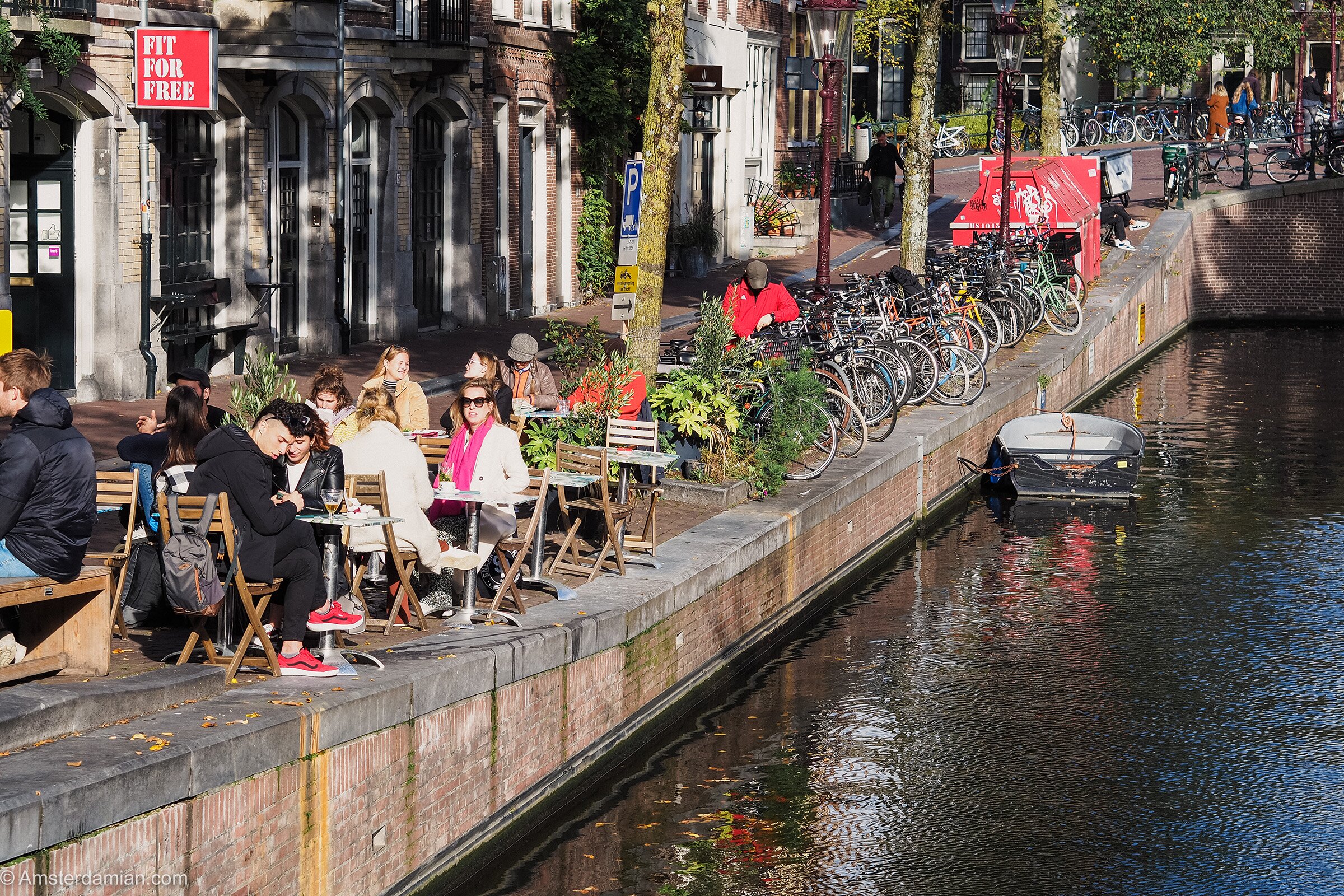
But there’s one big downside to moving to Amsterdam: finding a place to stay. Even though the city keeps expanding, there still aren’t enough homes for all the people who want to live here. So, every year, we hear about the difficulty of renting or even buying a home: landlords asking ridiculous prices for what could easily be mistaken for a broom closet, students getting scammed, and more. I was half-joking with a friend over coffee that someone should provide courses on how to survive renting in Amsterdam. Once you’re here though, and start to understand the rules of the game, you will manage to find a house.
In this article:
First, in case you’re wondering, let’s talk about who is looking for short-term housing in Amsterdam (besides you). According to City Retreat, a serviced apartment provider, the short-term rental market in Amsterdam caters to this clientele:
• 72%: Individuals with new employment in Amsterdam
• 11%: Dutch residents renovating their homes
• 9%: Dutch residents experiencing personal transitions (e.g., divorce)
• 7%: Students, both domestic and international.
While the demand for short-term rentals has surged in recent years (Google searches for terms like “Serviced apartments Amsterdam” have increased by 170%, and “Expat rentals Amsterdam” by 247%), the availability of rental properties has declined. This is largely due to changes in the rental market, including higher property taxes and stricter regulations.
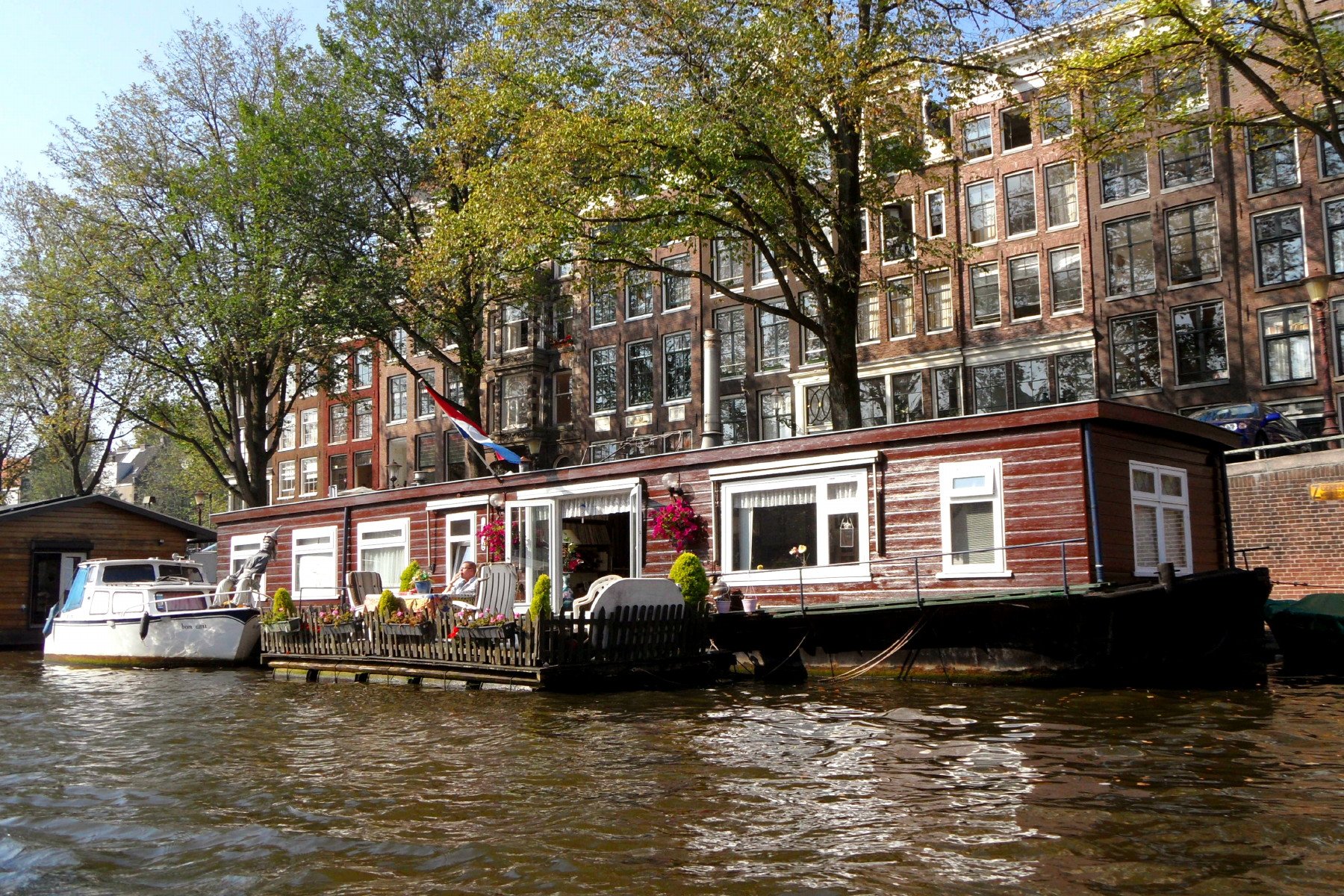
What are the options for a temporary home in Amsterdam?
- Short-stay serviced apartments: these are fully equipped apartments available for rent for a few months (typically 1 to 6 months, but also more). They offer all the amenities needed for temporary stays, including kitchen facilities, furniture, and sometimes even cleaning services.
- Subletting (Onderhuur): some Amsterdam residents sublet their apartments or homes temporarily while they are away. You can find sublets through social media and community groups. Always check that the landlord has agreed to the sublet — an unauthorised sublet can leave you without a lease to stand on, and usually without registration.
- Airbnb and similar platforms: you’ll find stays here from a few days up to several months, but don’t count on it for a longer stay. Since April 2026, residents of Centrum and De Pijp may rent out their homes for a maximum of 15 nights per year (it’s 30 nights in the rest of the city), so genuine months-long listings are scarce — and a six-month canal-side listing at a friendly price deserves extra scrutiny, not excitement.
- Traditional renting websites: some of these websites offer temporary accommodation in addition to their regular long-term rentals. Pararius and Funda occasionally list furnished temporary places, while platforms like HousingAnywhere, Kamernet and Flatio specialise in stays of a month and up — most let you filter by stay length and whether registration is possible.
So, there are a few options for short-term rentals in Amsterdam, but that doesn’t mean it’s easy to secure one. Which one should you choose? Well, it will likely come down to your budget and needs. As with many things in life, the more money you have, the easier it will be.
How much does a short-term rental in Amsterdam cost?
Short-term comes at a premium: you’re paying for furniture, flexibility and (usually) utilities rolled into one bill. As a rough guide, a furnished one-bedroom serviced apartment in or near the centre currently runs somewhere between €2,000 and €4,400 per month, with studios below that and family-sized places above. That sounds painful until you compare it with a hotel at €150–200 a night — for a stay of a month or more, the apartment wins easily. Prices move fast in this market, so treat these as orientation figures and check current listings for real numbers.
One thing to watch when comparing: serviced apartments usually quote all-in prices (utilities, Wi-Fi, sometimes cleaning), while sublets and traditional rentals often don’t. Always compare the total monthly cost, not the headline rent.
Registering at your address (BRP): check this first
If you’re staying in the Netherlands for more than four months, you’re required to register at your address in the Personal Records Database (BRP) — and without registration you can’t get a BSN (citizen service number), which you’ll need for your job, a bank account, health insurance and just about everything else. The catch: not every short-term rental allows registration. Some places are offered “without registration” because the arrangement isn’t entirely official. Make this the first question you ask, not the last — reputable providers will confirm registration is possible without hesitation, and if a landlord dodges the question, walk away. You can find how registration works on the City of Amsterdam website.
Tips for finding temporary accommodation in Amsterdam
- Start your housing search 3 to 7 weeks before your intended move-in date. Flexible rental contracts often can’t confirm availability more than 8 weeks in advance, as current tenants may have the option to extend their stay. Once you find a suitable property, securing the rental can take anywhere from 12 to 72 hours, depending on the platform and how responsive everyone is. Alternative sources, such as Facebook Marketplace, may require a longer search period.
- Be aware of the scammers. When looking to rent a place, always make sure you don’t fall prey to the scammers. Engage with established rental agencies and verified platforms to minimise the risk of scams.
- Don’t send any money in advance, before viewing the property and signing a contract. Make sure you get as much information as possible about the company/person renting out.
- Always check reviews! See what others have to say about the rental company.
- View the property before renting: this might not be possible in the case of short term accommodation, as you’ll likely have to find something before coming to Amsterdam. However, you can ask for a live video tour of the apartment to make sure it matches the photos. Even if the property is arranged and paid for by the company hiring you, it’s still a good idea to request a viewing.
- Have the right budget: renting in Amsterdam is expensive. You need to be realistic about the costs, whether you’re looking for short-term or long-term accommodation. Check the market to see where you can find places within your budget, otherwise you’re wasting a lot of time.
- Check if the place is furnished and equipped with what you need. For a short-term stay, I bet you will want a fully furnished and equipped home. You won’t have time to go around and buy furniture or plates and glasses, especially since you’ll have to leave them behind after just a few months. Traditional rentals, even if they’re for a temporary period, might come unfurnished, so be sure to check this in advance.
- Check if you can register at the property: as covered above, this one is non-negotiable — no registration, no BSN. If a place doesn’t allow it, keep looking.
- Costs. Don’t forget to ask if all costs are included in the rent. Sometimes the advertised price doesn’t cover utilities like water, electricity, etc., and these can add up quickly. You will also have to pay a deposit, which you should get back when you leave, as long as everything is in order with the property. Be sure to do a thorough check before moving in to avoid any surprises later.
- Consider nearby cities. If renting in Amsterdam is too expensive, you might want to look for accommodation in nearby cities like Zaandam or Haarlem. You’ll have to commute and won’t get the full Amsterdam experience, but it’s a viable option. And if you do land in Amsterdam, think about which neighbourhood suits you — each has its own character, and where you live shapes your experience of the city more than you’d expect.
Finding temporary housing in Amsterdam might feel like running a marathon, but trust me, once you’re settled into your cozy apartment (even if it’s not perfect), the city’s magic makes it all worth it. With the right approach and understanding of the market, it’s possible to find a place that meets both comfort and budget requirements. After all, isn’t part of the adventure figuring out where home is, even if it’s just for a few months?
___
This article was kindly sponsored by City Retreat. All opinions and content are my own.

City Retreat is a serviced apartment provider, offering temporary stays of 2-12 months in Amsterdam, and has been doing so for over 10 years. The accommodations are located mostly in the city centre, and they come fully furnished and equipped, ready to move in. All utilities, cleaning, and Wi-Fi are included in the monthly rate. Their local team supports tenants before, during, and after their move. Maintenance issues are addressed quickly, and cleaning can be scheduled anytime.
Stay tuned for more and follow Amsterdamian on Instagram and Facebook for more stories about life in the Netherlands, written by a real local, updated constantly.
Check out my photo book: Amsterdam Through the Seasons!
Love what you’re reading? Support my work with a small donation.
And share this post if you liked it!