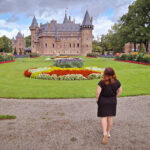
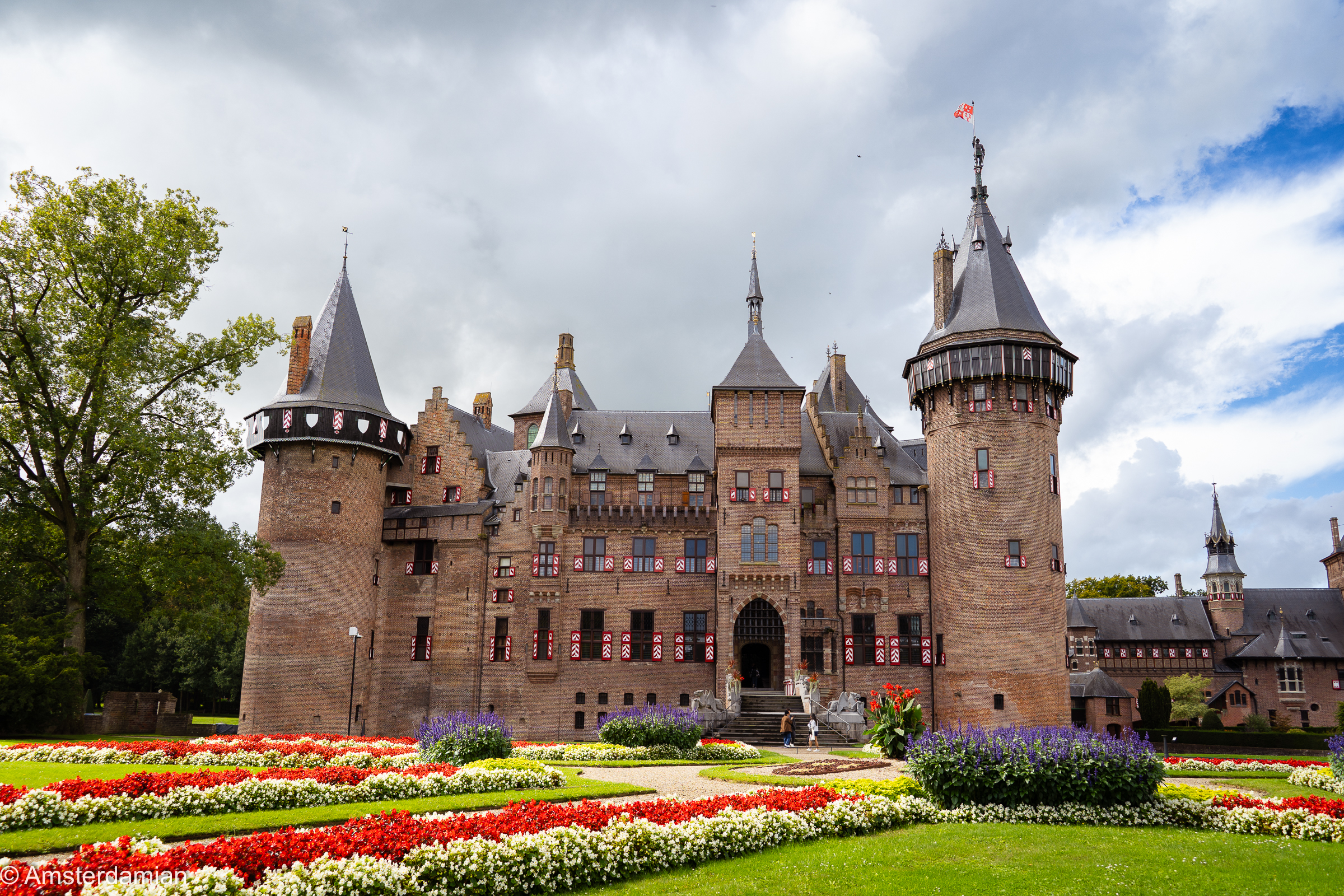
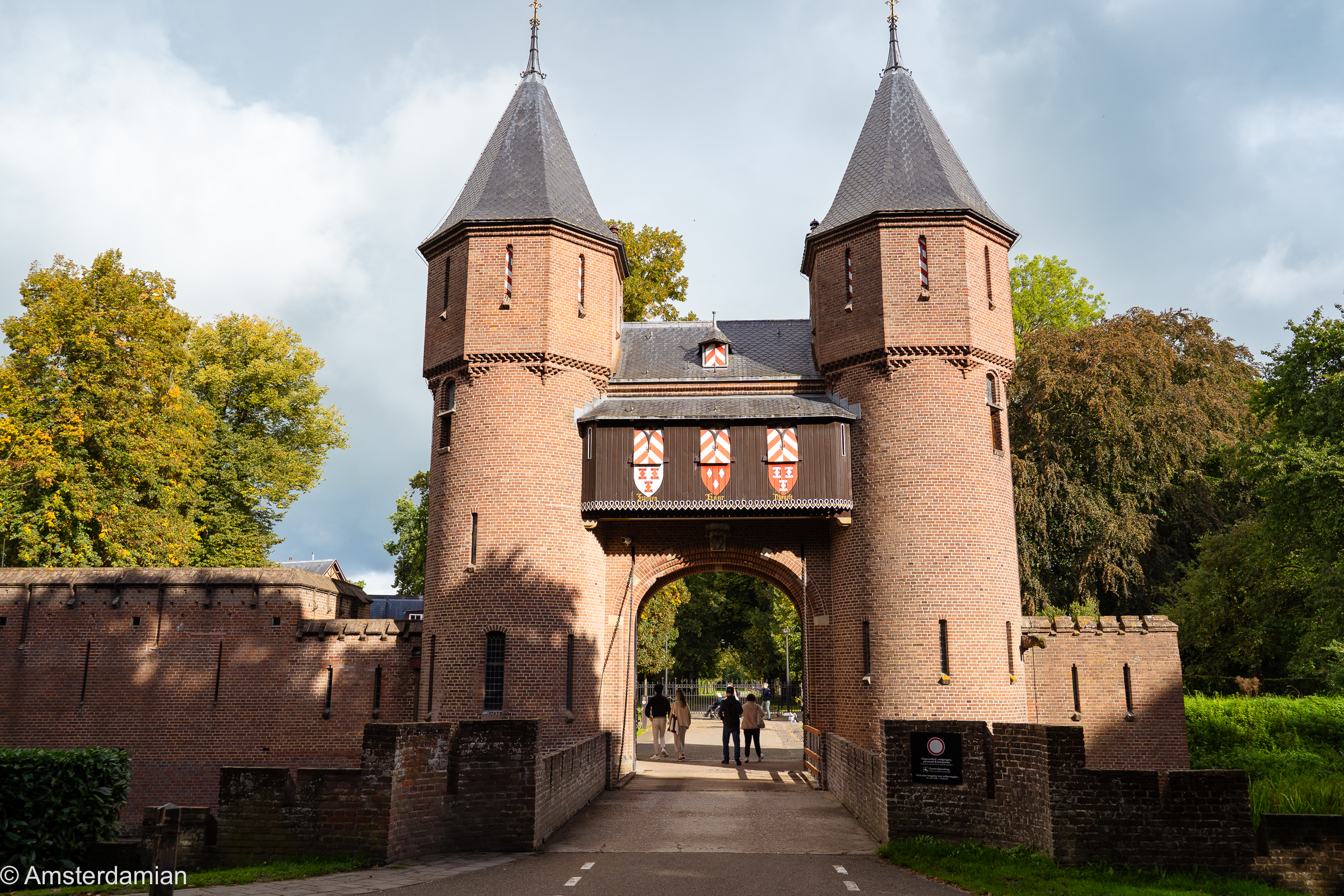
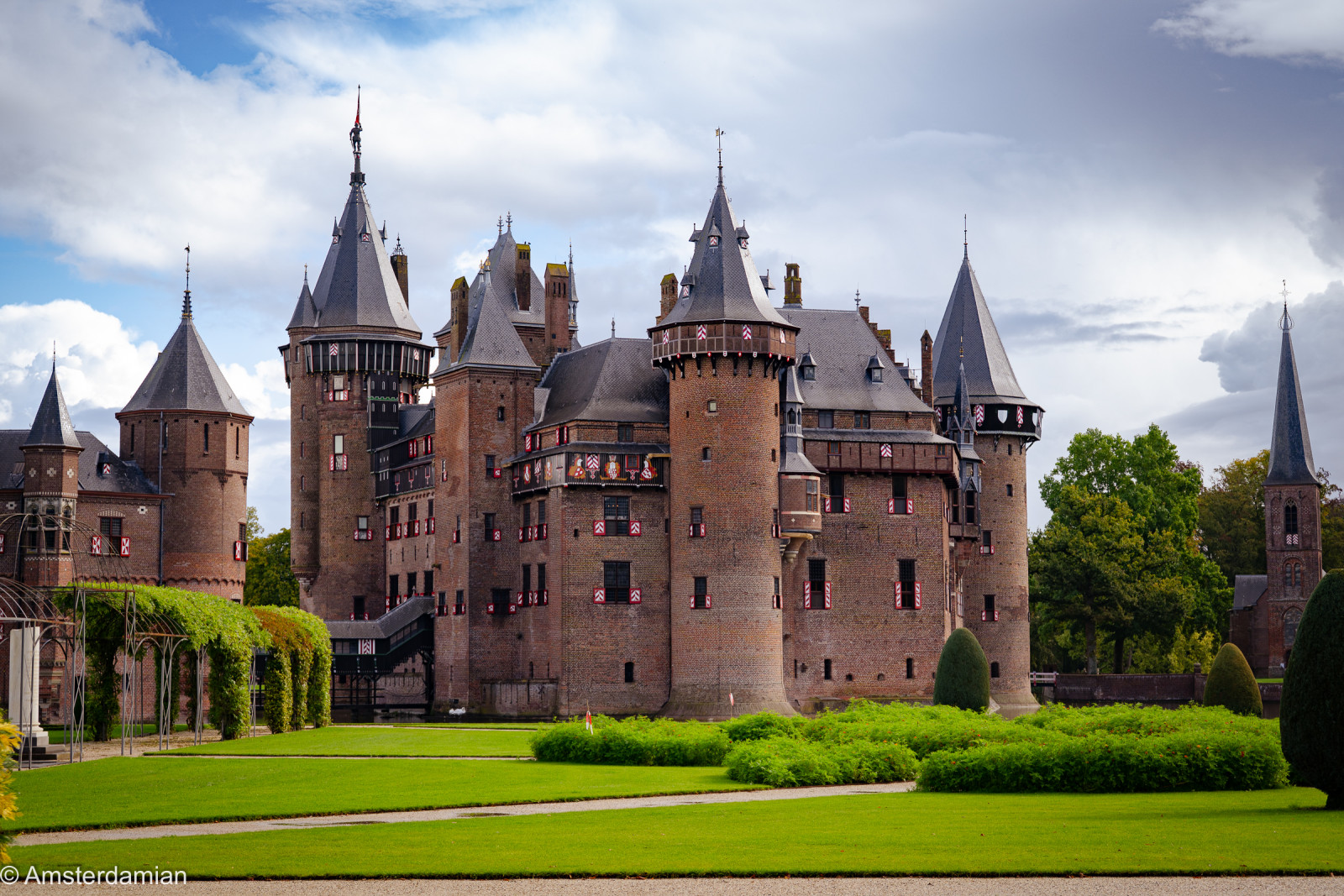
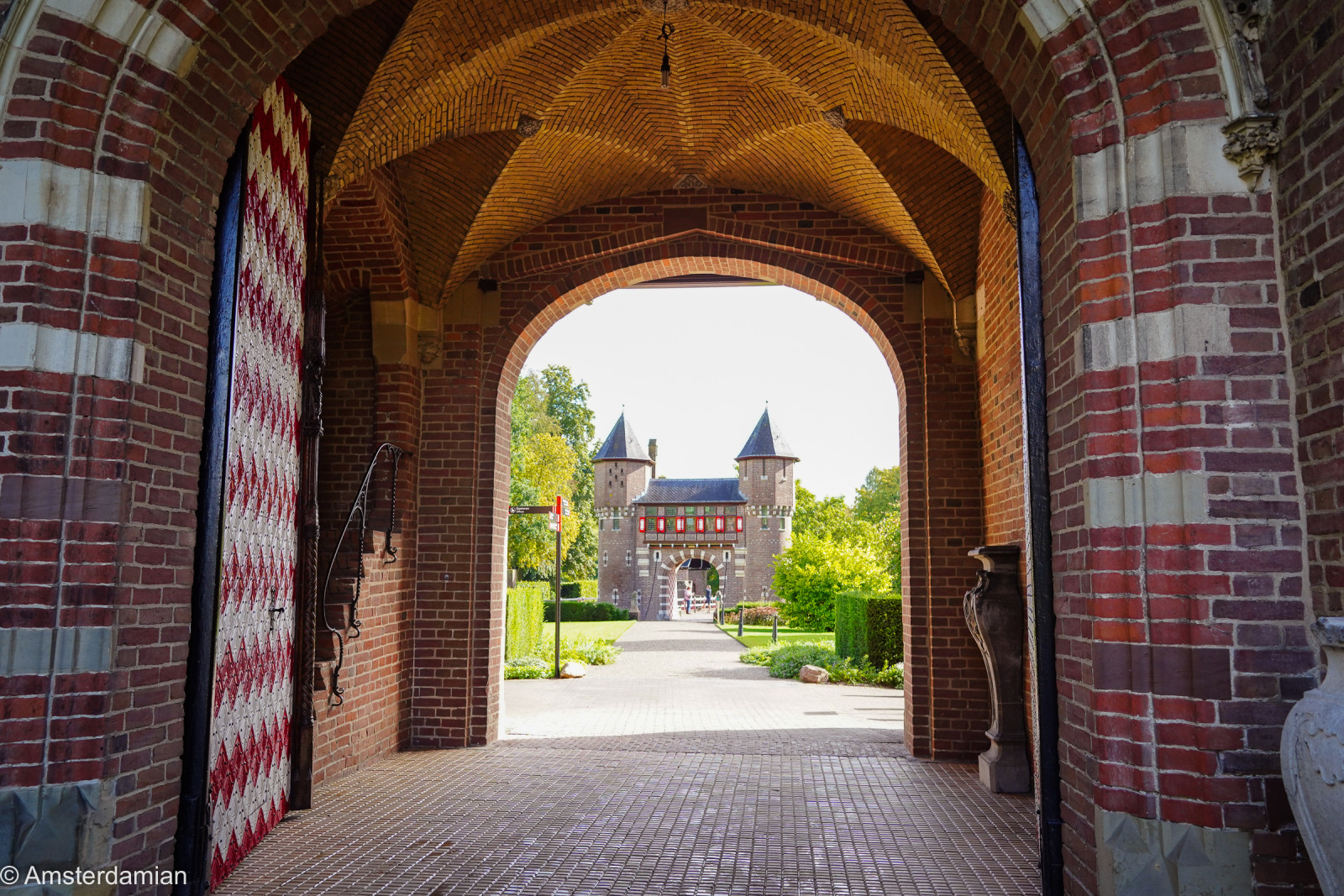
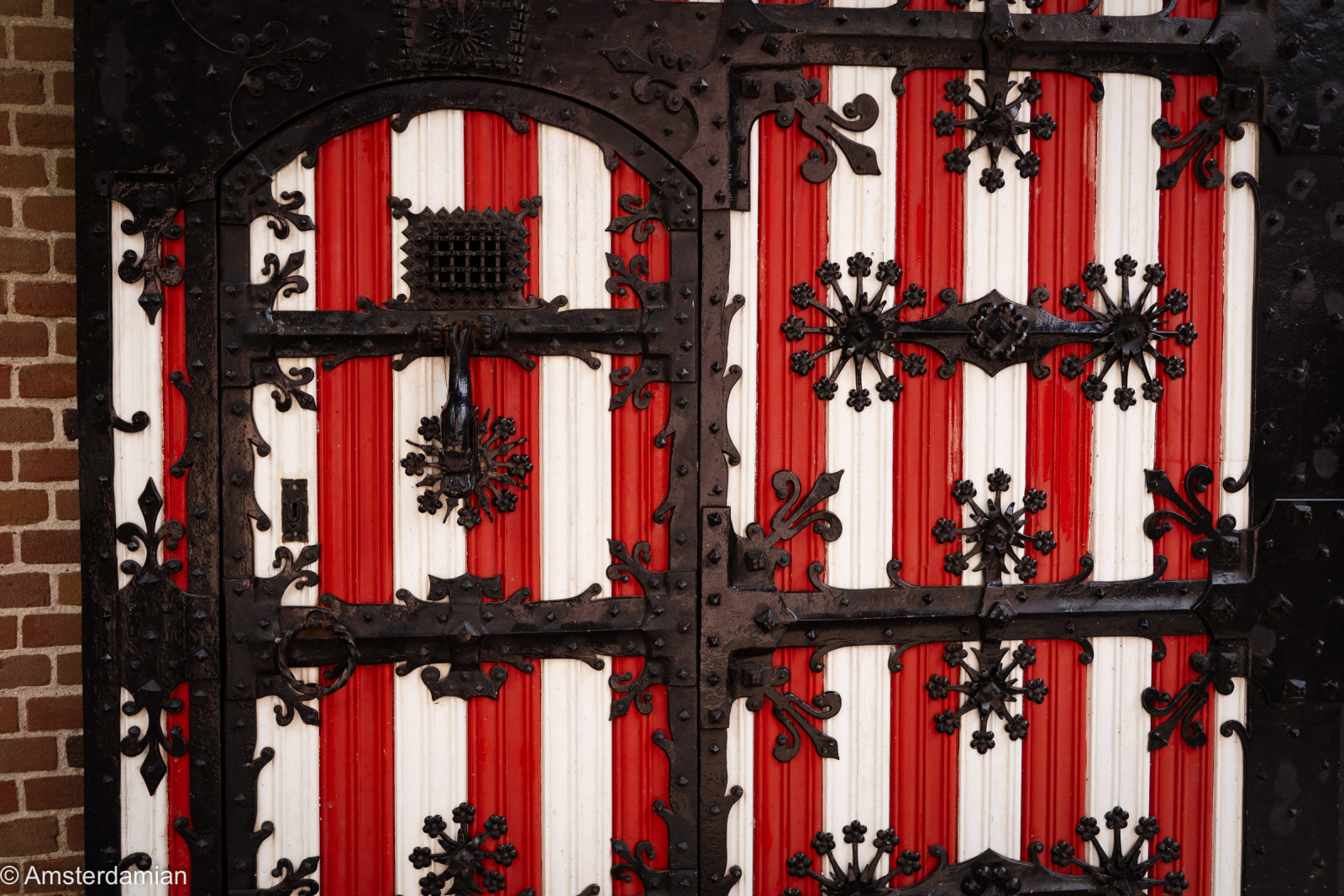
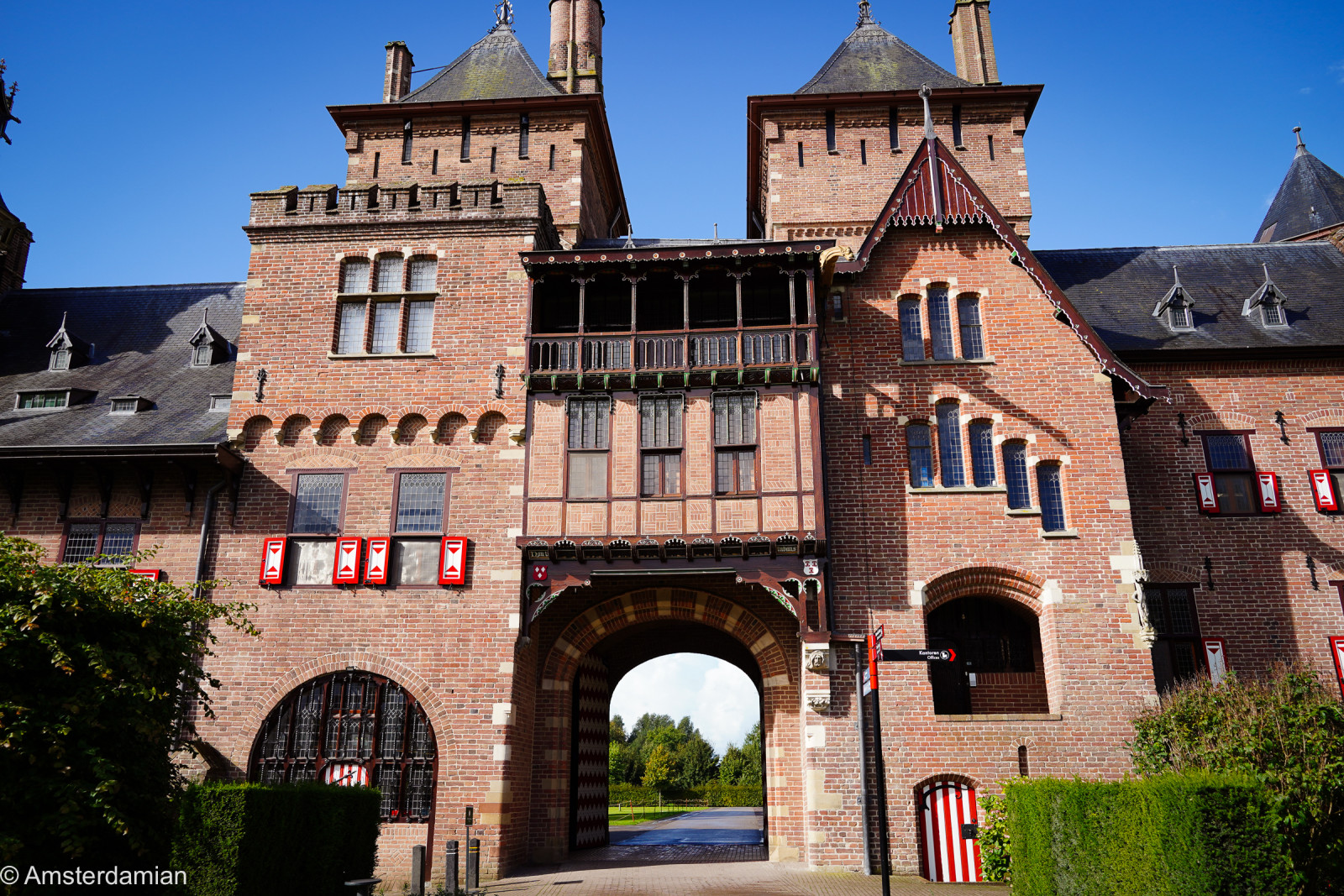
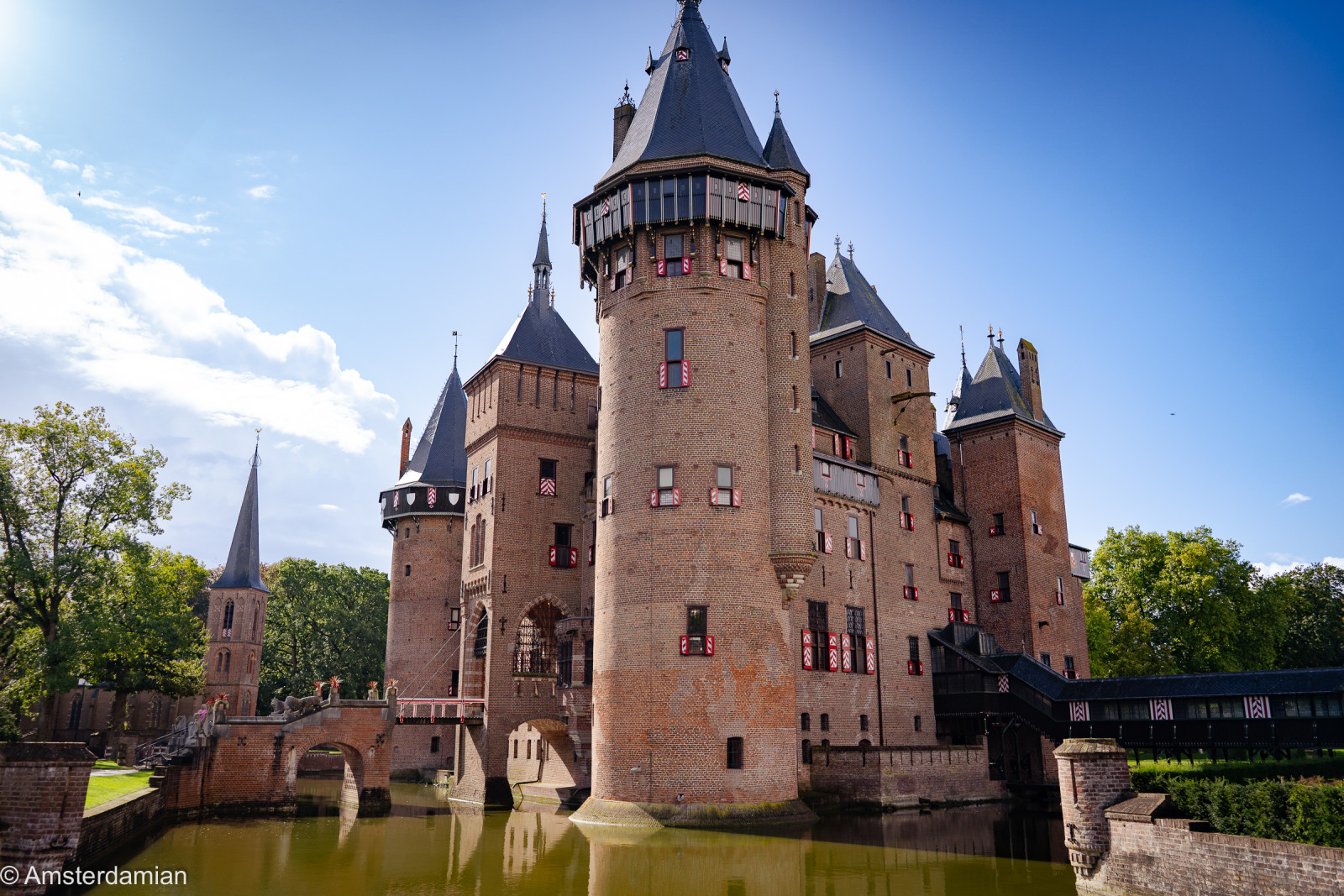
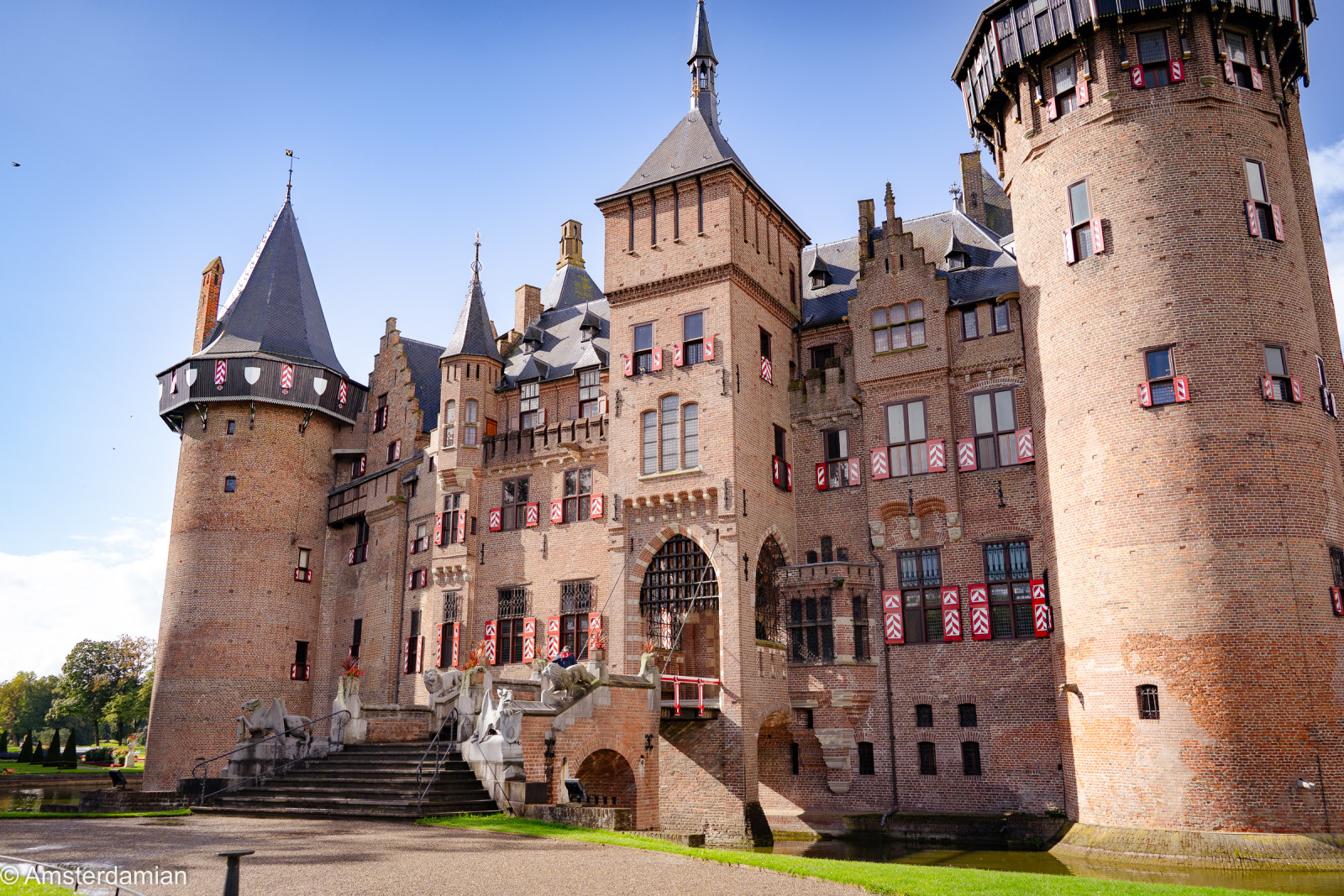
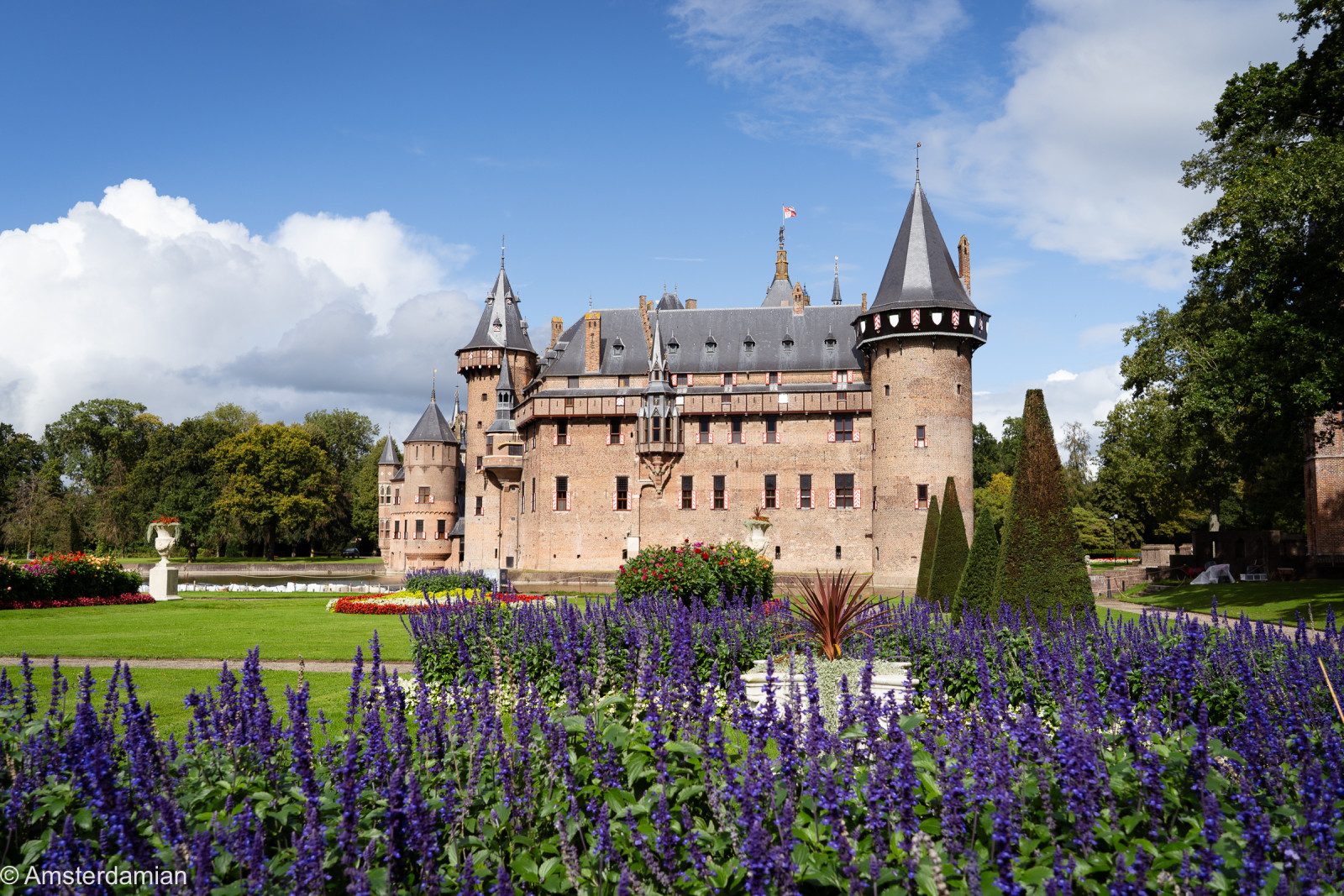
You can’t talk about the Utrecht province without talking about the largest castle in the Netherlands: De Haar Castle (Kasteel de Haar in Dutch). Looking like a real fairy-tale castle, featuring gorgeous gates,
drawbridges, moats and towers, Kasteel de Haar sits in the middle of a large park, with lakes, rose gardens and forests. It stands on the edge of Haarzuilens, just west of Utrecht, and makes an easy day trip from Amsterdam by train and bus.
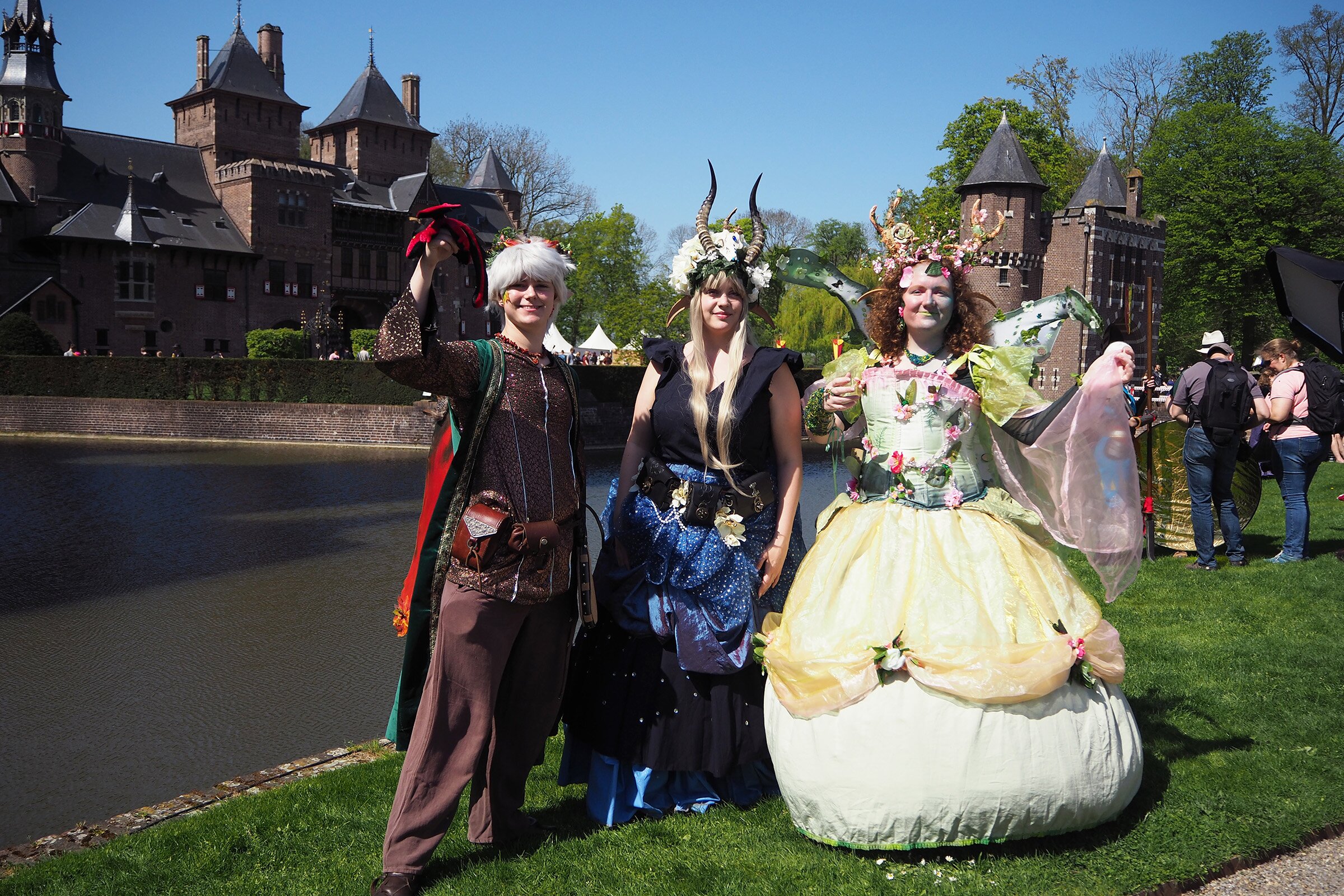
I discovered this beautiful castle a few years ago, when I went to the Elfia Festival. Elfia is a fantasy-themed festival, where you’ll find all the possible fantasy characters out there. It’s the heaven of cosplayers and photographers. But, most of all, it’s a celebration of imagination, a place where you can meet like-minded people and have fun for a weekend. For more than twenty years, the festival took place on the castle grounds, taking up almost all the park area. The medieval look of the castle matched with the festival’s theme, and the witches, elves and gnomes blended perfectly with the forest. The last Elfia at De Haar was in April 2025; in 2026 the festival moved to Kasteel Vorden, one of the castles I wrote about in Gelderland.
But you don’t need a festival to visit: the castle is open almost every day of the year. Close to Utrecht (the city), the castle can be reached by car or by public transport.



A short history of the De Haar castle
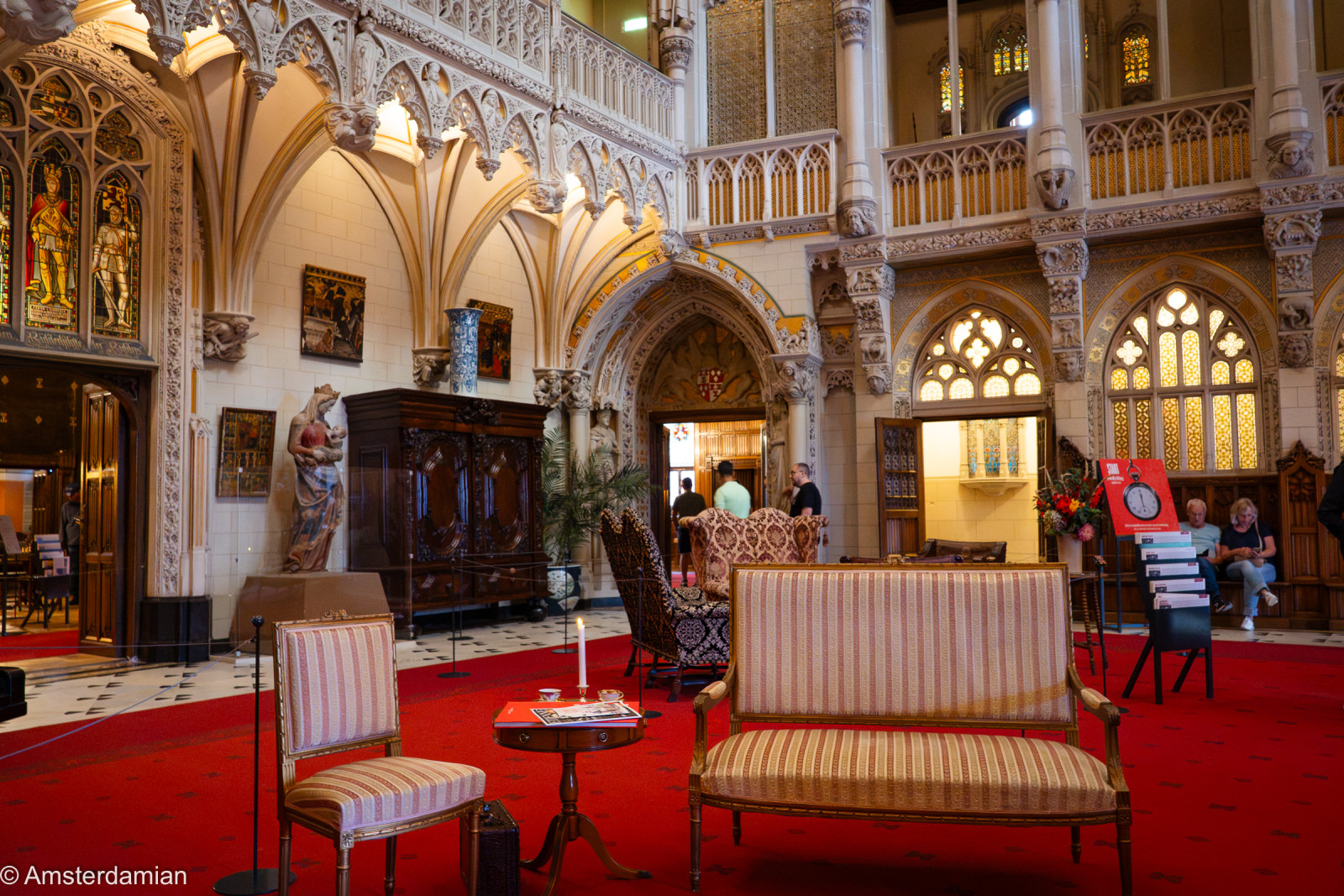
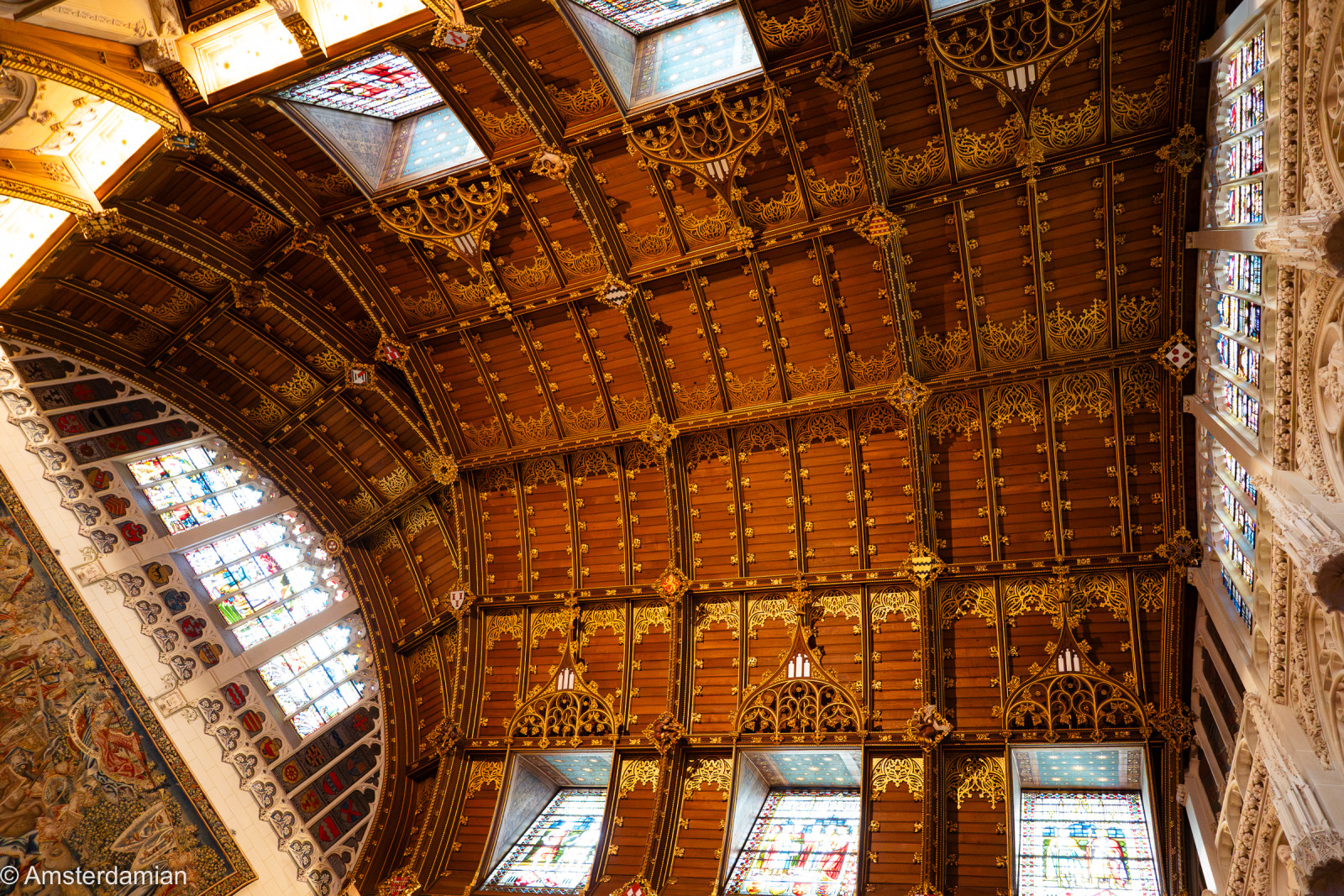
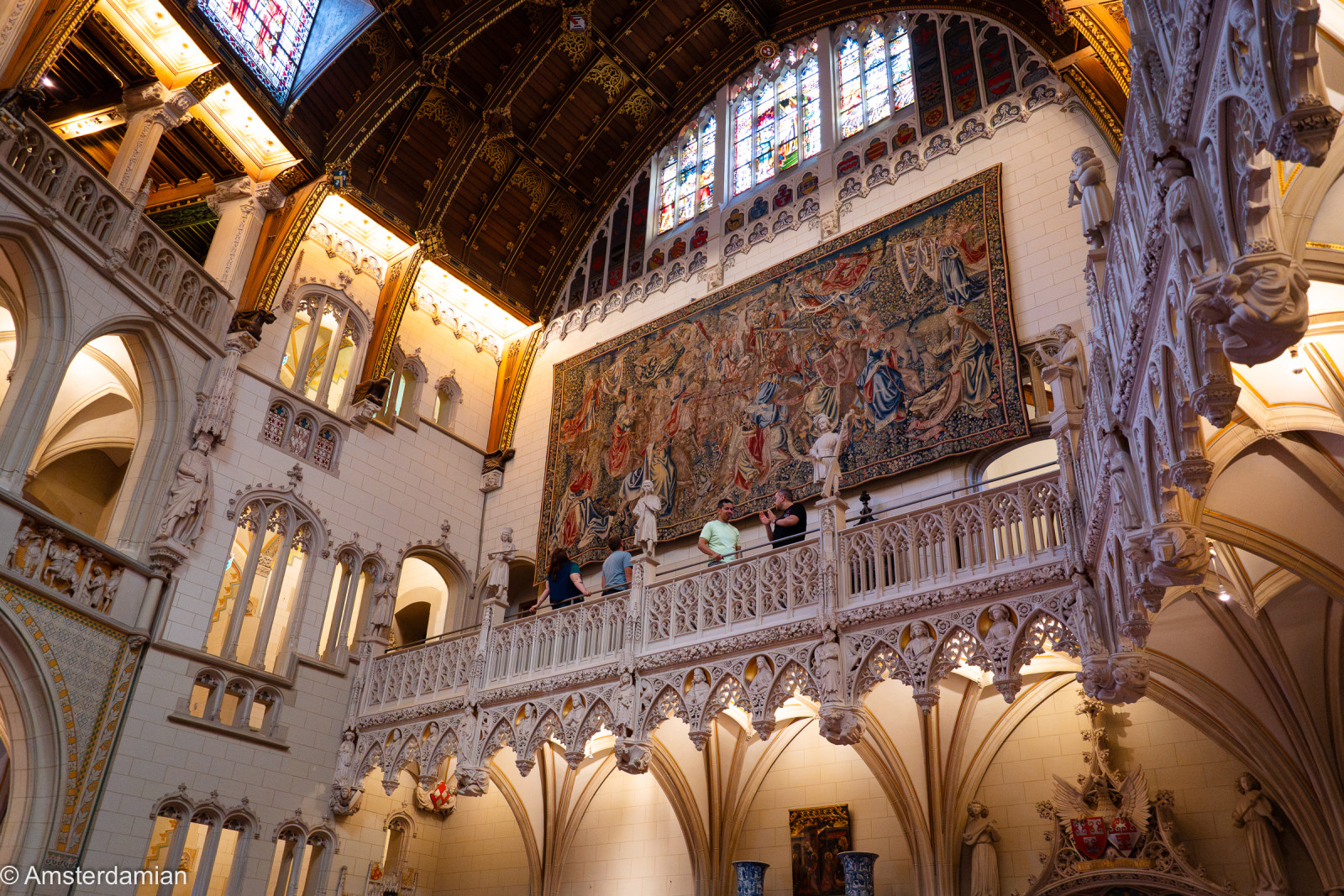
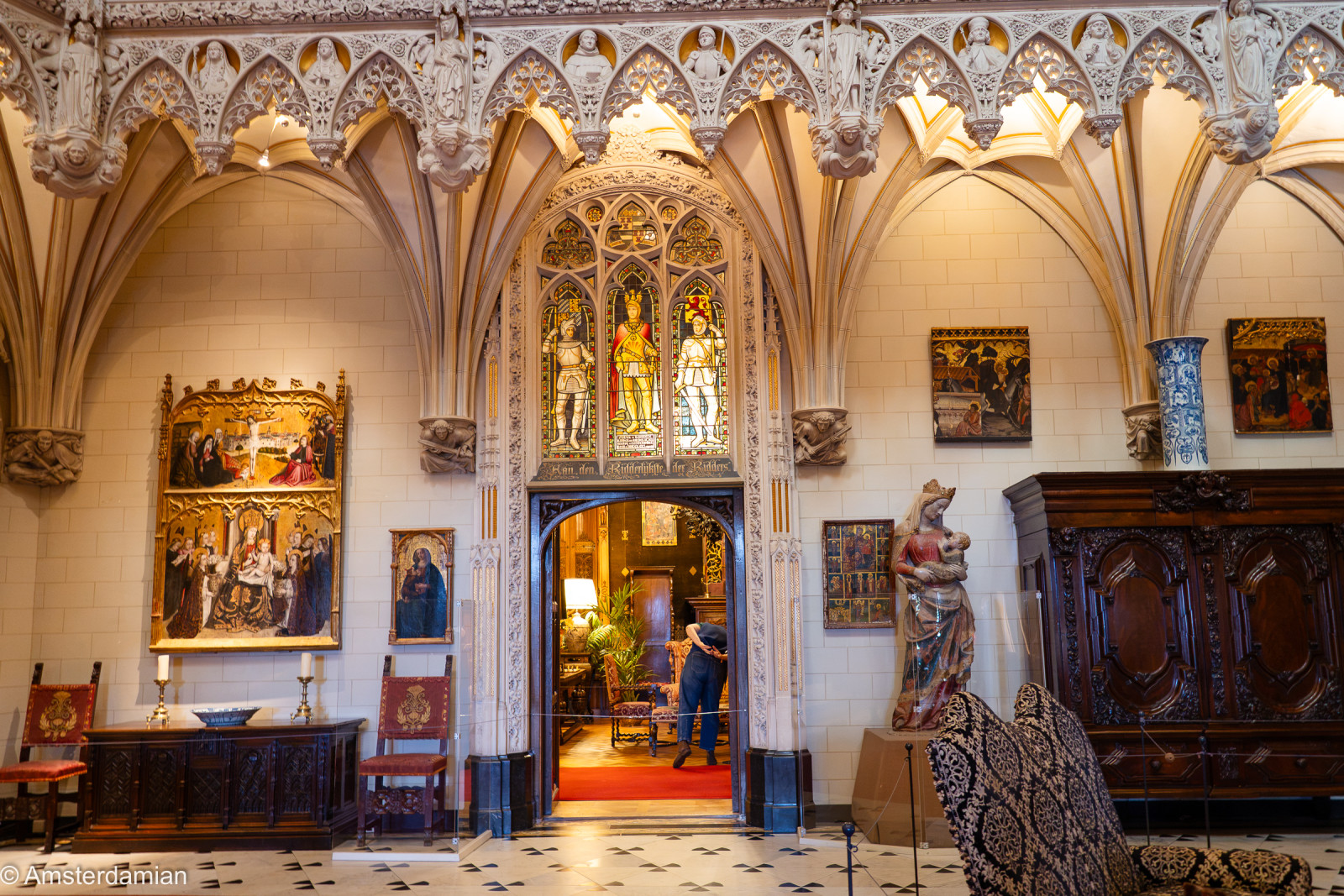
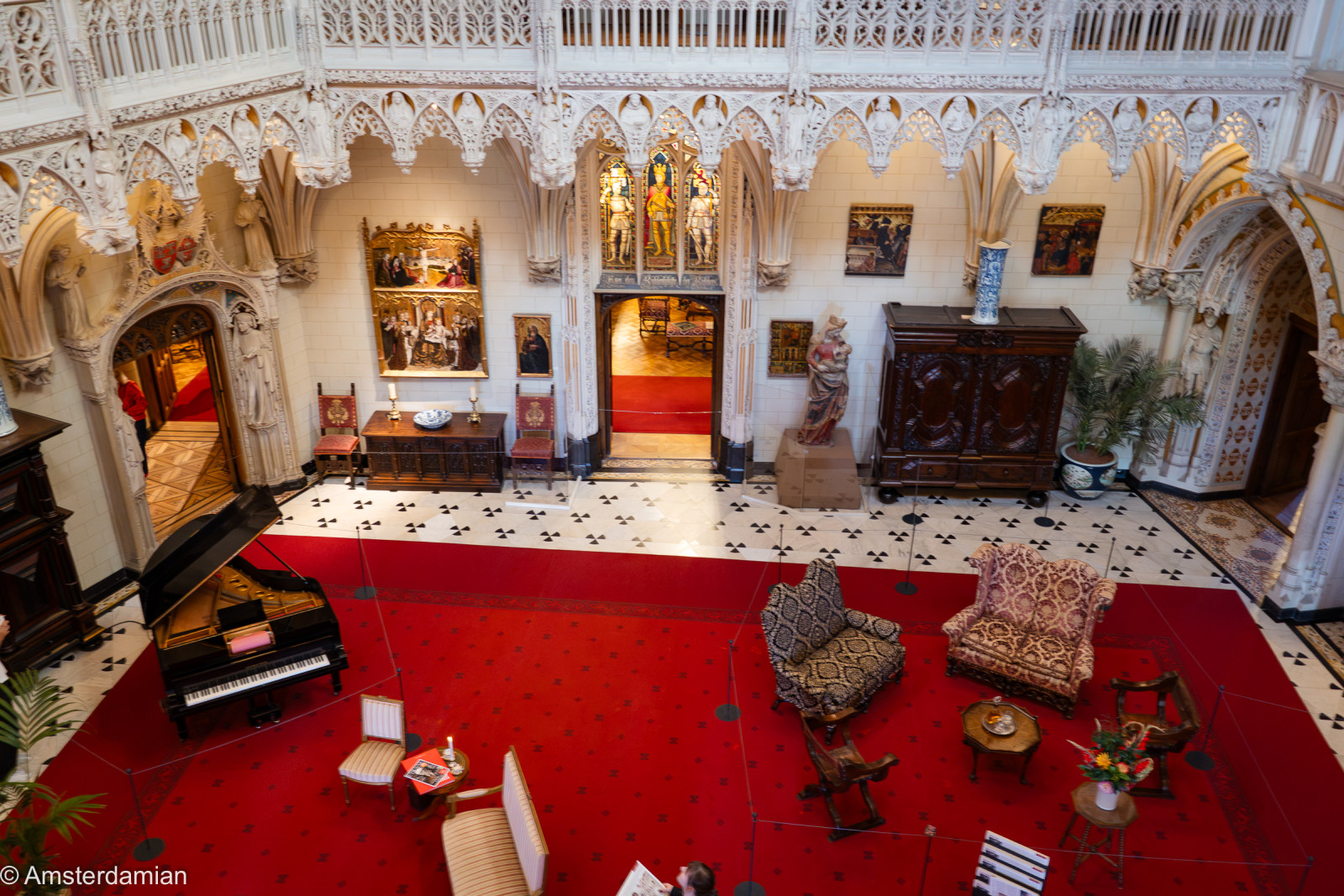
Kasteel de Haar was built around the 13th century, and, like all castles, had a tumultuous history. It was first mentioned in writing in 1391. It changed owners from the De Haar family to the Van Zuylens, was burned down in 1482, rebuilt in the 16th century, and fell back into ruin around the 18th century. The castle that we can admire today is the work of love of baron Etienne van Zuylen van Nijevelt van de Haar, who, after marrying Baroness Hélène de Rothschild, set out to renovate the castle with the help of his wife’s money. The couple hired the famous architect Pierre Cuypers, known for his designs of the Rijksmuseum and the Central Station in Amsterdam, who did a splendid job of restoring the castle to its previous glory and beyond! He followed the outline of the old castle, put a roof over the old courtyard to create the Main Hall, and fitted the house with electric light, hot and cold running water and central heating. Restoration work lasted 20 years, and was finished in 1912; it was an extensive and impressive work. Cuypers worked on the interiors, the gardens and the chapel too, and the new village of Haarzuilens was designed by his office, with his son Jos (it’s worth visiting as well).
The old village stood right next to the castle, roughly where the Roman Garden is now. The baron had it moved about a kilometre and a half away to make room for the park, and the villagers moved into their new houses in 1898. Only the chapel stayed behind.

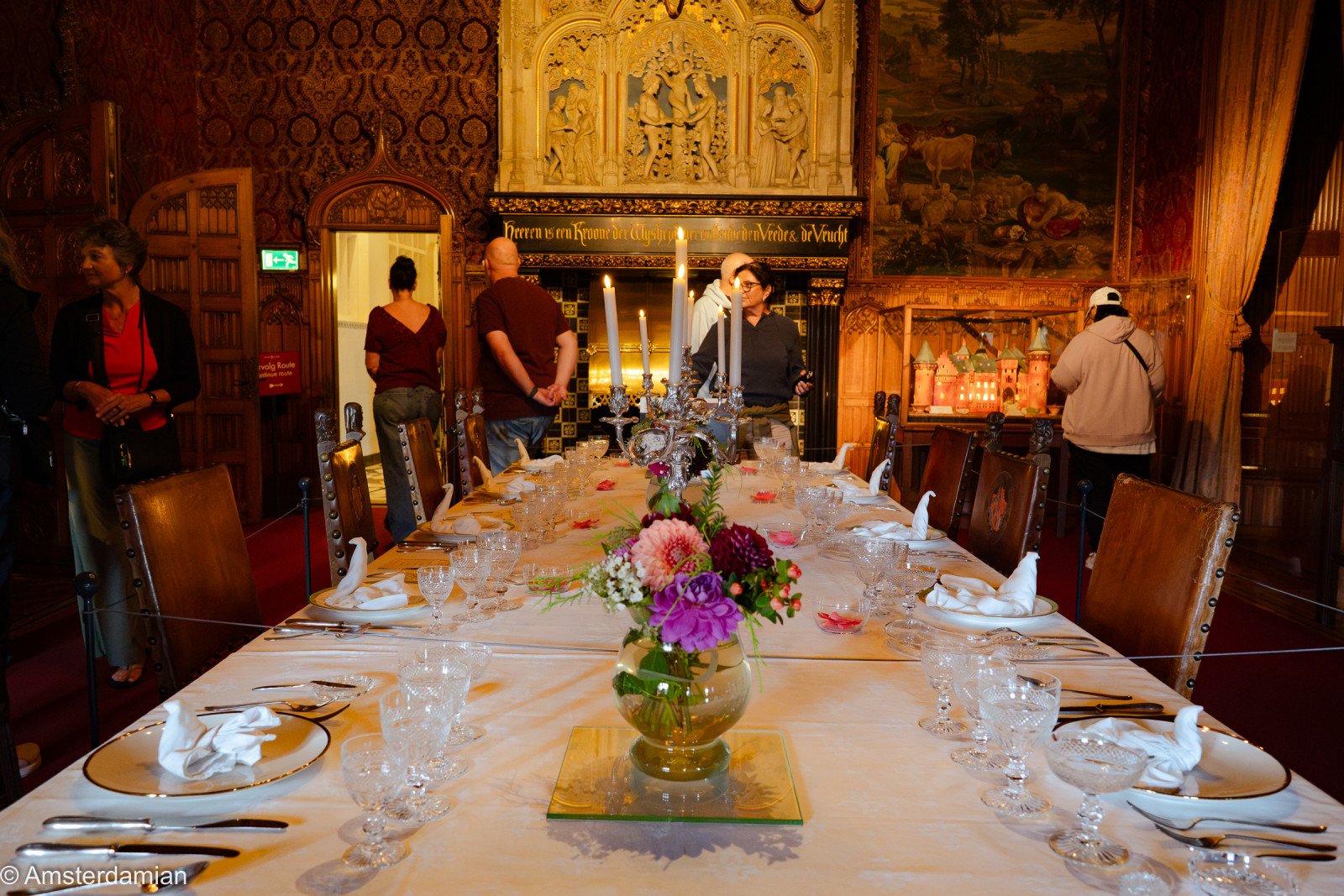
After that, Kasteel de Haar was a real hotspot in the Netherlands. The Van Zuylen van Nijevelt van de Haar family lived a life of luxury (described by some as “very un-Dutch”), and hosted parties where they would entertain international celebrities like Coco Chanel, Maria Callas, Roger Moore, Yves Saint Laurent and Brigitte Bardot. Most of these parties happened in September, when the family and their guests moved into the castle for a month of dinners and masked balls. The family kept up this September stay until 2006, and every September the castle now brings it back with a special programme, the September Tradition.
How de Haar Castle became a museum
In 2000 the ownership of the castle was transferred to foundation Kasteel de Haar, which worked to transform the place into a museum and event center, so today we are lucky to visit the beautiful interiors and parks.
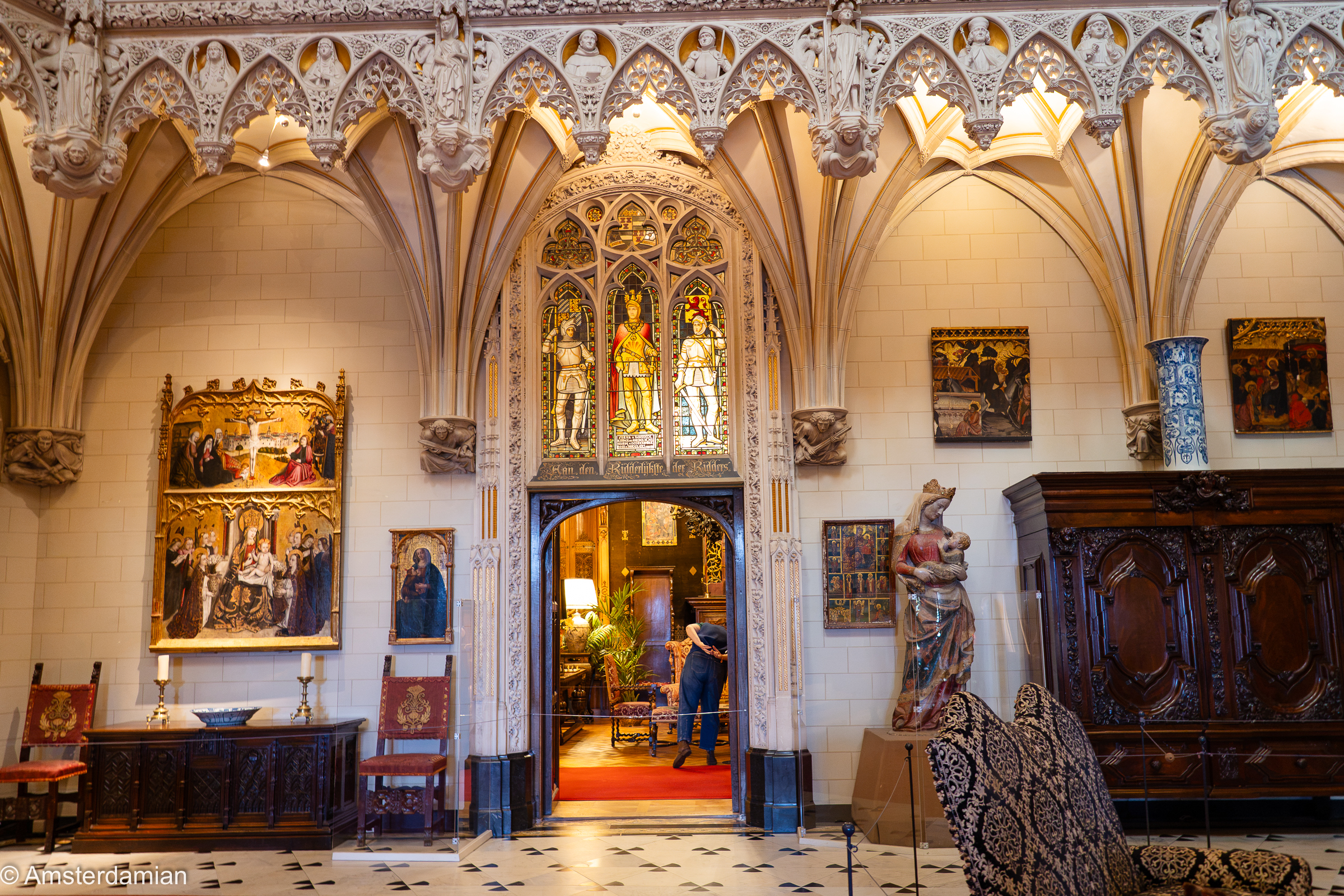
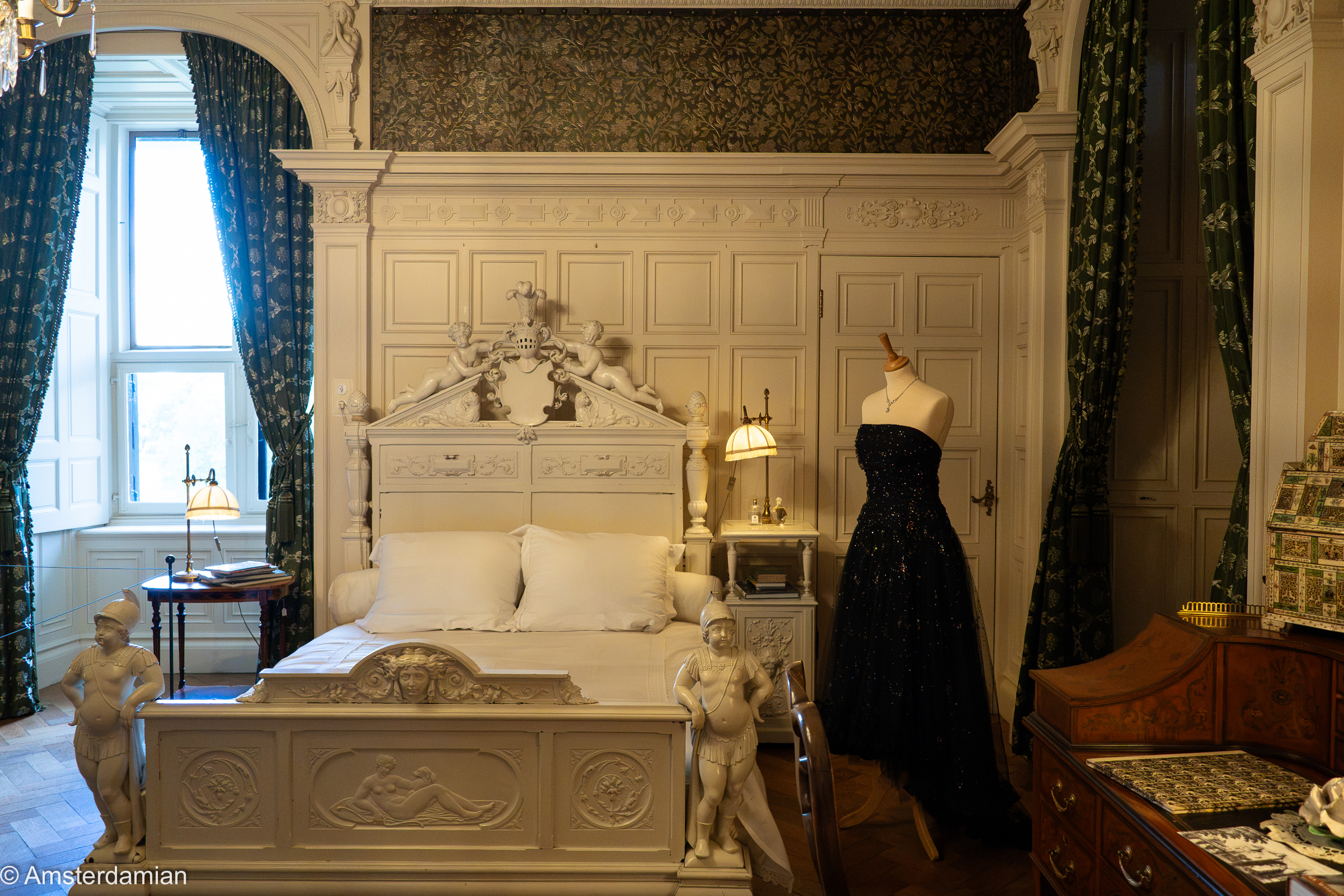
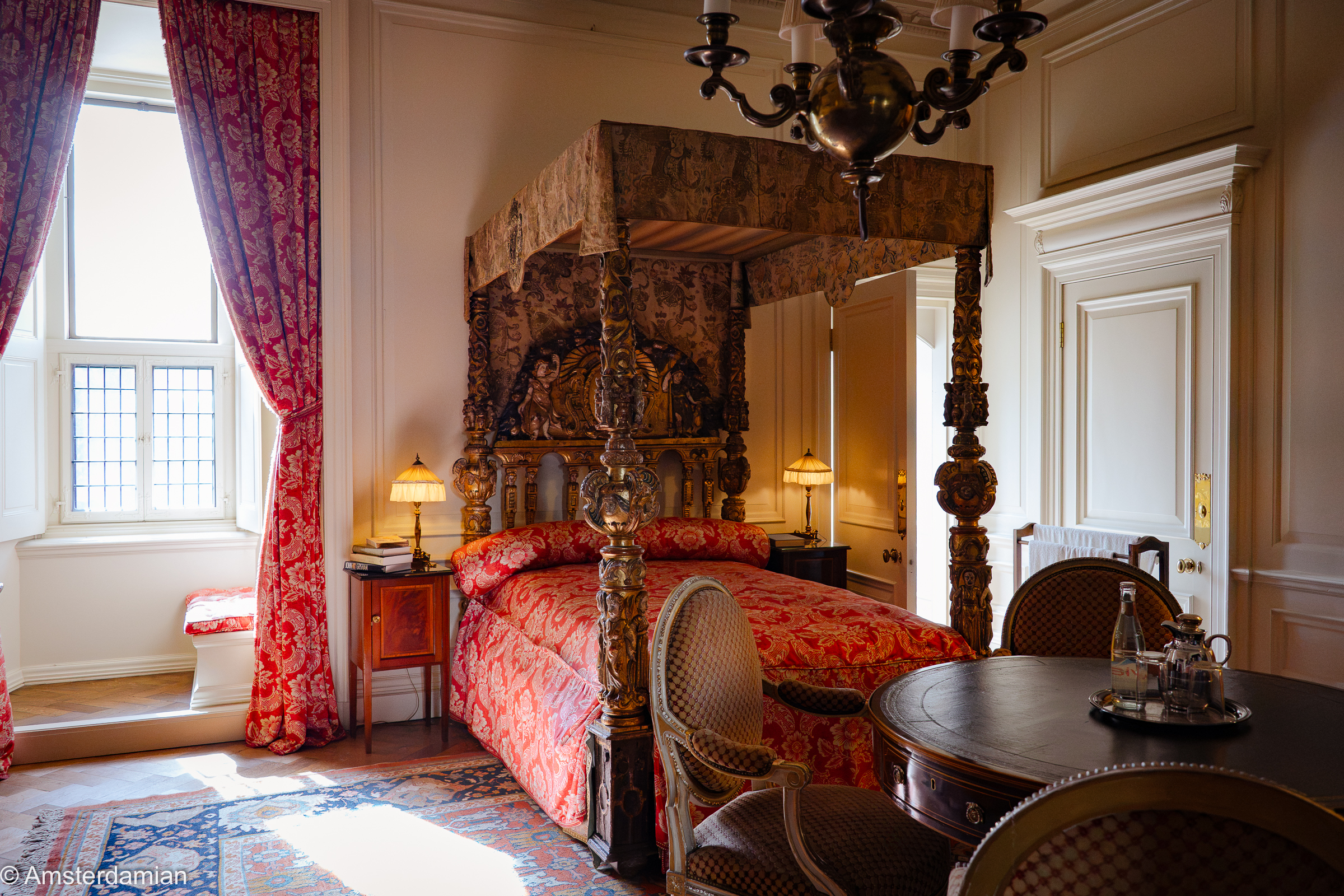
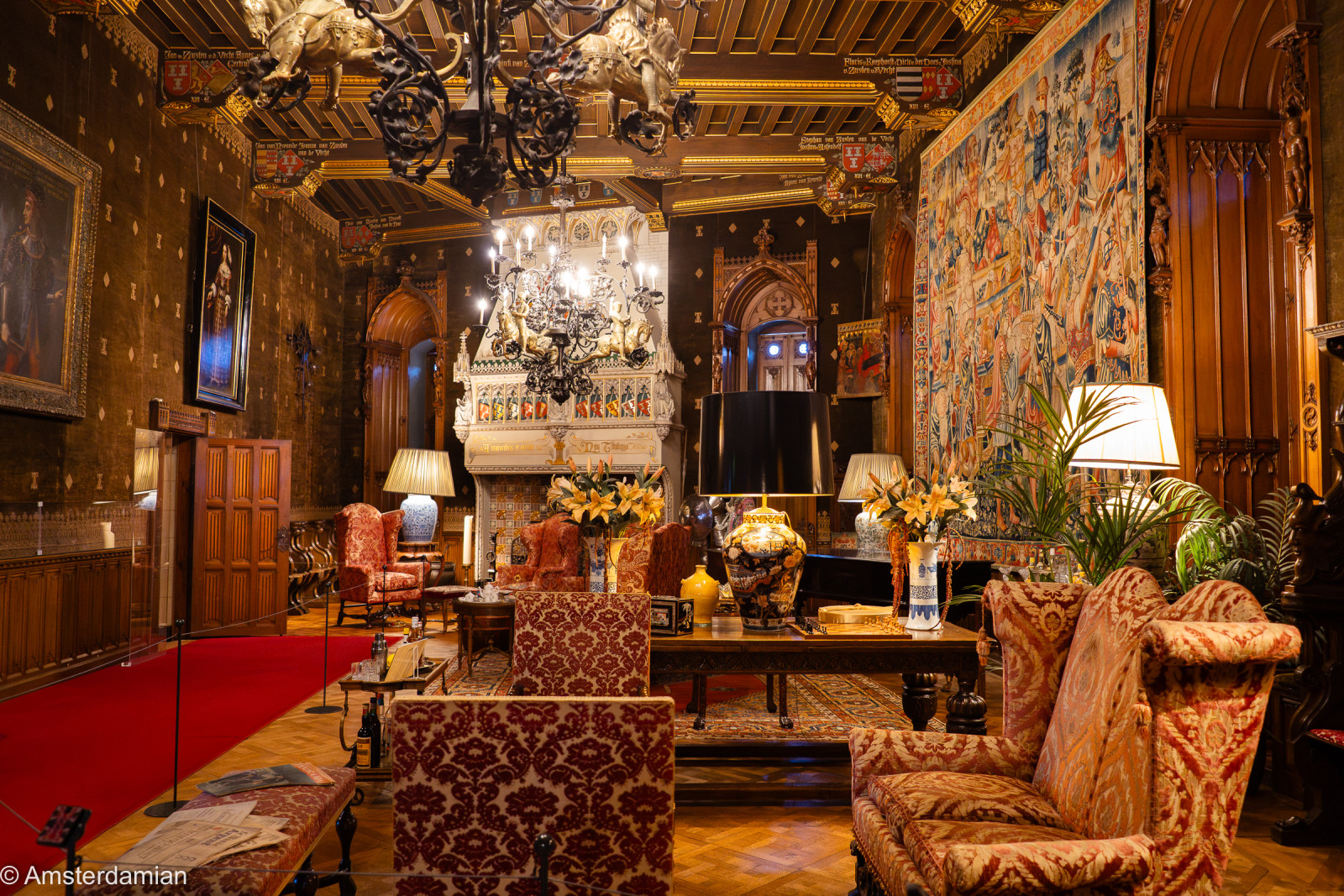
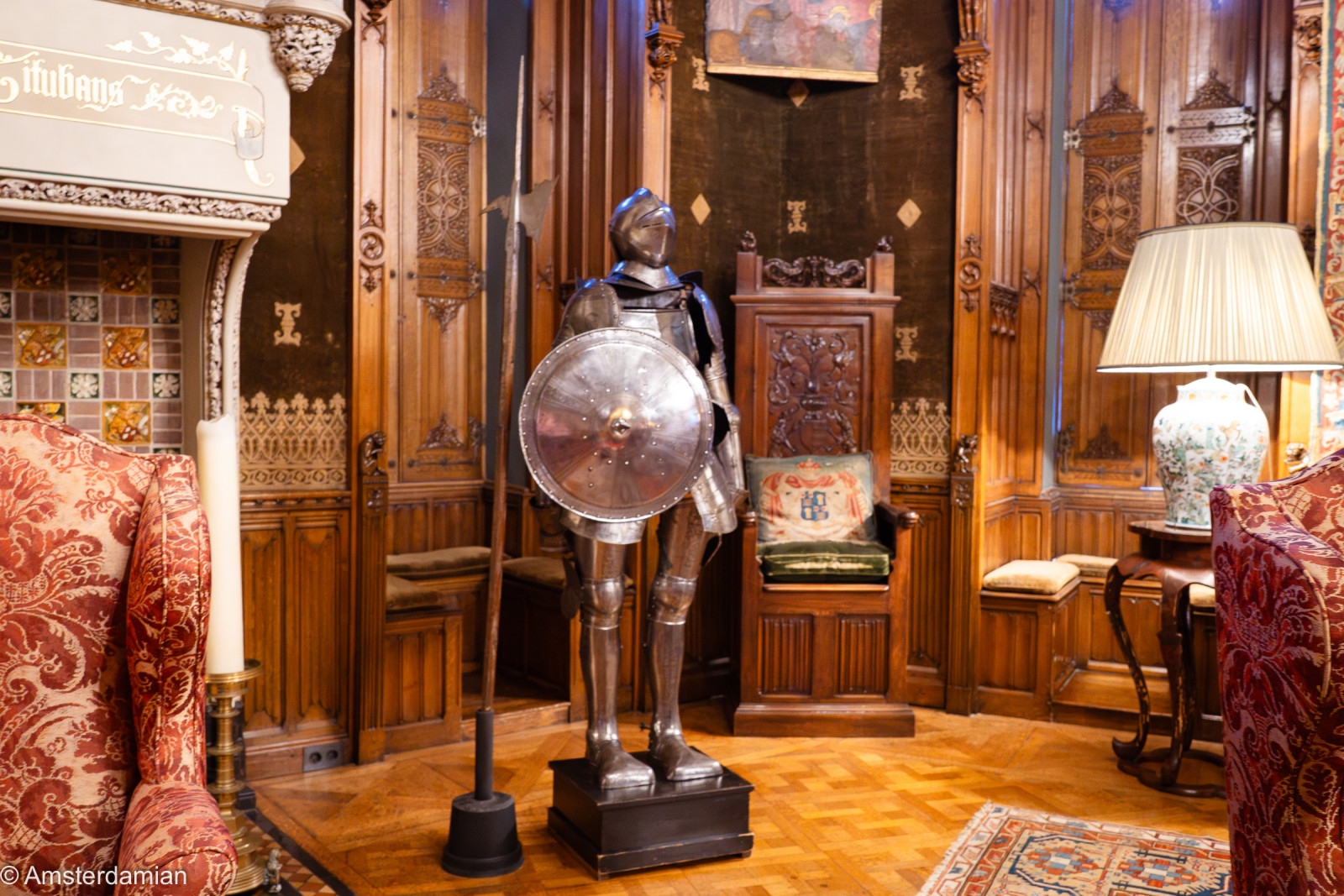
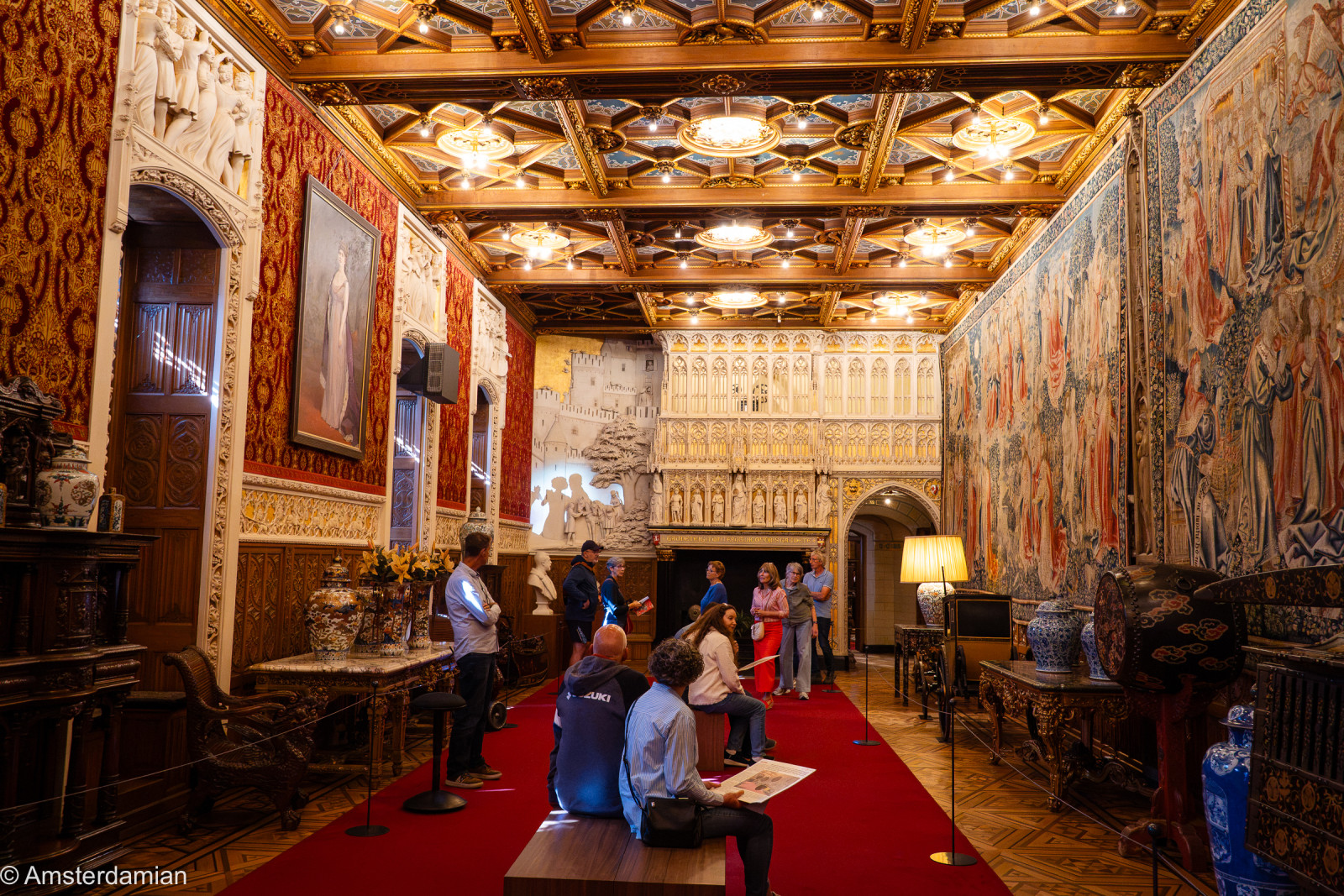
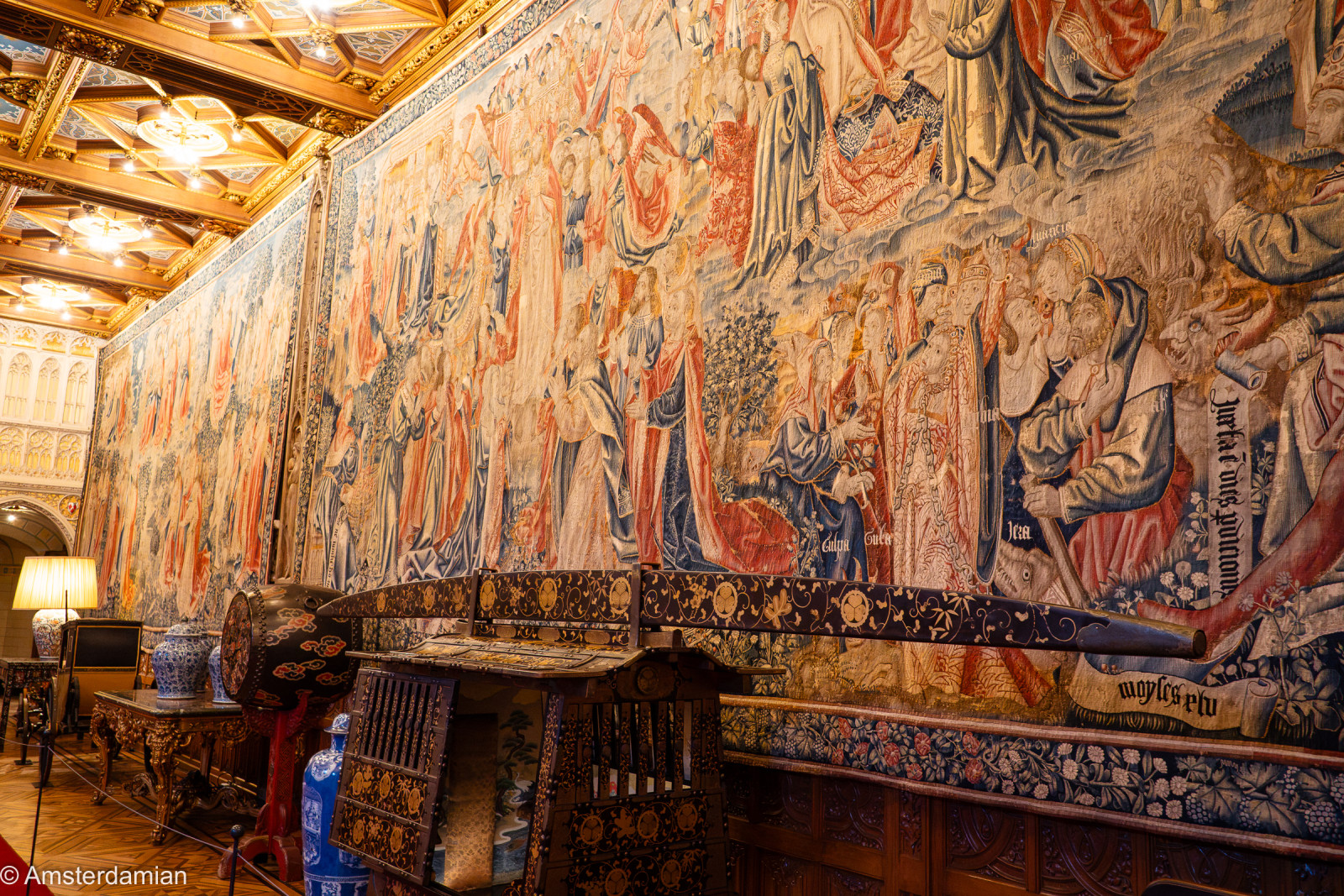
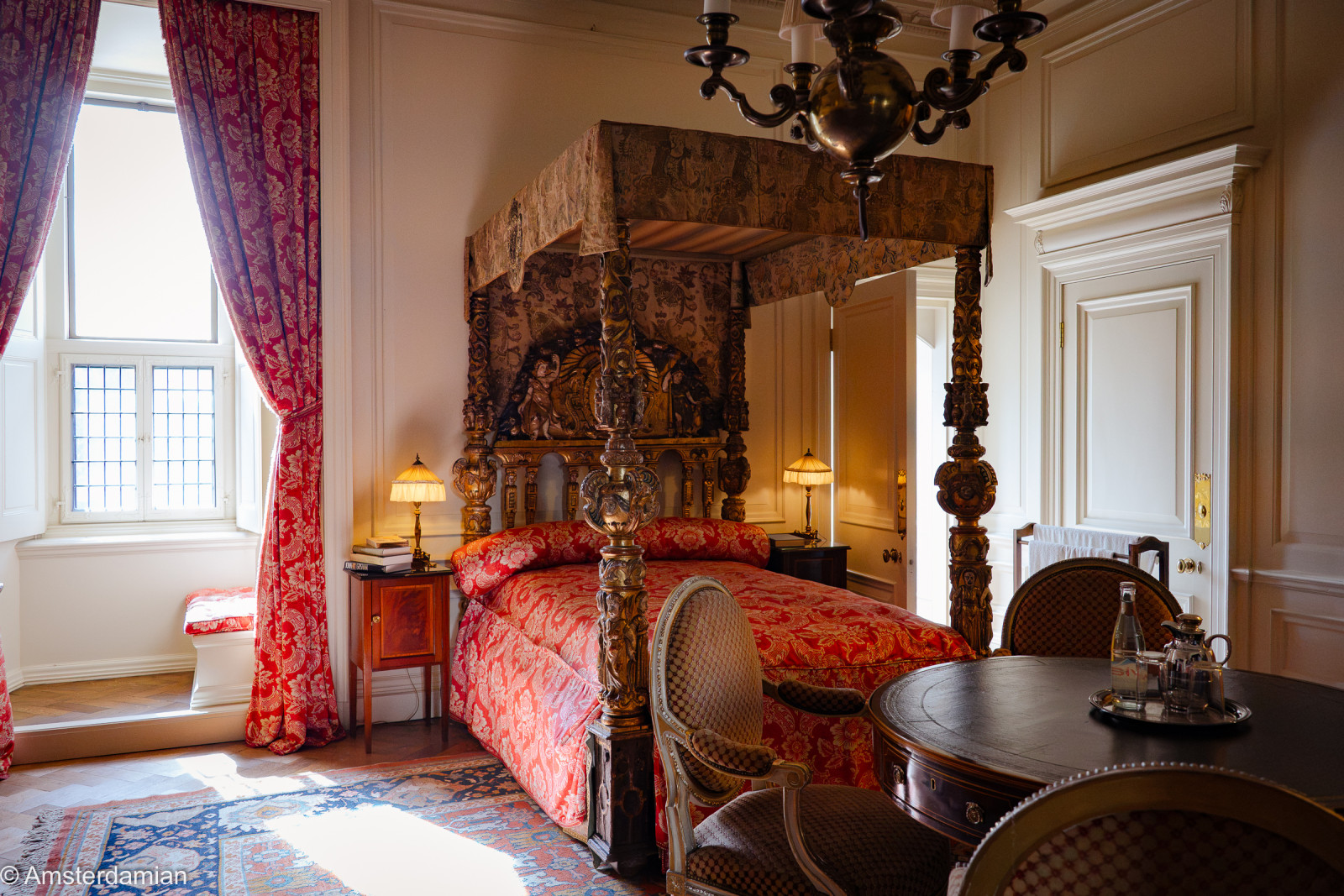
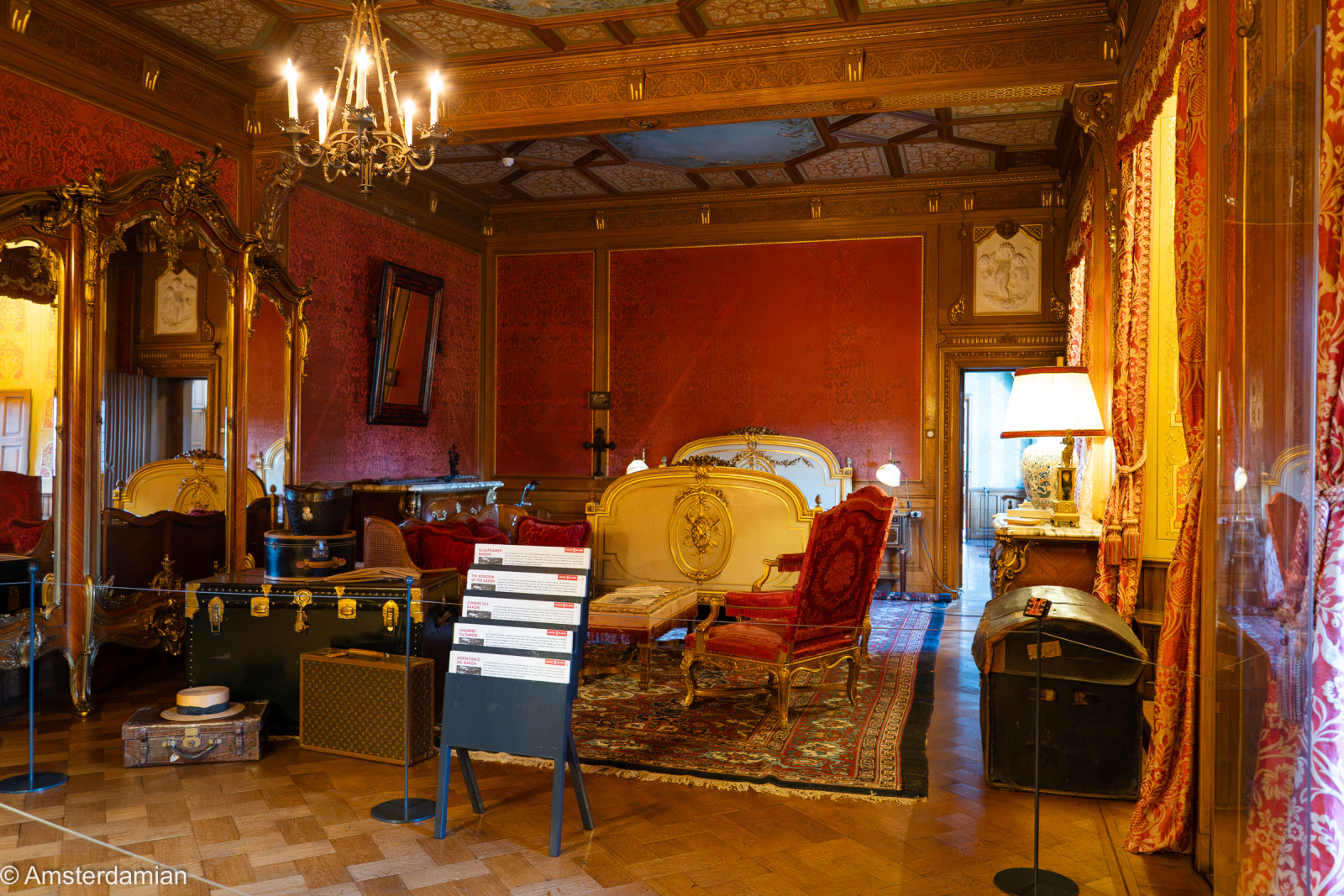
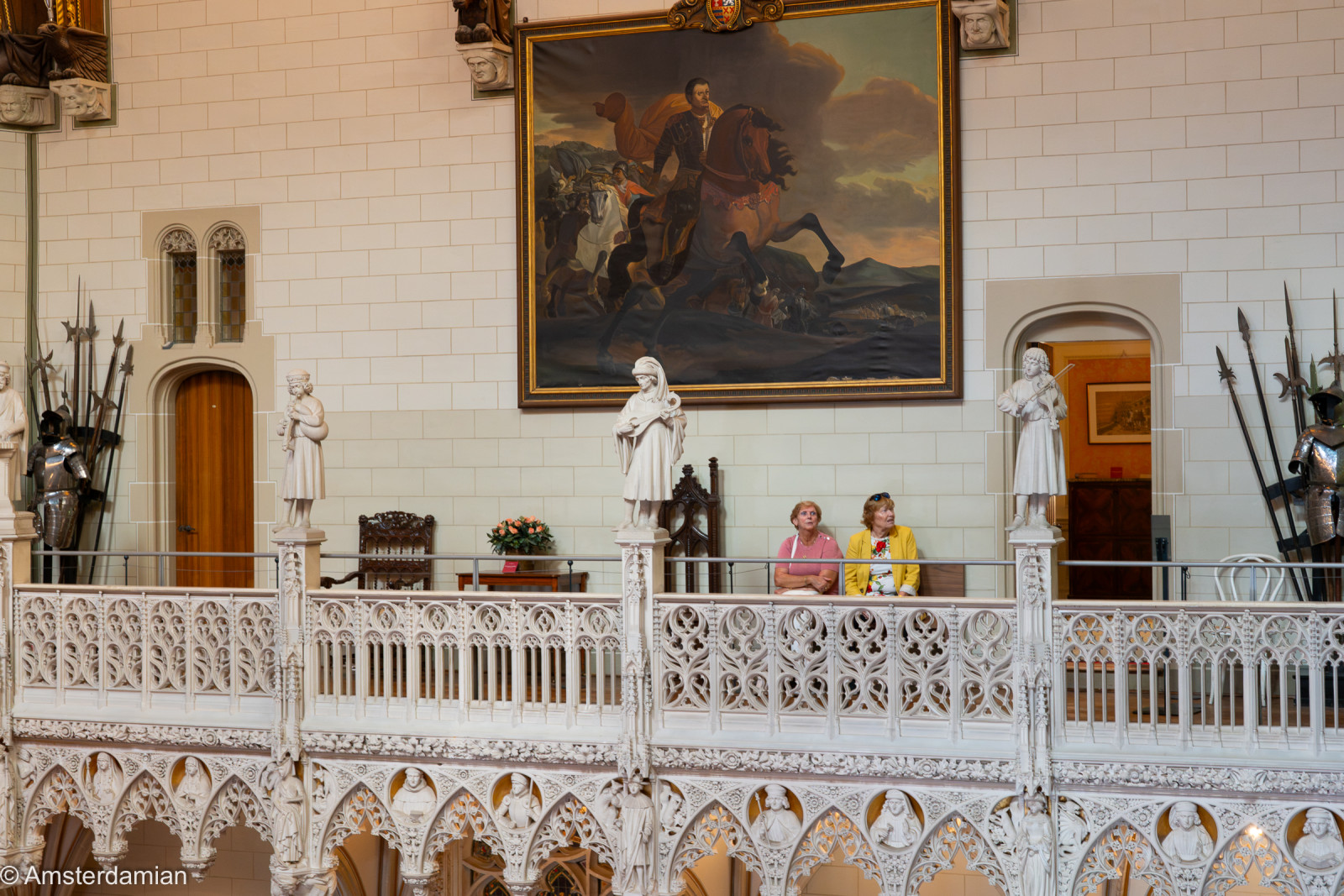
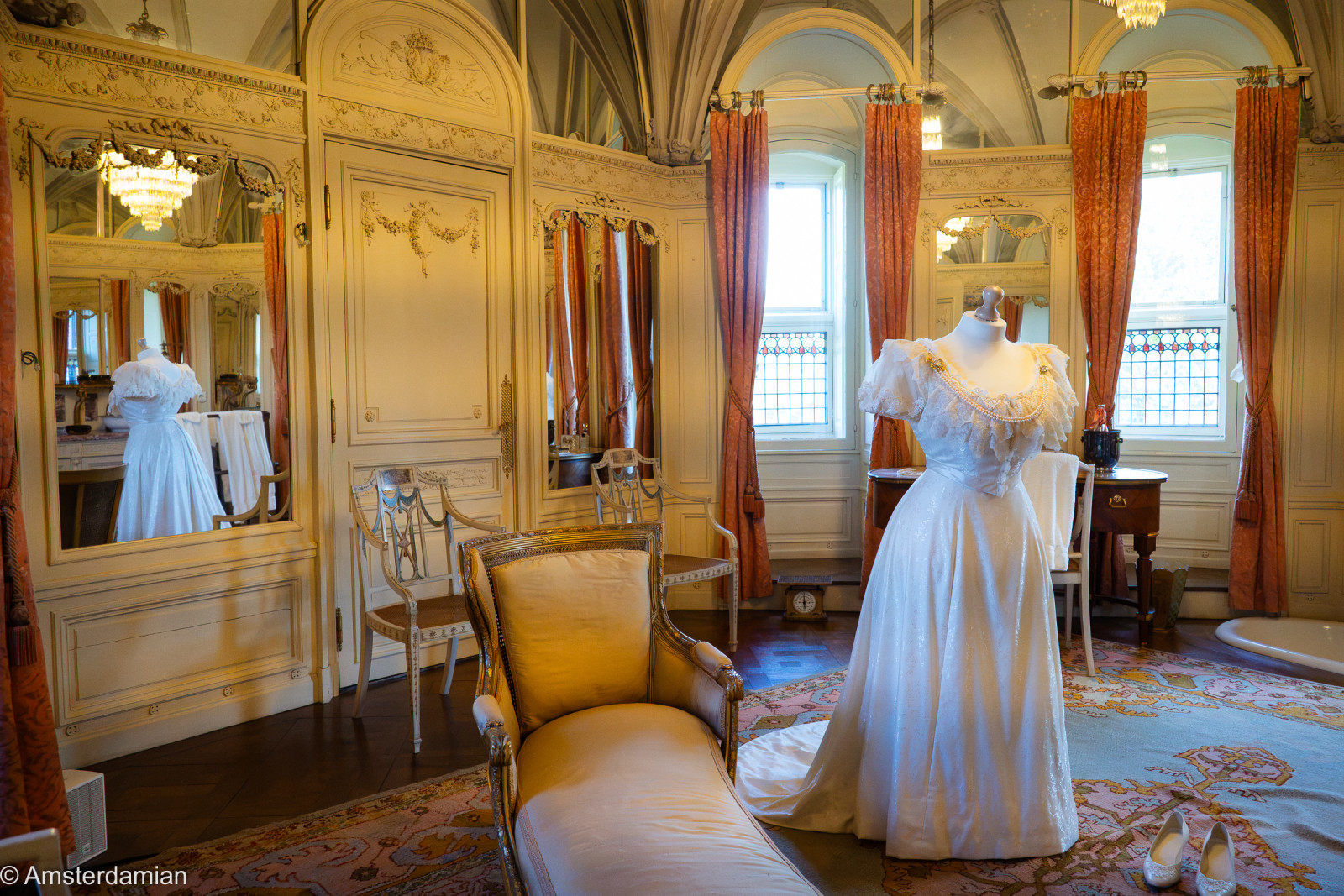
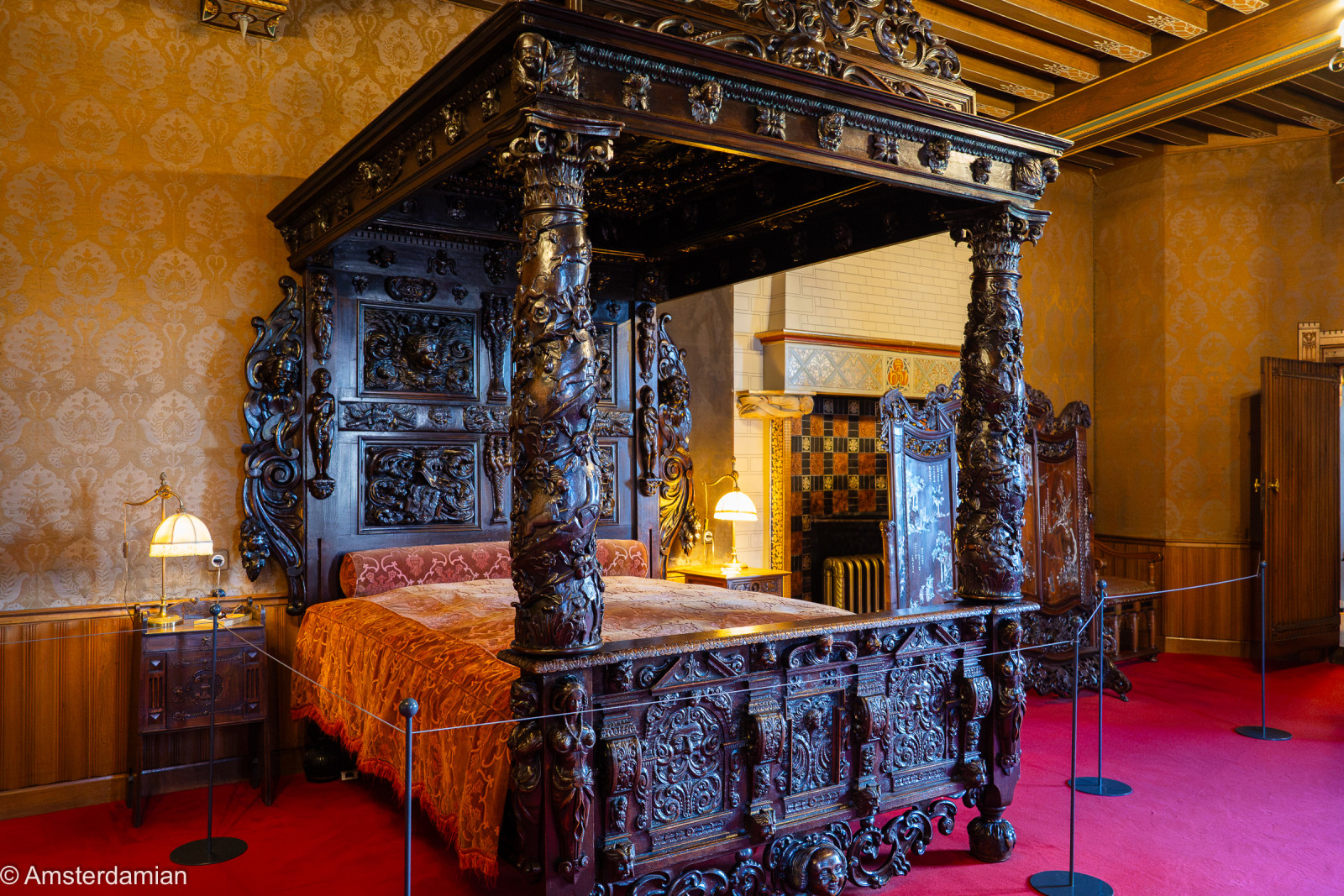
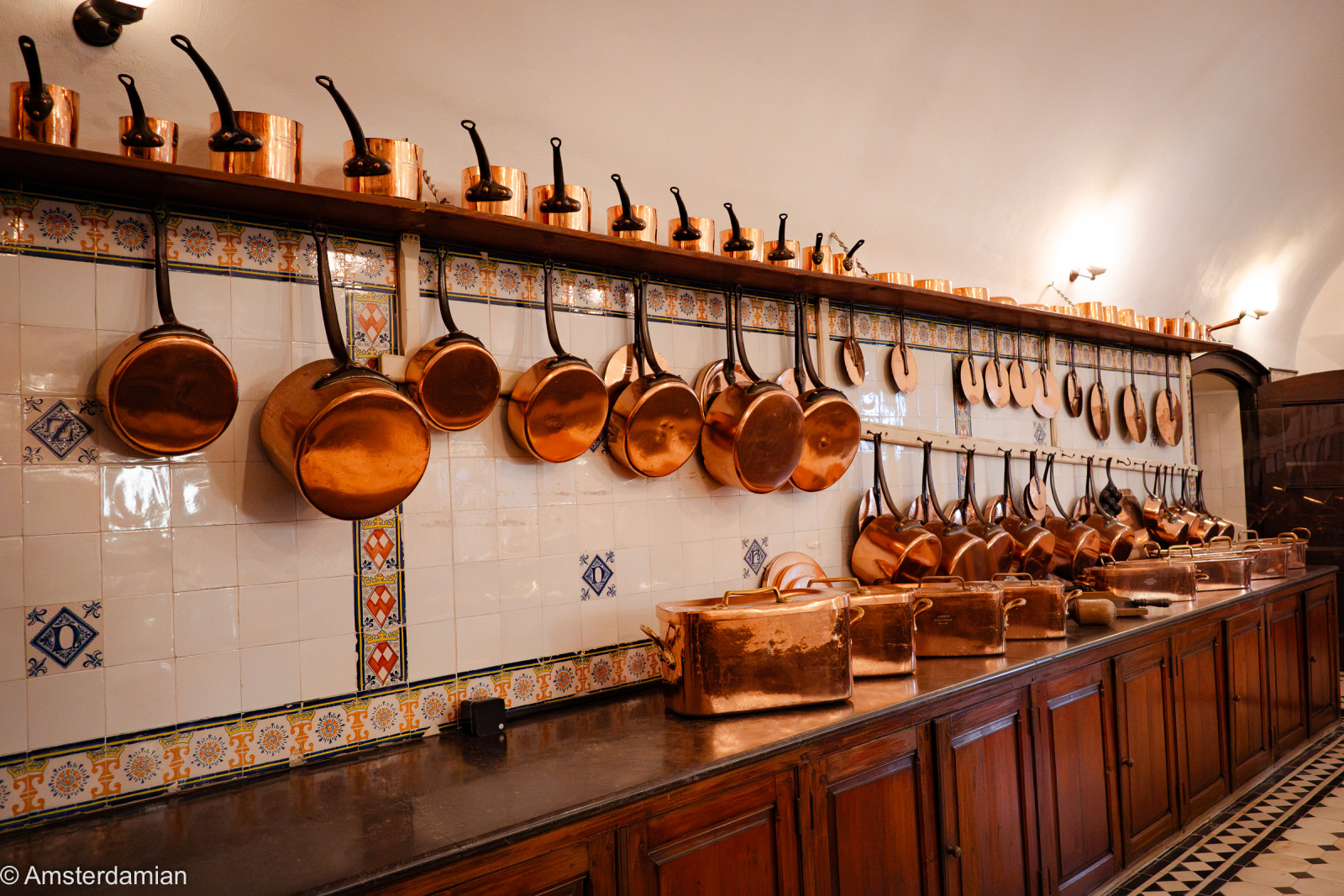
The family still has the right to stay in the castle for one month a year. The castle has 200 rooms — although not all of them can be visited. More than 20 rooms are open, arranged to show how the castle looked in its days of parties, among them the Main Hall, the dining room where the September guests had dinner, the Baroness’s Room and even the driver’s room.

The castle gardens and park
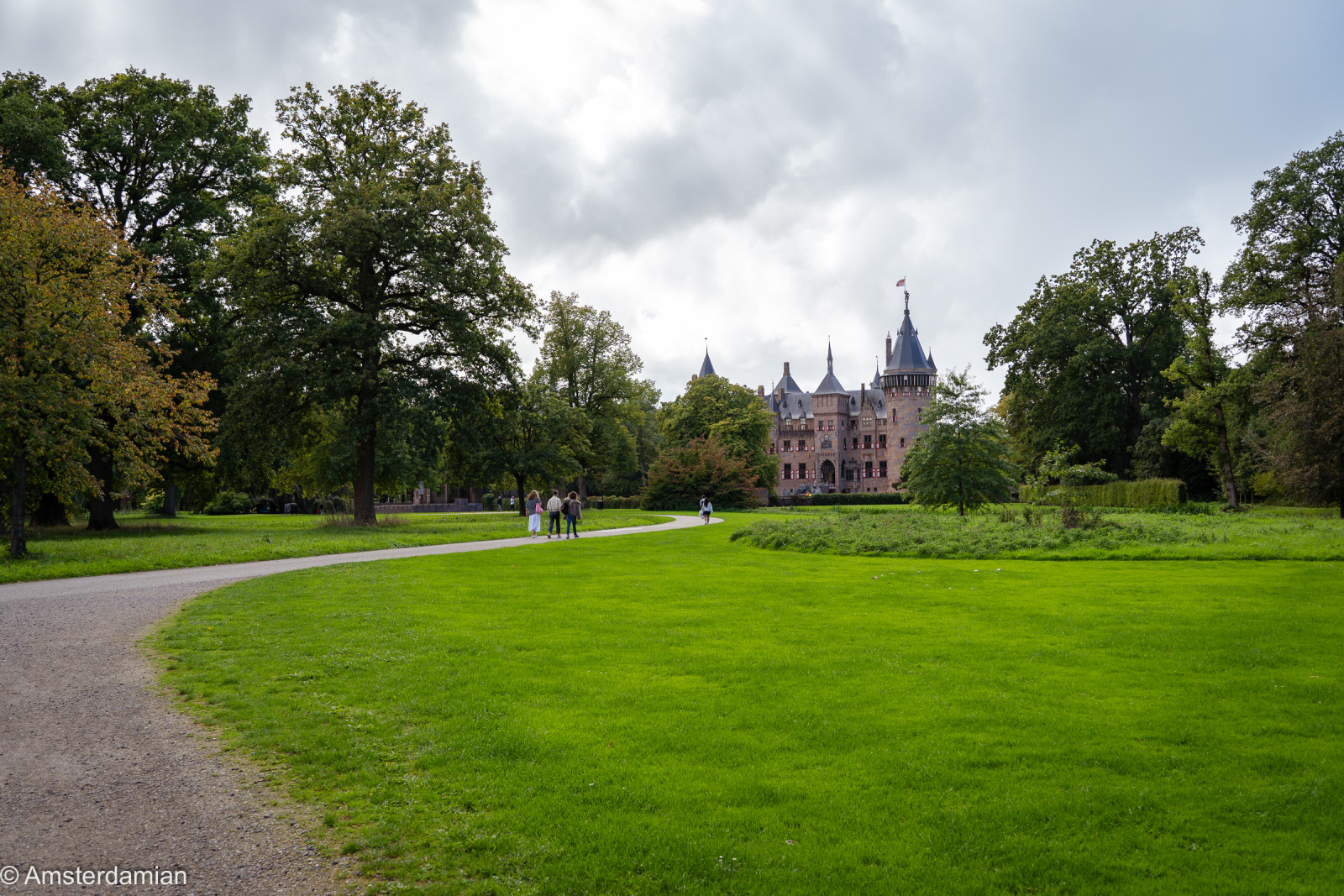
A park that covers more than 55 hectares surrounds the castle, and it’s worth a visit on its own. In fact, you can buy a separate garden ticket and visit only the park if you’d like. The baron hired the garden architect Hendrik Copijn (in 1895) to design this park when the castle was being rebuilt. He didn’t want to wait decades for a new park to grow, so around 7,000 mature trees were brought in from across the province of Utrecht and replanted here.
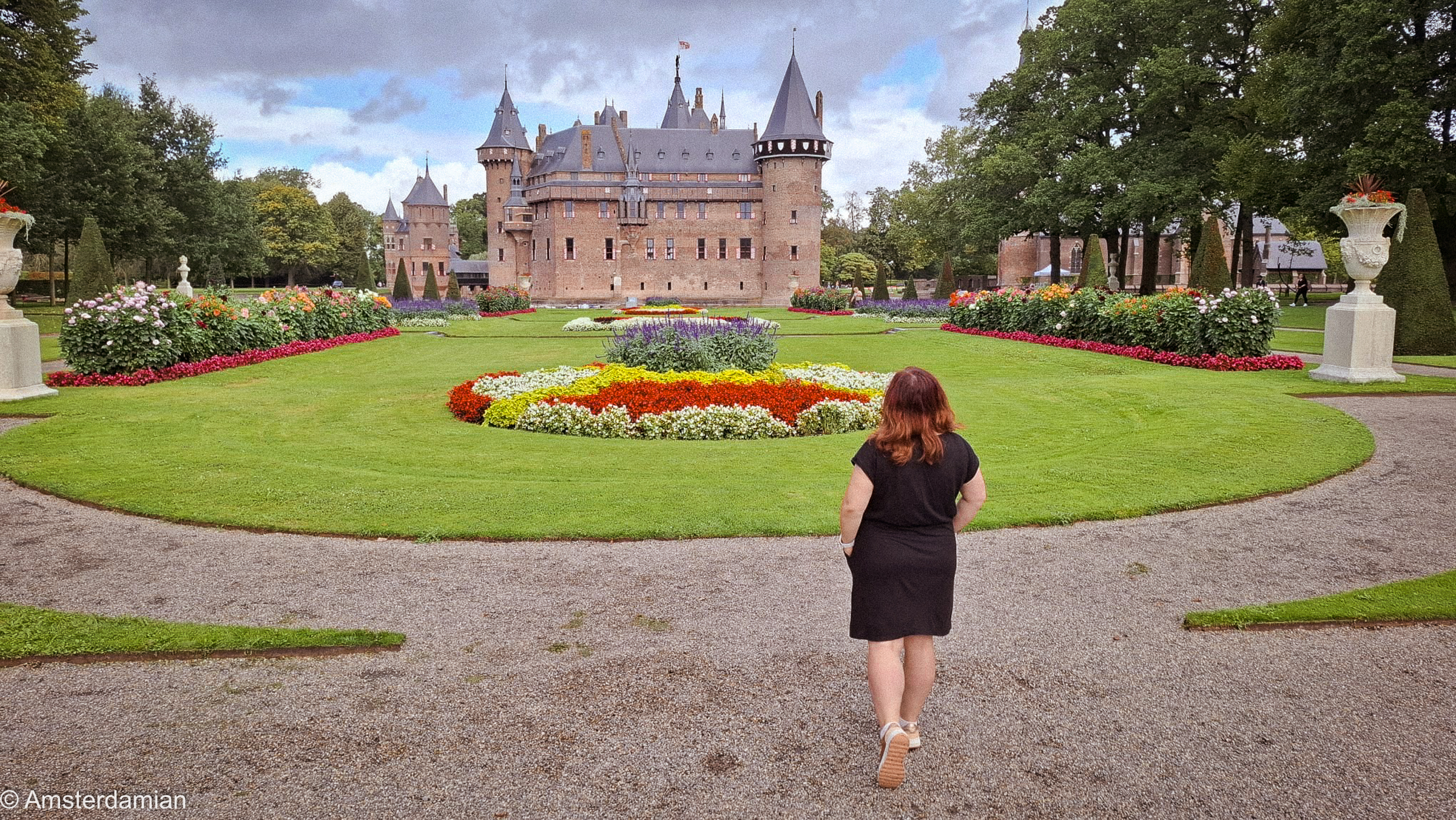
Close to the castle are the formal gardens: the Rose Garden, the boxwood parterre and the Roman Garden, which takes its name from the shape of a Roman racecourse. Further out, Copijn laid out an English landscape park with ponds, a maze, a deer park, long avenues and little bridges. The Rose Garden is a memorial to the baron’s eldest son, Hélin, who died in a car accident in 1912 at the age of 24. It was restored in 2026, and the castle expects it to be in full bloom again from June 2027.
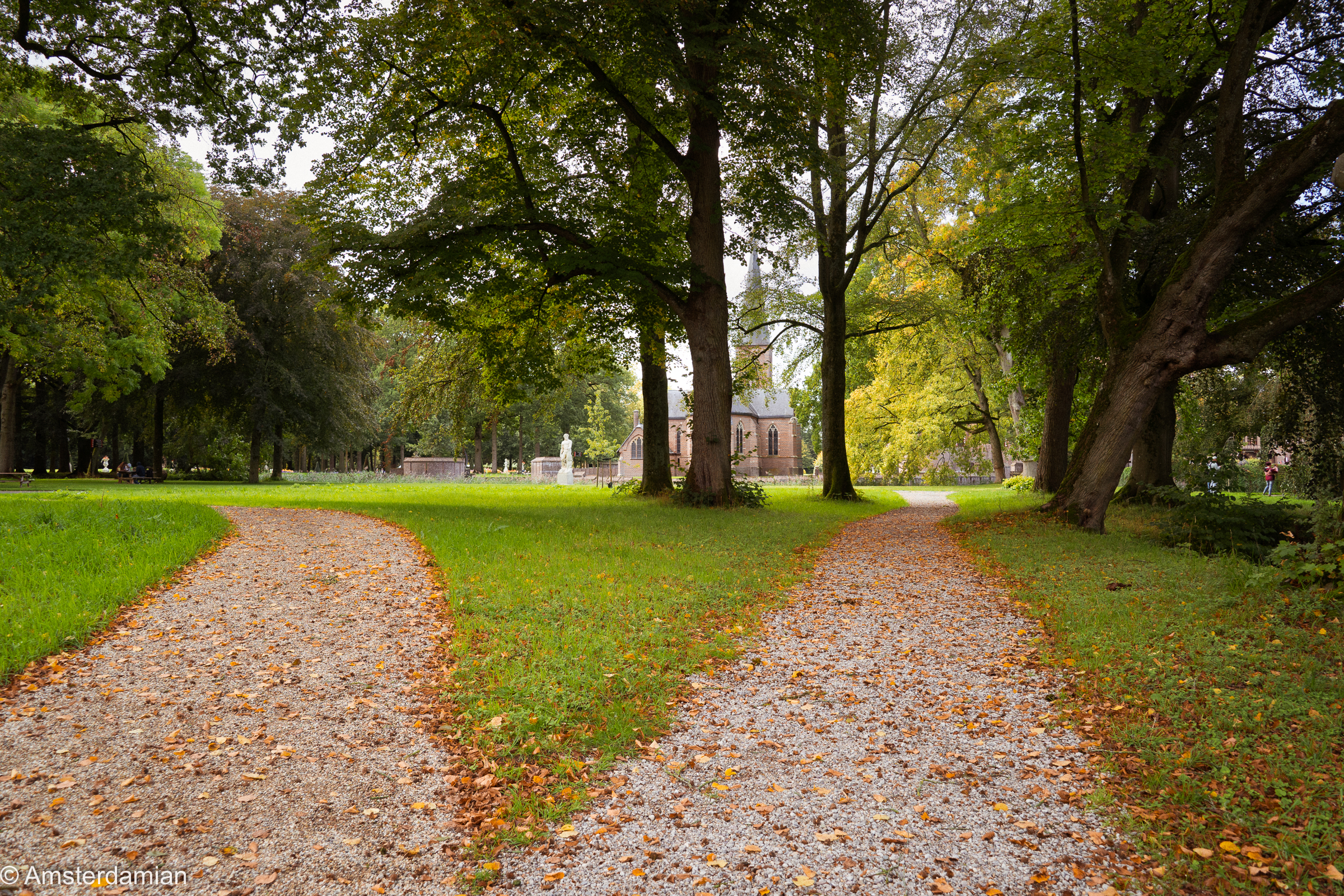
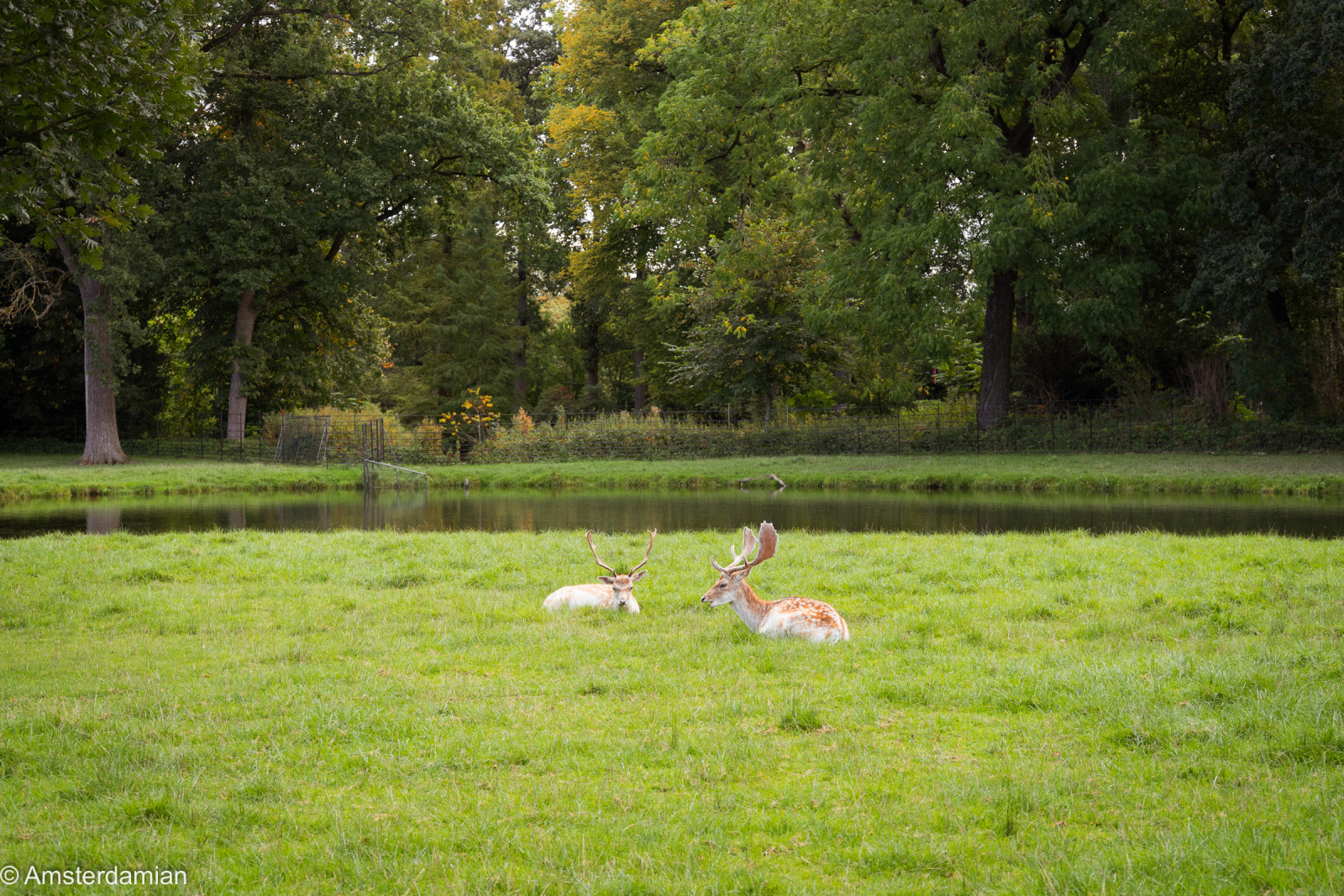
I visited the park multiple times when going to the Elfia Festival, before setting foot inside the castle too. There are some animals in the park too, some deer that you can watch chilling on the grass. It’s beautiful in any season, so I find it very useful that you can buy a ticket only for it, to make an afternoon trip that involves nature with a castle on the backdrop.
When to visit De Haar Castle
The best time to visit de Haar castle is in spring or summer, to enjoy the beautiful gardens in all their glory.
September is a good month too, because of the September Tradition, when the castle recreates the family’s September stay with special tours, talks and concerts. In winter, the gardens transform under the lights of De Lumineuze Nachten (The Luminous Nights), an evening light walk that usually runs from early December into the first days of January. It has its own tickets, sold through the event’s website, and a daytime castle ticket doesn’t include it. You’ll find this winter’s dates in my guide to light festivals in the Netherlands.
The castle also runs guided garden tours and children’s activities through the year, so check the activity calendar before you go.
Plan in advance: Utrecht: De Haar Castle + Gardens Entry Ticket

How to get to De Haar Castle from Amsterdam and Utrecht
From Amsterdam Centraal, take the train to Breukelen, then bus 111 to the stop Kasteel de Haar, which is a one-minute walk from the entrance. From Utrecht Centraal, take the Sprinter towards Den Haag Centraal, get off at Vleuten and take the same bus 111 from there. The bus runs every day, about once an hour, and twice an hour during the Christmas holidays and from Easter to the end of the summer holidays. Use the 9292 website to check the times before you go.
If you come by car, there’s a paid car park across from the entrance, and you can add a parking ticket when you book online. From the car park it’s a 15 to 20-minute walk to the castle itself, so take that into account when you choose your time slot. By bike, you can rent an OV-fiets at Vleuten or Breukelen station and leave it for free opposite the entrance gate.
Tips for visiting De Haar Castle
- Book your ticket in advance with a time slot. Castle visits work with time slots and regularly sell out at weekends and in school holidays, so book online in advance on the castle’s website. The gardens don’t need a reservation.
- Museumkaart. Entry to the castle is free with a Museumkaart, but you still need to reserve a time slot online.
- Pay by card. Tickets can’t be paid in cash.
- Give it half a day. That’s enough time for the castle and a good walk through the gardens; longer if you want to see the whole park.
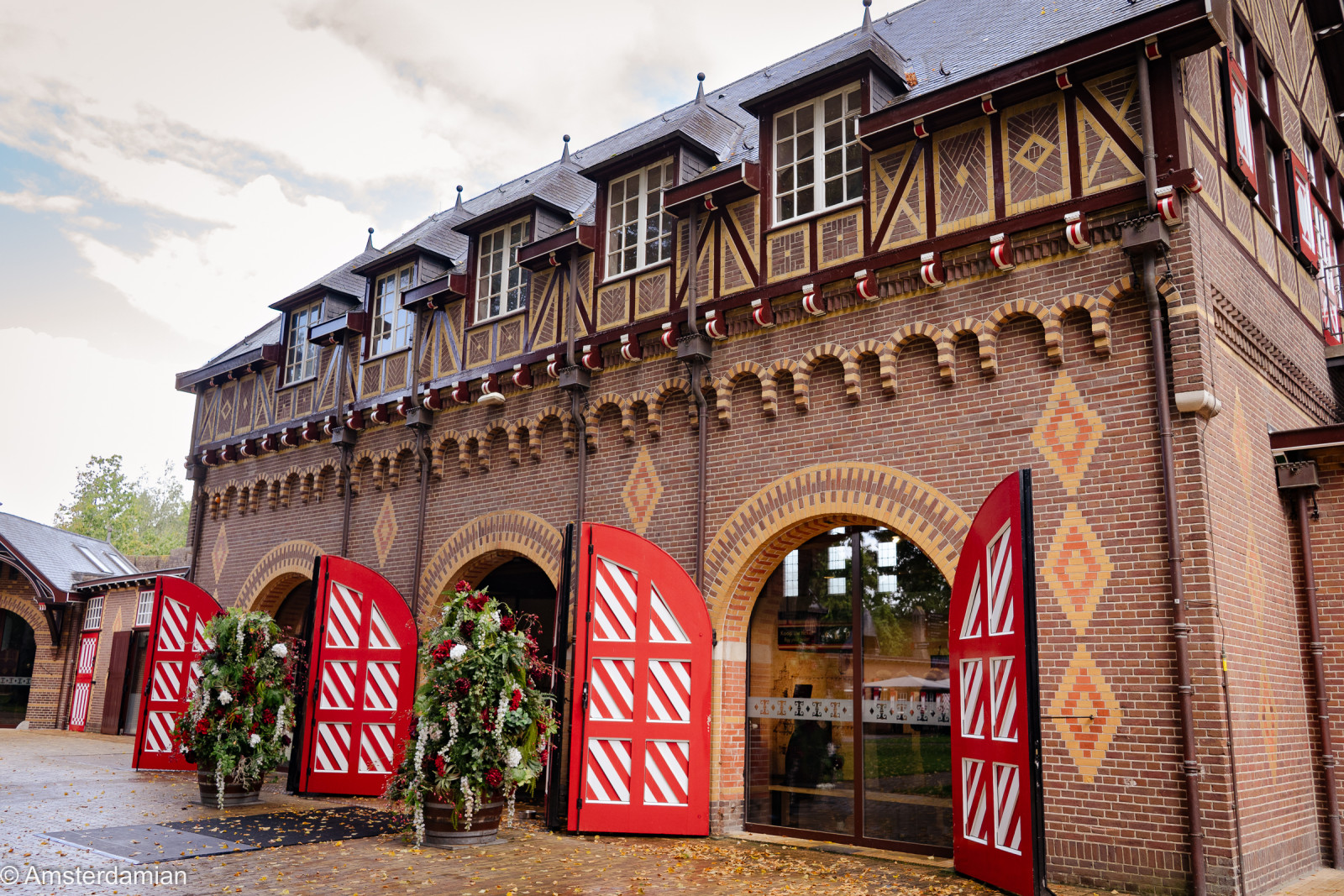
- Food and drink. There are two places to eat on the estate, Restaurant Laverie and Café Tuynhuis, and at least one of them is open whenever the castle is. They have delicious food which is sometimes made with ingredients from the castle’s garden. The restaurants are located in the former stable area in a really beautiful interior courtyard.
- Accessibility. The castle has a lot of stairs and isn’t accessible by wheelchair. The main paths in the park are paved; others are gravel.
- Walk to Haarzuilens. The village is about 15 minutes away on foot, if you want to see the houses Cuypers’ office built for the villagers.


This page includes affiliate links. If you click and purchase, I may receive a small commission at no extra costs to you.
More castles and country estates in Utrecht
Utrecht province is home to many castles and country estates, like Kasteel Duurstede, Landgoed de Paltz, Kasteel Amerongen etc. Some of them are smaller than others, some might be just a few towers, but they are beautiful works of architecture and design. Most of the castles are surrounded by parks and gardens where you can walk and enjoy the nature. Some of these castles are private properties and cannot be visited, but many of them are open to the public. They are surrounded by beautiful landscape, and the most scenic way to visit them is by bike. Staying in a cosy B&B and biking around the region sounds amazing, if you can do it!
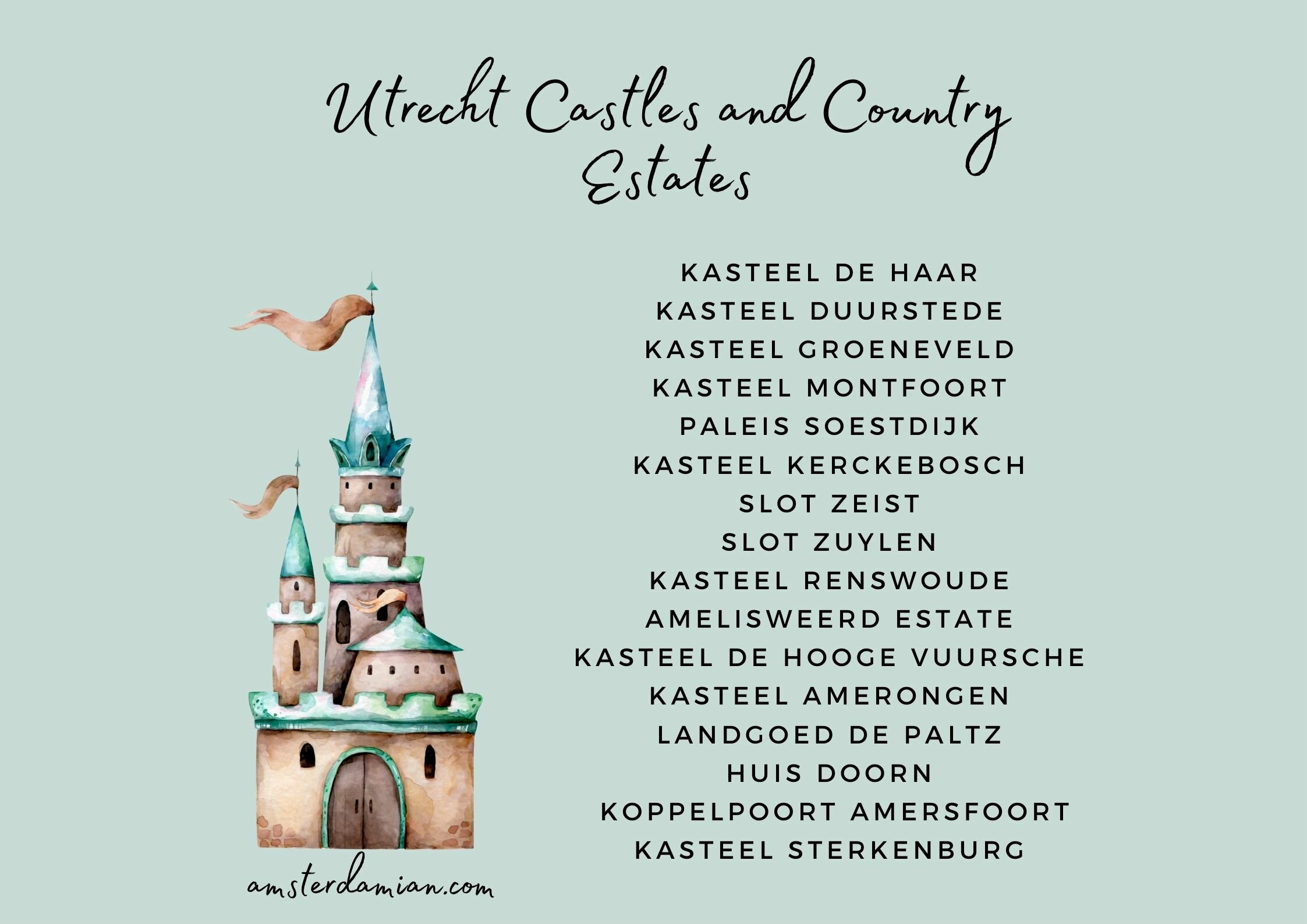
↪ If this article made you dream about visiting castles, check out Visit Utrecht Region for the entire list (for Utrecht) and choose your favourite.
↪ This article is part of “Discover the Netherlands” project. You can read all the articles from this project here: The Complete Guide to the Dutch Provinces.
Stay tuned for more and follow Amsterdamian on Instagram and Facebook for more stories about life in the Netherlands, written by a real local, updated constantly.
Check out my photo book: Amsterdam Through the Seasons!
Love what you’re reading? Support my work with a small donation.
And share this post if you liked it!