Last updated: June 2026
If you search for “Amsterdam gardens” in a browser, you’ll find many results telling you about Keukenhof Gardens and the tulip fields. But alas, neither Keukenhof nor the tulip fields are in Amsterdam!
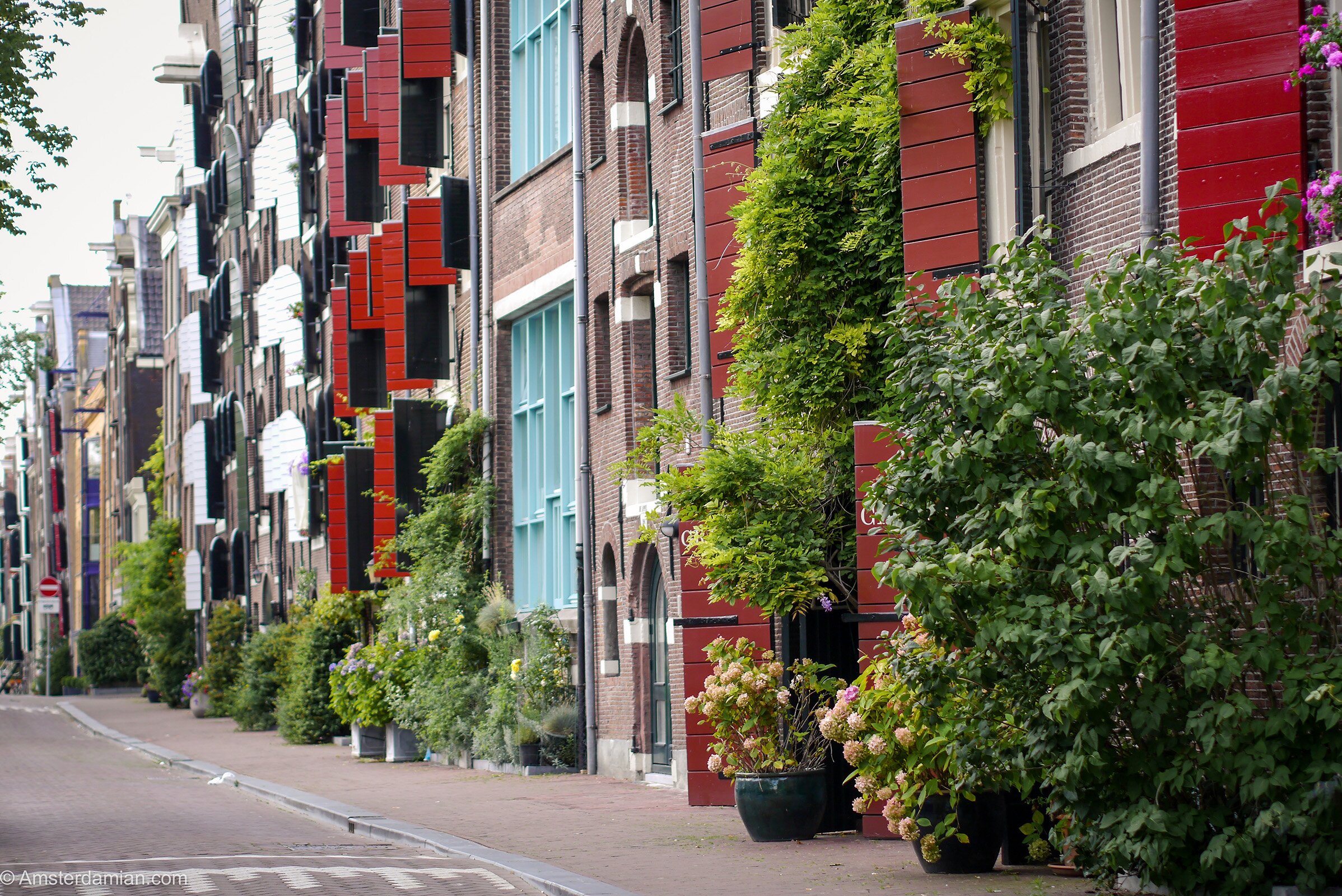
You would think, judging by those results, that Amsterdam doesn’t have gardens and parks, but, trust me, that is certainly not the case! Amsterdam is one of the greenest cities I’ve seen (like many other Dutch cities, because Dutch people love their flowers and plants). The parks are plenty and beautiful, and the streets are green too: everywhere you look there’s a sidewalk garden, a few potted plants, trees surrounded by bee-friendly flowers. Every available soil spot is used.
In the spring, flower lovers and photographers wander through the city searching for the roses, wisteria and hydrangea. It feels like micro-festivals, and I enjoy so much looking for the best flower spots (I have a mental map by now), visiting my favourite ones and sometimes discovering new ones.
This guide is my round-up of the best free gardens in Amsterdam — the courtyards, hidden hofjes, museum gardens and volkstuinen I keep coming back to. Most are tucked away behind a door or a passage you’d walk past without noticing, which is part of why gardens in Amsterdam feel so personal once you find them. Grab a book, pick a sunny afternoon, and start garden-hopping.
This page includes affiliate links. If you click and purchase, I may receive a small commission at no extra costs to you.
However, because of its architecture, most of Amsterdam’s private gardens are hidden to the public. You might not know, but behind every house facade there’s an interior courtyard, which can be a genuine work of art sometimes, if the owner has green fingers! Some of the most famous Amsterdam gardens can be visited during the Open Garden Days festival, but they are not usually open to the public. Today I want to introduce you to a few gardens that are accessible all year-round and can be visited for free. Grab your book and head towards one of these gardens to spend your summer days in Amsterdam!

The Rijksmuseum Gardens
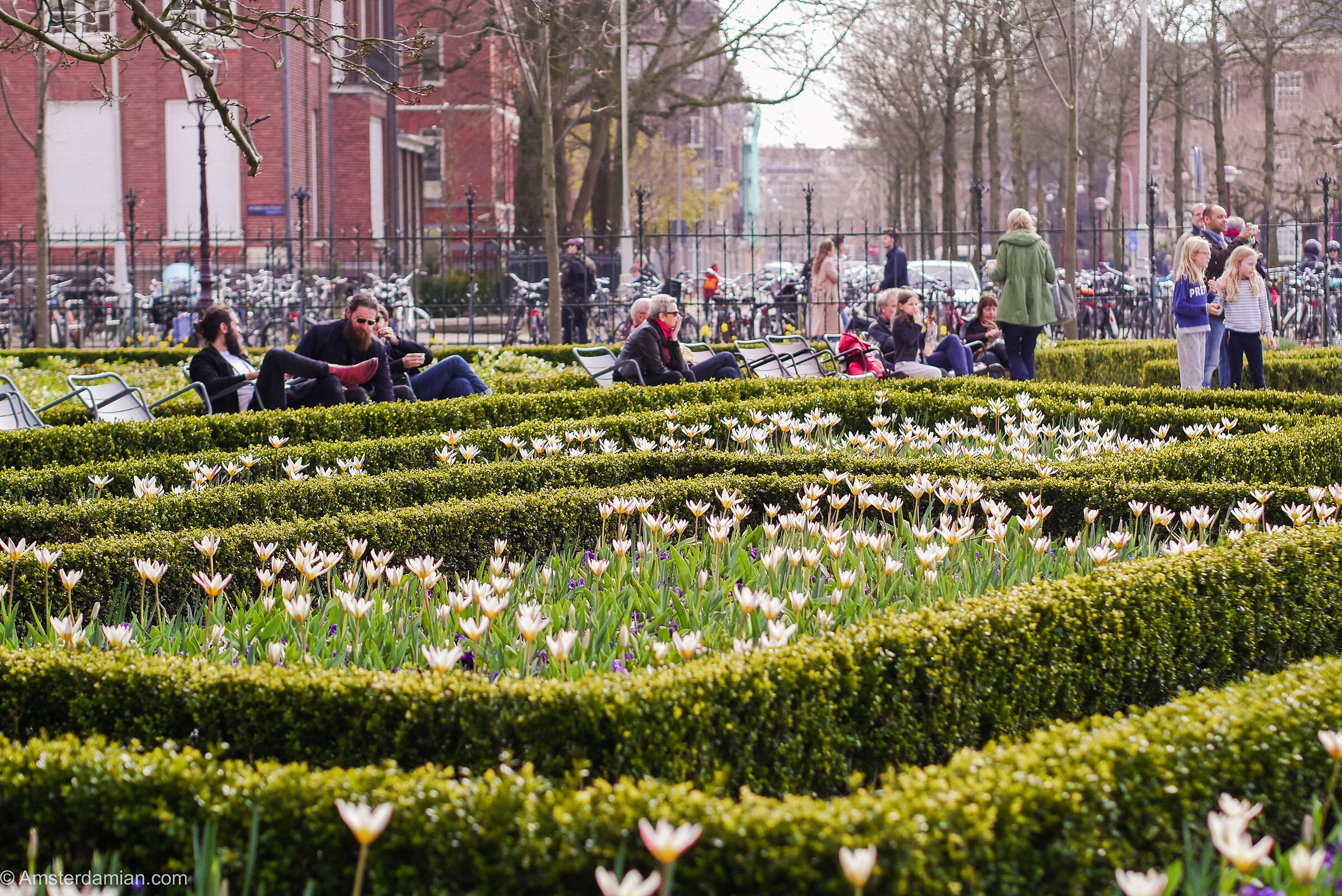
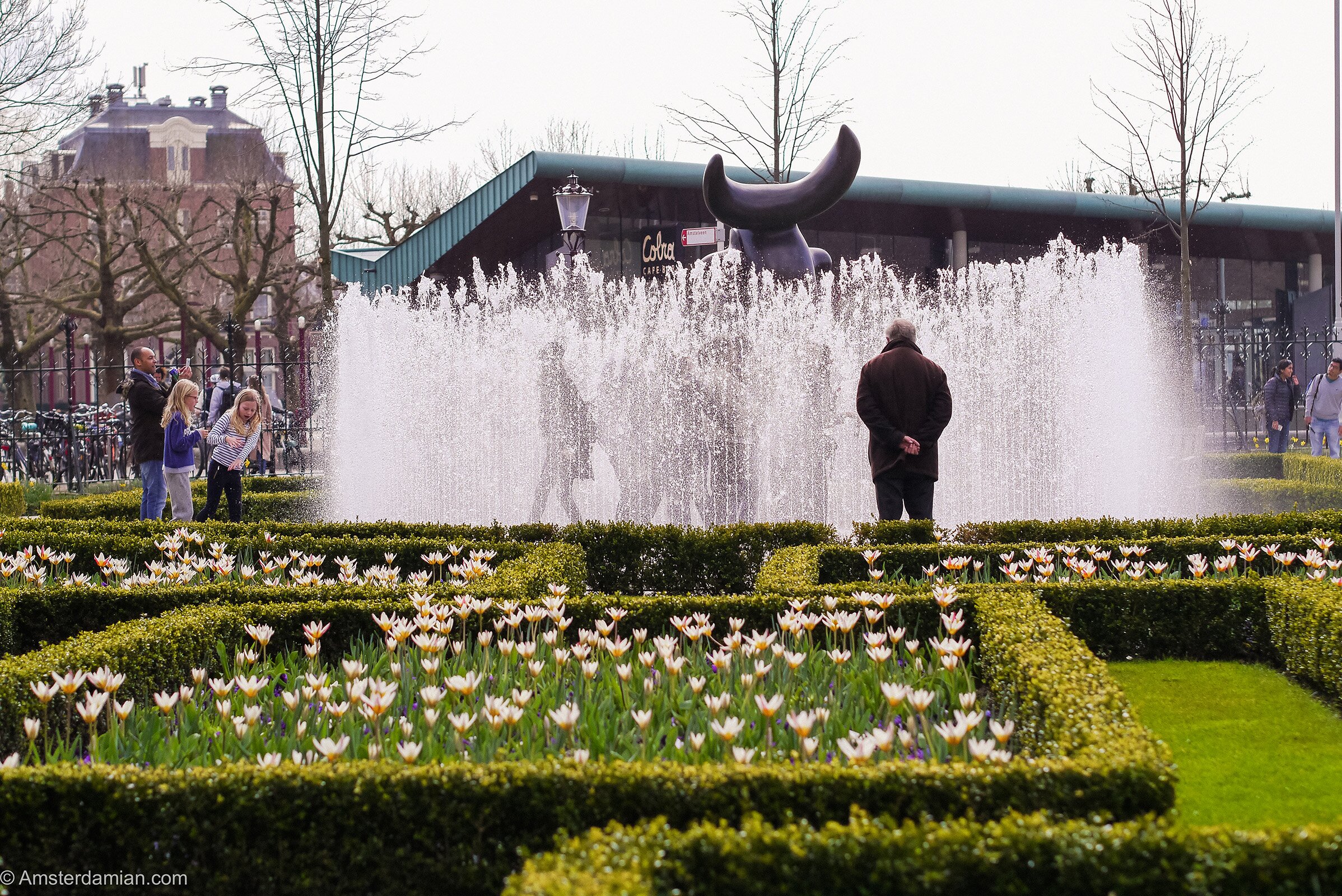
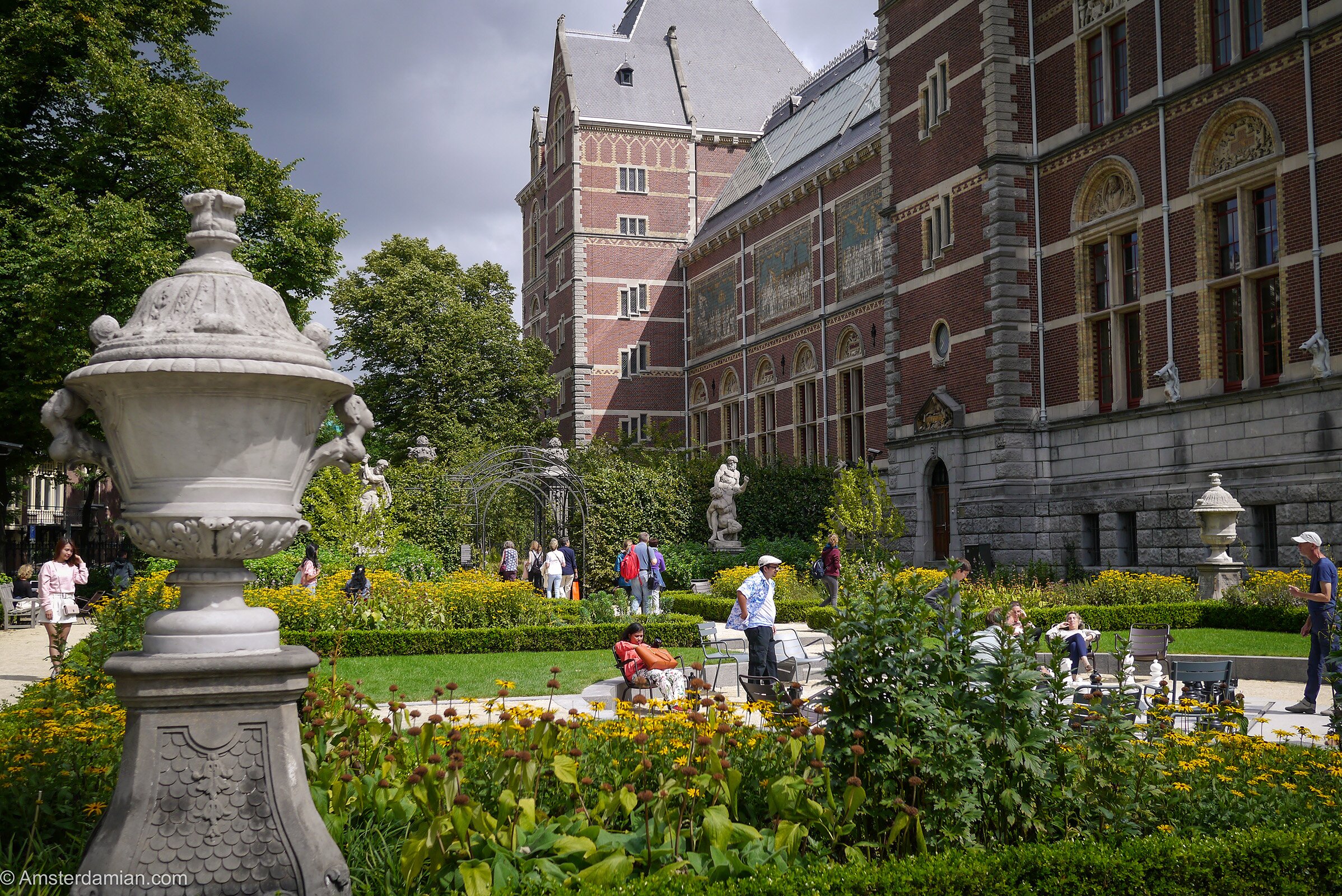
The wonderful Rijksmuseum is surrounded by gardens that are accessible to the public (you don’t have to buy a museum ticket to see them). These gardens are exquisite, featuring tulips, summer flower beds, water fountains and are decorated with sculptures. I love going there for people watching or for a bit of silence when the garden is empty.
Every year, the Rijksmuseum gardens are hosting an open air exhibition, free to access for everyone who’s passing by. Also, on occasion, there are painting workshops organised in the garden, where people can create art in this beautiful and quiet spot.
Address: Museumstraat 1
Begijnhof
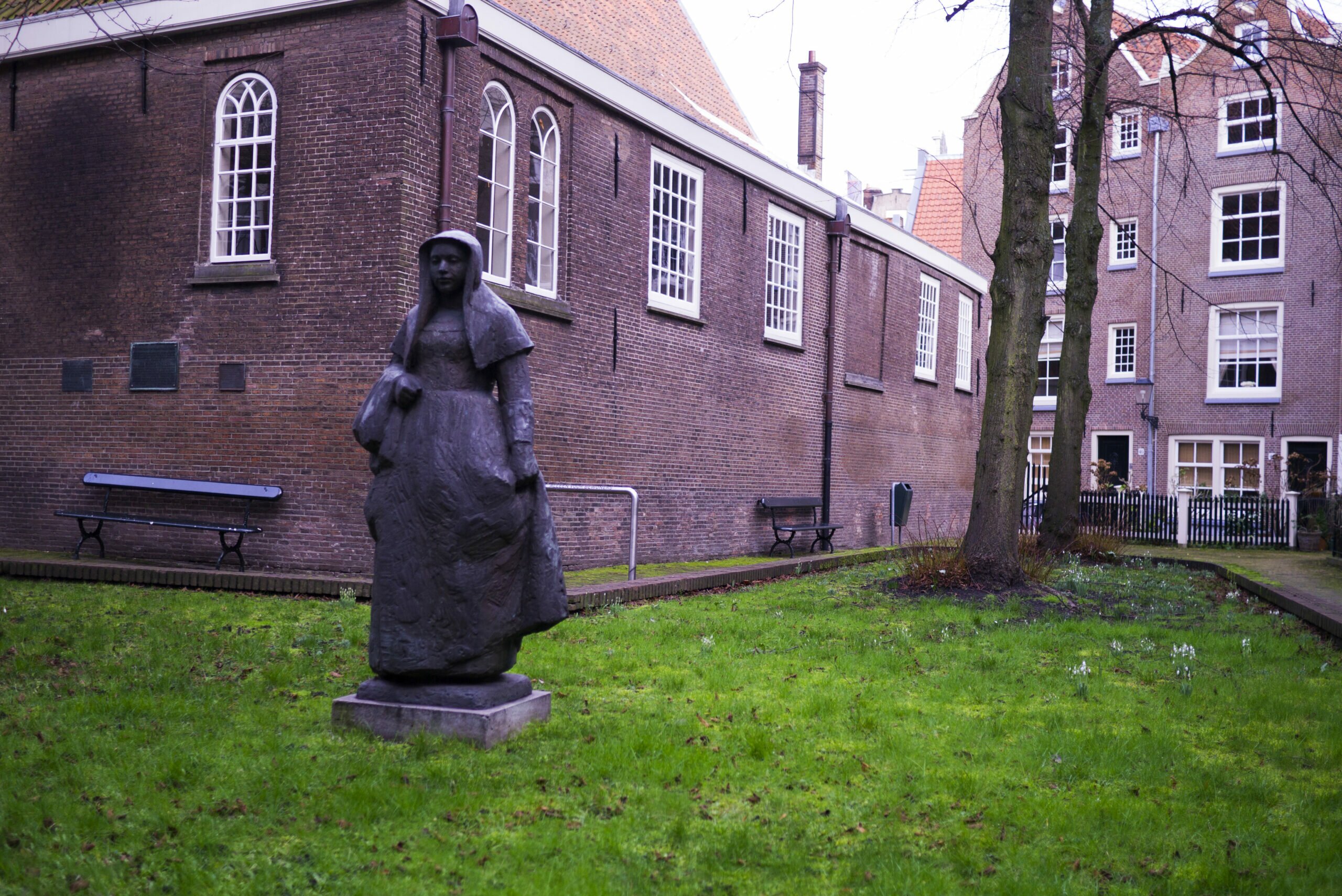
In the centre of Amsterdam, one hidden courtyard that is not very secret is the Begijnhof. You will find this included in many city tours, but that doesn’t mean it’s not worth a visit. Hidden behind a door, it’s a peaceful oasis where you can just pop in for a look around and a bit of green. Begijnhof was founded in the 14th century as a home for Beguines, an order of nuns who educated the poor and cared for the sick. Today, the houses are still residences (so you have to keep quiet when you visit), but there are no more nuns. You can also visit here the Houten Huys, one of the two remaining timber houses in Amsterdam, and the Begijnhof Chapel.
Address: Nieuwezijds Voorburgwal 373
The Vondelpark Rosarium
If you’re after roses in summer, the Vondelpark Rosarium is the spot. Located into the southern end of the park, the rose garden has more than 70 varieties planted across 63 hexagonal beds, and it’s a small, geometric oasis surrounded by Vondelpark’s lawns. The first rose exhibition here dates back to 1936, when it was Europe’s largest, and after a long quiet period the rosarium has been properly looked after again since 2014, thanks to the volunteers of Hart voor het Vondelpark.
Peak bloom is June and July, with a smaller second flush in late summer. Get there in the morning if you want it almost to yourself, because by lunchtime the benches fill up with picnickers and photographers.
Address: Vondelpark, near the southern entrance (Amstelveenseweg side)
Suyckerhoff Hofje
Another of my favourite hidden hofjes in Amsterdam is the Suyckerhoff Hofje on Lindengracht, in the heart of the Jordaan. You enter through a small passage and step into a quiet garden courtyard surrounded by tidy houses which feels a world away from the canal-side bustle outside. The hofje was founded in 1667 from the estate of Pieter Jansz Suyckerhof, and is still a private residence, so visits are welcome but quiet ones only.
It’s open Monday to Thursday, roughly 9:00–17:00, and closed on Fridays and weekends, so plan your visit on a weekday. Stay a few minutes, take in the green, and slip back out — that’s the etiquette in any hofje. For more hofjes around Amsterdam, the Amsterdam Hofjes website is a good rabbit hole.
Address: Lindengracht 149–163
Frankendael Park gardens
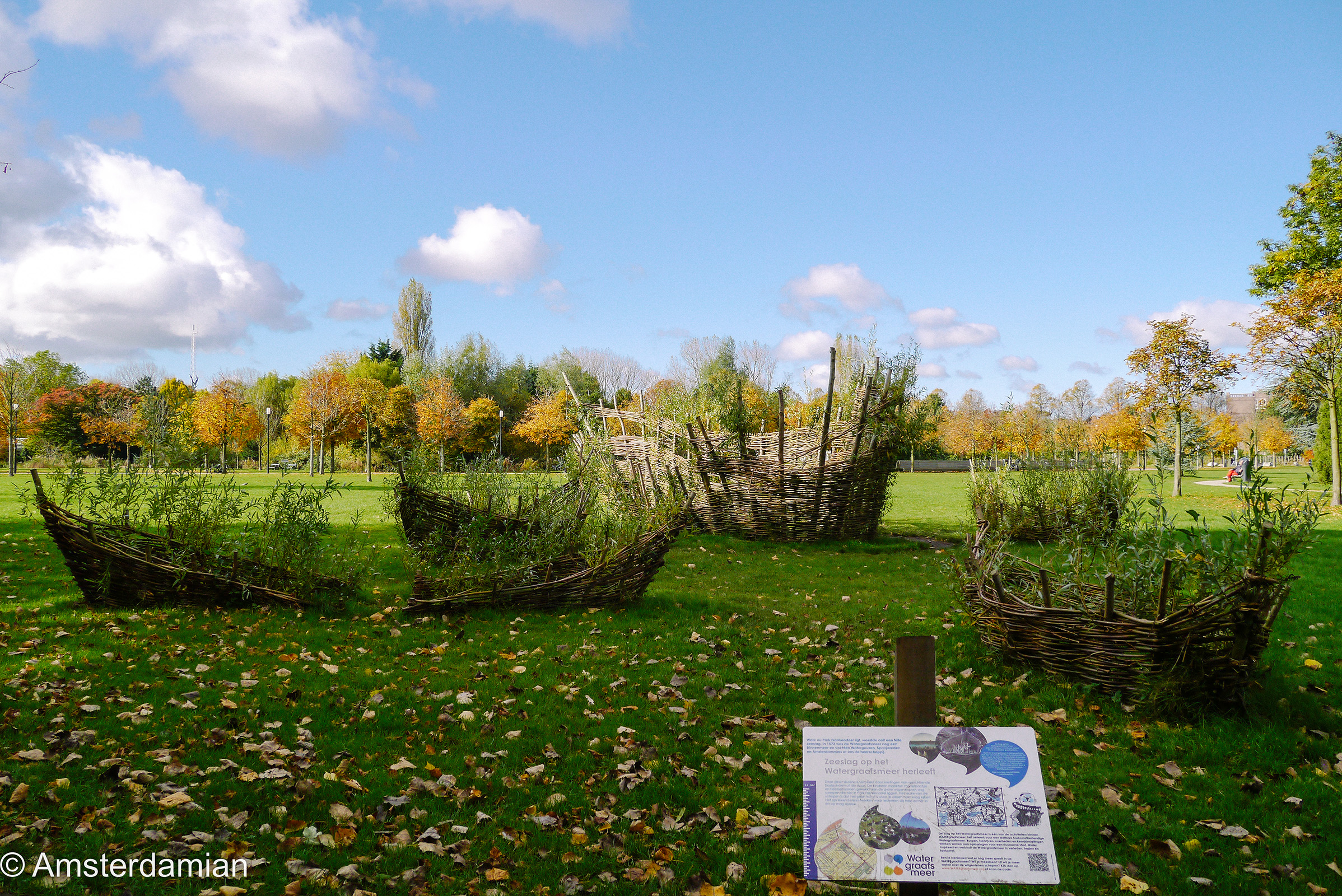
Frankendael is one of my favourite parks in Amsterdam. It’s small, compared to other parks, but it has so much to offer! From flower meadows to a herb garden, a walk in this park is always a treat for a garden enthusiast. The beautiful garden at the Merkelbach restaurant is a place where you can sit and relax on a bench, admire the cherry tree (you don’t need to go to the restaurant, you can just enter the garden). Also in this area there are a couple of gardens maintained by volunteers from River of Herbs, with wild and medicinal plants.
Address: Middenweg 72


The volkstuin in Frankendael Park
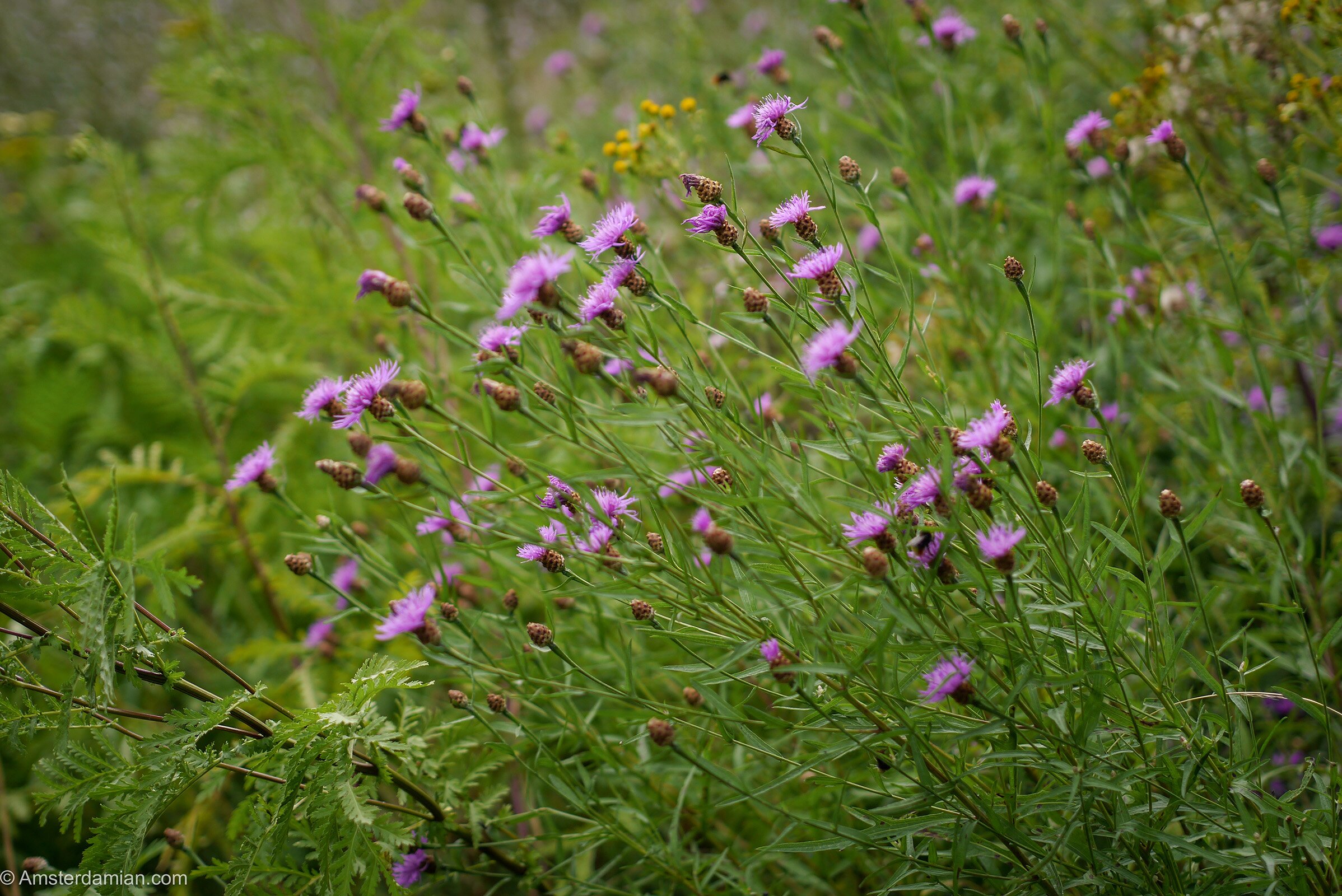
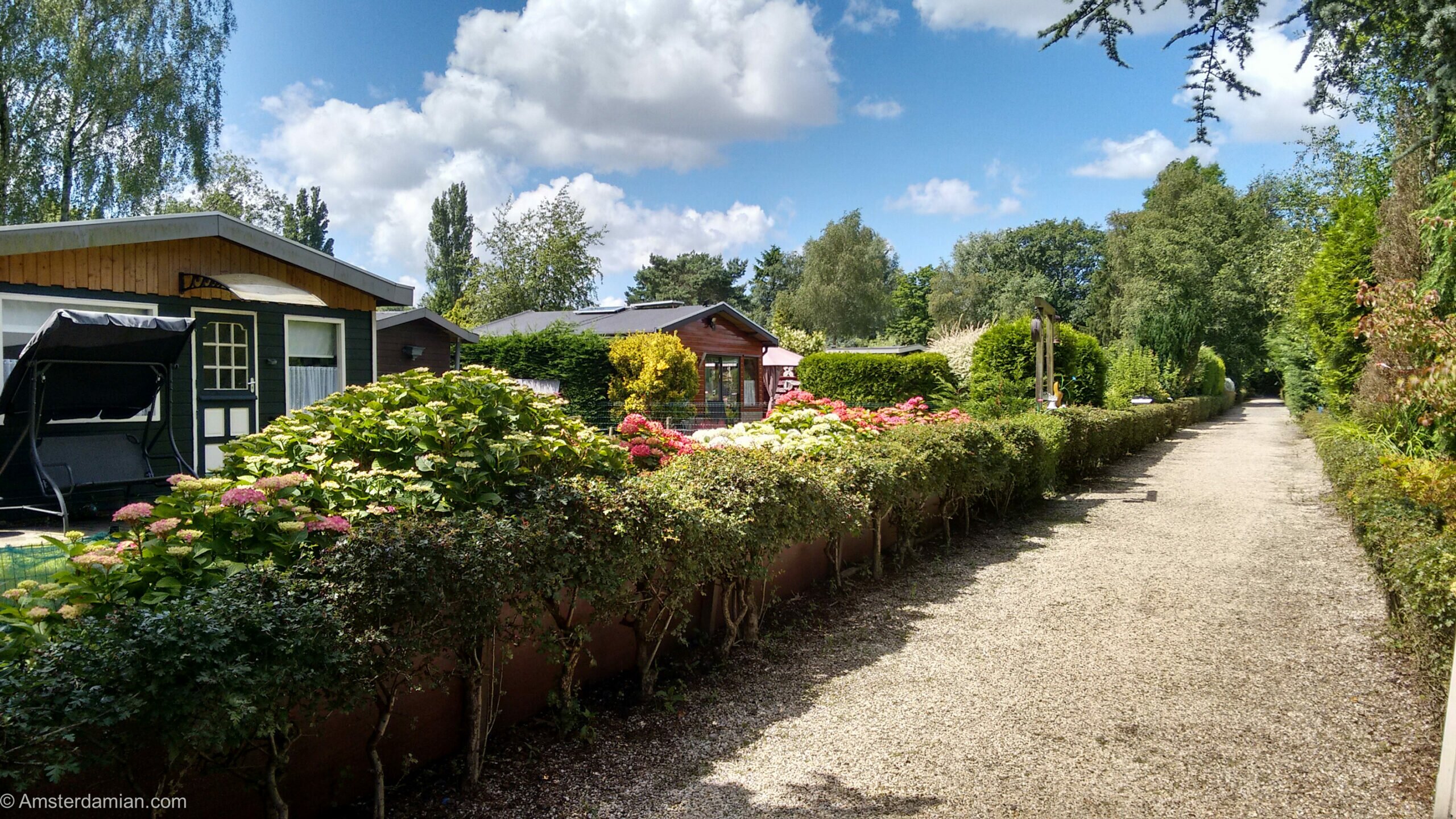
Volkstuinen are popular in Amsterdam. A volkstuin is an allotment or a community garden, where individuals grow fruits and vegetables, flowers and trees. This one in Frankendael, called Klein Dantzig, is very pretty, although not very big. You can walk around the alleys and admire the gardens and the tiny houses, but you may not enter the gardens. This was the first volkstuin I discovered in Amsterdam, and it really felt like I had my own secret garden.

The volkstuin in Westerpark
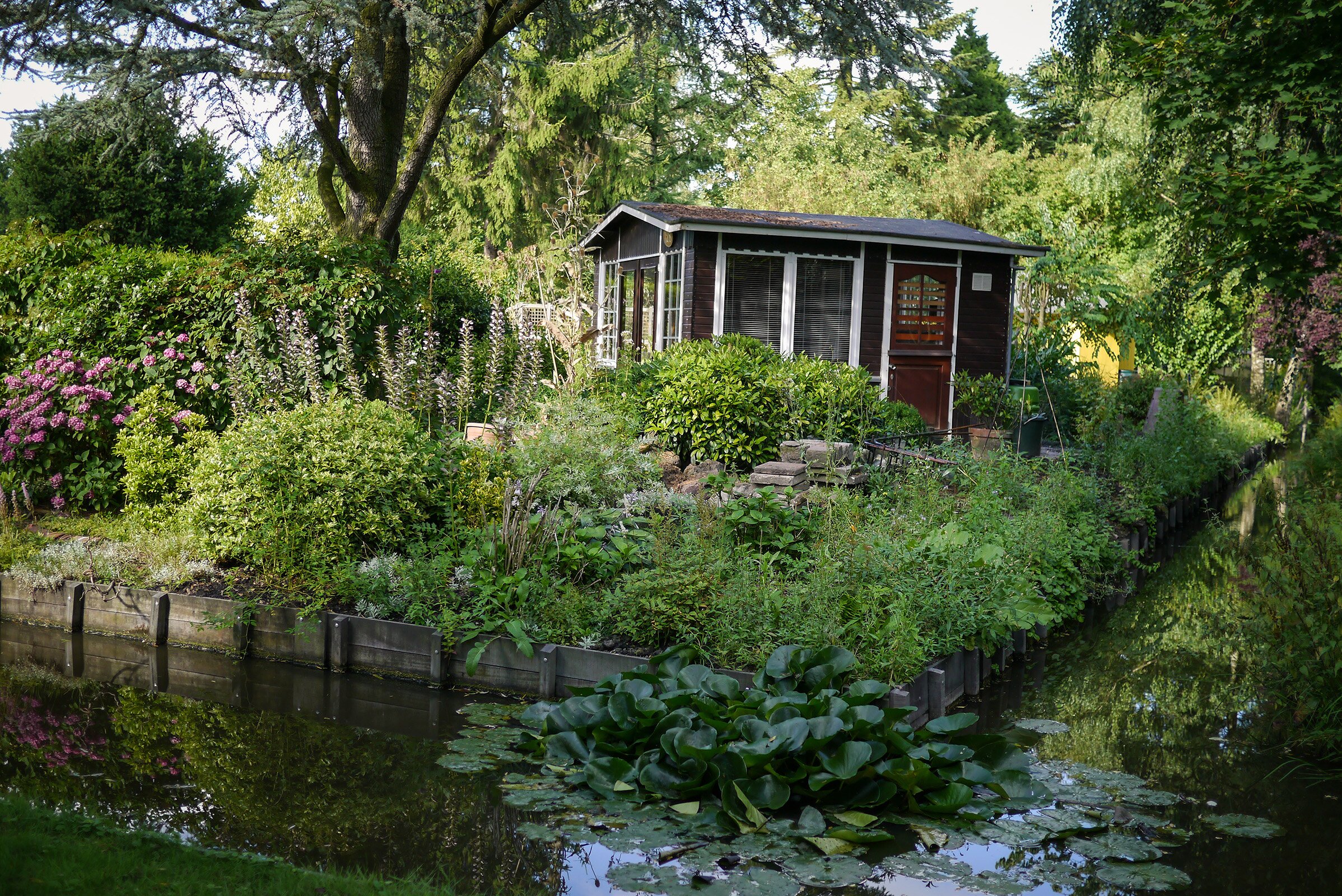
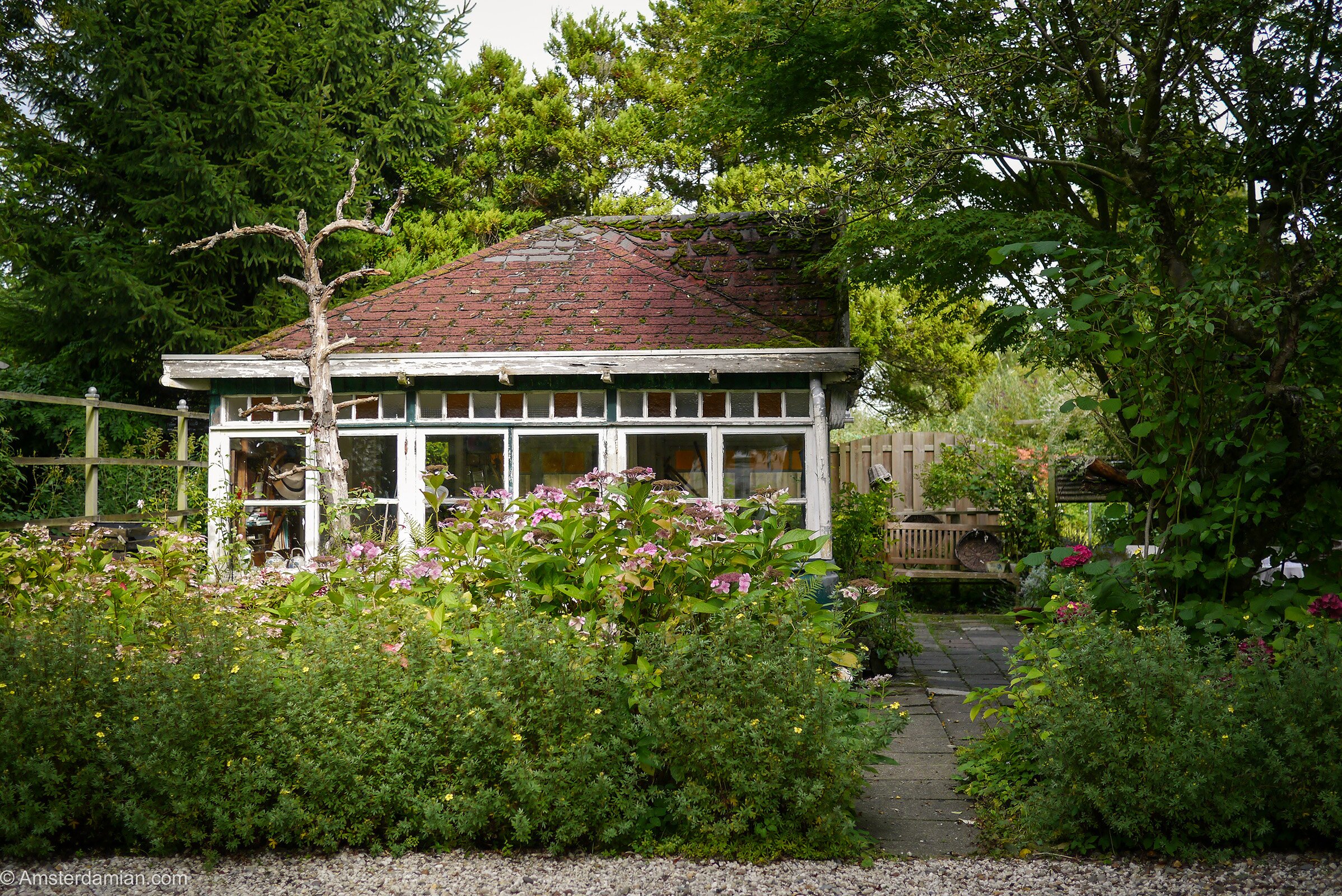
This one is a larger allotment, with a labyrinth of alleys and beautiful gardens. Tuinpark Nut & Genoegen and Volkstuinvereniging Sloterdijkermeer are sharing this space. Entering the gardens is not permitted, but staring at them is totally fine (unless there’s someone working in there), as is walking around the green alleys. I think the owners are in a contest with each other for the most beautiful garden; so much thought and work was put into those gardens that you almost feel at Chelsea Garden Show! Flowers, bushes and trees blooming all year round, little canals and ponds, birds singing and a bench here and there for you to sit down and enjoy: amazing!
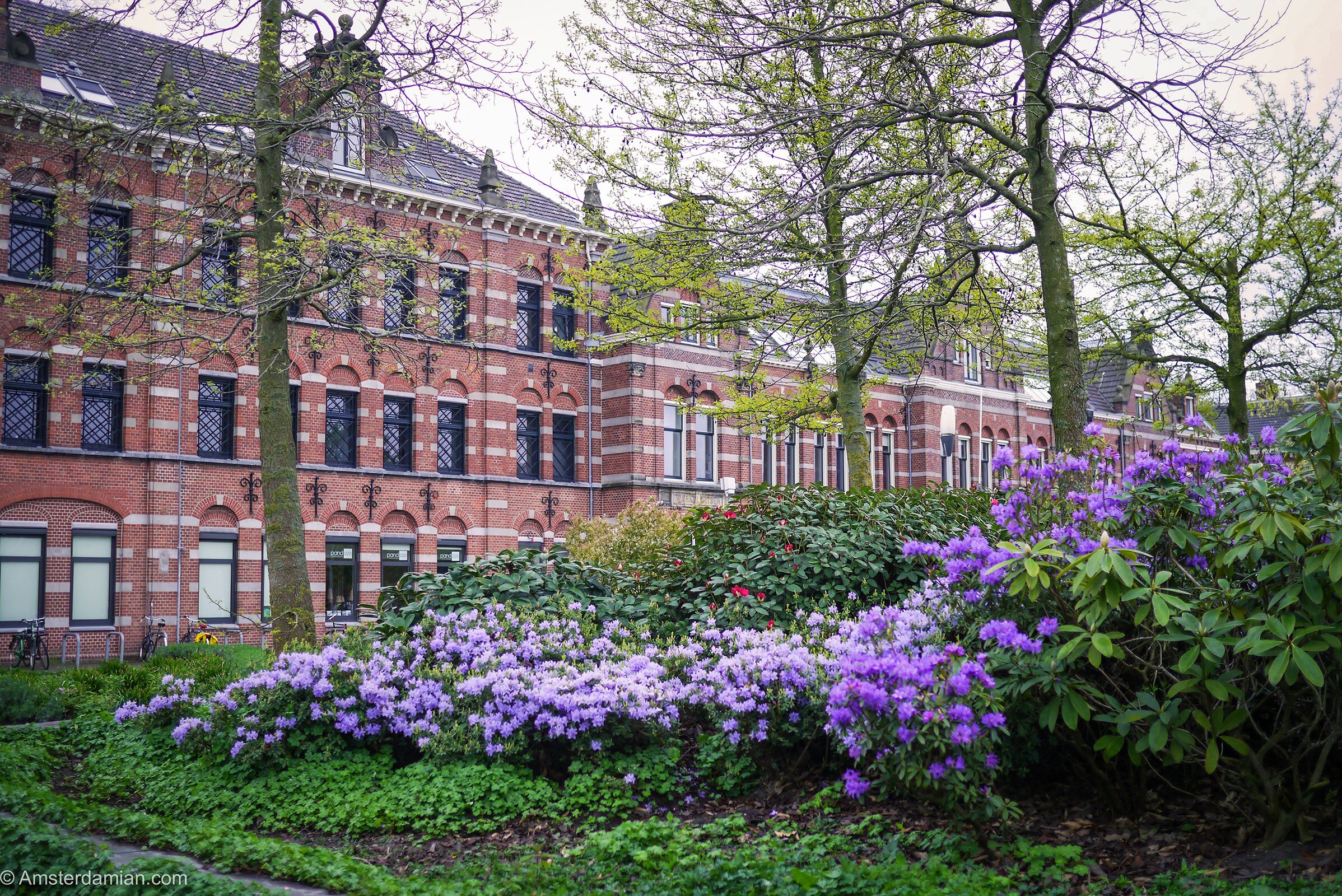
Westerpark also has a cherry tree garden, a magnolia and rhododendron garden, a Japanese style river bed and a pond which is covered in lilies in the spring.
Address: Westerpark, all the way to Sloterdijk

More Volkstuinen Around the City
The volkstuinen don’t stop at Westerpark. Amsterdam has around 29 working volkstuinparken scattered along the city’s outer ring, gardened by roughly 6,000 members of the Bond van Volkstuinders. These aren’t display gardens — they’re places where Amsterdammers come every weekend from spring to autumn to plant, weed and harvest, often on plots their families have held for decades. Most open their gates to the public during the growing season (roughly April through October), so you can wander the alleys, peek over hedges and watch real allotment life unfold.
Tuinpark Buitenzorg in Noord goes back to 1917 and is the oldest volkstuincomplex in Amsterdam that has never moved from its original spot, with around 99 intimate, well-tended gardens. And along the western edge of the city, between the Nieuwe Meer and the old Sloterweg, sits a cluster of 100-year-old parks: Ons Buiten, VAT, Eigen Hof, Lissabon, Oud Bijenpark and Siegerpark, all within walking distance of each other and stitched together by a lovely little guide called Volkstuinen te Voet, which maps routes between them.
If you happen to be in town in summer, look out for Open Tuinen days, when individual gardeners open their own plots and tiny tuinhuizen to visitors. It’s the closest you’ll get to seeing what an Amsterdam allotment looks like from the inside.
Zentuin
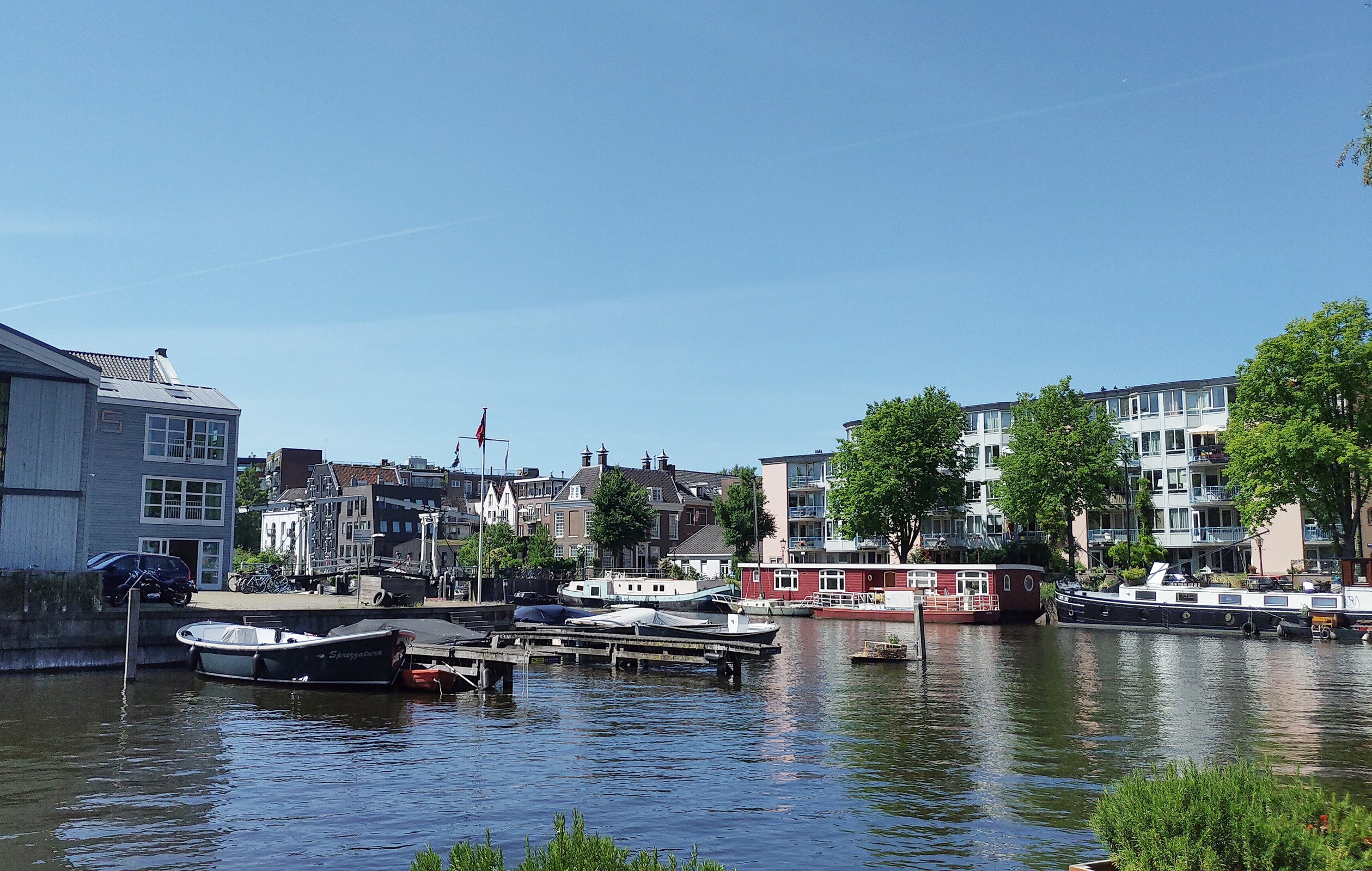
On a little corner of Bickersgracht, a beautiful little street on Prinseneiland, you will find a green oasis next to the water. This garden is maintained by the people living on that street and they are doing a great job! This is the spot where the yellow submarine is anchored and it was my favourite lunch spot for years, when I used to work close by. When I wanted to be alone and have a break from my colleagues, I would take my lunch and sit on a bench here, next to the water. This garden is popular during summer with people sunbathing and swimming in the canal, but most of the time it’s empty and quiet.
Address: Bickersgracht

The Miracle Garden in Erasmuspark
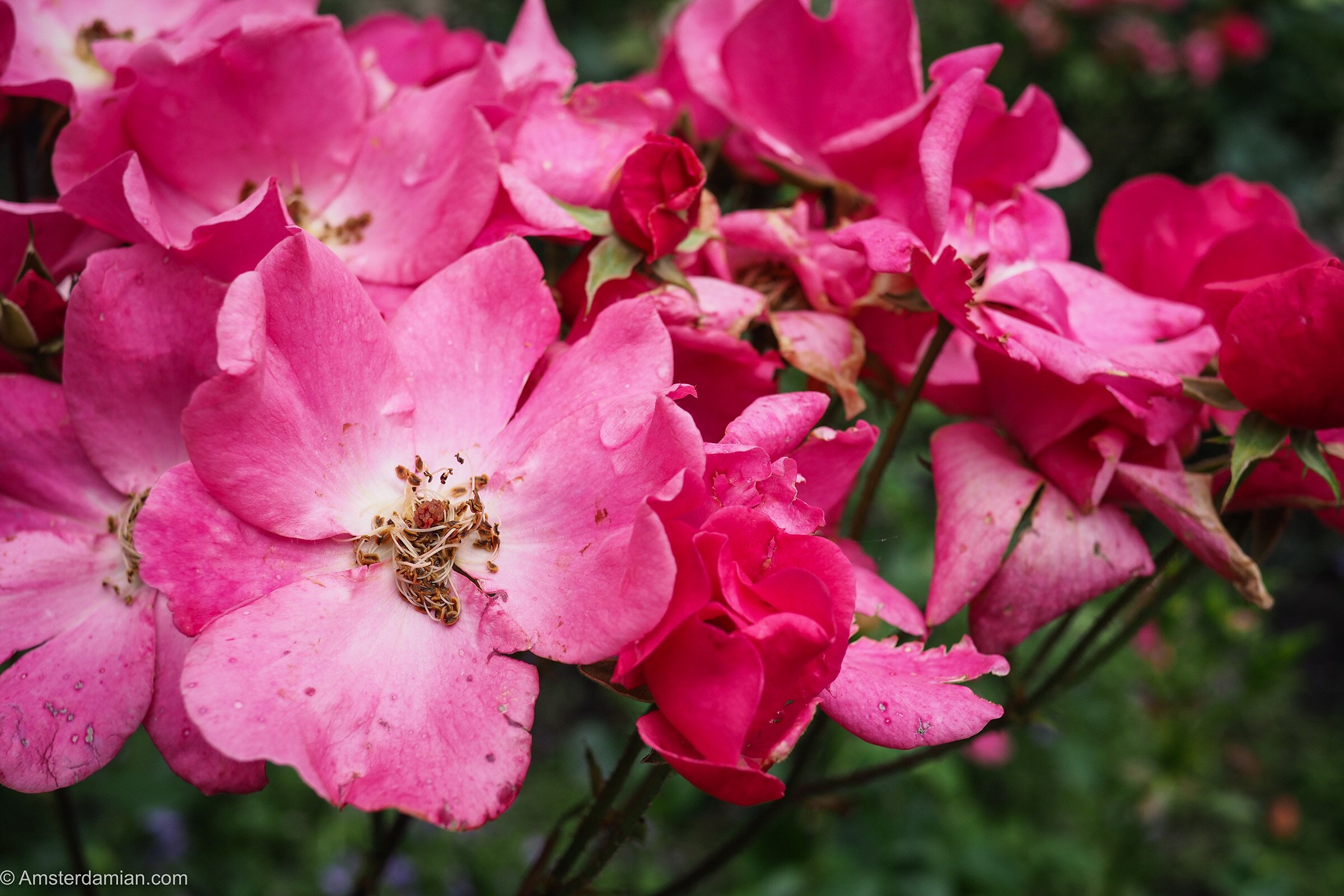
The Miracle Garden is a unique flower garden in Amsterdam West, initiated and designed by the Amsterdam-based visual artist Elspeth Diederix. This is an art project: both for the art of gardening and the art of photography.
The flower beds cover around 800 m² in the southeastern corner of Erasmuspark and are kept open year-round, so you can drop in even outside summer.
Address: Erasmuspark, Amsterdam West
Amstelpark
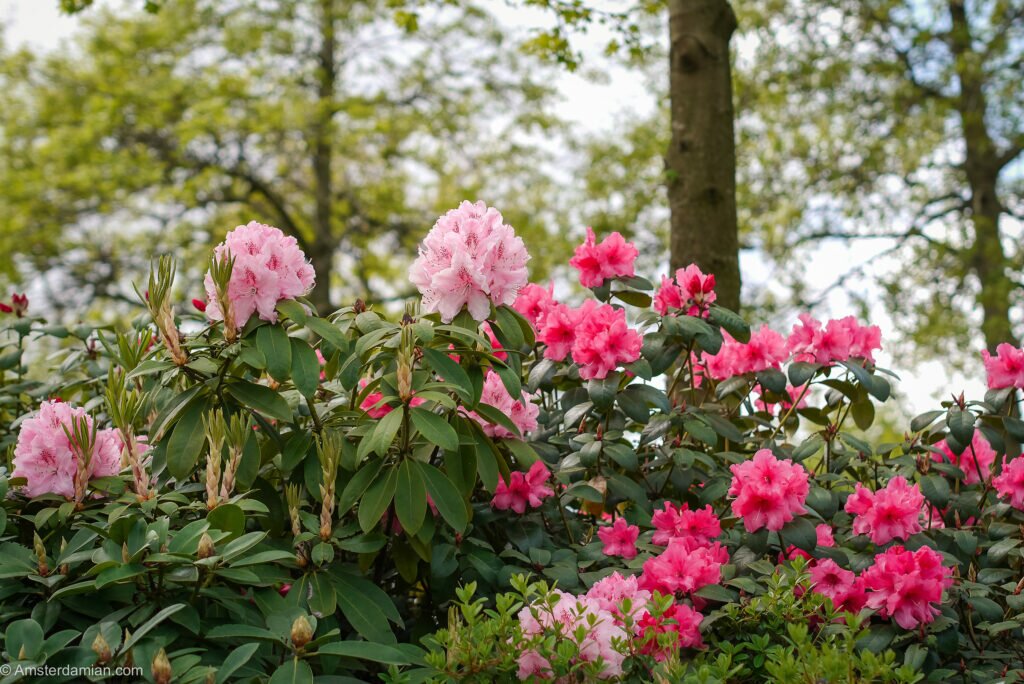
Amstelpark has a few gardens to delight the visitors, you can pick your favourite from dahlias, roses (the Rosarium), rhododendrons and more. Amstelpark has the advantage that is not a crowded park, therefore a walk here can be peaceful and you can enjoy your quiet time among the flowers.
Address: Amstelpark, Amsterdam South

And if you don’t mind paying entry…
One garden I haven’t included above because it’s not free, but which is genuinely worth the ticket, is Hortus Botanicus Amsterdam. Founded in 1638, it’s one of the oldest botanical gardens in the world, a short walk from Artis in the Plantage. Tropical greenhouses, a butterfly house, a medicinal garden and a coffee plant whose descendants supposedly seeded the entire coffee culture of Central and South America. I’ve written about it in more depth on the blog if you want to plan a visit.
These are definitely not all the gardens in Amsterdam, but they are a starting point if you’re looking for some. You probably have a favourite garden or green spot in your neighbourhood, if you lived in Amsterdam for a while. I have a few small ones that I decided not to include here because they feel too personal and I’m not ready to share them with the world yet, even if (or maybe more so because) they are not mine to share. I hope you enjoyed this garden hopping!
And here is a video from the Open Garden Days, by Amsterdam Calling, to show you some of the hidden gardens behind the canal houses:
Stay tuned for more and follow Amsterdamian on Instagram and Facebook for more stories about life in the Netherlands, written by a real local, updated constantly.
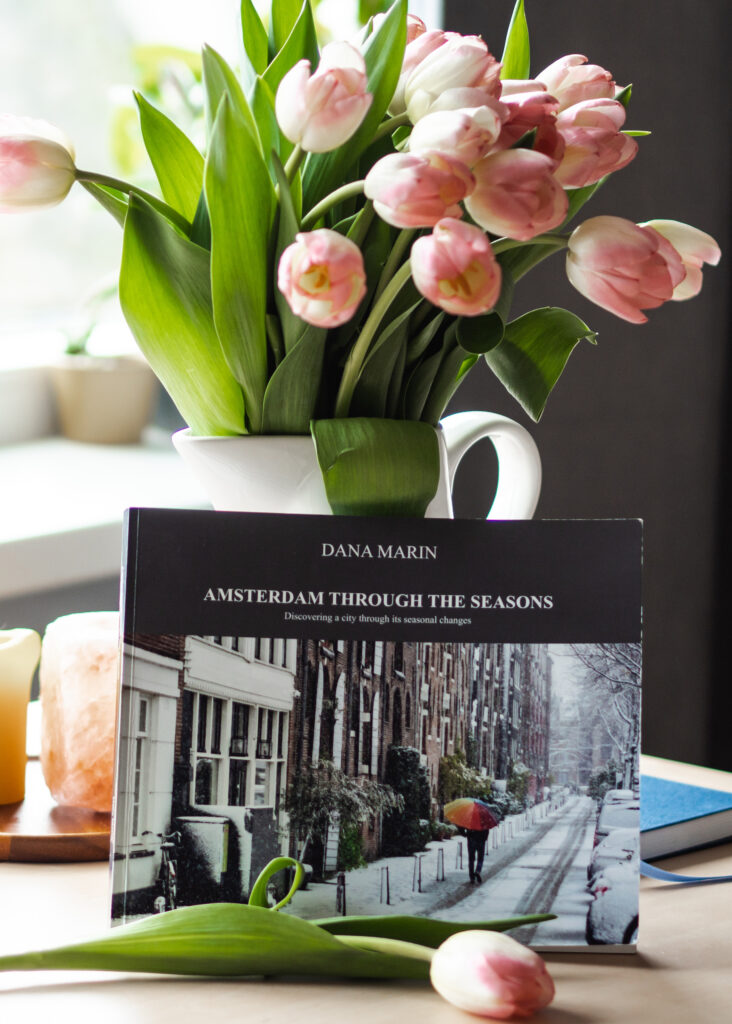
Check out my photo book: Amsterdam Through the Seasons!
Love what you’re reading? Support my work with a small donation.
And share this post if you liked it!