Last updated: May 2026
Only one hour by train from Amsterdam, Delft is a great choice for a day trip. Well known for its blue porcelain, which indeed can be found in numerous shops around the city, it has much more to offer to its visitors. It’s a charming, compact and cosy city, with beautiful architecture, old buildings and impressive churches, canals and shopping streets. Delft breathes history through all its pores — I almost felt like I went back in time during my visit (thanks to the small cobbled streets, the antique shops, the houses, and probably the autumn rain!)
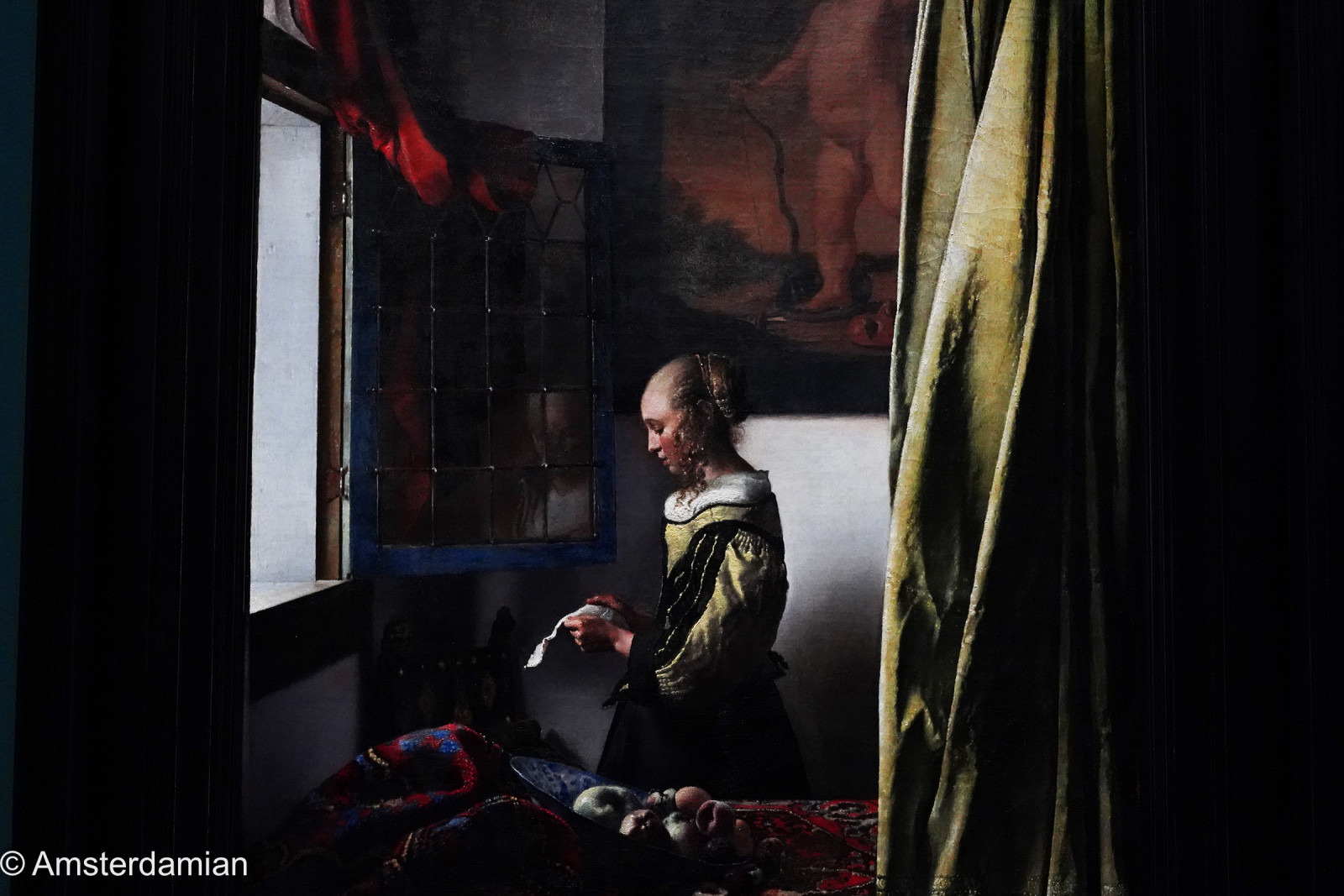
An interesting fact: Delft is the birthplace of the famous painter Johannes Vermeer. You can follow his footsteps around the city, visit the Vermeer Center to learn about his life and work, and find his grave in the Oude Kerk (Old Church). Something else that stood out for me was how friendly the people are, eager to practice their English and tell you stories about the city. I didn’t have time to see everything in one day, of course, but I’m lucky to live so close and I will return to see the city again, maybe this time in spring.
✨Day-trip suitability
International visitors: ● ● ● ● ● — A must on a first visit
NL-based day-trippers: ● ● ● ● ● — Worth planning a day/weekend around
● Circles indicate suitability, not quality. Some subjectivity included. How to read these ratings 📜
This article is part of “Discover the Netherlands” project. You can read all the articles from this project here: The Complete Guide to the Dutch Provinces.
A Bit of History
Delft received its city charter in 1246 and quickly grew into one of the most important cities in Holland. But its history has been shaped as much by disaster as by prosperity.
In 1536, a huge fire, probably started by lightning striking the Nieuwe Kerk, reduced half the city to ashes. Delft rebuilt, and by the early 17th century it was thriving: the Dutch East India Company (VOC) had a chamber here, and the city’s potters had begun producing the famous blue-and-white ceramics inspired by Chinese porcelain arriving on VOC ships. By 1695, there were around 30 earthenware factories in Delft.
Then came the Delft Thunderclap. On 12 October 1654, a gunpowder magazine storing around 40,000 kilograms of powder exploded in the centre of the city, destroying hundreds of houses and killing an unknown number of people (estimates range widely, from dozens to several hundred, with thousands injured). Among the dead was Carel Fabritius, one of Rembrandt’s most gifted pupils, who had been working on a portrait nearby. He was just 32. Many of his paintings were lost. It’s one of the great “what ifs” of art history.
Remarkably, two other geniuses were living in Delft at the time of the explosion. Johannes Vermeer, baptised in Delft in 1632, would go on to become one of the greatest painters of the Dutch Golden Age. And Antonie van Leeuwenhoek, born in the same city the very same year, would pioneer the use of microscopes and become the father of microbiology. Both are buried in the Oude Kerk.
Historical Delft
● Museum Prinsenhof
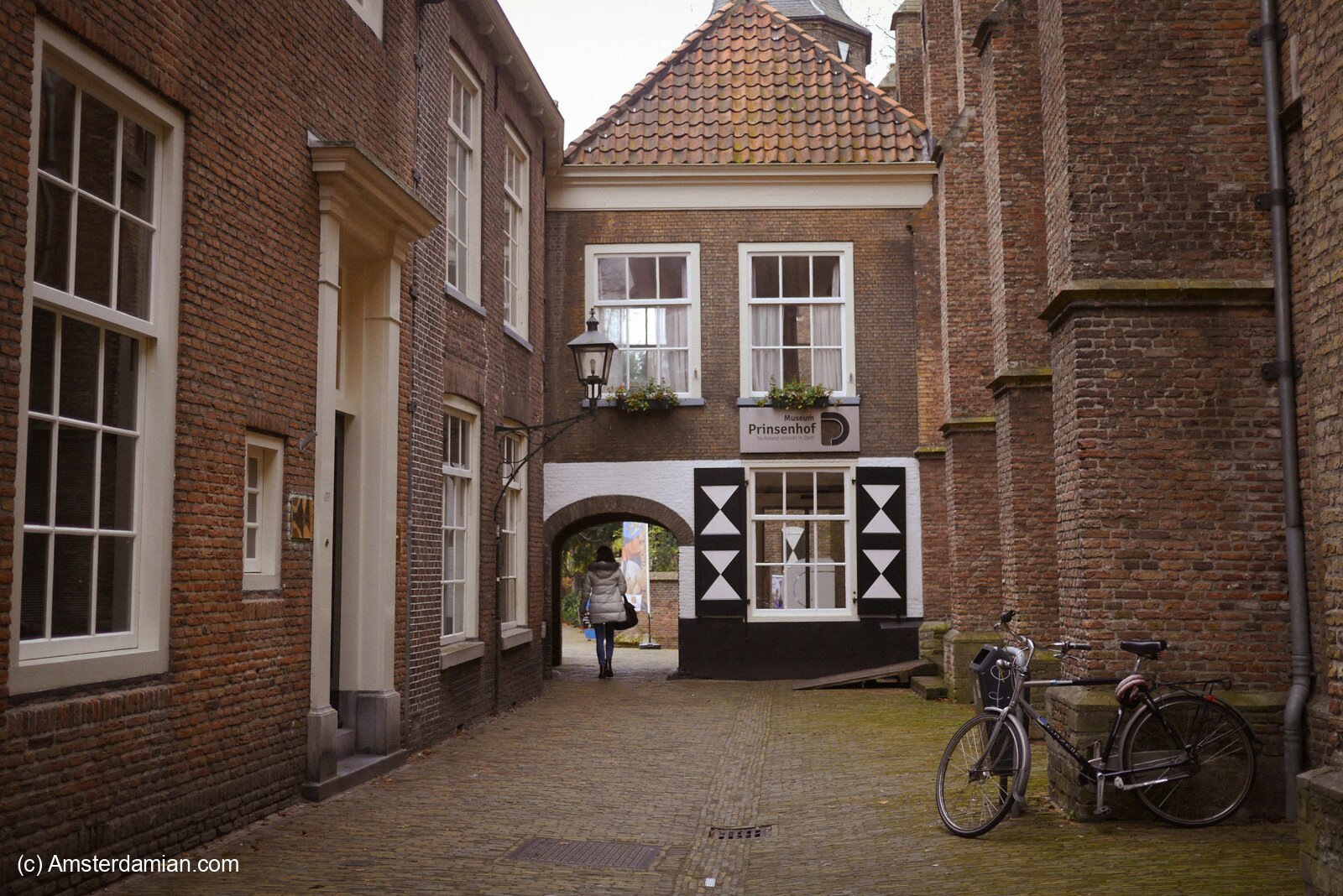
The building was once a monastery and the residence of William of Orange. Its collections are rich with artefacts, from beautiful Delftware pottery to historical paintings. Be sure not to miss the bullet holes in the wall where William of Orange was shot by Balthasar Gérards on 10 July 1584, a chilling reminder of the turbulent past. Philip II of Spain had placed a bounty of 25,000 crowns on William’s head, and Gérards came to collect. The two bullet holes in the wall are still there. But hey, it’s not all somber history. The building itself is a beauty, complete with delightful gardens that are perfect for a peaceful stroll. So whether you’re a seasoned history buff or just fancy a peek at some royal splendour, the Museum Prinsenhof is definitely worth a visit. NOTE: the museum is closed for a major renovation in 2026.
● The Oude Kerk and Nieuwe Kerk
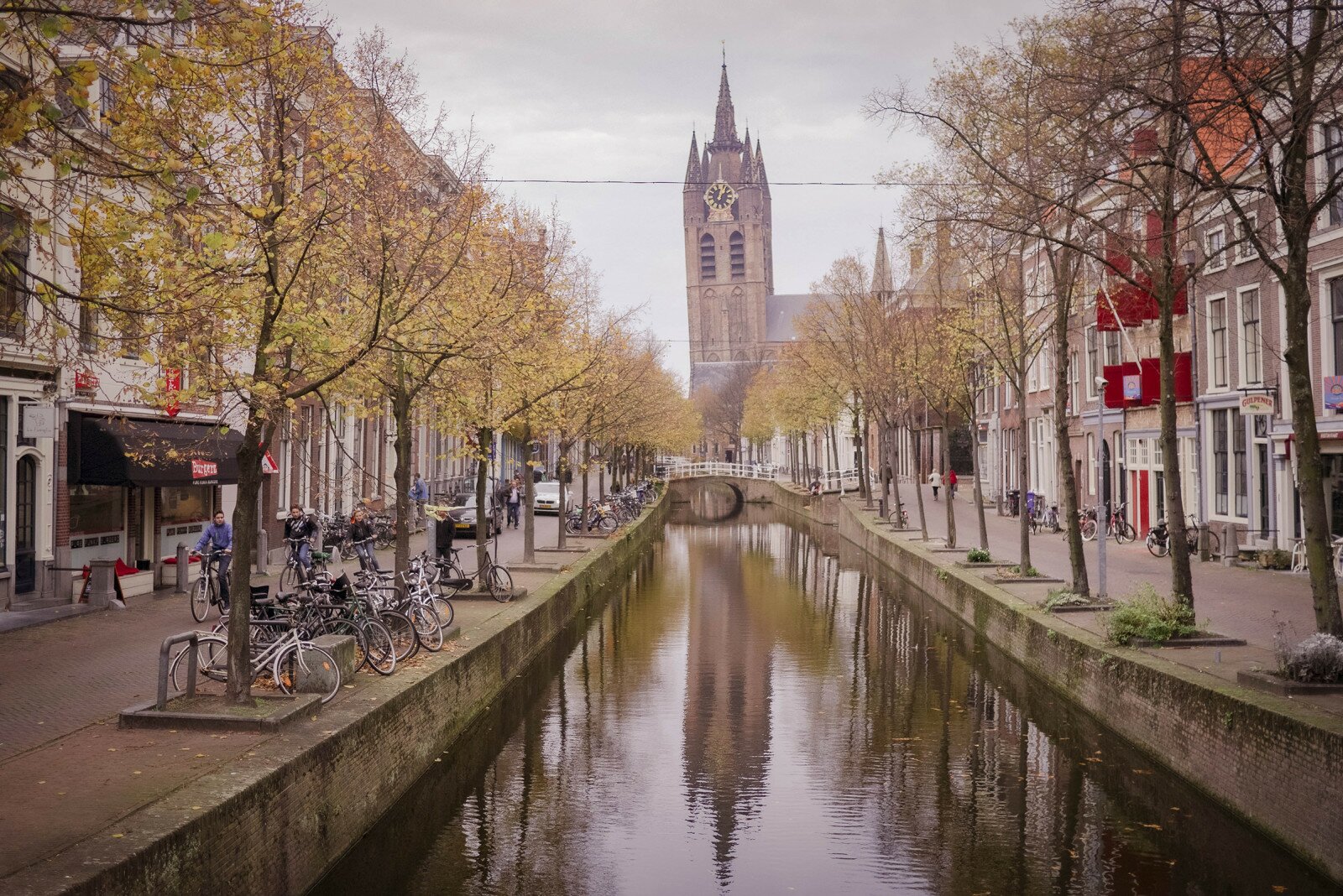
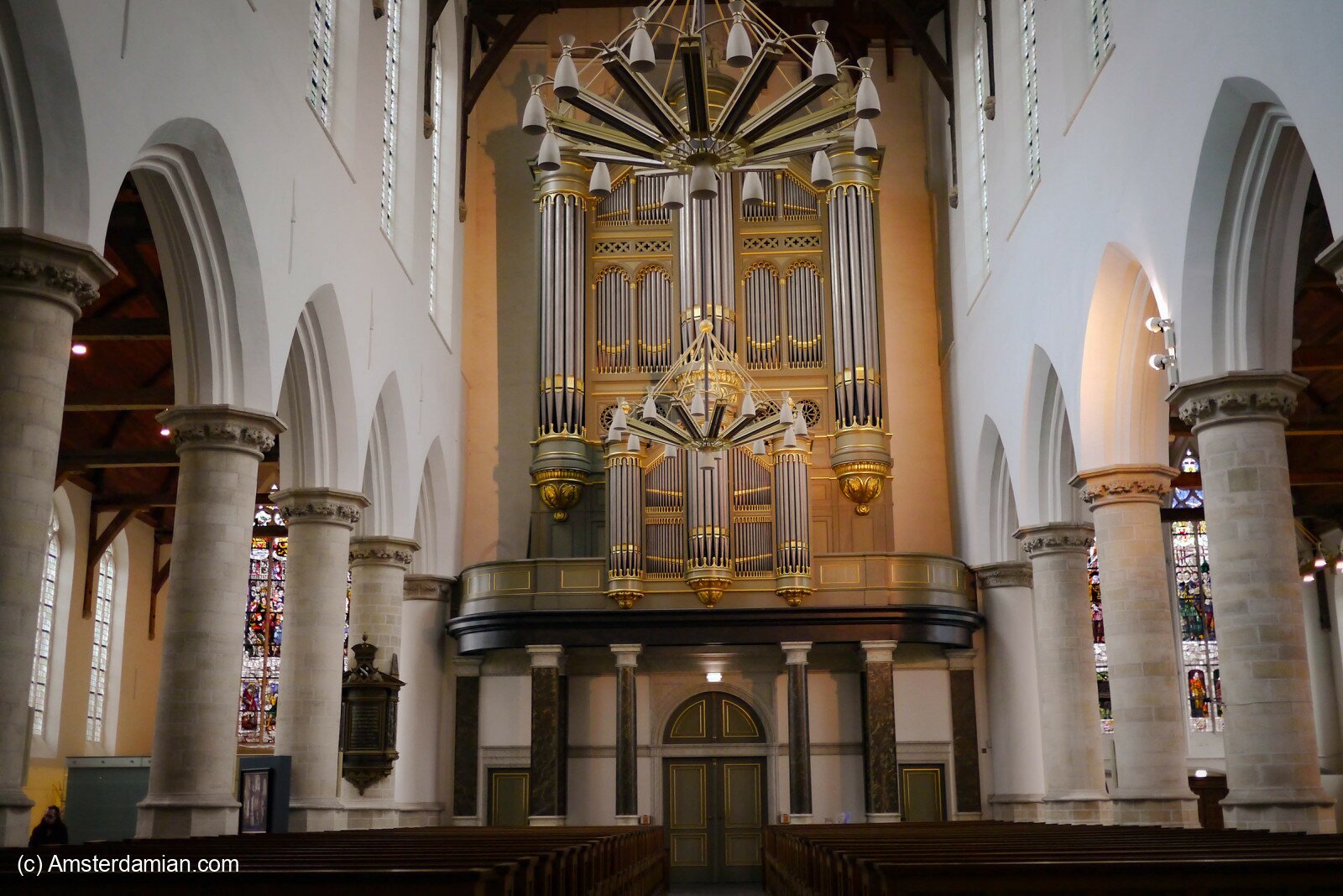
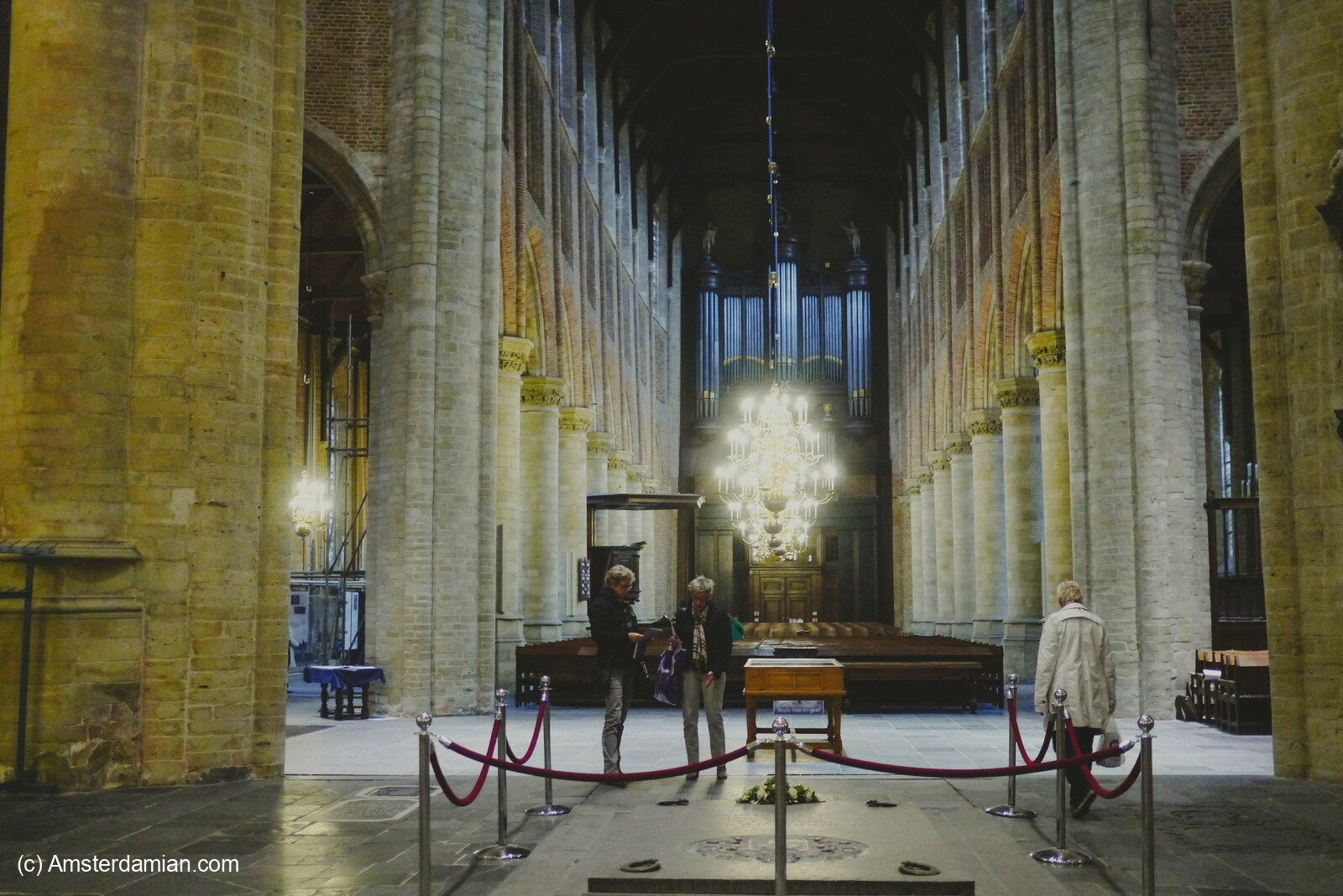
These two churches anchor Delft’s skyline and its history. The Oude Kerk, founded in 1246, is the oldest building in the city. Its 75-metre tower leans nearly two metres off the vertical — it was partly built on a filled-in canal, and it started sinking during construction. Inside you’ll find the graves of Vermeer and Leeuwenhoek, lying just metres apart. The church also houses three pipe organs and an enormous bell weighing nine tonnes.
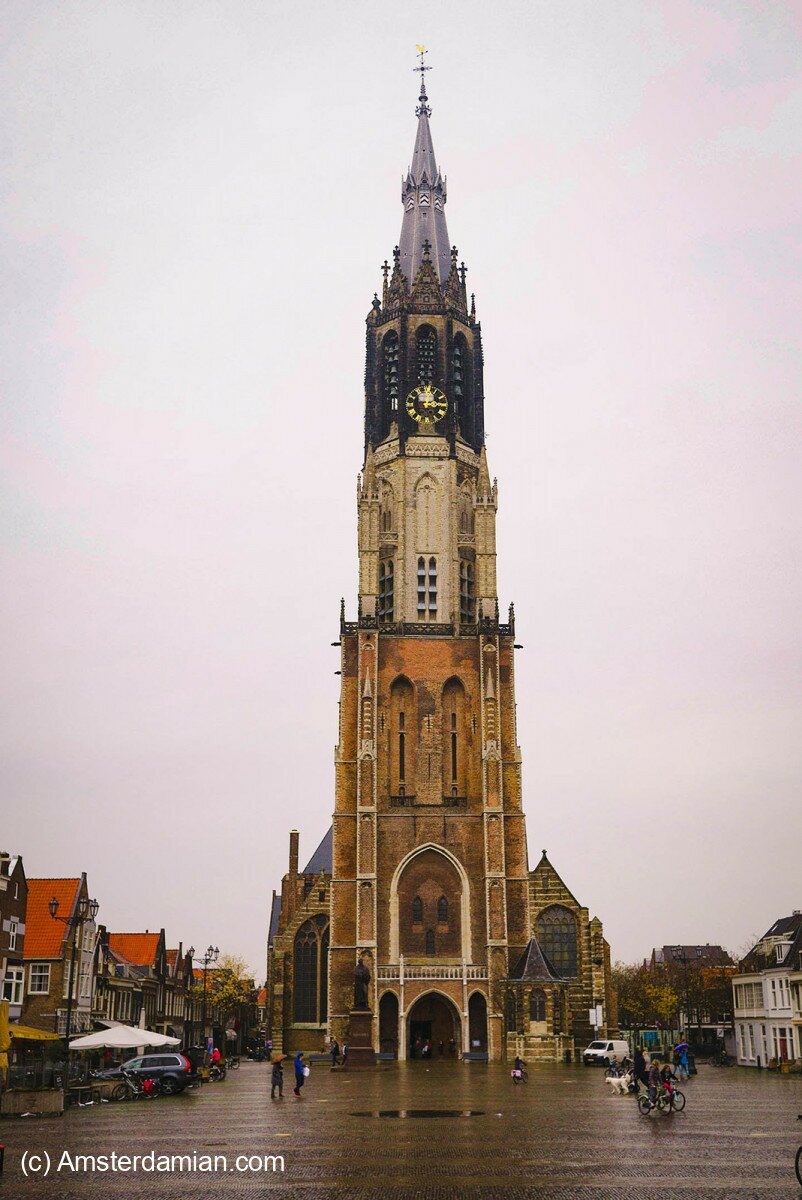
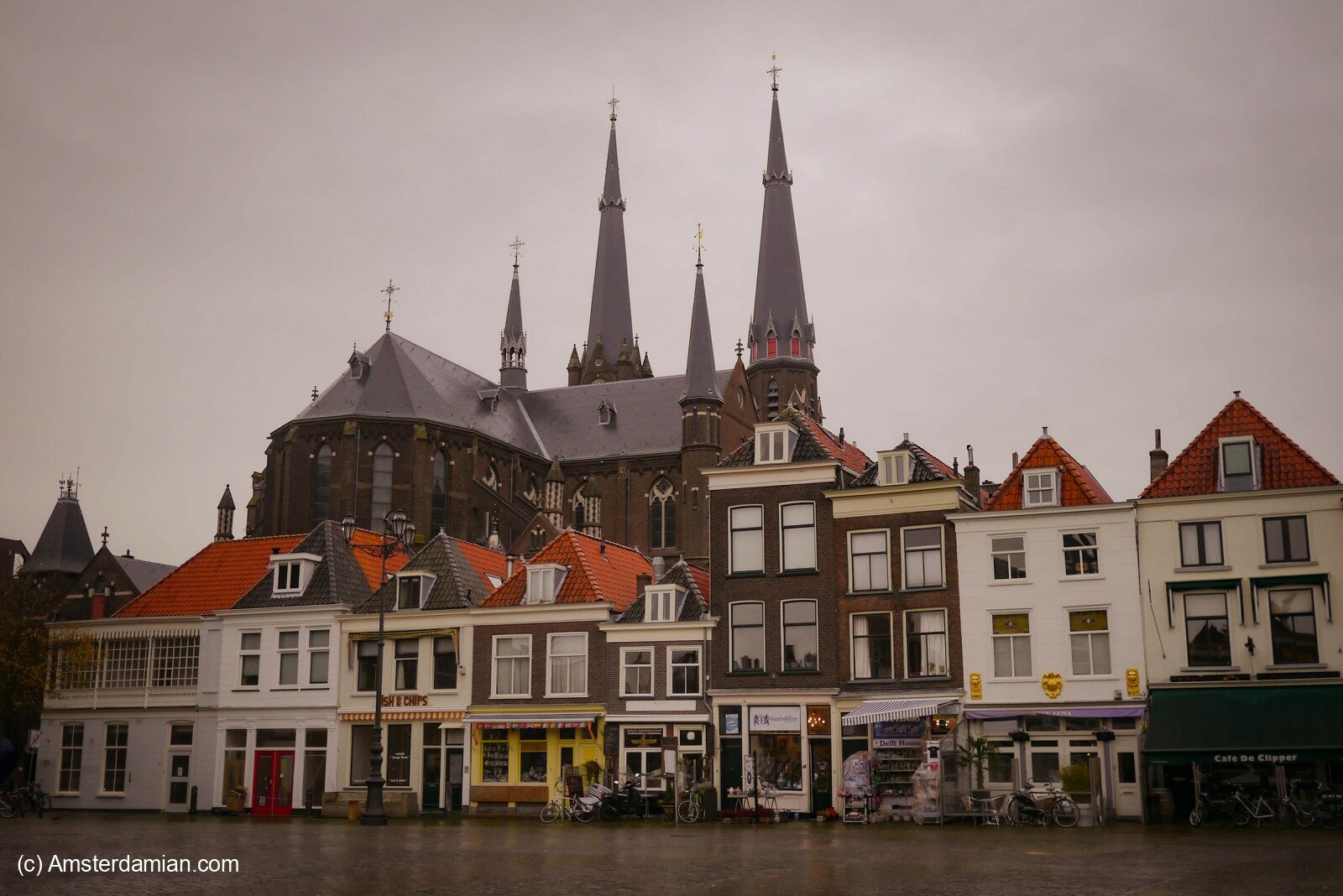
The Nieuwe Kerk dominates the Markt with its 108.75-metre tower, the second tallest in the Netherlands, after the Domtoren in Utrecht. Construction began in 1381, and since William the Silent was entombed here in 1584, it has served as the royal crypt of the House of Orange-Nassau. You can climb the 376 steps for panoramic views over Delft and, on a clear day, all the way to The Hague and Rotterdam.
● The Stadhuis (City Hall)
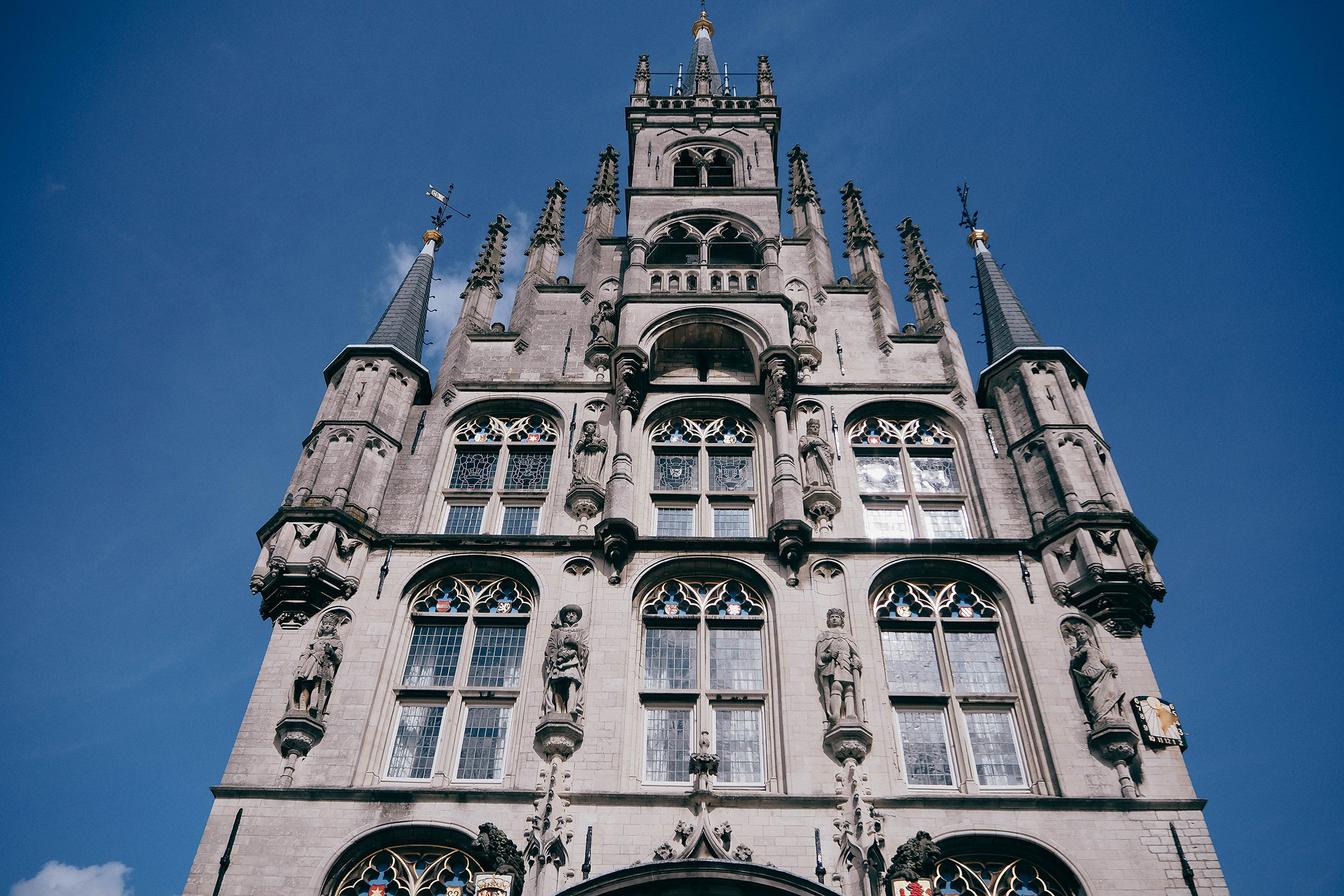
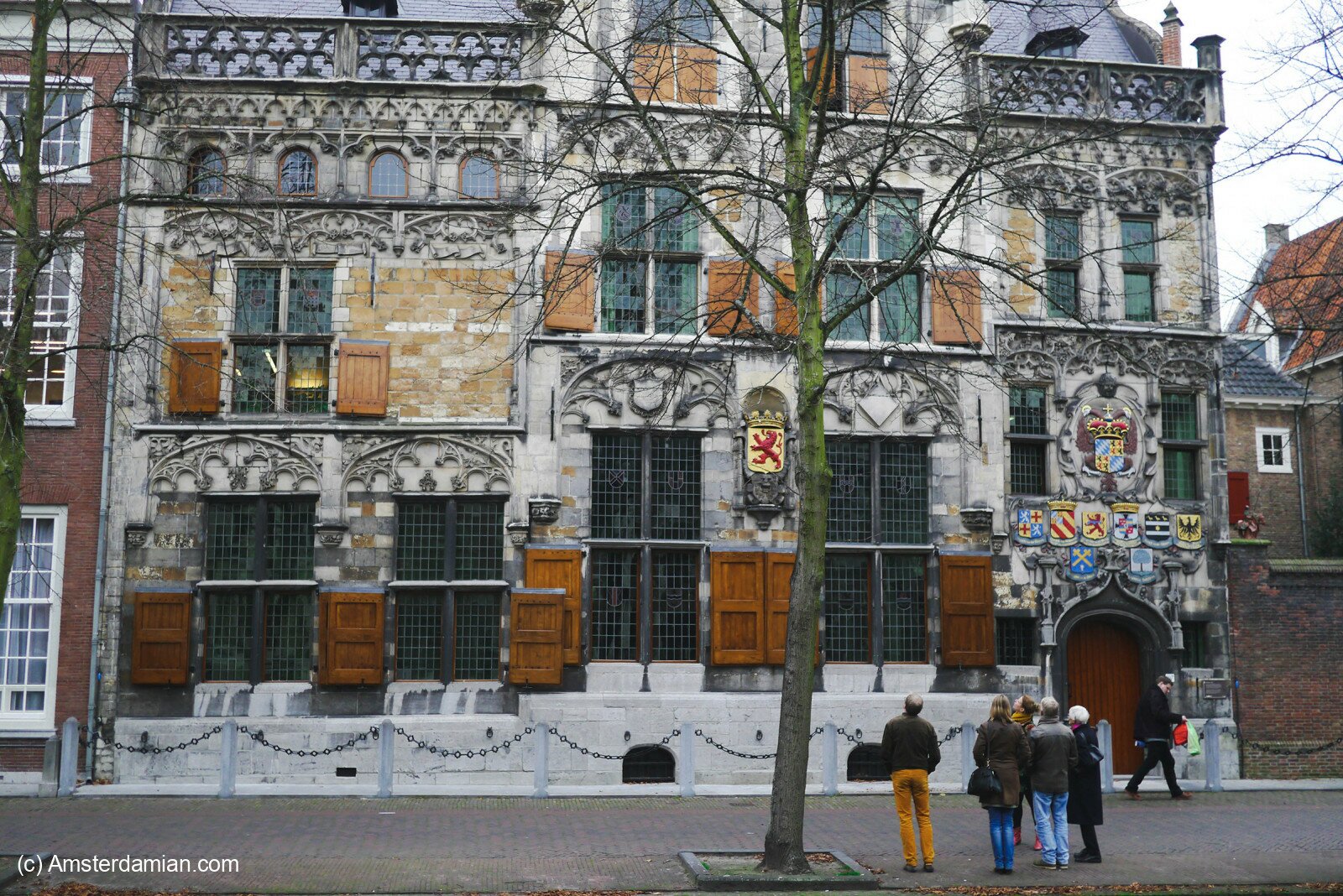
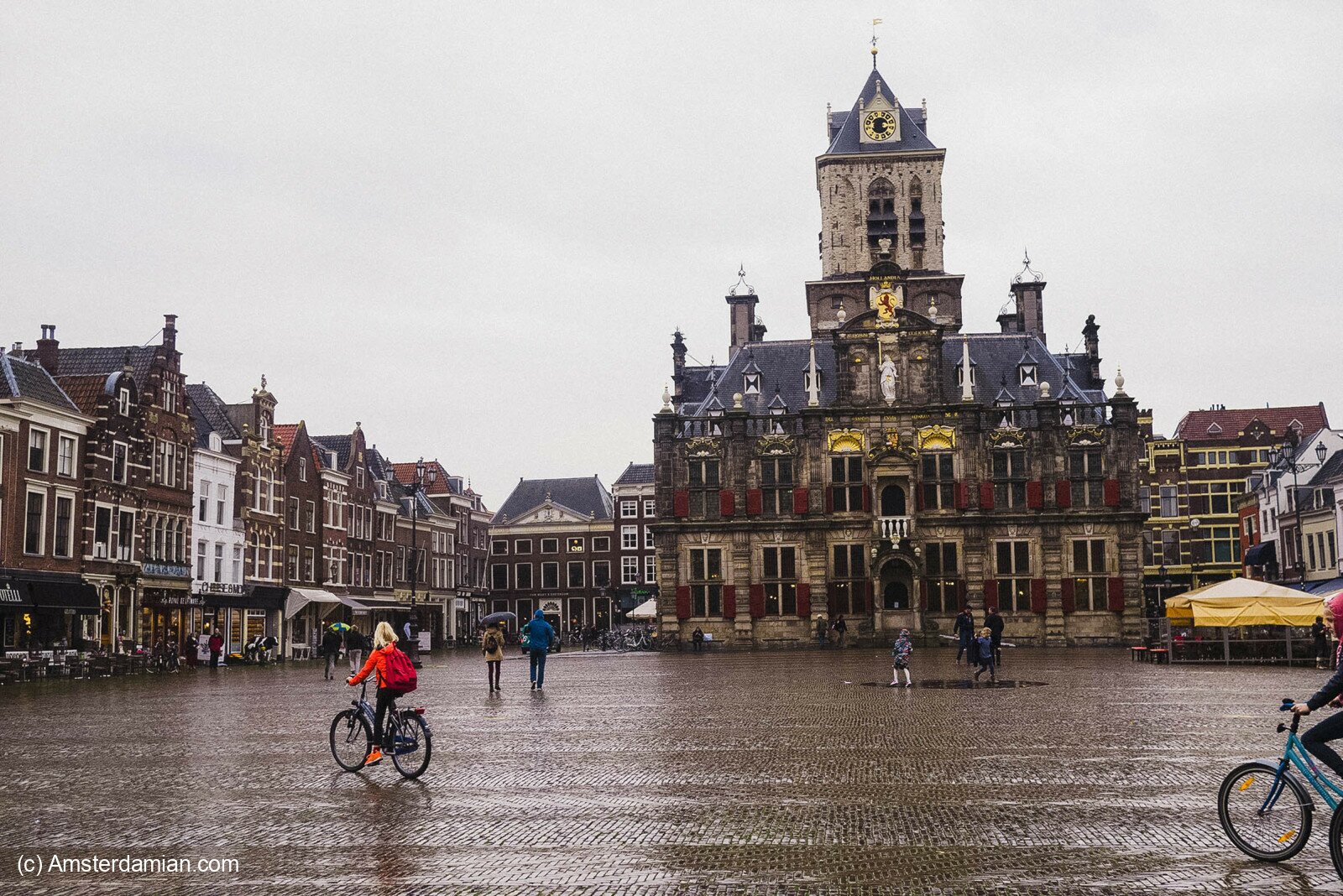
The Stadhuis (City Hall) — a beautiful building designed by Hendrick de Keyser in the Dutch Renaissance style around 1620, after a fire in 1618 destroyed the medieval original. The stone belfry tower, dating from the 13th century, survived the fire and still stands; look closely and you can see the contrast between the old limestone tower and the newer façade.
● The Oostpoort (Eastern Gate)
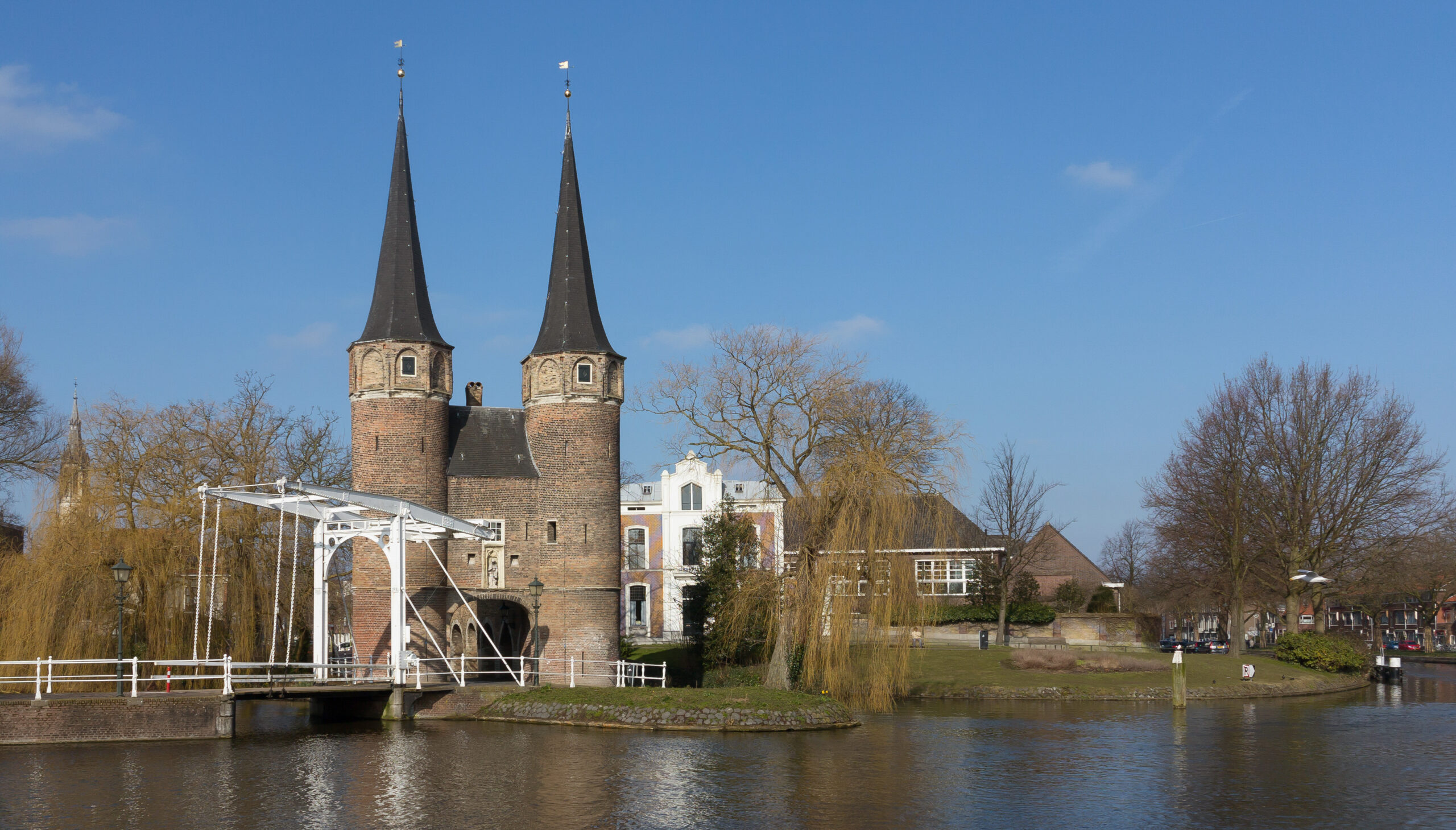
The Oostpoort (the Eastern Gate), part of the old city defences, it’s the only surviving medieval city gate of Delft. Built in the 15th century in Brick Gothic style, its twin towers were enhanced with octagonal floors and pointed spires around 1510. The other seven gates were demolished between 1834 and 1847, making this a rare survivor and one of the most photographed spots in the city.
Art and Delft Blue
● The Vermeer Centrum
The Vermeer Centrum: an information centre dedicated to Johannes Vermeer, the famous Dutch painter who was baptised in Delft in 1632 and spent his entire life here. This place isn’t your typical museum. Instead of original paintings, it has full-scale reproductions of Vermeer’s works, and stations where you can learn how he made his colours and set up scenes. Ever been curious about how artists lived back in the day? Here, you can step into Vermeer’s shoes and see the world through his eyes. The highlight is the studio with its magical camera obscura from where you can look outside on the surrounding streets – it’s like stepping into one of Vermeer’s paintings!
↪ Planning in advance? Vermeer Centrum Delft Museum Entry Ticket
● Royal Delft (Koninklijke Porceleyne Fles)
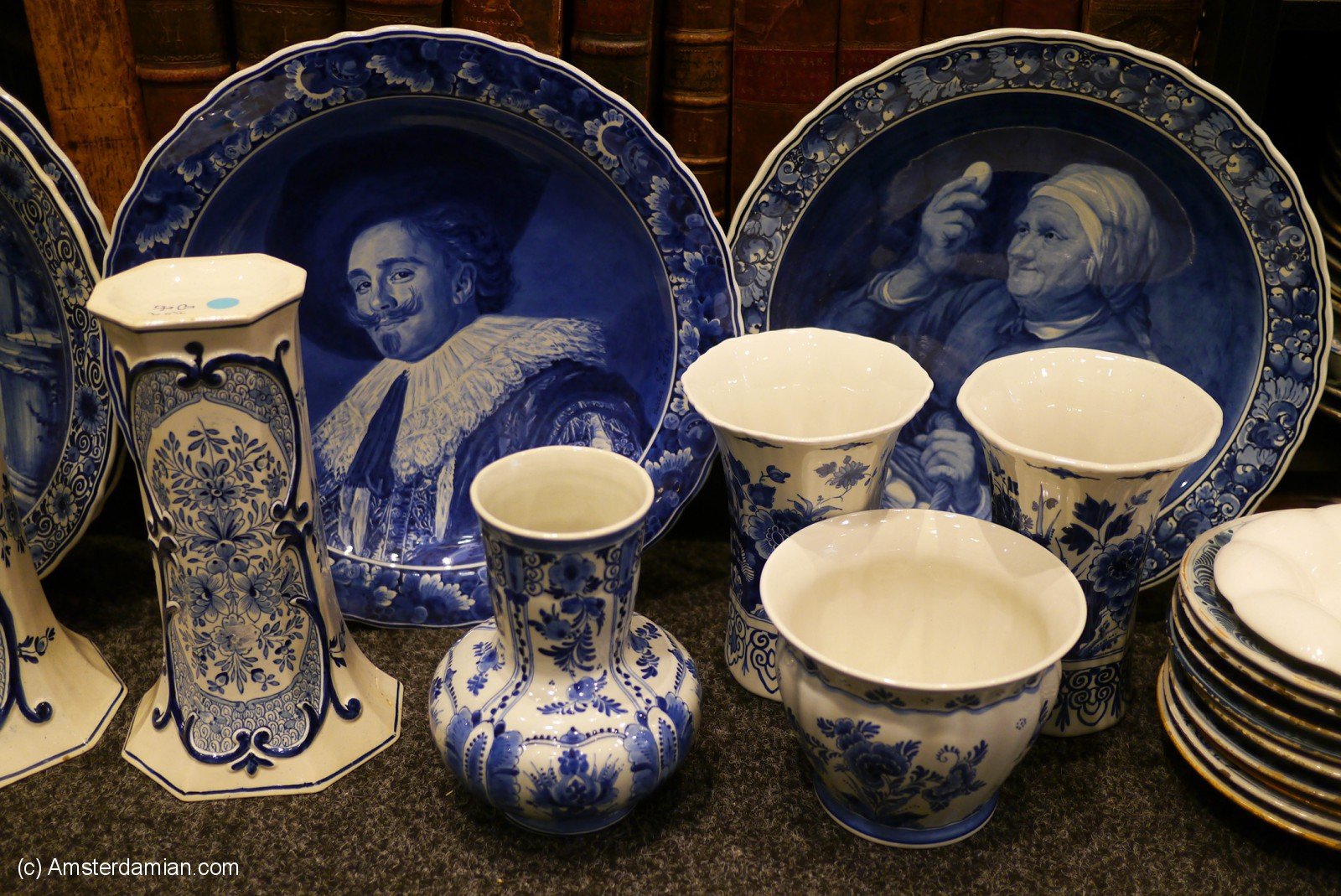
Visit Royal Delft. For all pottery enthusiasts out there, Royal Delft is a must-see. It’s the last standing factory of the 32 earthenware factories that were operating in Delft by 1695. Founded in 1653, it has been producing hand-painted ceramics since 1653 for more than 370 years. Take a tour and watch as raw clay is transformed into beautiful Delft Blue creations. You’ll be amazed at the steady hands and precision required. And oh, don’t forget their showroom. You can even try painting your own piece of pottery!
● Lambert van Meerten Museum
The Lambert van Meerten Museum is housed in the former mansion of art collector Lambert van Meerten, who built it in the late 19th century to store his growing collection. Today it holds an important collection of applied art, including period furniture, paintings, and an important tile collection, plus, of course, an extensive display of Delftware.
● Hunt for Antique and Ceramic Shops
Hunt for special shops or for antique ceramic shops (these were my favourites). Delft has a wonderful concentration of small independent shops selling everything from vintage Delftware tiles to contemporary ceramics — perfect for bringing home a piece of the city.
Exploring the City
● Discover Delft on Foot
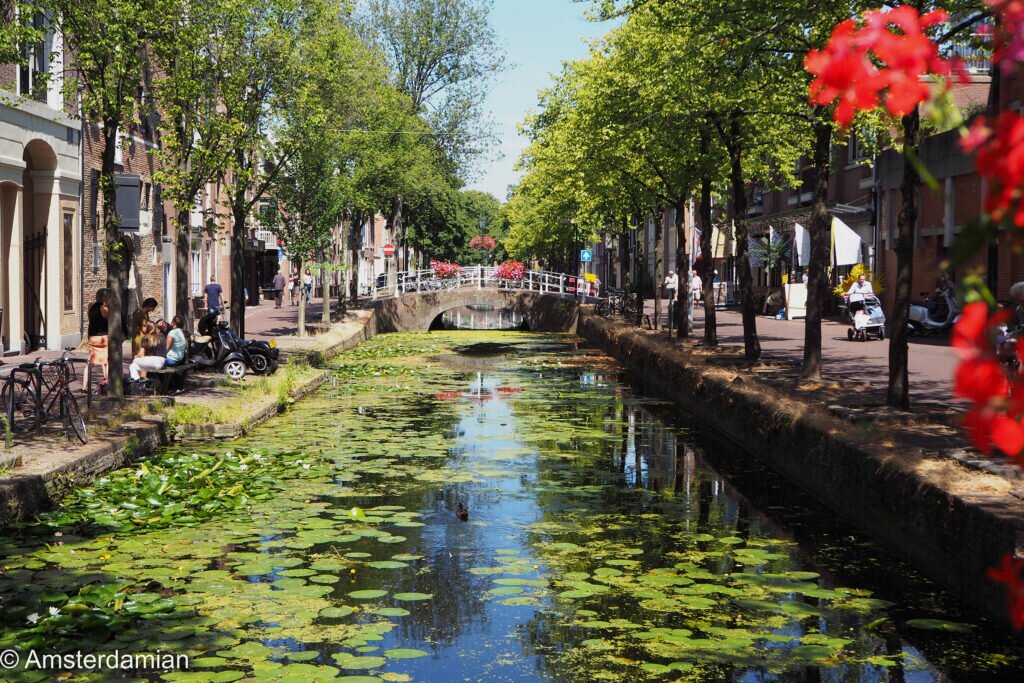
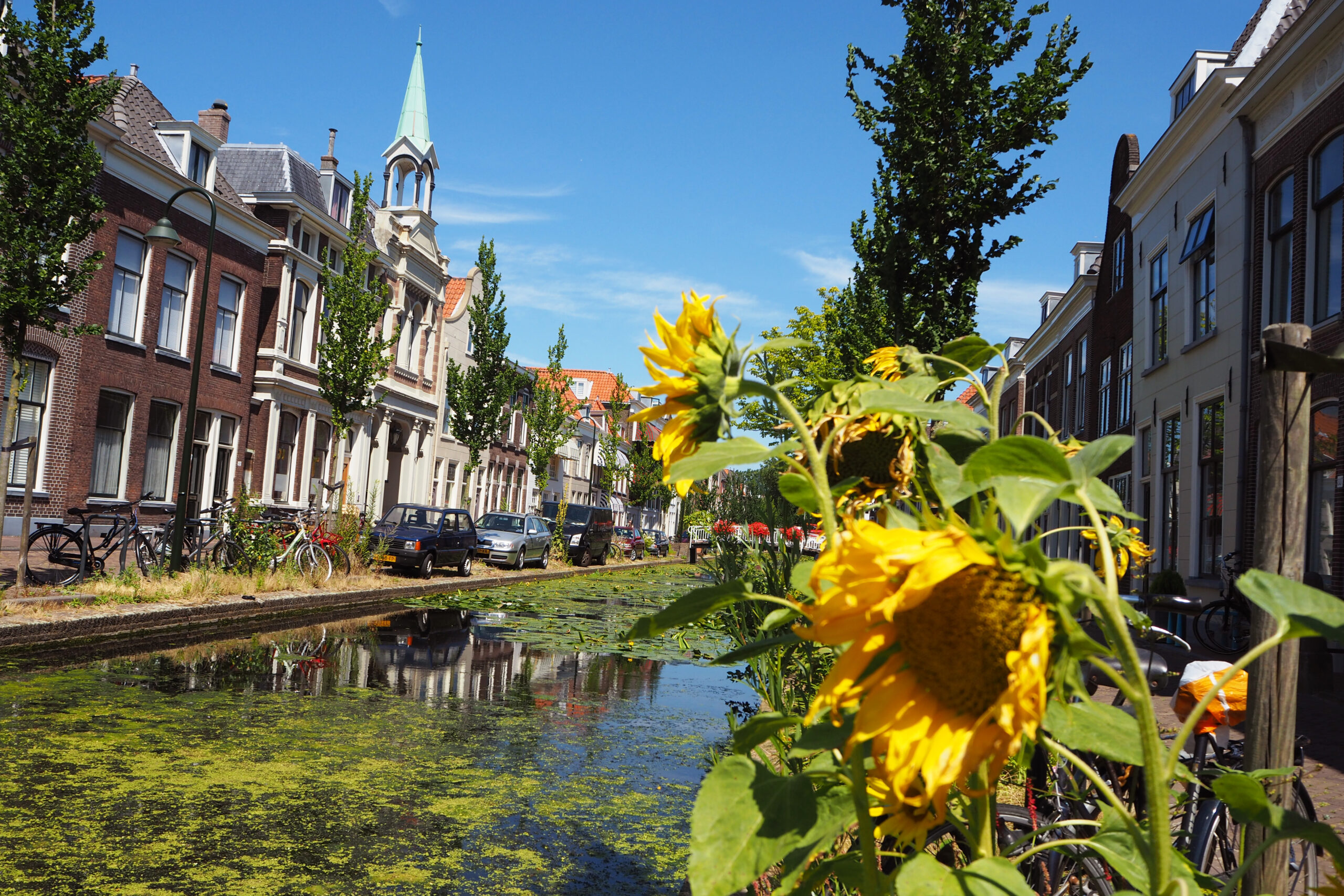
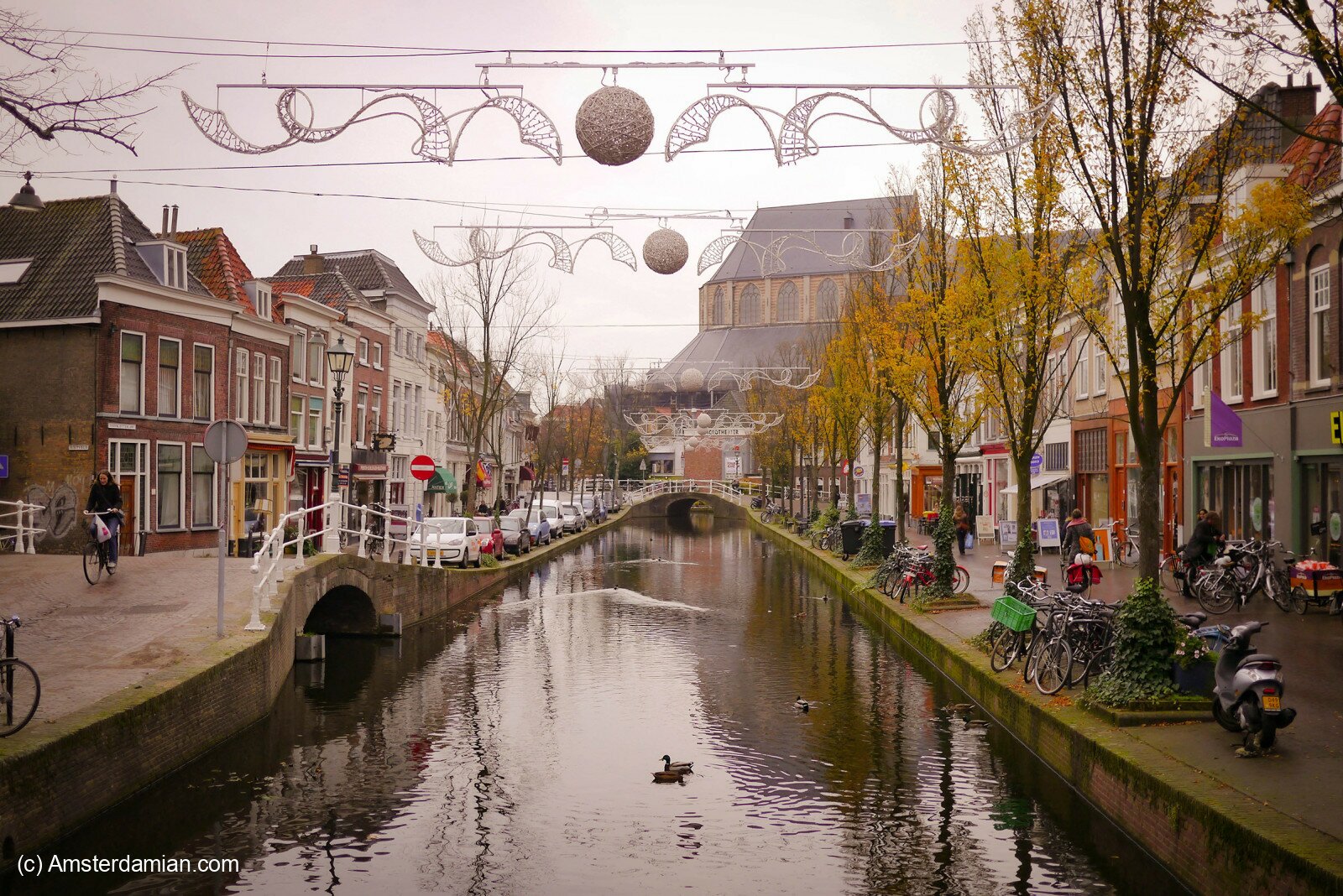
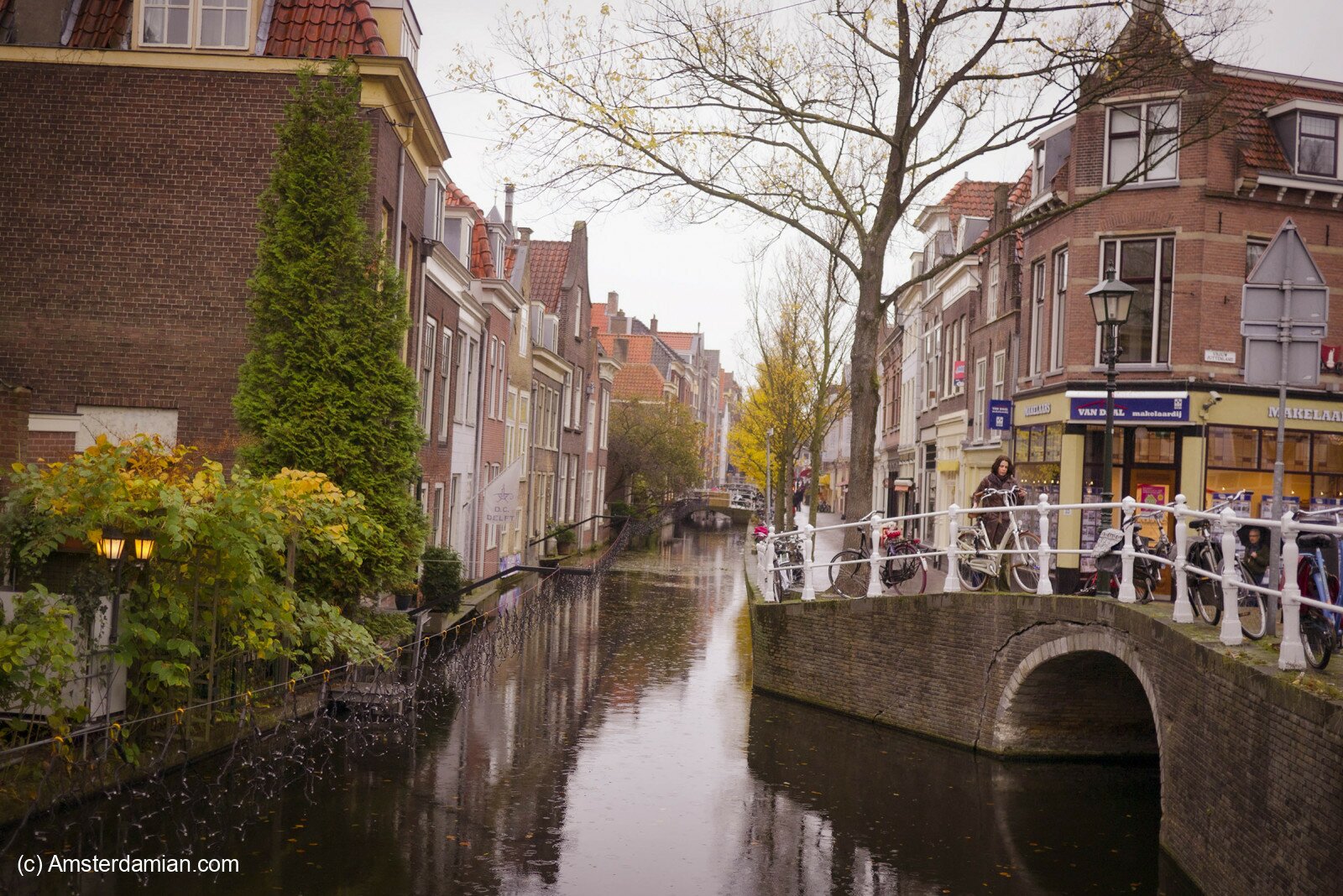
Walk around as much as you can, admire the cobbled streets and the historical houses. There’s no need to take any public transportation from the train station, as the centre is easily reached on foot. Don’t miss the Old Canal (Oude Delft), a beautiful canal in the city, lined with old houses and offering a great view over the Oude Kerk. Walking in Delft is like stepping into a Vermeer painting, with every corner bathed in that distinctive Dutch Light (or Dutch Rain, depending on your luck). You’ll love it!
● The Markt
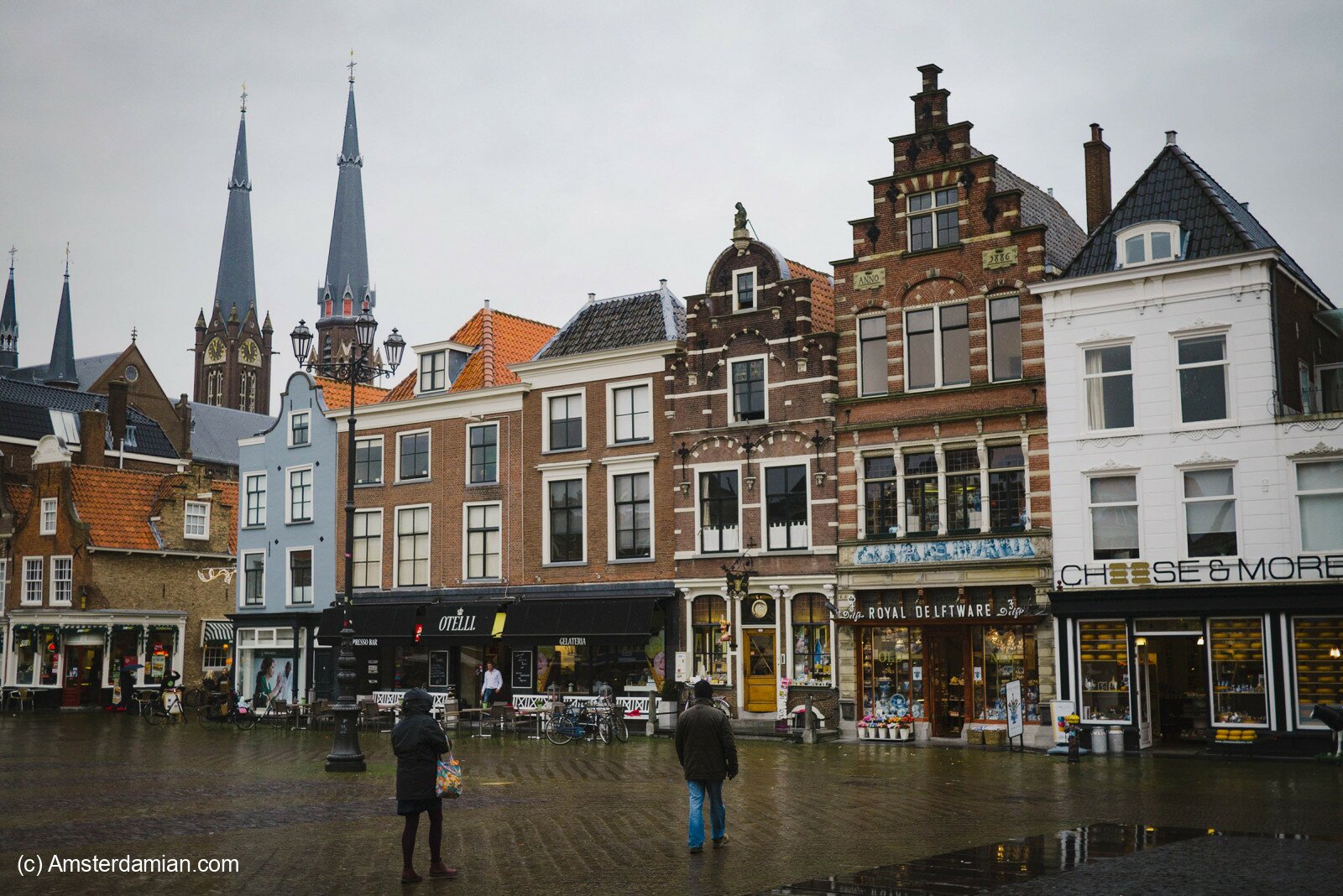
Delft’s Markt is one of the most photogenic squares in the Netherlands. The Nieuwe Kerk rises on one side, the Renaissance Stadhuis faces it from the other, and the space between is filled with café terraces, market stalls, and, on sunny days, a steady stream of people simply enjoying the scene. It’s the natural starting point for any visit, and the place you’ll keep coming back to between sights.
● The Blue Heart
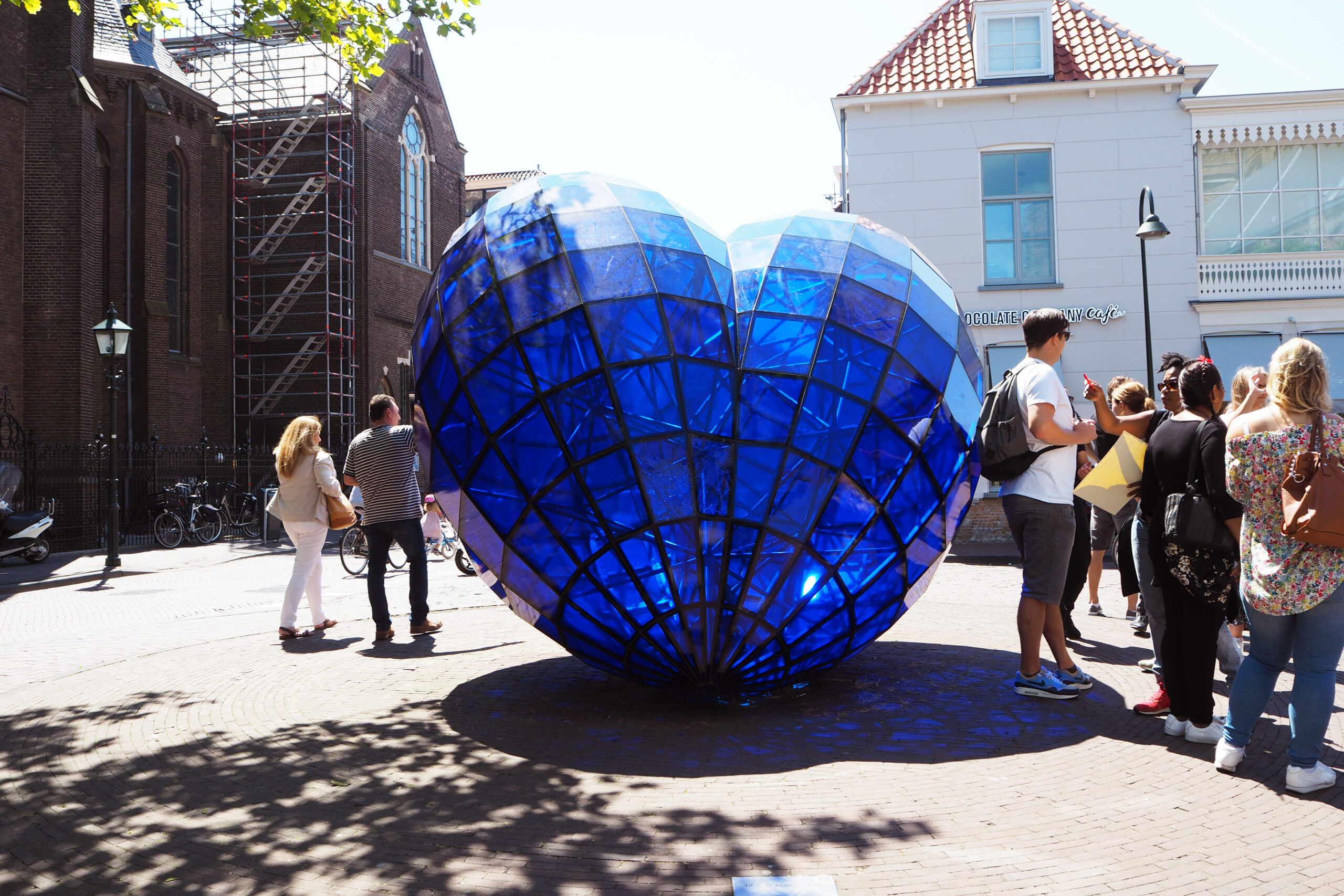
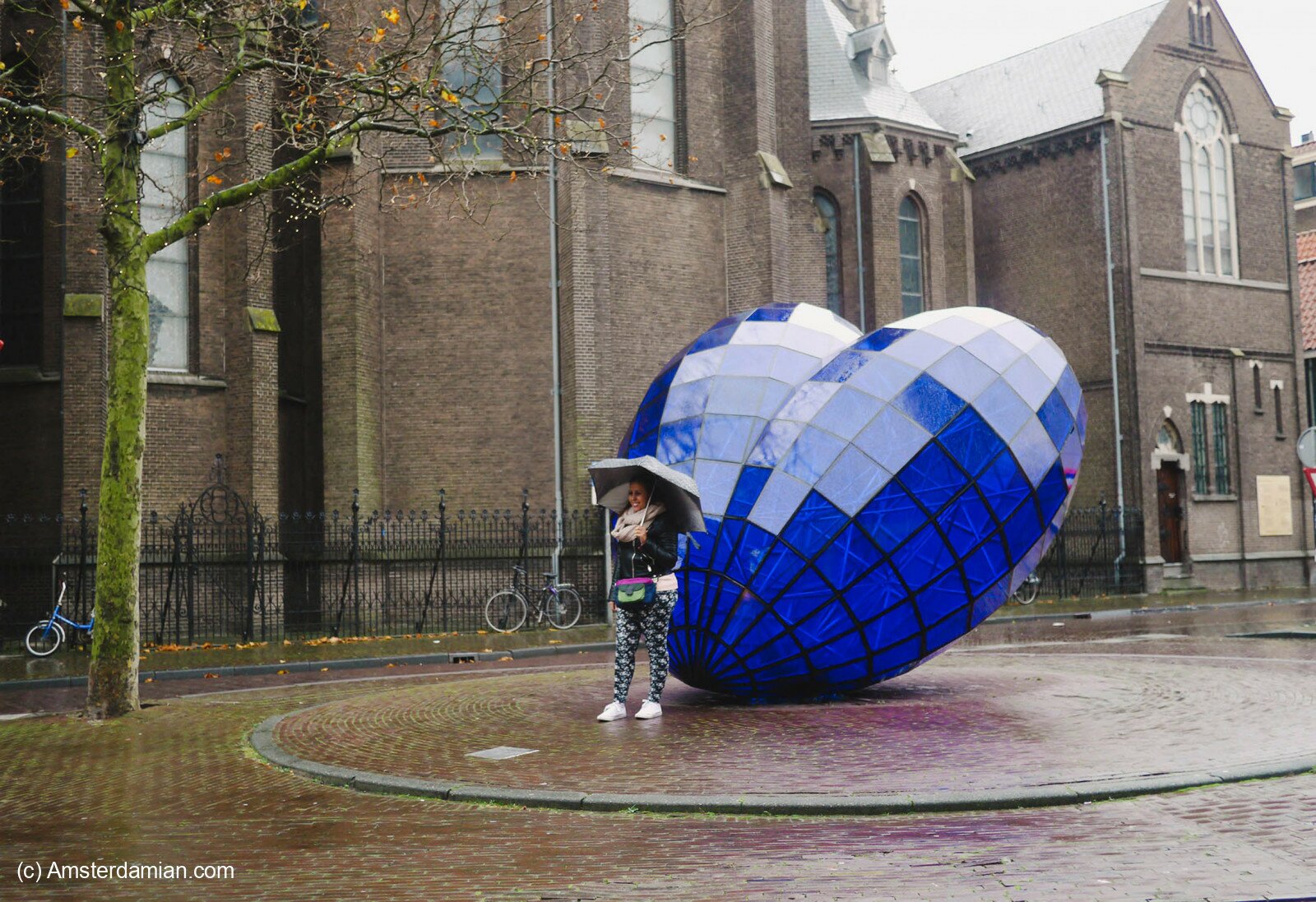
Just off the Markt, on Oude Langendijk, you’ll spot a striking 2.5-metre glass and stainless steel sculpture: the Blue Heart, designed by Marcel Smink in 1998. The blue glass represents Delft Blue, and the heart symbolises the centre of the city. It’s a popular photo spot.
● A Canal Boat Trip
Booking a canal boat trip in Delft is your ticket to experiencing the city’s historic charm and idyllic beauty from a completely unique perspective. I always love to take a boat trip in any city I visit, because it’s like discovering a new layer of the place.
↪ Plan your trip here: Canal cruise with guided commentary.
● Hortus Botanicus
Hortus Botanicus Delft, the botanical garden run by TU Delft (Delft University of Technology). Founded in 1917, it originally focused on “technologically useful plants” from tropical regions. This botanical garden is a green gem tucked away in Delft. With plants from all over the world, it’s like taking a mini global tour without leaving the city.
● Delft Station
Don’t rush through the station when you arrive. Delft’s new railway station, designed by Mecanoo and completed in 2015, is worth a visit in itself. The vaulted ceiling features an enormous abstracted map of Delft from 1877, printed across nearly 2,000 aluminium fins; the image shifts as you walk beneath it. The columns and walls are clad in a contemporary interpretation of Delft Blue tiles, in four shades from dark blue to white. It’s a beautiful first impression of the city.
↪ Want someone to show you around the city?
- Guided Walking Tour with a Local
- City Centre Walking Tour
- Johannes Vermeer walking tour
- From Amsterdam: Rotterdam, Delft & The Hague Guided Day Tour
Where to Eat and Drink in Delft
The Beestenmarkt is Delft’s liveliest square, packed with terraces and restaurants, and a great spot for a beer or a meal on a sunny day. For dinner with a view, Het Koningshuys on the Markt has a terrace overlooking the Nieuwe Kerk, while Lolo Blu (also on the Markt) is perfect for sharing plates and creative cocktails. Flow Foodbar has everything from breakfast to dinner, and for something different, Hummus Delft on Breestraat serves excellent Middle Eastern comfort food. And if you’re craving ramen, Ramen Nikkou on Vrouwjuttenland is run by Japanese owners and is one of the best ramen spots in the country.
For brunch and lunch check out De Botanie, Cozy, lunchcafe Michiel de Ruyter, Hermanos. If you’re looking for a good bakery, check out Let’s bake a story.
Specialty Coffee in Delft
Delft has a surprisingly good specialty coffee scene. Neef Rob on Choorstraat is widely considered the best (excellent coffee, tea, and chocolate in a cosy setting). KEK on Voldersgracht is a local favourite for coffee and breakfast. More good coffee at: LOT. Coffee Boutique (also on Voldersgracht), Piadabythecanal, Cortado Café on Burgwal and Bombina on Hippolytusbuurt (popular breakfast-and-lunch spot with great coffee).
Practical Information
How to Get to Delft from Amsterdam
Delft is about one hour by train from Amsterdam Centraal, with direct Intercity services running regularly. You can also reach Delft via Sprinter trains with a change in The Hague or Leiden. Check NS.nl for the latest timetable and ticket prices. From the station, the historic centre is a 10-minute walk.
What to See Around Delft
The Hague — you can combine a visit to Delft with one to The Hague, but I would make sure to have a full day for each of these cities.
Cycle around Delft, in the Abtswoudse Bos, an area covered in forests and swamps, water and cycling routes.
Gouda. This pretty old town can be a great trip from Delft. Renowned for the cheese with the same name, Gouda is an important historical city and a very beautiful one to visit.
There are many things to do in this small city and around it. You will have to decide which ones are for you. Maybe you’ll stay over night, to have more time to visit. In any case, put Delft on your list, if it’s not there already!
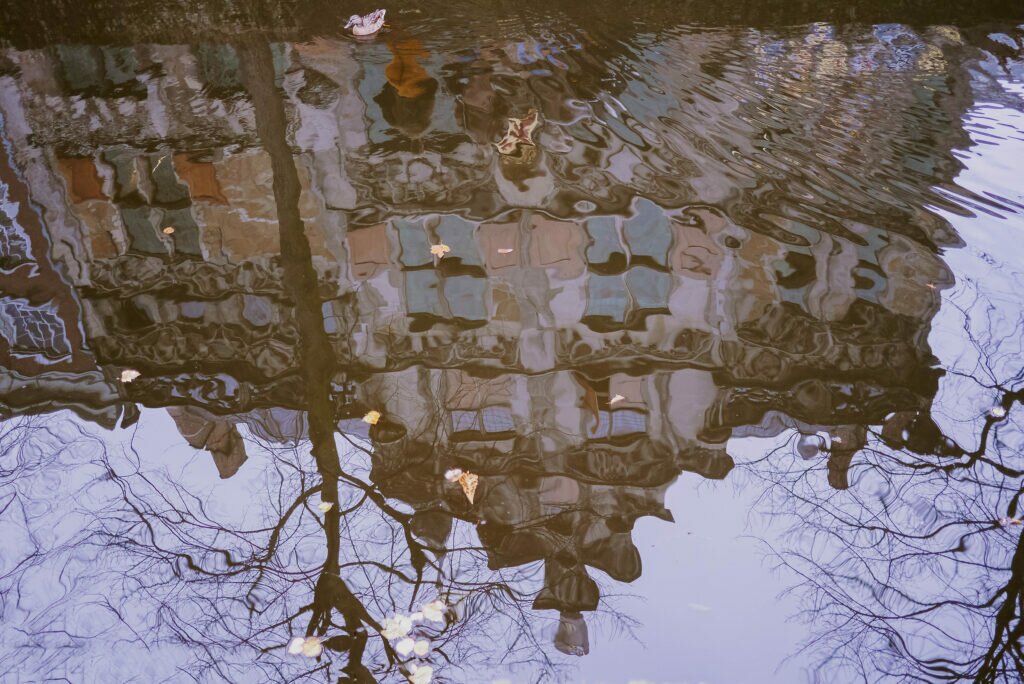
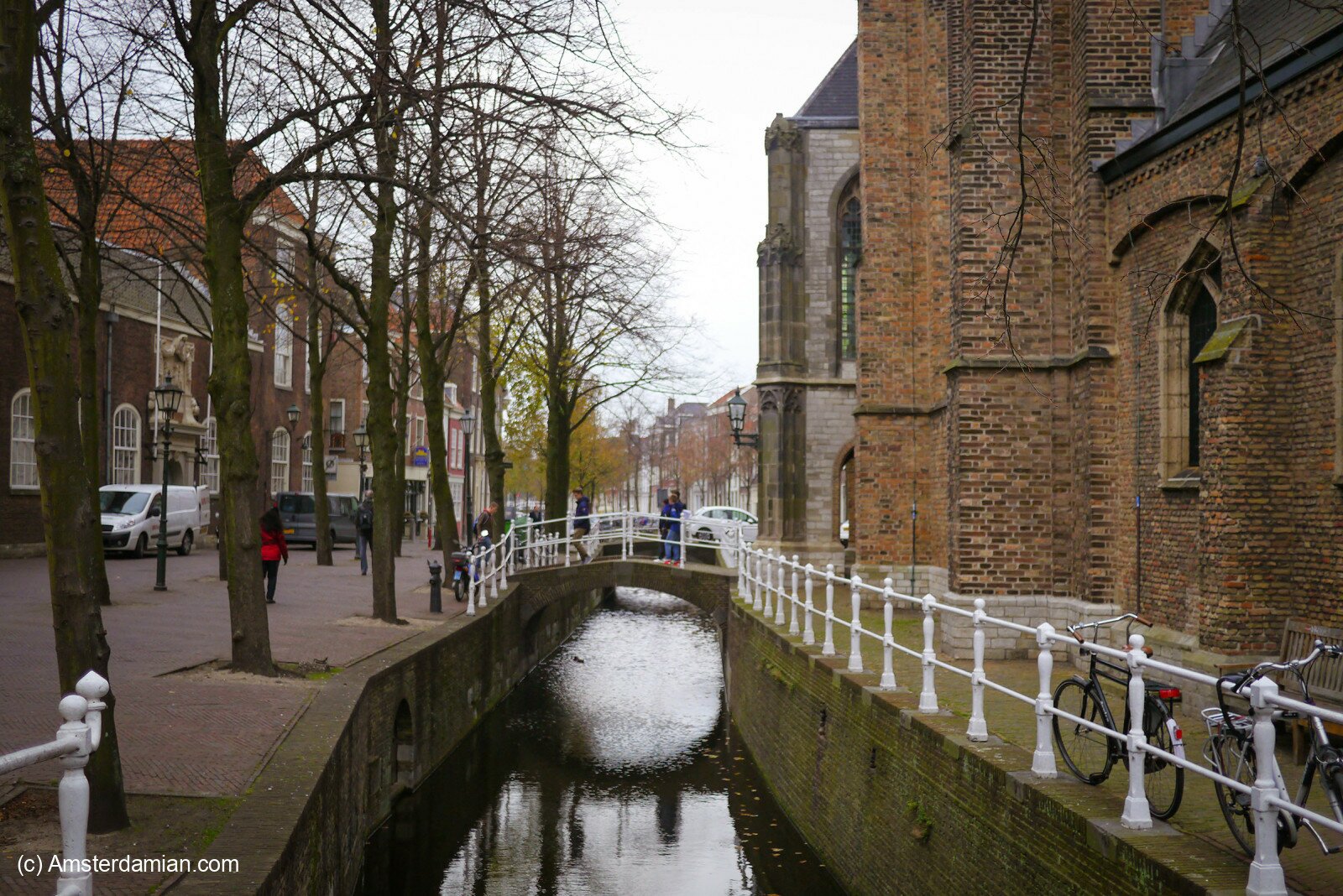
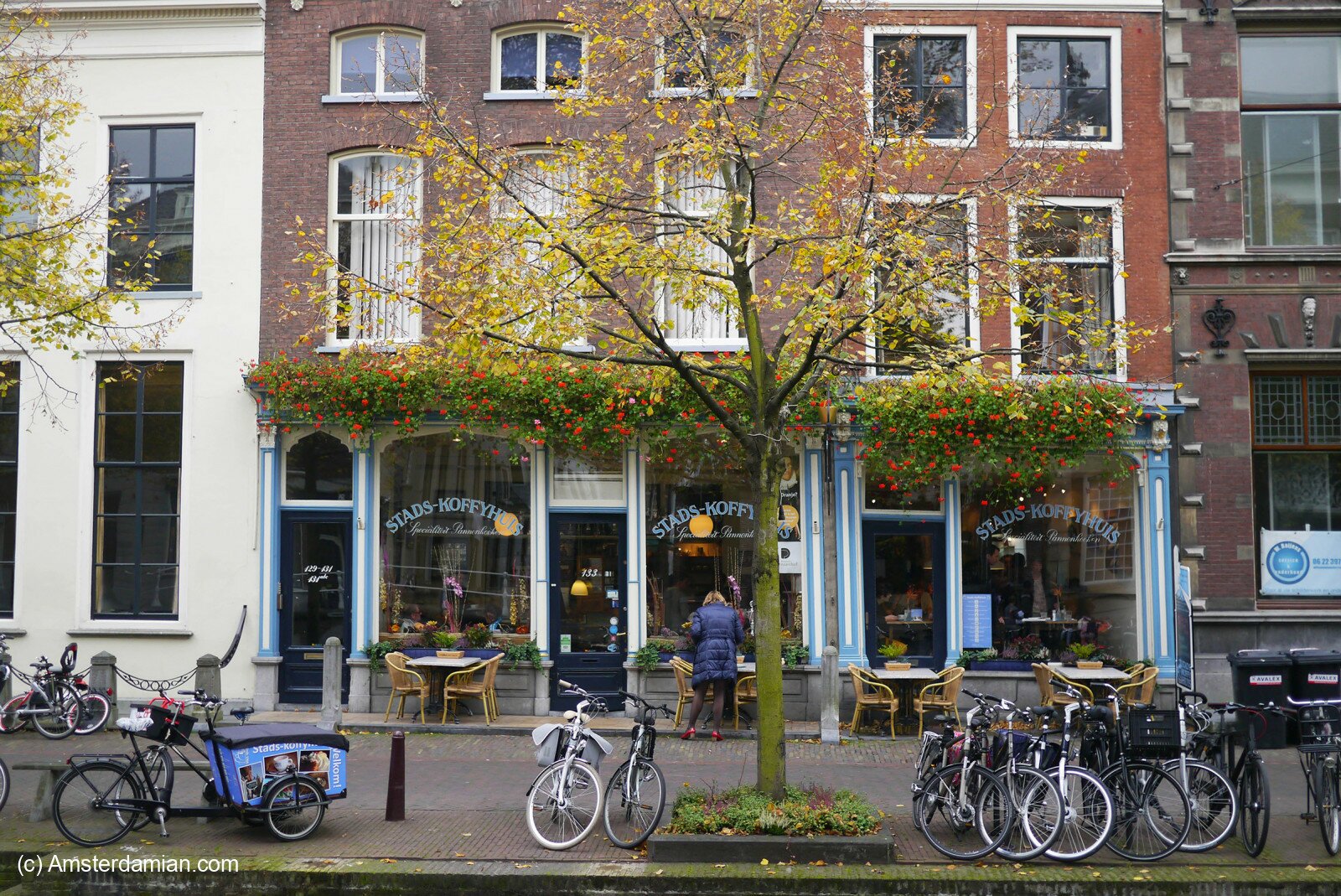
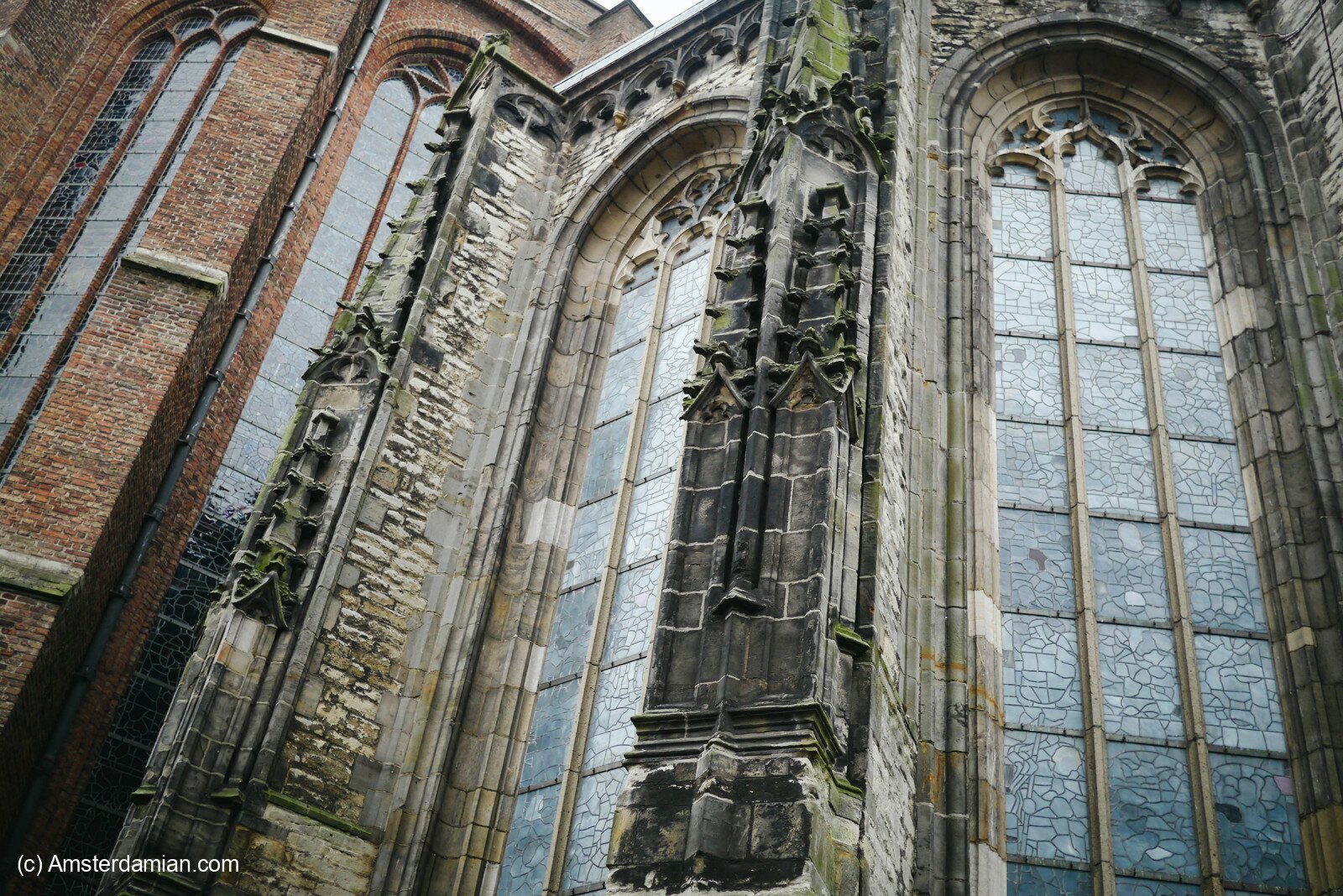
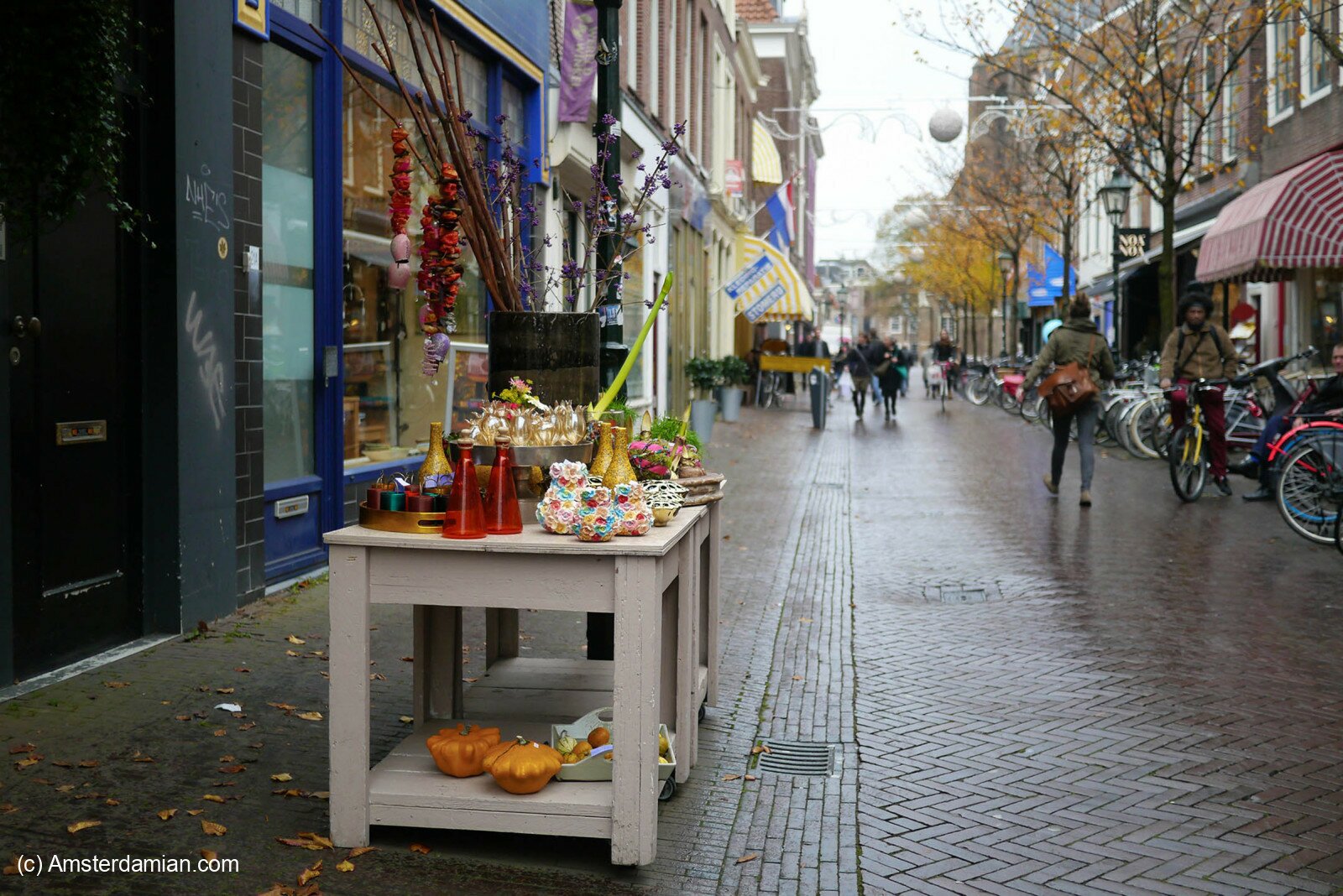
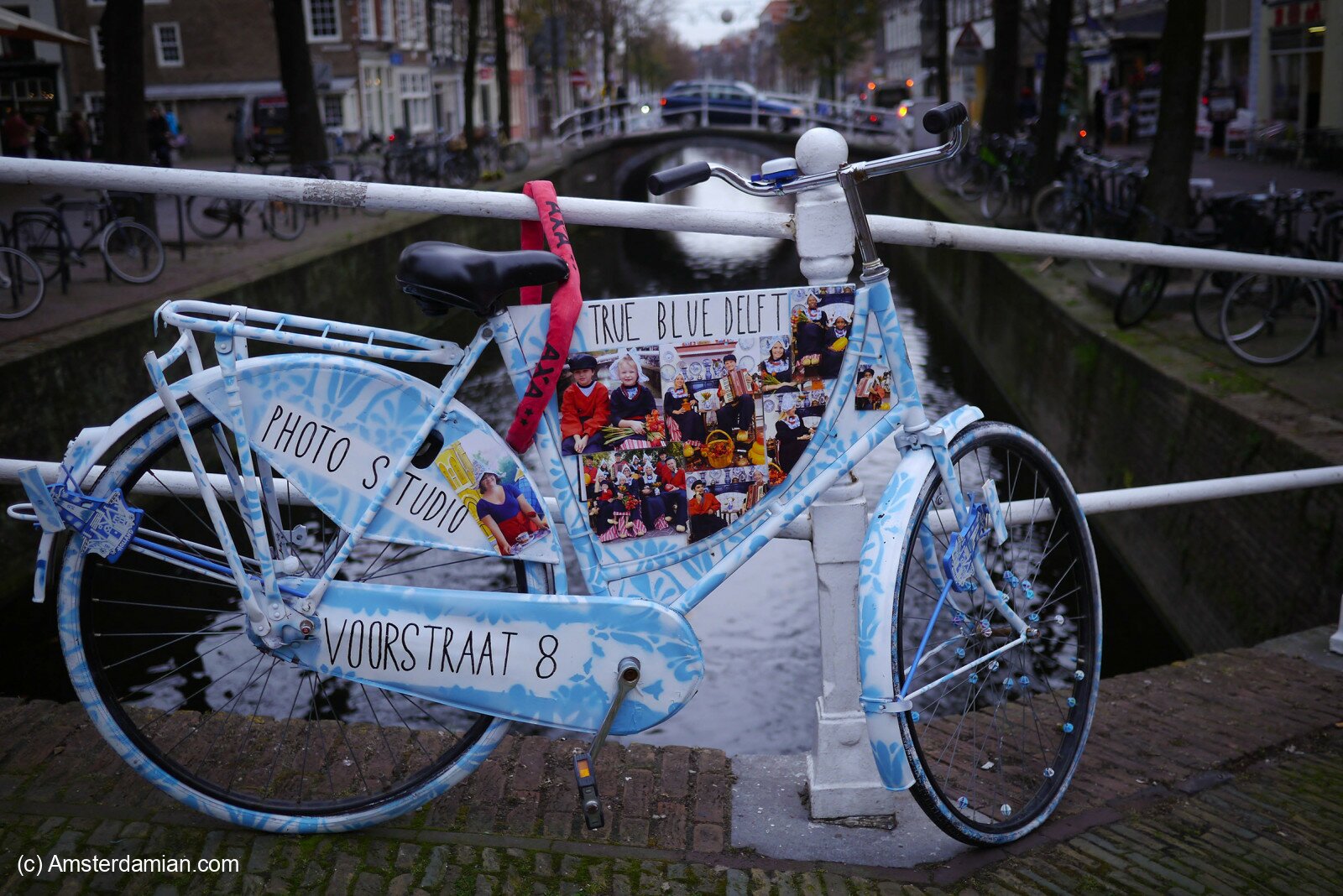
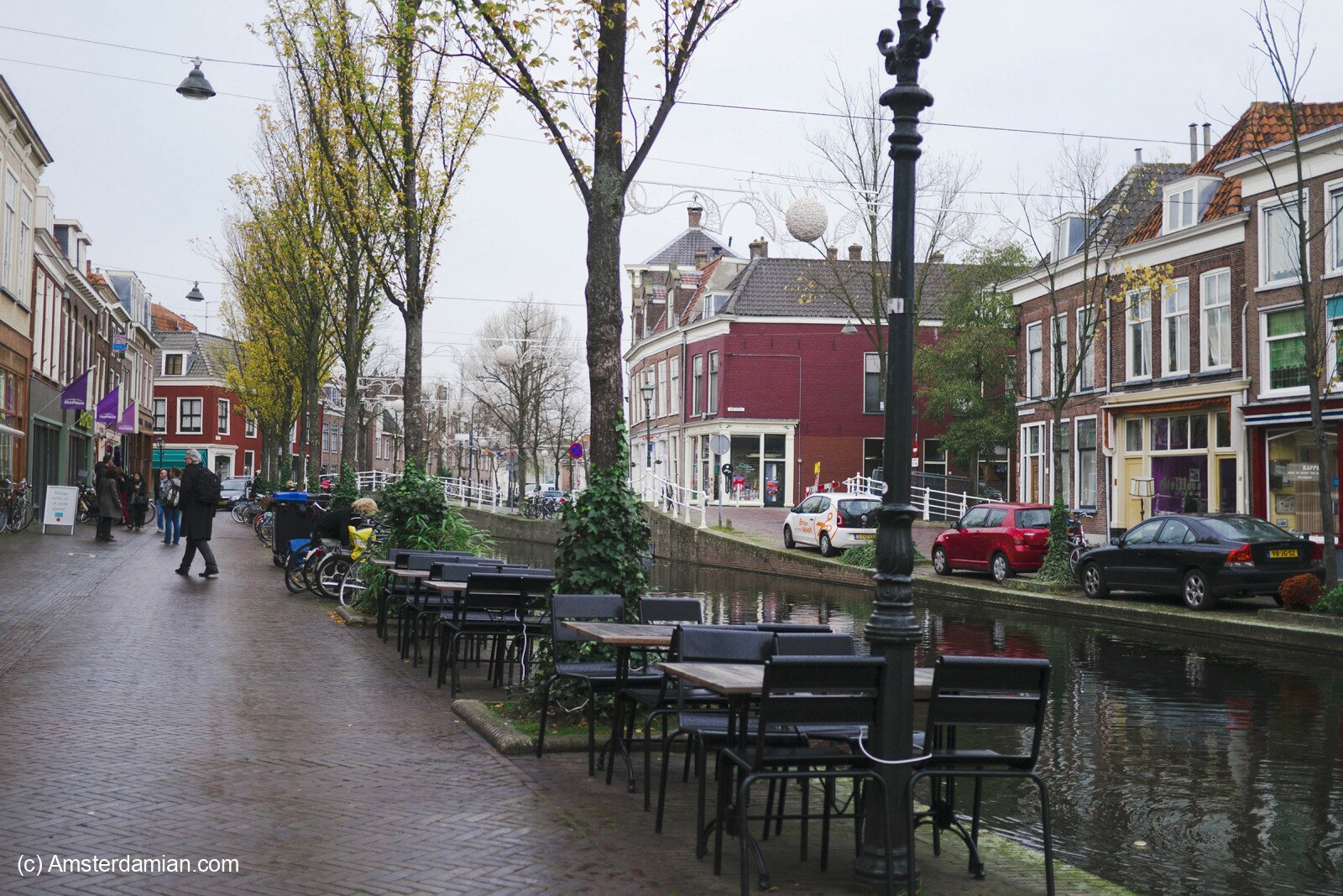
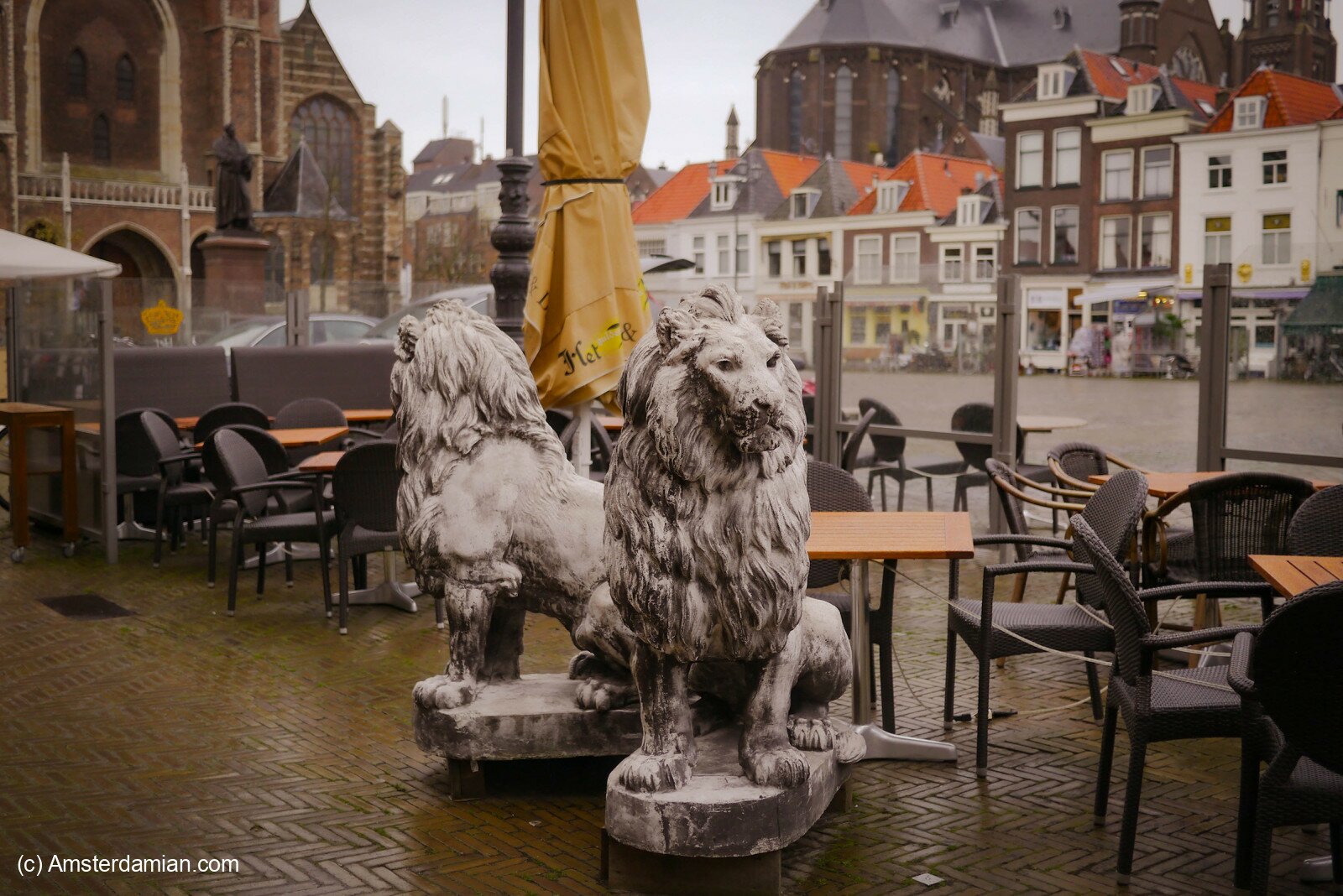
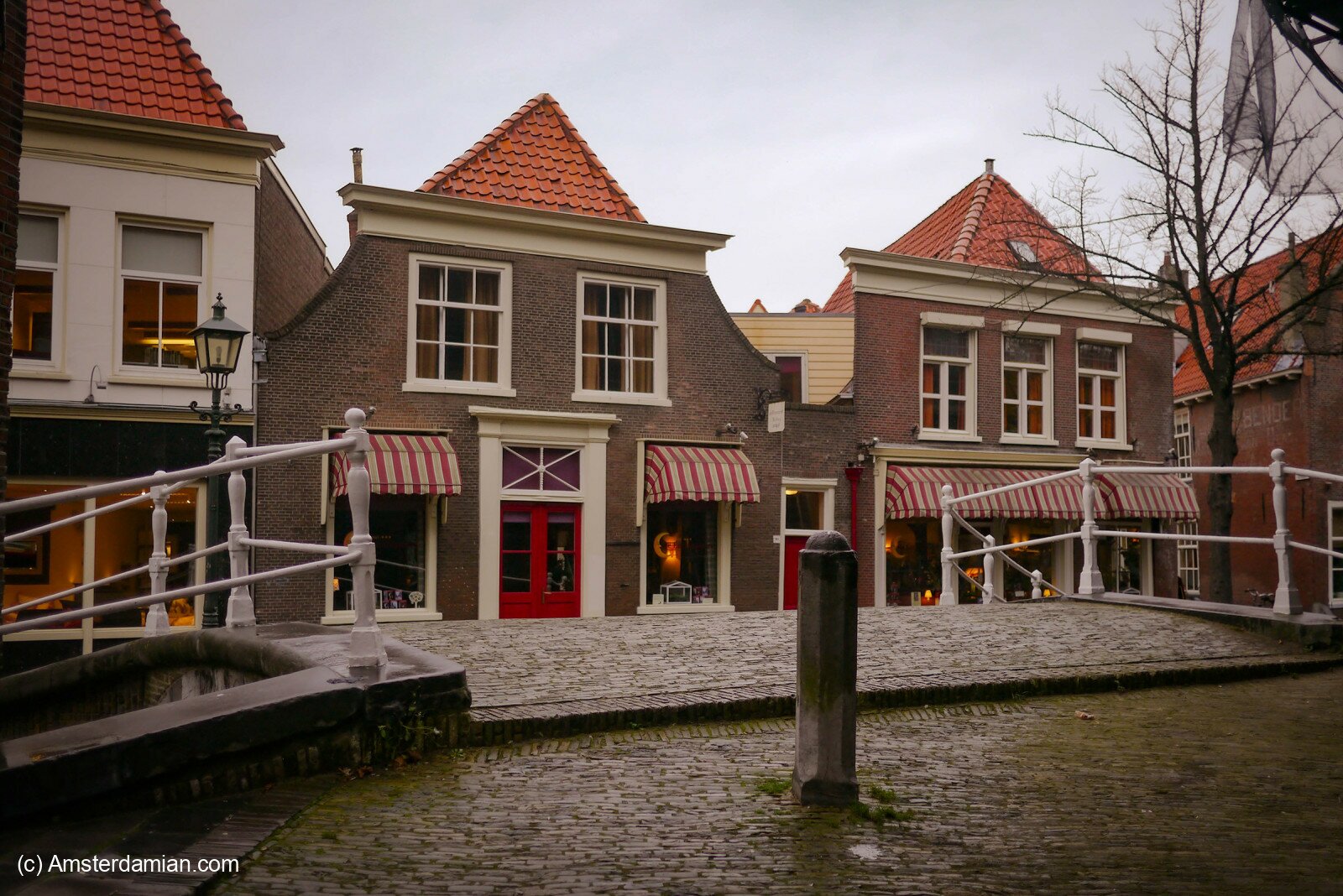
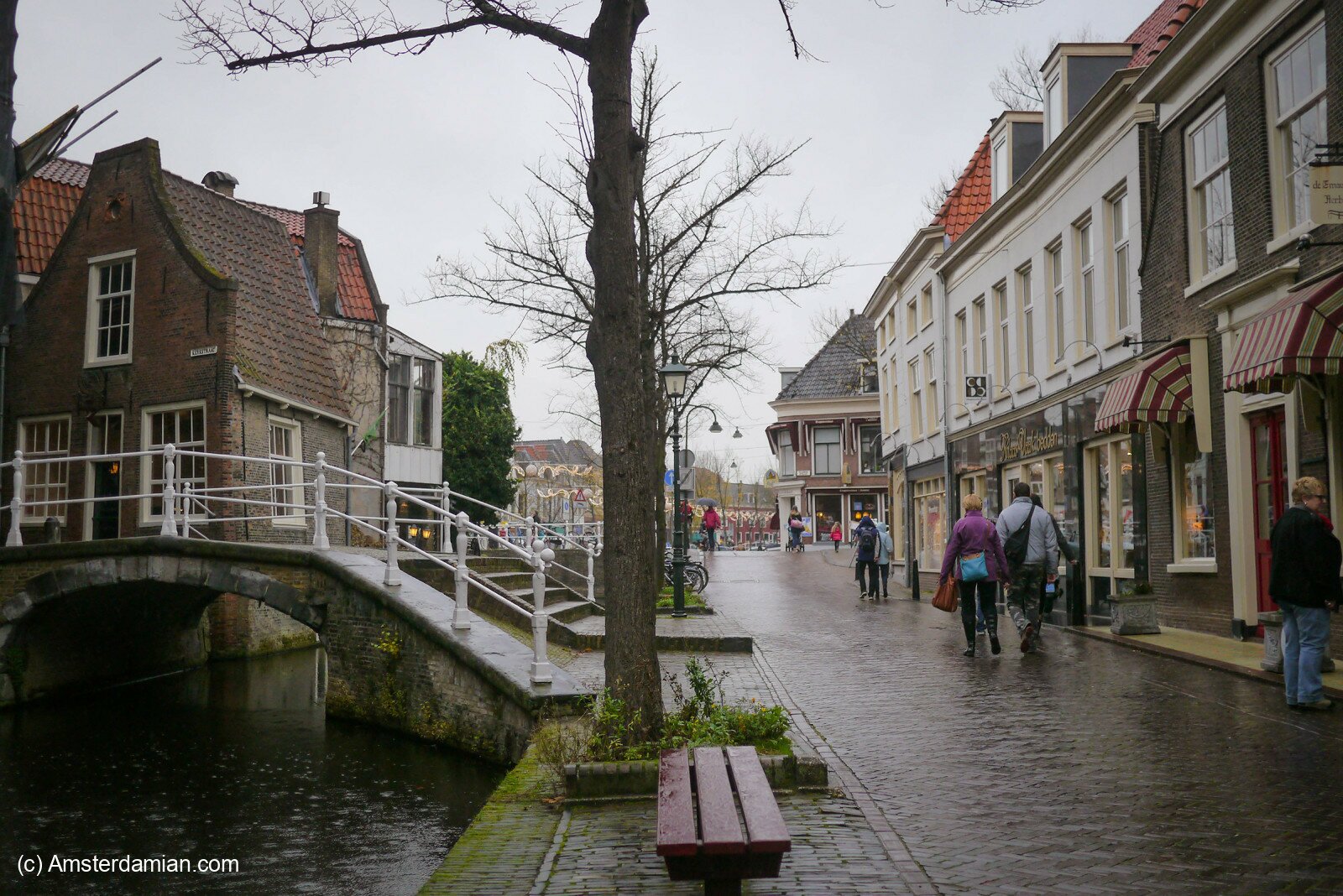
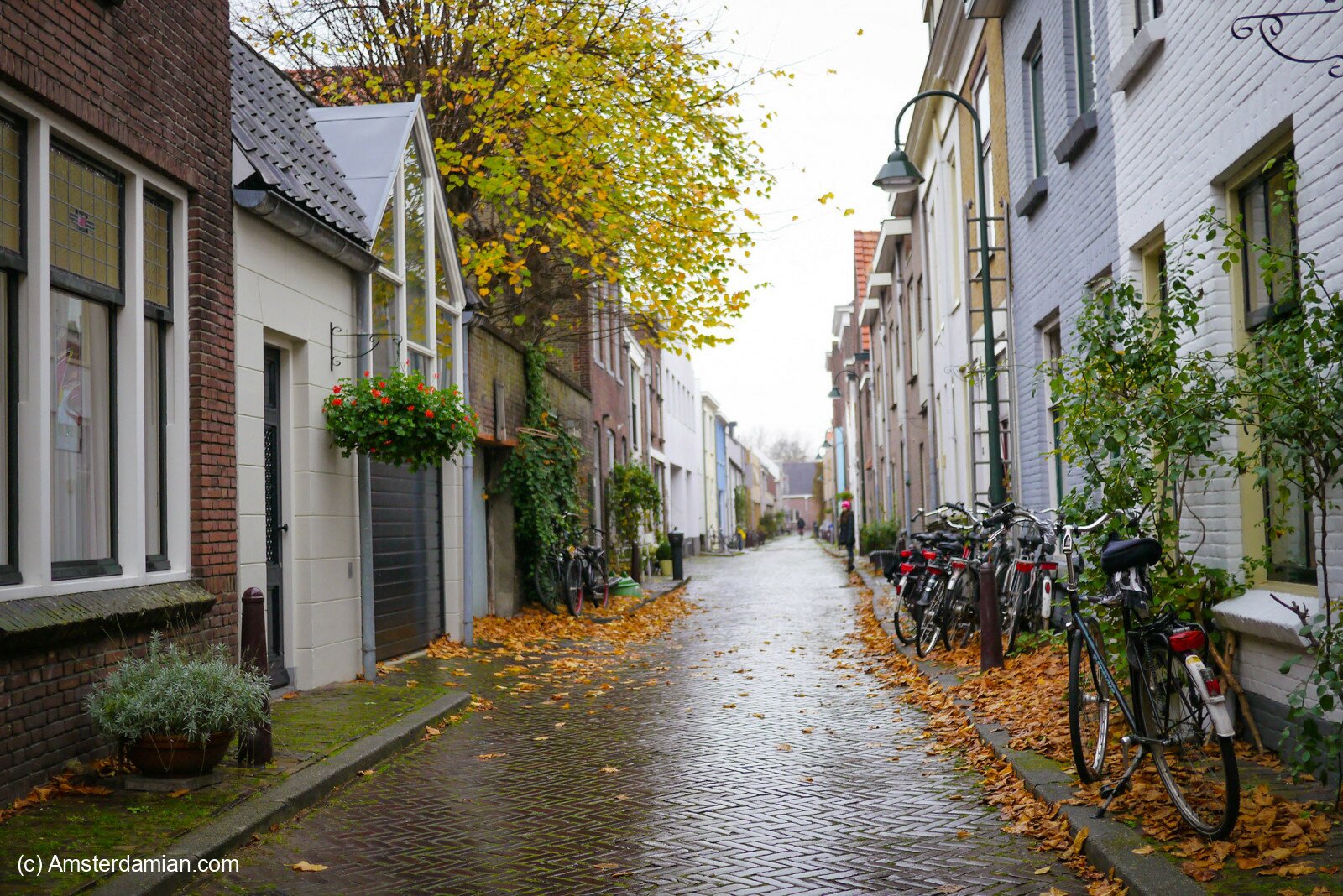
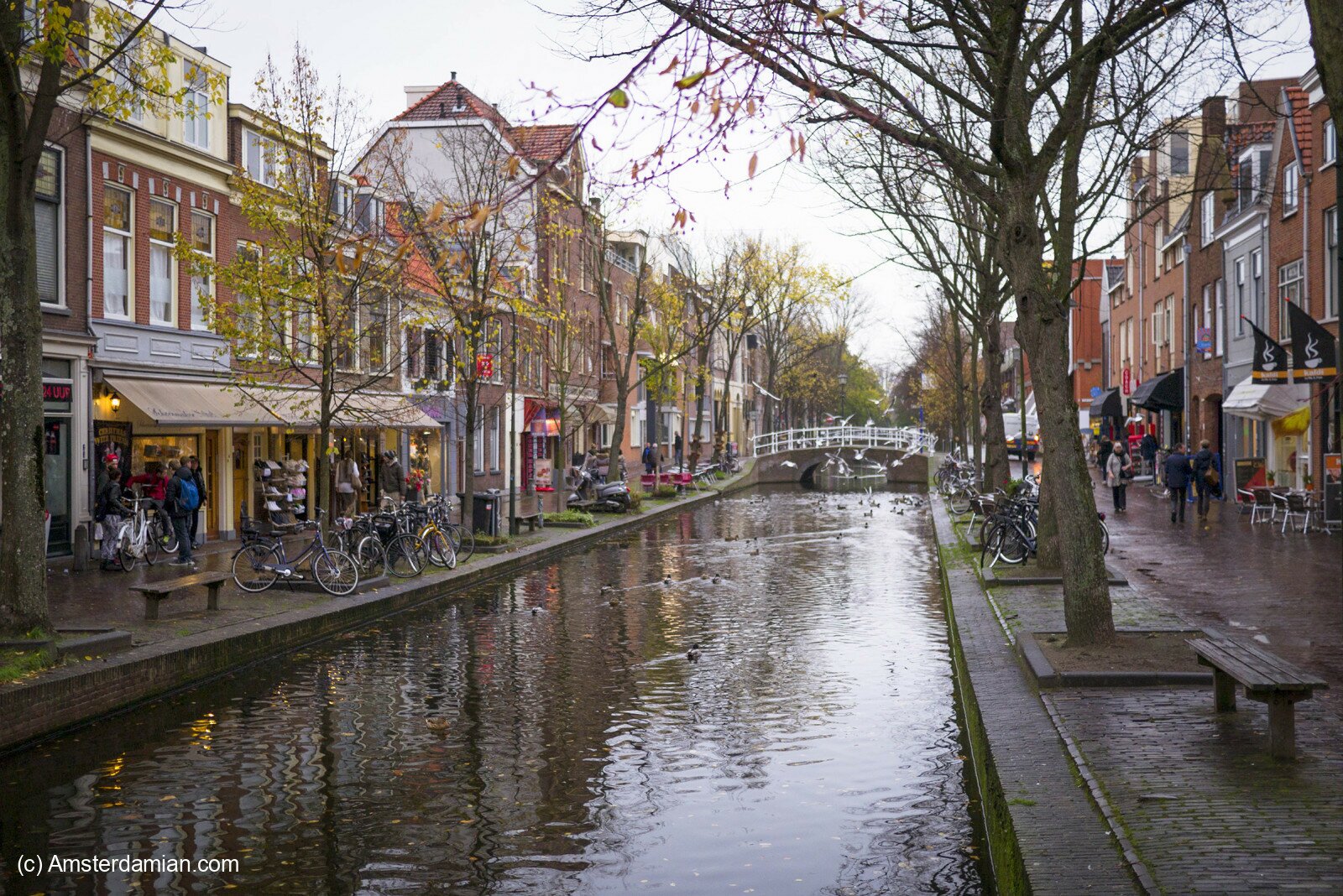
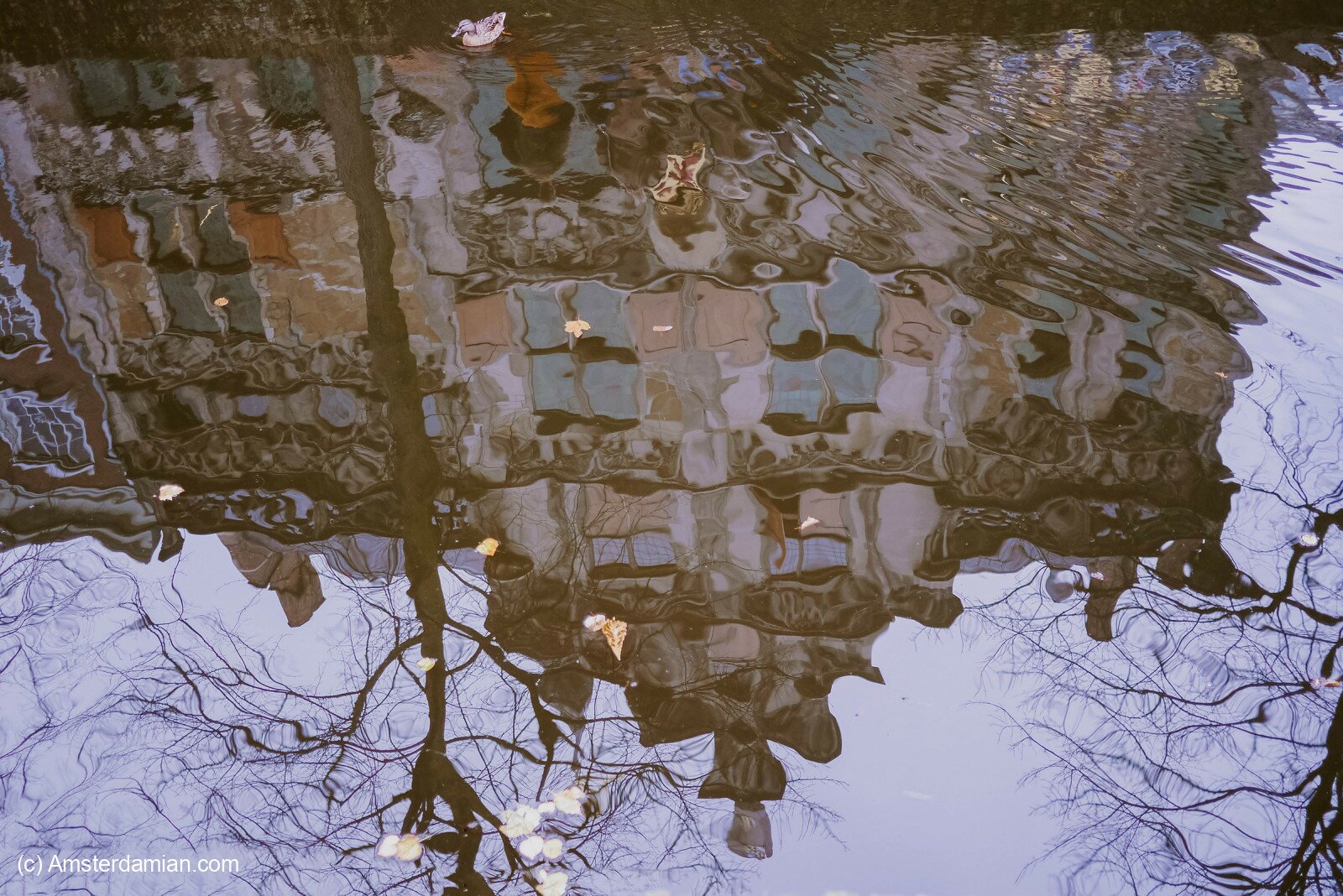
Here are some photos to show you how beautiful Delft is on an autumn day:
FAQ
Is Delft worth a day trip from Amsterdam?
Absolutely. Delft is one of the most charming cities in the Netherlands, with a compact historic centre that’s perfect for a day trip. You can see the main sights, visit Royal Delft, explore the canals, and enjoy a leisurely lunch, all in a single day. It’s about one hour by train from Amsterdam, and it’s at it best in spring/summer.
How long do you need in Delft?
A full day is ideal. You can cover the highlights in half a day, but to visit Royal Delft, explore the museums, wander the canals, and have a proper lunch, a full day gives you the best experience.
What is Delft famous for?
Delft is famous for three things: Delft Blue pottery (the iconic hand-painted ceramics produced since the 17th century), Johannes Vermeer (the Golden Age painter was born, lived, and was buried here), and its role in Dutch history — William of Orange was assassinated in the Prinsenhof in 1584, a defining moment in the Dutch revolt against Spain.
This page includes affiliate links. If you click and purchase, I may receive a small commission at no extra costs to you.
Stay tuned for more and follow Amsterdamian on Instagram and Facebook for more stories about life in the Netherlands. Please share this post if you liked it!
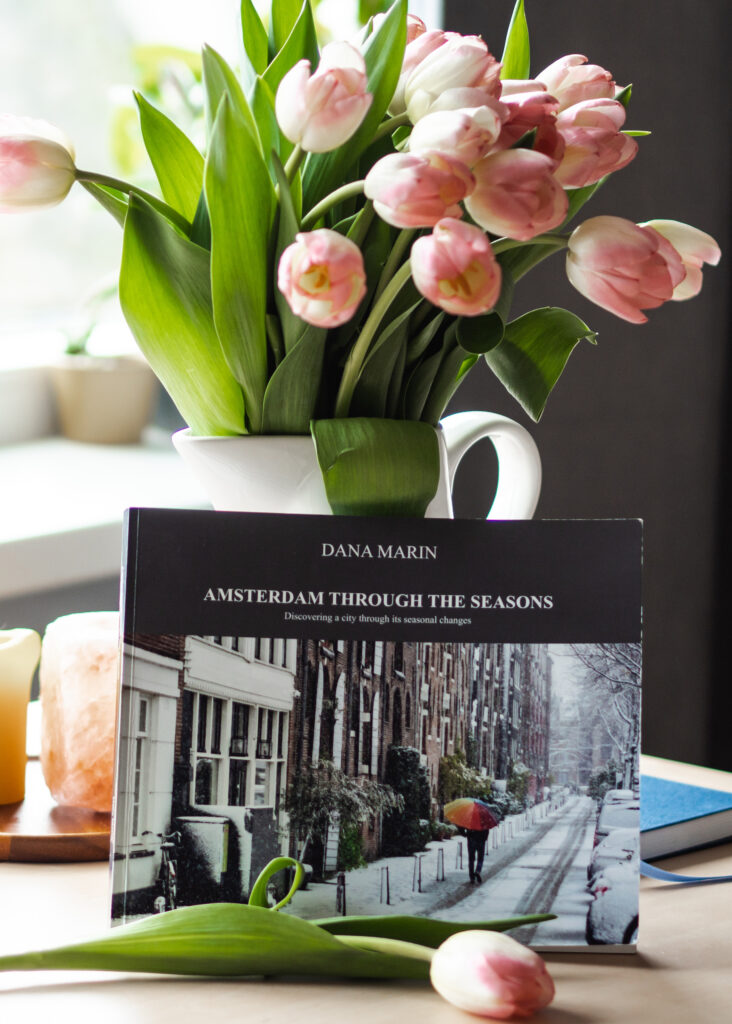
Check out my photo book: Amsterdam Through the Seasons!
Love what you’re reading? Support my work with a small donation.