Some places in Amsterdam change the way you see the city in subtle, lasting ways that stay with you long after you leave. The Black Archives is one of them. This is a unique historical archive and cultural organisation in Amsterdam that documents and makes visible the rich and often forgotten history of Black people and the African diaspora.
If you haven’t come across it yet, this is a good moment to discover it. And if you already know it, there’s every reason to look again: they just reopened in a brand-new home, and it’s quite something.
A short history
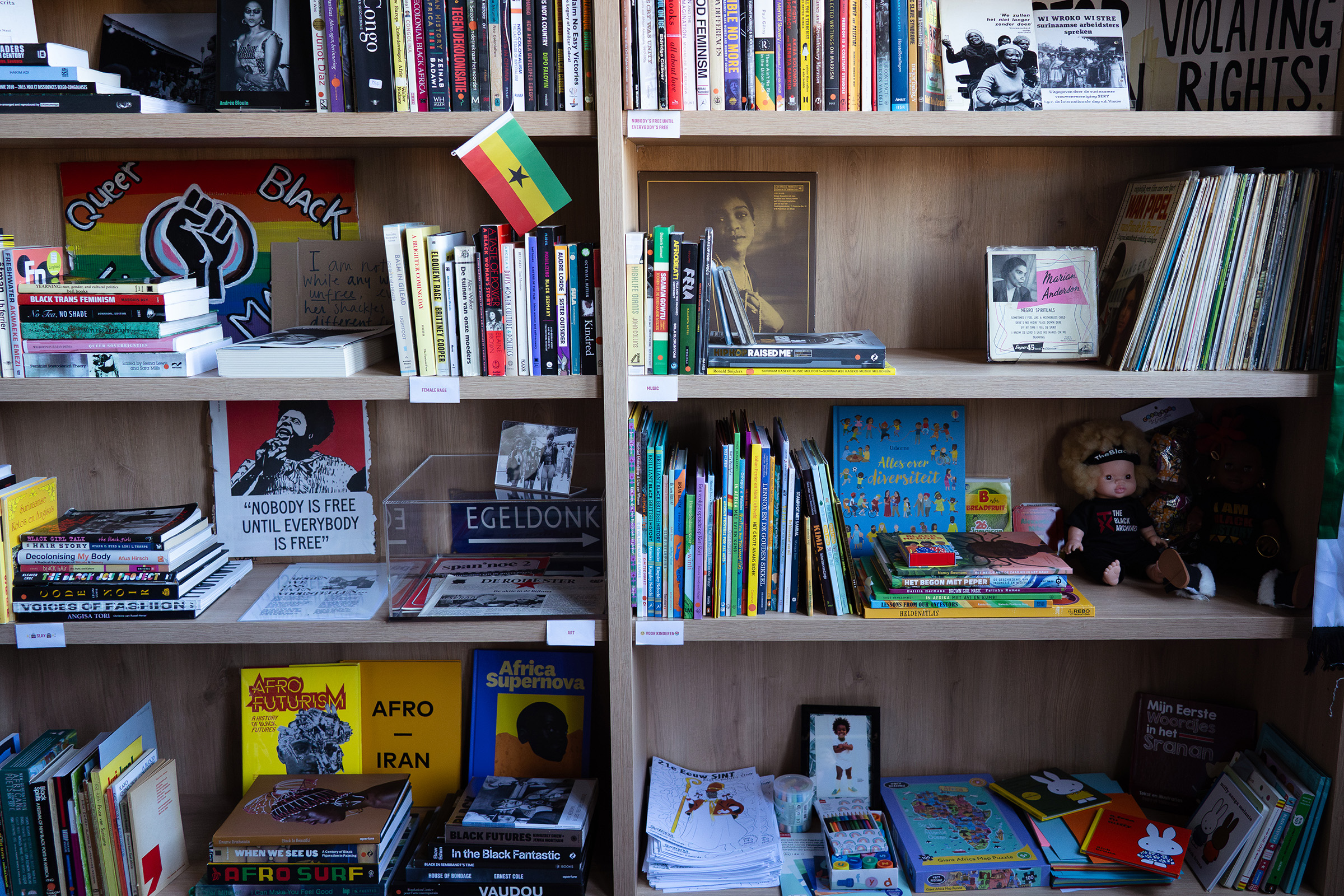
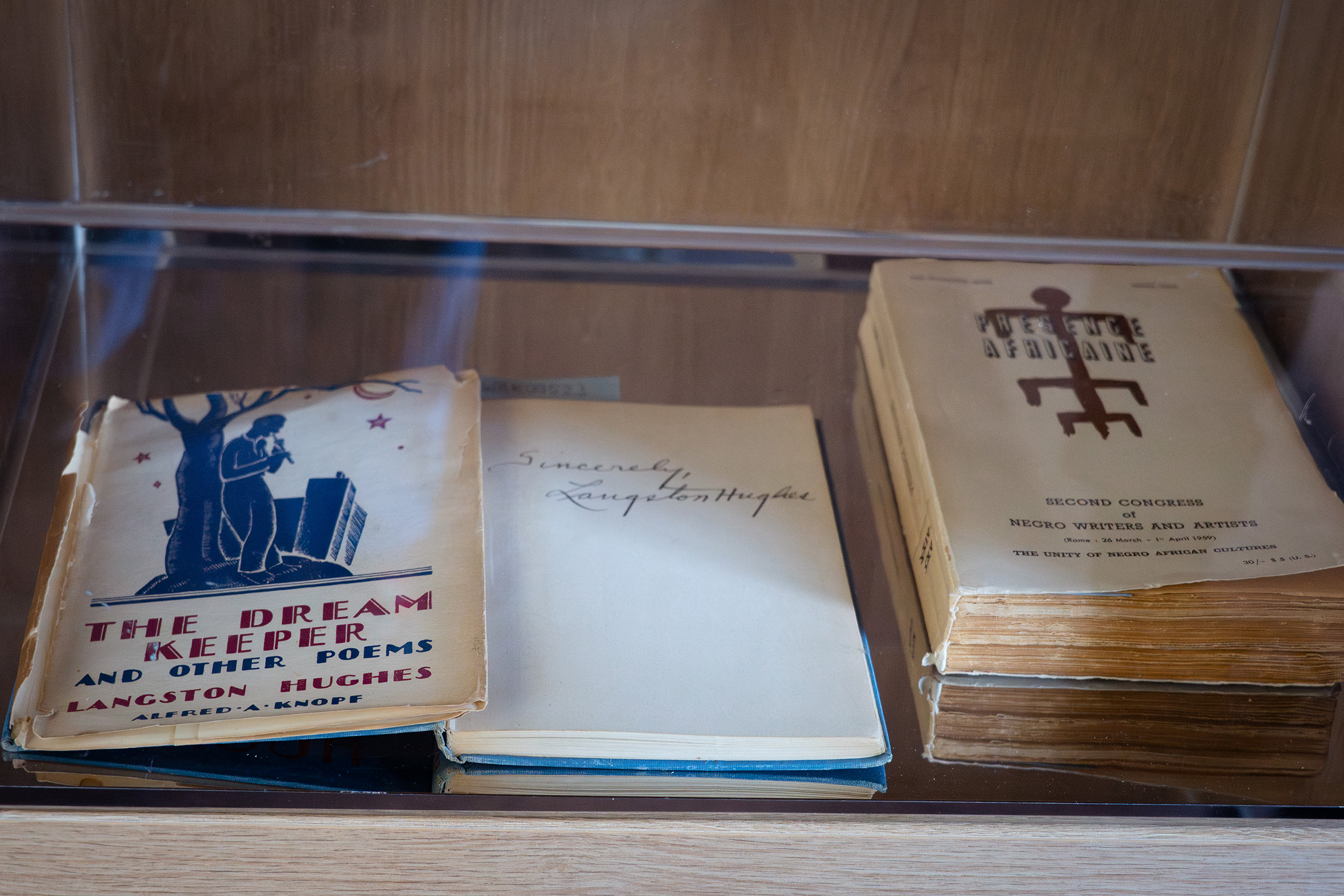
The story of The Black Archives starts, as many great things do, with books. The initiators of The Black Archives are: Jessica de Abreu, Mitchell Esajas, Miguel Heilbron and Thiemo Heilbron. In 2015, Miguel and Thiemo Heilbron were looking for a way to make publicly accessible a remarkable private collection of nearly 2,000 books that had belonged to their father, the Surinamese-born sociologist Waldo Heilbron. These were books on post-colonialism, the Trans-Atlantic slave trade, racism, historiography — perspectives that had long been absent from mainstream Dutch shelves. Their search brought them to the New Urban Collective (NUC), a student organisation focused on students and young professionals from the African, Surinamese and Caribbean diaspora. Together, they opened the New Urban Cafe in Amsterdam-Noord, where people could come and browse the collection.
In 2016 they moved to the historic building of the Vereniging Ons Suriname on the Zeeburgerdijk in Oost, and that’s where The Black Archives truly found its name and its shape.
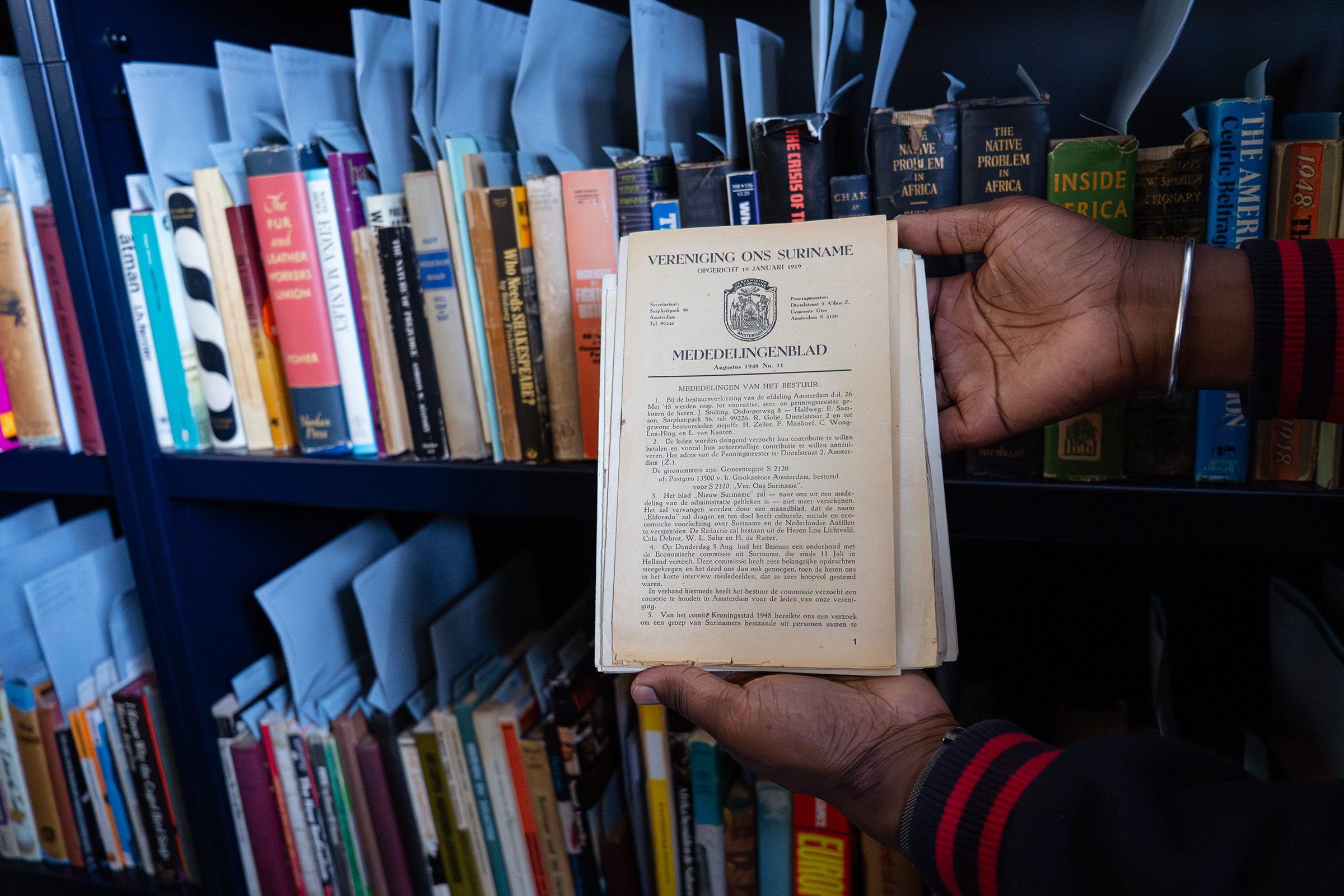
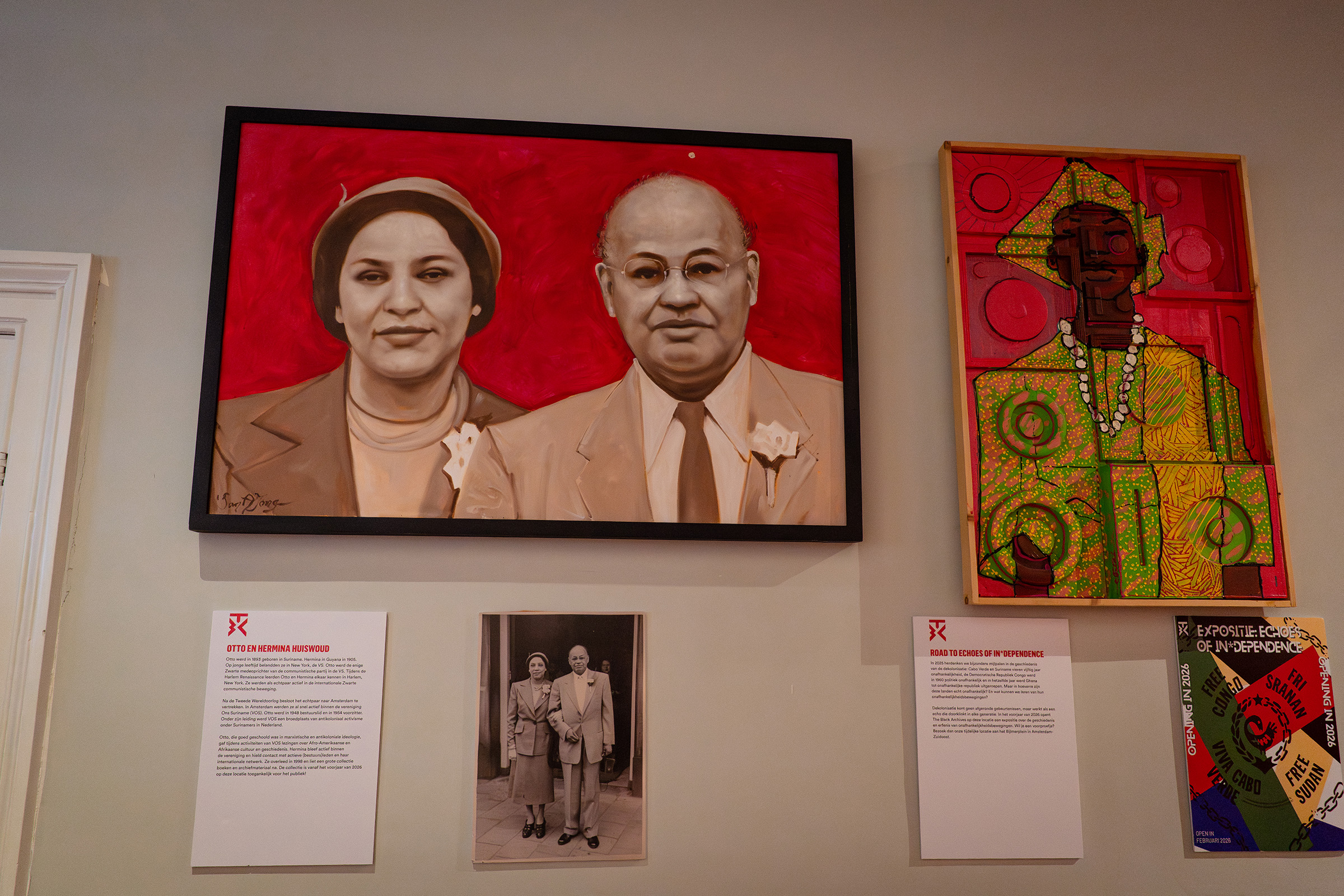
What started as one person’s book collection has grown into an archive of over 20,000 books, documents, and artefacts, the legacy of Black Dutch writers, scientists, and thinkers. The topics span everything from slavery and (de)colonisation to Black feminism, from the history of Suriname and the former Dutch Antilles to the Civil Rights Movement and social sciences. It includes a few other collections as the Huiswoud Collection, the Willemsen Collection and the archive collection of Vereniging Ons Suriname. You can preview the collection here: LibraryThing.
A new chapter: The Black Archives 2.0
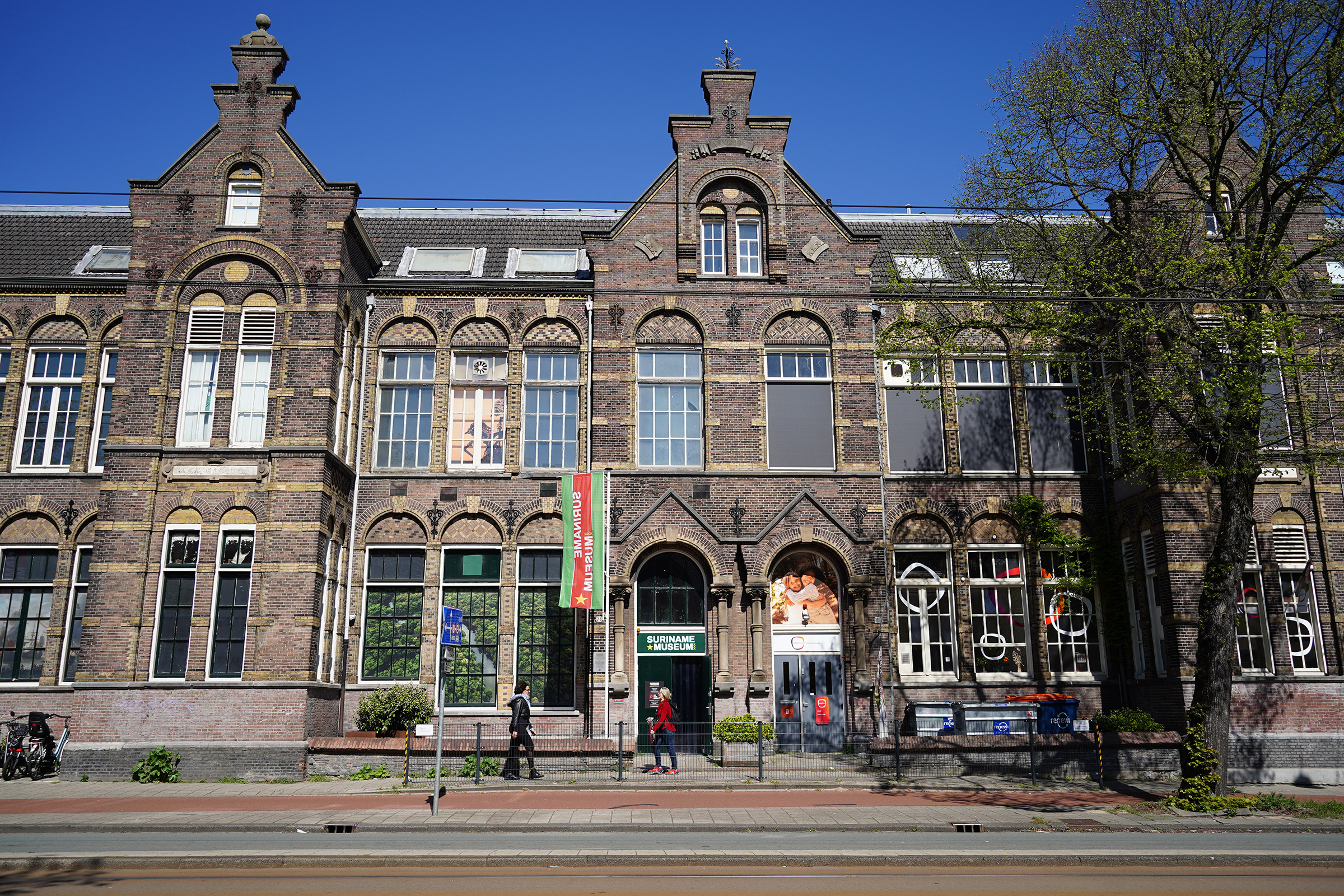
After spending over two years in a temporary home at the Amsterdamse Poort in Bijlmer — a move made necessary by renovations to their Zeeburgerdijk building — The Black Archives reopened its doors on April 23, 2026, in the building of the Suriname Museum, the Hugo Olijfveldhuis on the Zeeburgerdijk in Amsterdam-Oost. The Suriname Museum is the only museum in the Netherlands dedicated exclusively to Surinamese-Dutch history and culture, officially opened in November 2025 by King Willem-Alexander on the 50th anniversary of Surinamese independence. The building spans some 1,500 square metres across three floors, and The Black Archives now has its own dedicated space within it, housing its renewed library and exhibition areas.
It’s a new chapter for the organisation, and it’s hard not to feel the energy of a fresh start when you visit them.
What can you do there?
More than you might expect. The Black Archives is not just a reading room (though it is a wonderful one). You can visit the current exhibition, browse through the collection, or join one of their guided tours — which can be tailored to groups of friends, families, school classes, or colleagues, and cover topics from the history of slavery and colonialism to Black feminism and colonial imagery.
They also organise workshops, lectures, and public debates throughout the year, so it’s worth keeping an eye on their programme. And the fact that the Suriname Museum is right there, in the same building, means you can easily turn your visit into a full afternoon of discovery.
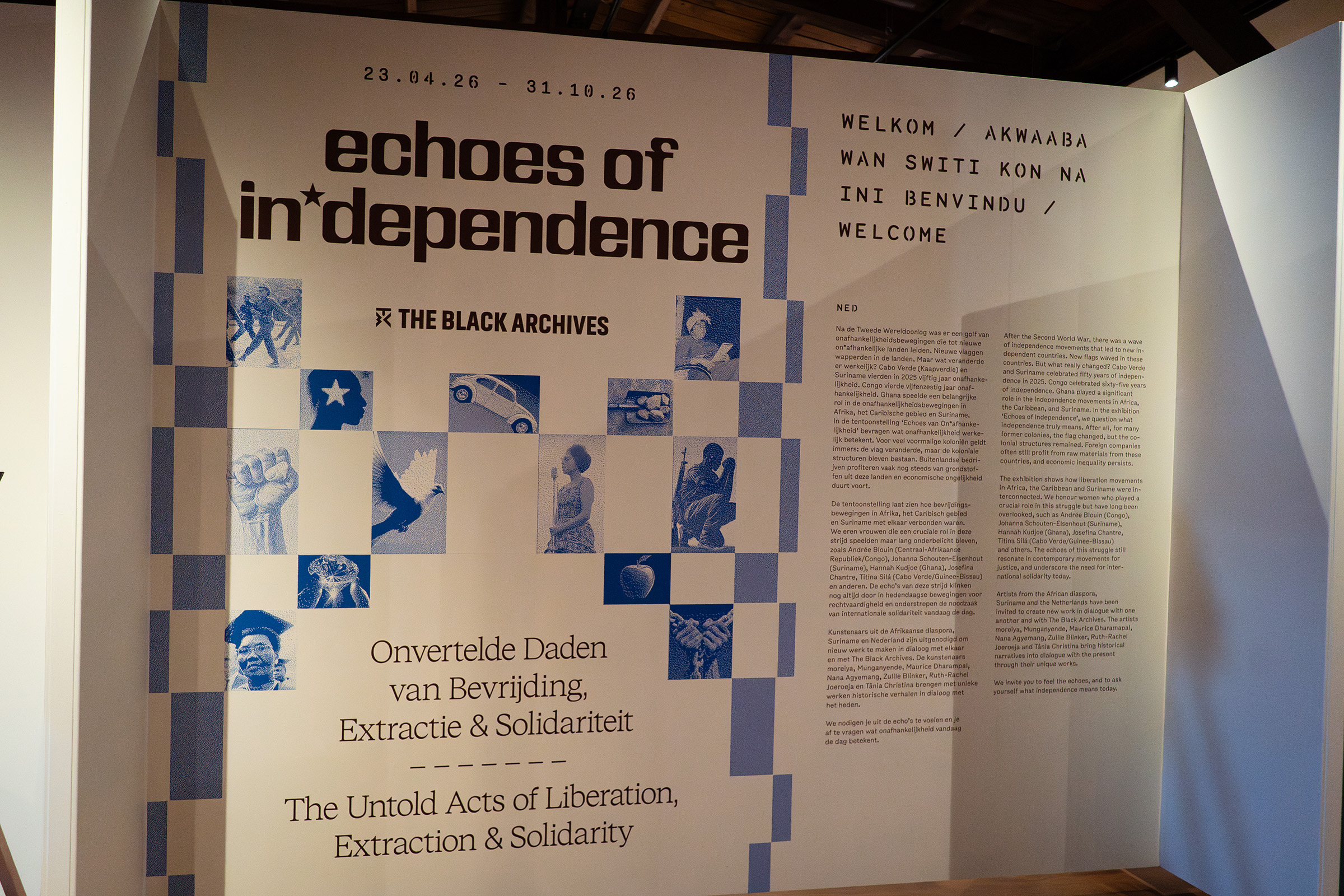
The current exhibition: Echoes of In*dependence
The reopening came with a striking new exhibition: Echoes of In*dependence. The premise is as timely as it is powerful. The years 2025 and 2026 mark fifty years of independence for both Suriname and Cape Verde, sixty-five years for Congo, and a milestone for Ghana’s pivotal role in African liberation movements. The exhibition shows how liberation movements in Africa, the Caribbean, and Suriname were interconnected. It also asks a deceptively simple question: when is a country truly free? Because for many former colonies, the flag changed but the colonial structures (economic, political, cultural) remained.
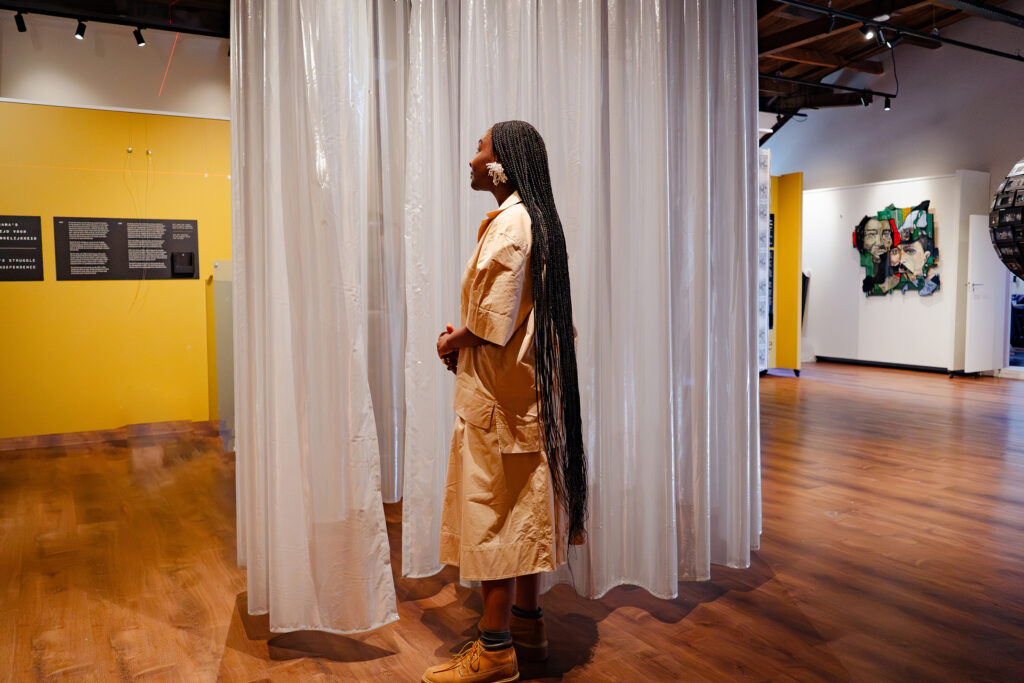
Six artists — Moreiya, Munganyende, Maurice Dharampal, Nana Agyemang, Zulile Blinker, Ruth-Rachel Joeroeja en Tania Christina — bring these histories into conversation with the present through visual art, performance, film, and mixed media.
What I love about this exhibition is its attention to women whose contributions to these struggles have long been made invisible. Figures like Andrée Blouin from Congo, Johanna Schouten-Elsenhout from Suriname, Hannah Kudjoe from Ghana, and Josefina Chantre from Cape Verde finally get the recognition they deserve.
As Mitchell Esajas explains, the intention behind the exhibition goes beyond commemoration and speaks directly to its broader mission:
” We have different audiences we hope to connect with. First of all, we’re a community archive focused on Black communities in Amsterdam and the Netherlands, as well as Caribbean and African communities. But we’re always open to everybody, because we see that the issues we address in the exhibition — the legacy of colonialism in the form of neocolonialism and imperialism — touch everybody. When you look at what’s happening in the world, from Iran to Palestine to Congo, we hope people come here and become more aware of how these structures are still in place. And we hope they also get inspired by the stories of, especially, these women, whom we often don’t hear about, so they can contribute to the work that still needs to be done. ”
Between April and September 2026, The Black Archives is organising at least five public events surrounding the expo, including lectures, curator talks, and debates.
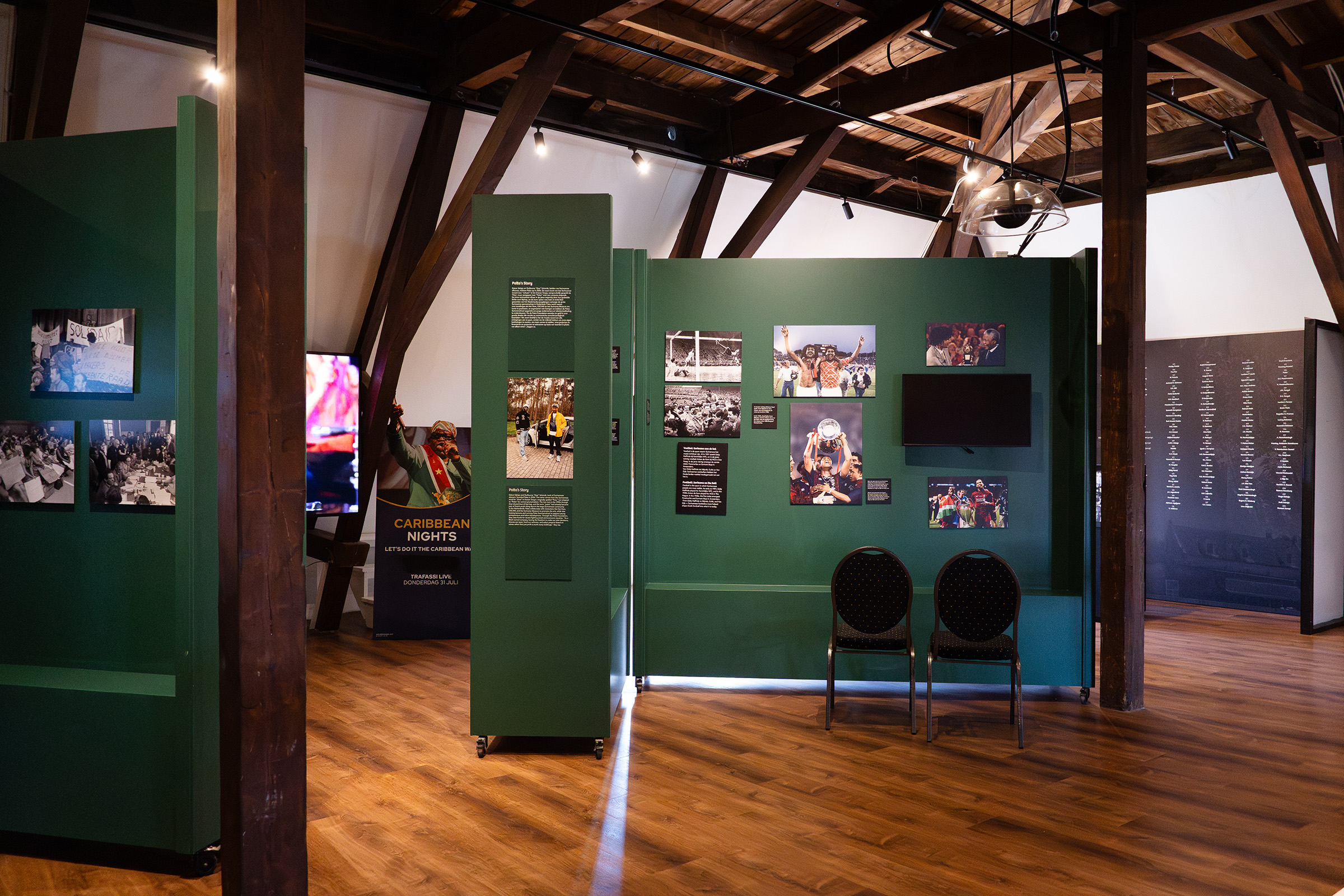
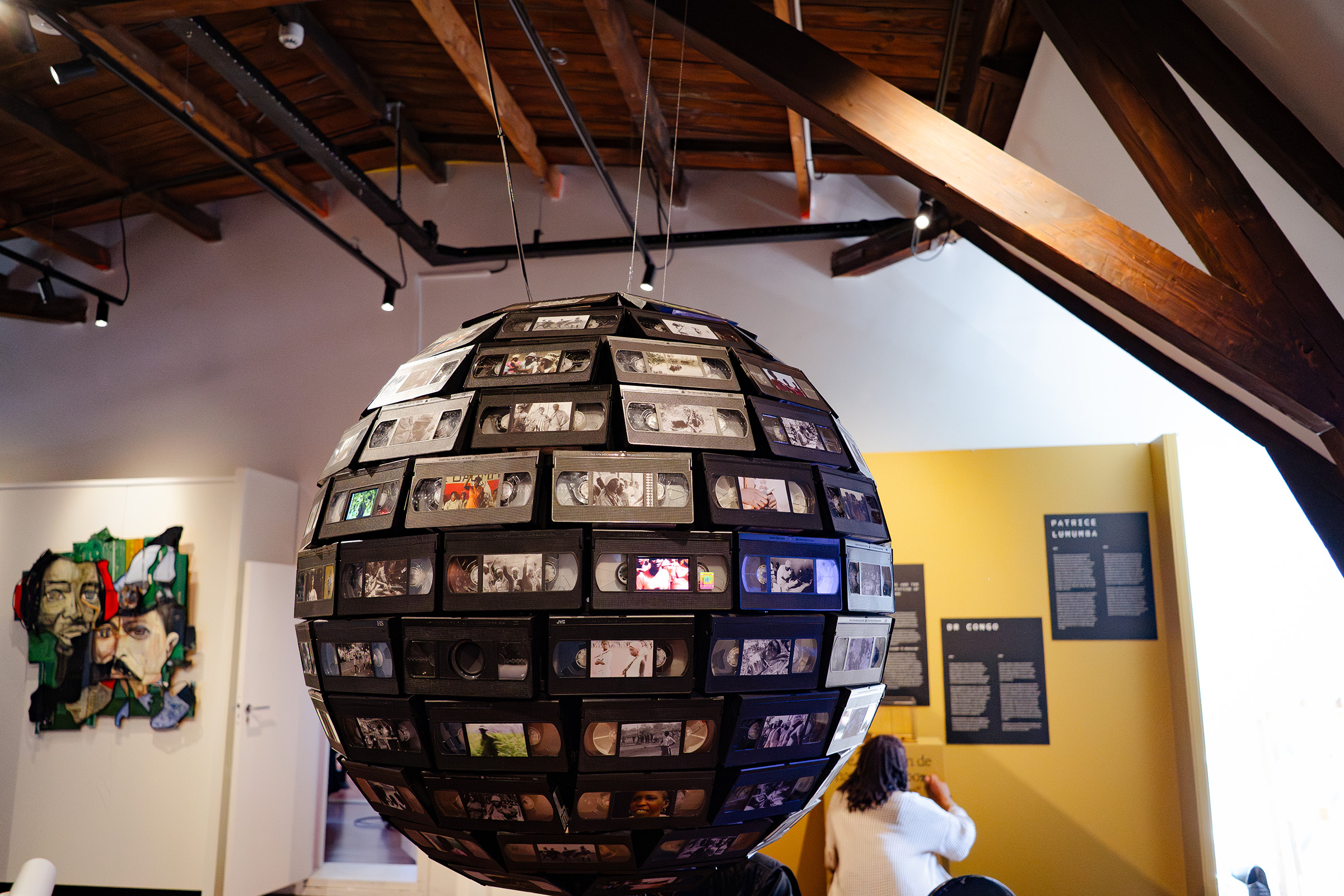
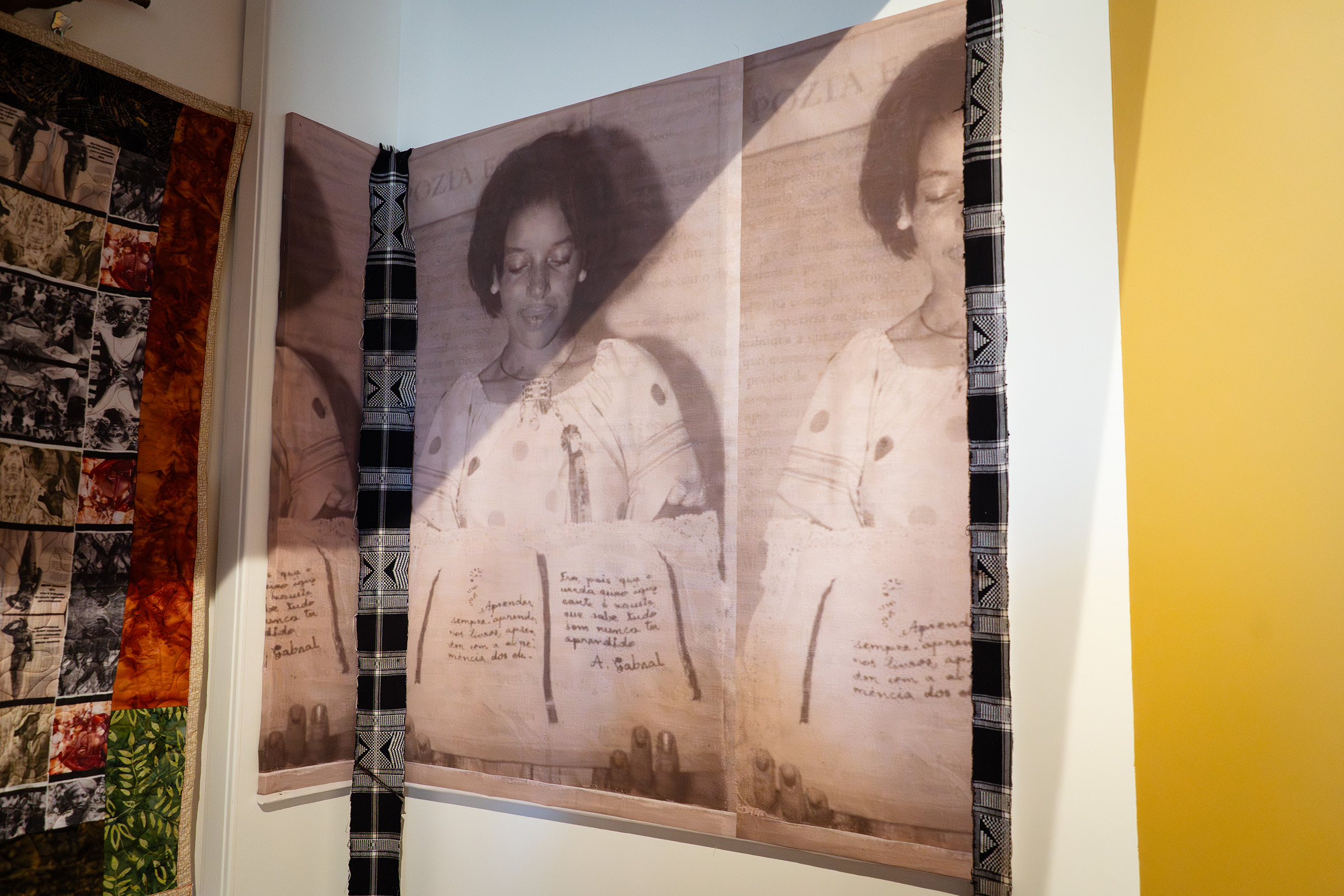
The Black Archives fills a gap that shouldn’t have existed in the first place. Many of the stories preserved here were poorly represented in school curricula and broader historical narratives. What the team behind The Black Archives has built is a space where Black history is told from within, in its own voice.
Practical information
The Black Archives: Zeeburgerdijk, Amsterdam-Oost (inside the Suriname Museum / Hugo Olijfveldhuis)
Open: Wednesday — Saturday, 10:00 — 17:00
Have you been to The Black Archives? I’d love to hear about your experience.
Stay tuned for more and follow Amsterdamian on Instagram and Facebook for more stories about life in the Netherlands, written by a real local, updated constantly.
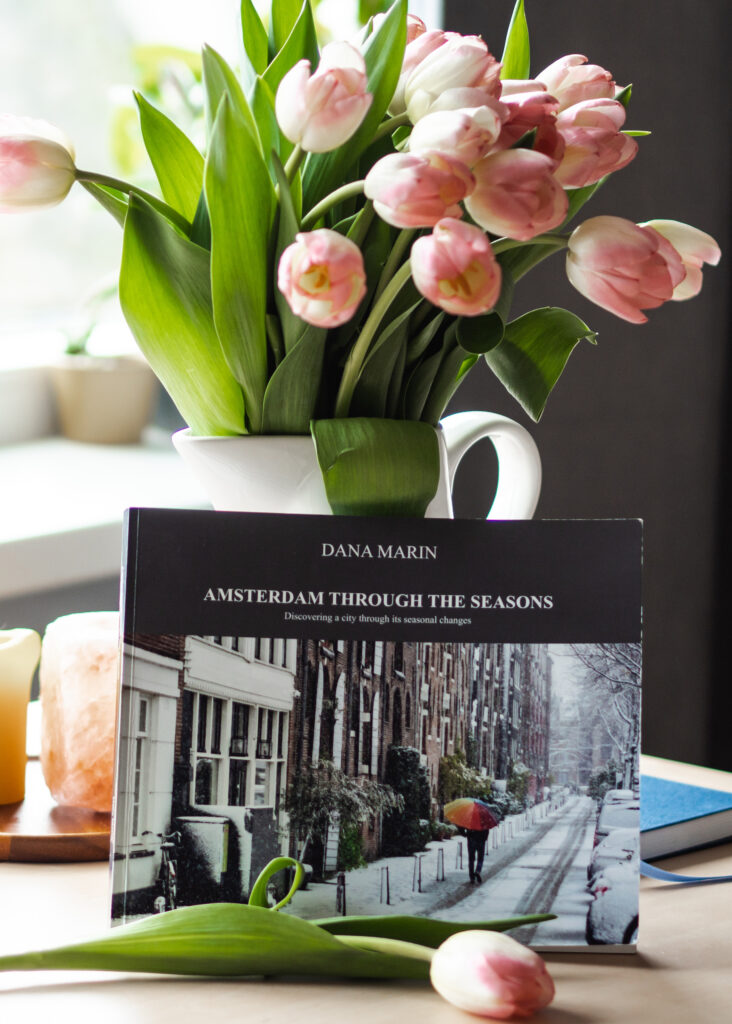
Check out my photo book: Amsterdam Through the Seasons!
Love what you’re reading? Support my work with a small donation.
And share this post if you liked it!