
Last update: July 2026
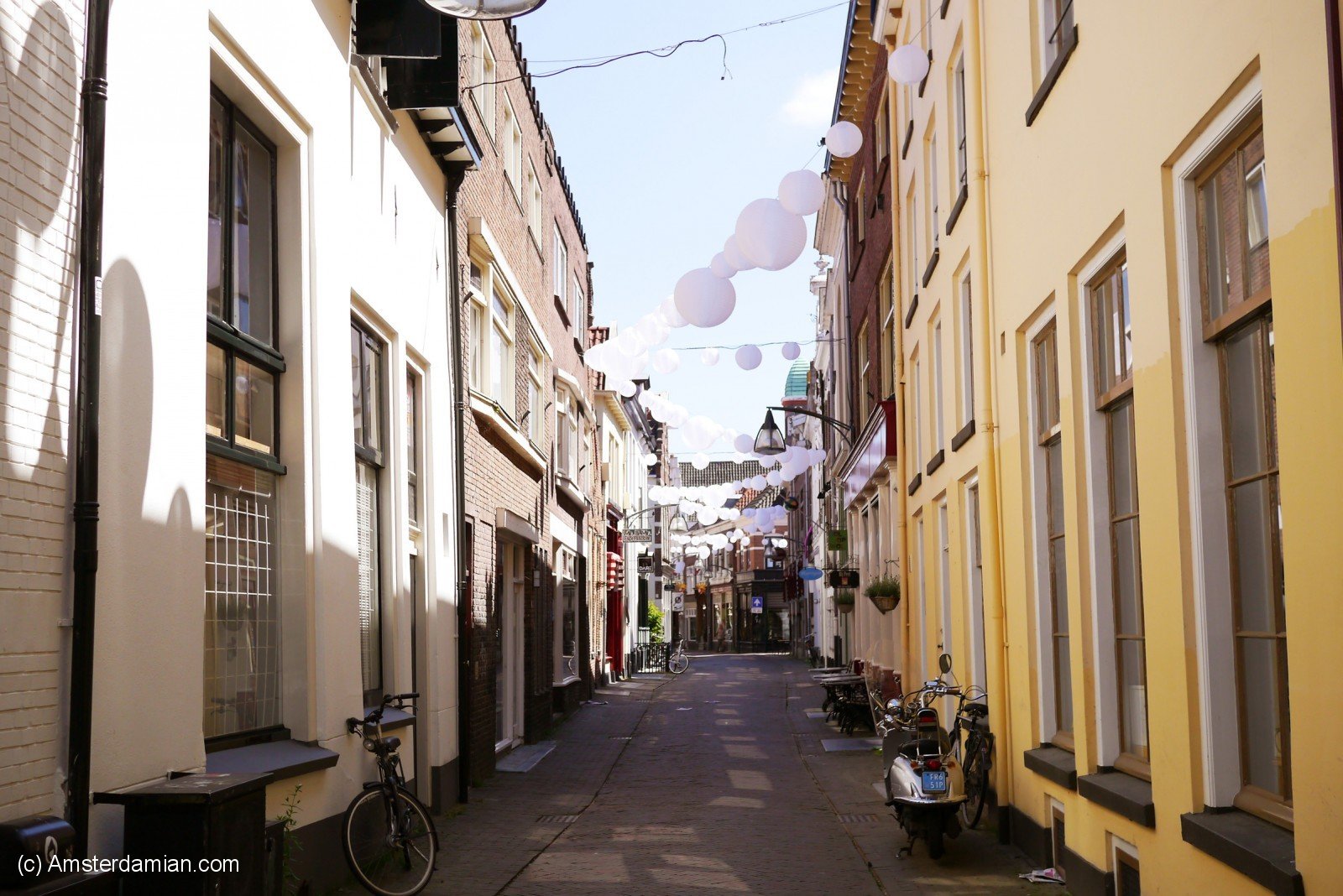
Deventer is a charming, laid-back city, on the river IJssel, in the east of the Netherlands. People visit Deventer for its rich history and heritage, visible everywhere around the city, in the architecture and the well-preserved historical artefacts. It’s truly a well-hidden gem, often overlooked by tourists (but I don’t mind having the streets only to myself!), and a great destination for a day trip (or better, for a long weekend).
Deventer is one of the Hanseatic Towns — like Kampen or Zwolle. These towns were part of the Hanseatic League, a powerful commercial and defensive alliance established in the Middle Ages. Originally formed as a cooperative network among merchants, the League grew into a significant economic force and a crucial defence system against piracy. At its height it drew in close to 200 towns across what is now seven countries, around the North Sea and the Baltic.
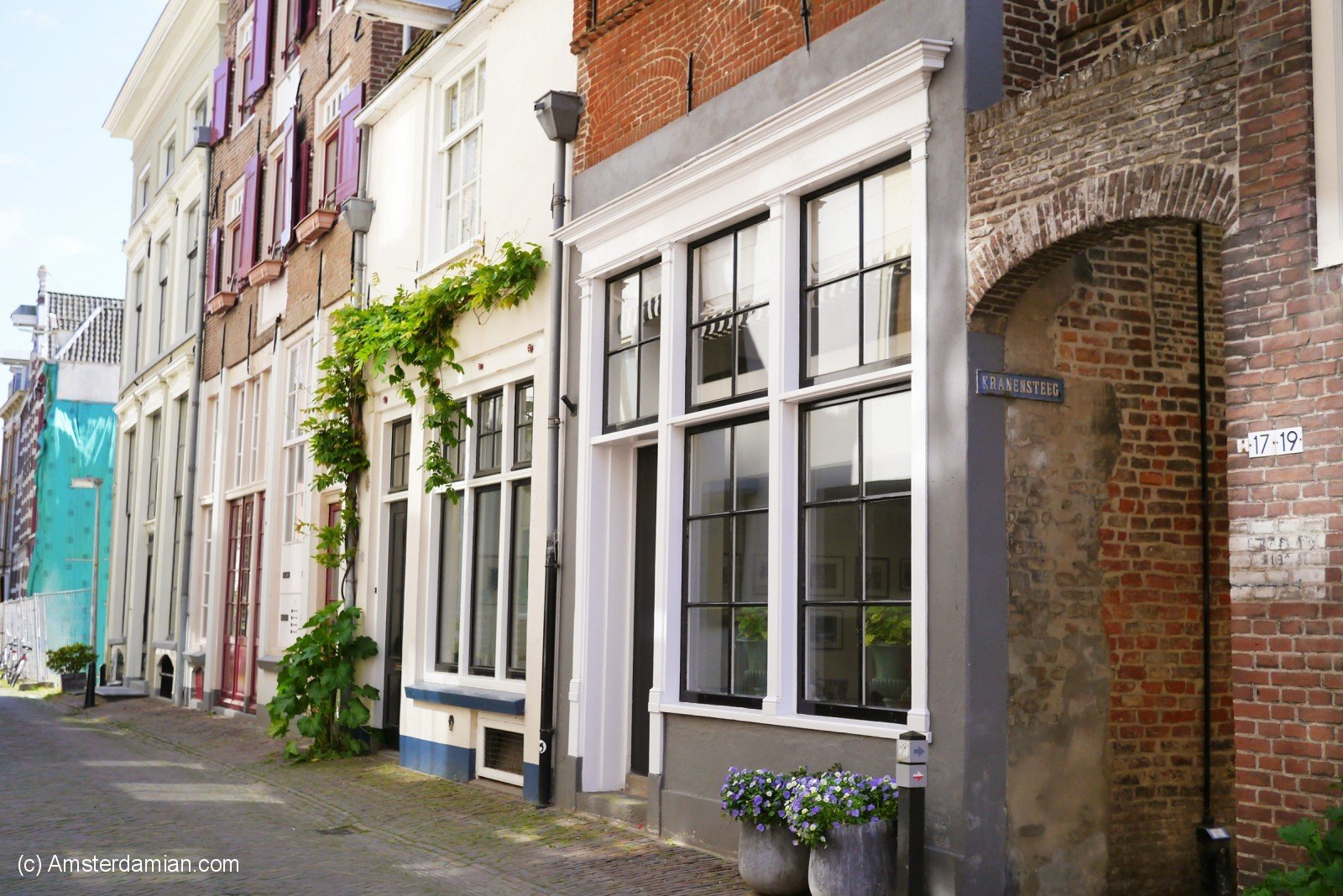
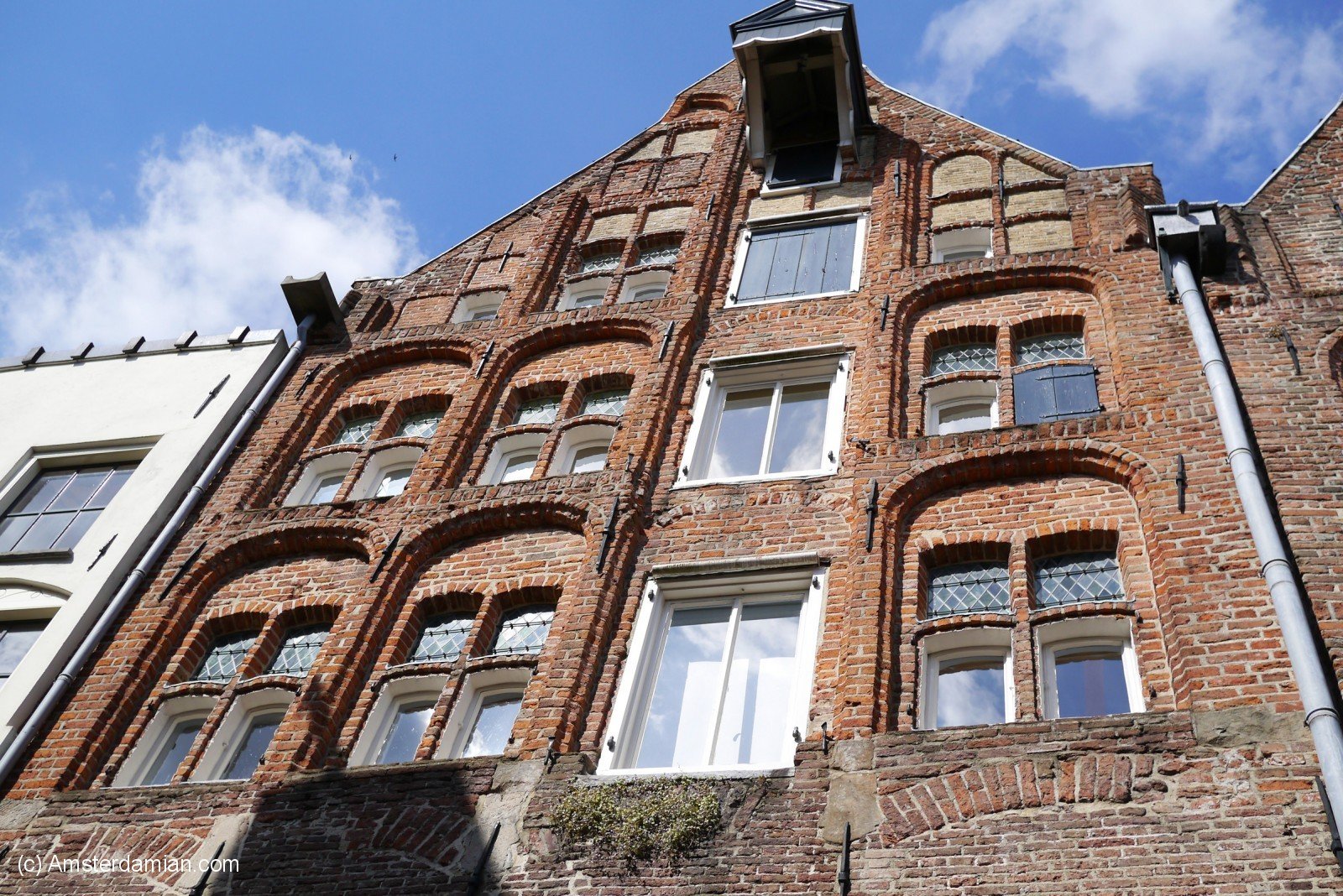
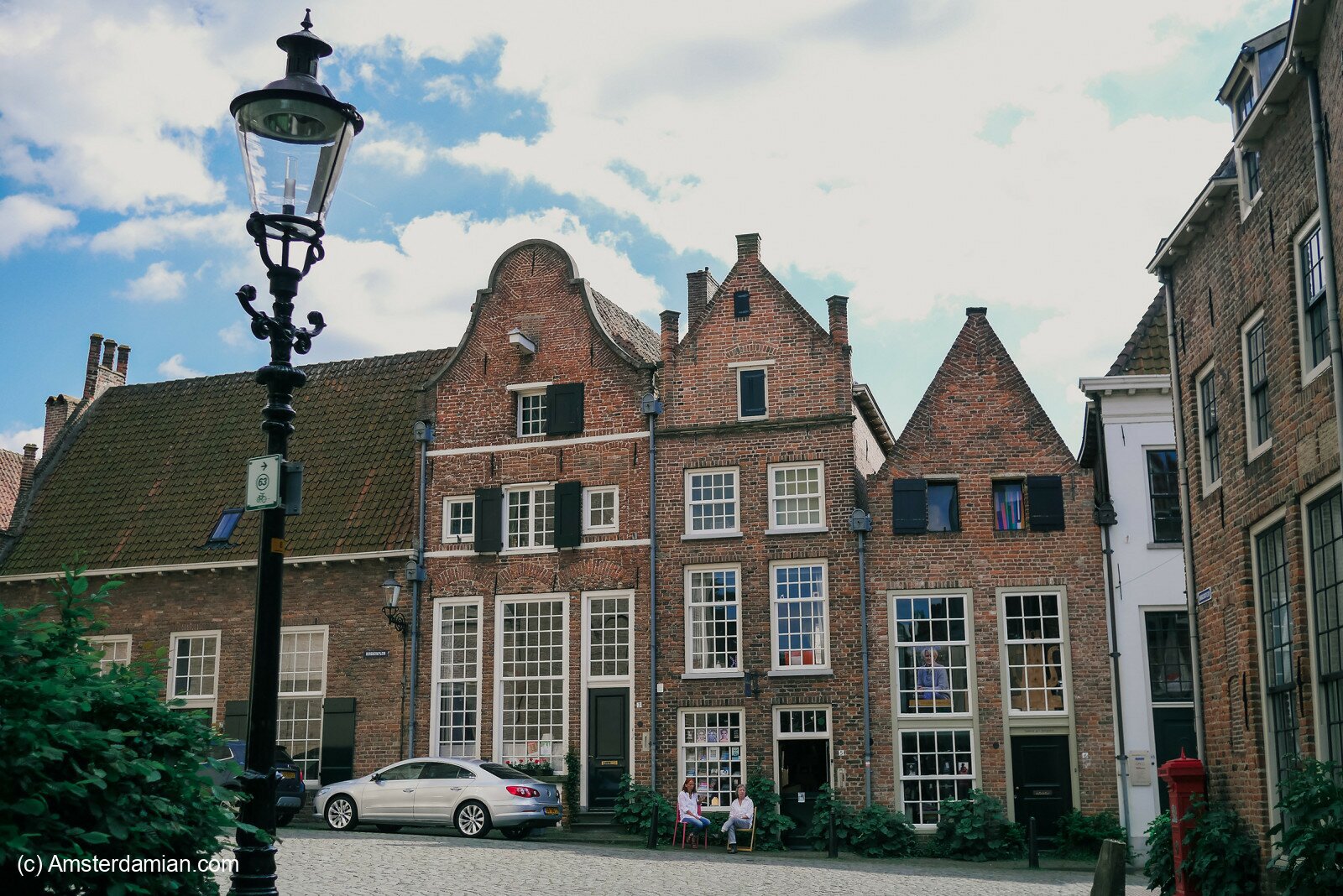
The Hansa Towns were prosperous places, and you can see that when you visit their history-filled streets. They are rich in monuments and beautiful old houses. Located strategically on the river IJssel, Deventer was an important trade place when Amsterdam and Rotterdam were still developing. I love the Hansa Towns; I think they look simply precious, like jewels frozen in time; I couldn’t wait to see them for myself after I discovered them for the first time in a blog post!
In this article
Visiting Deventer
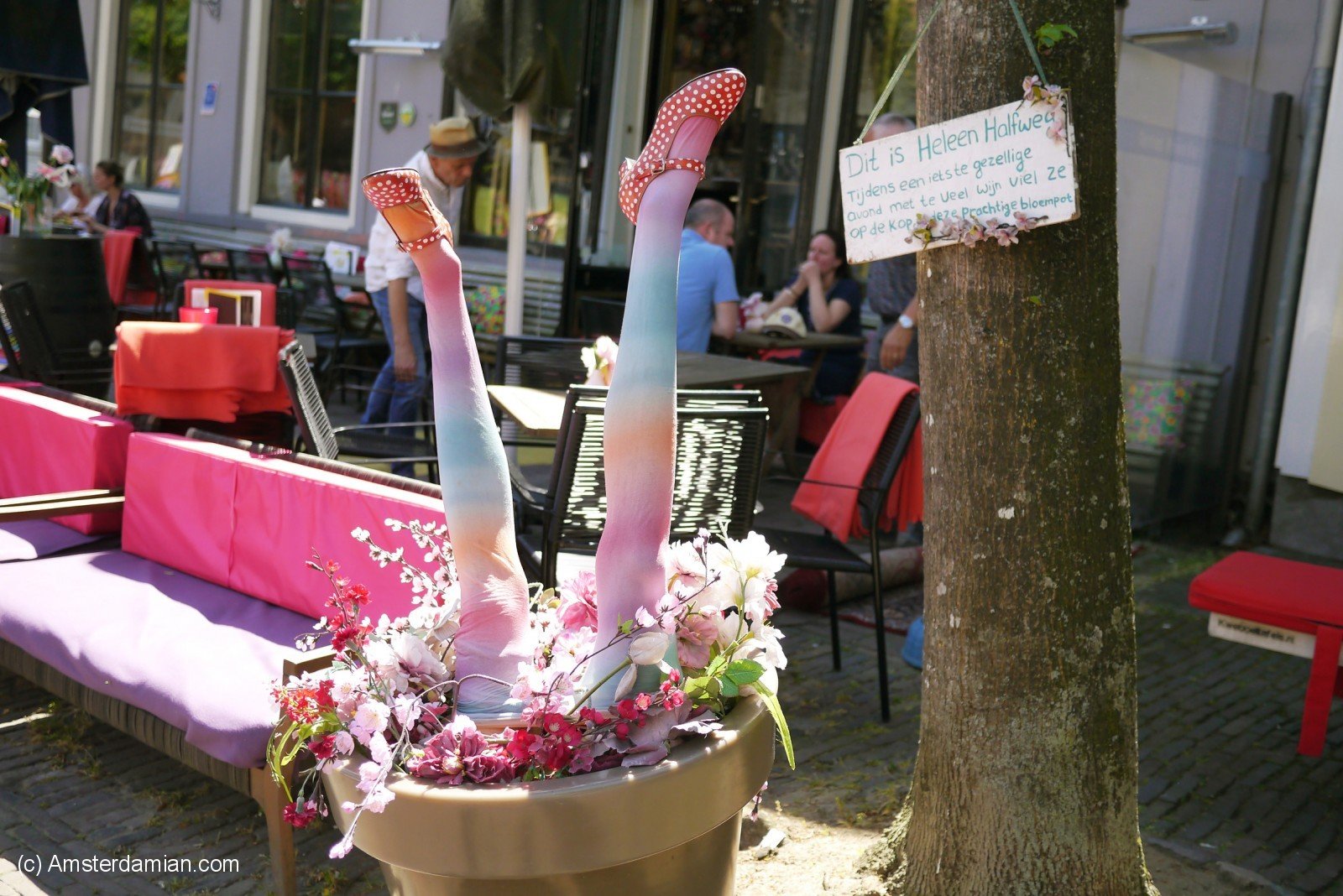
When I first visited Deventer, on a hot summer day, I didn’t know I was in for such a pleasant surprise! I expected a few hours to be enough to explore the city, but when I was there I realised there was a lot to discover. I was thankful in a way that all shops were closed because it was a national holiday, otherwise I would have spent half of my time in the many beautiful bookstores. While the shopping streets were quiet, the squares of the city were buzzing with people, dressed for the Sunday walk. Open air restaurants were very inviting, and I had one of the best apple pies ever at Vrienden van Vroeger, sipping coffee with a view over St Lebuïnus Church and watching people pass by.

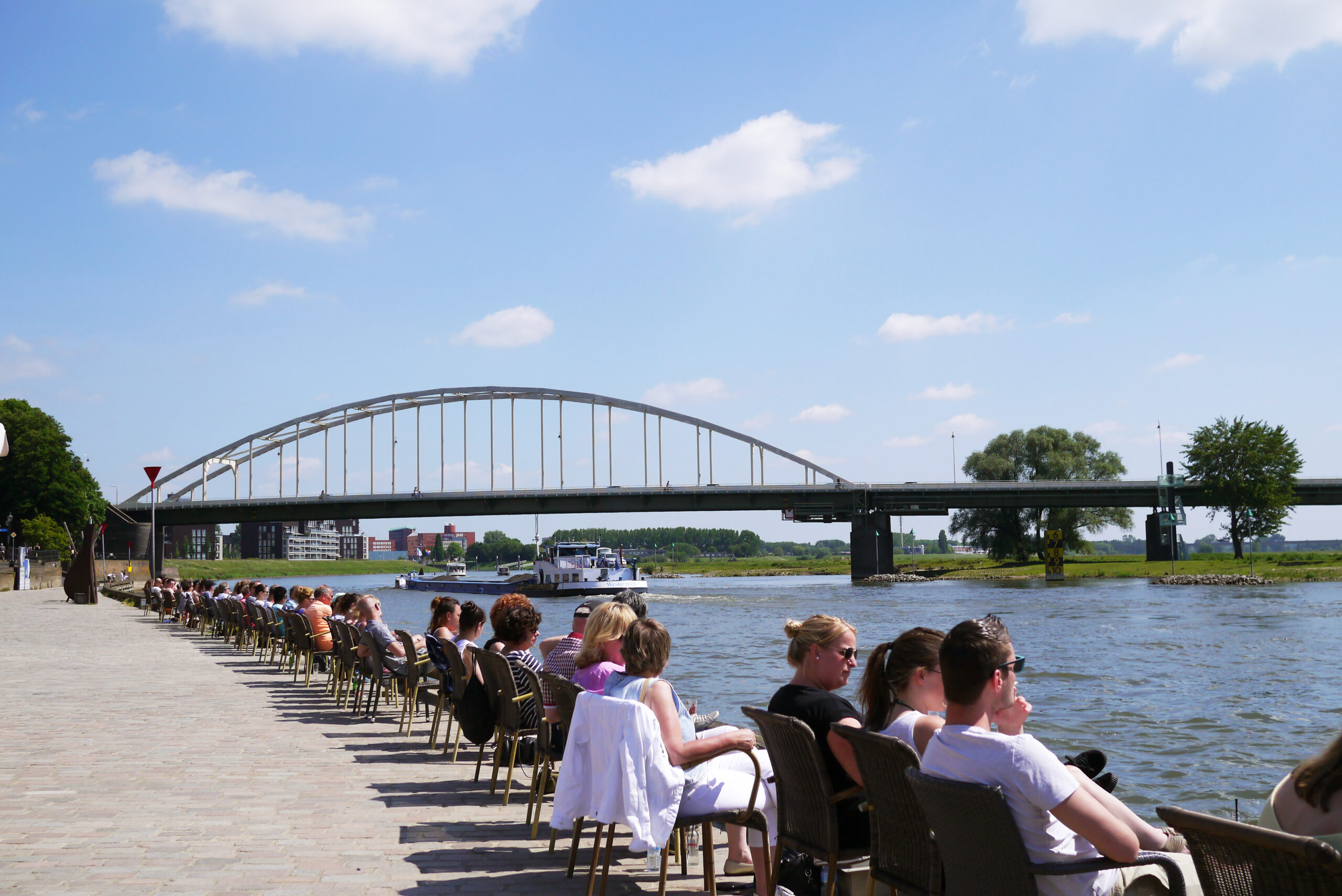
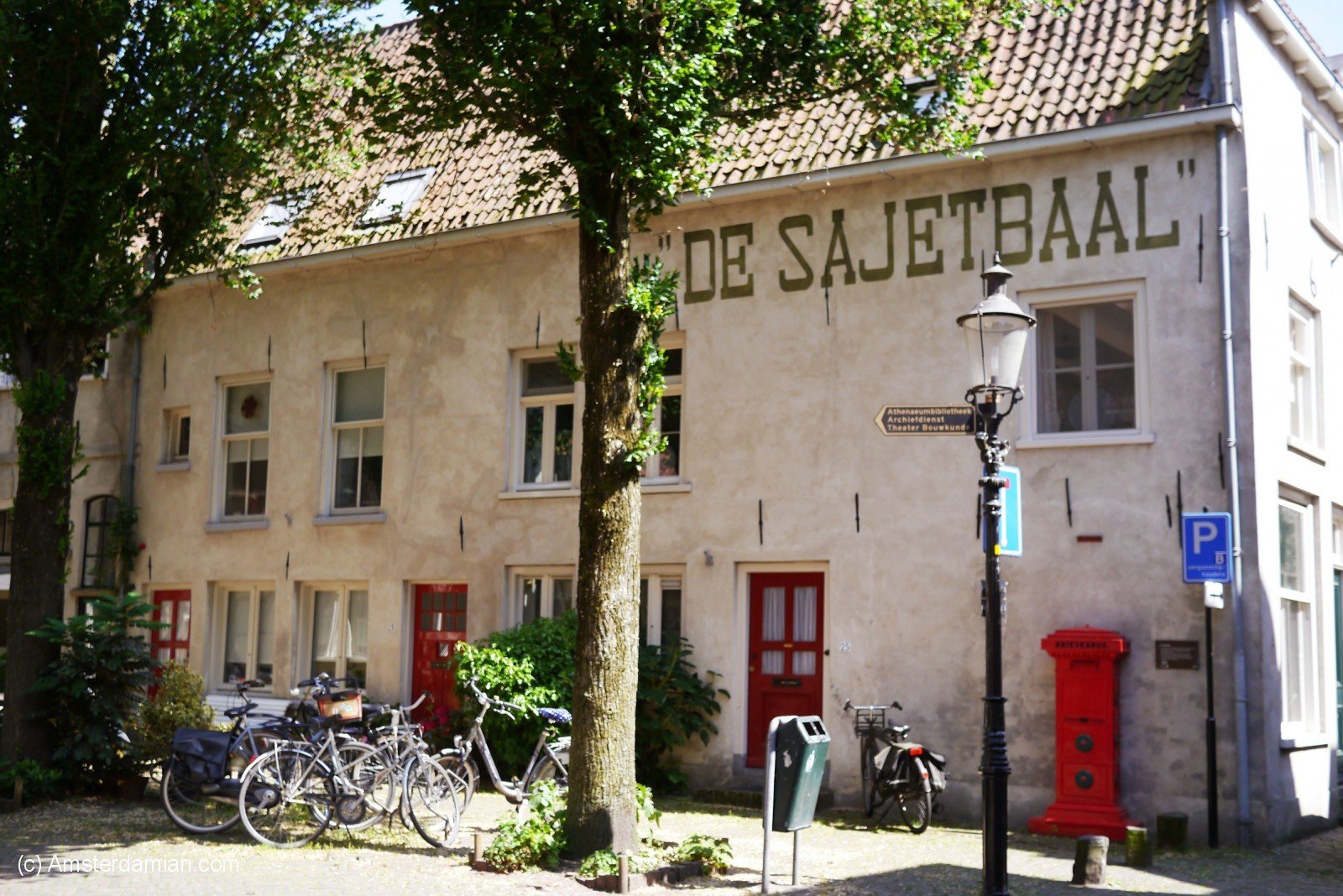
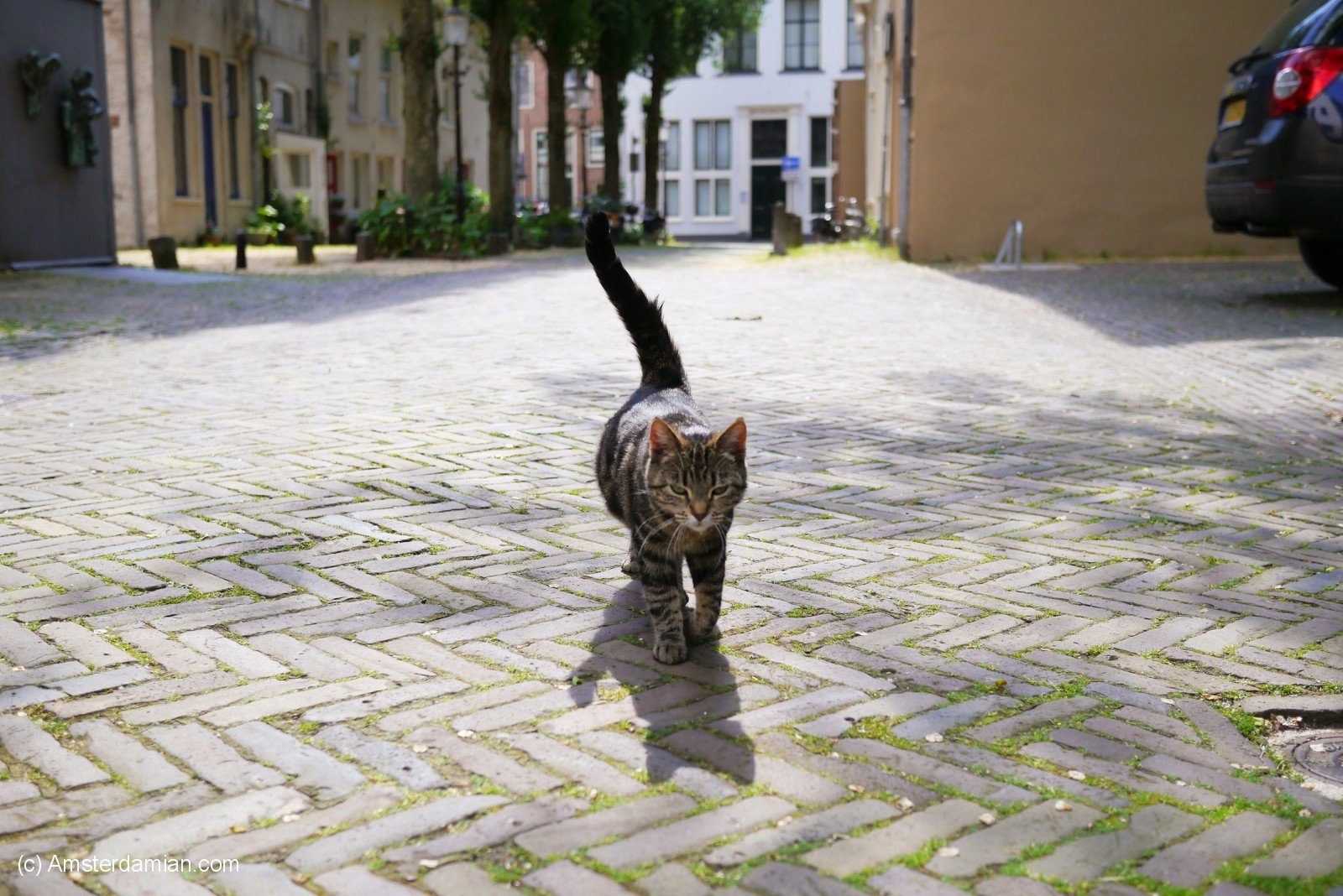
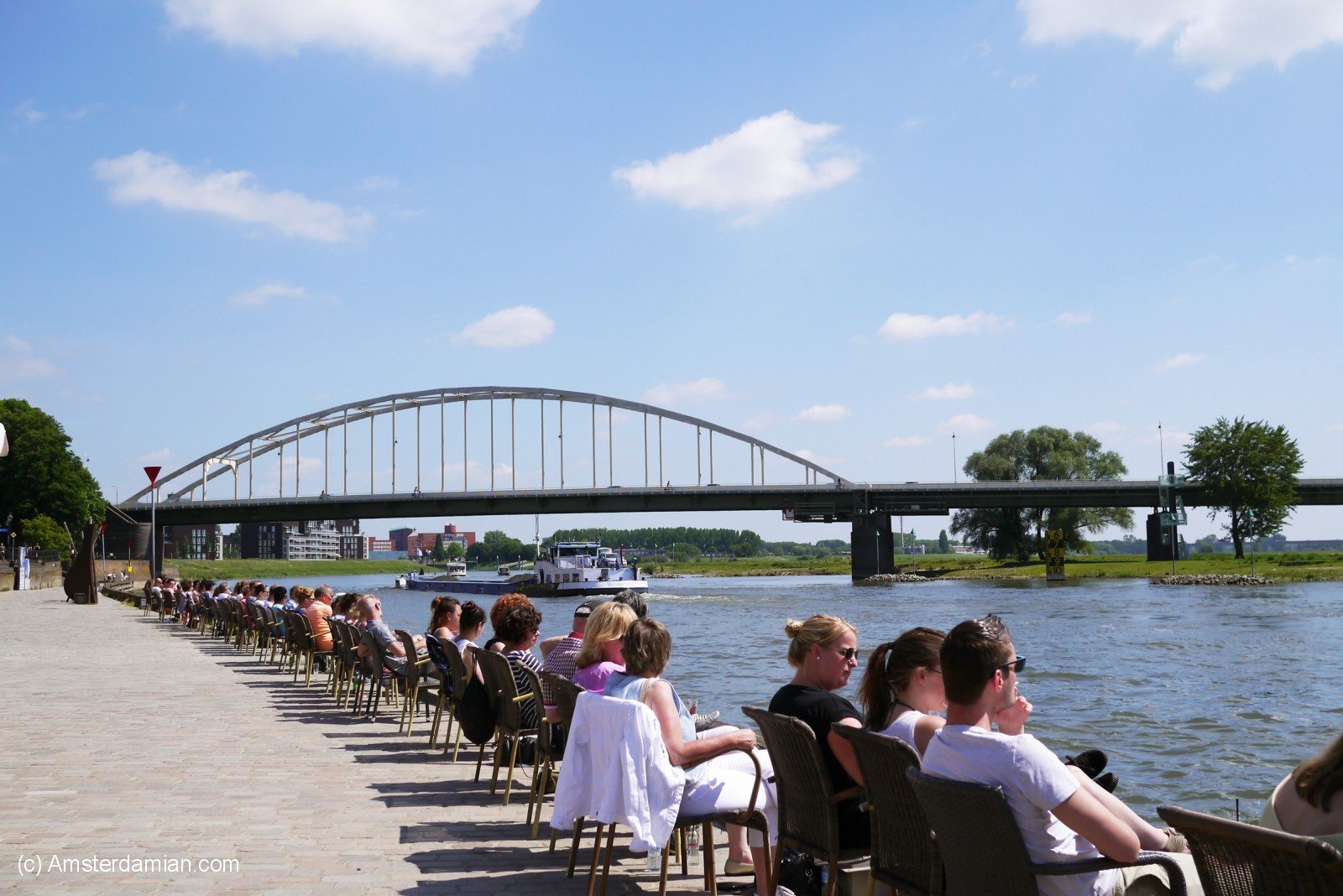
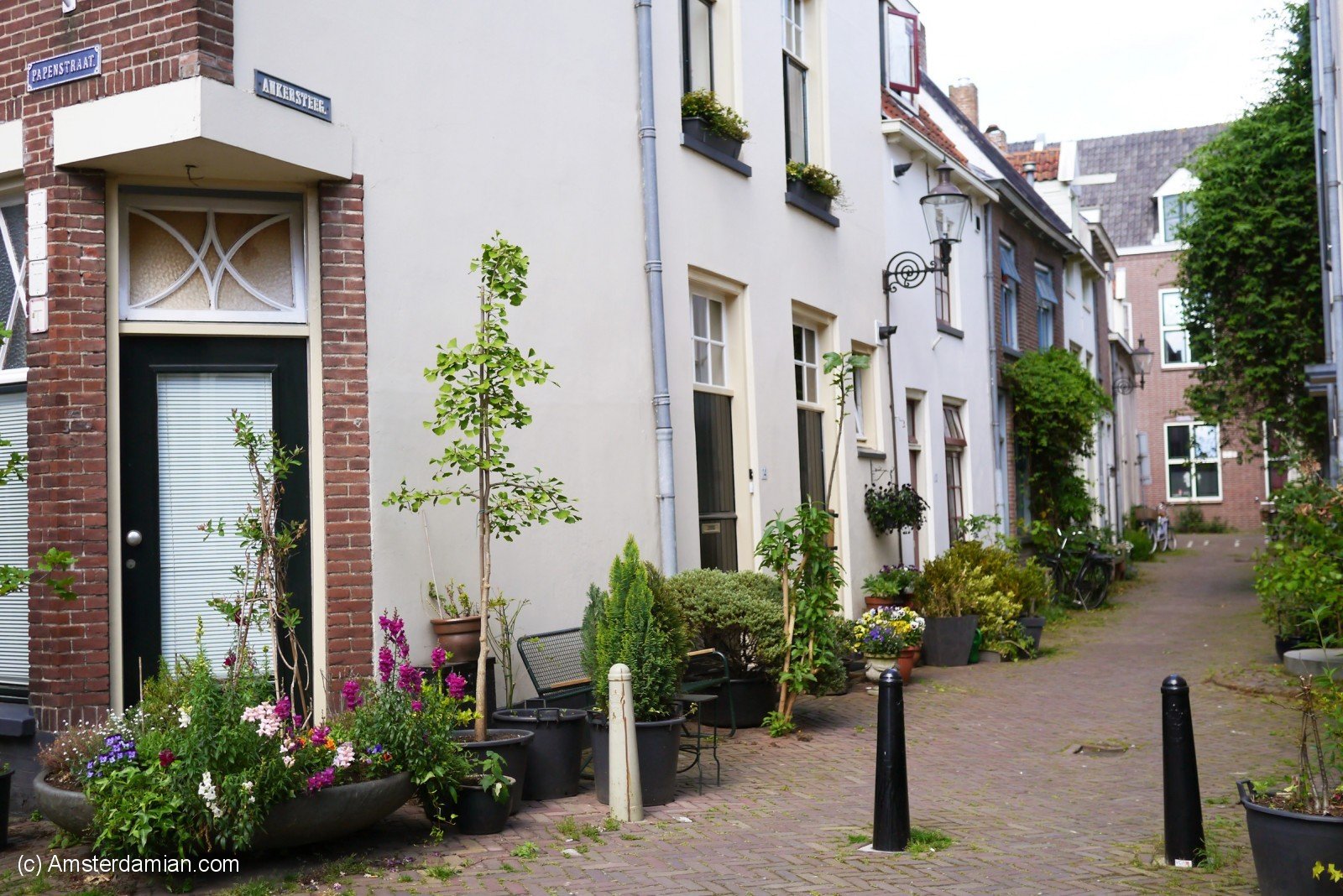
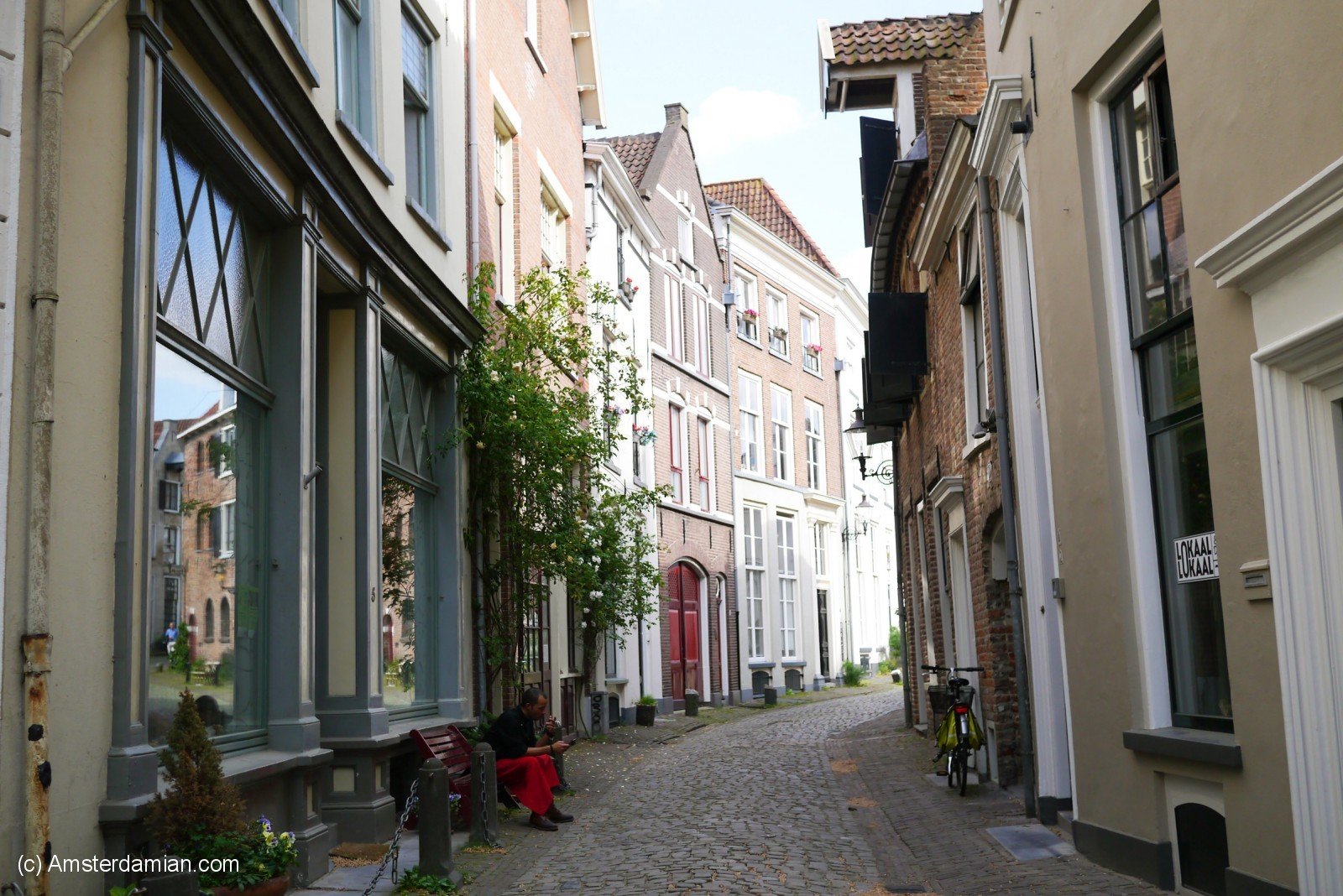
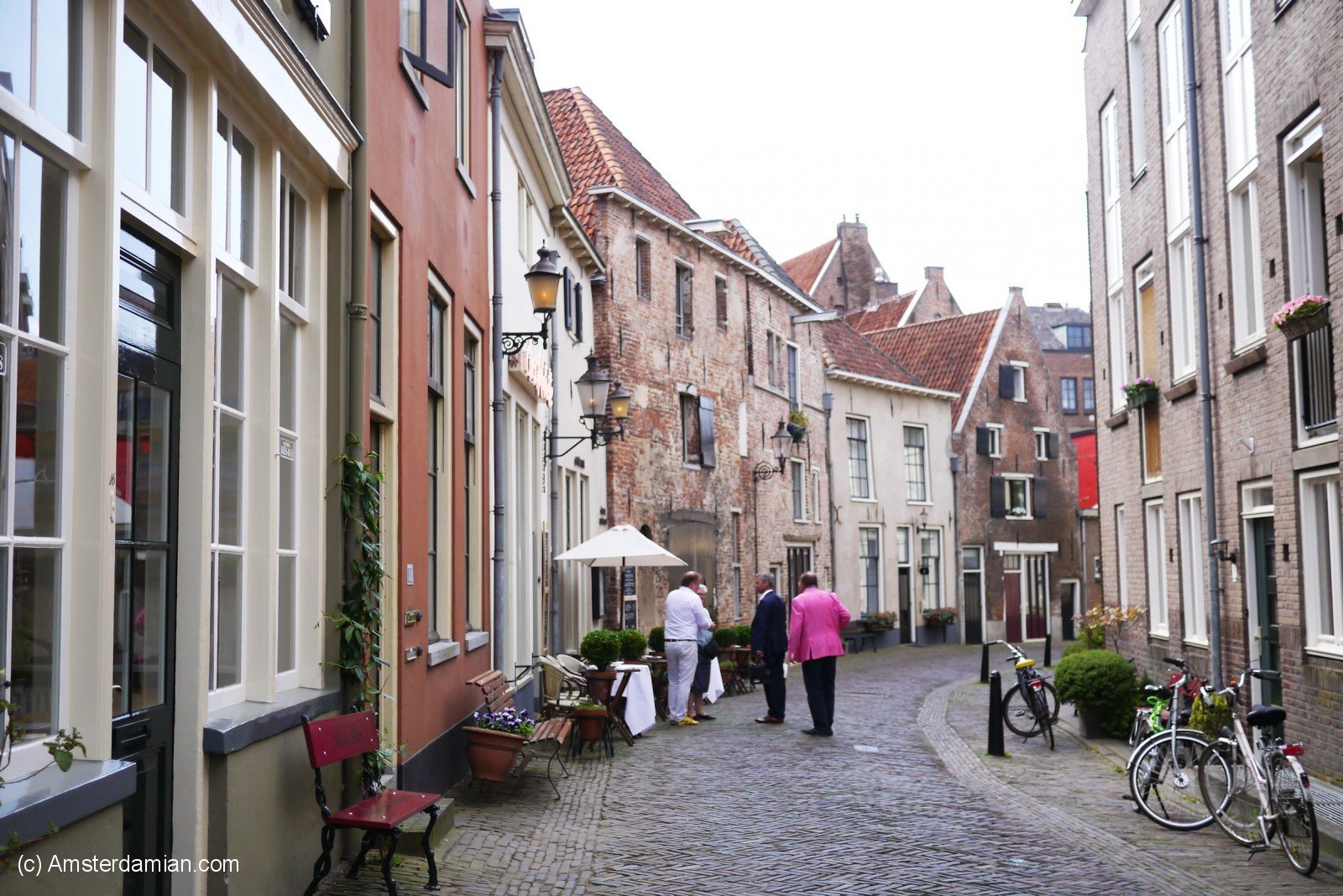
After I explored some of the cobbled streets, where I met many friendly cats and discovered hidden gardens, I found my way towards the river, and it looked like half of the city was going there as well. Some people were only stopping for drinks and a bit of sun on the long promenade, others were taking the ferry to cross the river, to Plantsoen De Worp, the oldest city walking park in the Netherlands. I spent some time in the sun and then went back to see the rest of the city: the part with the Brink and the Bergkerk, wondering why I hadn’t visited this charming place up to that moment.
✨Day-trip suitability
International visitors: ● ● ● ● ○ — Highly recommended if you have time
NL-based day-trippers: ● ● ● ● ● — Worth planning a day/weekend around
● Circles indicate suitability, not quality. Some subjectivity included. How to read these ratings 📜
How to get to Deventer from Amsterdam
Deventer is easier to reach than its off-the-beaten-track reputation suggests. Direct intercity trains run from Amsterdam Centraal and take about an hour and 10 minutes. Coming from Schiphol takes a little longer and usually means one change, at Amsterdam Centraal or Amersfoort.
From Deventer station it’s a ten-minute walk into the historic centre — out of the main entrance, straight down Keizerstraat, and you emerge onto the Brink. Everything in this guide except De Worp and the outlying parks is within walking distance of that square, which is exactly what makes Deventer such a satisfying day trip: no buses, no logistics, just streets.
By car it’s roughly an hour on the A1. Use one of the centre garages rather than hunting for a street space, because the old town is small and largely pedestrianised, and you’ll want to be on foot anyway.
Check current times and fares on the NS journey planner before you set off.
What to do in Deventer
The best way to visit Deventer is by walking. If you get there by train, you can easily make your way from the train station to the city centre.
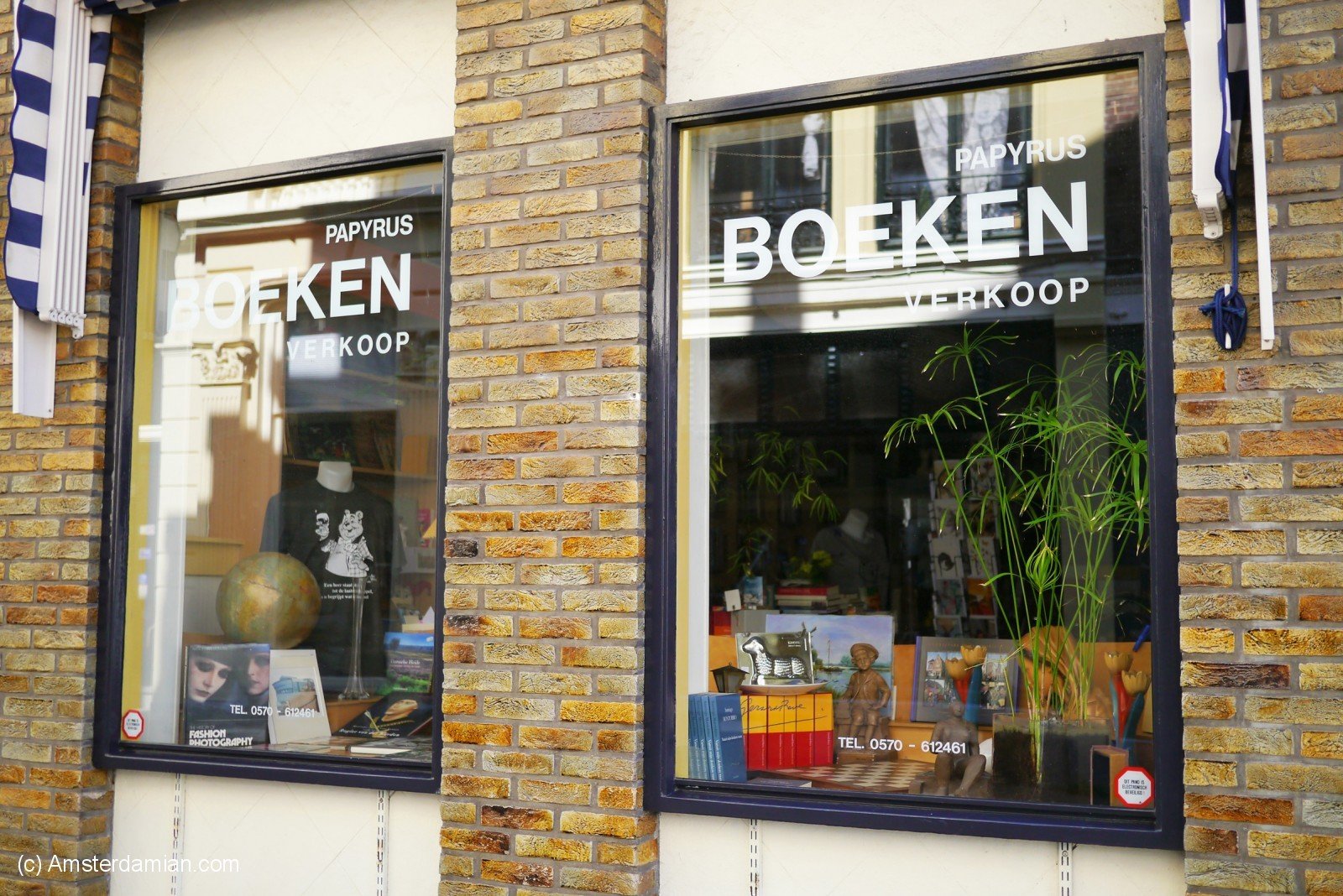
- Explore Deventer’s shops and the quirky bookshops in particular. In the 15th century, Deventer was an important place for printing and this history is still visible in the number of printers, libraries and antiquarian bookshops that you can find here.
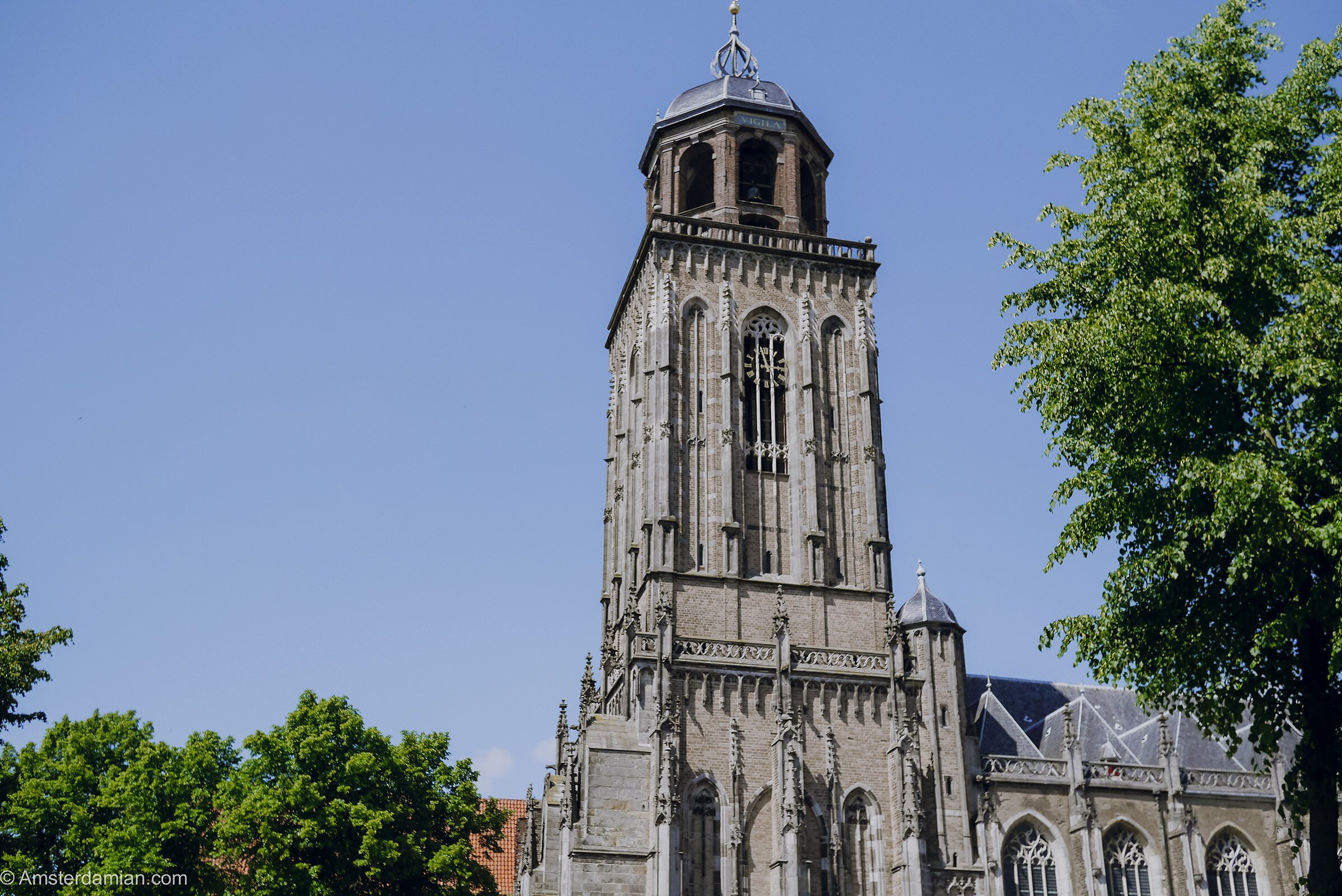
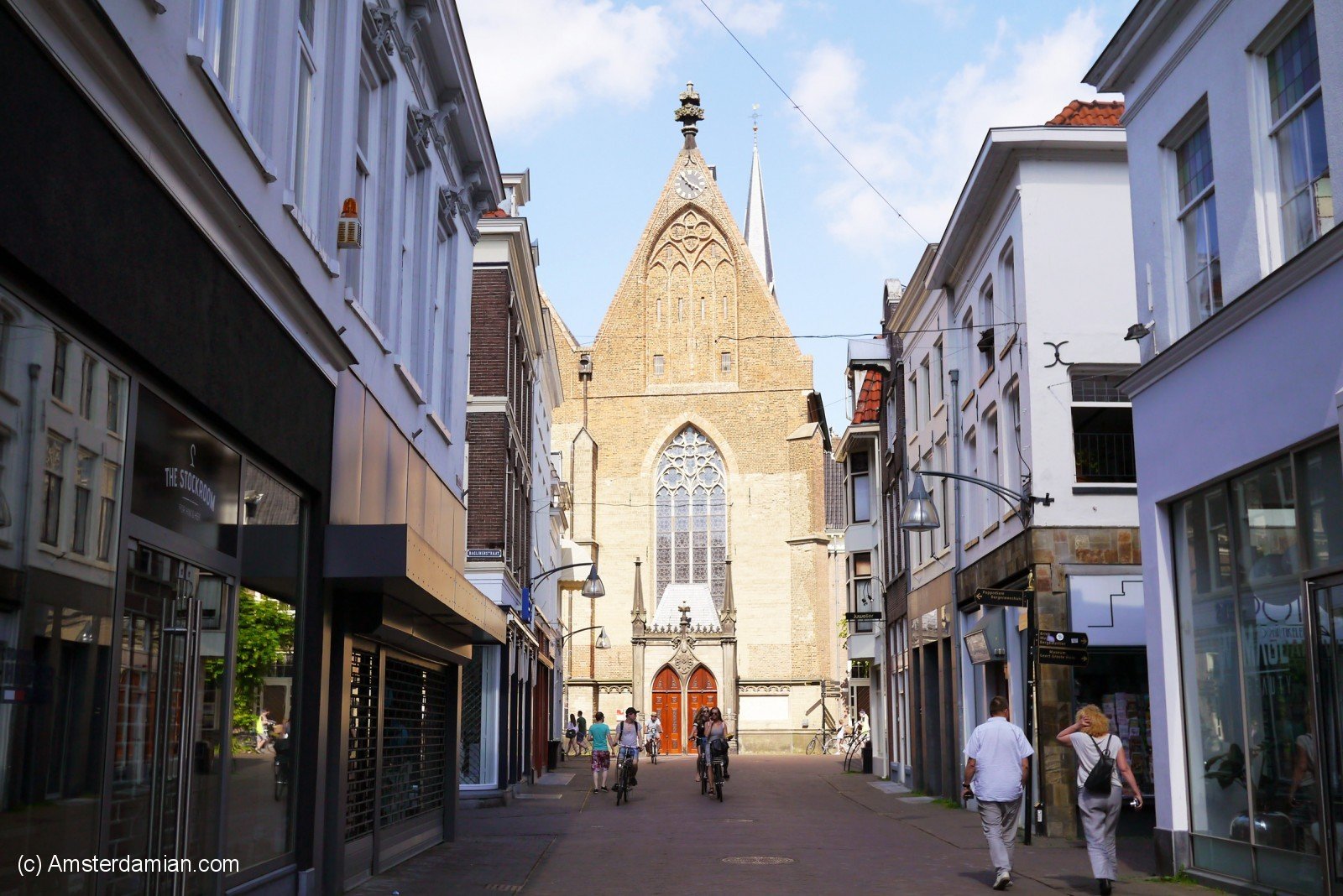
- Visit St Lebuïnus Church, with an impressive Gothic architecture. The hall church you see today was built between 1450 and 1525, on the foundations of a Romanesque collegiate church founded shortly after 1046 — the crypt from that earlier building is still down there. It has changed hands from various religious groups over the years, and the 62-metre tower was crowned with its lantern top in 1613, to a design by Hendrick de Keyser. You can climb 220 steps to a viewing level at 46 metres for a panoramic view over the city, all the way to the river IJssel; the tower is open on Saturday afternoons from April to October.
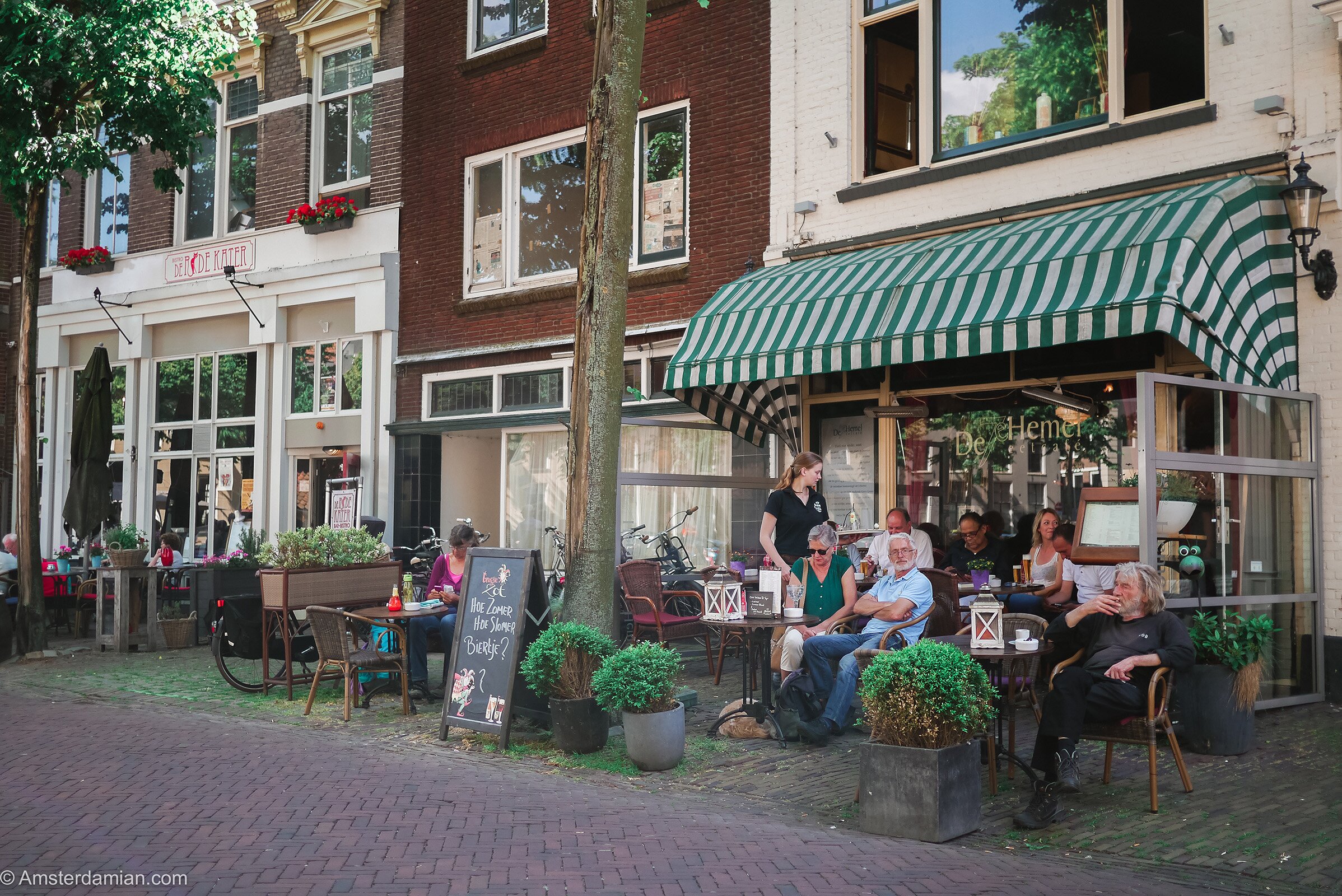
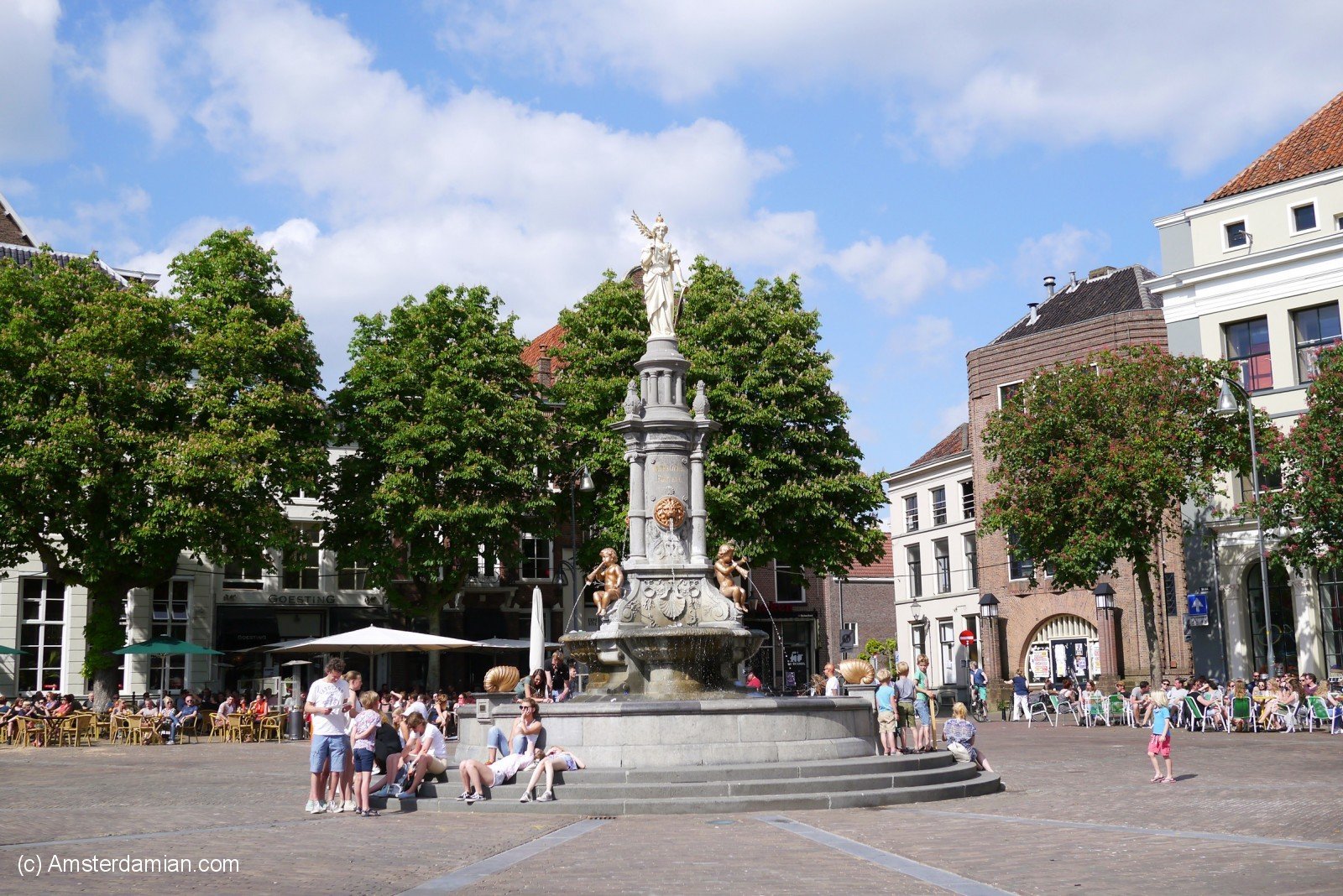
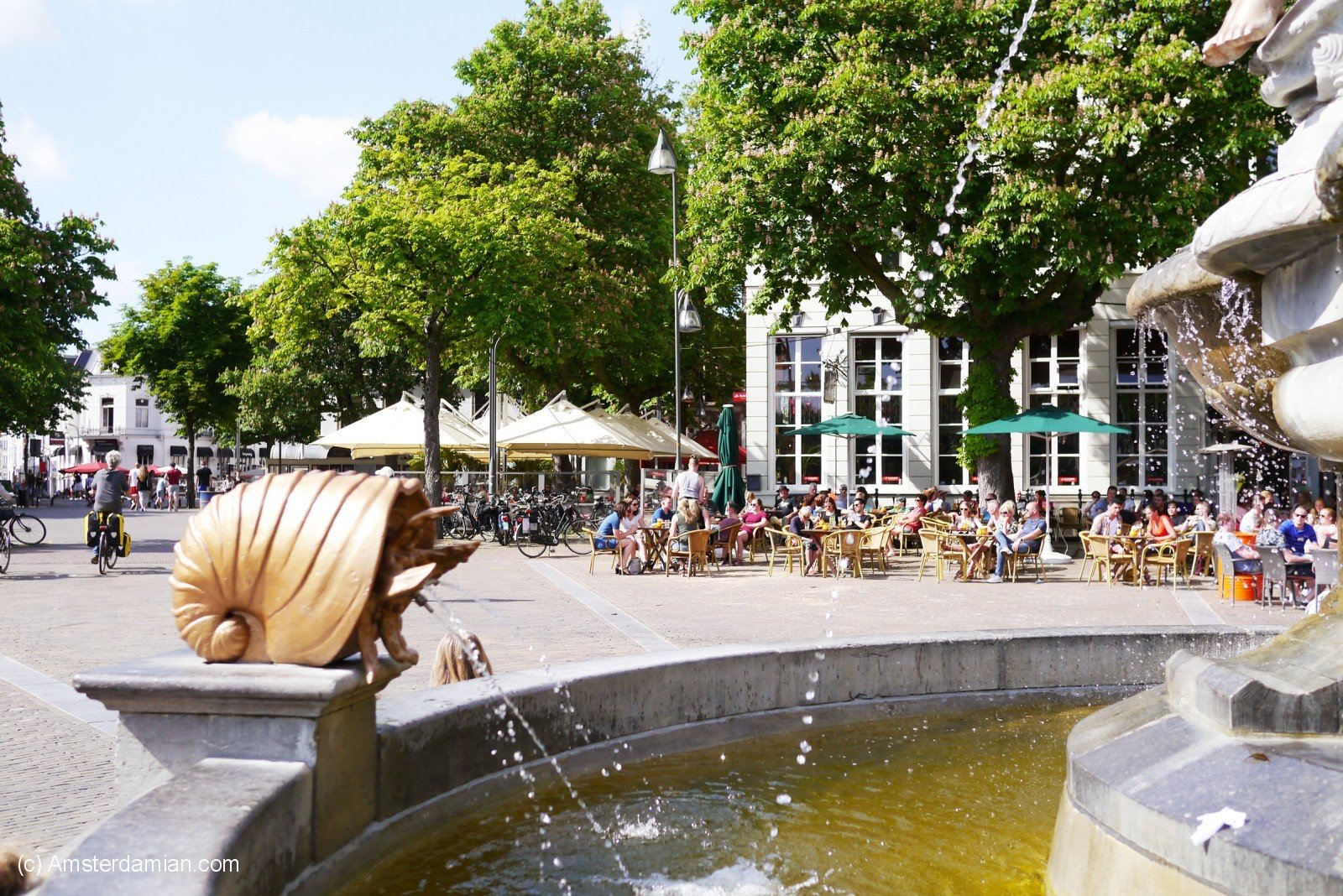
- See De Brink, the main market square. This is where you’ll find many restaurants and bars, because it’s the centre of Deventer’s nightlife. De Brink is a beautiful, large square, surrounded by trees and with a water fountain on a side (a not so common sight in the Netherlands).
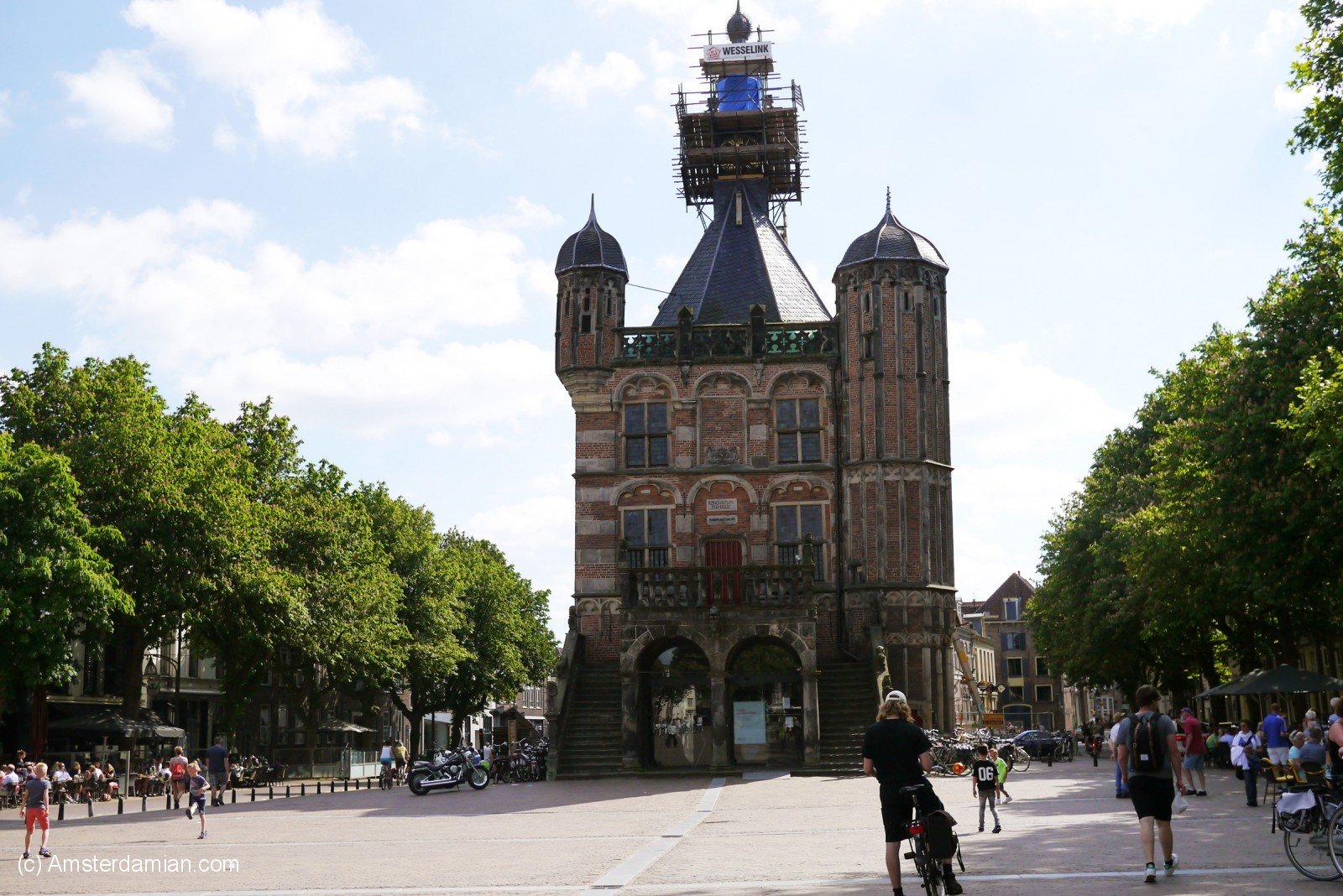
- De Waag building, situated in the De Brink, is the oldest weighing house in the Netherlands and the current home for Deventer City Museum. This building dates from 1550 and it looks amazing (thanks to further restorations). And now for the dark history lesson: on the outer wall of the Waag hangs a large kettle that is over 500 years old, said to have been used for a public execution in the late Middle Ages; a man who had produced counterfeit coins was cooked to death in it. Nowadays this kettle is full of holes, and, according to local tradition, these were shot by footmen of Napoleon’s army around 1809 (source: Wikipedia).
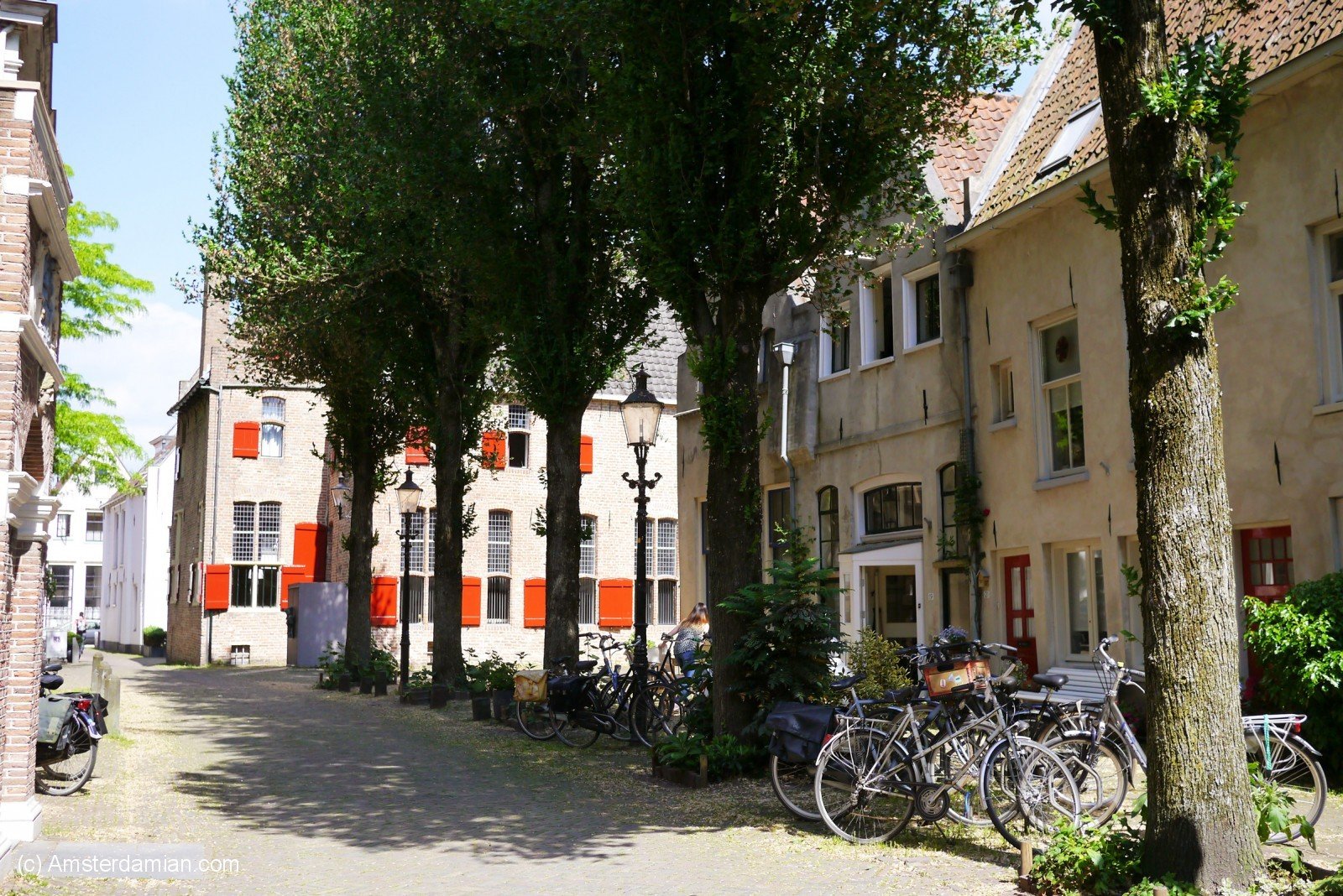
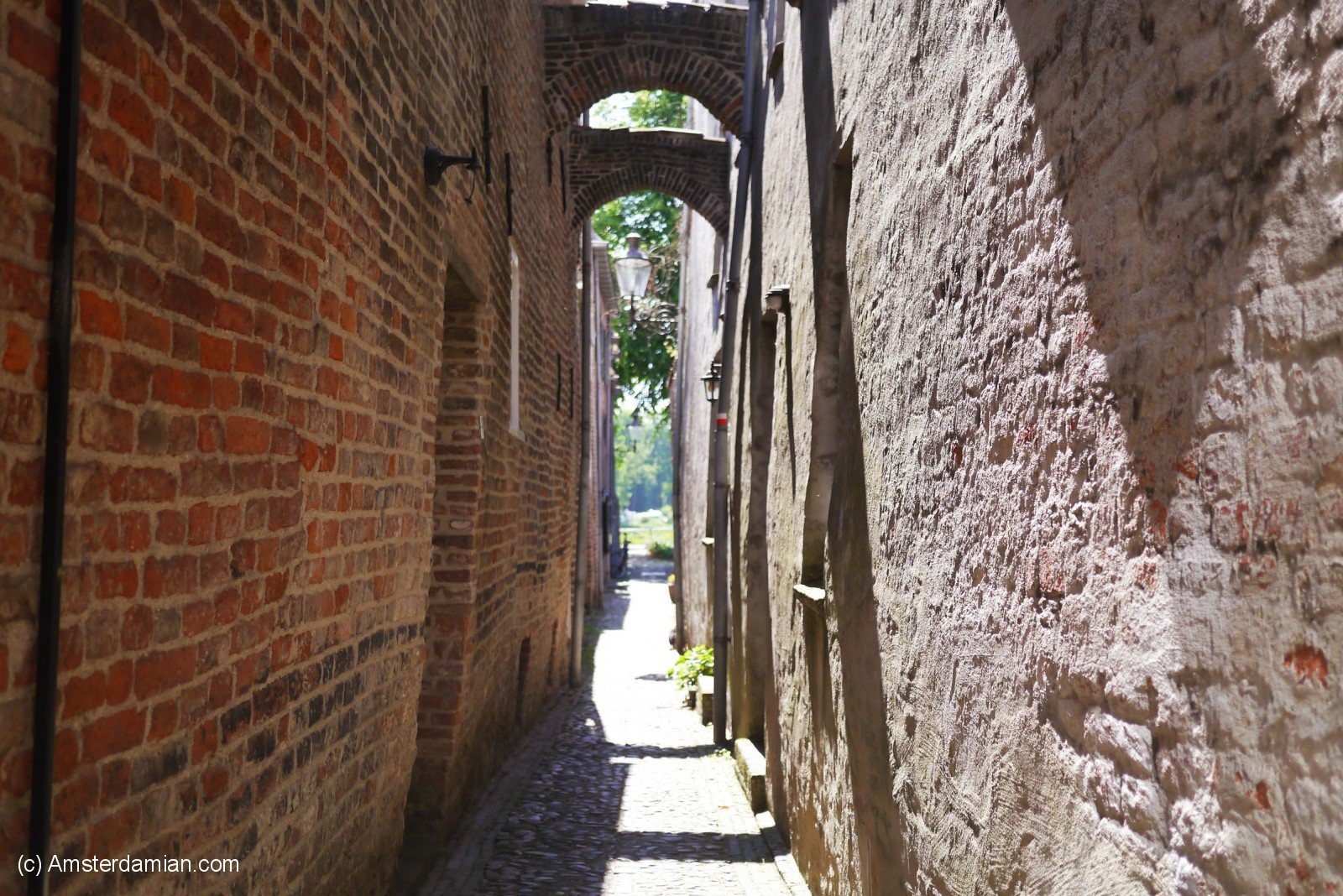
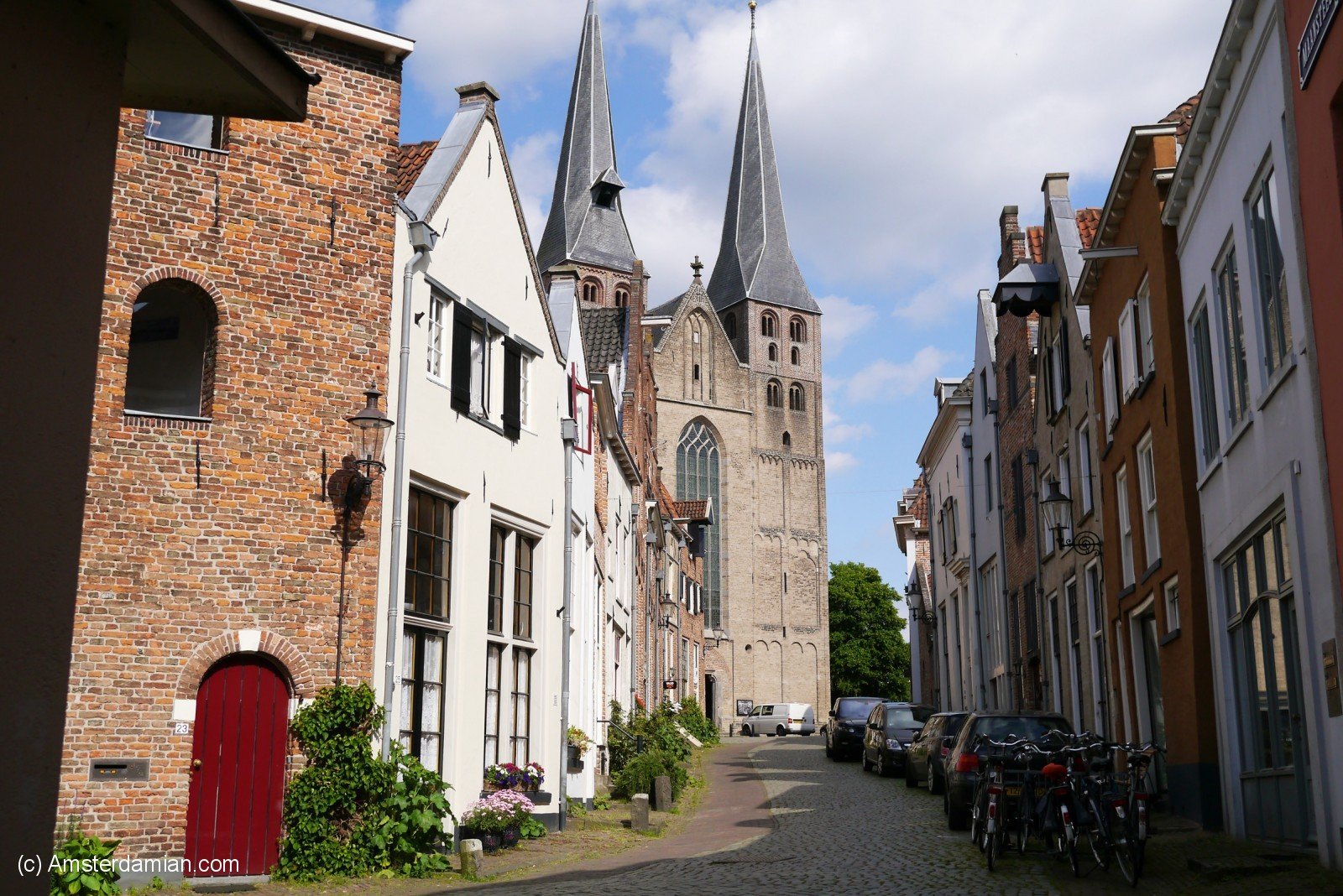
- The beautiful medieval Bergkerk (the Mountain Church), owing its name to being built on top of a hill (because the Netherlands is so flat, every dune that is a bit taller than normal can be considered a hill). It’s my favourite place in Deventer; the narrow old streets around the church are picturesque and the view you get over the church from the foot of the “hill” is very pretty. The church is no longer used for worship — it works as an exhibition and concert venue now, with art shows running through the summer.
- See the oldest surviving stone house in the Netherlands, the Proosdij. Its main core was built around 1130, from tufa and trachyte shipped in from the Eifel.
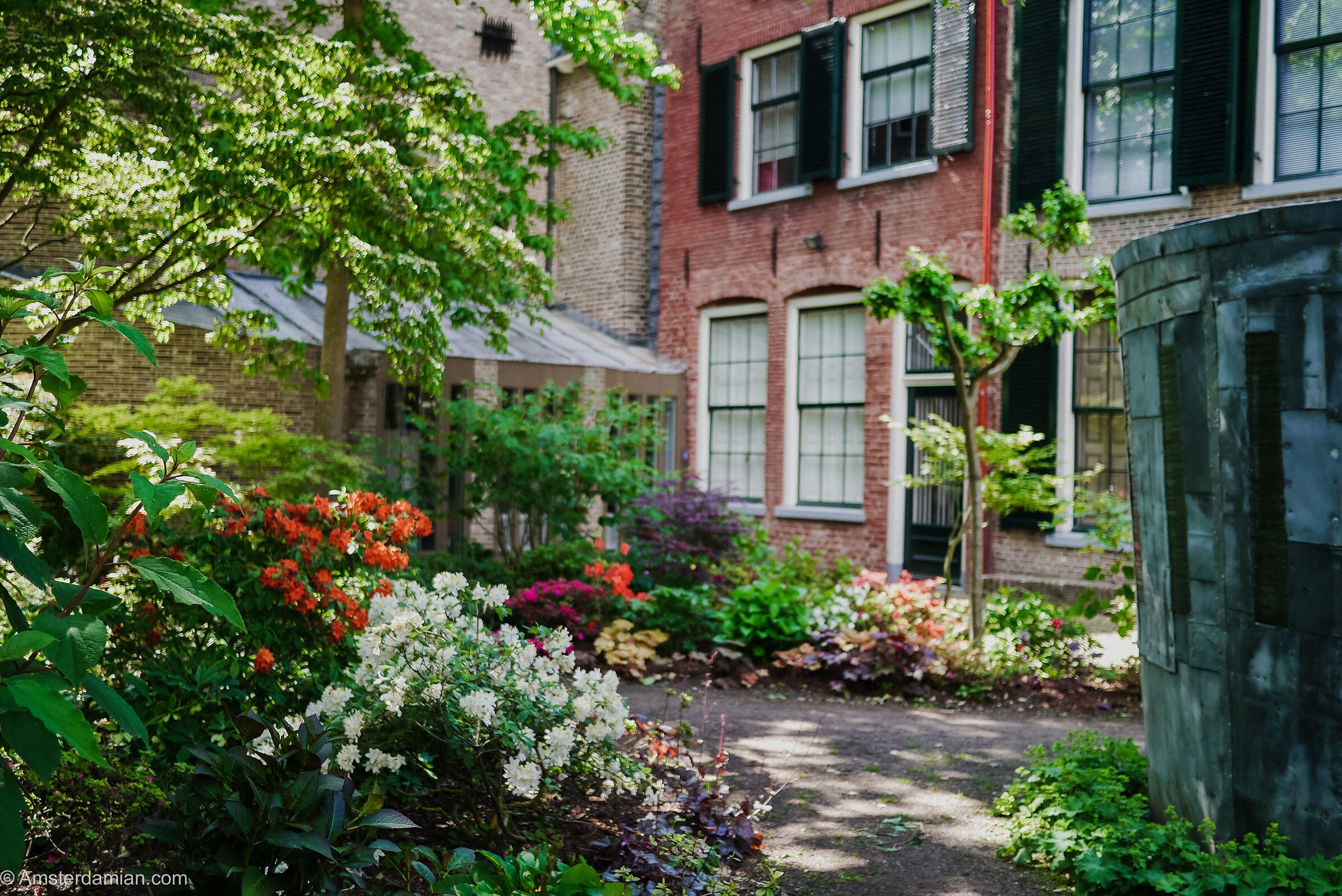
- Discover Kloostertuin, a hidden green oasis in the city centre. This is just a lovely garden, but the fact that shows up unexpectedly (if you pay attention) makes it a real treat.
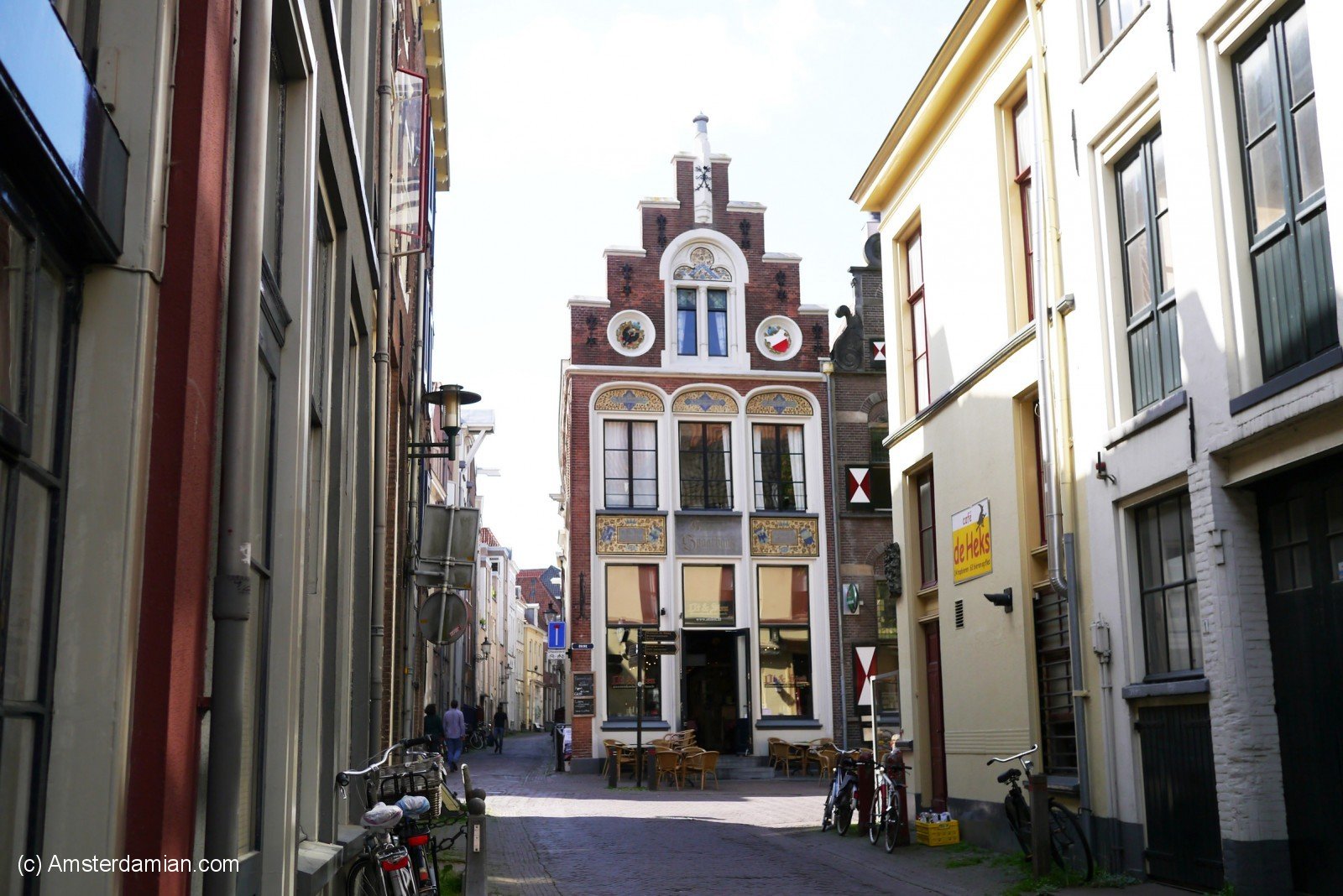
- Enjoy a local brew in Bierencafé de Heks (The Witch Beer Café), which you can find in the de Brink Square. 27 beers on tap and well over a hundred in bottles, on a spot where there has been an inn since the early 1300s.
- Visit a windmill: the Bolwerksmolen, a former sawmill which is now a museum.
- Walk along the promenade of the river IJssel, have a drink and admire the Wilhelminabrug – the bridge famous for standing in for the Arnhem road bridge in the 1977 film “A Bridge Too Far”. You can even walk on this bridge and get to the other side of the river. 2026 marks fifty years since the film crew took over the city, and Museum De Waag has an exhibition about it until 31 October, along with a free self-guided walk past the filming locations.
- Talking about the other side of the IJssel, you can take a ferry that will take you to De Worp, where you can walk in the oldest city walking park of the country (unless you go there in winter, when you can find the park partially flooded). From there you can have a nice view over Deventer’s skyline as well.
Subscribe to our newsletter!
Museums to see in Deventer
- Museum de Waag (Deventer City Museum) is located in the building of de Waag and focuses on the history of Deventer and the region. Through 2026 it is also showing “A Bridge Too Far, Hollywood in Deventer”, marking fifty years since the filming — props, photographs and the recollections of people who were extras.
- Speelgoedmuseum (Toy Museum) is an interesting collection of all kinds of toys, old and new, from dolls and doll houses to train sets, housed in two late-medieval merchant houses on the Brink. A great place to visit with kids.
- Geert Groote House. The museum is dedicated to the life of Geert Groote, a Roman Catholic deacon, born in Deventer, who was a popular preacher and the founder of the Brethren of the Common Life. He was also one of the founders of the “Modern Devotion”, a renewal movement that stood for a personal experience of faith and a simple, sincere life.
- Charles Dickens Cabinet – a permanent exhibition comprising many showpieces from the impressive Dickens collection of Emmy Strik, initiator of the Dickens Festival. There are numerous books, first editions, prints and figurines of Dickens characters on display and a table set with Dickens crockery.
- Etty Hillesum Centrum — a small museum about Etty Hillesum, the Jewish writer who grew up in Deventer and whose wartime diaries have been translated into dozens of languages, and about Jewish life in the city. It is a quiet, thoughtful place and it doesn’t take long, but it stays with you.
Yearly events in Deventer
Deventer is famous for three annual festivals, which between them draw hundreds of thousands of visitors to a city of about 100,000. Dates shift a little each year, so check the official sites before you plan around one.
- Deventer Book Market. Held on the first Sunday of August — 2 August in 2026 — this is the largest book market in Europe. Around 870 stalls line six kilometres of the historic centre, some four million books change hands, and roughly 125,000 visitors turn up. You can find anything here, from old, rare books, to modern ones. Entry is free.
- Deventer op Stelten (Deventer on Stilts) is a cultural summer festival. For a weekend in early July — 3 to 5 July in 2026 — Deventer transforms into an open air theatre with over 150 national and international top performances in the historic city centre.
- Dickens Festijn (Dickens festival). On a weekend in mid-December — 12 and 13 December in 2026 — the Bergkwartier is decorated to look as much as possible like 19th-century London, people dress up and roam the streets singing carols. Well, not everyone, but you get the idea.
Deventer parks
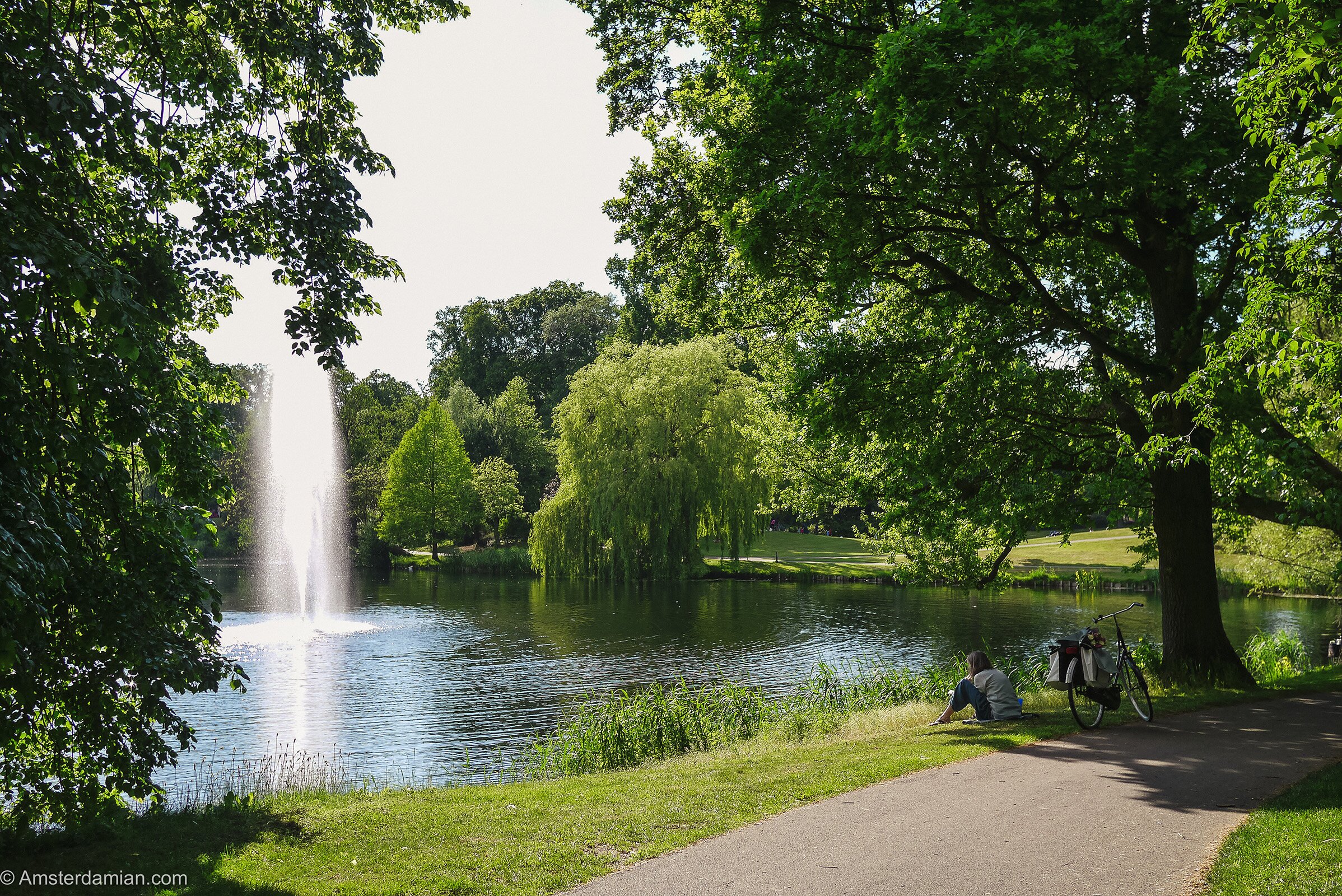
Deventer has a few beautiful parks, where people can retreat to enjoy a bit of nature: Rijsterborgherpark, right in the old city centre; Het Nieuwe Plantsoen – listed as a monument and the place where you can find an animal farm; Plantsoen De Worp – across the river; Douwelerkolk – a beautiful park with forest and water; and a few other parks outside the city.
Where to eat and drink in Deventer
Specialty coffee: Momentum Espresso Bar, KoffieDok, Ritorno, Kaldi Deventer Brink.
Coffee and lunch
- 30ML Coffee & Food
- Coffee Together
- Bij Peet
- LOU. coffee, salad & more
- Groote Poot
- Parkcafé Mees
- Broodbode
- Vrienden van Vroeger
Dinner
- Restaurant Carotte
- Chez Antoinette
- Restaurant Bouwkunde
- Java House
Deventer koek, and three old institutions
- Bussink Deventer Koekwinkel — for Deventer koek
- Café de Waagschaal — brown café on the Brink
- Bierencafé de Heks — specialty beer, also on the Brink
Where to stay in Deventer
If you stretch this into a weekend, Deventer punches above its weight on places to sleep. There is no glass-box chain hotel in the centre; what there is instead is a handful of monuments that have been turned into hotels.
Something special
- Pillows Luxury Boutique Hotel aan de IJssel — a 19th-century villa across the river at De Worp, reached by the little ferry. Formerly the Sandton IJsselhotel.
- Grand Boutique Hotel-Restaurant Huis Vermeer — eleven rooms directly opposite the Lebuïnuskerk, with its own restaurant.
- FINCH Boutique Hotel — a listed monument on Keizerstraat that was once a bank; you check in at the bar.
Well-rated and easier on the wallet
- Hanzestadslogement Hotel De Leeuw — nine rooms in a 1645 monument, family-run, each named after a Hanseatic city. My pick for value.
- Fletcher Hotel Gilde — a former rectory from 1751 with a walled city garden, just outside the old centre.
For the cheapest beds, look at the apartments and studios in the centre rather than hotels. And avoid the three festival weekends unless you are coming for the festival — the whole city sells out.
What to see around Deventer
There are many places to see around Deventer, most of them requiring an entire day trip for themselves.
- You can visit the rest of the nine Hansa towns: Hattem, Zwolle, Kampen, Hasselt, Harderwijk, Elburg, Zutphen, Doesburg.
- Visit Apeldoorn and Paleis het Loo, a palace with lovely gardens.
- Hof van Twello: a green area where you can walk barefoot. This path is visited annually by about 20,000 people and leads you on various paths with pebbles, sand, leaves or wood. You can also buy fresh vegetables or eat at their restaurant, in the vegetable garden.
- Discover De Kranenkamp estate at the former Sion Abbey — a place with nice green surroundings.
- National Park Veluwezoom – not right next to Deventer, but close enough. This is the best place to see the heather fields in summer.
Lots of things to see and do for a place you’ve probably never been to, right? I hope this has put Deventer on your list, and if you can, give it a weekend rather than a day. If you visited Deventer before, or you live there, what do you think of it?







Gouda is its western counterpart: a market town built around one famous product. If you like Deventer you will like Kampen, the quietest of the Hansa towns, half an hour further north. You’ll find Deventer alongside the other provinces in the Dutch Provinces guide.
Stay tuned for more and follow Amsterdamian on Instagram and Facebook for more stories about life in the Netherlands, written by a real local, updated constantly.
Check out my photo book: Amsterdam Through the Seasons!
Love what you’re reading? Support my work with a small donation.
And share this post if you liked it!





Trackbacks/Pingbacks