Last updated May 2026
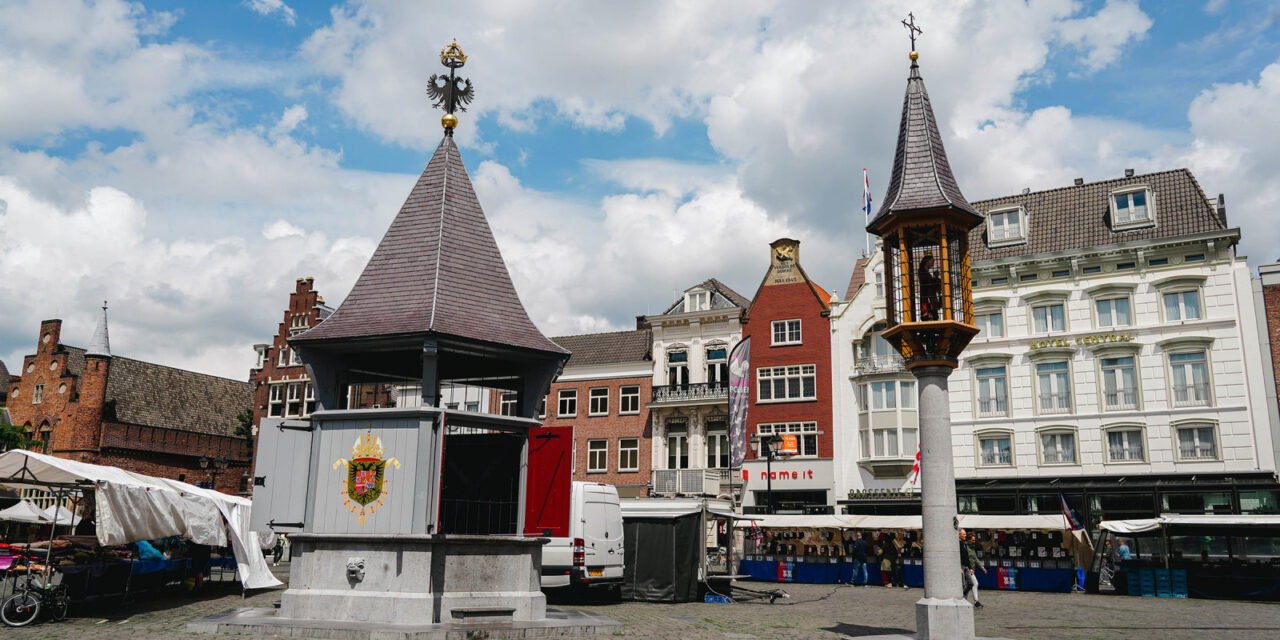
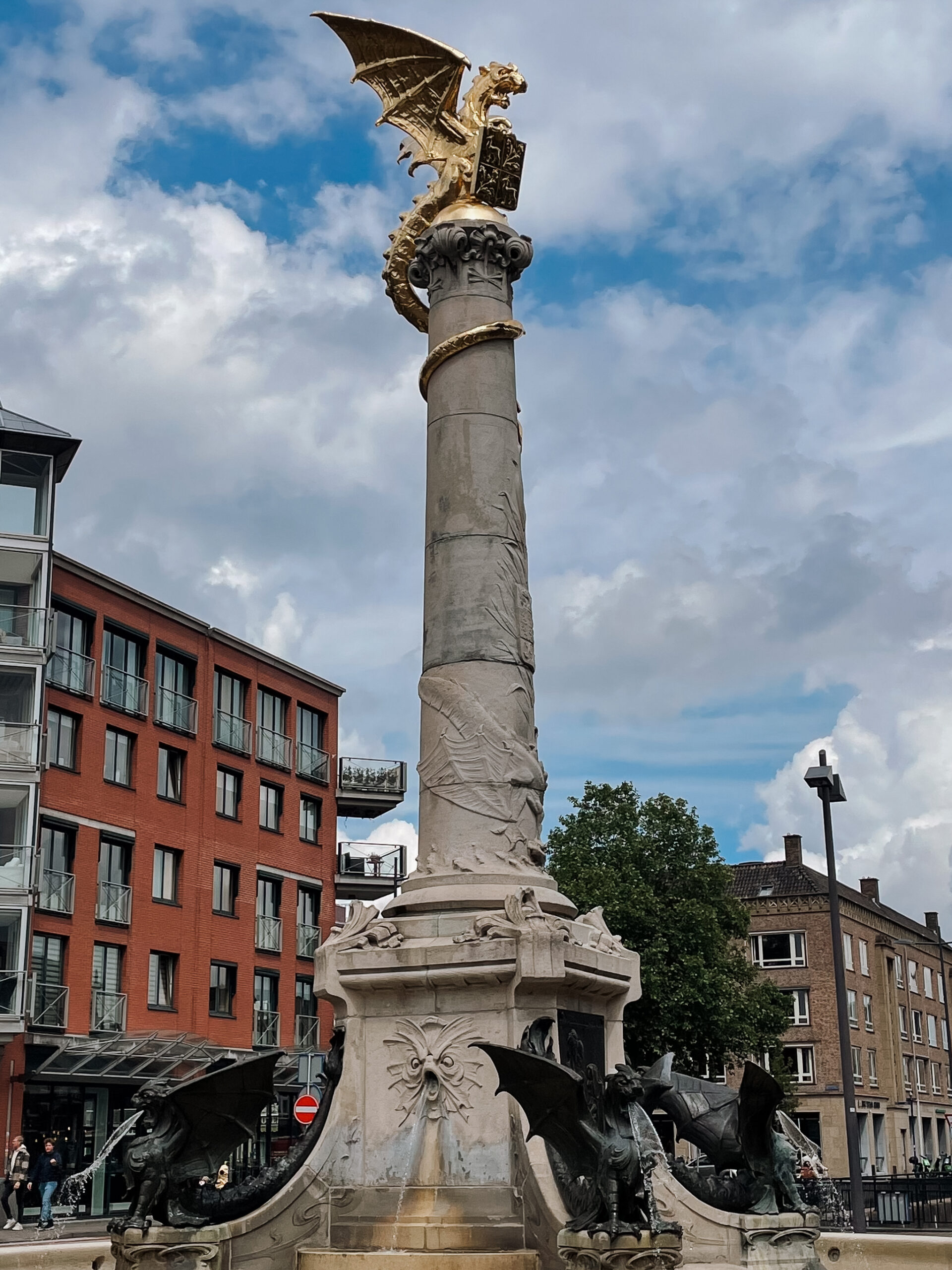
Den Bosch, or, by its full name, ‘s-Hertogenbosch, is one of the most beautiful cities in Brabant (and in the Netherlands). Den Bosch is also the province capital of North-Brabant. I’ve visited Den Bosch a couple of times already, and every time I am charmed by the old town, the canals and the relaxed mood of the city. The name ‘s-Hertogenbosch means “the Duke’s forest” – the duke being Henry I of Brabant who founded a new town located on forested dunes in the middle of a marsh. If you see the city from above (for example from the tower at the Jheronimus Bosch Art Center), you will understand that the name is suitable even to this day: Den Bosch looks like a giant forest, peppered with buildings. A cool thing I like about this city is its connection with dragons. Den Bosch was nicknamed “Swamp Dragon” (moerasdraak ), earned during the Dutch Revolt. The city was long surrounded by marshland, especially the Bossche Broek, which made it extremely hard for enemy armies to reach or conquer. During the Eighty Years’ War, its seemingly unbeatable defenses gave the city a fierce, dragon-like reputation. Today you will find dragons around the city, a sign that they wear their nickname proudly.
Only one hour by train from Amsterdam, it’s a miracle that ‘s-Hertogenbosch is not overtaken by tourists. The majority of tourists I’ve encountered were Dutch, local tourists doing a “dagje uit” (day out). If you have the chance to visit, don’t think twice: this place has to offer a bit of everything, and you will be captivated by its medieval beauty and the cultural spots.
✨ Day-trip suitability
International visitors: ● ● ● ● ○ — Highly recommended if you have time
NL-based day-trippers: ● ● ● ● ● — Worth planning a day (or a weekend) around.
● Circles indicate suitability, not quality. Some subjectivity included. How to read these ratings 📜
Why Visit Den Bosch?
Den Bosch is one of the Netherlands’ best-kept secrets. This medieval Brabantian capital offers a cathedral that rivals any in Europe, underground canals you can explore by boat, world-class museums dedicated to Hieronymus Bosch and Van Gogh, and a food scene anchored by the legendary Bossche Bol. The compact old town is walkable in a day, yet dense enough to surprise you at every corner, with hidden gardens and nature reserves you can reach on foot from the city centre.
A Bit of History
Den Bosch was granted city rights in 1185 by Henry I, Duke of Brabant, making it one of the oldest fortified cities in the Netherlands. By the 16th century, it had grown into one of the major cities in the territory of the present-day Netherlands, a prosperous trading hub where craftsmen, merchants, and artists thrived. It was here, around 1450, that Jheronimus van Aken was born — the painter the world would come to know as Hieronymus Bosch, who took his name from the city itself.
The city’s strategic importance made it a prize during the Eighty Years’ War. In 1629, Frederik Hendrik besieged and captured Den Bosch from the Spanish, a turning point that brought the city into the Dutch Republic. The Citadel, built between 1637 and 1642 on his orders, still stands as a reminder of that era; locals nicknamed it “Papenbril” (priest’s spectacles) because of its star-shaped plan, and because its cannons were aimed at the Catholic city rather than outward.
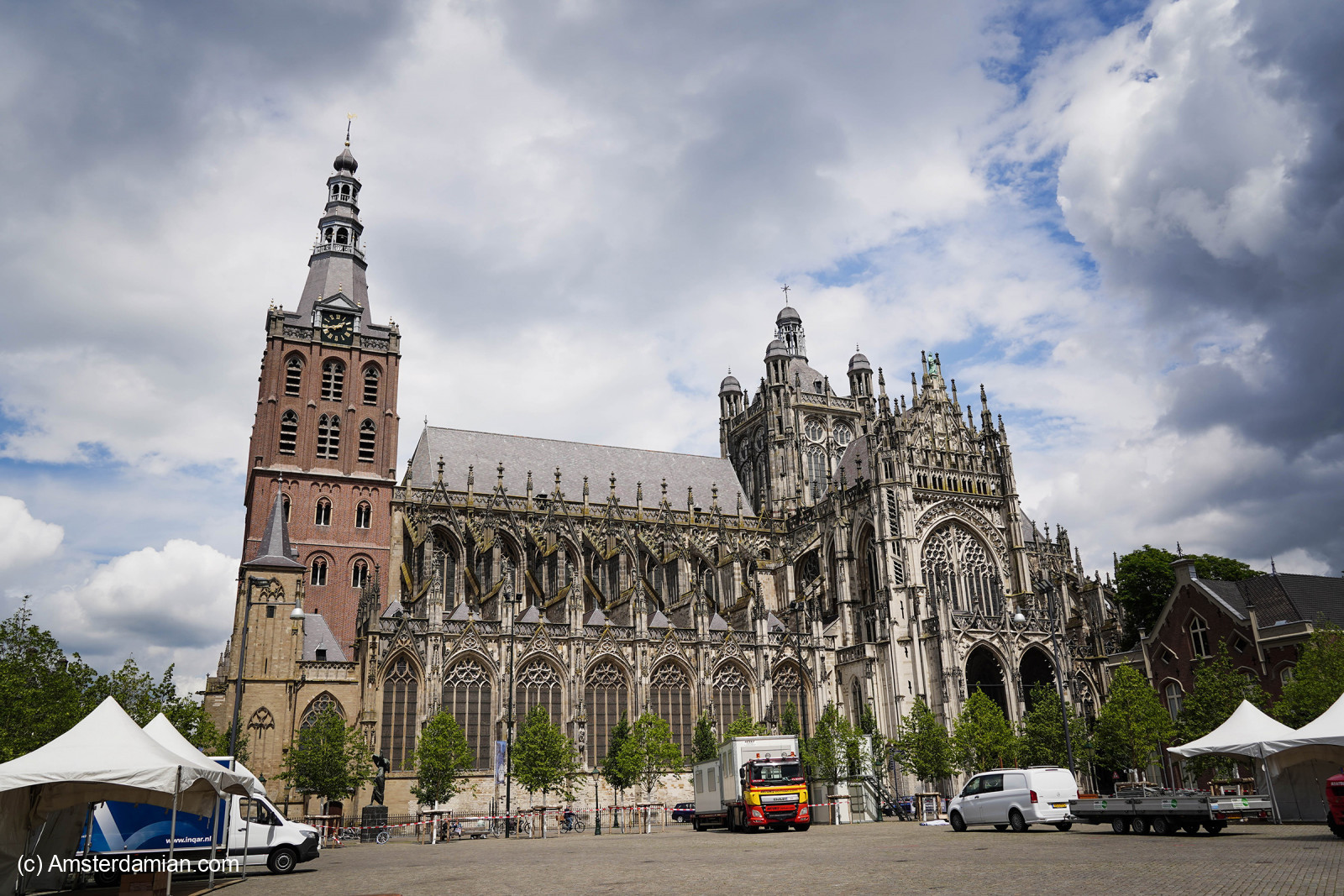
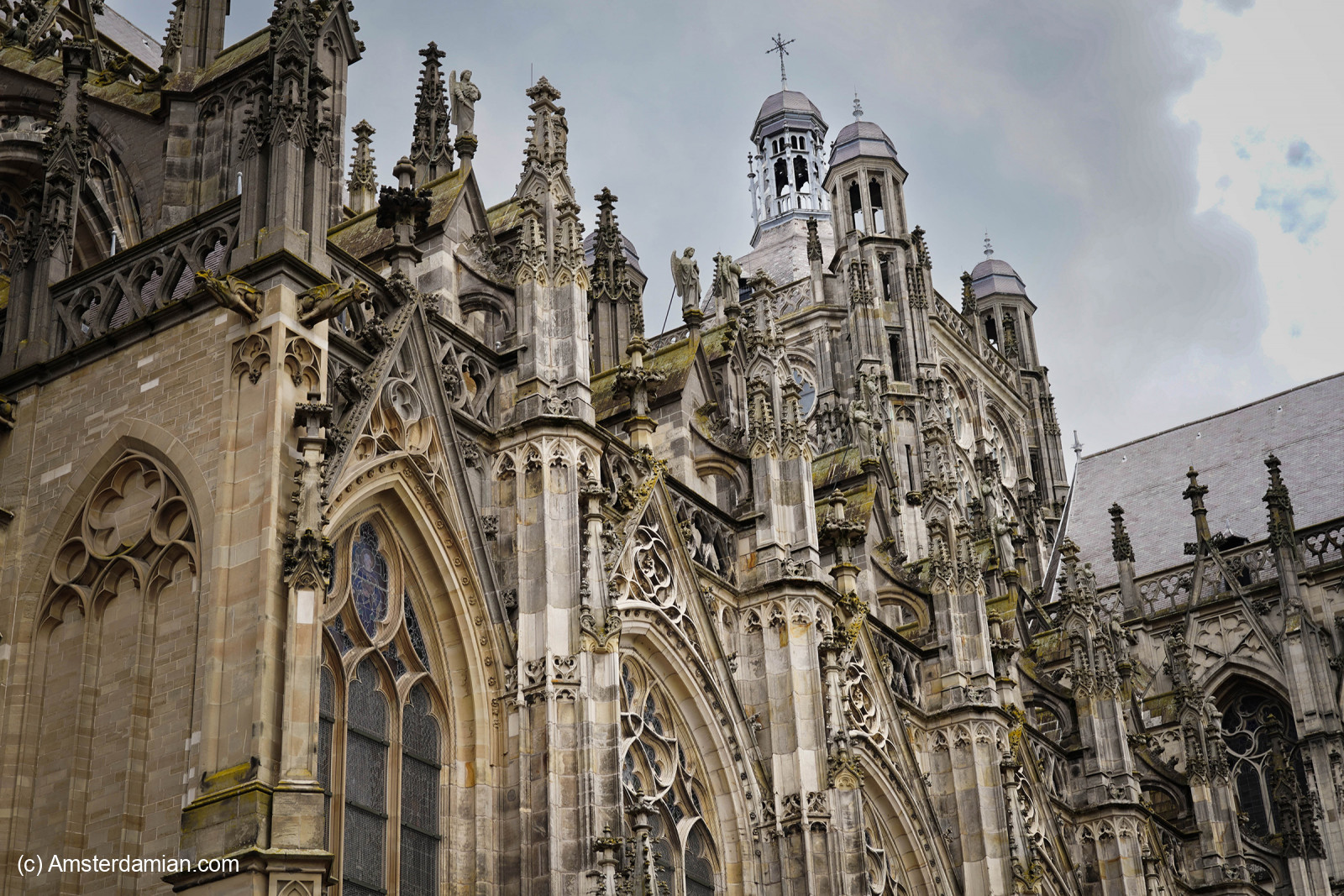
Today, you’ll find Den Bosch’ history in the medieval street plan, in the gargoyles and flying buttresses of Sint-Jan Cathedral, in the Binnendieze canals that once served as the city’s lifelines, but also in a Burgundian warmth that sets it apart from the more restrained cities of the Randstad.
Best things to do in Den Bosch
1. Eat a Bossche bol
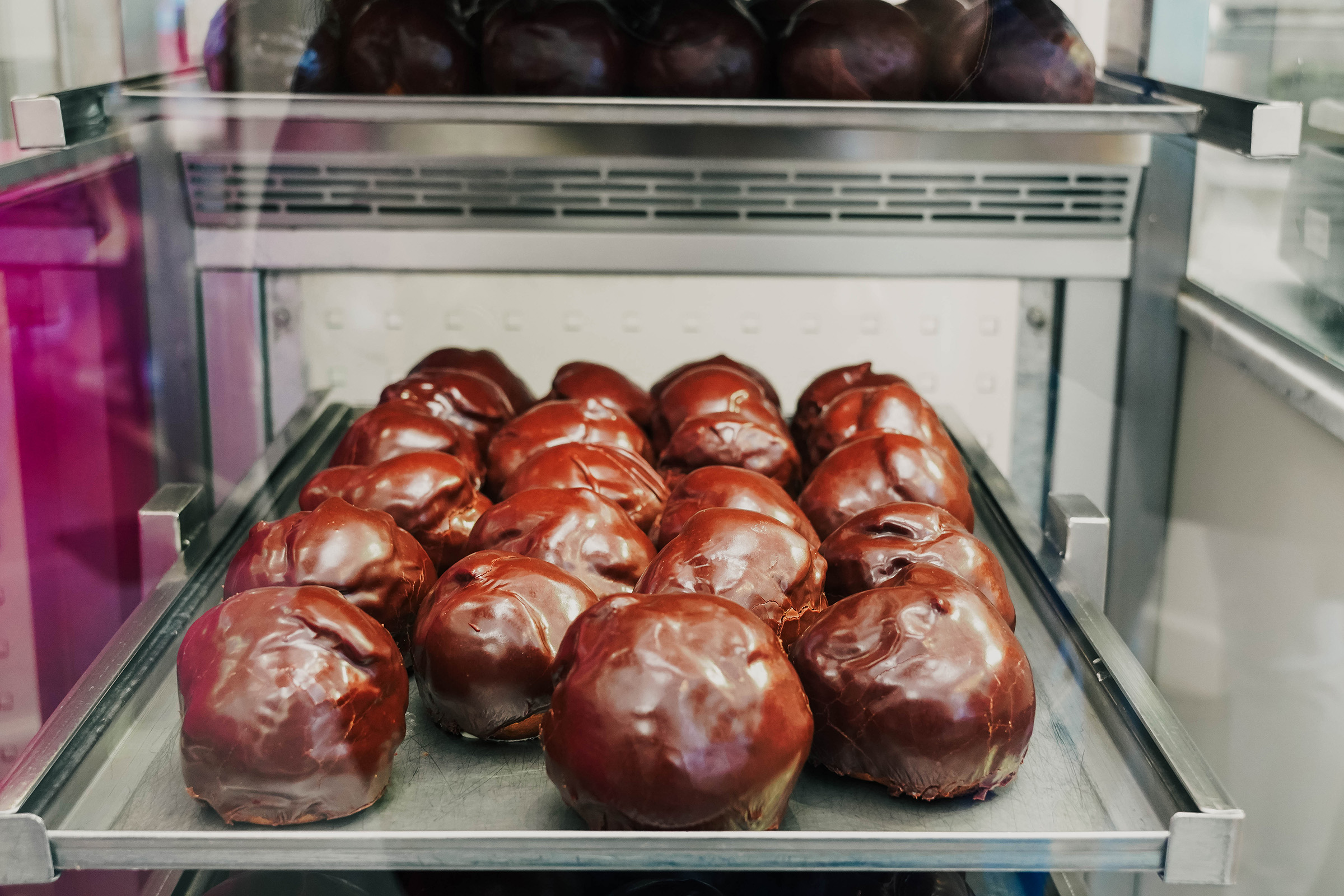
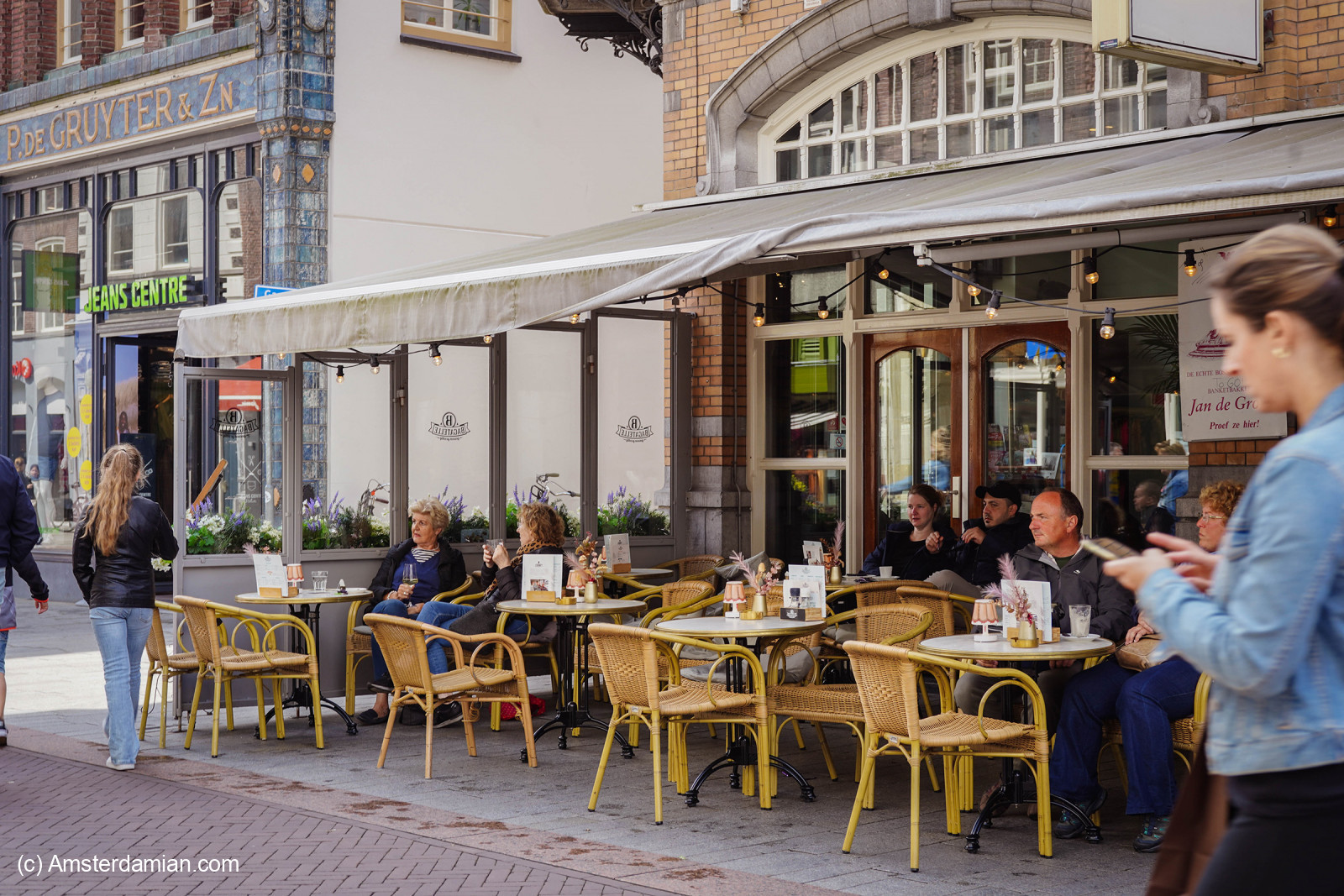
This is a chocolate ball filled with cream, a heavy dessert, traditional to the city. Any visit to Den Bosch should start with a visit to Jan de Groot Banketbakkerij for one of the famous Bossche Bollen. The bakery is only a few minutes walking from the train station, right next to the Golden Dragon statue that you will surely not miss. You can stop at the bakery for a coffee and your dose of sugar, or take your bol and go sit on a bench, on the close by river. If you don’t feel like eating the Bossche bol immediately after your arrival, fear not! Many restaurants in the city advertise it on their menu, so you can have it later, after you walked and feel like recharging.
2. Walk around the Old Town
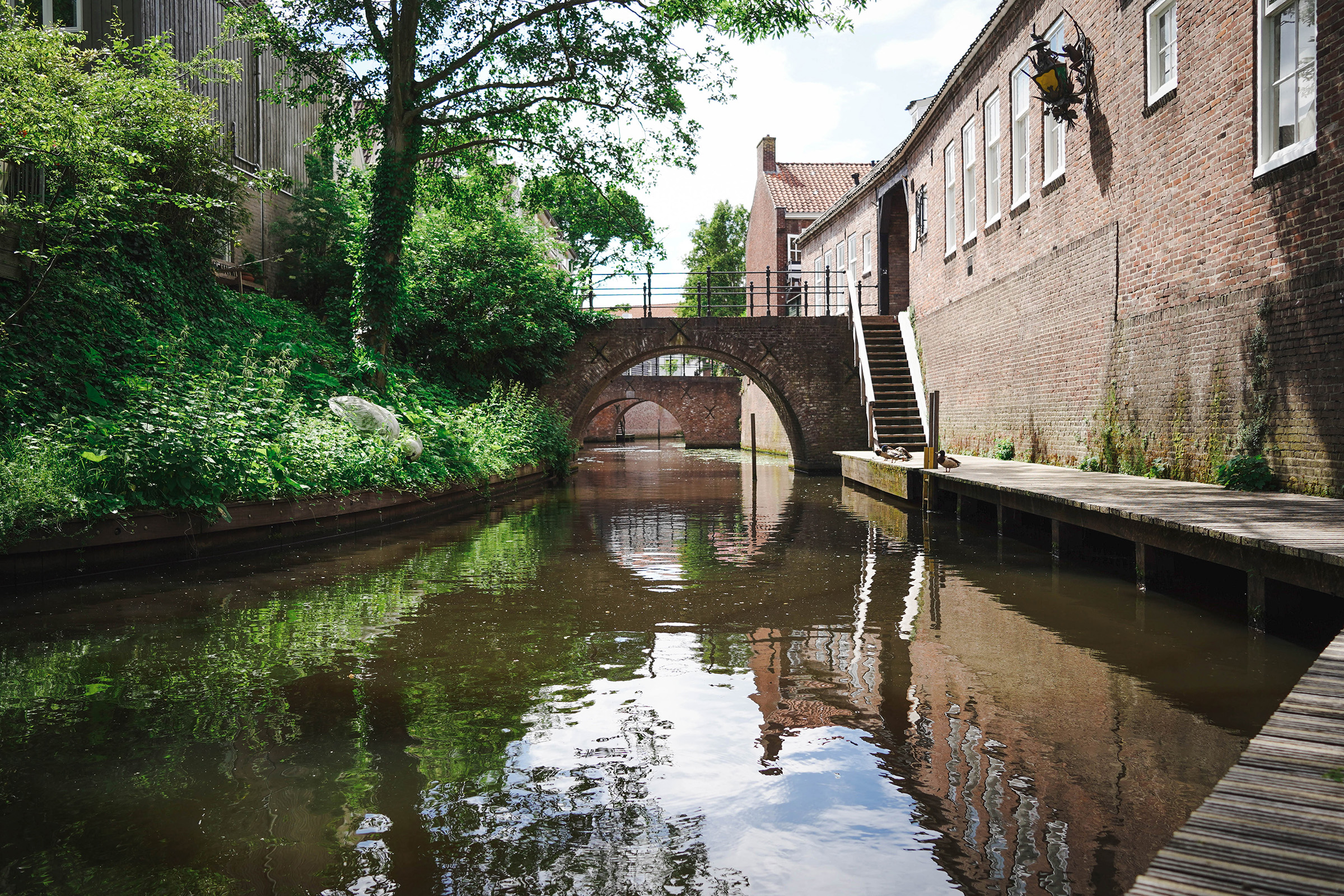
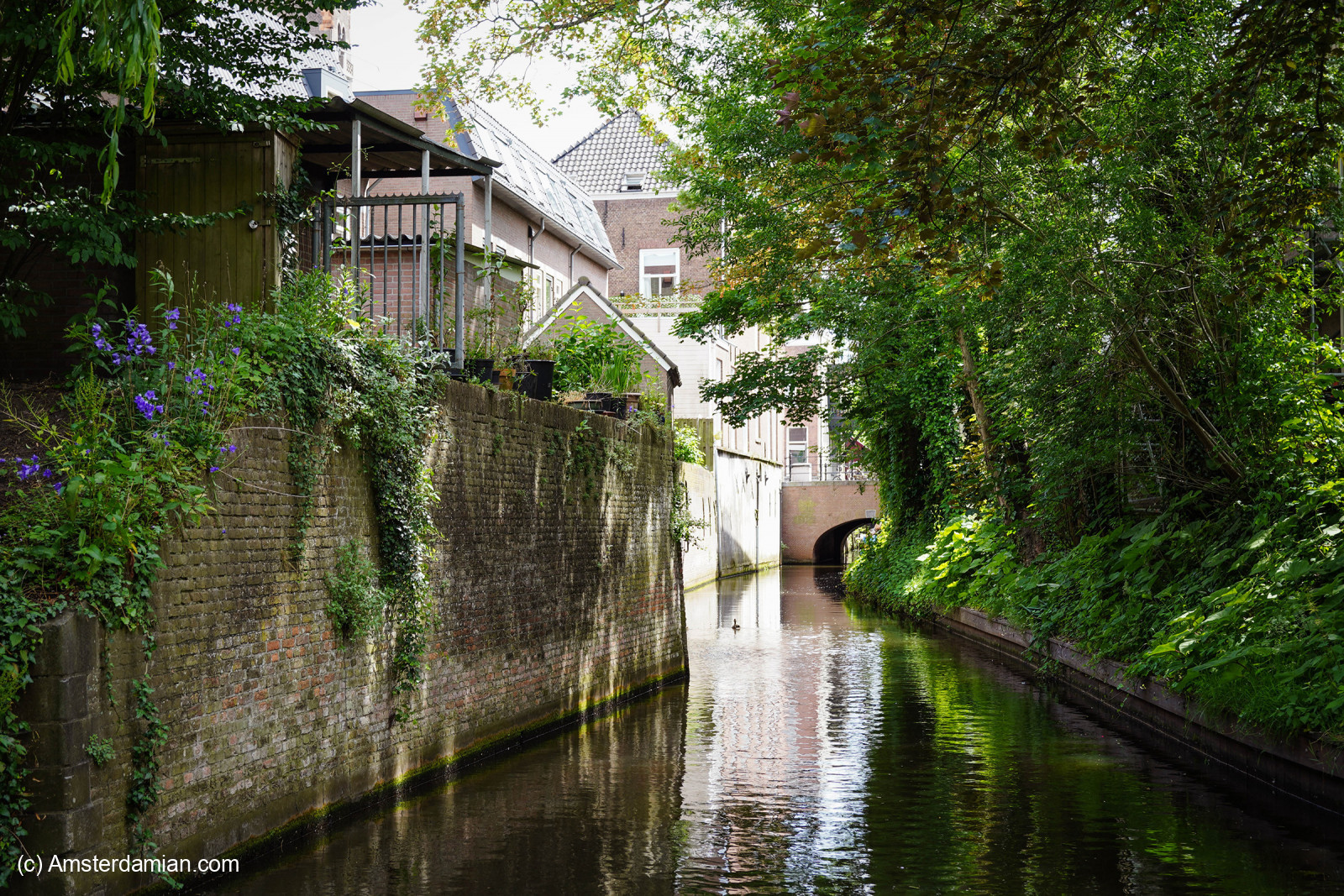
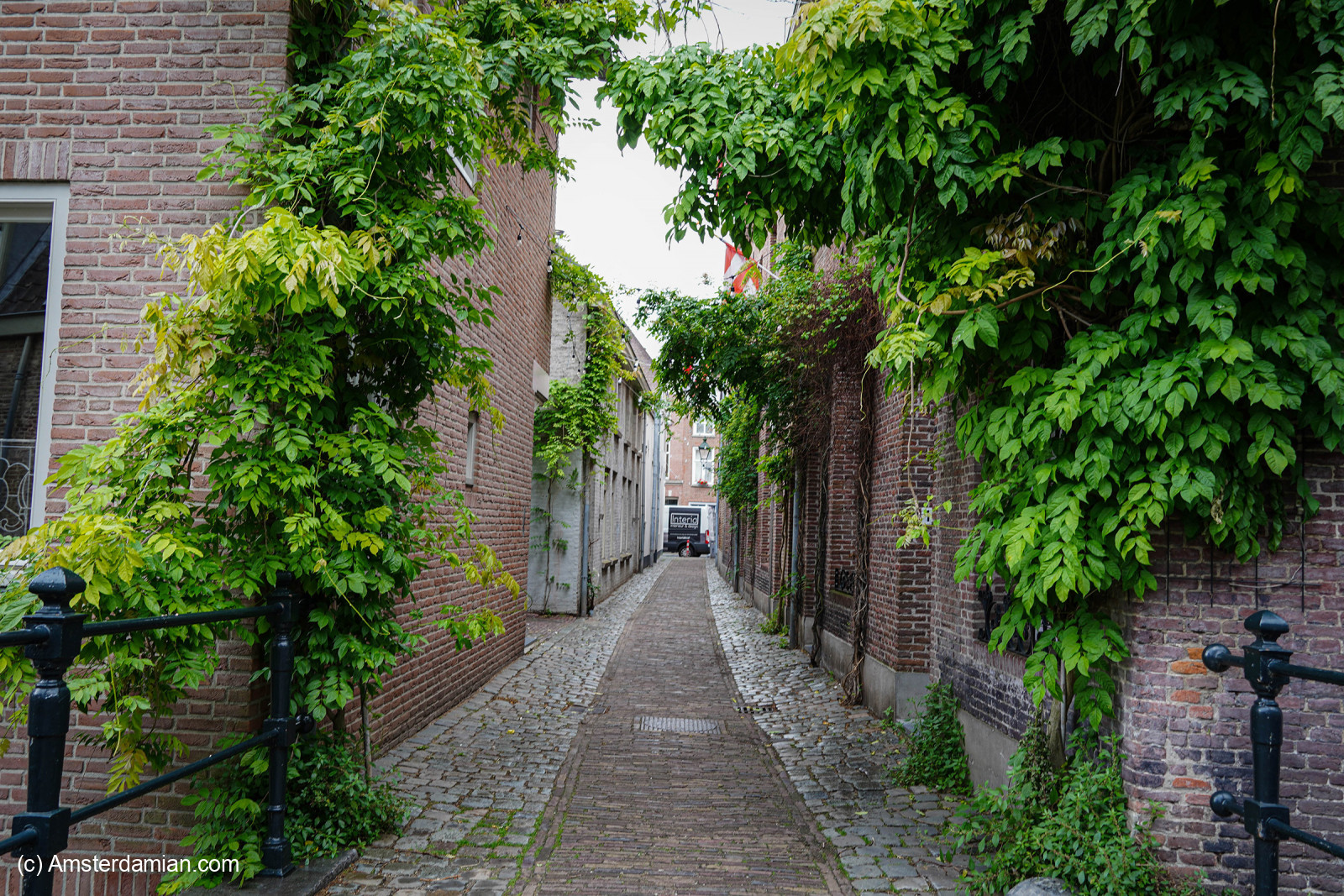
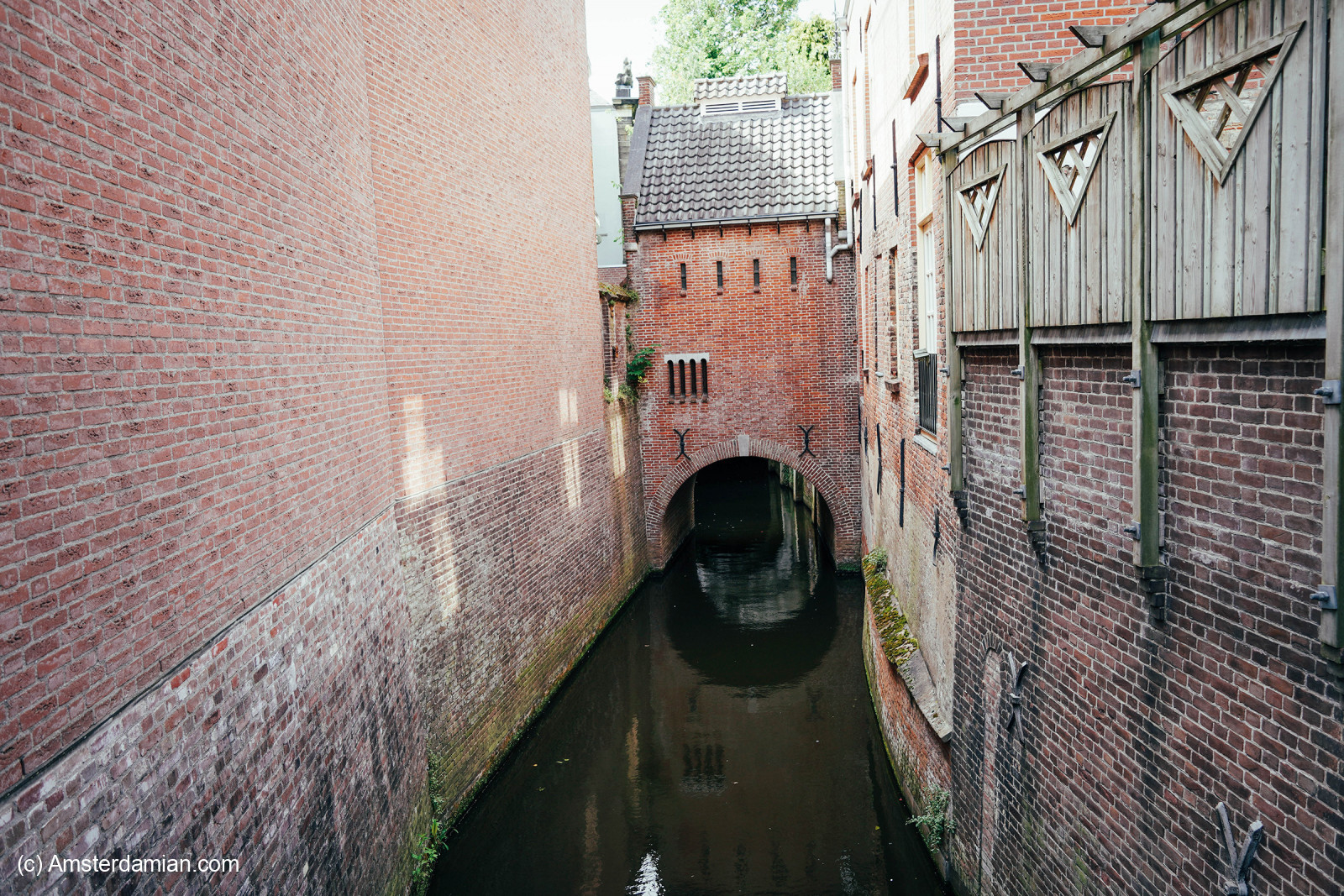
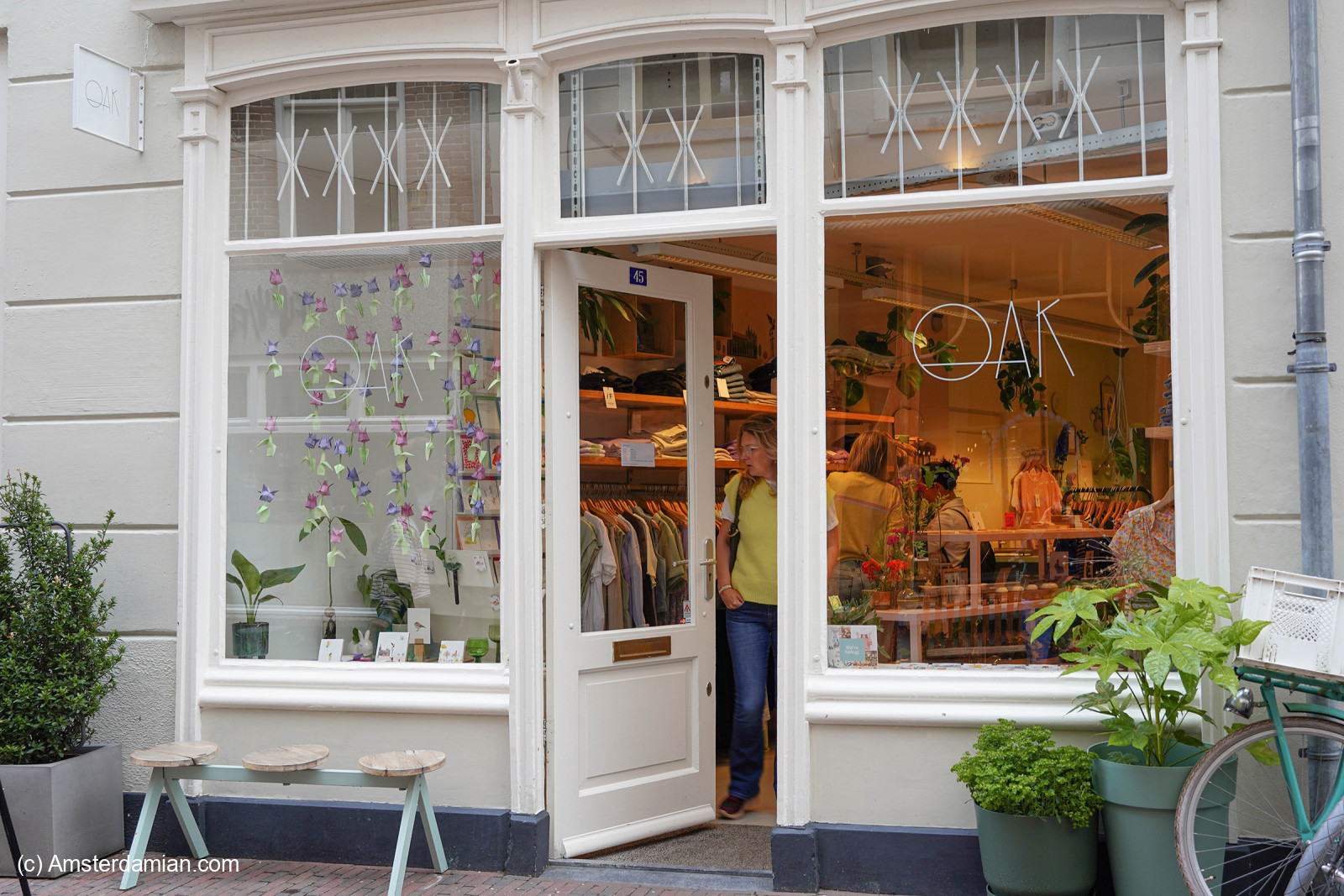
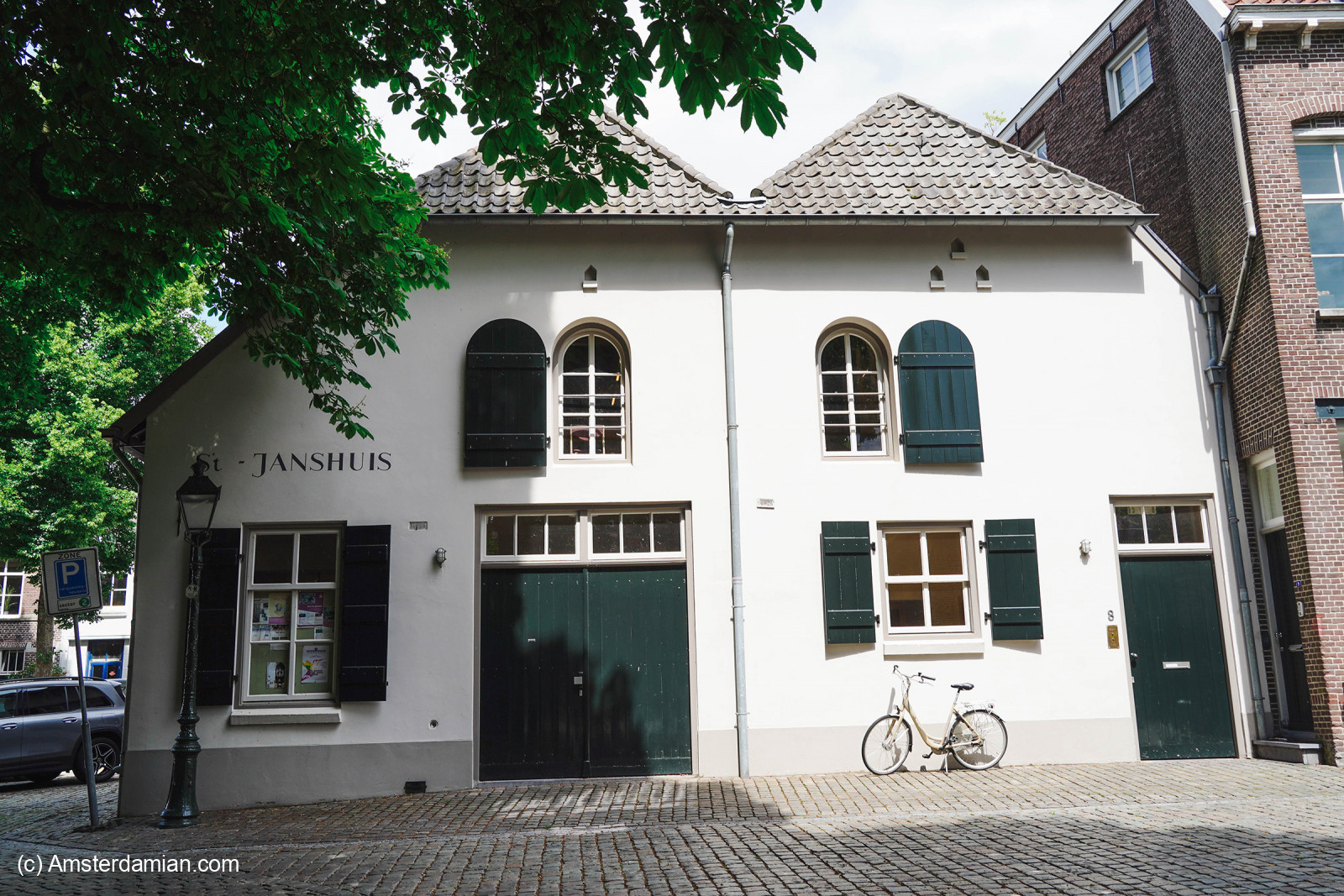
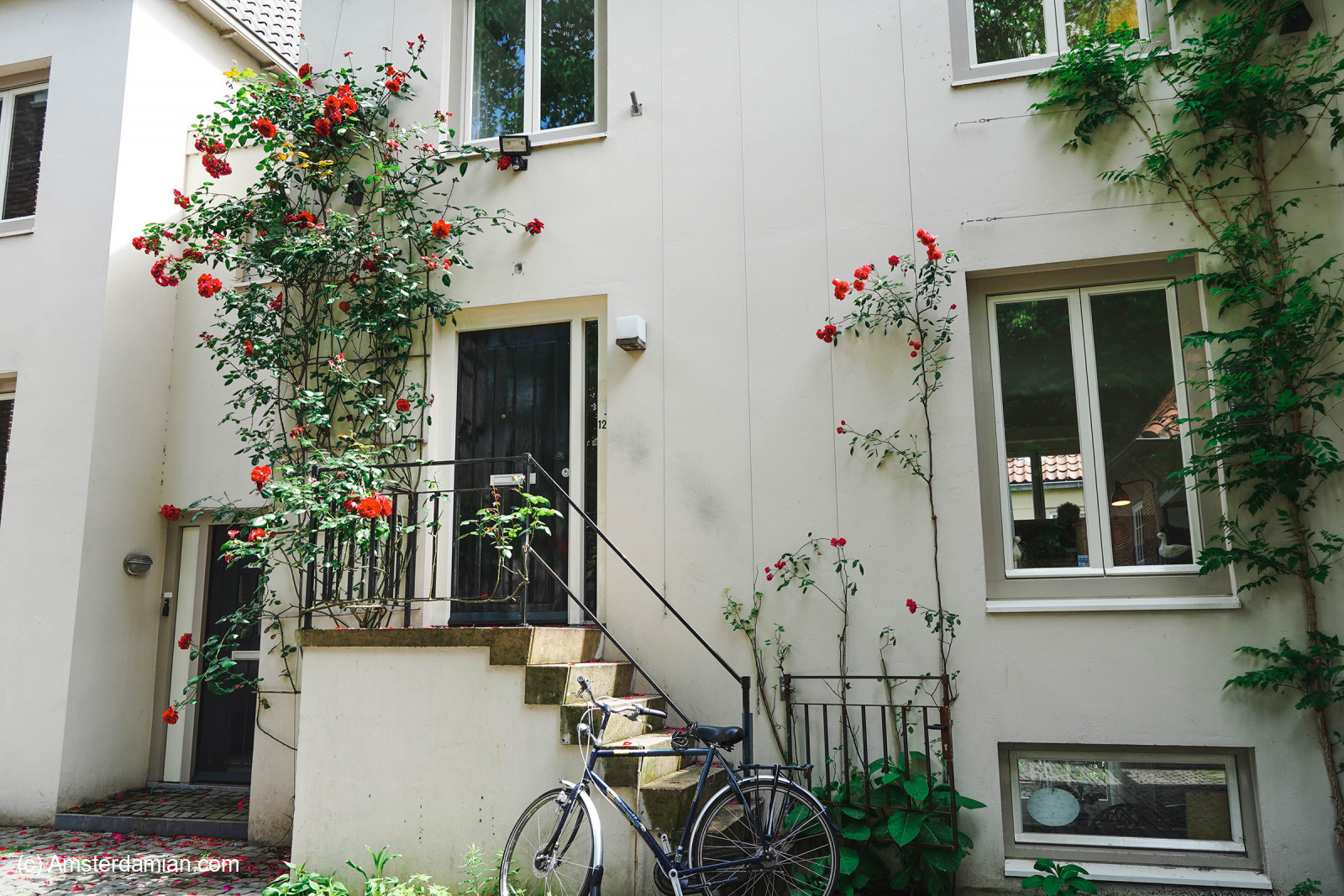
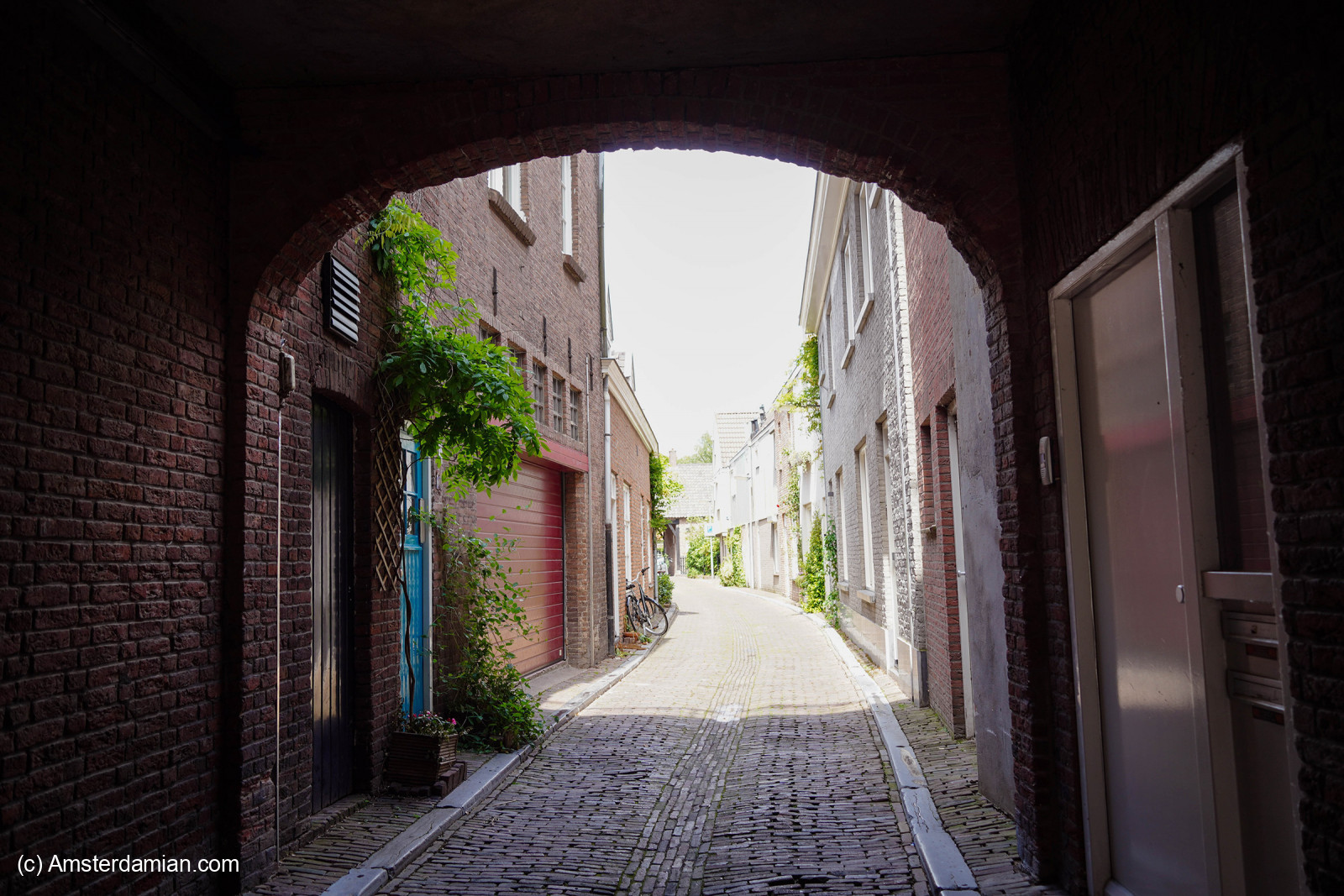
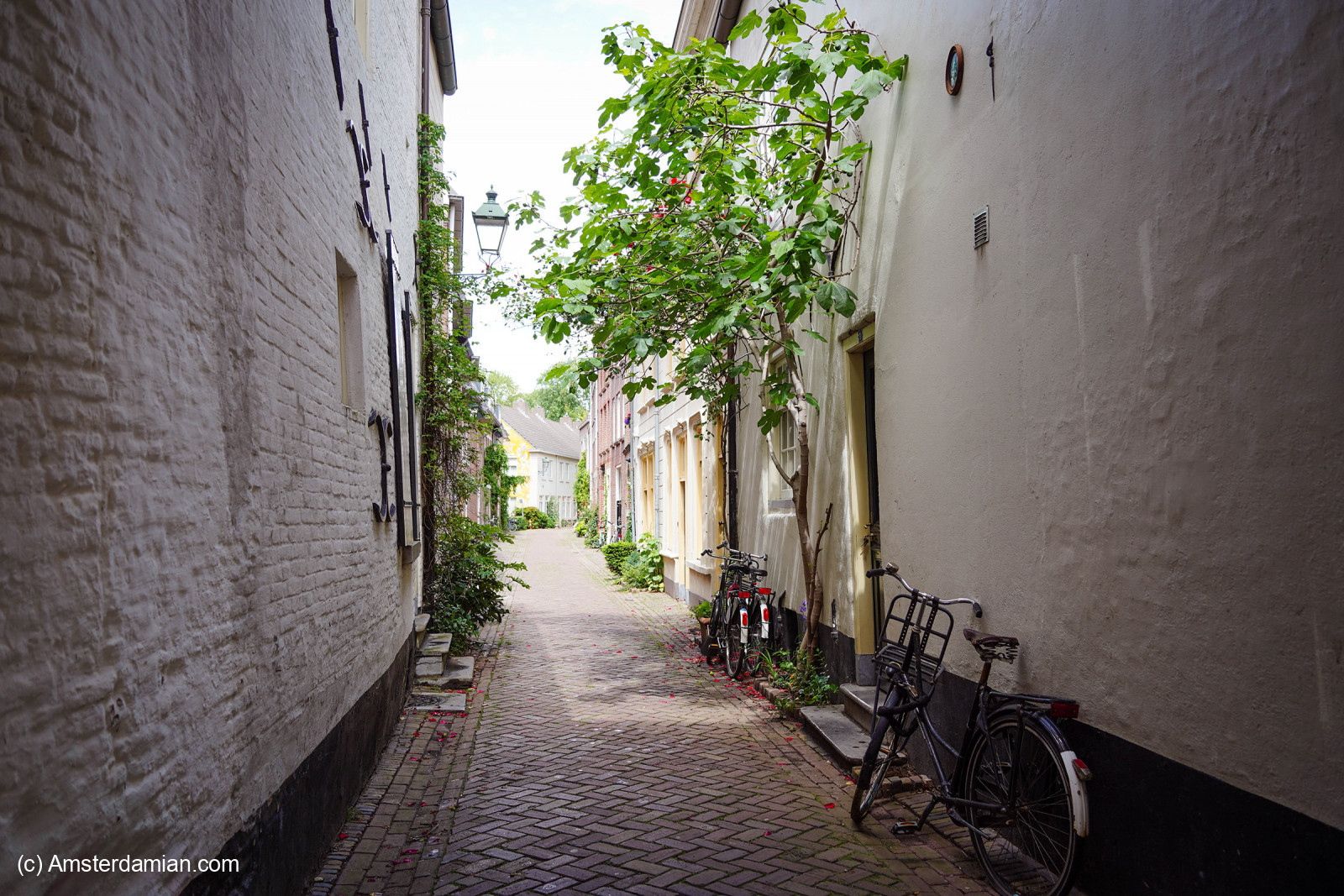
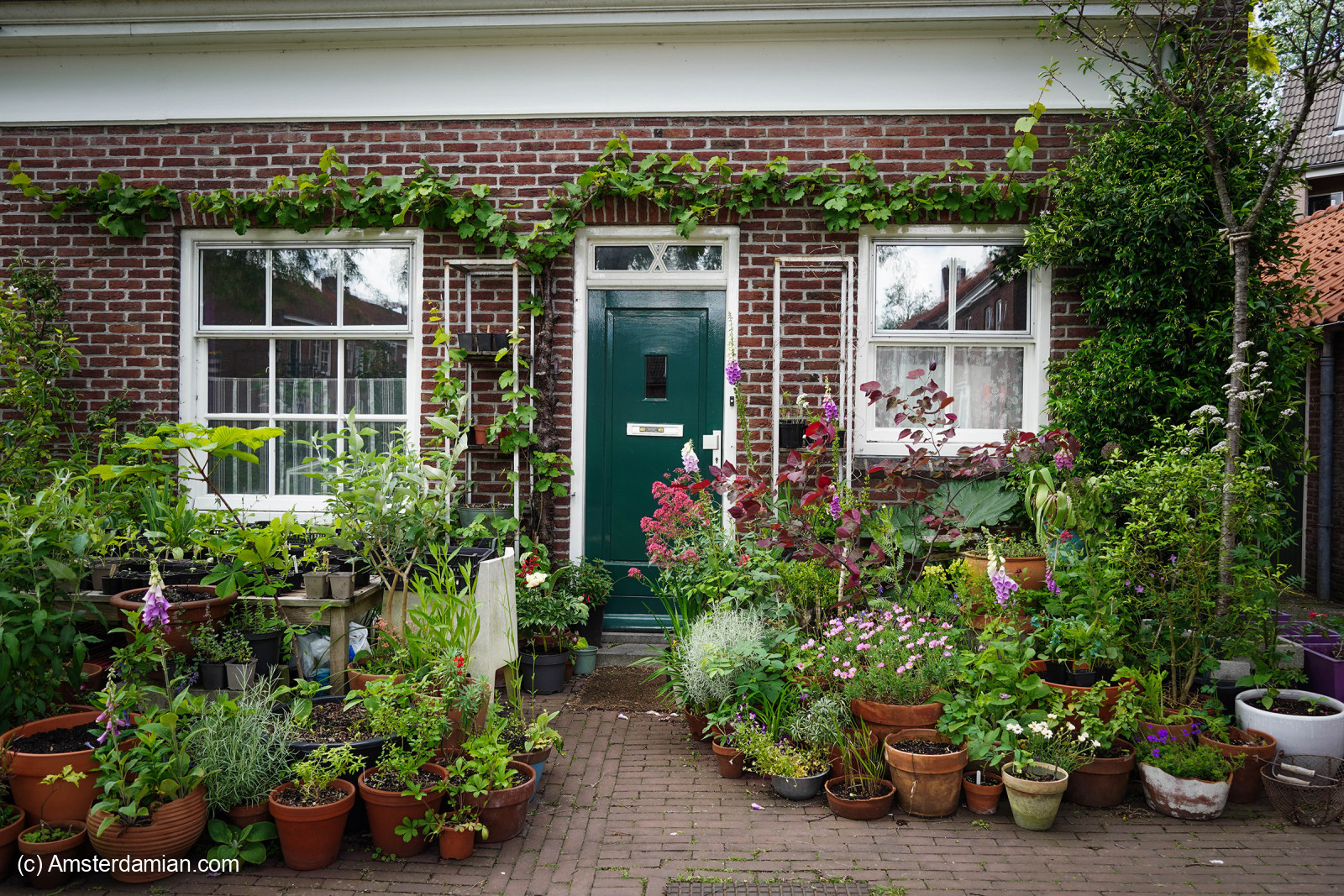
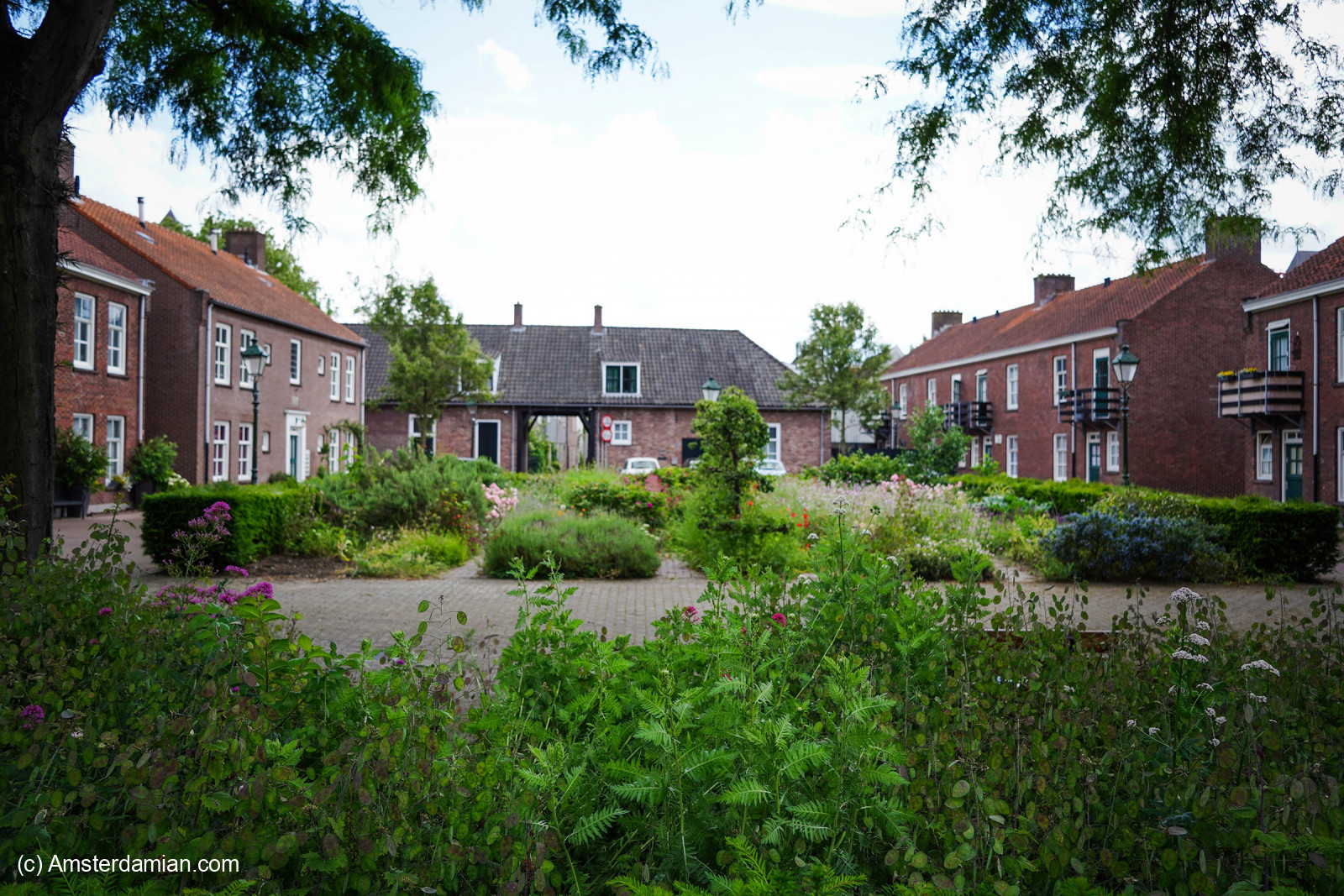
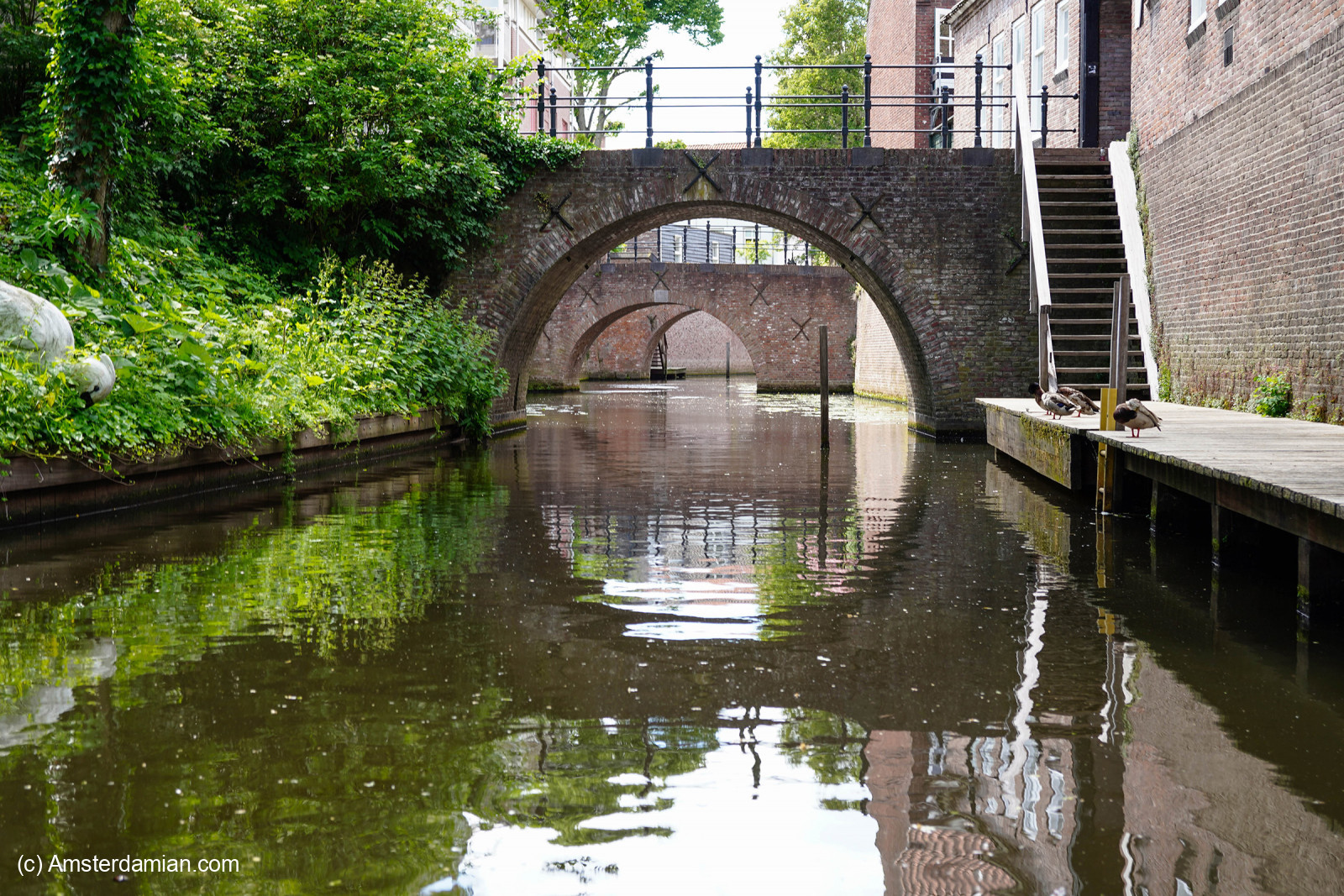
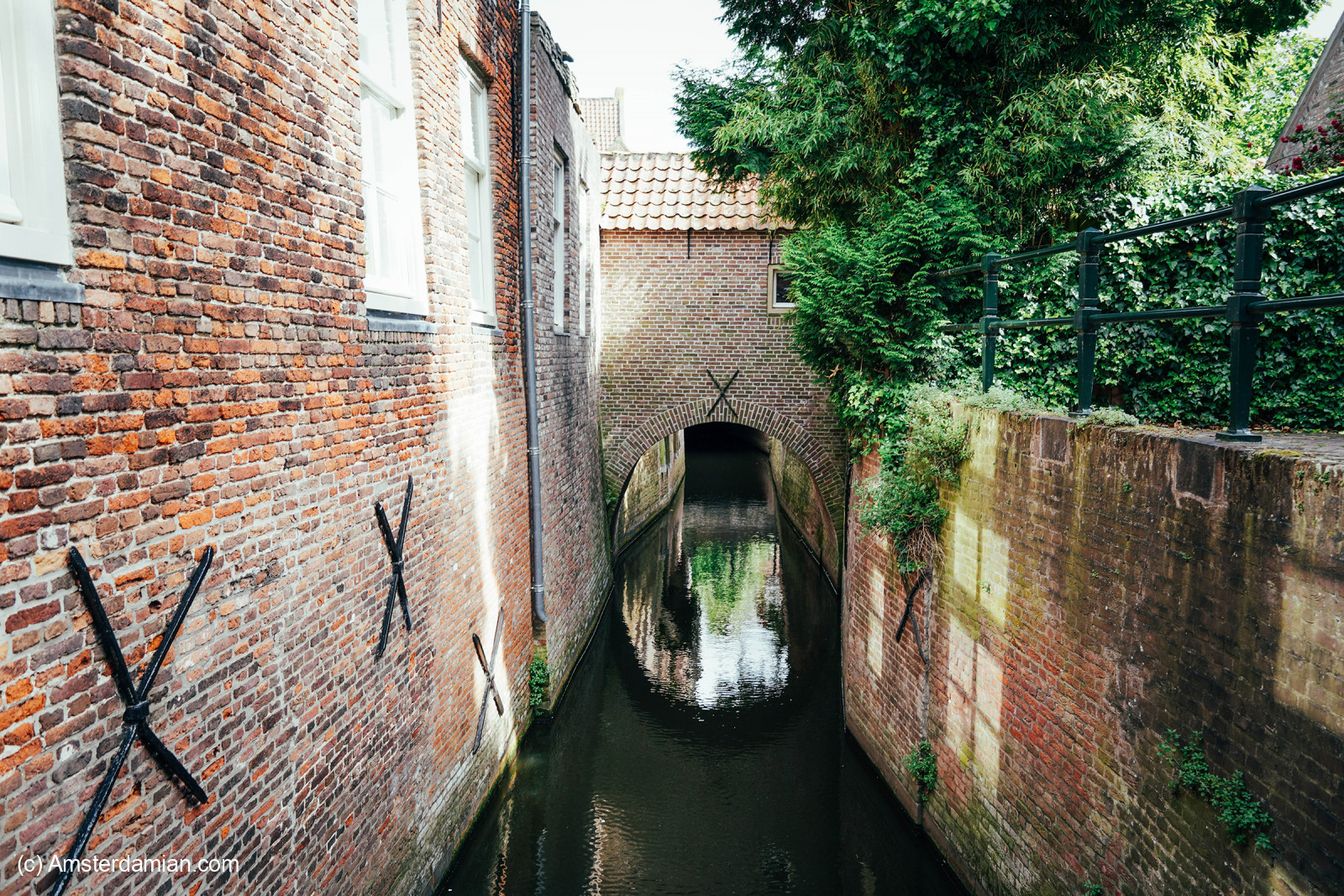
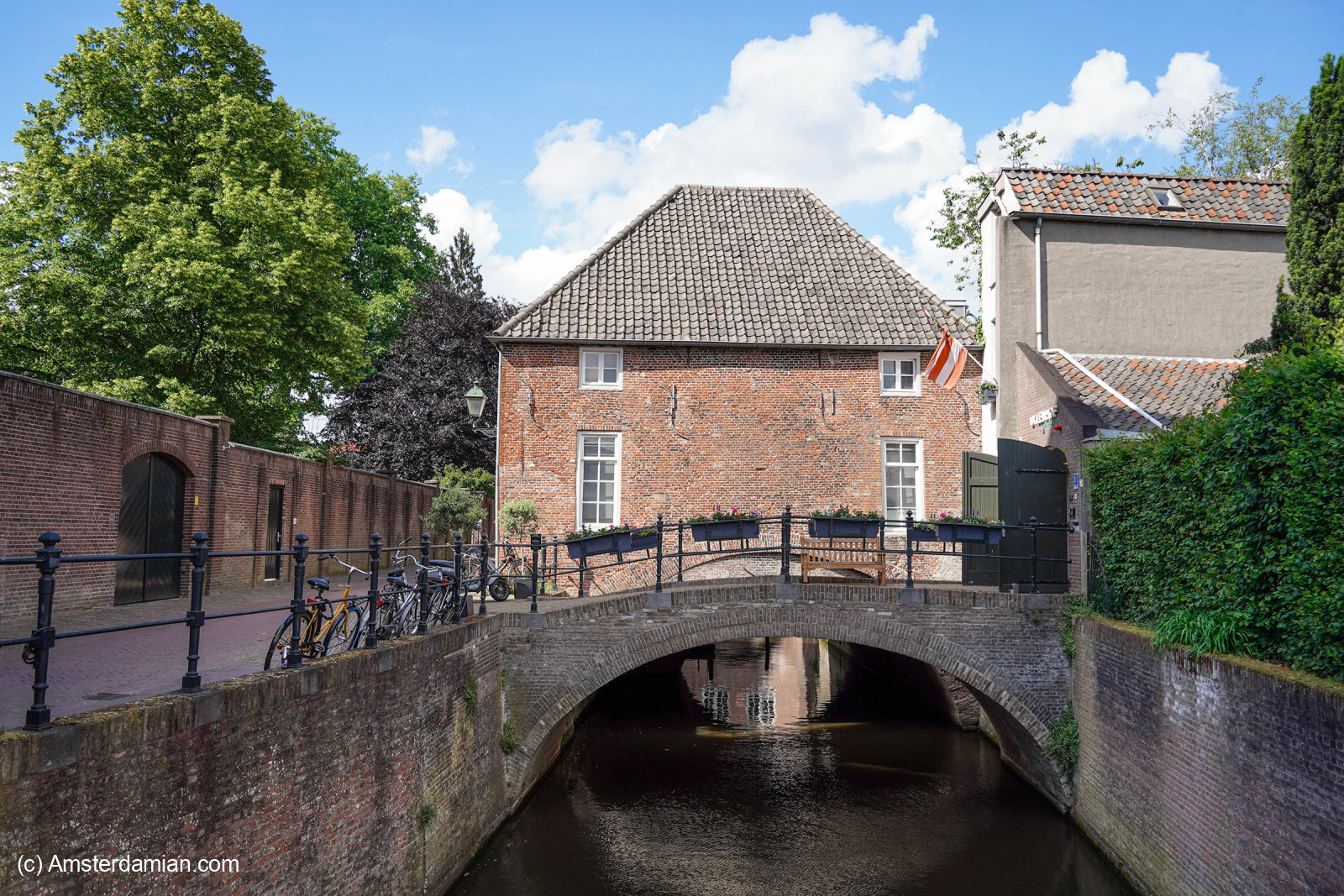
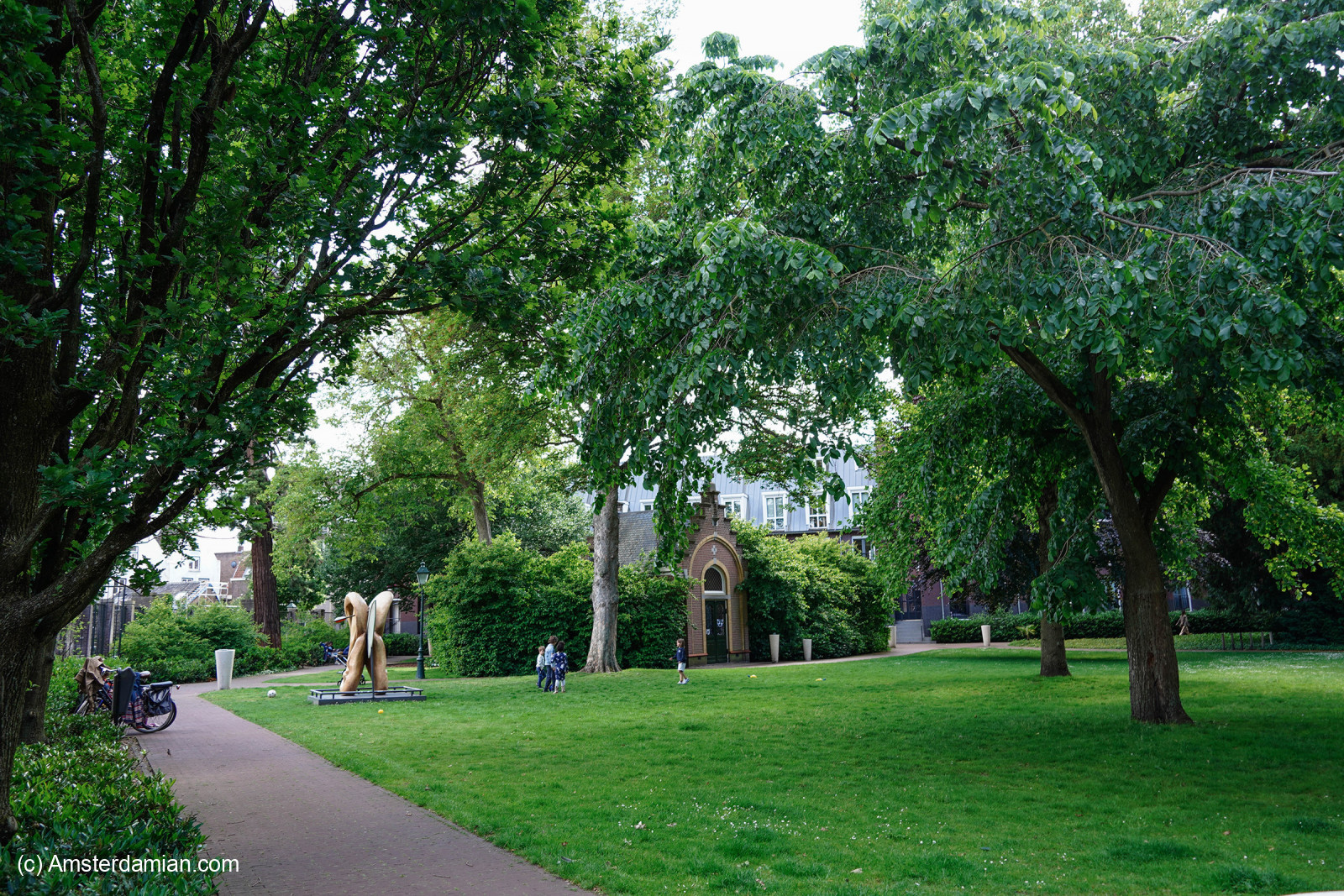
The city centre is not large, so it can be easily discovered by foot. Find your way through the streets, admire the architecture, the occasional Jheronimus Bosch statues; discover the hidden or not-so-hidden gardens and don’t forget to check out the shopping streets for some very cool boutiques. My favourite discoveries: Uilenburg street, one of the most picturesque street and canal view and Zusters van Orthenpoort – a lovely garden and a spot where you can walk next to the Binnendieze water (the canal picture above is taken there).
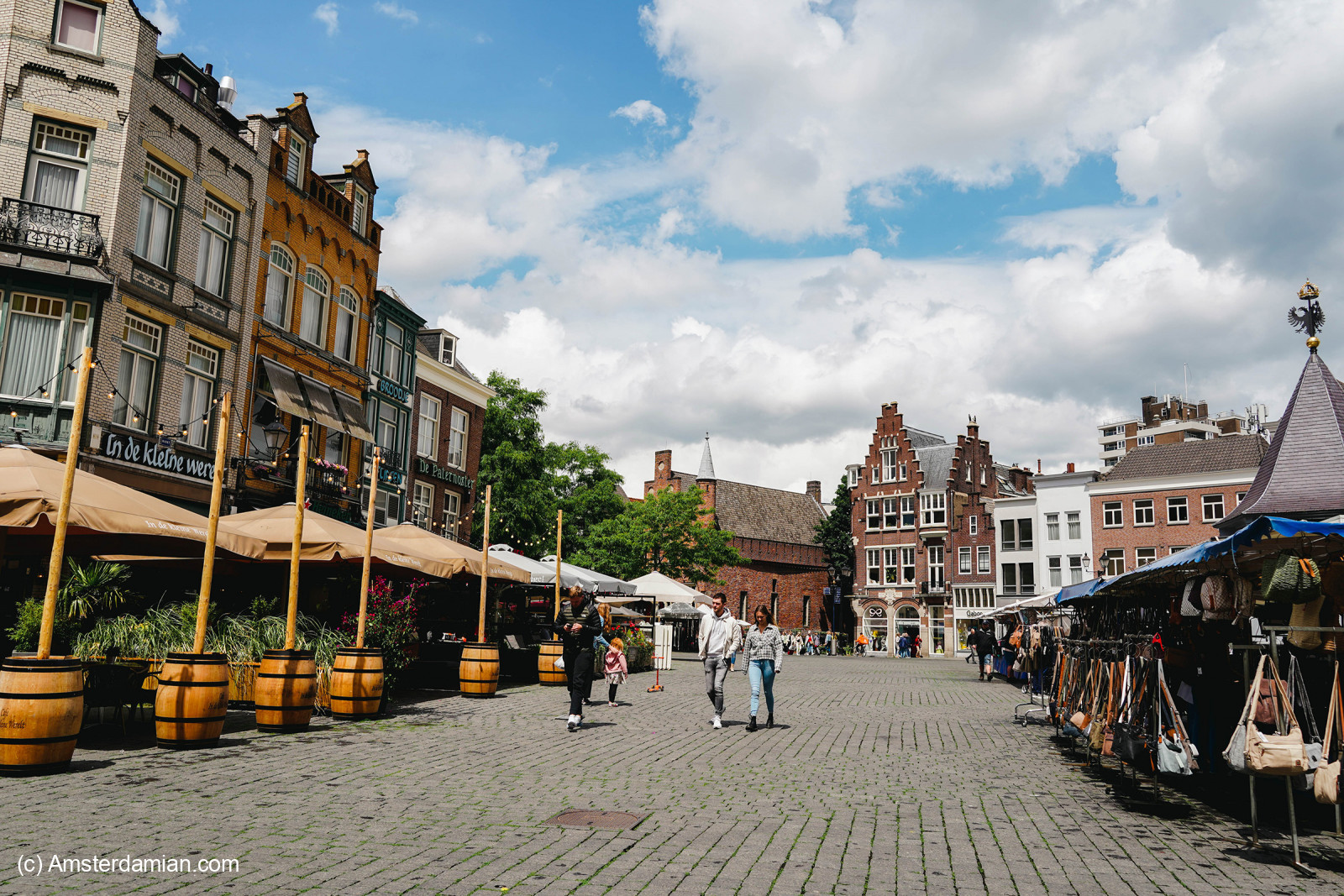
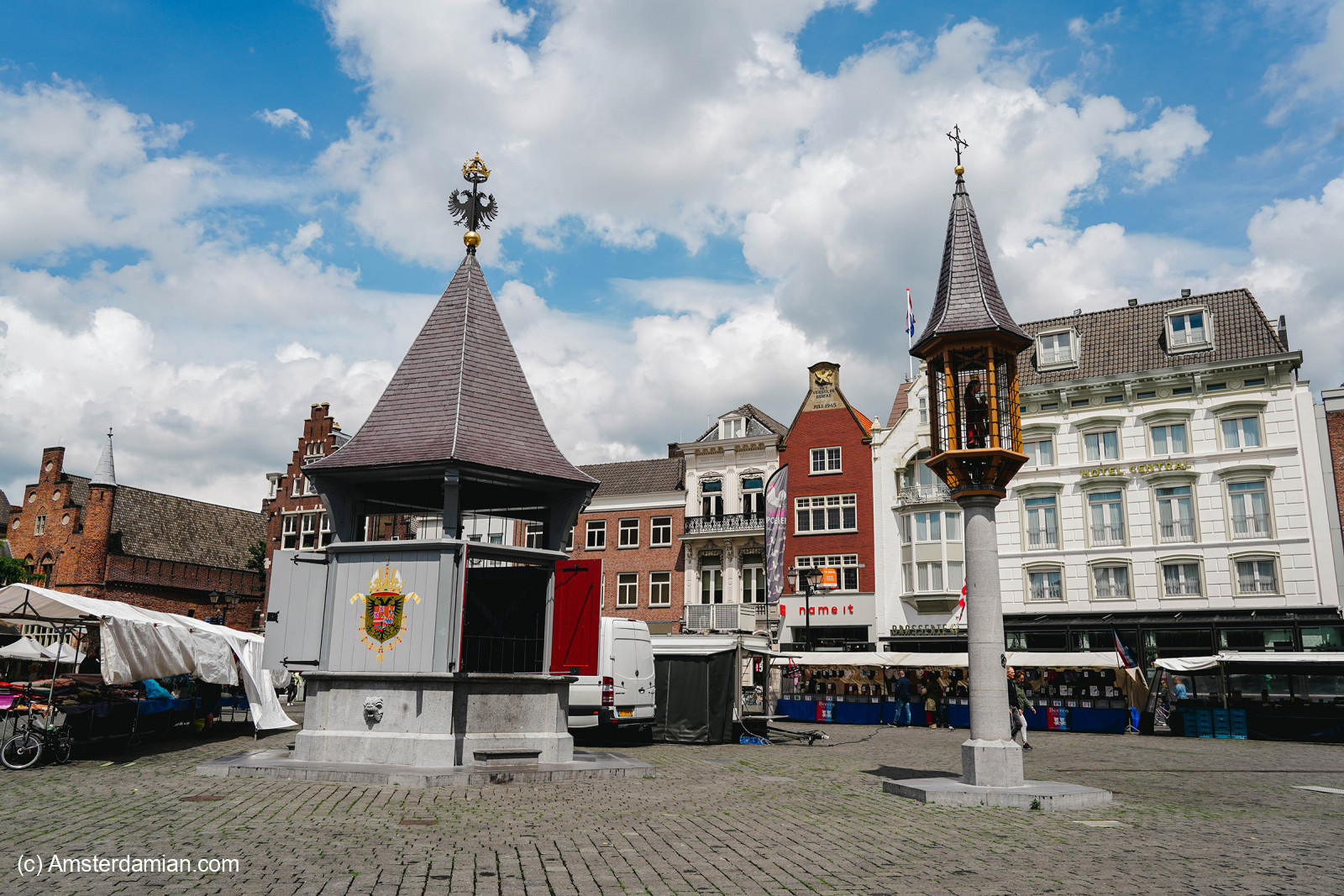
3. The Markt (Market Square)
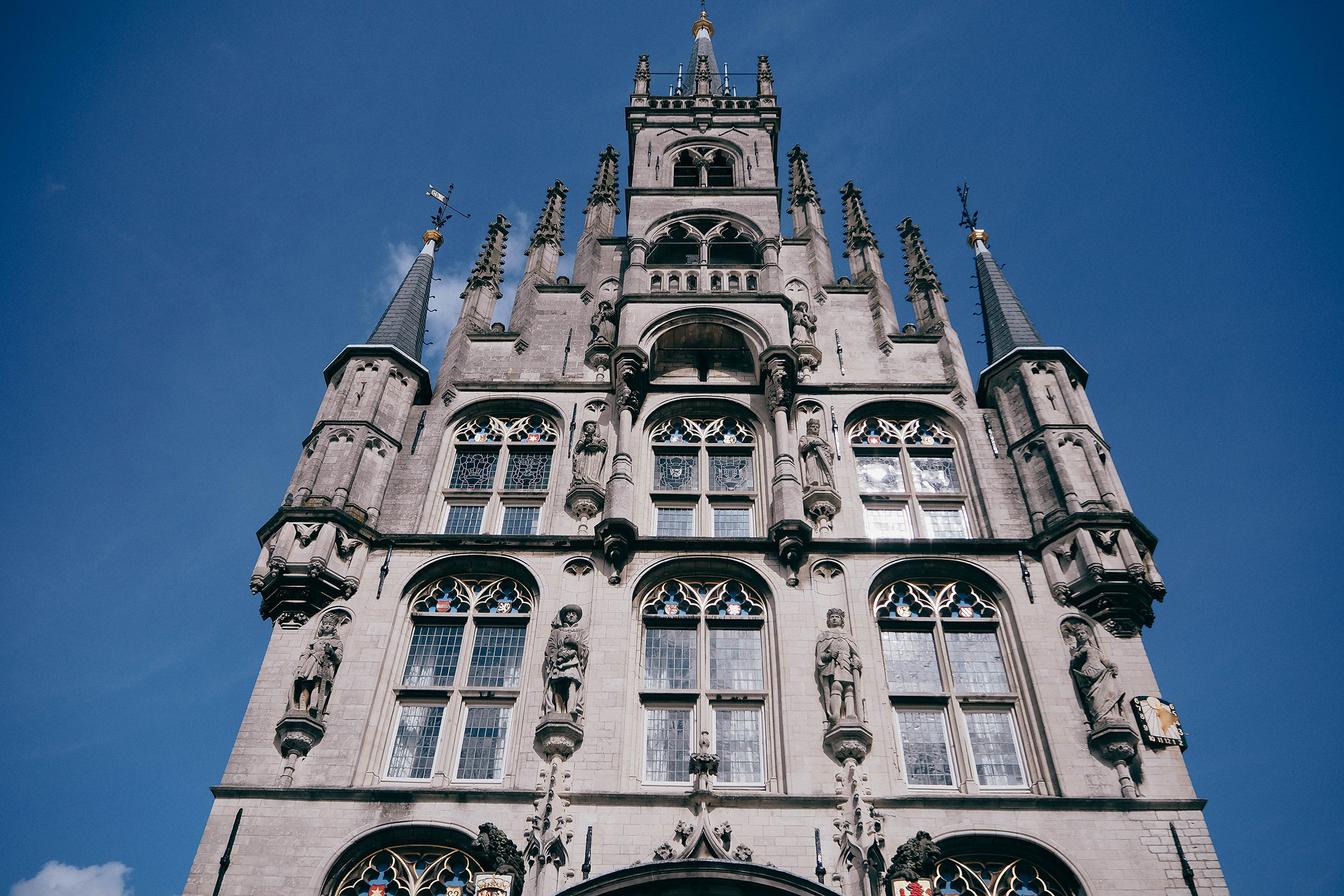
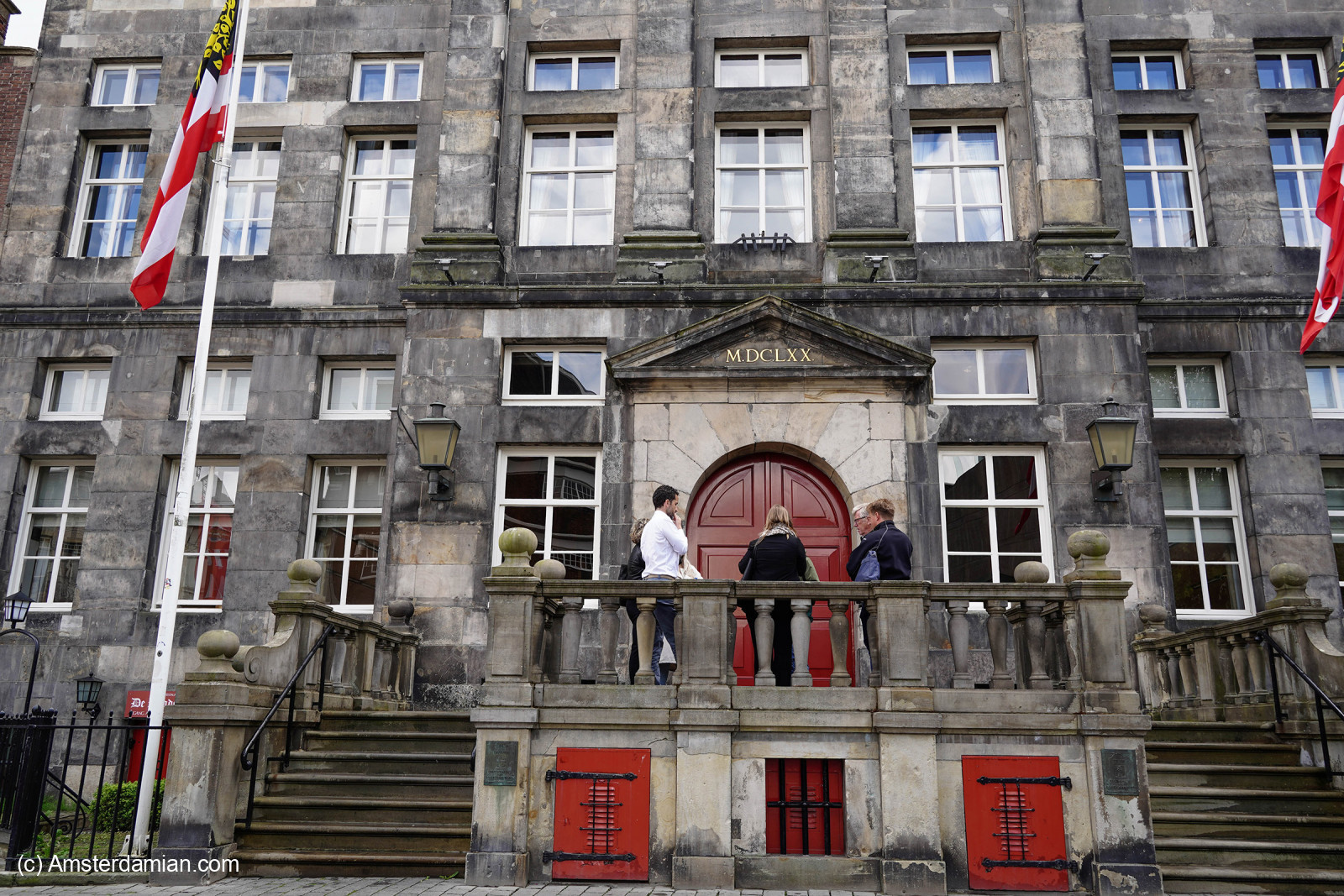
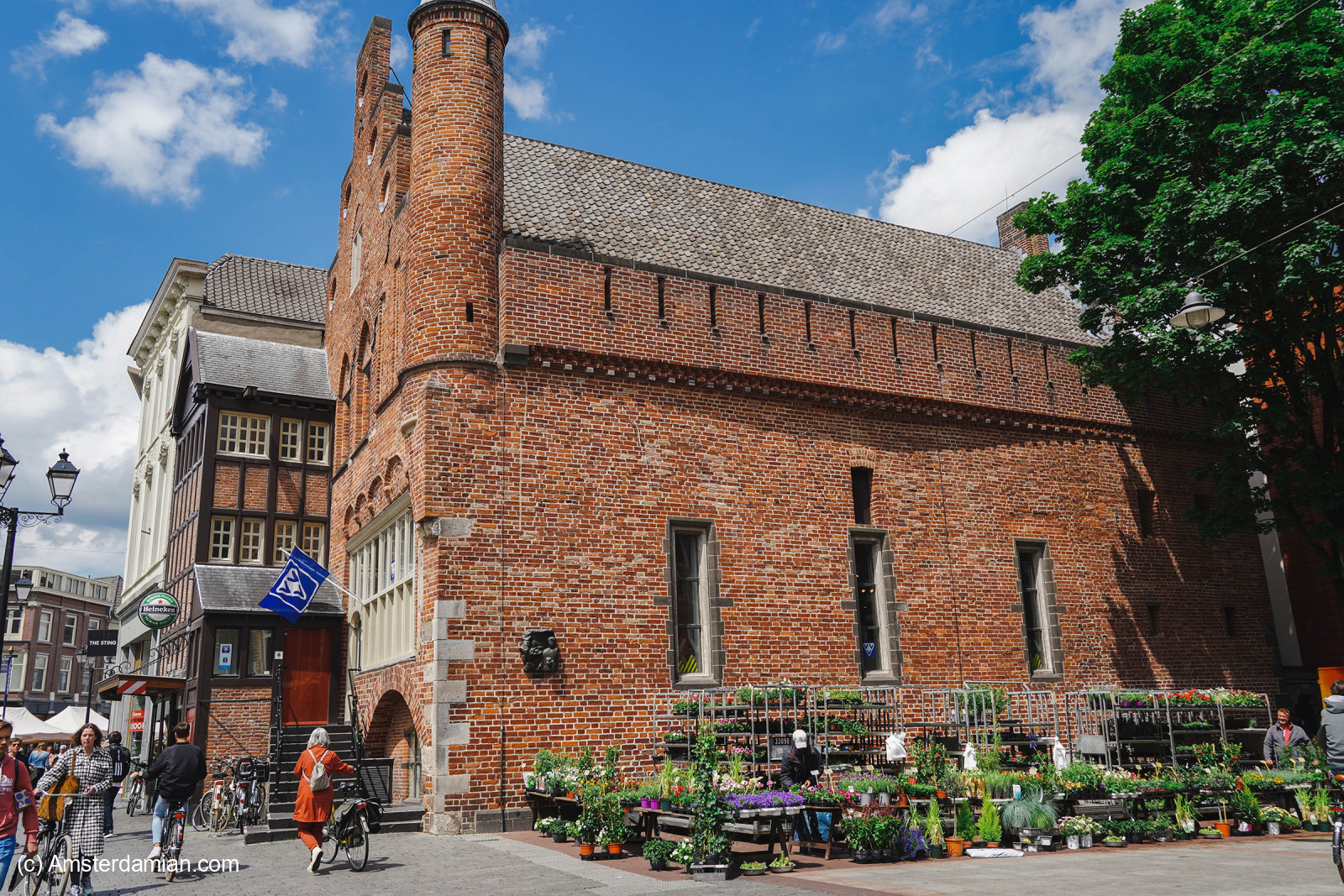
The main square of the city, where there are markets every Wednesday, Friday and Saturday. Here you can admire the old City Hall, the Moriaan Building (one of the oldest brick buildings in the Netherlands) and the statue of Hieronymus Bosch.
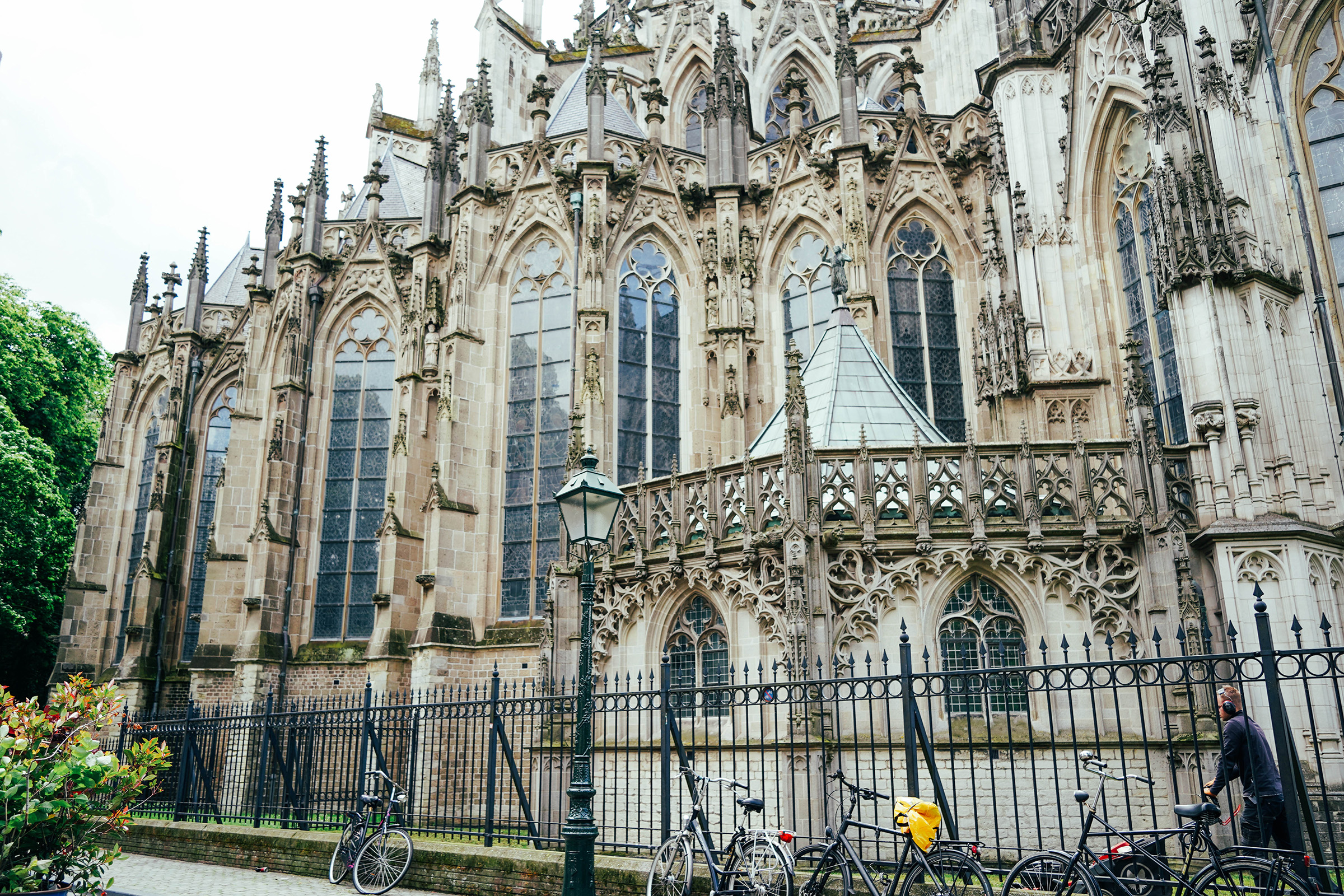
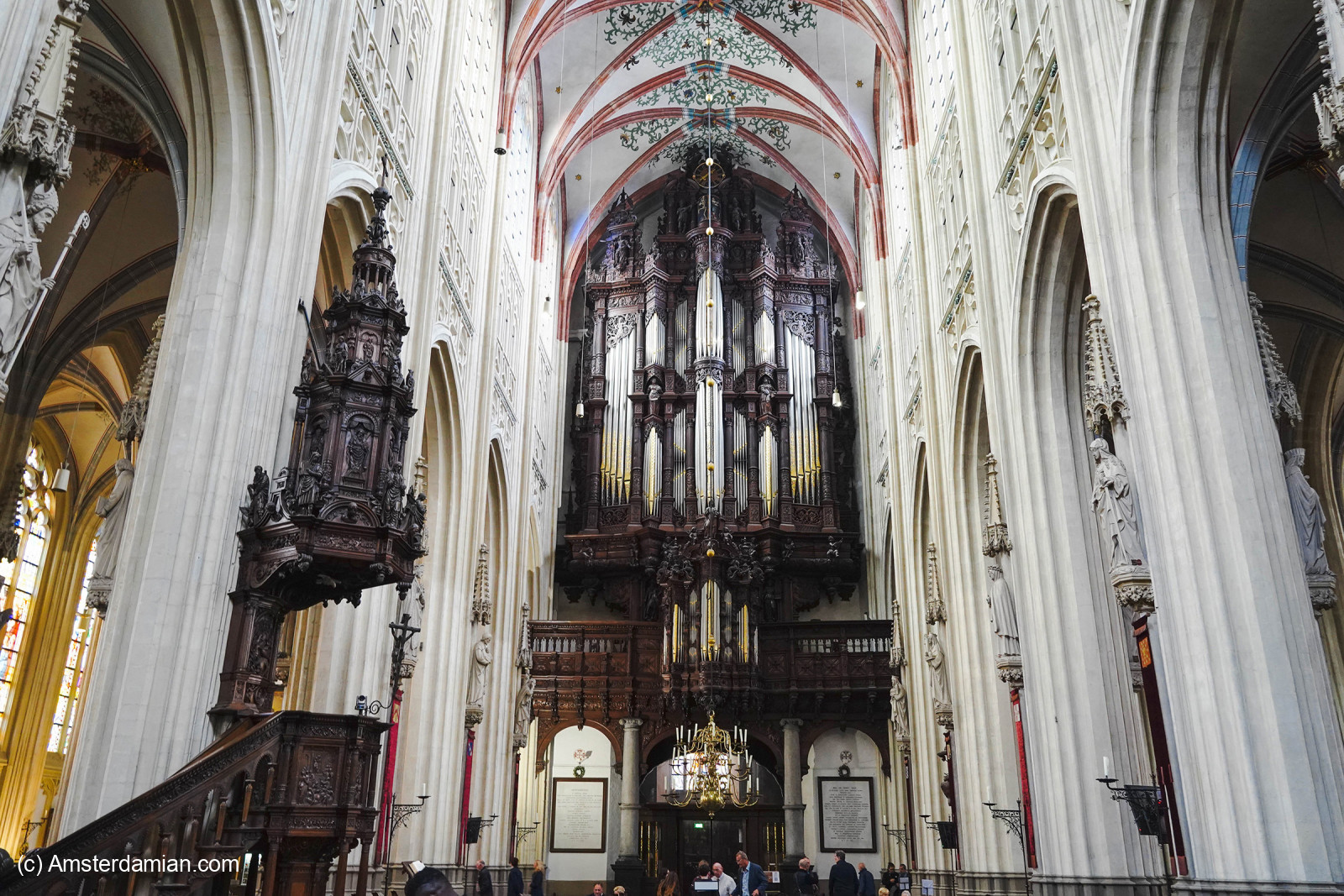
4. Visit Sint-Jan (Saint John) Cathedral
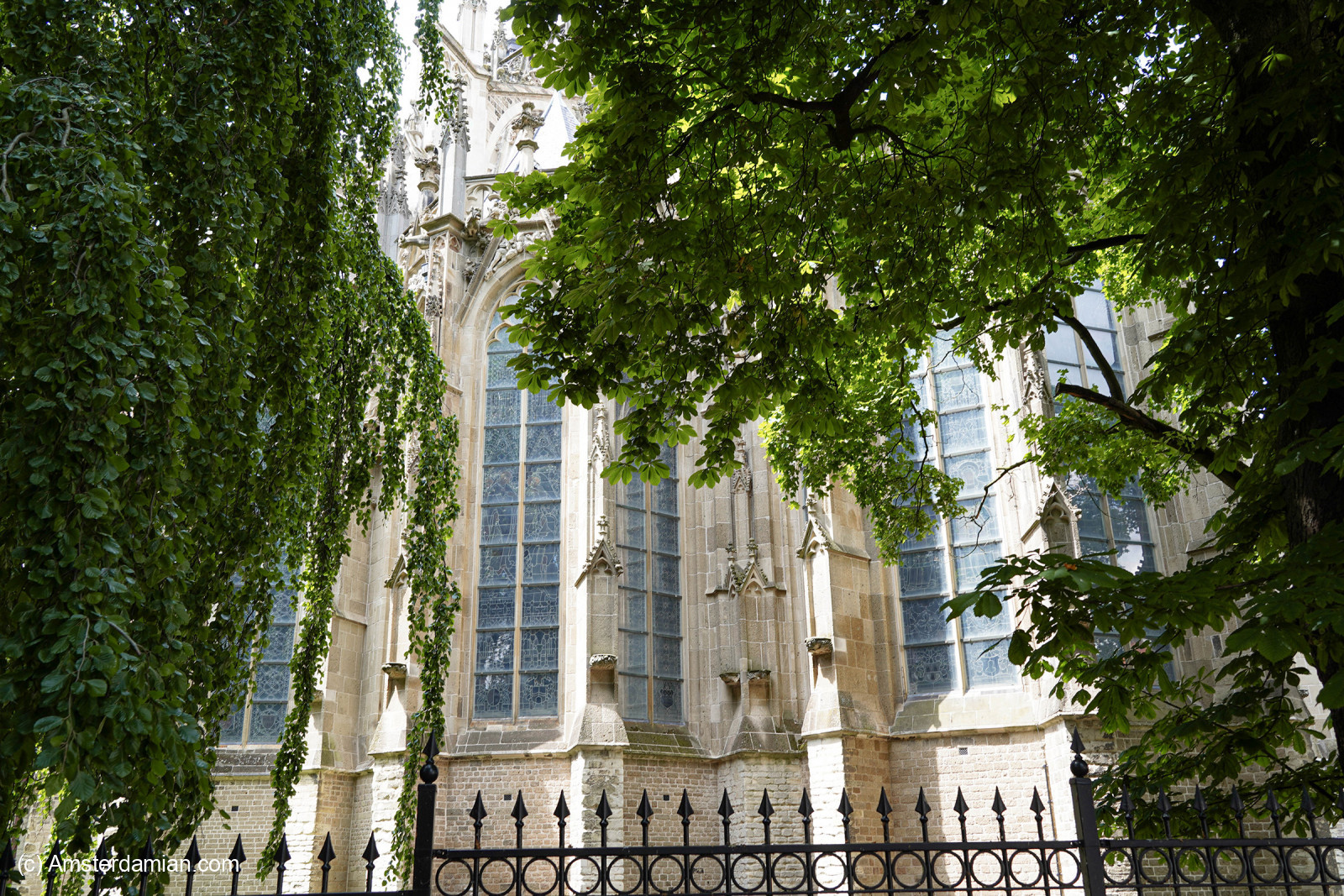
Sint-Jan is an impressive Gothic cathedral with free entrance (but make sure to donate something to keep their projects going). I particularly loved the stained glass windows and the complicated details of the external sculptures. It is possible to climb the tower, for a glorious view over the city.
5. The Citadel
A fortress in the north of the town centre, built between 1637 and 1642, which today is home to Brabants Historisch Informatie Centrum. Nicknamed “Papenbril” (“priest’s spectacles”) by locals because of its distinctive star shape, the Citadel was built on the orders of Frederik Hendrik after the siege of 1629. The surrounding park is a pleasant spot for a walk.
The Binnendieze — see Den Bosch from below
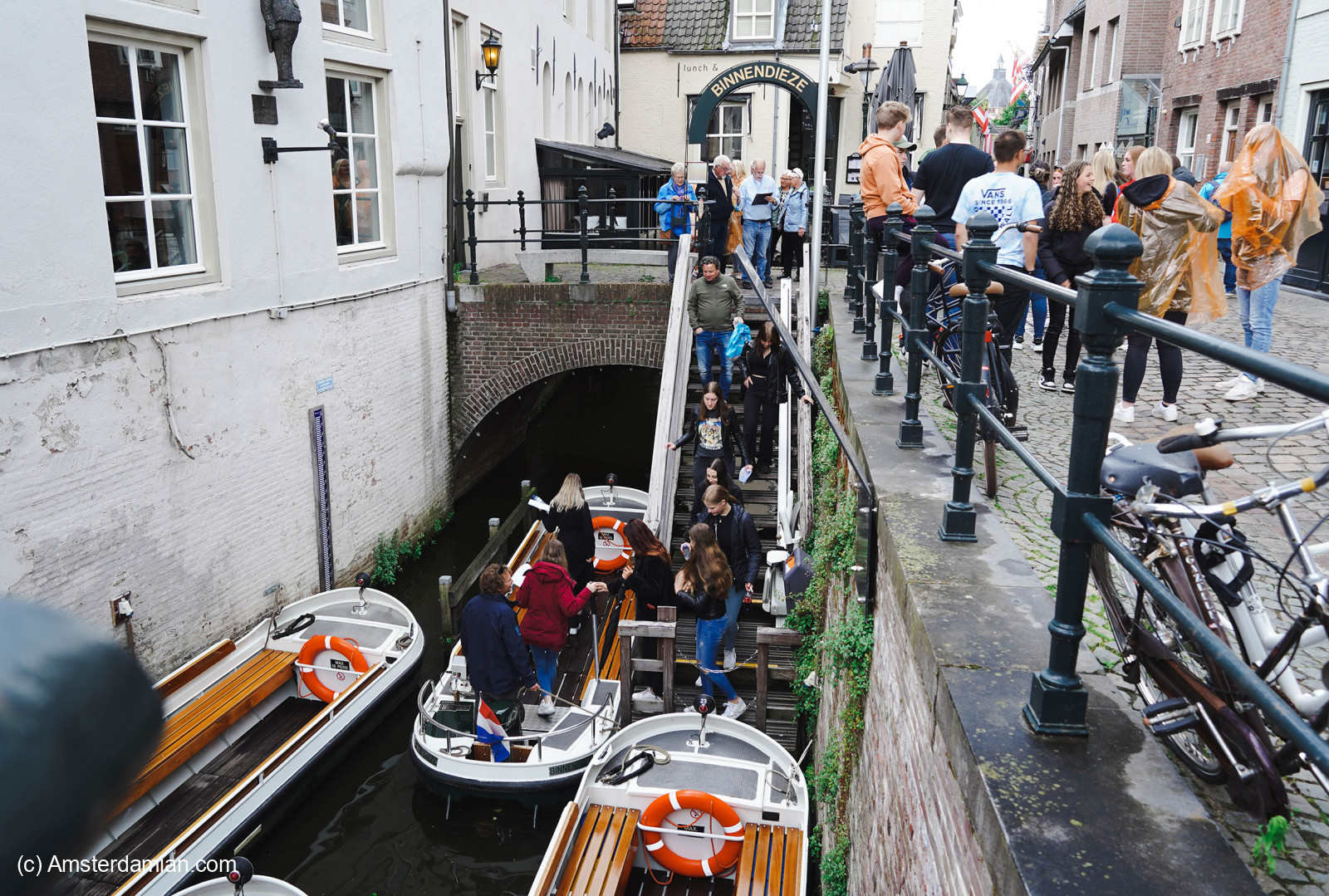
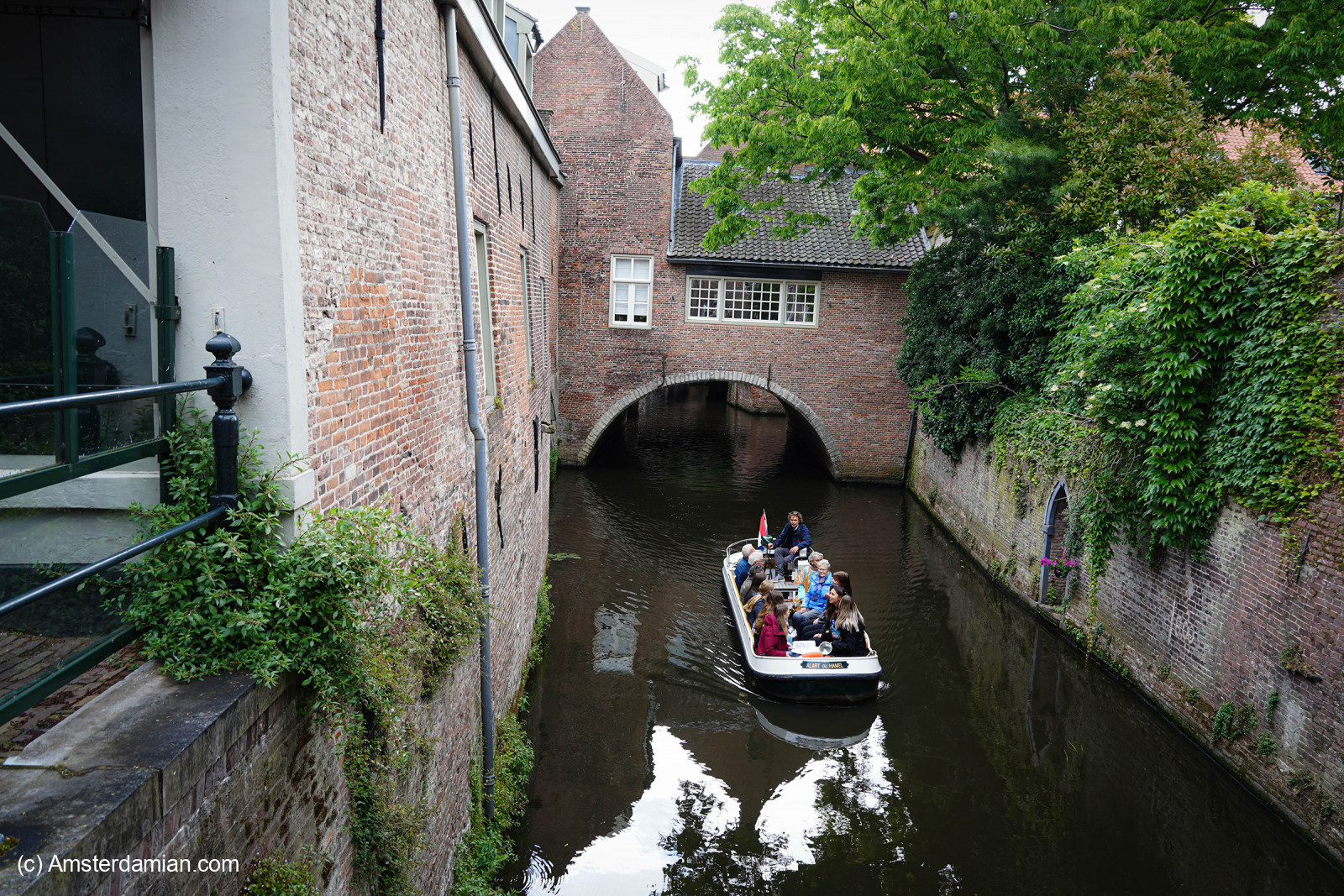
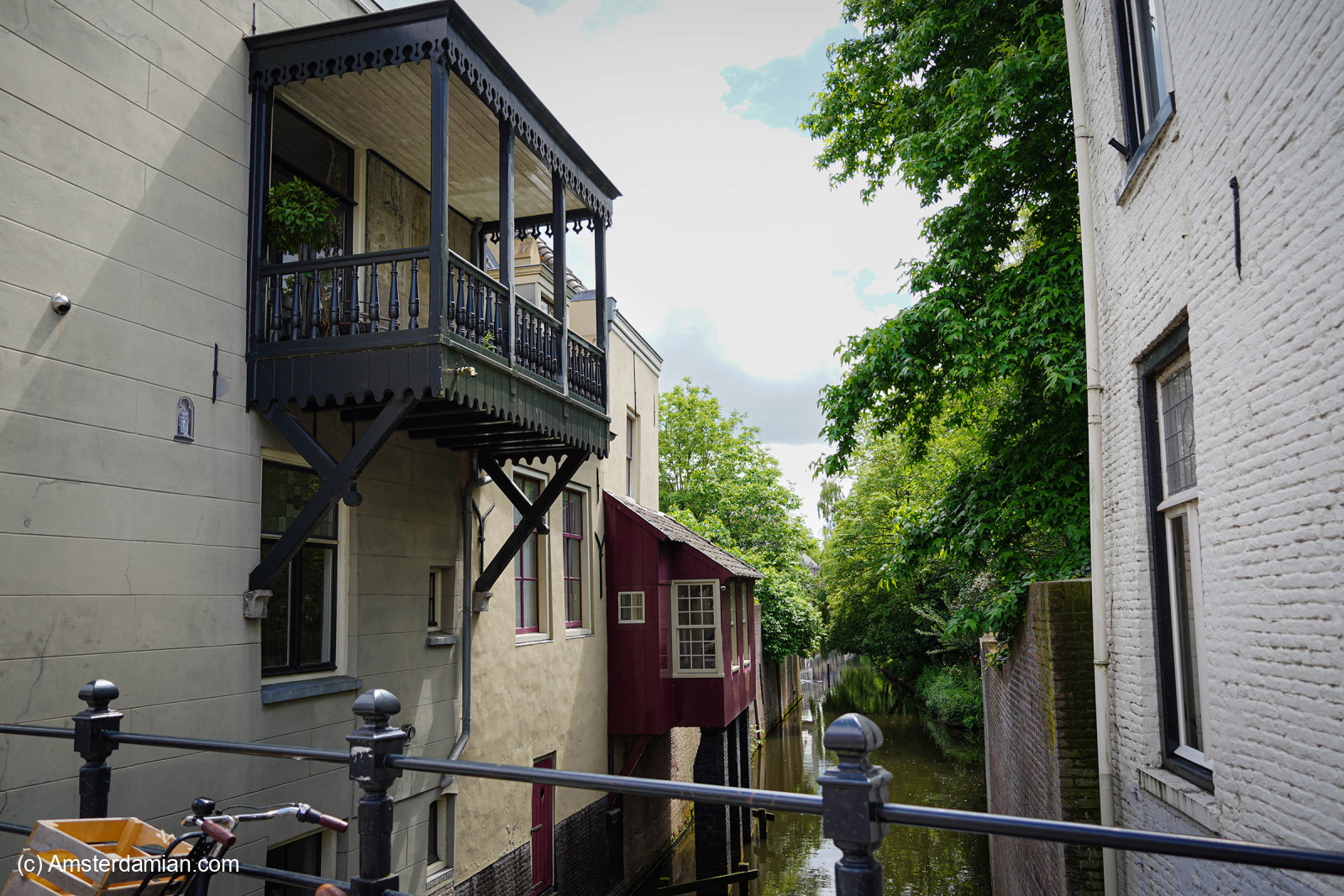
This will probably be the highlight of your day trip to Den Bosch! The canals meander through the city’s walls and run underneath the city in some parts, offering a unique view for the boat ride. They add so much to the medieval atmosphere of the city! In its glory days, the Binnendieze waterway ran along the back of the houses, surrounding the city. They were used for transporting goods into the city, as a source of drinking water and as sewers. Over time, because of the lack of maintenance, the canals declined, and a point was reached where they were almost completely destroyed. Luckily, parts of the Binnendieze were restored, although only about 30% of the original survived to this day.
Subscribe to our newsletter!
Hieronymus Bosch and the museums of Den Bosch
● Jheronimus Bosch Art Center
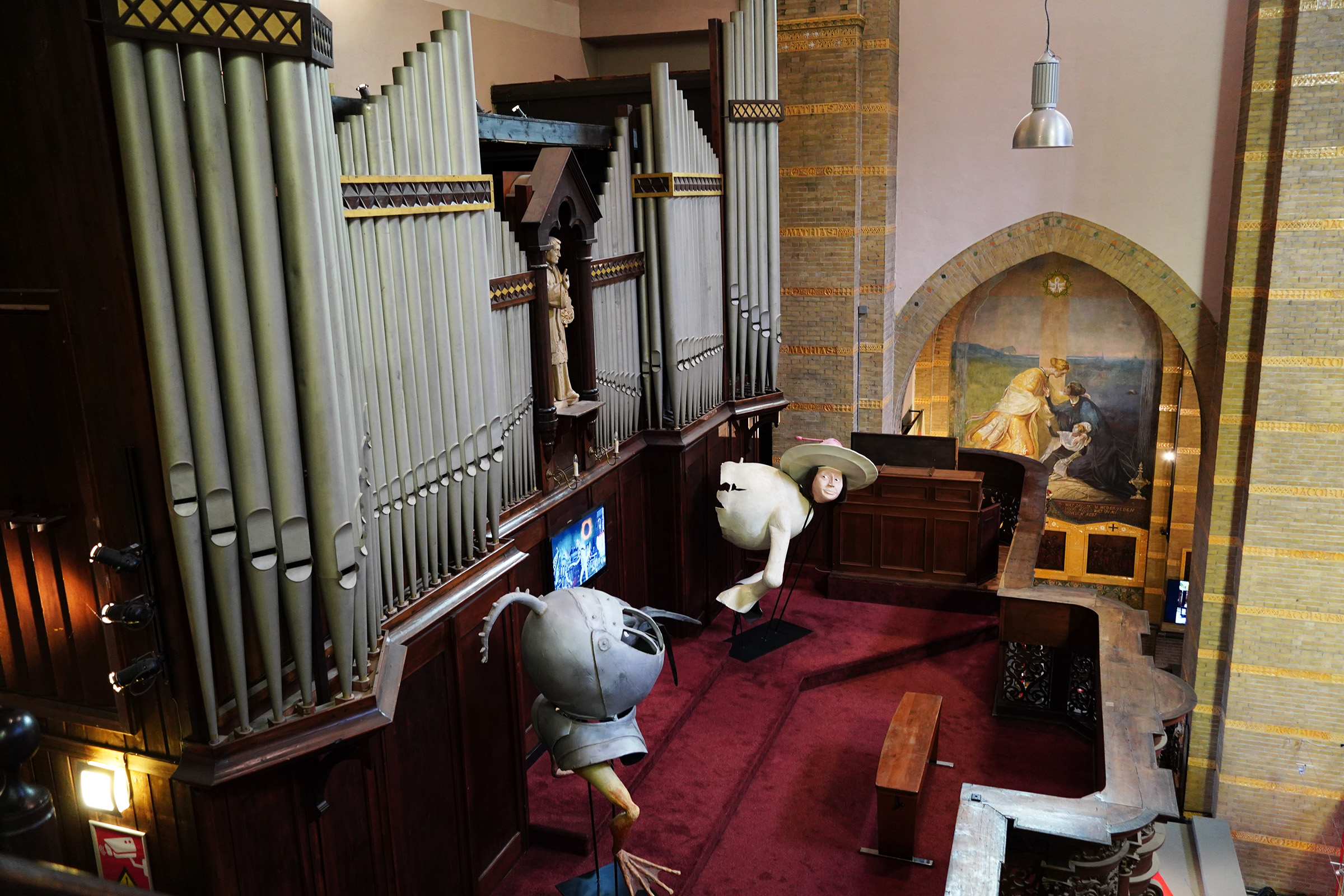
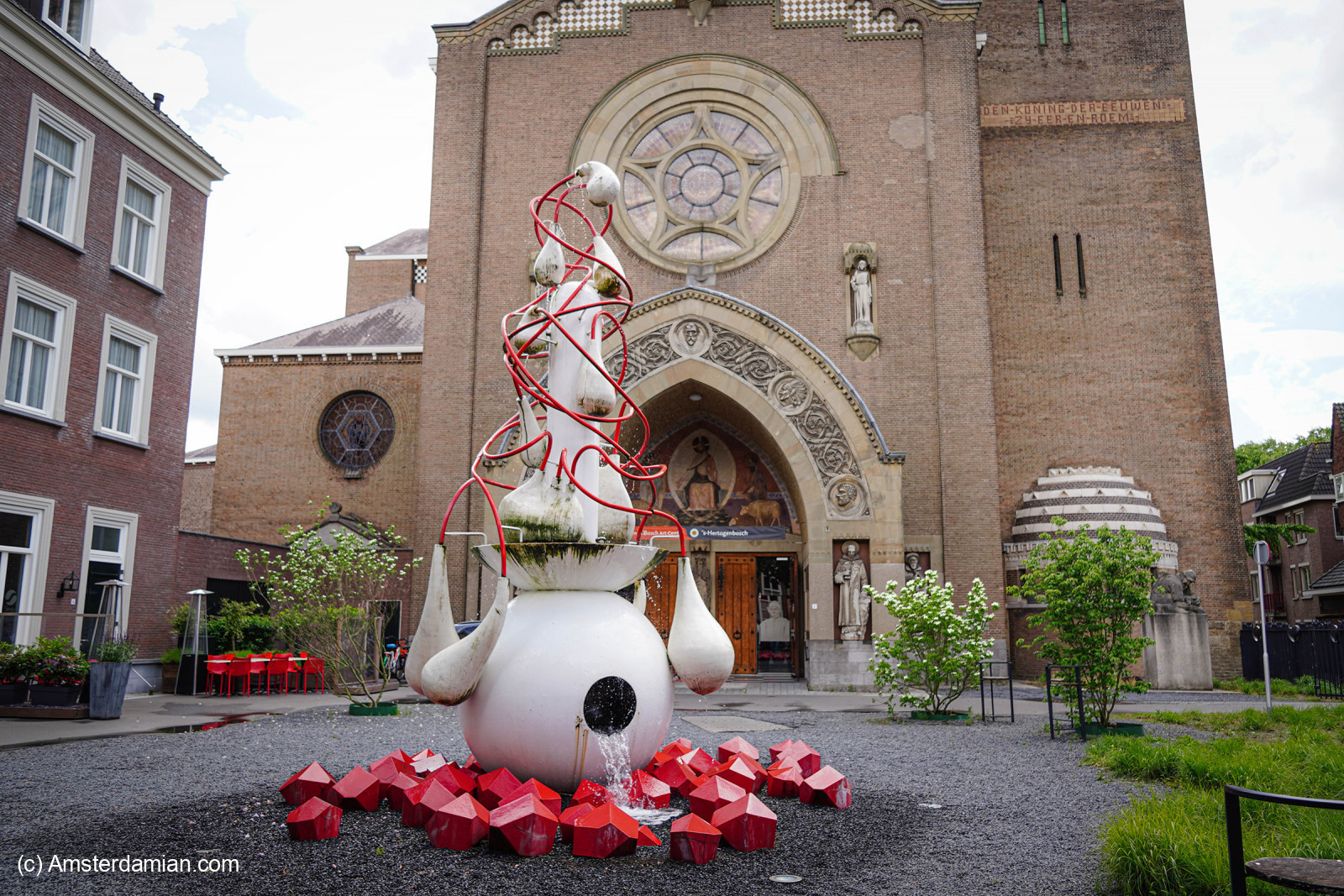
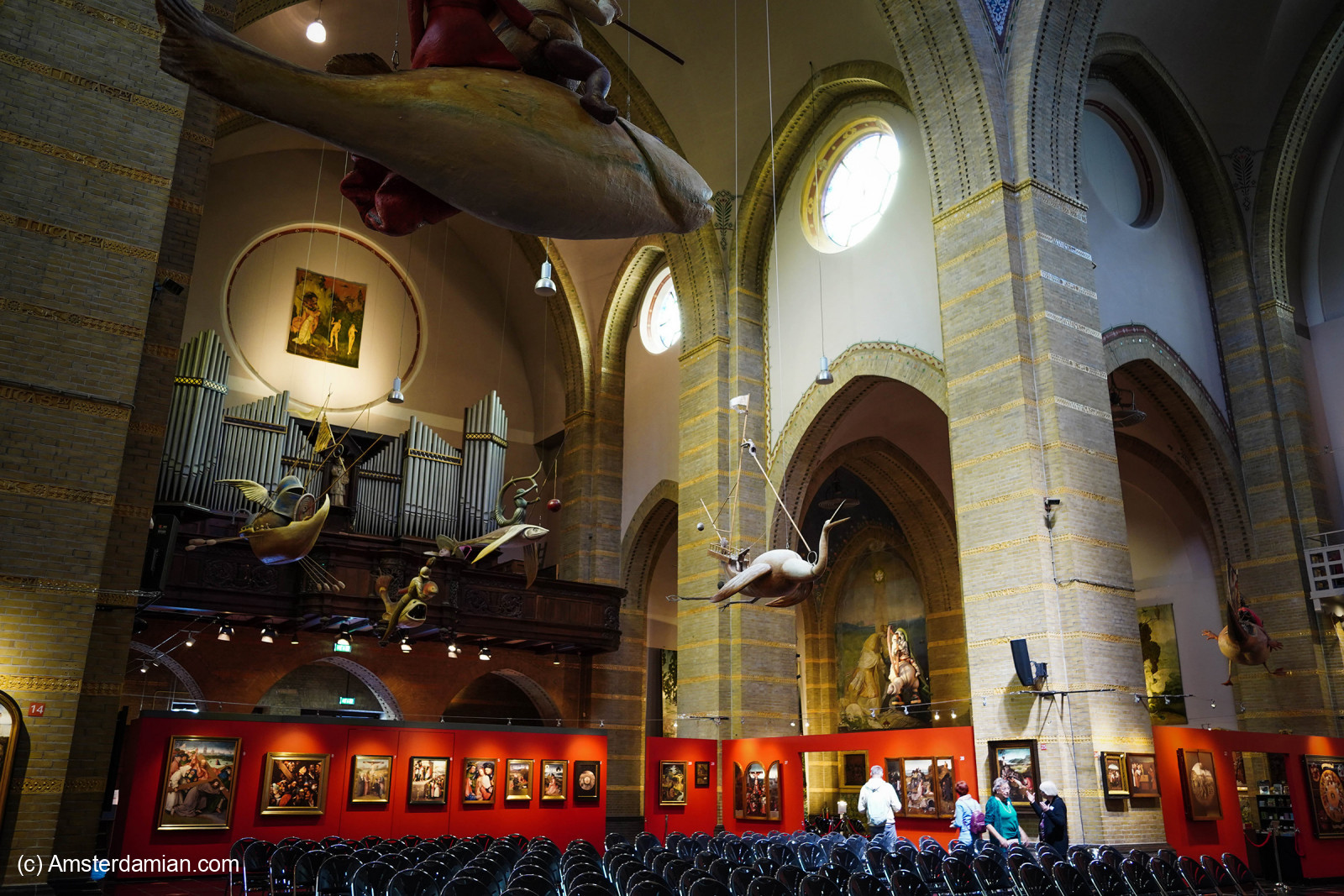
This art centre exhibits reproductions of the complete work of Jheronimus (or Hieronymus, it’s the same person) Bosch, in a beautiful former church. There are also 3D representations of figures from his art exhibited around the museum, fantastical beasts floating above visitors’ heads or lurking in the corners, almost as if to start moving the next second. Jheronimus Bosch was born and lived in Den Bosch, in a painters’ family. His work, mainly oil on wood, contains fantastic illustrations of religious concepts and narratives. He created many triptych altarpieces, including The Garden of Earthly Delights, probably his most known art work, and also my favourite. I love his weird imagination and I wanted to visit this centre for a long time. It didn’t disappoint.
● Noordbrabants Museum
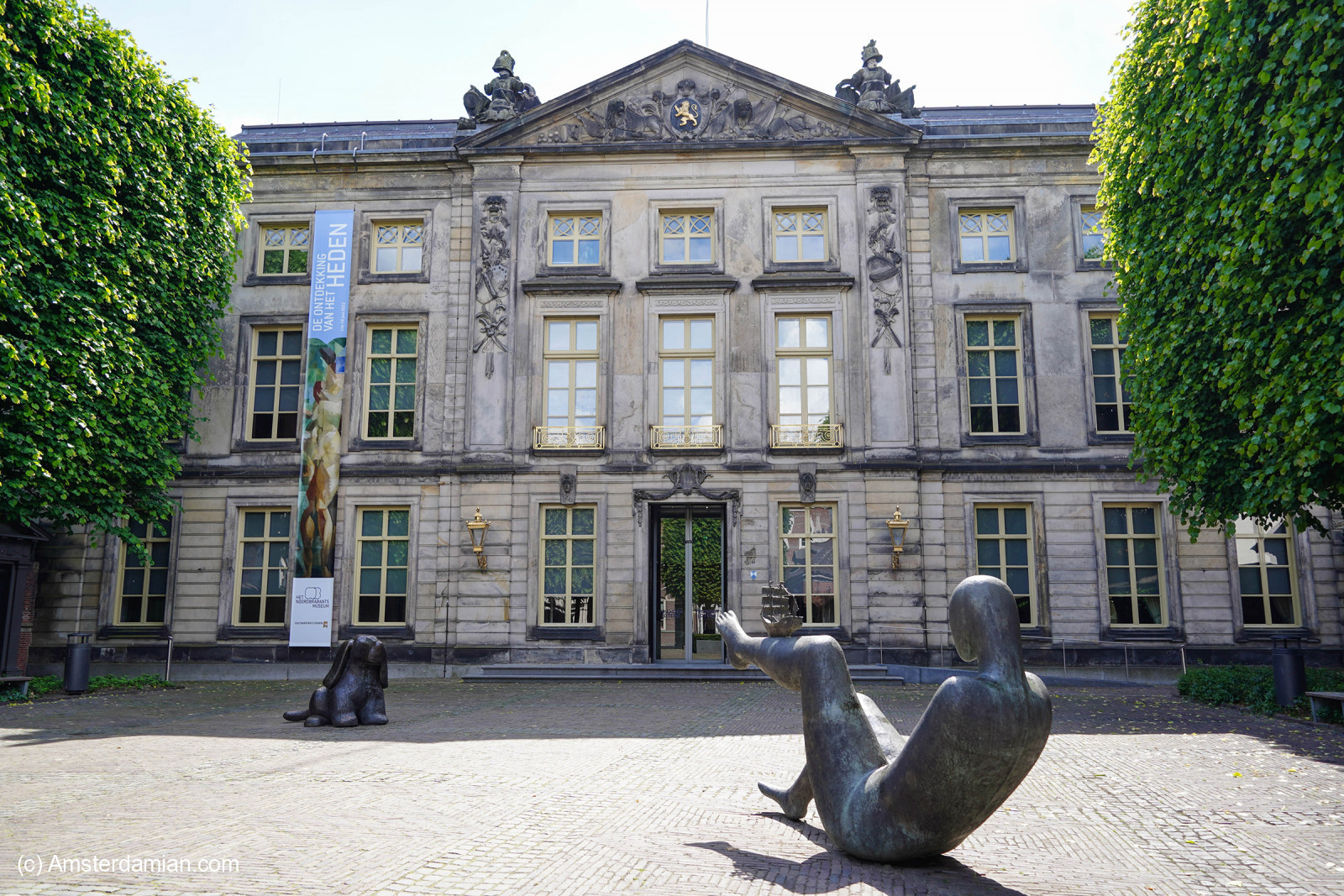
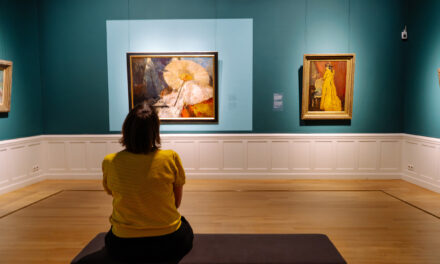
Noordbrabants Museum is the most popular museum in Den Bosch, where you can see works by Brabant masters like Vincent van Gogh and Jan Sluijters, but also modern art, and learn about the history of the city. The art, culture and history of North Brabant and the Southern Netherlands are central to the museum and represented in more than 30,000 objects – such as paintings, prints, drawings, textiles, coins, silver, crafts and archaeology.
● Design Museum
This is a museum with a focus on design, the influence of design in our daily lives and the stories behind it.
● Museum Slager
A museum dedicated to more than a century of paintings produced by eight members over three generations of one family in ‘s-Hertogenbosch.
● Nationaal Carnavalsmuseum
The carnival is an important tradition in this part of the country, so it’s no wonder that it has a museum dedicated to it. This small museum exhibits costumes, posters, films and any other carnival related objects.
Nature and Parks in and around Den Bosch
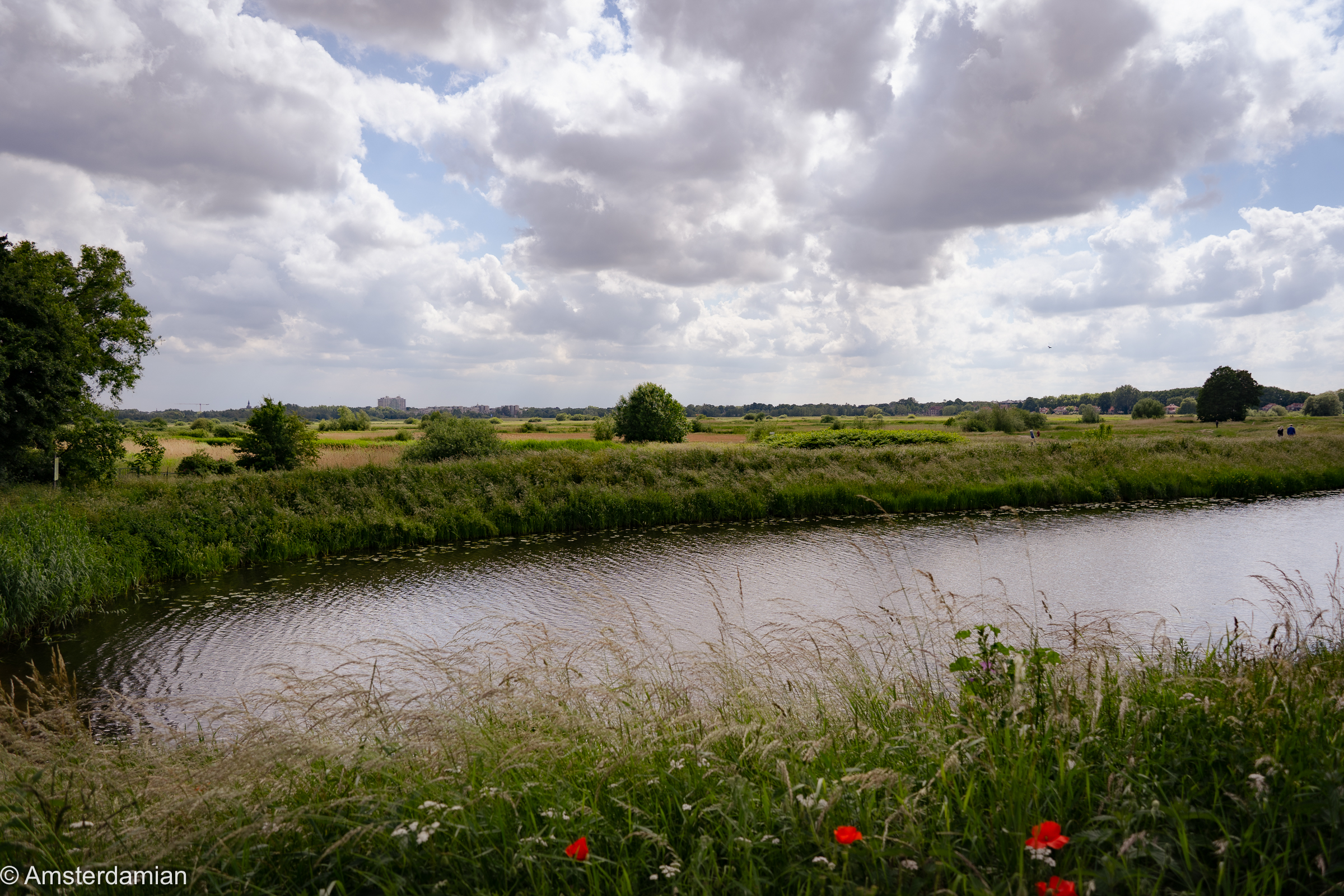
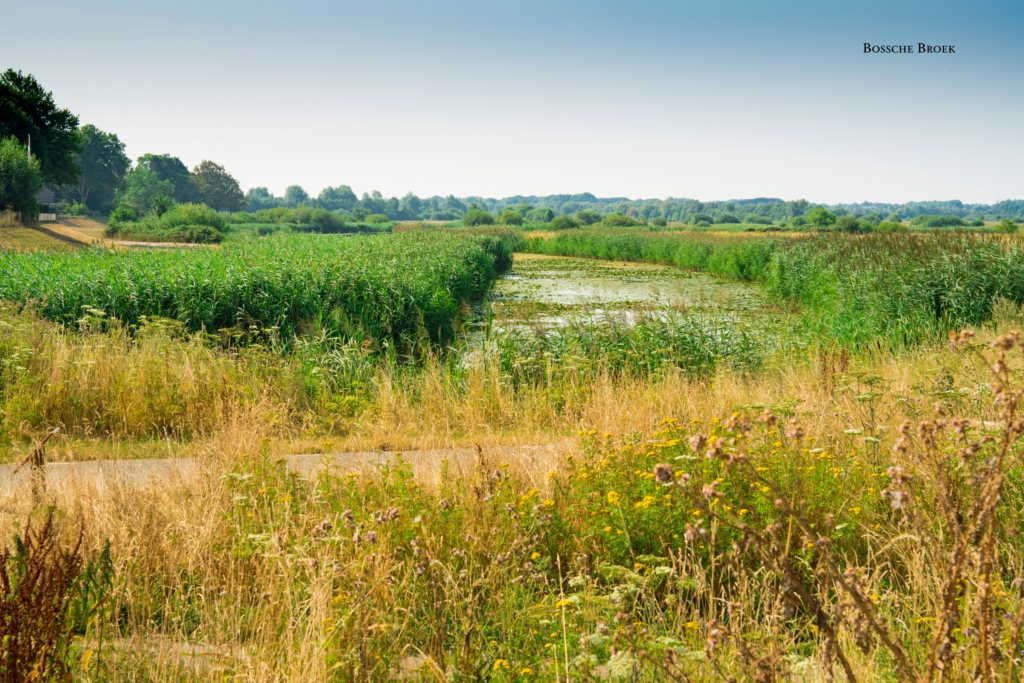
Being a city built on a swamp, Den Bosch is surrounded by many parks and natural areas where one can walk or bike. I’ve never seen the nature so close to a city as it is in Den Bosch. I was surprised to see that from the city centre you can simply cross the street and find yourself in the middle of nature: from the Noordbrabants Museum, walk towards Zuidwal and you’ll see the Bossche Broek one crosswalk away.
This nature reserve is a quiet escape for those looking for a peaceful retreat close to the city. Its open meadows and marshy terrain are crisscrossed by paths that offer great opportunities for walking and cycling.The reserve is also home to diverse bird species, including herons and egrets, making it a popular destination for birdwatchers. From Het Bossche Broek, visitors can enjoy picturesque views of Den Bosch’s skyline, including the towering St. John’s Cathedral.
Other parks are: Zuiderpark, Westerpark, the Pettelaarse Schans (star shaped fortress island), the Oosterplas (lake, playground and petting zoo).
Around Den Bosch, you can visit one of the amazing natural areas, which are perfect for a weekend away:
Loonse en Drunense Duinen National Park – this national park is often referred to as the “Sahara of Brabant” due to its vast expanses of drifting sand dunes. De Loonse en Drunense Duinen covers over 3,500 hectares and features forests, heathlands, and one of the largest areas of shifting sand in Europe. The park is ideal for hiking, cycling, and horseback riding, with well-marked trails that guide visitors through the various landscapes.
De Moerputten nature reserve – a unique wetland area known for its rich biodiversity and the iconic Moerputten Bridge, a historic railway bridge that stretches across the marshland.
Where to Eat and Drink in Den Bosch
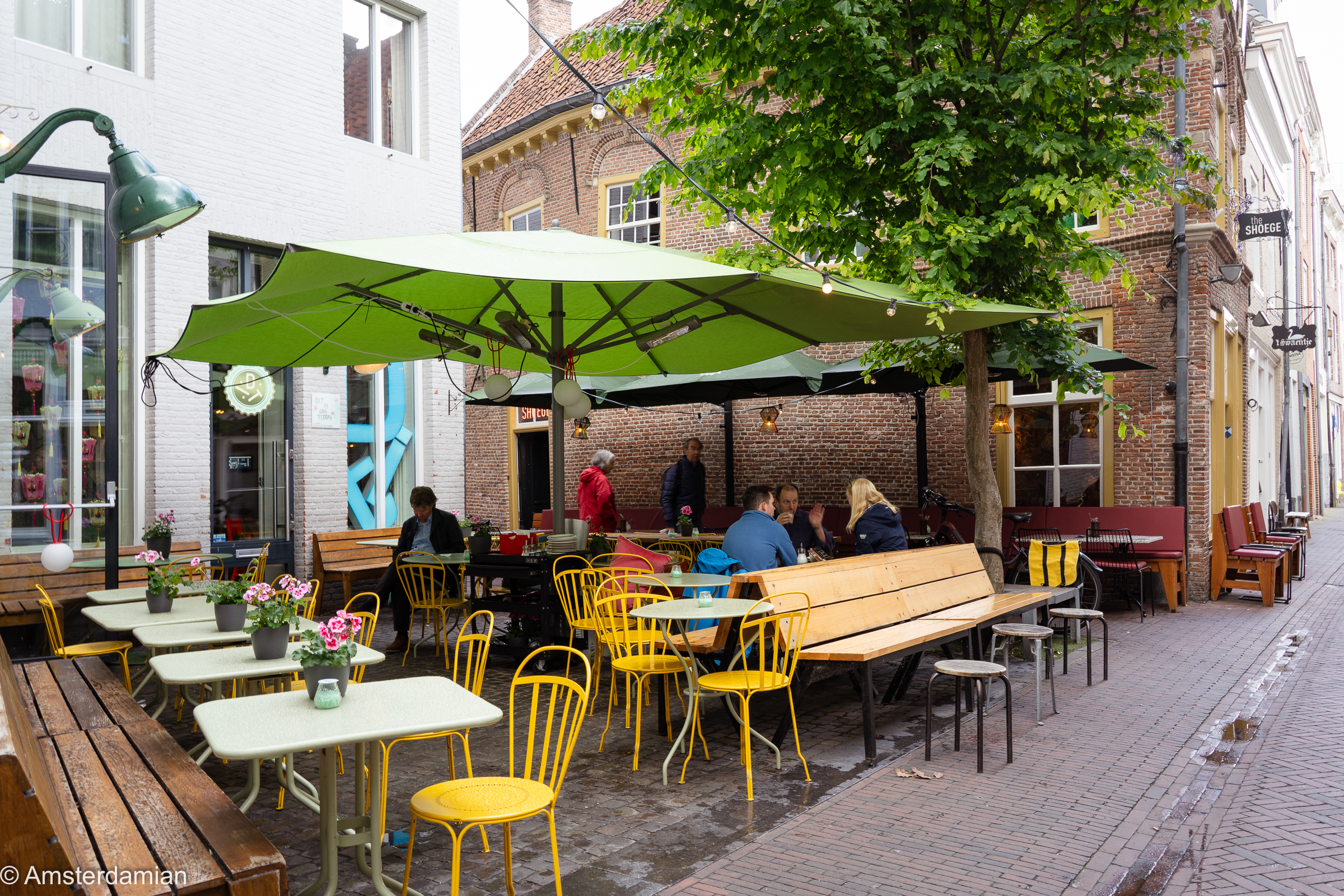
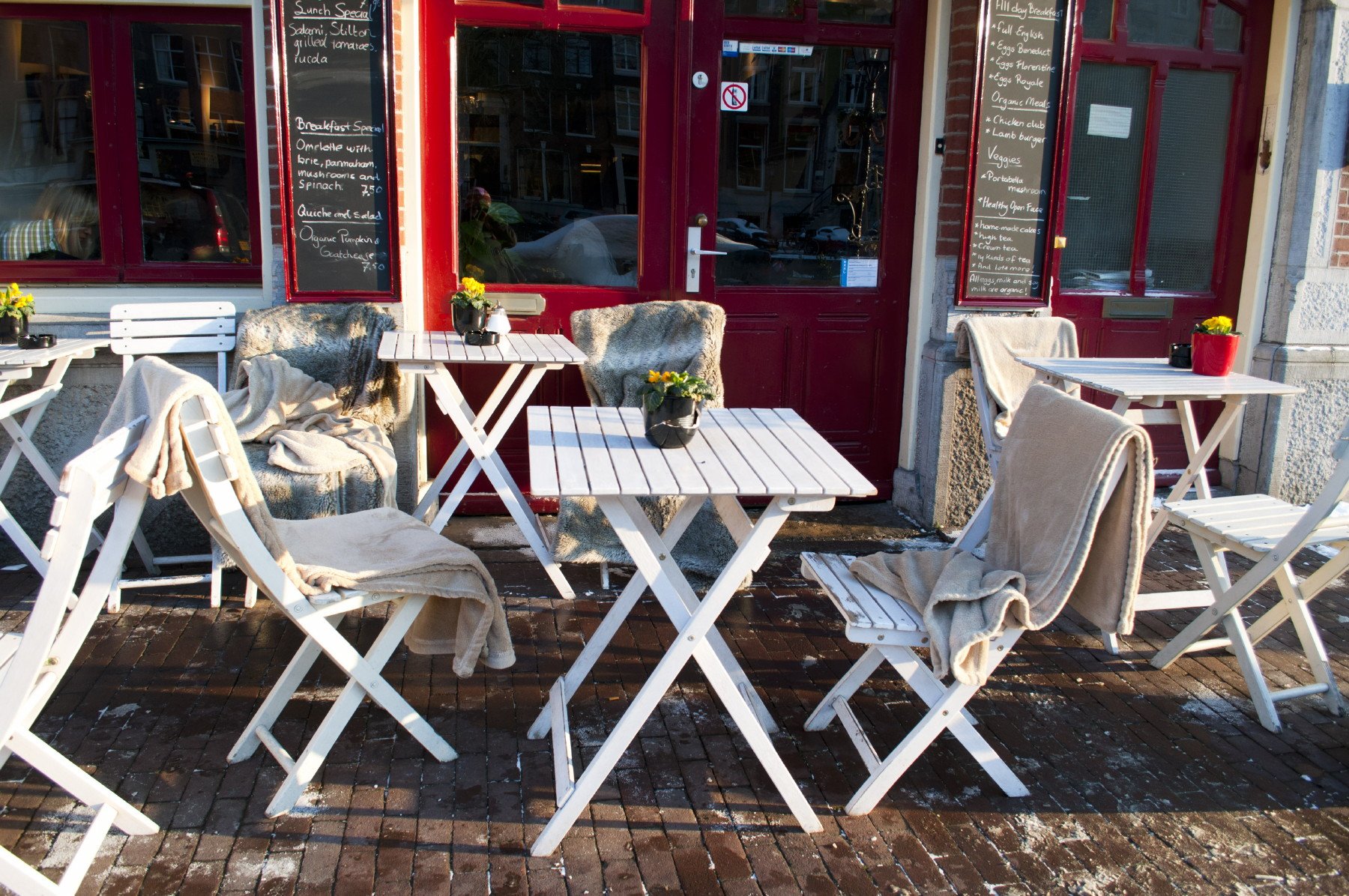
Coffee places Den Bosch: there are so many cosy places to have your daily dose of caffeine in Den Bosch, and the city is not lacking in specialty coffee area. Try one of these: Coffee Lab (near the train station), Le Jeu (in a historical location), Fortin, Drab Coffee, Monkey Coffee.
Lunch, Brunch and Dinner
When it comes to restaurants, Den Bosch has a lot to offer:
Crème Coffee & Pastry — a lovely spot for breakfast and brunch, with beautiful pastries.
Nom Nom — bright and cheerful, great for lunch with generous portions.
Benjamin — a refined French-Mediterranean bistro on one of Den Bosch’s most charming restaurant streets.
Sense (Jeroen Boschplein) — modern European cuisine with a terrace overlooking the square named after the city’s most famous painter.
Pollevie — a dedicated vegetarian restaurant with creative dishes that even non-vegetarians will enjoy.
Fabuleux — French-inspired, elegant but approachable. Great for a special dinner.
Nul73, The Happiness Café and Hello My Friend — good for casual lunches.
Yearly events in Den Bosch
Oeteldonk Carnival (February / March)
Den Bosch transforms into Oeteldonk during Carnival, one of the biggest and most beloved celebrations in the south of the Netherlands. Expect parades, costumes, brass bands, and a citywide party rooted in local tradition.
Bosch Parade (June, biennial / recurring major event) – takes place in 2026 (18-21 June)
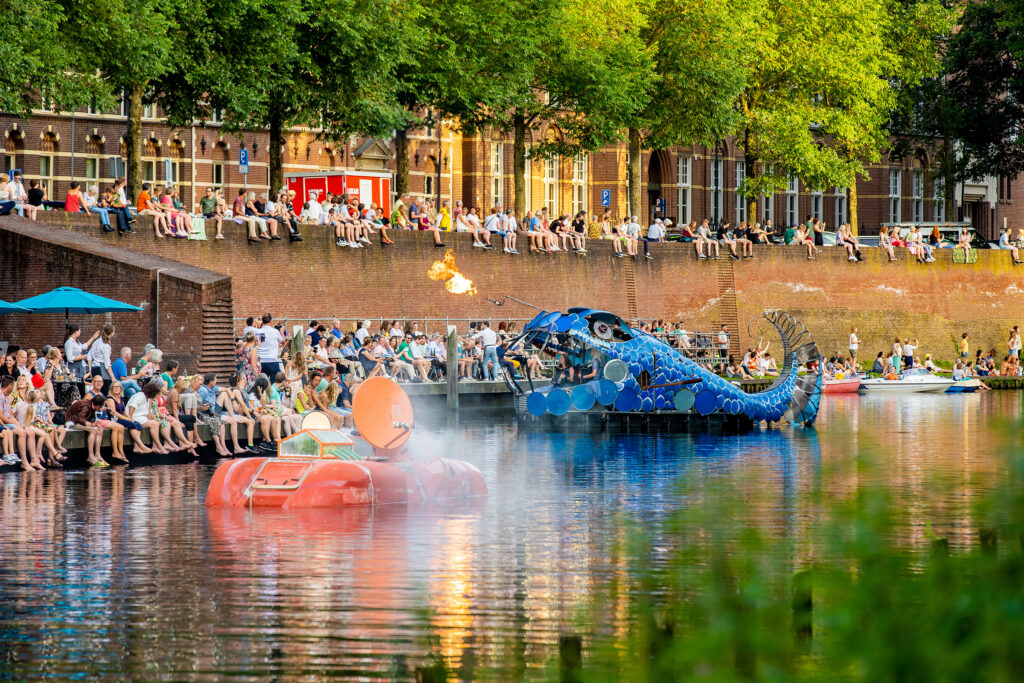
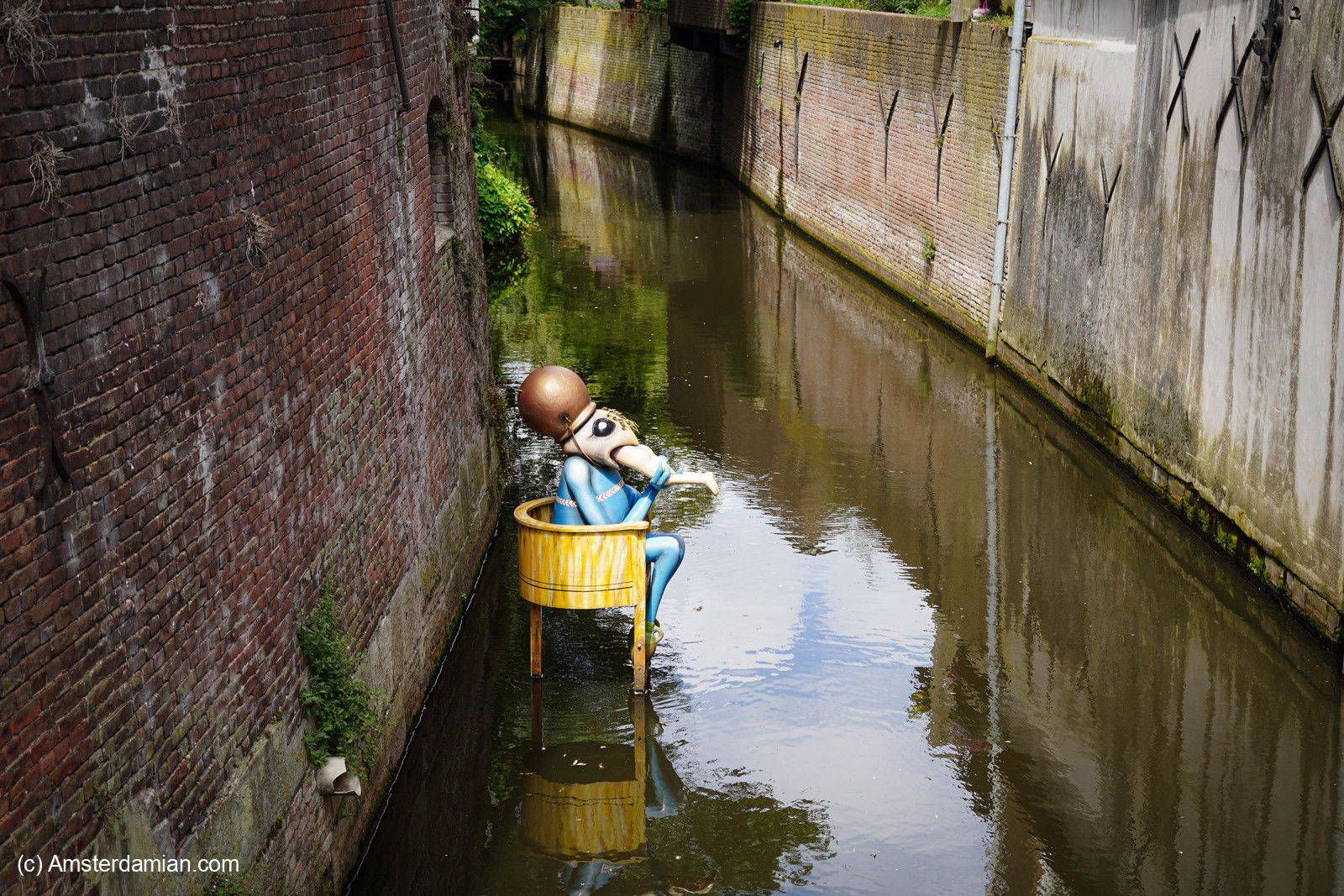
The Bosch Parade is Den Bosch’s most imaginative event: floating artworks and performances move along the river in tribute to Hieronymus Bosch. It blends theater, visual art, and spectacle in a way few festivals anywhere do.
Jazz in Duketown (May / June)
One of the Netherlands’ leading jazz festivals, Jazz in Duketown fills squares, streets, and cafés with free live performances. It attracts both international musicians and casual listeners who simply want to enjoy the city atmosphere.
Theaterfestival Boulevard (August)
This large summer arts festival brings theatre, dance, music, and installations to public spaces across Den Bosch. It is lively, creative, and turns the city into an open-air stage.
Bourgondisch ’s-Hertogenbosch (September)
A long-running culinary event where top local restaurants serve dishes in elegant outdoor pavilions on the Parade square. It’s one of the best moments to experience the city’s famously food-loving Brabant spirit.
Bosch Winter Paradepaardje (December / January)
During winter, the Parade square becomes a festive seasonal village with an ice rink, Ferris wheel, lights, and family entertainment. It adds a cozy holiday atmosphere right in the historic centre.
How to Get to Den Bosch from Amsterdam
Den Bosch is one of the easiest day trips from Amsterdam. Direct intercity trains run from Amsterdam Centraal to ’s-Hertogenbosch station every 15 minutes, and the journey takes about 1 hour. From the station, the city centre is a short walk away — you’ll pass Jan de Groot bakery (home of the Bossche Bol) almost immediately. Plan your trip using the NS website.
This article is part of the project: Discover the Netherlands, Province by Province. Read the collection of articles here: Dutch Provinces: a Complete Guide.
Read more to plan your Den Bosch visit: Zinindenbosch.
Breda, less than half an hour away, completes a very good Brabant double, and Tilburg is an unexpectedly interesting day-trip.
Stay tuned for more and follow Amsterdamian on Instagram and Facebook for more stories about life in the Netherlands, written by a real local, updated constantly.
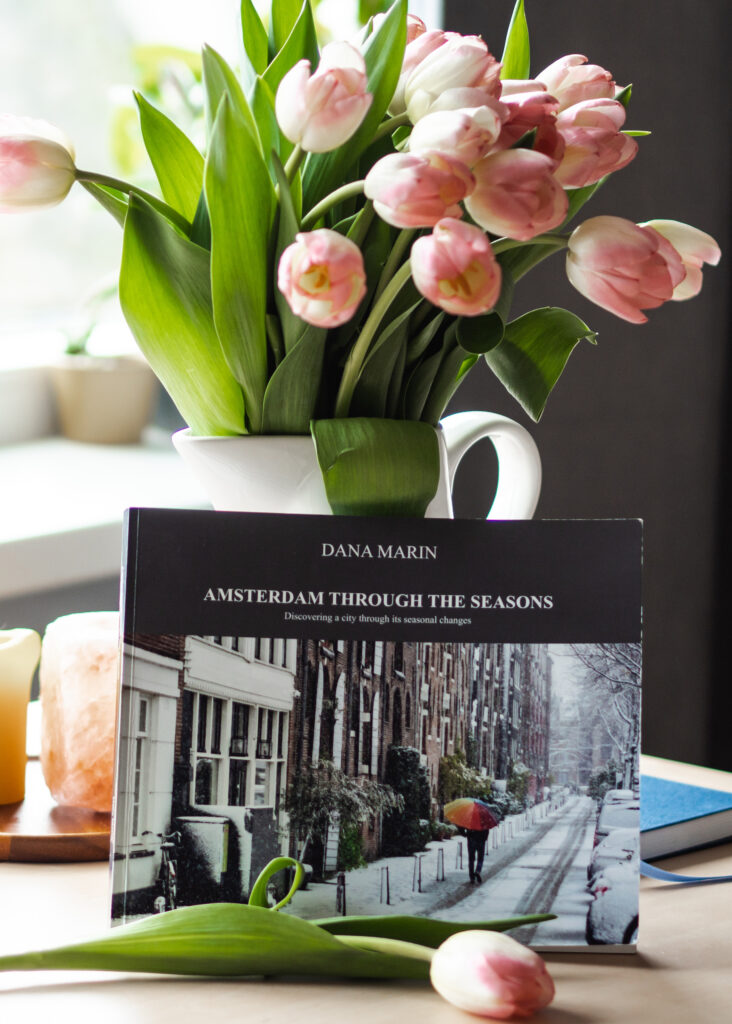
Check out my photo book: Amsterdam Through the Seasons!
Love what you’re reading? Support my work with a small donation.
And share this post if you liked it!




There’s a really interesting free walking tour in den bosch as well!
Maybe I’ll try it next time