
Last update: May 2026
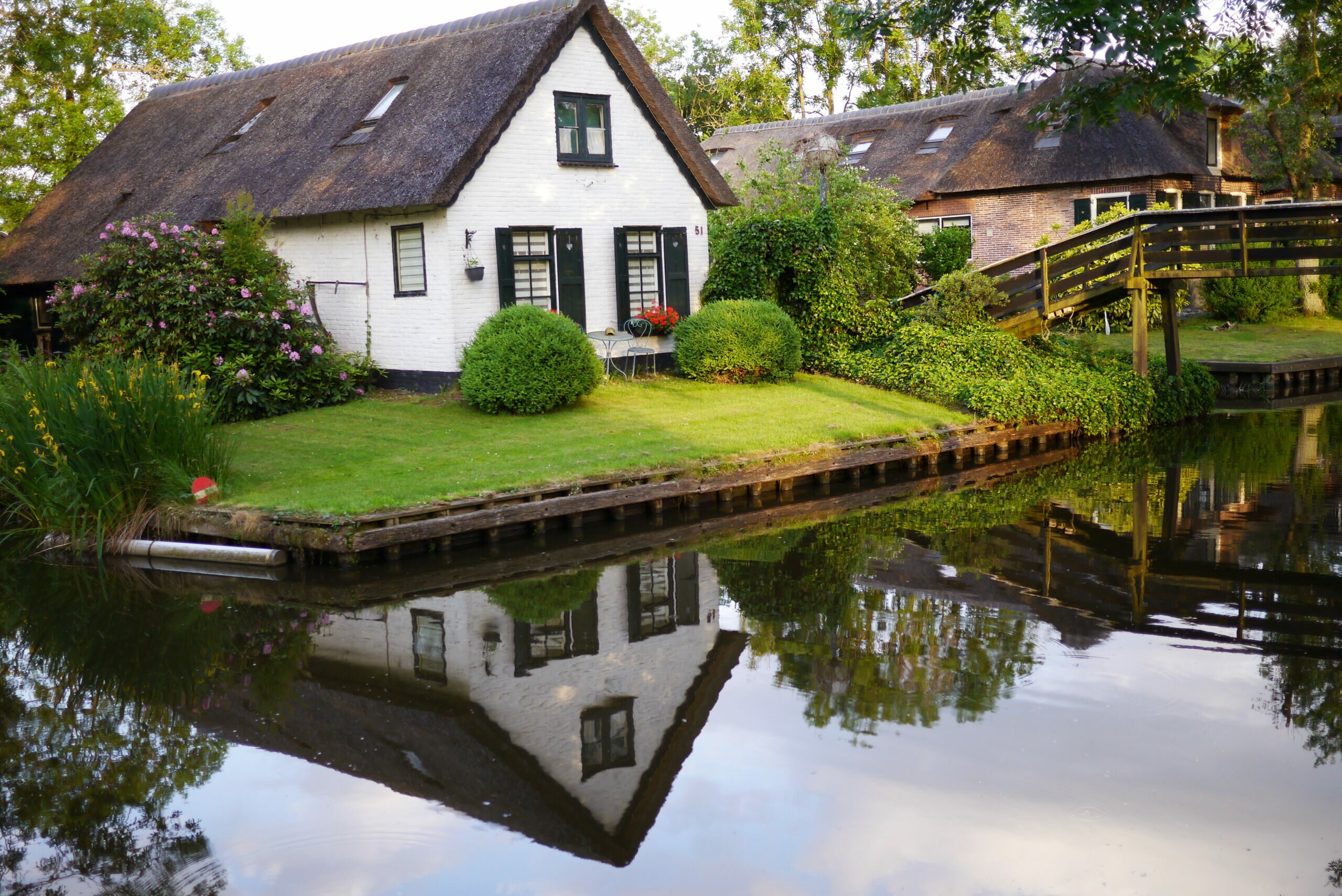
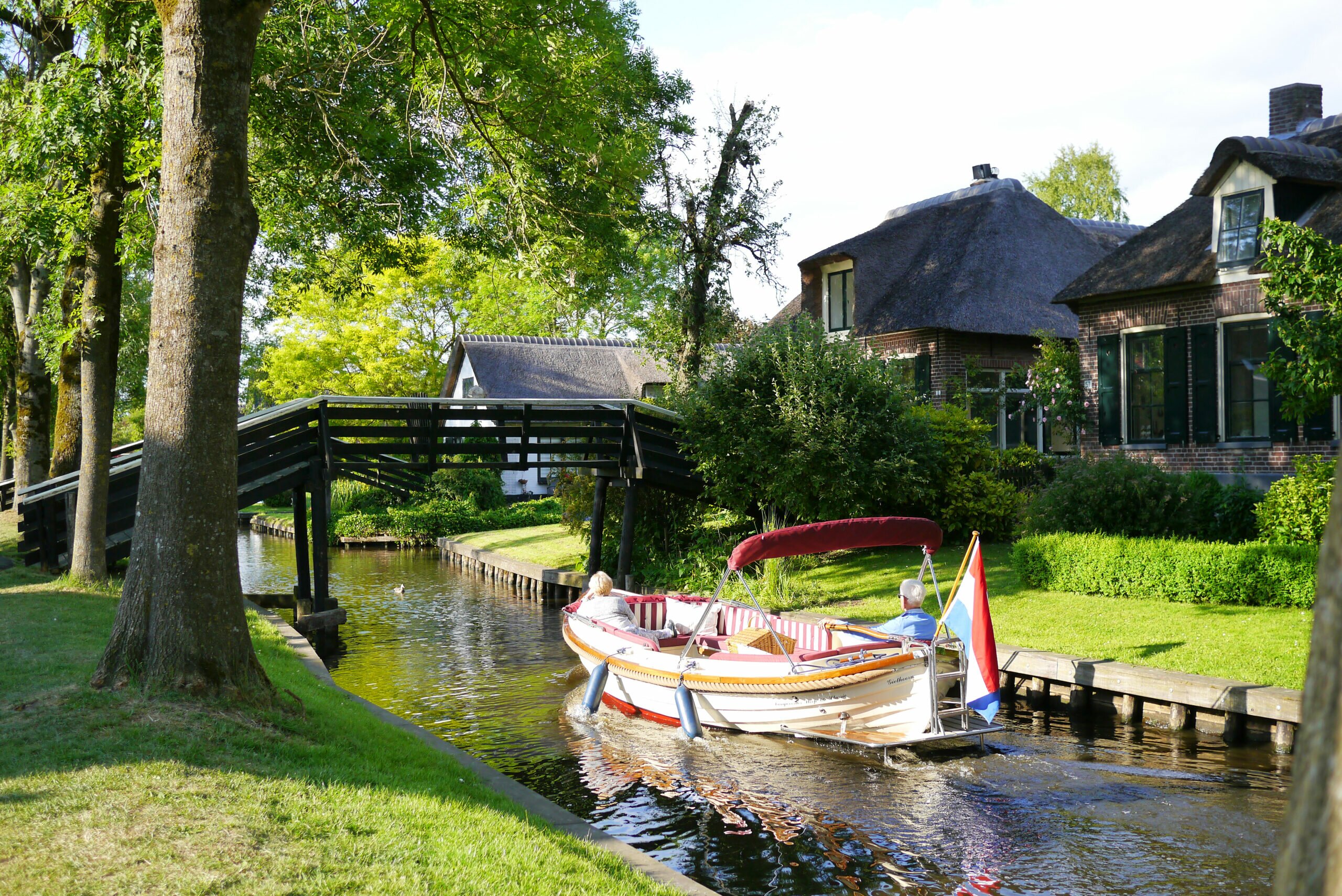
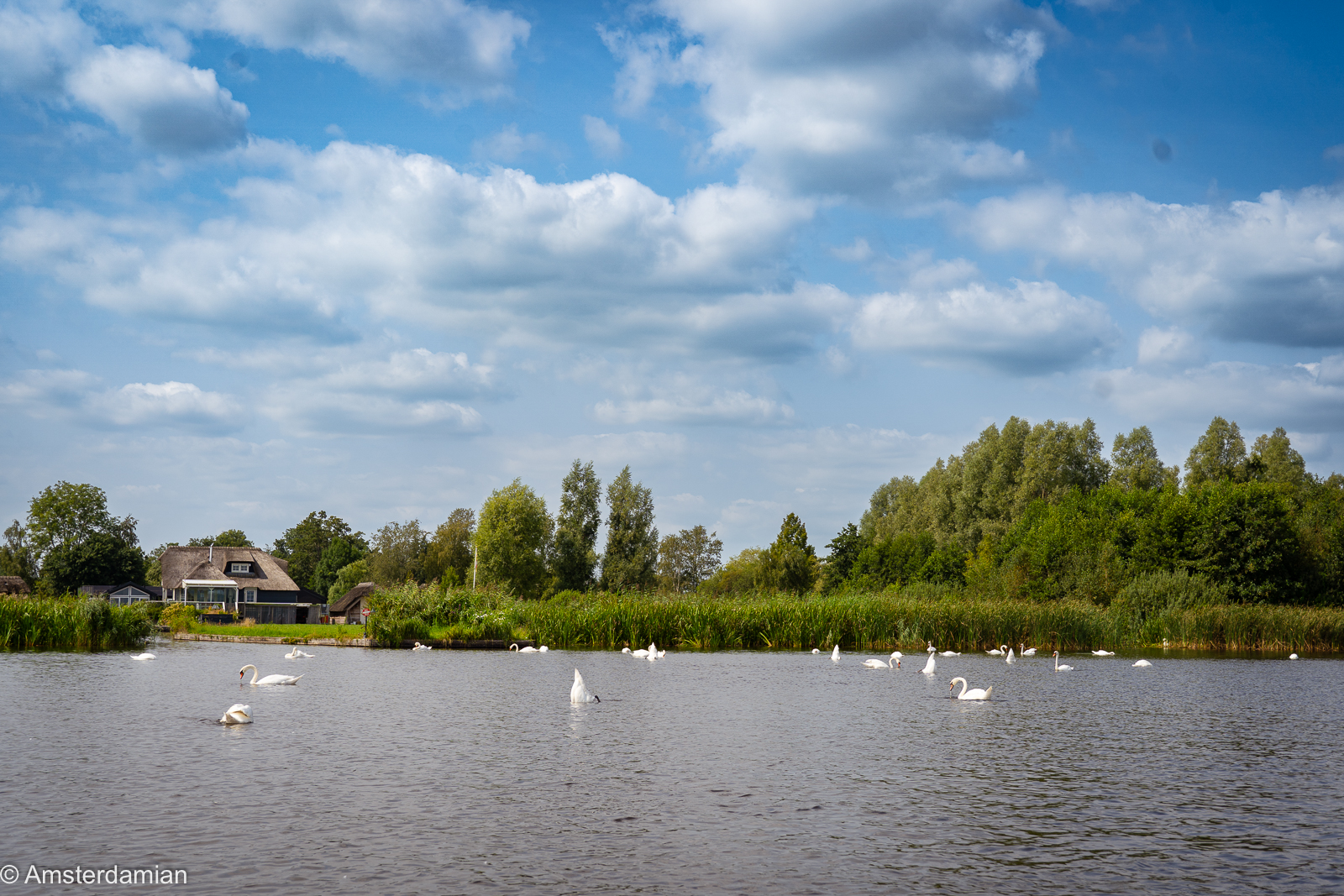
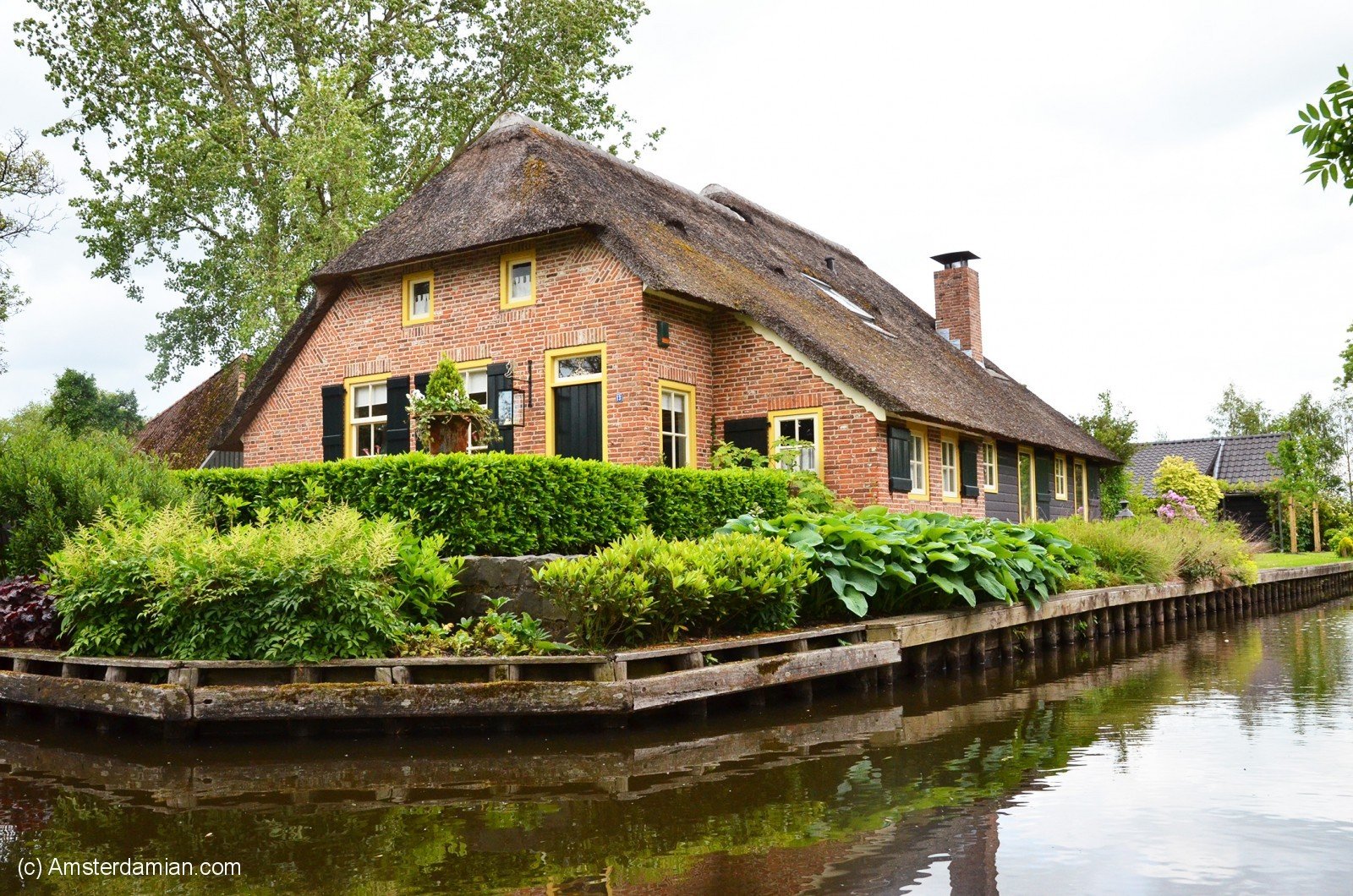
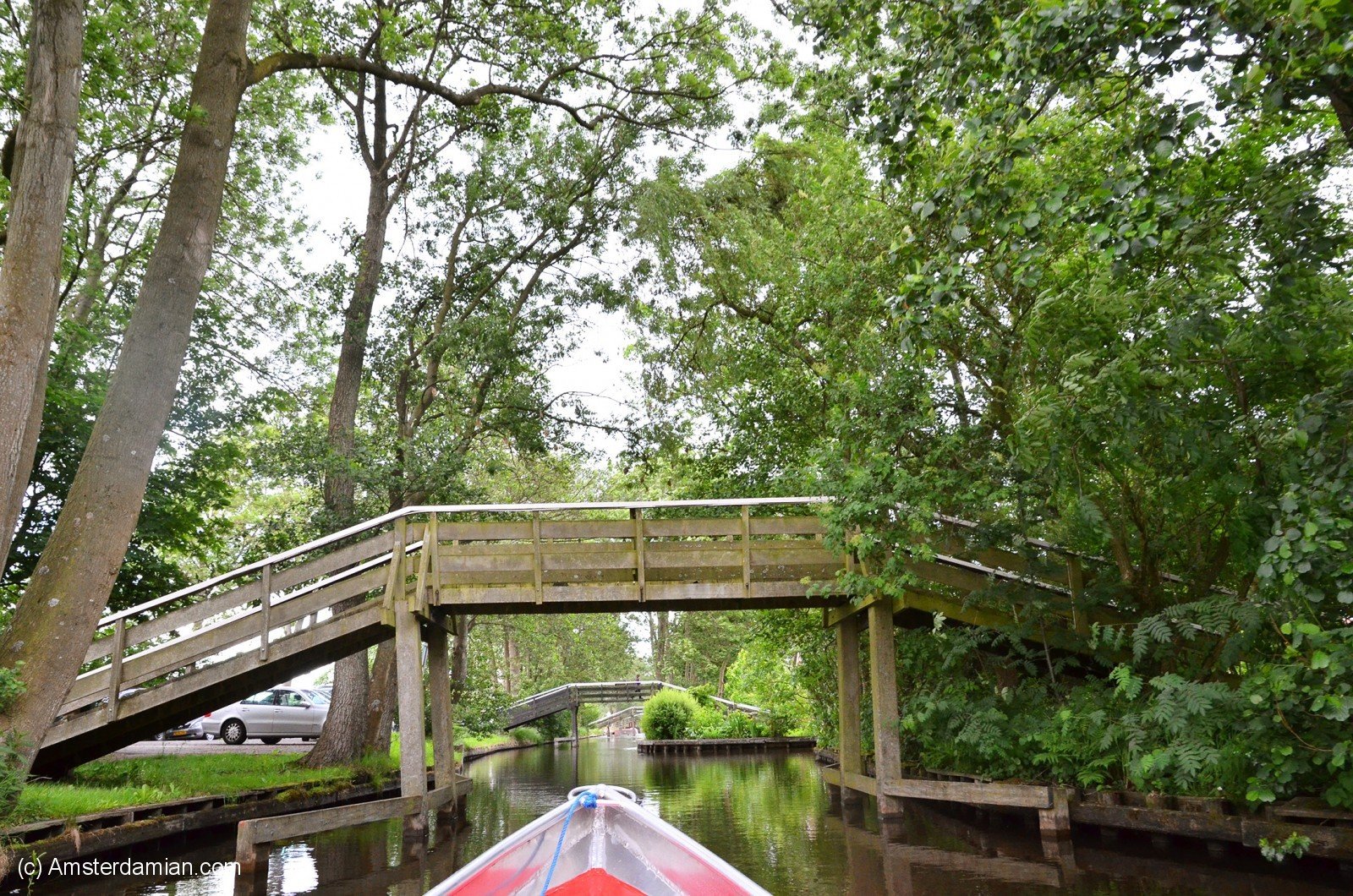
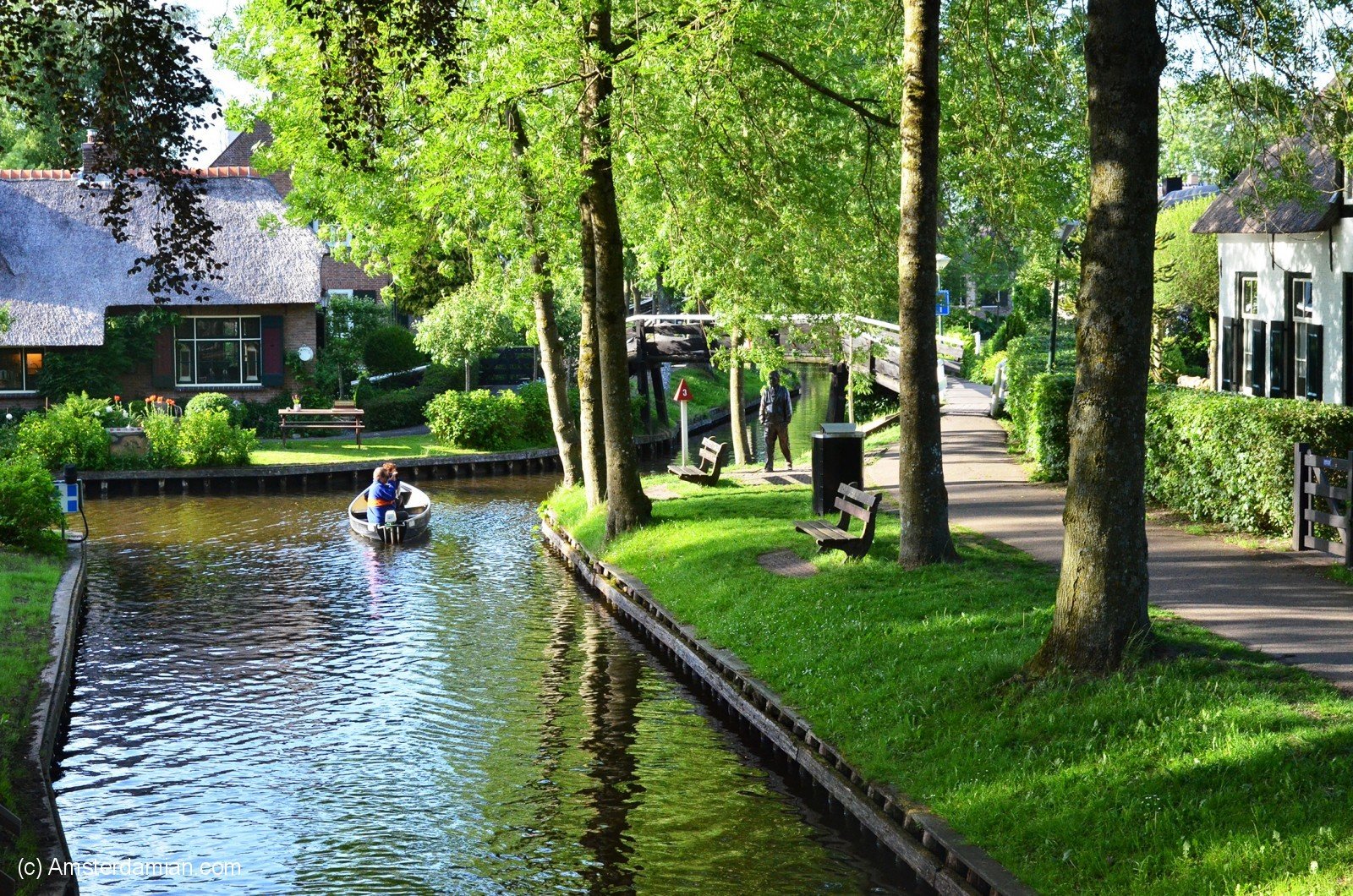
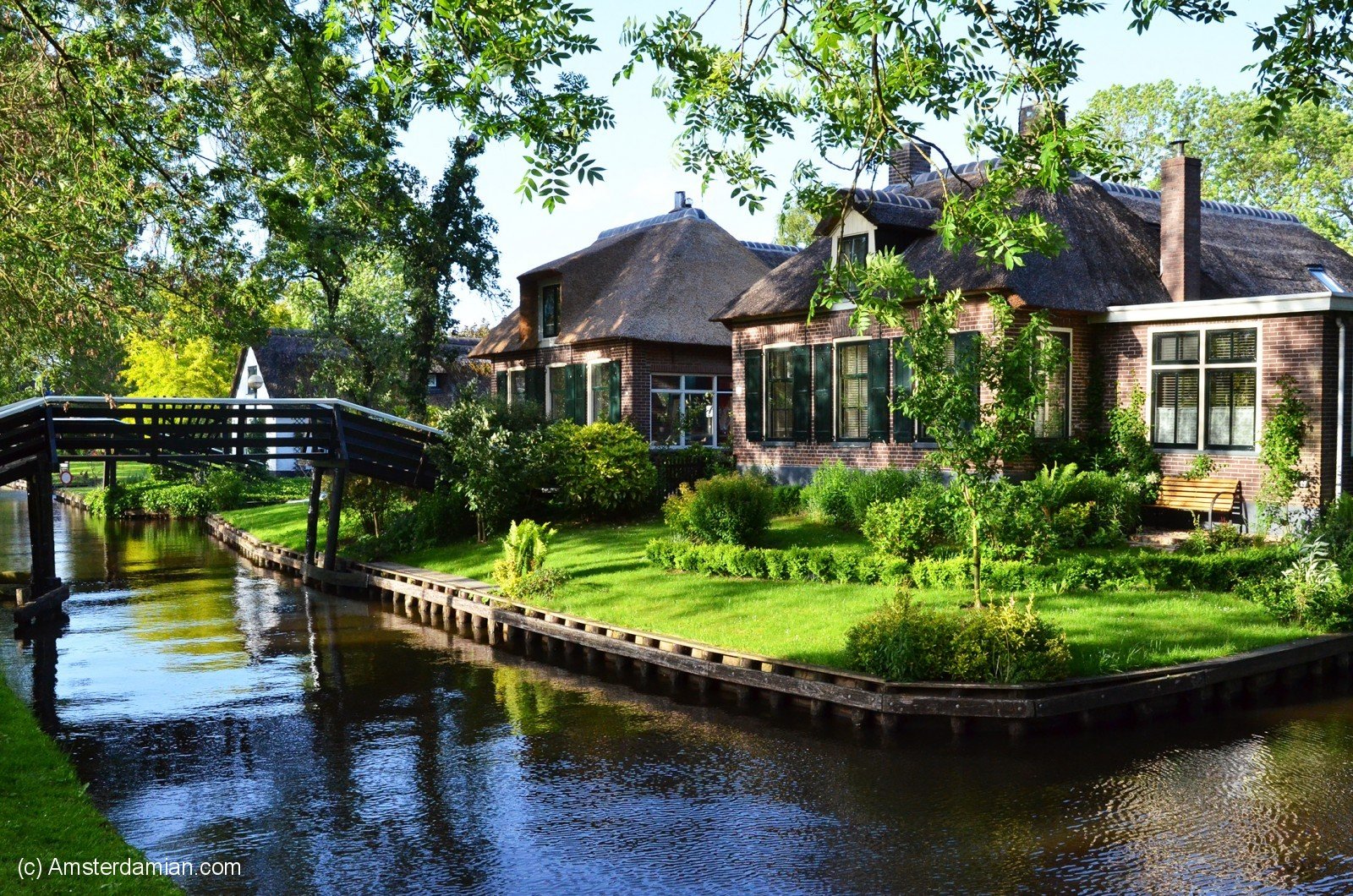
There are many beautiful villages in the Netherlands, but Giethoorn is something truly special. A small place in Overijssel province, hidden inside a maze of canals, narrow paths and 176 little bridges, Giethoorn is the kind of village that makes you wonder how it is still here in 2026, looking like it was lifted straight out of an old painting. Tourism brochures love to call it the Venice of the Netherlands, which I have always found a bit funny. Giethoorn is not trying to be Venice. It is its own peculiar Dutch thing: thatched cottages on tiny grass islands, no cars in the old core, and most of the time the loudest thing you will hear is a duck.
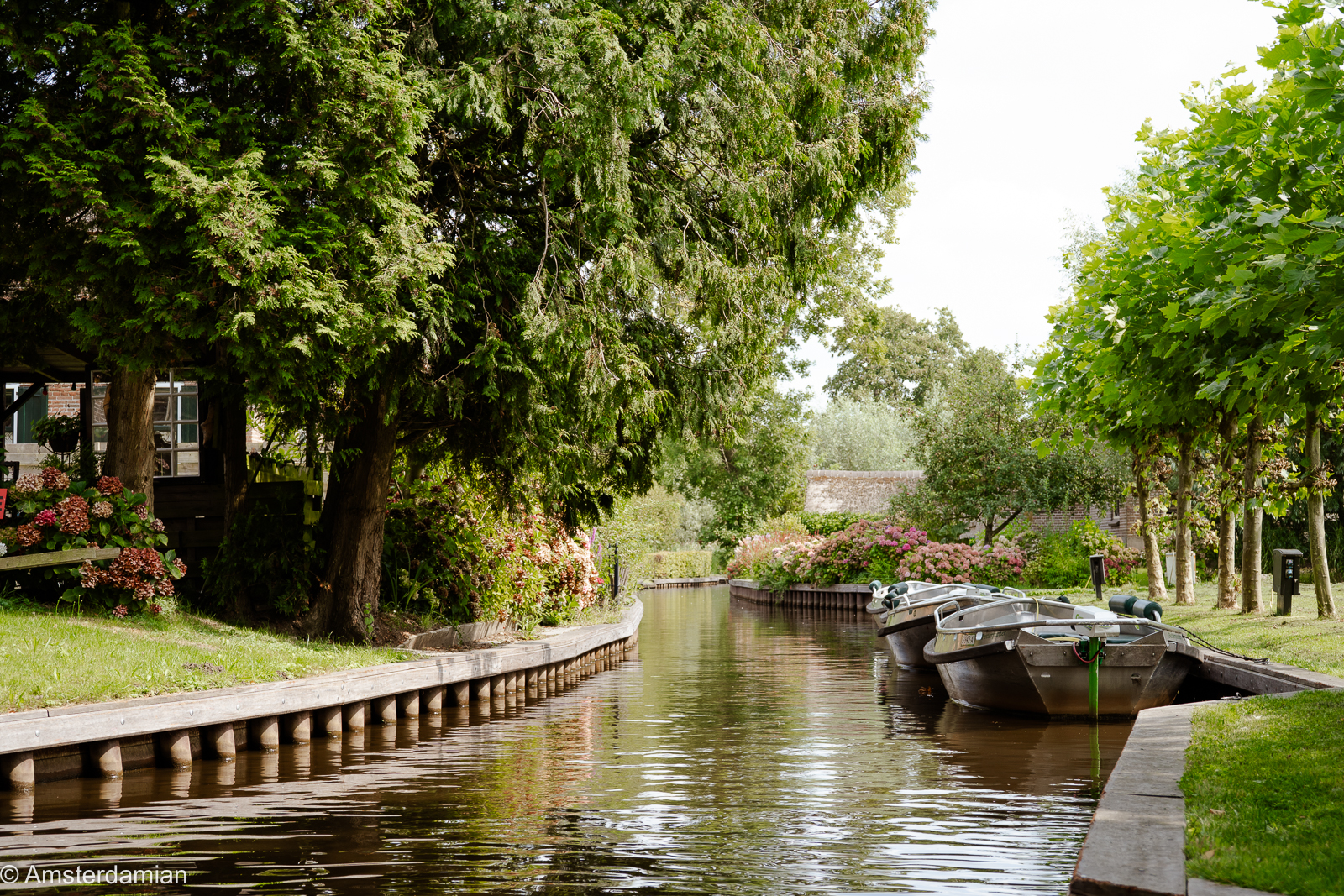
There is such a peaceful and quiet atmosphere in this place, that you’ll want to stay there for a while and forget about everything else. Narrow canals, splendid houses with beautiful gardens (impeccably cared for) and the only noise coming from birds and water splashing; this is something that you definitely don’t find every day. That is, until the tourists show up! If you don’t like big crowds, then you should either book an overnight stay in Giethoorn or simply choose another Dutch village to visit. But we’ll talk about that later. For now, let’s answer a few questions. Here is everything I have learned about visiting Giethoorn properly — when to go, what to skip, how to handle the crowds, and why staying overnight changes the whole experience.
This page includes affiliate links. If you click and purchase, I may receive a small commission at no extra costs to you.
A Bit of History
People disagree about who showed up here first. Some say monks; others say peat diggers. What we know for sure is that the first written mention of Giethoorn dates from 1225. The name translates to “Goat horn”, supposedly because the first settlers found hundreds of goat horns (gietehorens) in the soil, the remains of poor animals that drowned in the Zuiderzee storm surge of 1170. Linguists will tell you this is a charming folk tale, and that hoorn simply means “a corner of land projecting into the water”. I prefer the goats.
The canals you see today were carved by centuries of peat extraction. Giethoorn was initially a working settlement of peat diggers, not a planned fairytale village. The “magic” came later, almost by accident, once nature filled in what the diggers had taken away. That is the part I find most interesting: this is a landscape that humans accidentally made beautiful.
Is Giethoorn really a village with no roads?
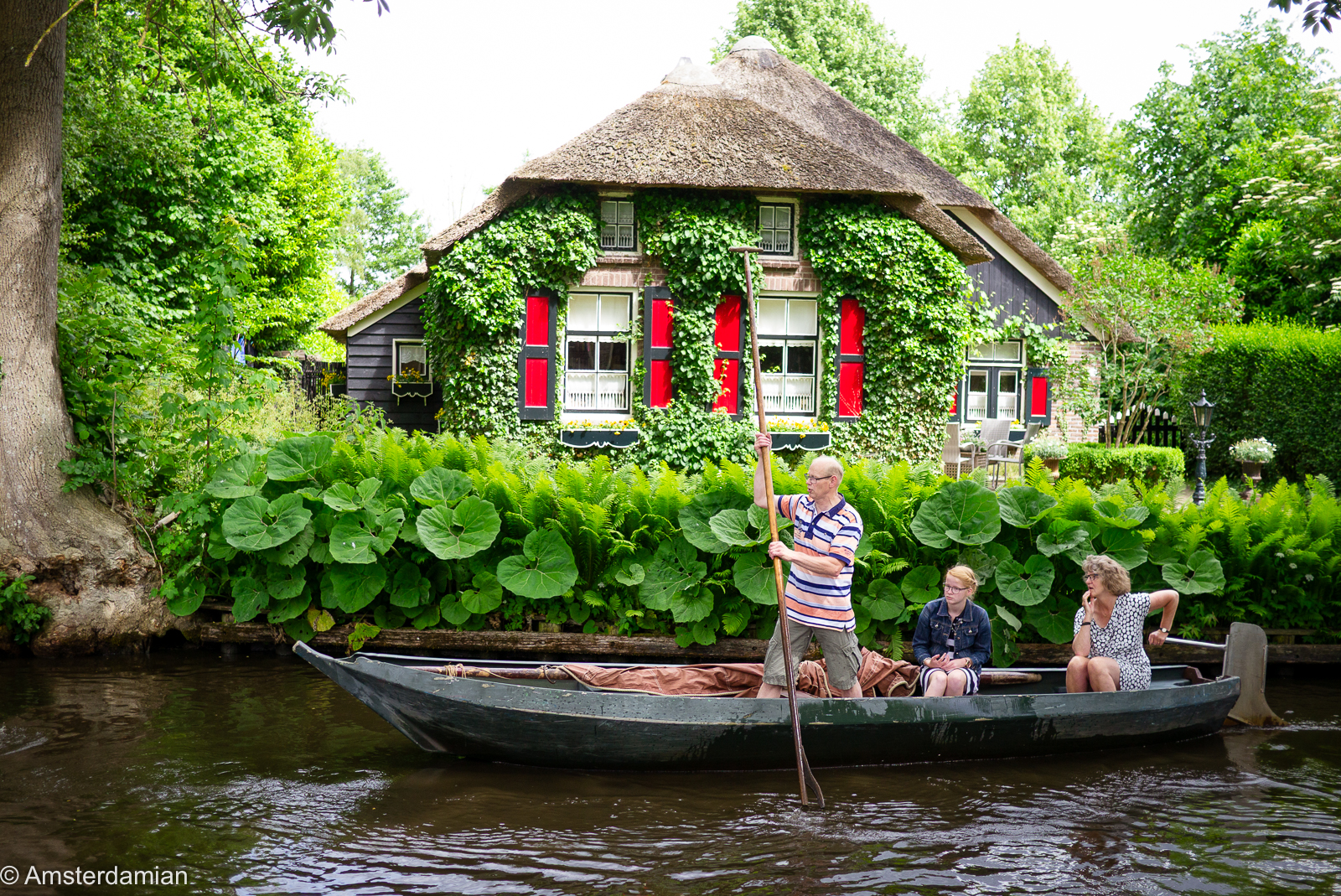
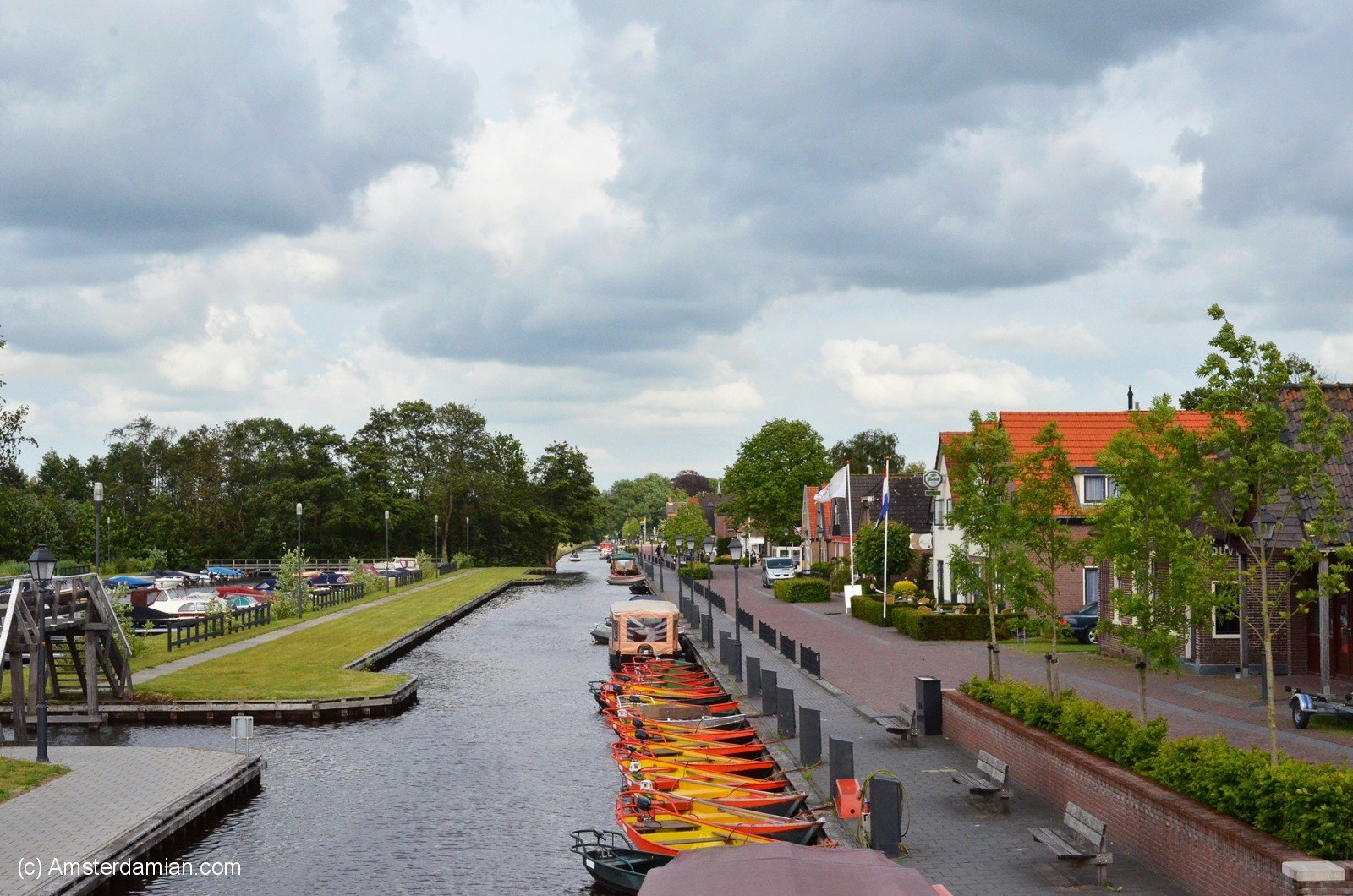
Sort of. Giethoorn, as romantic and fairytale-like might be, is still a village that lives in modern times. Although at its beginnings it was only a collection of a few cottage houses surrounded by canals and connected with bridges, the village developed along the years, like everything else around it. There are roads that lead to Giethoorn and also inside the village. A bus will take you there, or you can go by car and park somewhere convenient. Only the old part of the village is now an interconnected network of canals, but there are walking and biking paths along these (narrow as they may be!). This is the part of the village everyone talks about and, yes, there are no cars ruining the picturesque views.
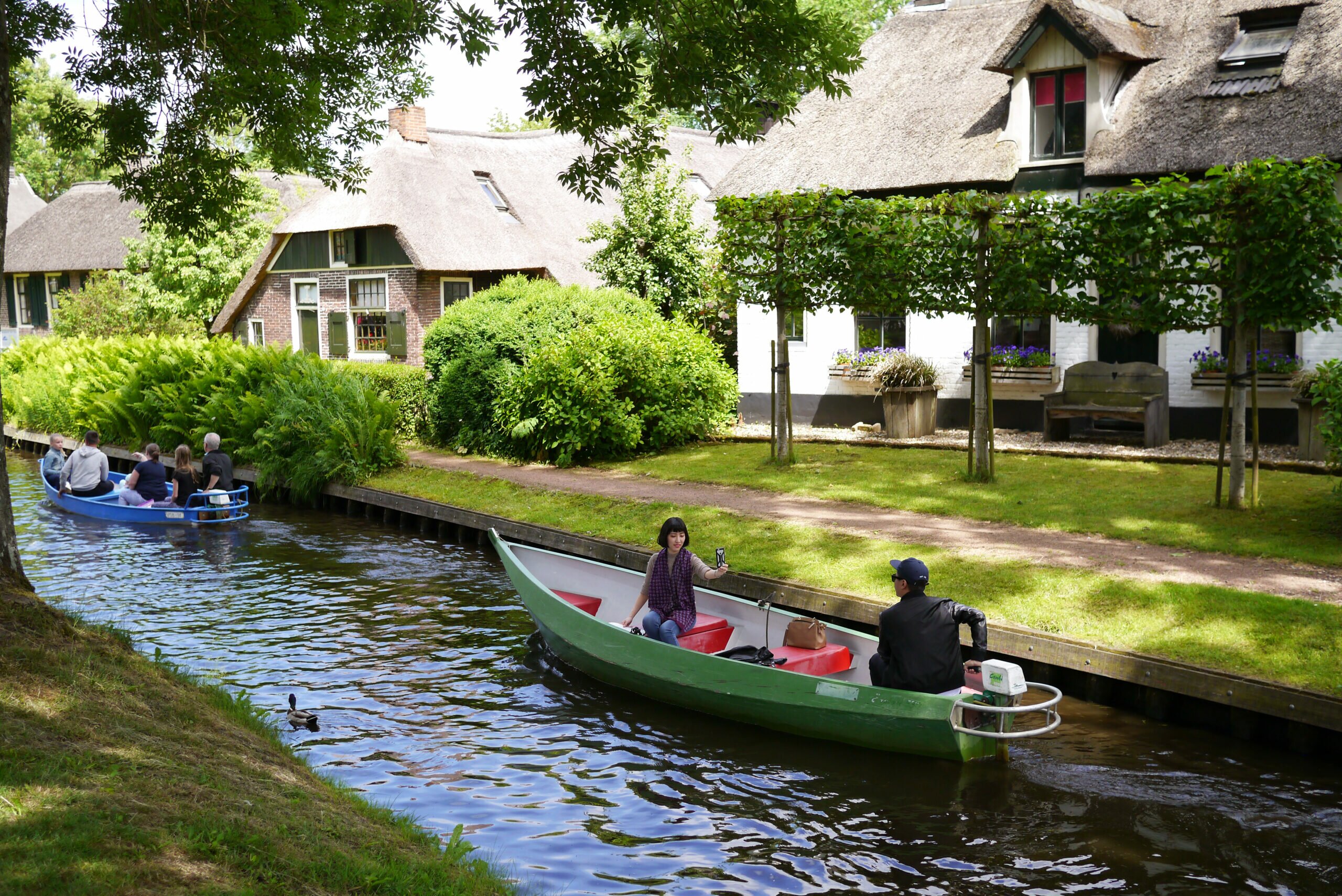
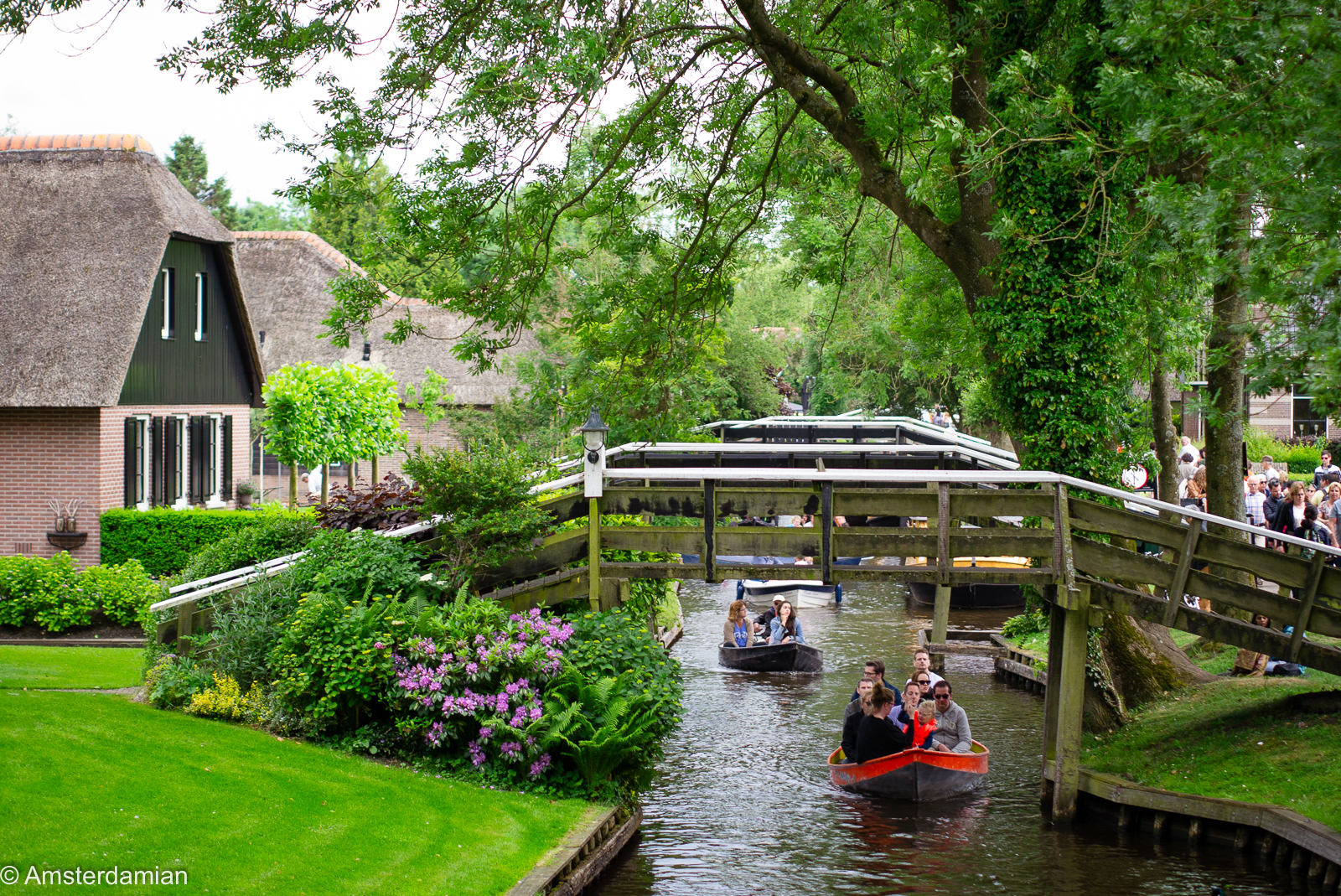
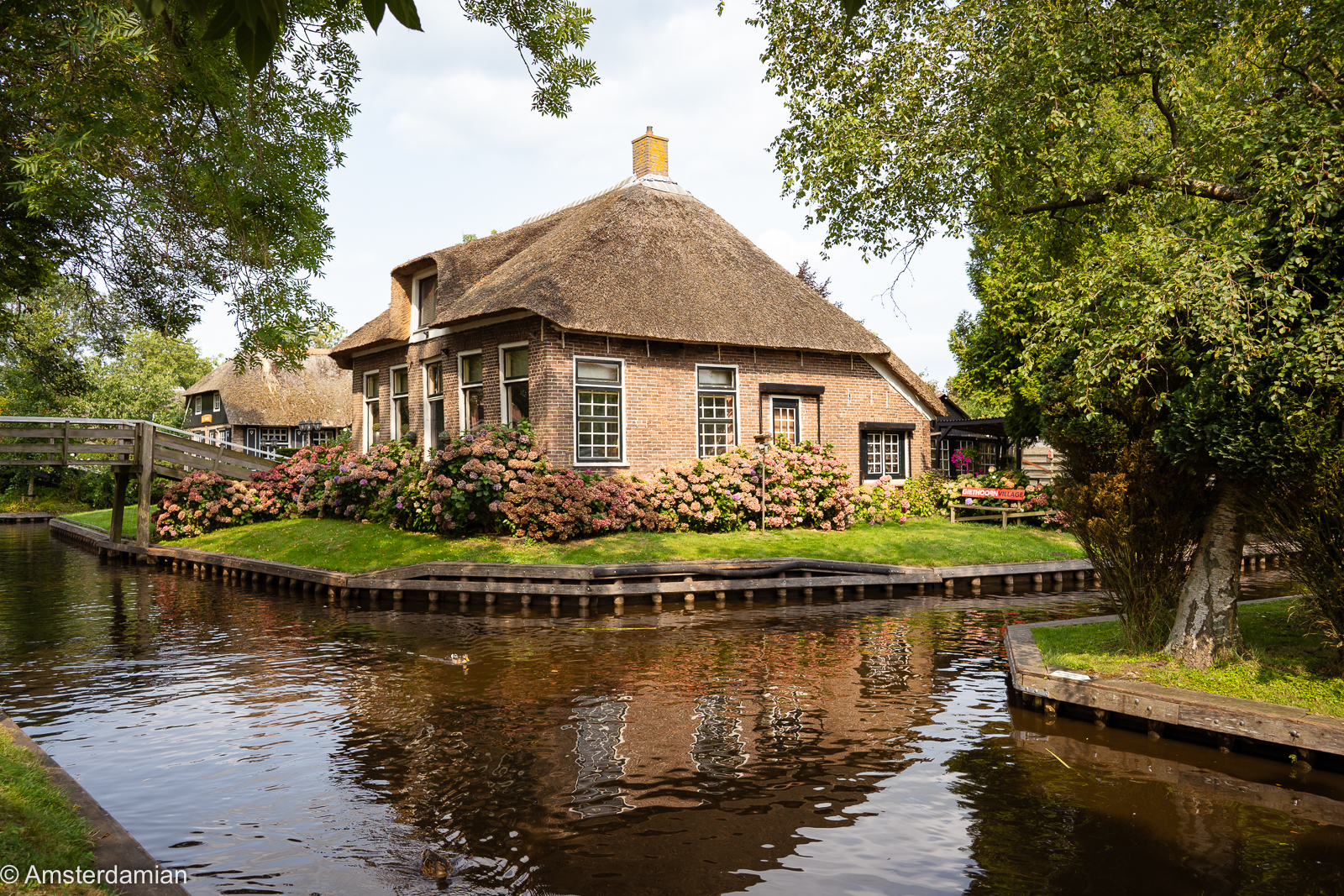
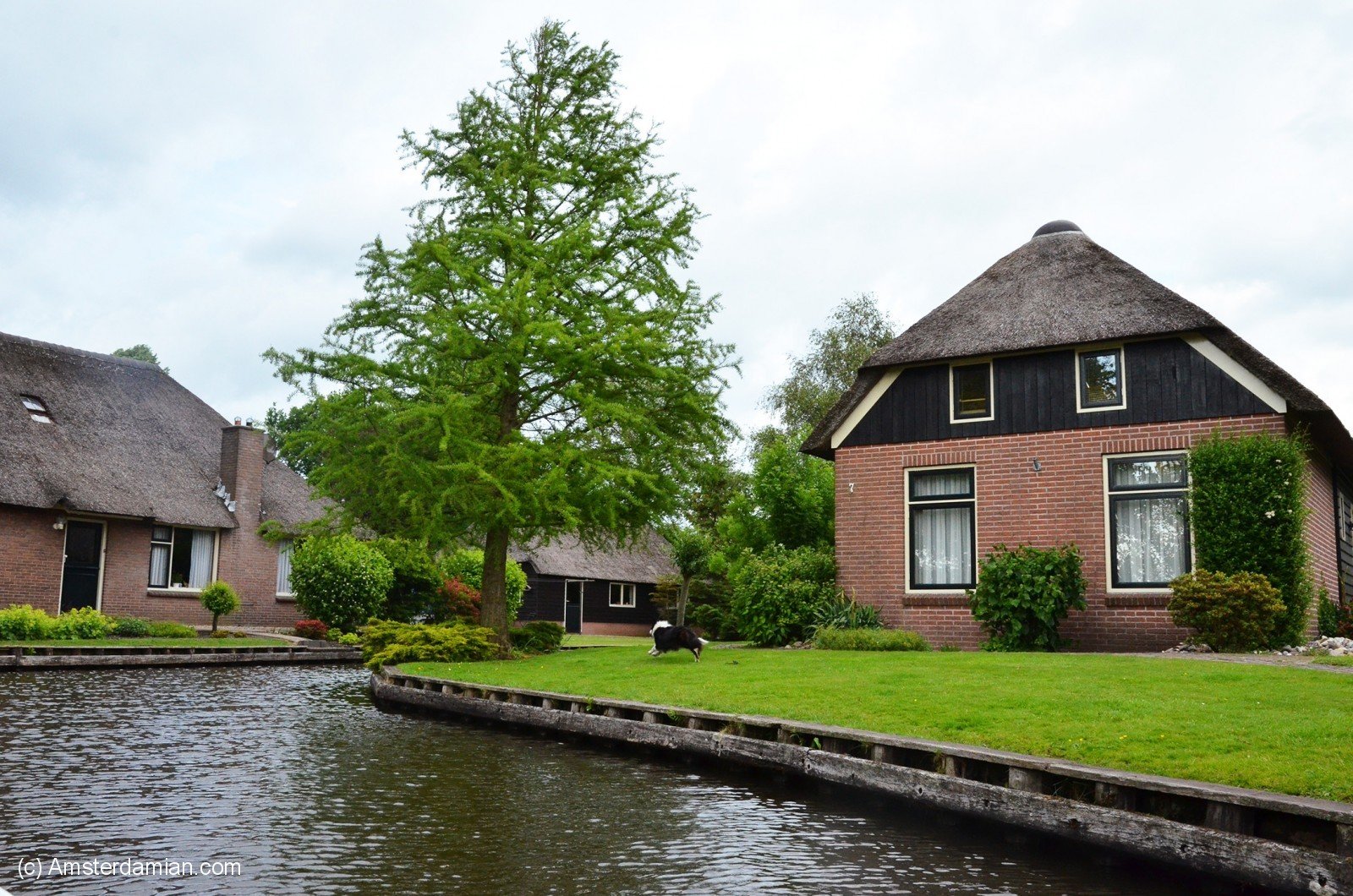
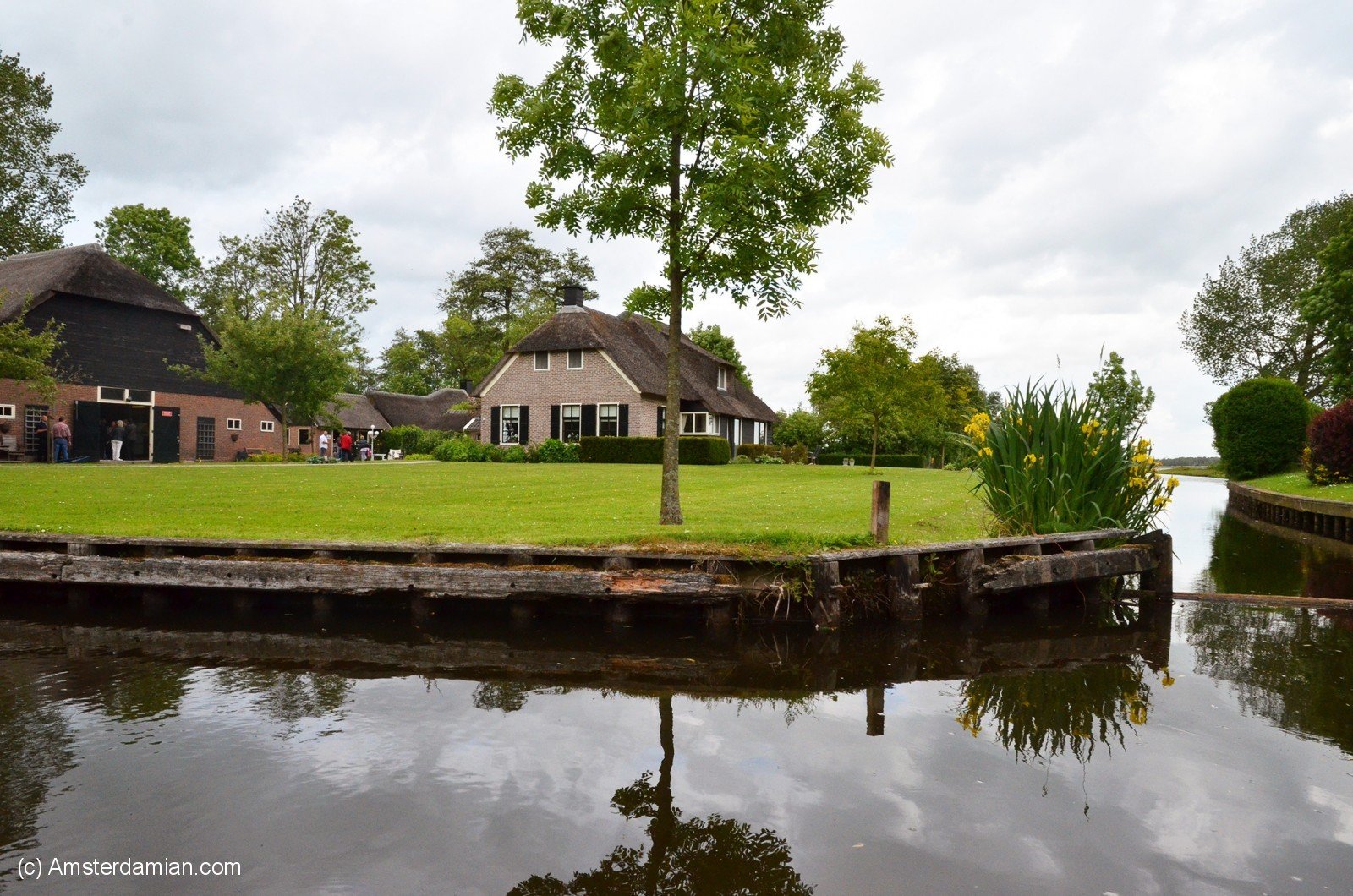
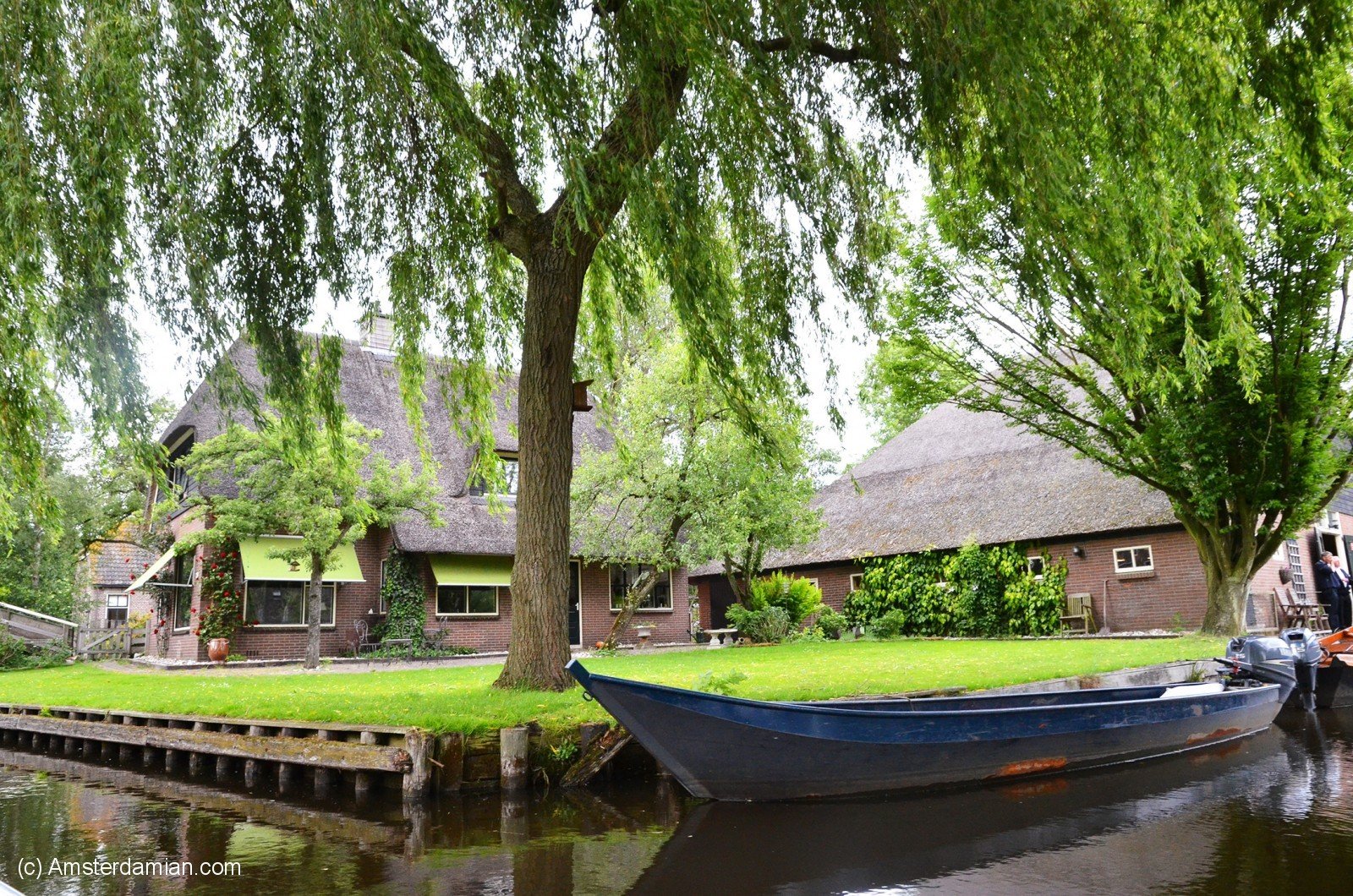
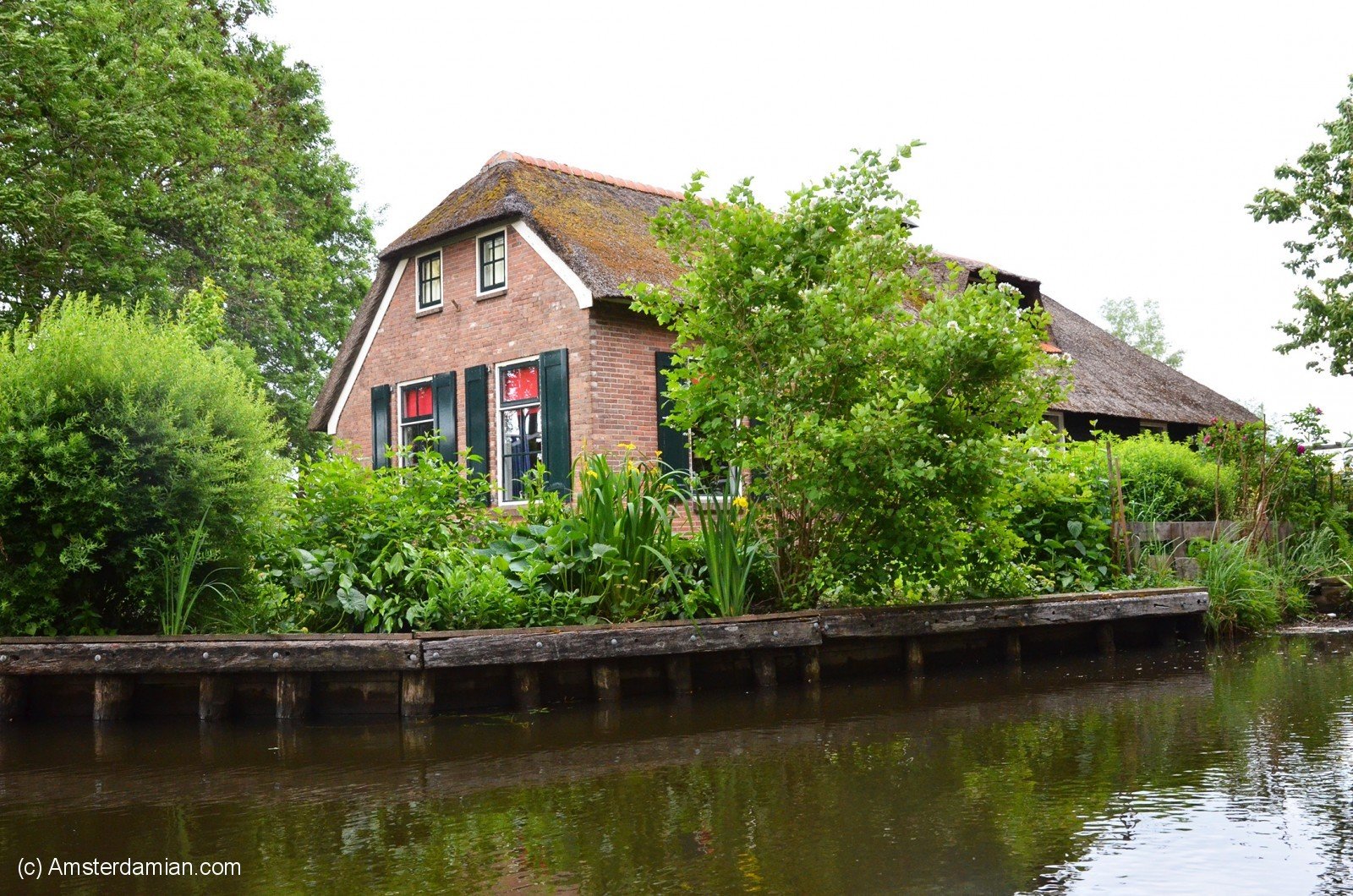
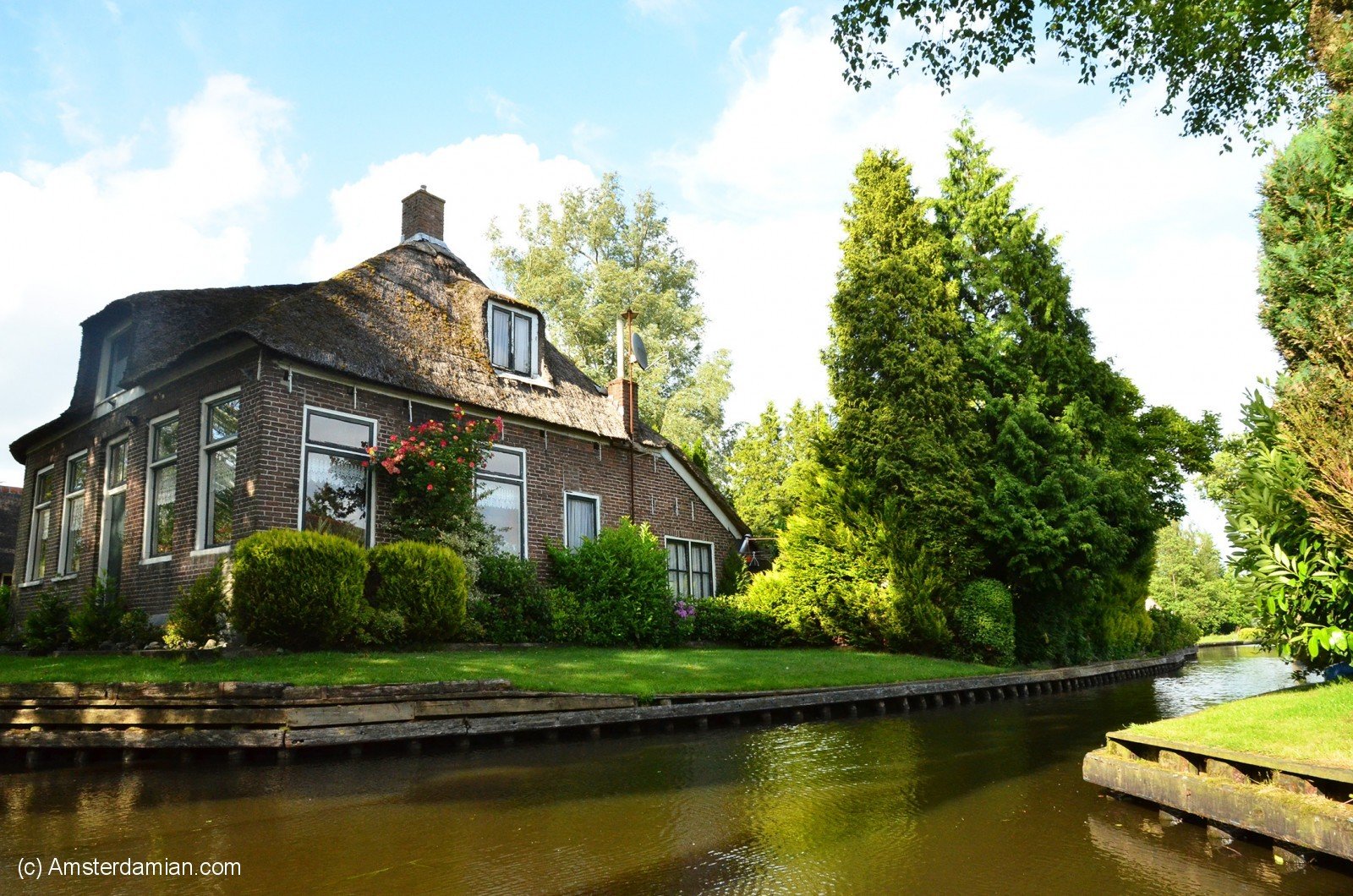
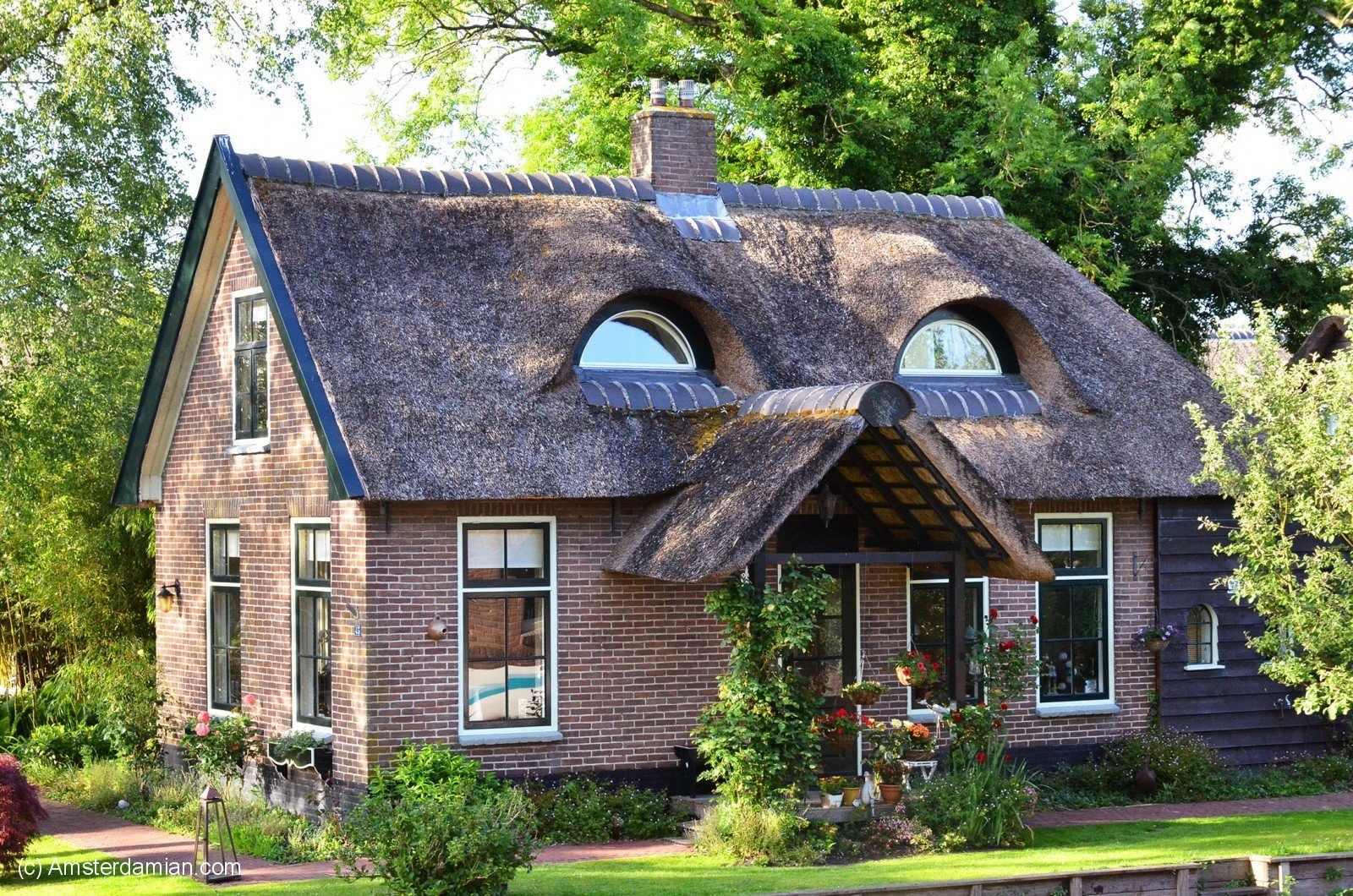
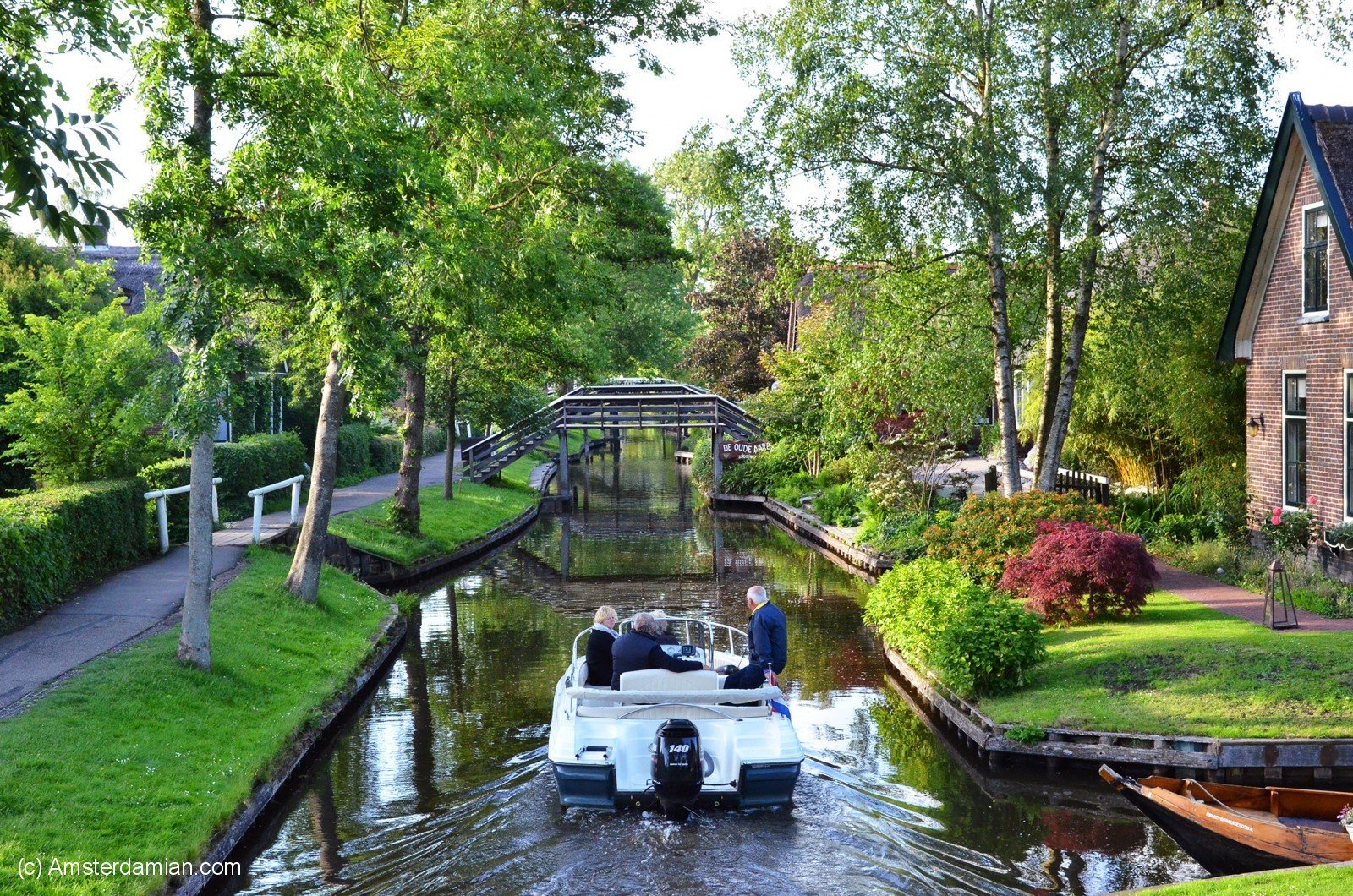
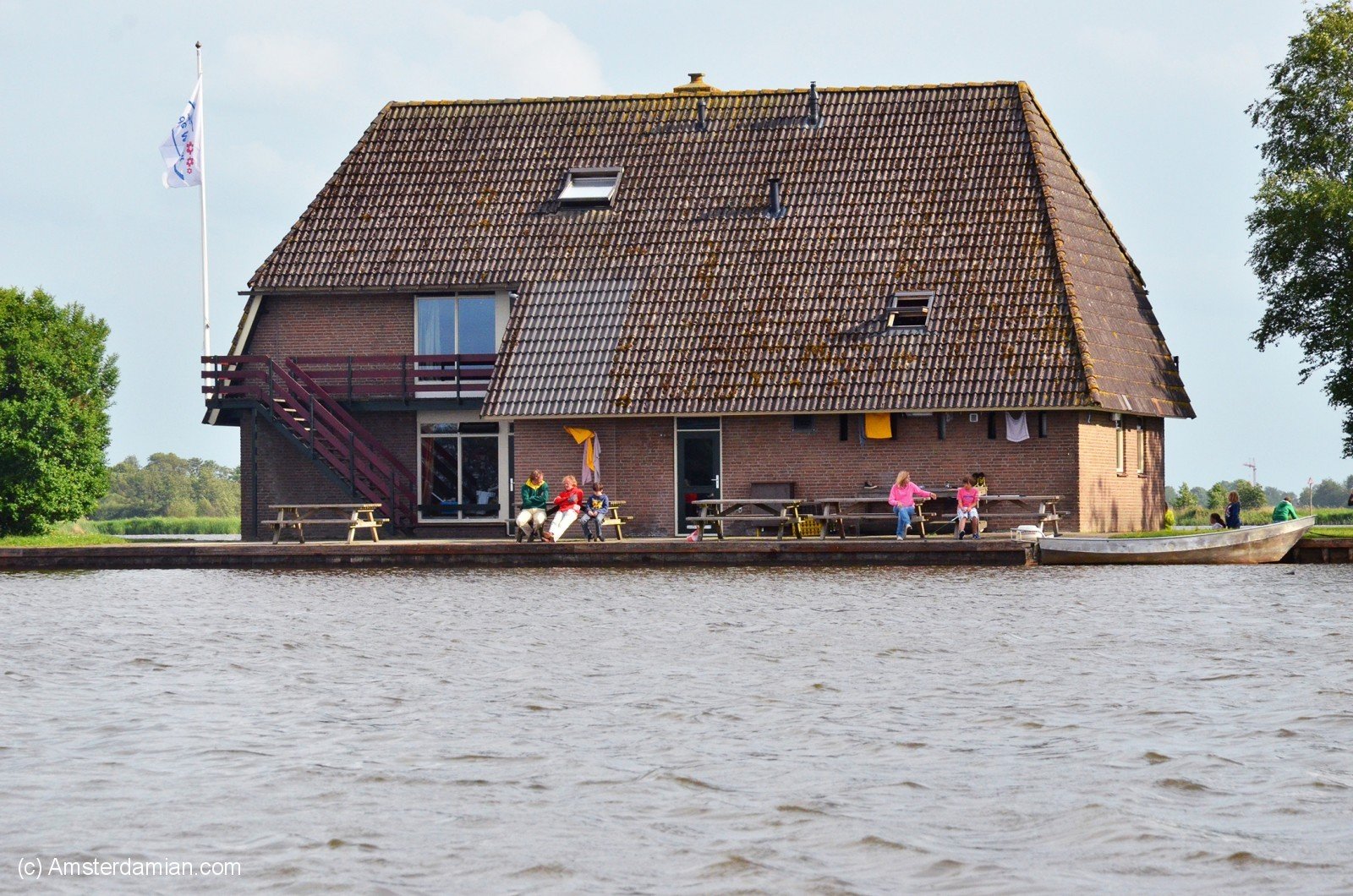
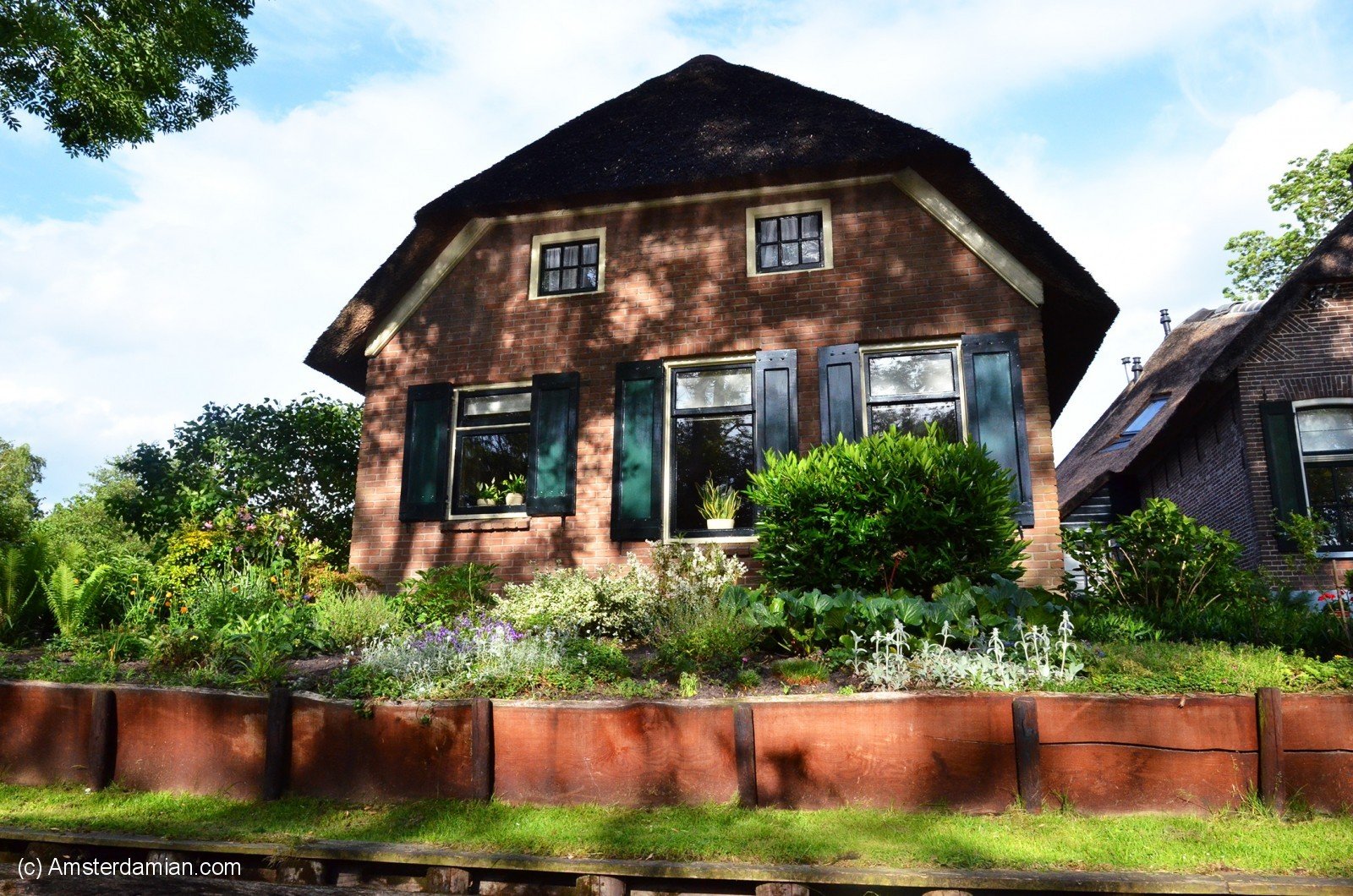
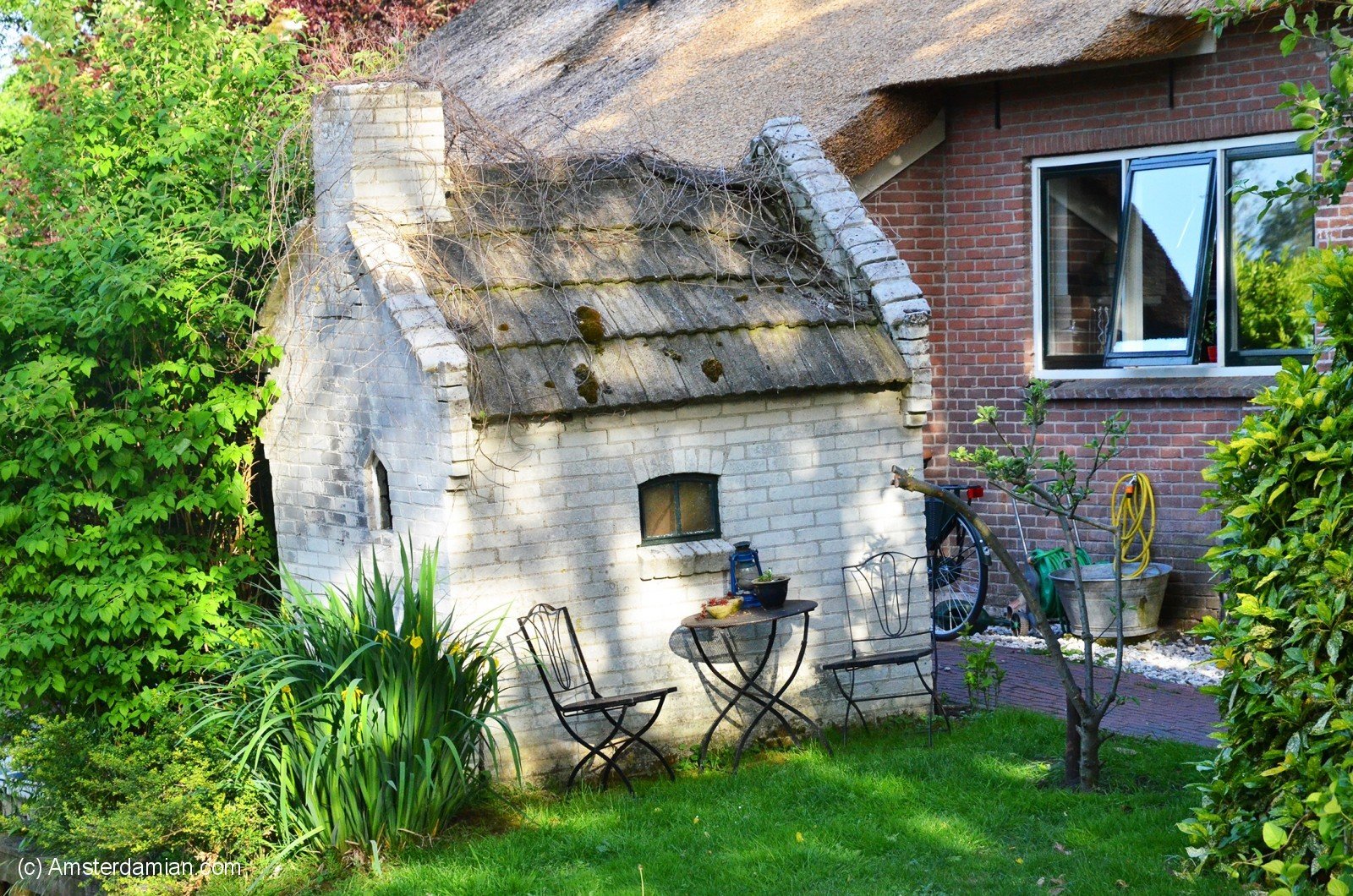
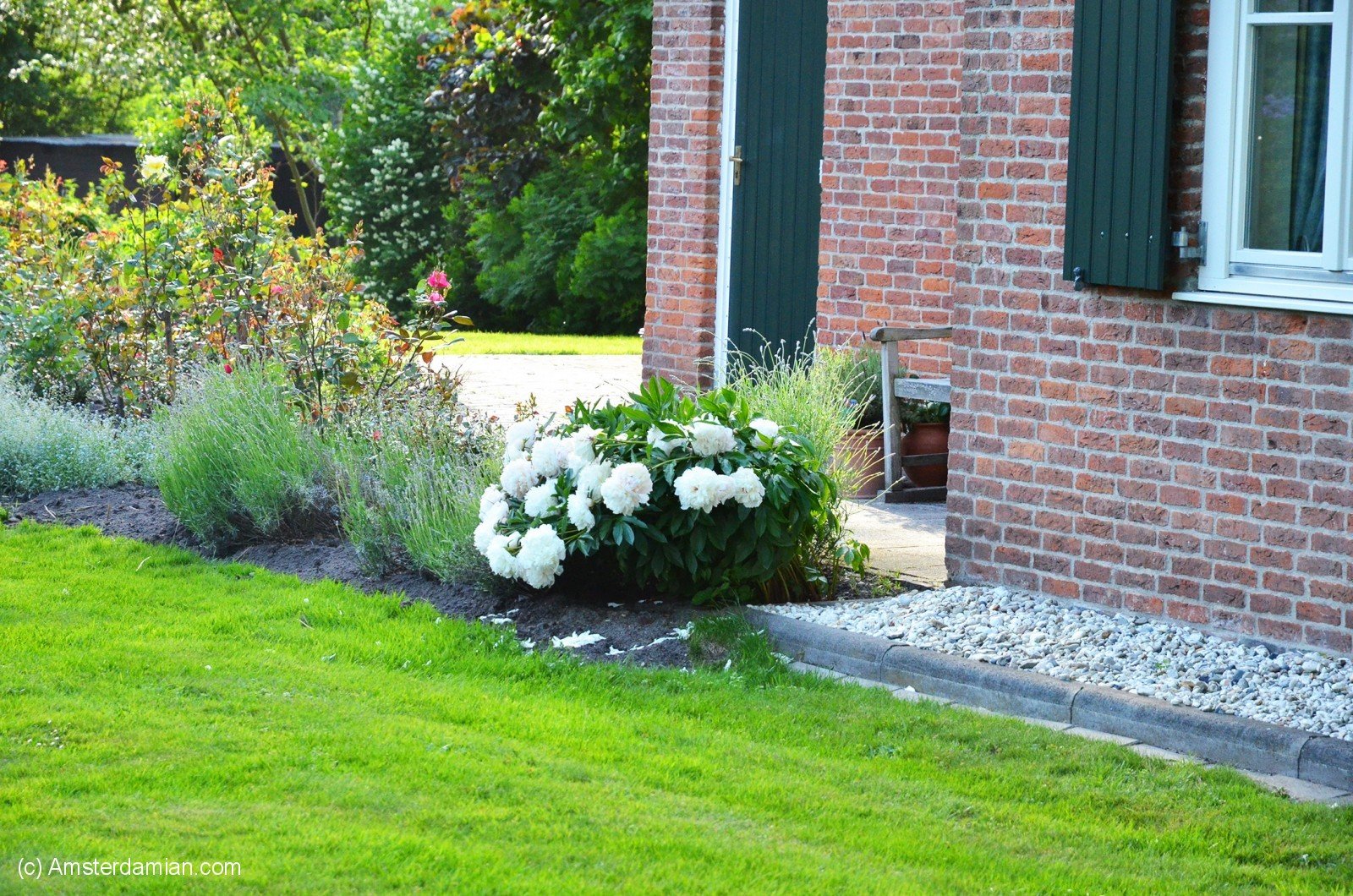
I was amazed by the fact that each house (mostly thatched cottages) sits on its own island; a small patch of land around the house, basically the garden, covered in grass and flowers. I’m pretty sure the locals compete against each other in creating the most beautiful garden in the village, because they were all so charming! In front of the house, tied up to a small dock, you’ll see the family’s boat. I can only imagine how nice it would be to wake up in the morning and take the boat to go to school or to work (although they most probably take the biking path…).
Giethoorn has 176 bridges linking these small islands. Don’t plan on crossing them all, as plenty are privately owned and off-limits, and there isn’t enough time in a single day to cover the lot anyway. The houses are mostly from the 18th and 19th centuries, renovated over time, and yes, they have modern plumbing. No, I have no idea how they got it installed under all those canals.
✨Day-trip suitability
International visitors: ● ● ● ● ● — A must on a first visit
NL-based day-trippers: ● ● ● ● ● — Worth planning a day/weekend around
● Circles indicate suitability, not quality. Some subjectivity included. How to read these ratings 📜
What to do in Giethoorn
The honest answer is: less than you might think, in the best possible way. Giethoorn isn’t a place with twenty attractions; it’s a place where the attraction is the village itself. You slow down, you wander, you take a boat out, you eat pancakes, you take photos, you repeat. That is it. And it is more than enough.
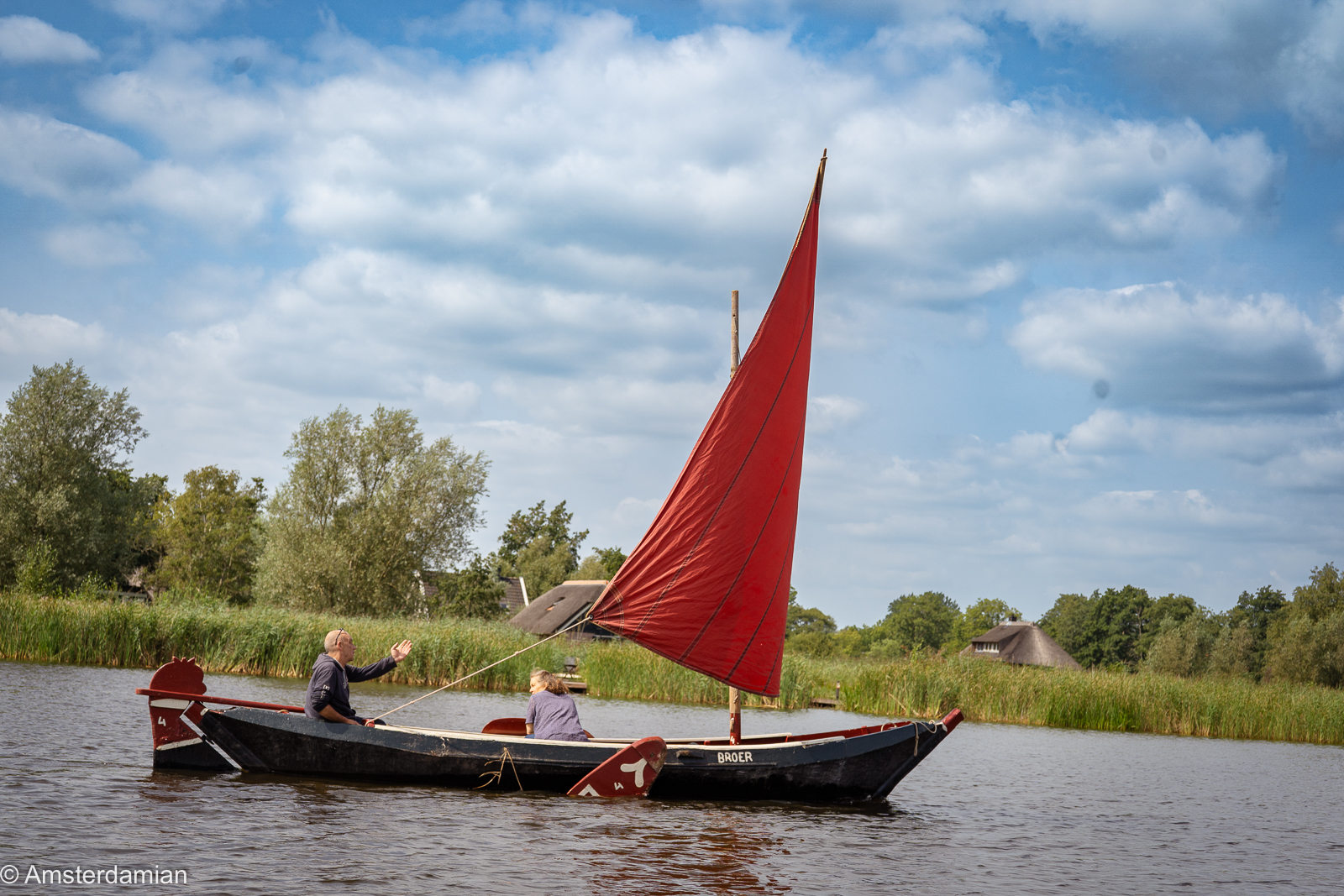
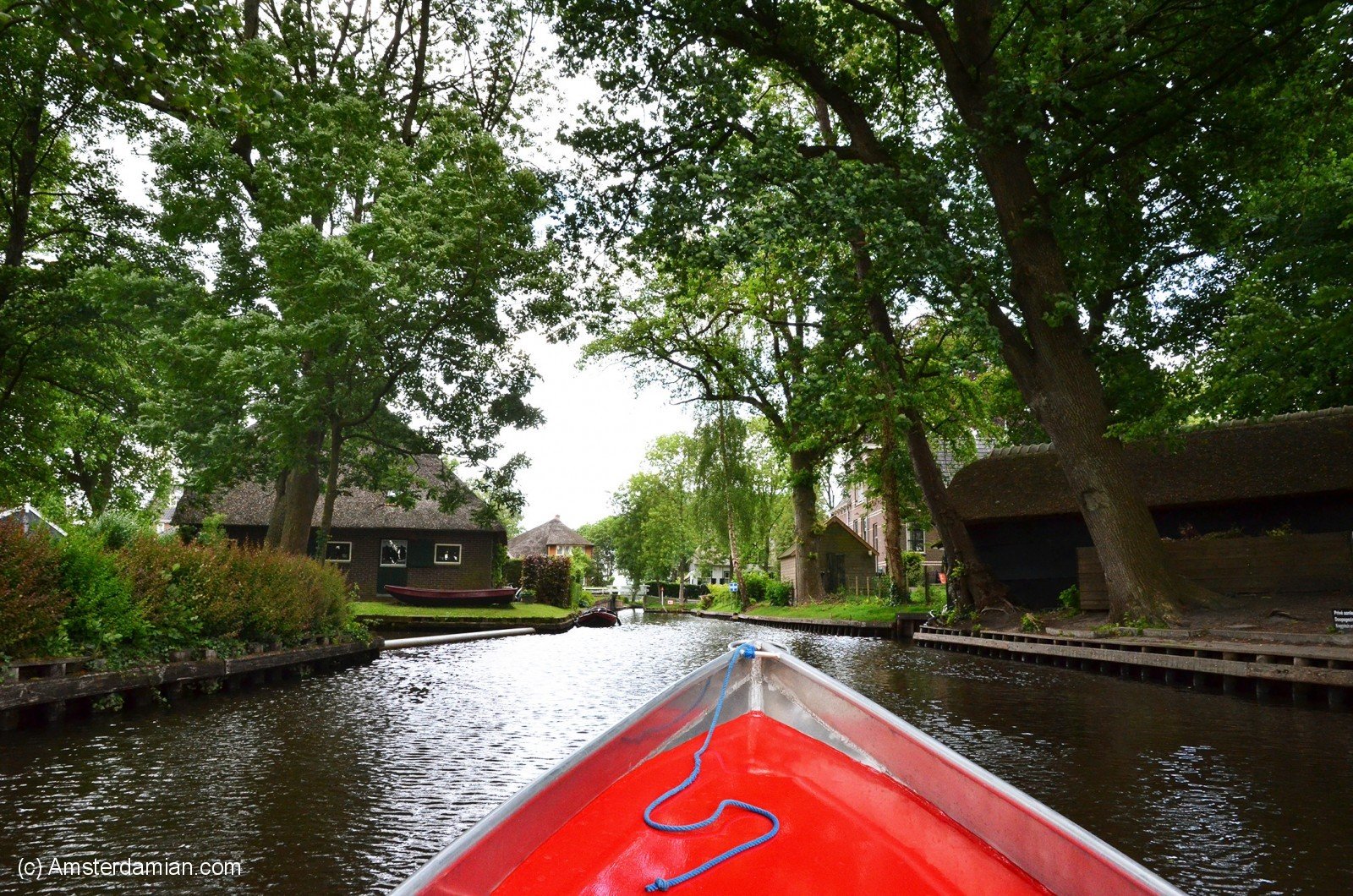
The best way to experience Giethoorn is – how else – by boat. After your boat ride, walk along the canals, visit a museum, have something to eat.
One thing I really want to flag: please remember Giethoorn is not an open-air museum. It looks like one, but people actually live in those cottages. Don’t be loud, don’t wander into private gardens, don’t peer through windows. I have seen tourists do all three and it is the kind of thing that makes the locals reasonably furious. Be a guest.
Renting a Boat in Giethoorn
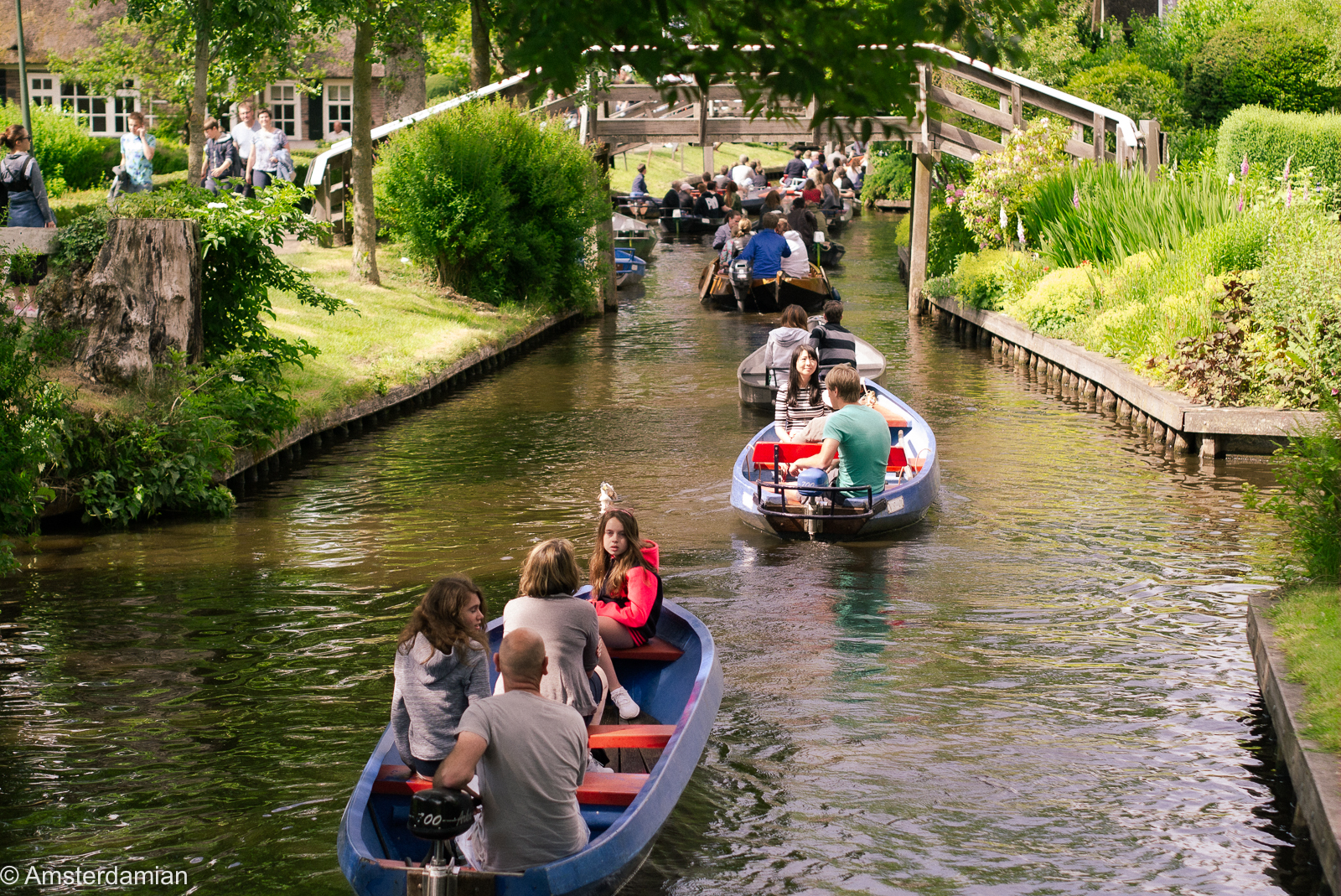
This is the part most first-time visitors worry about and don’t need to. You don’t need a boating licence to drive one of the small electric boats — they are called whisper boats because the motor barely makes a sound, which is exactly the right speed and noise level for these canals. You’ll find several rental places along the main paths in the old village; my advice is to go to whichever has the shortest queue. Booking ahead in summer is sensible. Turning up in shoulder season is usually fine.
The boating season runs roughly April through October. Outside of that, you’re walking. I won’t quote prices here because they change every season and by operator, so check the rental company’s website on the day. What I will say is: rent for at least two hours, ideally three. One hour is too short to actually relax into the experience, and you’ll spend half of it figuring out how the motor works.
If you don’t want to drive the boat yourself, book a private boat tour, or buy a ticket for a guided canal cruise on one of the bigger boats (a guide will tell you the village stories along the way, which is genuinely worth it the first time).
Museums in Giethoorn
There are a couple of small museums in Giethoorn, and they are worth an hour of your time even if you don’t normally enjoy museums.
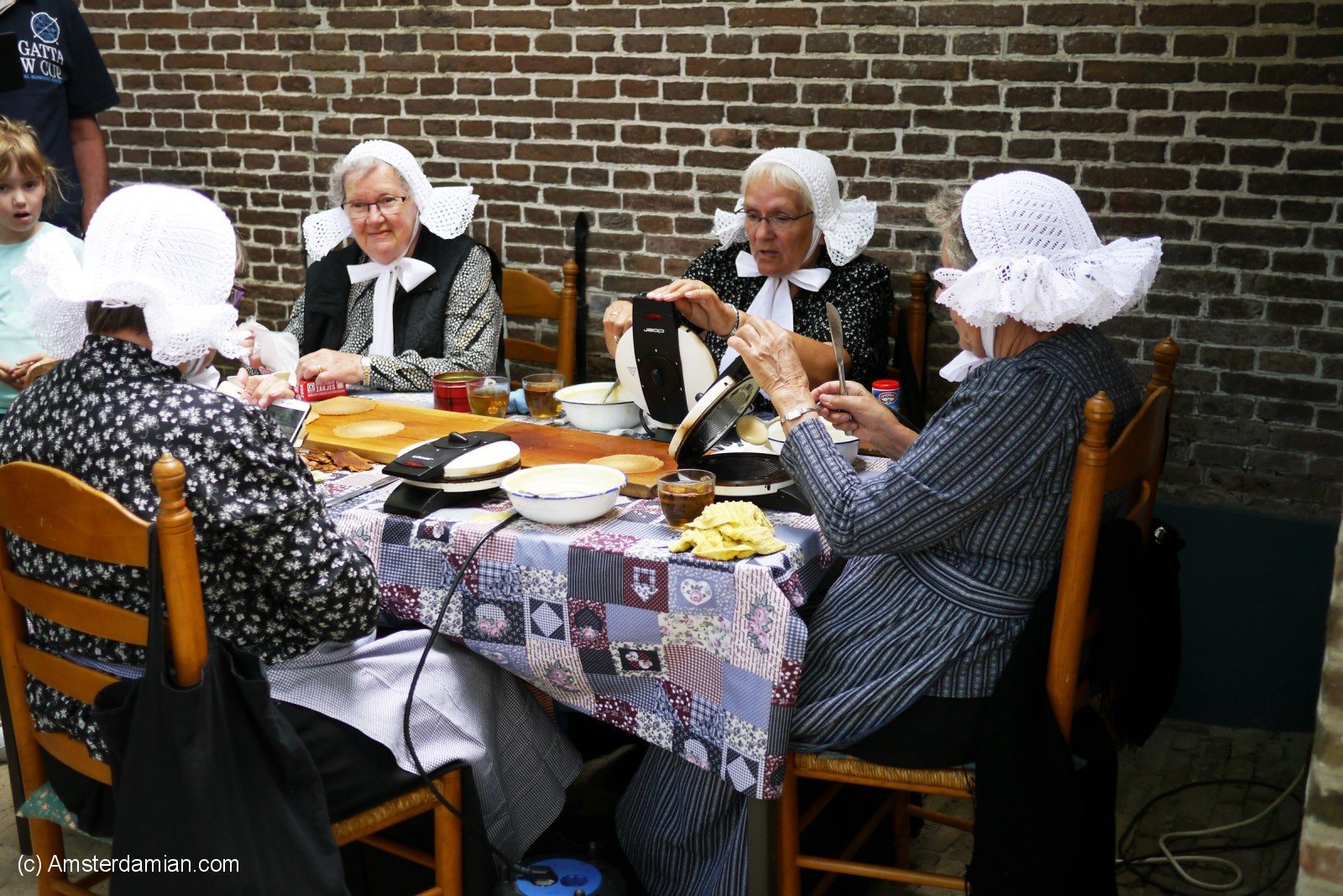
Museum Giethoorn ‘t Olde Maat Uus: shows what life was like in the village a hundred-plus years ago. It is set up inside a historical farmhouse, and on lucky days you’ll find ladies in traditional dress sitting at a table making pancakes. It is the kind of small, lovingly-kept local museum that does more to explain a place than any guidebook can.
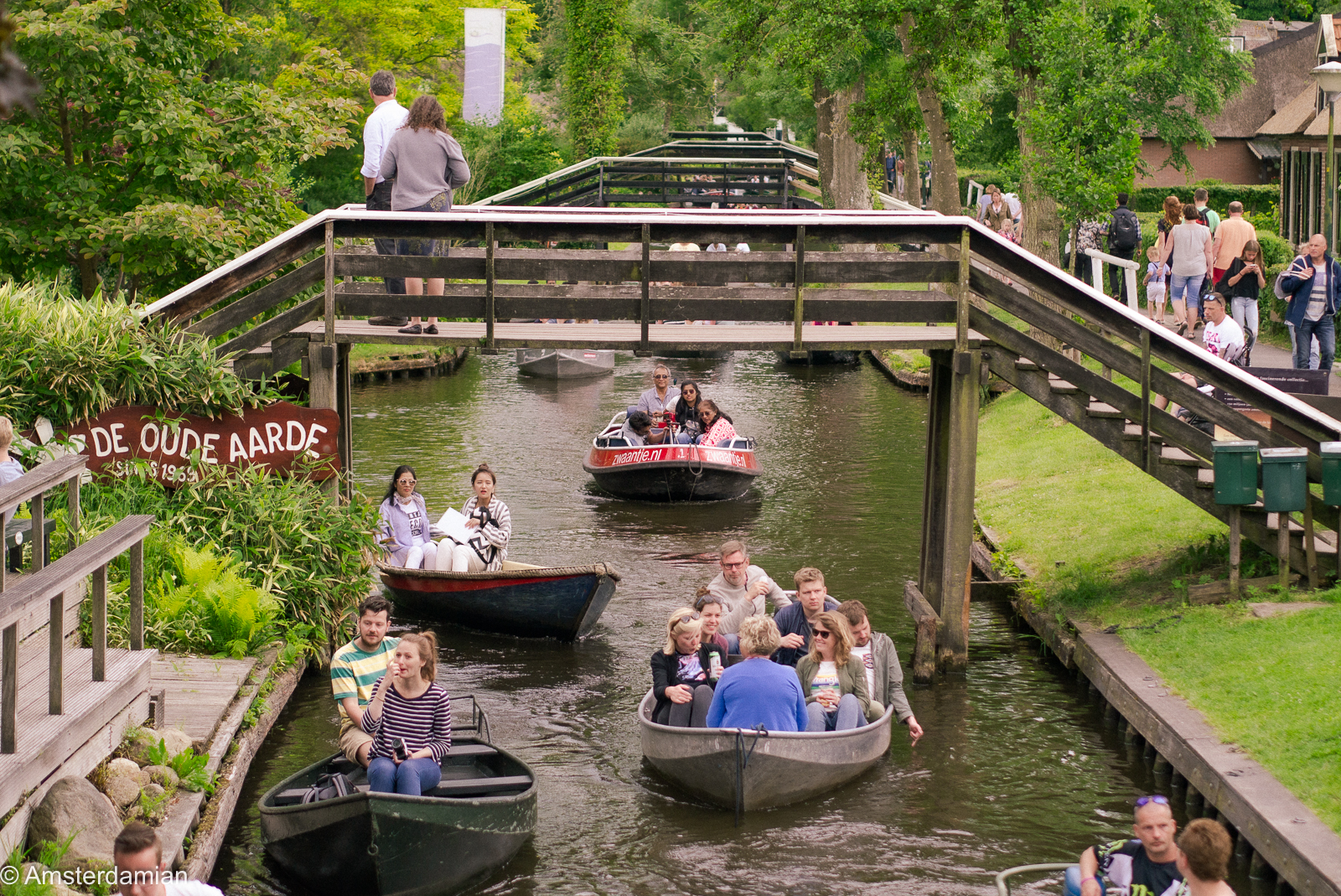
De Oude Aarde is part shop, part museum, full of gemstones, fossils, minerals and jewellery. Completely unrelated to Giethoorn’s history, but it’s a lovely strange little place and worth a quick look if that sort of thing interests you.
Where to eat in Giethoorn
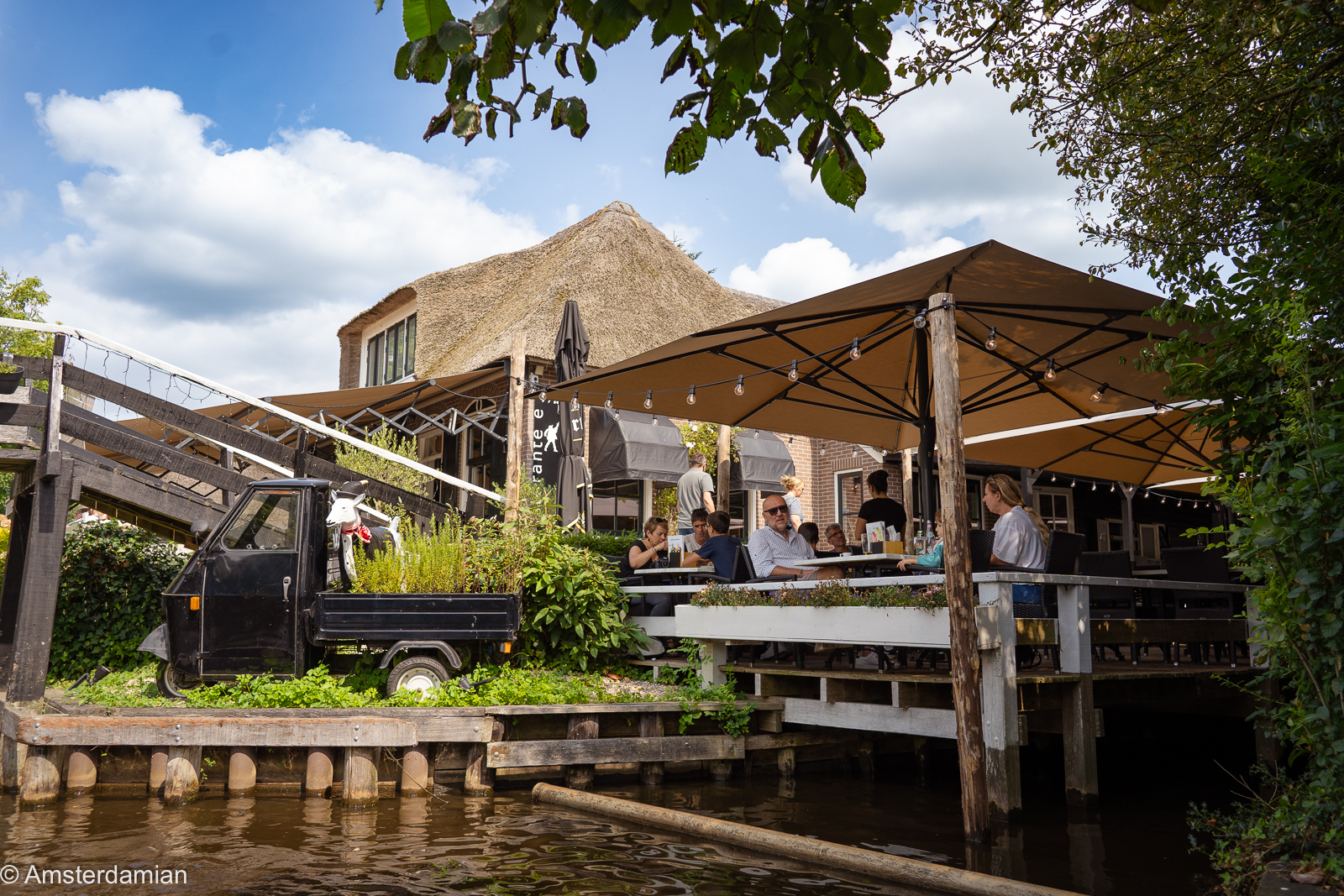
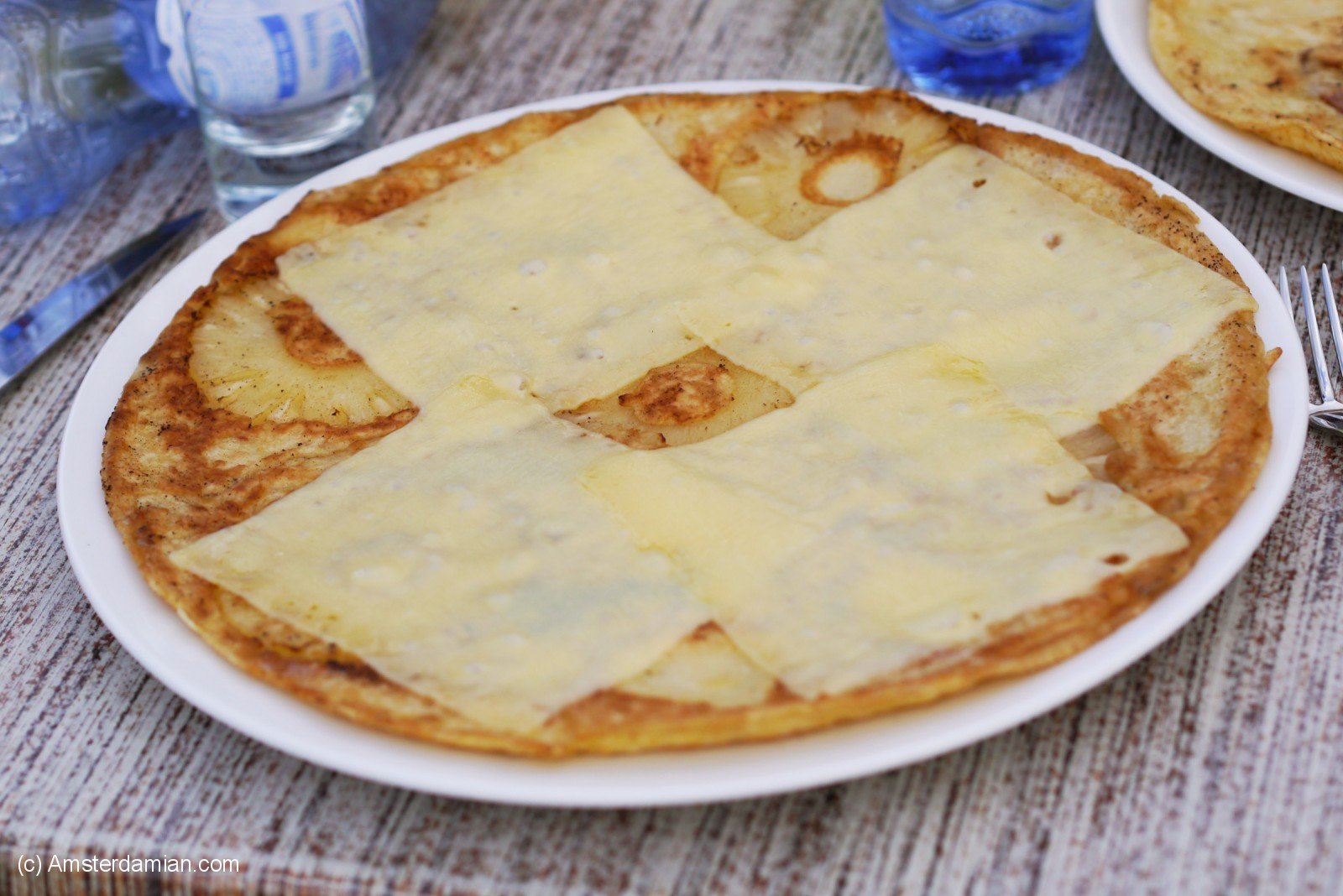
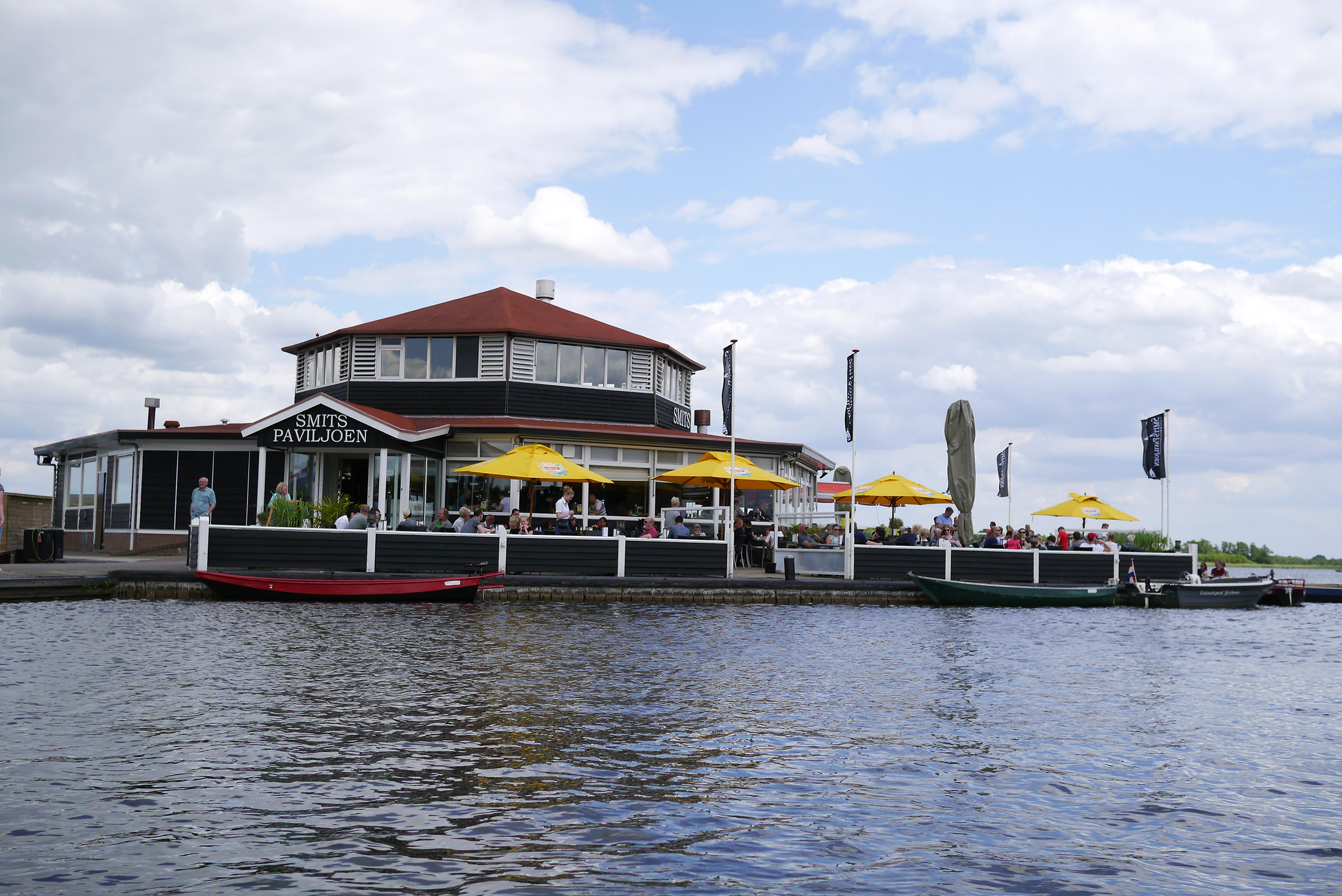
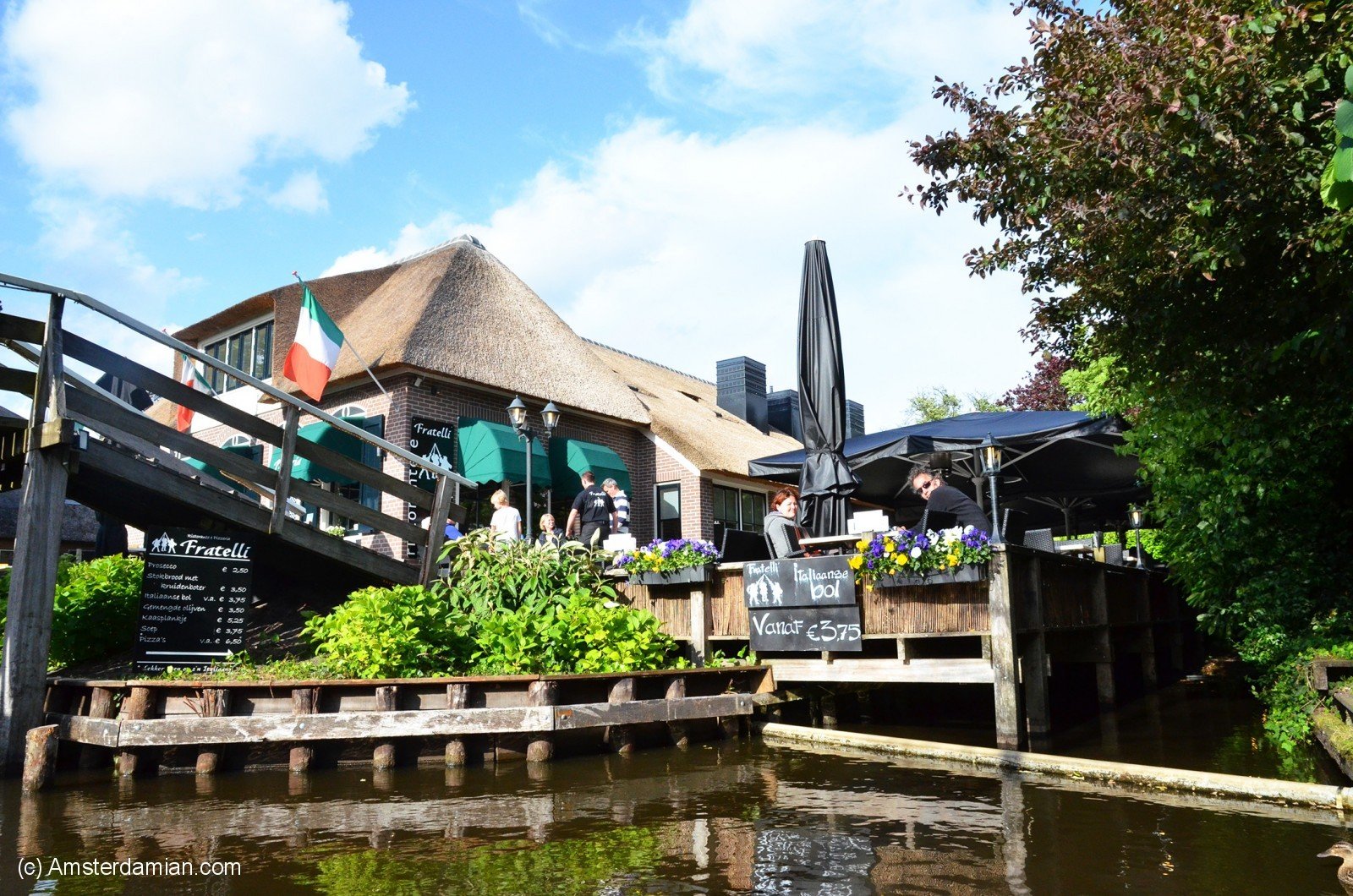
You are not coming to Giethoorn for the food, I guess we agree on that. The restaurants here cater to the tourist trade and the quality reflects it, but a handful of places will do a perfectly good job of feeding you. For a special location right on the water, try Smits Paviljoen. For pancakes (which is what you should be eating in Giethoorn, honestly), ‘t Zwaantje or De Witte Hoeve do them well. Beyond that, pick whatever looks open and quiet; a lot of kitchens close mid-afternoon, so plan accordingly. Personally, I think the best meal you can have in Giethoorn is a pannenkoek at a canal-side table, while watching boats glide by.
Subscribe to our newsletter!
Too famous for its own good. Giethoorn and overtourism
If you talk to a Dutch person about this village that seems so fairytale-like for foreigners, they will immediately roll their eyes and proudly say they’ve never been to Giethoorn. Some, like one of my former work colleagues, might even ask what is this place they never heard of. They will immediately say it’s a tourist trap, that you should better go some place else and avoid the crowds.
However, the fact that a place is overrun by tourists doesn’t make it less beautiful and less worthy of a visit, especially for someone who’s coming from a place that is completely different from this. There are many other beautiful villages to see in the Netherlands, but there’s no other that looks like Giethoorn. If you really don’t like crowds, then choose to visit another countryside gem.
Giethoorn has indeed a huge tourism problem, generated by its heavy promotion in the tourism boards. Every year, there’s over one million tourists walking its narrow paths. Giethoorn has under 3000 inhabitants, so you can imagine the contrast! The first time the village was promoted was by the movie Fanfare, in 1958. After this, the tourism (mainly local) increased significantly, and it became the most important source of income for the village. From the 1970s onward, foreign tourists started to come as well.
In 2005, Holland Marketing opened an office in Beijing to attract Chinese tourists to the Netherlands, and was a bit too successful. The social media in the past years brought its contribution to make the place a wanted ”romantic” destination, so, here we are, with locals being overwhelmed by the sheer number of tourists and the nuisance they bring, but, at the same time, many of them making a living from the tourism.
Read more: The not so fairytale-like side of Giethoorn
When to Visit Giethoorn
This is where a little planning makes a huge difference. The single best thing you can do for your Giethoorn trip is to avoid July and August: that is when the day-tour buses, the cruise groups and every other tourist in the Netherlands all converge on the same narrow paths. The village simply does not have the bandwidth for it, and honestly neither will you.
April, May and September are the sweet spot. The weather is good enough to be on a boat (the boating season runs April through October), the flowers are out in May, and the crowds are noticeably thinner mid-week. If you can manage a Tuesday or Wednesday morning visit in May, you are getting the best version of Giethoorn the day-trip experience can offer. That is when I would send any of my friends.
Winter is something else. Most boat companies stop renting boats, but you wouldn’t want to be in an open boat on the water anyway. You could still book a cruise in a closed boat, but make sure to book in advance. You can still walk in the village which is almost empty at this time of the year, and would be very nice to see it covered in snow or to see the frozen canals and everyone skating. However, winters are quite warm in the Netherlands now, snow is rare, and frozen canals are even rarer.
The moment of the day matters too. Most day tours arrive late morning and leave by mid-afternoon. Showing up at 9am or staying past 5pm gives you a completely different village. This, more than anything else, is the trick.
Where to Stay in Giethoorn
I cannot recommend this enough: to experience the actual Giethoorn, the one in the photographs, you have to stay overnight. Once the last tour boat moors and the day-trippers head back to their buses, the place transforms. The narrow paths empty out, the canals go quiet, and you suddenly find yourself sharing the village with locals, a friendly neighbourhood cat or two, and the sunset.
There are several small bed-and-breakfasts and a handful of hotels in and around the old village, plus rentals in the surrounding countryside if you would rather be even further away from anything.
Read about my own evening staying in Giethoorn if you want a sense of what it is actually like. Spoiler: I left a Giethoorn convert.
How to get to Giethoorn from Amsterdam
Giethoorn is about 120 km north-east of Amsterdam — roughly a 1.5-hour drive, and about 2 to 2.5 hours by public transport. You’ve got three sensible options.
By car: the most flexible option. There are large parking areas at the edge of the village, and from there it is a 10–15 minute walk into the old core. This is what I would choose if you’re staying overnight and want to bring more than a day-bag.
By public transport: from Amsterdam Central, take a train to Steenwijk (some connections go via Zwolle, depending on the time of day — check NS for live options) and then bus 70 or 71 from Steenwijk to Giethoorn. Buses run roughly once or twice an hour, so timing matters; missing one stings. The 9292.nl app is the most reliable way to plan door-to-door. Allow about 2.5 hours each way.
By guided bus tour from Amsterdam: the most stress-free option. Tour companies run direct bus day-trips from Amsterdam Central, usually combined with a canal cruise once you arrive. Worth it if you don’t want to deal with timetables. Here is one option.
Giethoorn Accessibility
The village is partly wheelchair accessible; many of the main paths along the canals are flat and paved, but some of the narrower bridges and side-paths are not. The bigger cruise boats are wheelchair accessible; the small whisper boats generally are not.
What to do around Giethoorn
Nationaal Park Weerribben-Wieden on the outskirts of Giethoorn is the largest contiguous lowland peat bog in north-west Europe, more than 10,000 hectares of ponds, lakes, reed beds, swamp forests and flowery meadows. You can walk it, cycle it, or take a boat in. Nature photographers will completely lose their minds here; it is one of my favourite under-the-radar Dutch landscapes.
For more towns and history, the Hanseatic cities are close by: Zwolle, Kampen, Hattem and Elburg are all packed with old architecture, brick streets and good museums. Further north, Sneek in Friesland is a lovely nautical town and an easy add-on if you have the time. If you have got a few days to spend here, combining Giethoorn with one of the Hanseatic towns and a half-day in Weerribben-Wieden is the trip I would plan.
I hope this gives you everything you need to plan a proper visit to one of the most beautiful villages in the Netherlands. If you are putting together a longer Dutch trip, you might also like my day-trips-from-Amsterdam hub, the Dutch Provinces guide, or my piece on the Dutch love for day trips — dagje weg is a whole cultural thing here.


Amsterdamian is in the Top 20 Best Amsterdam Blogs 2026 on Feedspot!
Stay tuned for more and follow Amsterdamian on Instagram and Facebook for more stories about life in the Netherlands, written by a real local, updated constantly.
Check out my photo book: Amsterdam Through the Seasons!
Love what you’re reading? Support my work with a small donation.
And share this post if you liked it!









Giethoorn is such a magical place. I’m going to visit it this spring. Anyway, I didn’t know what the name means. I will definitely visit the museum.
Regards,
Evelina
Hope you get nice weather when you go there! 🙂
I sailed through there a few years ago on a small boat. It’s a lovely place.
It is such a peaceful and lovely place!
There’s something so enchanting about Giethoorn. The combination of quiet waters and traditional cottages makes it feel like a living postcard.
Spending time in Giethoorn makes you appreciate simplicity. It’s a reminder that slowing down can be a luxury.
thanks for the information and amazing picture