Moving to a new country can feel like stepping into a whole new world. It’s exciting, but also a bit overwhelming at times. After you’ve sorted out the basics, like housing and paperwork, there come the next questions: where do you actually find your people, your places, your little corner of comfort?
The good news is that the expat communities in the Netherlands are unusually well organised. Between official expat centres, volunteer-run helpdesks, language cafés, professional networks and hobby groups, there are plenty of places where internationals can connect and learn, whether online or in real life. Adapting to a new country is a work in progress, and each journey is unique. The trick is working out which community fits the direction you’re interested in.
I’ve put together a guide to the spaces and communities worth knowing as an international in the Netherlands, grouped by what you actually need: help with the paperwork, a social circle, a professional network, or somewhere to practise your Dutch.
In this article
Where to get help when you first arrive
ACCESS Netherlands
A volunteer-run non-profit offering support, information and courses for internationals. They also run workshops, and provide career support and parenting resources.
If you’ve just landed and feel a little lost, ACCESS is one of the best places to start. This non-profit is run by volunteers (many of them internationals themselves) and it has been doing this since 1986, free of charge. It turns 40 in August 2026, which for an organisation staffed entirely by volunteers is quite something. They cover a range of practical needs like: practical guidance on navigating Dutch bureaucracy to workshops, career coaching and parenting support. You’ll find comprehensive information on their website, and they also work from the expat centres in Amsterdam, The Hague, Utrecht and Amstelveen, so if you’ve got questions about settling in, you can approach these centres for free. Occasionally they organise welcome events for newcomers.
The helpdesk is the part most people use first. You can email, or book a slot in person or over Zoom, and they aim to reply within two working days. ACCESS also has a network of counselling and training, and works with companies that want to recruit internationals.
The official expat centres (and how to spot the ones that aren’t)
Most major Dutch cities have an expat centre, and they make settling in considerably easier. These are official municipal offices that help internationals with registering their residence, getting a BSN, and questions about healthcare, taxes and permits. Many also host events, workshops and cultural activities. It’s a practical first stop, but it’s also a place where you can meet other internationals and feel part of something from day one.
There are eleven official expat centres in the Netherlands, each a government organisation offering an accelerated procedure for residency and municipal registration:
- IN Amsterdam — Amsterdam (also serving Amstelveen, Almere, Diemen, Haarlem, Haarlemmermeer, Hilversum and Velsen)
- Rotterdam International Center — Rotterdam
- The Hague International Centre — The Hague
- Utrecht International Center — Utrecht
- Holland Expat Center South — Eindhoven, Tilburg and Breda
- Expat Centre Maastricht Region — Maastricht
- Welcome Center Food Valley — Wageningen
- Expat Center East Netherlands — Hengelo
- International Welcome Center North — Groningen
- Leiden International Centre — Leiden
- Zeeland International Center — Terneuzen
One thing worth knowing: there are commercial companies operating under the name “Expatcenter” that are not official centres. They aren’t run by a government agency and can’t offer municipal registration or a BSN application. If a service is charging you for registration, it isn’t the official route.
A change to be aware of in 2026: since January 2026, registration in the Non-residents Records Database (RNI) for non-EU nationals has been centralised at just two municipalities, Breda and Venlo. It used to be possible at nineteen. If you hold an EU, EEA or Swiss passport, nothing changes for you. Non-EU nationals can still apply for a BSN through the Belastingdienst. Check the current position with your expat centre before you travel, because this one moved quickly.
NLCompass
NLCompass is a free, practical guide and verified directory for internationals moving to Amsterdam and the rest of the Netherlands. Launched in September 2025, the site focuses on the practical side of relocating rather than news. It lists over 330 service providers alongside step-by-step guides for things like BSN registration, health insurance, and housing. It also covers softer topics like how to meet people and build a social life here, Dutch customs and directness, and day trips worth taking as a newcomer.
Online platforms and directories
IamExpat
One of the largest online resources for internationals in the Netherlands, with news, events, housing and job postings. If you’re looking for a one-stop hub for expat life in the Netherlands, IamExpat is hard to beat. It’s a website packed with news, practical guides, events and job listings tailored specifically for internationals.
They also host webinars, career fairs and networking events, making it easier to meet other internationals and professionals in your field. Many newcomers find that simply browsing the site every week gives them a sense of connection and confidence in their new environment. Even long-term residents keep coming back for updated guides, insider tips and event listings (I can vouch for that!). I still remember how happy I was in my first years in the Netherlands when I saw my own blog listed on their website! It was a great way to connect with other internationals throughout the years.
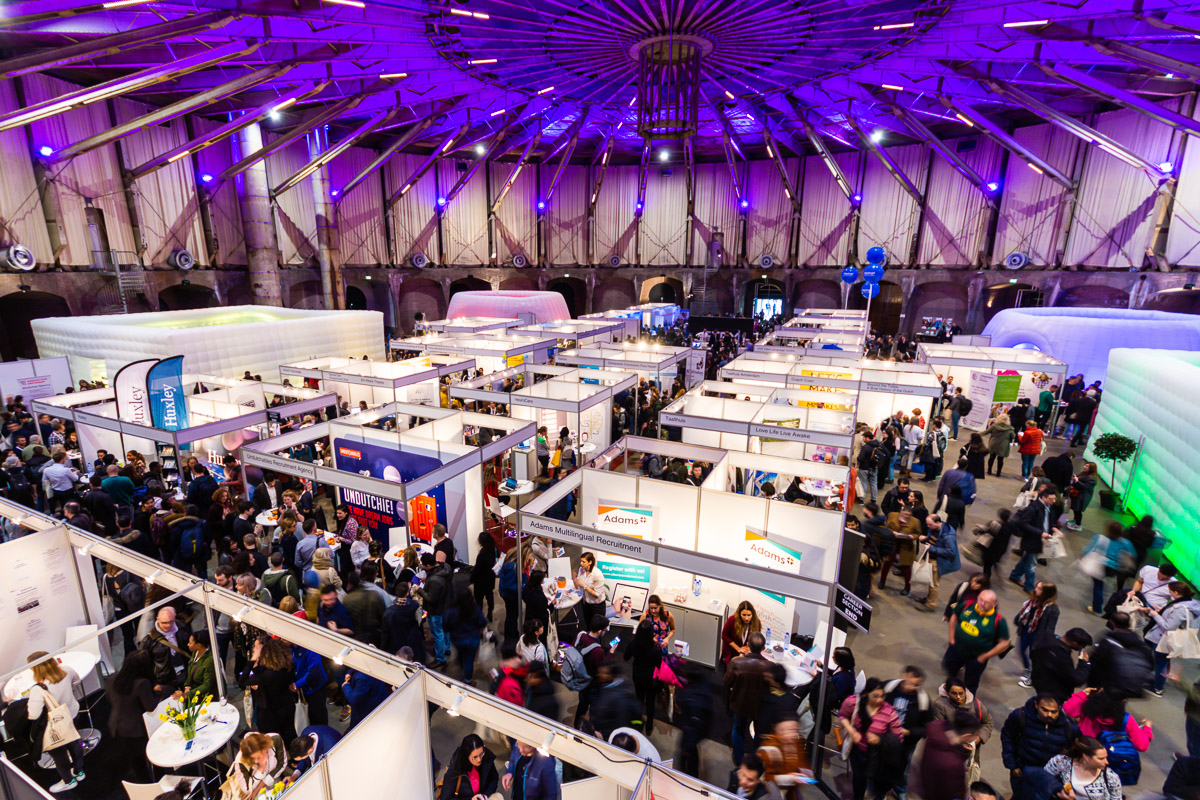
Every year, IamExpat organises the IamExpat Fairs, where companies come to connect with internationals in the Netherlands. The Amsterdam fair runs in spring at the Beurs van Berlage, with a second edition at the Grote Kerk in The Hague in autumn. A limited number of free tickets is released first; after that it’s around 5 euros online or 10 at the door. This small sum will bring you face-to-face with companies that are of interest to you, and you can attend workshops and presentations or connect with other internationals.
I think it’s interesting to know that they expanded their presence in Germany and Switzerland as well, so if you’re interested in information about those countries, check out the websites. For anyone who wants to stay informed, meet people, and navigate life in the Netherlands without feeling overwhelmed, IamExpat is an essential go-to. Make sure to bookmark it, because you’ll probably end up checking it more than once a week!
Facebook groups and online forums
A great deal of everyday expat life happens in Facebook groups, and they’re worth joining even if you’re lukewarm about the platform. Most cities have at least one large general group, plus more specific ones for parents, freelancers, and particular nationalities. They’re where people ask the questions that are too small for an official helpdesk: which dentist takes English-speaking patients, whether a rental listing looks like a scam, where to find a particular ingredient. The quality varies enormously, and the same questions come round every fortnight, but for practical, fast answers from people who live here, they’re hard to replace.
Social networks and meetups
InterNations Netherlands
InterNations is one of the largest expat networks globally, and the Dutch chapters are very active. They organise regular social gatherings, professional networking events and special interest groups in cities like Amsterdam, Rotterdam, The Hague and Eindhoven. InterNations is a good way to meet people, learn about the local scene, and pick up insider tips on jobs, housing and cultural events. Membership has a free tier and a paid one; the free tier is enough to attend most events, though individual gatherings usually carry a door fee.
Meetup groups
When it comes to finding new friends or just trying out hobbies, Meetup is a goldmine. Every major Dutch city has dozens of active groups for internationals: language exchanges, hiking and cycling clubs, photography walks, book clubs, startup meetups.
The scale is bigger than people expect. The Amsterdam Language Cafe group has over 18,000 members, Expats in Utrecht around 5,500, and Expat Republic South Holland around 4,000. Groups that large hold something almost every week, which matters more than it sounds: the thing that builds a social circle isn’t the perfect group, it’s a group that meets often enough for you to keep showing up.
The Amsterdam Language Cafe is a good example of how these work. It’s run by volunteers and powered by Koentact, a Dutch language school: single-language evenings on Wednesdays at their Elandsgracht premises, and all-languages parties on Fridays at De Hallen. Free to attend, with donations welcome.
The nice thing about Meetup is that you can try different groups until you find your vibe. It’s especially handy for expats who don’t want to wait months to start building a social circle. Many people say their closest Dutch friendships actually started with a simple Meetup coffee or city walk.

Expat Republic
Expat Republic is an information site and service directory for internationals in the Netherlands, covering housing, careers, healthcare, education and finance, with a busy calendar of online sessions on practical subjects: Dutch mortgages, US tax filing, buying or letting a property, language courses. Worth being clear about what it is, though. Most of those sessions are run with or by the service providers themselves, so treat them as useful introductions rather than neutral advice. For getting your head around a specific piece of Dutch admin, they’re genuinely handy.
Communities built around a language or nationality
Sooner or later most people want an evening where they don’t have to translate themselves. Nationality-based associations and cultural institutes fill that gap, and they’re usually much more open than the name suggests: you rarely need to hold the passport in question to attend.
Places like the Goethe-Institut, Alliance Française and Instituto Cervantes are language schools but they’re alos hubs for cultural events, workshops and social gatherings. The Goethe-Institut Nederland and Alliance Française Amsterdam run a joint film series called Kino-Fil on the last Tuesday of the month, alternating between French and German cinema, a French film one month and a German answer to it the next. Instituto Cervantes has its Dutch headquarters in a converted church opposite the Dom tower in Utrecht, and runs Spanish courses and cultural programming in Utrecht, Amsterdam, Rotterdam and The Hague. Most of its cultural events are in the evening and free to attend, and you don’t need to be enrolled in a course to go.
On the association side, there are national and language-based clubs for most sizeable communities here: Spanish-speaking, Indian, French, Italian, Polish, British, Romanian.
International schools sit in this category too. Many run lectures, exhibitions and community events that are open more widely, and they’re often the social centre of gravity for internationals in a smaller town.
Learning Dutch and meeting locals
Language cafés
Language cafés pop up in almost every Dutch city, usually hosted by local libraries or community centres. They’re informal, social meetups where you can practise Dutch while meeting locals. There are no lessons: you simply have a conversation over a cup of coffee, with volunteers on hand to keep it moving.
A few to start with:
- Amsterdam — the OBA runs taalcafés across several of its branches, aimed at levels A1 to B1. Free, no registration, and you don’t need to be a library member. There’s an online version too. Check the OBA agenda for which branch is running one this week.
- Utrecht — Taal Doet Meer runs taalcafés in eight locations around the city, most with Bibliotheek Utrecht: Leidsche Rijn on Monday middays, Hoograven on Monday afternoons, Kanaleneiland on Tuesdays, the Neude on Wednesdays, and so on. Free, and you just walk in.
- Rotterdam — Bibliotheek Rotterdam runs a taalcafé, and the Volksuniversiteit has its own Language Café. Check their sites for current times. Fenix Museum runs a language cafe as well.
These are excellent ways to improve your Dutch, build friendships and integrate naturally into Dutch society, all in a friendly, low-pressure environment. They are also one of the few settings where you meet Dutch people rather than other internationals: the volunteers are almost always locals.
Libraries
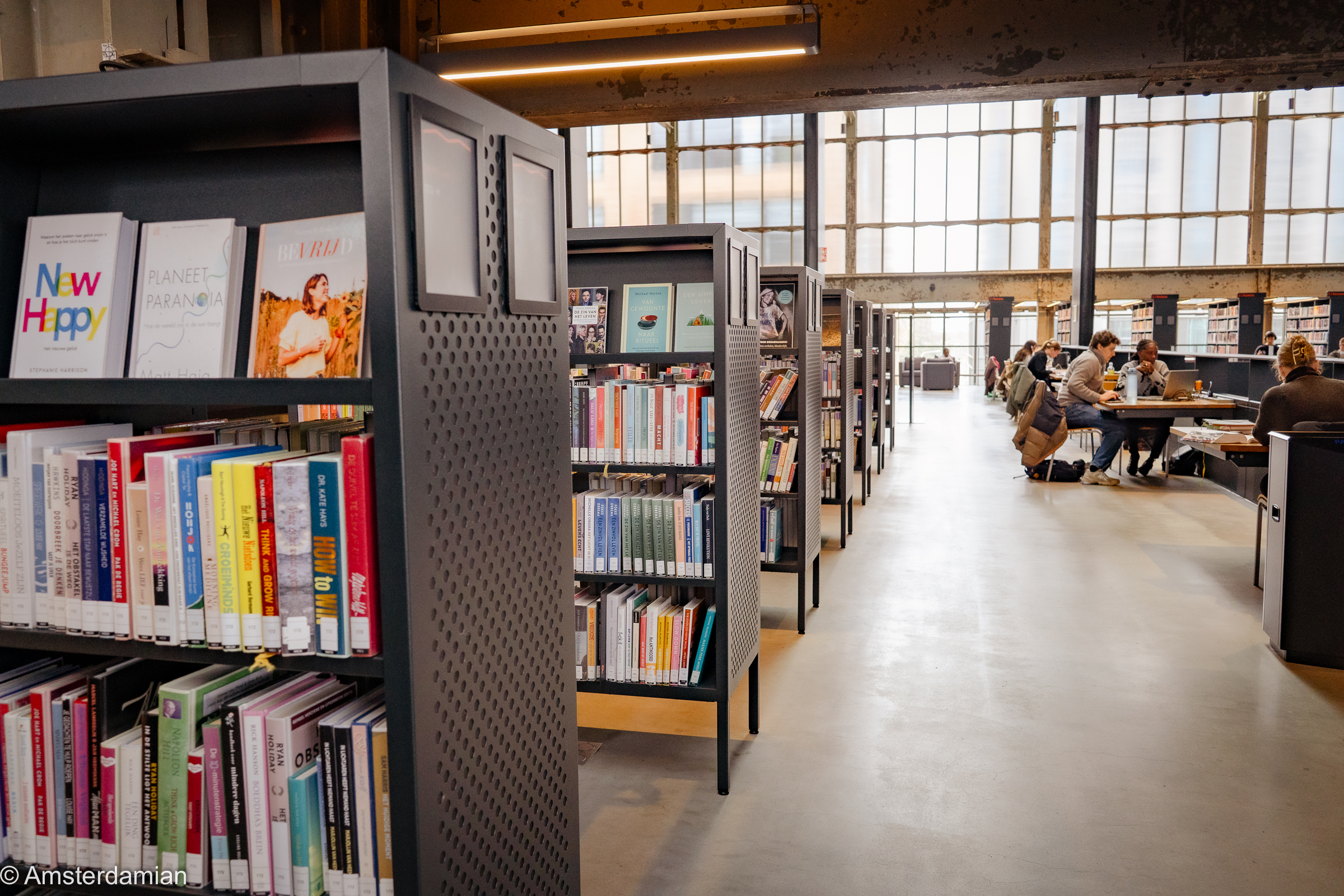
Dutch libraries are much more than places to borrow books. The Openbare Bibliotheek Amsterdam (OBA) and other city libraries host language cafés, workshops, lectures, exhibitions and even co-working spaces. They’re perfect if you’re looking for a quiet place to work, meet others, or attend social and cultural events. Many libraries also have English-language collections and programmes, making them very accessible for internationals.
It’s worth knowing that this isn’t only an Amsterdam thing. Bibliotheek Rotterdam, Bibliotheek Utrecht and the Haagse bibliotheken all run comparable programmes, and a national library membership is inexpensive, one of the better-value things you can buy in your first month here.
Professional and interest-based communities
Women’s business initiatives
For international women looking to build a business or career in the Netherlands, there are several supportive initiatives worth exploring. One of the most established is Women’s Business Initiative International (WBII) in The Hague, which offers workshops, mentoring and networking opportunities in a professional yet social setting. Female Ventures runs events across Dutch cities to inspire and empower women at different stages of their careers, with a good selection throughout the year. Lean In Netherlands organises events and also provides circles where women can share experiences and grow together.
Sports and hobby clubs
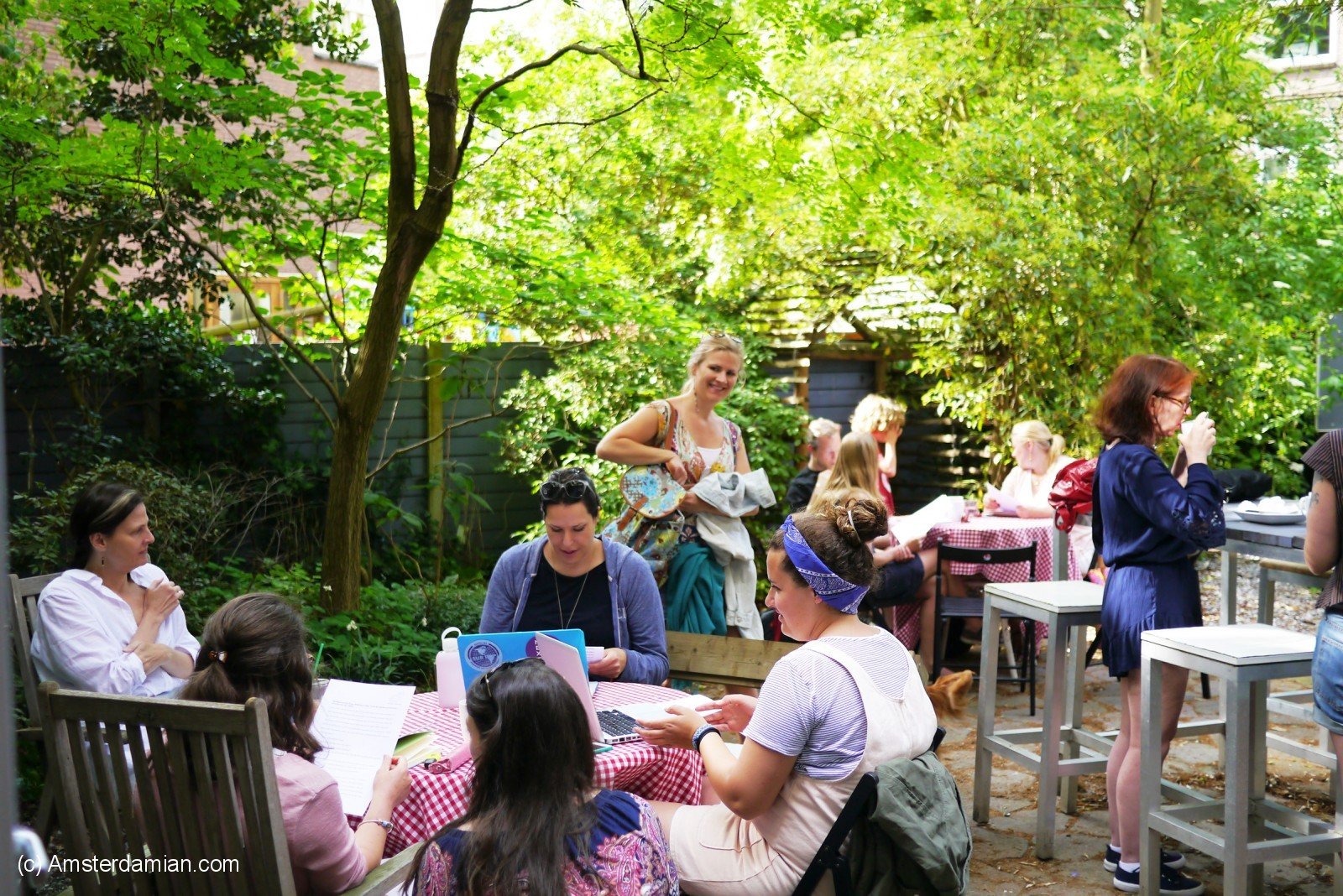
If you ask people who have settled here successfully where their friends came from, a surprising number say a sports club. Dutch clubs, whether hockey, rowing, football, running or korfbal, are built around a clubhouse and a bar rather than just a pitch, and the social side is the point. Most welcome beginners and many now run in English. The same goes for choirs, climbing gyms, board-game cafés and allotment associations. The advantage over an expat group is that you meet Dutch people, and you meet them repeatedly, which is what friendship here actually seems to require.
Parent and family networks
Arriving with children changes what you need from a community. Alongside the international schools, there are parent networks in most cities, some attached to schools, some run independently, many living in Facebook groups, covering a wide range of subjects.
Volunteering
Getting involved as a volunteer is one of the best ways to meet people, practise Dutch and feel part of local life. Many organisations in the Netherlands welcome internationals, and several are set up specifically so you can help without committing to anything long-term:
- NL Cares — flexible volunteering with no long-term commitment. You pick from an online calendar of activities in Amsterdam, Rotterdam, The Hague and Utrecht: cooking for people who are homeless, walking in the park with elderly residents, city clean-ups. Ideal if your schedule is unpredictable.
- Serve the City — a global volunteer movement with an active Amsterdam chapter, partnering with homeless shelters, refugee centres and community organisations. Projects are usually a single day, so you can try it once and see.
- VluchtelingenWerk Nederland — the Dutch Council for Refugees. Longer commitment and often some Dutch required, but meaningful work, and language-buddy roles are a natural fit if you’ve been through the arrival process yourself.
- Volunteer The Hague — a matching platform for the Hague region, listing roles from a wide range of organisations, including English-language ones.
This list is by no means exhaustive, but it’s a good starting point for anyone looking to feel at home, make friends, and connect with the broader international community in the Netherlands. If you’re still working through the practical side, my guides to short-term housing in Amsterdam and renting in Amsterdam cover the paperwork end of arriving, and the round-up of English-taught courses and workshops in Amsterdam is a good way to meet people while learning something. I hope it helps you find information and community, and please let me know which one was the most helpful for you.
Stay tuned for more and follow Amsterdamian on Instagram and Facebook for more stories about life in the Netherlands, written by a real local, updated constantly.
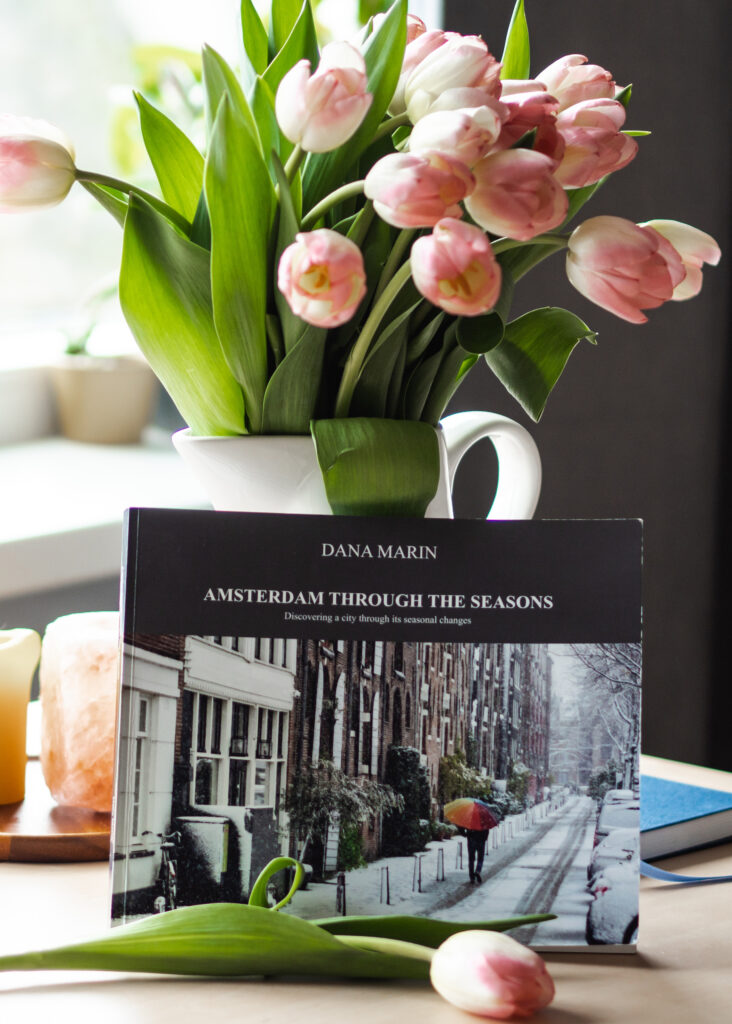
Check out my photo book: Amsterdam Through the Seasons!
Love what you’re reading? Support my work with a small donation.
And share this post if you liked it!







Trackbacks/Pingbacks