
A witch, as everybody in 16th-century Europe knew, weighed almost nothing. How else could she fly through the night on a broomstick?
It sounds like a joke, but hundreds of years ago people believed it to be true, so much that they used weighing to check the innocence of those accused of witchcraft. It was just one of the crazy ways in which they managed to convict and execute so many women (and some men) during the witch hunts. So if you were accused of being a witch, you could be put on a scale and, if you were found too light for your build, that was all the proof they needed.
In a small town between Utrecht and Gouda there is a set of scales from 1482 that was used for this exact purpose, and you can stand on it today and get your own proof of not being a witch. Not that it matters today, when this is a fun affair and, actually, some people would be disappointed to be declared non-witchy. But in the past this scale could make the difference between life and death, because a certificate from here was proof of innocence that an accused person could show in court.
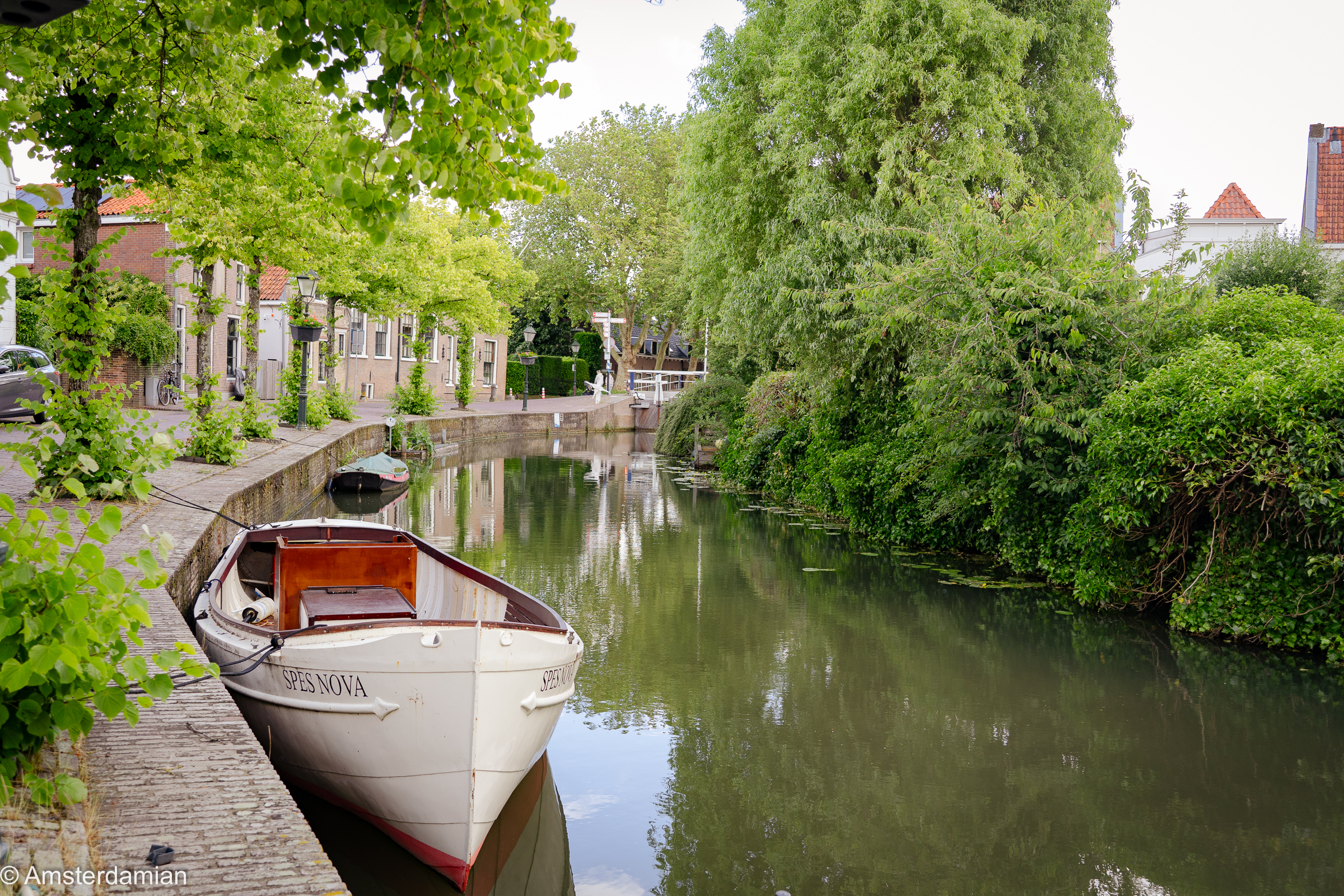
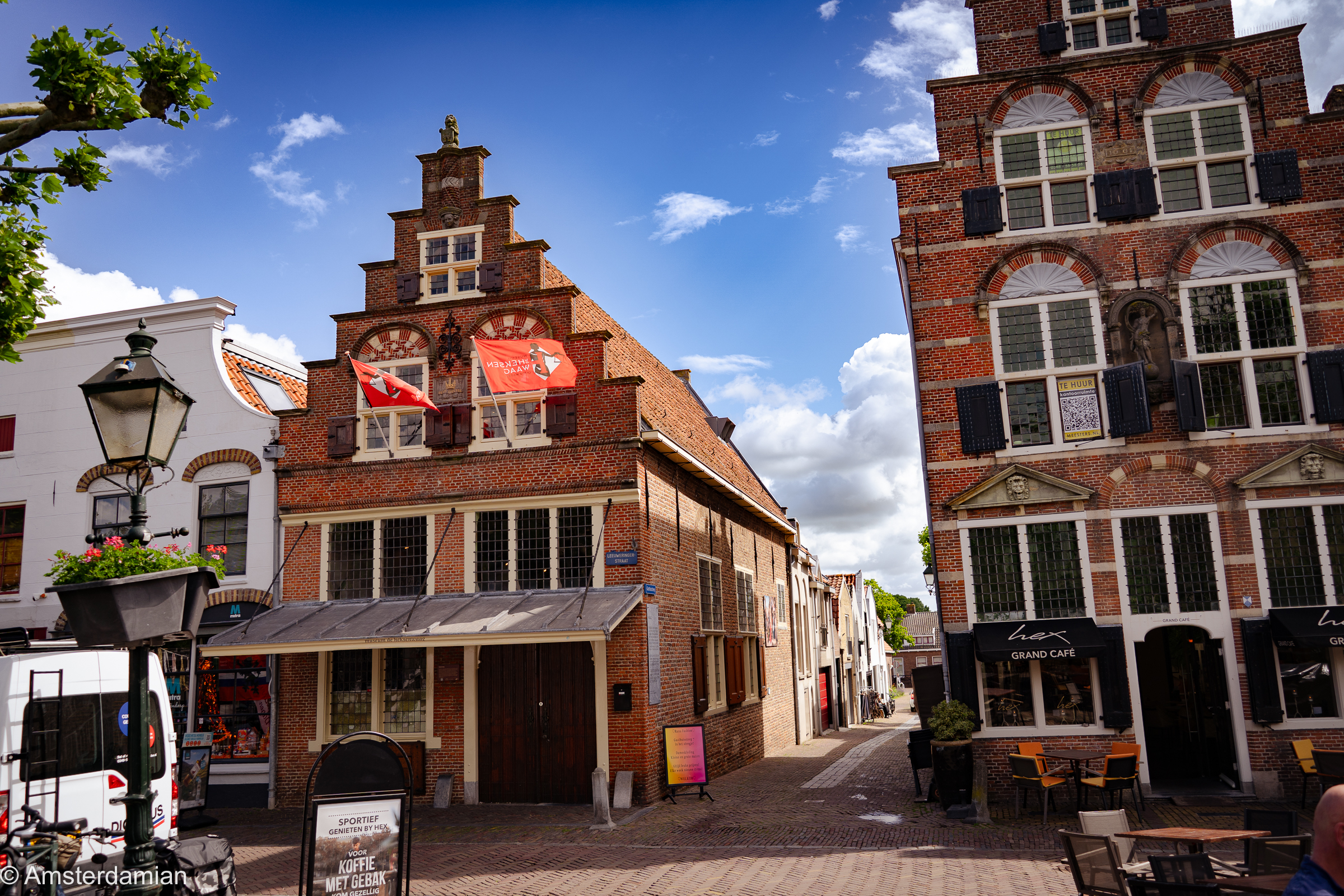
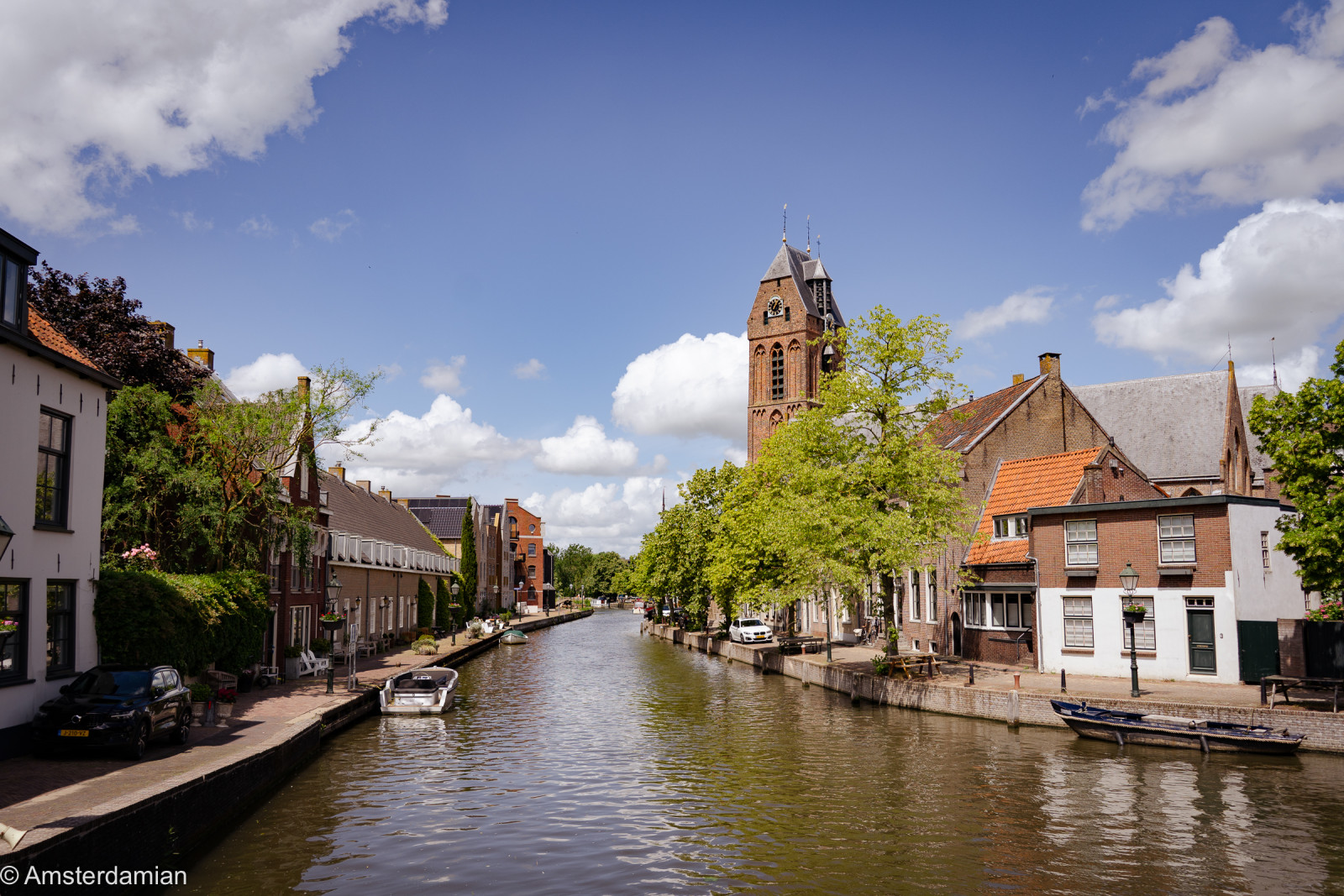
The town I’m talking about is Oudewater, and the building is the Heksenwaag, or the Witches’ Weigh House. Today, this is a museum, and it could be the perfect Halloween outing. Oudewater itself, with its canals, old houses and long history of rope-making, is a very pleasant small town for a day trip from Amsterdam.
Why Oudewater’s scales were different
According to estimates, between the 15th and the 17th century, around 50,000 people in Europe were convicted of witchcraft and executed, many of them burned at the stake. The weighing was one of the ways to decide who was guilty. The problem was that the people running the scales were not always honest (probably never, if you ask me). According to the museum, weighmasters were often corrupt and would declare a woman too light in exchange for a few gold coins, which in those days could be enough to send her to her death.
Oudewater had a reputation for honest weighing and fair weights, and there’s a nice story about how the town became famous for it. The story goes that in 1545 Emperor Charles V was present at a weighing in the nearby village of Polsbroek, where a woman had been found too light. He didn’t trust the result and had her weighed again in Oudewater, where she turned out to have a perfectly normal weight, and after that Oudewater received from the emperor the privilege of weighing people accused of witchcraft and giving them a certificate, the Certificaet van Weginghe, which they could show in court as proof of their innocence.
We can’t say for sure it happened like that, since much of Oudewater’s old archive was lost, but everyone agrees on the fact that nobody weighed in Oudewater was ever declared a witch. People came from the surrounding area and, according to old accounts, from as far as Germany, and they all went home with a certificate.
Visiting the Heksenwaag today
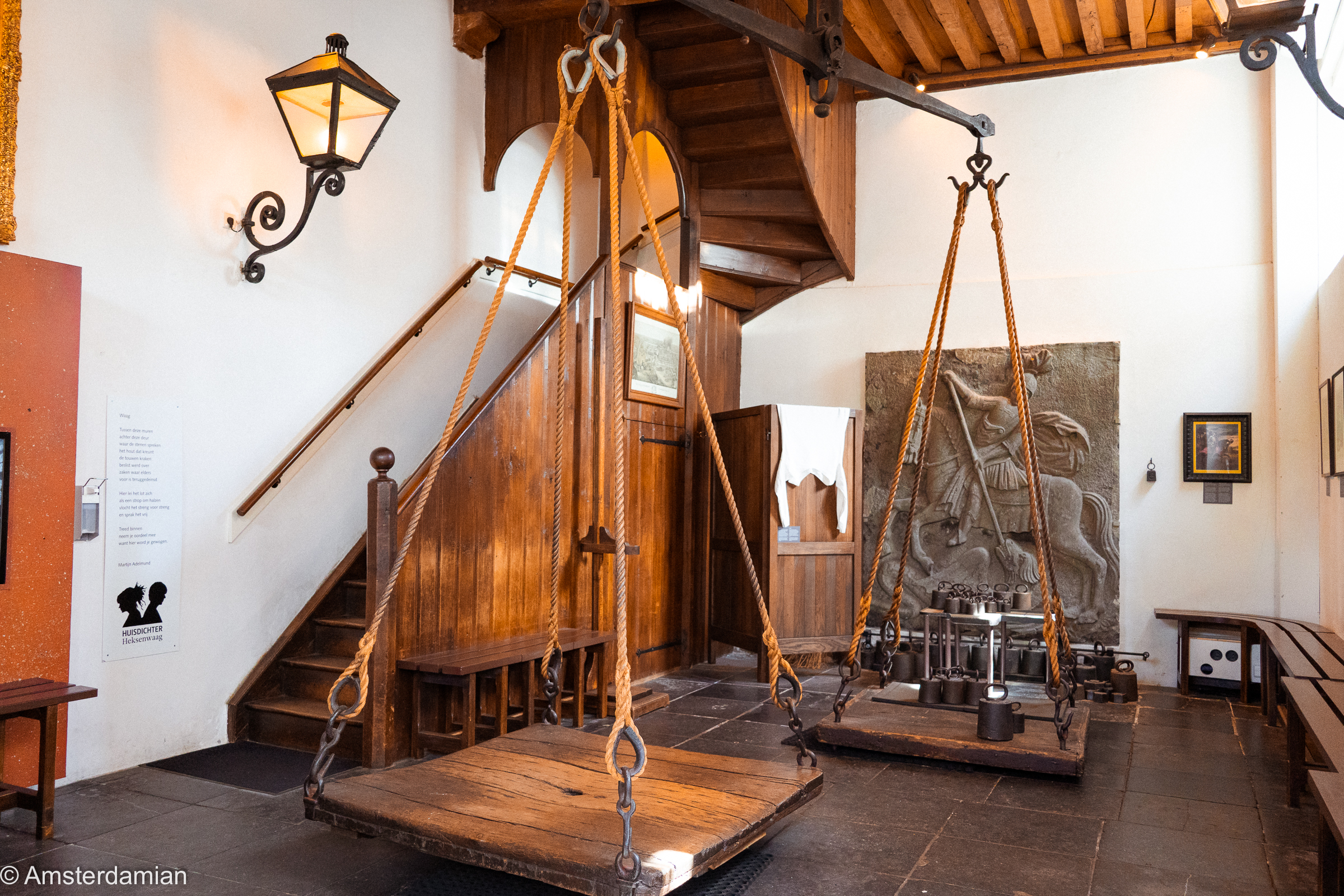
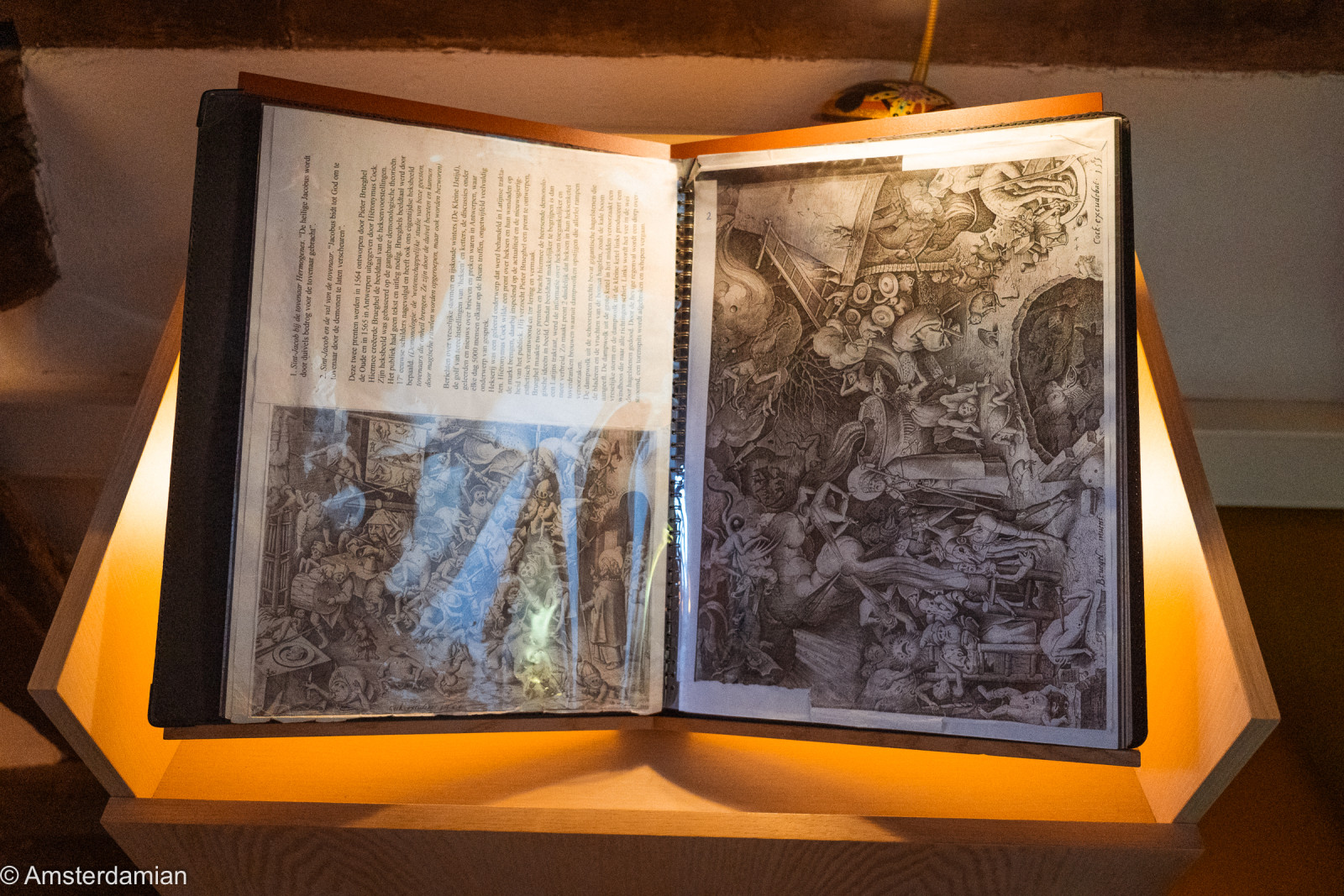
Today the Heksenwaag is a museum about the witch persecutions of the 15th, 16th and 17th centuries. It’s small and you can spend here about one hour, weighing included. Unless you choose to stay longer and browse their book collection about witches, demons, and other related subjects.
Downstairs, you see the scales as you enter, but you will start your visit upstairs, where the exhibition is. There are audio-visual presentations, a small reading library and the exhibition ANDERS?! (Different?!), which opened in June 2024 and connects the witch hunts of the past with the ways people are still excluded today, through bullying, discrimination and what the museum calls the “digital stake” of social media. There is also an interactive installation using VR and AI, where you can talk with the characters and experience for yourself how exclusion works, and for children there’s an animated film and a treasure hunt.
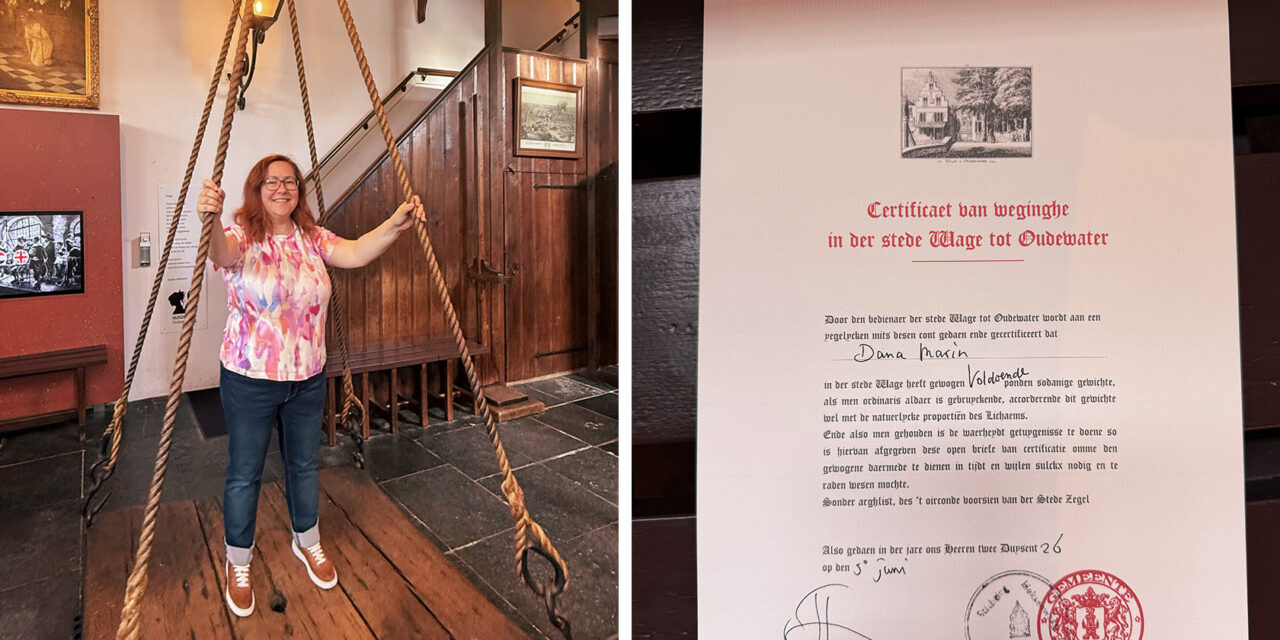
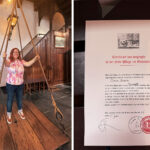
The main attraction, of course, is the scale. The original scales from 1482 are the centrepiece of the museum, and you can step on them, be weighed, and receive your own Certificaet van Weginghe from the weighmaster. I did that as well and got my certificate.
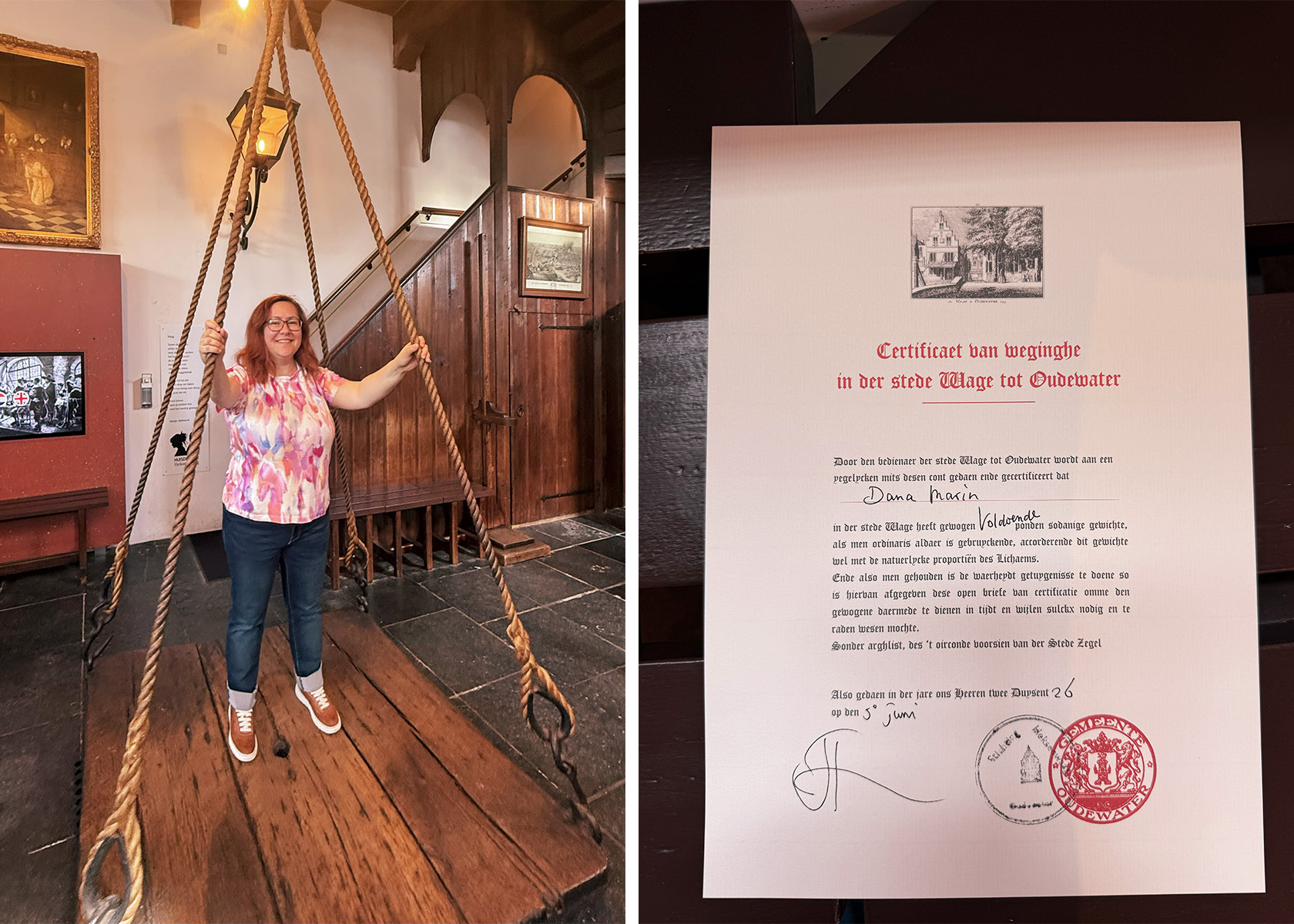
It was a fun thing to do, but, looking at the corner where a white shirt hangs (in the past, the accused was stripped of all clothes and had a body check, before being dressed in a white shirt and put on the scale), I couldn’t help feeling very sad for the many people who had to go through this. I can imagine that even if you were lucky enough to have the certificate and avoid execution, the stigma of the accusation would not have gone away so easily.
It’s a museum worth visiting for the fun of getting your certificate, and just as much for the stories it tells about a very sad time in history.
Practical information
• Address: Leeuweringerstraat 2, Oudewater
• Opening hours: from 1 April to 1 November, Tuesday to Sunday, 11:00 to 17:00 (in July and August also on Mondays). From 1 November to 1 April, Saturday and Sunday, 11:00 to 17:00.
• Tickets: €8.75 for adults, €4.50 for children aged 4 to 11, free for children under 4 and with a Museumkaart.
• Booking: you can reserve your visit on the Heksenwaag website. If you’re coming with a group of six people or more, send them an email at info@heksenwaag.nl.
What to see in Oudewater
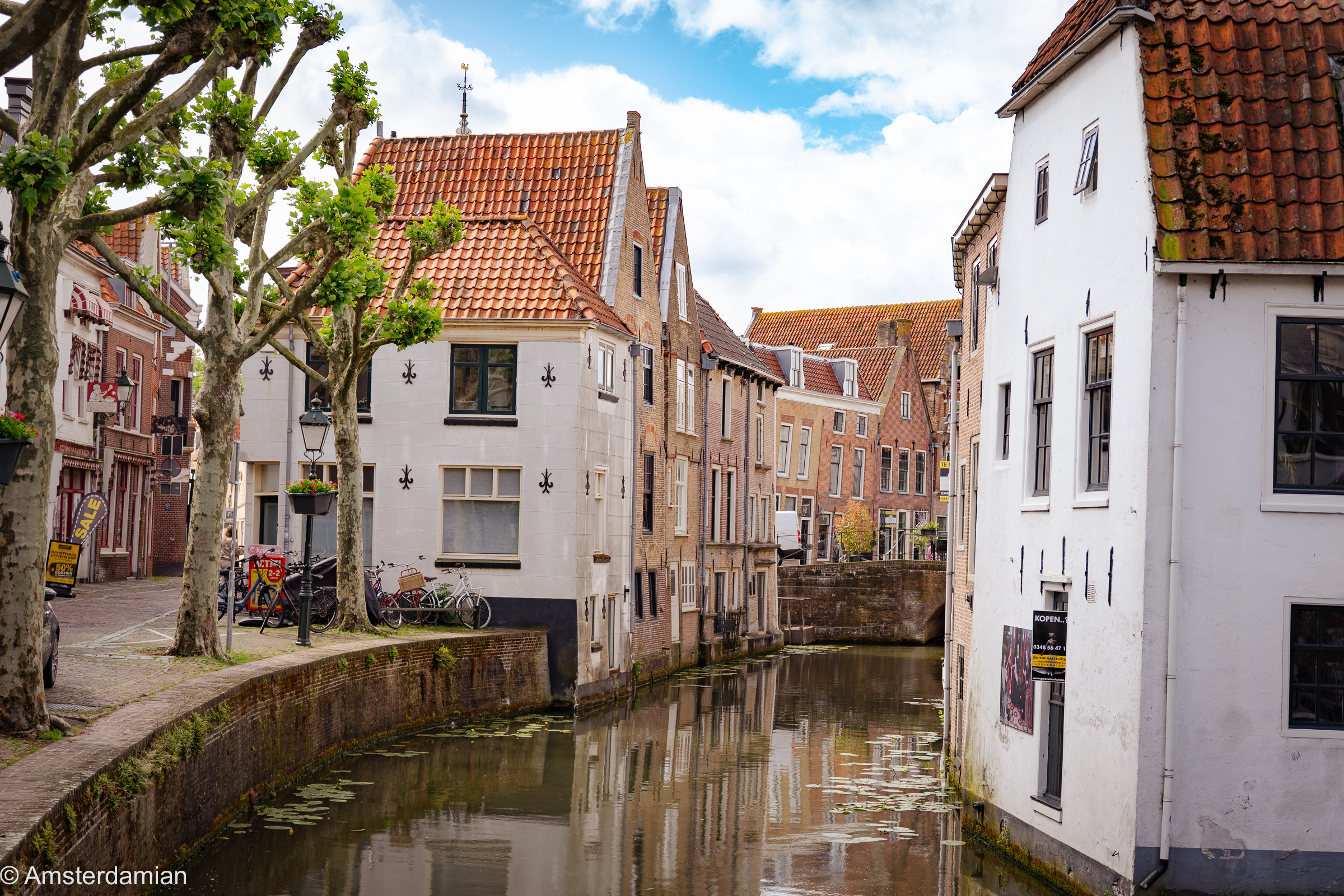
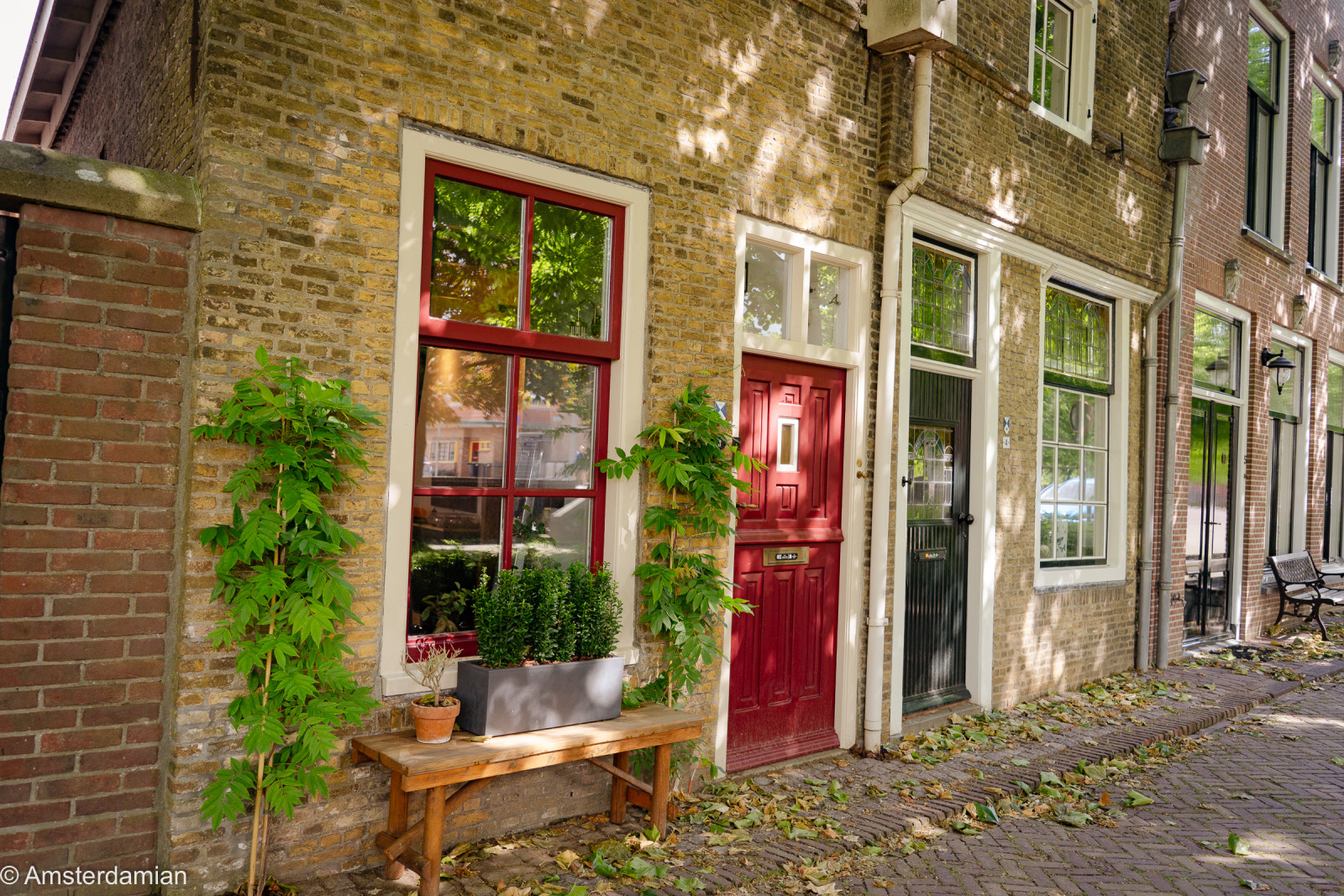
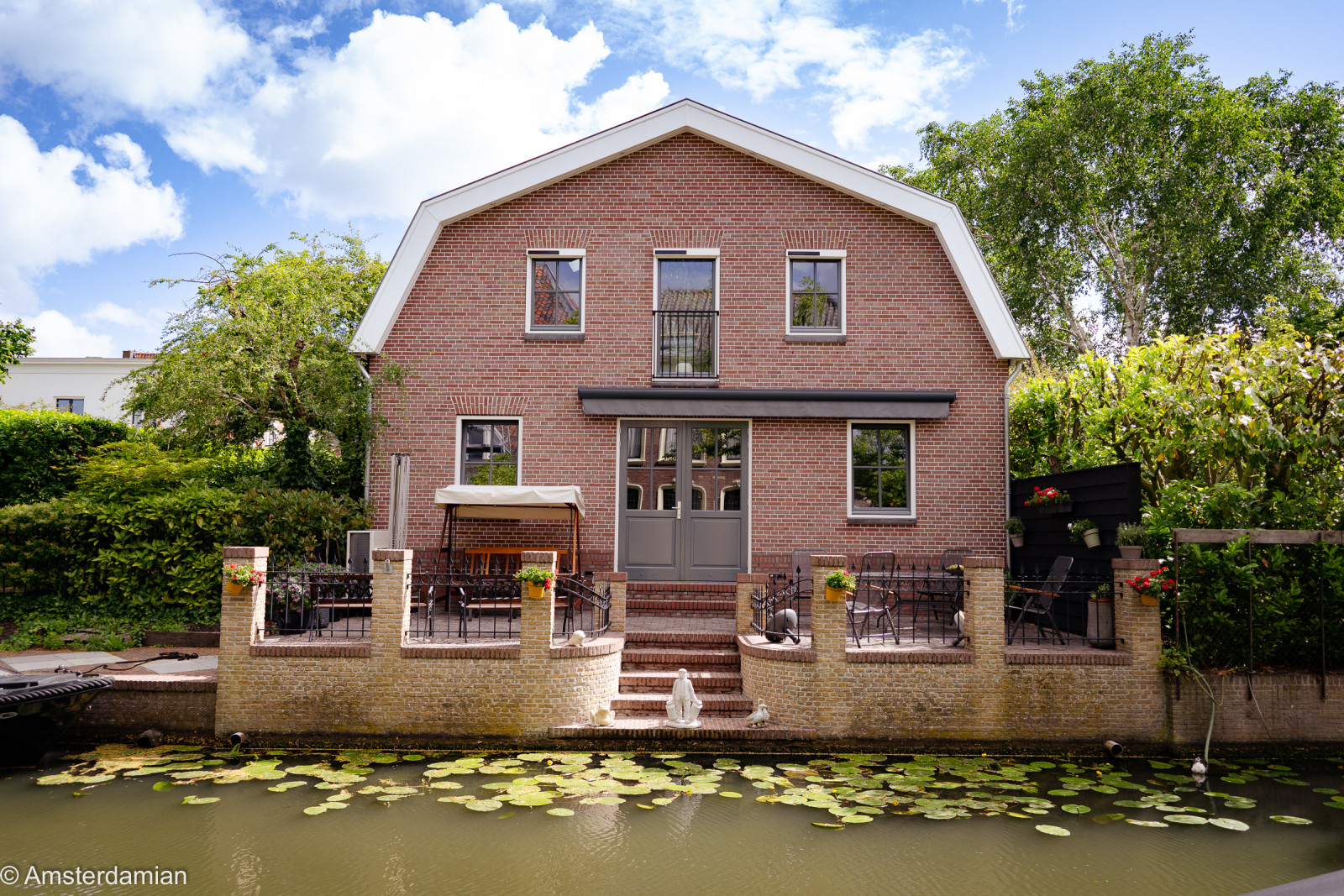
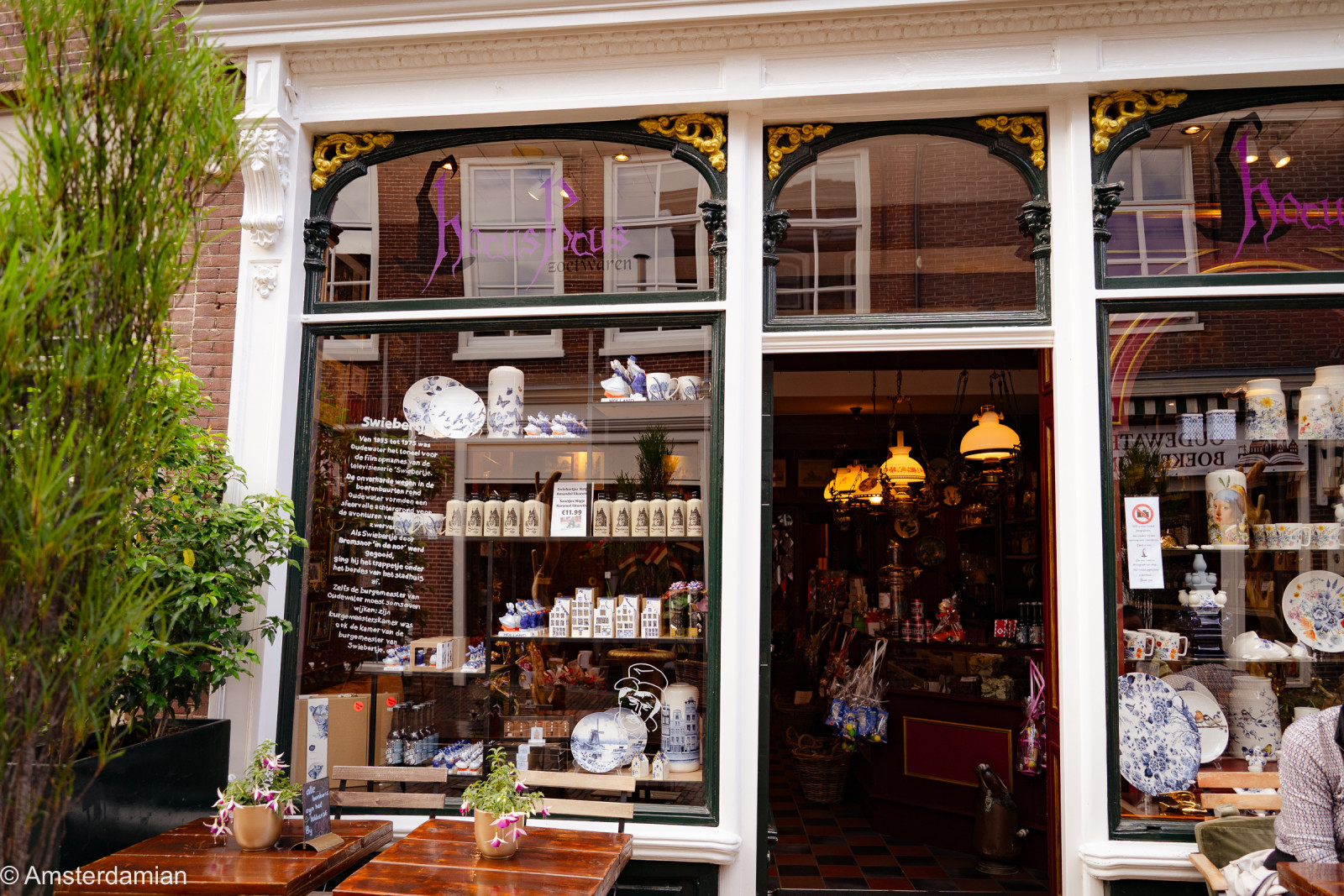
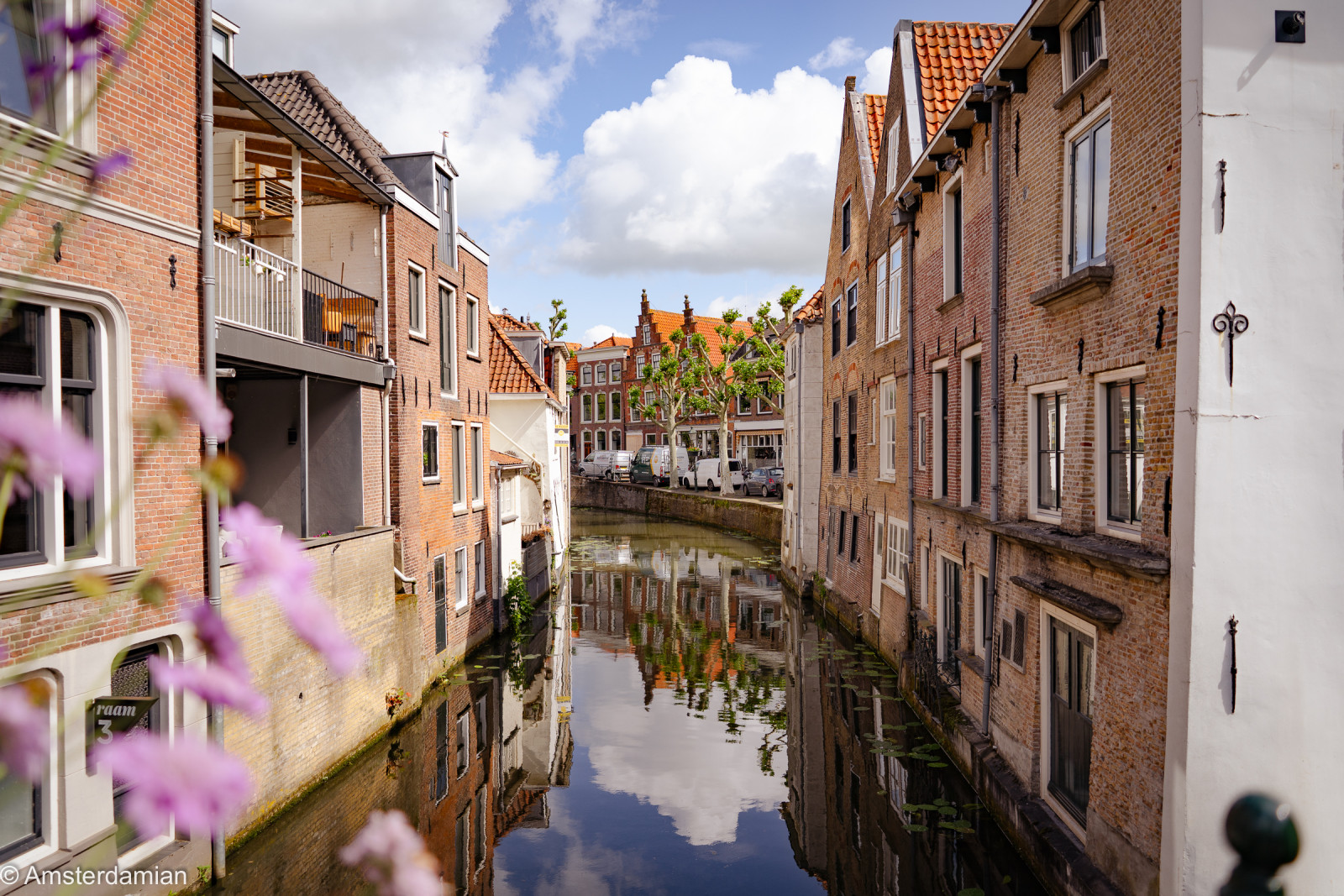
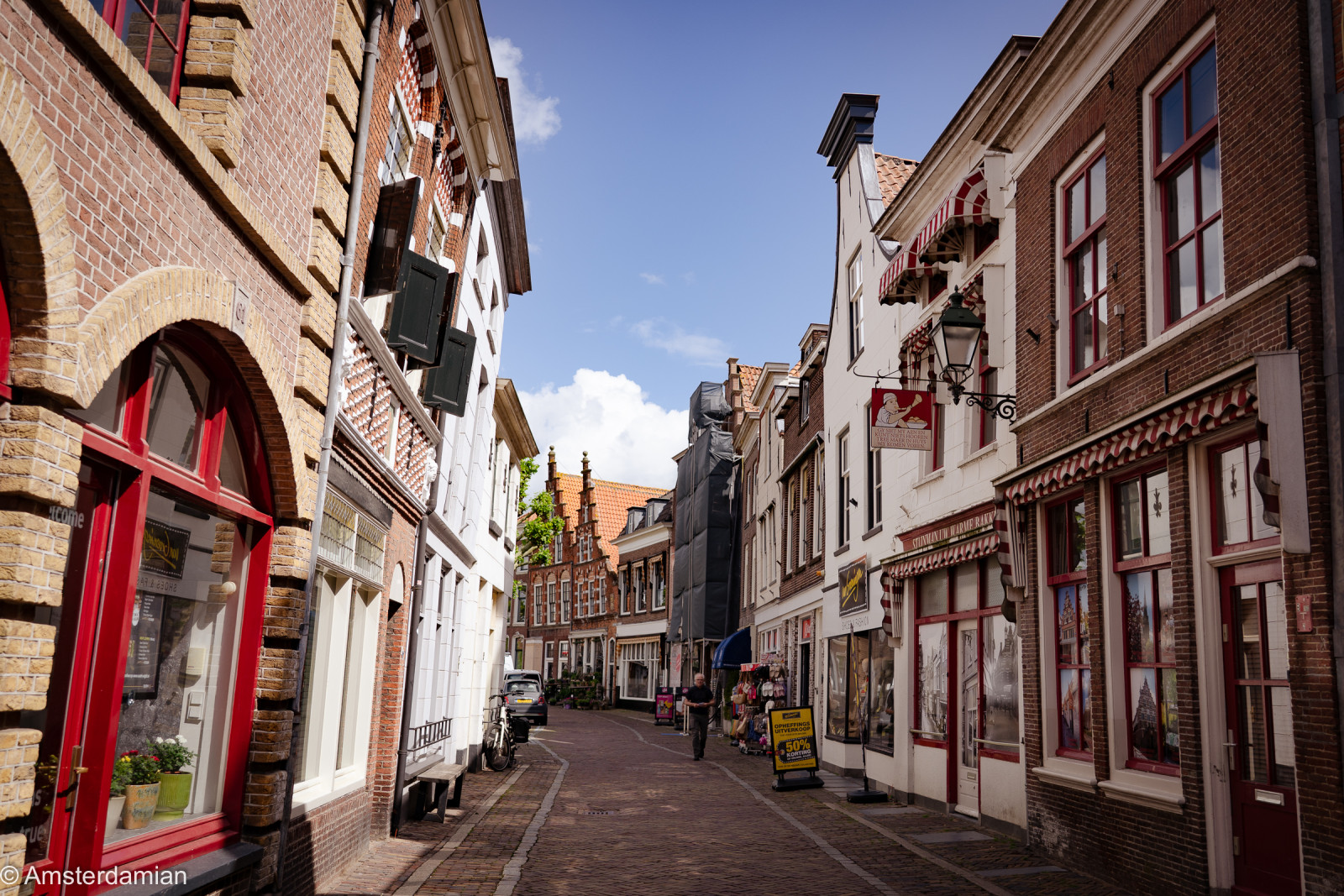
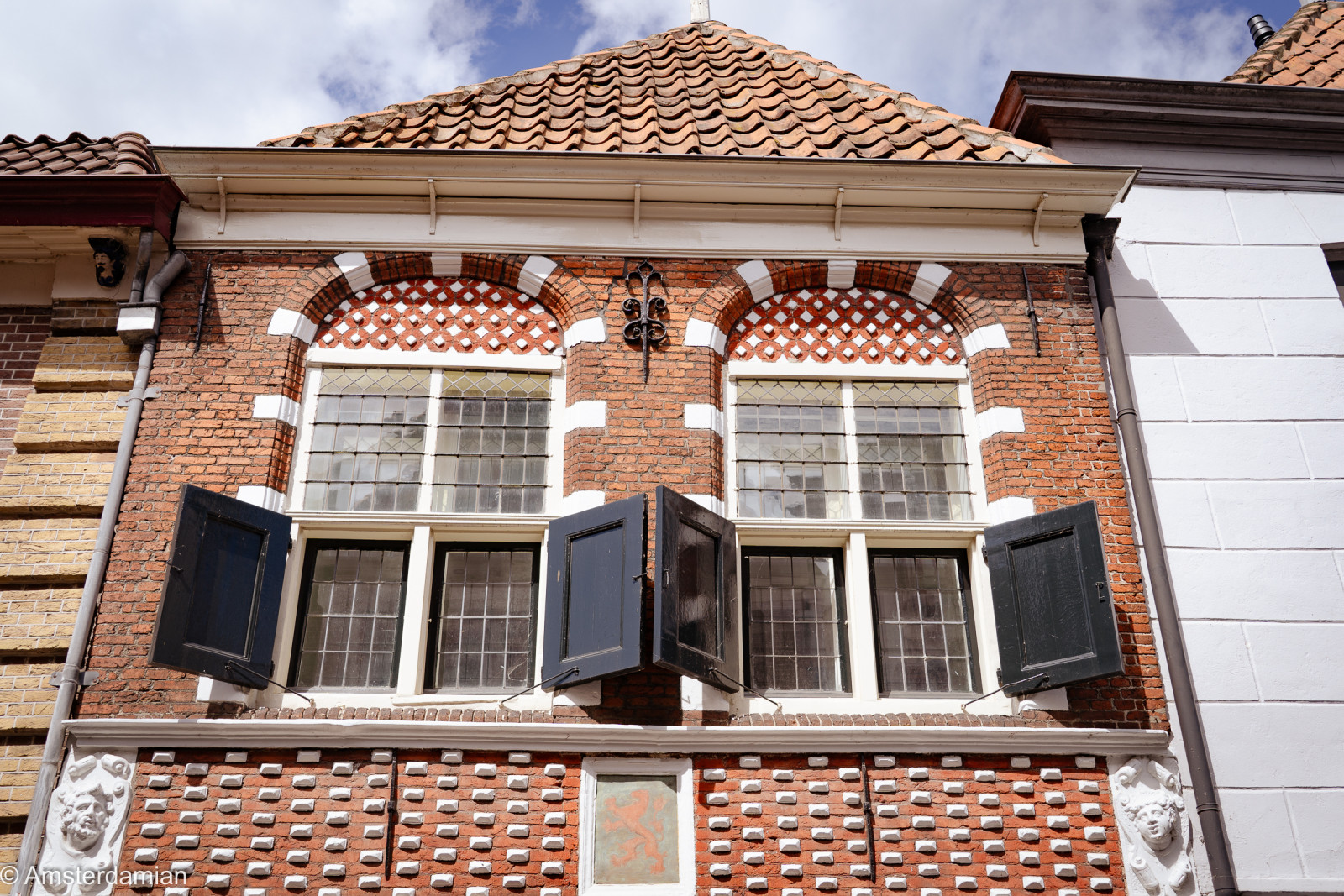
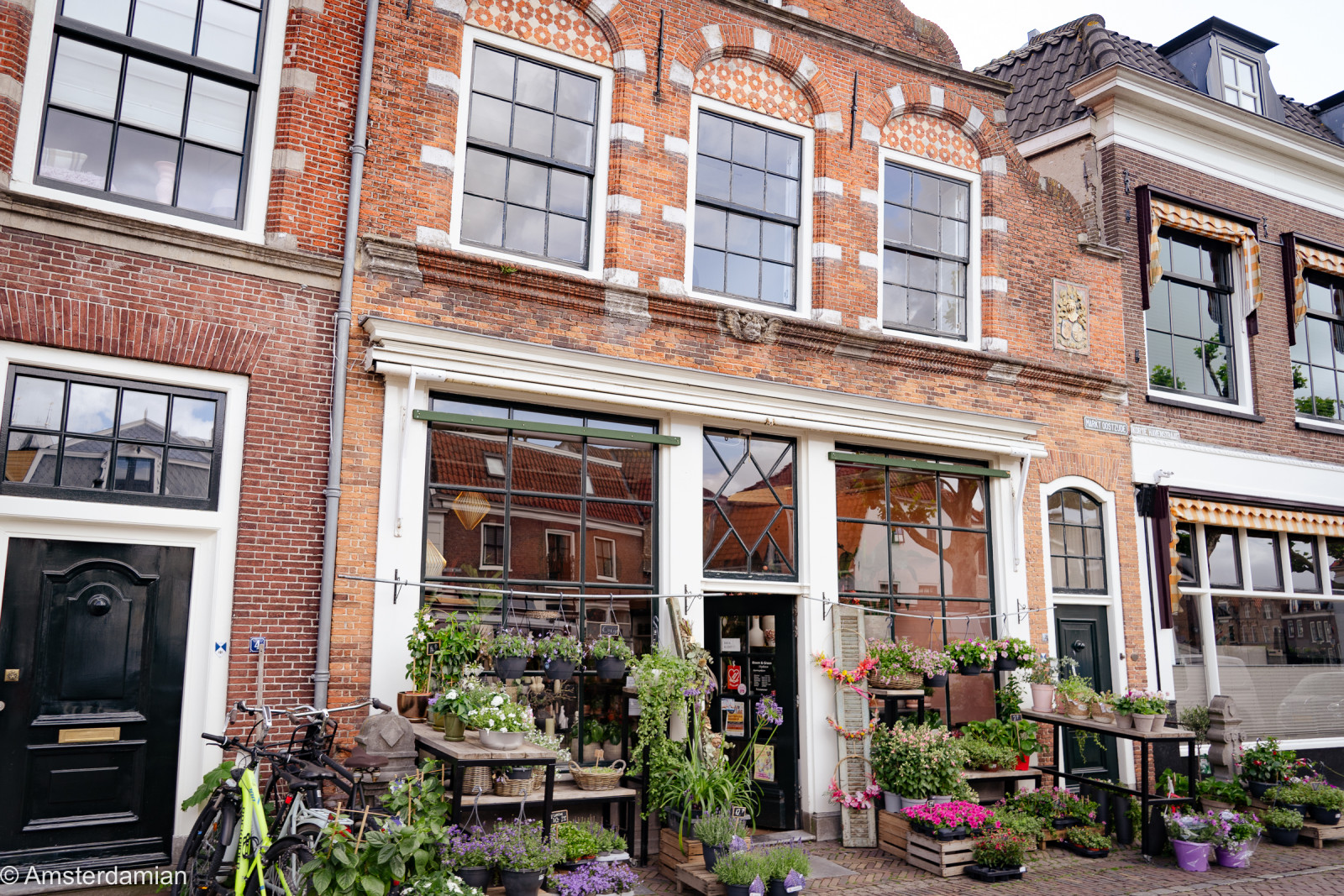
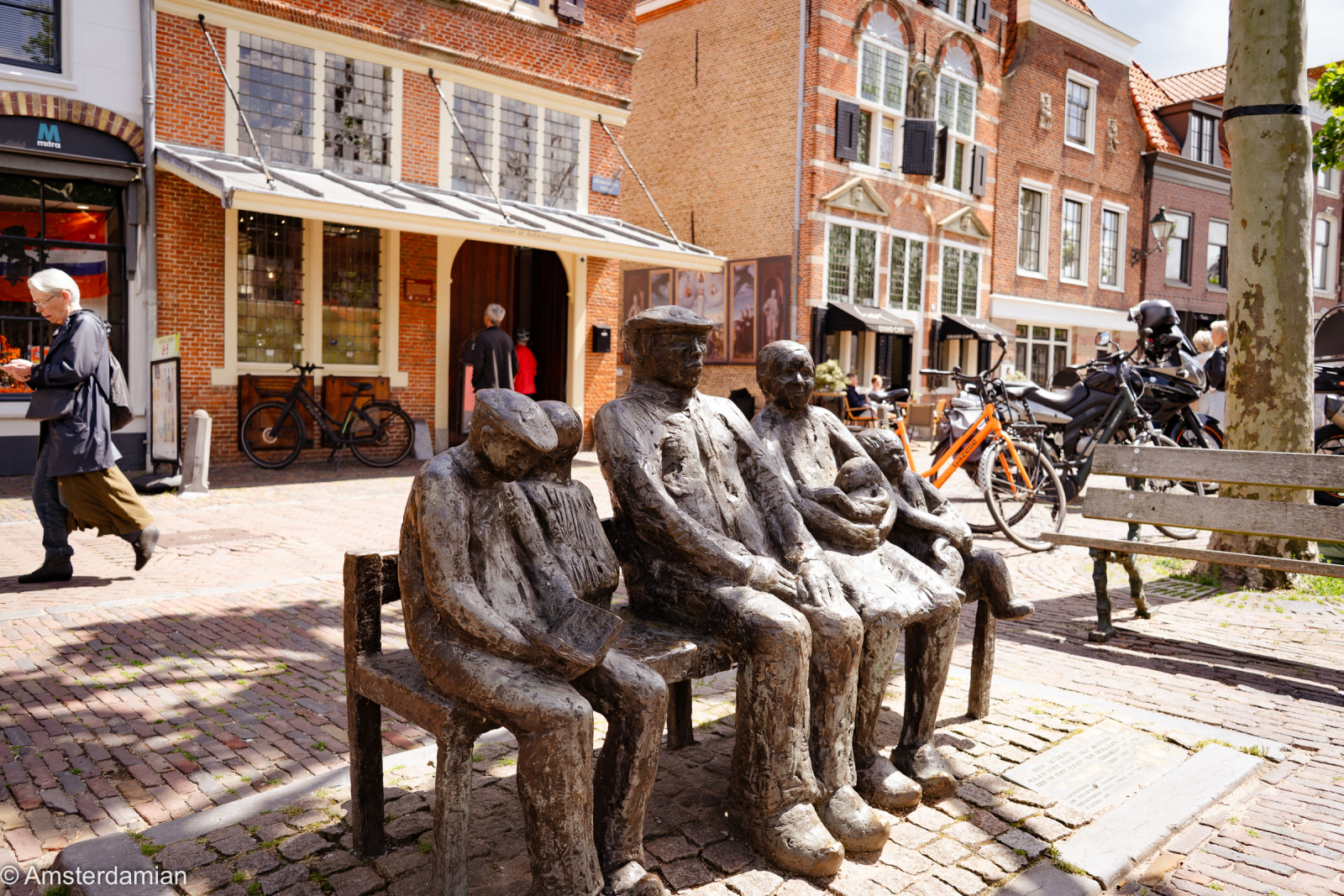
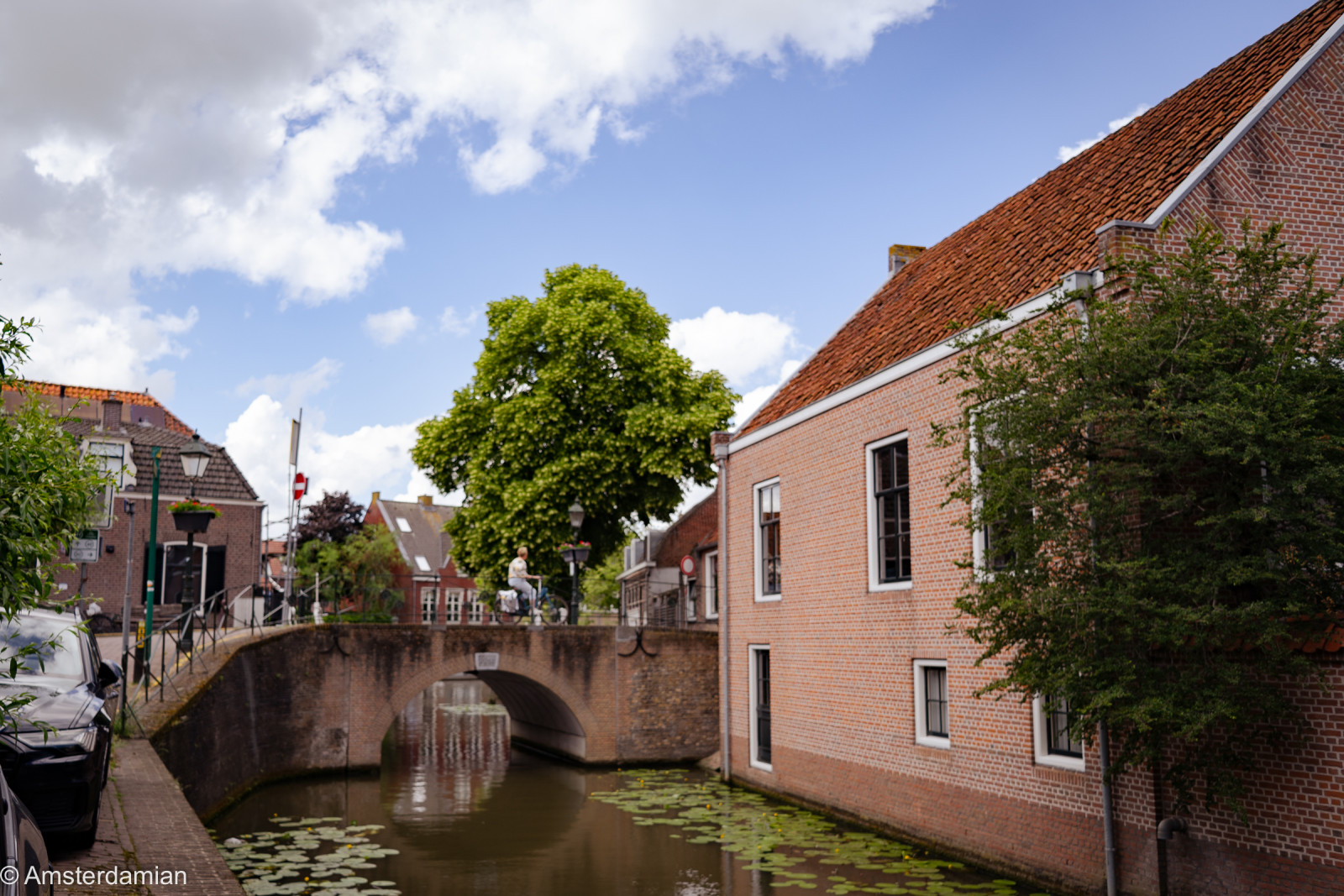
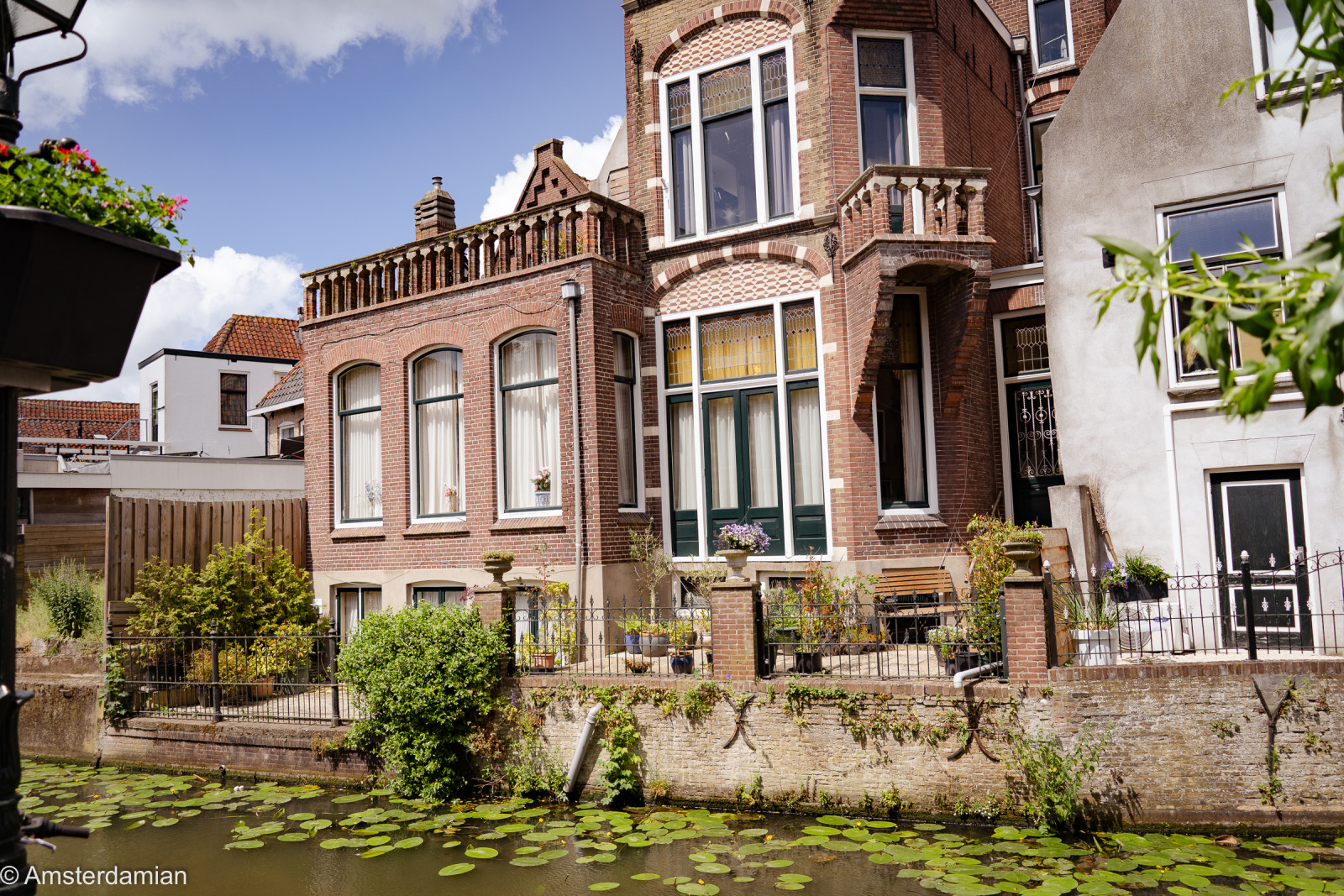
Oudewater is a small town and the best thing to do is walk around the city centre, admiring the old houses and the canals. Many of these houses are protected monuments. If you arrive there early in the morning, the streets are almost empty, it’s just you and the ducks exploring the beauty of this place. I don’t know how much the ducks appreciate it, but I sure did! There are also a few lovely shops to check out, like Hocus Pocus Zoetwaren, a chocolate and coffee place which used to sell witch hats in the past as well.
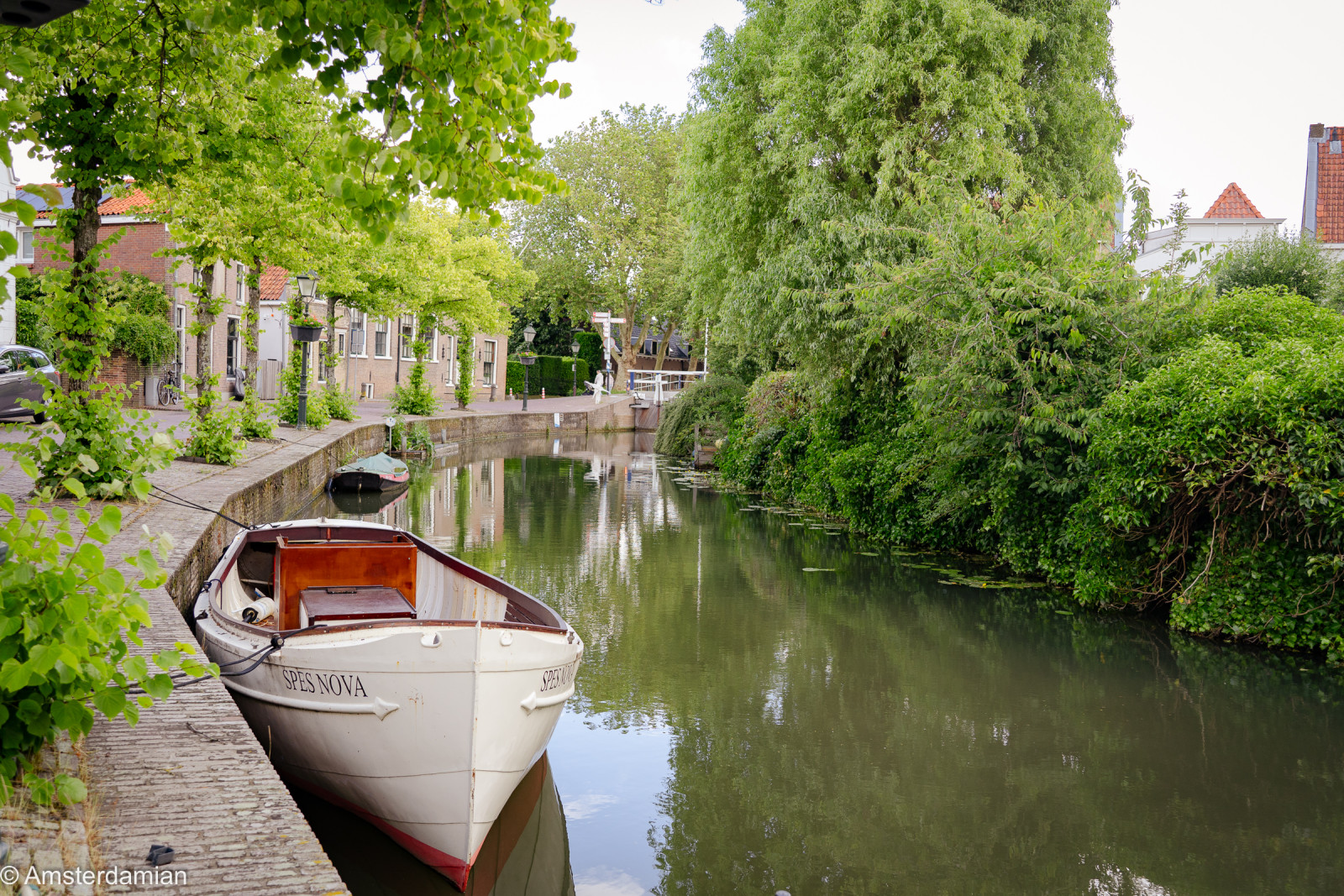
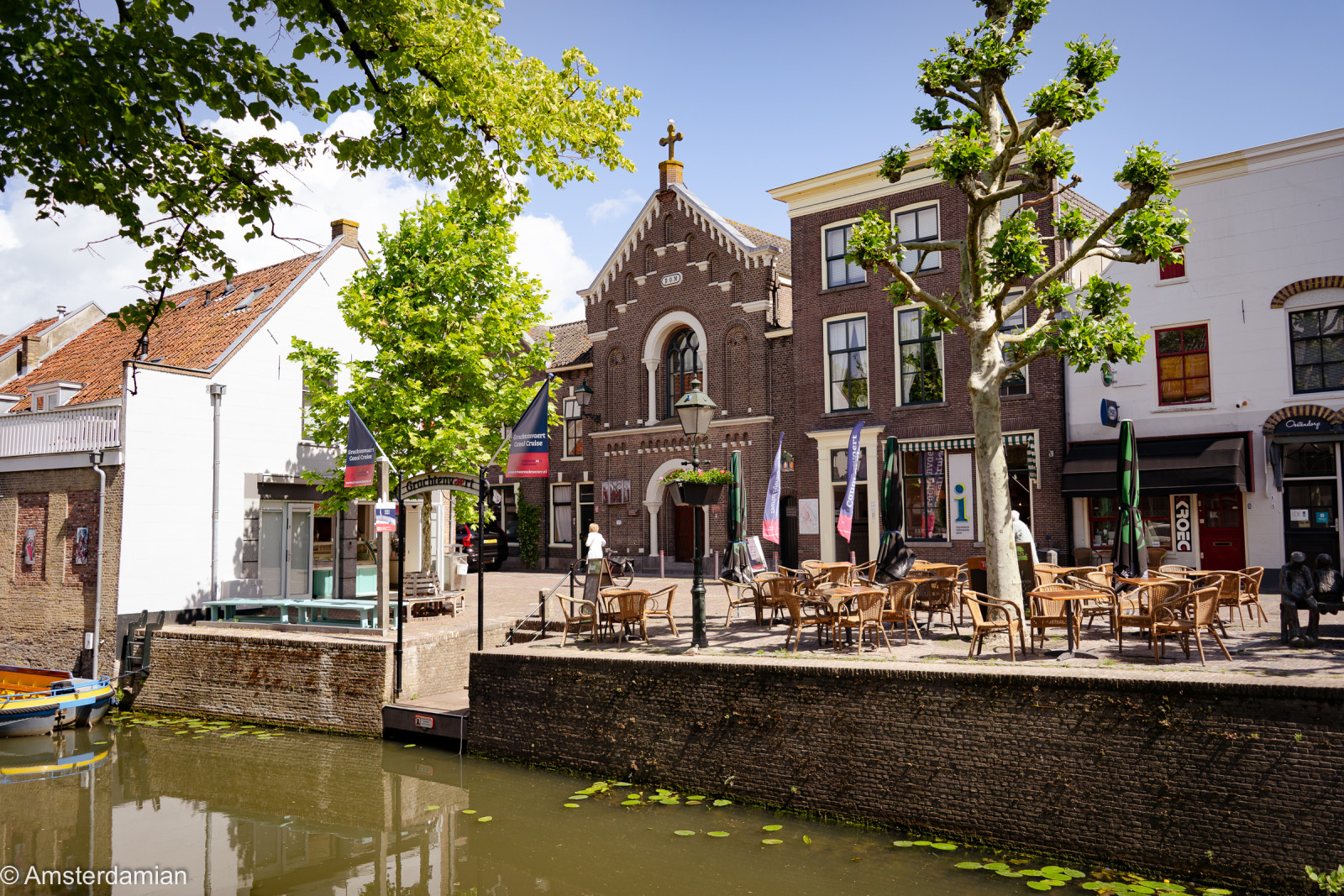
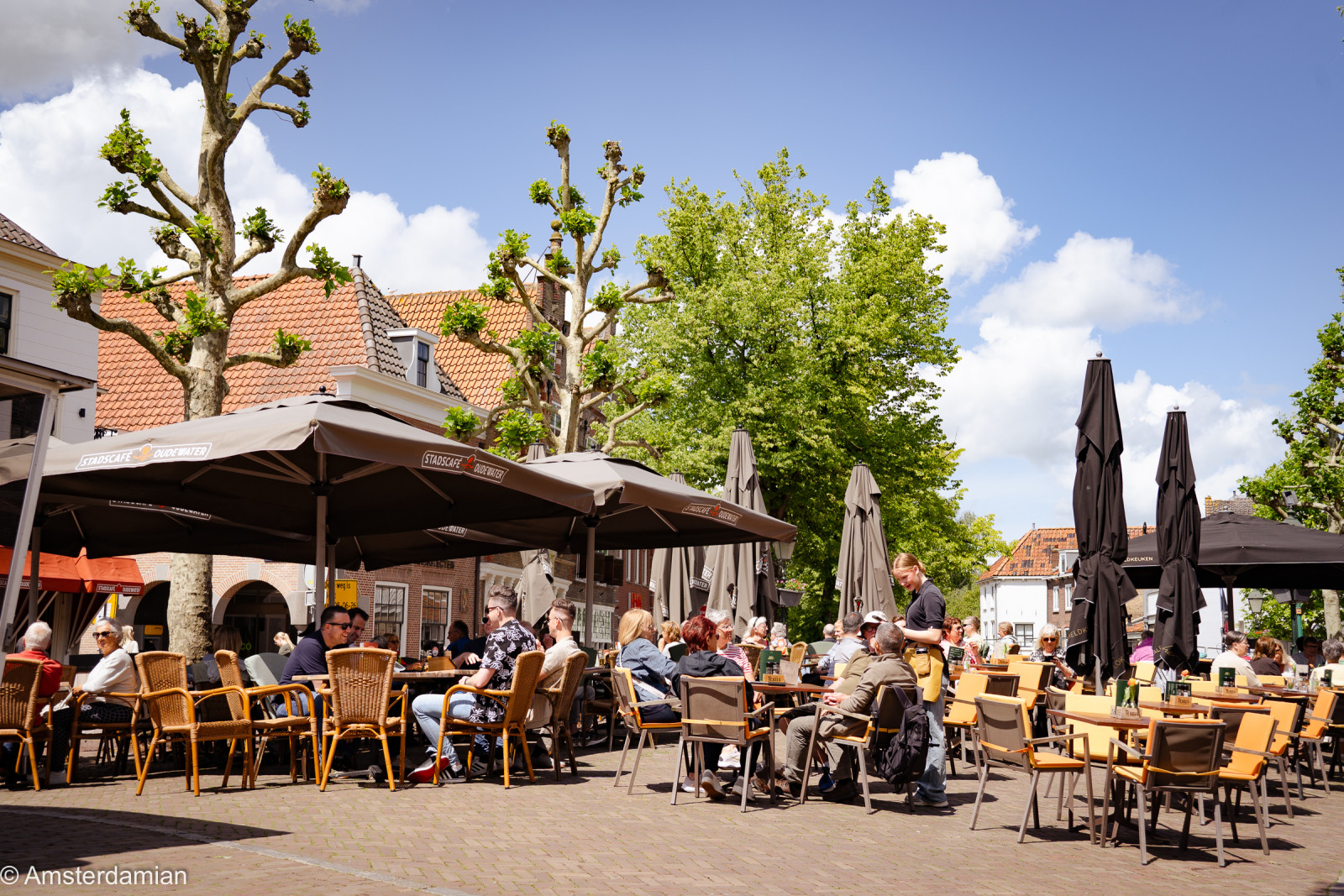
You can also take a boat tour, to see the town from the water (Hollandse IJssel runs through the town). The boats leave from in front of the Tourist Information Point, next to the Heksenwaag, so it’s all in one place. The main town square is also there, and you can eat and drink at one of the restaurants.
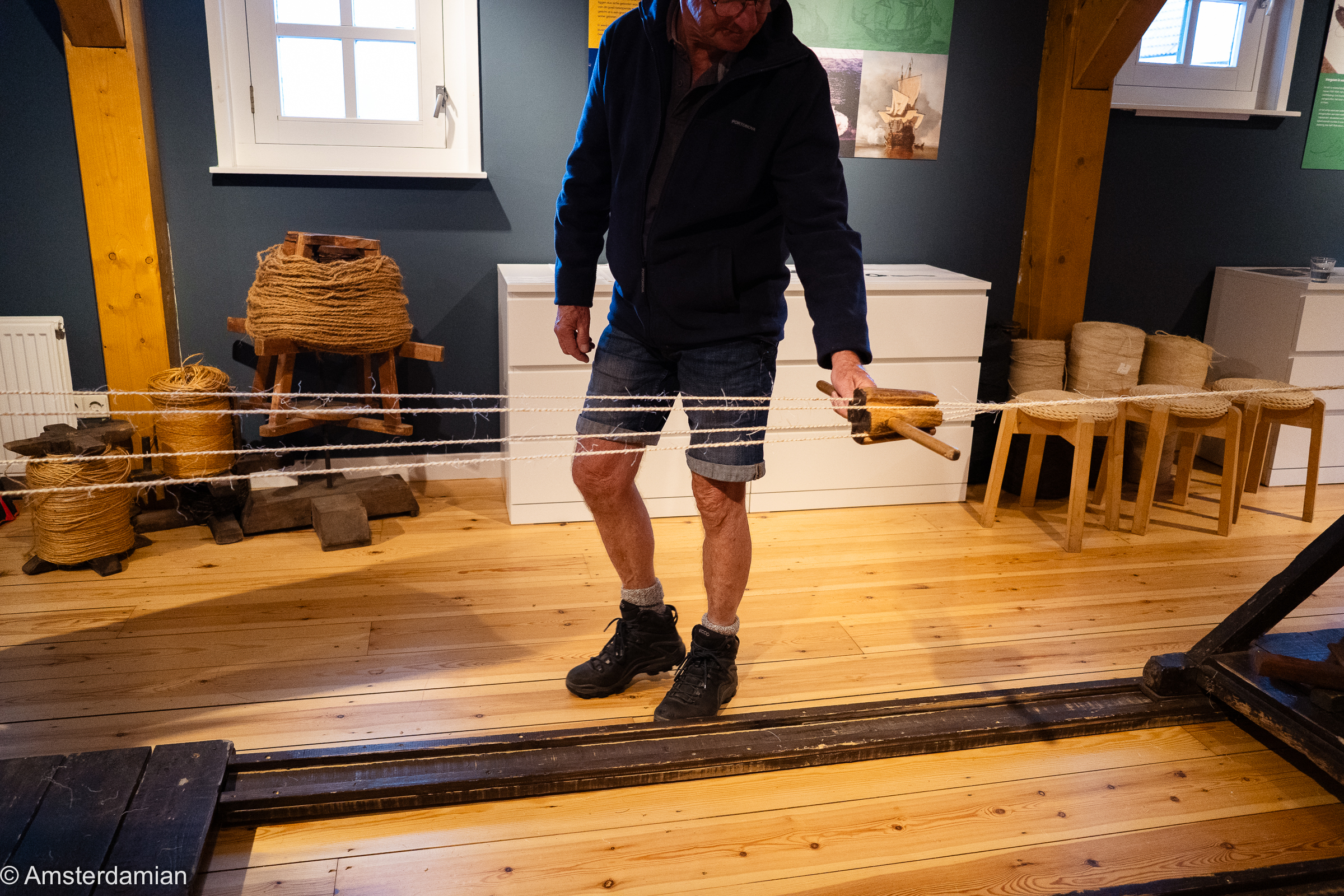
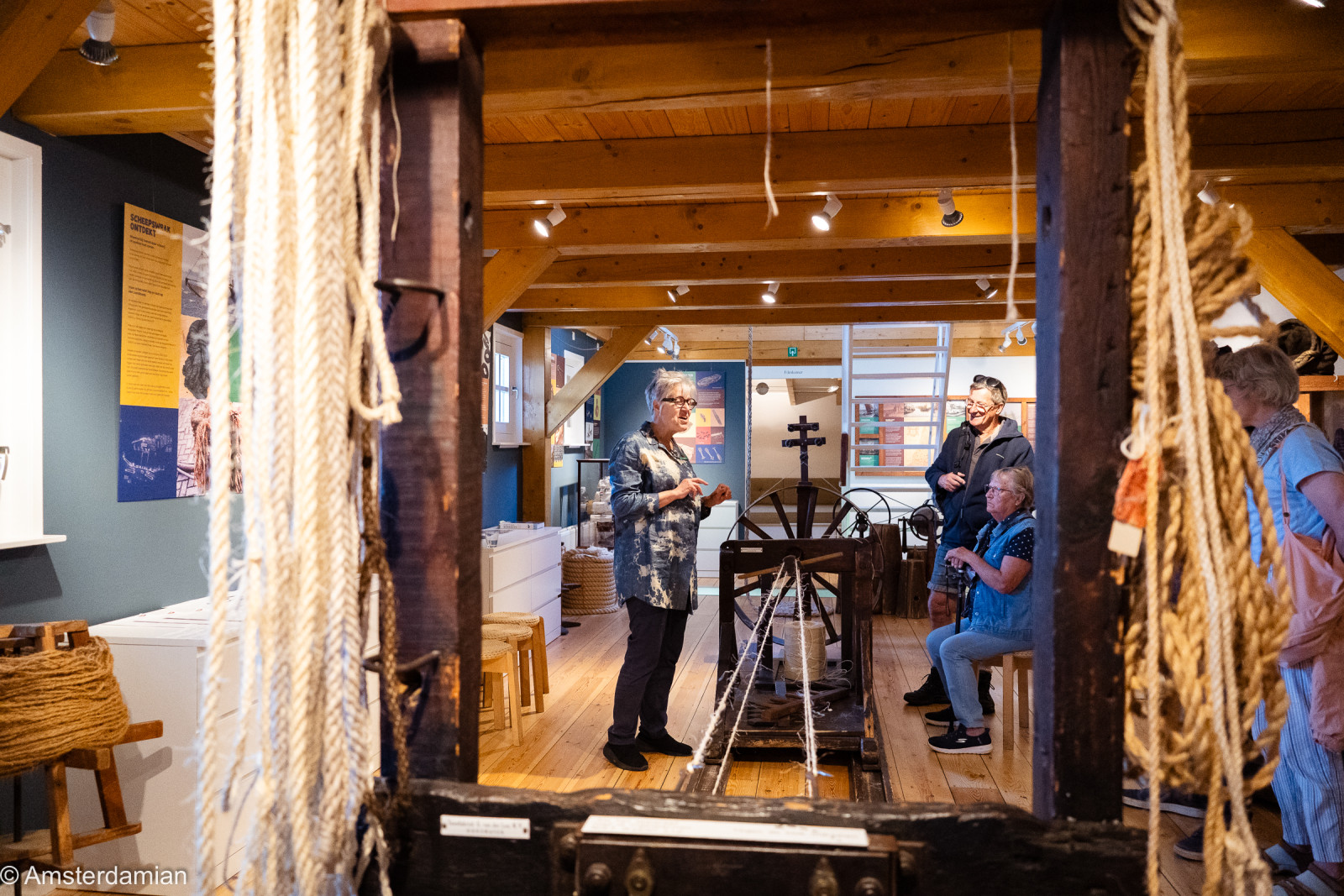
The Rope Museum (Touwmuseum). This is a small but very interesting museum, and I recommend you don’t skip it. You will spend maximum one hour here but you will learn about Oudewater’s famous past as the rope city. In the 16th and 17th centuries Oudewater was one of the most important rope-making towns in the country, using hemp grown in the fields around it. The rope makers wrapped the dried yellow hemp around their waists while they worked, and that gave people of Oudewater their nickname, geelbuiken, or yellow bellies, which is still used today.
It’s housed in the last surviving original baanschuur (the barn where hemp and yarn were once stored) where you can smell, touch and even make rope yourself. The Touwmuseum is open Tuesday to Sunday, 12:00 to 16:00, from the first weekend of April until the start of November, and visits in winter are possible by appointment for groups. A ticket costs €6 for adults and €3 for children aged 4 to 13, and the Museumkaart is valid.
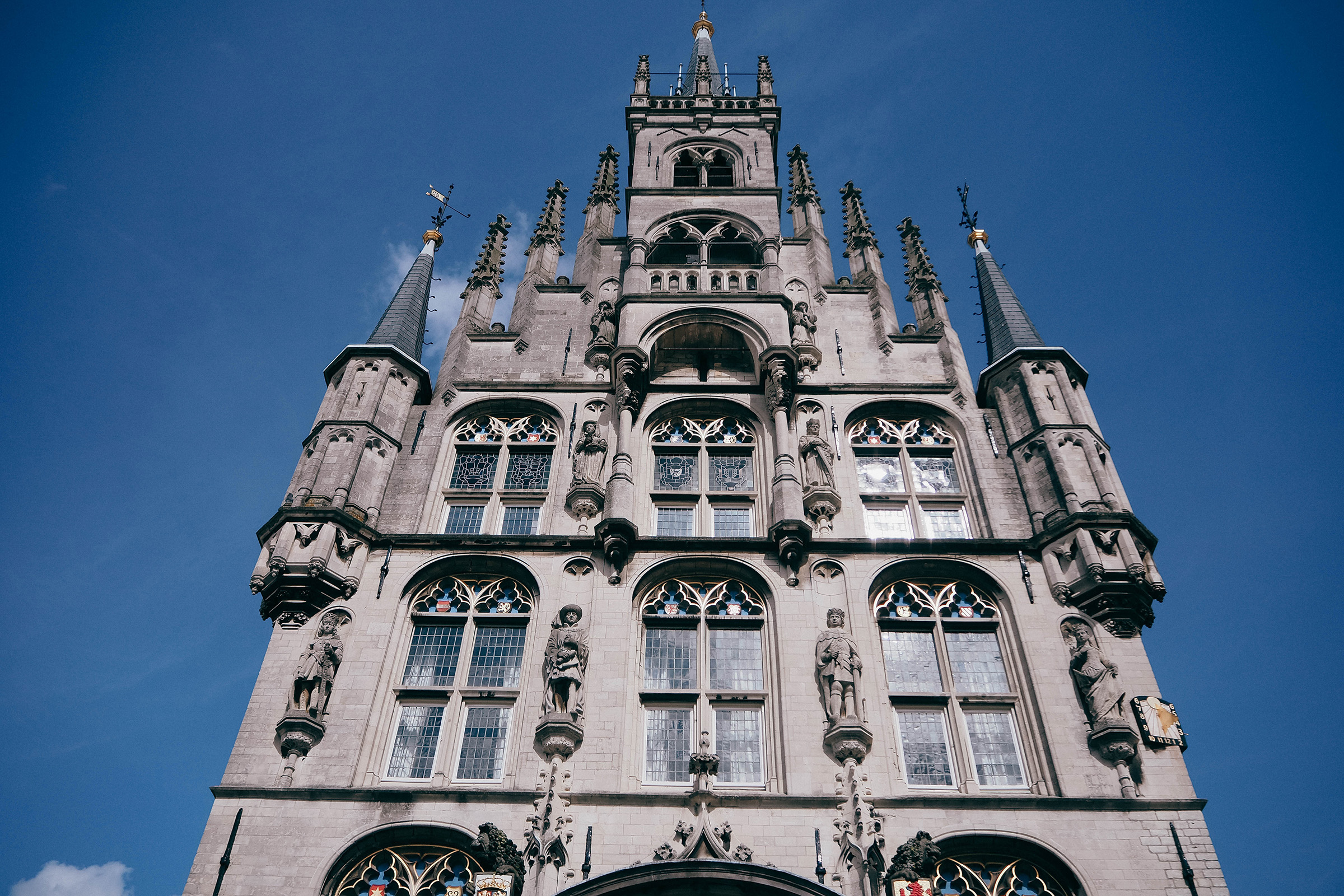
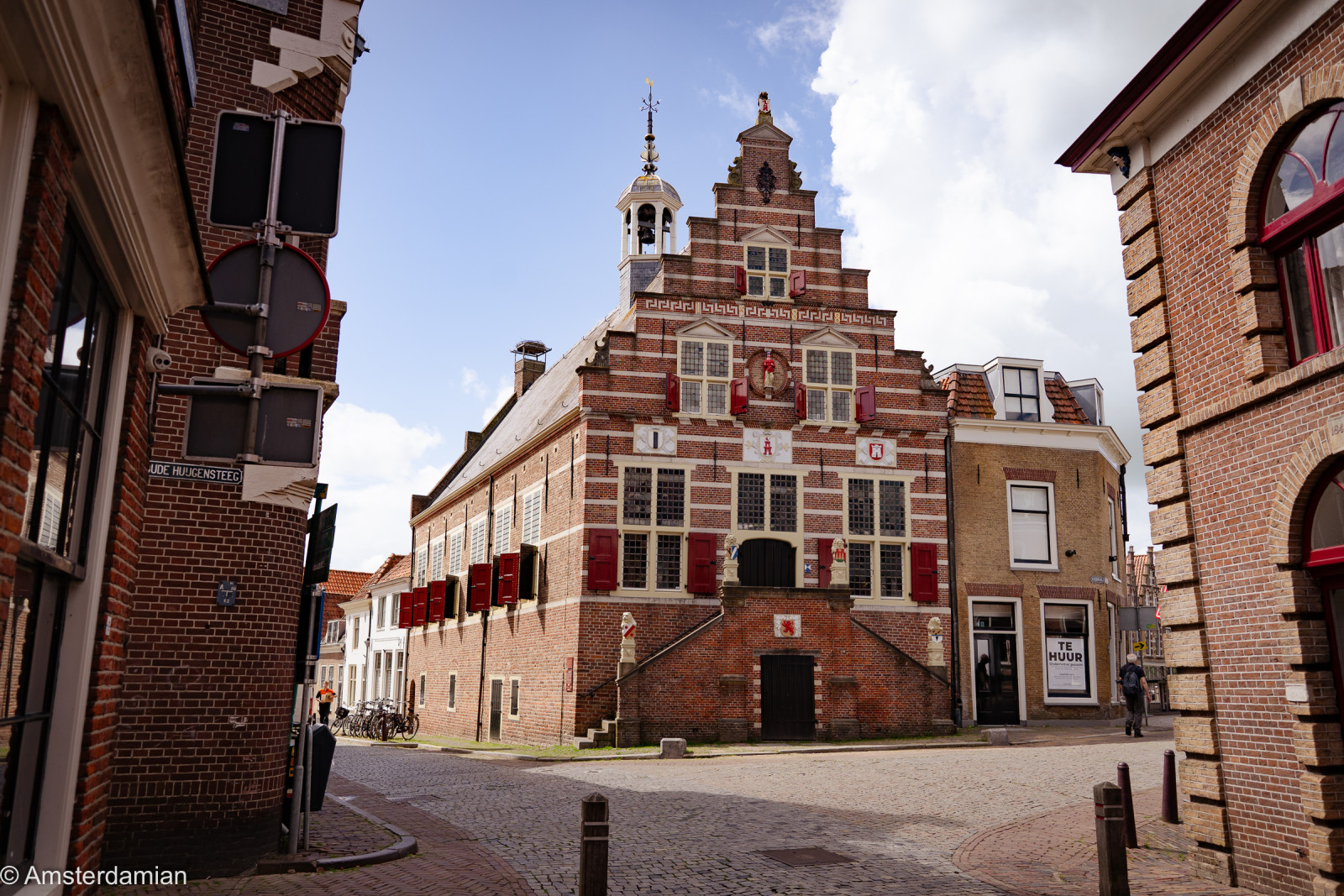
Another interesting stop is the Town Hall, built in 1588, which also house the City Museum (Stadsmuseum). It was built on the foundations of the old town hall, which was badly damaged during the Spanish siege in 1575, and if you look up at the chimney, you’ll see what is said to be the oldest documented stork’s nest in the Netherlands.
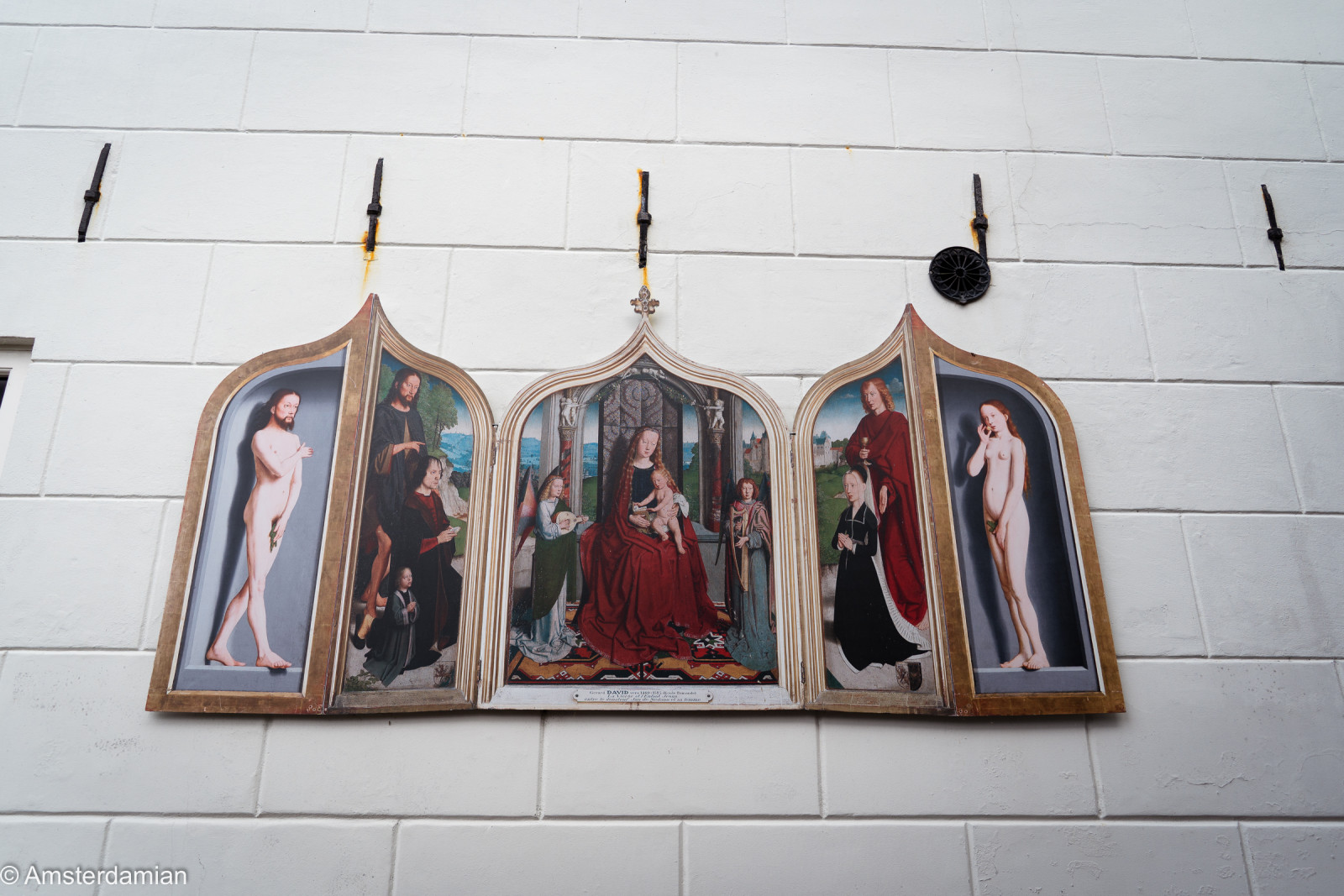
A few streets is the Grote or Sint-Michaëlskerk, whose tower, dating from around 1300, is crowned with an unusual saddle roof; in season, you can climb it for a view over the town and the green polder landscape stretching in every direction. When walking in the city centre, keep an eye out for reproductions of paintings by Gerard David, the master of the Northern Renaissance who was born in Oudewater around 1455 and made his career in Bruges.
All these can be easily done in one day, and Oudewater is a great idea for a chill day-trip at any time of the year. You can combine it with a visit to Gouda, if you have only one day and want to make the best of it.
✨Day-trip suitability
International visitors: ● ● ● ○ ○ — Best for curious explorers
NL-based day-trippers: ● ● ● ● ○ — A great day out
● Circles indicate suitability, not quality. Some subjectivity included. How to read these ratings 📜
How to get to Oudewater from Amsterdam.
Oudewater doesn’t have a train station. From Amsterdam, you can take a train to Utrecht Centraal and then bus 307 towards Gouda (getting off at the stop Oudewater, Molenwal) or to Woerden, and then take bus 123 or 505. I’d recommend checking 9292 for the exact times on the day you travel.
If you’re driving, the N228 between Utrecht and Gouda runs right through Oudewater. And if you like cycling, the town sits in the middle of the Green Heart, the countryside between the big Dutch cities, so you can easily combine your visit with a bike ride through the polders.
↪ You might like also this:
Haunted Netherlands: Dutch Ghost Stories, Urban Legends & Folklore
Stay tuned for more and follow Amsterdamian on Instagram and Facebook for more stories about life in the Netherlands, written by a real local, updated constantly.
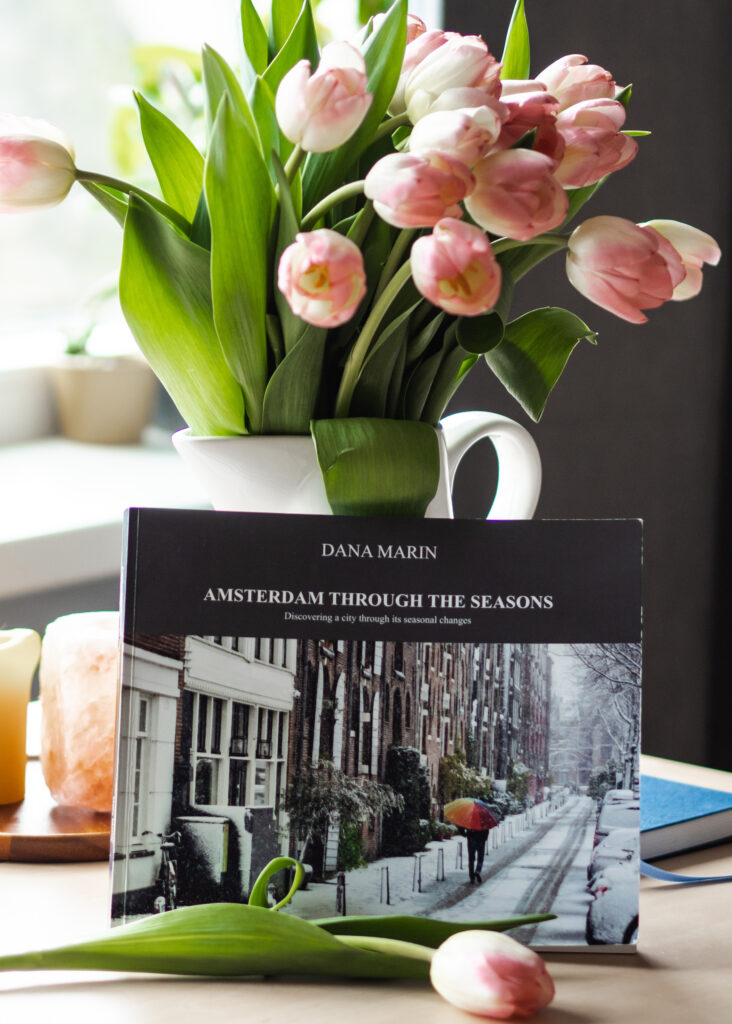
Check out my photo book: Amsterdam Through the Seasons!
Love what you’re reading? Support my work with a small donation.
And share this post if you liked it!






Trackbacks/Pingbacks