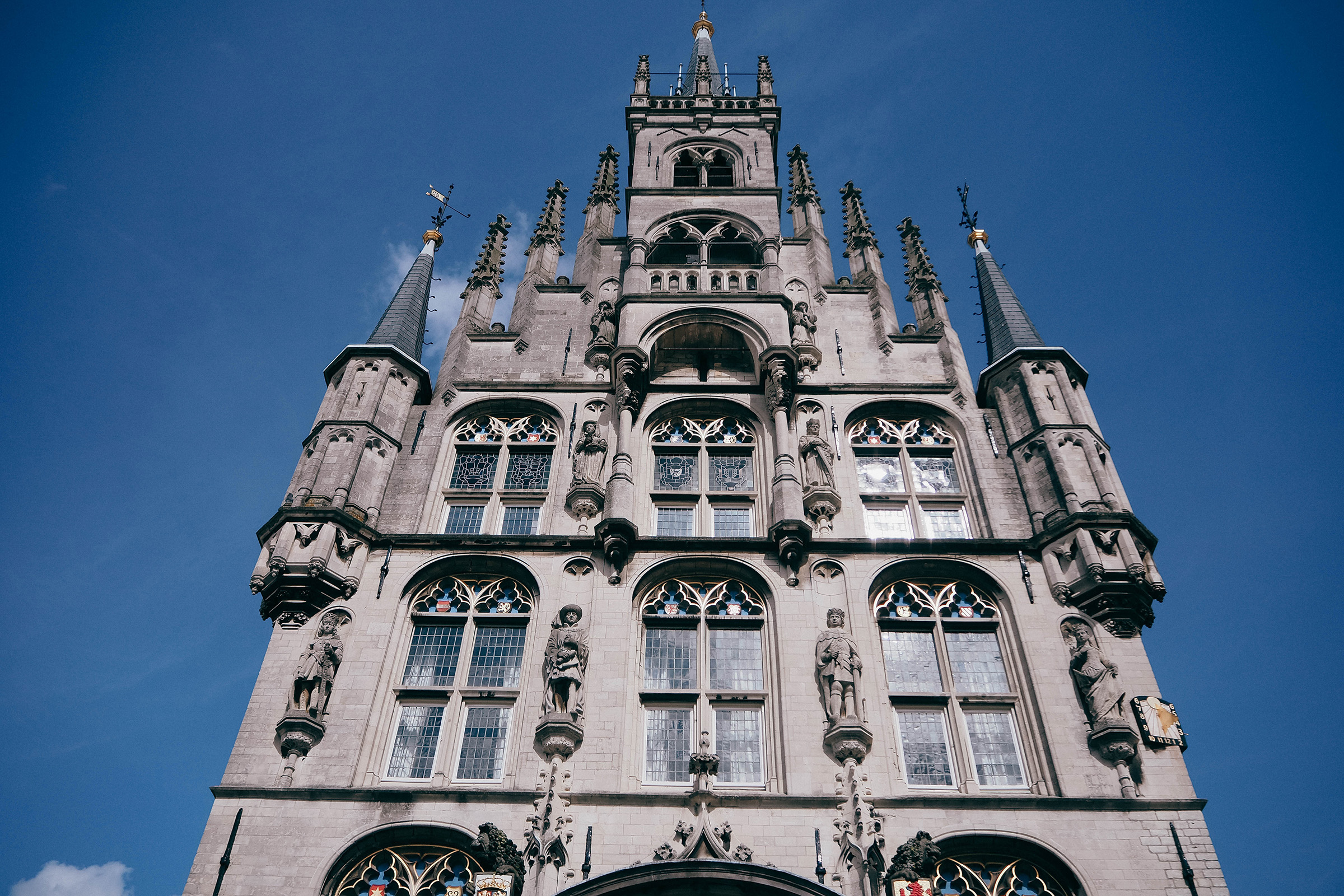
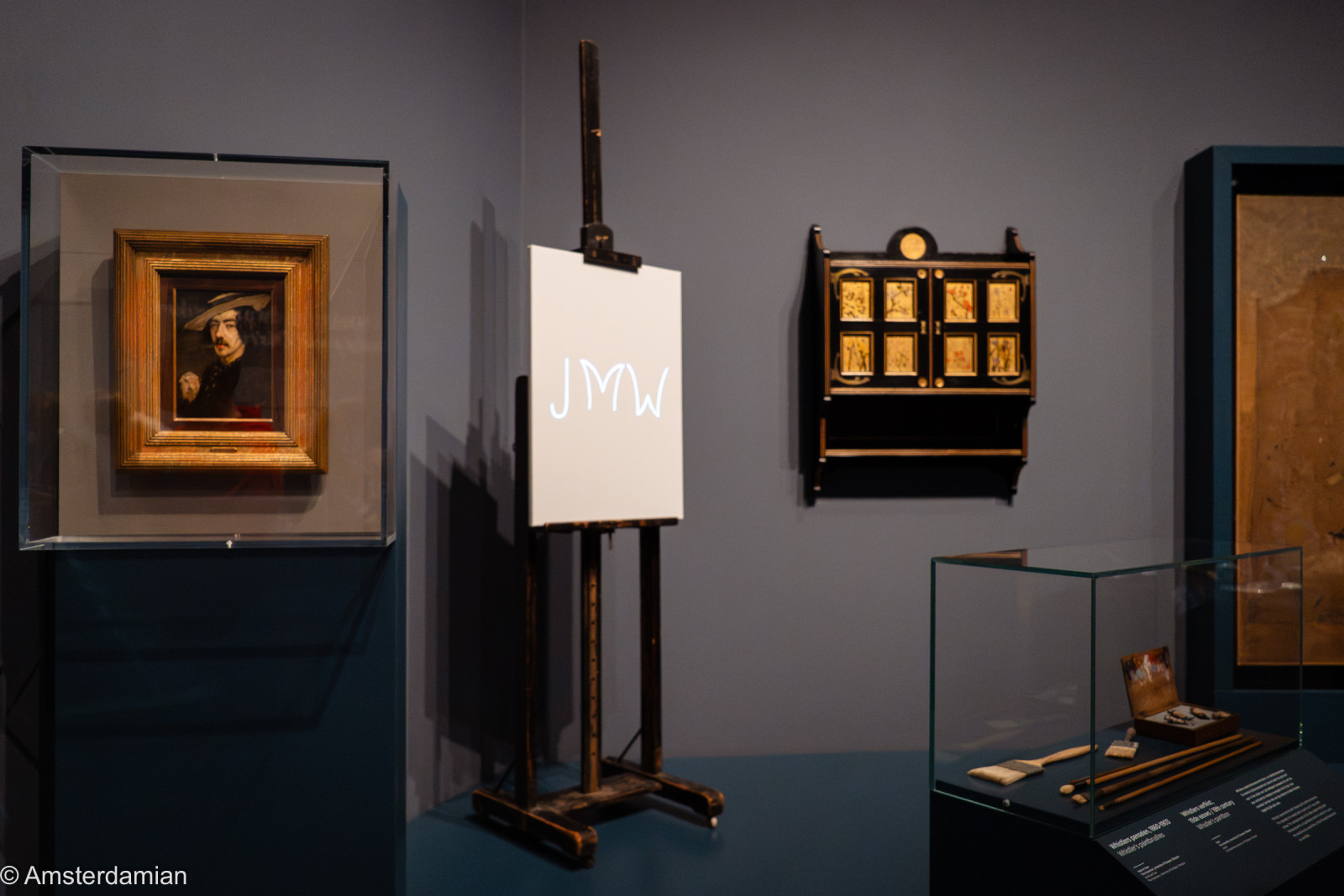
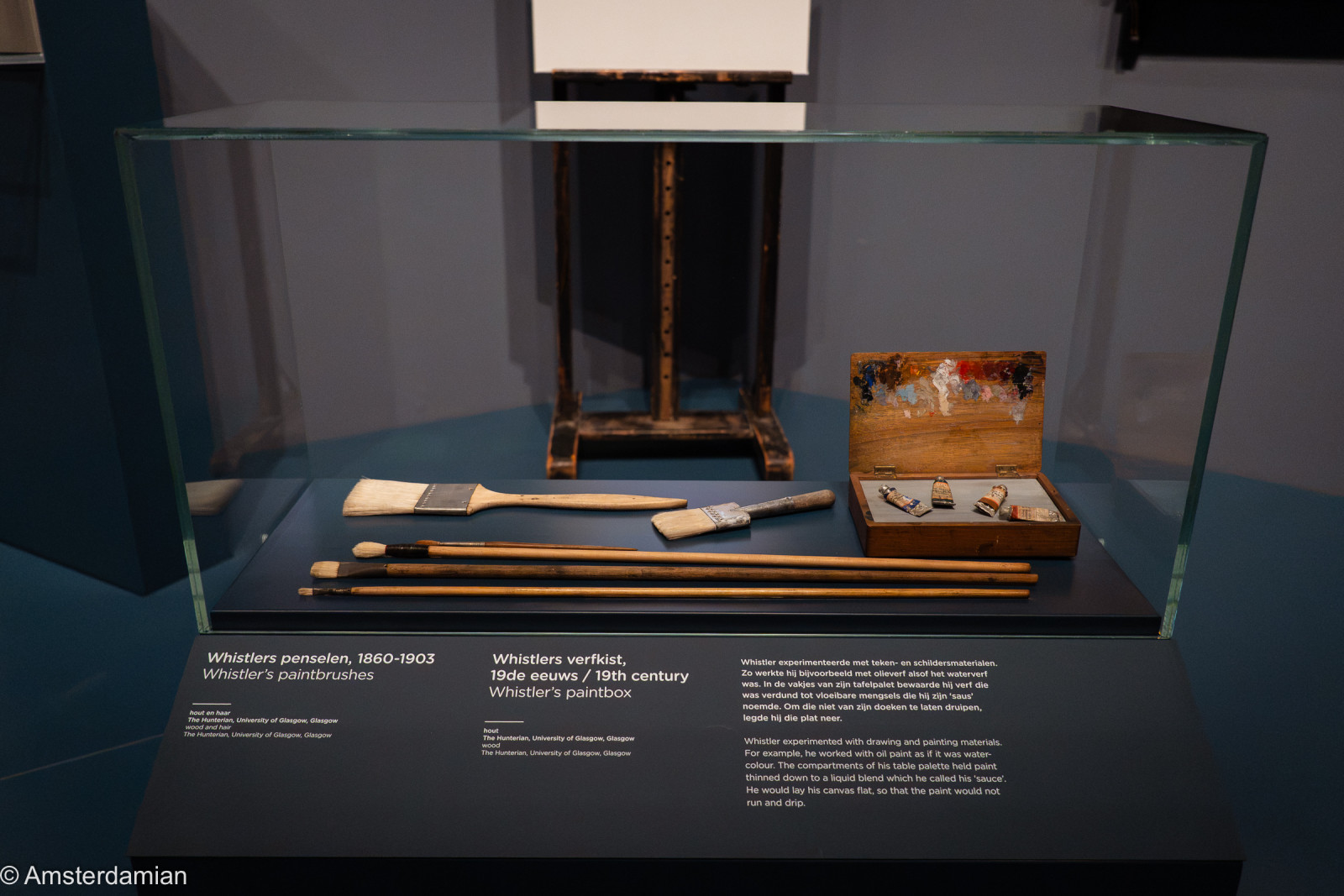
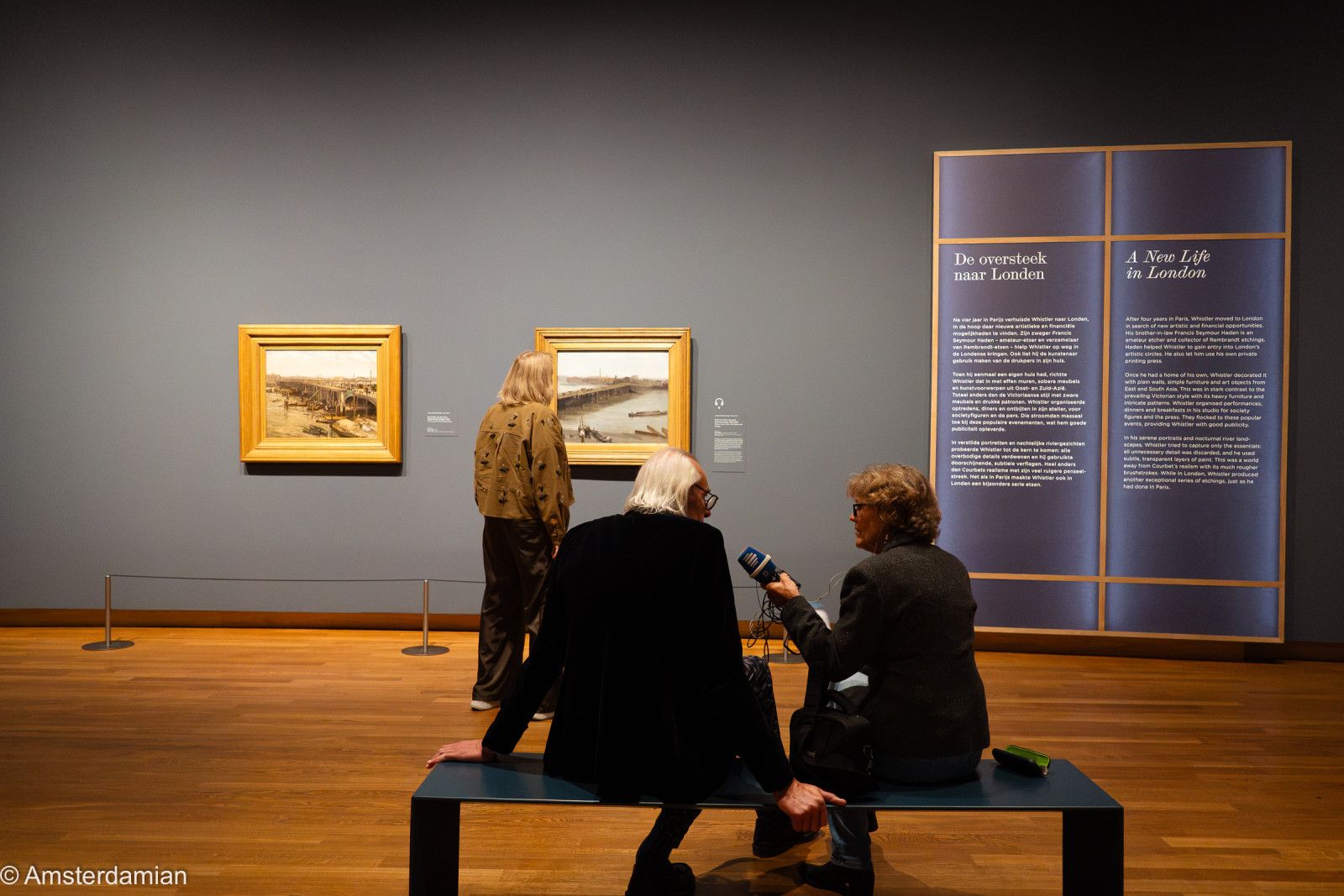
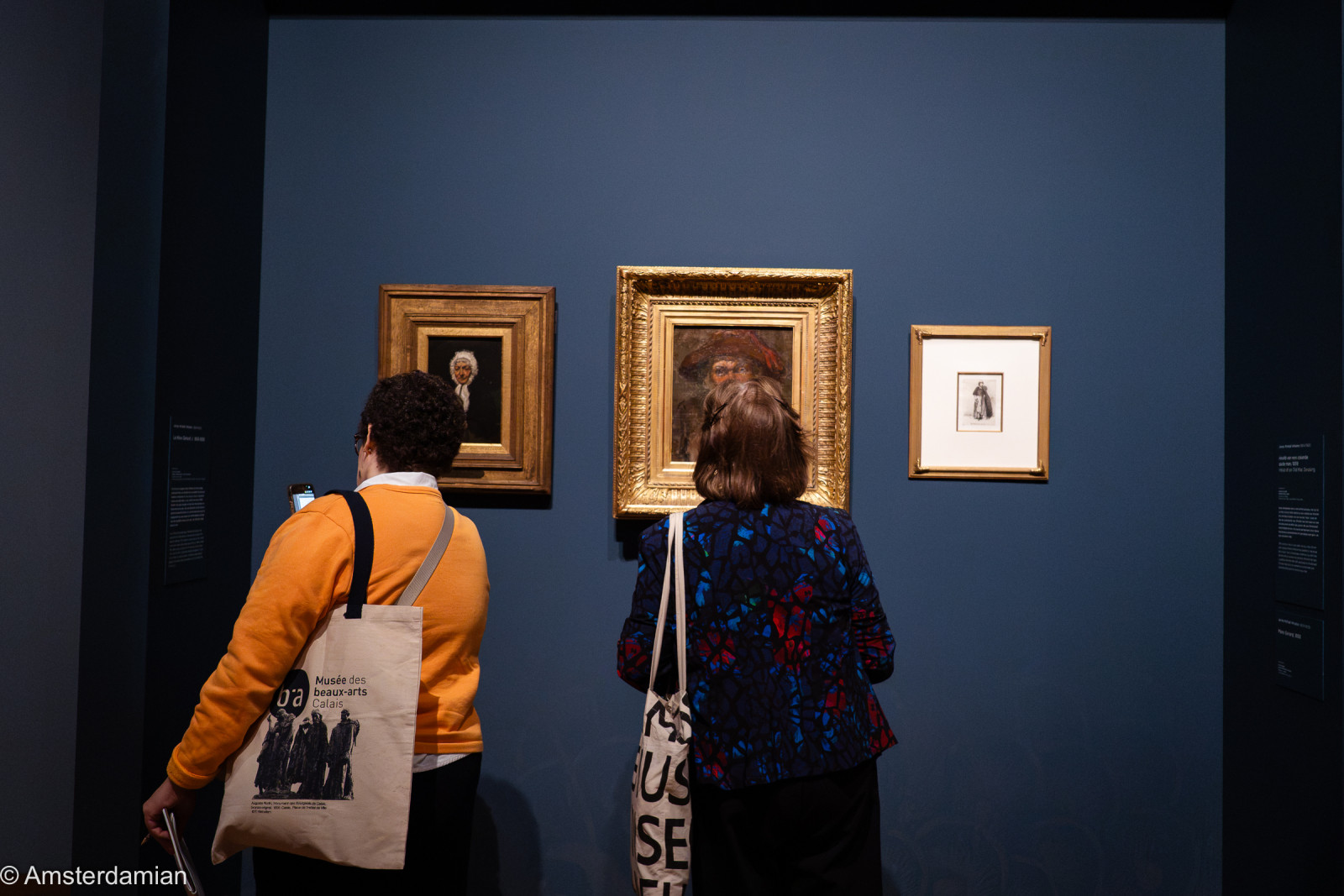
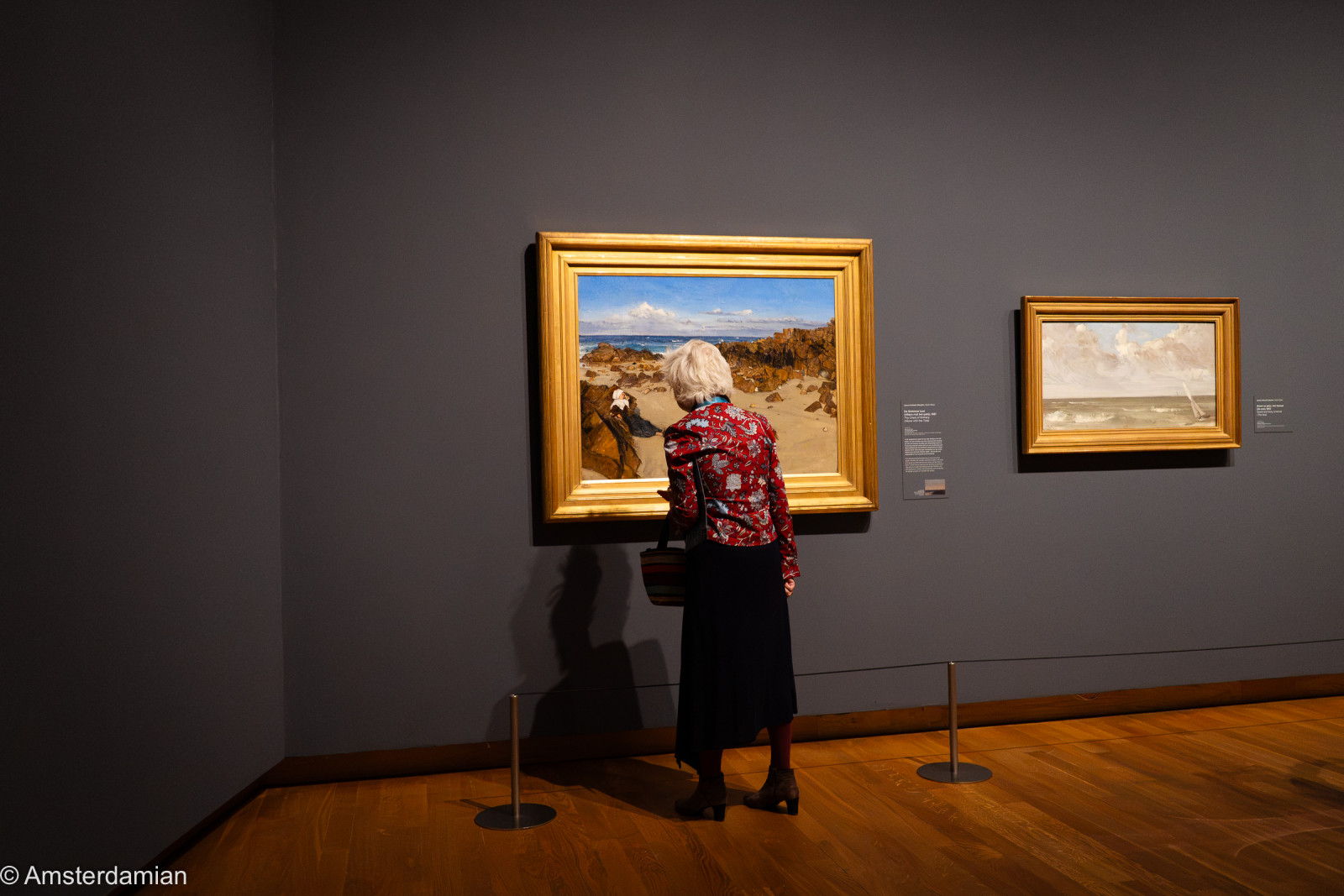
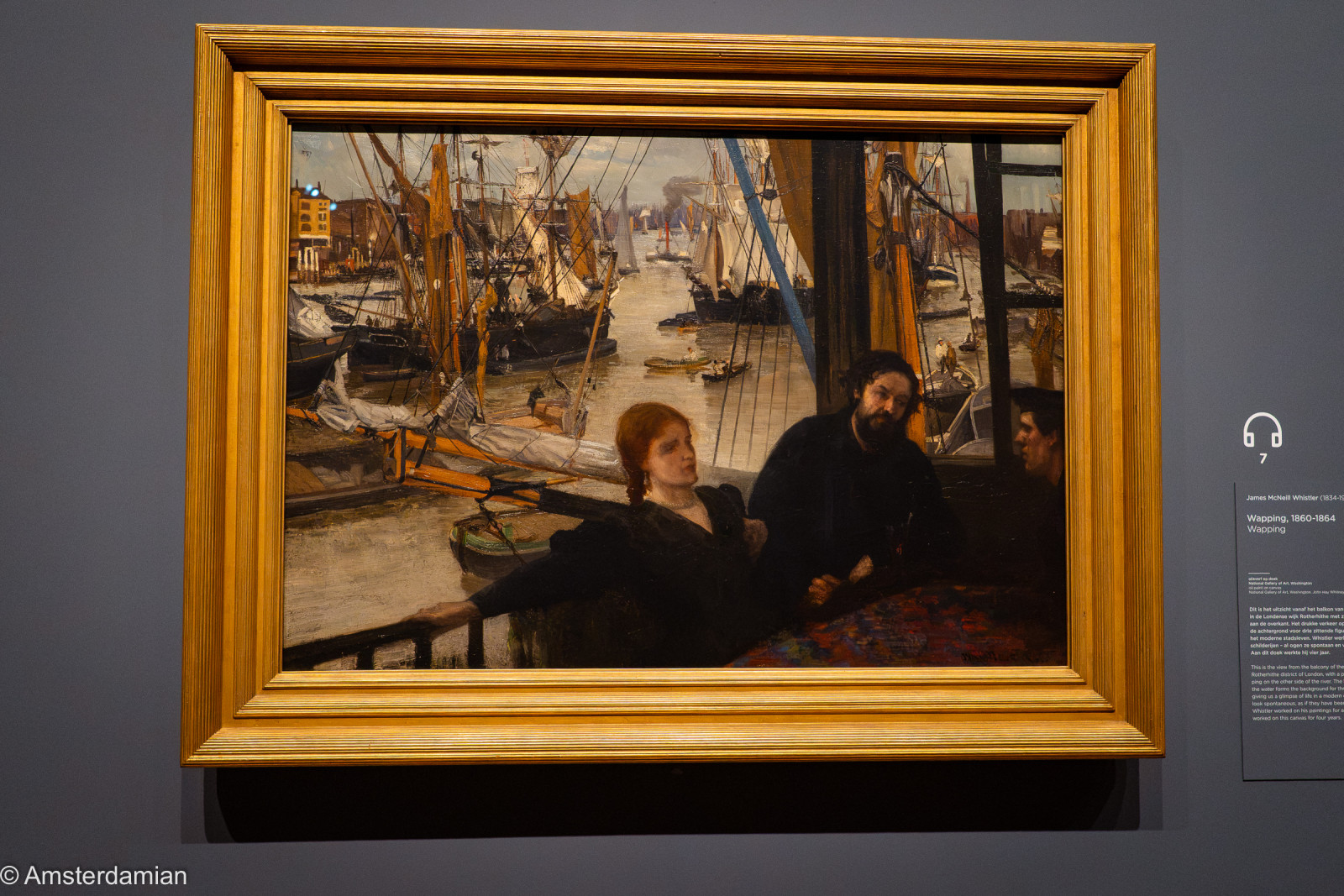
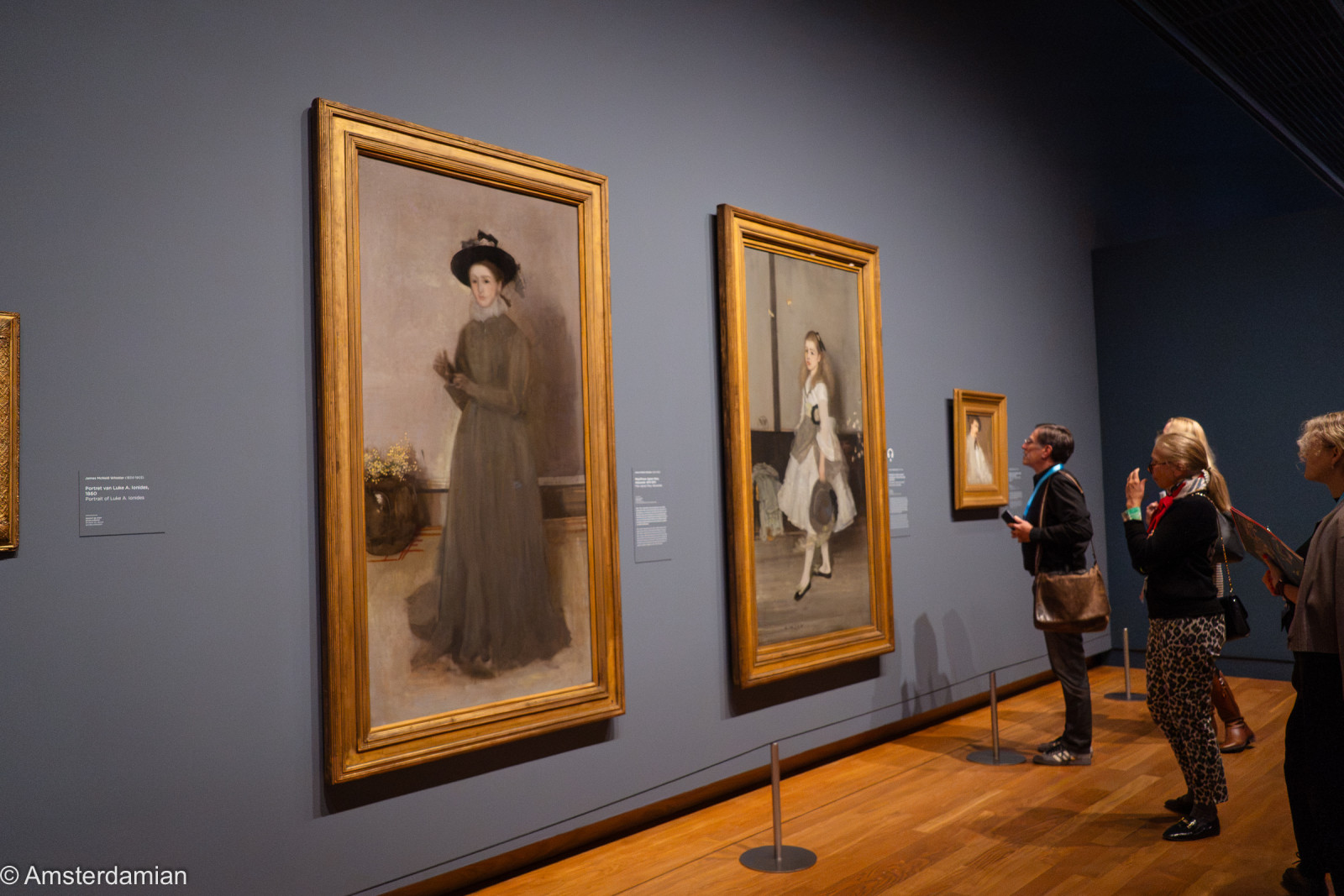
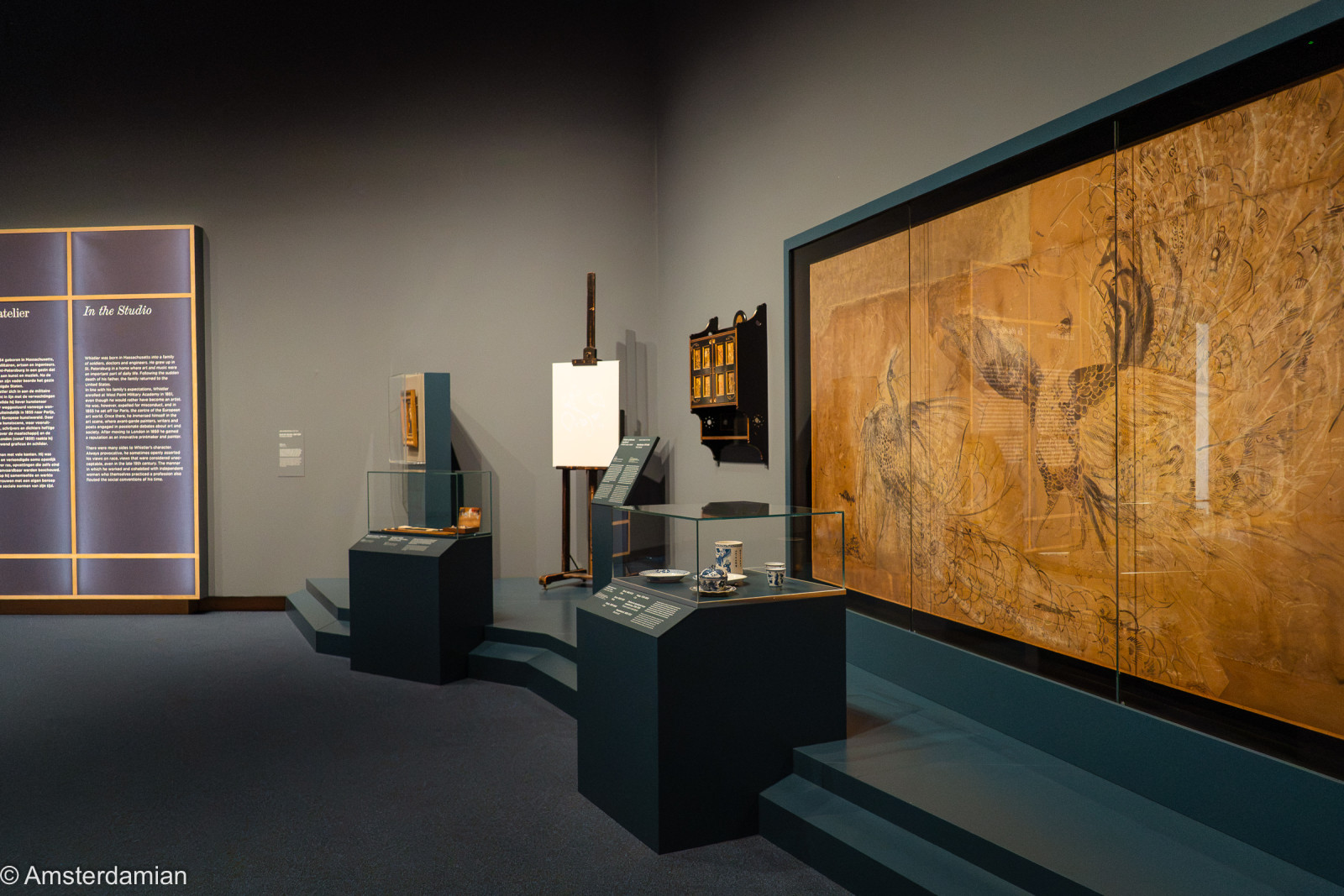
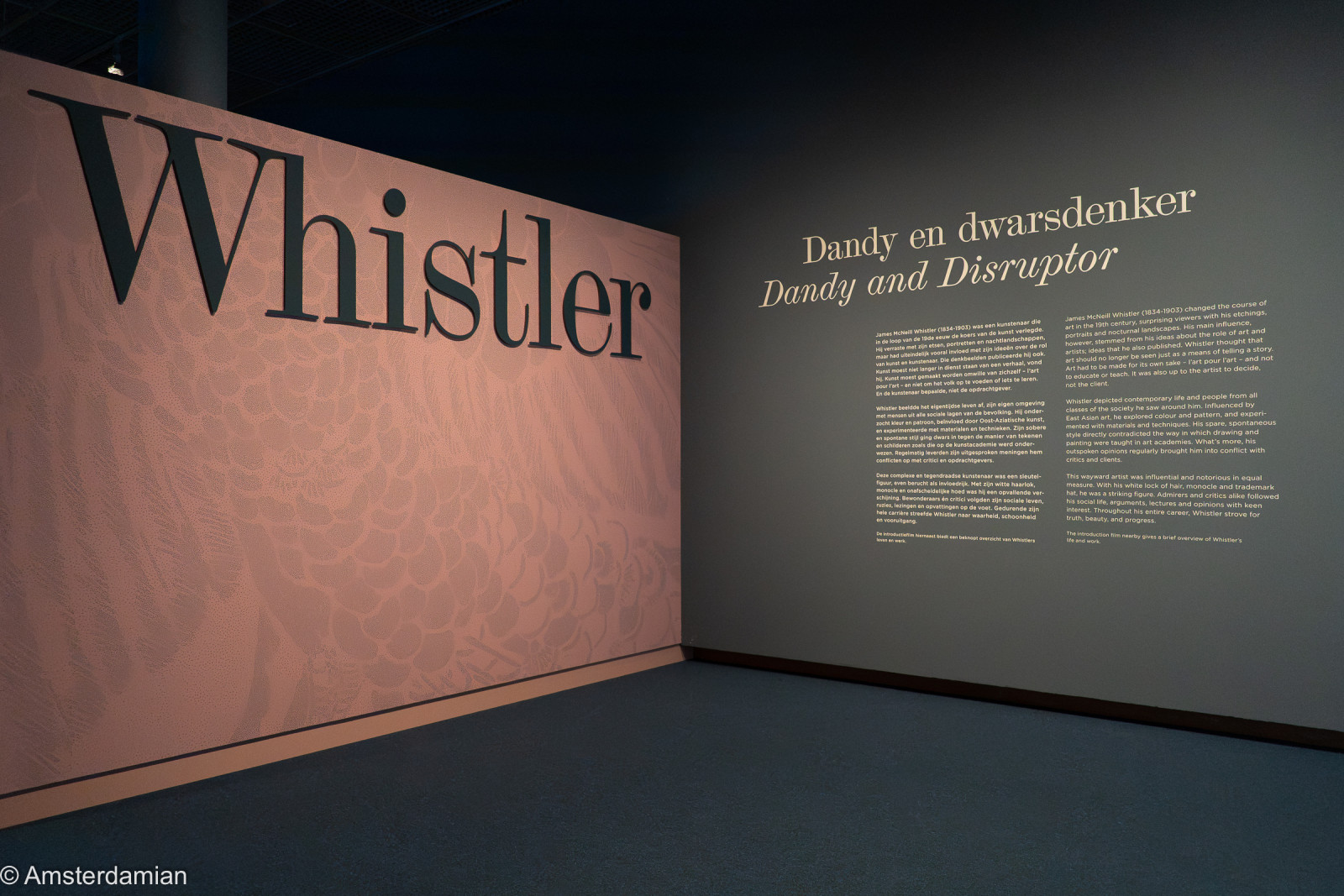
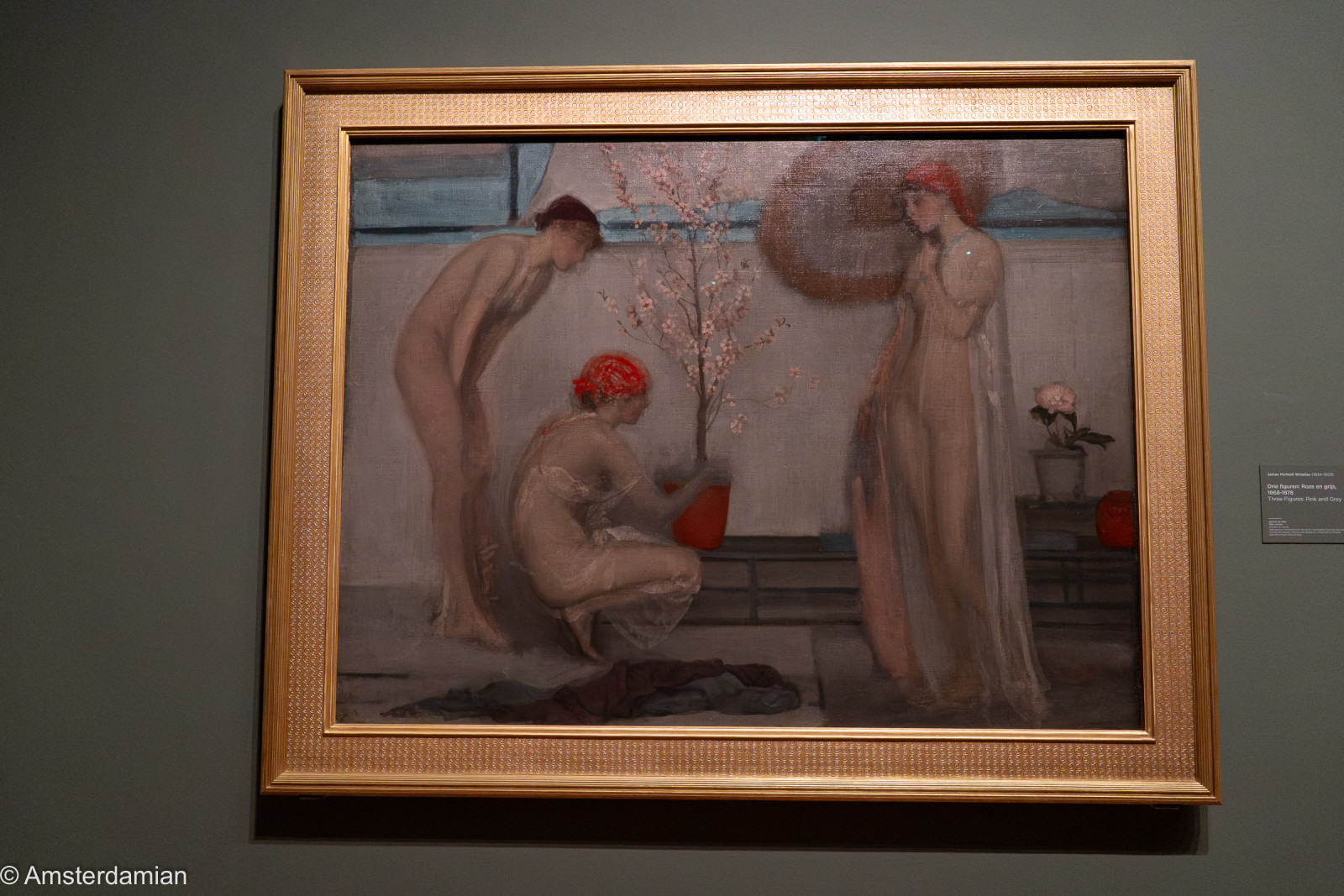
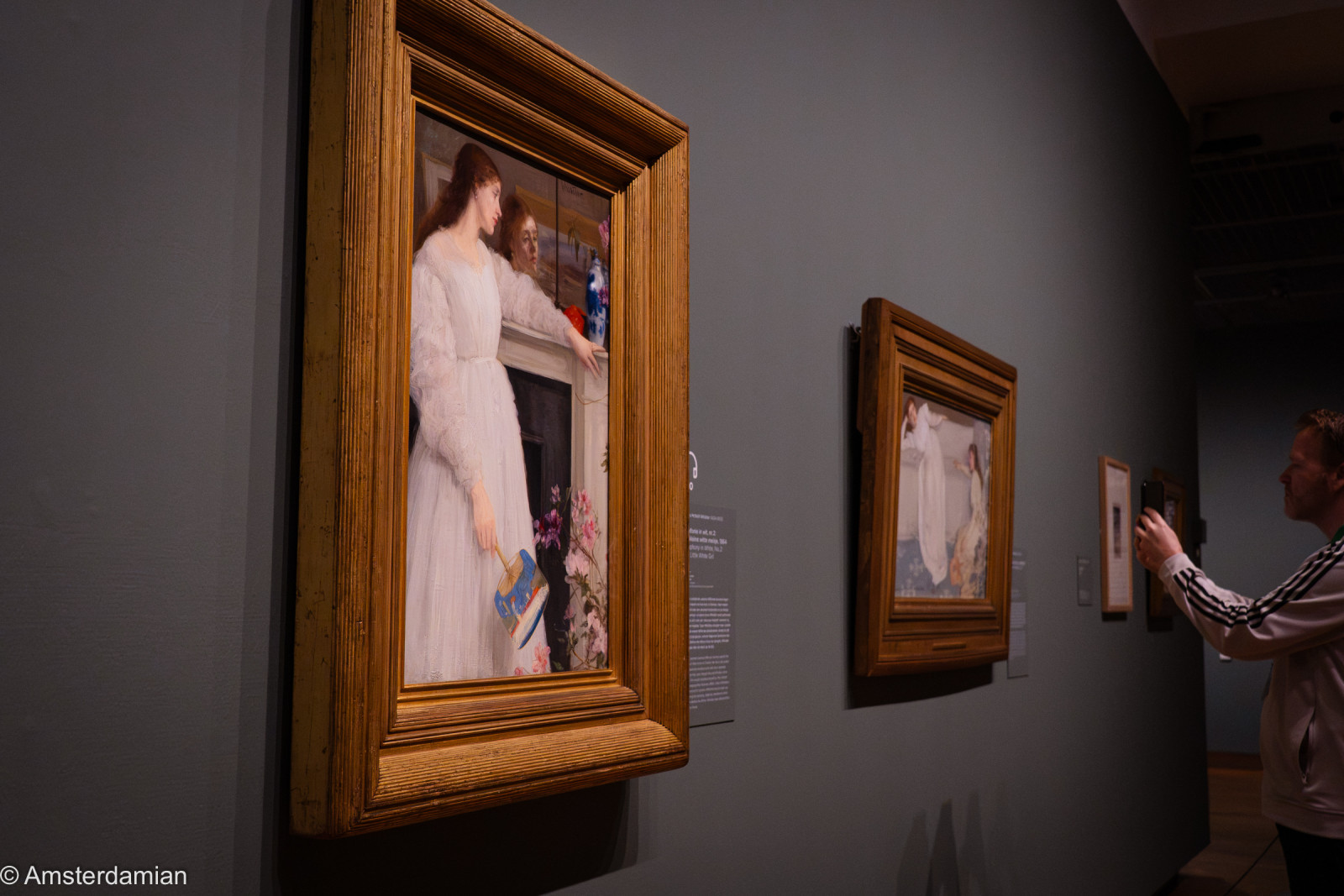
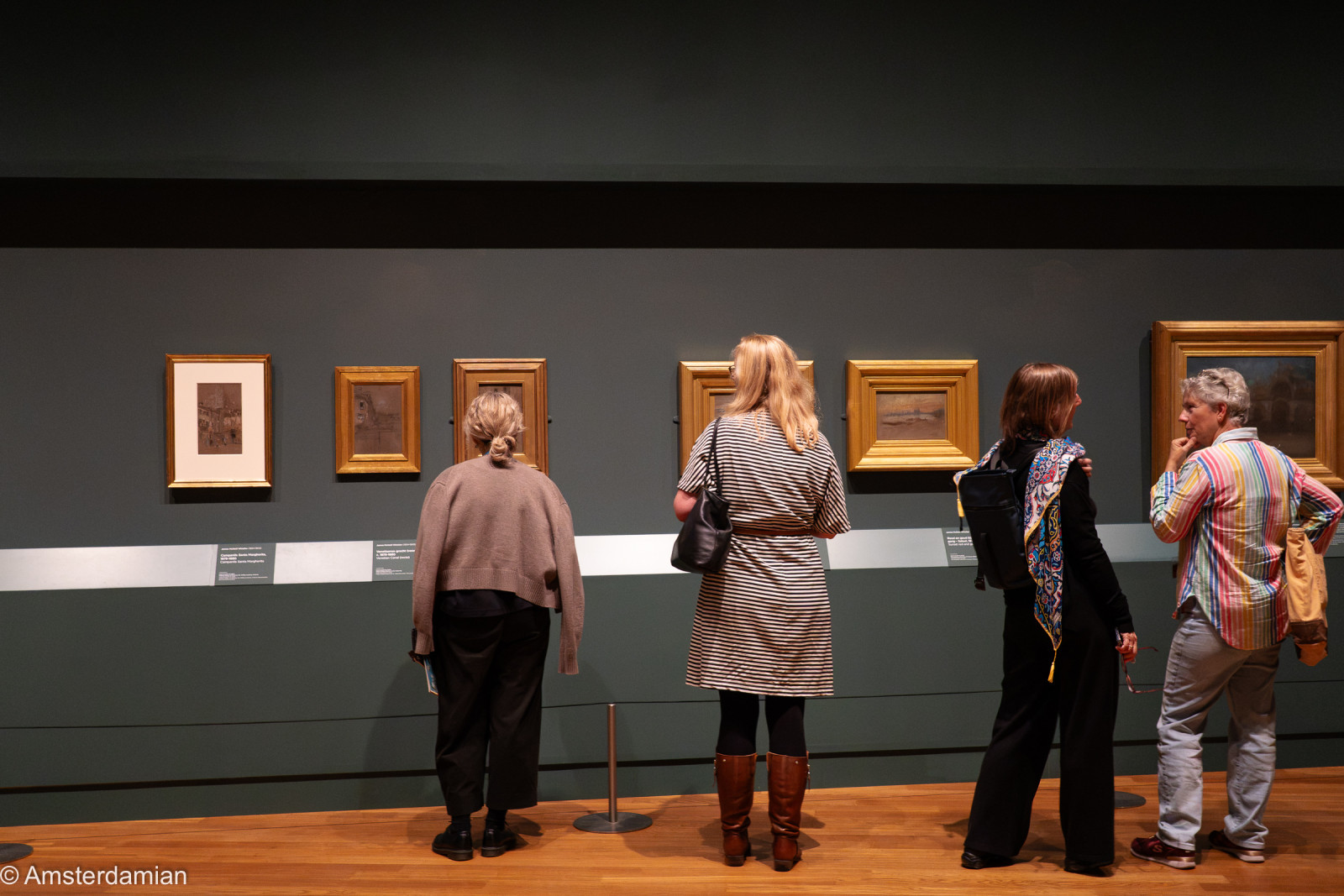
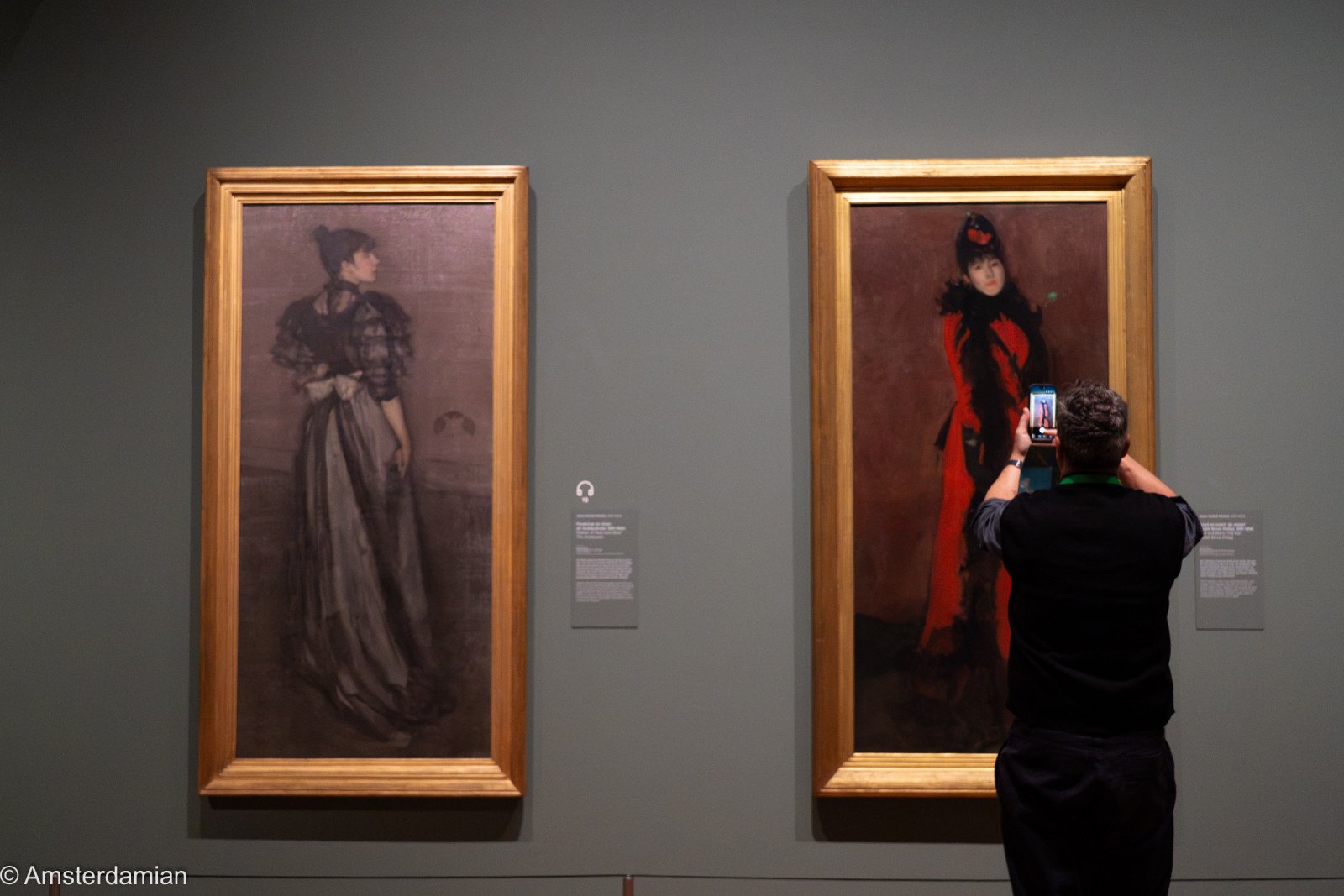
A cool exhibition that you can visit this autumn is Whistler. Dandy and Disruptor at the Van Gogh Museum (16 October 2026 – 10 January 2027). The museum is showing the work of James McNeill Whistler (1834–1903), an American painter and printmaker who spent most of his life between Paris and London and who, in his own time, was as famous for his quarrels as for his paintings. Whistler. Dandy and Disruptor is the first Whistler retrospective ever held in the Netherlands and the largest in Europe in thirty years, with around 100 works. It was made together with Tate Britain in London, where the exhibition was on display earlier this year.
I visited the exhibition right when it started and I enjoyed discovering the work (and life) of a painter I didn’t know much about. Of course, I knew the famous portrait of his mother, and a few other works, but I didn’t know he was so controversial, or about all his experiments with various styles of painting.
Whistler was born in Lowell, Massachusetts, and moved to Paris when he was 21. After that, he divided his time between Paris and London for nearly fifty years, moving in the same circles as Gustave Courbet, Édouard Manet, Dante Gabriel Rossetti and Oscar Wilde. He believed that art doesn’t need to serve a moral, social or political purpose and that a painting should above all create a mood, the way music does. Many of his titles borrow their words from music: arrangements, symphonies, nocturnes.
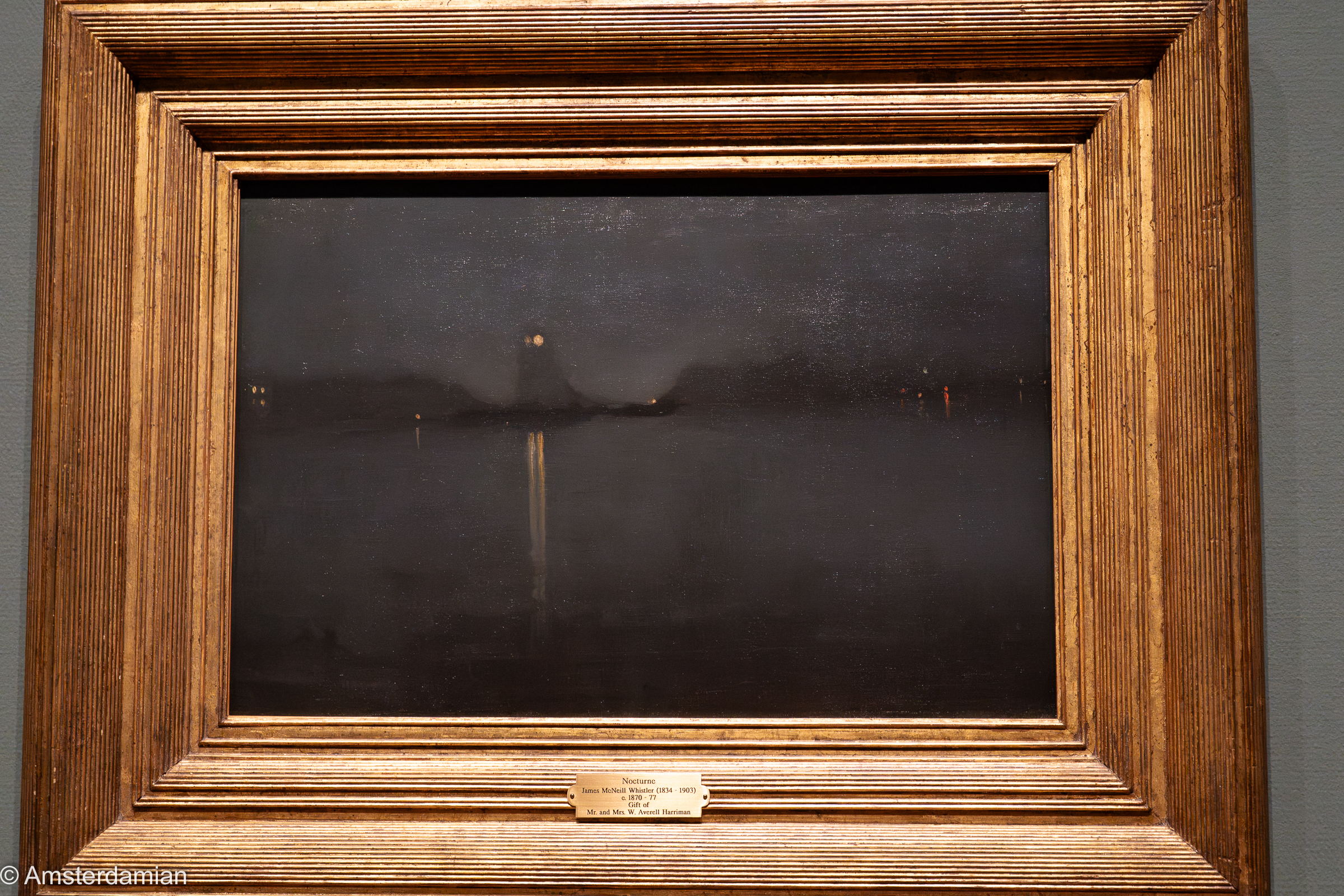
He had a tumultuous life and was what we would nowadays call an influencer. He was a dandy, always dressed with good taste, and had a very sharp tongue which brought him many enemies. He was also a master of self-promotion (for example he made its point to attend each exhibition that showed his work). When the critic John Ruskin wrote that one of his paintings was like flinging a pot of paint in the public’s face, Whistler sued him for libel in 1878, and he won, although he was awarded a single farthing in damages and the cost of the trial left him bankrupt the following year. He had so many disputes that he later collected them in a book with a very fitting title, The Gentle Art of Making Enemies.
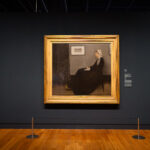
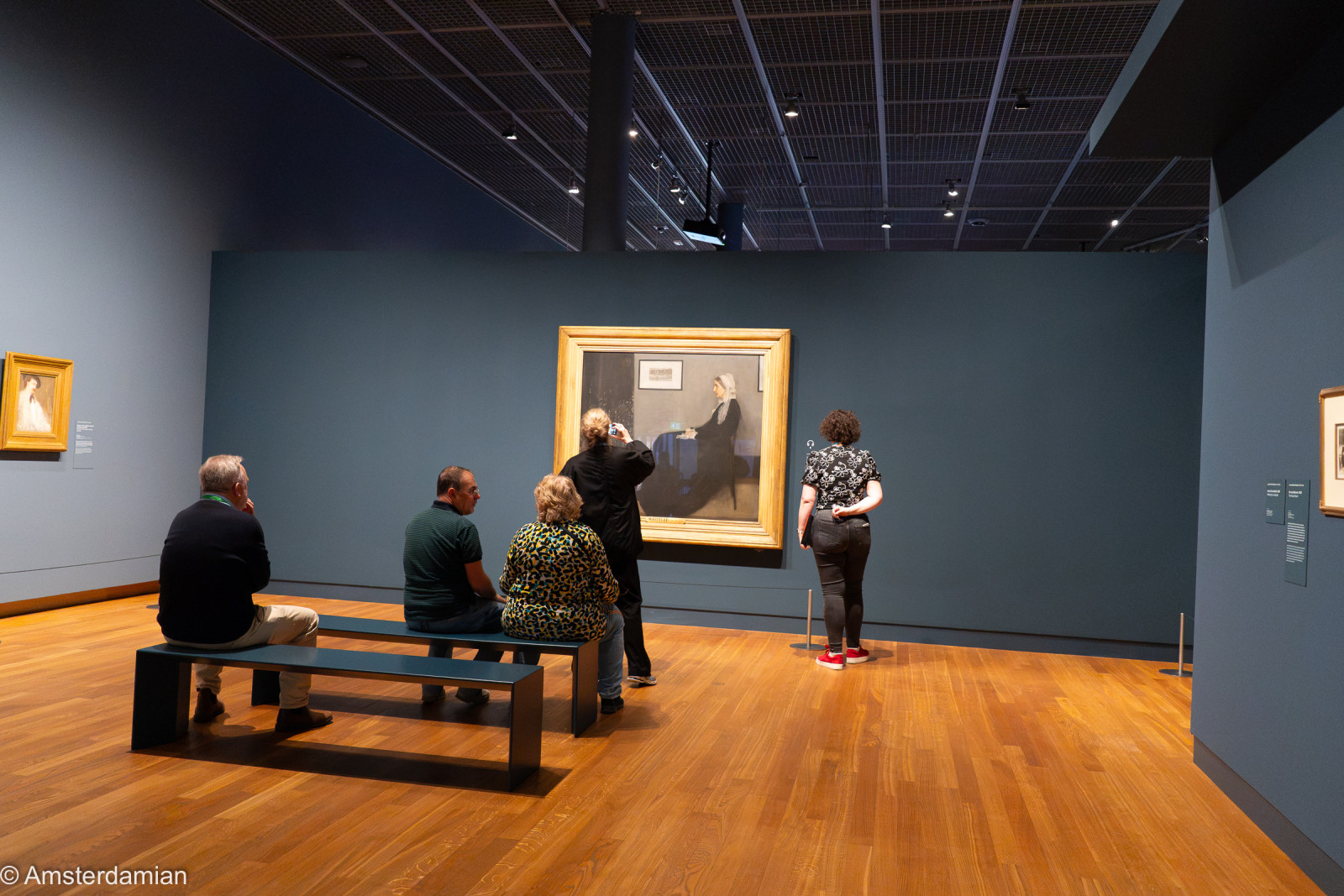
Why having this exhibition at the Van Gogh museum? We know that Van Gogh admired him, mentioned his etchings in several letters and shared his fascination with Japanese art. In December 1889, in a letter from Saint-Rémy-de-Provence, to his sister Willemien, Van Gogh mentioned Whistler’s most famous painting, the portrait of his mother: “There’s a painting that Whistler did of his mother which is like that. But above all in our old Dutch paintings we find it sometimes. When I think of Mother she too appears like that to me.” That painting, Arrangement in Grey and Black: Portrait of the Painter’s Mother, came on loan from the Musée d’Orsay in Paris and hangs in the exhibition.
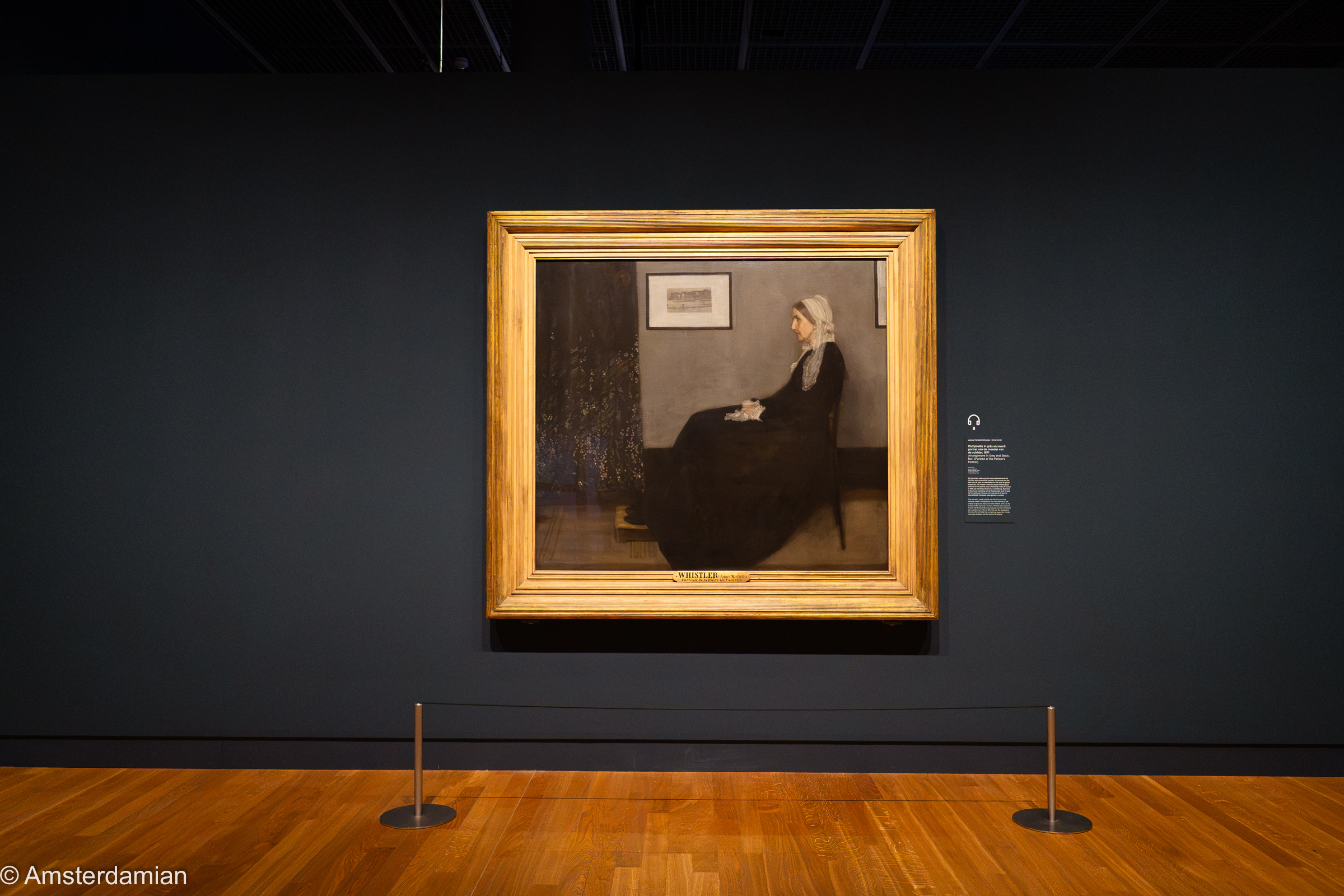
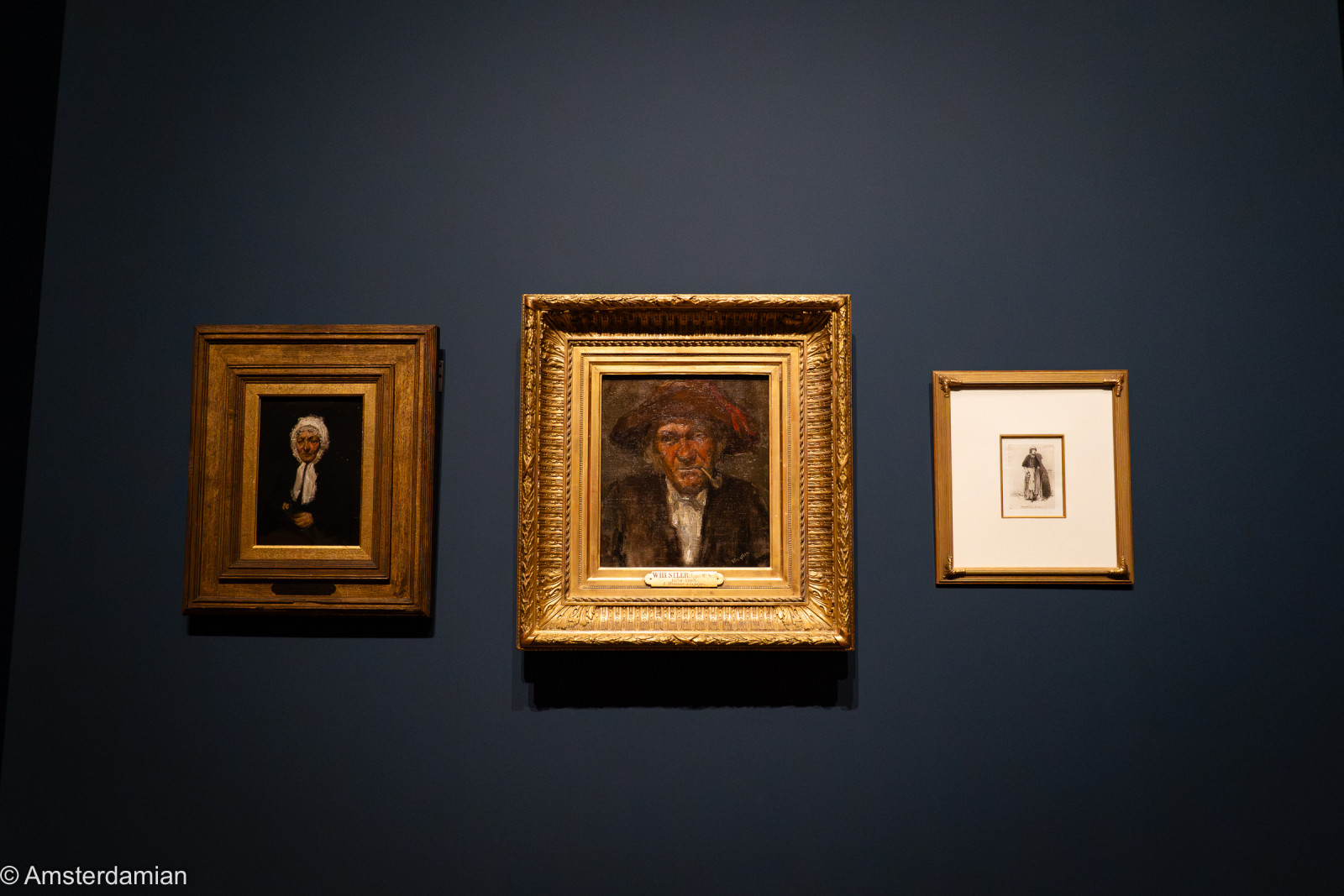
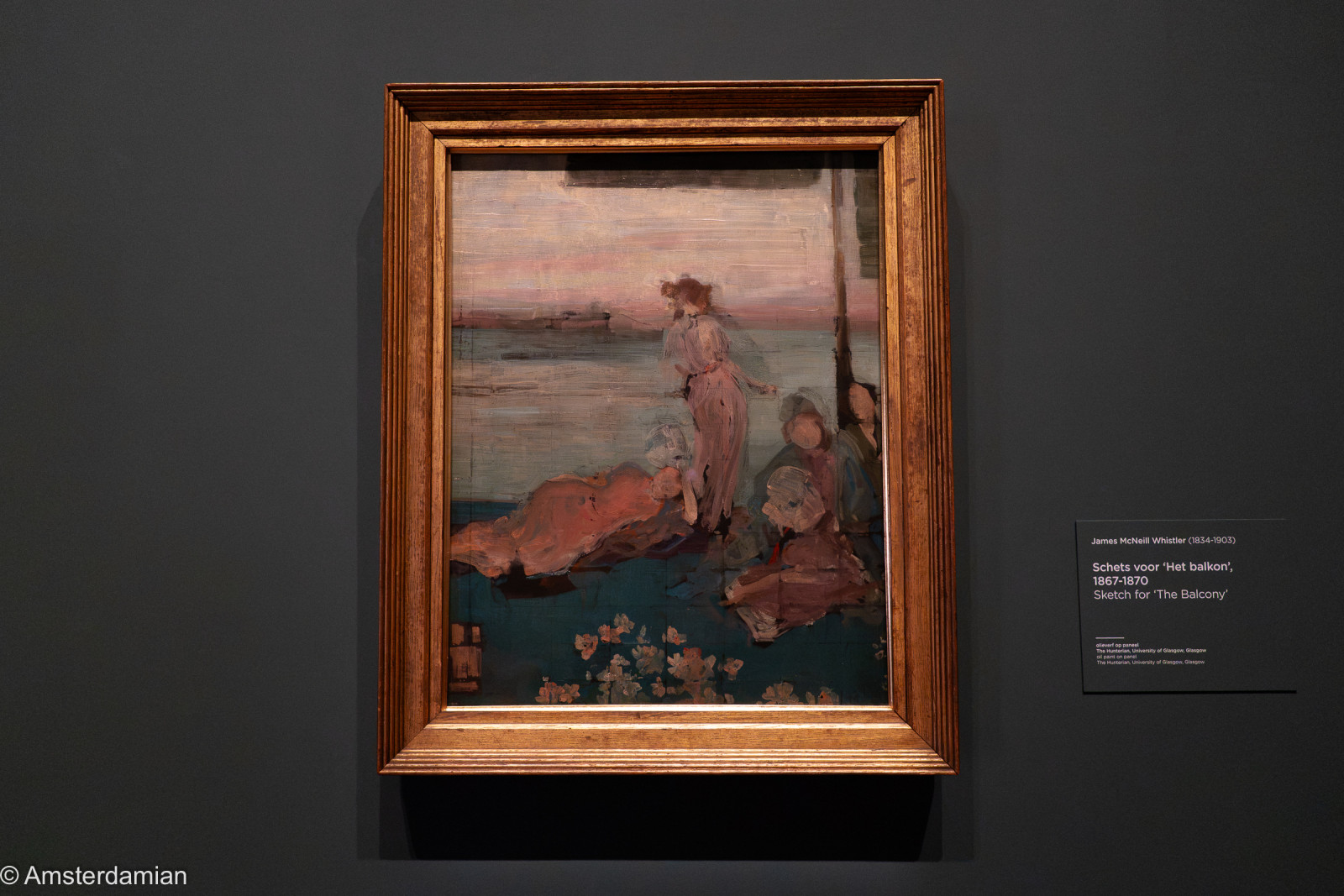
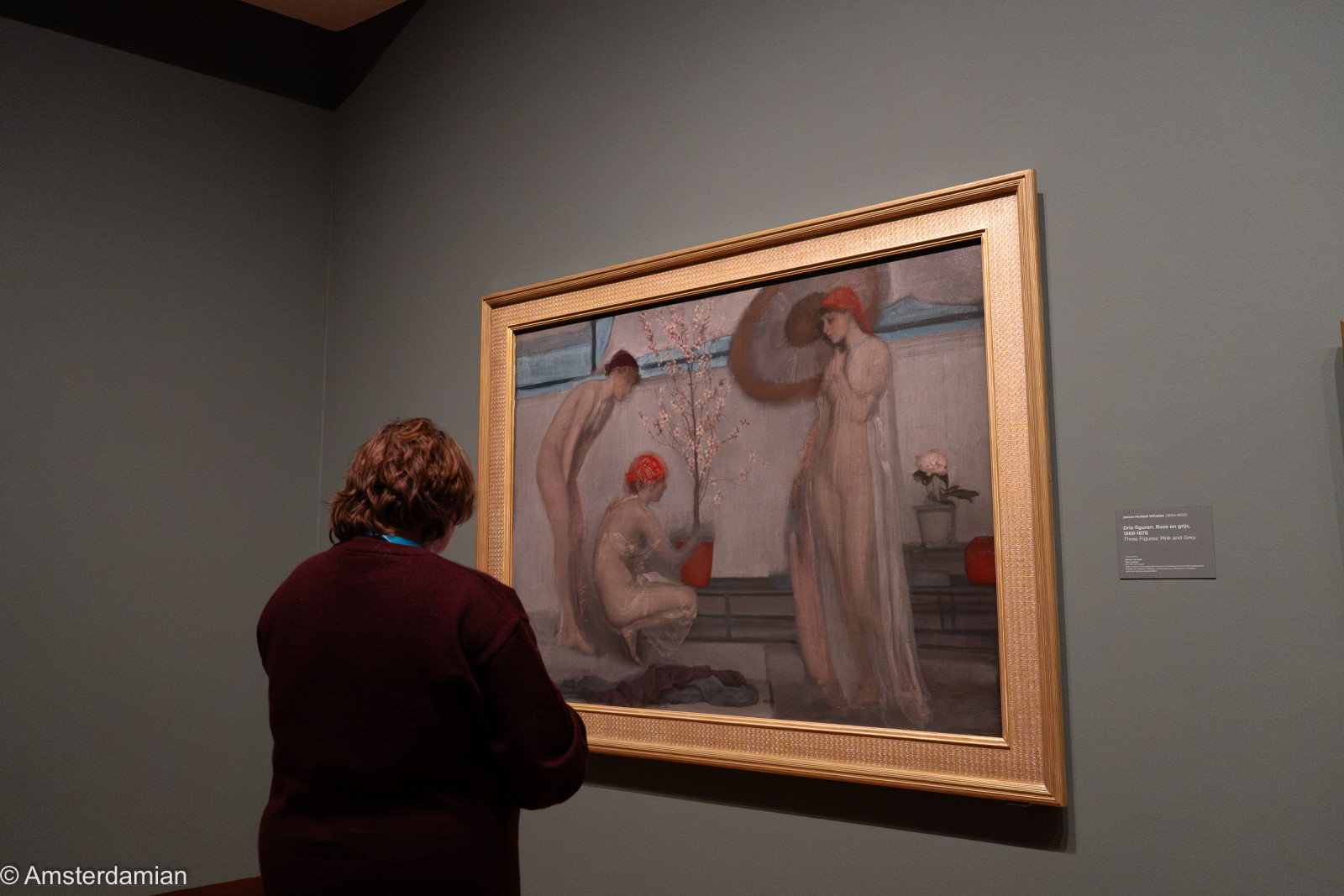
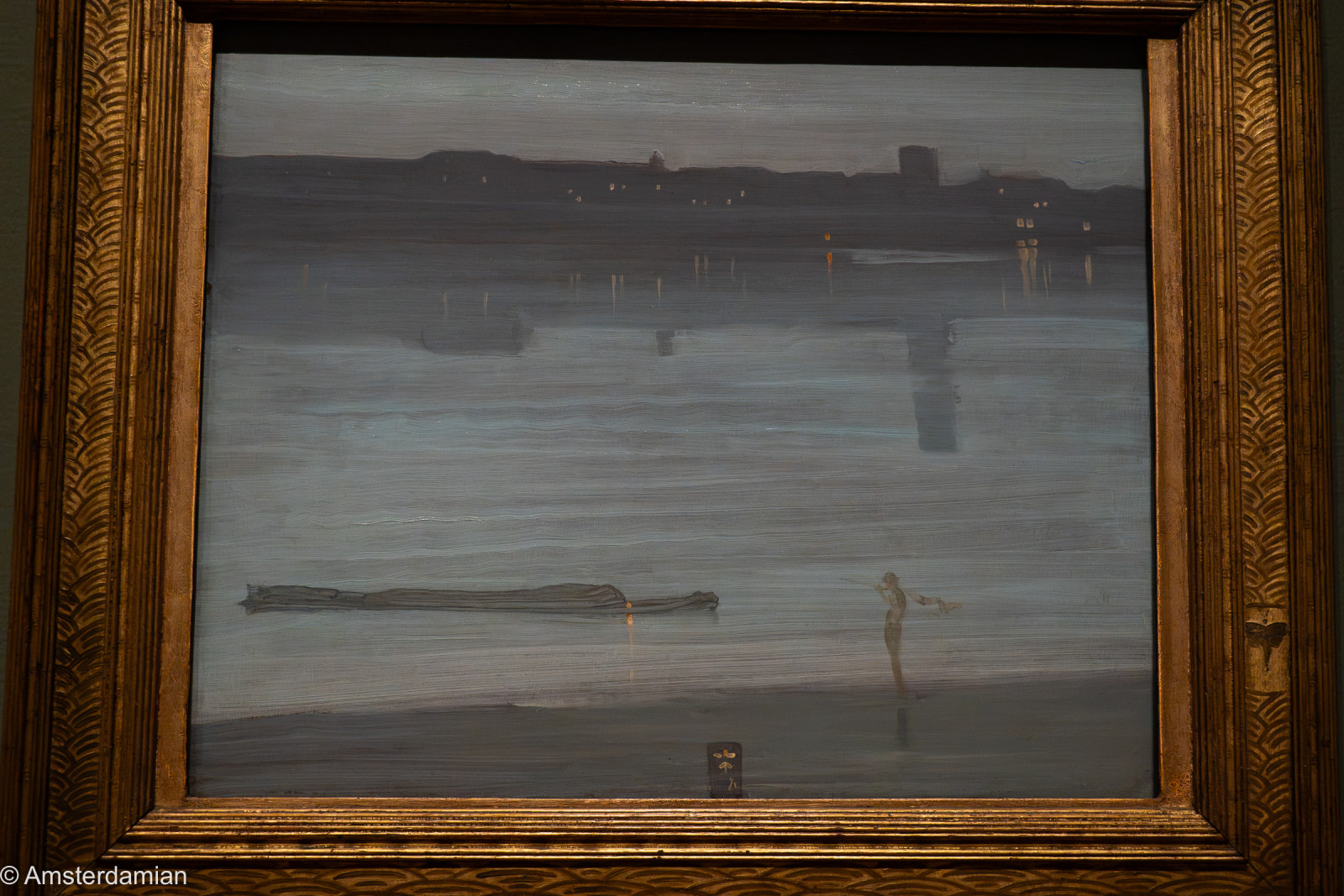
This is one thing that intrigued me about Whistler’s work: he chose to name many of his paintings based on the main colours used in creating them. For him, a portrait is an arrangement in grey and black, a sea landscape is Blue and Grey, or Violet and Blue. I love that, as it made me pay attention more to the colours in the paintings, to how he constructed the image. I was also fascinated by his nocturnes. I cannot truly understand his pleasure to paint so many dark scenes, where sometimes you can barely distinguish a place. I guess for his it was also an exercise in colours, to create moods, as he liked, not images. It is fascinating.
If you’d like to read more about Whistler after your visit, the museum shop sells James McNeill Whistler – Battles for Beauty, an English-language book edited by Carol Jacobi, one of the curators of the exhibition, and published by the Van Gogh Museum together with The Mesdag Collection and Tate, in which an international group of writers take a fresh look at Whistler’s life and work. For Dutch readers there is also a shorter catalogue, Whistler – Dandy en dwarsdenker, written by Edwin Becker, James Finch and Renske Suijver, which gives an introduction to his work with special attention to what he made in the Netherlands.
If you’d like to see more of Whistler, there’s a second exhibition running at the same time, Whistler. Loving the Netherlands at The Mesdag Collection in The Hague. This looks at his visits to the Netherlands and the work he made here, including his etchings of the Amsterdam canals. He loved visiting the Netherlands, where his work was appreciated and where the many bodies of water inspired him to create watercolours.
Whistler. Dandy and Disruptor is on at the Van Gogh Museum until 10 January 2027.
Stay tuned for more and follow Amsterdamian on Instagram and Facebook for more stories about life in the Netherlands, written by a real local, updated constantly.
Check out my photo book: Amsterdam Through the Seasons!
Love what you’re reading? Support my work with a small donation.
And share this post if you liked it!