Kampen, a pretty little town in the province of Overijssel, is one of the Hansa Towns of the Netherlands, and one of the most picturesque day trips you can take from Amsterdam.
These towns were once part of the Hanseatic League, a network created back in the Middle Ages as a cooperation between merchants. It grew into far more than that, into an economic power, and even a line of defence against pirates. At its height, the League linked around 150 cities across seven countries along the shores of the North Sea and the Baltic. Kampen, near the mouth of the River IJssel, was one of its busiest Dutch ports.
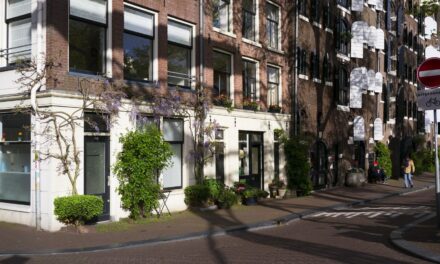
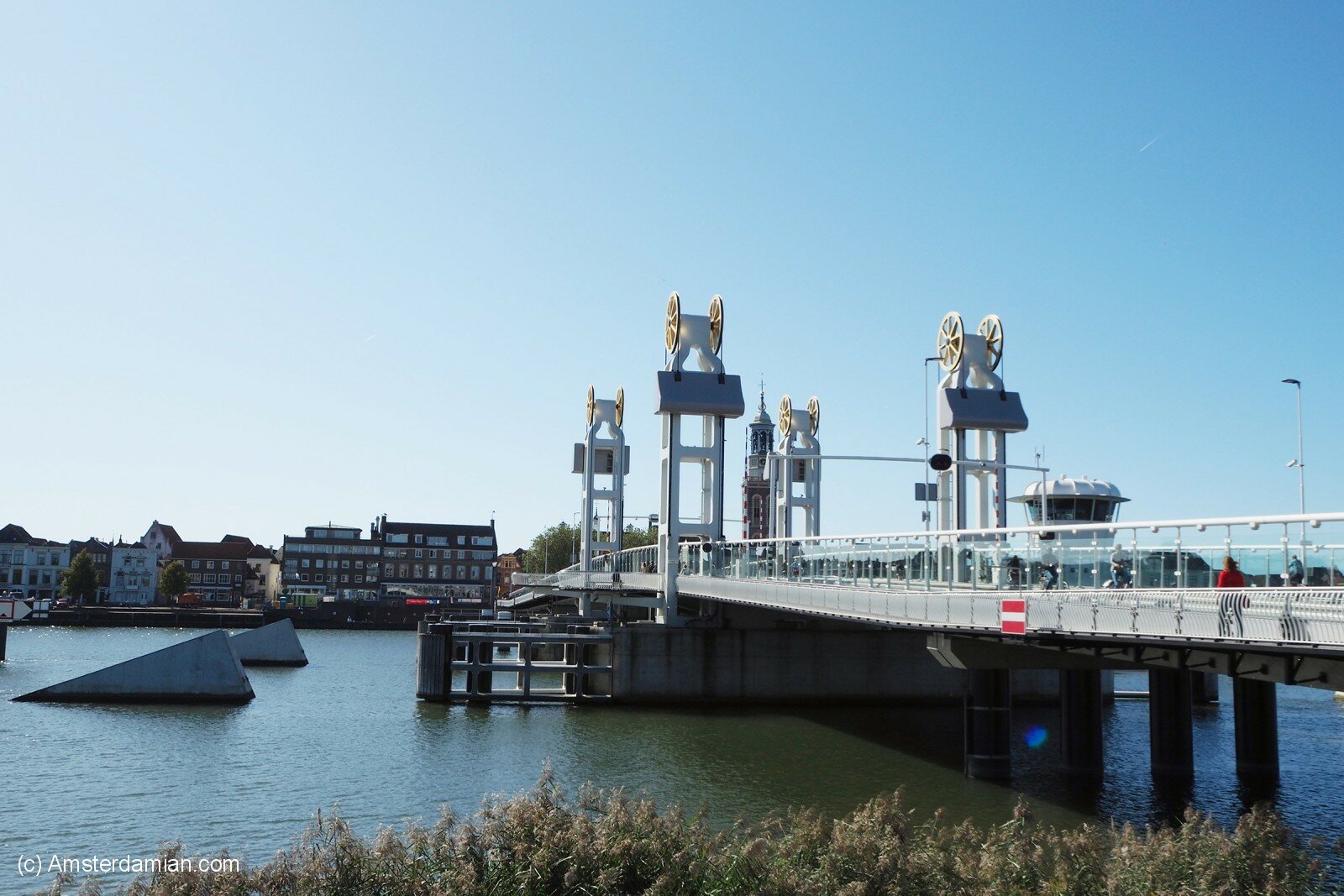
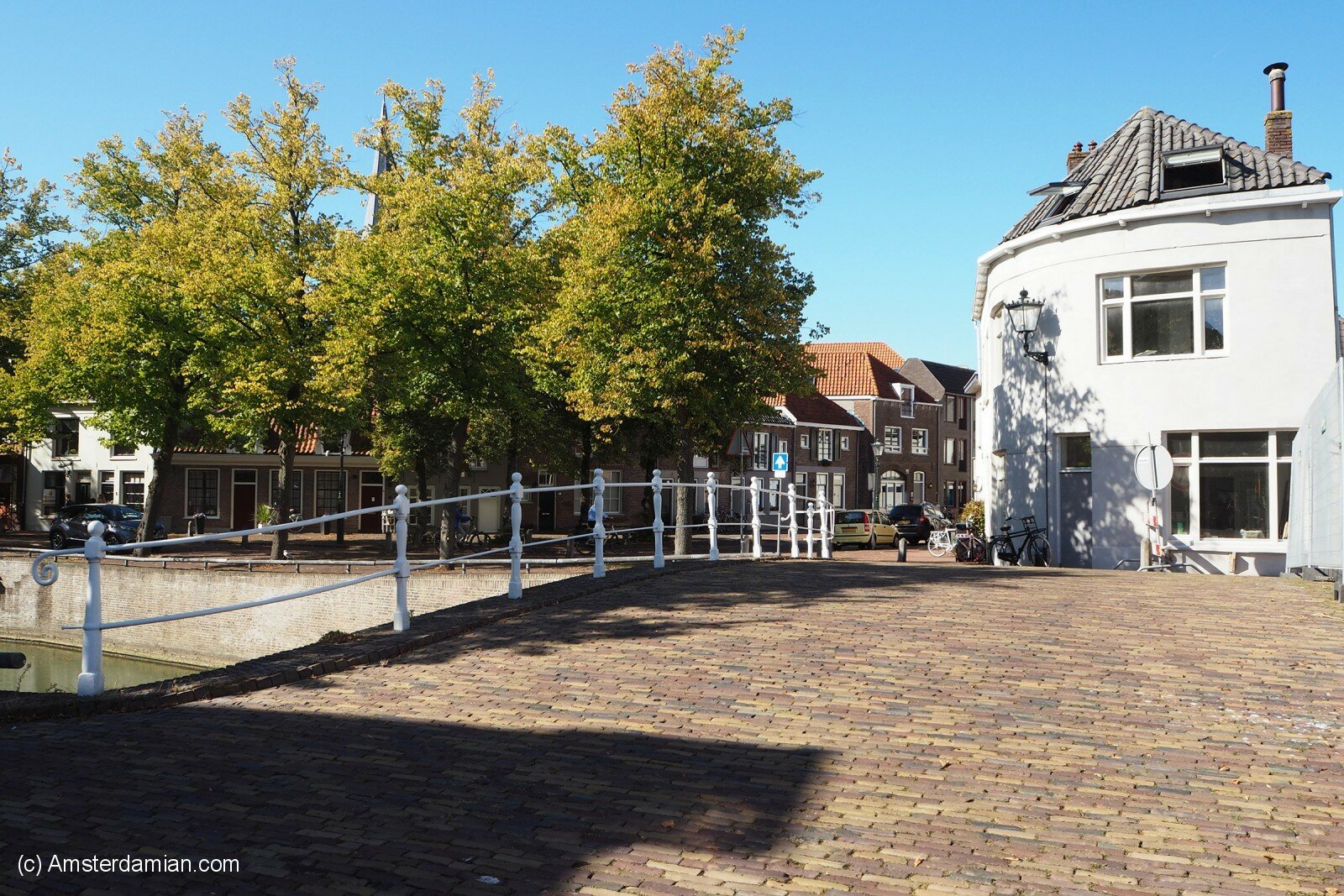
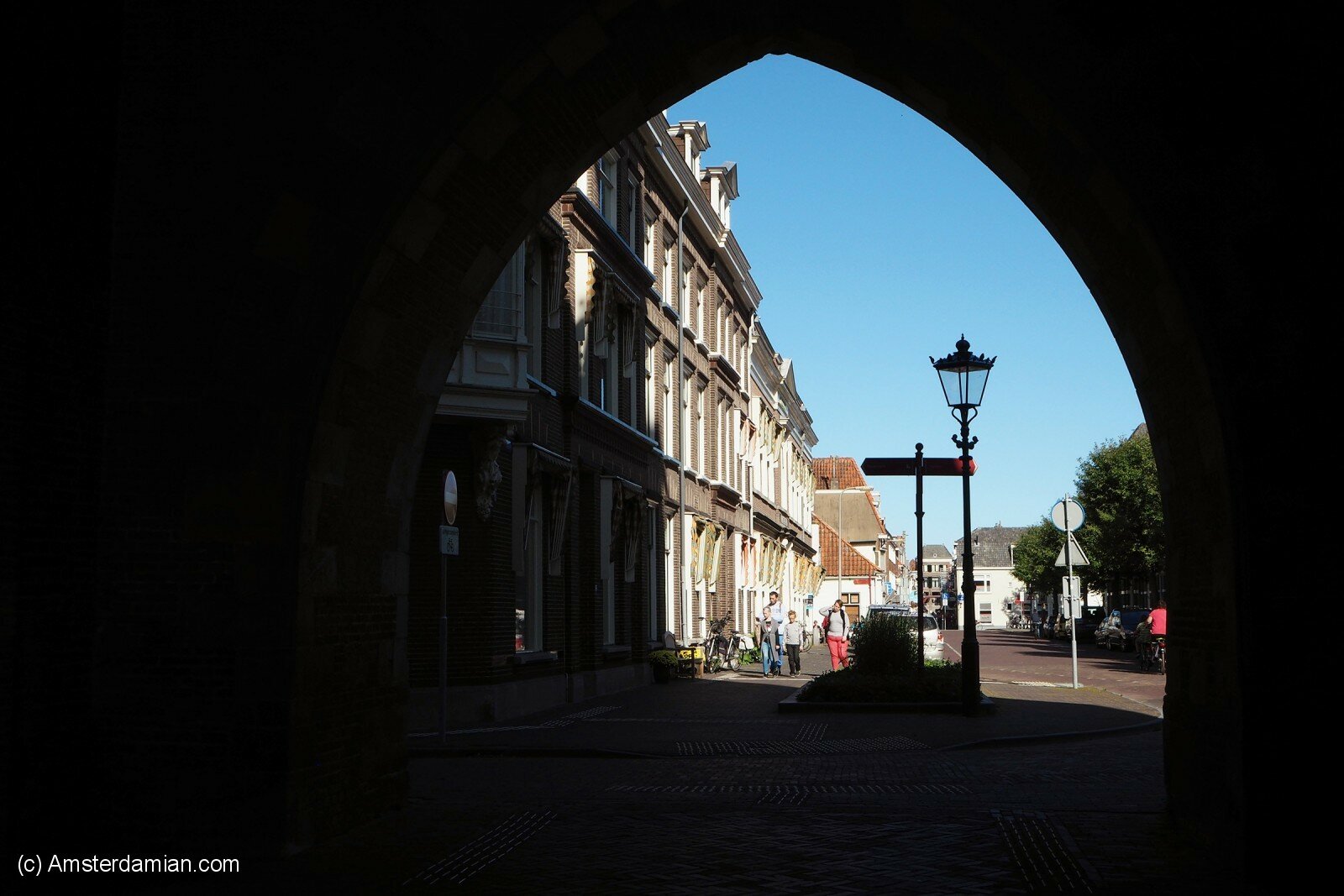
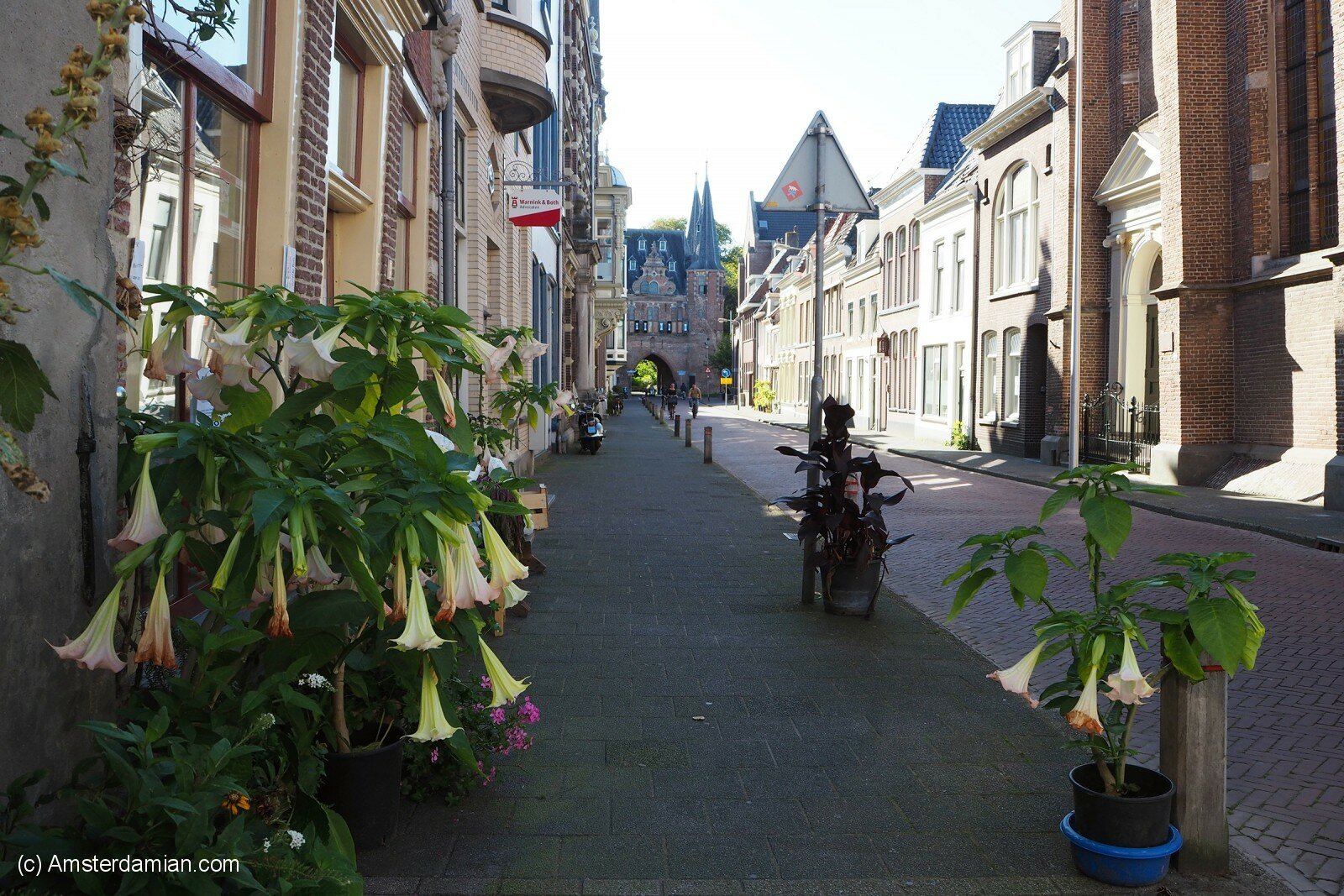
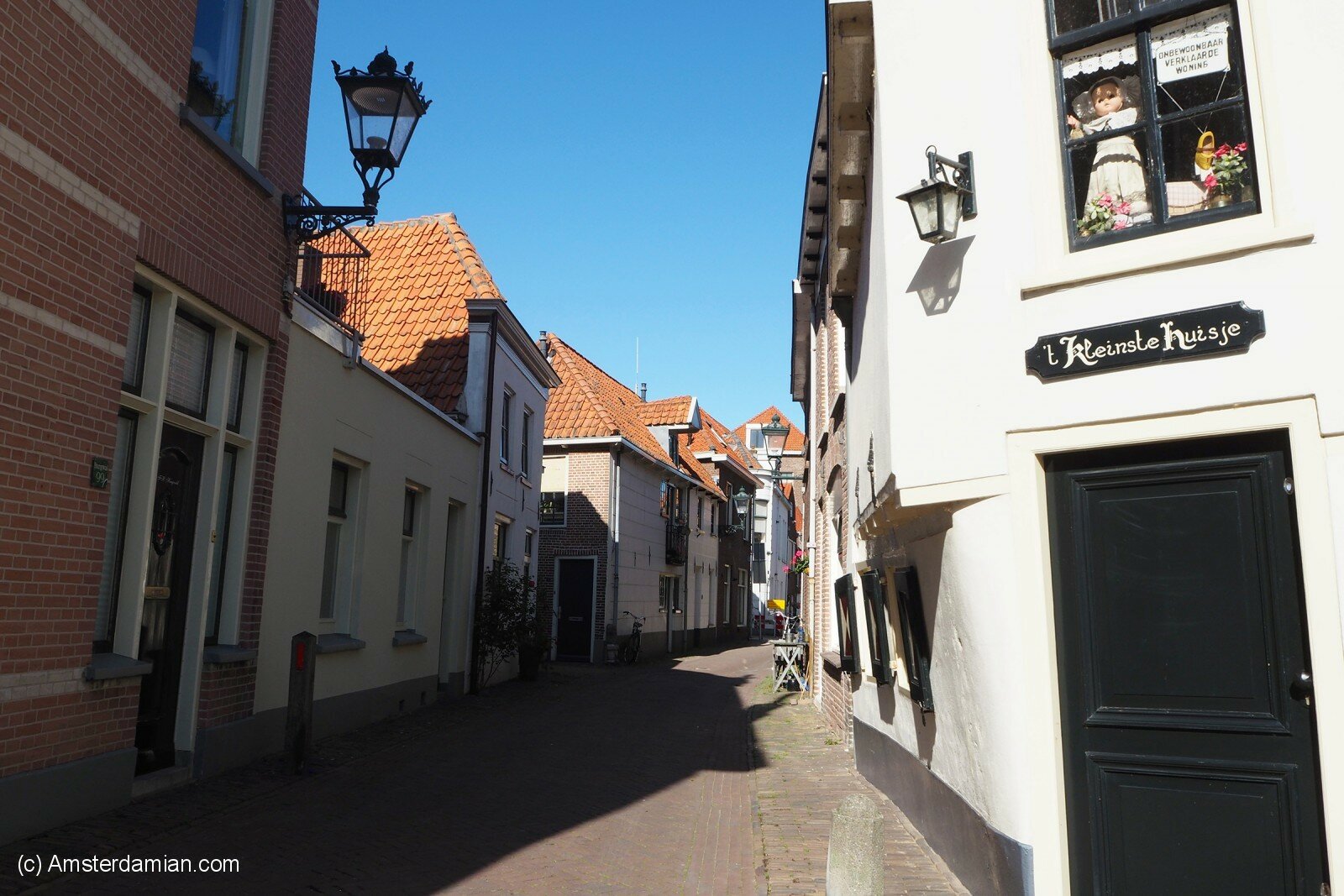
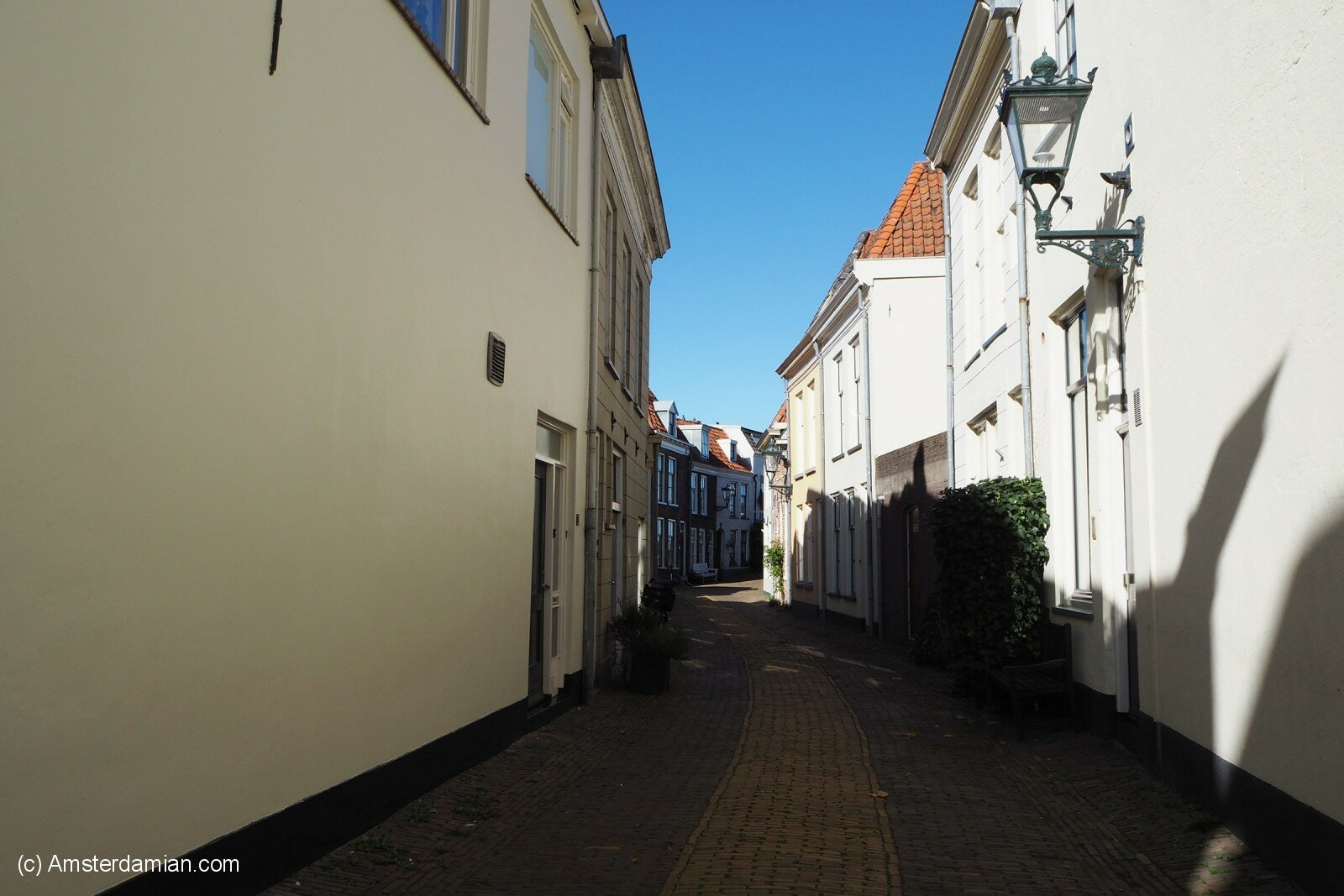
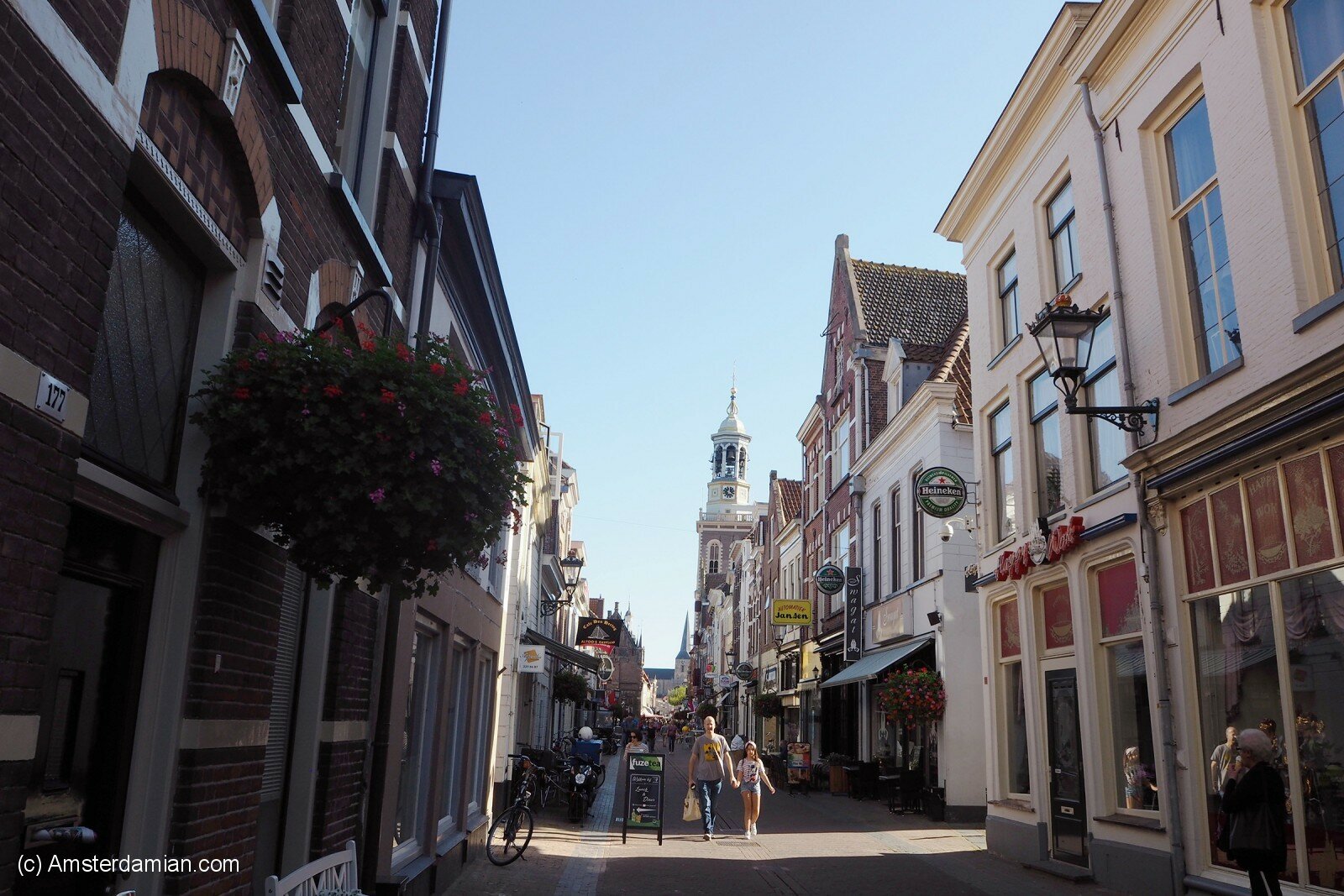
The Hansa Towns were prosperous places, and you can still see it in their history-filled streets, rich in monuments and beautiful old houses. Kampen is very charming and chill. As soon as you cross the bridge from the train station into the centre, you feel as though you’ve stepped back in time, wandering cobbled streets lined with leaning old facades.
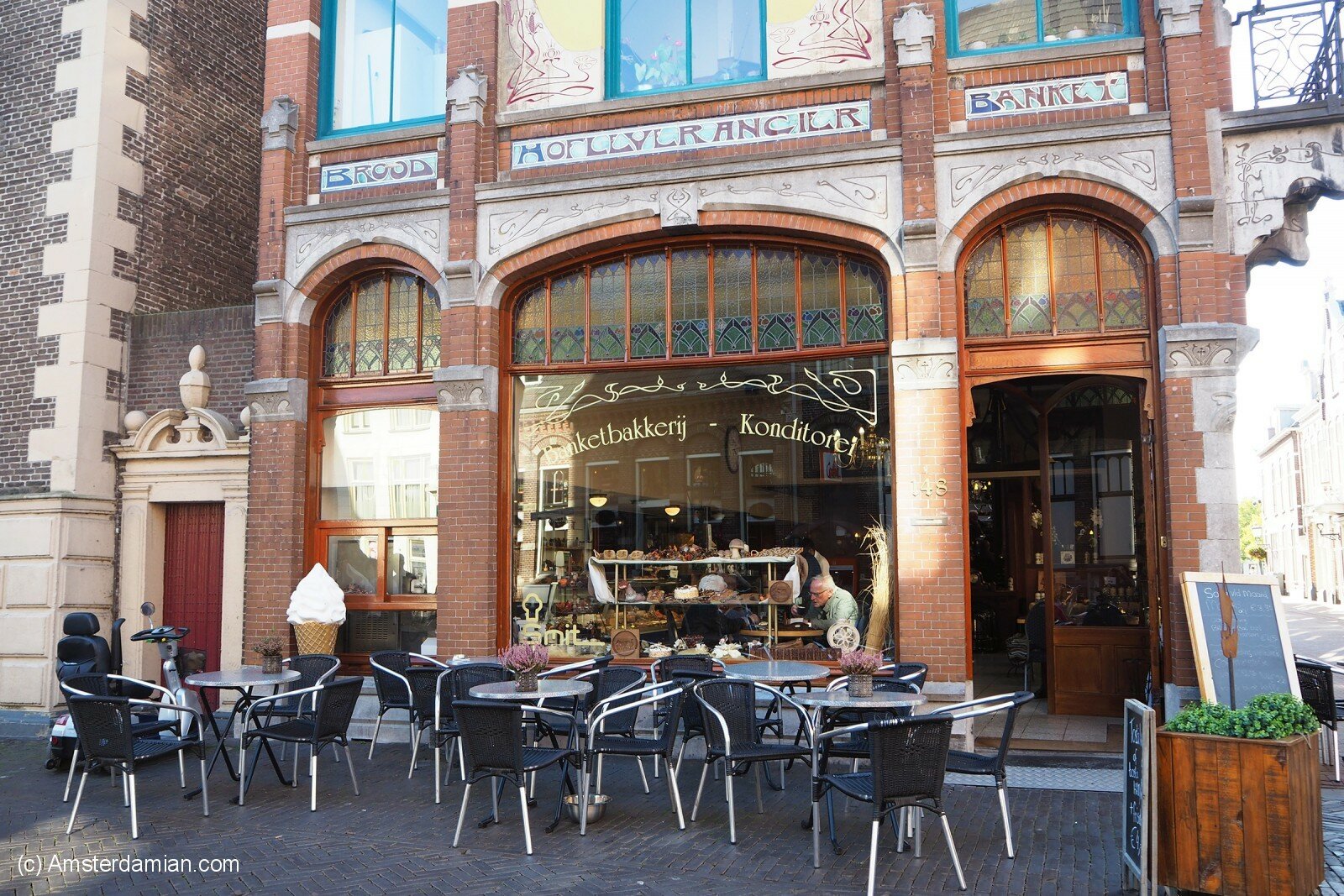
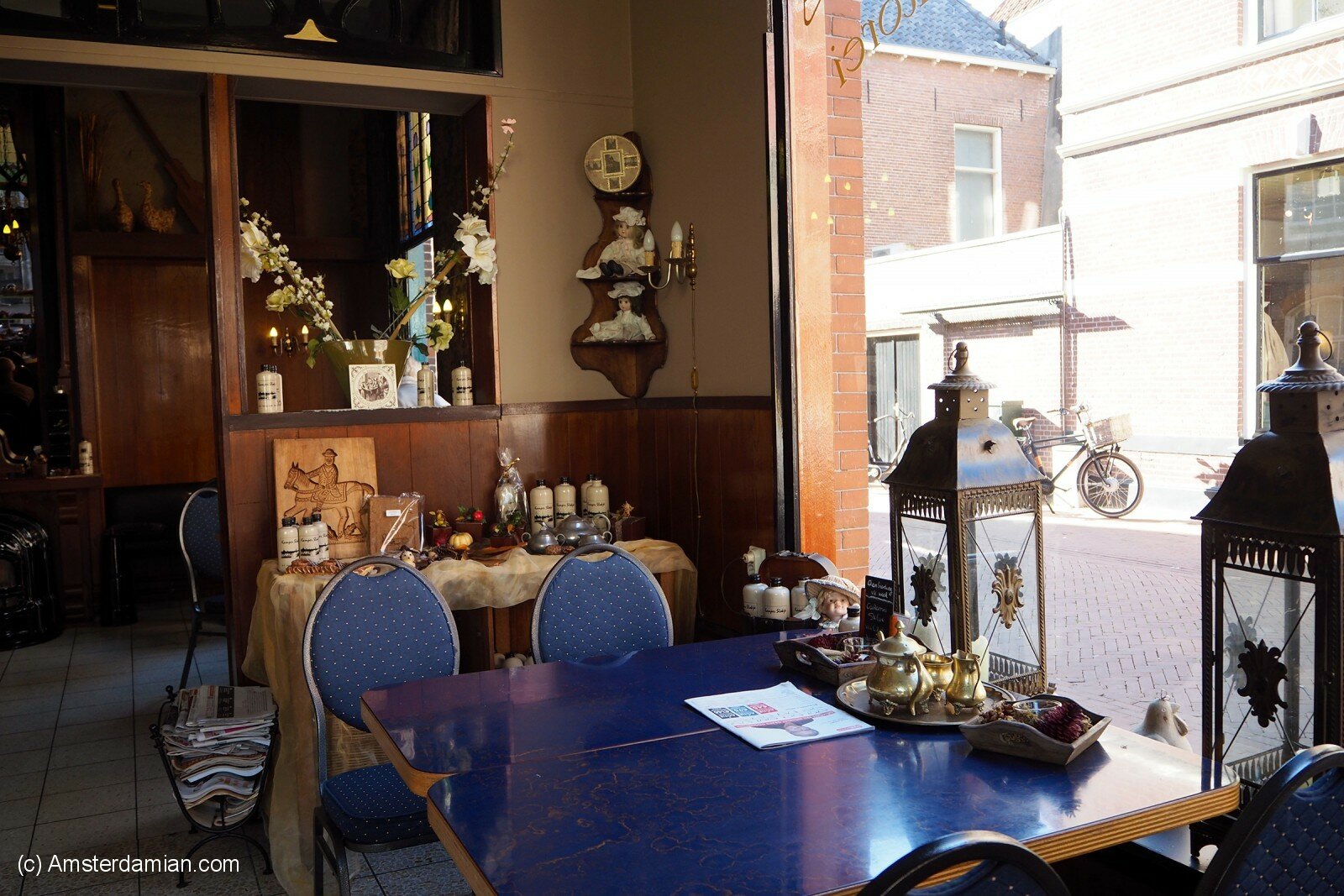
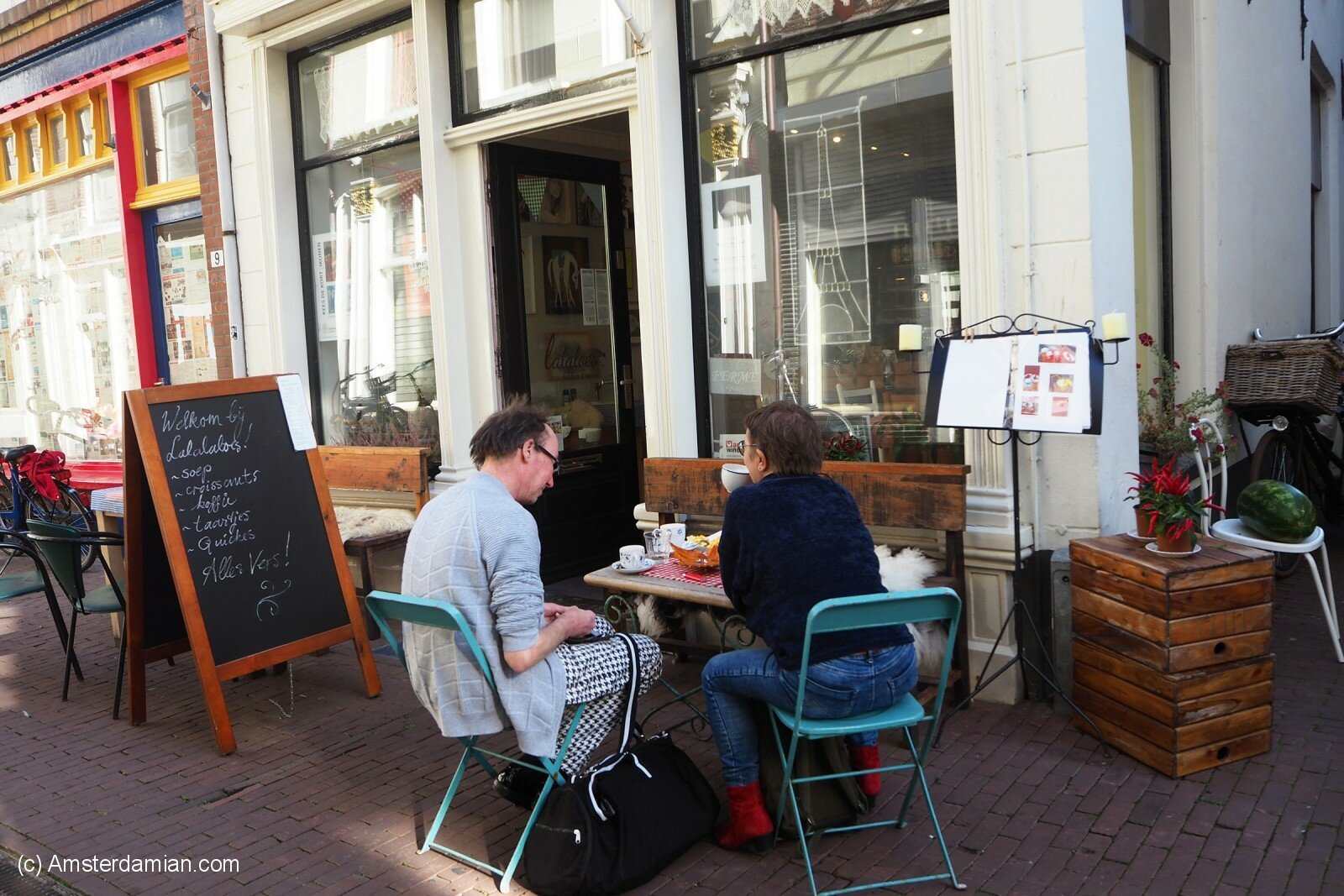
One thing I noticed here, and you don’t see in many Dutch cities, was the abundance of banketbakkerij-style shops, where people, old and young, were going for cake and coffee. No hipster-style banana breads, no flat whites; just old-fashioned (and delicious) cakes and coffee, savoured at a table in a charming shop. It sets the tone for the whole town: Kampen invites you to slow down. And you definitely slow down while exploring the cosy cobbled streets, admiring the old architecture that tells the story of this place.
✨Day-trip suitability
International visitors: ● ● ● ○ ○ — Best for curious explorers
NL-based day-trippers: ● ● ● ● ○ — A great day out
● Circles indicate suitability, not quality. Some subjectivity included. How to read these ratings 📜
A Bit of History
Kampen was first mentioned in 1227, and it owes almost everything to the IJssel. The town sits near the river’s mouth, where the IJssel once flowed out into the Zuiderzee and onward to the North Sea, a location that made Kampen a natural harbour for the Hanseatic League. The river filled with koggen, the broad-bellied wooden cargo ships that carried grain, timber, cloth and salt between the North Sea and the Baltic, and in Kampen’s heyday a great many of them passed through here.
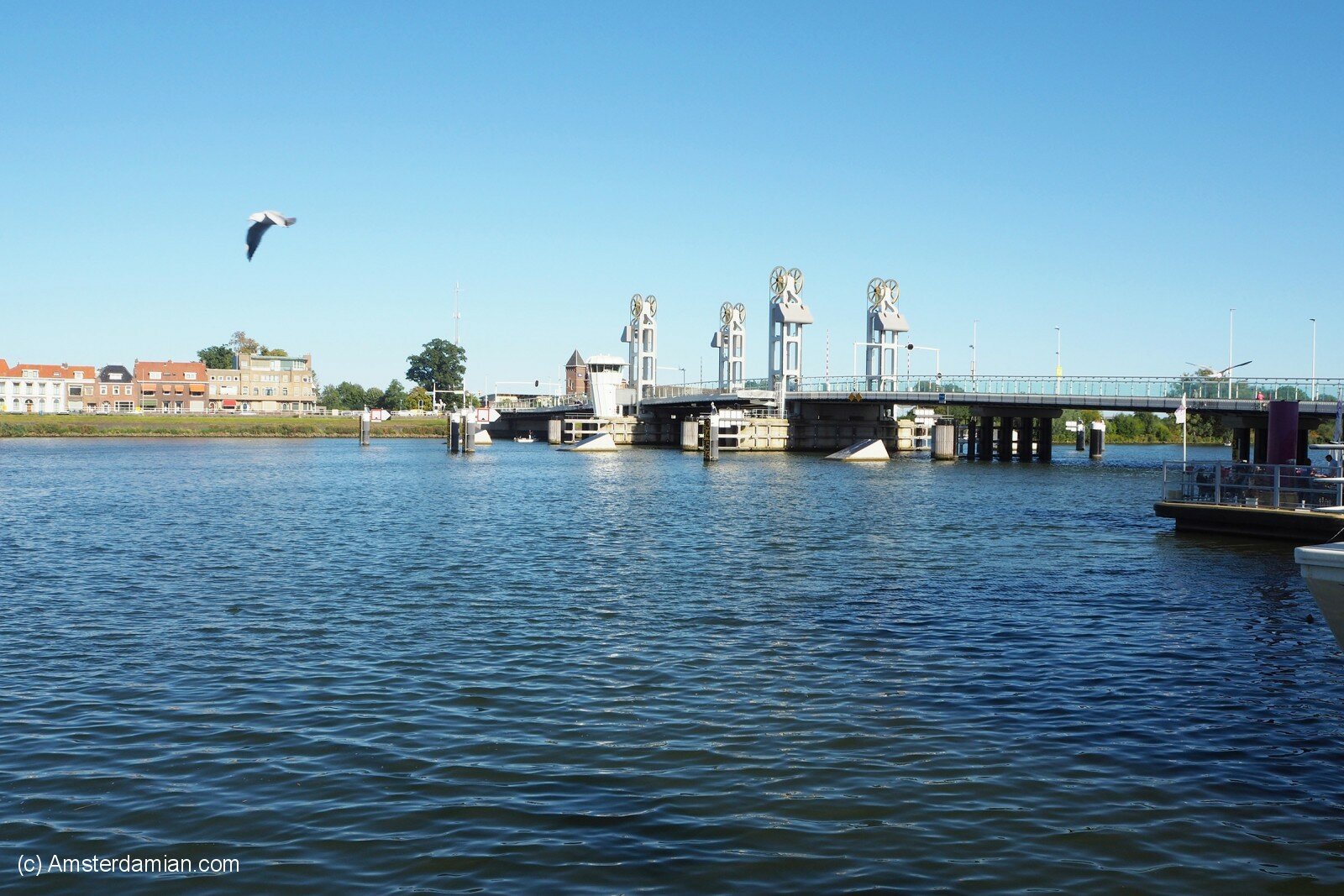
That wealth made the town confident, and at times spectacularly so. In 1448, the city council decided it wanted a bridge across the IJssel, and simply built one, without asking the bishop for permission. The bridge disrupted established navigation and trade interests, drawing opposition from rival Hanseatic cities and higher imperial authorities.
Kampen’s golden age faded as the IJssel silted up and Amsterdam rose to dominate Dutch trade in the sixteenth century. But the town found a second life in an unlikely trade: cigars. From around 1815, tobacco took over Kampen. By the 1880s almost half the population worked in the business, and the town’s small factories and home workshops were turning out something like 1.5 million cigars a week. That era has largely gone, but the De Olifant cigar factory has been making cigars in Kampen since 1832 and is still going, a living thread back to that second boom.
What to See in Kampen
Kampen’s old town holds more than 500 listed buildings, so the simplest pleasure here is just walking it. A few things, though, are worth seeking out.
‣ Medieval city gates
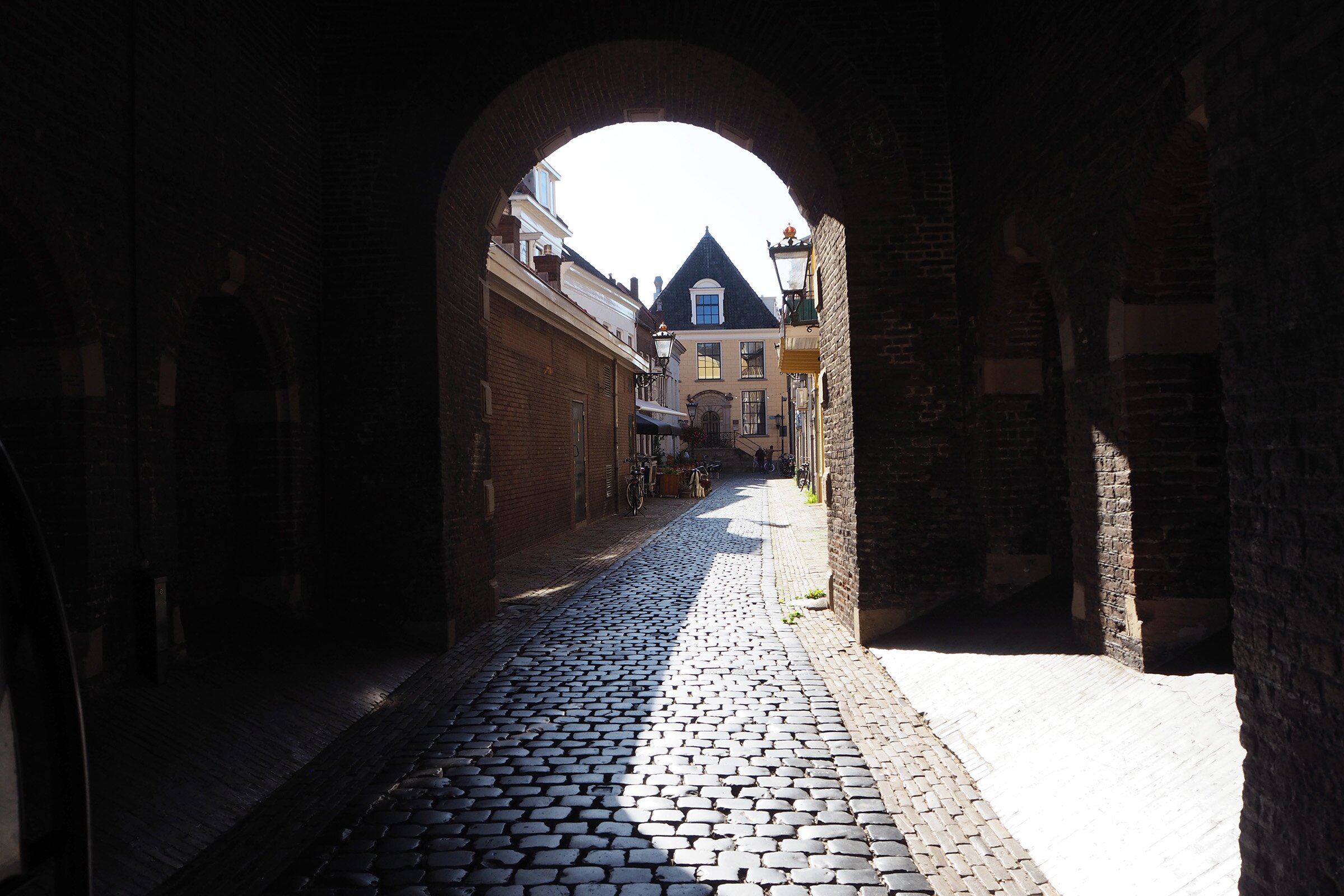
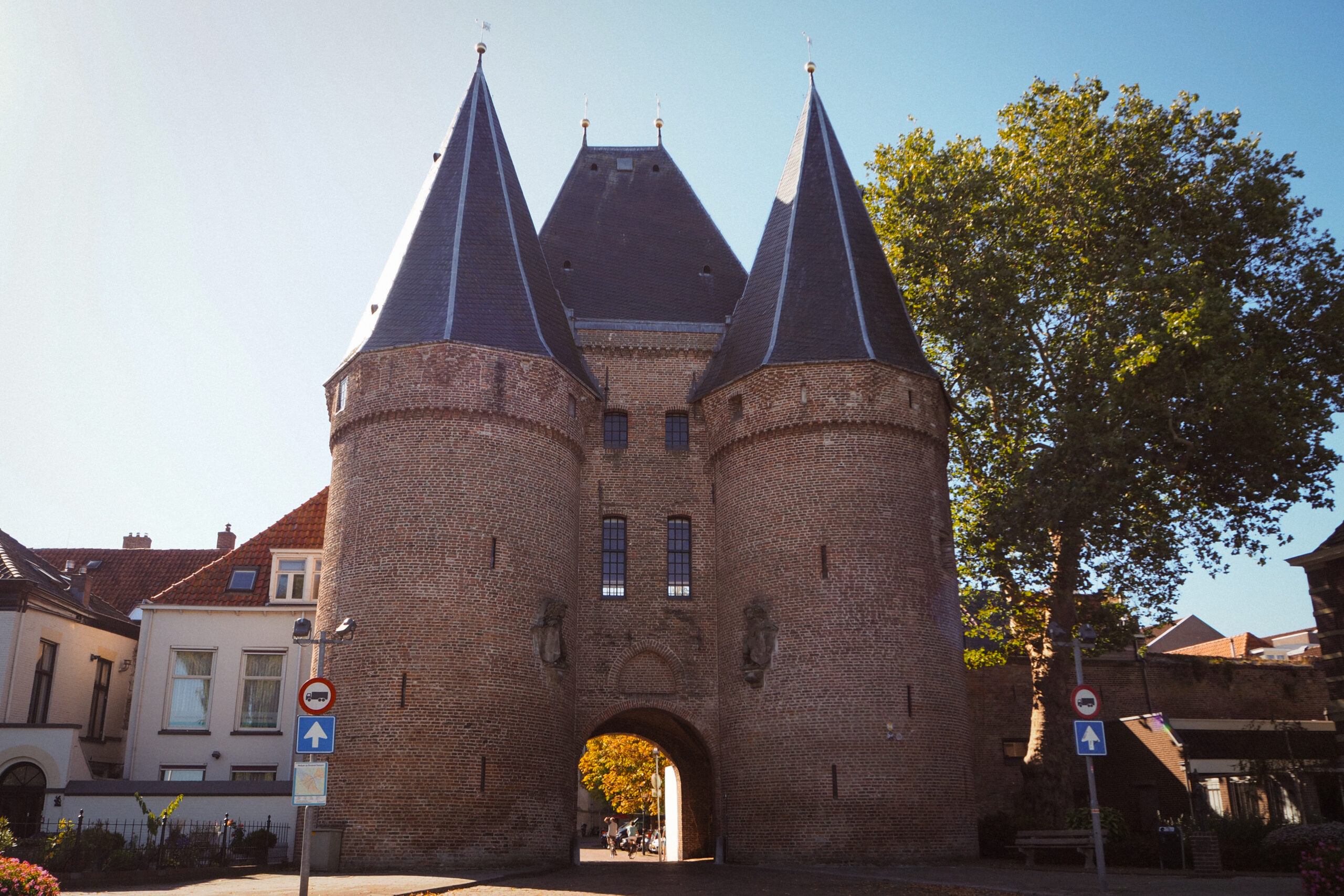
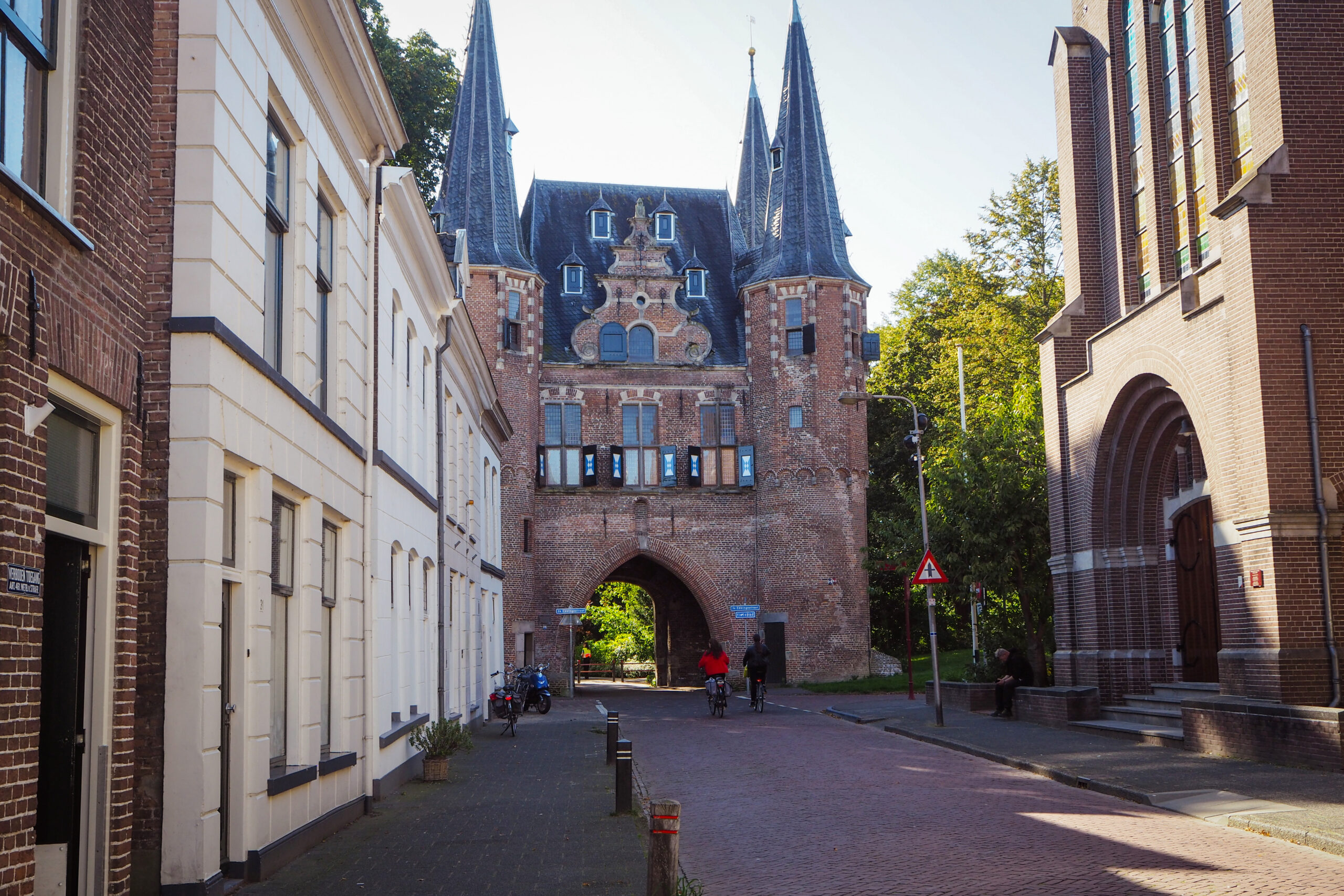
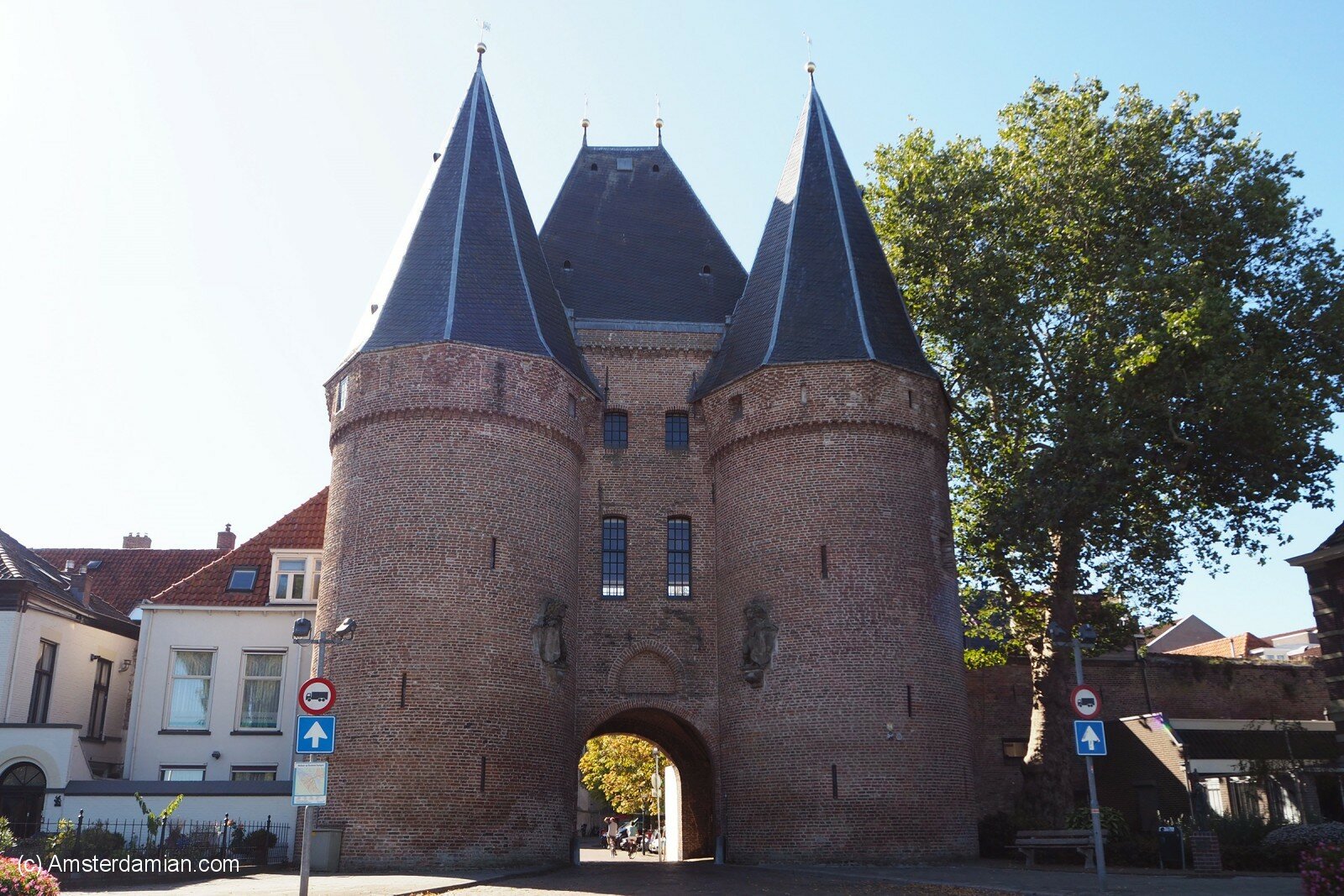
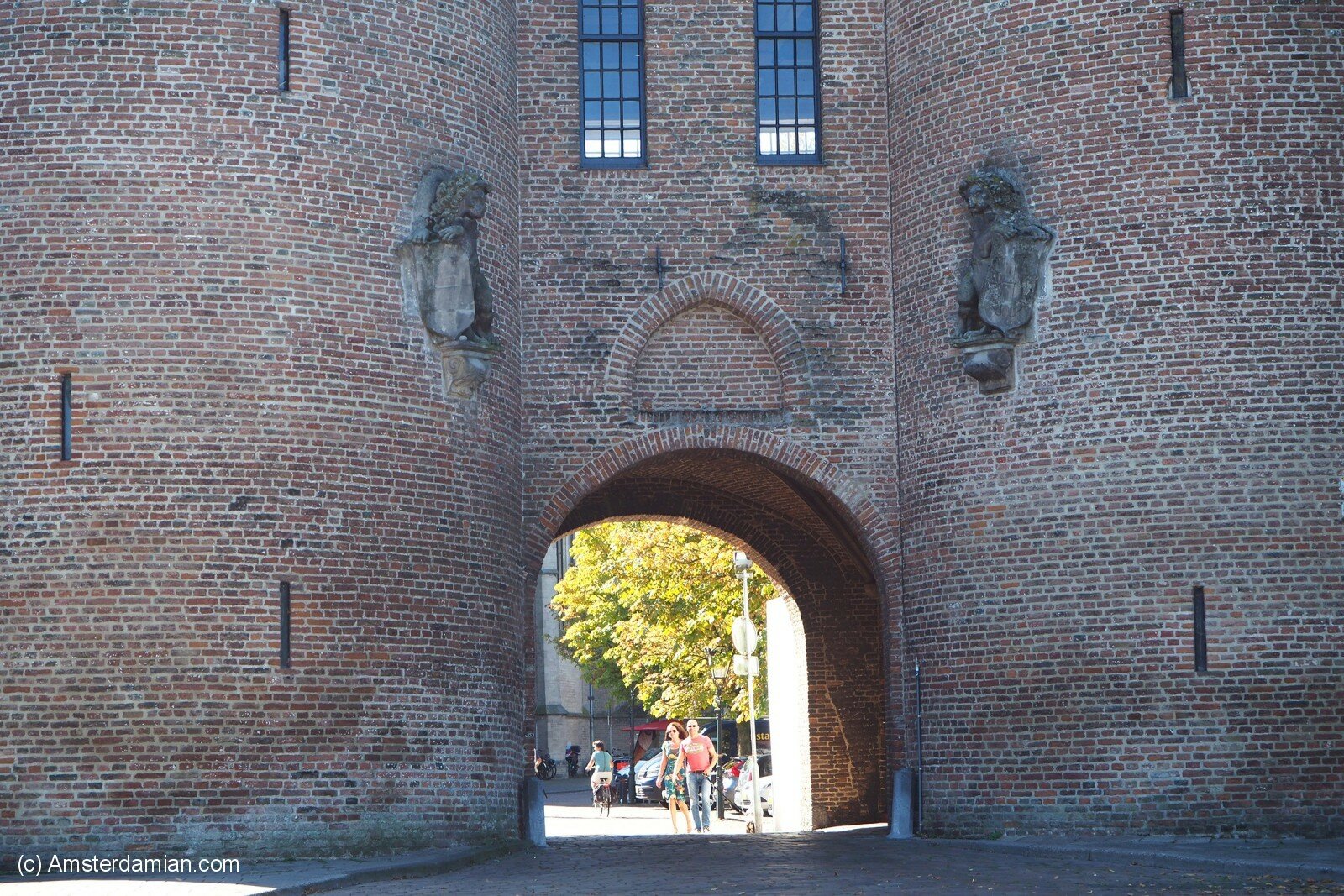
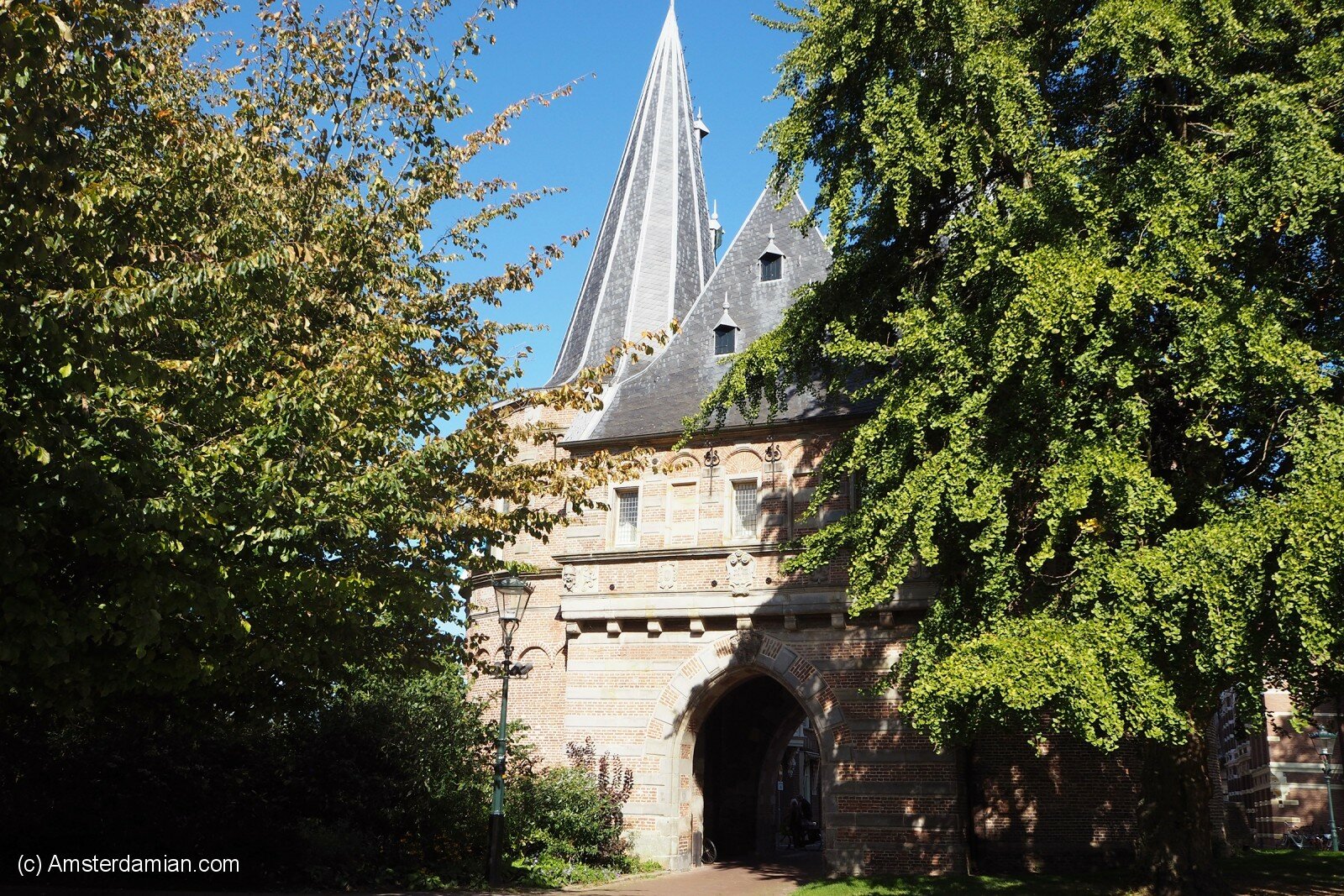
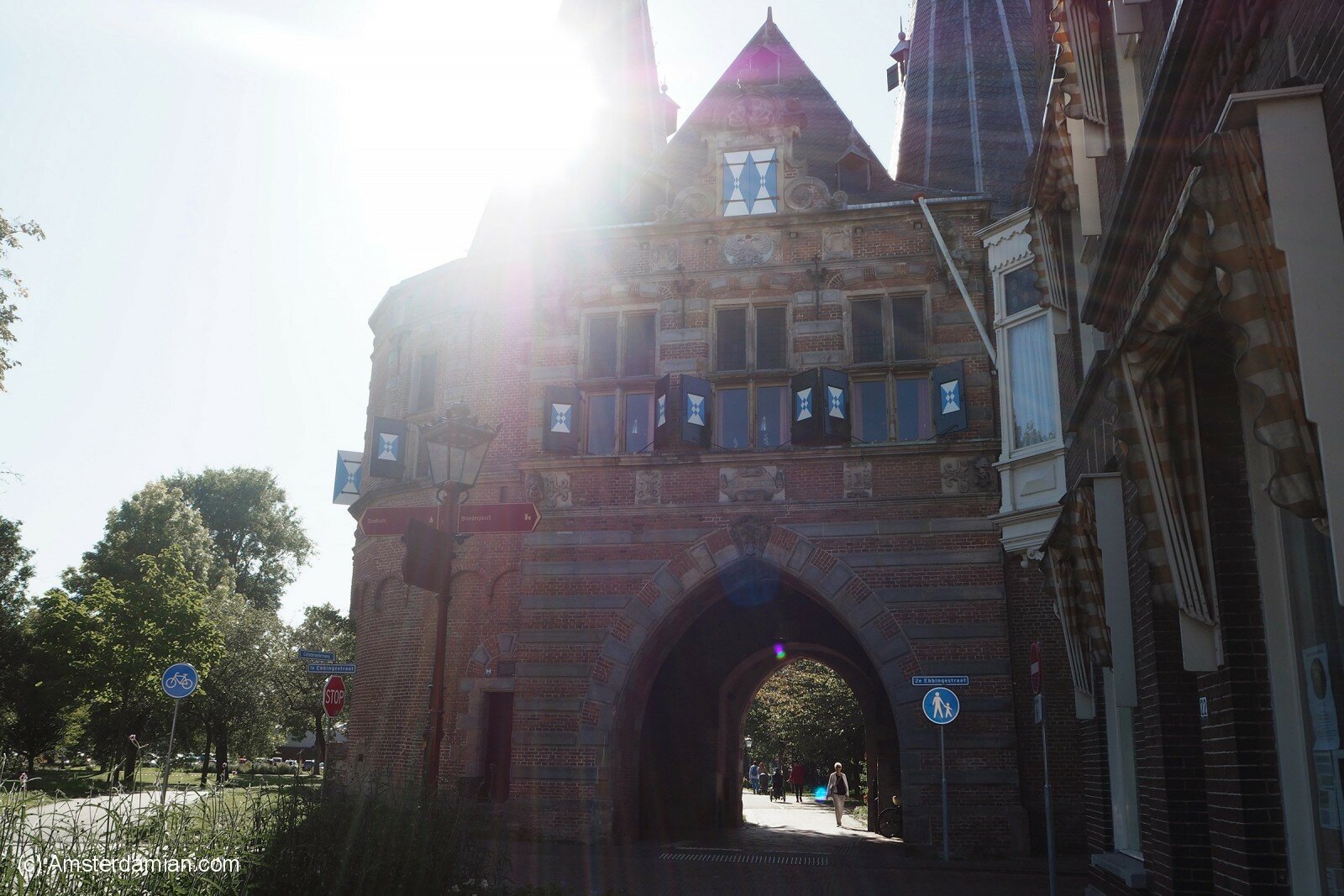
The three medieval city gates are the obvious place to start. The Koornmarktspoort, down by the river, is the oldest, probably fourteenth-century, with two squat towers added later. The Broederpoort and the Cellebroederspoort both date from 1465 and were rebuilt in elegant Renaissance style in the 1610s: the Broederpoort with four slender turrets, the Cellebroederspoort flanked by two heavy round towers. Together they are a rare survival, since most Dutch towns lost their gates long ago.
‣ The Bovenkerk
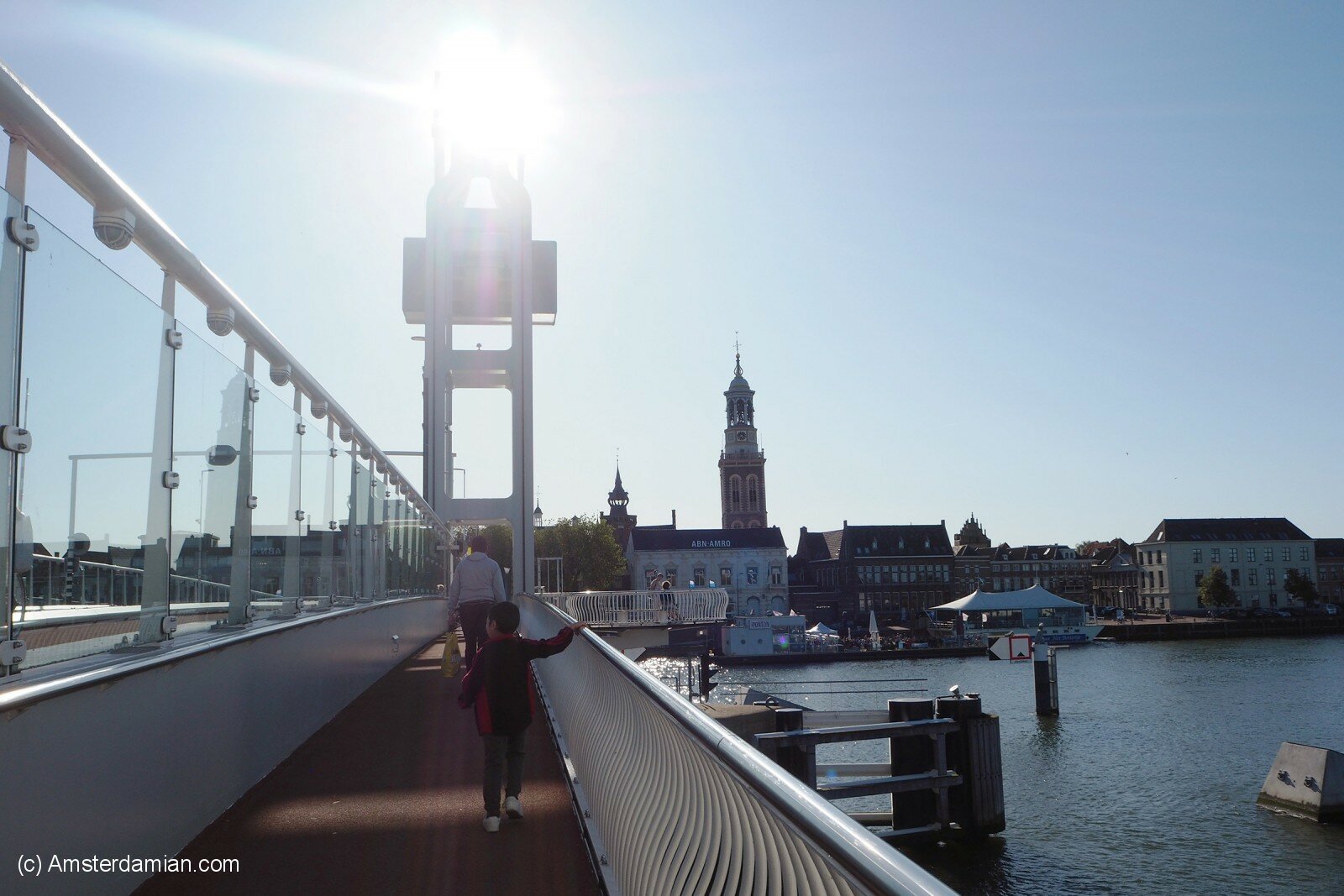
The Bovenkerk, the great Gothic Church of St. Nicholas, dominates the skyline. Built across the fourteenth and fifteenth centuries, it holds an early-Renaissance choir screen from 1552 and a magnificent organ from the 1670s. Nearby, the Nieuwe Toren (the “New Tower”) on the Oudestraat went up between 1649 and 1664, partly to a design by the architect Philips Vingboons. If your legs are willing, you can climb its 163 steps for a view over the rooftops, the river and the flat countryside beyond.
‣ Old Town Hall
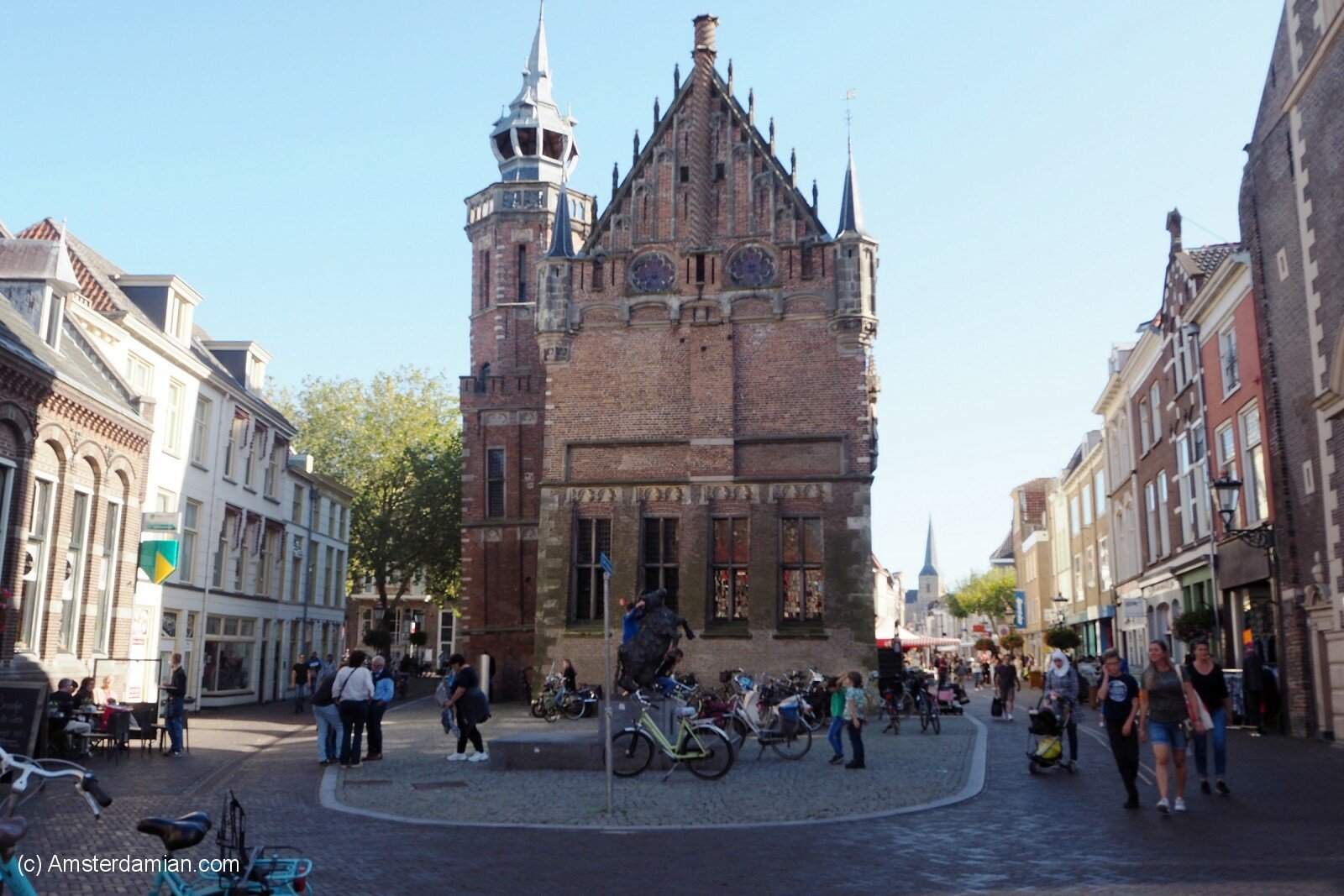
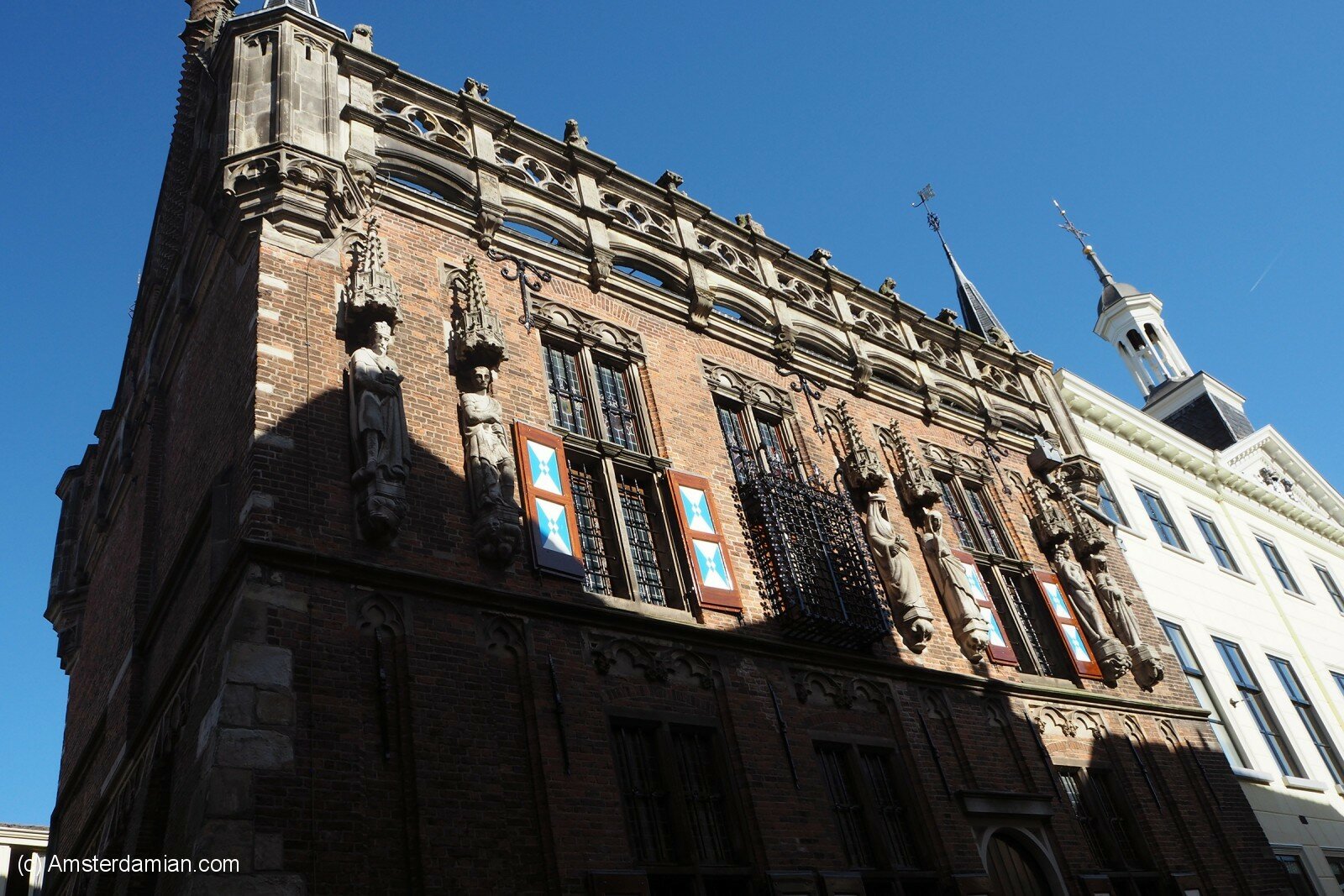
Be sure to look inside the old Town Hall, restored after a fire in 1543, with its beautifully preserved Schepenzaal, the medieval aldermen’s chamber.
‣ Koggewerf and Brown Fleet
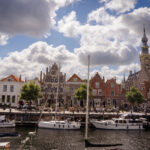
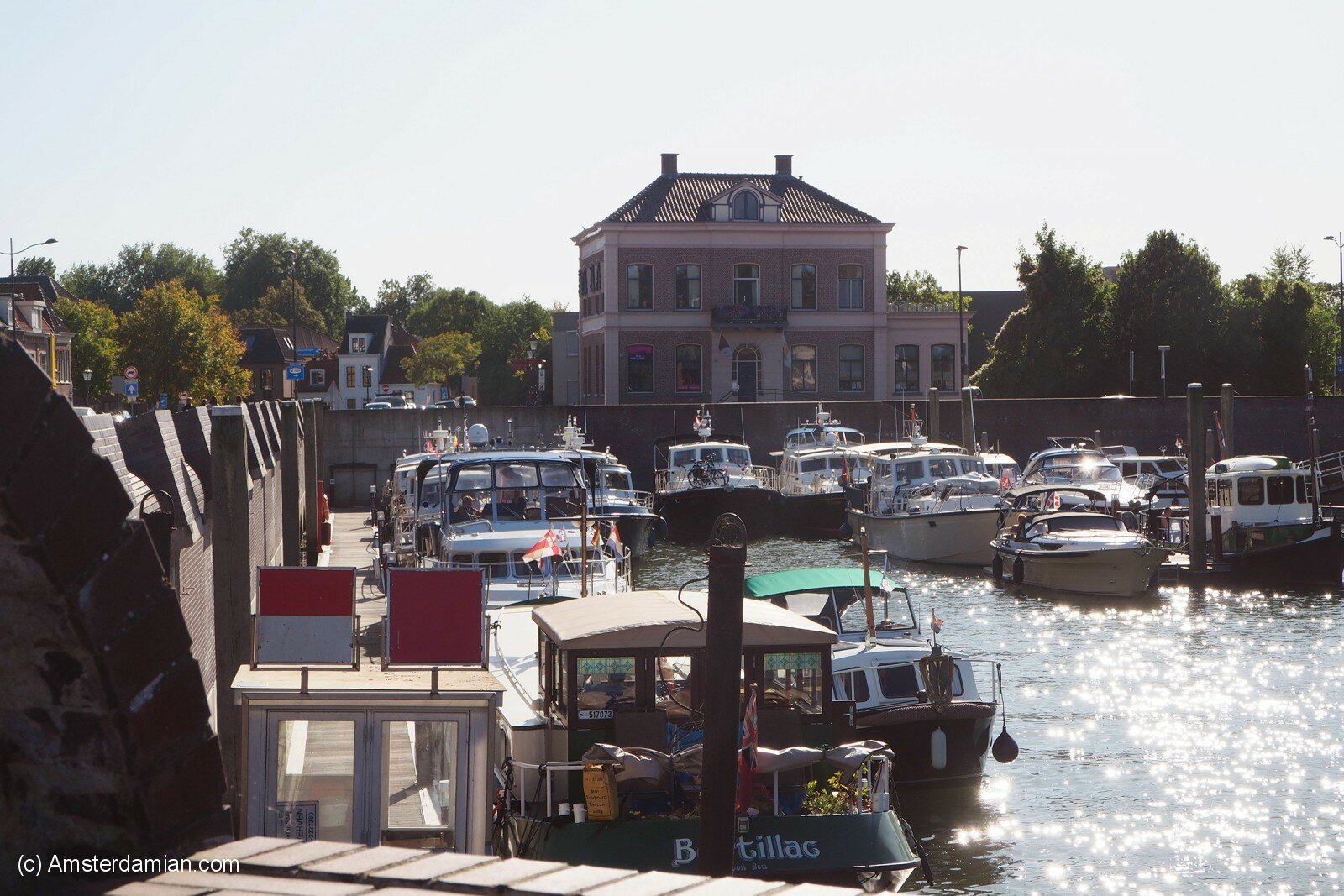
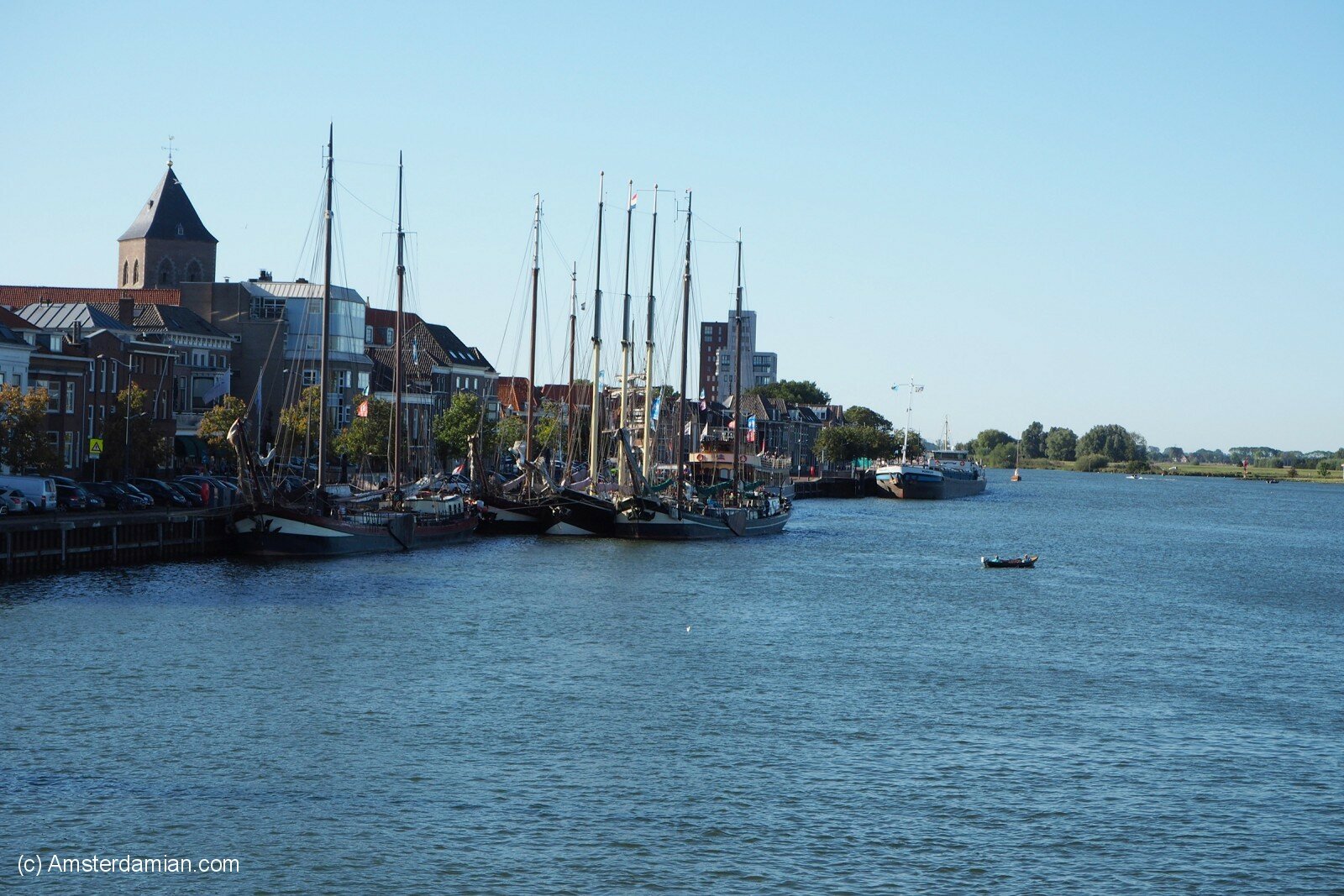
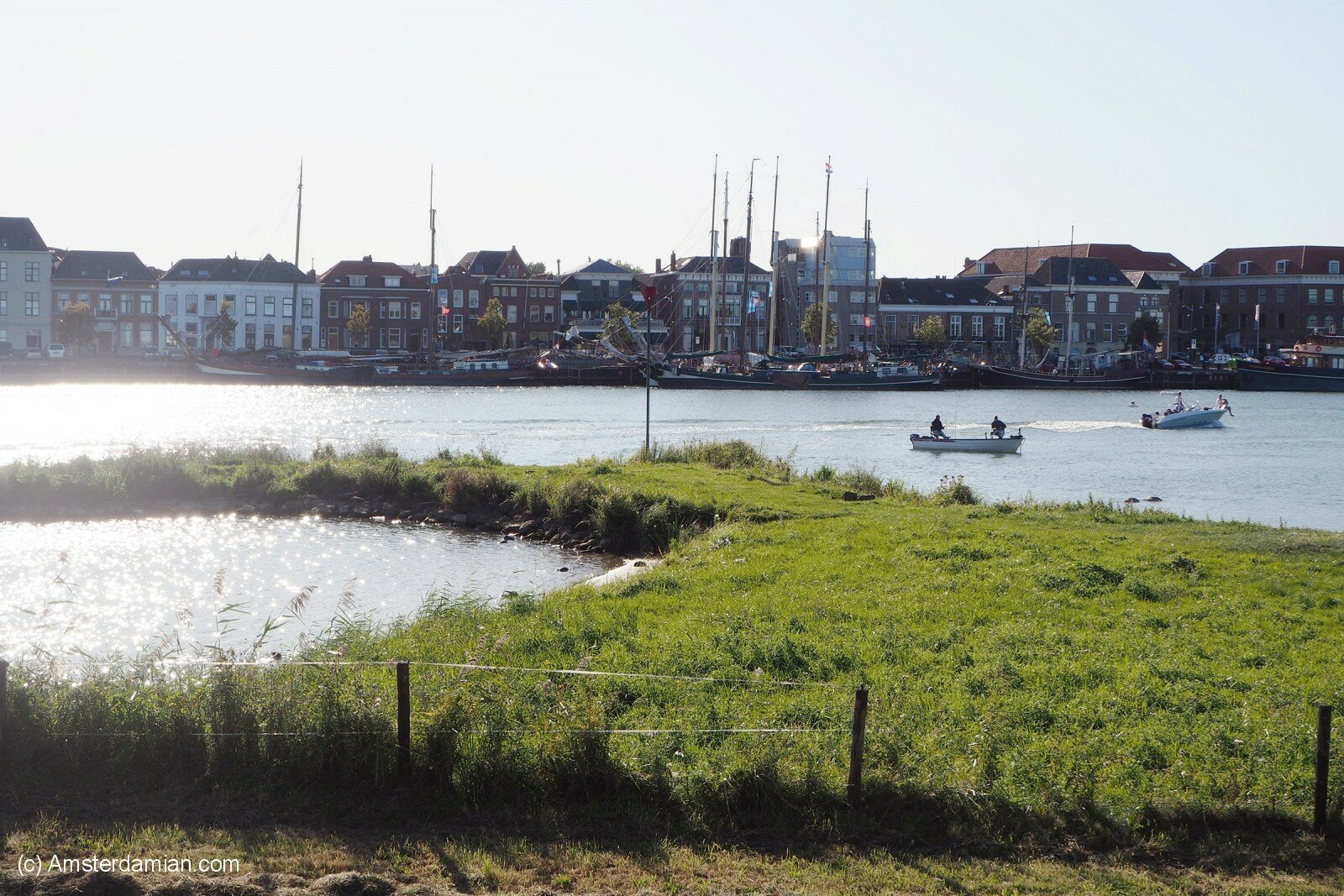
The river itself is one of the main reasons to come to Kampen, and walking on the IJsselkade you quickly realise how important ships and water life are for this city. The most striking sight is the Bruine Vloot, the “brown fleet”, a working flotilla of roughly eighteen traditional sailing ships, all tjalken, klippers and aken with their tan-brown sails, moored along the quay. Kampen is the home port of the only four-masted ship sailing in Dutch waters, and most of the fleet still earns its keep: the skippers run day sails and multi-day charters on the IJsselmeer and the Wadden Sea, and you can even book a night on board if you want a different sort of Kampen evening.
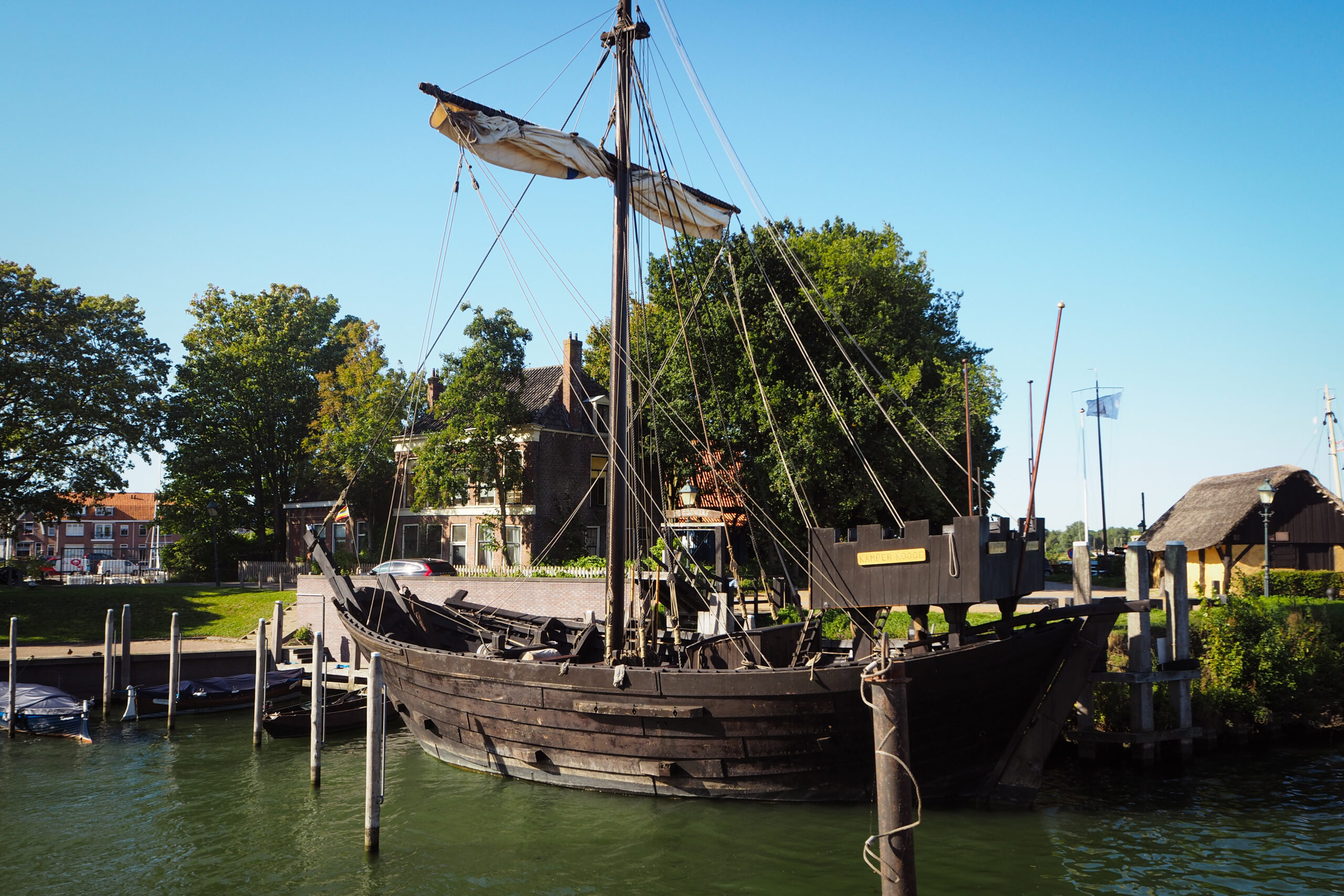
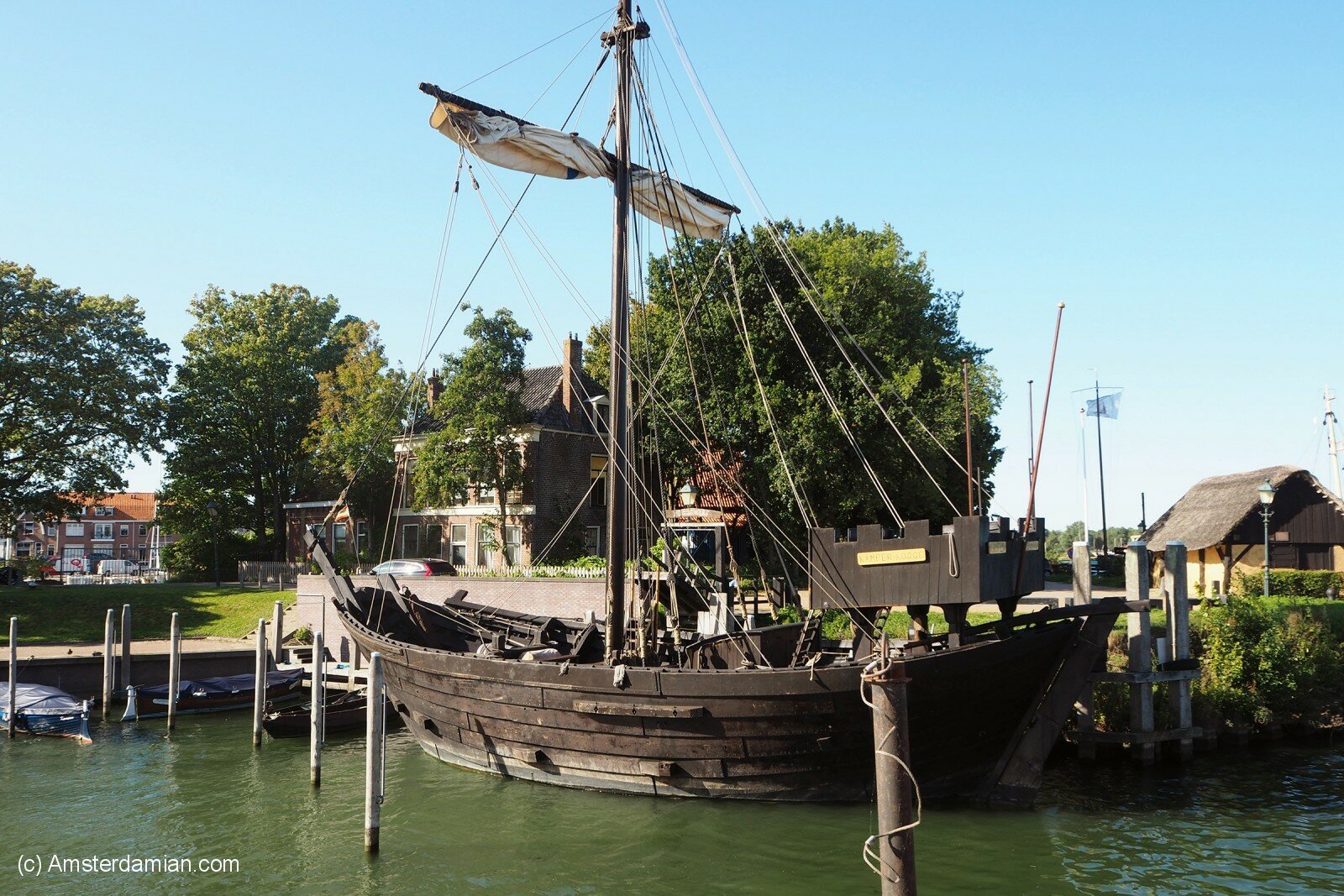
A little further along is the Koggewerf, the shipyard where volunteers built the Kamper Kogge — the only sailing reconstruction of a fourteenth-century cog in the Netherlands, completed in 1998 after a medieval wreck was found in the former Zuiderzee. The yard also tells the story of the IJsselkogge, a fifteenth-century trading ship discovered in the IJssel near Kampen in 2011, now undergoing restoration before it goes on display in the town’s museum.
Nearby is the Botterwerf, a small working boatyard where volunteers restore the Kamper Botters (the wooden Zuiderzee fishing vessels that once were here in thousands). The flagship KP32 was built in Hasselt in 1886 and fished out of Kampen from 1915 to 1958; a local foundation brought her home in 1997, and she is still lovingly maintained here over the winter. You can usually drop by the shed, watch the work in progress, and hear the story from the volunteers themselves.
‣ Stedelijk Museum Kampen
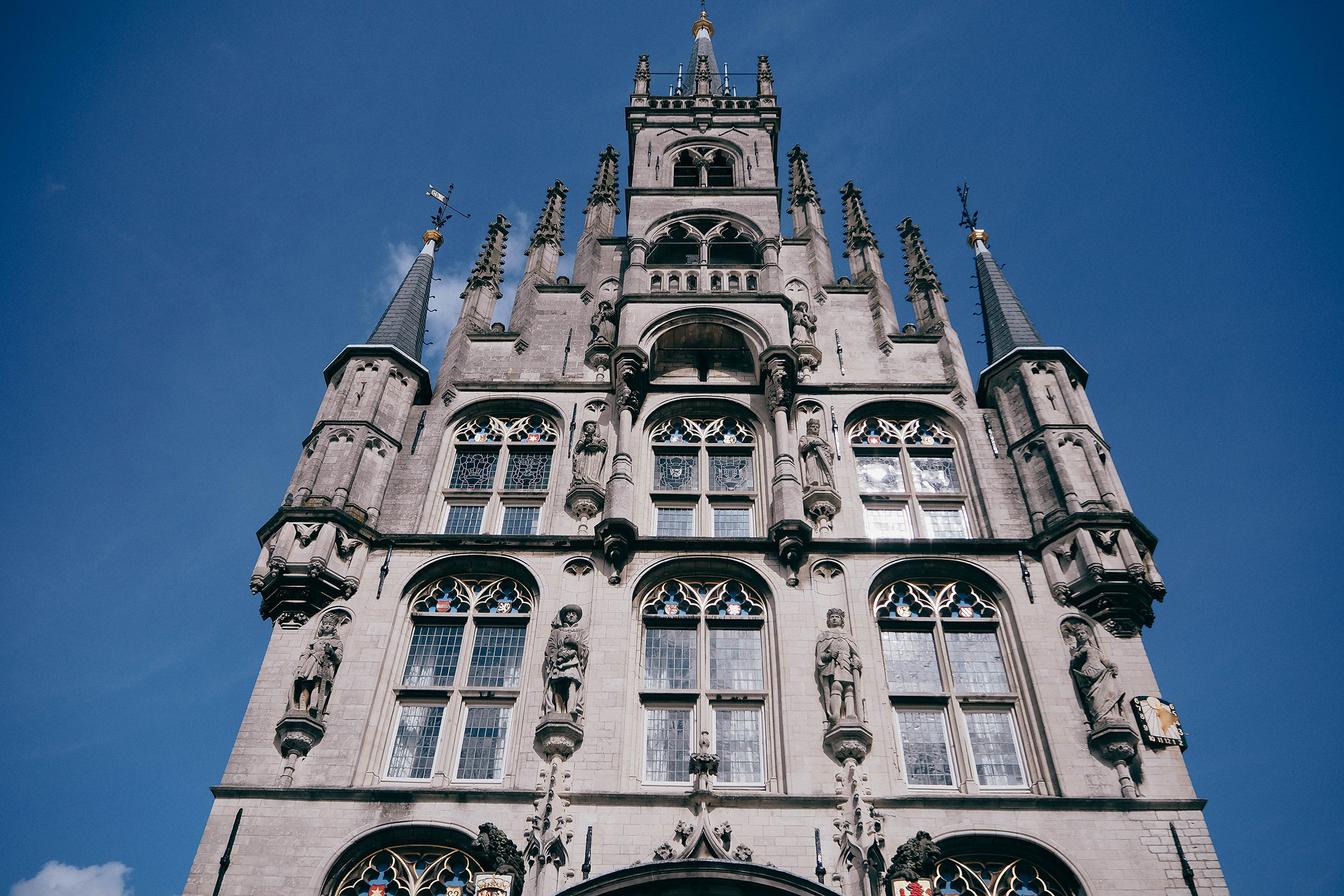
Stedelijk Museum Kampen is housed inside the town’s former Gothic-Renaissance town hall and tells the story of Kampen through its relationship with water, trade, religion and justice. The highlight is the beautifully preserved sixteenth-century Schepenzaal, where the city’s aldermen once governed and held court, but the museum also mixes Kampen’s Hanseatic history with contemporary exhibitions in a way that keeps it from feeling dusty or overly traditional. In 2026 the museum is under renovation.
‣ Ikonenmuseum
A few streets away, the Ikonenmuseum Kampen offers something completely different: one of the Netherlands’ largest collections of Orthodox icons, with works from Russia, Greece, the Balkans and Ethiopia. Small and atmospheric, it feels almost hidden away, its softly lit rooms creating a calm contrast to the lively streets outside.
‣ Enjoy the waterways and canals
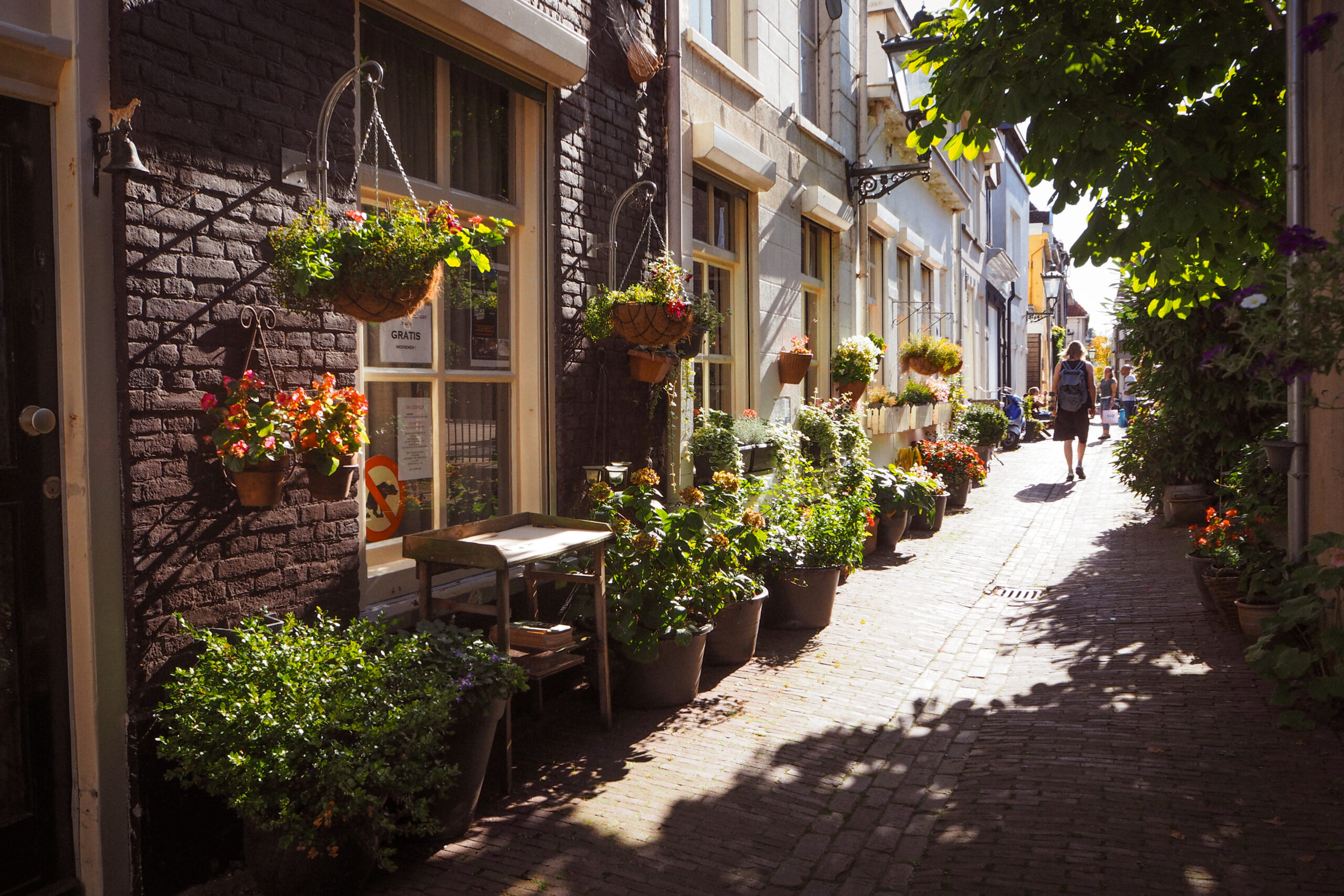
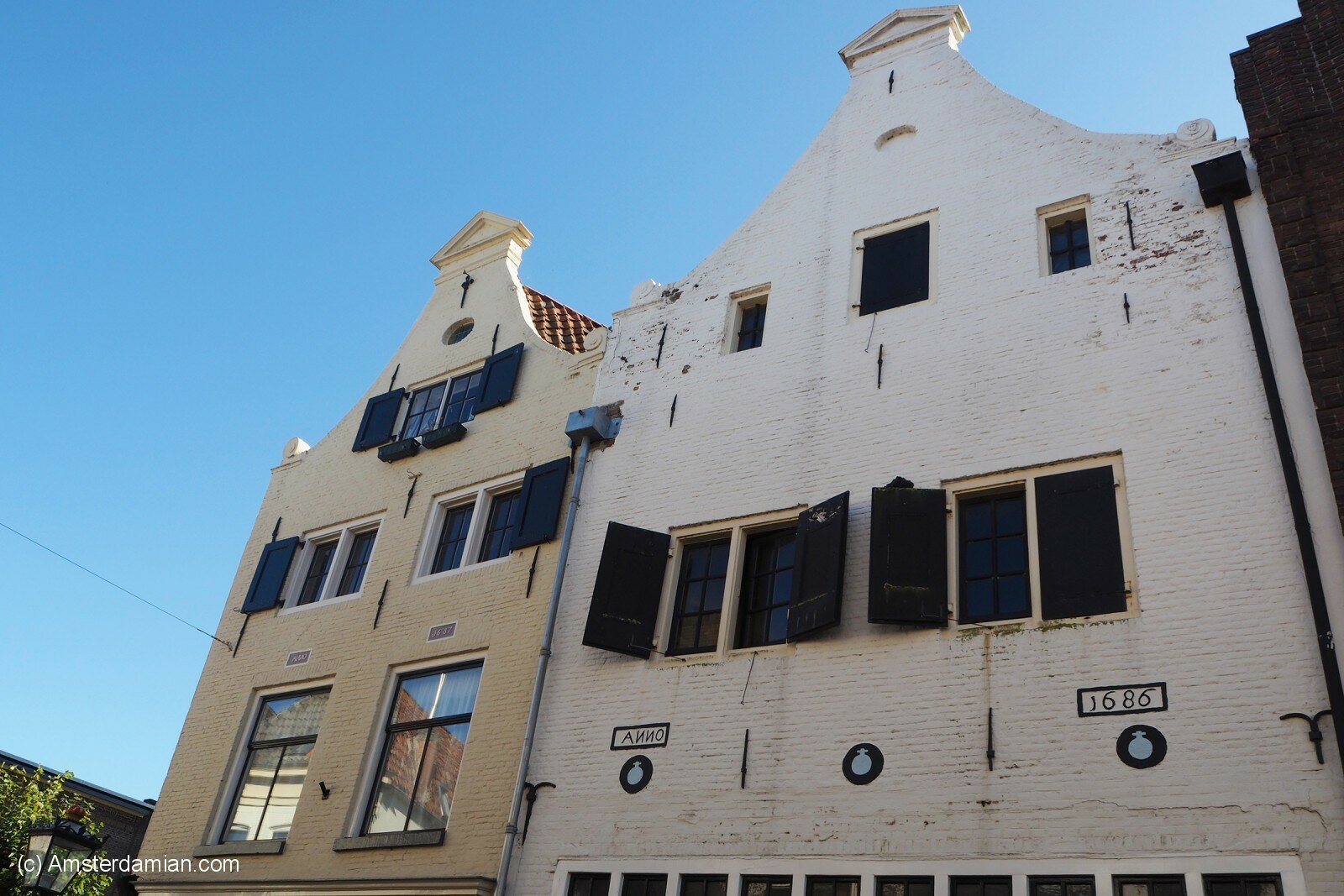
Kampen is at its most beautiful along the water. The IJssel runs straight past the old city, and the canals branch into peaceful streets lined with historic façades and subtle Art Nouveau details if you remember to look up. In warmer months, the river becomes part of daily life here. You can rent a boat, kayak, or SUP, or simply sit by the quay with something to eat or drink at riverside restaurants.
If you have more time for water adventures, you can book a longer cruise on the river, going to places like Elburg, Deventer, Kattegat (Kattendiep).
And every four years, the whole city turns toward the river for SAIL Kampen, a large maritime festival. The next edition will be in 2028.
The Kamper Uien — A Town That Laughs at Itself
Kampen has one more thing I find endearing: its own genre of jokes. For centuries, neighbouring towns swapped Kamper uien (“Kampen onions”) tall tales that poked fun at the supposed foolishness of Kampen’s citizens.
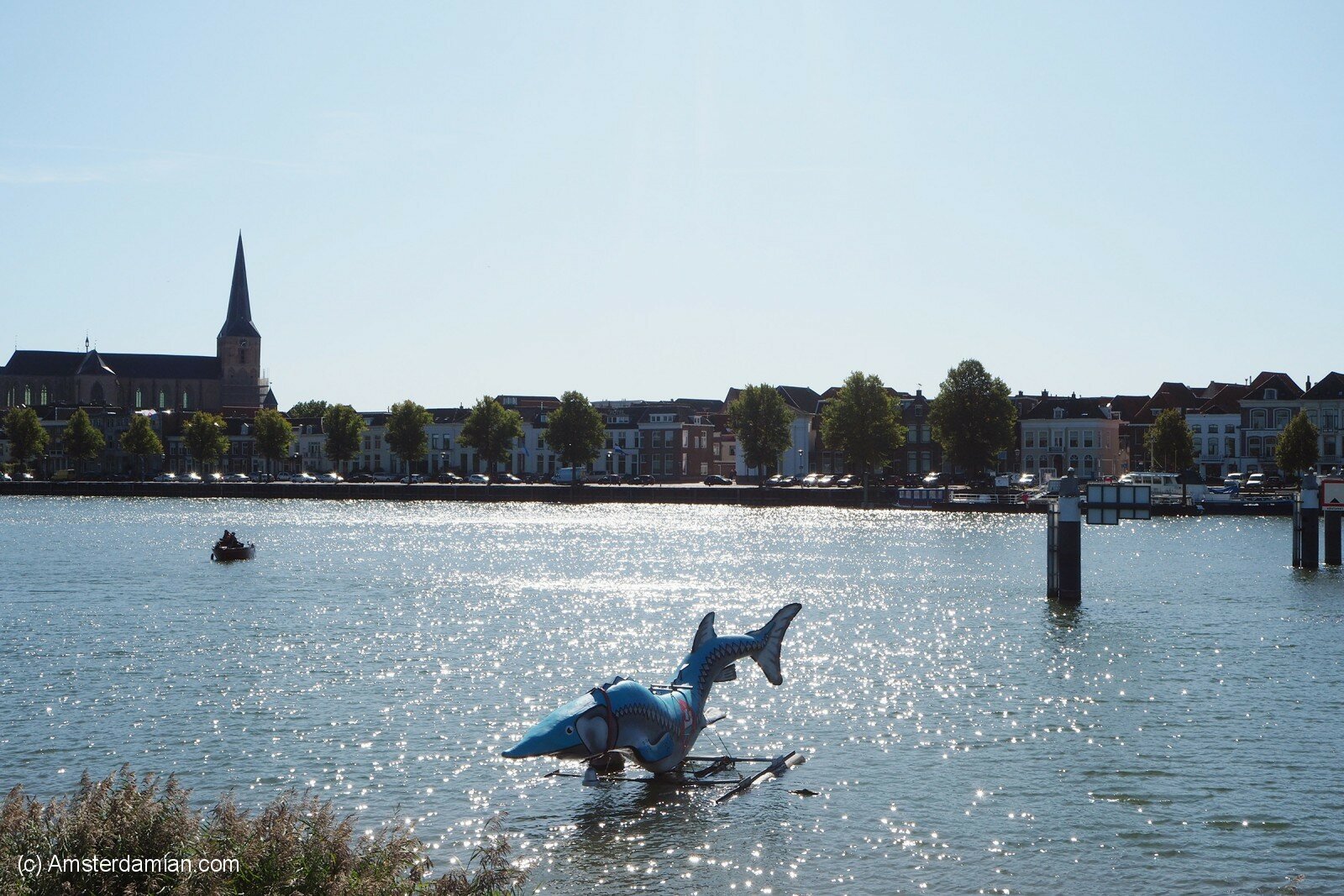
The most famous one goes like this. A fine sturgeon was caught to be served to a visiting bishop, and to keep it fresh until the feast, the townsfolk tied a cowbell around it and set it back in the river so they could find it again. The fish, naturally, swam off, bell and all, and was never seen again. Another tale has the people of Kampen hoisting a cow up the church tower so it could graze on the grass growing at the top.
The stories first appeared in print in 1844, collected by a Kampen-born painter, and far from being offended, the town has embraced them — the big summer festival is even called the Kamper Ui(t)dagen, a pun on the Dutch word for onion. It says something rather lovely about a place when it is happy to laugh at itself.
How to Get to Kampen from Amsterdam
There is no direct train, but it is still an easy trip. From Amsterdam Centraal, take an intercity to Zwolle (about an hour) then change to the little Kamperlijn branch line, which covers the last thirteen kilometres into Kampen in roughly ten minutes. All in, plan for about an hour and a half.
One word of warning, because it caught me out: the Zwolle–Kampen stretch isn’t run by NS but by Blauwnet, the regional operator for Overijssel. That means you have to check out of the NS system and check in with Blauwnet when you change trains at Zwolle. Don’t do as I did and check out in the wrong place — it cost me 20 euros.
Kampen’s station sits across the IJssel from the old town, so you finish the journey on foot, crossing the bridge straight into the historic centre.
When to Visit
Kampen is lovely in any season, and a weekday will give you those cobbled streets almost to yourself. If you would rather catch the town at its liveliest, the Kamper Ui(t)dagen fill the centre with markets, street music and boat trips on the IJssel across several Thursdays in July and August. And in the weekend before Christmas, Christmas in Old Kampen turns the whole centre into something out of a storybook, with costumed volunteers and thousands of visitors.
If you have more time, Kampen pairs beautifully with the other Hanseatic towns nearby — Deventer, Zwolle, Elburg or Hattem. That is easier to do by car than by train, but any one of them makes a rewarding addition to the trip. However you go, I loved Kampen, and I happily recommend it as one of the best day trips from Amsterdam. For more journeys like this one, the Dutch Provinces guide is a fine place to wander next.
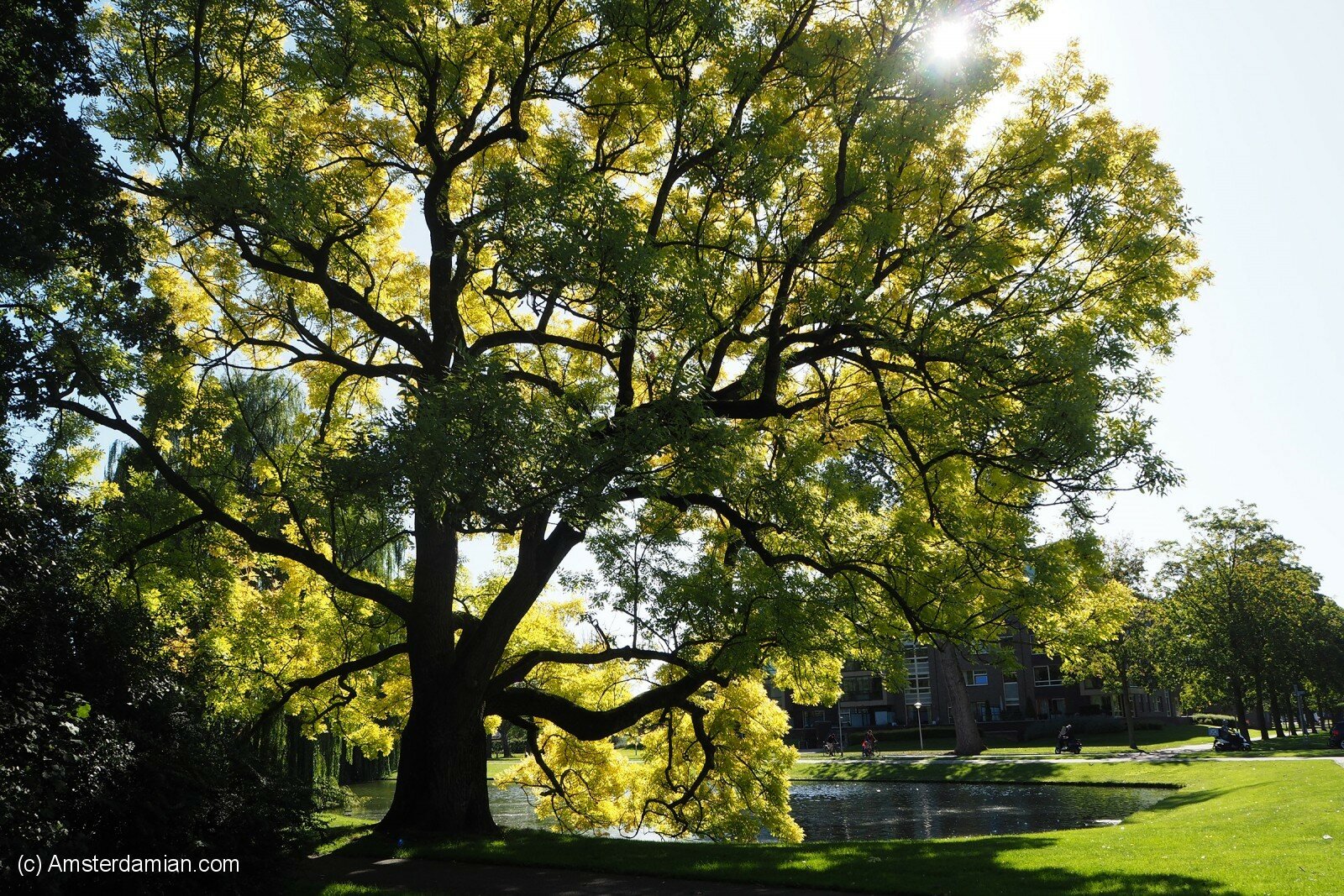
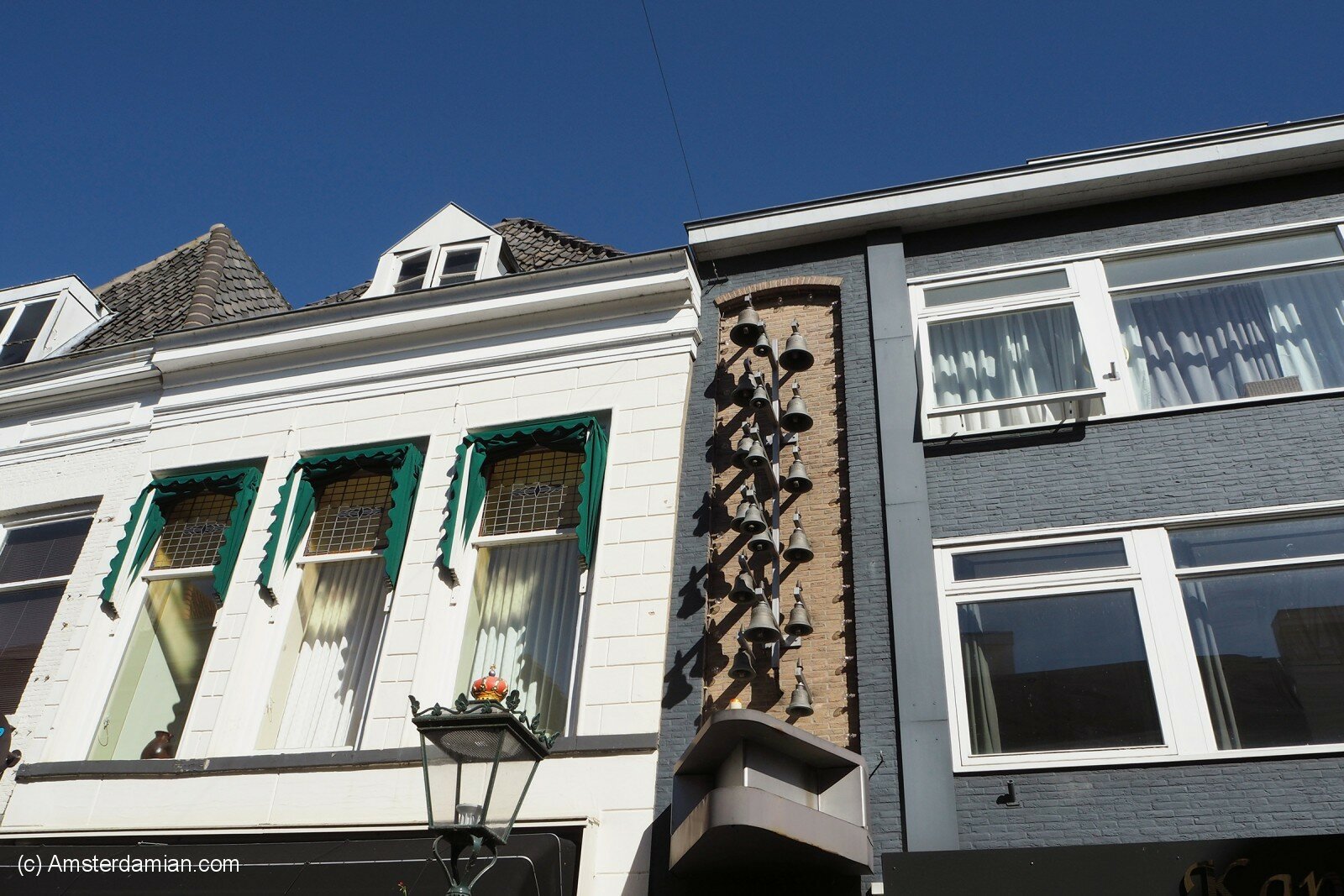
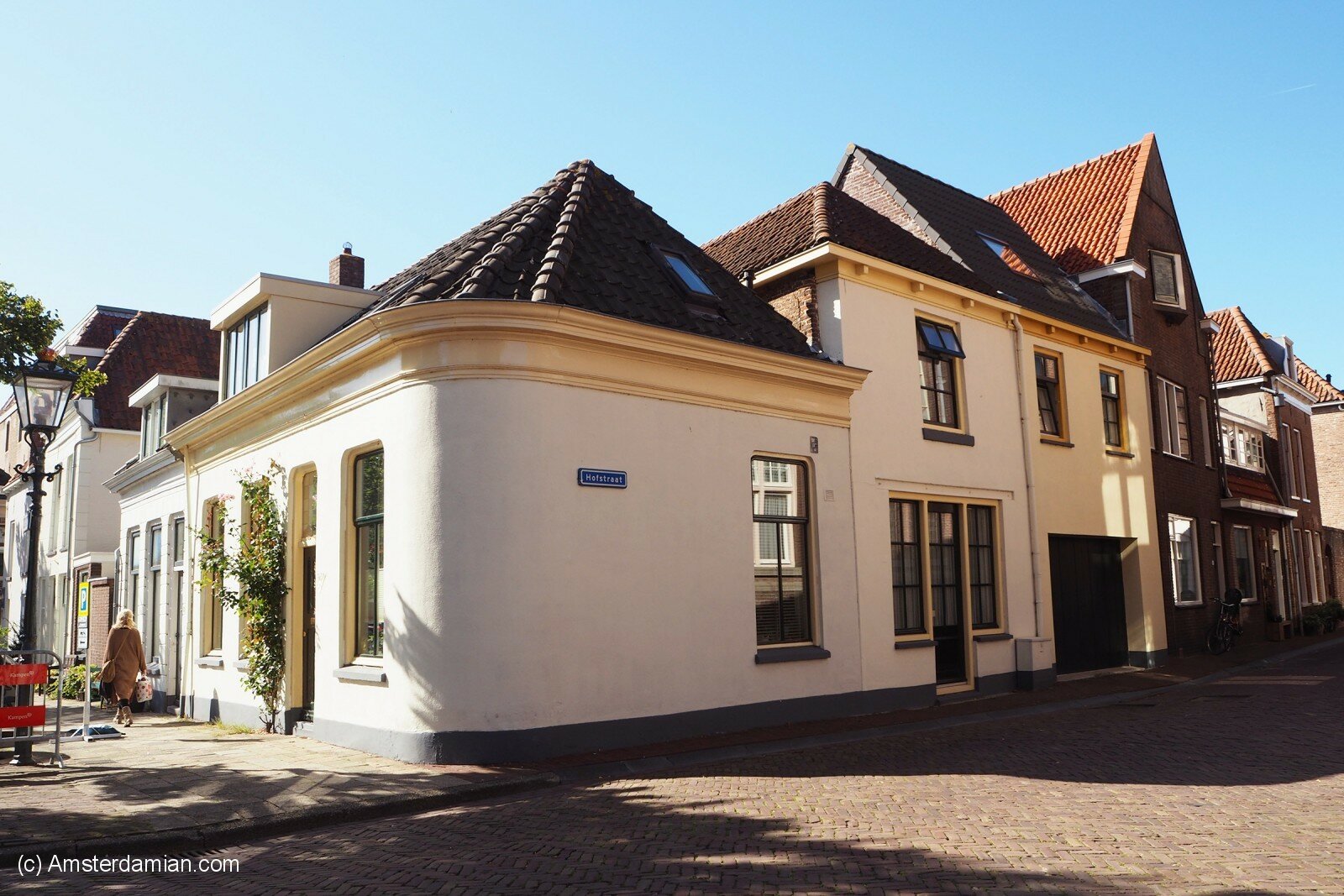
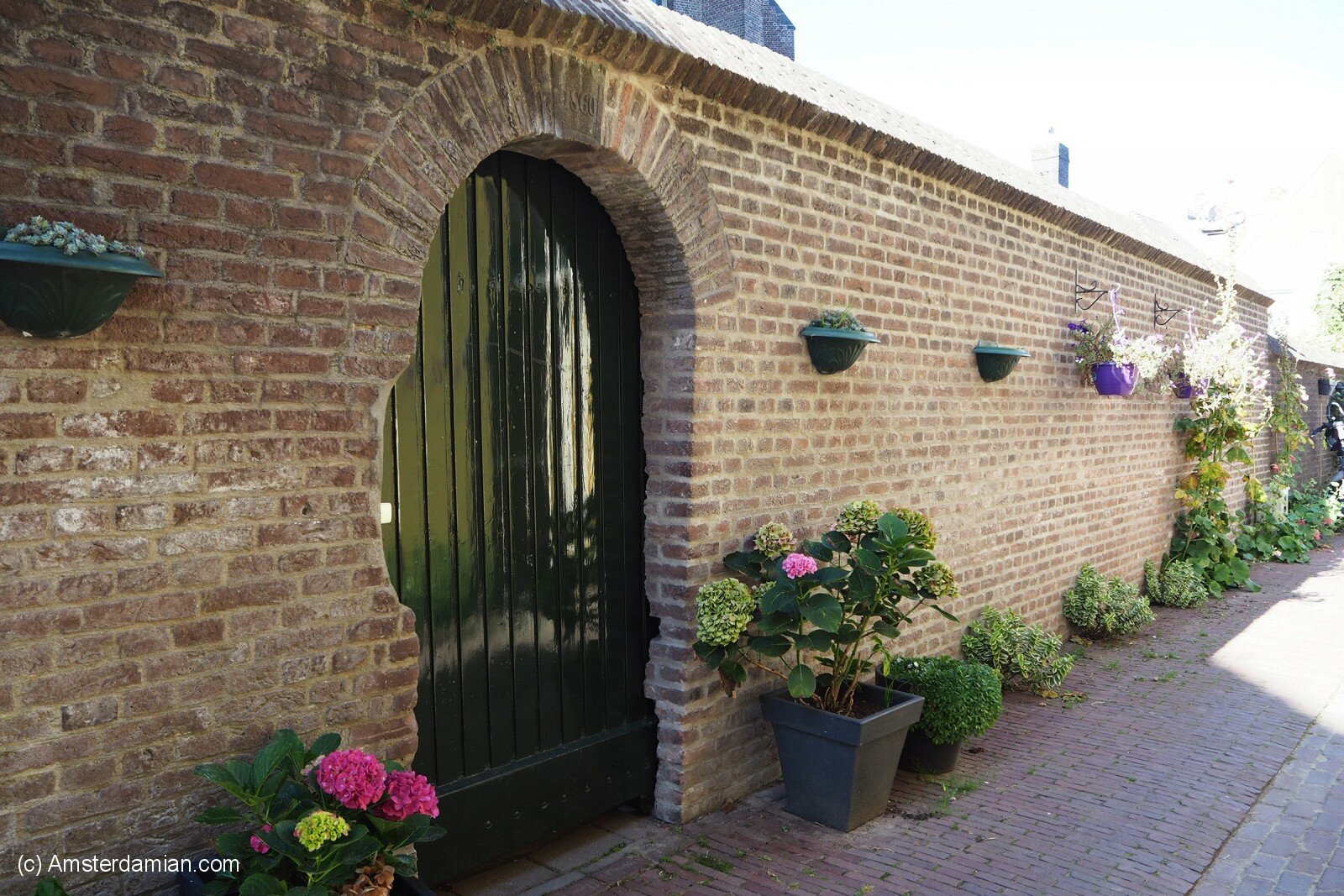
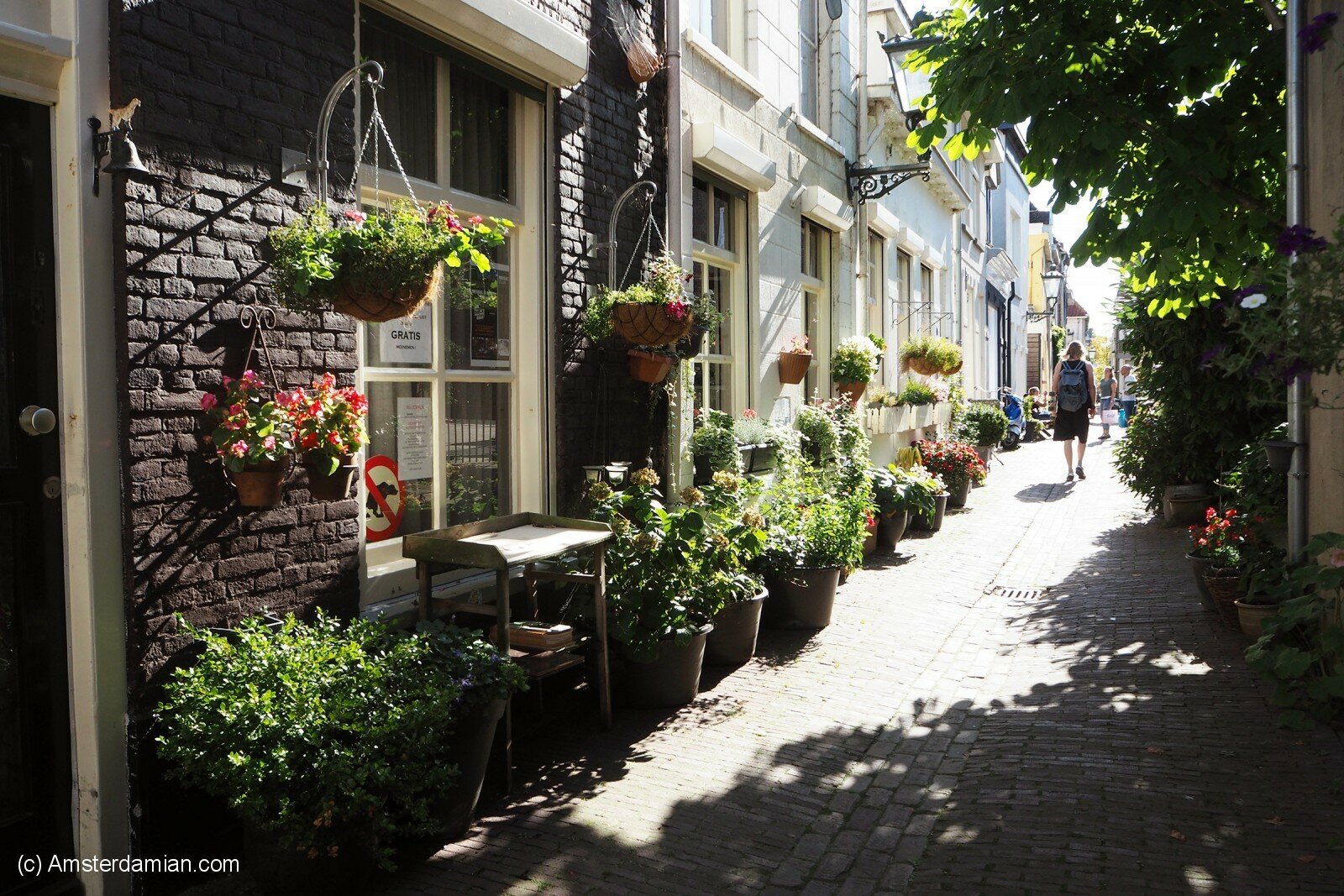
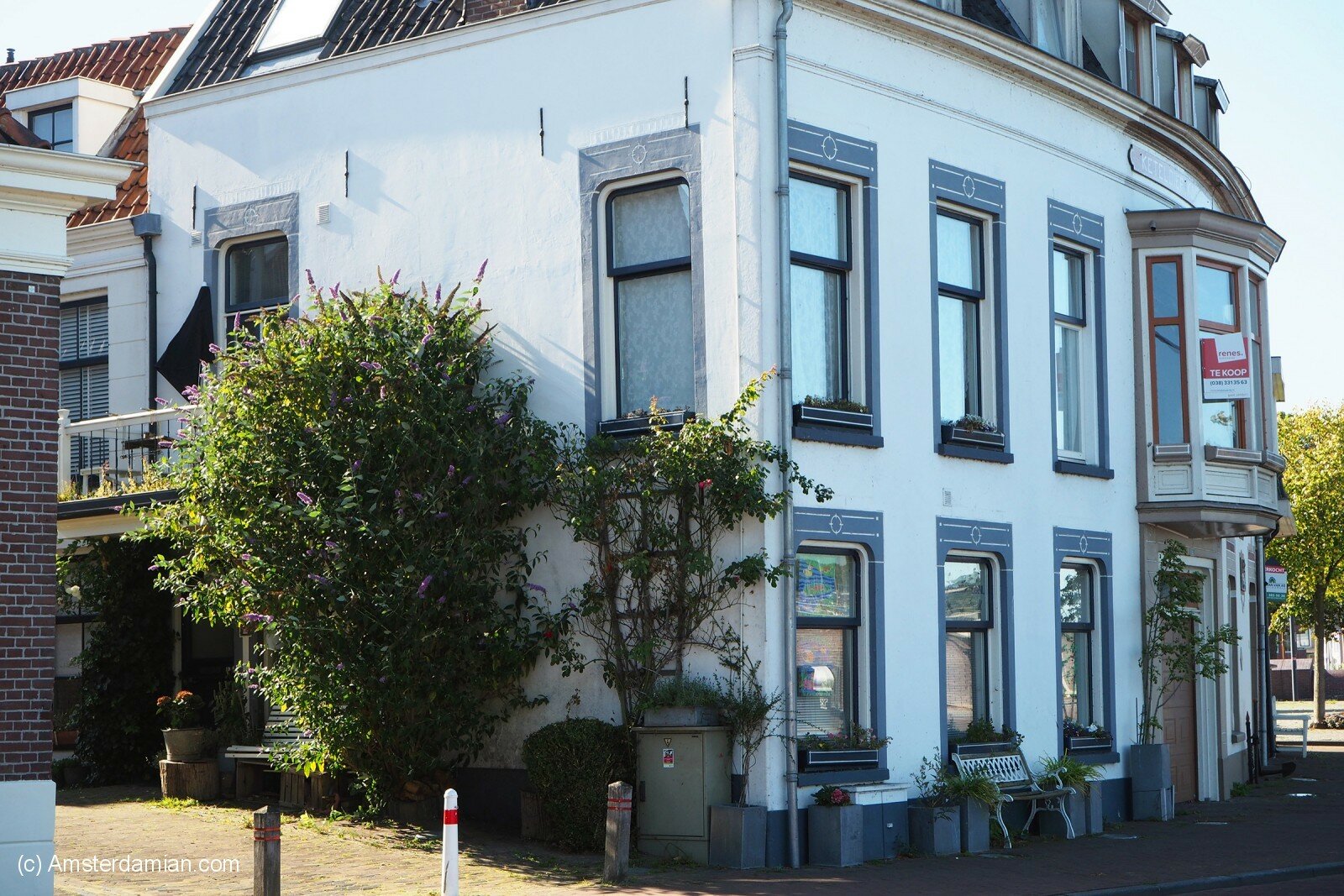
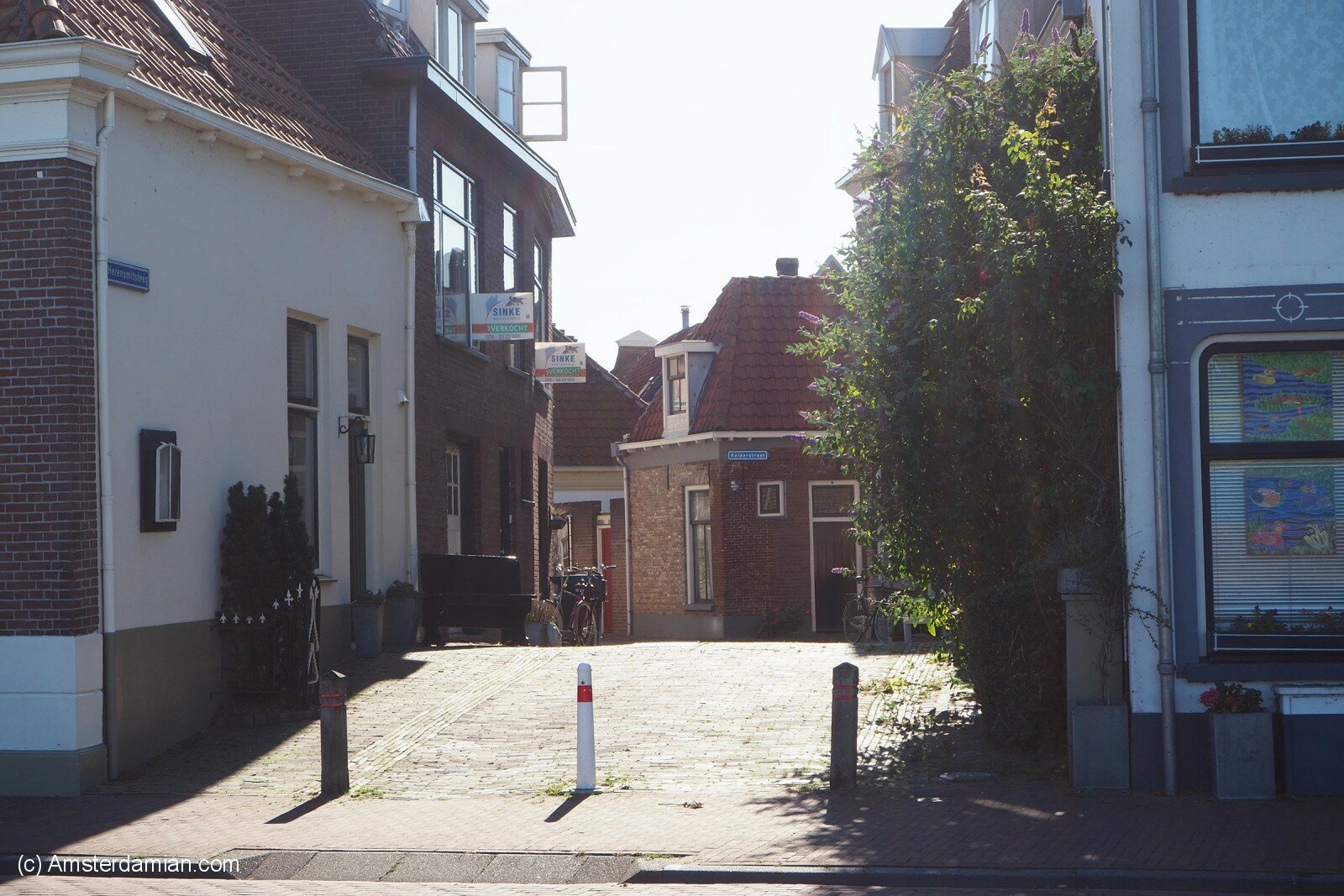
Now, the virtual tour:
Kampen’s Hanseatic wealth has a southern counterpart — a day trip to Delft shows what the Golden Age built once the trade moved west.
Stay tuned for more and follow Amsterdamian on Instagram and Facebook for more stories about life in the Netherlands, written by a real local, updated constantly.
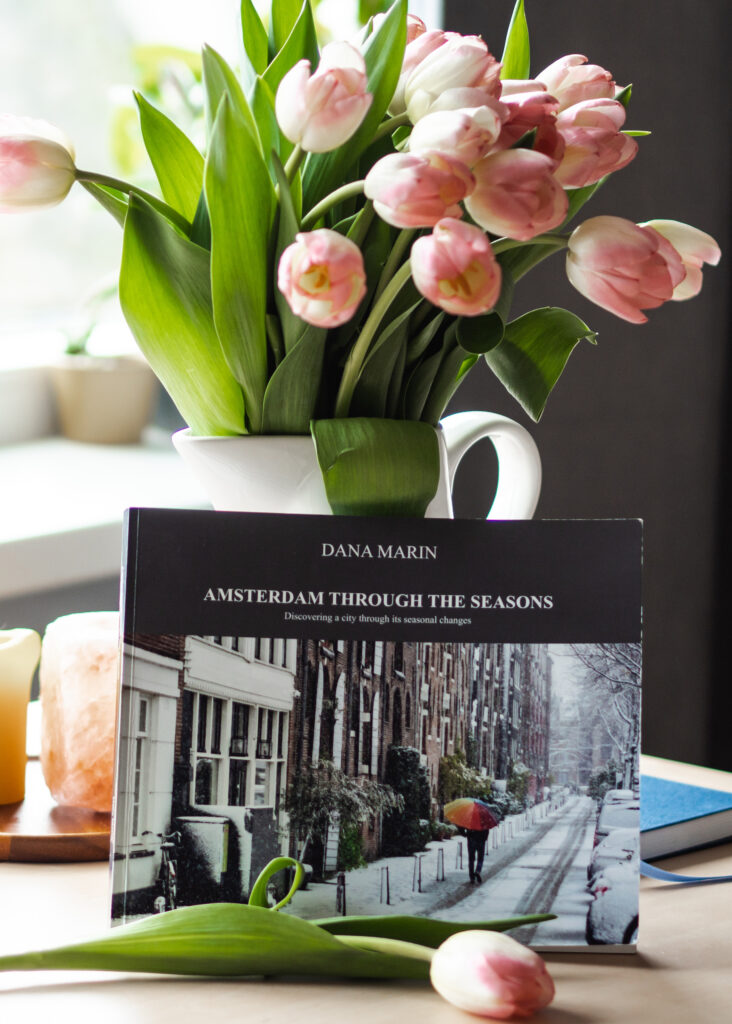
Check out my photo book: Amsterdam Through the Seasons!
Love what you’re reading? Support my work with a small donation.
And share this post if you liked it!