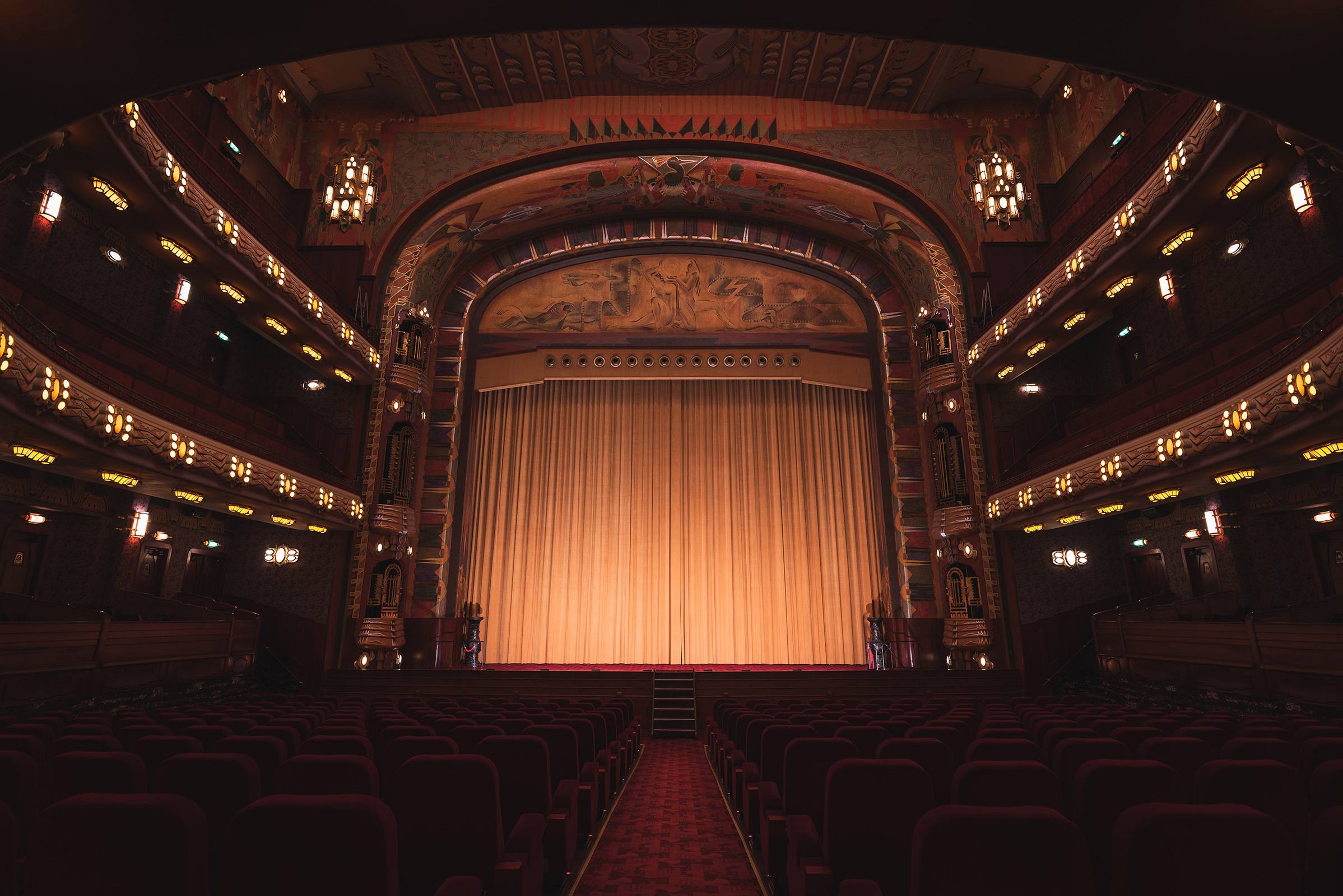
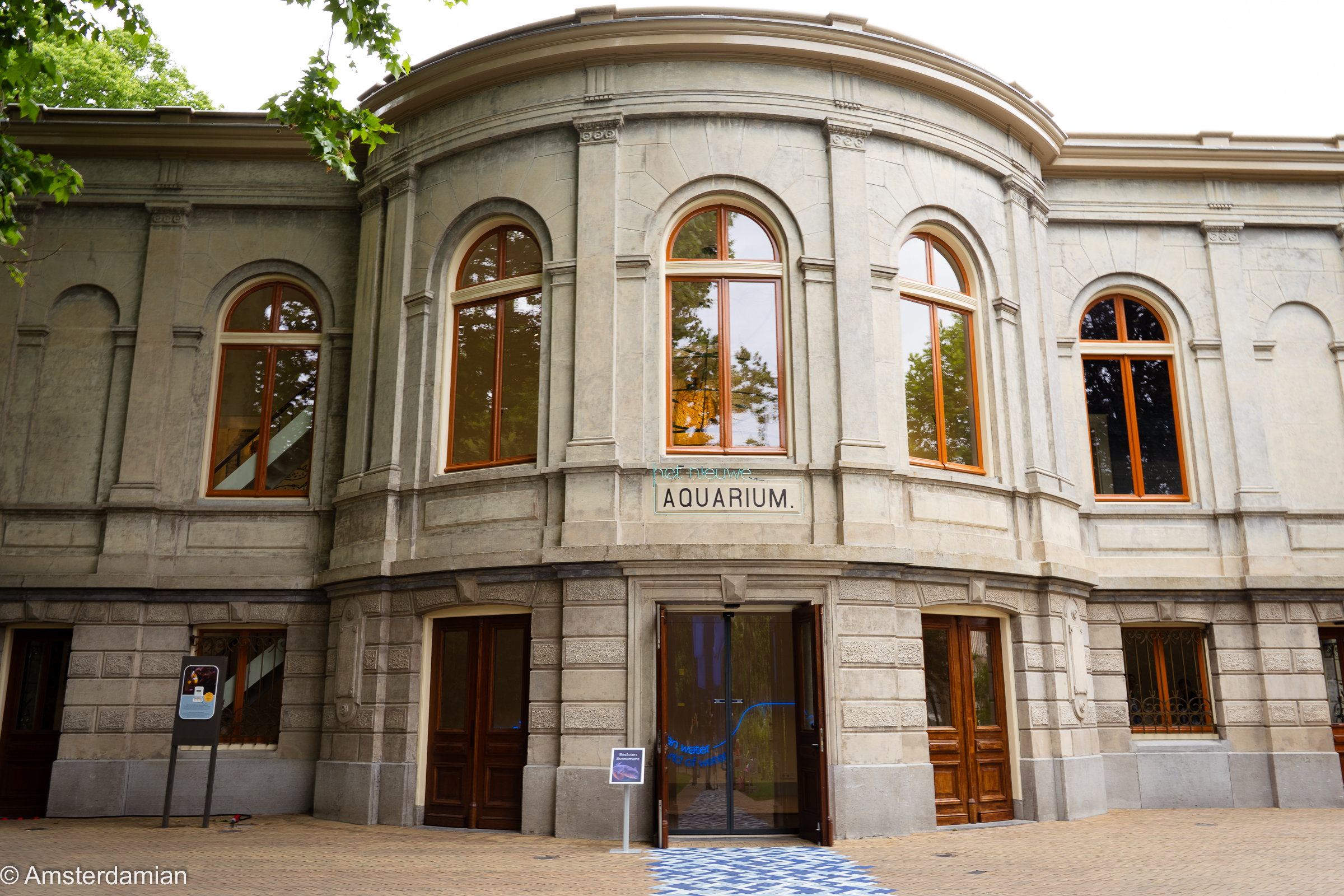
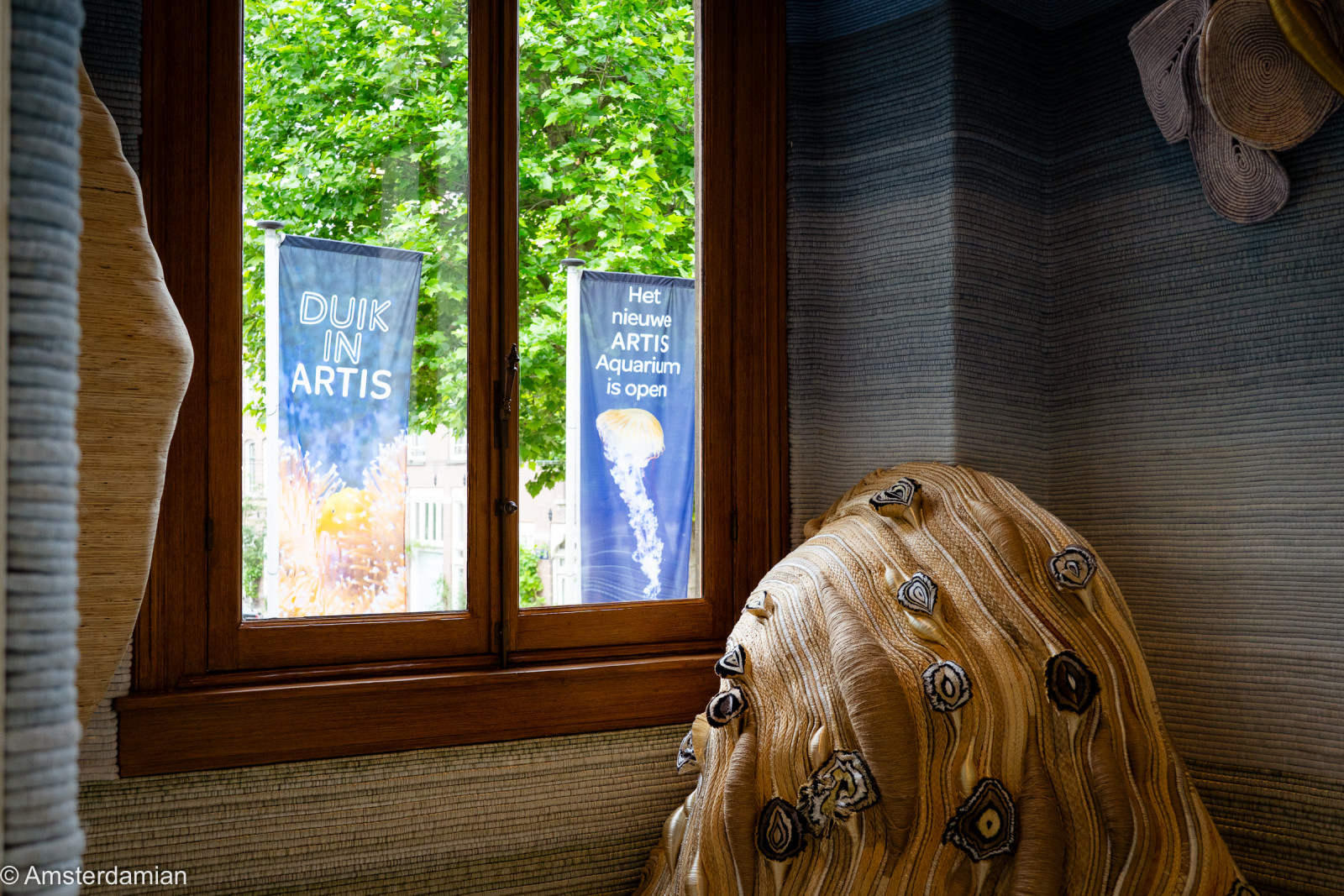
After five years behind closed doors, the ARTIS Aquarium reopens to the public on Saturday 13 June, and earlier this week, at the press preview, I got to wander through it before the crowds arrive. I’ll say this straight away: the fish are cute, but the building nearly steals the show.
ARTIS Aquarium is one of the world’s oldest aquariums, having opened in 1882 as the world’s 42nd public aquarium. At the time of its opening, it was internationally regarded as an engineering marvel, mainly because of the revolutionary water filtration system developed by British aquarist William Alford Lloyd. Today, it’s one of the three oldest still standing, alongside the ones in Brighton and Naples. It is a listed national monument, one of 26 on the ARTIS grounds, plus a municipal one. Designed by architect Gerlof Salm, it stands on 1,740 wooden piles and its construction cost a precisely recorded 439,020.93 guilders. For 140 years, the salt water has been damaging it from the inside and by the time it closed in February 2021, parts of the structure had become unsafe. What followed was the largest and most complex restoration in the history of ARTIS, at a cost of around €50 million. The natural stone façades were cleaned centimetre by centimetre with lasers where needed; damaged stone was replaced with stone from the same nineteenth-century quarries.
“I wanted to break it open”
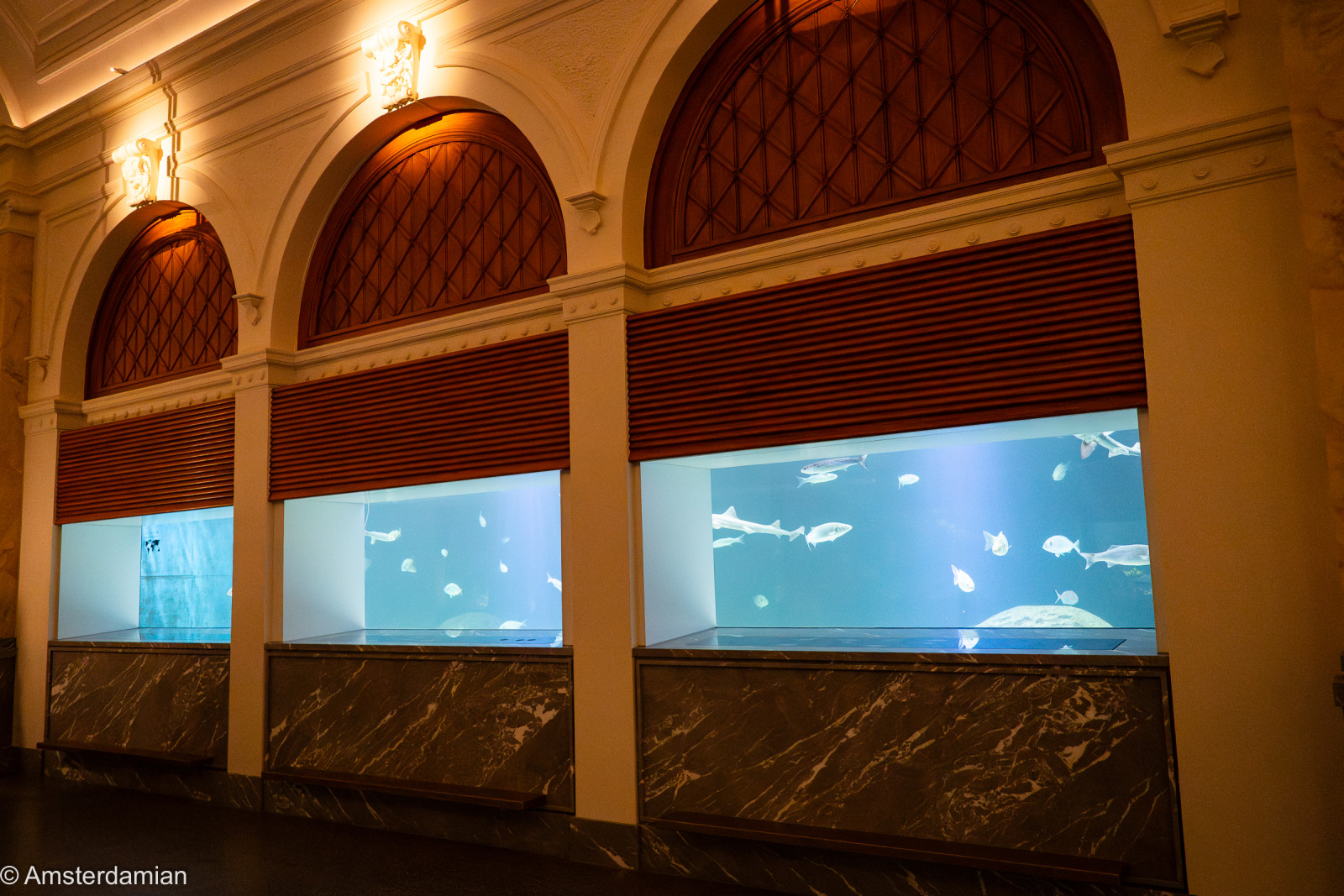
Architect Julian Wolse has been working on the building since 2016. “It was in a very bad state,” he told me. “The construction was bad, it was leaking, with salt and water damage. And the monument was completely dark.” His ambition was to undo that darkness. “I wanted to break it open, so that you have all these sight lines. Ninety per cent of the whole building is now accessible or visible to the public, which wasn’t there before.”
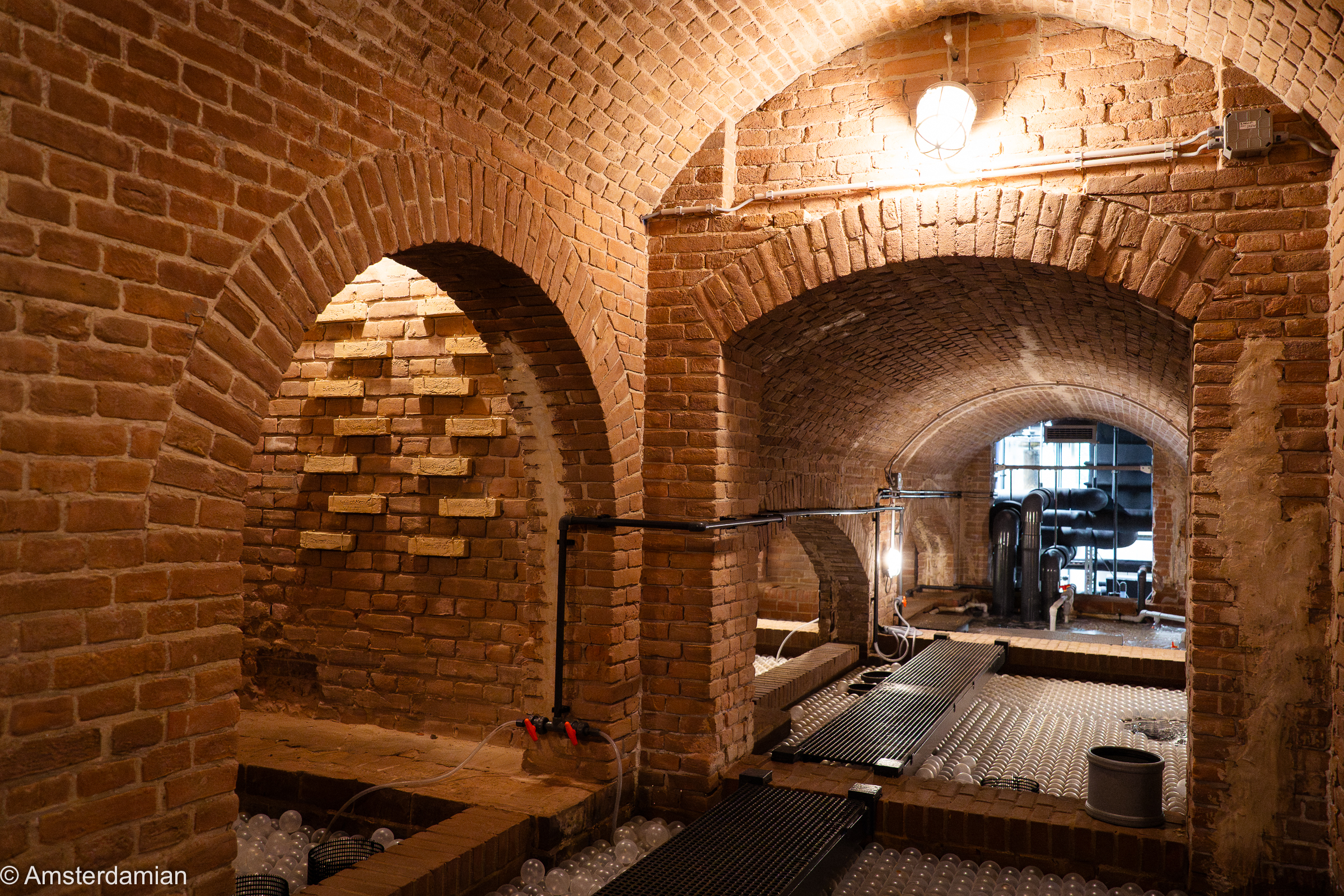
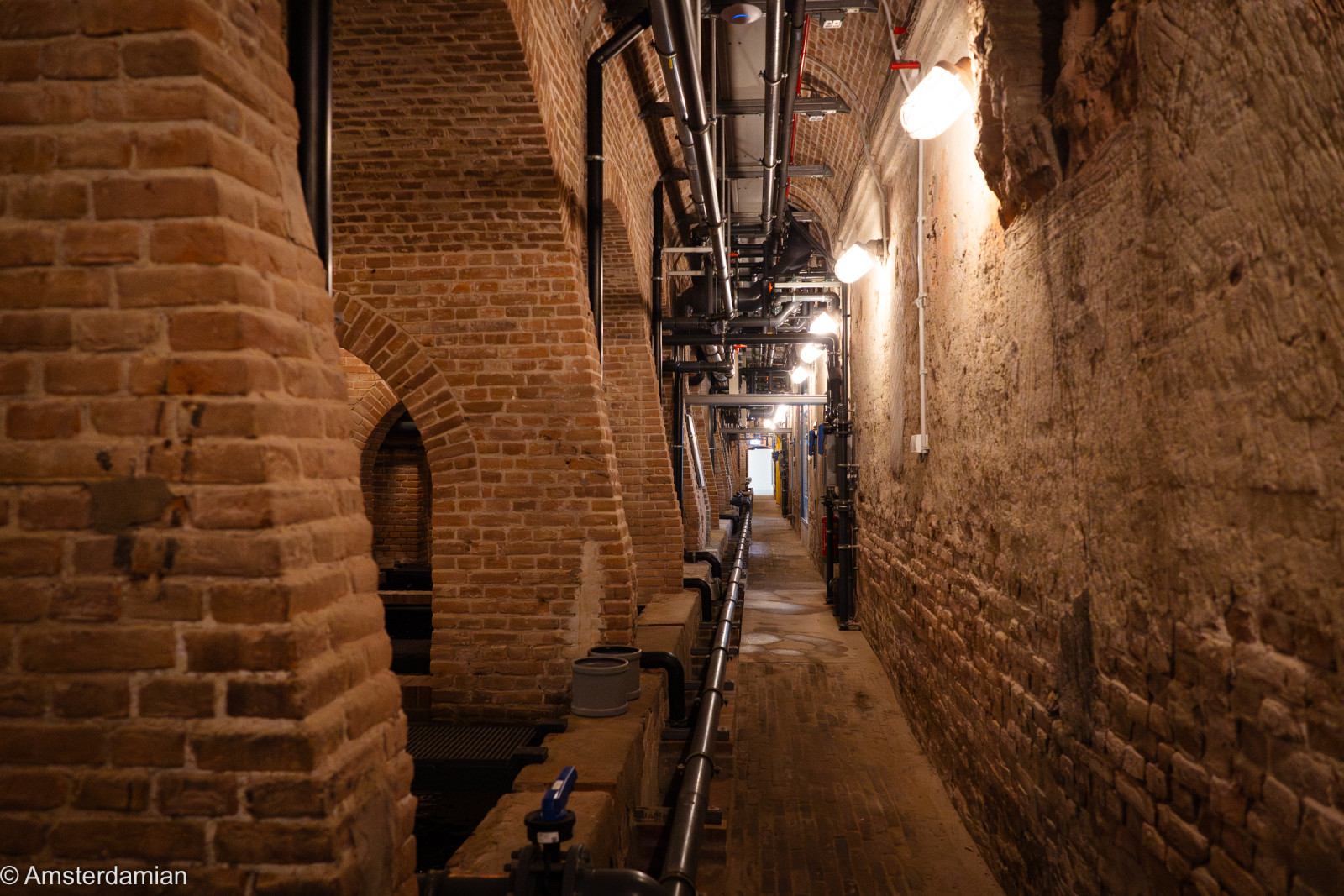
Visitors used to see only a fraction of the monument; now you can walk almost everywhere, and you can even see the catacombs beneath the great hall, where the original Lloyd water filtration system still works tirelessly to keep the water in perfect condition. It is the last functioning Lloyd system in the world, a piece of Victorian engineering that moved a million litres of water a day before electricity existed, and it still does. Sixty per cent of that water is seawater, most of it brought in from the Oosterschelde estuary in Zeeland; the water for the coral reef tanks is mixed on site.
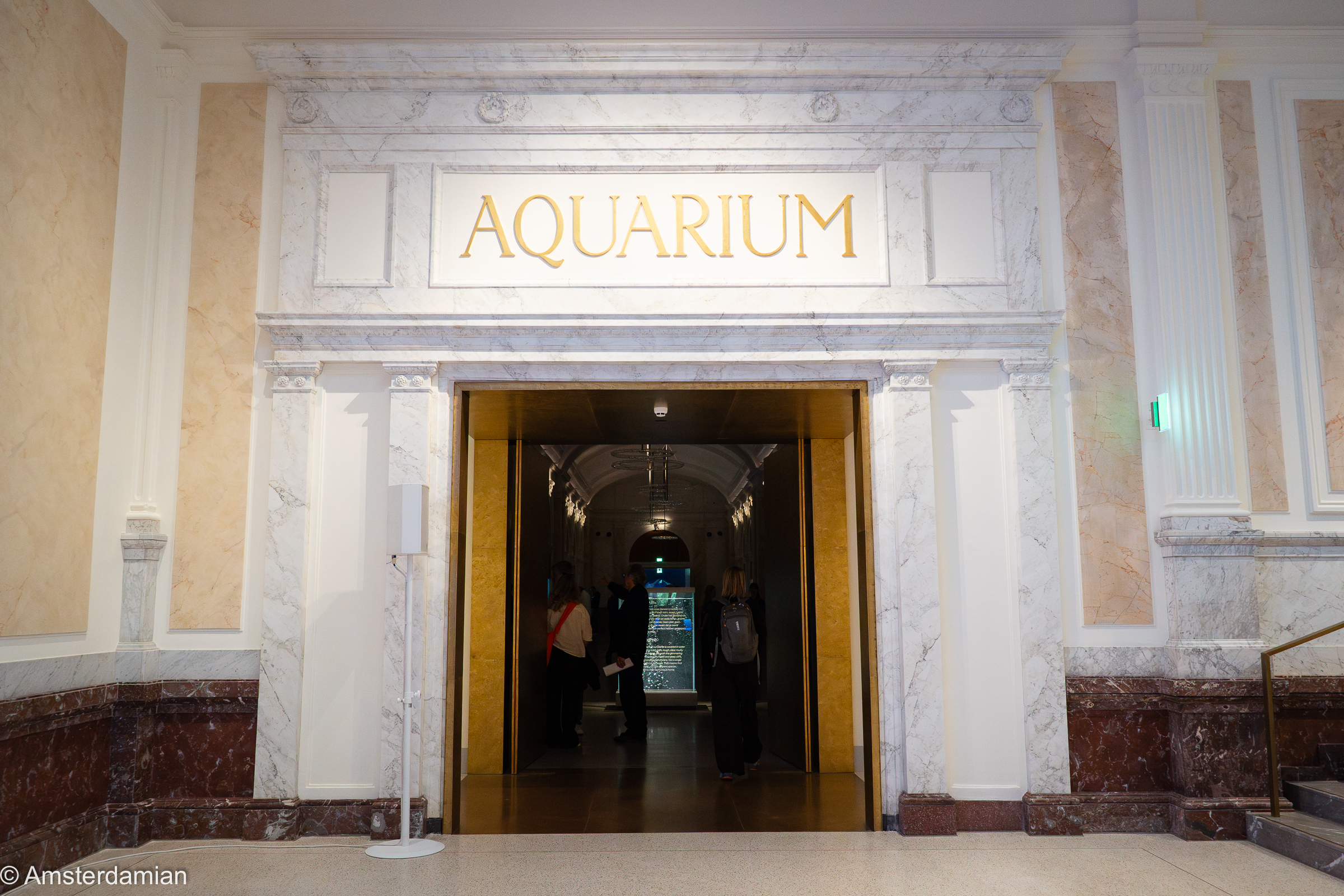
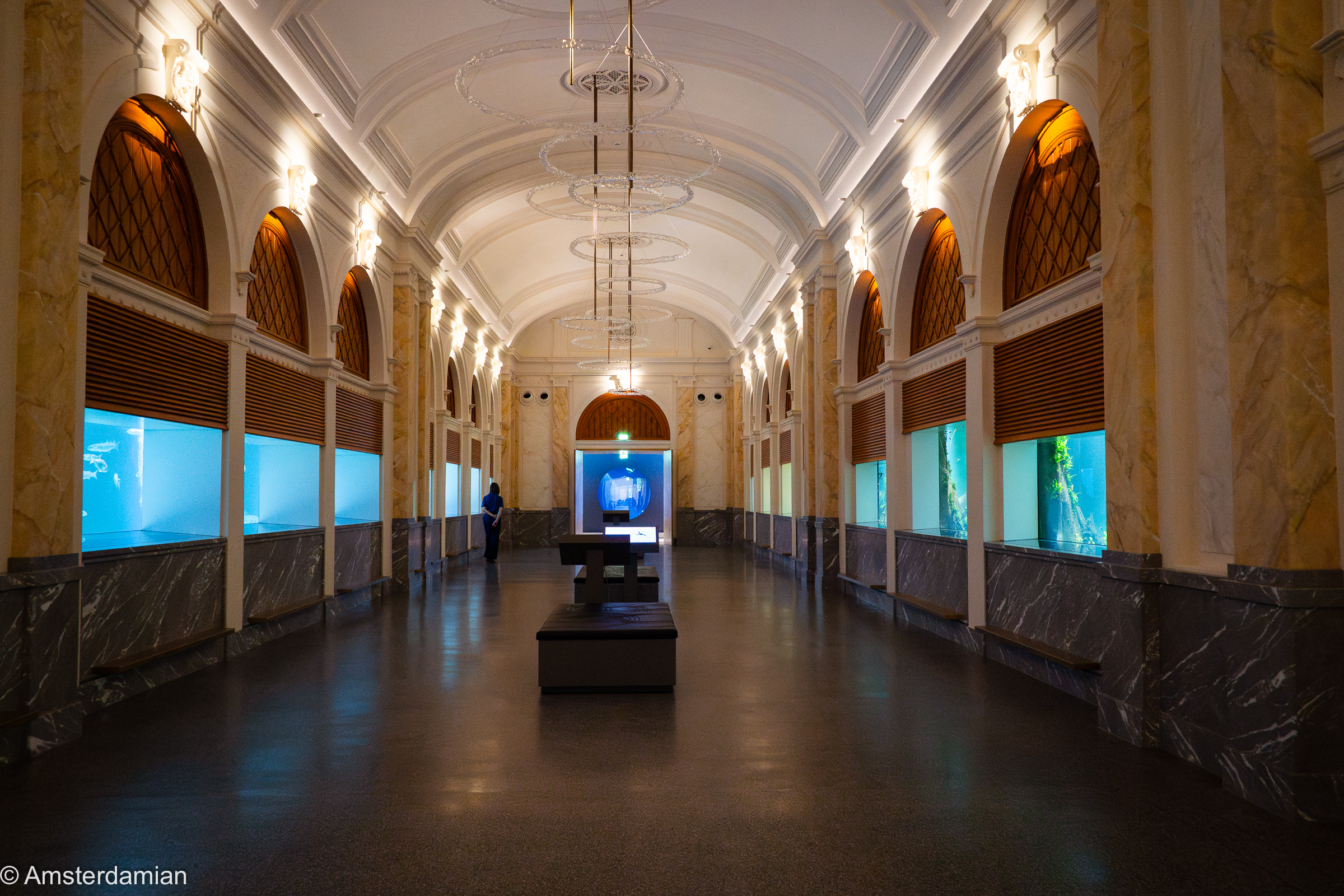
The restoration went far beyond repairing what was broken. Historical colour research guided the redecoration of the monumental halls, and later additions (layers of paint, lowered ceilings) were stripped away to reveal the original building. At the same time, the monument was brought back to the 21st century: the new saltwater tanks are built from self-healing concrete reinforced with basalt fibre, the roof carries 118 solar panels, and the building has been prepared for aquathermal energy, so that one day it can be heated entirely without fossil fuels.
Over the past fifteen years, ARTIS has restored or transformed roughly three-quarters of its historic buildings, and in January 2025 it received official recognition as a Professional Organisation for Monument Conservation (POM), a status granted partly on the strength of the Aquarium restoration itself.
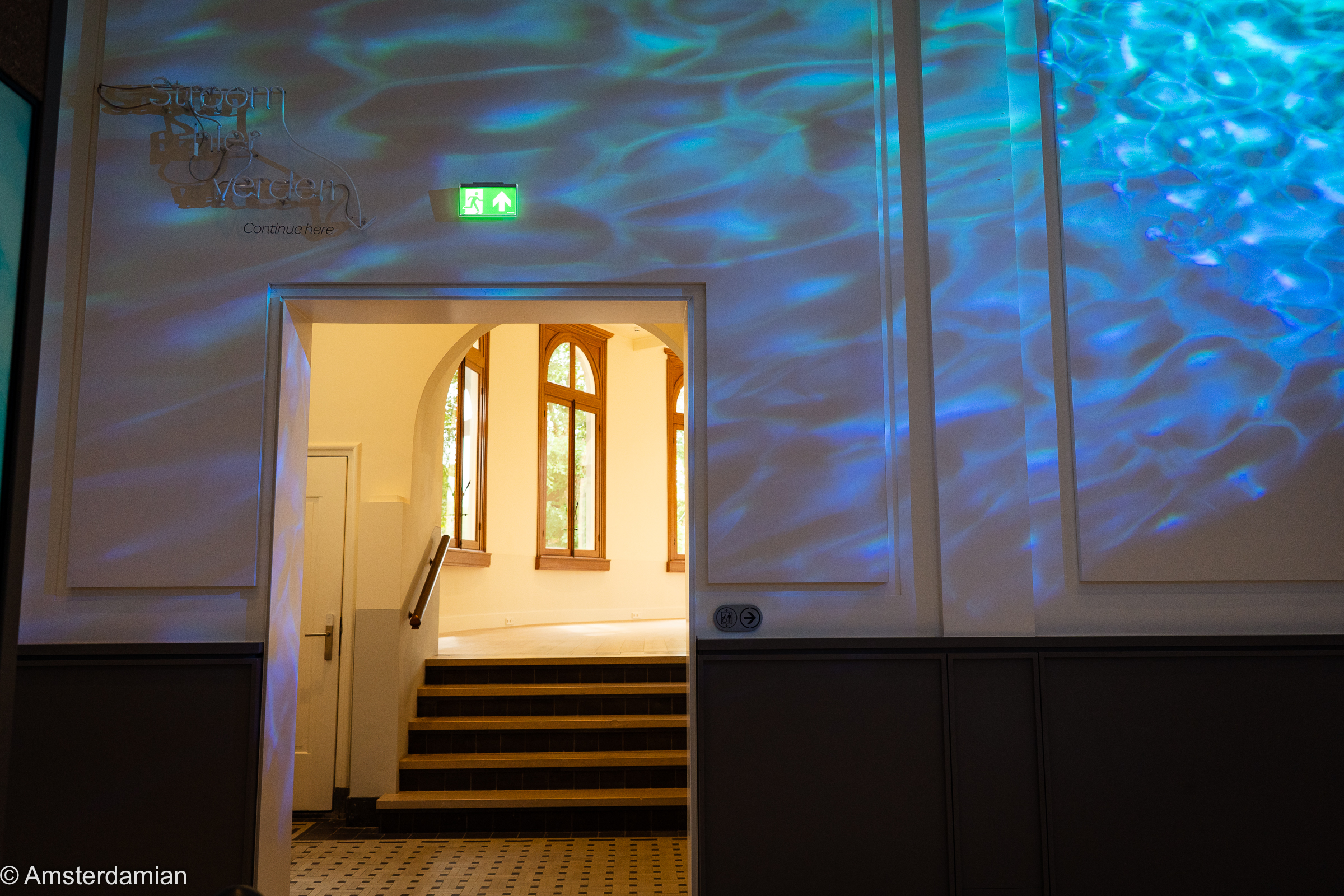
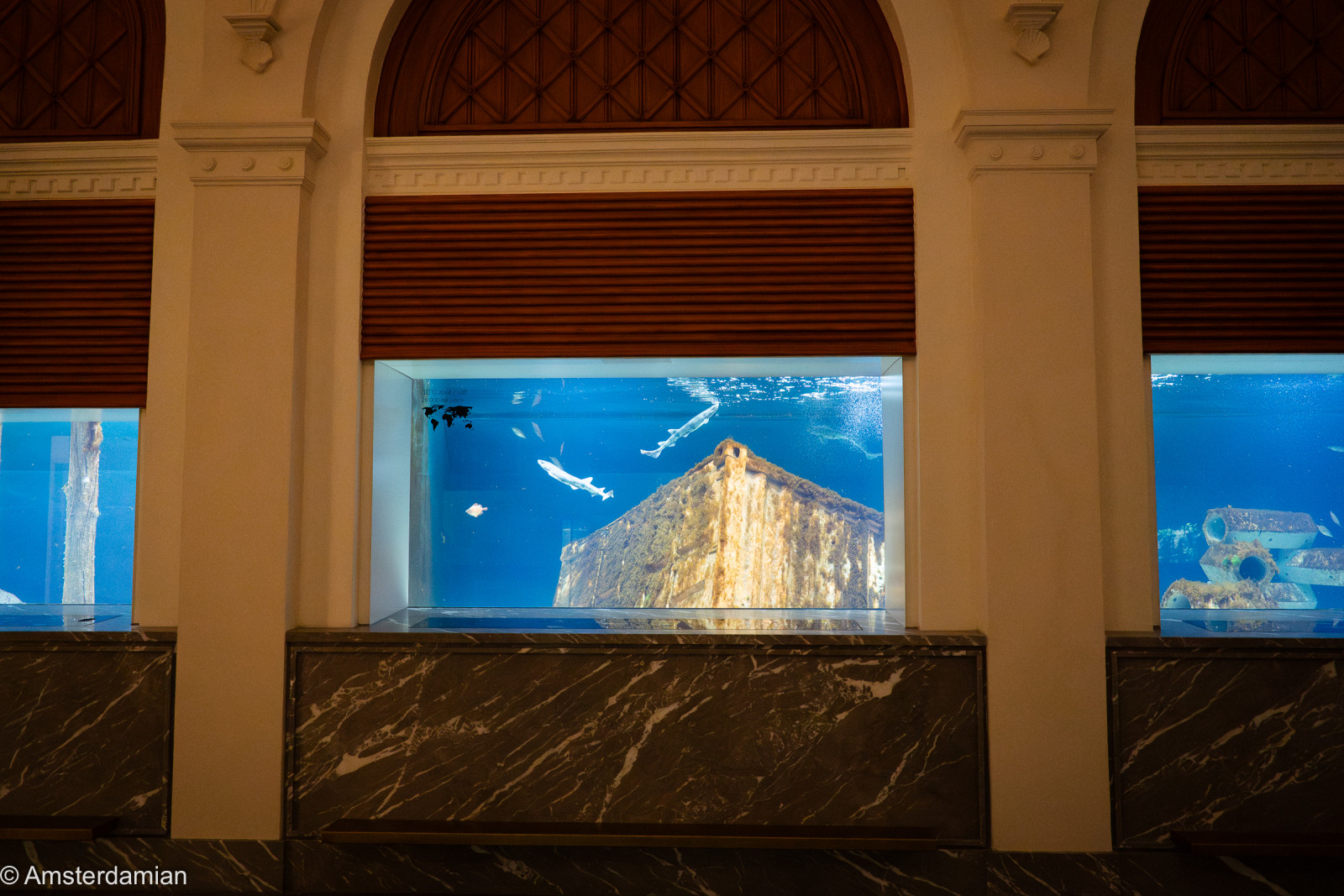
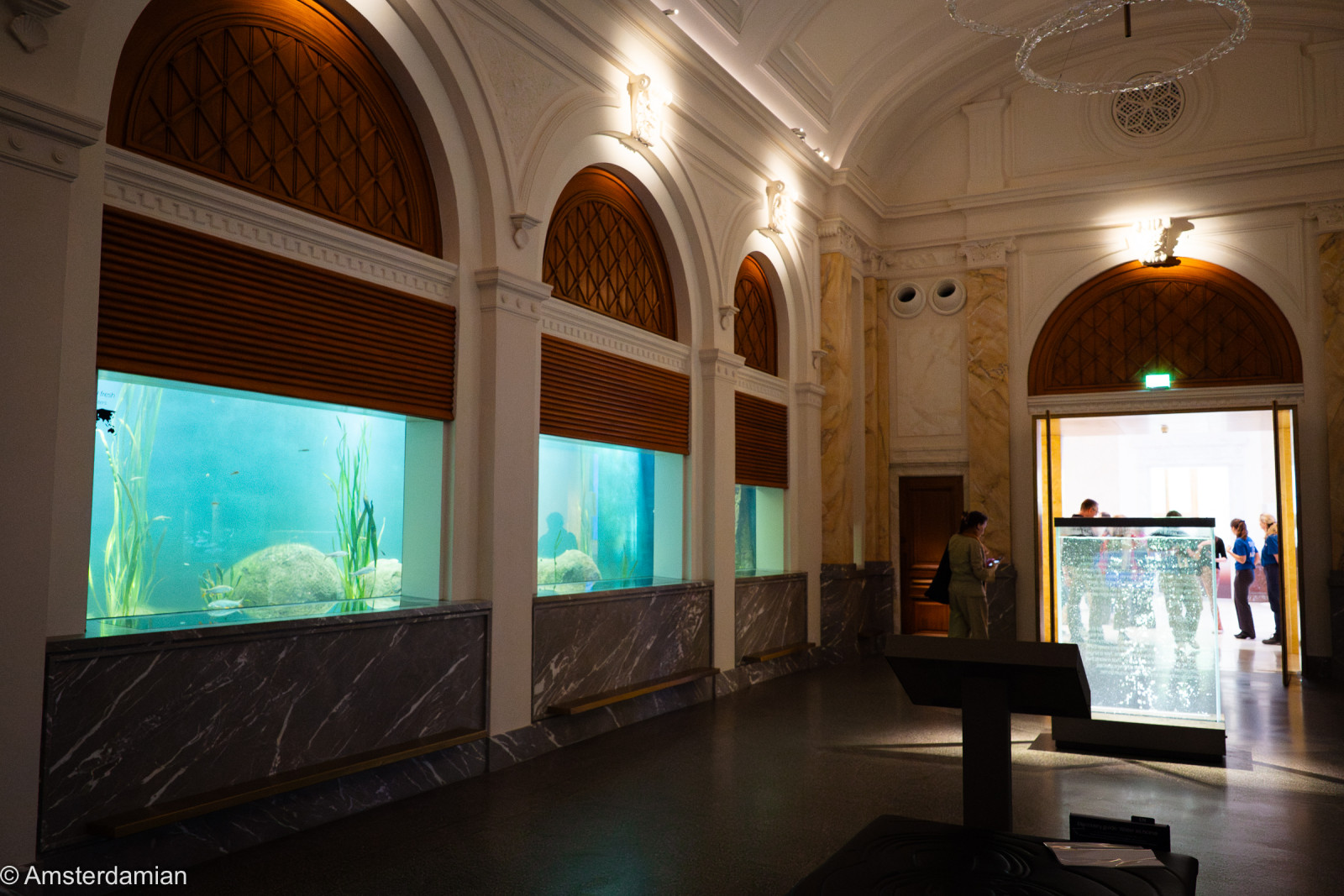
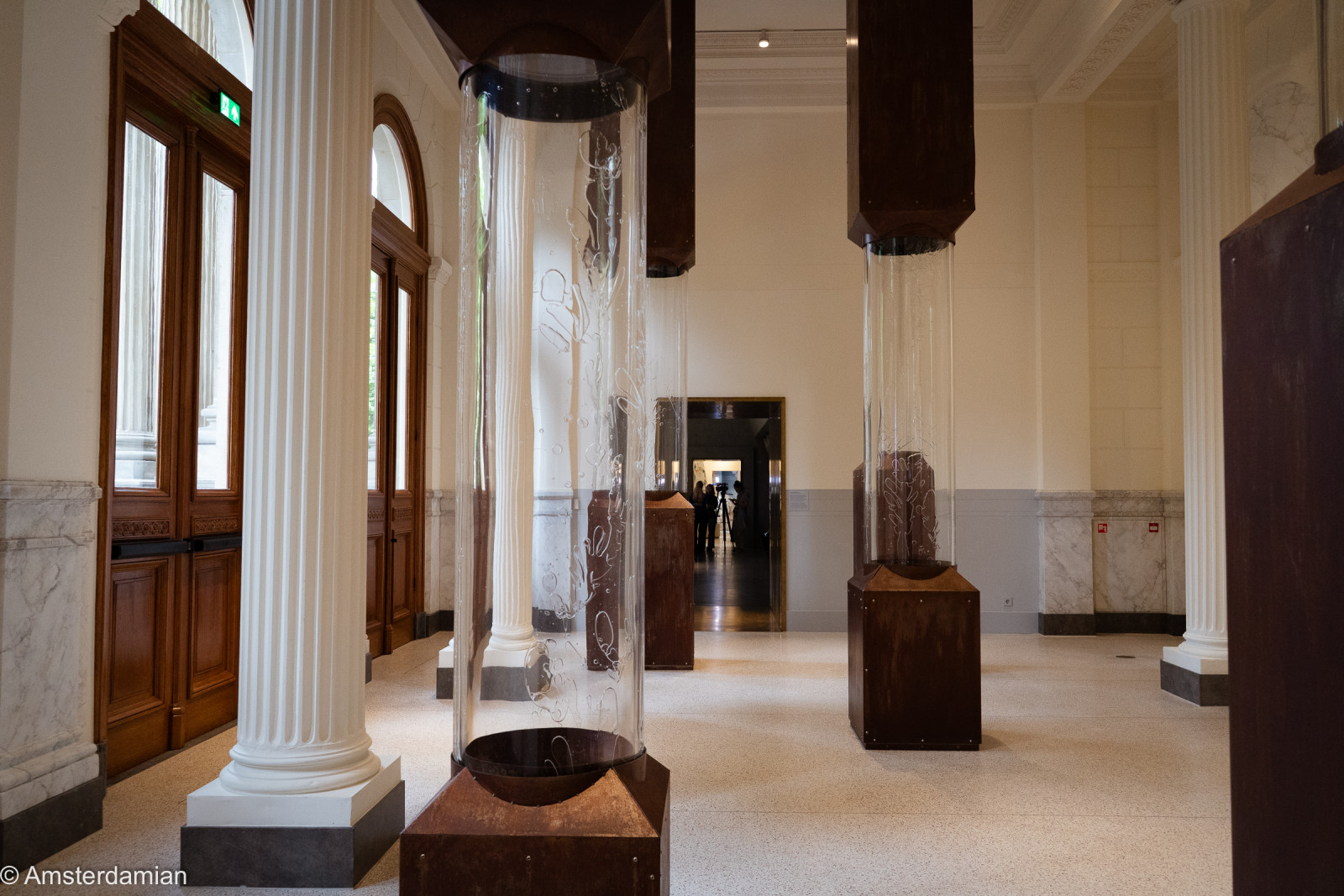
The restoration also turned up surprises. “During the realisation we discovered a lot of historic layers, which we brought back,” Wolse said. “The painted marble, the stucco in the entrance hall, the layers of marble in the stucco, we found it all back.” The result is a building flooded with light, where the old decorative grandeur delights the modern visitors. There’s a softness to it, and it feels as if the building has finally been allowed to breathe. In one of the rooms, water-coloured light is moving across 19th-century plaster, creating the illusion that you are immersed.
This building is not what you would expect from an aquarium. It first gives you the monument vibe, and then you realise there’s a whole underwater world inside; it is a special experience.
This page contains affiliate links. If you click and book, I may receive a small commission at no extra cost to you.
A story that flows through the building
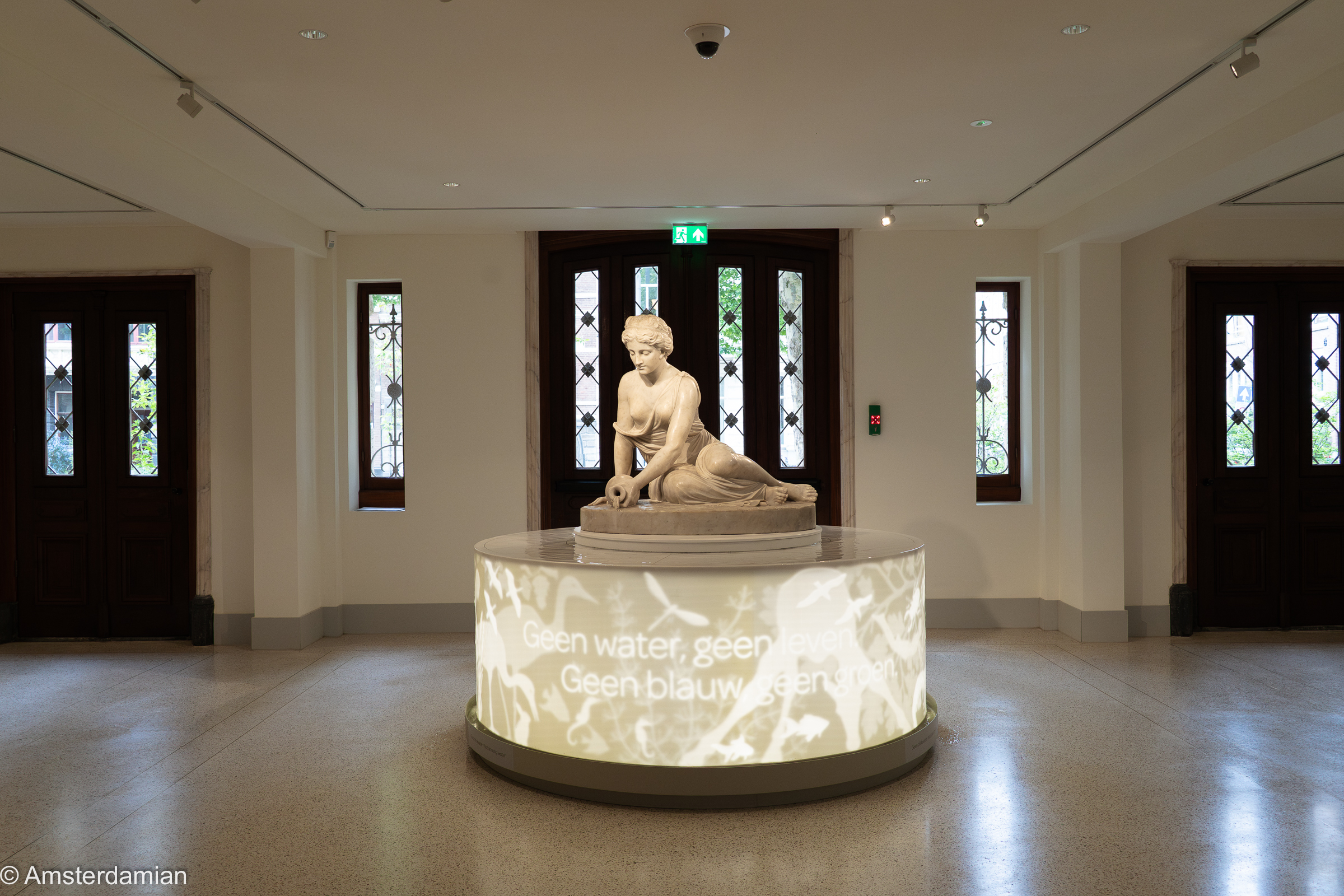
The visit flows smoothly through the old corridors. You’re welcomed, as visitors were almost 150 years ago, by the Water Nymph, the statue that has poured water into ARTIS since the building opened, now standing on a new pedestal with running water you can touch. She carries a quote from oceanographer Sylvia Earle: “No water, no life. No blue, no green.”
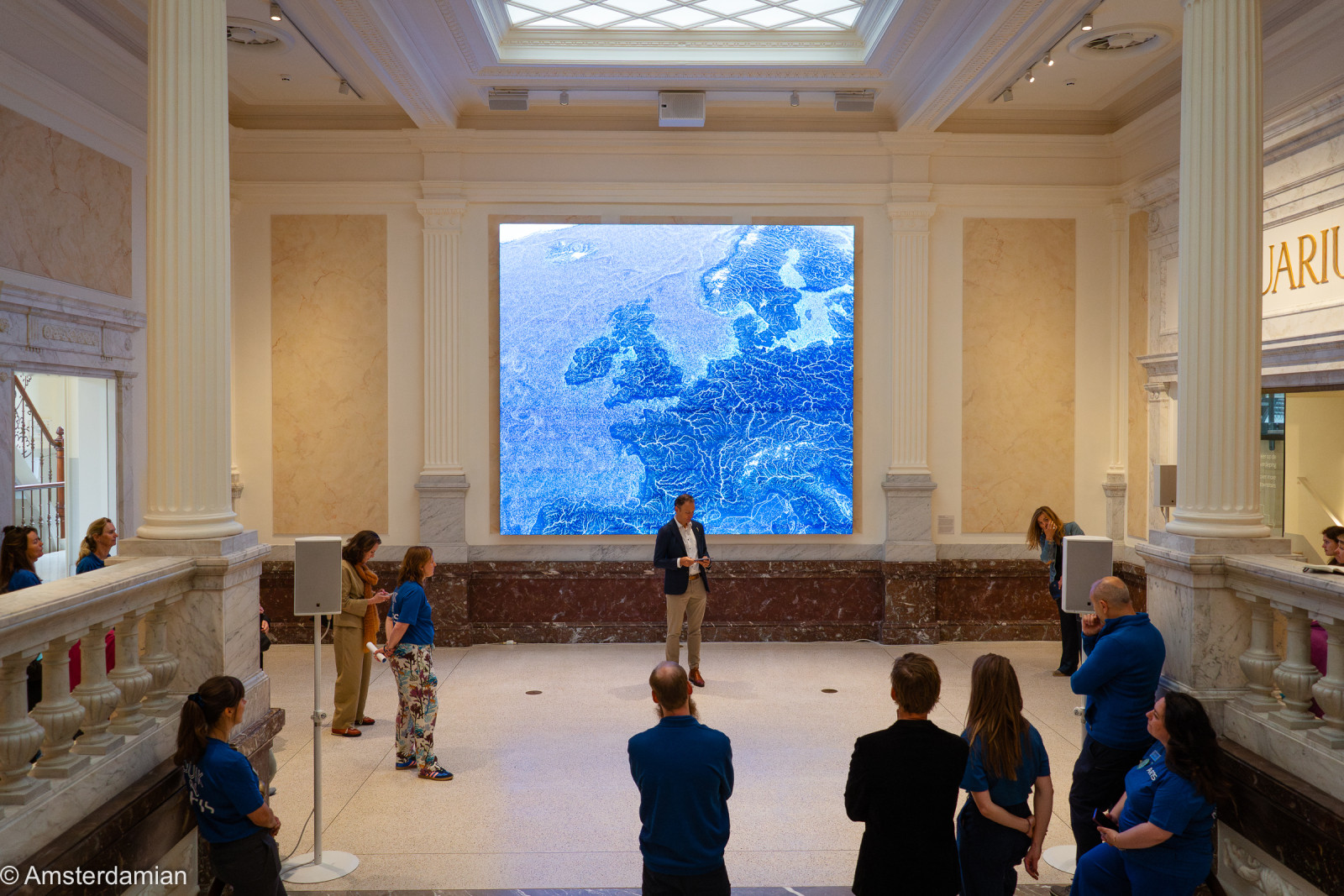
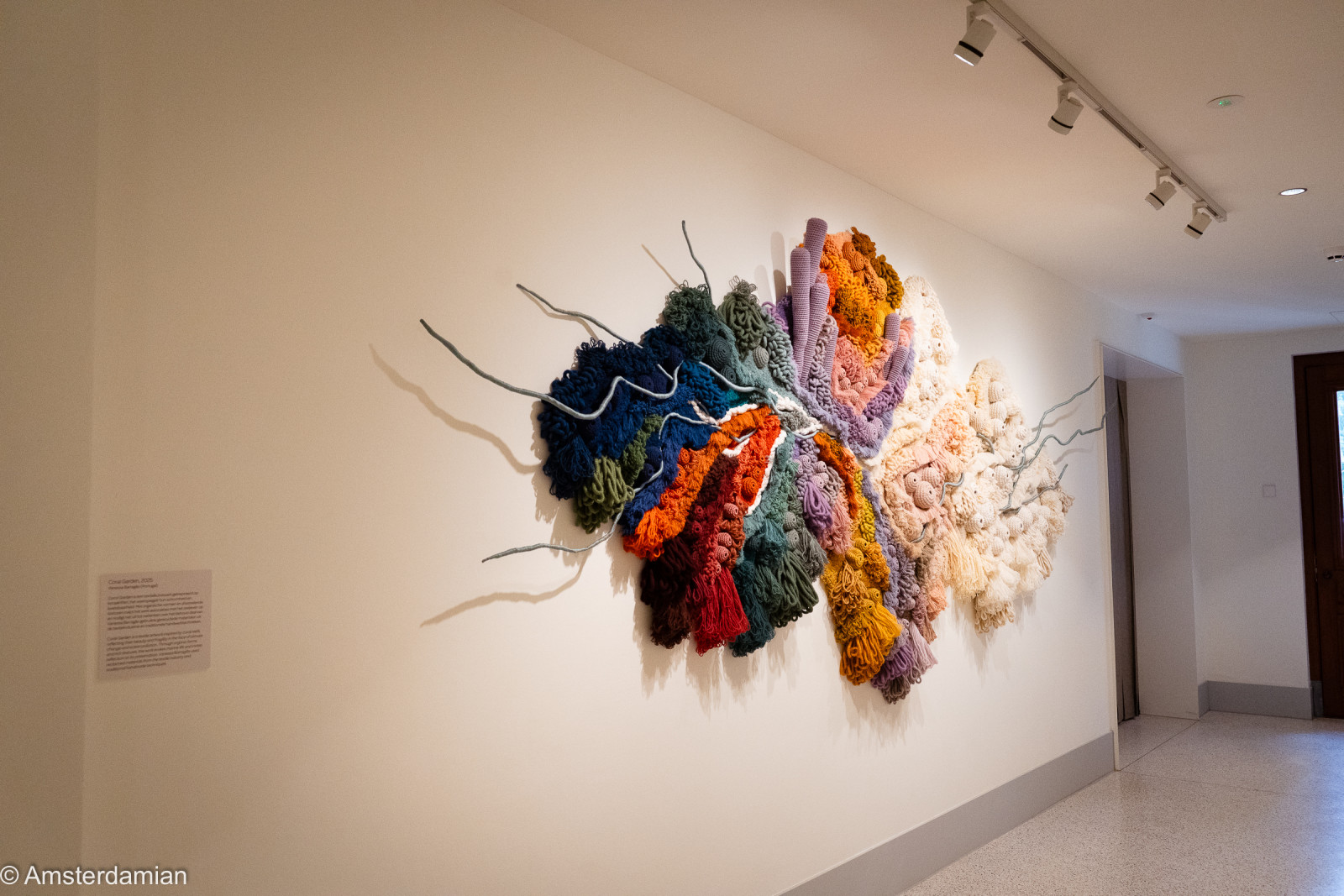
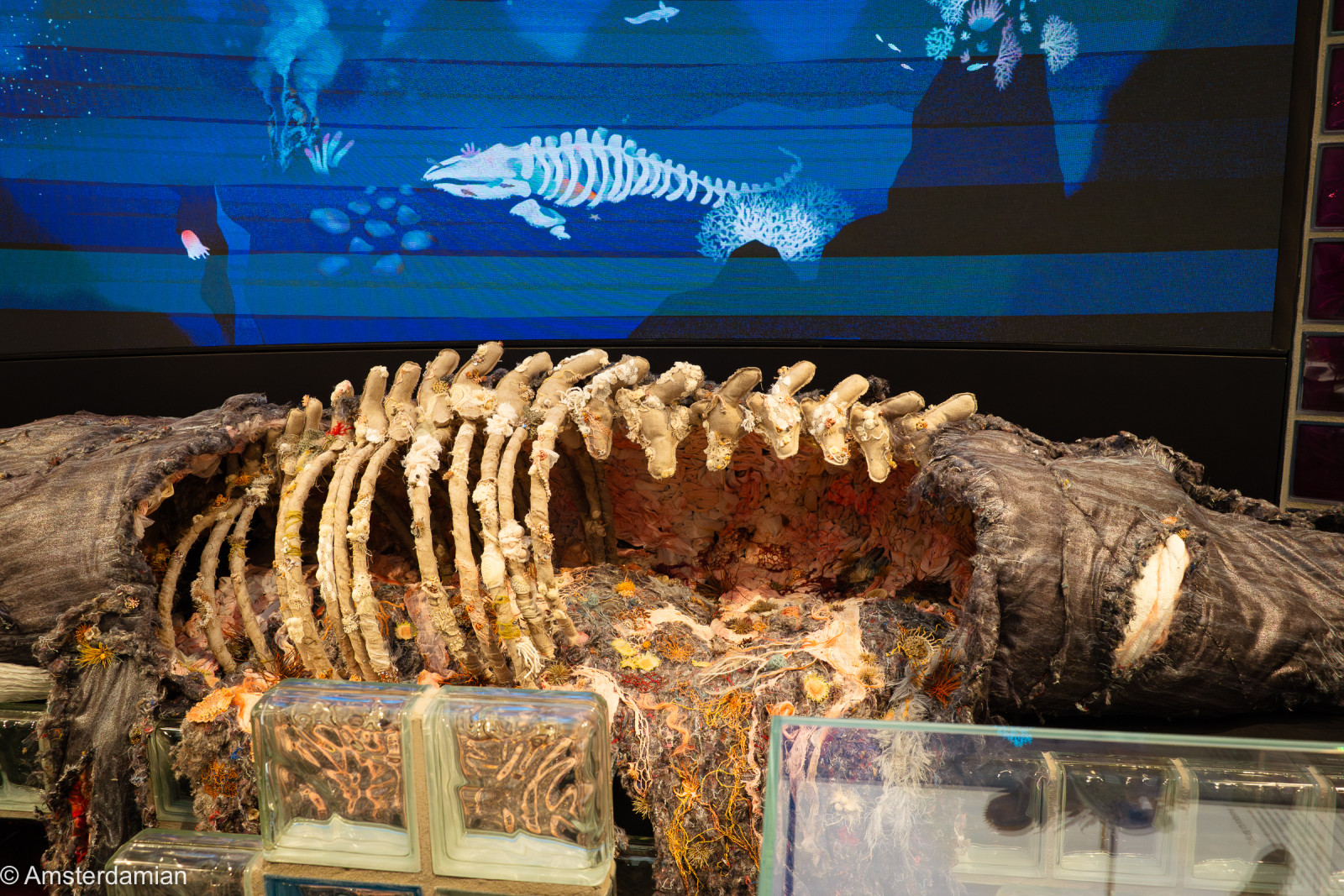
Near the entrance, at the top of the stairs, a large immersive installation by the British art collective Marshmallow Laser Feast traces how water circulates across the planet: ocean currents, river systems, the journeys of whales and seabirds. It’s one of eight artworks commissioned for the building, which are placed in various spots and complete the experience, each one telling the story of water in its own material (recycled fishing nets, textile coral, even paint made from algae).
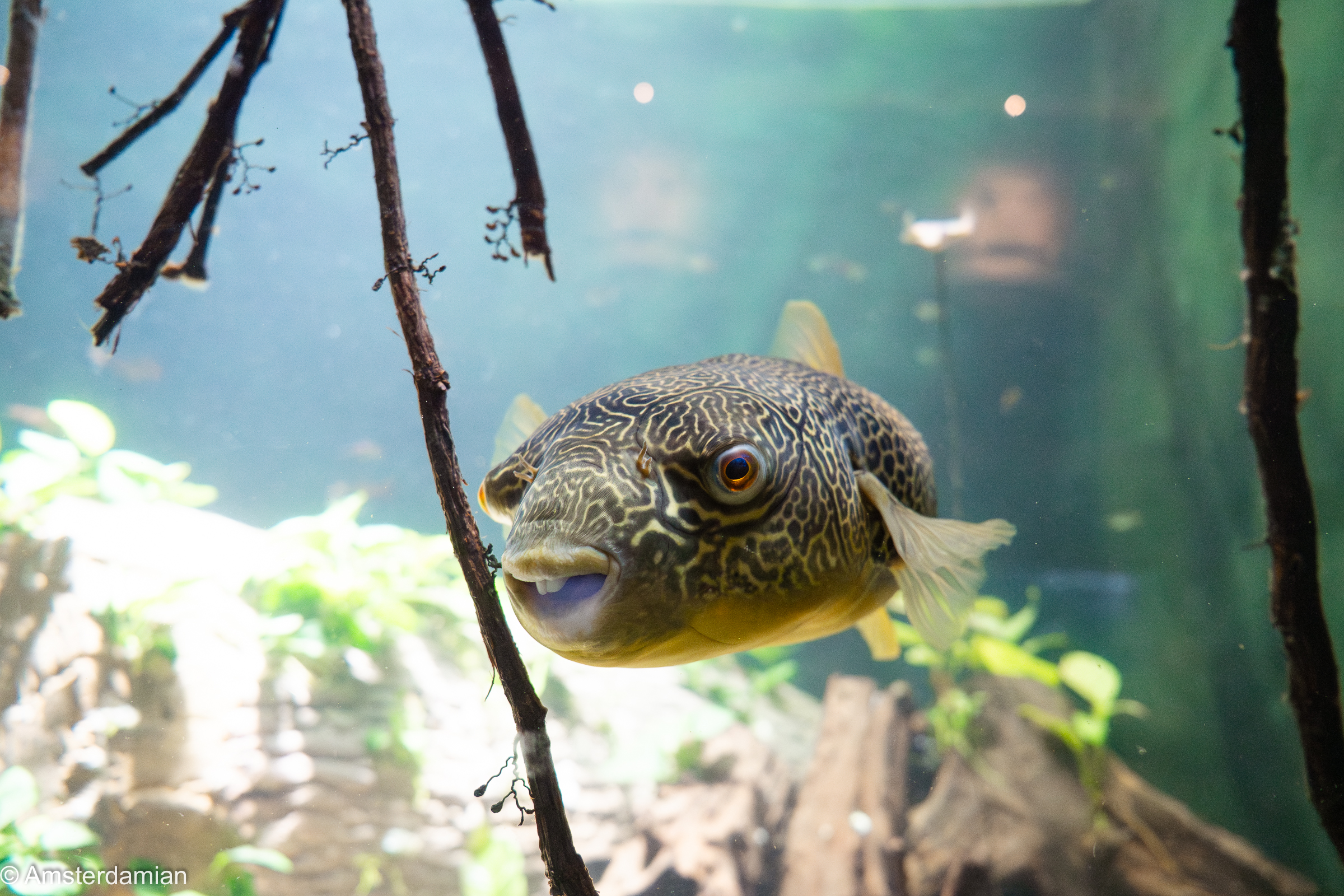
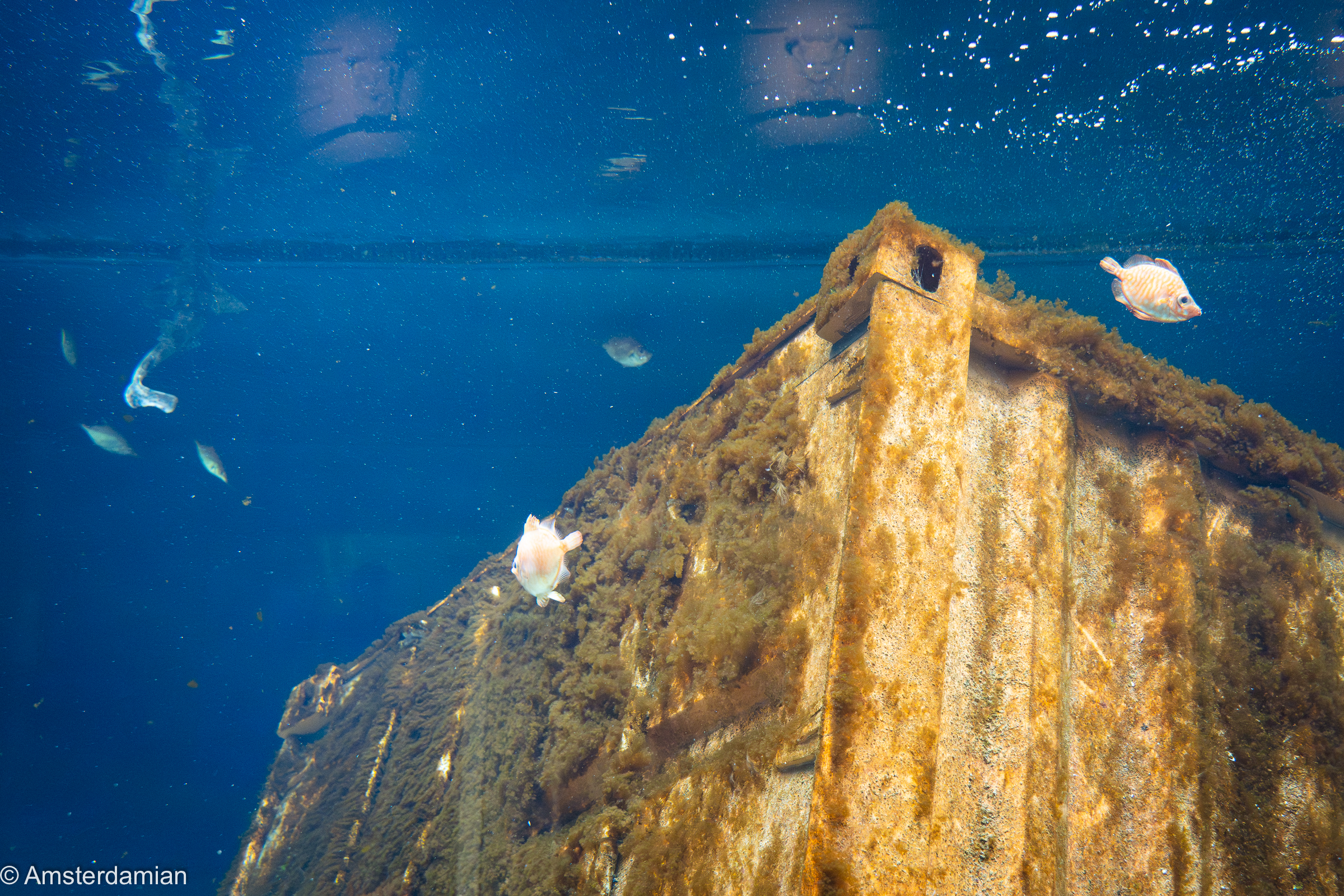
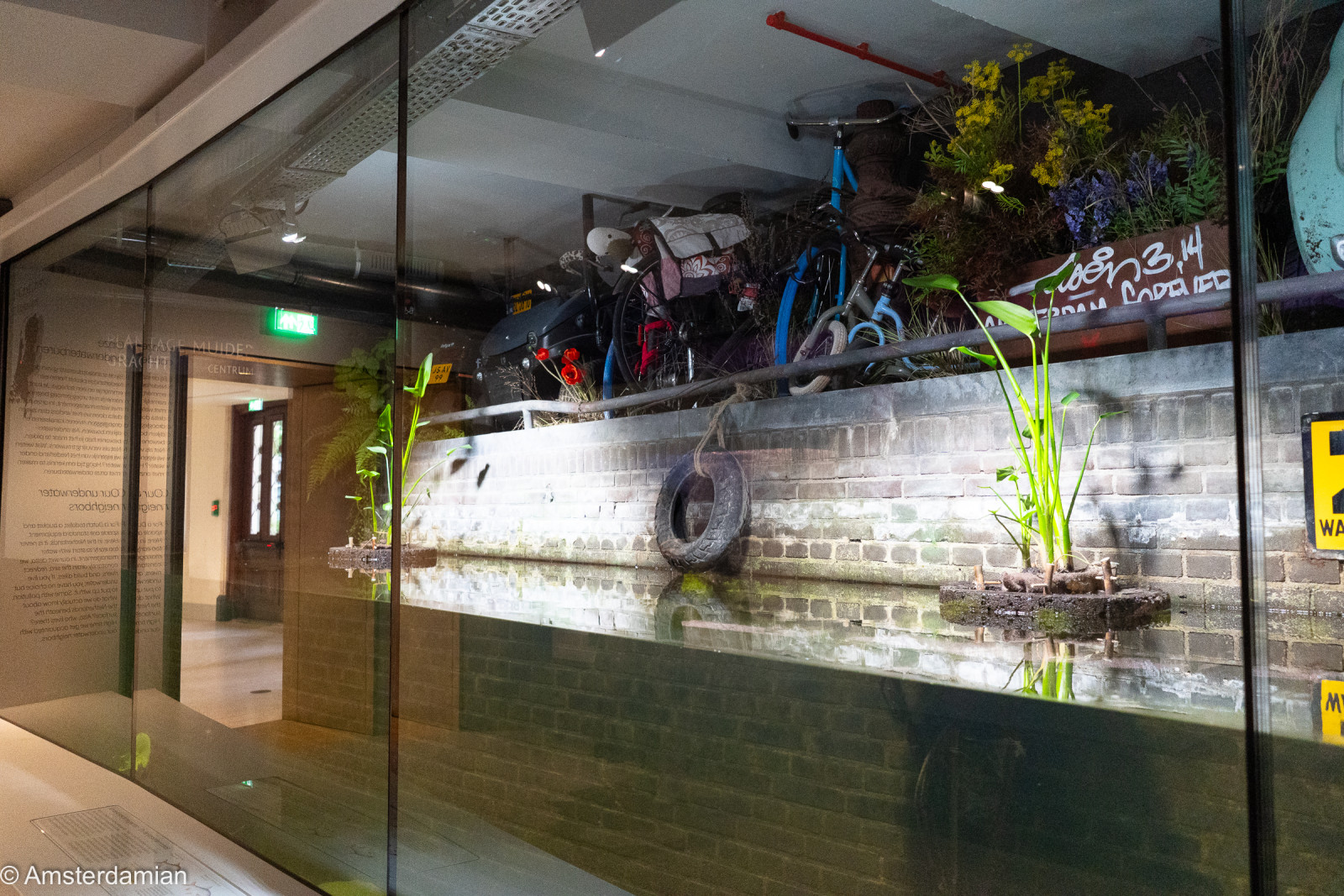
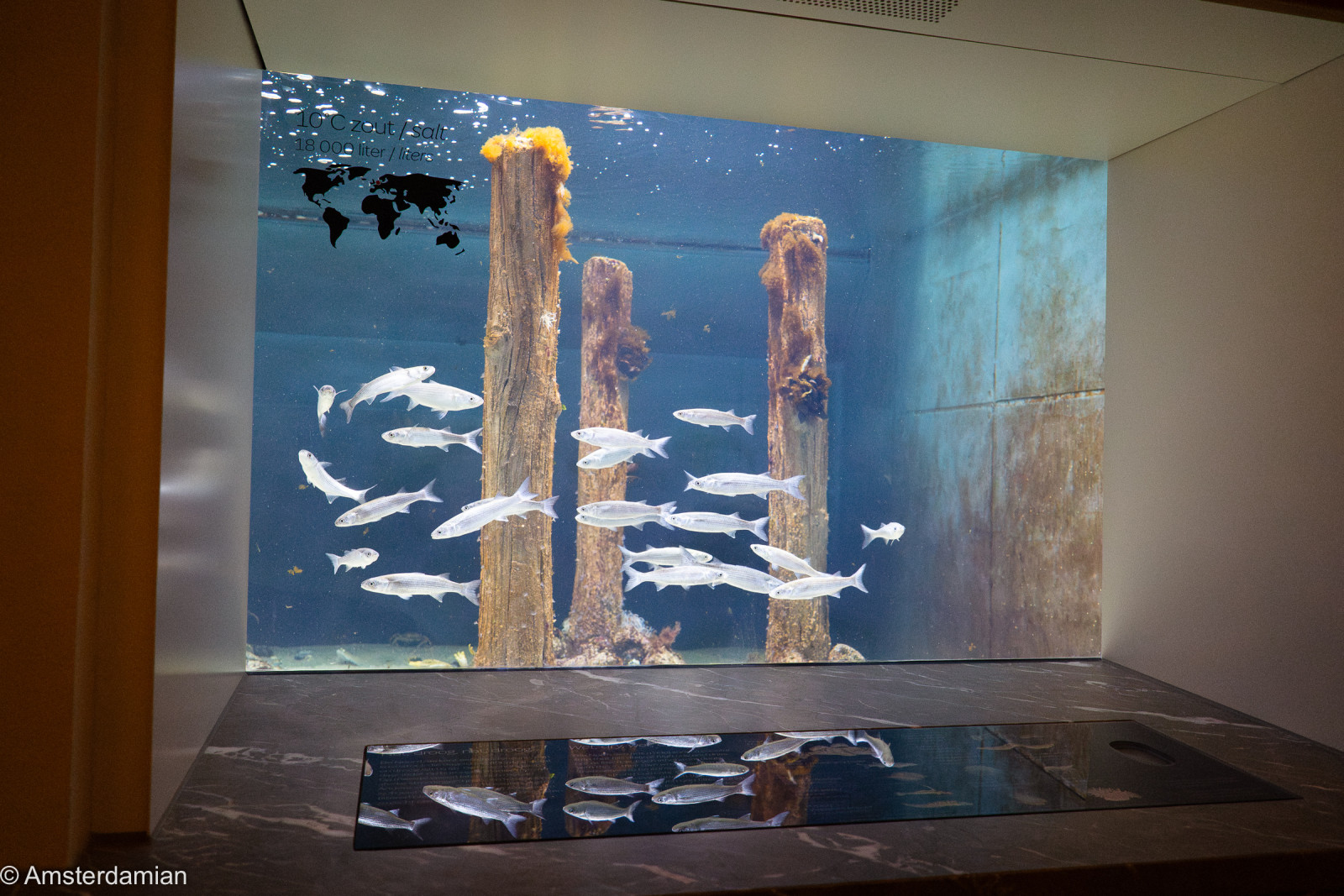
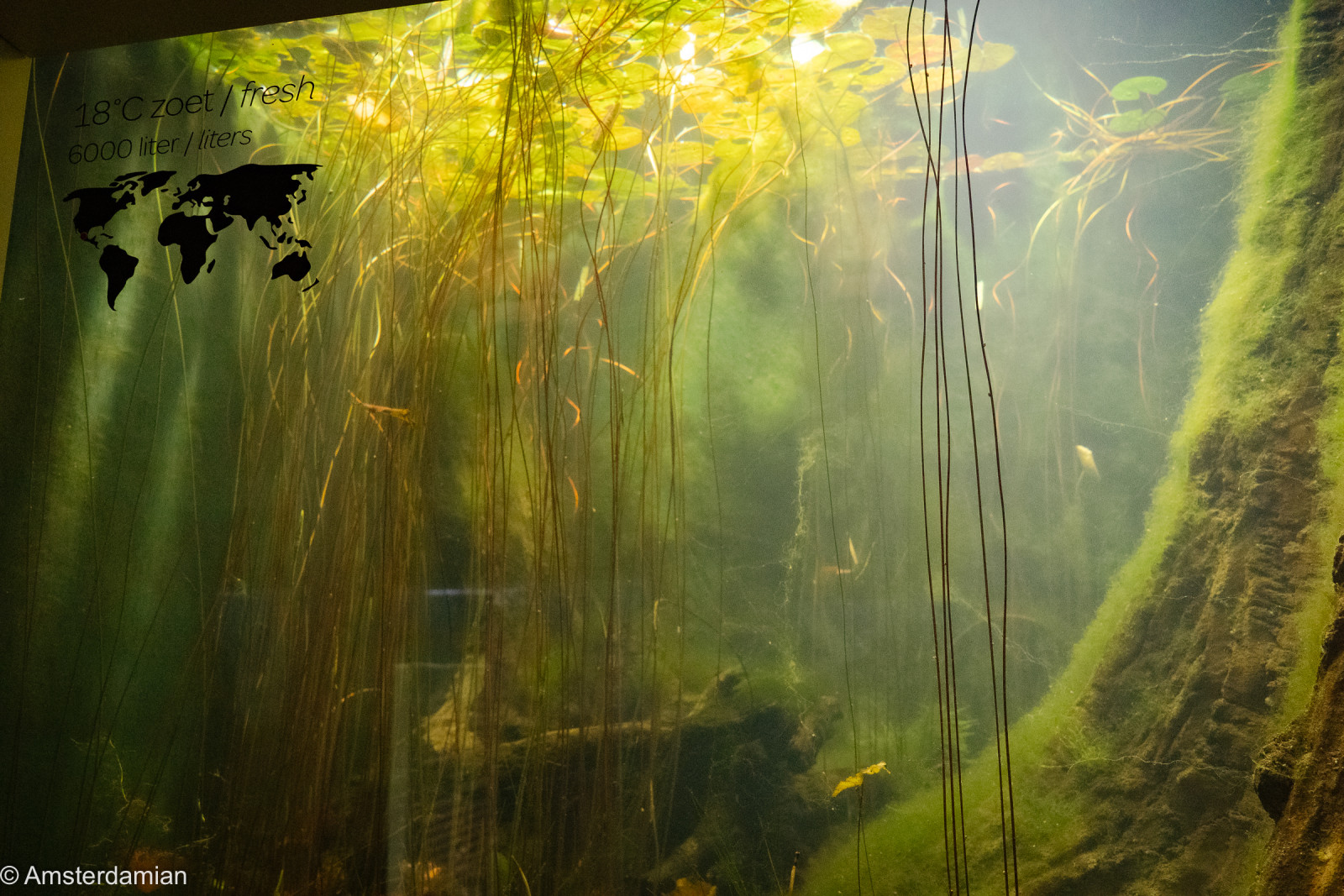
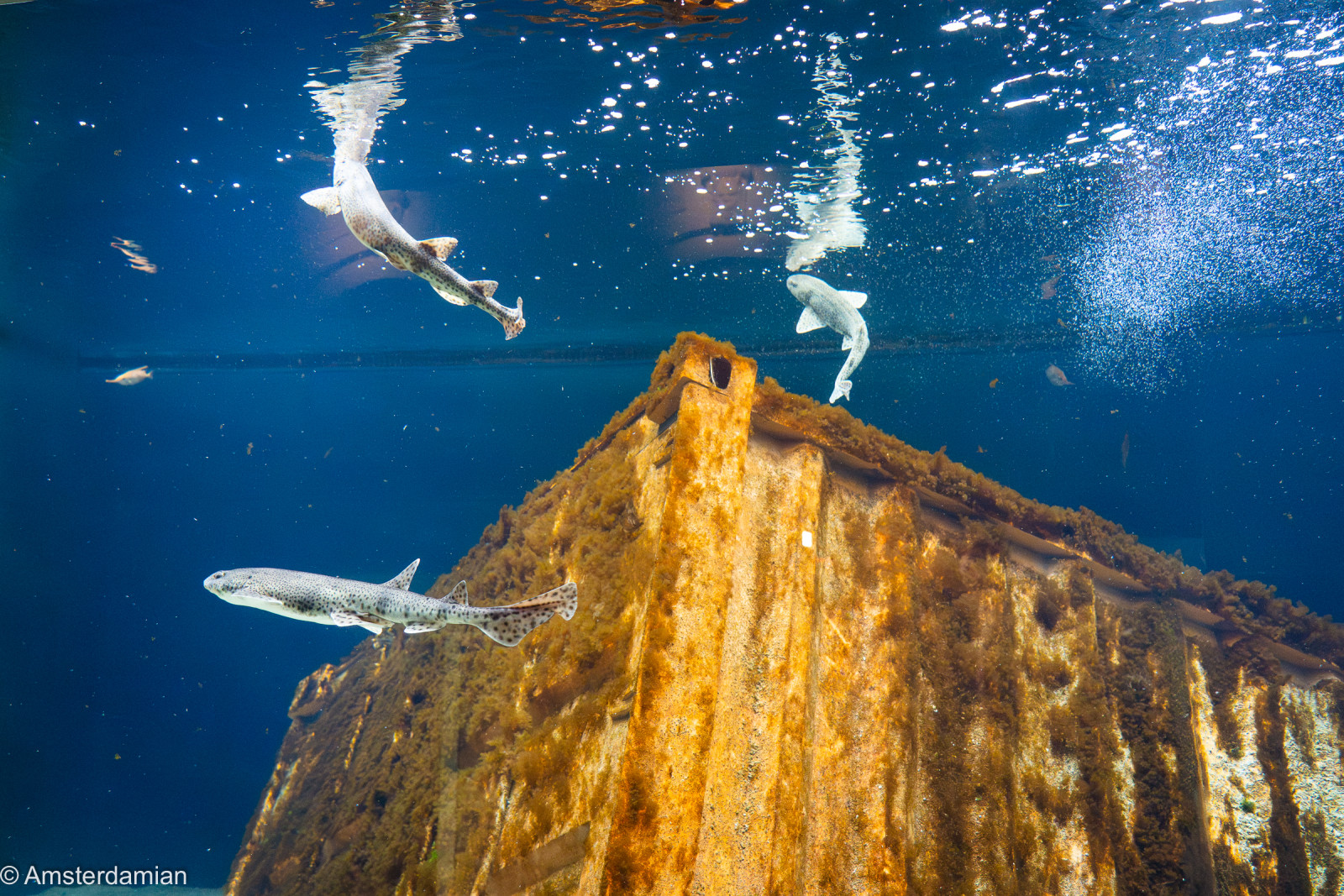
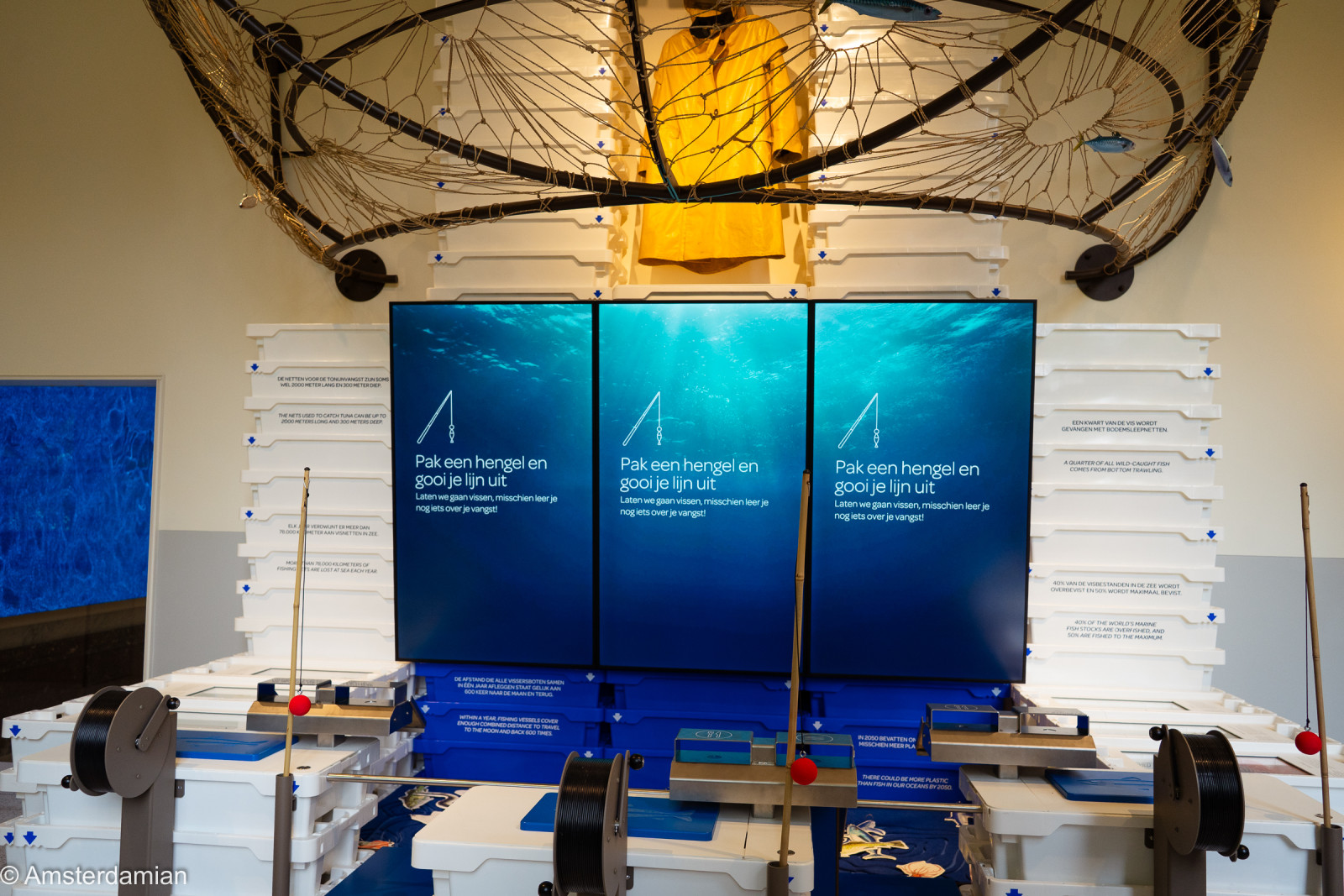
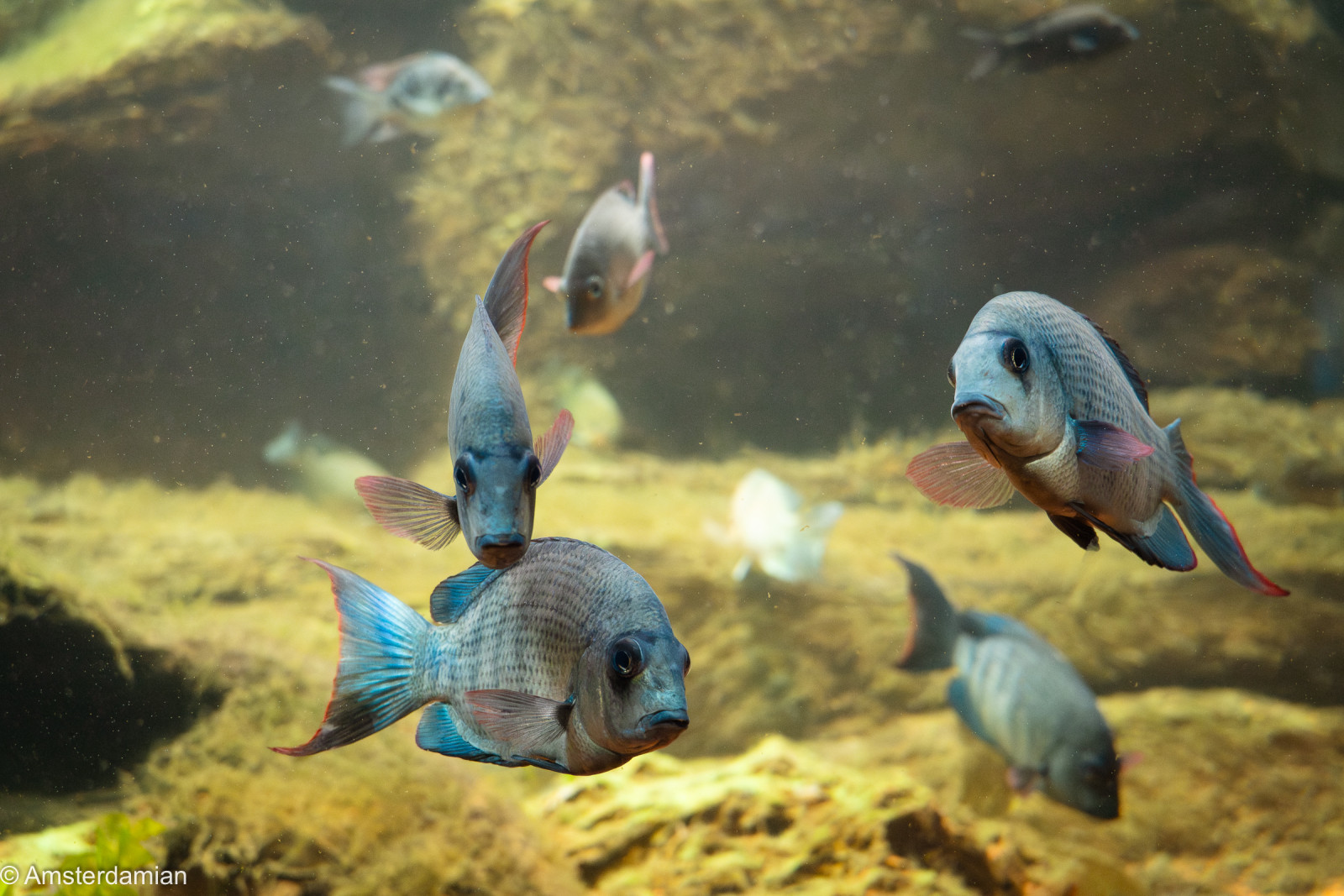
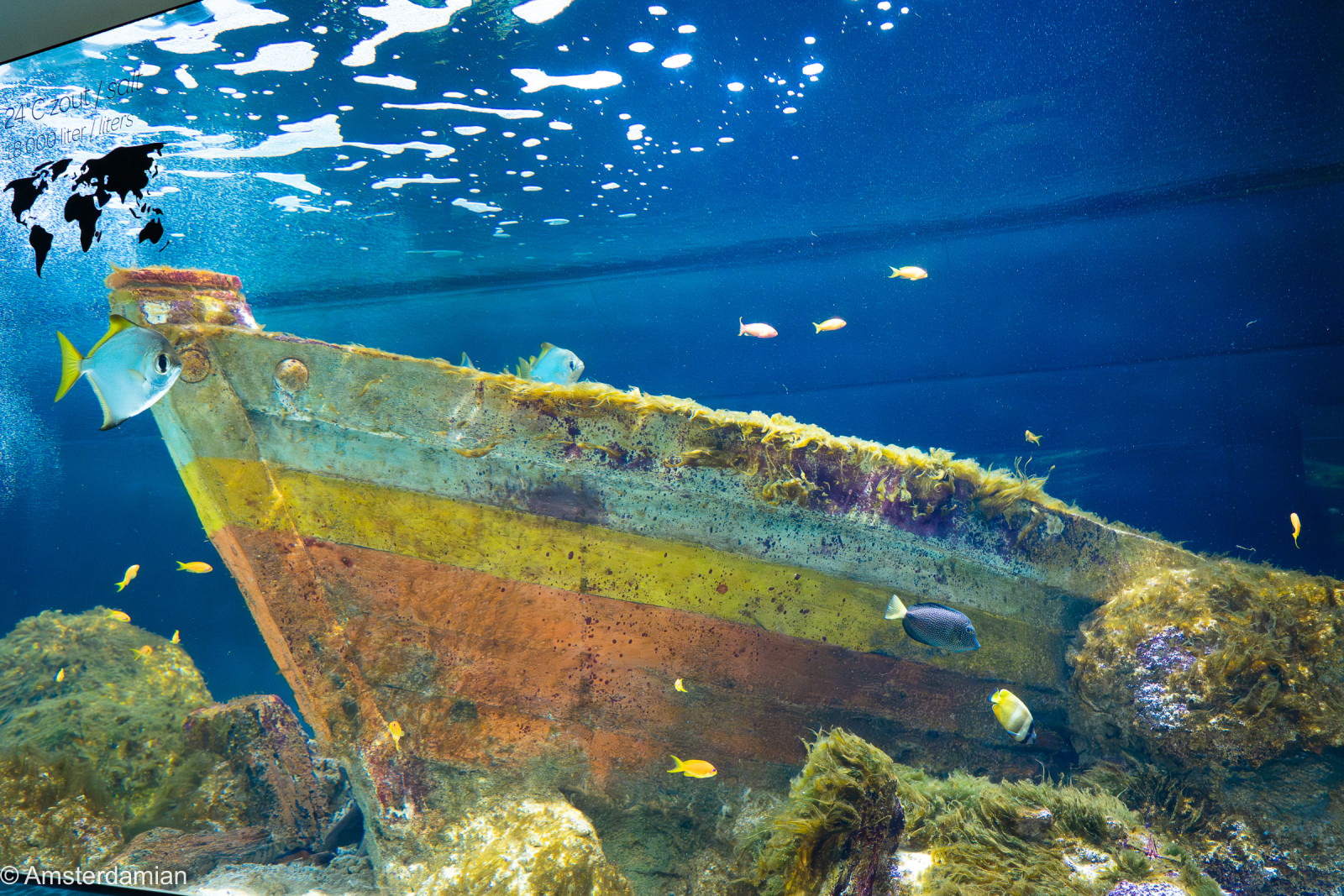
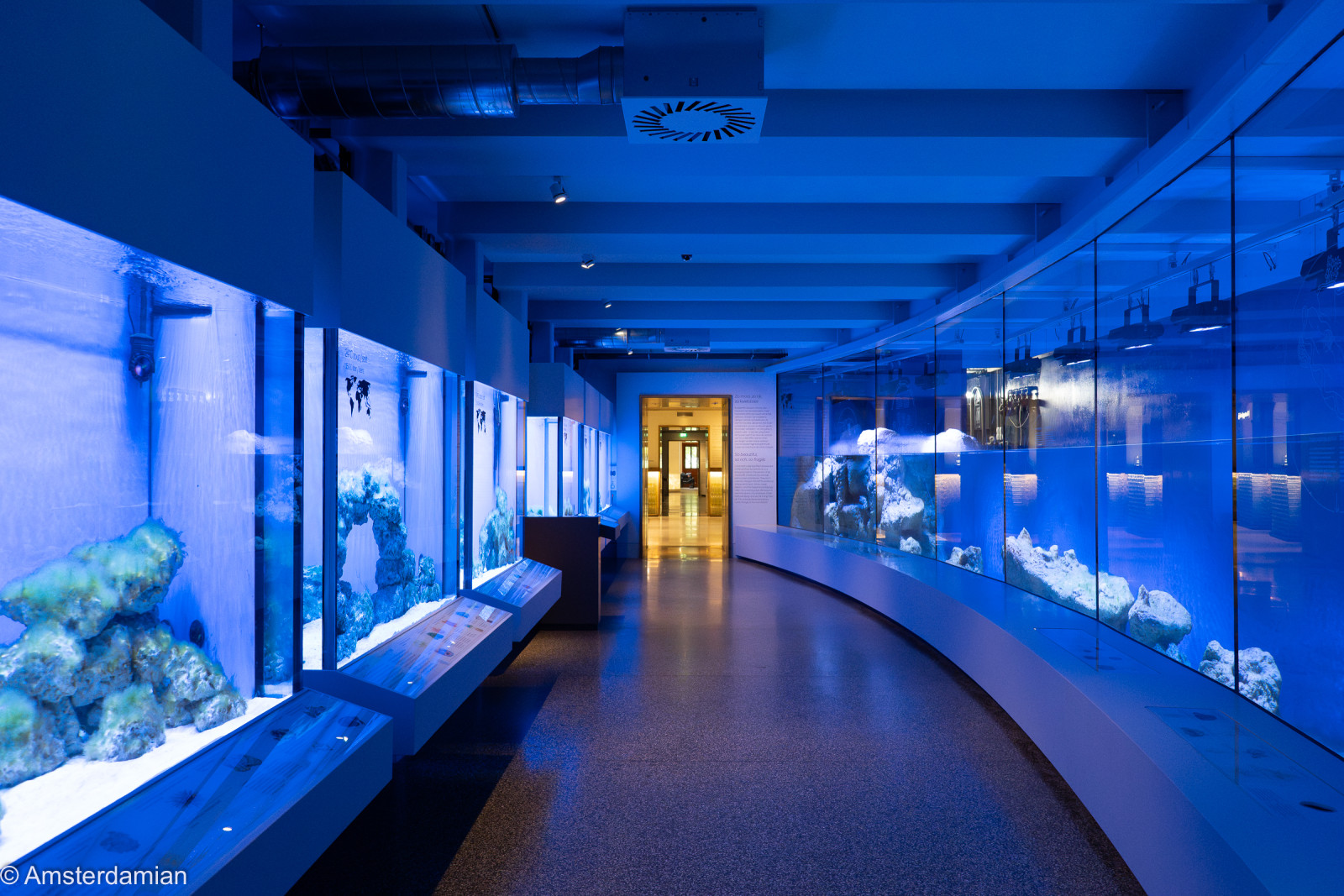
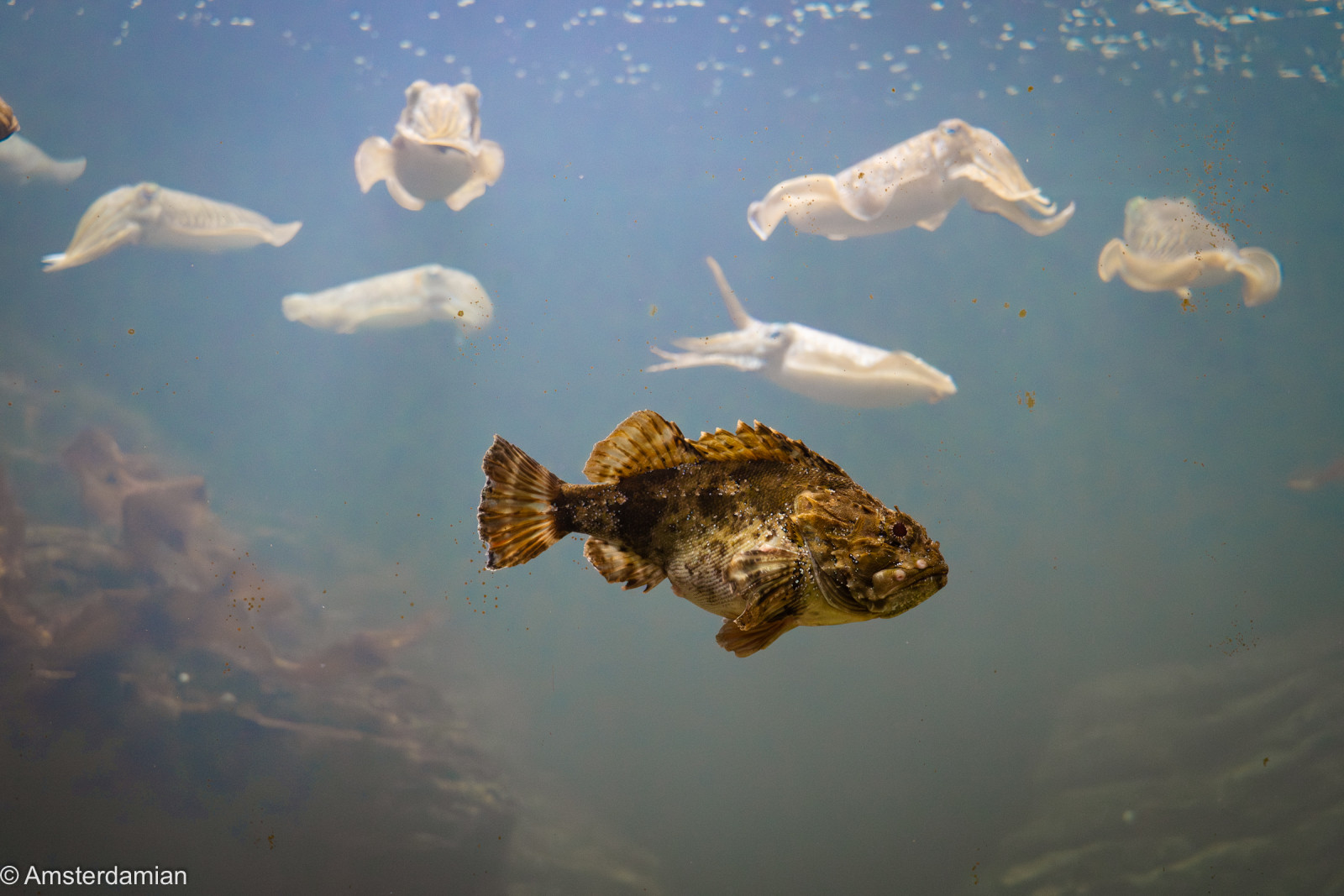
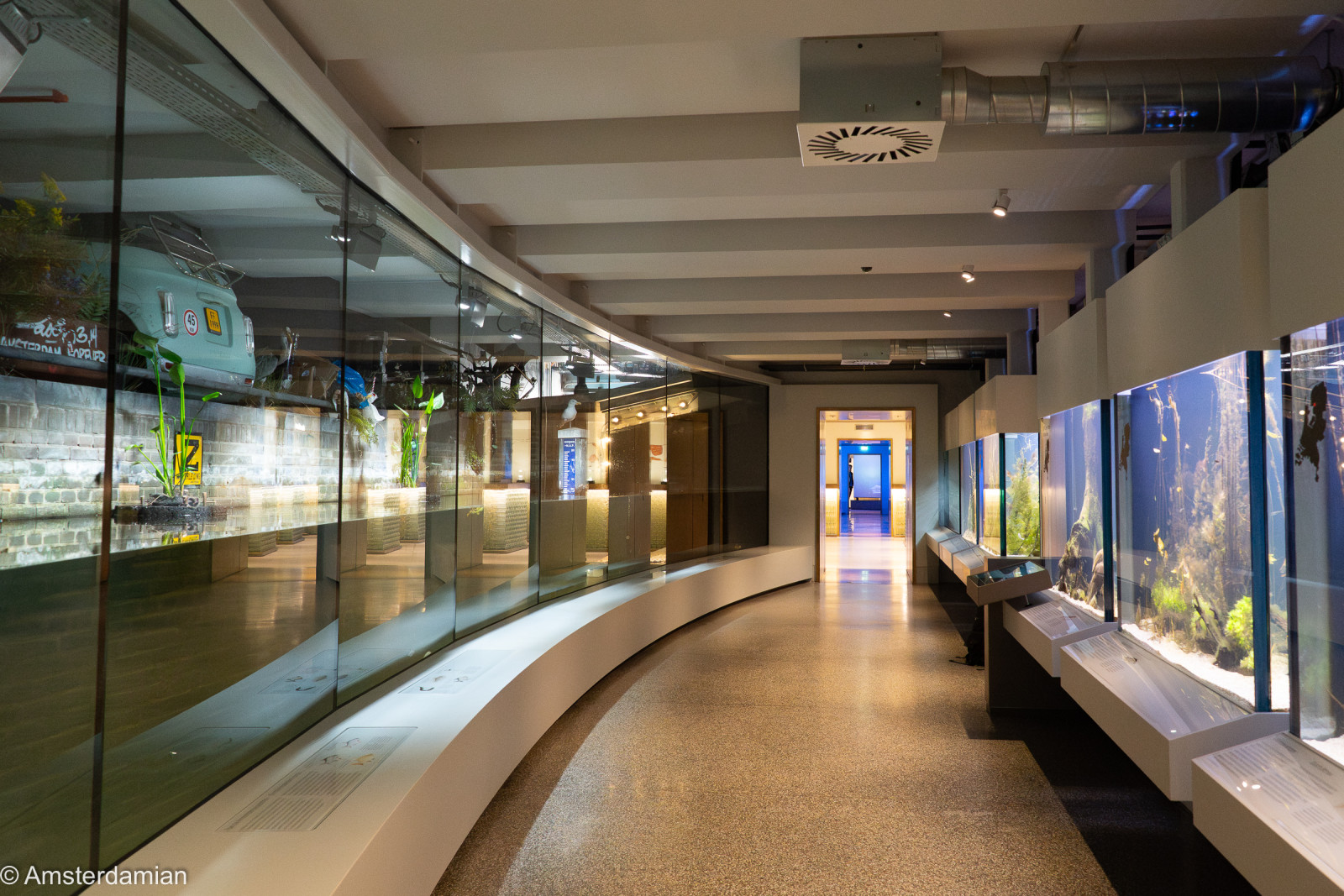
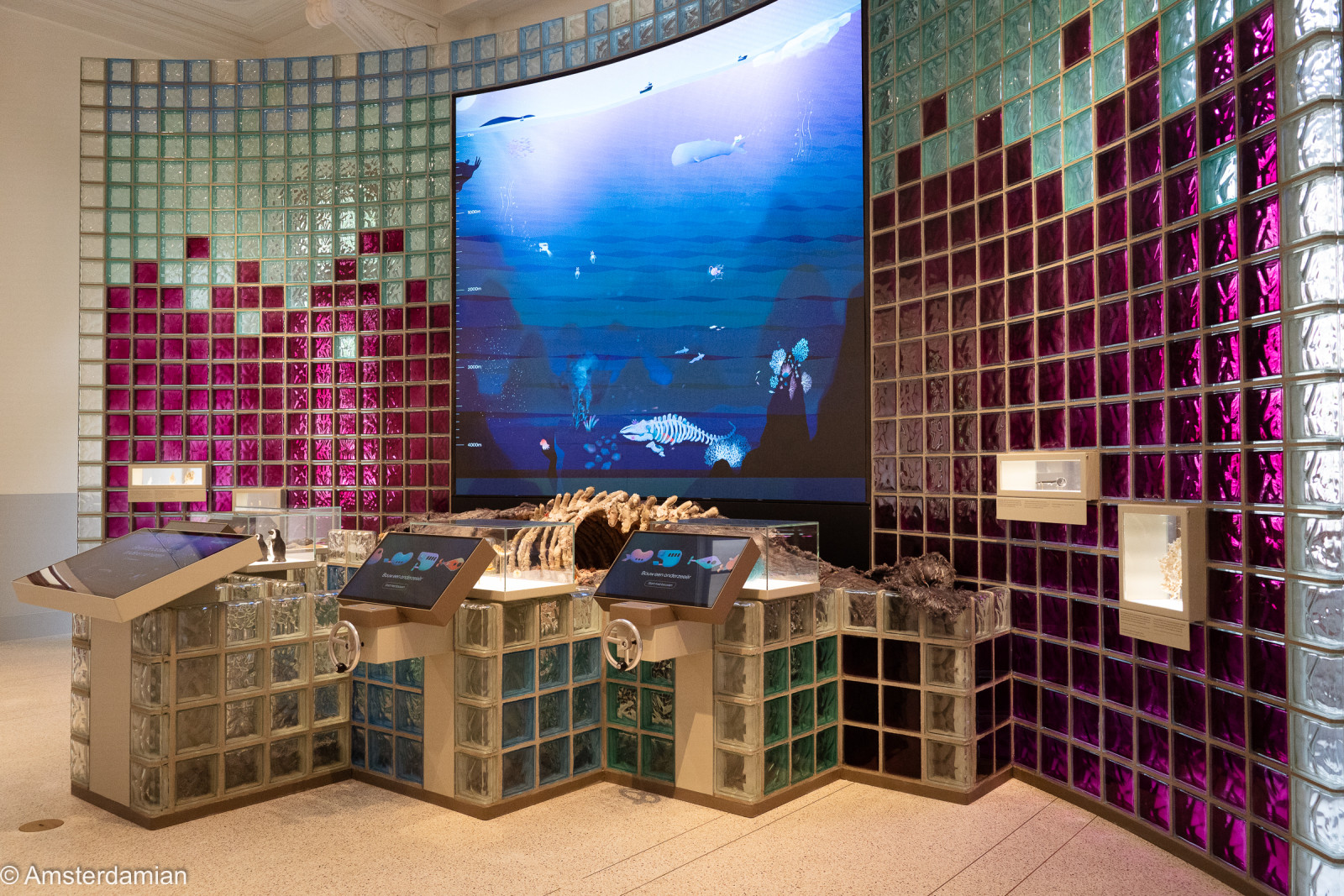
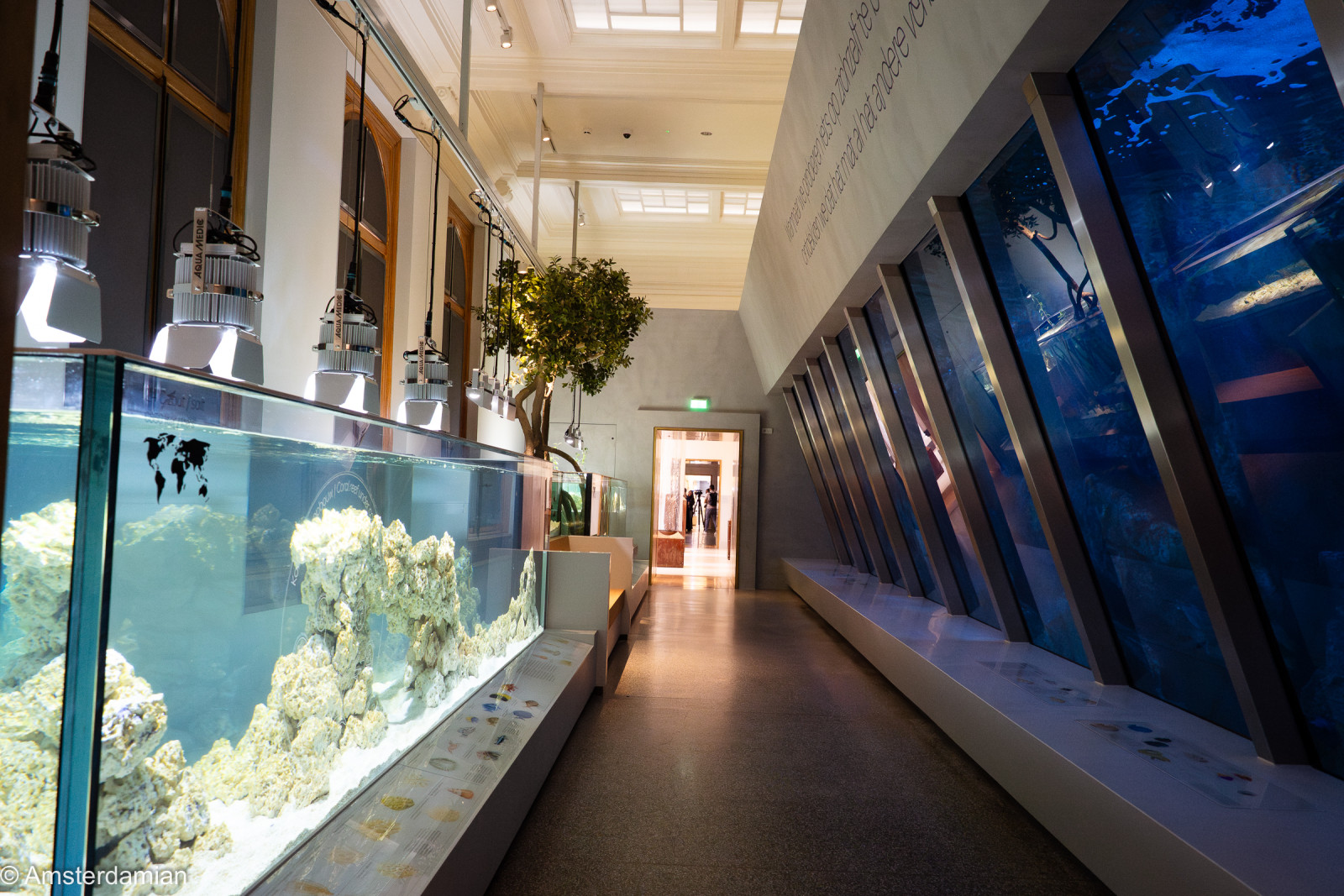
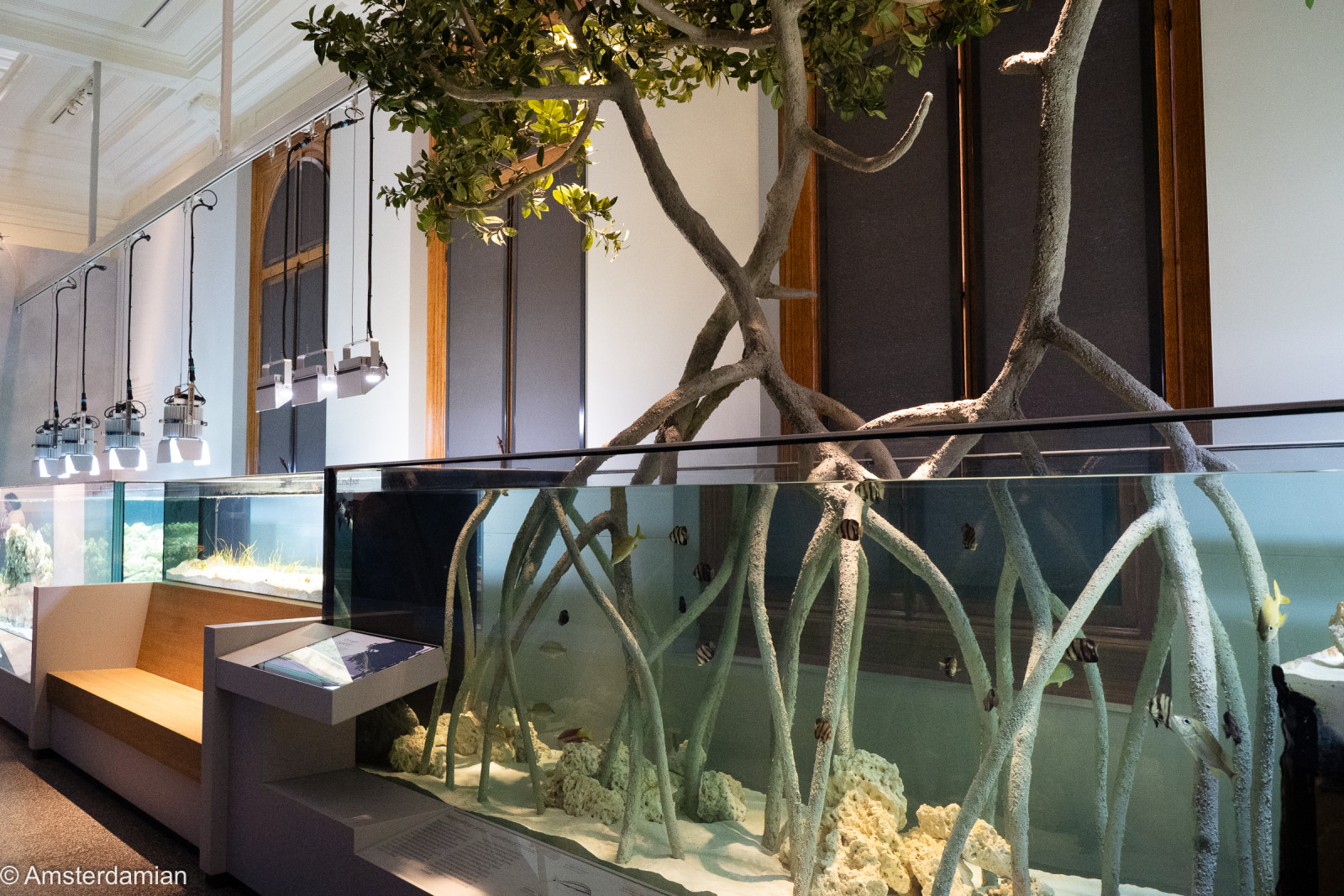
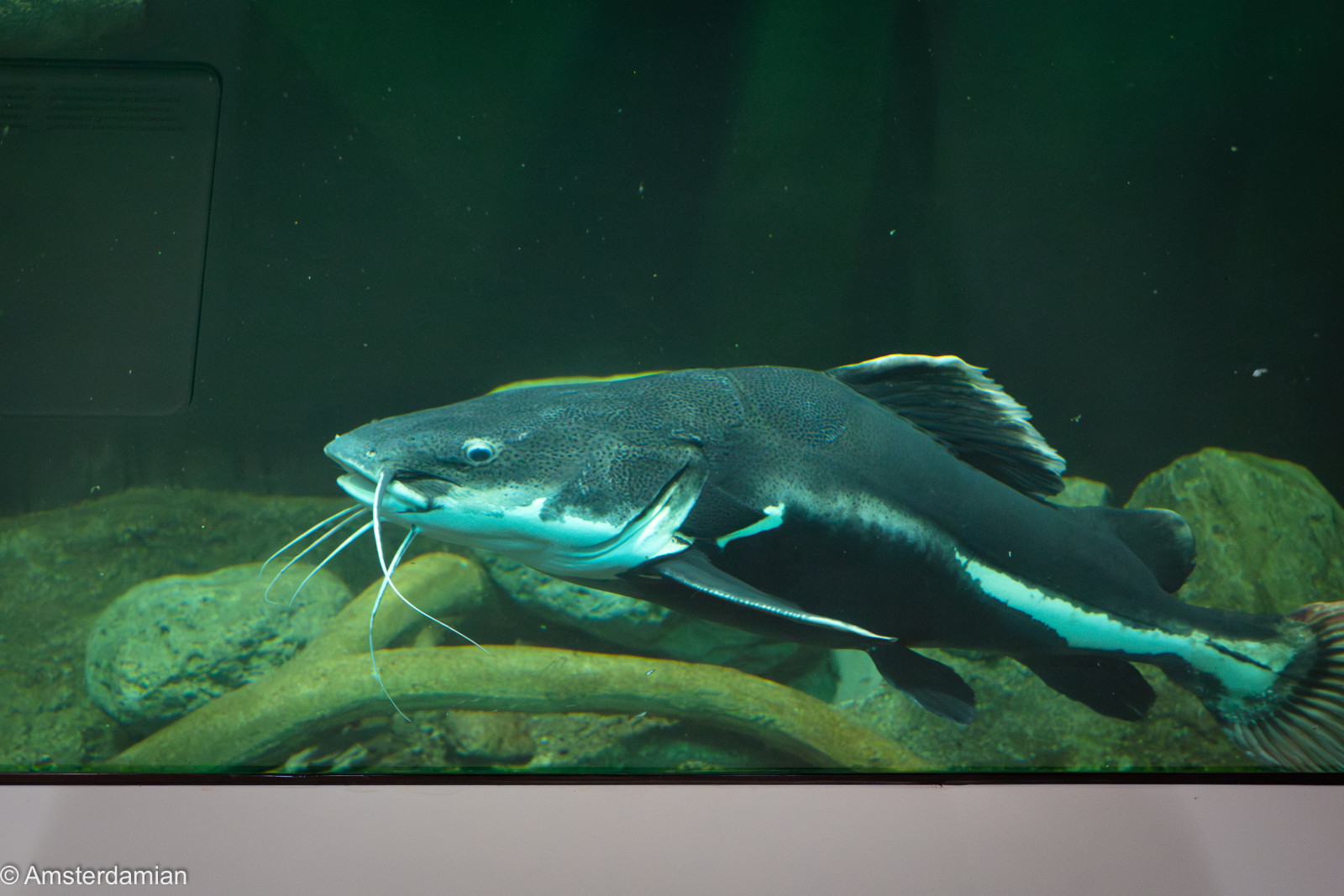
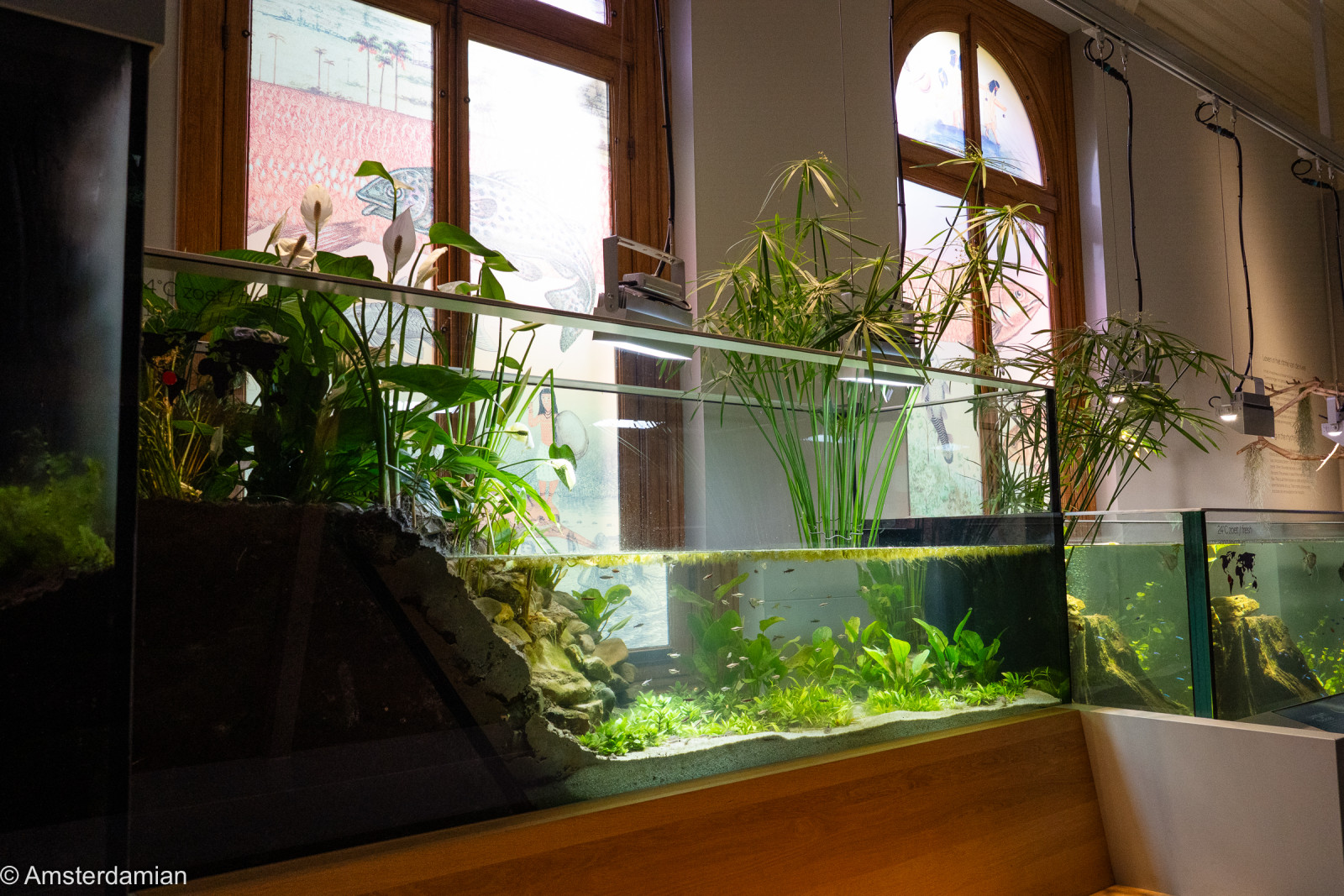
The galleries take you through oceans, coral reefs, mangroves, the Amazon, the Rhine, the deep sea and even though Amsterdam‘s own canals, where you can peek beneath the surface of the water most of us cycle past without a second thought. Around 250 species live here, from cuttlefish and pufferfish to the critically endangered European eel. Children (and playful adults) can build a submarine, make clouds with a bicycle pump, and have a look in the kitchen, where staff prepare the animals’ meals in full view. It was cool to see the meal being prepared, and learn that the vegetarian piranhas eats nuts, for example (in its natural habitat they fall from trees into the water).
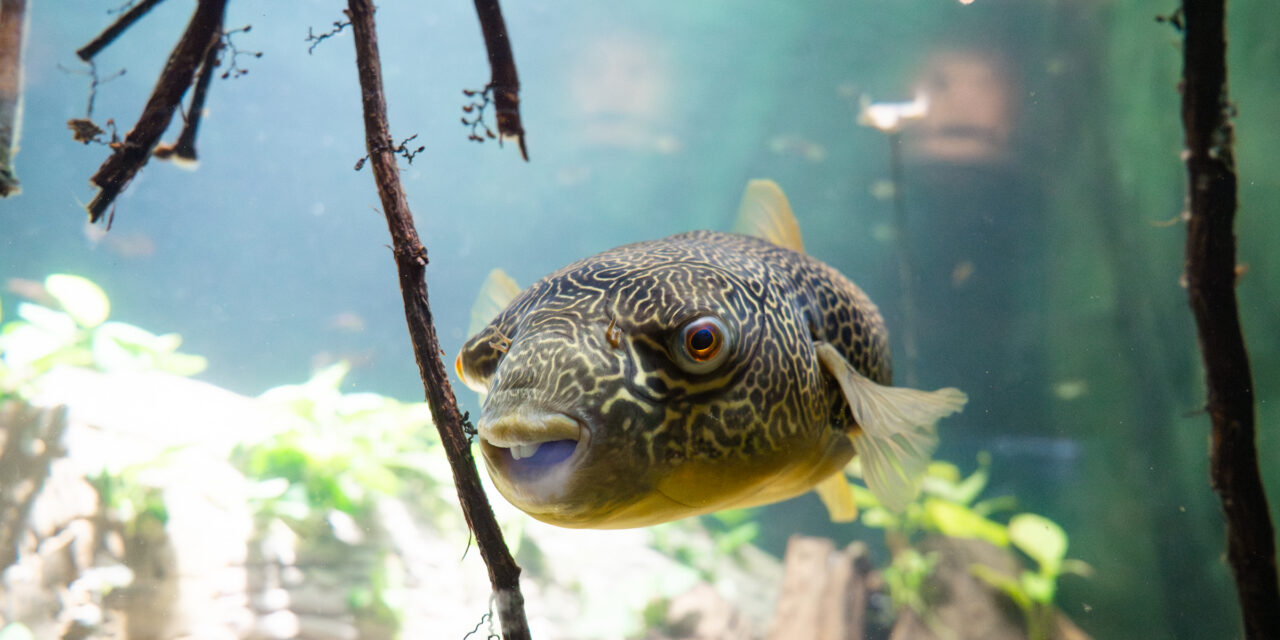
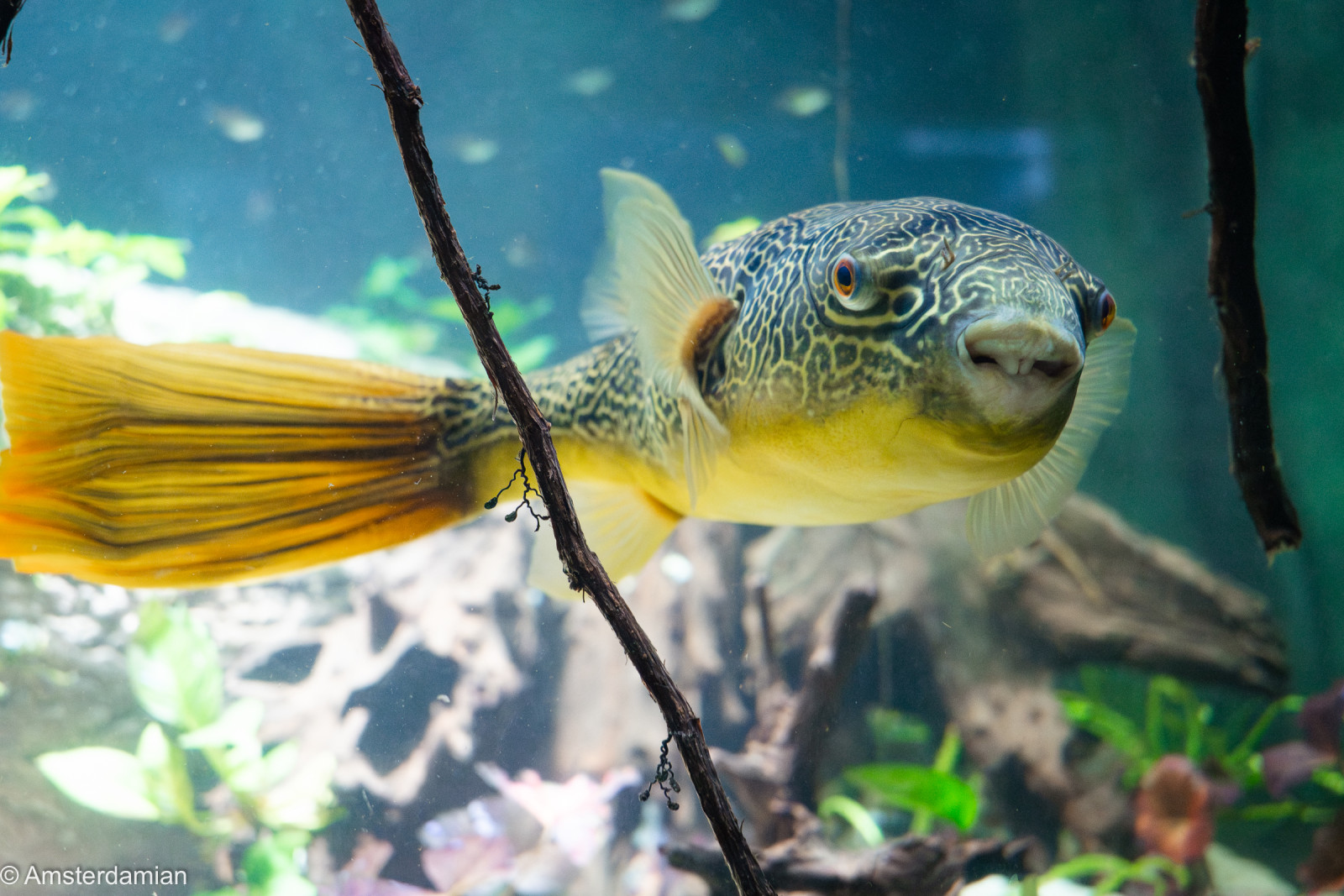
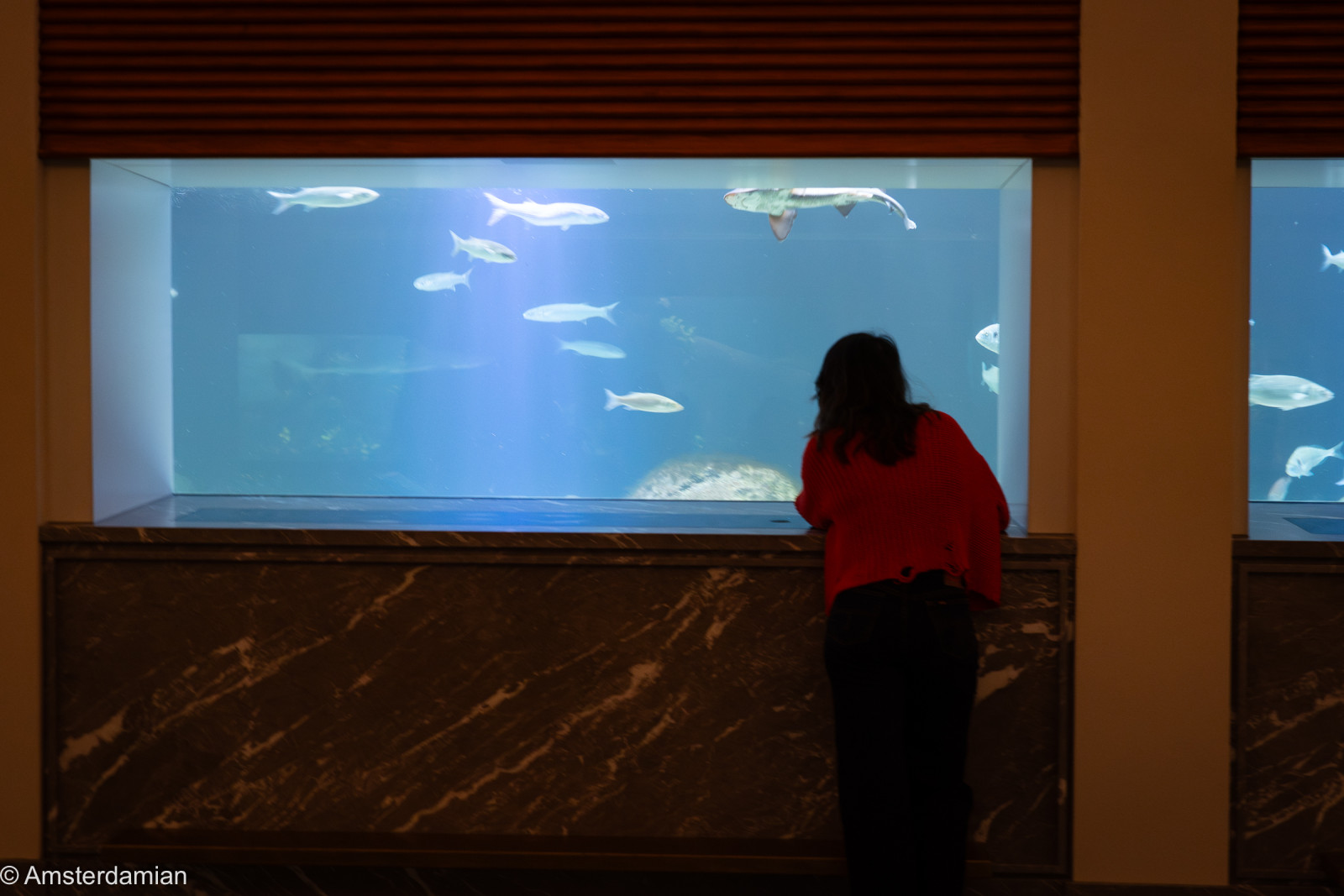
I liked that a big part of the aquarium is set up to educate and inform. It’s all interactive and playful, and then the long corridor where the majority of the fish are suddenly invites you to slow down and meet the main characters. I might have spent more time than necessary photographing the pufferfish, who was very interested in making friends. I found out he came there from a private owner who kept him in a space that was too small for him. He’s now more comfortable in a much larger tank.
Welfare before spectacle
Behind the scenes, the renovation was as much about the animals as the architecture. Every enclosure was designed around its inhabitants, Anne van Dijk, Head of the Aquarium, Coordinator of Conservation & Research, told me. “You need to look at what animal you’re keeping, how it behaves in the wild, and whether it needs a lot of space — whether it migrates or not. Is there enough space to hide, to swim, or to lay eggs on leaves or in a nest? We study each species and what it needs, and try to incorporate all of that into the design.”
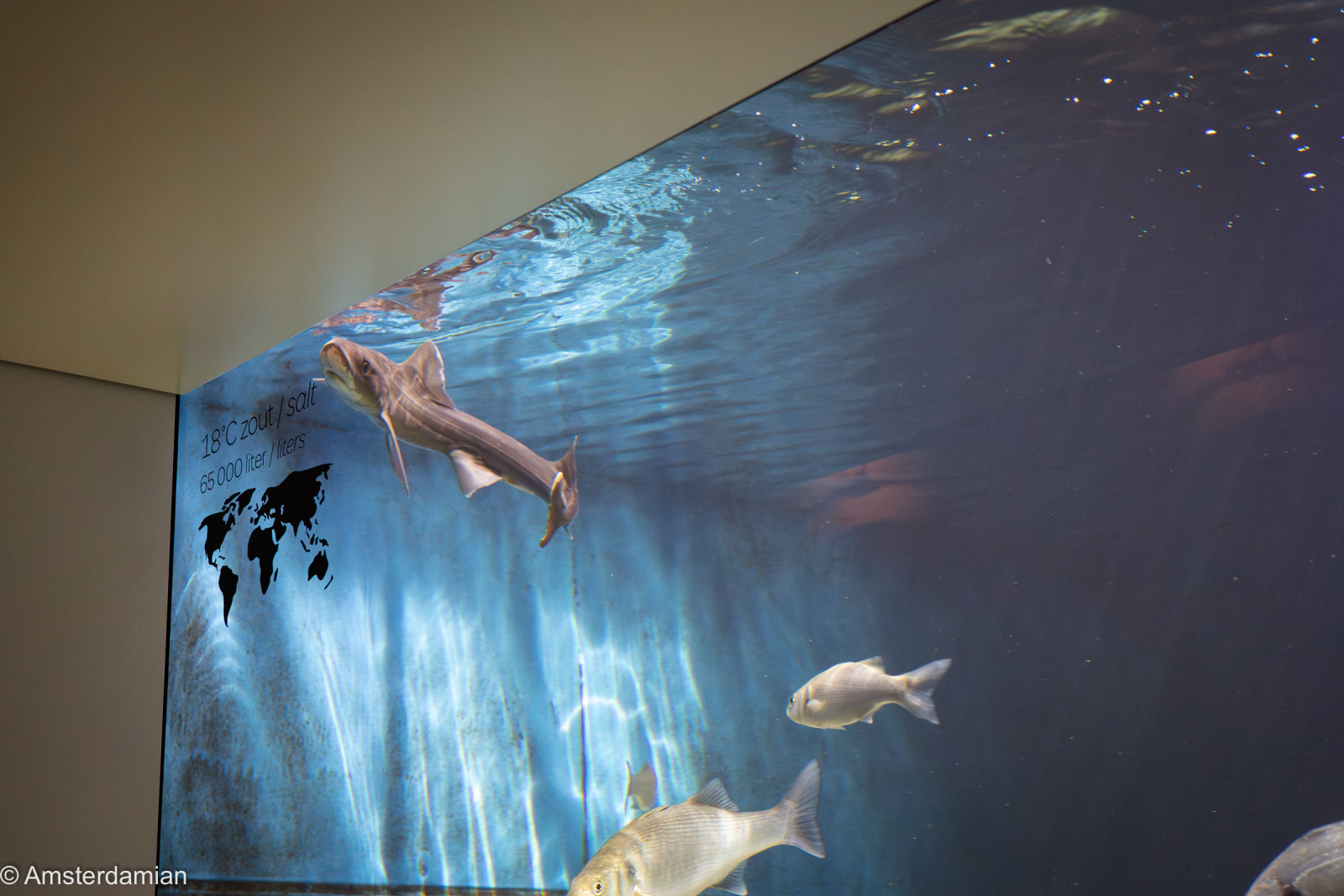
Many tanks were enlarged and deepened in the process. “It used to be about two to two and a half metres deep; now it’s at least three to three and a half. The middle one is over five metres deep,” van Dijk said. “Sharks especially need larger swimming spaces, so they have room to move up and down as well.”
Some species didn’t make the cut, including crowd-pleasers. “We had a larger shark species, but even after enlarging the aquarium, we decided it still wasn’t large enough for what we consider appropriate,” van Dijk said. During the renovation, the fish were moved to a different spot in ARTIS or to other aquariums. Not all of them were brought back; the ones that were not considered suitable for the new habitat remained in their new homes, larger, better suited for their needs. “We make those decisions even if a species is popular with visitors, because welfare comes first.”
The Aquarium is also a working conservation institution. ARTIS coordinates the European breeding programme for the short-tail nurse shark, running DNA research to map the genetic diversity of the population, supports the Dutch organisation RAVON in monitoring the critically endangered European eel, and helps protect the rare Evers’ ricefish in Sulawesi by building up reserve populations in Europe and Indonesia. Later this year, a new gallery called Room for Change will open, where scientists and NGOs will showcase projects for protecting water and aquatic life.
The animals seem to approve. Since returning, the short-tail nurse sharks have laid sixteen eggs, and the cuttlefish have already hatched a new generation, each one a centimetre long.
Practical information
The ARTIS Aquarium reopens on Saturday 13 June 2026, is open daily from 09:00 to 18:00, and included in a standard ARTIS ticket. Adult tickets start at around €29.50, children (3–12) at around €25.50, and prices are lowest when booked online at artis.nl.
↪ Planning a visit to Amsterdam? Check out: Best Amsterdam Passes 2026: Tourist Cards, Transport & Discounts for Locals.
Stay tuned for more and follow Amsterdamian on Instagram and Facebook for more stories about life in the Netherlands, written by a real local, updated constantly.
Check out my photo book: Amsterdam Through the Seasons!
Love what you’re reading? Support my work with a small donation.
And share this post if you liked it!