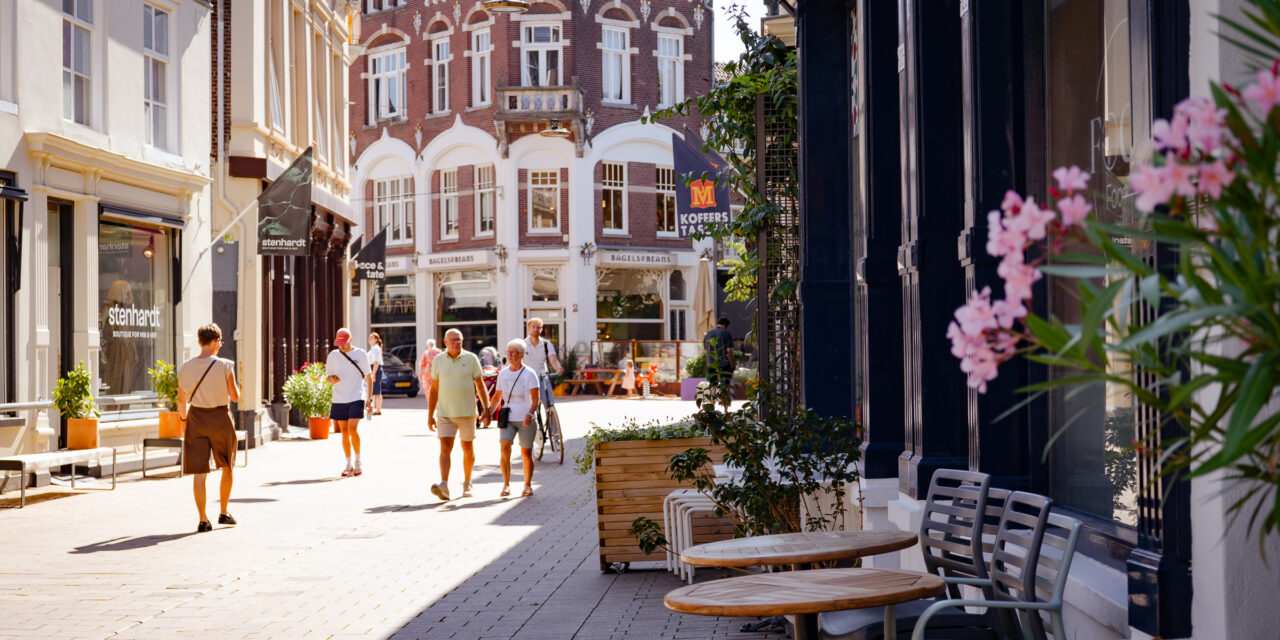
Tilburg is about an hour and a half from Amsterdam, and it makes for an easy day trip with plenty to discover. The city has two outstanding museums, a nineteenth-century railway works transformed into a cultural complex, and the largest funfair in the Benelux. Spend a day here and you’ll find a city with much more to offer than you might expect.
I went to Tilburg the first time this year, during a press trip. We visited a couple of the most important landmarks in the city, and they sparked my interest to see more. In July, I went back for a two days visit, to properly discover the place, and it didn’t disappoint! This is a city that kept surprising me, showing me layer after layer, and welcoming me with open arms. They say Dutch people are more welcoming in the south of the Netherlands, but I haven’t really experienced that until Tilburg.
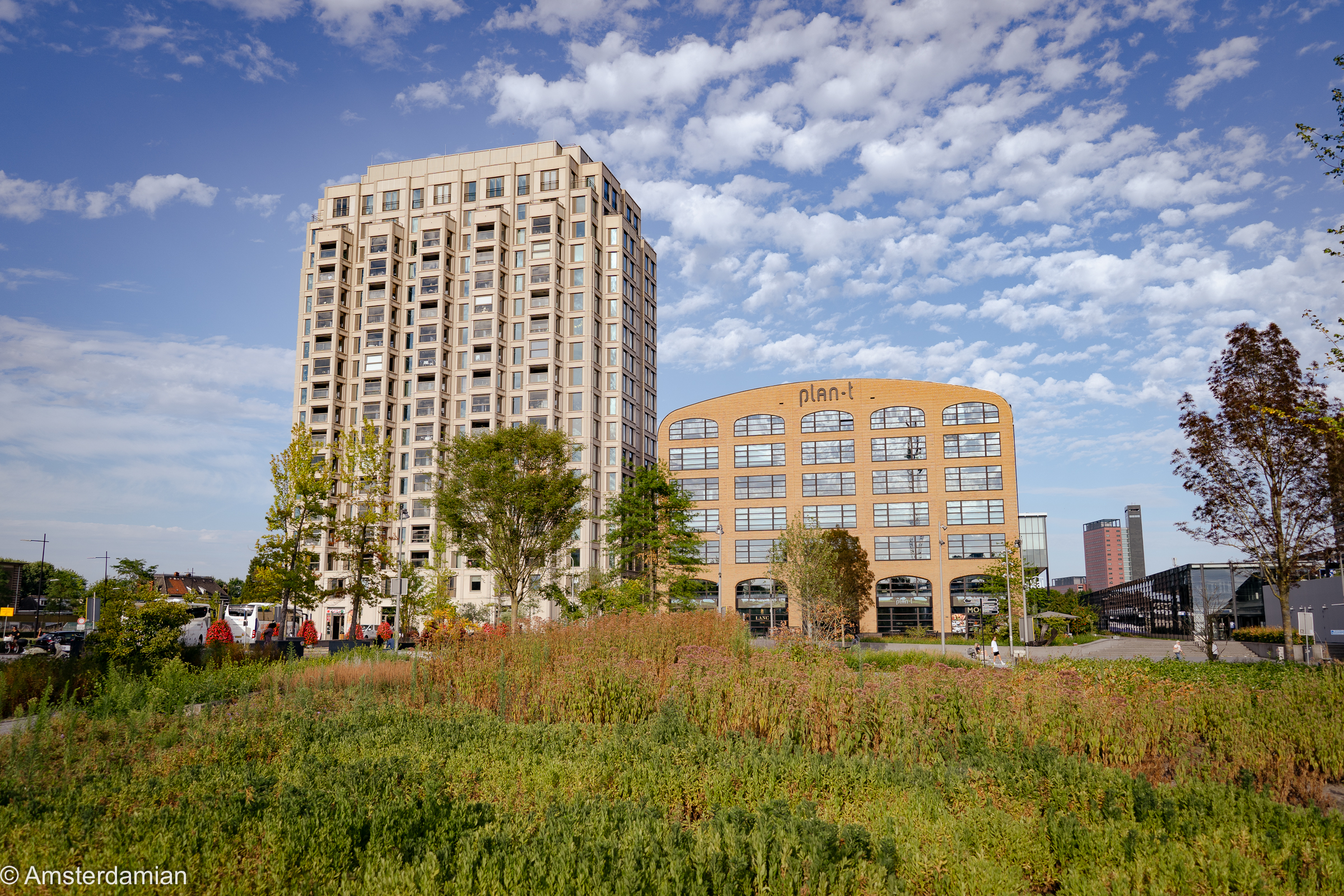
Tilburg was built on wool. By the nineteenth century the city had more than a hundred textile factories and was the wool capital of the Netherlands, and it grew around the mills rather than around a market square or a cathedral. Then, in the space of about twenty years, the whole industry went. What Tilburg has done with the buildings it was left holding is why the city is worth a day of anyone’s time now: they gave them new purpose and transformed them into amazing spaces. Two of the museums sit inside old textile factories, a vast railway workshop site has been transformed into a hip district, including a park that residents built themselves.
It is also a city with a sense of humour about itself. Tilburg has its own typeface — TilburgsAns, drawn by a local typographer, free for anyone to download, and supplied with 123 icons of local landmarks, festivals and dialect words. There is even a punctuation mark the city invented for itself. Once you have noticed it, you see it on shopfronts, posters and festival programmes all over town.
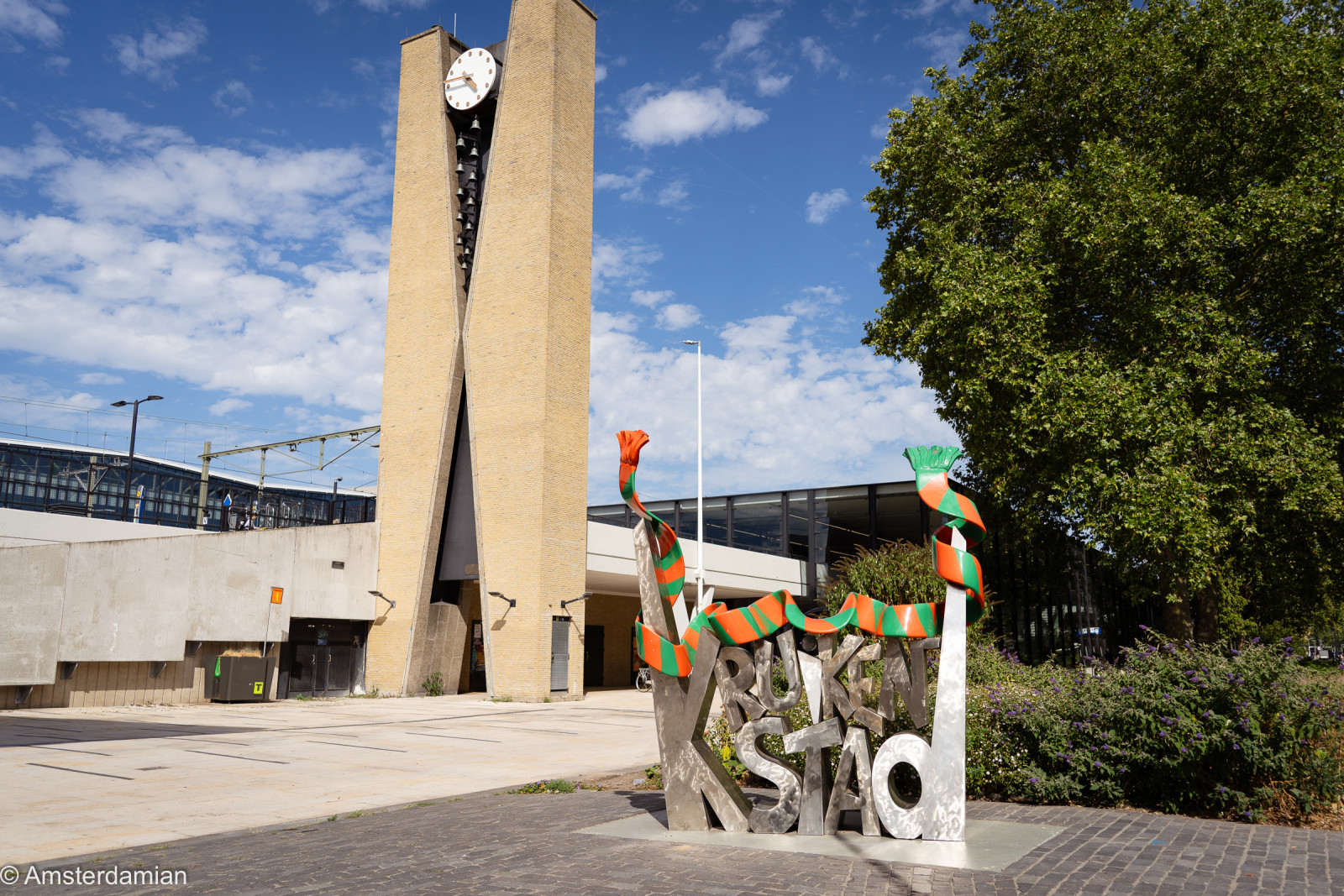
Fun fact: Tilburg’s nickname is Kruikenstad — jug city — and it’s a name connected with the wool industry. Treating raw wool needed ammonia, and the cheapest source available was human urine, so mill workers collected theirs at home in stone jugs and carried them in to work. Other towns used it as an insult; Tilburg kept it. There’s a statue of a Kruikenzeiker in the centre, one with the name right next to the train station, images of people carrying jugs are on some pedestrian traffic lights, and at carnival the whole city goes back to being called Kruikenstad.
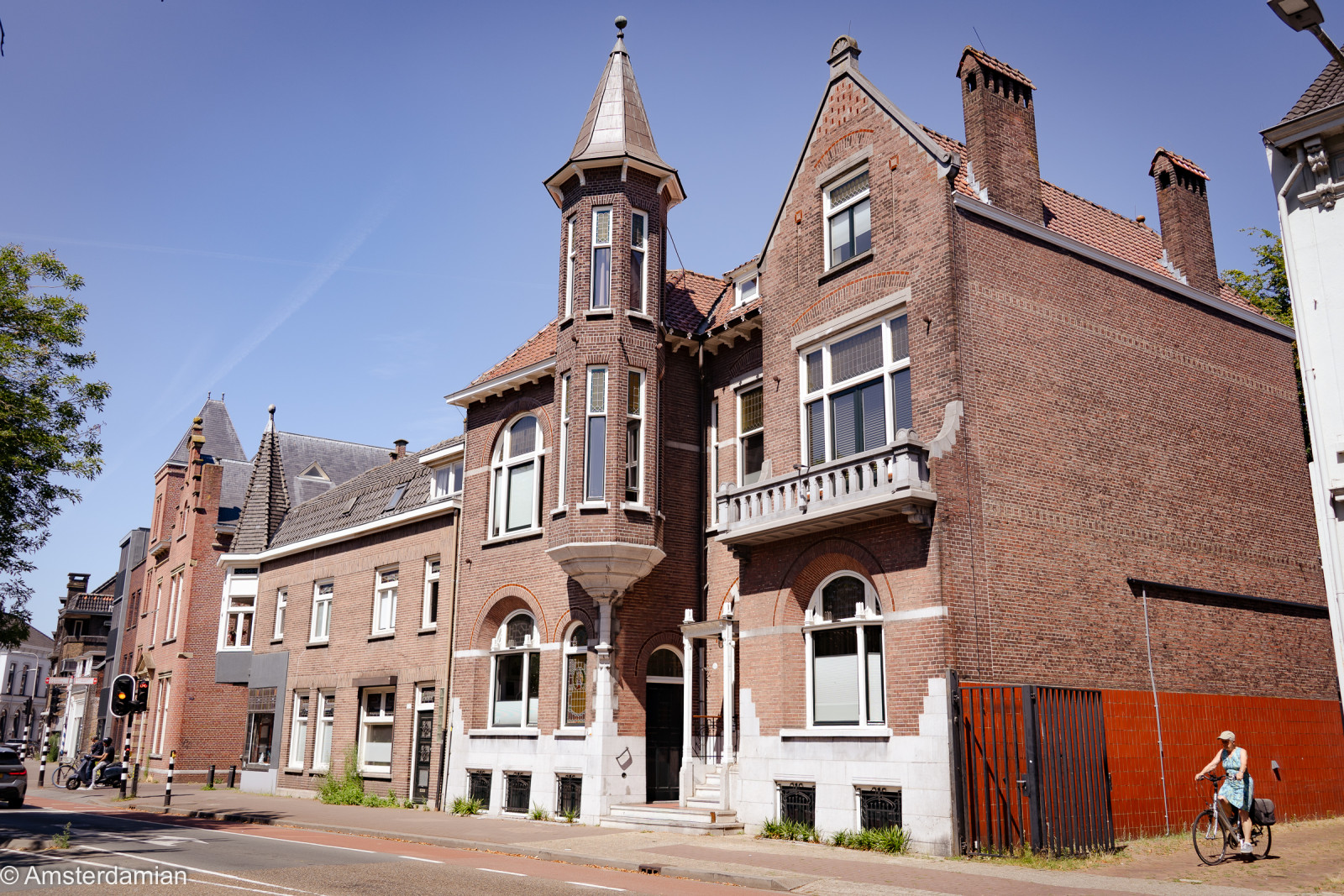
This city doesn’t have the typical Dutch old centres, with cobbled streets and narrow houses. You come here for the transformed factories, the laid-back atmosphere (for most of the year at least), and one of the busiest events calendars in the country.
↪ You might also like: Tilburg, the Southern City That Keeps Surprising
✨ Day-trip suitability
International visitors: ● ● ● ○ ○ — Best for curious explorers
NL-based day-trippers: ● ● ● ● ○ — A great day or weekend out.
● Circles indicate suitability, not quality. Some subjectivity included. How to read these ratings 📜
In this article
A Bit of History
The name goes back a very long way. It first appears as Tilliburgis in a deed dated 21 May 709, drawn up here but recording a gift of land at Alphen. The original is long gone; the text survives because it was copied into the golden book of Echternach abbey in 1191.
For most of its first thousand years Tilburg was farmland. The settlement was organised into herdgangen — small hamlets, each with its own common where the cattle were driven out to graze.
Wool changed that. From the late seventeenth century, when drapers from Leiden began settling here, weaving at home grew into weaving for a living, and then into an industry, especially after the steam engine arrived in 1827. Christiaan Mommers, the son of a cottage weaver, started making woollen cloth on the Goirkestraat in 1861 and expanded it decade by decade. He was one of dozens doing the same. By 1871 the town counted some 125 textile factories and more than three-quarters of the entire Dutch wool industry. Tilburg received city rights only came in 1809, granted by Louis Napoleon.
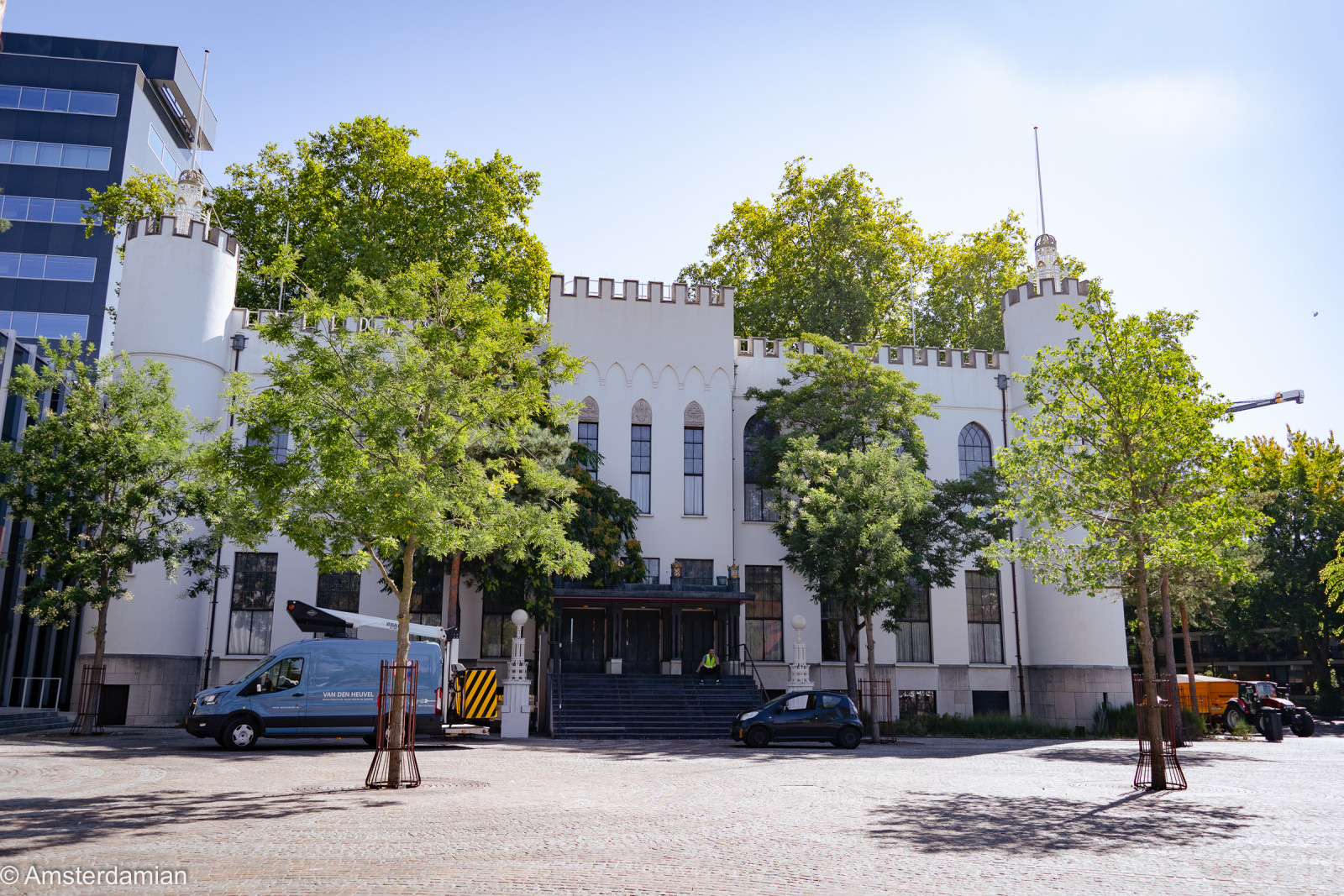
King Willem II built a country palace here in 1847 and died before it was handed over, never spending a night in it. From 1866 it housed a state secondary school named after him, whose pupils included the young Vincent van Gogh; it became the town hall in the 1930s and is still part of it.
The peak came after the war. Growing demand kept the looms busy, and wage restraint through the 1950s made the family firms very profitable — profitable enough that few of them modernised. Some twelve thousand people in Tilburg worked in textiles through the 1950s and early 1960s. Then the industry started to disintegrate, and fast. From the 1960s production moved to countries where labour was cheaper, synthetics took a share of the market, and the Tilburg mills could not compete. Factory after factory closed through the 1960s and 70s; by the 1980s only a handful were left, and the country’s last wool-washing plant, in Oisterwijk just east of the city, closed in 1983.
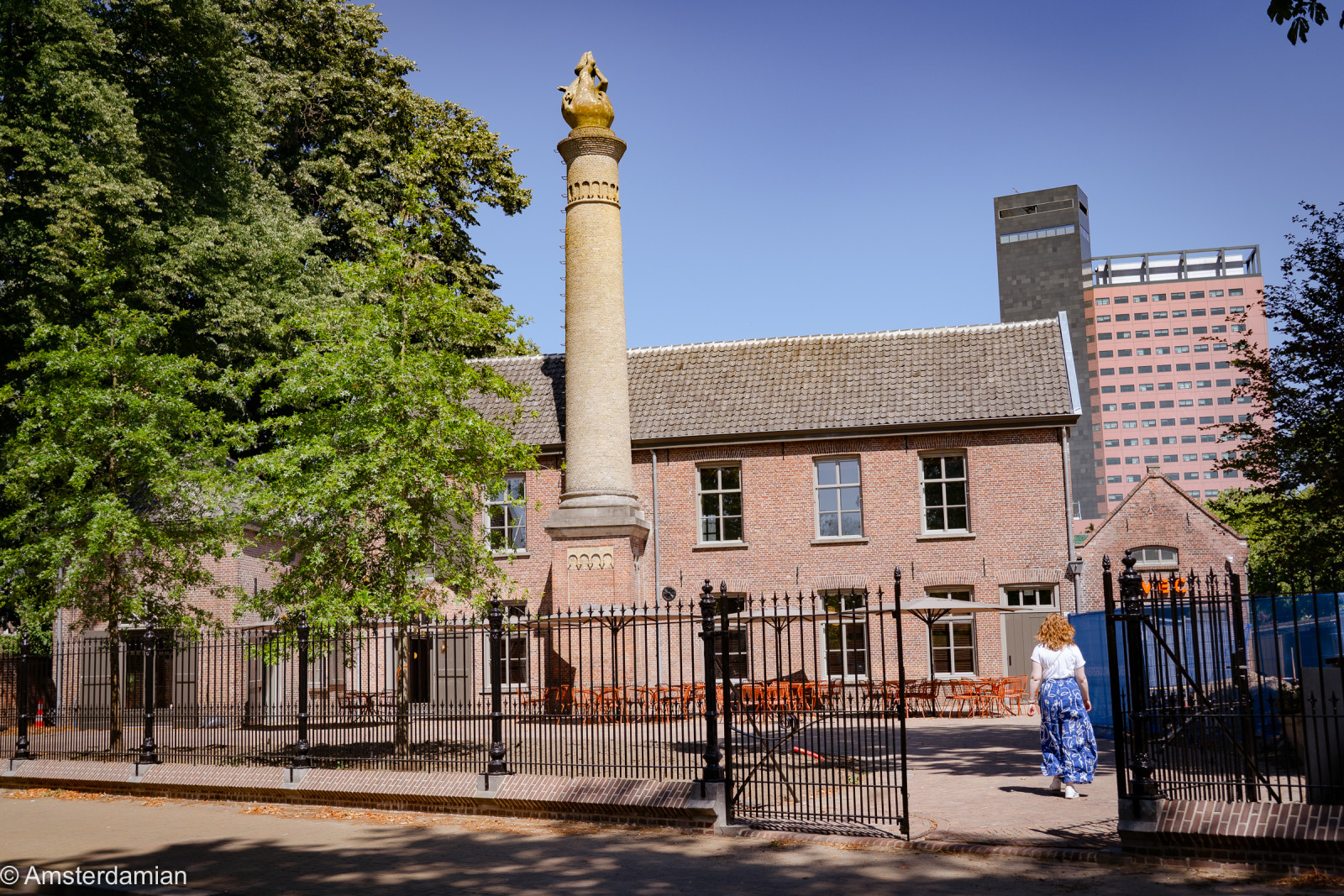
The other great employer was shrinking too, though it took much longer to go. On the north side of the tracks, the State Railways — later NS — had been overhauling locomotives and rolling stock since 1868 at what became the Hoofdwerkplaats, and the last work left the site in mid-2011.
So Tilburg came out of the twentieth century holding an enormous amount of empty industrial floor space, and what it decided to do with it is what you should go and see. The Mommers factory became the TextielMuseum. Thomas de Beer’s wool-spinning mill became De Pont. The AaBe factory, which made the woollen blankets, is a shopping centre. The railway works became the Spoorzone, and the Van Gend & Loos depot further west became the Spoorpark.
What to Do in Tilburg
I normally start my recommendations for visiting a city with the “walk around the city centre” bullet point. But in Tilburg’s case, the recommendations are a bit different. What is good to know is that the train station is in the heart of the city, and you can just go out and easily walk to most of the attractions. Pass by the Tourist Information centre at the station, to get maps and guides.
⏺ Start with the Spoorzone. For 143 years this was the part of Tilburg nobody could get into: the Hoofdwerkplaats, the main workshop where Dutch Railways built and maintained its trains, a strip of sheds and halls running for nearly three kilometres alongside the line, fenced off from the rest of the city. Tilburgers called it the Verboden Stad, the forbidden city, because unless you worked there you had simply never been inside. Then the workshops closed in 2011, the municipality bought up the historic buildings, and down came the fences.
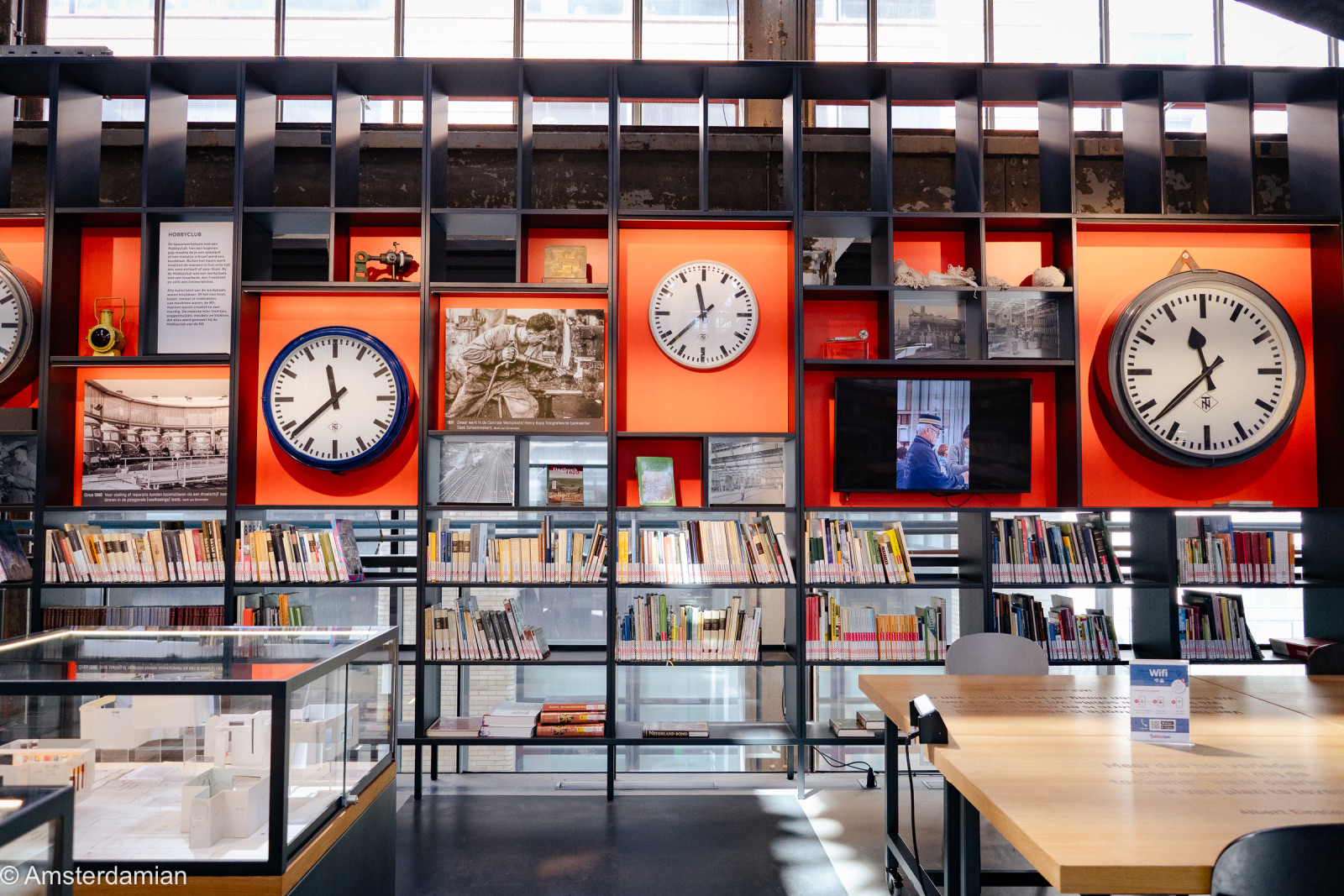
The halls have kept their working names — the Locomotiefhal, the Koepelhal, the Wagenmakerij, the Ketelhuis, the Smederij — but walk in today and you’ll find them transformed into a mixture of library, studios, cafés, event space, a skate park and a great deal of brick and steel left exactly as it was found. The Koepelhal and the Wagenmakerij between them host a large share of the city’s festivals.
If you have only two hours in Tilburg, spend them here.
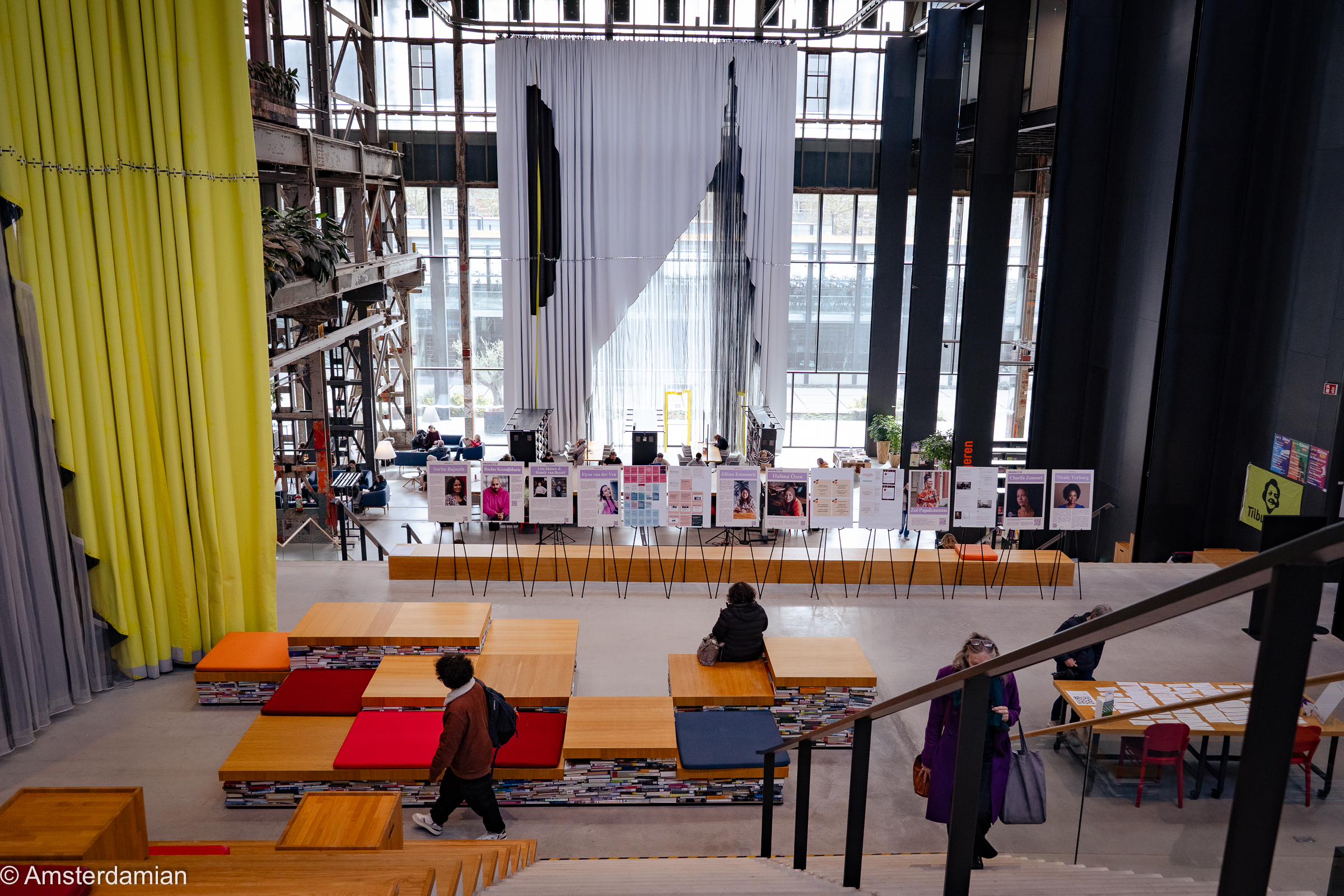
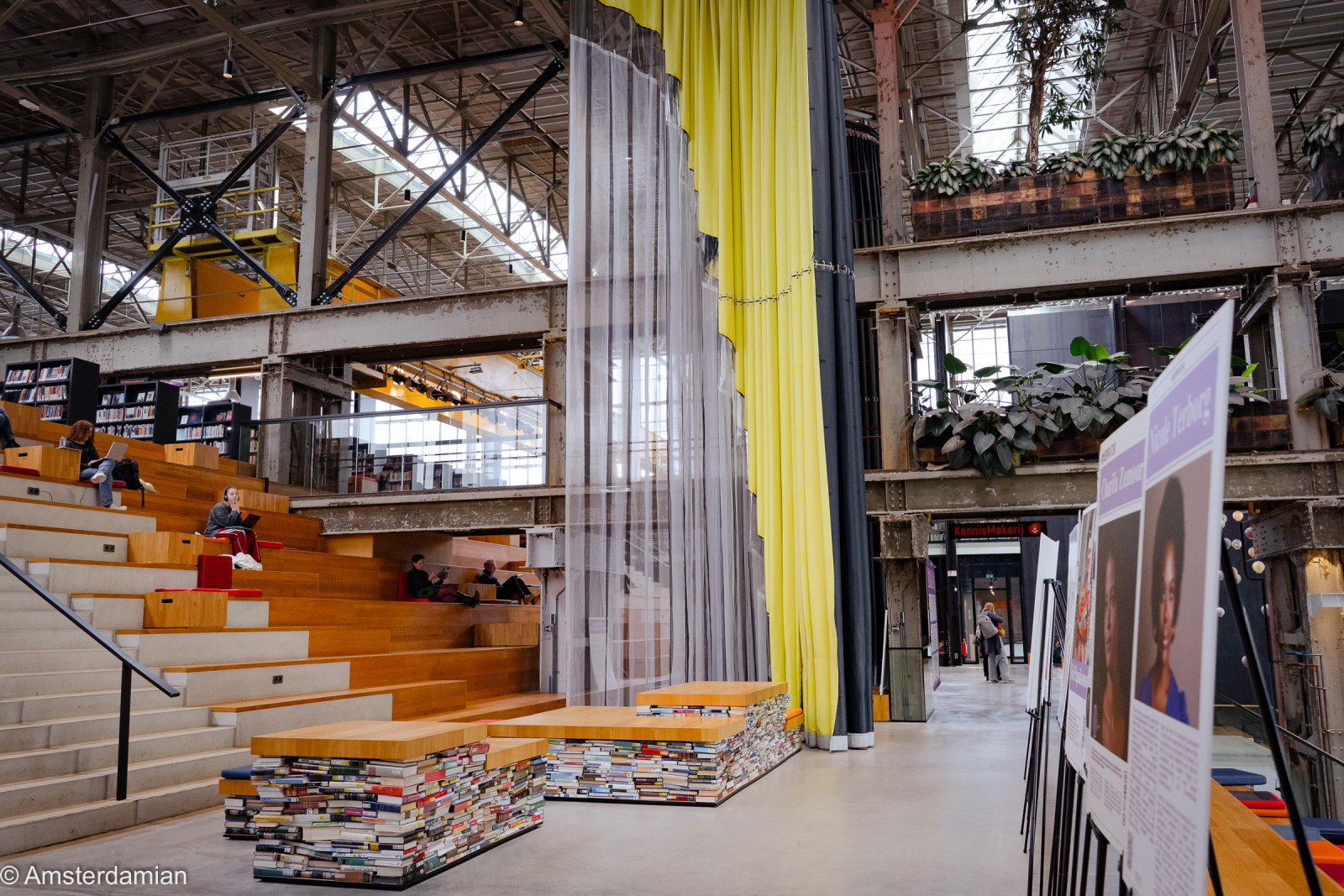
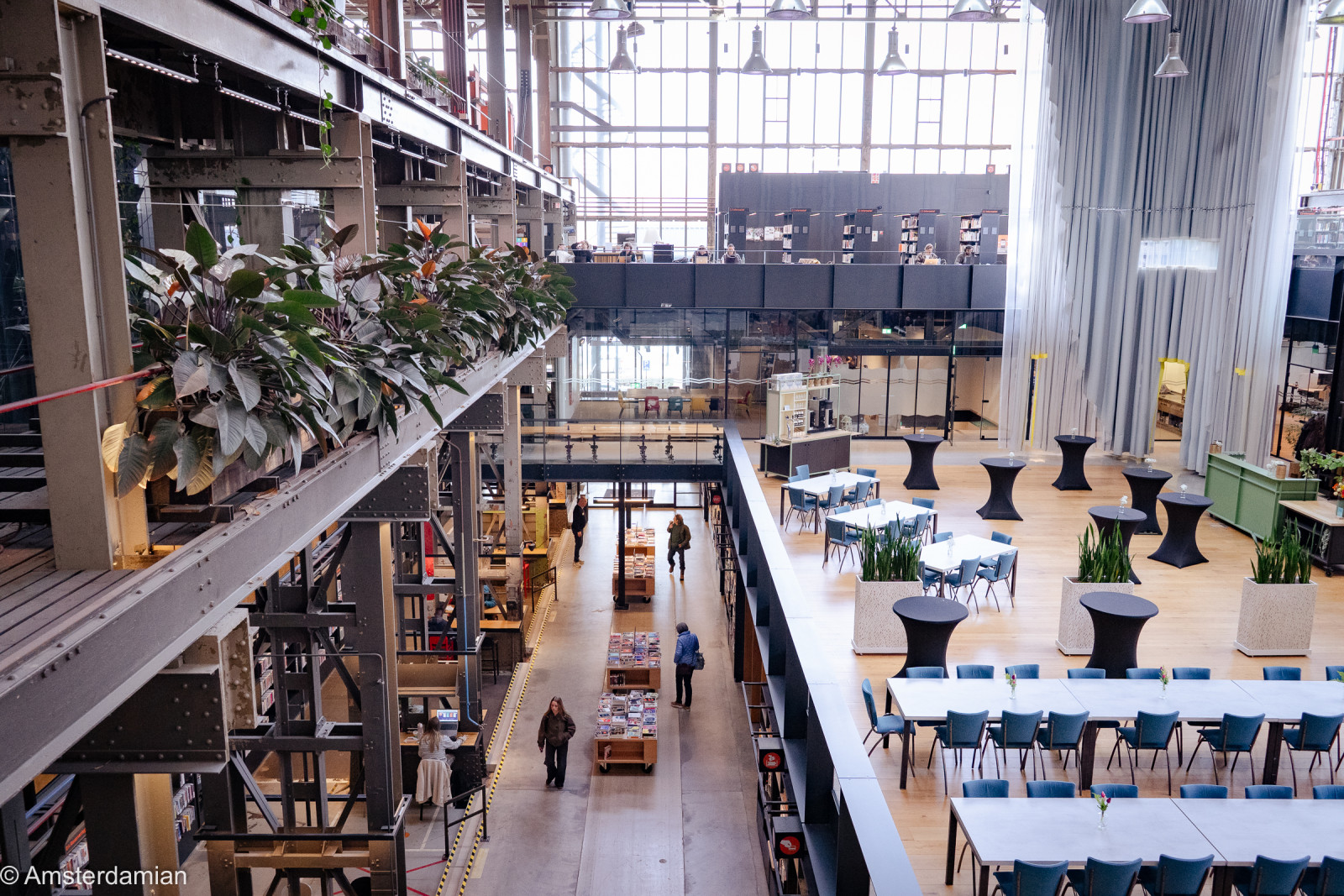
⏺ LocHal. If you visit one building in Tilburg, make it this one. It’s an 1932 locomotive shed, now public library, and the most impressive building in the city. It was named World Building of the Year at the World Architecture Festival in 2019. The interior is divided by enormous movable textile curtains (woven, appropriately, at the TextielMuseum’s lab across town) and built around a grandstand staircase, with workshop rooms, a café and more than three hundred study places. Entry is free, the doors are open from early morning until late, and nobody will mind in the slightest if you come in simply to sit down and look at it.
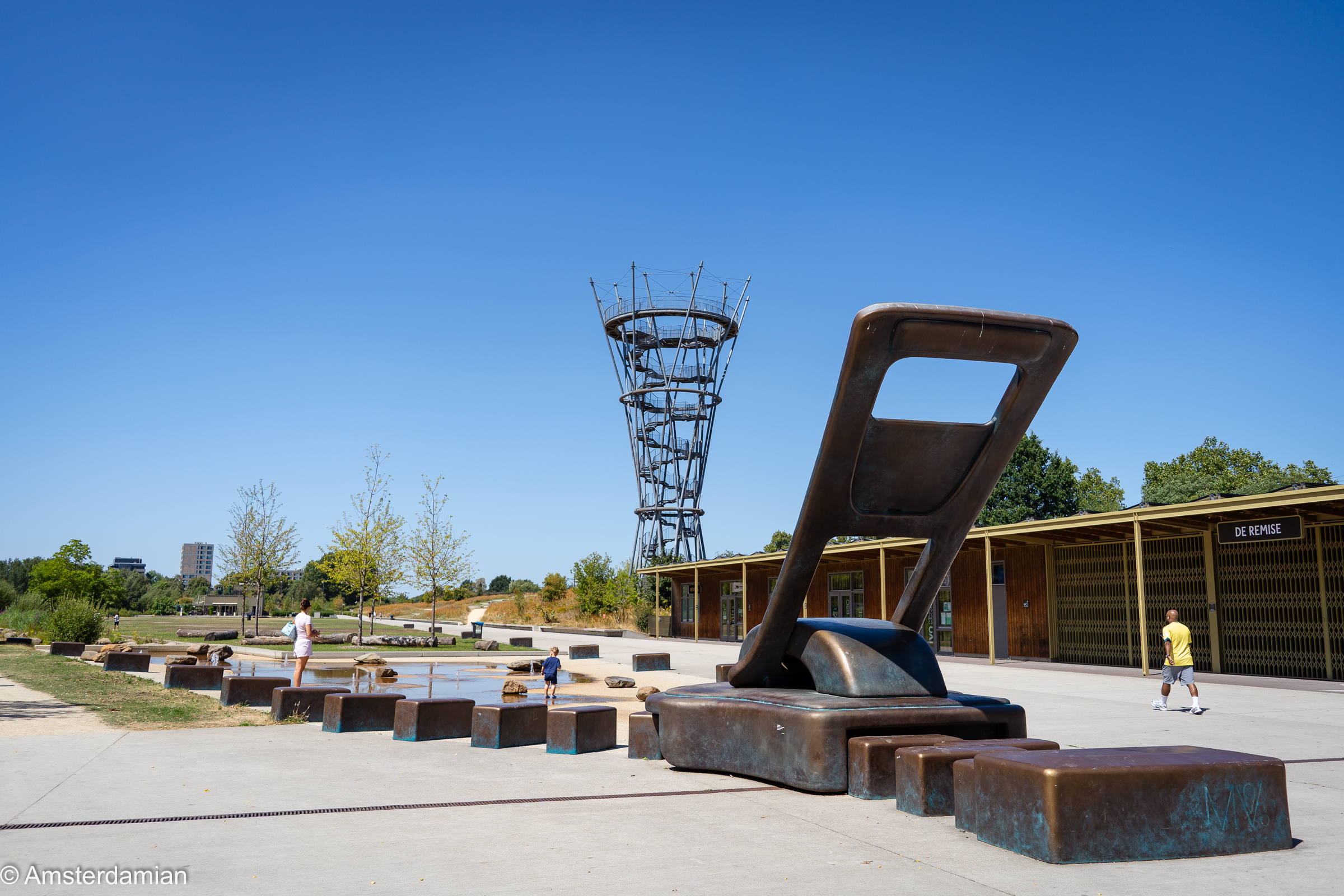
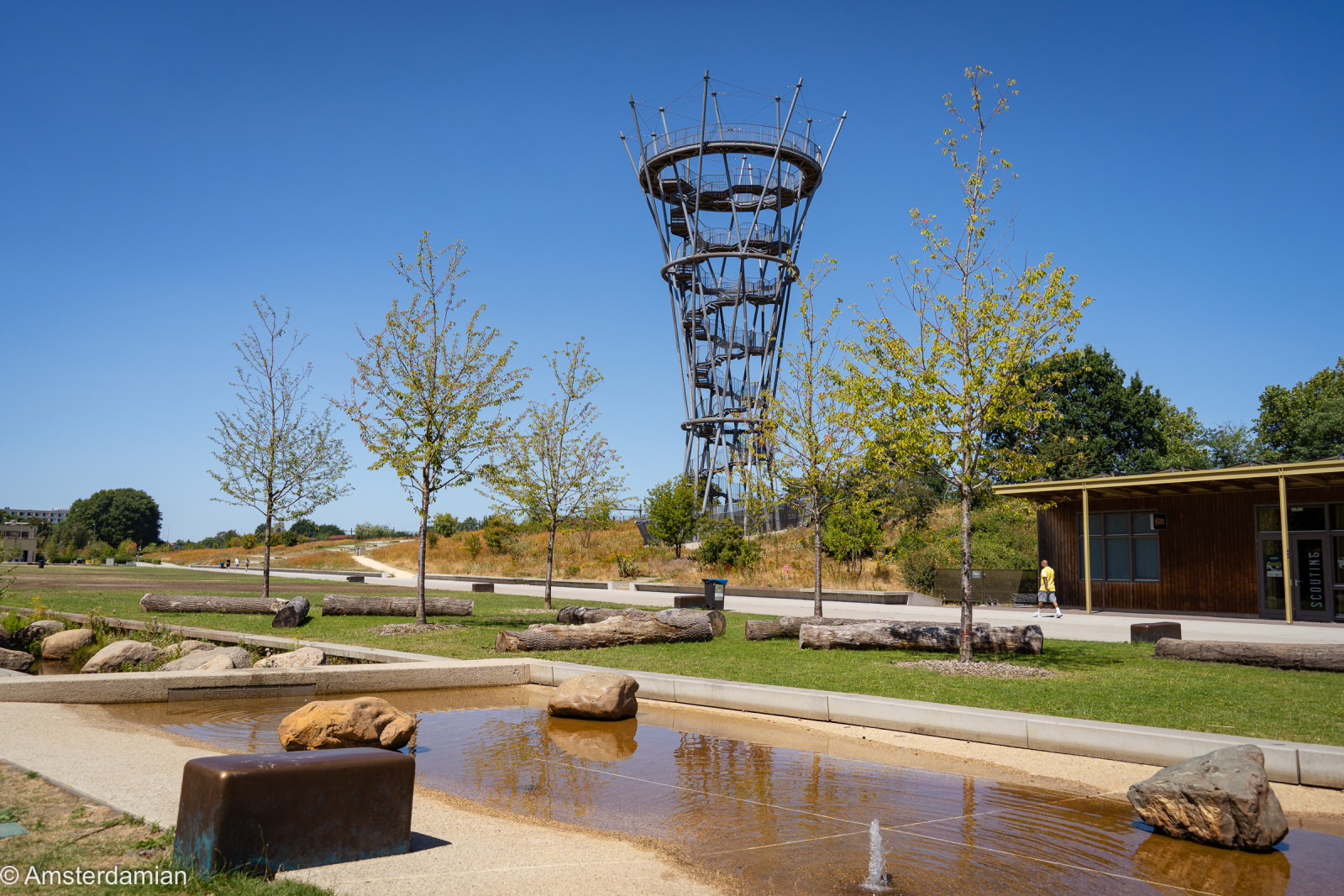
⏺ Spoorpark. This park is the largest citizens’ initiative of its kind in the Netherlands. On the old Van Gend & Loos goods yard, just south of the tracks, you’ll find nearly ten hectares of green that the residents made themselves. In 2014 the municipality opened the site up to residents and asked what should go there; eighty-two proposals came in, eight were taken forward, and the design, the fundraising and the construction were run by a board of volunteers. It was open in 2019 and more than sixty volunteers still maintain it. There’s a swimming pond, a food pavilion, a playground and a lot of open grass, and some of the old shunting rails have been left running through it. It has a lovely zipper-like art piece right at the entrance and 37 metres tower (Kempentoren) from where you can look out over the city. It’s also where Redhead Days and Festival Circolo take place.
⏺ Hall of Fame. In the monumental Hall 90 in the Spoorzone you’ll find a self-described quirky cultural factory with an indoor skate park and café, a concert space and studios for hire. Make sure to check what’s on before you go because the atmosphere depends entirely on whether anything is happening.
⏺ Doloris Meta Maze. This is an art maze of more than forty rooms built by the Berlin collective Karmanoia. You go in alone, and you crawl and climb rather than walk; most people take between thirty minutes and an hour. It isn’t suitable if you’re claustrophobic or uneasy in the dark, there’s a minimum age of twelve, and you’ll need to book a time slot in advance. Read their FAQ section carefully before you decide to go. I didn’t do that and ended up not entering. I was expecting just some kind of escape room, and only when I was there I realised there was crawling involved! As I had an injured ankle, they recommended me not to enter the maze. So, for now, it will remain a mystery. It’s a few minutes from the station, and has a rooftop bar above it, if you want to go for drinks or dinner.
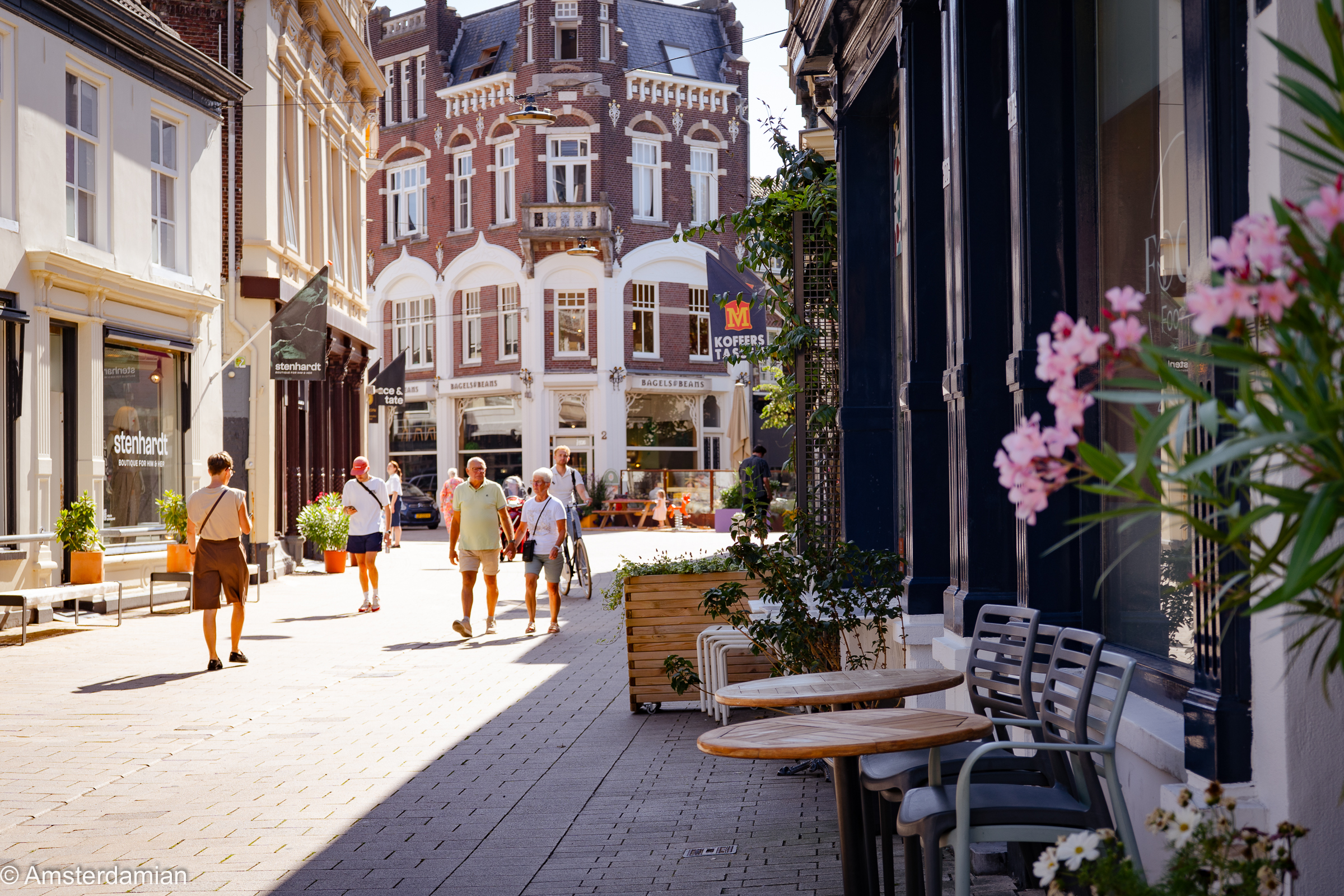
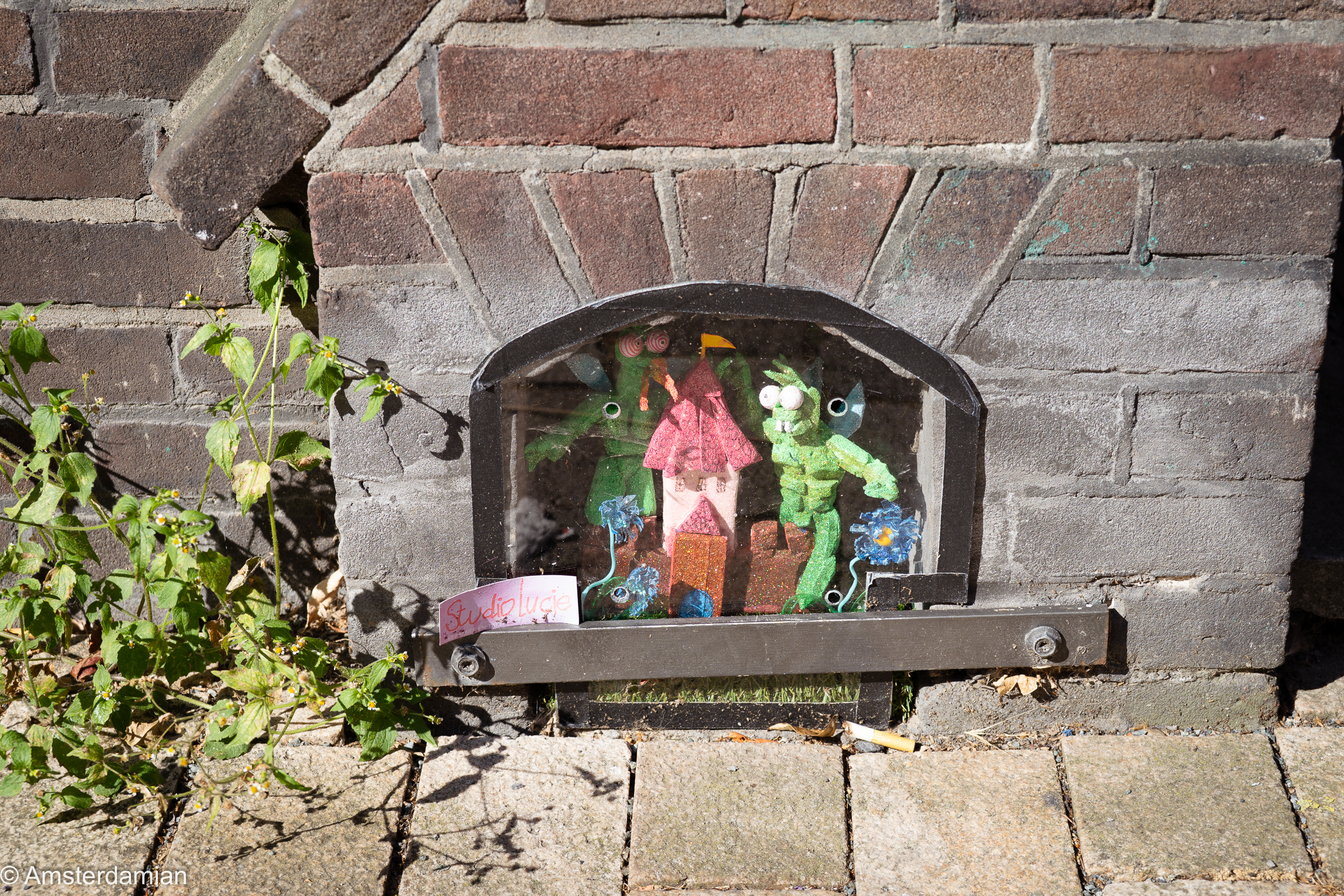
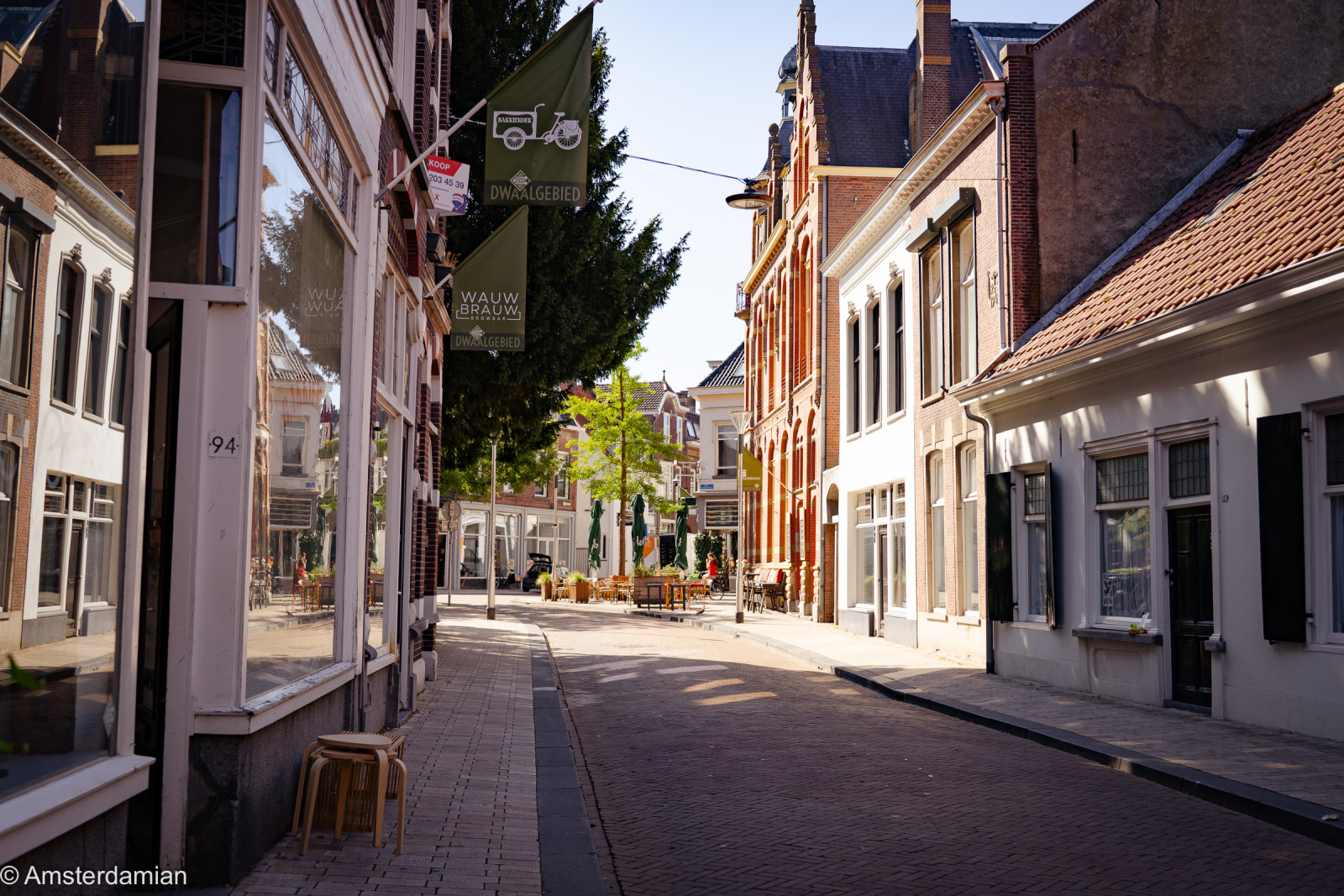
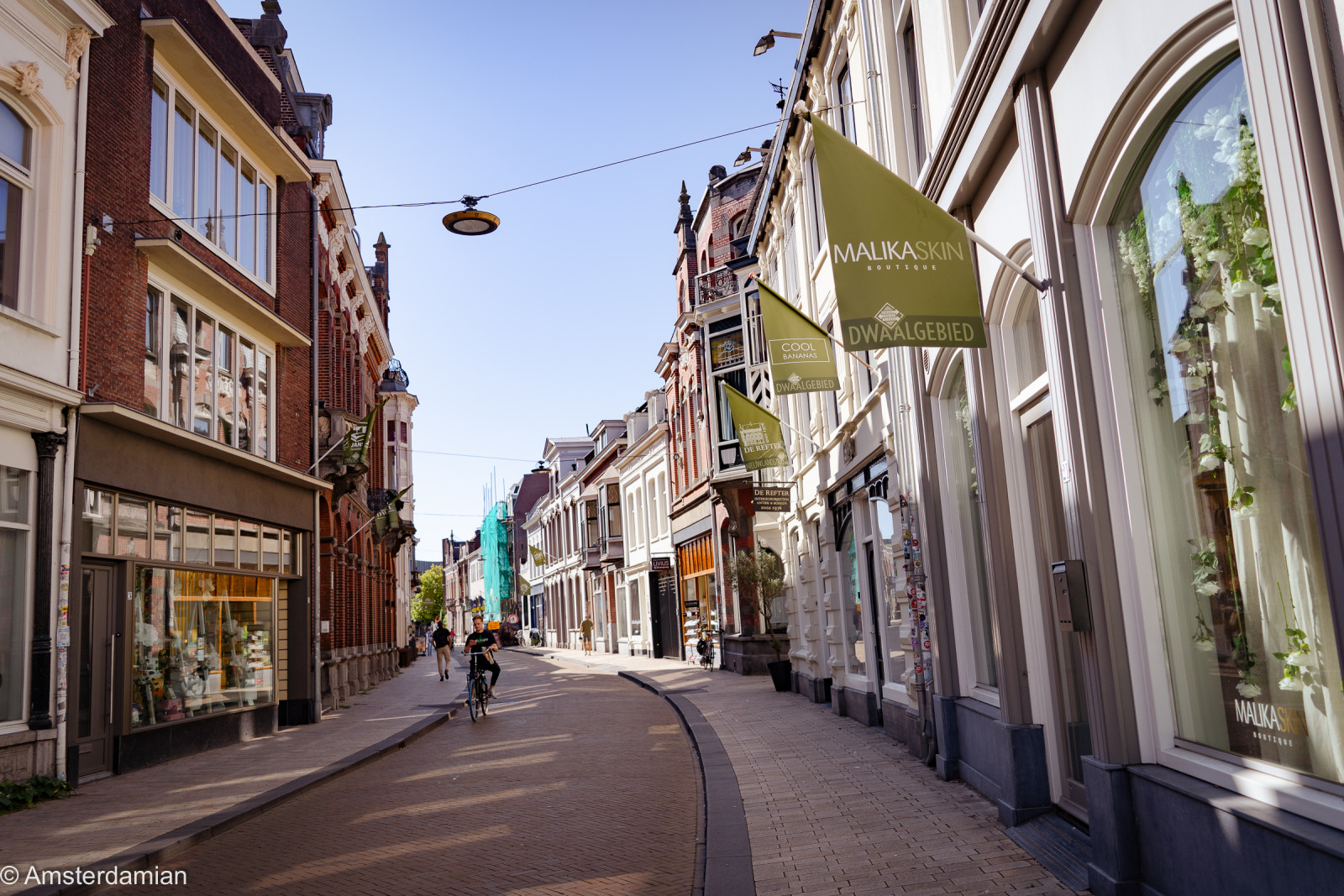
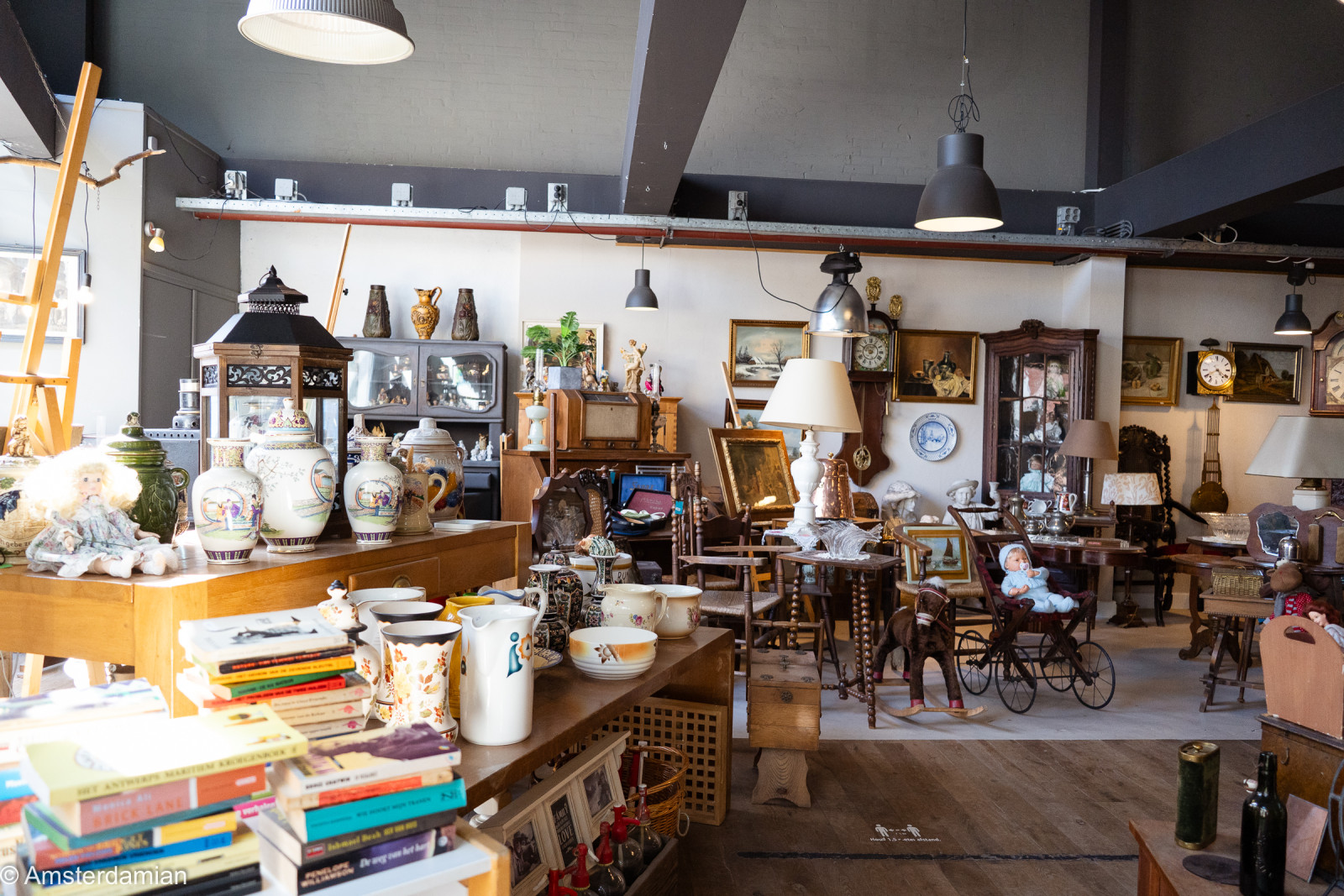
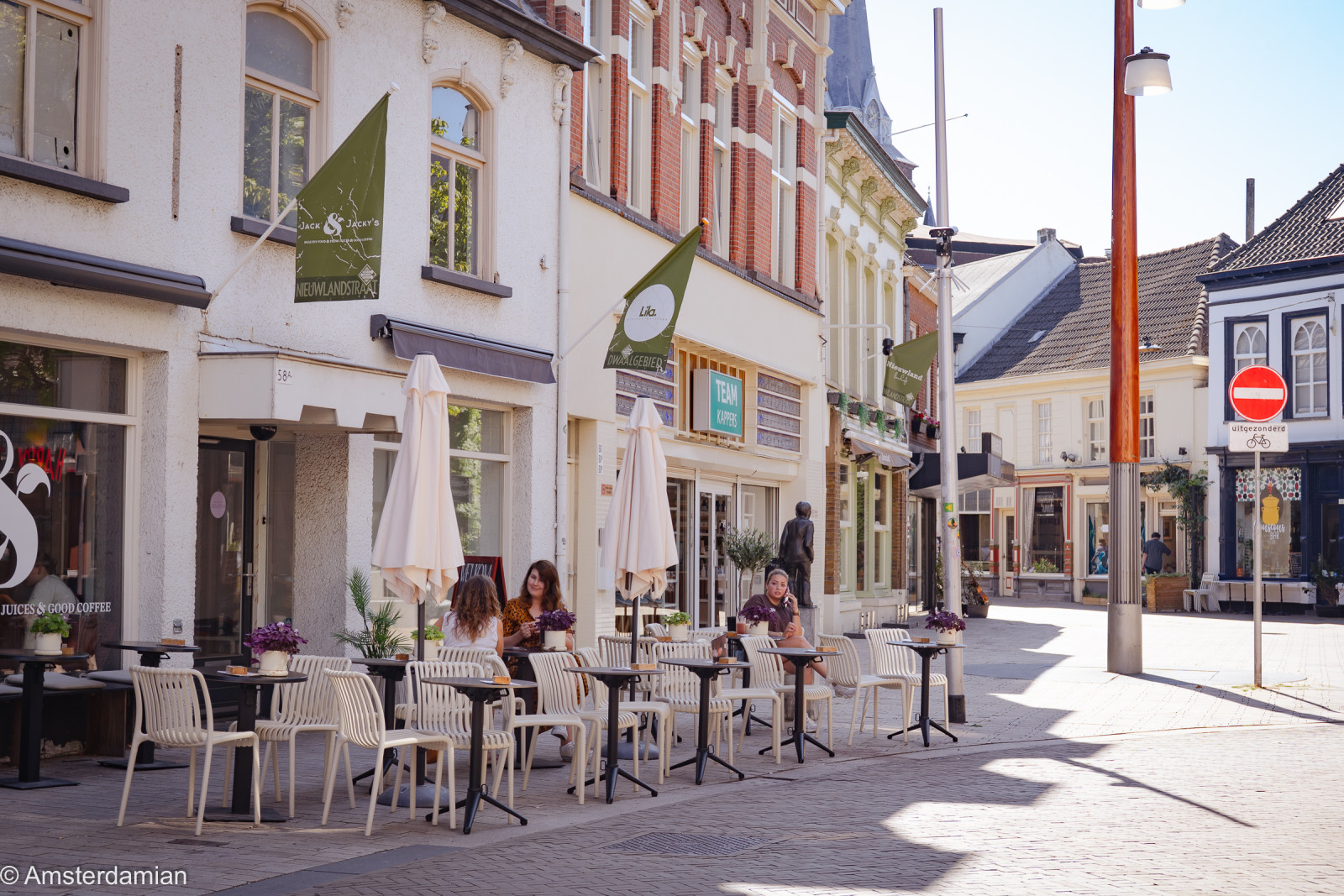
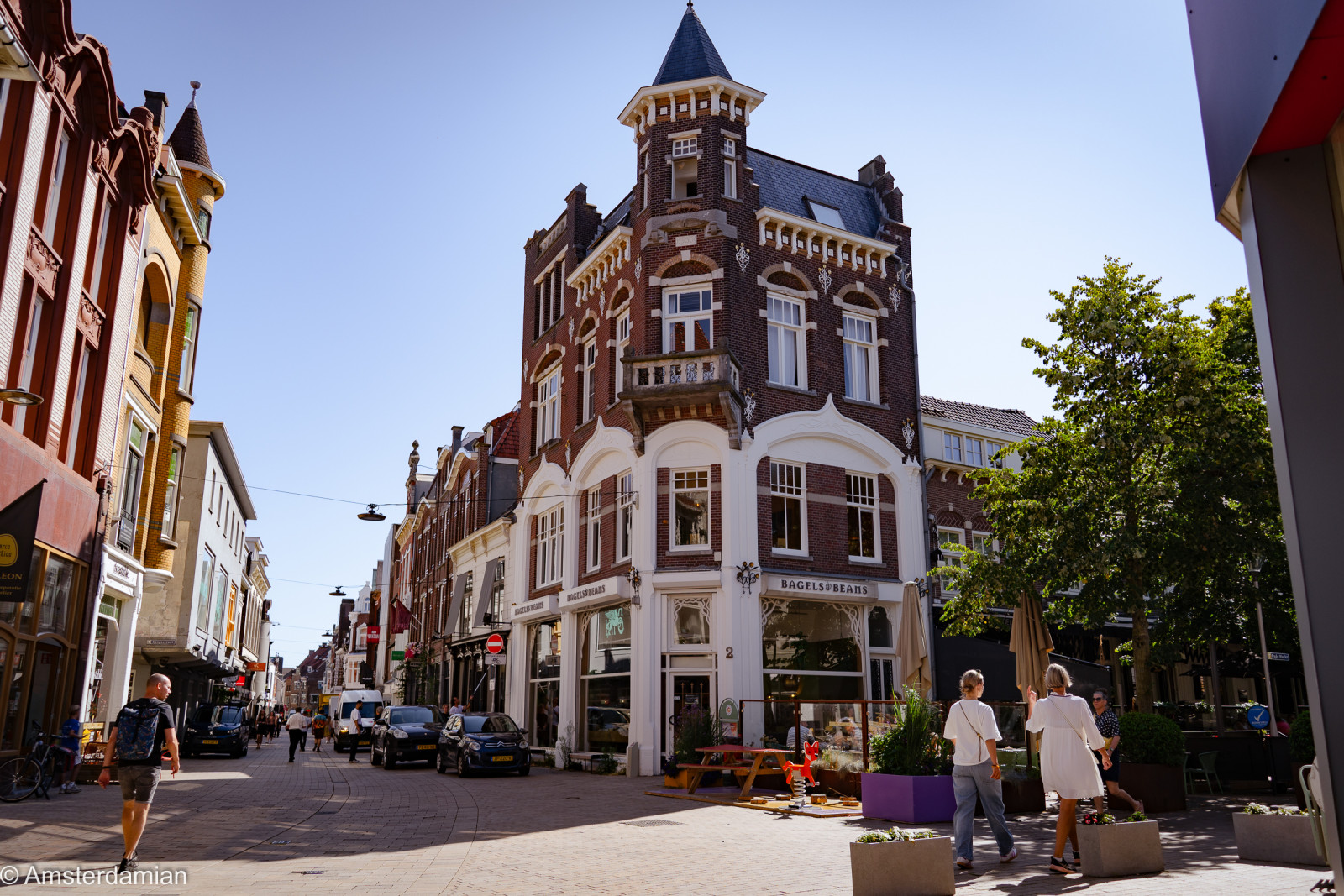
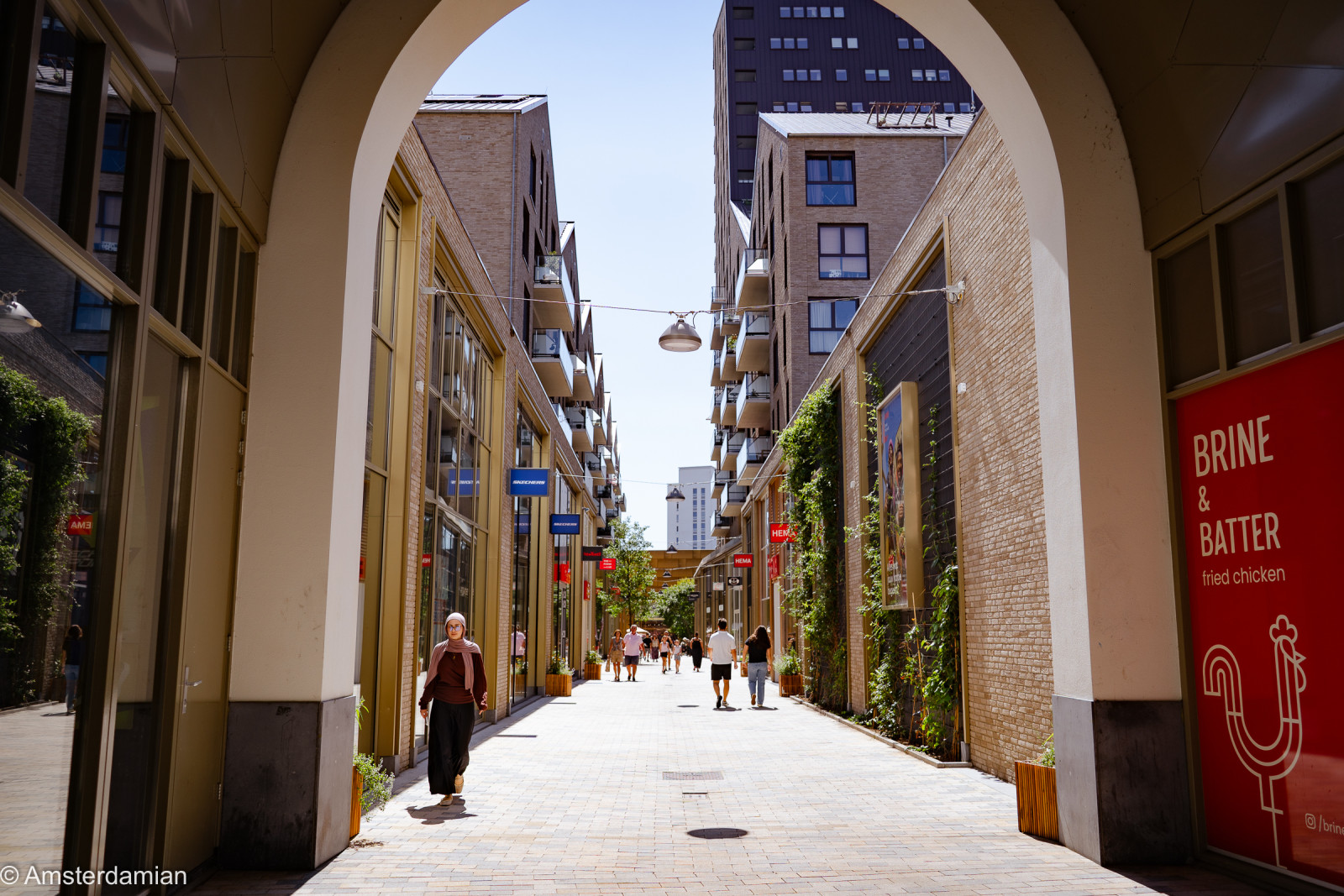
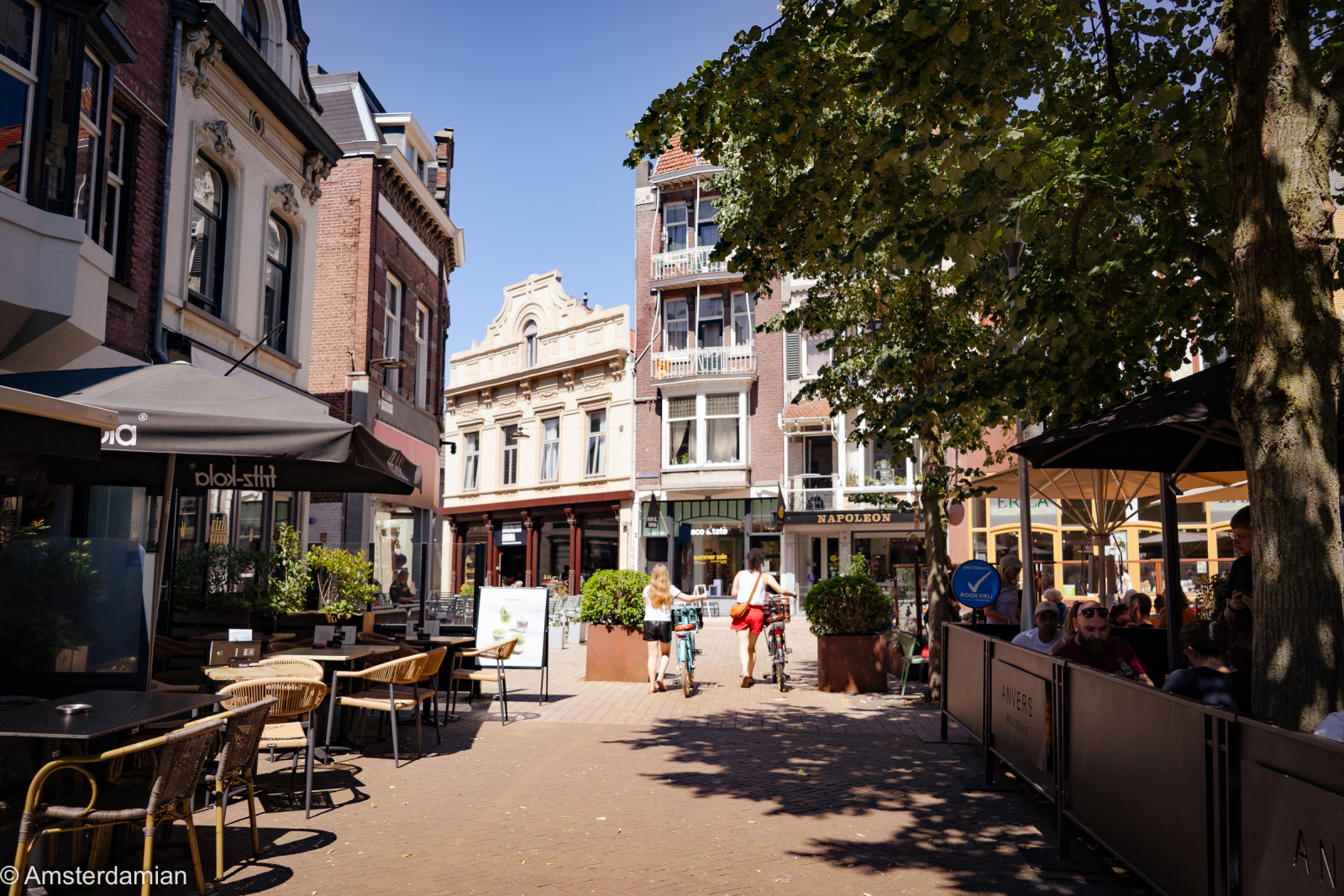
⏺ Walking the centre, and shopping. The centre is compact and made for walking, and it divides neatly in two. It’s very close to the train station, so you can just walk into it. The Heuvelstraat is the main shopping street and the largest in the city — chains, department stores, the familiar names, busy on a Saturday. But head north of it and you’re in the Dwaalgebied, the “roaming area”, a pocket of streets lined with nineteenth- and twentieth-century merchants’ houses and peppered with second-hand bookshops, vintage clothing, records, small galleries, specialist food shops. Very cosy and very pleasant for a shopping round or a stop for lunch. The Heuvel at the eastern end is the main square and where most of the terraces are; the Piusplein, just south, is the other cluster. In your walks, keep an eye for tiny art pieces placed inside the shoe scrapper spaces next to the entrances.
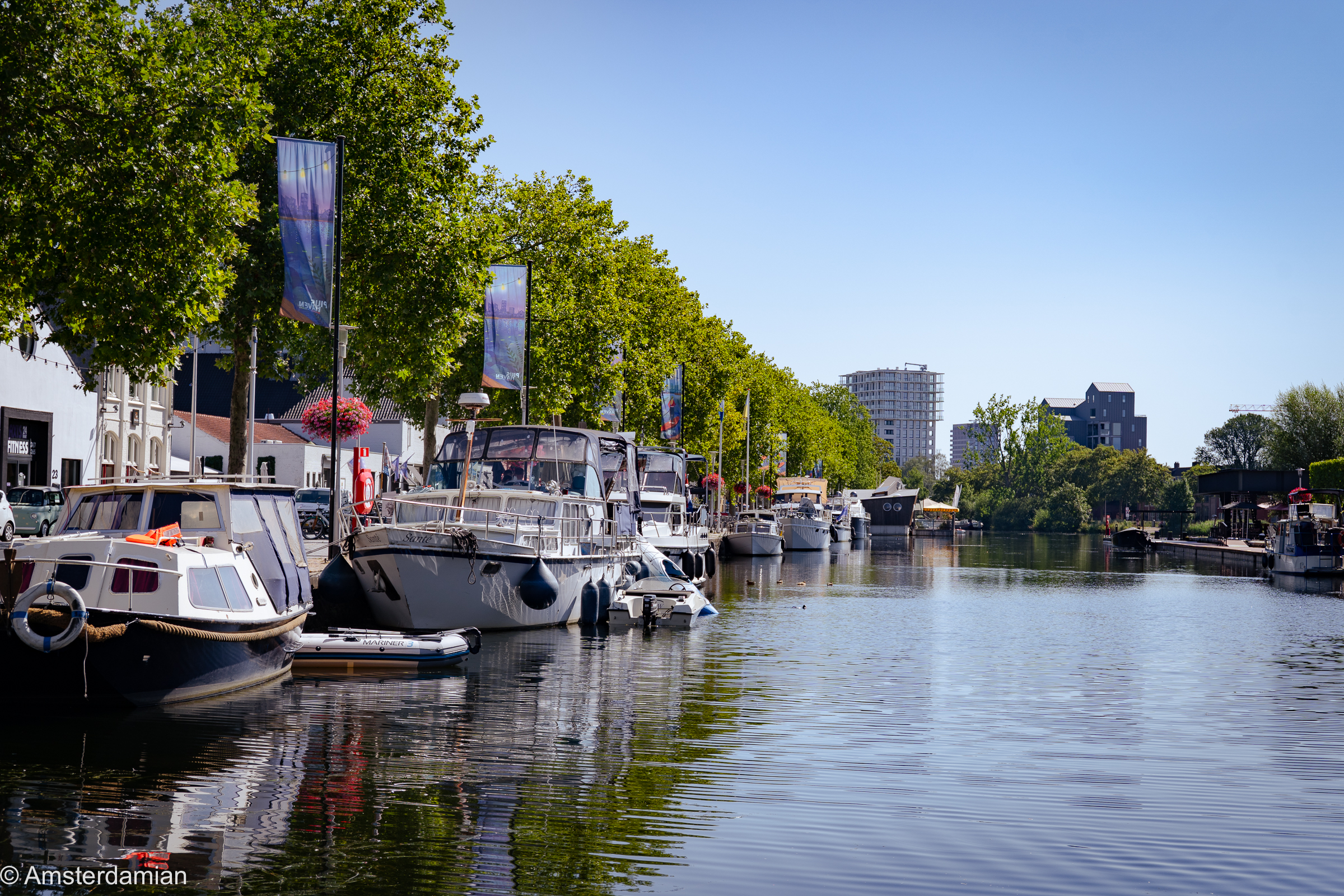
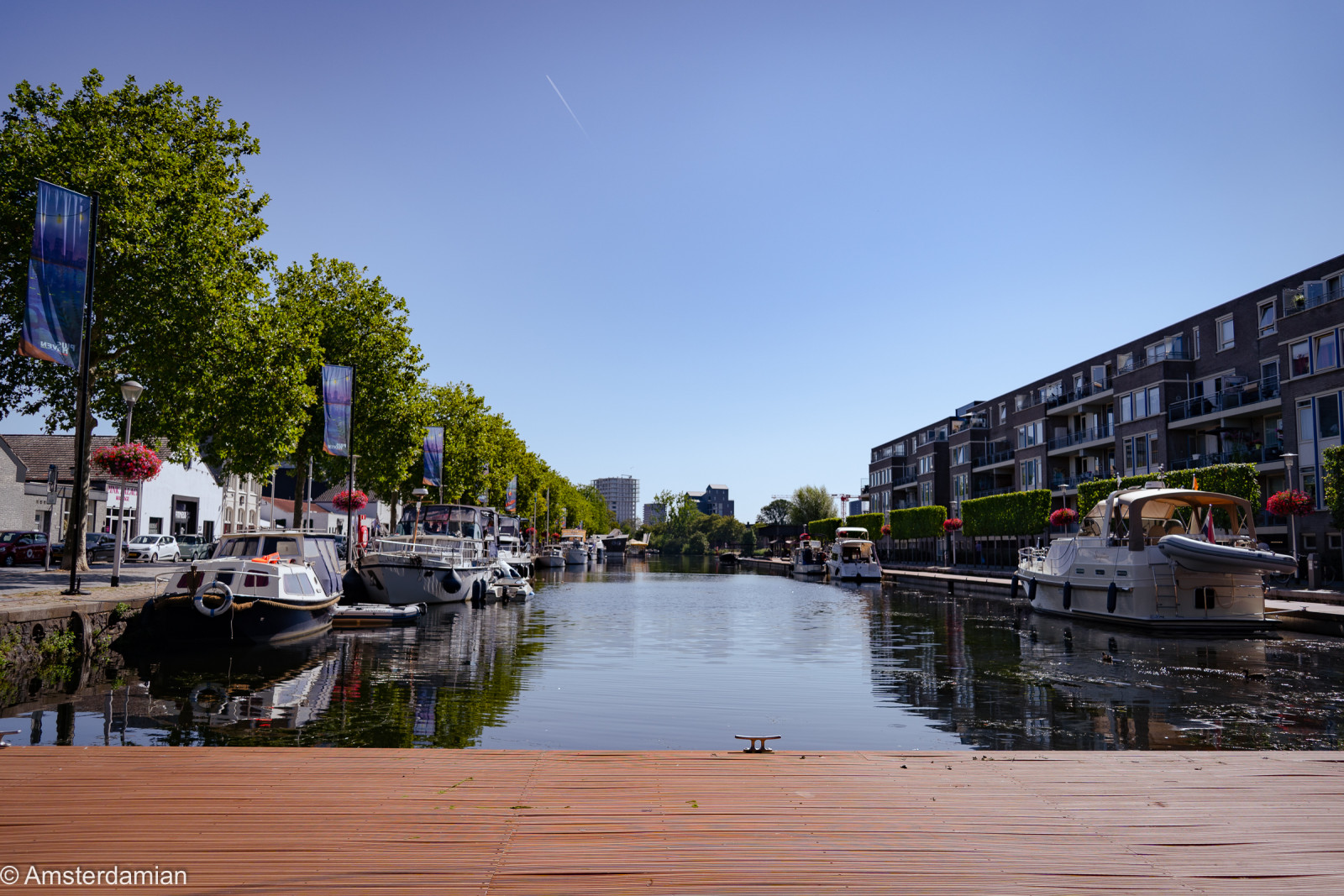
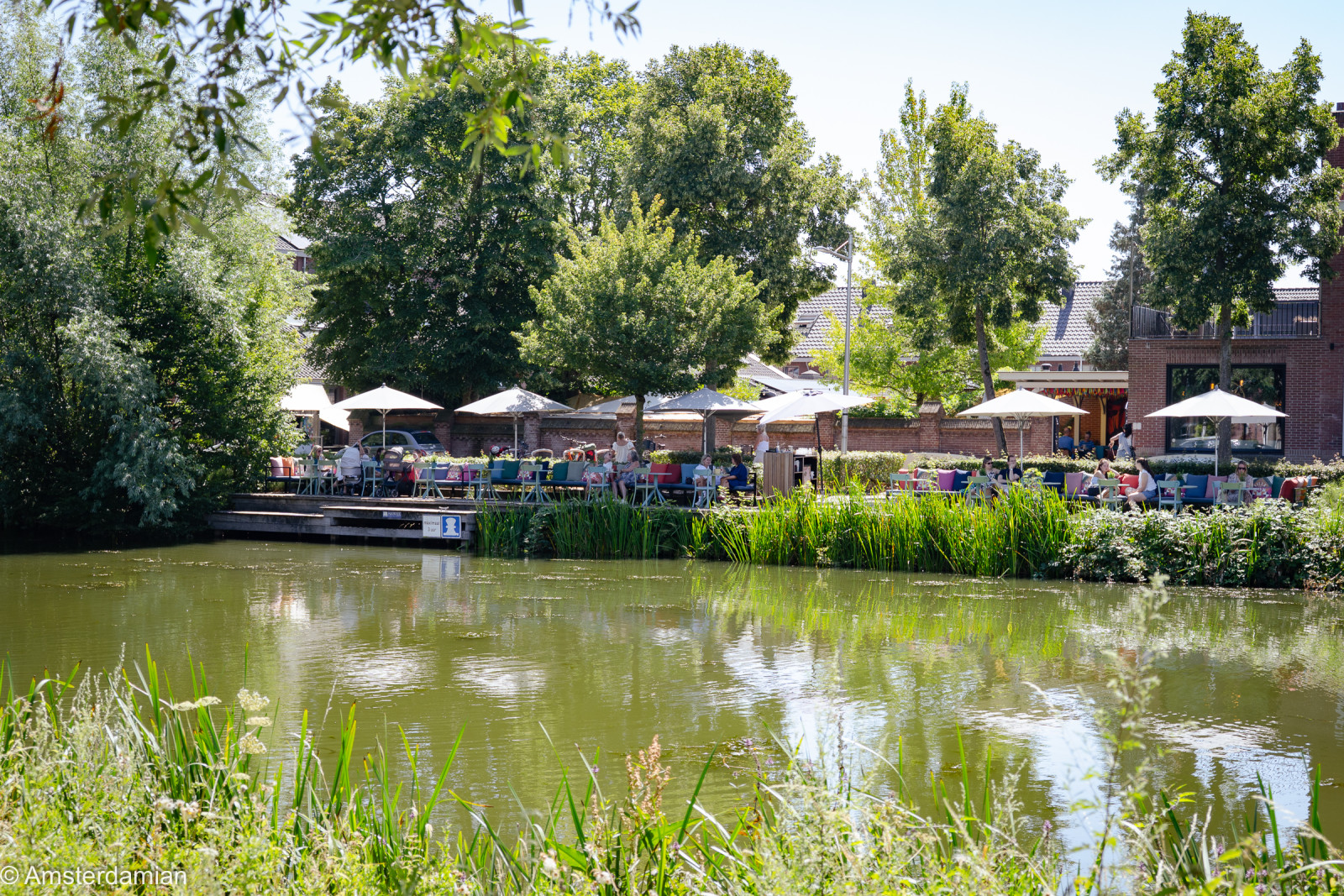
⏺ Piushaven. This is Tilburg’s inland harbour, which was dug in the 1920s and 30s to bring raw materials in and send finished cloth out. It’s about fifteen minutes’ walk from the centre and now the city’s waterside quarter, with terraces along it. It’s a nice stroll along the water, with a beautiful bridge that opens sideways and still has to be open manually (I was lucky to catch that).
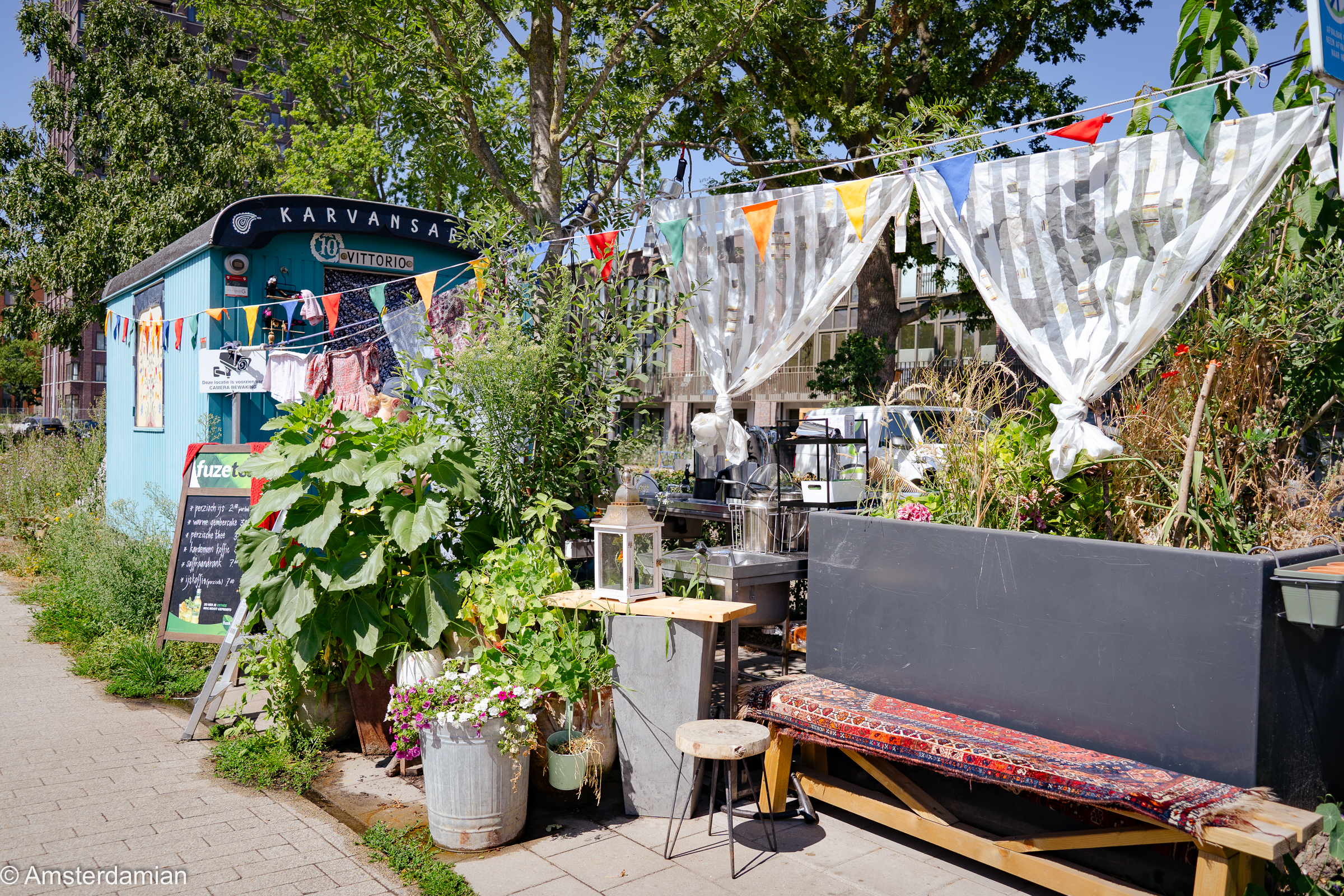
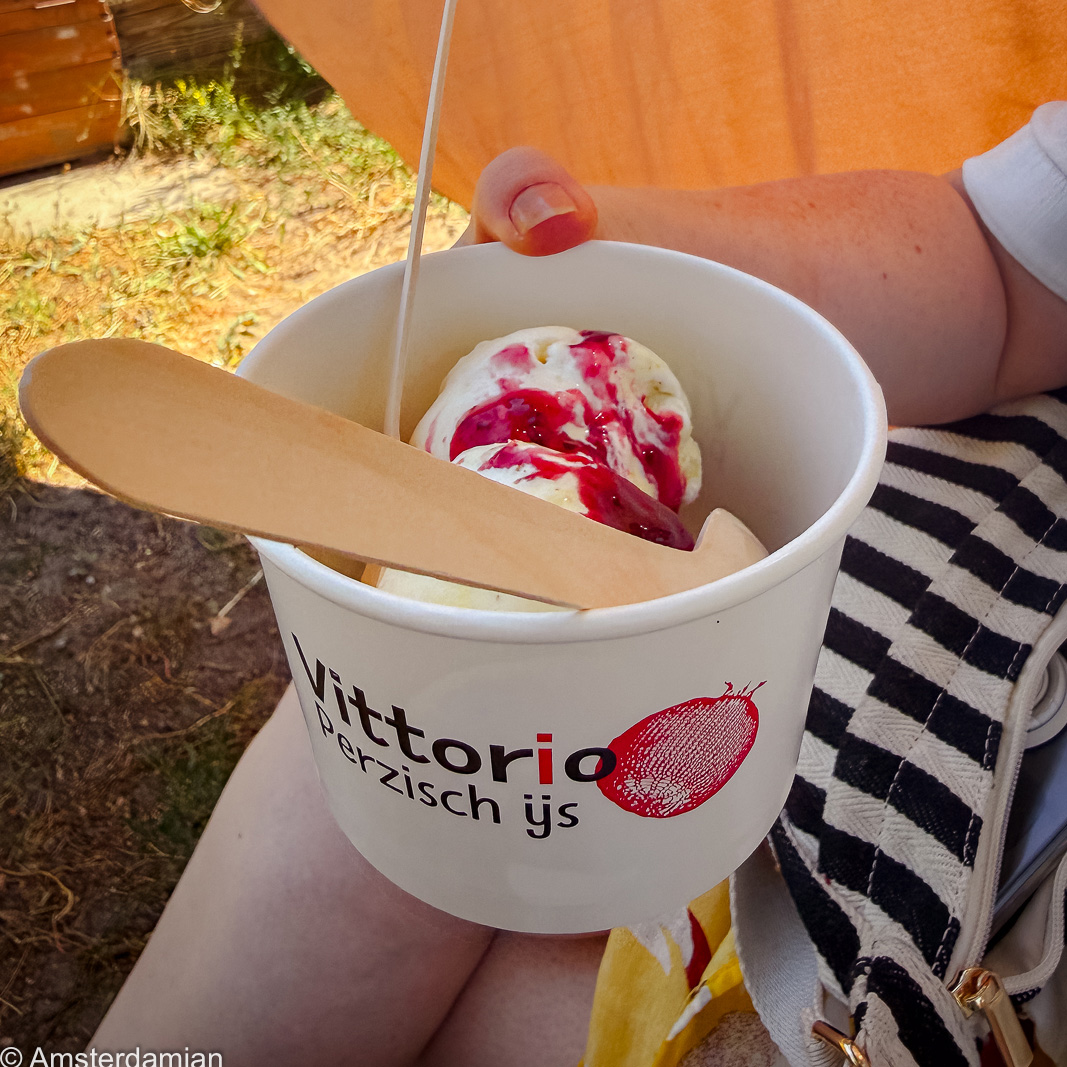
⏺ Close to the bridge you will find Vittorio’s caravan (Karvansara), an unusual coffee and ice cream place where you feel like being invited in someone’s garden. Vittorio is a Iranian refugee who found a home in Tilburg, and he is selling Persian ice cream on warm ginger cakes, coffee and tea. The ice cream is something I still dream about, flavoured with pistachio, cardamom and rose water. He has a bench and a few chairs where he sits among his guests, to talk and tell stories. I had the ice cream next to the caravan, in an improvised tent that provided much needed shade. This place is truly a hidden gem that you can find in this city, and I highly recommend you stop by.
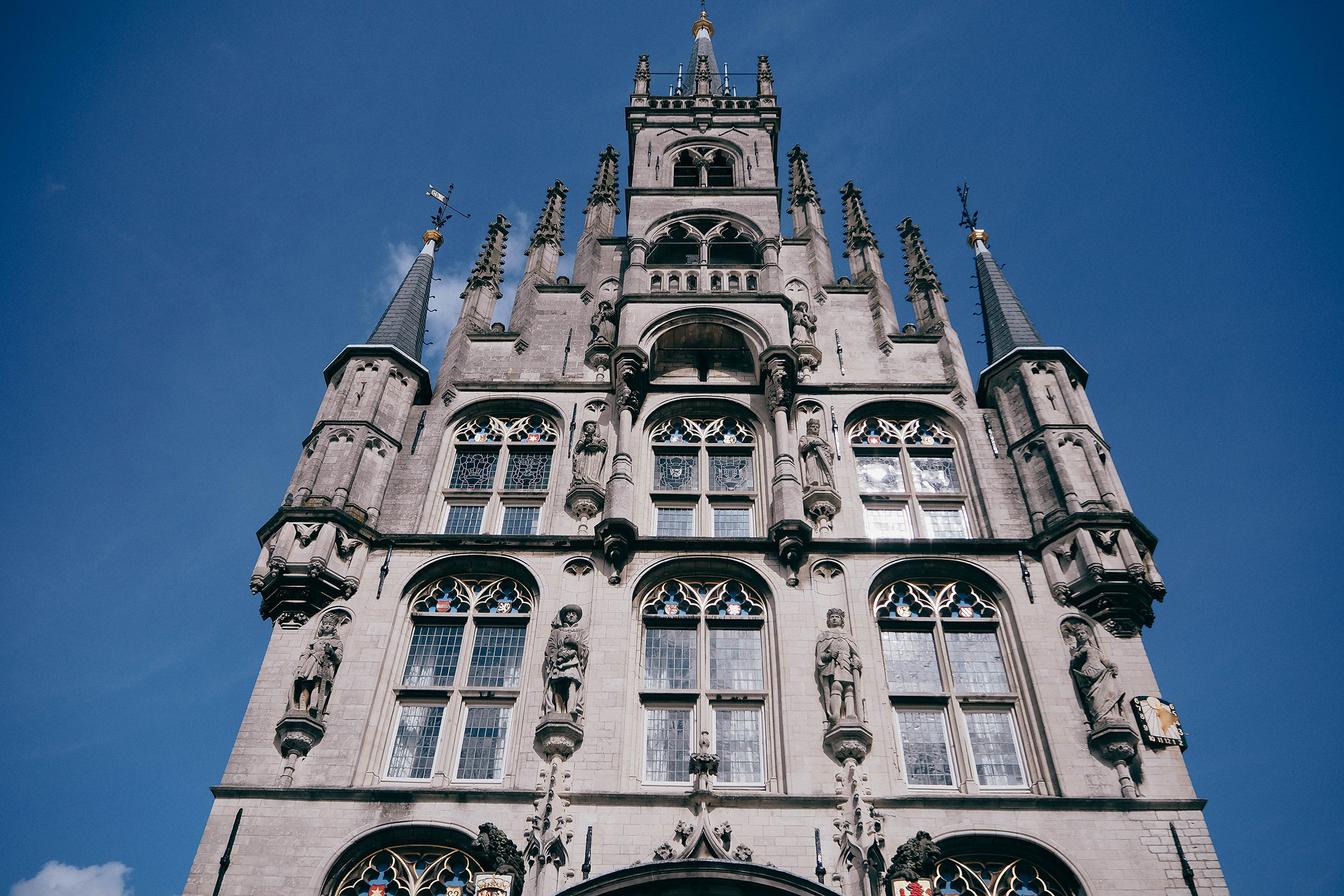
⏺ The Paleis-Raadhuis and the Heuvelse Kerk. Willem II’s palace on the Stadhuisplein, now part of the town hall. A few streets away, at the top of the Heuvel, is the neo-Gothic Sint-Jozefkerk, which everyone calls the Heuvelse Kerk.
⏺ Lustwarande. An international sculpture exhibition held in De Oude Warande, a beautiful historic park on the edge of Tilburg. The exhibition places large-scale contemporary sculptures among the trees, making the walk through the park part of the experience.
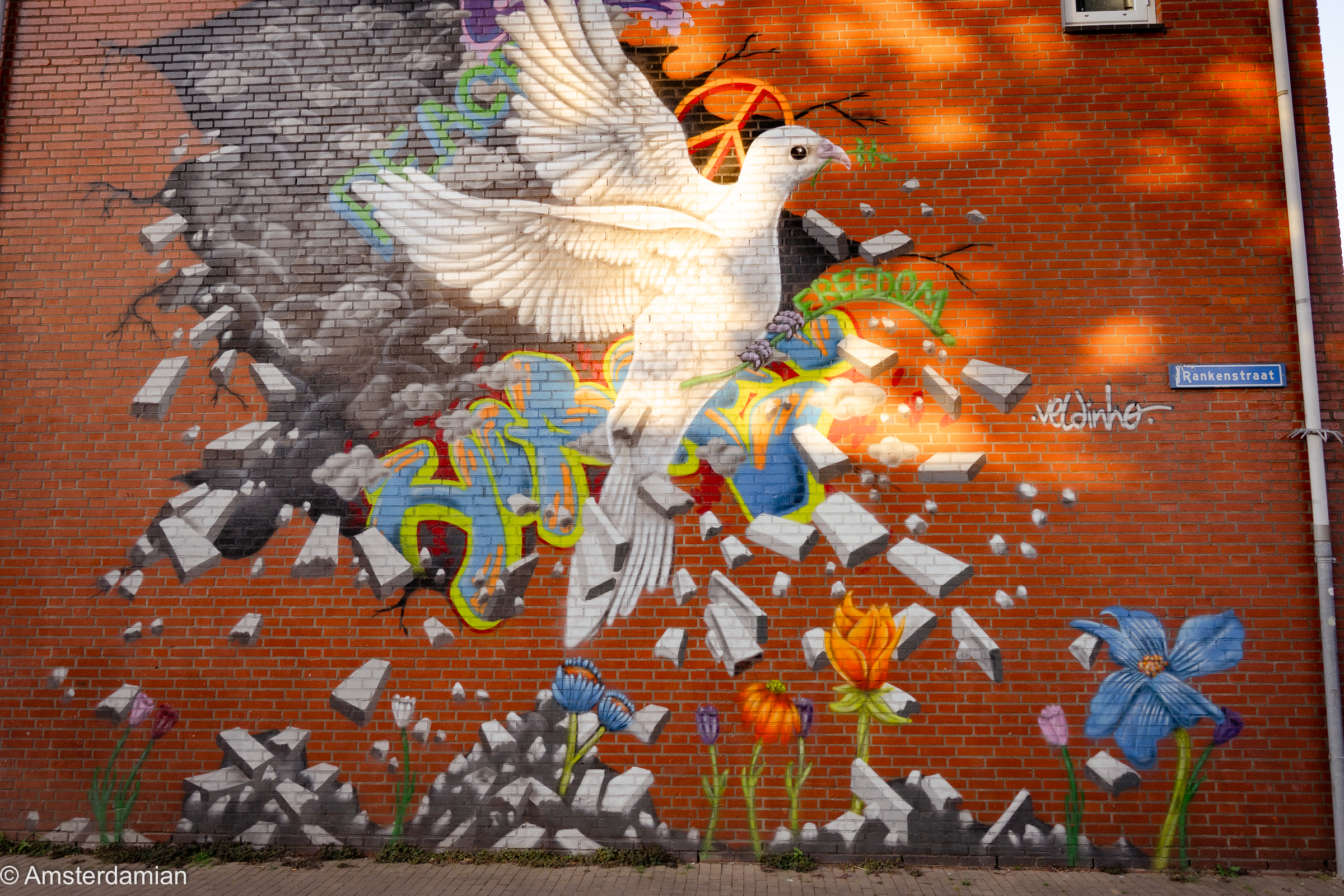
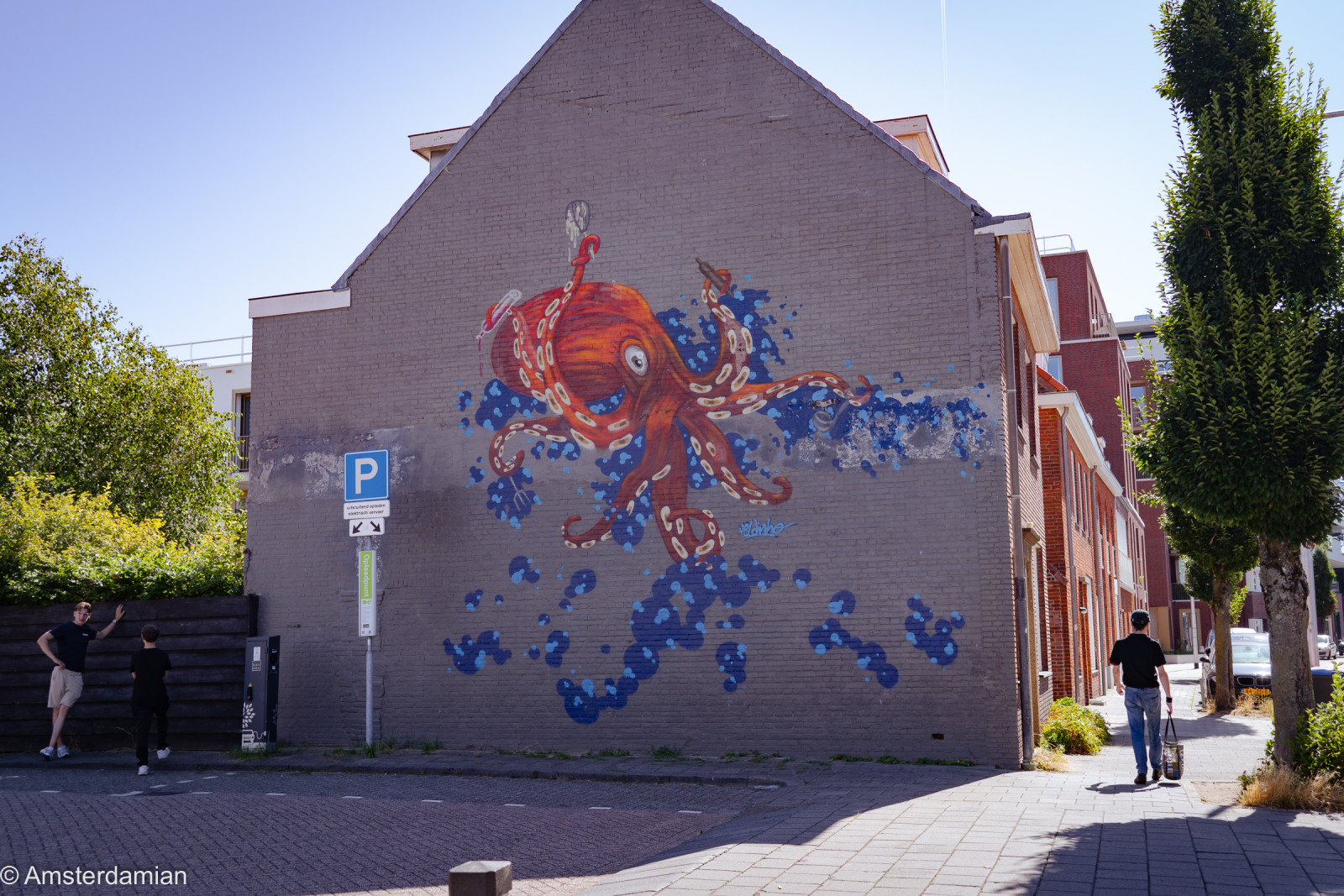
⏺ Walk the Wall Museum route through the city. This is a route with beautiful murals painted with art and poetry.
⏺ In the Footsteps of De Stijl. This is a poetical-theatrical walk through the city centre, unveiling hidden facts and insights about De Stijl and dadaism in Tilburg.
Museums to Visit in Tilburg
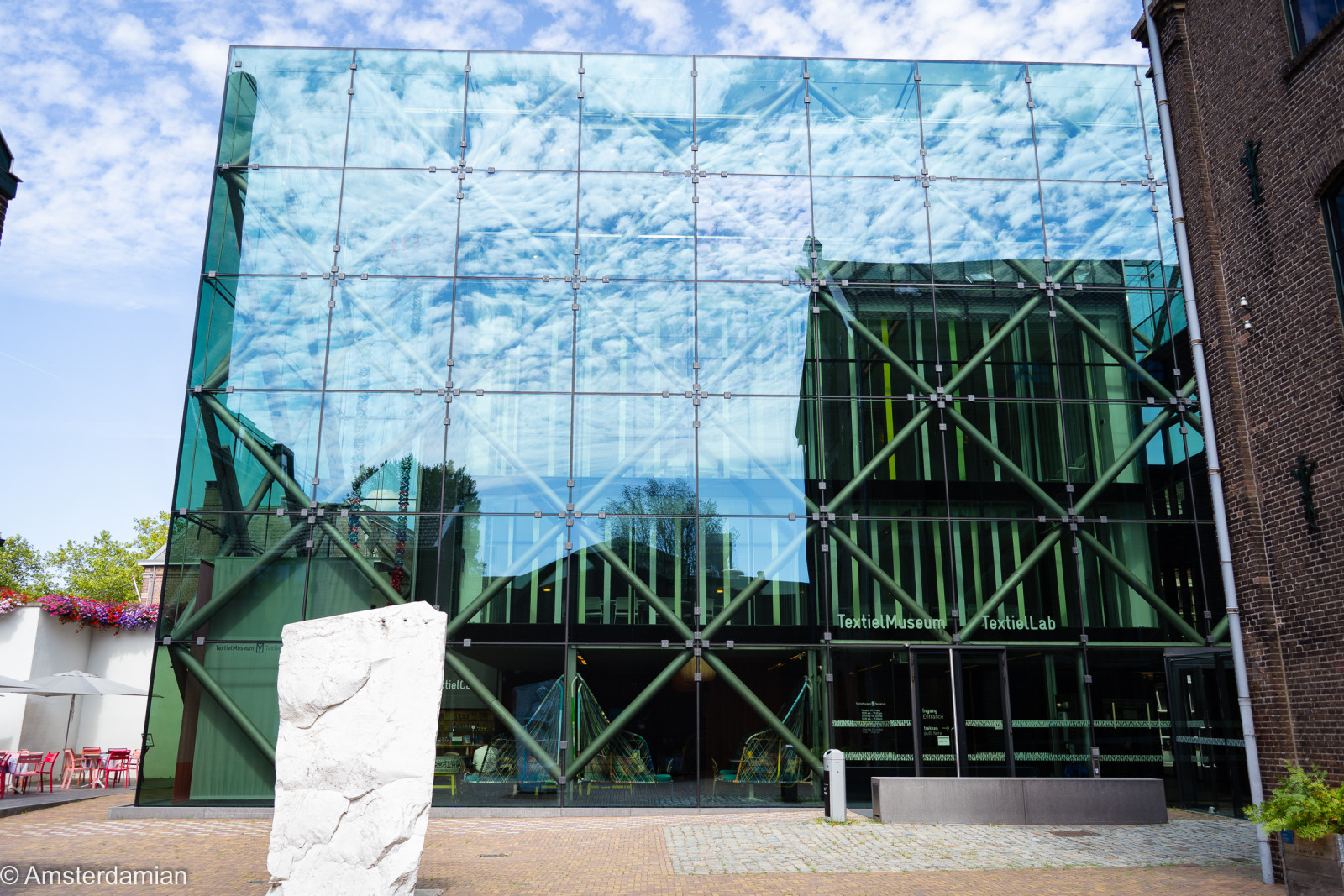
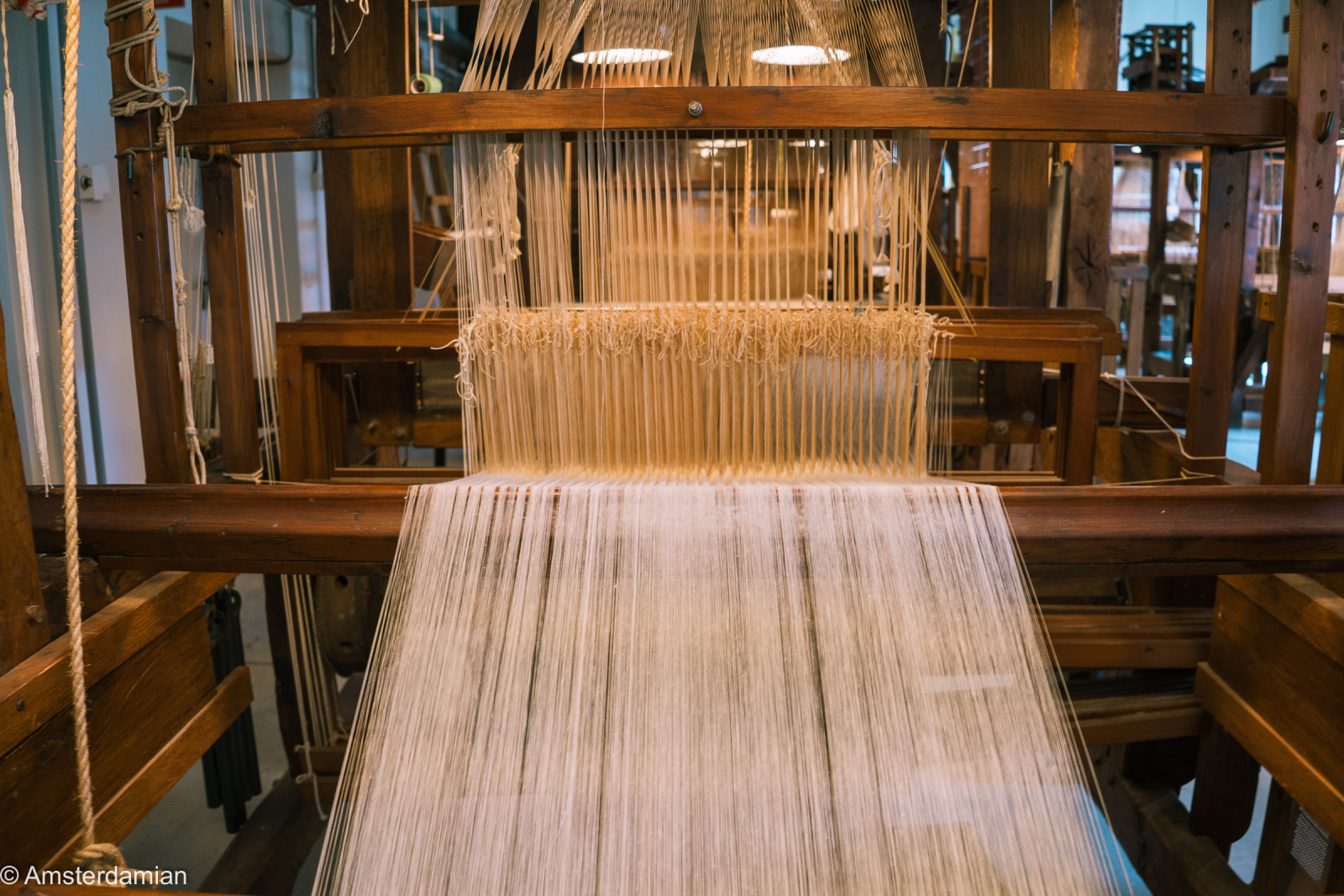
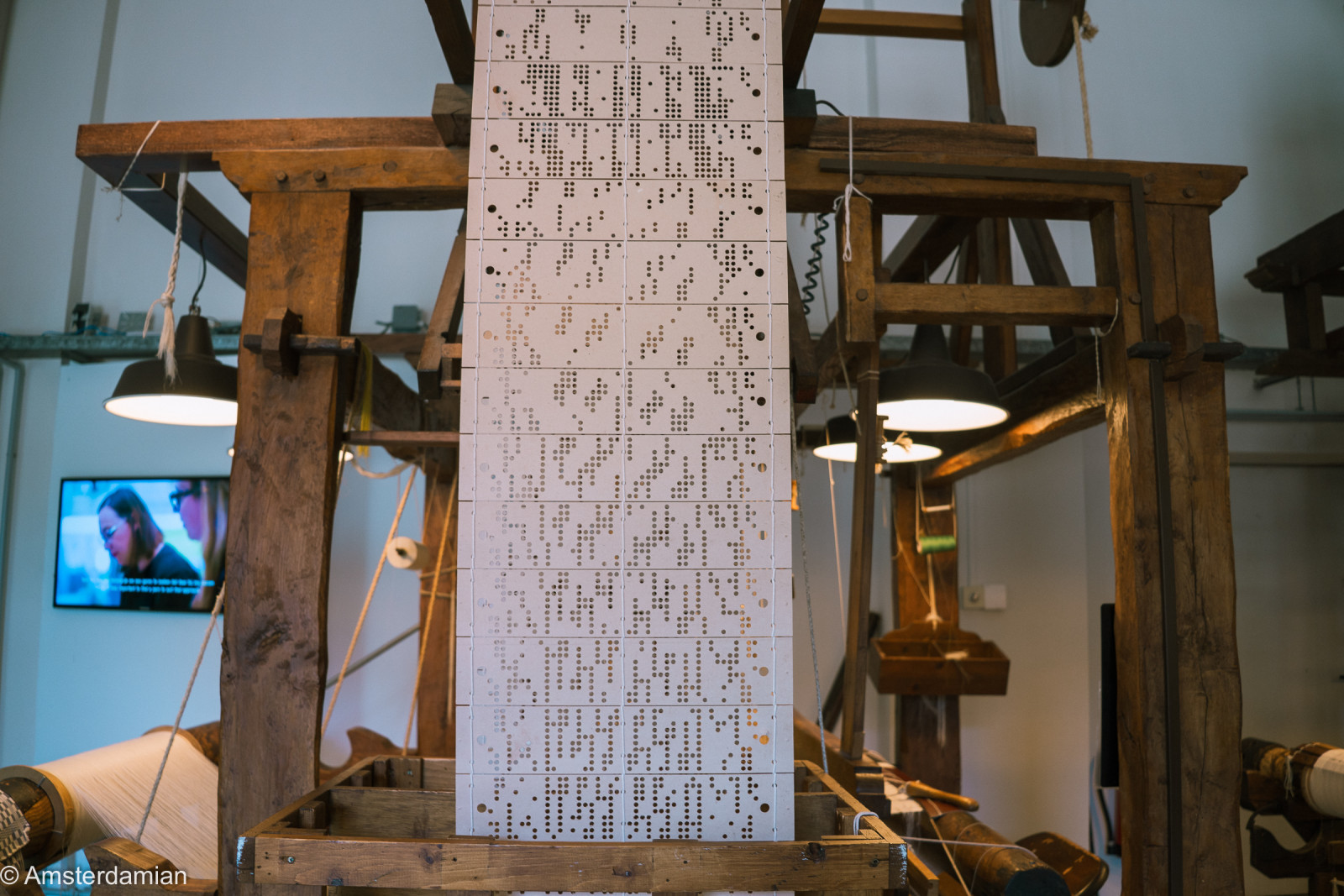
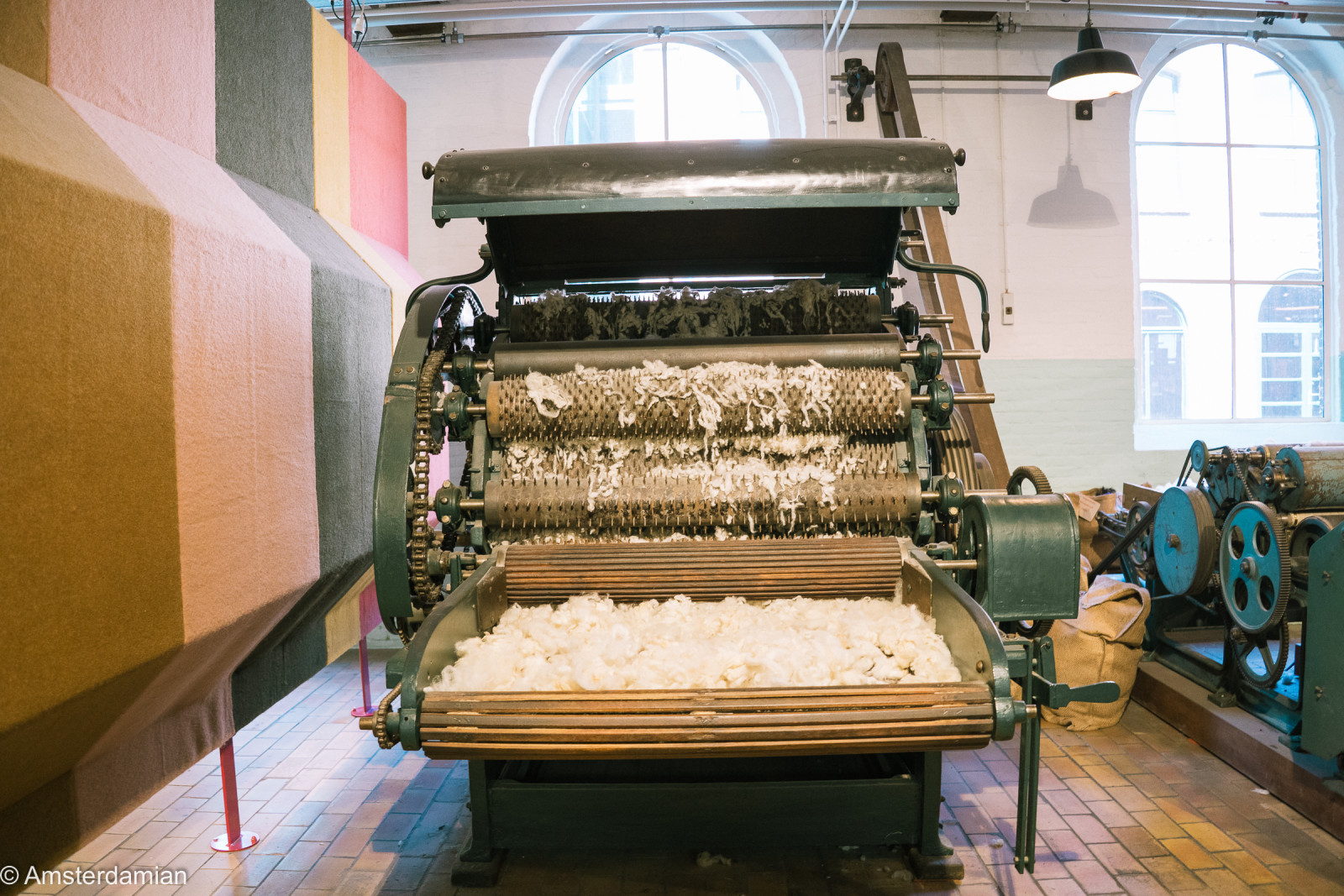
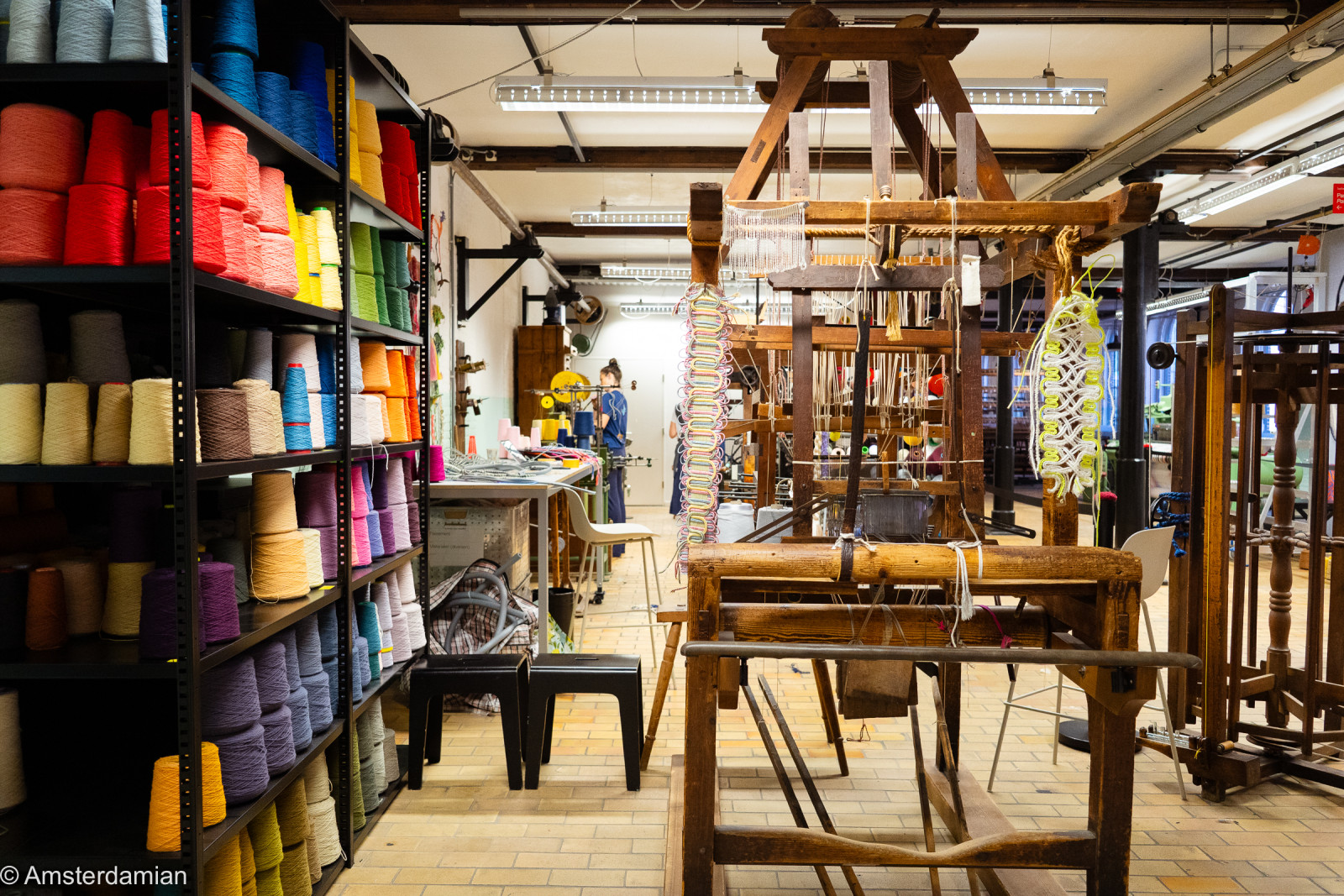
⏺ TextielMuseum and TextielLab. If you only have time for one museum, make it this one. It opened in 1958 in a manufacturer’s villa and moved in 1985 into the Mommers factory on the Goirkestraat — the same building where Christiaan Mommers had been making cloth since the 1860s. The building itself is something worth seeing. On the ground floor the Woollen Blanket Factory hall recreates the trade as it was between 1900 and 1940, with spinning and weaving looms driven by a steam engine built in 1906. This is not only a static museum, displaying items already created; it’s a living, working museum, continuing to weave textiles and innovate in this area. I absolutely loved walking around and watching the modern looms at work, and the old ones that you can walk around and check every detail.
There are a few exhibitions year round, and when I visited there was an anniversary one: Mens <3 Machine, celebrating 25 years of TextielLab.
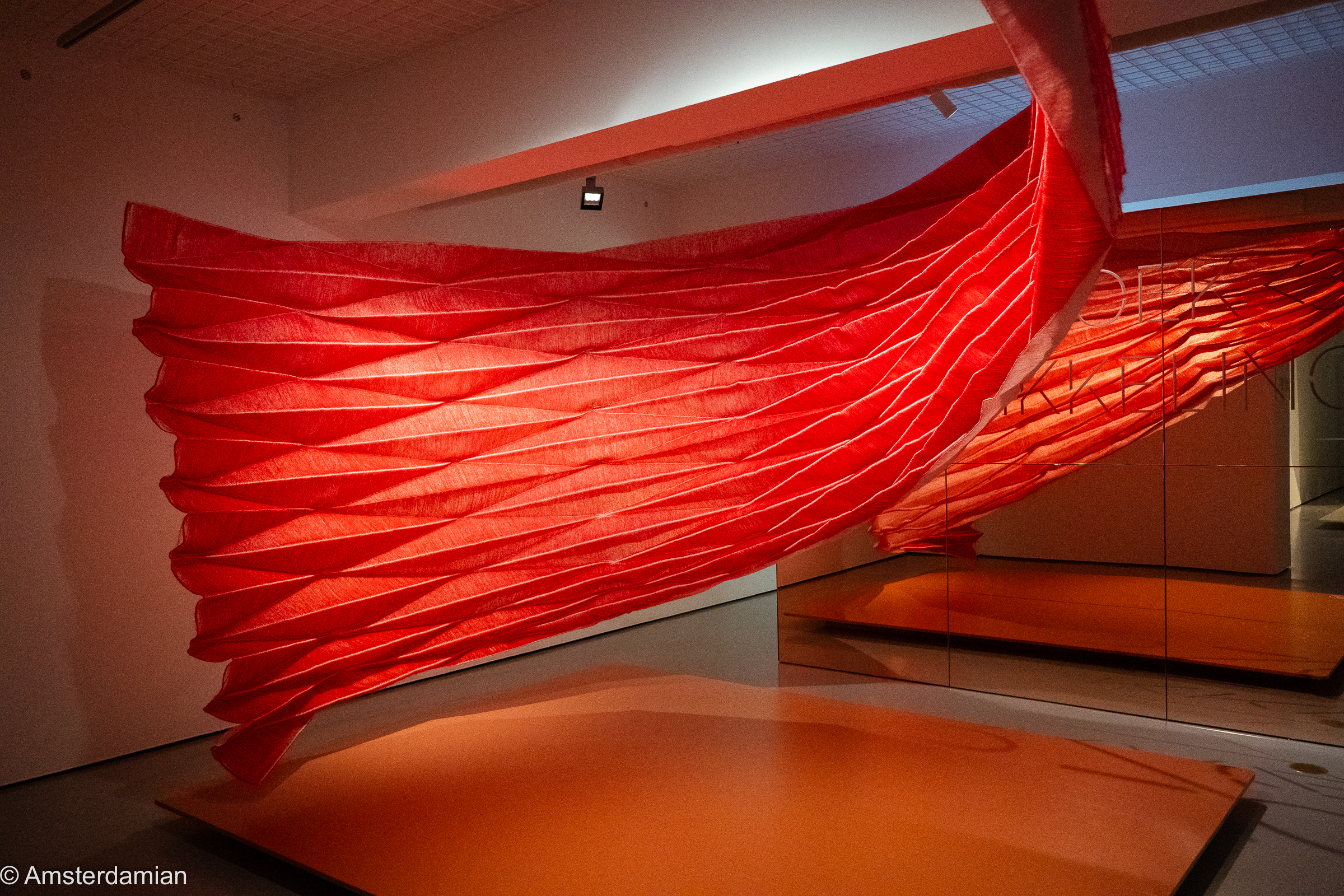
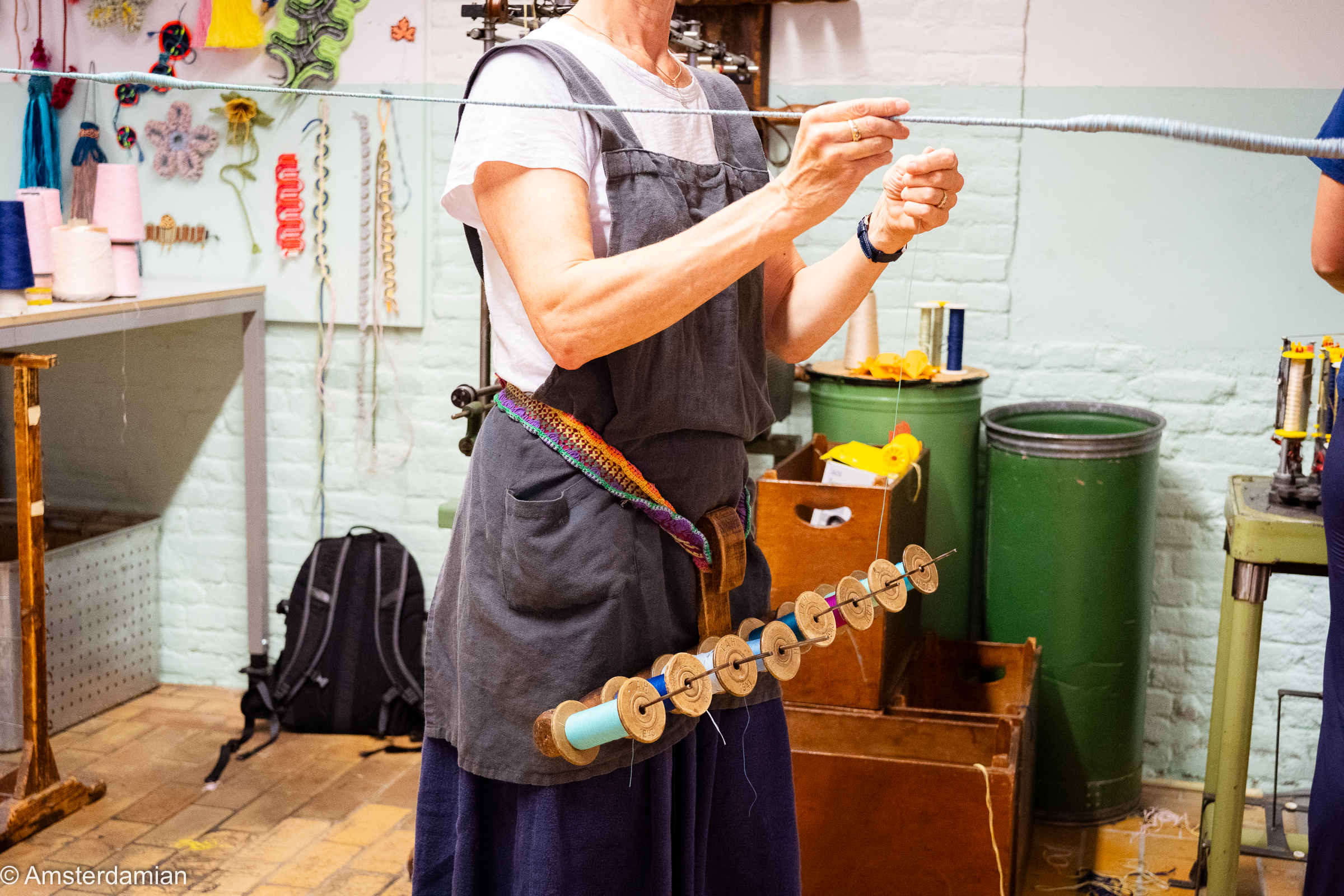
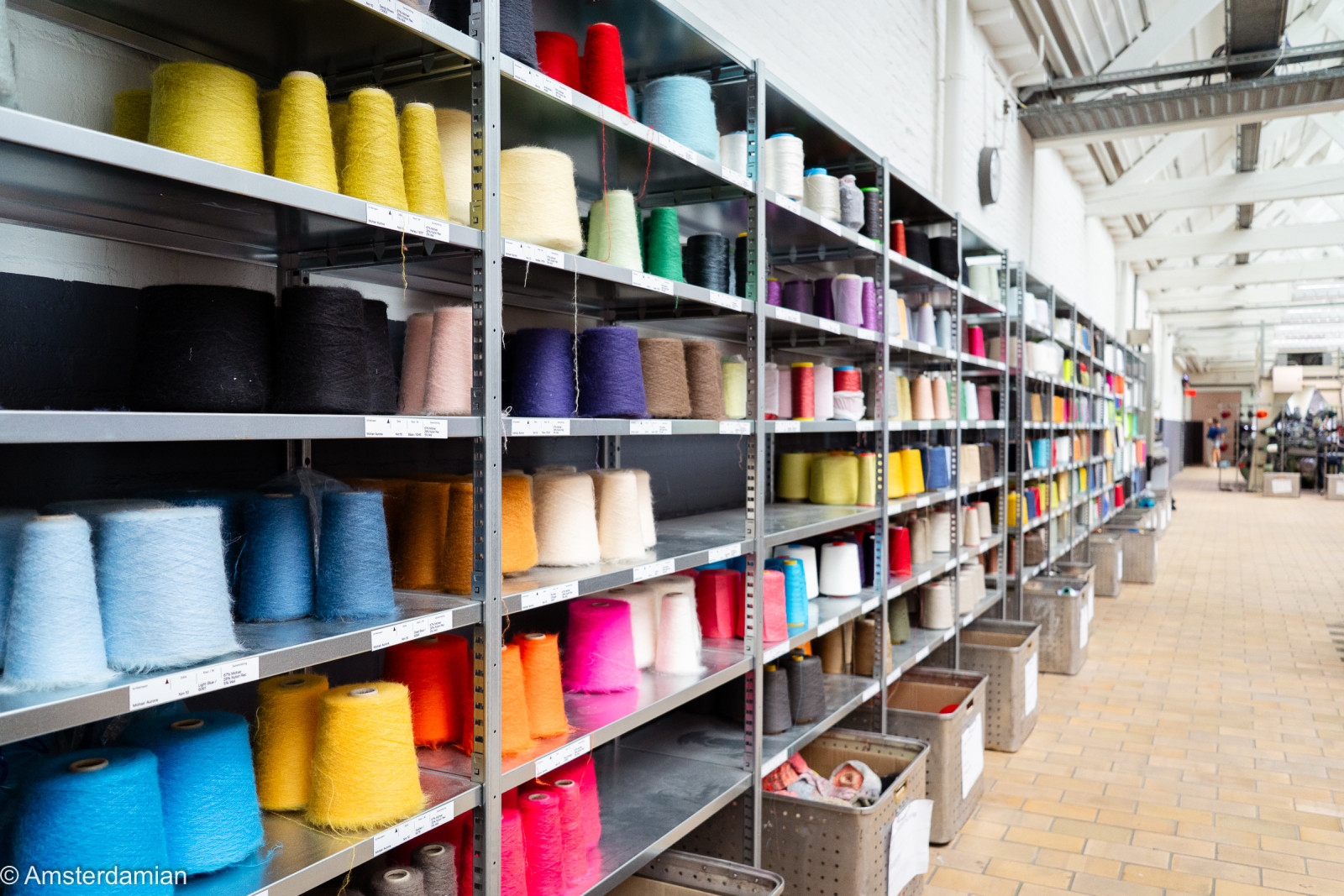
The TextielLab is an important part of the museum. It’s a working development workshop where designers, artists, architects and students come from all over the world to make things they can’t make anywhere else — weaving, knitting, embroidery, tufting, passementerie and laser cutting, on industrial machines, with technicians working alongside them. There are real commissions being produced here and research being done. As a visitor, you get the chance to see some of these people at work, experimenting and creating. The vast textile curtains in the LocHal were woven here, and so was a tapestry for the Europa building in Brussels. You walk past at working distance and watch people do their jobs, which is a strange and rather wonderful thing to be allowed to do.
Outside, in the courtyard, there’s a garden with plants that can be used to make dye. It’s small but very interesting to see.
Closed Mondays; open ten to five Tuesday to Friday and twelve to five at weekends. They do ask you to book online before you come.
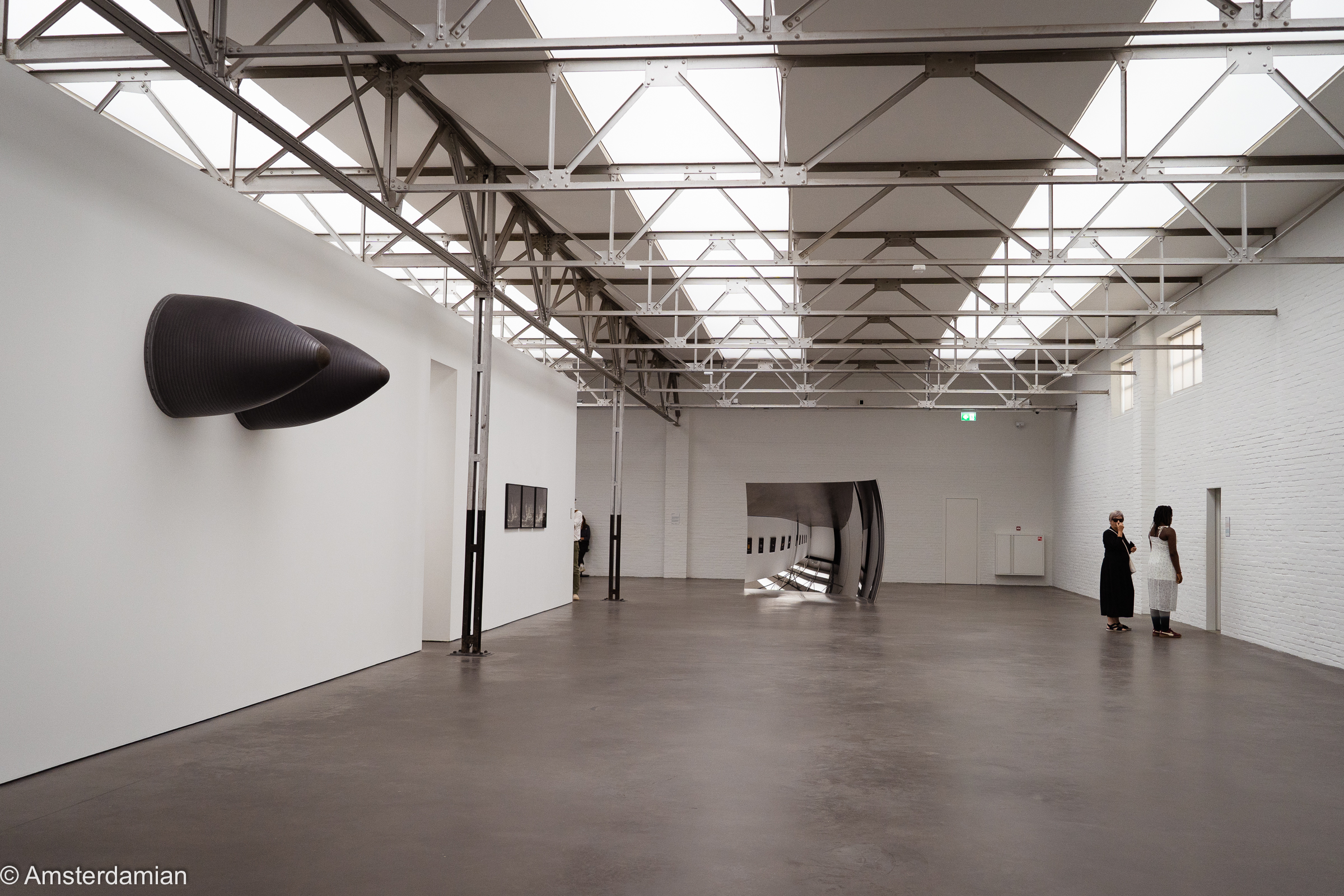
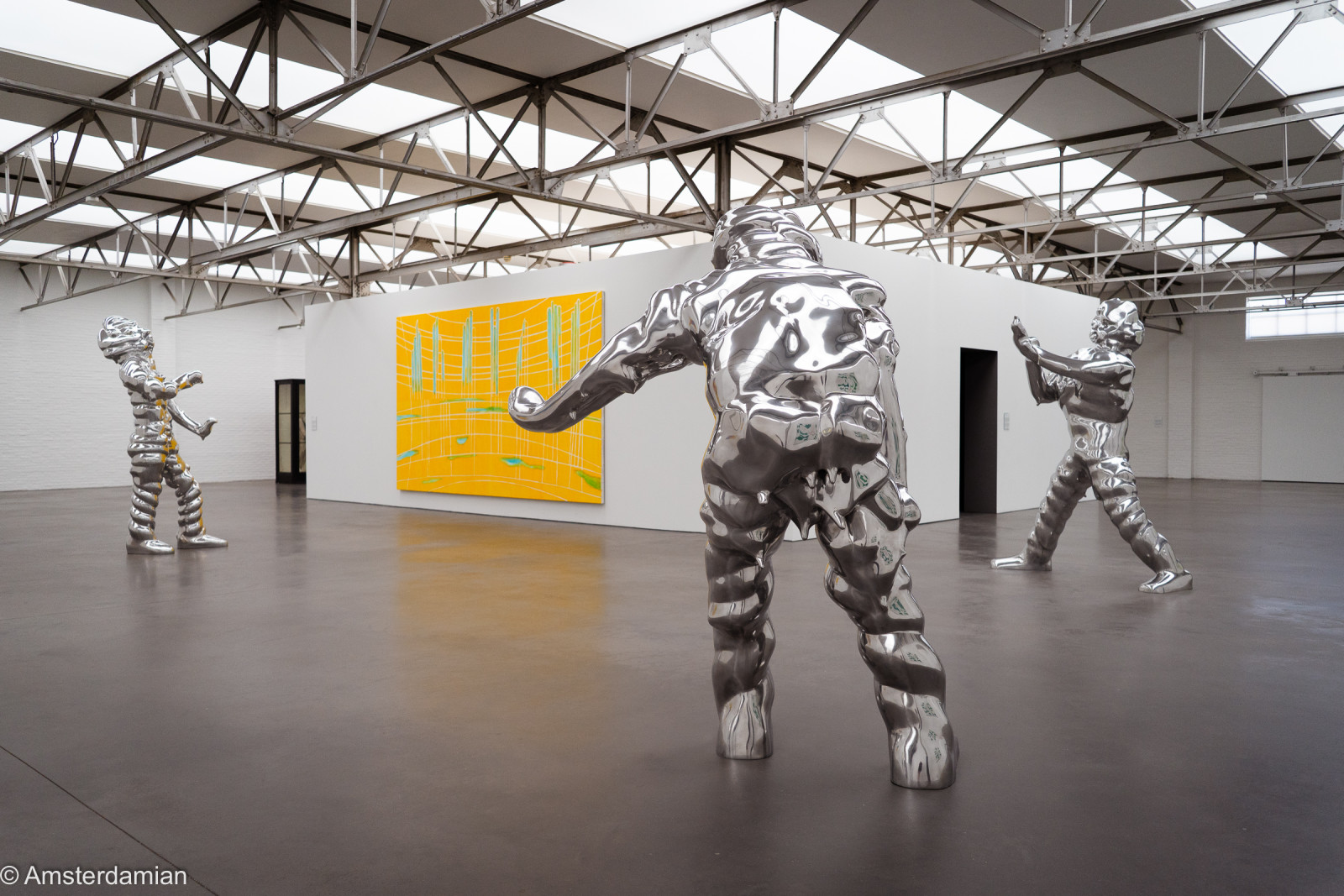
⏺ De Pont. An international contemporary art museum located in Thomas de Beer’s former wool-spinning mill at Wilhelminapark 1, opened in 1992 and named after the lawyer and businessman Jan de Pont, whose bequest funded it. Benthem Crouwel converted the building and left it recognisable: a vast top-lit hall under the sawtooth roof, and along the sides the small brick “wool pens” where wool was once stored, now used for intimate presentations of individual works. The programme runs to changing solo exhibitions alongside displays from the collection. It’s closed on Mondays — and here’s two tips worth knowing: entry is free on Thursday evenings, between five and eight, and always free for people up to the age of 26.
⏺ Natuurmuseum Brabant. At Spoorlaan 434, two minutes from the station. Natural history aimed at families. There’s a fifteen-metre sperm whale skeleton, an Ice Age hall with reconstructed mammoths, an insect exhibition, and plenty to pick up and handle. If you’re travelling with children and the rain sets in, this is a good option.
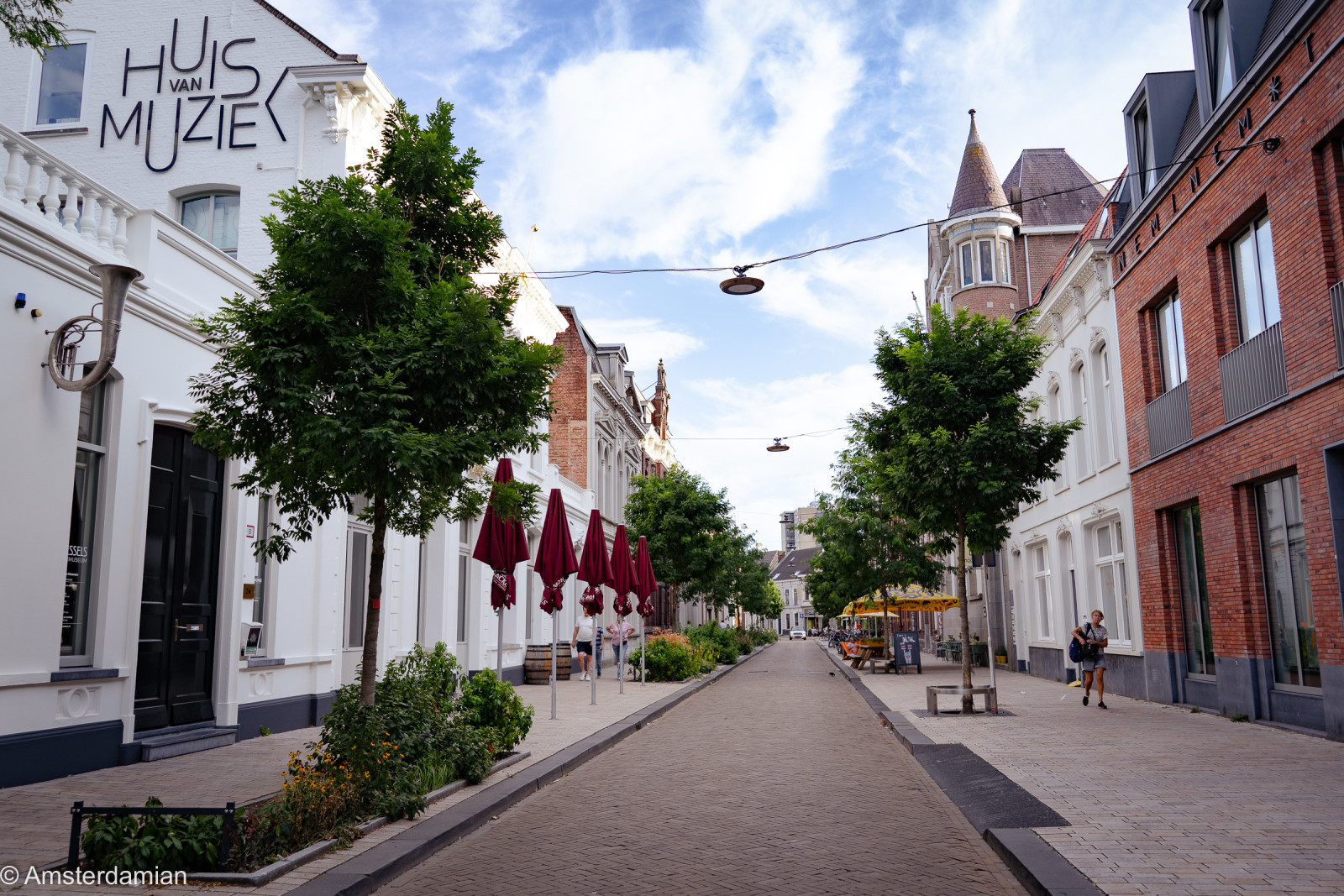
⏺ The Kessels Museum tells the story of Mathieu Kessels, whose musical instrument factory helped shape Tilburg’s musical heritage. Housed in the Huis van Muziek, the museum displays historic instruments, tools, and workshop equipment, while interactive exhibits, a MusicLab, and a restoration workshop bring the craft of instrument making to life.
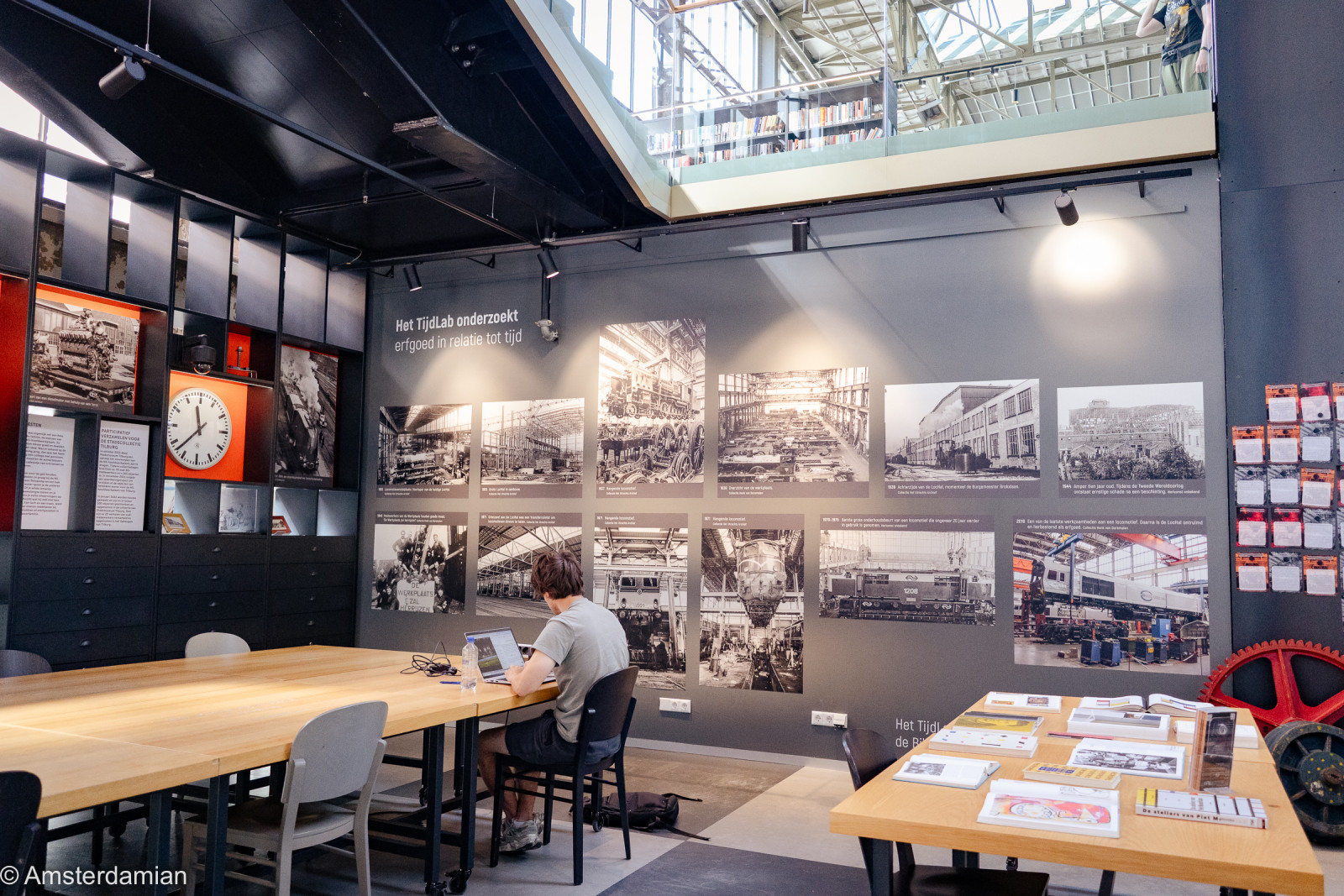
⏺ Stadsmuseum Tilburg. The city museum has no building of its own. It runs exhibitions and events at changing locations around Tilburg and keeps a permanent base in the TijdLab inside the LocHal, so you can easily look in while you’re there anyway. It’s also the organisation that now carries the Van Gogh story in Tilburg: Vincents Tekenlokaal, the reconstruction of the classroom where he had his first drawing lessons, closed in the summer of 2025 after sixteen years, and the museum has moved the story into new programmes instead. Check what’s on before you go, because the programme moves around the city.
Nature and Parks in and around Tilburg
De Oude Warande. This is a park laid outin 1712 for Wilhelm von Hessen-Kassel, on the western edge of the city near the university. It’s one of the few intact star-shaped forests in the Netherlands. The avenues cut through it meet in the middle in a star, and each of the four quarters is laid out to a different geometry — square, circle, diamond and octagon. Right at the centre there’s a spot called the Grotto where you can stop for a coffee.
Every summer, the wood becomes an exhibition. Lustwarande has been installing contemporary sculpture among the trees for twenty-five years; the 2026 edition, Material Worlds, runs from 14 June to 27 September and brings together twenty artists. If you’re in Tilburg between June and late September, you should check it out.
Spoorpark and Leijpark. Both inside the city and both easy walks from the centre — the Spoorpark (above) beside the station, and the older, greener Leijpark to the south.
Landschapspark Moerenburg is a green area on the southeastern edge of Tilburg, where the city gives way to a more rural landscape. The park has meadows, waterways, ponds and tree-lined paths, making it a pleasant place for a walk or bike ride. You can combine it with a visit to Piushaven, following the paths from the lively harbour area into the countryside.
De Loonse en Drunense Duinen. A national park of roughly 3,500 hectares of drifting sand between Tilburg, Waalwijk and Den Bosch, one of the largest areas of shifting sand in Europe and known to everyone as the Brabant Sahara. It’s fifteen minutes by car from Tilburg. By public transport it takes a bit of planning: bus 136 towards Waalwijk, then a walk of about forty minutes from the Akkerlaan stop. Six entrances, each with parking and somewhere to eat.
Oisterwijkse Bossen en Vennen – About 12 km from Tilburg, this varied nature reserve combines woodland, heathland and dozens of picturesque fens. There are numerous walking and cycling routes, making it a good choice if you want to escape the city for a few hours. The nearby village of Oisterwijk is worth combining with a visit to the woods.
Just Outside the Centre
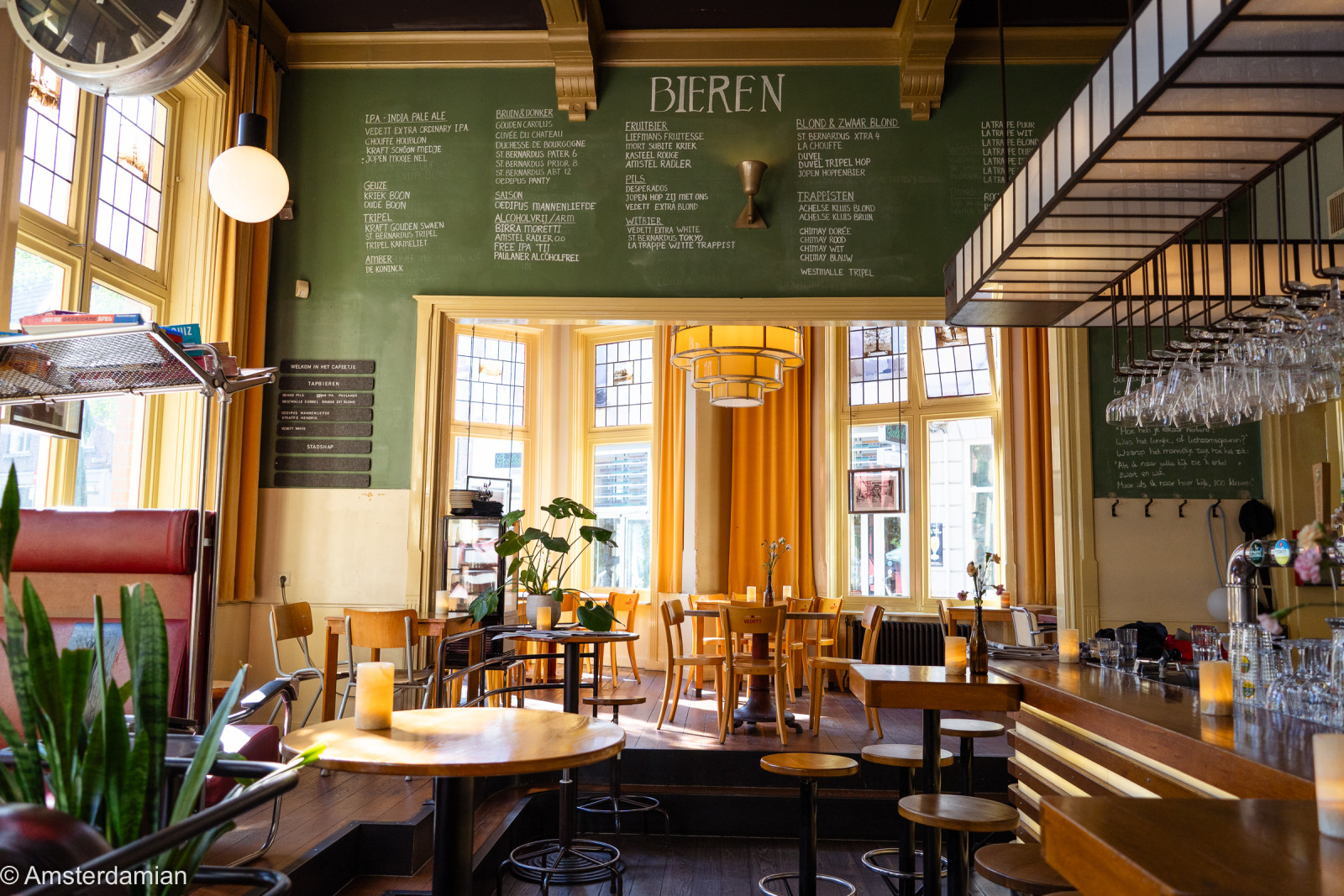
La Trappe, at Koningshoeven Abbey. This one was a surprise for me: the only Trappist brewery in the Netherlands is inside the Tilburg city limits, at Berkel-Enschot on the eastern edge. The monks of Koningshoeven have been brewing since 1884, and it’s one of very few Trappist breweries anywhere that runs regular public tours, generally in the summer half of the year, and worth booking ahead. There’s a tasting room where you can work through the full range, a café and restaurant inside the abbey walls, a shop, and grounds you can walk. It’s about twenty minutes by bike from the centre, or a short bus ride.
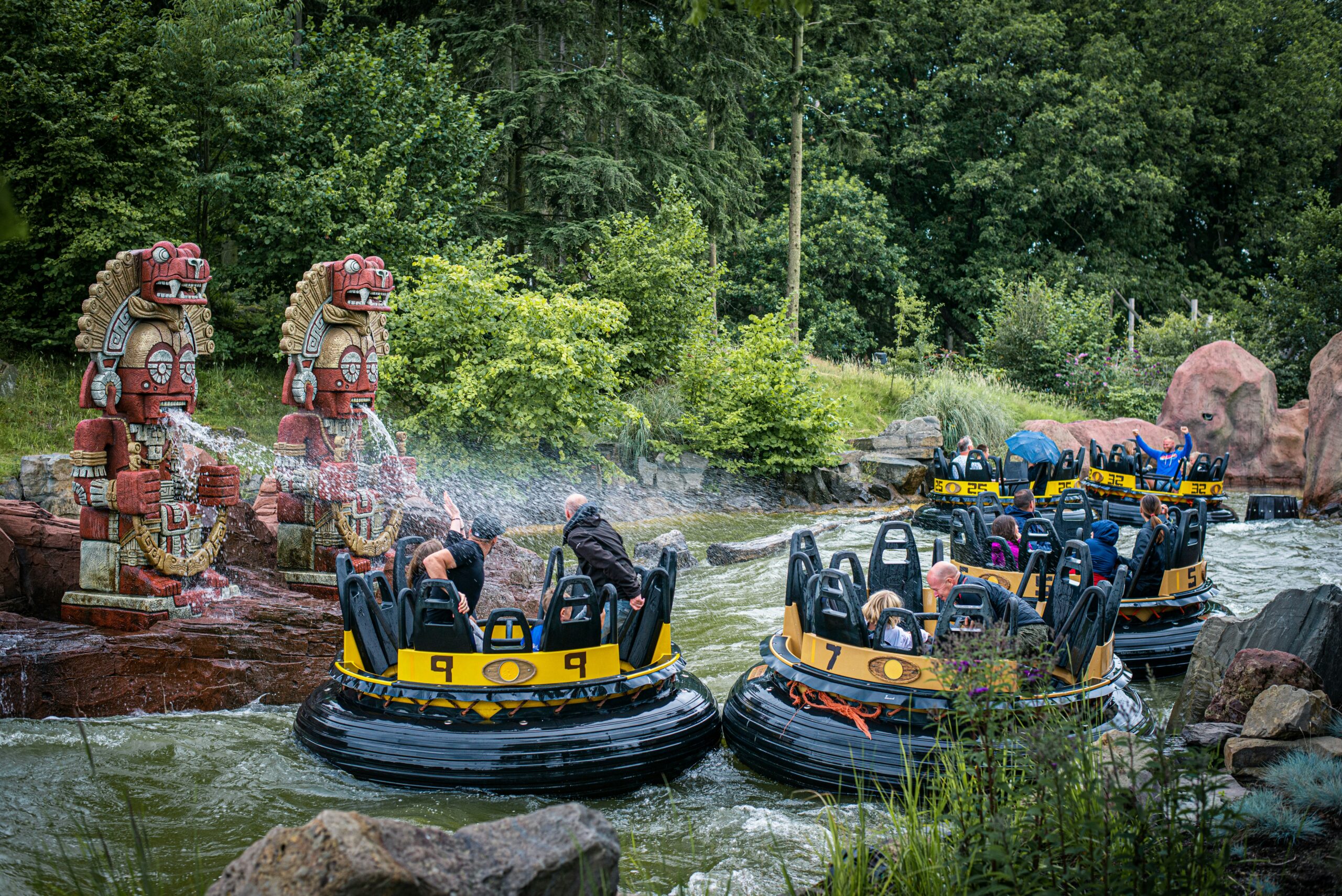
Efteling. The fairy-tale theme park at Kaatsheuvel, open since 1952 and one of the oldest in the world. Bus 300 or 301 from Tilburg Centraal gets you there in about twenty minutes. A visit to Efteling is a full day in its own right rather than something you can tack onto an afternoon in the city. But it’s definitely worth it, especially if you’re travelling with children. It’s also a good reason to make Tilburg a base for a night rather than a day. There are more ideas like this in my guide to weekend trips in Brabant.
Safaripark Beekse Bergen. The largest safari park in the Netherlands, at Hilvarenbeek. You can drive through in your own car, take the bus safari, walk sections of it or go round by boat — and bus 143 from Tilburg takes only around fifteen minutes.
Baarle-Nassau/Baarle-Hertog. A village that exists in two countries at once: the Dutch Baarle-Nassau and Belgian Baarle-Hertog are tangled together in one extraordinary puzzle of territory. The border runs through streets, houses, shops and gardens, marked on the ground so you can see exactly when you’ve crossed from the Netherlands into Belgium.
How to Get to Tilburg from Amsterdam
Trains leave Amsterdam Centraal several times an hour and take roughly an hour and a half, usually with one change at ’s-Hertogenbosch (Den Bosch). Worth checking on ns.nl the morning you travel, because the fastest connections and the slower ones differ by about twenty minutes.
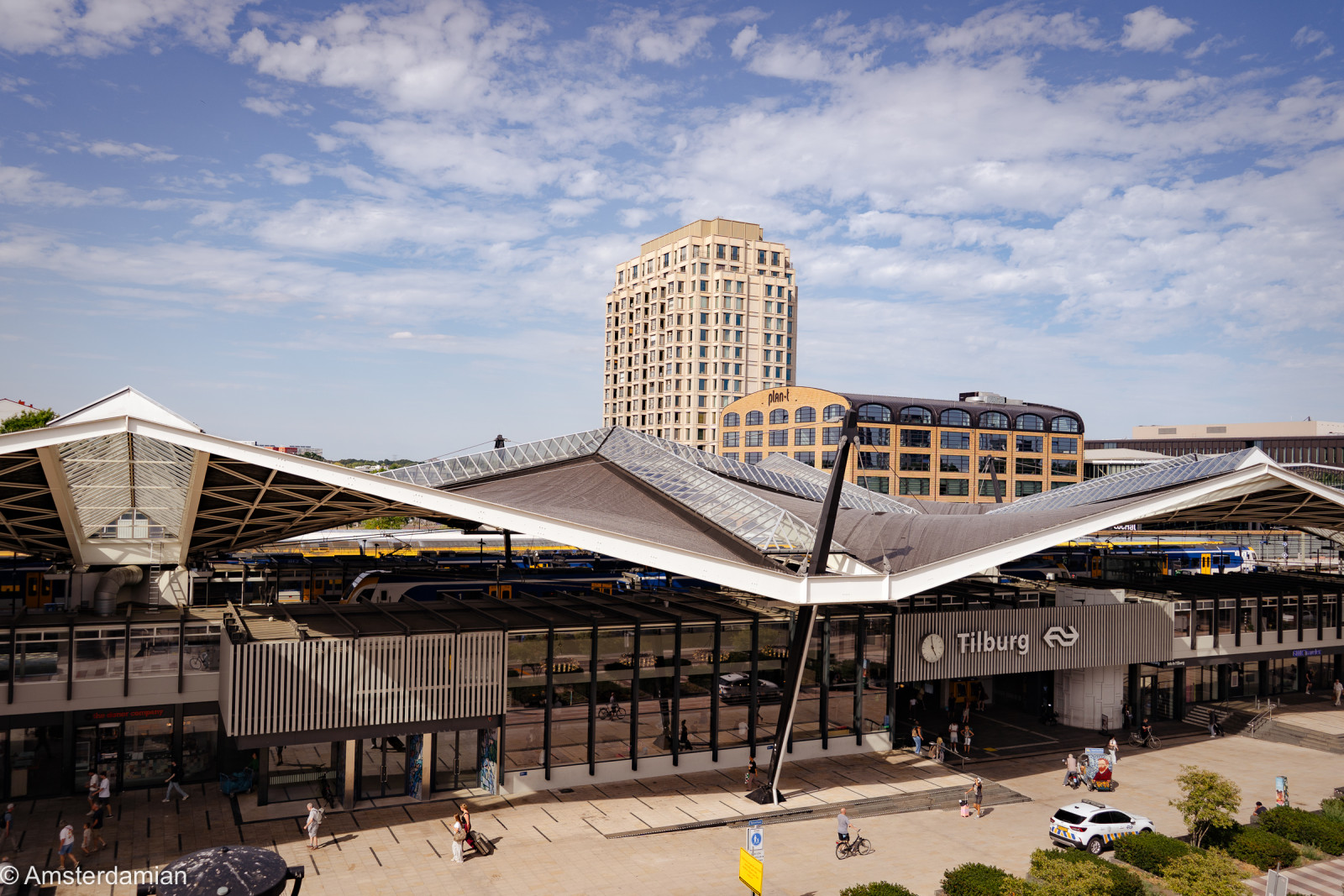
The station is the ideal arrival point, because it sits directly on the edge of the Spoorzone — you walk out of the doors and into the part of the city you came for. The old centre, the Heuvel and the Paleis-Raadhuis are a five to ten minute walk south. Everything in this guide except the abbey, the dunes and the theme parks is walkable from the station, and Tilburg is flat and easy if you would rather rent a bike.
Where to Eat and Drink in Tilburg
Tilburg is a university city, which keeps prices sane and terraces full. You can eat well in so many places, and I loved that I could find good home-made lemonade everywhere (it might surprise you, but I miss that from Romania and you don’t find it often in the north of Holland).
For coffee or a break: the café in the LocHal, and the museum café at De Pont, which opens onto the garden. Specialty coffee at June, Buutvrij.
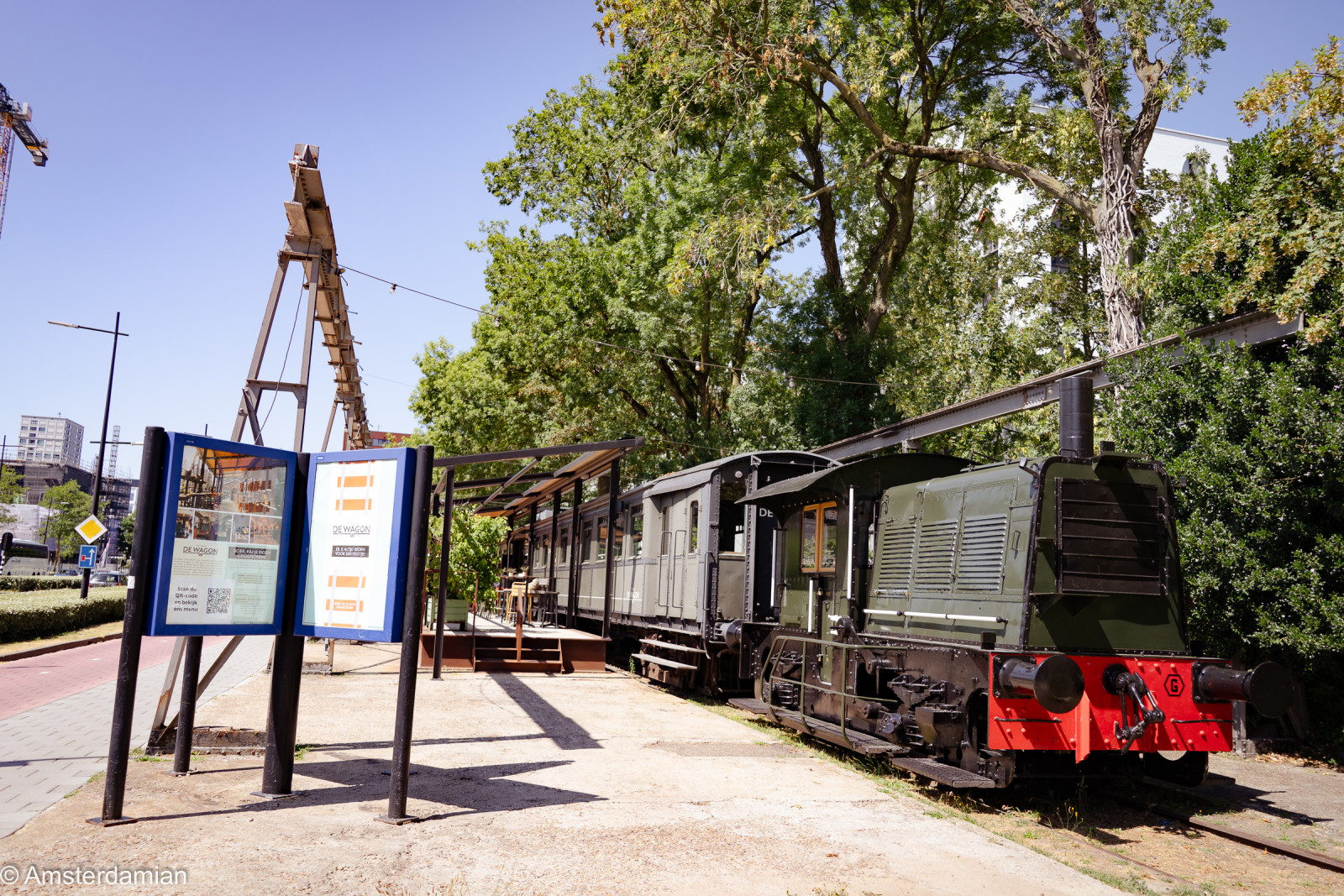
Lunch: Smeer ‘m (right next to the station, delicious food), Stadscafé De Spaarbank (in a beautiful location, a former bank), June, Focus Foodbar (vegan, suitable for lunch as well), Koppig, Ted’s Tilburg (a floating restaurant on Piushaven). For dinner check out: Villa la Vida (with a beautiful garden, also on the Piushaven), De Graanhandel, Steck013 (loved the food and atmosphere), MOOD (for Asian food) and RAW. For a great view you can try the rooftop restaurant Stroming, and for a special experience Eetbar de Wagon (in the Spoorzone, a restaurant in a former train).
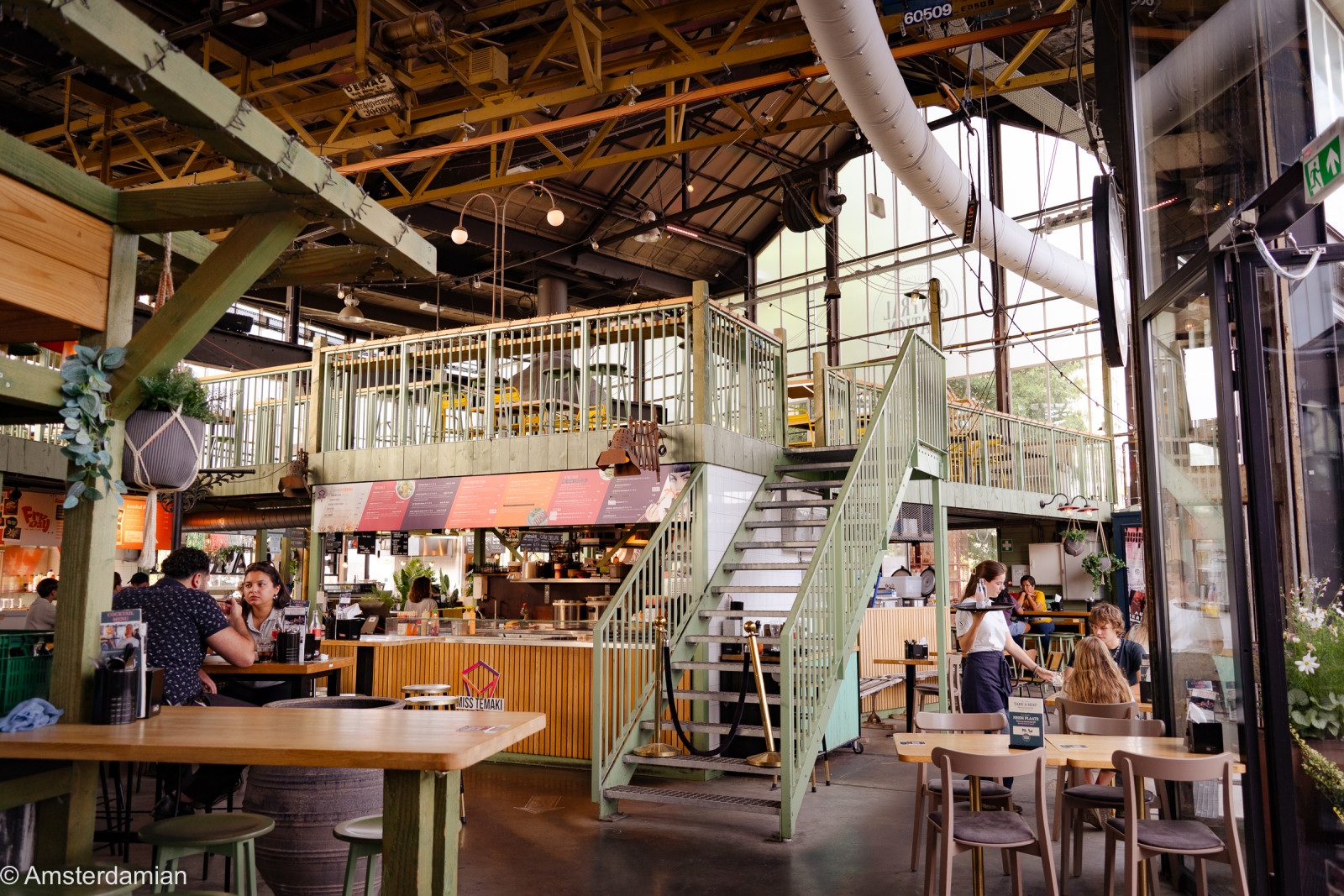
You should also check out the Foodmarket Tilburg, a food hall next to Central Station Tilburg gathering 17 unique food concepts under one roof. The location is in the Spoorzone, with train tracks going through the restaurant.
Where to Stay in Tilburg
Hotel Centraal Tilburg, a hotel inspired by the De Stijl art movement, with each room dedicated to an artist and decorated accordingly. Righ next to the train station.
Villa la Vida – a boutique hotel at the Piushaven, combining accommodation with a restaurant, bar and terrace overlooking the water. The historic villa has just a handful of individually styled rooms, making it a more intimate option than a standard city hotel.
Onderwijshotel De Rooi Pannen. A hotel in a former monastery, run by hospitality students as part of their practical training.
Festivals and When to Visit Tilburg
Tilburg has one of the fullest events calendars in the country, and a good deal of it happens in the Spoorzone and the Spoorpark.
Carnival, February or March. A serious matter in Brabant, and Tilburg is a great place to experience it. The season formally opens on the eleventh of November — the elfde van de elfde — with parties on the Korte Heuvel and the Piusplein.
Roadburn, April. Four days of heavy and experimental music that take over 013, the Koepelhal, the Wagenmakerij and a good part of the city besides. It has an international following well out of proportion to the size of the city.
Lustwarande, mid-June to late September. Contemporary sculpture through the Oude Warande (see above).
Tilburgse Kermis, ten days at the end of July. The largest funfair in the Benelux and the event the city is known for nationally: four and a half kilometres of rides and stalls through the centre, between 230 and 240 attractions, and well over a million visitors. It’s been going for around 450 years! If you want to see Tilburg at full volume, this is when to come, and if you’d rather have museums and quiet streets, come at any other time, because during the fair the centre belongs entirely to the fair.
Redhead Days, end of August. The largest festival for redheads in the world, and it happens here: three days in the Spoorpark drawing red-haired visitors from more than eighty countries, with workshops, talks, a pub crawl and a fashion show. The centrepiece is the group photograph on the Sunday afternoon, for which everyone wears that year’s theme colour. Entry is free, and only a few of the workshops charge a small fee. The 2026 edition runs 28 to 30 August, and the colour is burgundy.
Draaimolen, early September. An independent electronic and experimental music festival held out at the MOB Complex, with a strong reputation among people who follow that sort of thing.
Festival Circolo, September. Contemporary circus, in tents in the Spoorpark, and one of the biggest circus festivals in the Netherlands. 16 to 20 September 2026.
Tilburg Ten Miles, late September. The city’s road race, with a route through the centre and a crowd along it.
Winter in Tilburg, late November to early January. The Heuvel fills up with a winter market and an ice rink, and the Spoorzone and the centre run a programme through the dark months.
And if you’re picking a season rather than an event: late spring and early autumn are best, because the Oude Warande, the Spoorpark and the dunes are all at their loveliest and the festival calendar is busy. That said, the museums and the Spoorzone work in any weather, which makes Tilburg a genuinely good option for a grey Dutch afternoon.
A Suggested One-Day Itinerary
- 10:00 — Arrive at Tilburg Centraal. Coffee in the LocHal, then a slow walk through the rest of the Spoorzone.
- 11:15 — Walk north to the TextielMuseum, about twenty minutes, and give it an hour and a half including the lab.
- 13:00 — Lunch in the centre.
- 14:00 — Wander the Dwaalgebied and the Heuvelstraat, then the Paleis-Raadhuis and the Heuvelse Kerk.
- 15:00 — Fifteen minutes on foot to De Pont.
- 16:30 — Down to the Piushaven for a beer at one of the restaurants, or the Spoorpark, if the sun is out.
- 18:00 — Dinner at the harbour, in the centre or the Spoorzone, and a fifteen-minute walk to the station no matter where you choose to eat.
Swap De Pont for the Doloris Meta Maze if you’d prefer crawling through forty rooms instead of looking at paintings.
Tilburg is an easy day trip, and an unusual one. The two museums would justify the train ride on their own, the Spoorzone and the Spoorpark cost nothing at all to walk through, and there’s a Trappist abbey close by. If you’re working your way through the country province by province, Tilburg belongs alongside Den Bosch, Breda and Eindhoven in North Brabant — and you’ll find the rest of them in my guide to the Dutch provinces.
More in the same spirit: day trips from Amsterdam, and why the Dutch are so devoted to the dagje weg.
Stay tuned for more and follow Amsterdamian on Instagram and Facebook for more stories about life in the Netherlands, written by a real local, updated constantly.
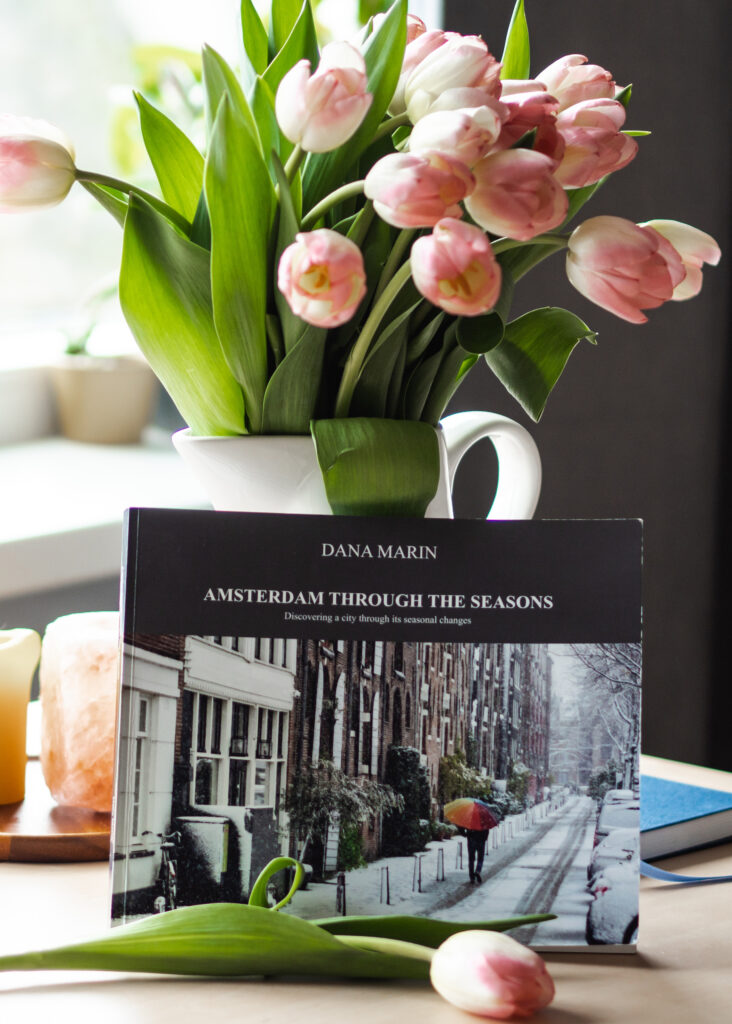
Check out my photo book: Amsterdam Through the Seasons!
Love what you’re reading? Support my work with a small donation.
And share this post if you liked it!






Trackbacks/Pingbacks