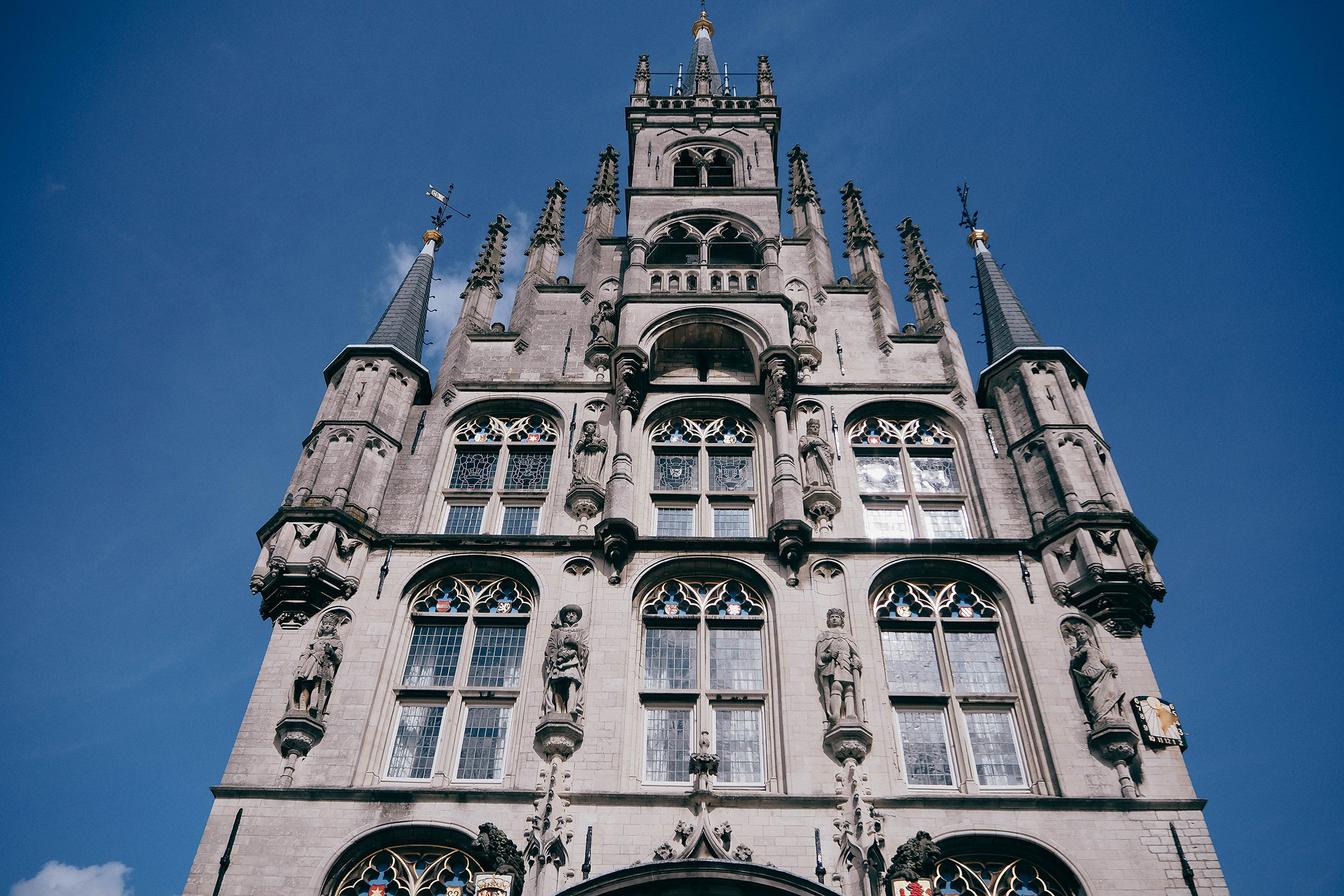
Part of Exhibition Notes, a series on shows worth your time.
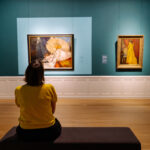
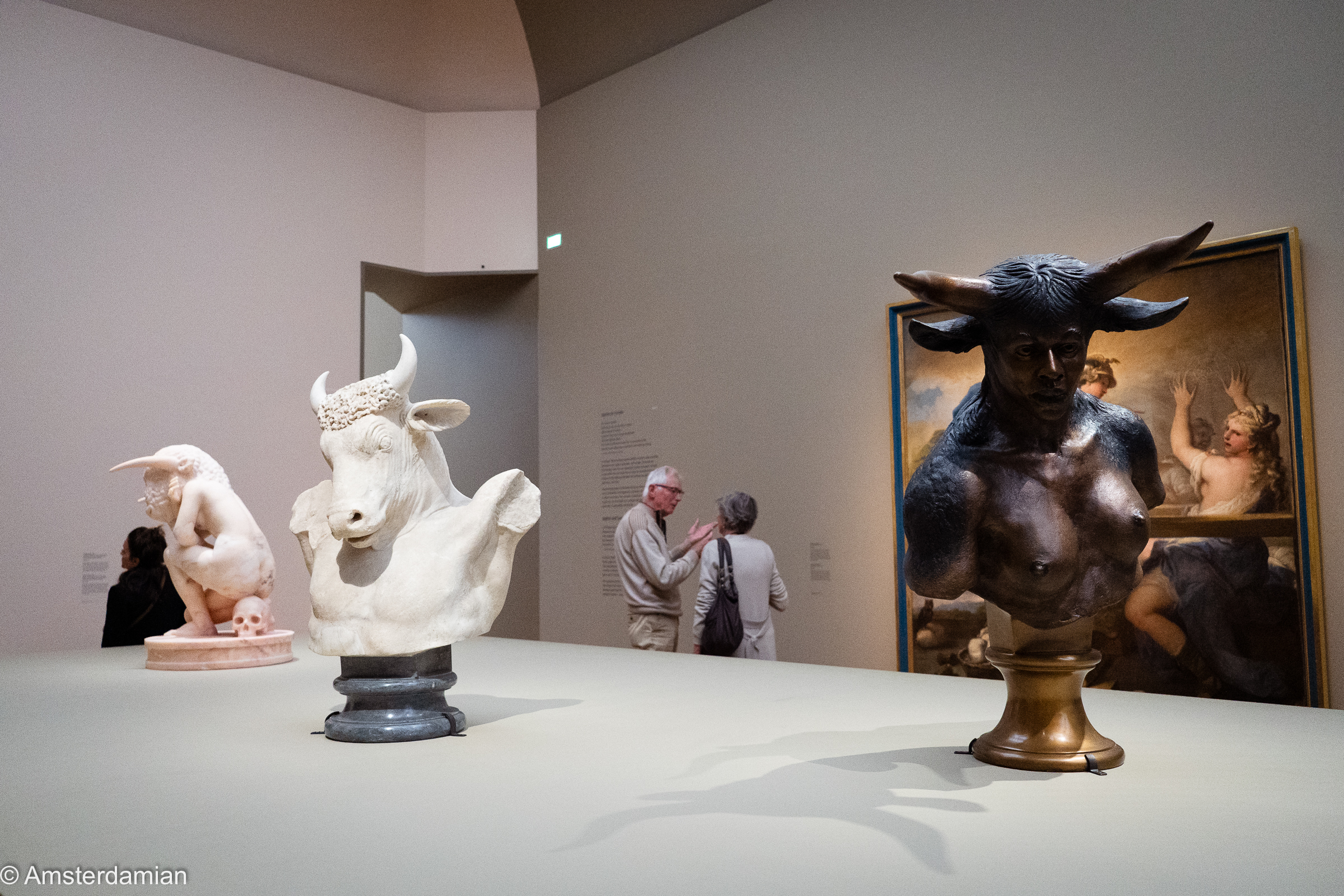
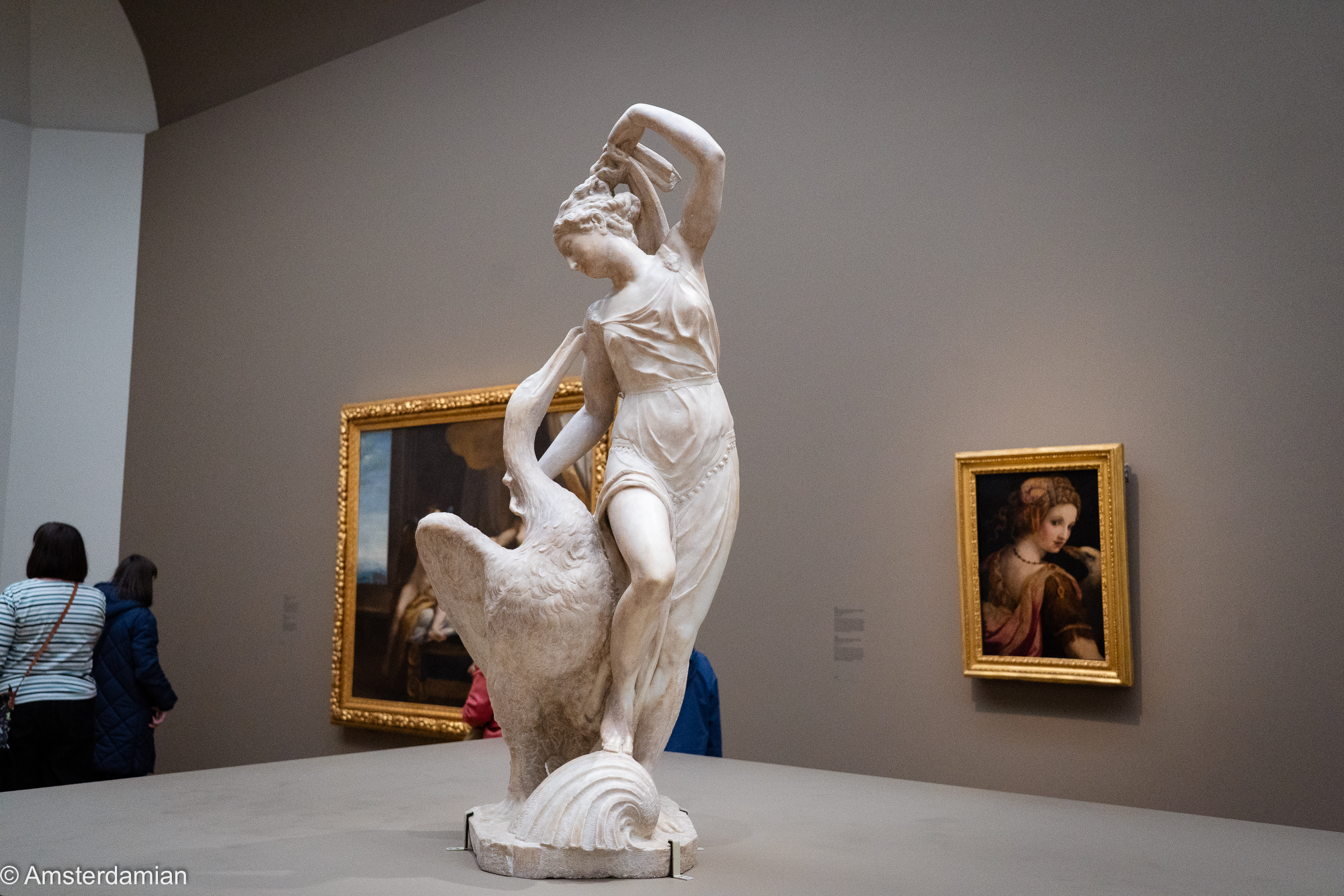
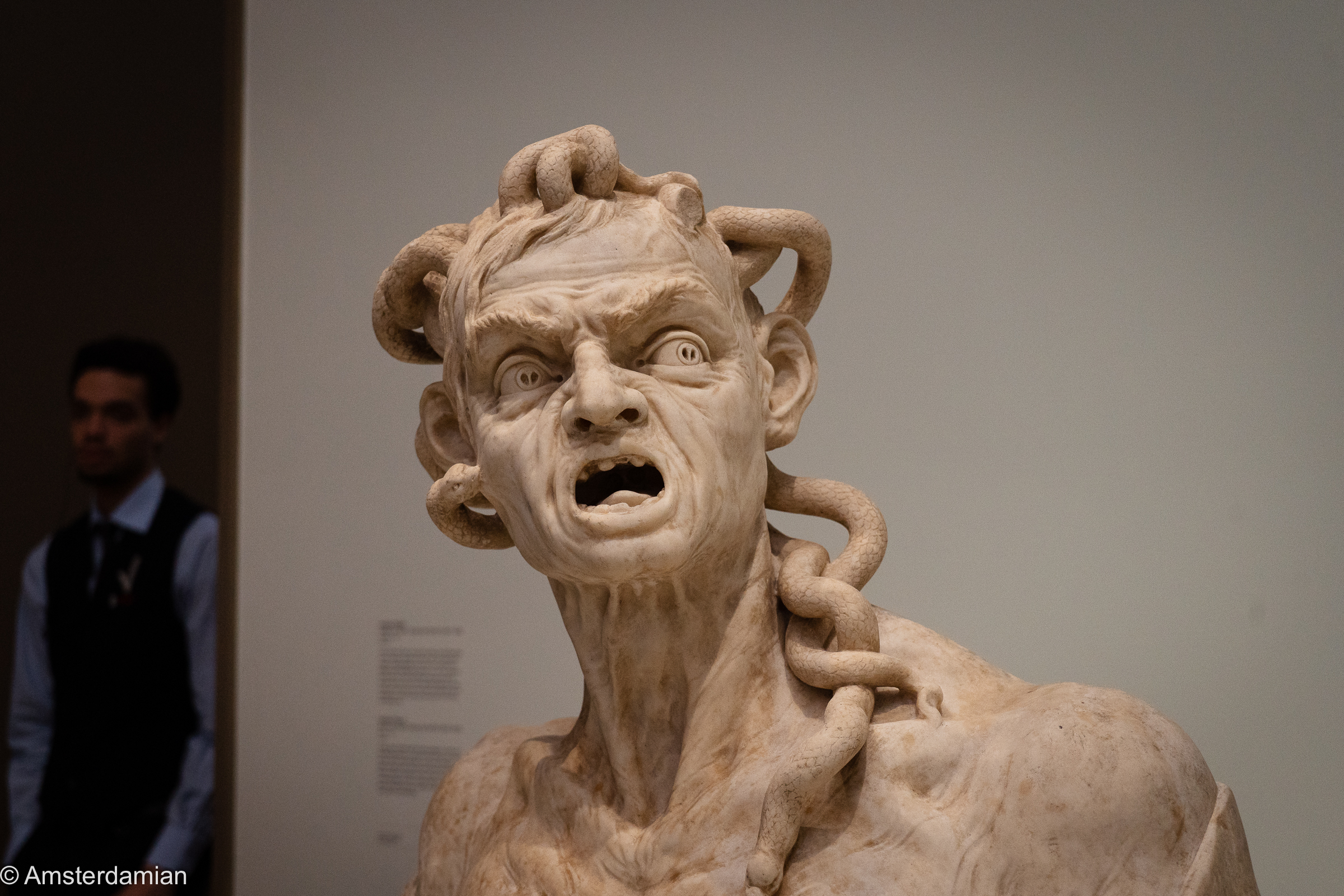
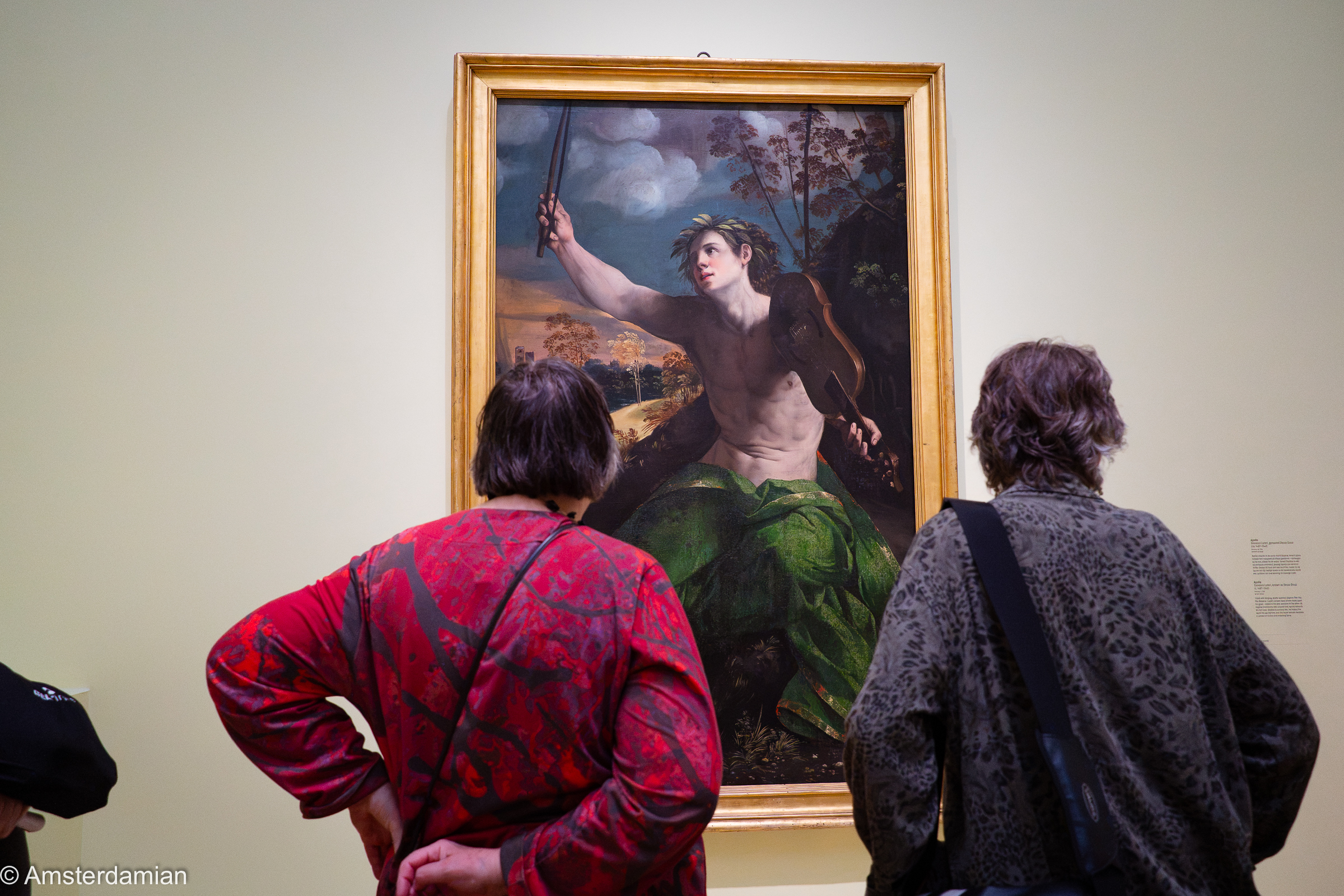
What can one poem inspire over two thousand years? At the Rijksmuseum, the answer is an exhibition filled with masterpieces. The premise sounds almost too simple: one poem, two thousand years of art. But the poem is Ovid’s Metamorphoses, the Roman epic in which weavers become spiders, nymphs become trees and statues wake up as women. And the art it has inspired fills room after room here with some of the biggest names you can put on a wall.
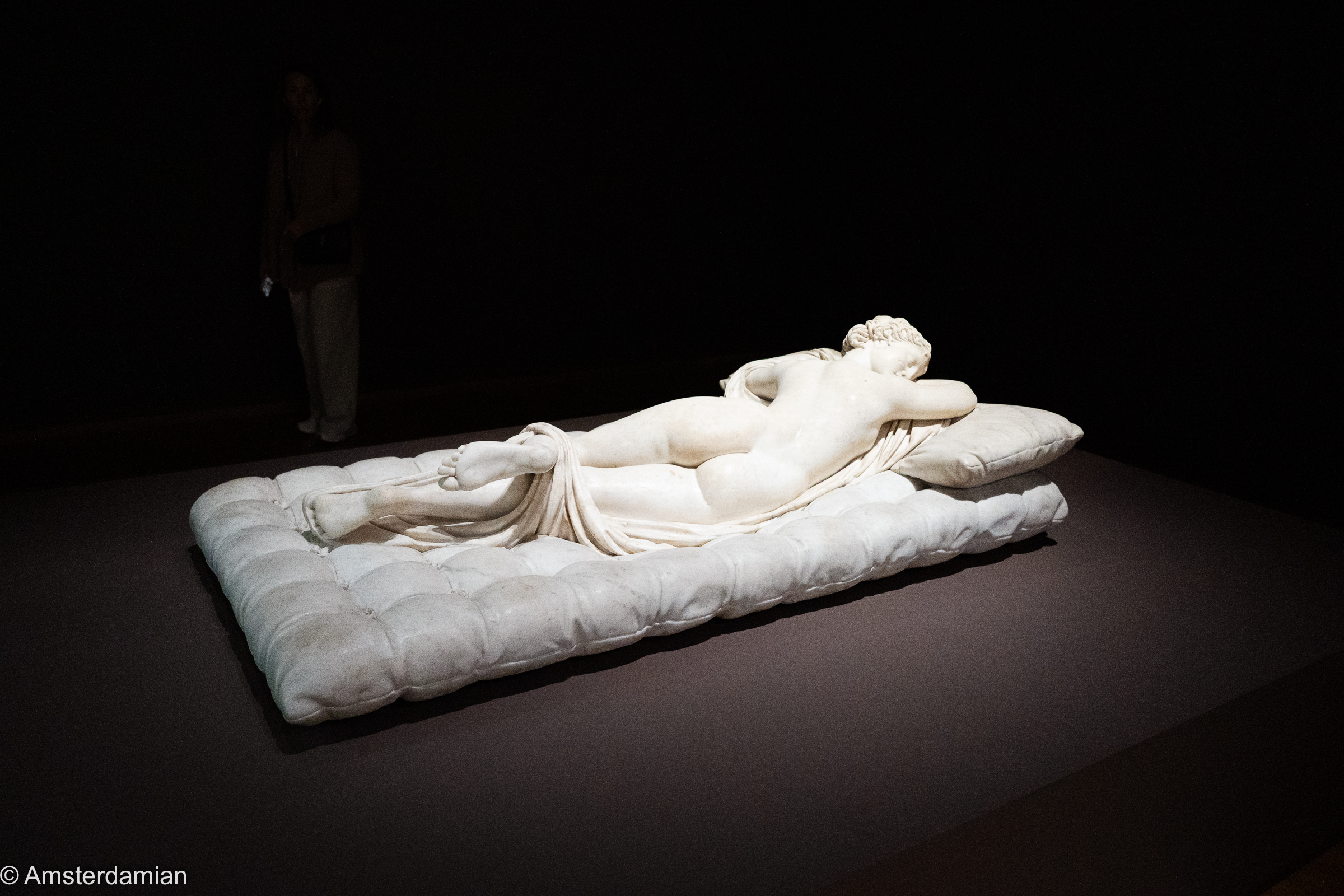
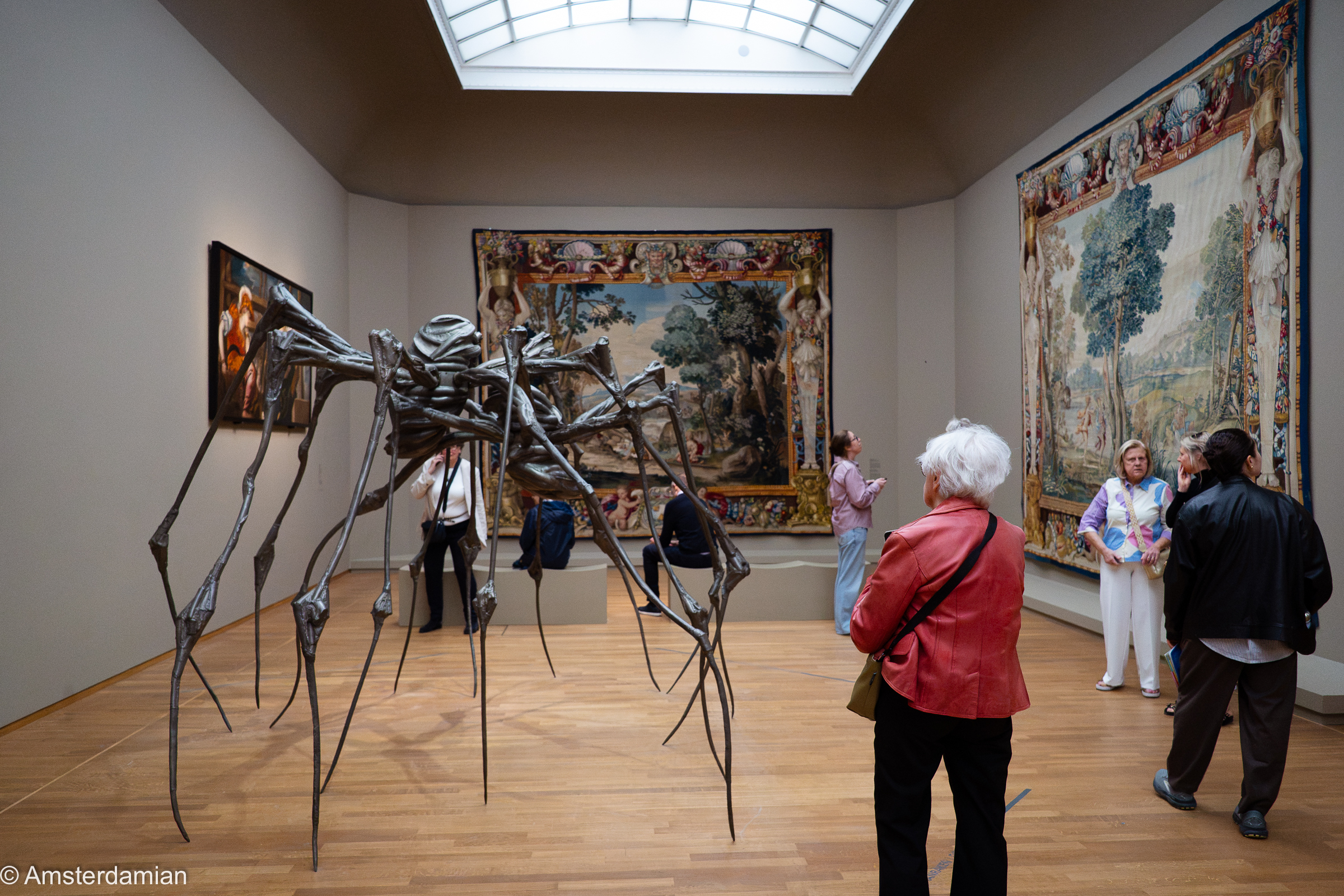
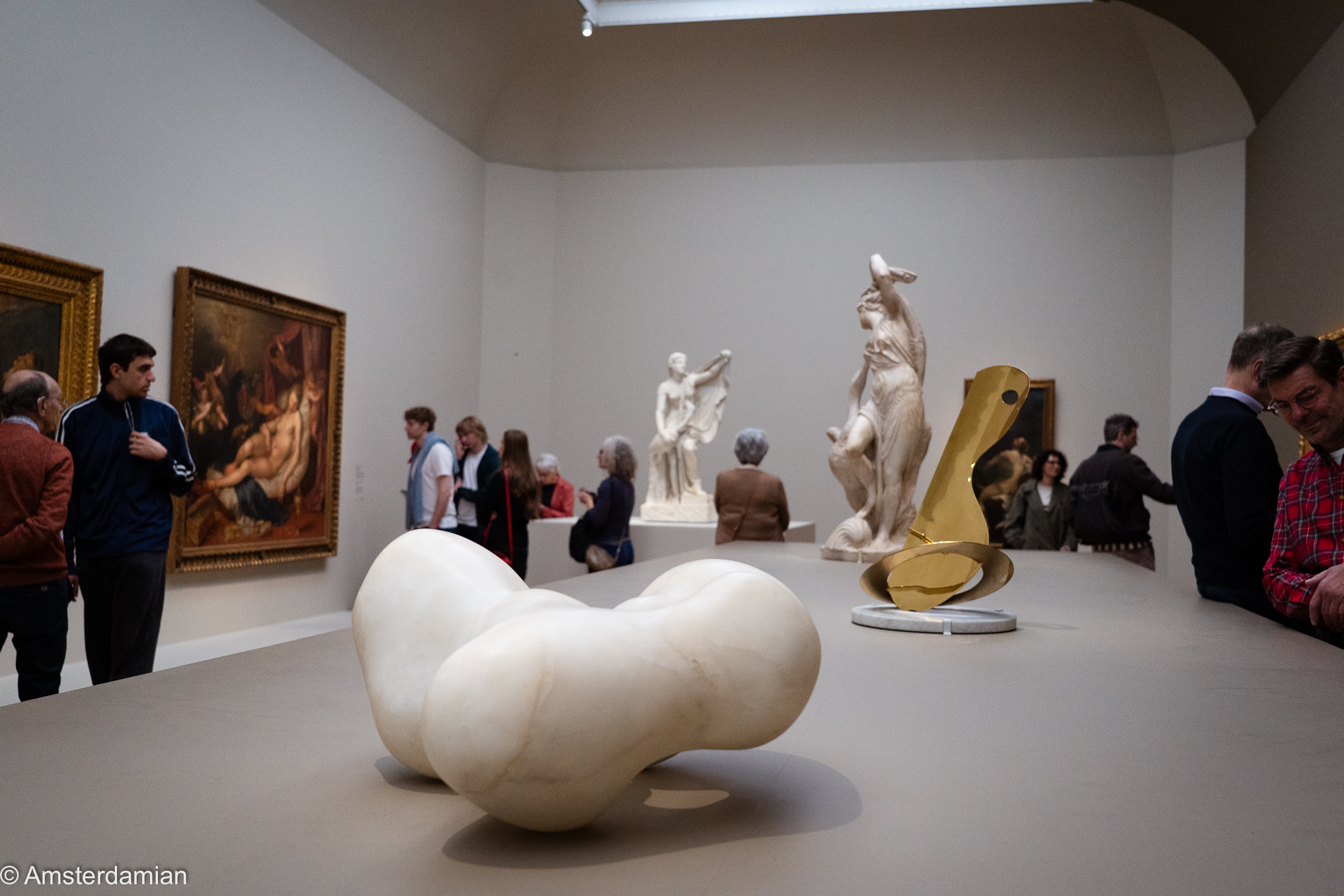
In 1604, the Dutch painter and writer Karel van Mander called Ovid’s poem a Bible for artists, and this exhibition sets out to prove him right. The Rijksmuseum, working together with the Galleria Borghese in Rome, has gathered more than 80 works from around 50 museums and collections worldwide. Bernini’s Sleeping Hermaphroditus travelled from the Louvre. Titian’s Danaë, painted for the king of Spain, hangs not far from Caravaggio’s Narcissus, on loan from Rome. Correggio is here, and so are Arcimboldo, Rodin, Brancusi, Magritte and Louise Bourgeois. That’s a very impressive list!
Ovid’s line ‘all things change, but nothing dies’ runs through the whole show like a thread. Gods turn into bulls and showers of gold, humans harden into stone, and stone softens into skin. Once you start looking for the moment of transformation, you see it everywhere.
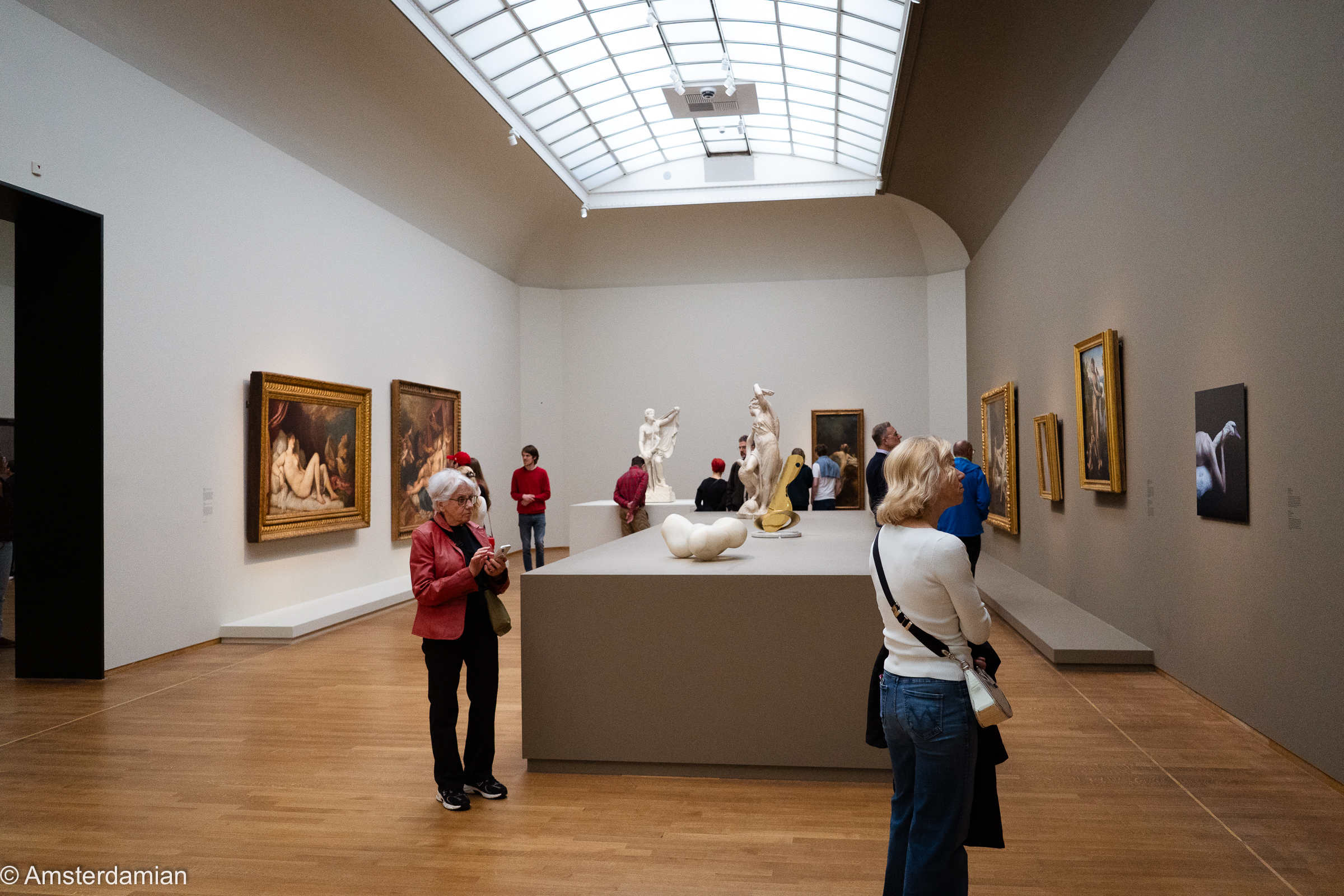
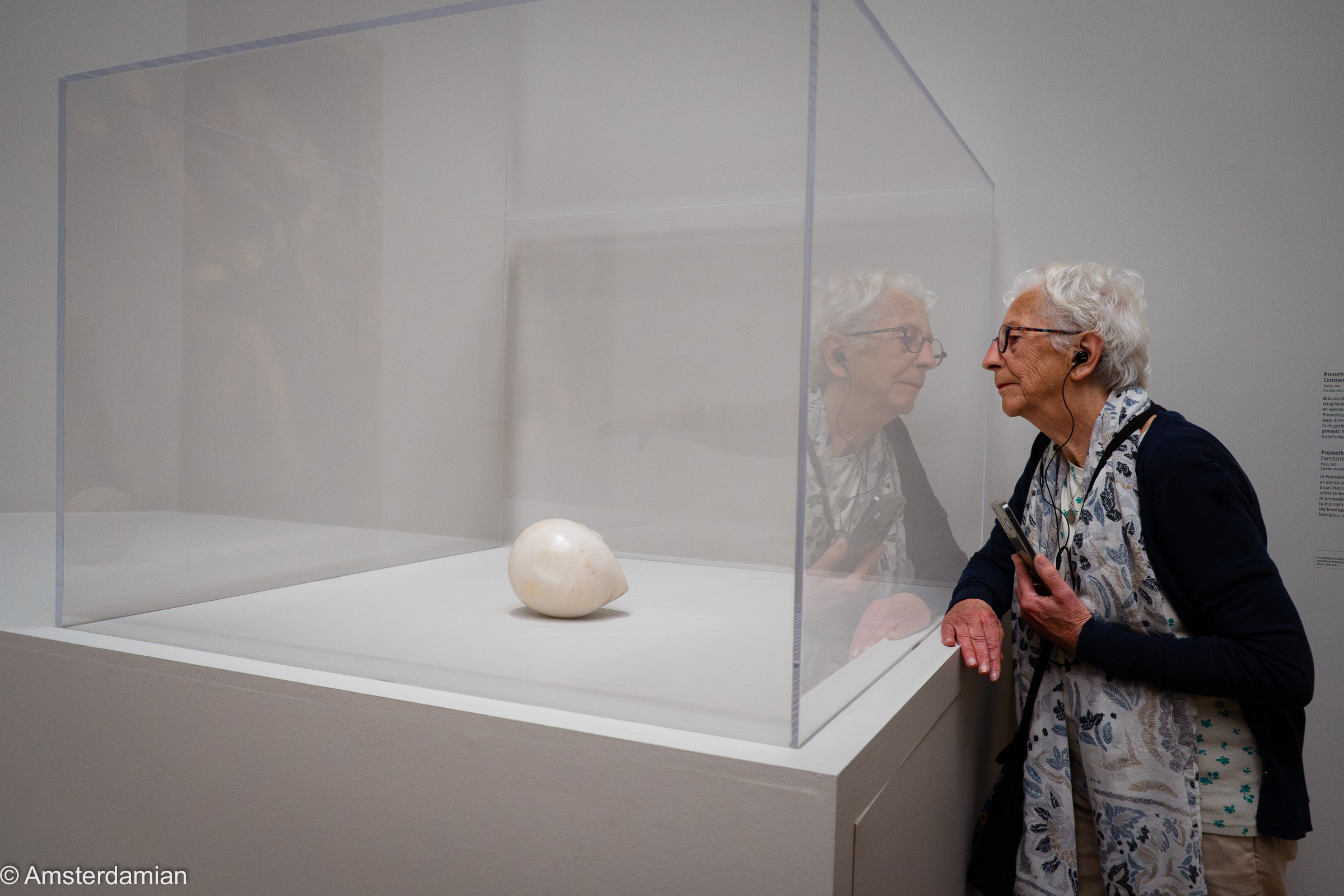
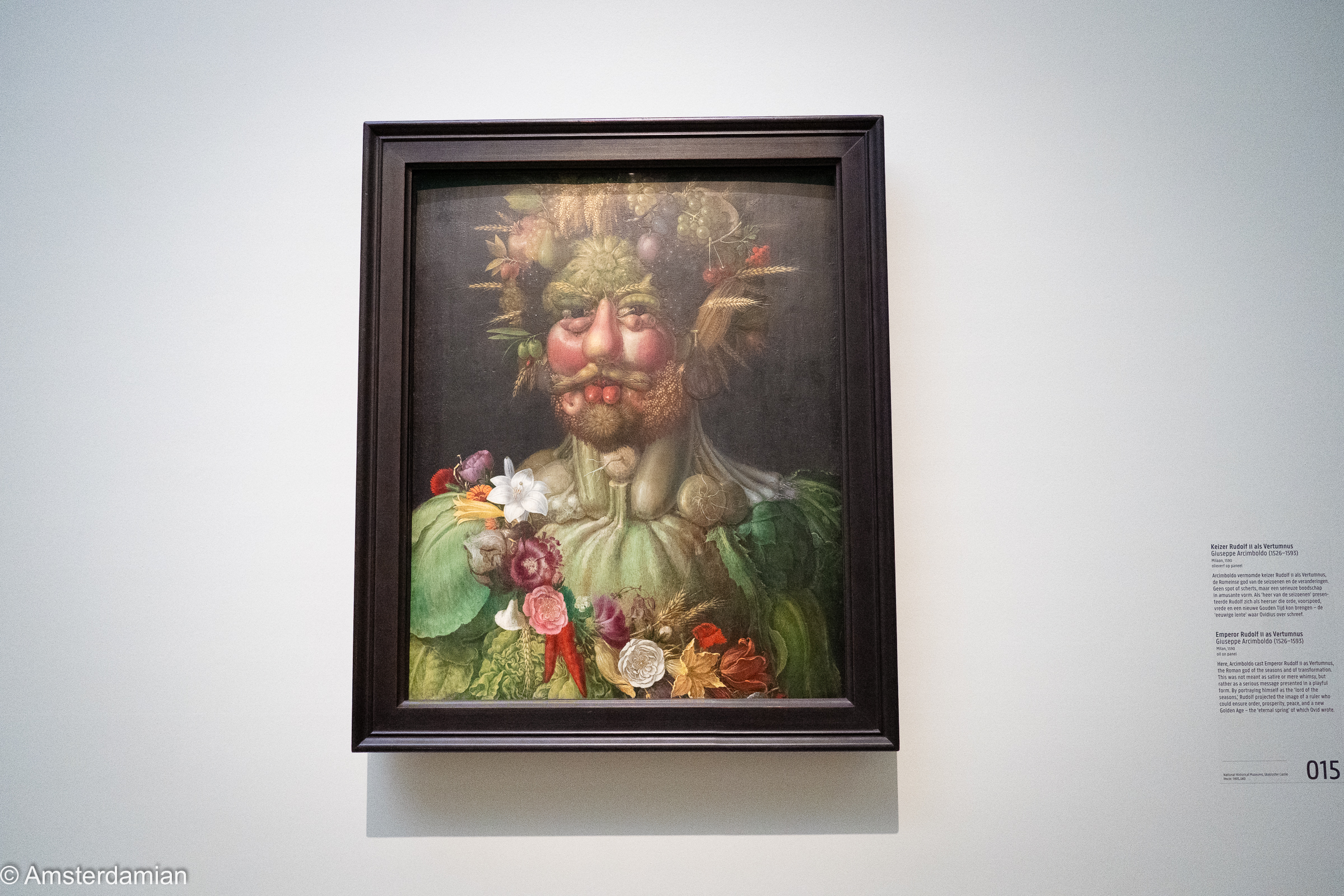
I loved following the stories, from room to room, from sculptures to paintings, from big names to new ones I only heard about now.
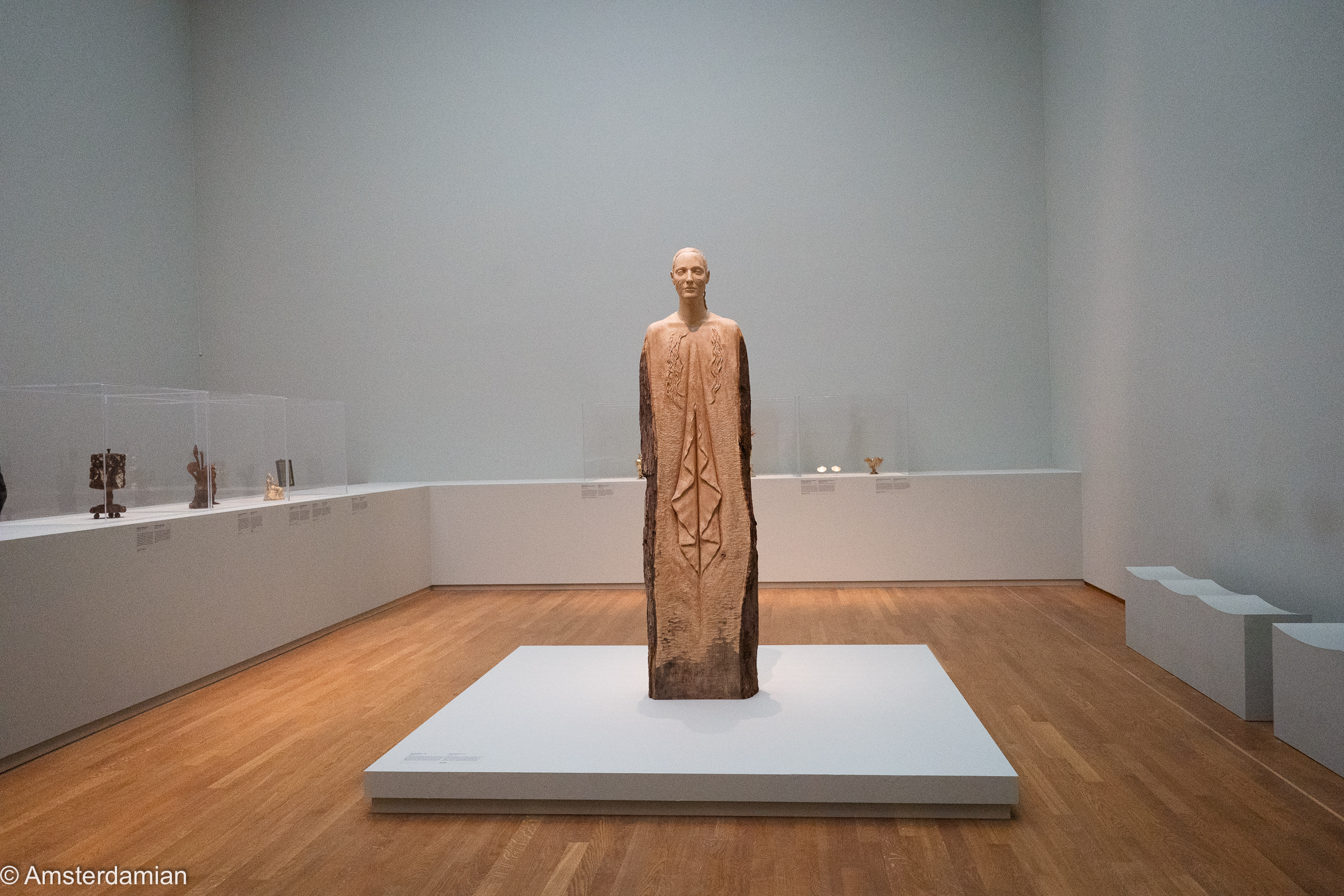
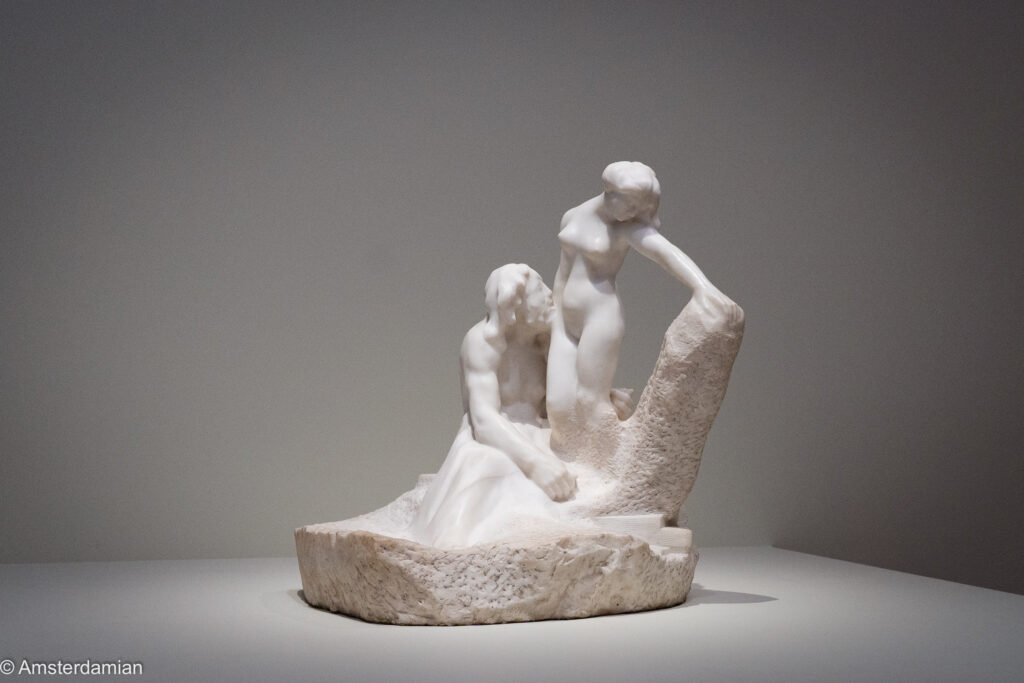
My surprise of the exhibition was a contemporary Dutch artist I didn’t know before: Femmy Otten. Her sculpture We Once Were One shows a woman emerging from a tree trunk, serene and self-contained, with the bark left rough along one side so you can still see where she came from. After rooms of nymphs painted for the pleasure of kings, standing in front of her felt like a quiet exhale. She holds her own among the Berninis and Caravaggios, and that is no small thing.
Metamorphoses is on at the Rijksmuseum until 25 May 2026, and I would not wait until the last week. Some of these works may never be in the same room again. The last time the museum pulled off a gathering with this once-in-a-lifetime feel was the Vermeer exhibition in 2023. I left thinking that Ovid was right: nothing here stays what it was, including, a little bit, the visitor.
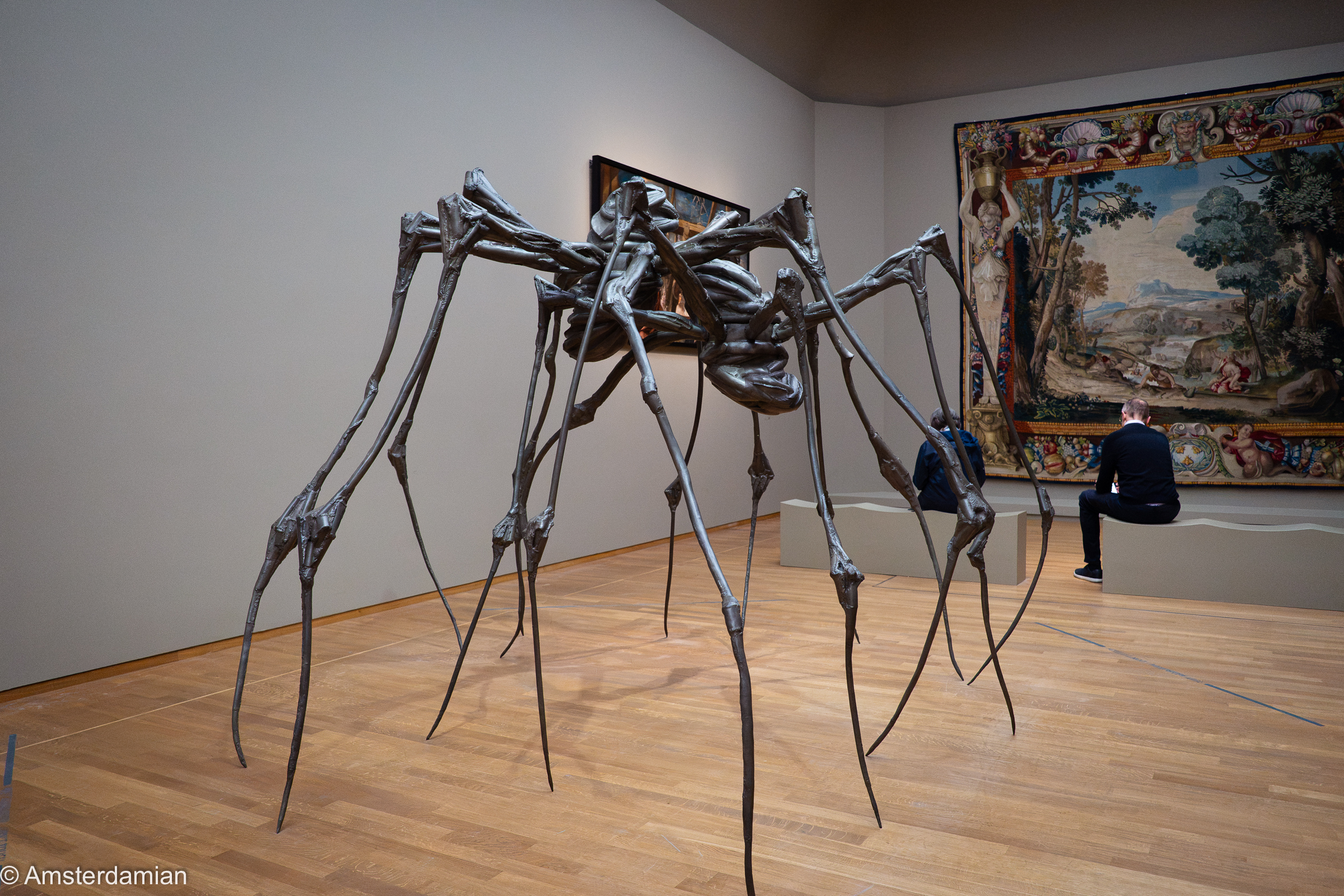
Stay tuned for more and follow Amsterdamian on Instagram and Facebook for more stories about life in the Netherlands, written by a real local, updated constantly.
Check out my photo book: Amsterdam Through the Seasons!
Love what you’re reading? Support my work with a small donation.
And share this post if you liked it!