
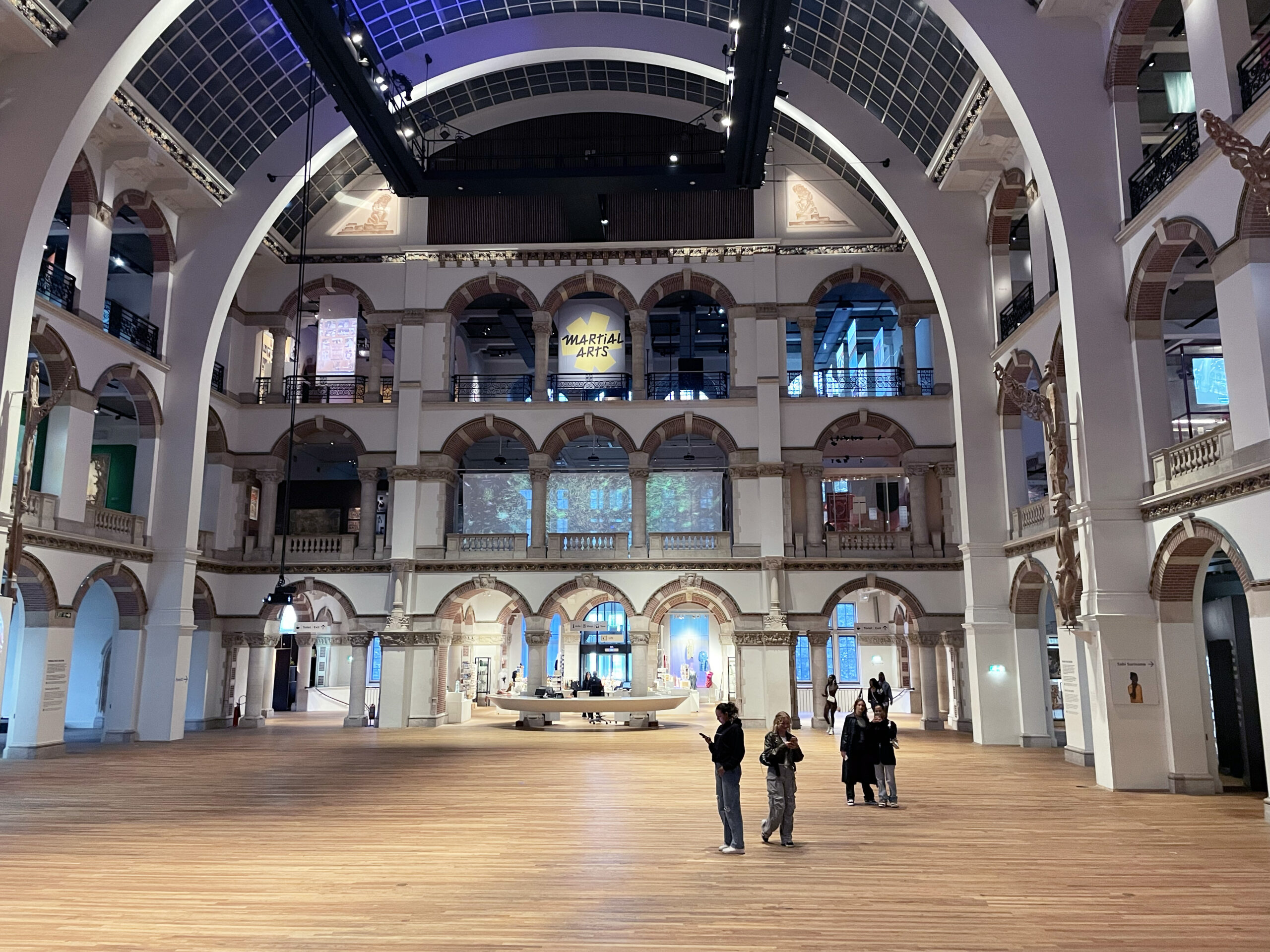
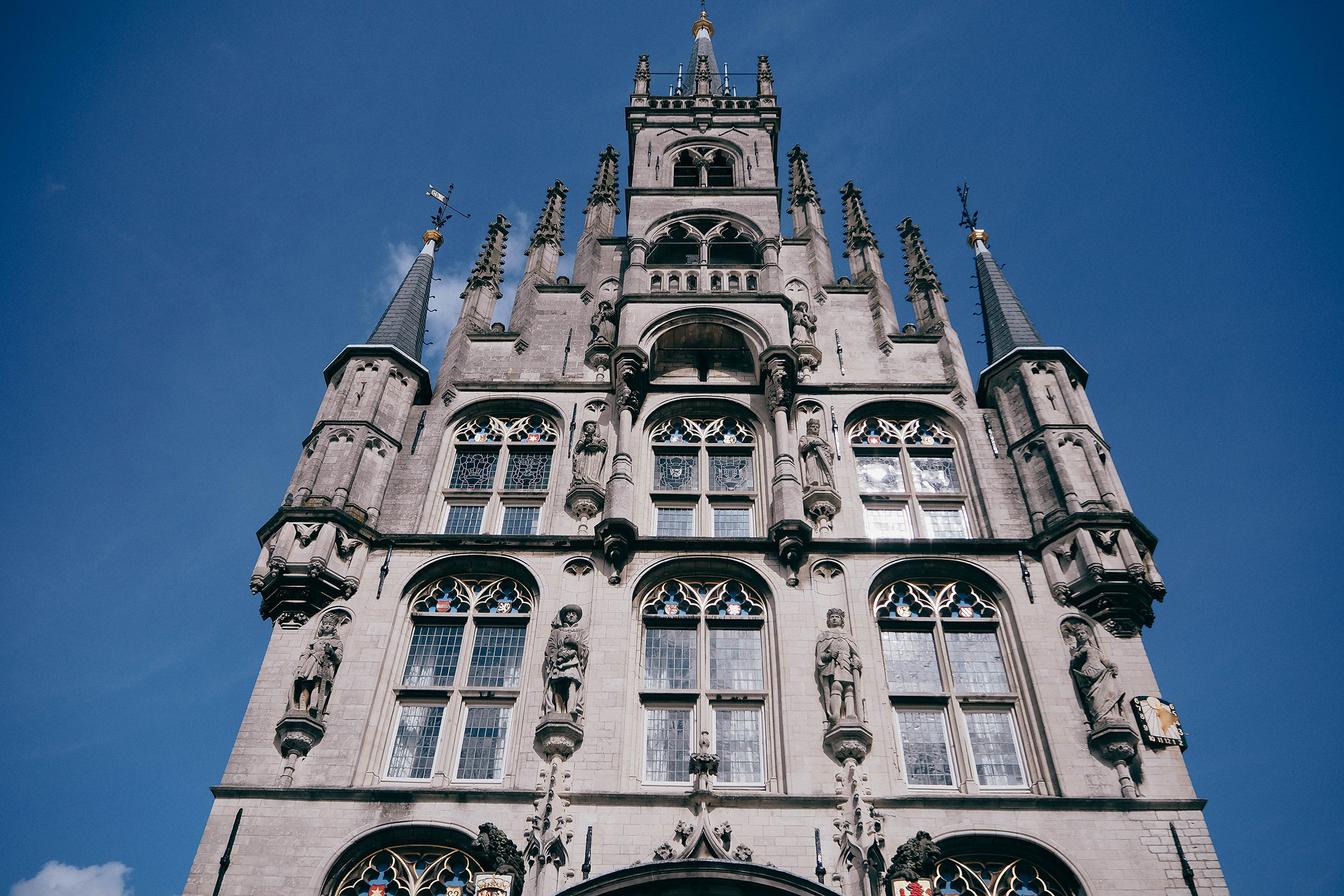
Amsterdam is one of Europe’s most museum-rich cities. From world-renowned institutions housing masterpieces of art and history to small, specialised spaces dedicated to niche subjects, the city offers an extraordinary range of museums for every interest. If you are visiting for the first time, choosing which museums to visit can feel overwhelming, but the decision usually comes down to your personal interests. For locals, this wide range of museums means there is always something to do: a new exhibition, a temporary show, or an event to attend. It also means that many locals have never visited all the museums in the city and can always discover a new one. There are still quite a few museums I haven’t seen myself, while others I have visited multiple times.
This Amsterdam museum guide brings together all museums in Amsterdam in one place. It offers a clear overview of both major museums and lesser-known gems, making it easier to decide what to visit based on your interests, available time, or the stories you want to explore. From art and photography to history, science, migration, and everyday life, Amsterdam’s museums reflect the many layers of the city itself.
If you’re looking for the best museums in Amsterdam or you’re curious about small and unusual institutions, this guide is designed to help you navigate Amsterdam’s museum landscape.
To save money when visiting Amsterdam’s museums, you can buy one of the city passes if you are a tourist, or get your museum card if you are a local (for an annual price you get free entrance to almost any museum in the country). These are absolutely amazing for museum lovers who want to indulge in what Amsterdam has to offer.
How many museums are there in Amsterdam?
I couldn’t give you an exact answer. In this article I listed 57 museums, but there could still be some to add to the list. The number varies, depending on how the source you’re reading in counting, or when it was written. Some count the museums located strictly in Amsterdam, others count the museums in the Amsterdam Greater Area (85 museums), which includes the surrounding cities. Some count places as churches or the Royal Palace as museums, others don’t. And, over the years, some museums close or merge with others.
List of museums in Amsterdam
Major museums in Amsterdam: art, history & culture
Modern, contemporary art & photography museums
History, society & identity museums
Literary, house & personality museums
Contemporary, interactive & alternative spaces in Amsterdam
Playful and tourist-oriented museums
Major museums in Amsterdam: art, history & culture
1. Rijksmuseum
The Rijksmuseum is the most famous Amsterdam museum and the national museum of the Netherlands. It tells the story of 800 years of Dutch history through art, objects, and documents, from the Middle Ages to the 20th century. Its most celebrated works include Rembrandt’s The Night Watch, Vermeer’s The Milkmaid, and Frans Hals’ group portraits, alongside decorative arts, maritime models, and historical artefacts.
Beyond its masterpieces, the Rijksmuseum offers a carefully curated narrative of the Dutch Golden Age, colonial trade, daily life, and the formation of modern Dutch society. The museum also has an impressive collection of doll’s houses, which used to be very popular in the Dutch society a few centuries ago, and is home to a beautiful library – the Cuypers library, which can also be visited. The building itself, designed by Pierre Cuypers, is an architectural landmark that combines Gothic and Renaissance elements and anchors Museum Square. There are temporary exhibitions as well, organised throughout the year and many activities for families.
The museum is surrounded by beautiful gardens which can be visited at any time without a ticket (one of my favourite gardens in the city!). Each summer, the gardens host an open air sculpture exhibition.
A visit here provides essential context for understanding Amsterdam’s past and its global influence, making it a foundational stop for anyone exploring museums in Amsterdam. The Rijksmuseum visit can take a full day if you want to be thorough, and it’s definitely not something to visit in a hurry. I like to go back to the museum to admire my favourite art now and again, and I think it’s the museum I’ve visited the most in Amsterdam.
Opening times: daily 09:00-17:00. Tickets: 25 euro for adults, Free for ages 18 and under. You need to book your visit in advance and show up at that time. The museum is located at the Museumplein, where you can also find the Van Gogh Museum and Stedelijk.
Accessibility: The Rijksmuseum is working hard on making the museum accessible to everyone. The entire museum is accessible for wheelchairs or mobility scooters and guide dogs are allowed. There’s an audio-enhanced scale model of the interior of the Rijksmuseum building available, which enables blind and low-vision visitors to use touch and hearing to explore the Rijksmuseum building. Read more about all available options on their website.
2. Van Gogh Museum
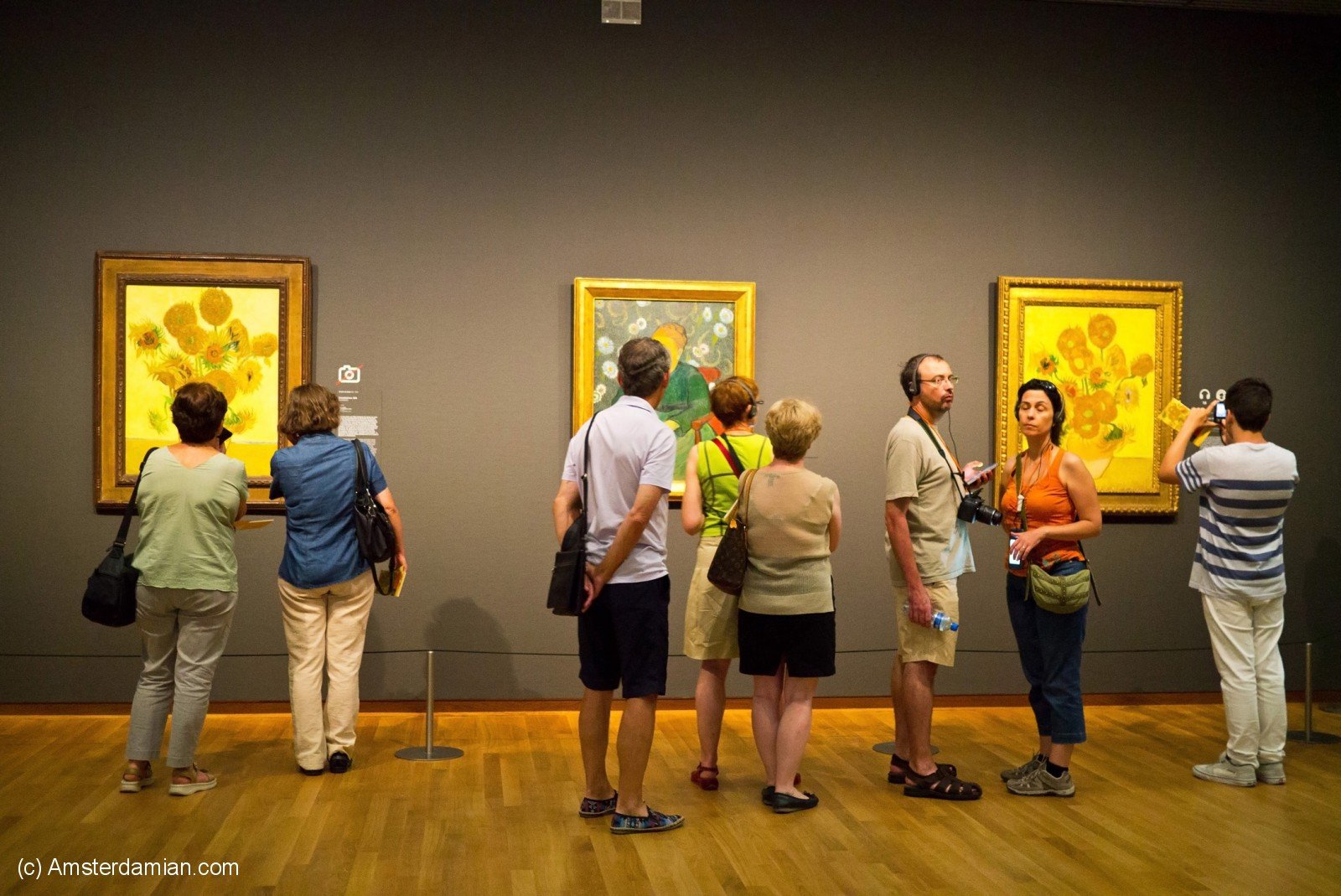
The Van Gogh Museum is one of the most visited museums in Amsterdam and is home to the world’s largest collection of works by Vincent van Gogh. The museum traces the artist’s life chronologically, from his early works in the Netherlands to his prolific final years in France. Paintings such as Sunflowers, The Bedroom, and Almond Blossom are presented alongside drawings and personal letters.
If you are a Van Gogh fun, you should not skip this museum. And if you’re not, maybe it’s about time to get to know him better. What sets this Amsterdam museum apart is its strong biographical focus. Through Van Gogh’s correspondence with his brother Theo, visitors gain insight into his artistic development, struggles with mental health, and evolving ideas about colour and form. The museum also places his work in context by exhibiting pieces by contemporaries and artists who influenced or were influenced by him.
In addition to its permanent collection, the Van Gogh Museum hosts temporary exhibitions that explore themes related to 19th-century art and modern artistic movements. For many visitors, this museum is a deeply personal experience, offering a more intimate connection to one of history’s most influential artists. On certain months, the museum organises Vincent on Friday, an evening event in collaboration with young, creative talents, featuring live performances, DJs, workshops, talks and much more.
Opening times: check the website for these, as they are quite complicated. Tickets: 25 euro for adults, Free for ages 18 and under.
Accessibility: the museum is accessible for wheelchairs or mobility scooters, and there are options provided for visitors with specific accessibility needs (blind, sensory sensitivity, colour vision deficiency etc). Read more on their website.
3. Stedelijk Museum Amsterdam
The Stedelijk Museum is Amsterdam’s leading museum for modern and contemporary art and design. Its collection spans the late 19th century to today, featuring movements such as De Stijl, Bauhaus, Abstract Expressionism, and contemporary conceptual art. Works by artists like Piet Mondrian, Kazimir Malevich, and Andy Warhol form the backbone of its permanent collection.
The Stedelijk actively engages with social and political themes. Its exhibitions often address identity, technology, activism, and the role of art in shaping public debate. Design also plays a central role, with collections covering graphic design, furniture, typography, and industrial objects.
Stedelijk appeals to visitors interested in experimental, forward-looking cultural perspectives. If you’re not into modern art, maybe you should skip it and spend more time at the Rijksmuseum instead.
Architecturally, the museum combines its historic brick building with a modern extension, reflecting its dual focus on heritage and innovation. When this new extension was built, many disliked it and said it resembles a bathtub. In the meantime, the discussions are only surrounding the exhibitions, which vary throughout the year and attract many visitors.
Opening times: daily 10:00-18:00. Tickets: 22,50 euro for adults, Free for ages 18 and under.
Accessibility: the museum is wheelchair-accessible, allows guide dogs, personal companions can enter free of charge, and it has many other facilities for people with specific accessibility needs.
4. Amsterdam Museum
The Amsterdam Museum is dedicated to the story of the city itself. It explores how Amsterdam grew from a medieval settlement into an international trading hub and a modern, diverse metropolis. Through paintings, objects, maps, and multimedia displays, the museum presents themes such as migration, trade, tolerance, and urban development. The stories that the museum tells are from the past, present, and future. For example, a special exhibition called: “Women of Amsterdam: an ode” in 2025 explored the role women played and still play in the city’s history, and a special digital platform where anyone could pay a tribute to a woman who has made an impact on Amsterdam.
Currently operating across temporary locations (it used to be on the Amstel, next to the H’art Museum, but that location was closed in December 2025) due to renovation, the Amsterdam Museum remains a key institution for understanding the city’s identity. For visitors looking to contextualise other museums in Amsterdam, it provides a strong historical framework that connects art, architecture, and social history.
Opening times and tickets: check out their website for info about each location.
5. H’ART Museum (formerly Hermitage Amsterdam)
H’ART Museum is an exhibition museum known for its international collaborations with major institutions. Located along the Amstel River, it hosts large-scale temporary exhibitions that often feature masterpieces from renowned global collections. Its exhibitions frequently connect Dutch history and art to broader European and global contexts, making it accessible to both residents and visitors. The building itself, a former care home, adds historical depth to the visitor experience.
H’ART Museum has become an important platform for ambitious exhibitions in Amsterdam, attracting audiences interested in world-class art without the constraints of a fixed collection. It’s a great example of a successful museum rebranding. After being the largest satellite of the State Hermitage Museum in St. Petersburg, the museum changed its name and purpose in 2023, in the context of the war in Ukraine, and since then organised some cool exhibitions like Happy Birthday Amsterdam in 2025. Its flexible model allows it to remain dynamic and responsive to current cultural conversations.
The museum also organises various activities, like summer concerts in the garden or various workshops.
Opening times: daily from 10:00 – 17:00. Ticket price: 27,50 euro for adults and free for up to 17 yo.
Accessibility: the museum is wheelchair-accessible, allows guide dogs and personal companions can enter free of charge. There is also a sensory experience available.
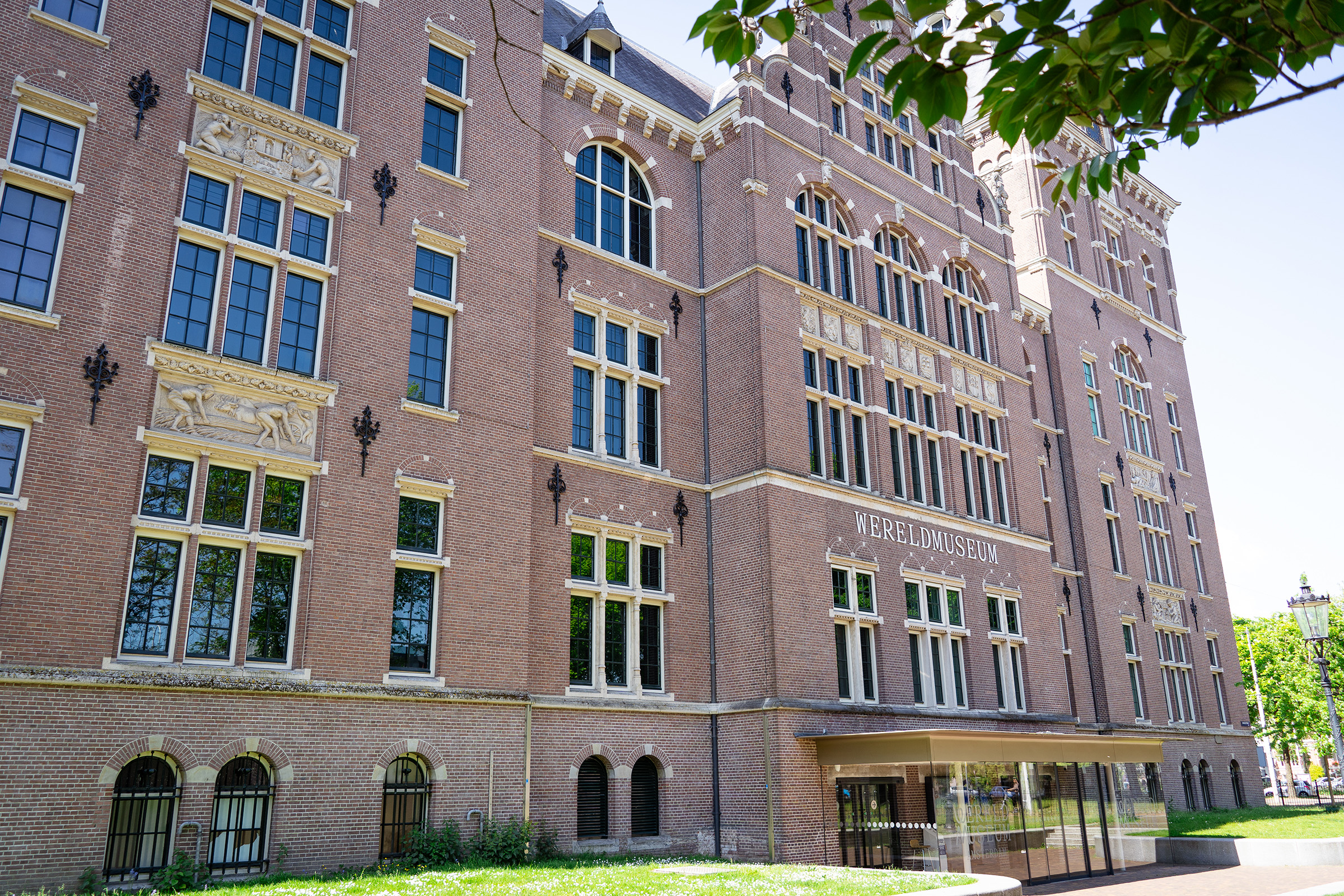
6. Wereldmuseum Amsterdam
The Wereldmuseum Amsterdam (World Museum) is one of the most thought-provoking museums in Amsterdam, focusing on world cultures, migration, and global connections. Its collection has roots in the Netherlands’ colonial past, but today the museum takes a critical and contemporary approach, inviting visitors to look at history from multiple perspectives.
Until 2023, this museum was known as Tropenmuseum (Museum of the Tropics), before transitioning to its current identity as Wereldmuseum and beginning a journey to adapt to modern values and reflect on what it means to house cultural objects from around the world. The current exhibition “Unfinished past: return, keep, or…?” (Onvoltooid verleden: Teruggeven, houden, of…?) is one that represents this change in the museum and sparks interesting conversations.
Exhibitions explore themes such as identity, power, belonging, and cultural exchange, often linking historical objects to present-day stories. Housed in an impressive building in Amsterdam East, the museum offers both depth and space to reflect. It is a good choice for visitors who want to understand how Amsterdam is connected to the wider world, and how global histories continue to shape the city today.
Wereldmuseum has a wide range of activities for children of all ages, from museum tours to workshops. They provide these in Dutch or English.
Opening times: Tuesday – Sunday 10:00 -17:00. Ticket price: adults – 18 Euro online and 20 euro at the counter; children (from 6 up to and including 18 years old) – 7,5 euro online and 9 euro at the counter; Children up to 5 years – free.
Accessibility: the museum is wheelchair-accessible, allows guide dogs and personal companions can enter free of charge. There is also a sensory experience available.
Modern, contemporary art & photography museums
7. Foam – Photography Museum Amsterdam
Foam is one of the most influential photography museums in Amsterdam and an important platform for both established and emerging photographers. Located in a 19th-century canal house, the museum focuses on contemporary photography, documentary work, and visual storytelling. The exhibitions change frequently, which makes repeat visits especially rewarding.
They often explore social issues, identity, politics, and personal narratives. Internationally renowned photographers are shown alongside new voices, offering a balanced perspective on the field.
The museum also publishes Foam Magazine, which reaches a global audience, and offers workshops for adults and children.
Opening times: Mon-Wed 10:00 – 18:00 | Thu-Fri 10:00 – 21:00 | Sat-Sun 10:00 – 18:00. Tickets: 16 euro for an adult, children up to 12yo free entrance.
Accessibility: the building is not fully accessible to wheelchairs as not all museum rooms are accessible via elevator. It’s not possible to visit the museum with a mobility scooter or electric wheelchair. Guide dogs are allowed.
8. Huis Marseille, Museum for Photography
Huis Marseille is one of the first museums in the world dedicated entirely to photography. Housed in two historic canal houses, this Amsterdam museum combines architectural heritage with contemporary visual culture. Its exhibitions range from historical photography to conceptual and documentary projects by international artists. The museum’s curatorial approach often highlights long-term photographic projects and in-depth narratives. Themes such as urban life, memory, migration, and landscape are common, allowing visitors to engage deeply with both the subject matter and the photographic process. Huis Marseille also maintains a strong collection, though much of it is not permanently on display.
I love how intimate the exhibition spaces feel, which I think encourages close viewing and reflection. A visit to Huis Marseille always feels like a treat to me, especially in the summer when you can end the visit with a coffee in the garden.
Opening times: daily 10:00-18:00, Thursday 10:00-21:00. Tickets: 12,50 euro for adults, children up to 17 yo free entrance.
Accessibility: due to the historical character and monument status of the two canal houses housing Huis Marseille, the museum is unfortunately not fully accessible for the differently-abled. Guide dogs are allowed.
9. Moco Museum
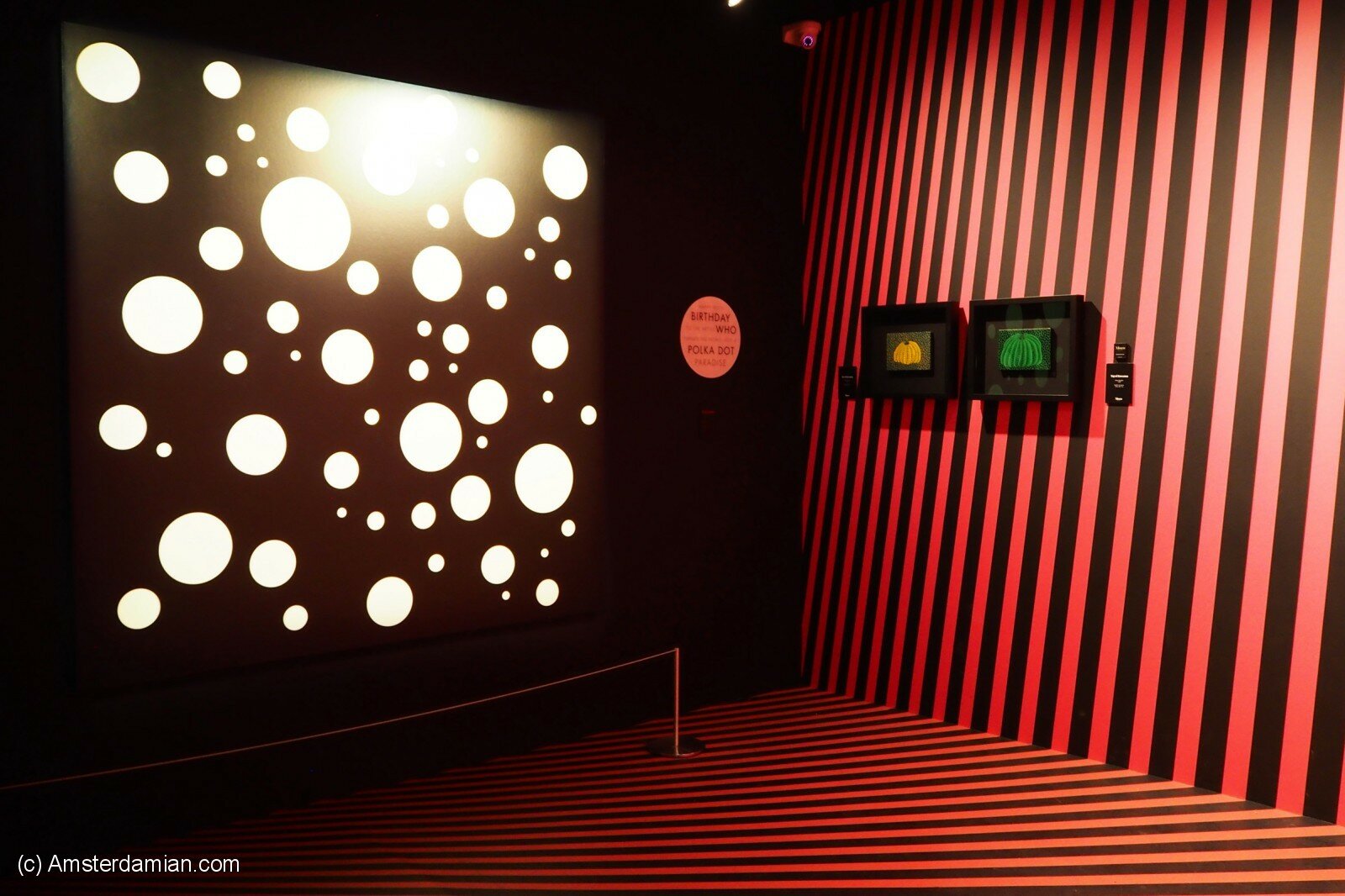
Moco Museum is a modern and contemporary art museum in Amsterdam known for its accessible approach and high-profile international artists. Located in a historic villa near Museum Square, the museum presents exhibitions that focus on contemporary culture, street art, and socially engaged themes. Artists often associated with the museum include Banksy, Keith Haring, Jean-Michel Basquiat, and Yayoi Kusama. The exhibitions often explore topics such as consumerism, power, freedom, and identity, using bold visuals and recognisable imagery.
It’s a museum created with the modern visitors in mind, very instagrammable and with spots that are dedicated to taking photos for your social media. It takes about one hour to visit.
There were some heated discussions in the past around Moco exhibiting art without the artist’s permission, particularly in the case of Banksy’s work. While the museum denied the accusations and no clear public resolution followed, the controversy largely centred on the fact that the works were shown on loan from private collectors rather than with the artist’s approval. Even so, some people chose to boycott the museum by not visiting or recommending it.
Opening times: Monday – Thursday 09:00 – 19:00 | Friday – Saturday 09:00 – 20:00 | Sunday: 09:00 – 19:00. Tickets: 14,95 euro adult ticket, 12,95 youth (7-17 yo), free for children under the age of 7.
Accessibility: the historic Villa Alsberg that houses the museum has lots of stairs and no lifts, making it inaccessible for wheelchair users.
10. Eye Filmmuseum
The Eye Filmmuseum is Amsterdam’s central museum for cinema, film history, and moving images. Located in an iconic modern building on the north bank of the IJ, the museum combines exhibition spaces, screening rooms, and archives, offering a mix of education and entertainment.
Exhibitions explore the art, technology, and history of film, from silent movies to contemporary productions. Visitors can see behind-the-scenes materials, historic cameras, and interactive installations that make film history tangible and fun.
Eye is ideal for cinephiles, casual movie-goers, and anyone curious about how cinema shapes our view of the world. There are also film programmes and various screenings and festivals organised throughout the year, and the restaurant is a wonderful meeting place with its special architecture and the view over the IJ.
Opening times: Check out their website. Tickets for the exhibitions: 21 euro adult, while children up to 17 yo free admission.
Accessibility: the museum is wheelchair-accessible, allows guide dogs.
11. Cobra Museum of Modern Art
The Cobra Museum of Modern Art is not in Amsterdam but in nearby Amstelveen, which has become an extension of Amsterdam lately. The museum is dedicated to the COBRA movement, an avant-garde art group formed in 1948 by artists from Copenhagen, Brussels, and Amsterdam.
The COBRA movement emphasised spontaneity, experimentation, and expressive use of colour, often drawing inspiration from children’s art, folk traditions, and non-Western cultures. The museum’s collection includes paintings, drawings, and sculptures by key COBRA artists such as Corneille, Constant, and Asger Jorn.
Beyond its focus on the movement, the museum also hosts contemporary exhibitions that explore its ongoing influence.
Opening times: Tuesday-Sunday 10:00 – 17:00. Tickets: 20 euro adult ticket, 7,50 euro for kids age 5-17.
Accessibility: the museum is wheelchair-accessible, allows guide dogs and personal companions can enter free of charge.
History, society & identity museums
12. Anne Frank House
The Anne Frank House is one of the most visited museums in Amsterdam and a place of global historical significance. Located in the canal house where Anne Frank and her family went into hiding during World War II, the museum preserves the secret annex where Anne wrote her diary.
Rather than presenting a traditional exhibition, this Amsterdam museum focuses on the physical space and personal story behind one of the most important documents of the 20th century. The Anne Frank House also addresses broader themes such as antisemitism, discrimination, and freedom of expression. It is both a memorial and an educational institution, offering a powerful and deeply moving experience that extends beyond Amsterdam’s history. The Anne Frank House also creates lesson materials and organises workshops about Anne Frank, the Second World War, the Holocaust, antisemitism, prejudice, and more.
The queue to enter the Anne Frank house is always huge, and you are required to book your ticket and time slot in advance.
Opening times: daily 9:00-22:00. Tickets price: 17,50 euro for adults, 7 euro kids age 10-17.
Accessibility: there are many steps in the Anne Frank House, so people who have difficulty walking and visitors using a wheelchair can only visit the modern part of the museum.
13. Jewish Museum (Joods Museum)
The Jewish Museum explores Jewish life, culture, and religion in the Netherlands, with a strong focus on Amsterdam. Located in the former Jewish quarter, the museum presents historical and contemporary perspectives through objects, art, and personal stories.
Exhibitions cover religious traditions, daily life, and cultural contributions, while also addressing persecution during World War II and the impact of the Holocaust. The museum’s approach emphasises continuity as well as loss, showing how Jewish life in Amsterdam has evolved over centuries. It is particularly meaningful when visited together with nearby institutions such as the National Holocaust Museum and the Portuguese Synagogue (you can also attend a candlelight concert here).
Opening times: daily 11:00-17.00. Tickets: you can see all four Jewish Cultural Quarter locations with one single ticket (30 euro) or choose the duoticket(20 euro), which gives you entrance to the Jewish Museum and the Portuguese Synagogue.
Accessibility: the museum is wheelchair-accessible.
14. National Holocaust Museum
The National Holocaust Museum focuses on the persecution and murder of Jews in the Netherlands during World War II. Located in a former theatre that played a direct role in deportations, the building itself is an important part of the story the museum tells.
Exhibitions trace how discrimination and exclusion were gradually normalised, leading to the systematic deportation of Dutch Jews. The museum places strong emphasis on personal stories, using photographs, documents, and testimonies to show how national policies affected individual lives.
This Amsterdam museum is designed as a place of learning and remembrance. It does not shy away from difficult questions, including the role of Dutch institutions and society during the occupation. While confronting, the museum provides essential historical context and encourages reflection on responsibility, memory, and human rights, both past and present.
Opening times: daily 11:00-17.00. Tickets: 20 Euro for adults, children age 13-17 – 8 euro, and children 6-12 – 6 euro. You can also buy a combi ticket to see all four Jewish Cultural Quarter locations with one single ticket (30 euro).
Accessibility: the museum is wheelchair-accessible.
15. Resistance Museum (Verzetsmuseum)
The Resistance Museum focuses on the Netherlands during World War II, highlighting everyday life under occupation and the moral choices people faced. Through personal stories, photographs, objects, and reconstructed interiors, the museum presents a nuanced picture of resistance, collaboration, and survival. It’s a must see for people interested in the World War II, and very popular among international visitors.
The Resistance Museum is especially effective in providing context for understanding Dutch society during the war years and examines how ordinary people responded differently to extreme circumstances, making the past more relatable and thought-provoking. It complements other history museums in Amsterdam by focusing on individual experiences rather than grand historical narratives. The museum also sheds light on the significant changes brought about by World War II in the former Dutch colonies of Indonesia, Suriname, and the Dutch Caribbean islands, as well as the aftermath of the war.
Opening times:daily 11:00-17.00. Tickets: 17,50 euro for adults, 40 euro for a family ticket.
Accessibility: the museum is wheelchair-accessible, allows guide dogs and personal companions can enter free of charge. It’s also independently accessible for the blind and visually impaired ( but the audioguide for people who are visually impaired is only available in Dutch).
16. Our Lord in the Attic Museum (Ons’ Lieve Heer op Solder)
Our Lord in the Attic is one of the most surprising museums in Amsterdam. Hidden inside a 17th-century canal house is a complete Catholic church, built at a time when Catholics were not allowed to worship openly in the city. Visitors move through the former living spaces of the house before reaching the church in the attic, gaining insight into domestic life and religious history. This Amsterdam museum shows how faith, tolerance, and pragmatism coexisted during the Dutch Republic.
The experience is intimate and atmospheric, offering a different perspective on Amsterdam’s reputation for tolerance. As with every museum, it’s recommended to buy tickets online in advance, but it’s also possible to buy them on the spot.
Opening times: daily 10:00-18:00. Tickets: 18 euro for adults, and 7,50 euro for children 5-17 yo.
Accessibility: Because of the narrow stairs, the 17th century house with its hidden church is often difficult for people with a physical disability. Only the temporary exhibition is accessible.
17. Museum of the Canals (Grachtenmuseum)
The Museum of the Canals tells the story of Amsterdam through its waterways. Using immersive multimedia presentations, it explains how the canal belt was designed and built during the 17th century and how it shaped the city’s growth, wealth, and social structure. The museum uses projections, animations, and sound to bring urban planning and history to life, and also hosts temporary exhibitions like Amsterdam, Almost Demolished or Animalia Amsterdam: Pet Portraits.
Housed in a stunning canal house on the Herengracht, with period rooms which are a delight on their own, the museum provides helpful context for anyone exploring the city. It works especially well early in a visit, offering a clear overview of how Amsterdam became the city it is today and why its canals remain so central to its identity.
Opening times: Tuesday-Sunday 10:00-17:00. Monday: 12:00-17:00. Tickets: 18,50 for adults, 9,50 euro for children 6-17 yo.
Accessibility: the museum is wheelchair-accessible, allows service dogs. Personal assistants don’t have free entrance.
18. Allard Pierson Museum
The Allard Pierson Museum is the archaeological museum of the University of Amsterdam and focuses on ancient cultures from the Mediterranean, Near East, and Northern Europe. Its collection includes objects from ancient Egypt, Greece, Rome, and Mesopotamia, as well as medieval manuscripts and historical artefacts.
Unlike many Amsterdam museums, the Allard Pierson places strong emphasis on academic research and context. Located in the city centre, the Allard Pierson Museum offers a quieter, more contemplative museum experience. It is particularly appealing to visitors interested in archaeology, classical history, and the long-term cultural connections between Amsterdam and the ancient world.
The museum also features a Reading Room with 40 work stations available, where you can explore the collection, but you must have a valid UvA/AUAS student or staff card or a valid external library card.
Opening times: Tuesday-Sunday 10:00-17:00. Tickets: 15,50 for adults, 3,50 euro for children 5-18 yo.
Accessibility: the museum is wheelchair-accessible, allows service dogs.
19. Stadsarchief Amsterdam
The Stadsarchief Amsterdam, or Amsterdam City Archives, is a true treasure for anyone interested in the city’s history, culture, and people. It houses millions of documents, photographs, maps, and municipal records, tracing Amsterdam’s development from a small medieval settlement to the vibrant metropolis it is today. The Stadsarchief organises exhibitions that highlight key events, social changes, and personal stories that shaped the city.
Beyond historical research, the archive hosts educational programs, temporary exhibitions, and digital collections, making it accessible to both scholars and casual visitors. The building itself is impressive as well, and I always like to make a stop and walk among the old safes in the basement. It’s an essential stop for anyone curious about Amsterdam’s past and present.
There’s a study room where you can view original documents that haven’t been digitised yet, upon making a booking through the Inventories at archief.amsterdam.
Opening times: Tuesday-Friday 10:00-17:00, Saturday-Sunday 12:00-17:00. Tickets: 10 euro for adults, free entrance for up to 18yo.
Accessibility: the museum is wheelchair-accessible, allows service dogs.
20. Surinam Museum Amsterdam
The Surinam Museum in Amsterdam open in 2025 and offers an introduction to the history and culture of Suriname, with a focus on its colonial past and the many communities that have shaped the country. Through photographs, documents, artworks, and everyday objects, the museum explores themes such as slavery, migration, resistance, and cultural exchange between Suriname and the Netherlands. Set in a historic canal house, the museum provides context and nuance rather than spectacle, inviting visitors to reflect on shared histories and their ongoing impact on contemporary Dutch society.
Opening times: daily 10:00-17:00. Tickets: 17,50 euro for adults, 13,95 euro for kids 13-17yo, 9,95 euro for kids 6-12yo.
Accessibility: largely accessible for wheelchair users.There are currently no tactile routes, tactile objects or braille texts available.
21. Diamond Museum Amsterdam
The Diamond Museum tells the story of the Netherlands’ historic diamond trade and Amsterdam’s role as a global hub for diamond cutting and trading. The museum explores the journey from raw stones to polished gems, combining history, craftsmanship, and sparkling displays. Exhibits include antique jewellery, tools, and working demonstrations showing the art of diamond cutting. Visitors learn about the science behind diamonds, the techniques developed over centuries, and the cultural significance of these precious stones.
The museum is temporary closed and will reopen at some point in 2026.
Literary, house & personality museums
22. Rembrandt House Museum (Museum Het Rembrandthuis)
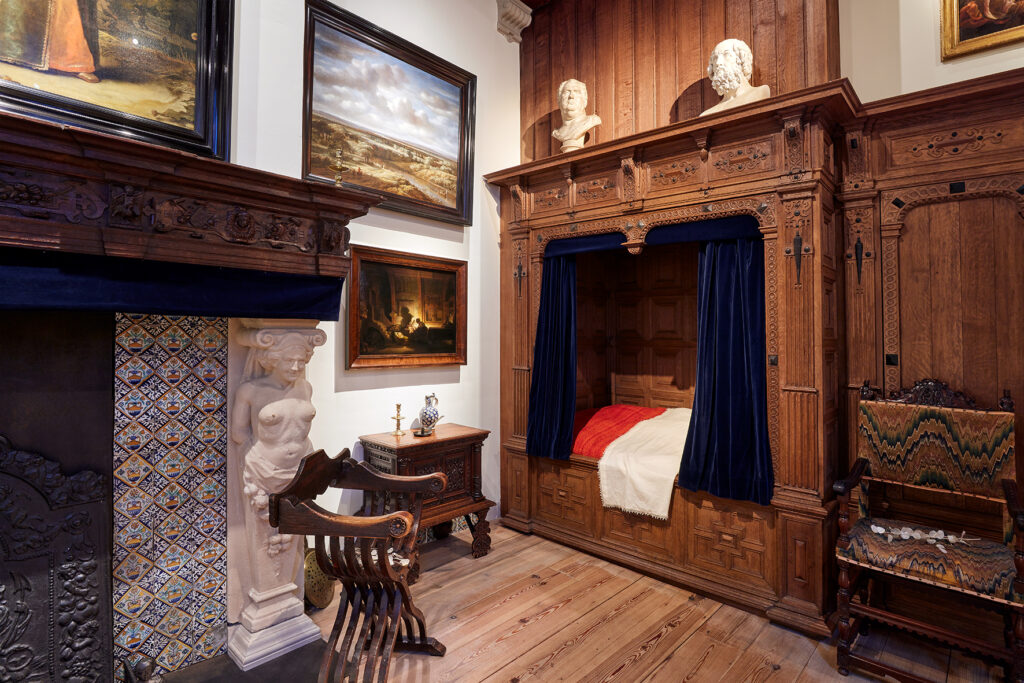
The Rembrandt House Museum is located in the house where the famous painter Rembrandt lived and worked for nearly 20 years. The house was restored and it offers insight into the artist’s domestic life, working methods, and social environment during the Dutch Golden Age.
You can explore rooms furnished according to 17th-century inventories, as well as a studio where printmaking demonstrations take place. The museum also displays a selection of Rembrandt’s etchings and works by his contemporaries. There are various activities that visitors can do, like painting and etching workshops, neighbourhood activities or walks.
Opening times: open daily from 10:00 but check their website for various closing times. Tickets: 23.50 euro for adults, 15 euro for youth up to 25, 8 euro for kids age 6-17. It’s best if you order the ticket in advance.
Accessibility: the museum is partially accessible to visitors who use a wheelchair and/or people with reduced mobility. Service dogs are allowed and personal assistants have free entrance.
23. Willet-Holthuysen House Museum
The Willet-Holthuysen House offers a glimpse into upper-class life in 19th-century Amsterdam. Located along the Herengracht, the house was preserved with its interiors largely intact after being donated to the city. Lavish rooms, furniture, and decorative arts reflect the lifestyle of a wealthy Amsterdam family, while the garden provides a rare example of a formal canal house garden. The space hosts a rotating exhibition by a contemporary maker every six months. This house is currently one of the locations of Amsterdam Museum.
Opening times: daily 10:00 – 17:00. Tickets: 15 euro for adults, free for under 18.
Accessibility: Unfortunately, the historical building is not accessible to wheelchair users and mobility scooters due to the many stairs and lack of an elevator.
24. Van Loon Museum
The Van Loon Museum is a canal house museum dedicated to one of Amsterdam’s prominent families. This building dates back to 1672. The Van Loons were closely connected to the city’s political and social life, and the museum traces their story across several generations. The interiors reflect different periods, showing how tastes and lifestyles changed over time. Portraits, furniture, and personal objects help bring the family’s history to life, while the garden offers a peaceful escape from the busy city streets.
It is a good choice for visitors who want to understand how wealth, power, and social networks shaped life along the canals.
Opening times: daily 10:00 – 17:00. Tickets: 17,50 euro for adults, 9,75 euro for children 6-18yo.
Accessibility: The museum is not accessible to wheelchair users and mobility scooters . There are guided tour for the blind and partially sighted.
25. Multatuli Museum
The Multatuli Museum is dedicated to the Dutch writer Eduard Douwes Dekker who wrote under the pseudonym Multatuli, best known for his novel Max Havelaar. In it, Multatuli accuses the then-Dutch government of exploiting the population and other abuses in the Dutch East Indies, which he witnessed as a civil servant. The book is still considered one of the most important “whistleblower” novels in Dutch literary history. Located in the house where he was born, the museum explores his life, work, and lasting influence on Dutch literature and society. You can see here his workspace, furniture, and books.
This small museum offers a focused and personal experience. It is especially interesting for visitors curious about literature, political thought, and the role writers can play in challenging dominant narratives.
Opening times: Thursday to Sunday from 12:00 – 17:00. Tickets: 7 euro for adults, free entrance for kids.
26. Theo Thijssen Museum
The Theo Thijssen Museum is dedicated to the life and work of writer, teacher, and politician Theo Thijssen. Best known for his novel Kees the Boy, Thijssen wrote about education, childhood, and social inequality in early 20th-century Amsterdam. The museum is located in a former school building, which fits well with Thijssen’s background as a teacher. Exhibits include photographs, manuscripts, and personal objects that illustrate his commitment to public education and social engagement.
Opening times: Tuesday, Friday, Saturday and Sunday from 12:00-17:00. Tickets: 5 euro for adults, 2,50 for kids.
Accessibility: The museum is wheelchair accessible except for the entrance.
Architecture museums
27. Het Schip Museum
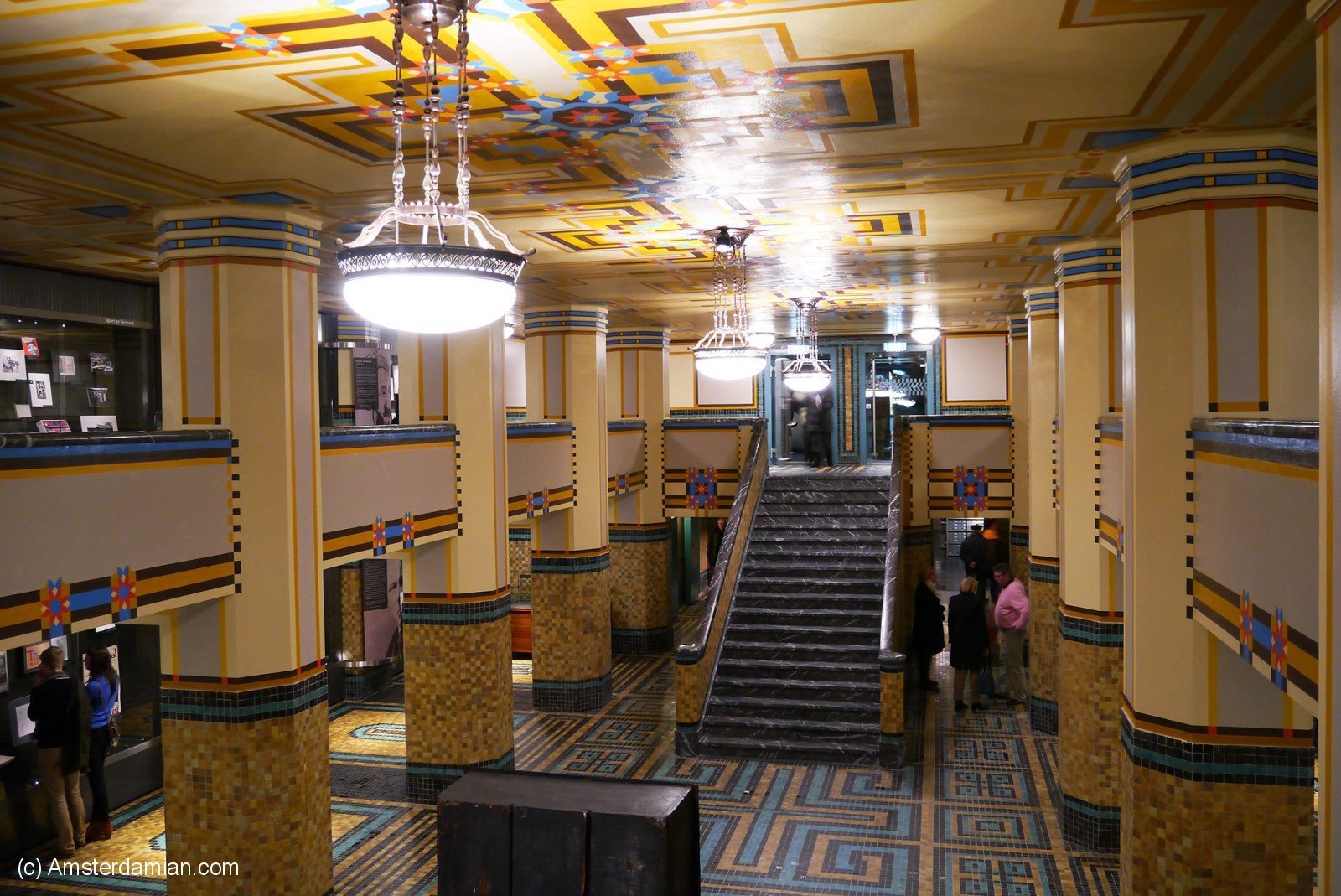
Het Schip Museum is dedicated to the Amsterdam School, an expressive architectural movement that emerged in the early 20th century. The museum is located inside a striking social housing complex designed by architect Michel de Klerk, making the building itself part of the experience. Inside, exhibitions explore architecture, design, urban planning, and the social ideals behind the movement. The Amsterdam School believed that good design should be accessible to everyone, and Het Schip shows how art, craftsmanship, and social housing were closely connected.
This museum offers a deeper look at how Amsterdam grew and changed during a period of rapid urban development. It is especially interesting for visitors curious about architecture, design, and the social history behind the city’s built environment. Het Schip organises also workshops for adults and children, and other activities. Apart from this main museum, there is also another branch called Museum De Dageraad, which is also dedicated to the Amsterdamse School.
Opening times: Tuesday-Sunday from 11:00-17:00. Tickets: 17,5 for adults. You can also use your ticket to take a guided tour of the building, including the slum dwelling, the iconic post office, and the museum apartment
Accessibility: The museum is wheelchair accessible.
28. Arcam
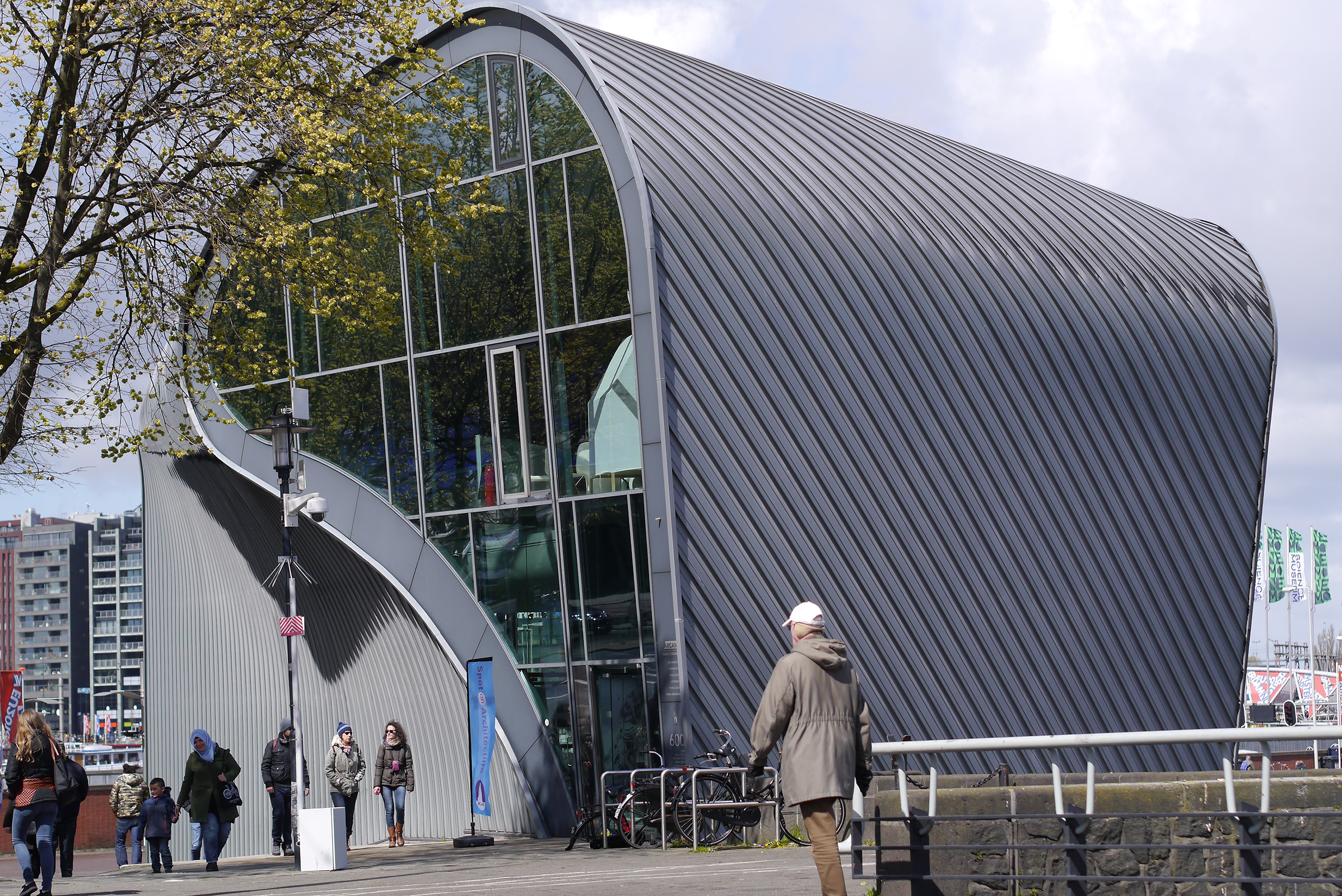
Arcam is Amsterdam’s architecture centre and a good place to understand how the city is built and constantly changing. This museum looks at contemporary architecture, urban planning, and future developments in Amsterdam and the wider region. Exhibitions explore housing, public space, sustainability, and infrastructure, often linking current projects to broader social questions. Models, drawings, photographs, and maps help explain how architectural decisions shape daily life in the city. Arcam also organise programmes about architecture and urban development — debates, research projects.
Arcam is compact and easy to visit, making it a useful stop if you are curious about how Amsterdam works beyond its historic façades.
Opening times: Tuesday-Sunday from 13:00-17:00. Tickets: 5 euro for adults, free for kids.
Accessibility: The museum is wheelchair accessible.
Science museums Amsterdam
29. NEMO Science Museum
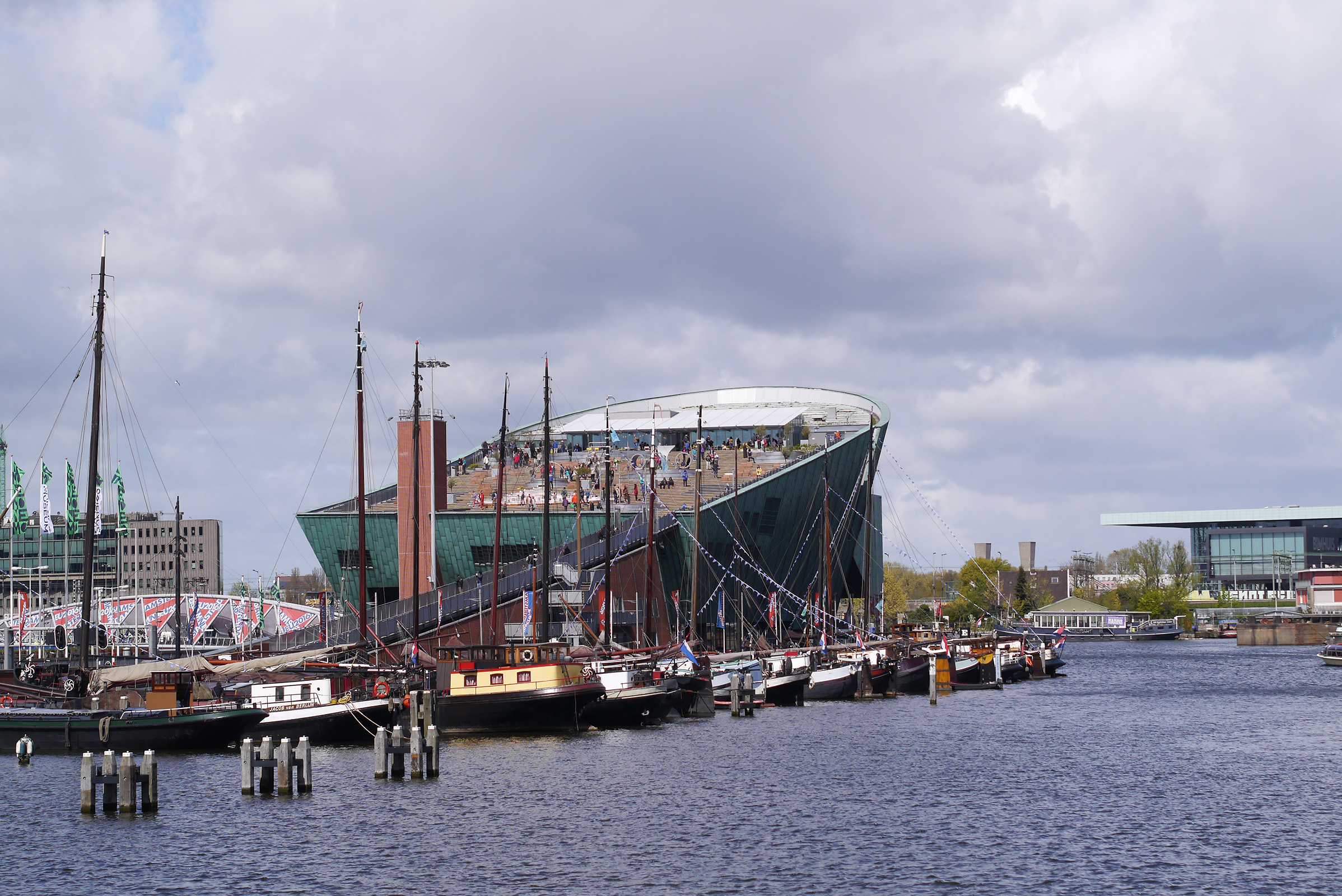
NEMO Science Museum is Amsterdam’s most hands-on museum and a popular place for visitors of all ages. Housed in a striking green building that resembles a ship rising from the water, the museum focuses on science, technology, and how things work in everyday life. Inside, exhibits are designed to be touched, tested, and explored. Topics range from physics and chemistry to energy, human behaviour, and digital technology. Instead of passively reading labels, visitors are encouraged to experiment and discover through play.
NEMO is especially popular with families, but it is just as enjoyable for adults who are curious and still like to play. The rooftop square with a garden is accessible to everyone, offering a great view over the city and various activities. It’s a popular spot in summer.
Opening times: Tuesday to Sunday from 10:00 to 17:30. During school holidays, on public holidays and from April to September, NEMO is also open on Mondays. Tickets: 21,50 euro from age 4.
Accessibility: the museum is wheelchair-accessible, allows guide dogs and personal companions can enter free of charge.. Read more on their website.
30. Micropia
Micropia is Amsterdam’s unique museum dedicated entirely to microbes – the invisible life all around and inside us. Located next to Artis Zoo, it offers a fascinating look at bacteria, viruses, fungi, and other microscopic organisms that play a crucial role in our daily lives. Micropia uses interactive exhibits, live microscopes, and digital technology to show microbes in action. Visitors can see how microorganisms affect health, food, the environment, and even global ecosystems, making complex science surprisingly tangible and approachable. During your visit you can find out how many microbes do you exchange during a kiss and how many live in your navel, with interactive exhibits like the Kiss-o-meter and the Bodyscan.
This Amsterdam museum is both educational and playful. It’s ideal for families, curious adults, and anyone interested in the hidden world that surrounds us. Micropia is part of ARTIS, together with the ARTIS Zoo and the ARTIS Goote Museum.
Opening times: daily from 10:00 to 17:00. Tickets: 17,50 euro from age 13+.
Accessibility: The museum is wheelchair accessible and guide dogs are allowed.
Maritime & transport museums
31. National Maritime Museum (Het Scheepvaartmuseum)
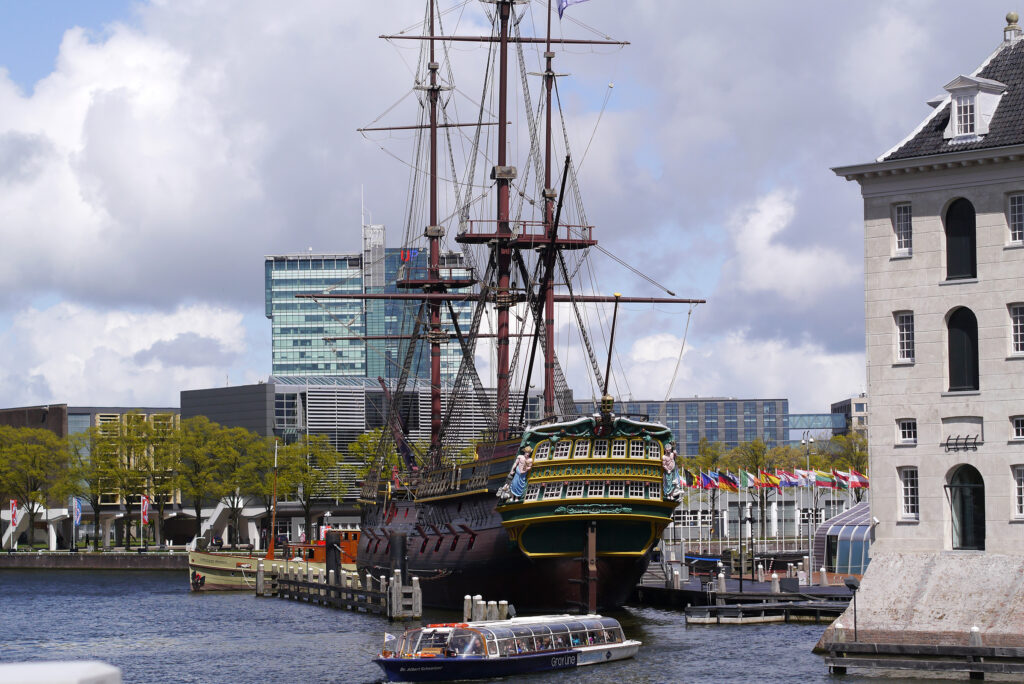
The National Maritime Museum explores the Netherlands’ long and complex relationship with the sea. Located in a former naval storehouse near the waterfront, the museum focuses on shipping, trade, exploration, and naval history. Here you admire one of the largest and most prominent maritime collections in the world. Exhibits include ship models, maps, paintings, navigational instruments, and personal stories that bring maritime history to life. The museum organises also for lectures, tours, and family activities. Students and researchers working on publications can request access to collection items.
One of the highlights is the full-size replica of an 18th-century ship moored outside, which visitors can explore. This Amsterdam museum helps explain how seafaring shaped the country’s economy, global connections, and colonial past. It is a good choice for visitors interested in history beyond art, offering clear insight into how water and trade influenced Amsterdam’s development.
Opening times: daily from 10:00 to 17:00. Tickets: 20 euro for adults and 8,50 for kids 5-17yo.
Accessibility: the museum is wheelchair accessible and personal assistants have free entrance.
32. Houseboat Museum (Woonbootmuseum)
The Houseboat Museum offers a look inside one of Amsterdam’s most special forms of housing. Located on a former cargo vessel moored along the Prinsengracht, the museum shows how boats have been transformed into comfortable homes. You can explore the living spaces and learn about daily life on the water, from practical challenges to the appeal of living in the heart of the canal belt. The museum also explains how houseboats became part of Amsterdam’s housing landscape.
Small and informal, this Amsterdam museum satisfies a curiosity many visitors have about this way of living. It is an easy, enjoyable stop that adds context to the canals you see throughout the city.
Opening times: daily from 10:00 to 17:00. Tickets: 9,50 euro for 12+, and 5 euro for kids 5-12yo.
Accessibility: the museum is not wheelchair accessible.
Contemporary, interactive & alternative spaces in Amsterdam
33. STRAAT Museum Amsterdam
STRAAT Museum is dedicated to street art and graffiti and is located in a former shipyard hall in Amsterdam Noord. The large industrial space allows artists to create works directly on the walls, resulting in an immersive and constantly evolving exhibition. The museum presents street art as a global movement, with works by artists from around the world. Themes often include identity, politics, social justice, and urban life, reflecting the origins of street art in public space.
STRAAT offers a very different experience from traditional art museums in Amsterdam, and it’s an ideal museum for groups as you can have fun with the tours or workshops.
Opening times: Tuesday-Sunday from 10:00 to 17:00. Monday 12:00-17.00. Tickets: 21,50 euro for adults and free for children.
Accessibility: the museum is wheelchair accessible and guide dogs are allowed.
34. Nxt Museum Amsterdam
Nxt Museum focuses on digital art, immersive installations, and new media. Here you can discover large-scale immersive light art and innovative exhibitions. Exhibitions use technologies such as light, sound, data, and artificial intelligence to explore how humans interact with technology. The result is often playful, sometimes disorienting, and always very visual.
This Amsterdam museum appeals to visitors interested in the future of art and culture. It is a good choice if you are curious about how artists work with technology and how museums themselves are changing.
Opening times: Weds, Thurs & Sun: 11:00 – 20:30; Fri – Sat : 11:00 – 22:30. Tickets: can be bought online only. Adult ticket is 24,50 euro, youth (10-17 yo) is 13,50 euro and kids have free entrance.
Accessibility: the museum is wheelchair accessible and personal assistants can enter for free.
35. Embassy of the Free Mind
The Embassy of the Free Mind explores philosophy, spirituality, and free thought through books, manuscripts, and artworks. Its collection focuses on humanist traditions and alternative ways of thinking that sit outside mainstream religious narratives. It’s a cultural foundation, a quiet museum and library on the Keizersgracht, housed in a historic 17th-century canal house called ”The House with the Heads”. Inside, you’ll find rooms filled with old books, illustrations, and objects that explore subjects like philosophy, mysticism, and the history of ideas. You can book tours like a general tour that will take you on a journey through the rich history of Western esoteric traditions at the Embassy of the Free Mind, or a Grail or Exclusive Rare Book tour. They also organise various events, from lunch concerts and children’s workshops to embodiment workshops and educational presentations.
This museum offers a slower, more contemplative experience. It is well suited to visitors interested in ideas, intellectual history, and the ways people have searched for meaning across time.
Opening times: Wednesday-Saturday from 10:00 to 17:00; Sunday 11:00-18.00. Tickets: 15 euro for adults and 6 euro for youth (11-18). For the various tours, check their website.
Accessibility: the museum is wheelchair accessible, personal assistants have free entrance and guide dogs are allowed.
36. Museum van de Geest (Museum of the mind)
Museum van de Geest is a thought-provoking museum dedicated to exploring the human mind through art, stories, and creativity. Located in the H’ART Museum building at Amstel 51, it showcases outsider art — works by self-taught creators expressing their inner worlds — alongside exhibitions that invite visitors to reflect on identity, emotion, and mental well-being. The museum approaches mental health with empathy and curiosity, encouraging open conversations and offering a fresh perspective on what it means to be human. There’s a second location of this museum in Haarlem (Het Dolhuys).
Opening times: daily from 10:00 to 17:00. Tickets: 17,50 euro for adults, or 32,50 euro in combination with H’ART Museum; 5 euro for kids 5-17yo and 10 euro for youth (118-22).
Accessibility: the museum is wheelchair accessible, personal assistants have free entrance and guide dogs are allowed.
37. Heineken Experience
The Heineken Experience in Amsterdam is a popular attraction housed in the original Heineken brewery, offering an interactive journey through the history of the brand, brewing processes, and the company’s global impact. While it operates more as an experience-based visitor centre than a traditional museum, it combines historical exhibits, multimedia displays, and hands-on activities to educate visitors about beer production and marketing. Guests can explore the historic building, learn how Heineken beer is made, and enjoy tasting sessions. There are also workshops available: Heineken Kiosk Workshop where you can create two unique beer bottles.
It is particularly suited for those curious about brewing, branding, and Dutch industrial history, while also providing a fun, immersive experience in Amsterdam’s city centre.
Opening times: Mon-Thurs, Sat 10:30 to 19.30; Fri-Sat 10:30-21:00. Tickets: this is an adult only experience (18+) and you can check their website for the various tours available.
Accessibility: the building is partially wheelchair accessible.
38. Art Zoo Museum
Art Zoo Museum is an artistic celebration of the animal kingdom and nature, set inside one of Amsterdam’s most beautiful 17th-century canal houses. Visitors can wander through an extraordinary space where enormous aviaries and breathtaking taxidermy art by Darwin, Sinke & Van Tongeren bring animals to life. From colourful birds and winding snakes to imposing crocodiles and even a T. rex, the museum blends natural history and art in a dramatic, immersive way. This Amsterdam museum offers a unique and imaginative experience, perfect for art lovers, nature enthusiasts, and anyone curious about the beauty and diversity of the animal world.
However, if you are one of the people who are freaked out by taxidermy, you might want to choose a different way to spend your time. It’s important to note that all the animals in Art Zoo Museum died of natural causes. They were not specially bred for this purpose, nor taken from the wild.
There are activities for both children and adults, like the Art Zoo Safari (ages 6–17) or the Search & Color Map (ages 1–5)!
Opening times: daily from 10:00-17.00. Tickets: 17,50 euro for adults and 12,50 euro for kids 6-17yo; free entrance for kids under 6yo.
Accessibility: because this is a historic building with limitations, the museum is not wheelchair accessible.
39. Fabrique des Lumières
Fabrique des Lumières is an immersive digital art space opened in 2022 in Amsterdam, where famous artworks are projected onto walls, floors, and ceilings, creating a fully sensory experience. Using sound, light, and movement, the museum transforms static paintings into dynamic, large-scale installations that feel alive. Visitors can walk through exhibitions featuring classic and contemporary artists, experiencing masterpieces in a new, interactive way. It’s an ideal stop for art lovers, families, and anyone curious about how technology can reinvent traditional art, offering a playful yet inspiring glimpse into Amsterdam’s modern cultural scene.
Opening times: each experience has different opening hours, so check their website for info. Tickets: 18 euro for adults and 14 euro for yout (5-17yo); free entrance for kids under 5yo.
Accessibility: the museum is wheelchair accessible, guide dogs are allowed. Due to the light effects, the exhibitions may present risks for people with epilepsy and/ or people who suffer from vertigo.
40. Artis Royal Zoo (Amsterdam Zoo Museum)
ARTIS is best known as Amsterdam’s historic city zoo, but the complex is much more than just an animal park. In addition to the zoo itself, ARTIS includes ARTIS-Groote Museum and Micropia.
The ARTIS-Groote Museum explores the connections between humans, animals, plants, and the planet. The museum houses many interactive installations which help you discover what humans have in common with animals, plants, and microbes.
Opening times: daily from 10:00-17:00, and on Thursdays until 22:00 . Tickets: 17,50 euro for 13+.
Accessibility: the museum is wheelchair accessible, personal assistants have free entrance and guide dogs are allowed.
Specialised & niche museums
41. Museum Tot Zover
Museum Tot Zover explores how people deal with death, mourning, and remembrance. An unconventional museum located at a cemetery complex in Amsterdam, the museum approaches the subject with care and curiosity. Exhibitions look at funerary rituals, memorial practices, and changing attitudes toward death, both in the Netherlands and beyond. Objects, photographs, and contemporary artworks are used to show how different cultures mark loss and remember the dead.
It’s definitely not for everyone, and I recommend you read more about it and its exhibitions before you decide to go. Make sure you can handle it.
Opening times: Tuesday-Sunday from 11:00-17:00. Tickets: 11 euro for adults, 6 euro for youth (13-18yo).
Accessibility: the museum has limited accessibility for people with physical disabilities
42. Electric Ladyland
Electric Ladyland is the world’s first museum of fluorescent art and one of the most unusual museums in Amsterdam. Created by artist Nick Padalino, the museum explores light, colour, and perception in a highly immersive setting. It houses a large room-sized fluorescent environment where the visitor enters, becomes a part of the piece of art, and then experiences “Participatory Art.”
“Participatory Art” is where the visitors take place in the creation of a piece of art and are, for the duration of their visit,
a part of the piece of Art themselves.
This small, alternative museum offers something completely different from traditional exhibitions. It is ideal for visitors looking for a short but memorable experience and for those curious about how light can transform space and material.
Opening times: Wednesday-Sunday from 14:00-18:00. Tickets: 5 euro per person and free for children under 12.
43. Museum of Prostitution (Red Light Secrets)
The Museum of Prostitution, also known as Red Light Secrets, is located in a former brothel in Amsterdam’s Red Light District. The museum focuses on the history and reality of sex work in the city, offering insight into a profession that is often misunderstood. Through interviews, photographs, and recreated spaces, you learn about the daily lives, working conditions, and personal stories of sex workers. The museum aims to challenge stereotypes and present sex work from the perspective of those involved.
This museum provides context for one of the city’s most famous neighbourhoods and is informative rather than sensational. It encourages visitors to look beyond the surface of the Red Light District. It also offers the window experience, where you can sit in one of the Red Light District’s famous windows.
Opening times: daily 11.00am to 01.00am. Tickets: 14,50 euro. Minimum age for visitors is 16.
Accessibility: the museum is not wheelchair accessible.
44. Pianola Museum
The Pianola Museum is dedicated to mechanical music and self-playing pianos. Its collection includes pianolas, player pianos, and thousands of original music rolls (over 40,000 paper music rolls; one of the largest collections in the world), many of which are still used in live demonstrations. The museum tells the story of how mechanical music made performances accessible to people who could not play an instrument themselves. Exhibits explain the technology behind the instruments and their role in domestic entertainment before recorded music became widespread.
A wide variety of museum concerts and other events take place every week and the building itself is interesting, as it’s an old police station.
Opening times: Friday-Saturday 13:00-17:00; Sunday 13:00-16:00. Tickets: 9 euro adults and 5 euro for children. For group visits you have to make a reservation.
45. Amsterdam Pipe Museum
The Amsterdam Pipe Museum (formerly known as Pijpenkabinet) is a small but surprisingly rich museum on Prinsengracht, dedicated to the history of tobacco pipes. Its collection spans several centuries and includes pipes from Europe, Asia, Africa, and the Americas, showing how smoking traditions developed across cultures. It explains how pipe-making became an important industry in the Netherlands, particularly during the 17th and 18th centuries.
Opening times: Monday-Saturday 12:00-18:00. Tickets: 15 euro for adults, 7,50 euro for age 6-16.
Accessibility: the museum is not wheelchair accessible.
46. The Cat Cabinet (KattenKabinet)
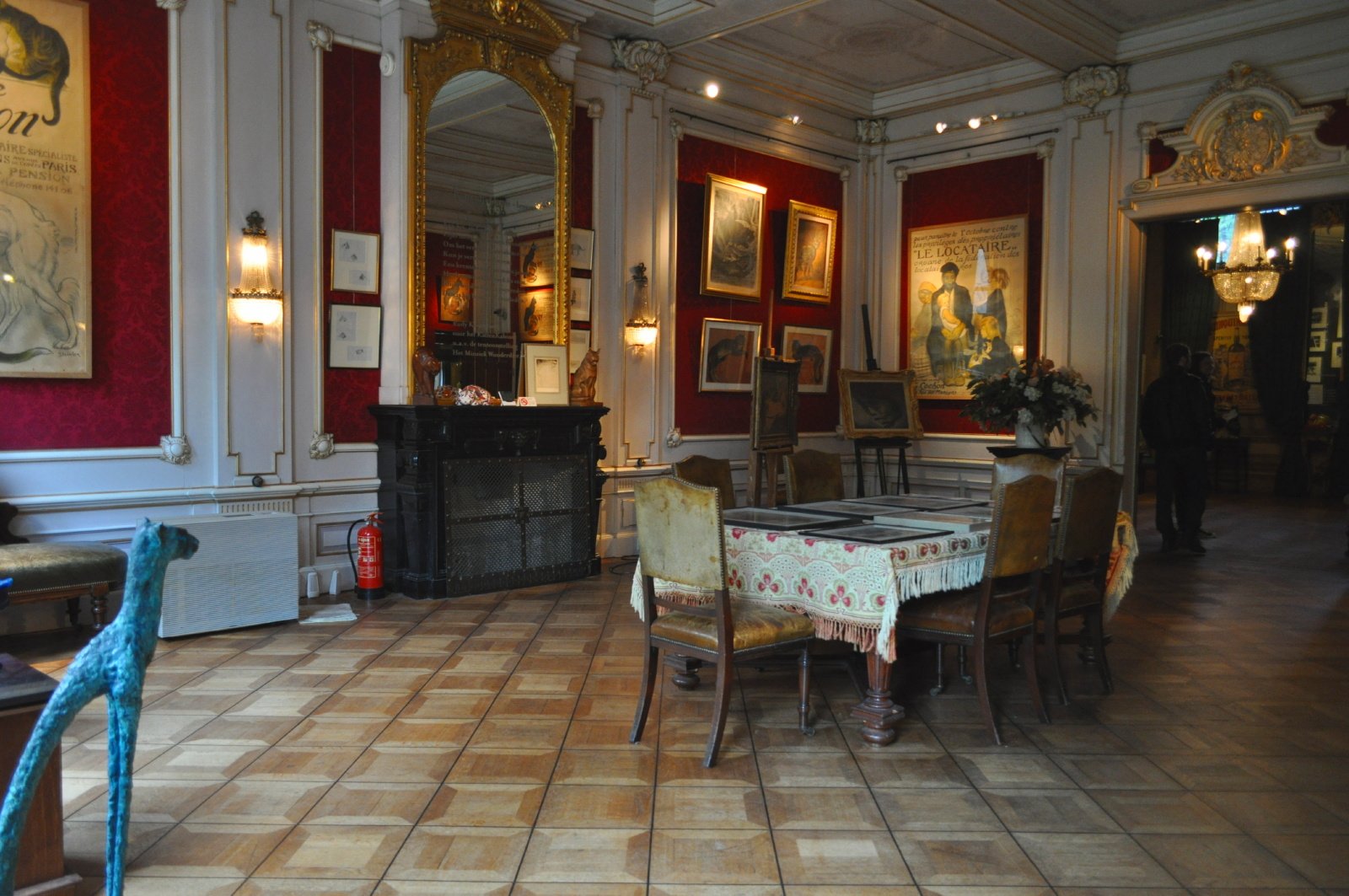
The Cat Cabinet is one of Amsterdam’s quirkiest and most charming museums, dedicated entirely to cats in art, literature, and culture. Housed in a historic canal house, the museum showcases paintings, drawings, sculptures, and memorabilia featuring felines, offering a whimsical and intimate experience. It’s a beautiful experience for cat lovers, who can wander through cozy rooms filled with cat-inspired works, from classic Dutch paintings to contemporary pieces. The collection celebrates the cat’s role in history, culture, and everyday life, and the museum itself houses a few resident cats, adding to the charm. Guided group tours are available as well.
Opening times: Tuesday-Sunday 12:00-17:00. Tickets: 12,50 euro for adults, free for children.
Accessibility: is partially wheelchair accessible (the ground floor).’
47. Madame Tussauds Amsterdam
Madame Tussauds is the world-wide famous wax museum where history, pop culture, and celebrity meet, letting visitors get up close with lifelike figures of famous personalities from the Netherlands and around the world. It’s a fun, interactive stop for photos and a playful glimpse into fame and history.
Opening times and tickets: check their website. Accessibility: wheelchair accessible, but due to strict fire regulations, they are allowed to admit two wheelchair users at a time.
48. Levend Paarden Museum (Living Horse Museum)
Levend Paarden Museum is a unique museum celebrating the history, care, and cultural significance of horses in the Netherlands. Here you can explore vintage equipment, historical exhibits, and stories that highlight the horse’s role in Dutch society over the centuries.
The museum is located within De Hollandsche Manege, the oldest riding school in the Netherlands, founded in 1744. This historic setting brings the story of horses to life: exhibitions are complemented by the daily presence of horses in training, linking past and present in a very tangible way. Beyond the exhibitions, visitors can watch riding lessons and equestrian demonstrations, attend events and performances, or enjoy a drink or a high tea in the café.
Opening times: Tuesday-Sunday 11:00-17:00. Tickets: 12,50 euro for adults, 8 euro for children.
Accessibility: it’s wheelchair accessible.
49. Molen van Sloten
A working historic windmill on the outskirts of Amsterdam, where visitors can learn about traditional Dutch milling, see the inner workings in action, and discover the role of windmills in the country’s history and landscape.
Opening times: Guided tours every hour, the first starts at 10:00. Tickets: 8 euro for adults, 6,75 euro for children 12-17yo, 4,50 for children 4-11 yo.
Accessibility: the place is wheelchair accessible, service dogs are allowed and personal assistants have free entrance.
50. Museum Vrolik (Museum of the human body)
Museum Vrolik is one of Amsterdam’s most unusual museums, dedicated to the human body, anatomy, and the history of medical science. Its collection includes anatomical specimens, skeletons, and preserved organs, offering insight into human development, congenital conditions, and the ways doctors have studied the body over time. The museum presents this material with a strong educational focus, balancing scientific explanation with ethical reflection.
The collection dates back to the late 18th and early 19th centuries and was assembled by Gerard and Willem Vrolik, a father-and-son team of renowned Dutch anatomists. Today, Museum Vrolik provides a fascinating window into the history of medicine and anatomy in the Netherlands, housed within Amsterdam UMC and rooted in centuries of scientific research and teaching.
Please make sure you check their website before deciding to visit due to the more sensitive nature of this subject. Also check the museum’s statement on human remains before you go.
Opening times: Monday-Friday 11:00-17:00. Tickets: 11 euro for adults, 7 euro for children 4-17yo.
Accessibility: the place is wheelchair accessible.
51. Miniatuur Museum Amsterdam
If you enjoy tiny worlds and meticulous craftsmanship, the Miniatuur Museum Amsterdam is a delightful surprise. This small museum recreates the city through detailed models of key moments in the city’s history, from medieval settlement to colonial trade, the Golden Age, the nineteenth century and modern Amsterdam. It’s an easy and engaging way to discover Amsterdam, especially for those who prefer stories and visuals over long historical explanations. Visitors get a sense of the city as a whole, while locals often find themselves spotting recognisable corners and details from everyday life.
Opening times: Sunday – Thursday: 10:00 – 18:00, Friday – Saturday: 10:00 – 19:00. Tickets: 17,50 euro for adults, 12,95 kids.
Playful and tourist-oriented museums
This next group of museums in Amsterdam is a bit more playful and tourist-oriented, perfect for a quirky photo opportunity, a fun stop while exploring the city, or if you’re curious about Amsterdam’s more unusual attractions.
52. Erotic Museum – Located in an old warehouse in the middle of Red Light District, this museum explores Amsterdam’s long-standing fascination with erotic art and culture through a collection that is as provocative as it is historical (expect sex toys, prints & artworks). Open daily from 11:00- 01:00. Ticket 8 euro.
53. Hash, Marihuana & Hemp Museum – here you can explore the global story of cannabis and hemp, from its botanical origins to its cultural and economic impact in the Netherlands and beyond. The museum’s collection is composed of rare artefacts related to all aspects of cannabis history and culture, which its founder Ben Dronkers has been gathering from around the world. Opening times: Mon-Thurs from 12:00-20:00; Fri-Sat 10:00-22:00. Tickets: 9,50 euro.
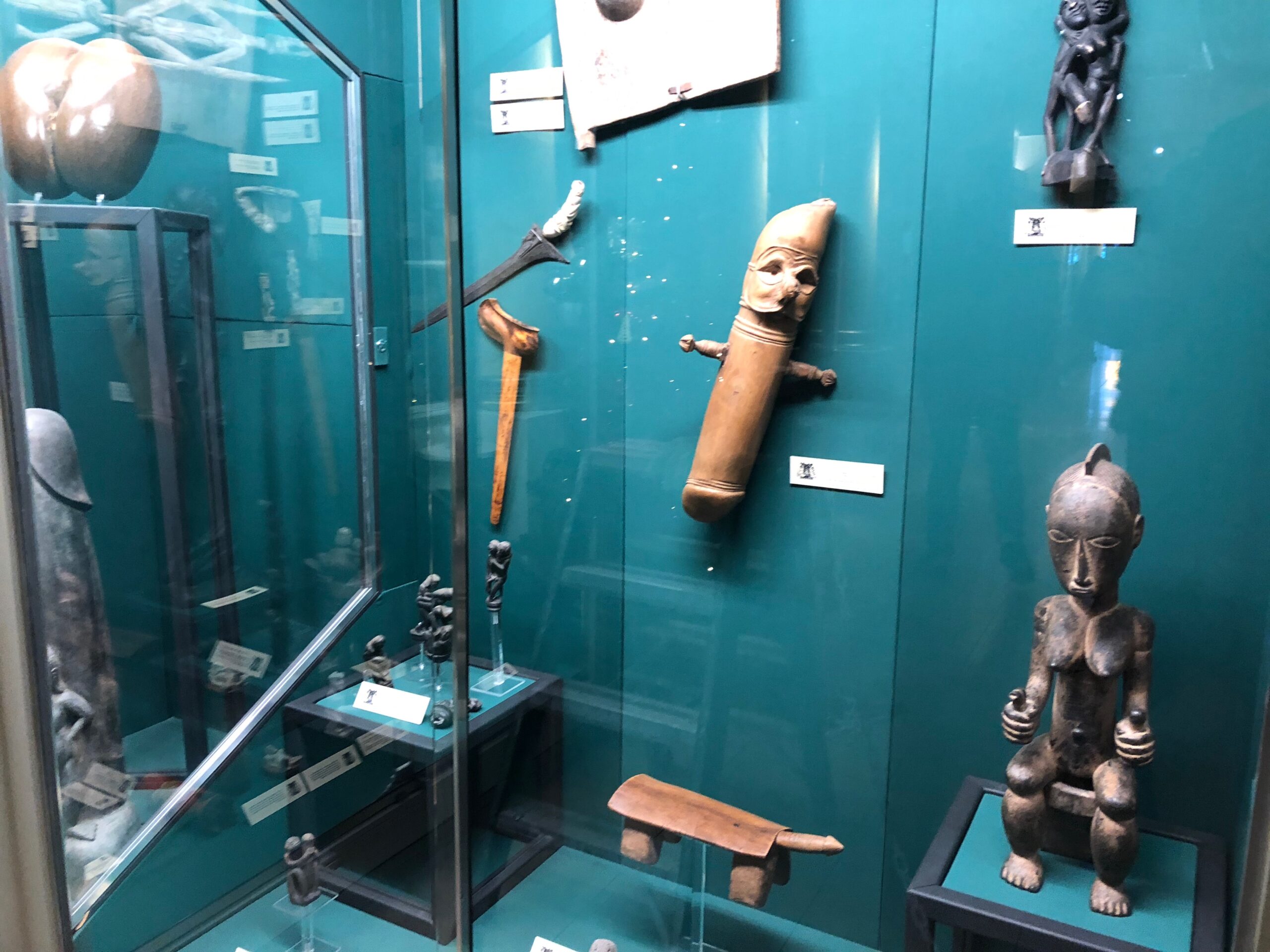
54. Sex Museum – A humorous yet educational journey through human sexuality, highlighting curiosity, taboos, and cultural attitudes over time. Open daily between 10:00-17:00. Tickets: 10 euro, and the minimum age is 16.
55. Torture Museum – Discover the darker side of history with a chilling collection of medieval instruments of punishment and justice. Opening times: daily 10:00-23:00. Tickets: from 10,50 euro.
56. Tulip Museum – Learn how a simple flower transformed Dutch history, culture, and commerce during the golden age of tulip mania. This is a very small museum, combined with a shop where you can buy your tulip bulbs to take home. I assume no local has ever set foot in this museum, as it’s very much tourist oriented. Opening times: daily from 10:00 – 18:00. Tickets: 7 euro for adults, 15 euro for family.
57. Cheese Museum – a small museum where you can learn about traditional Dutch cheeses, their production, history, and iconic place in Dutch culture. Opening times: daily 10:00-19:00. Entrance is free and you have a free tasting as well. But I’m pretty sure you will spend some time in their shop afterwards, buying some of that cheese to enjoy later.
Stay tuned for more and follow Amsterdamian on Instagram and Facebook for more stories about life in the Netherlands. Please share this post if you liked it!
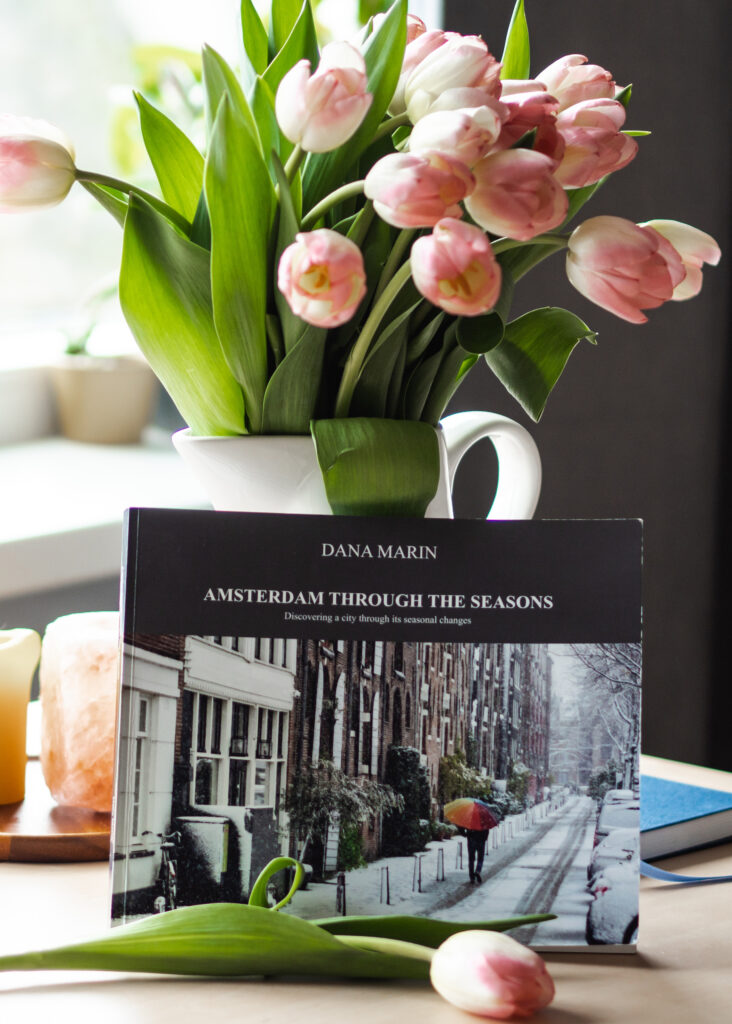
Check out my photo book: Amsterdam Through the Seasons!
Love what you’re reading? Support my work with a small donation.






Trackbacks/Pingbacks