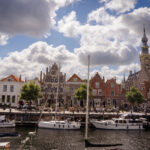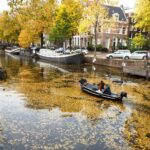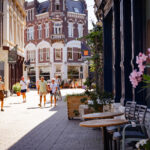
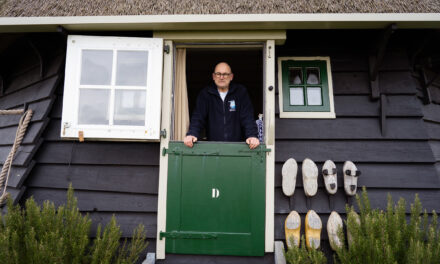
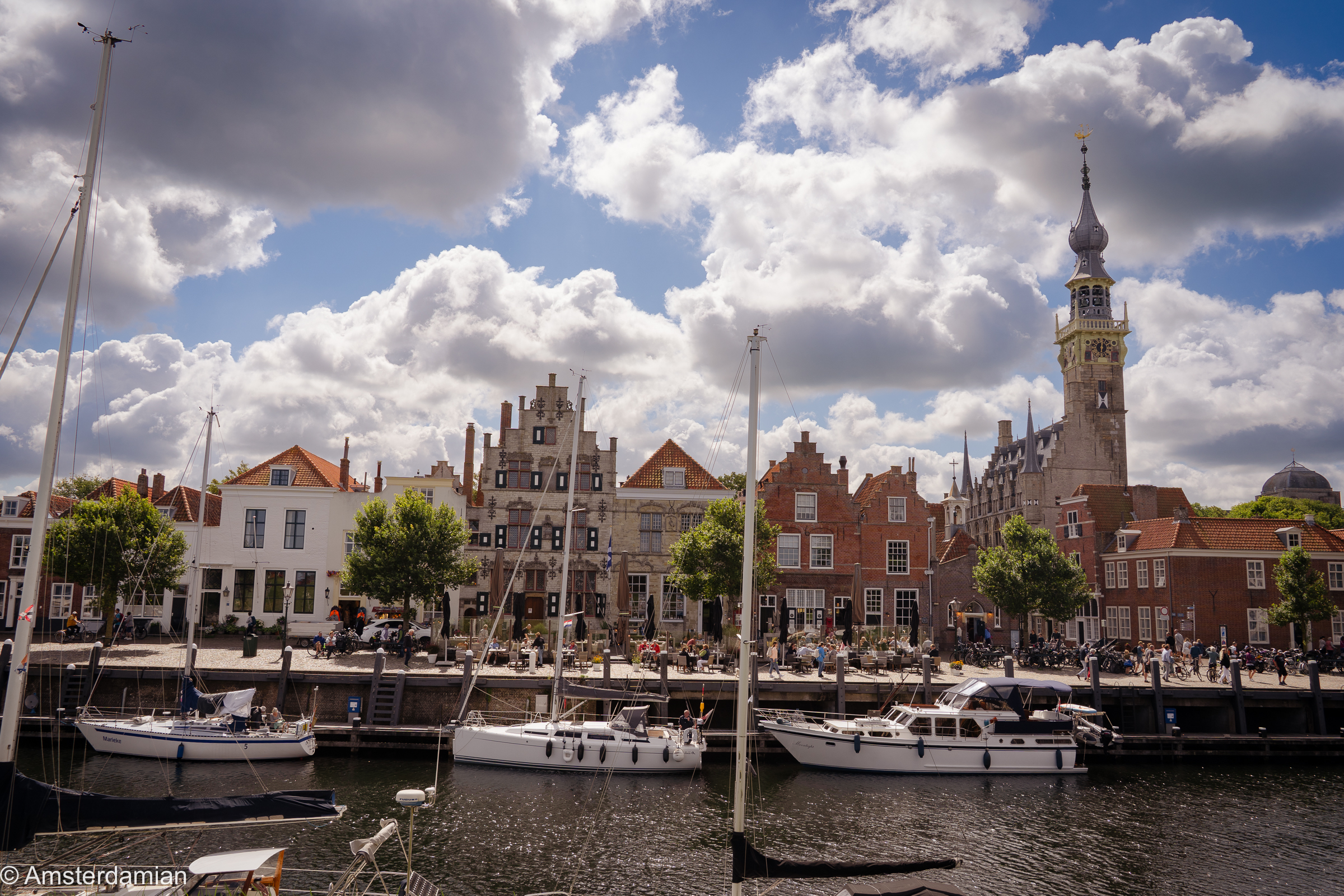
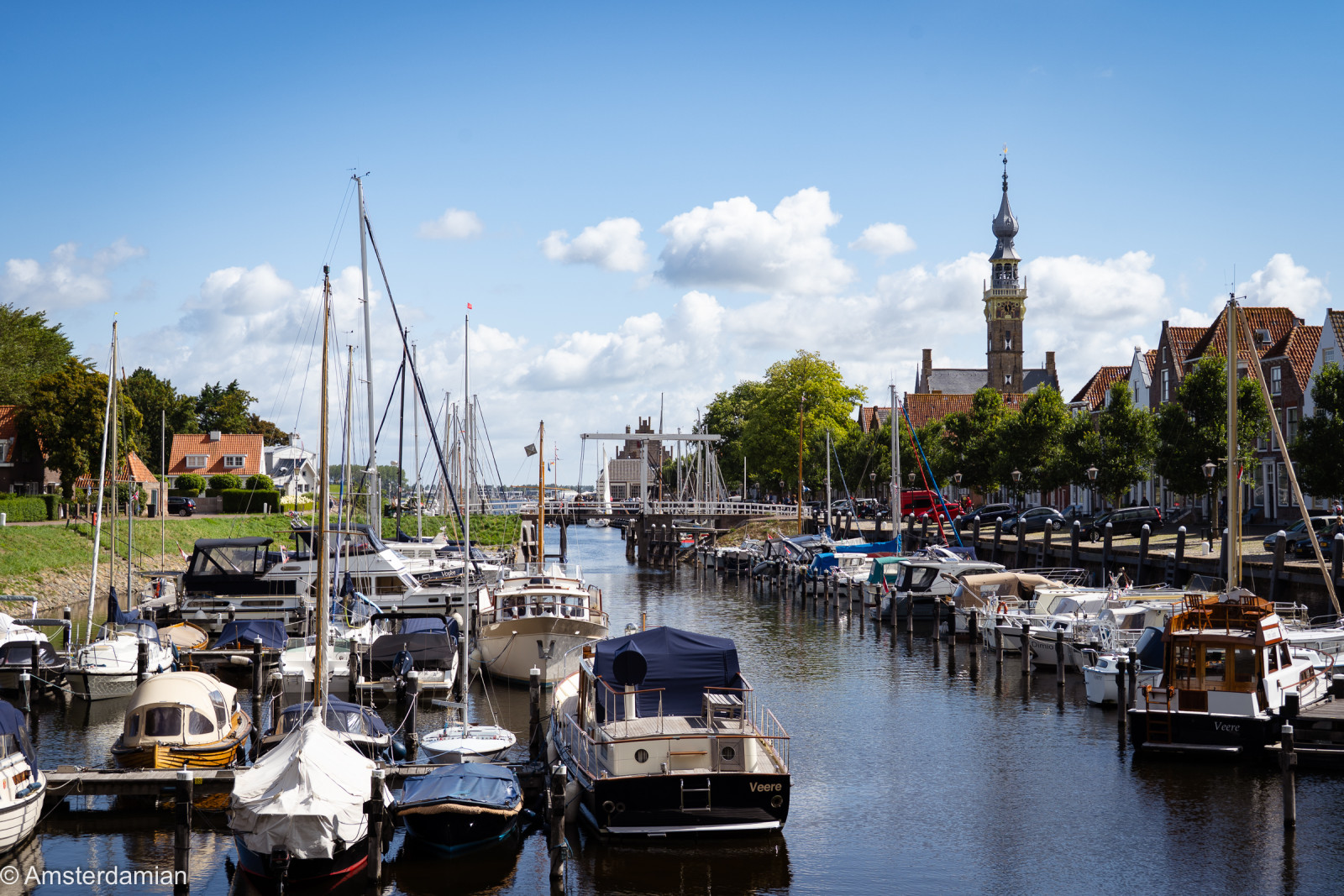
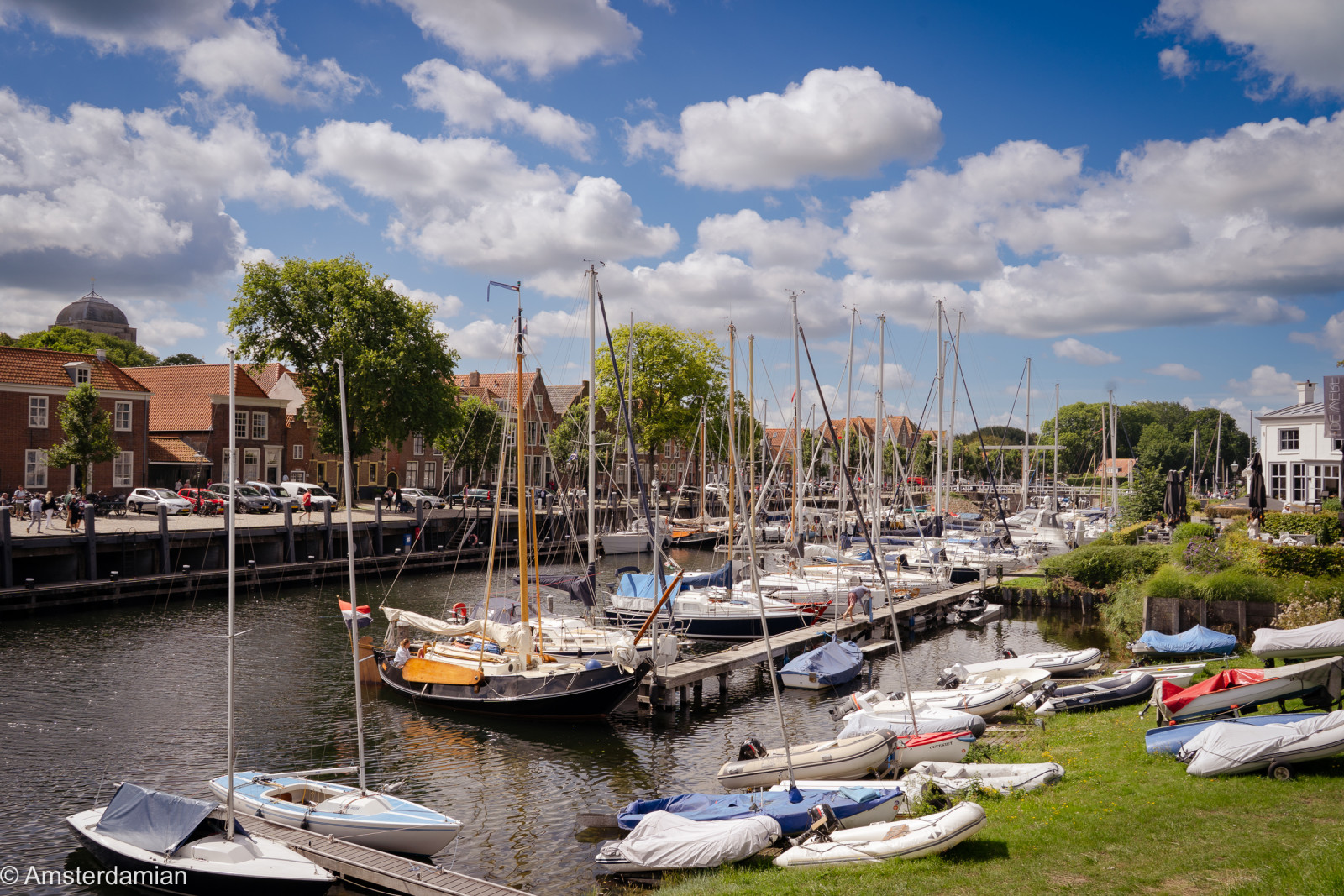
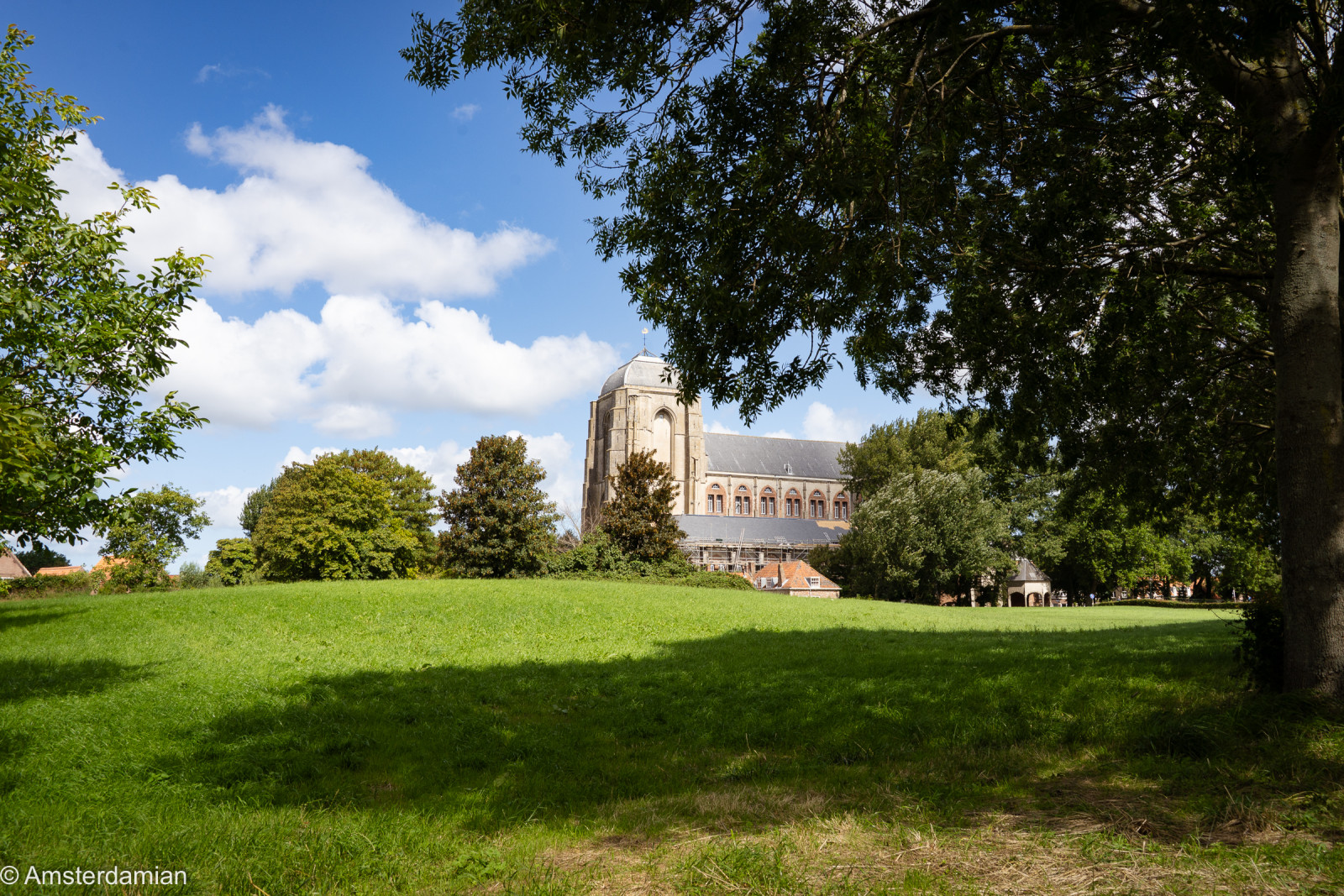
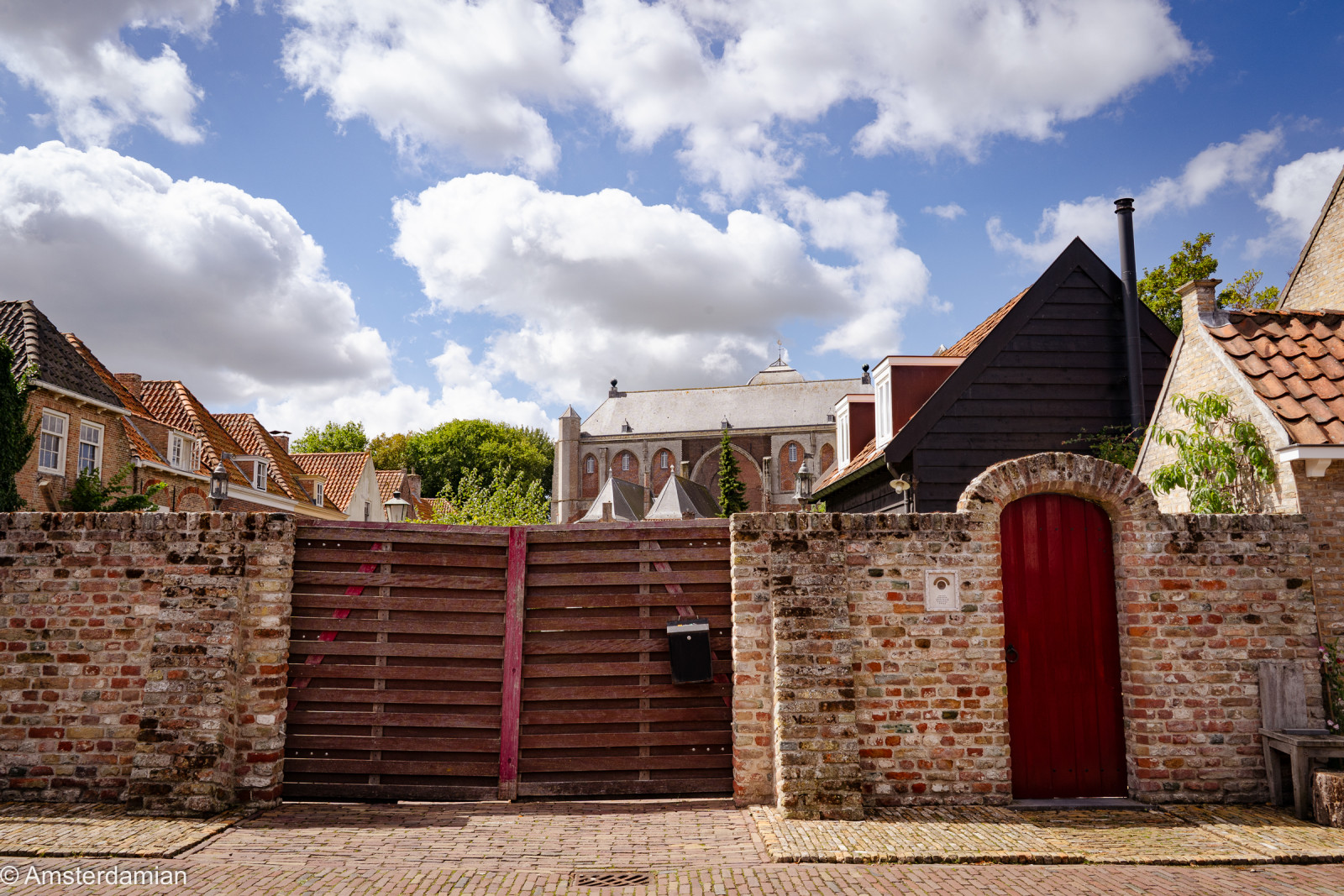
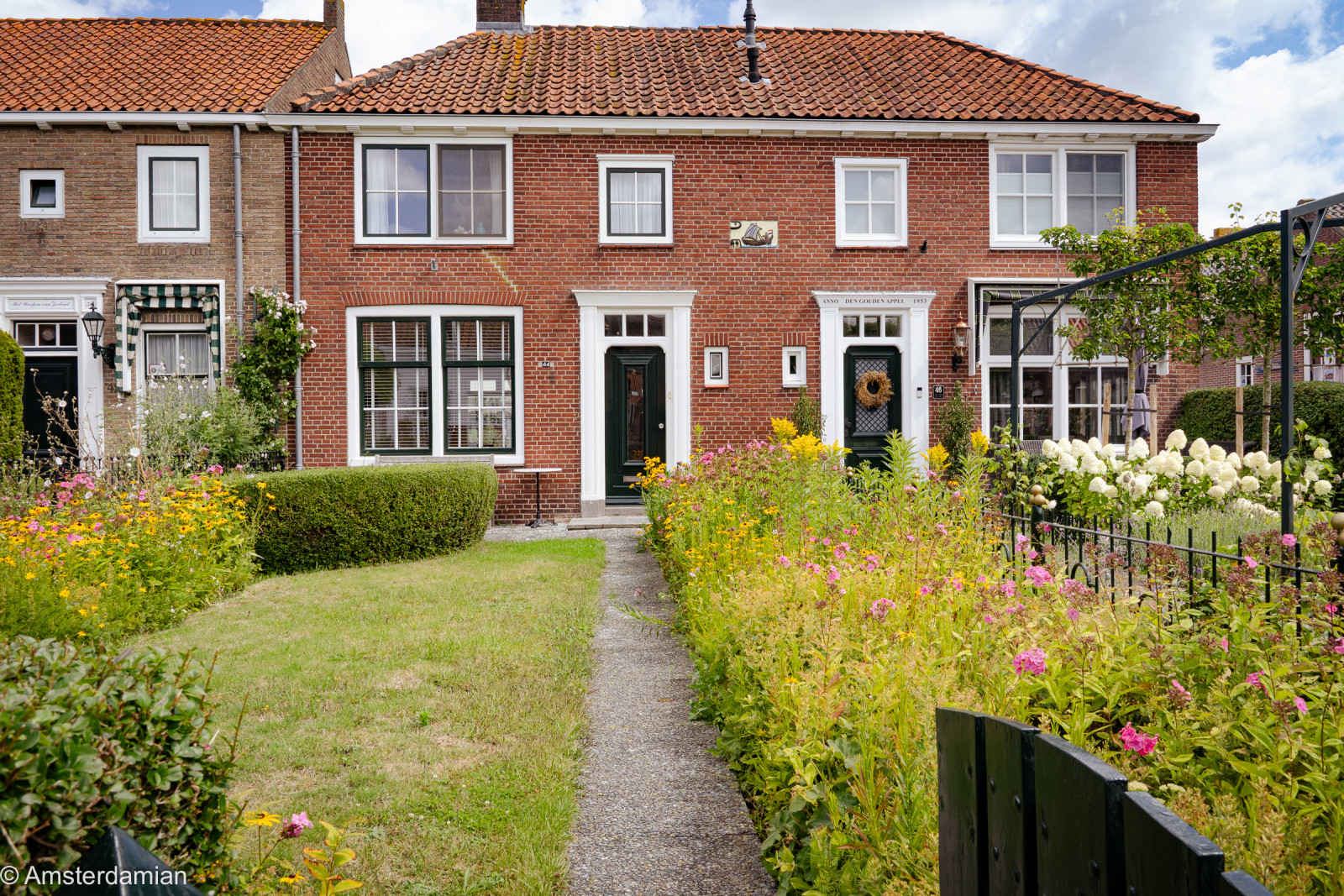
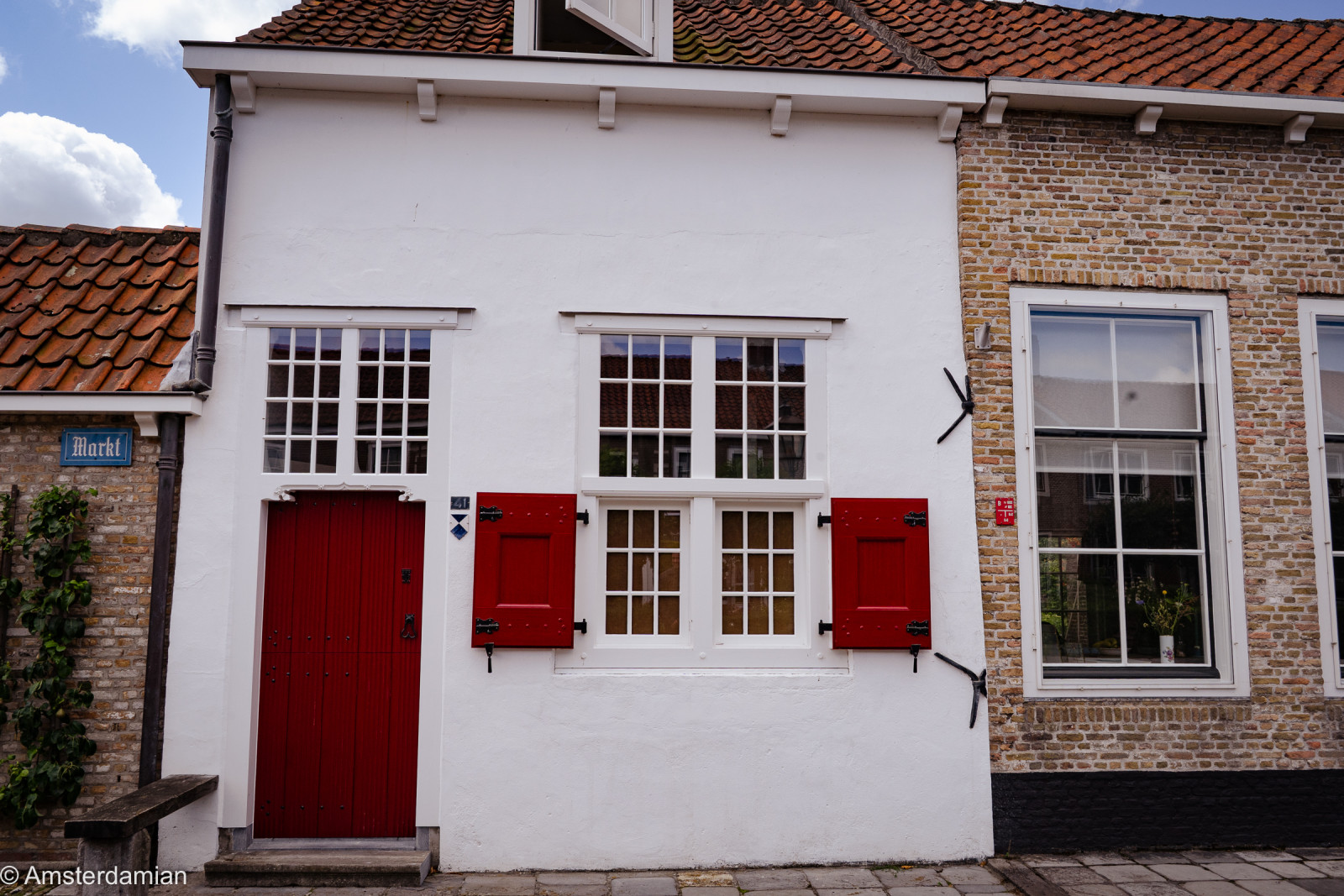
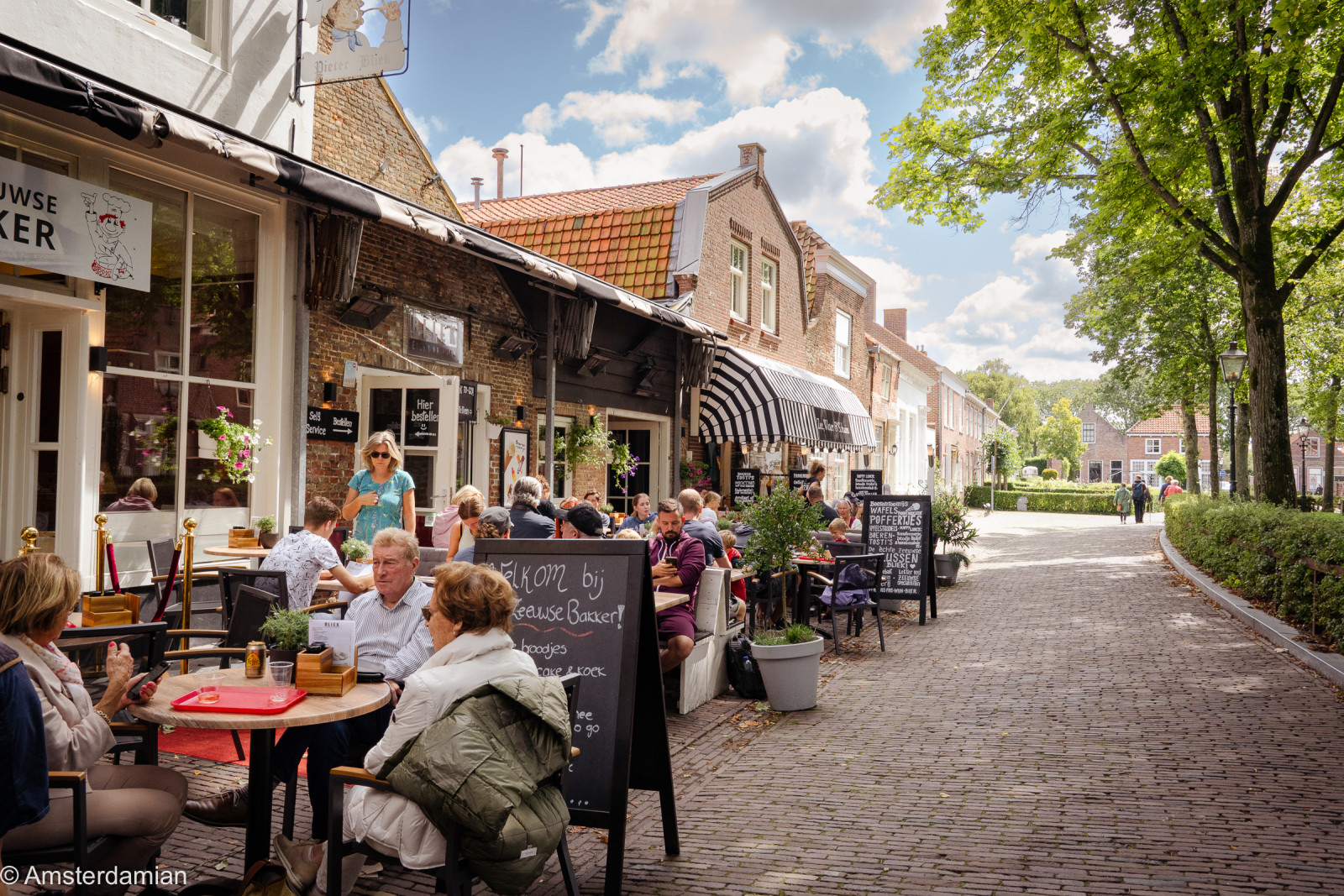
During my visit to the beautiful province of Zeeland, I was excited to make a stop in Veere, a charming little town with a surprisingly rich history and plenty of beautiful corners. The first thing I noticed when we arrived was the forest of ship masts rising above the harbour. And then, the town unfolded in front of us, with narrow streets and cosy restaurants and a very tall church. If you look at Veere from the lake, you can imagine how it must have looked like in its glory days: a cluster of houses with orange-tiled roofs, the church towering above them, and the harbour reaching deep into the town.
Veere doesn’t look like a place that ever ruled anything. Around 1,500 people live here now, on the edge of a lake in Walcheren, surrounded by old houses and a harbour that gives the town much of its charm. But look closer and the town stops making sense: a church the size of a cathedral, a town hall fit for a city ten times larger, merchant houses named after ships and elephants. Veere is dressed in clothes several sizes too big, because once, they fitted. In the 15th and 16th centuries, Veere was an important trading port, growing wealthy from its connections to Scotland and the ships that passed through its harbour.
A short history
The name Veere means “ferry”. It all started with a ferry and ferry house established on this spot in 1281 by Wolfert I van Borselen. Veere received city rights in 1355, and it was an important city by the standards of the times.
In 1444, Wolfert VI van Borssele, Lord of Veere, married Mary Stewart, daughter of King James I of Scotland, and their wedding took place in the Grote Kerk in Veere. The marriage strengthened Veere’s already growing trading relationship with Scotland, and Scottish merchants began settling in the town. A few decades later, Veere received another remarkable promotion. In 1488, Maximilian of Austria established a central Admiralty for the Netherlands, with its council based in Veere. The town became an important naval base and the seat of the admiralty, giving Veere a good claim to being one of the cradles of the Dutch navy.
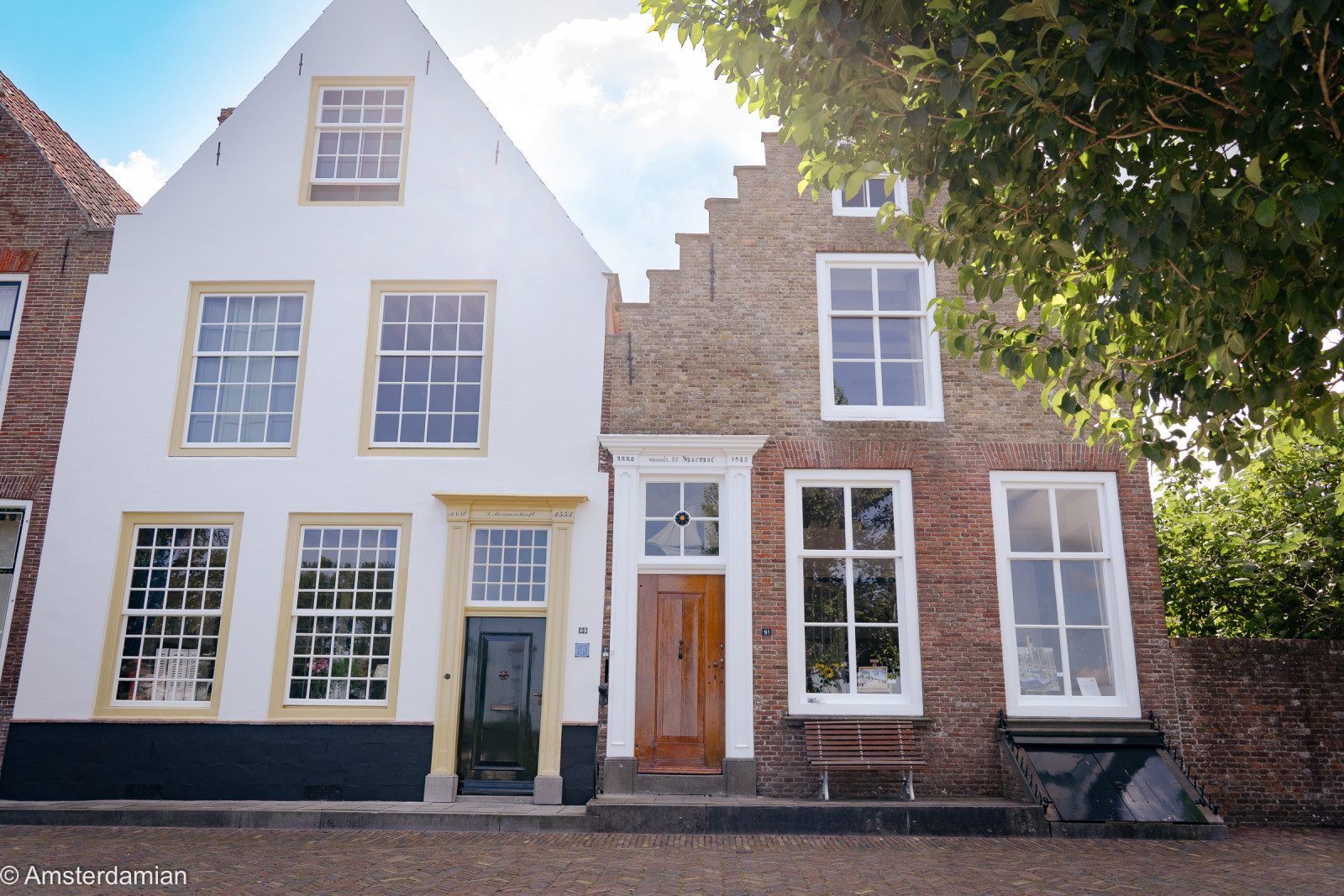
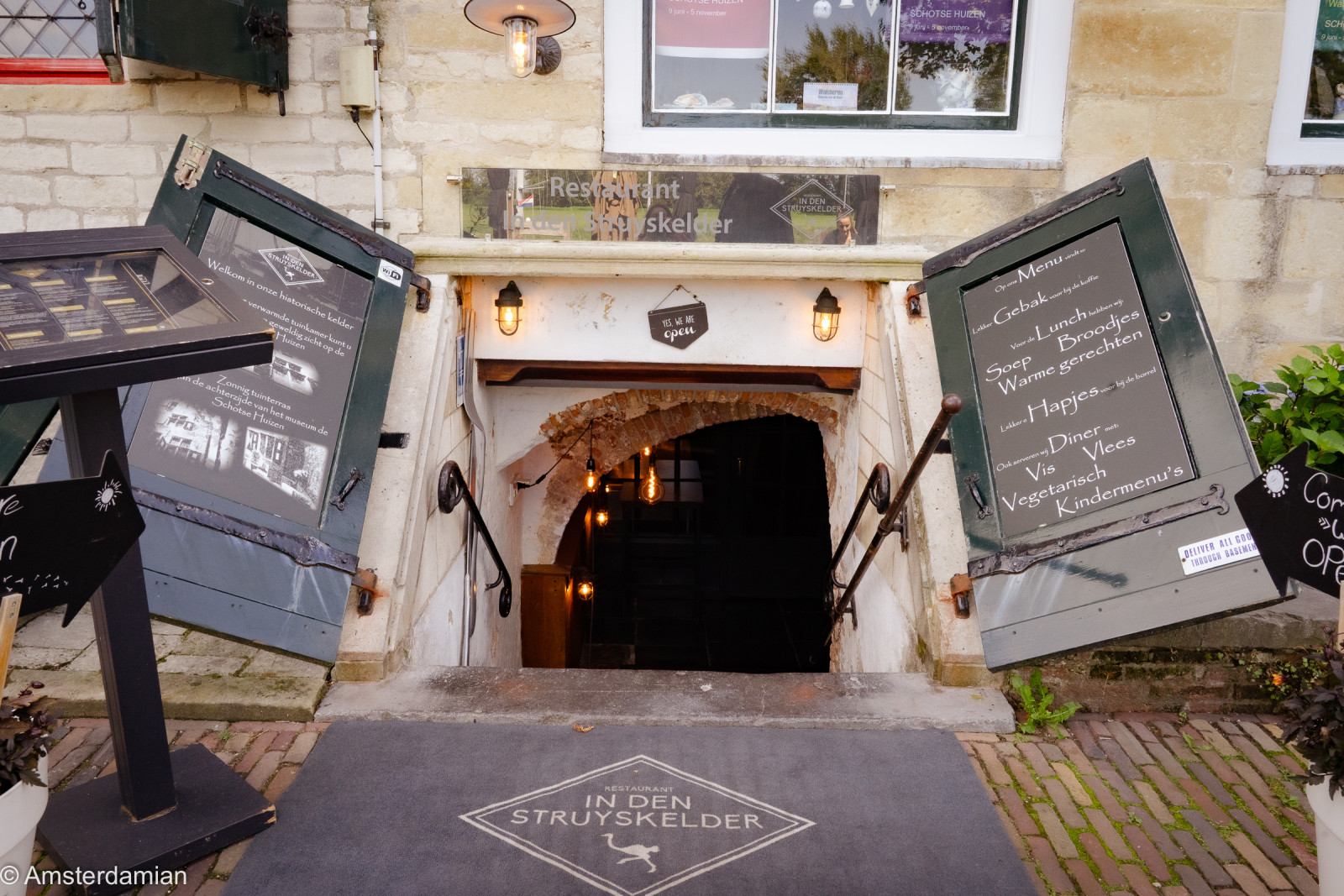
The golden stroke came in 1541, when Veere became the official staple port for Scottish goods in the Netherlands, with wool by far the most important product. This gave the town a powerful trading monopoly and helped fuel its prosperity for centuries. Scottish merchants and their representatives settled in Veere, bringing their families, businesses and their own institutions with them. Two of their houses still stand side by side on the Kaai: Het Lammeken and De Struys, known together as the Schotse Huizen, or Scottish Houses.
A last trace of the grandeur survives in an unexpected place: the reigning Dutch monarch still carries, among many older titles, that of Marquis of Veere.
The sea taken away
The title survived, but Veere’s fortunes eventually changed. Its trading privileges became less important during the 18th century and were finally abolished during the Napoleonic period. Then came an even bigger change: the access to the sea was closed.
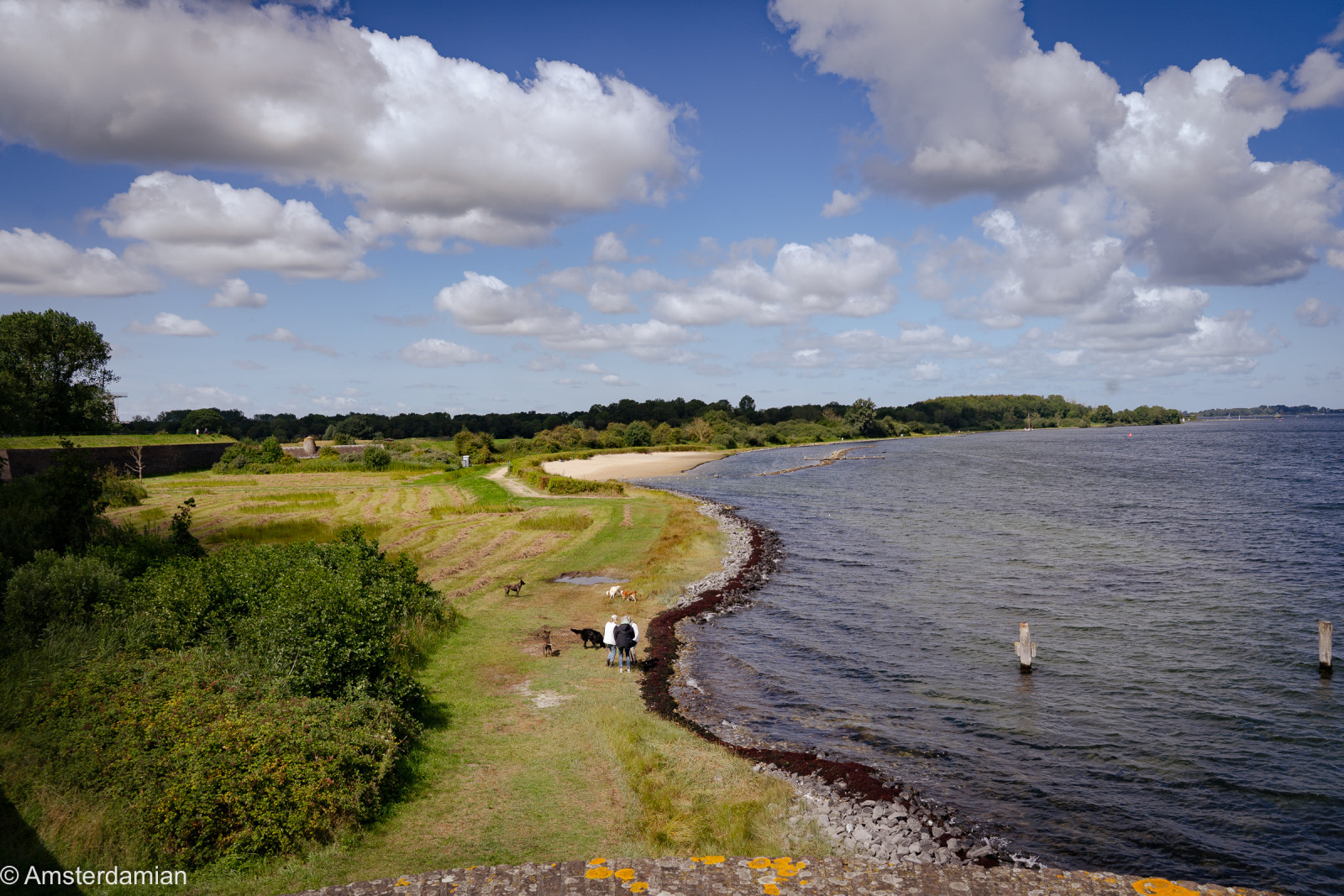
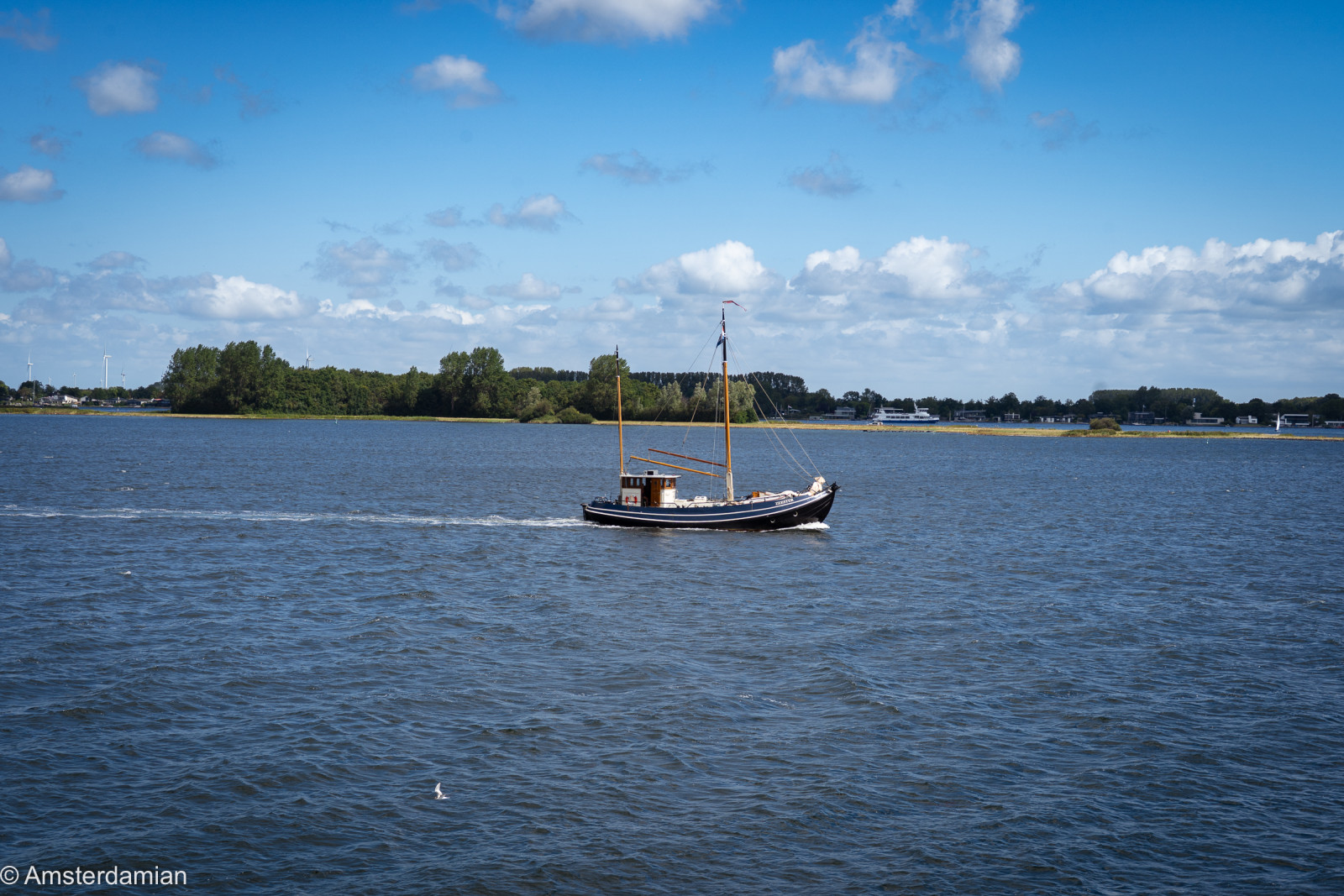
After the devastating floods of 1953, the Netherlands built the Delta Works, and in 1961 the Veerse Gatdam closed off the sea from Veere. The fishing fleet was moved to another location and the saltwater Veerse Gat became the freshwater Veerse Meer. The former seaport was suddenly sitting on a lake.
It could have been the final chapter in Veere’s story, but instead this lake gave the town a new life. The Veerse Meer became a popular sailing destination, and the town preserves much of its historic centre. Today, Veere is a quiet little town known for its beauty, peaceful atmosphere and opportunities for water sports. For me, it’s one of the most beautiful towns I’ve visited in the Netherlands and definitely worth a visit (or more).
Things to do in Veere
⏺ Wander around the town
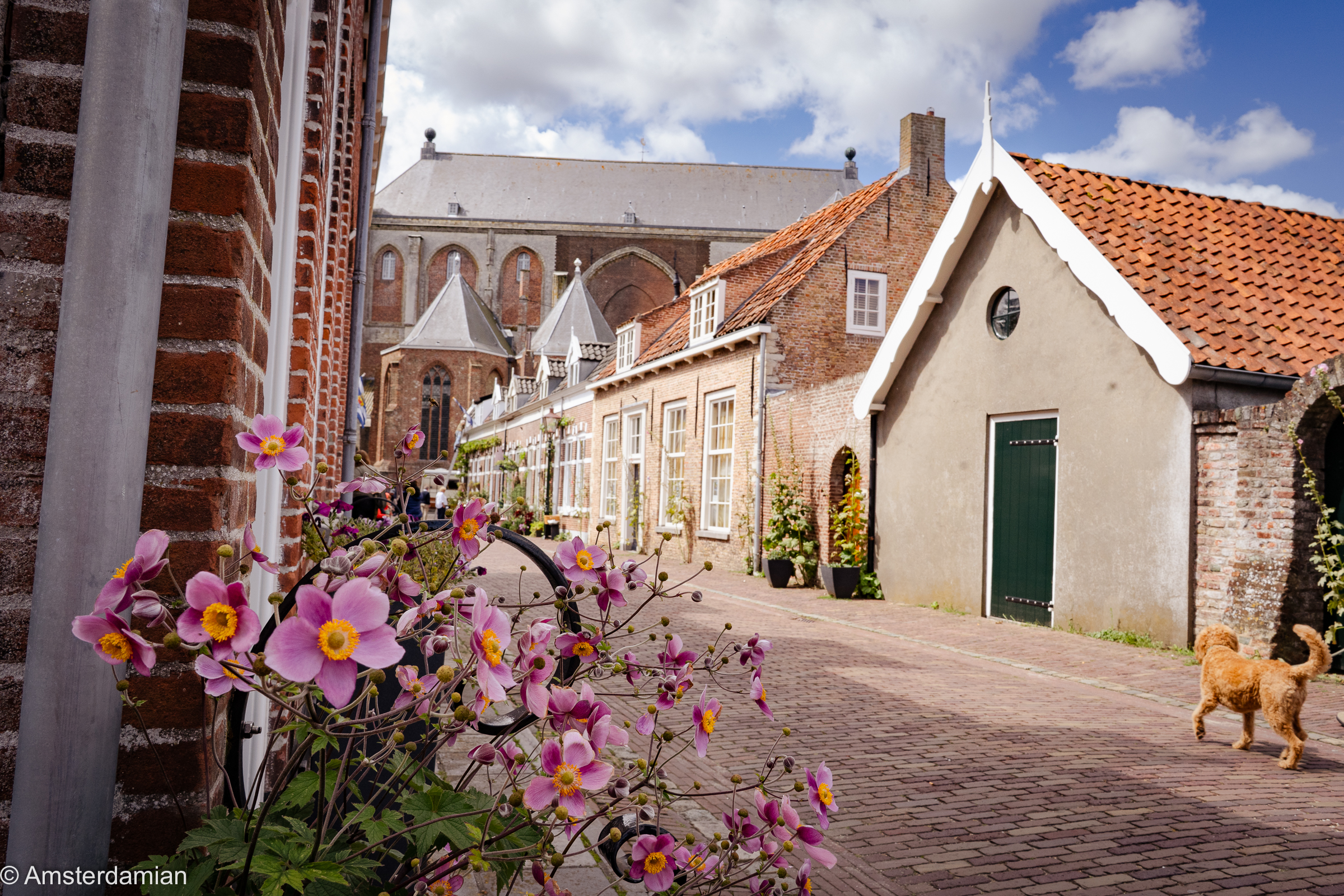
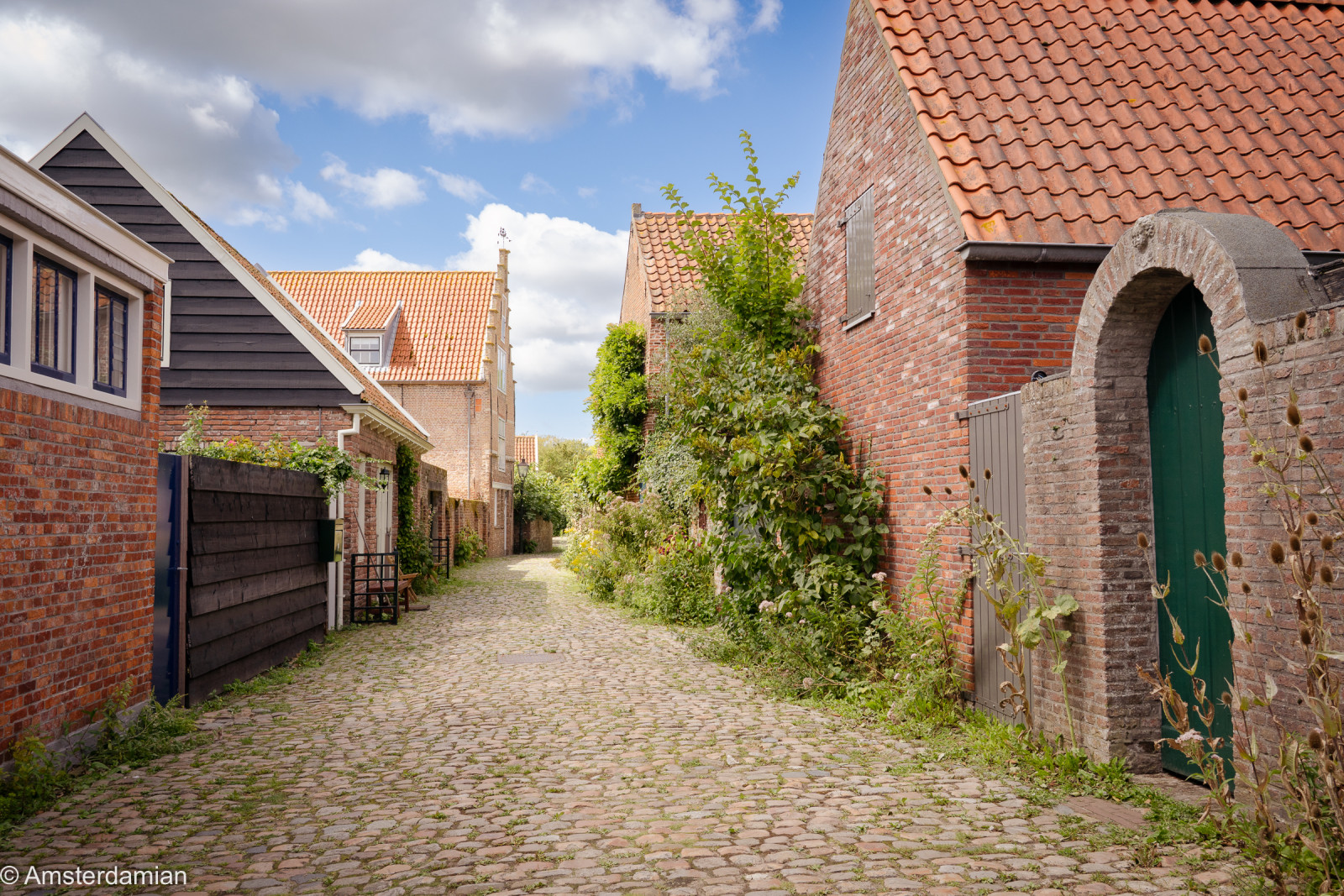
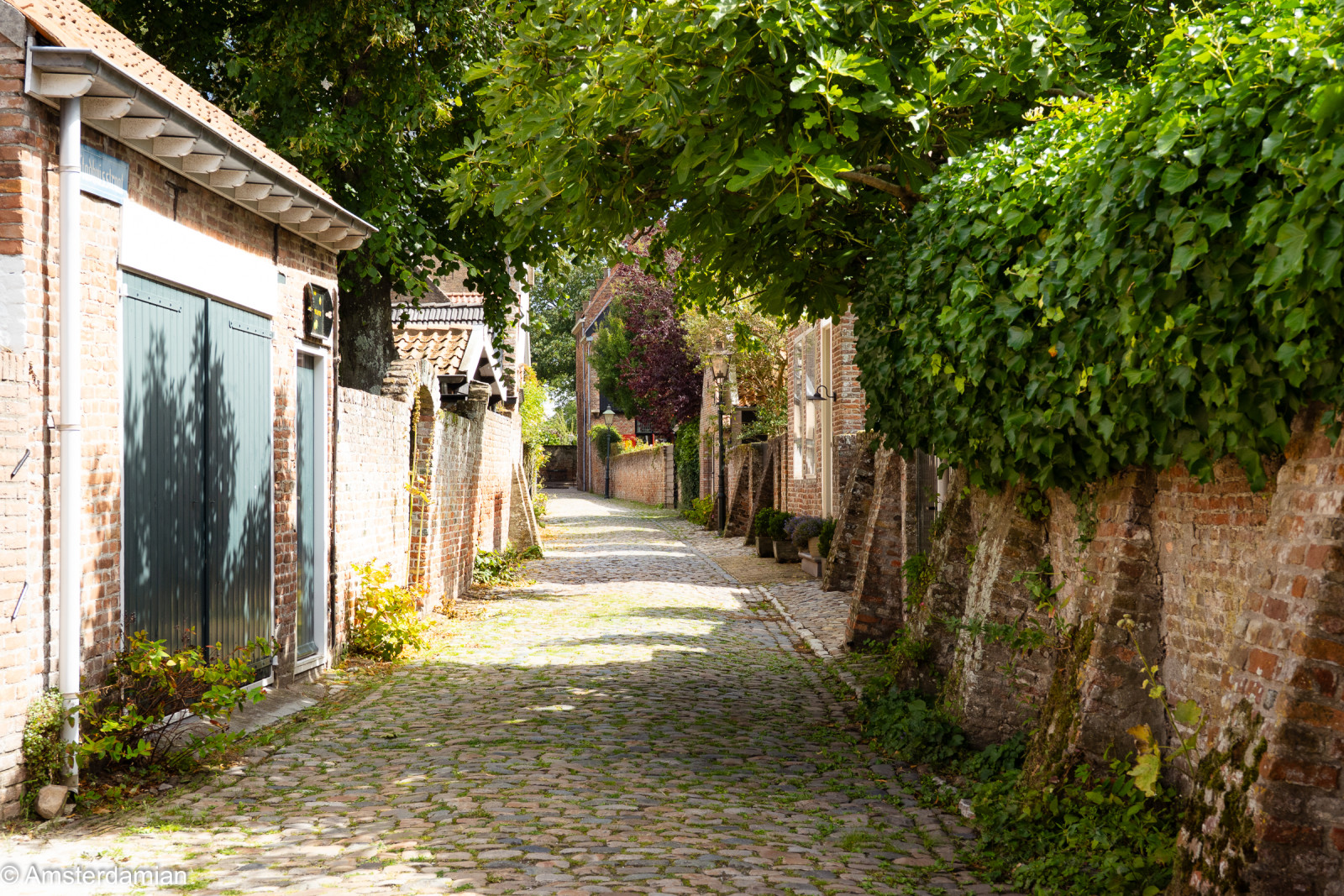
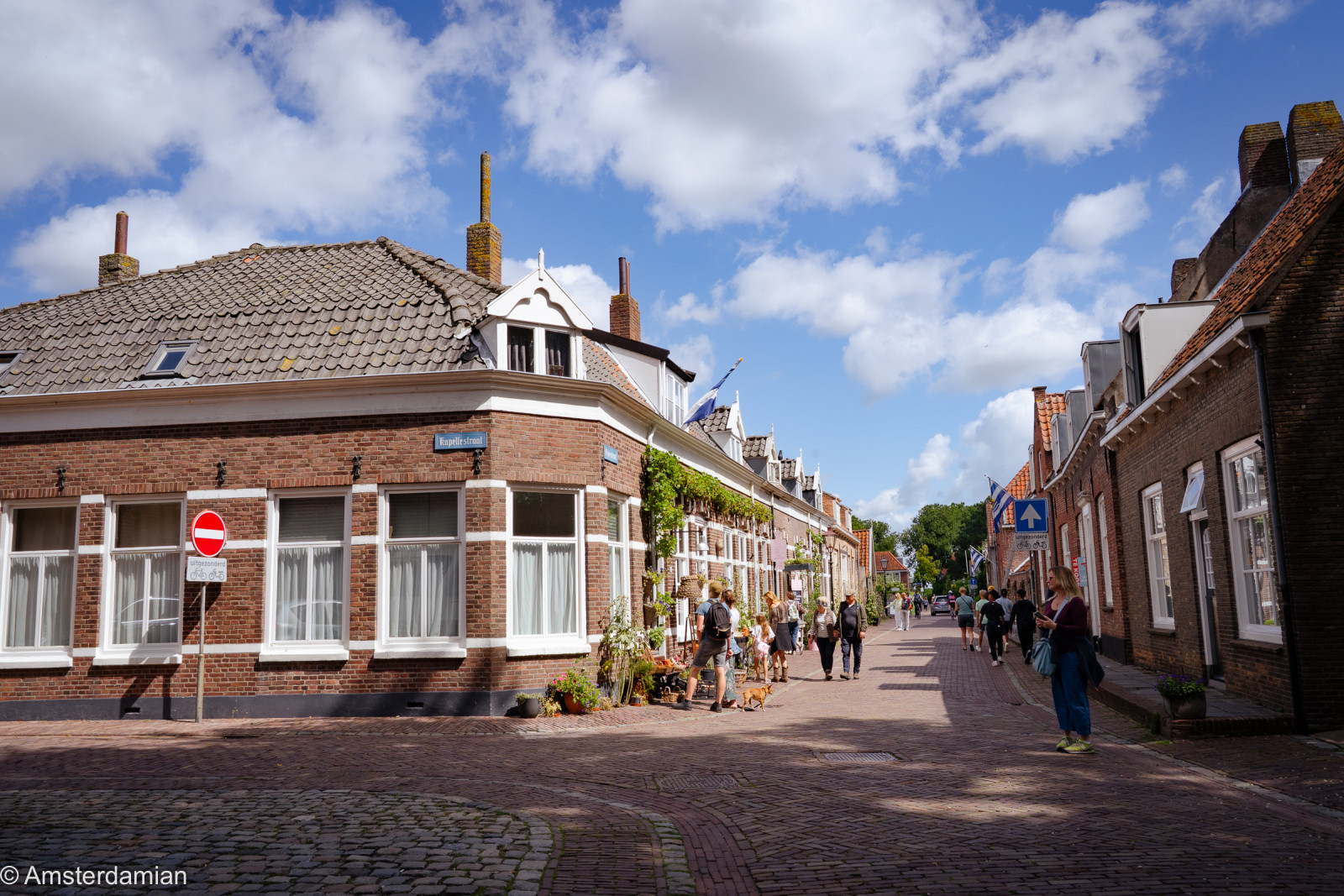
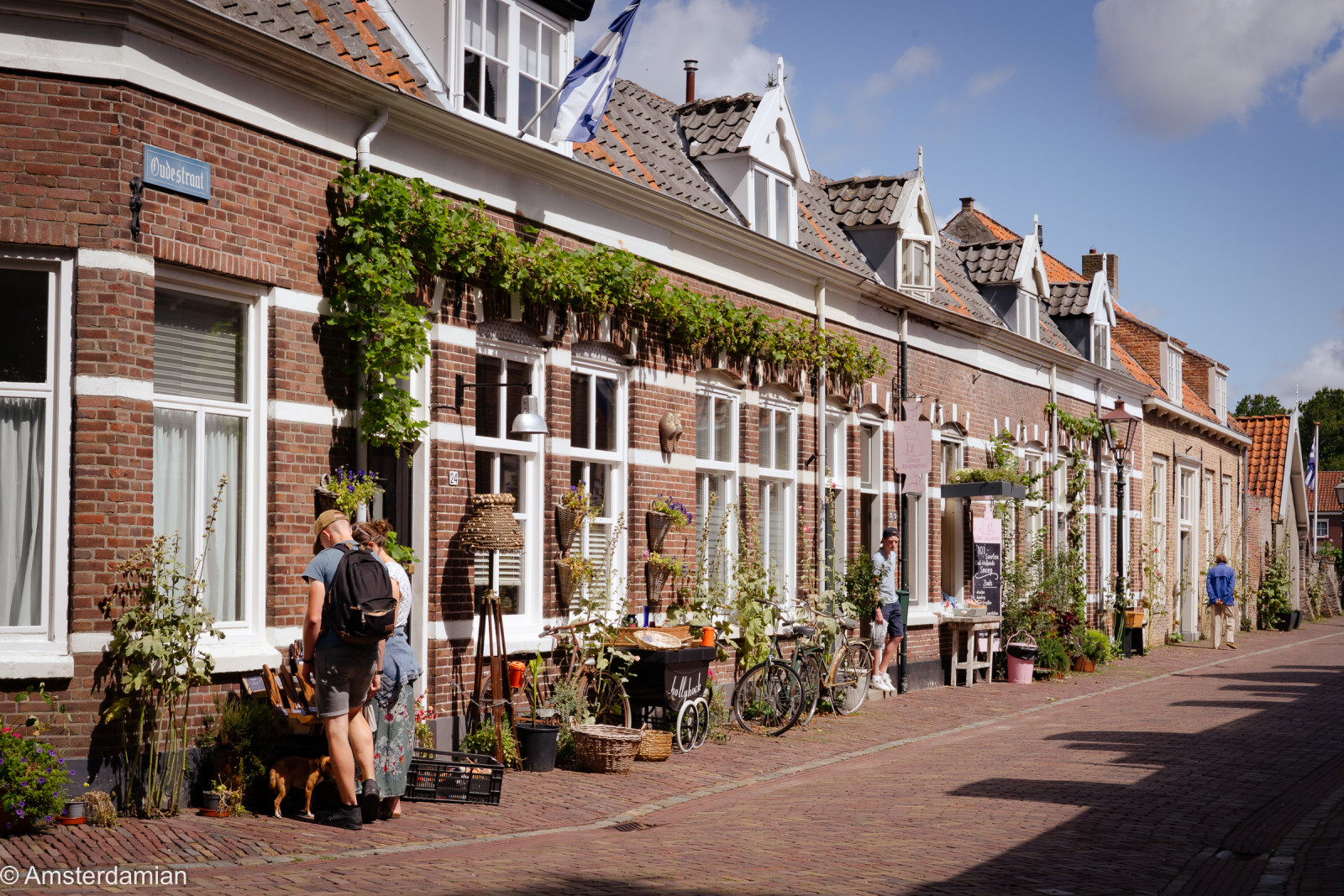
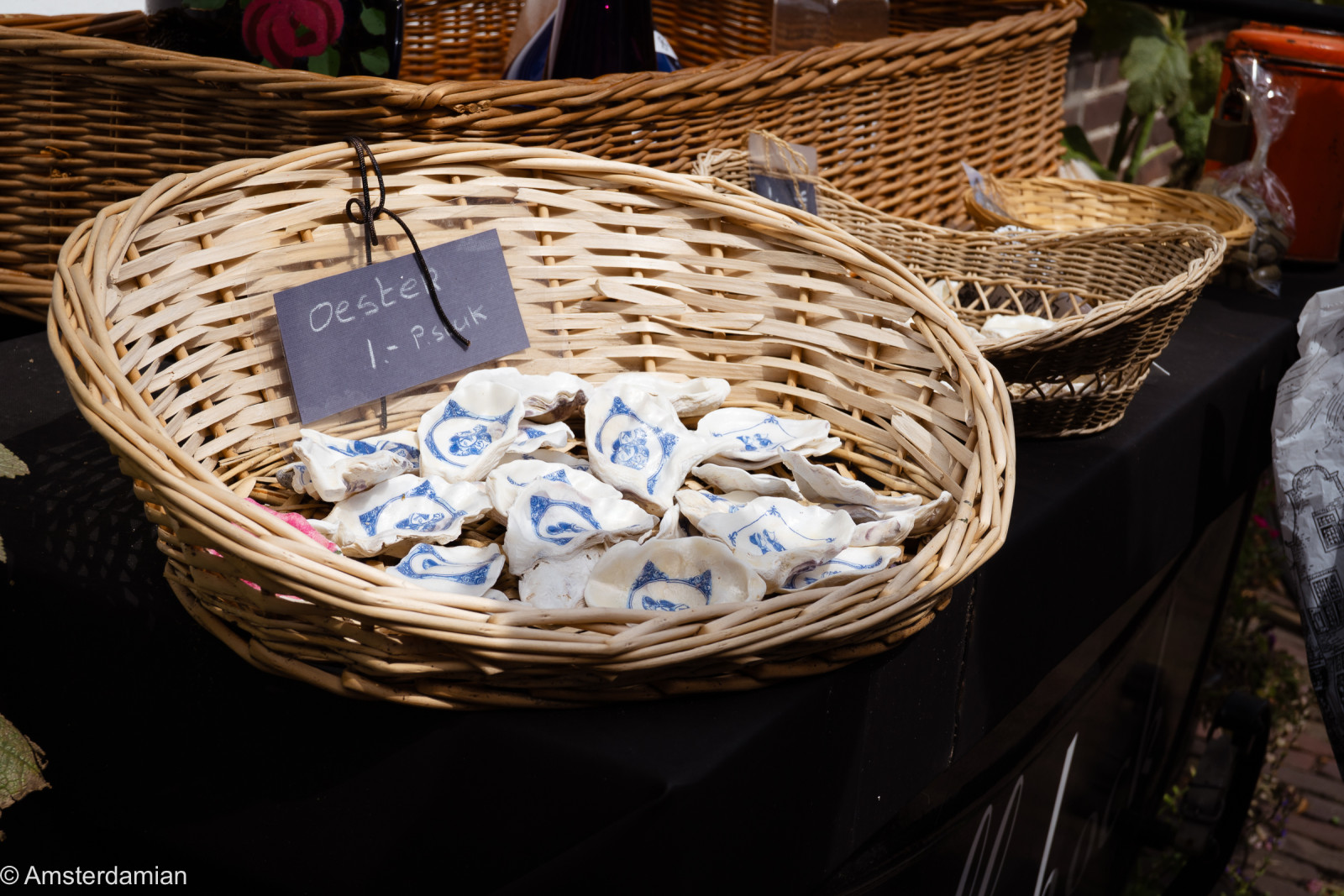
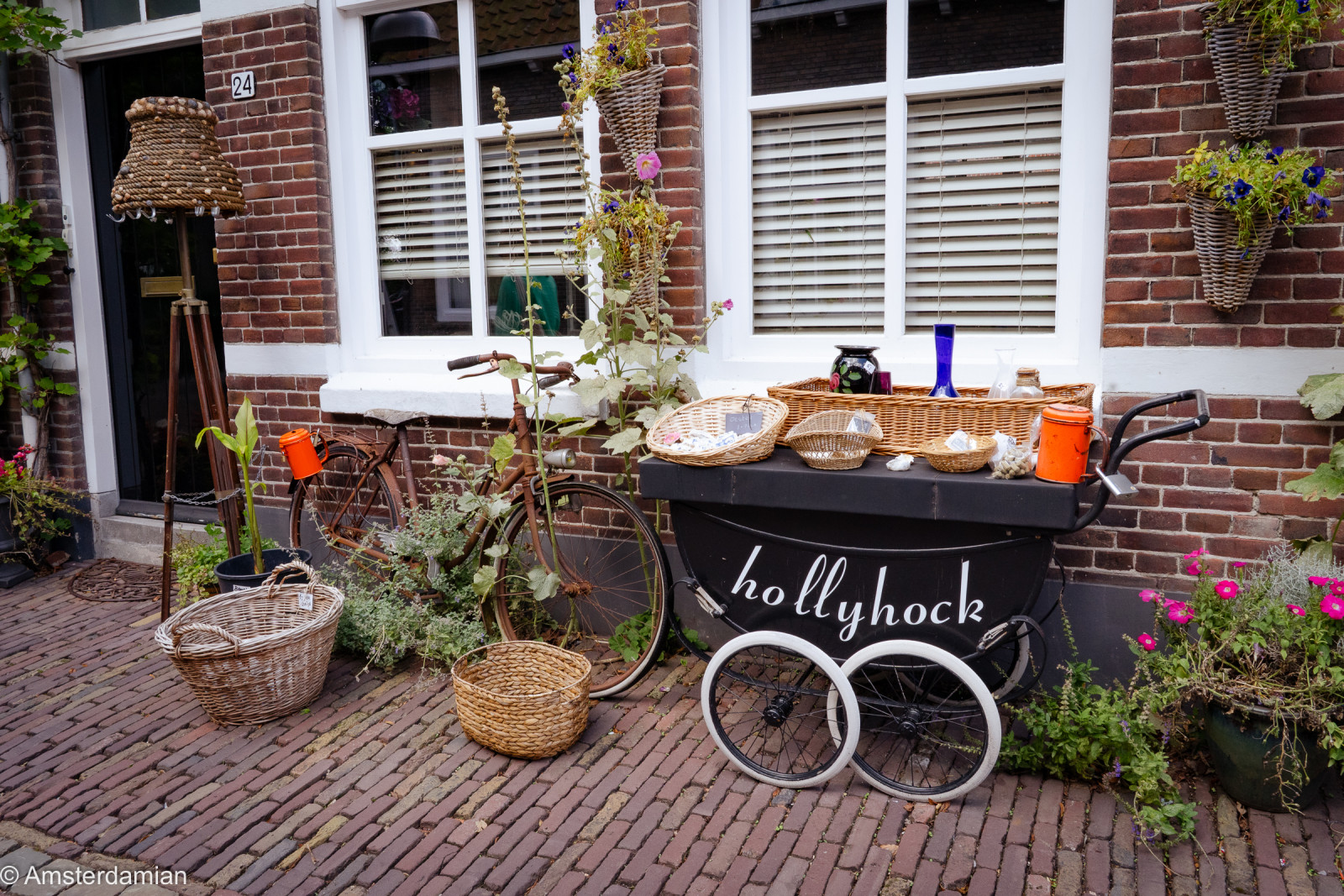
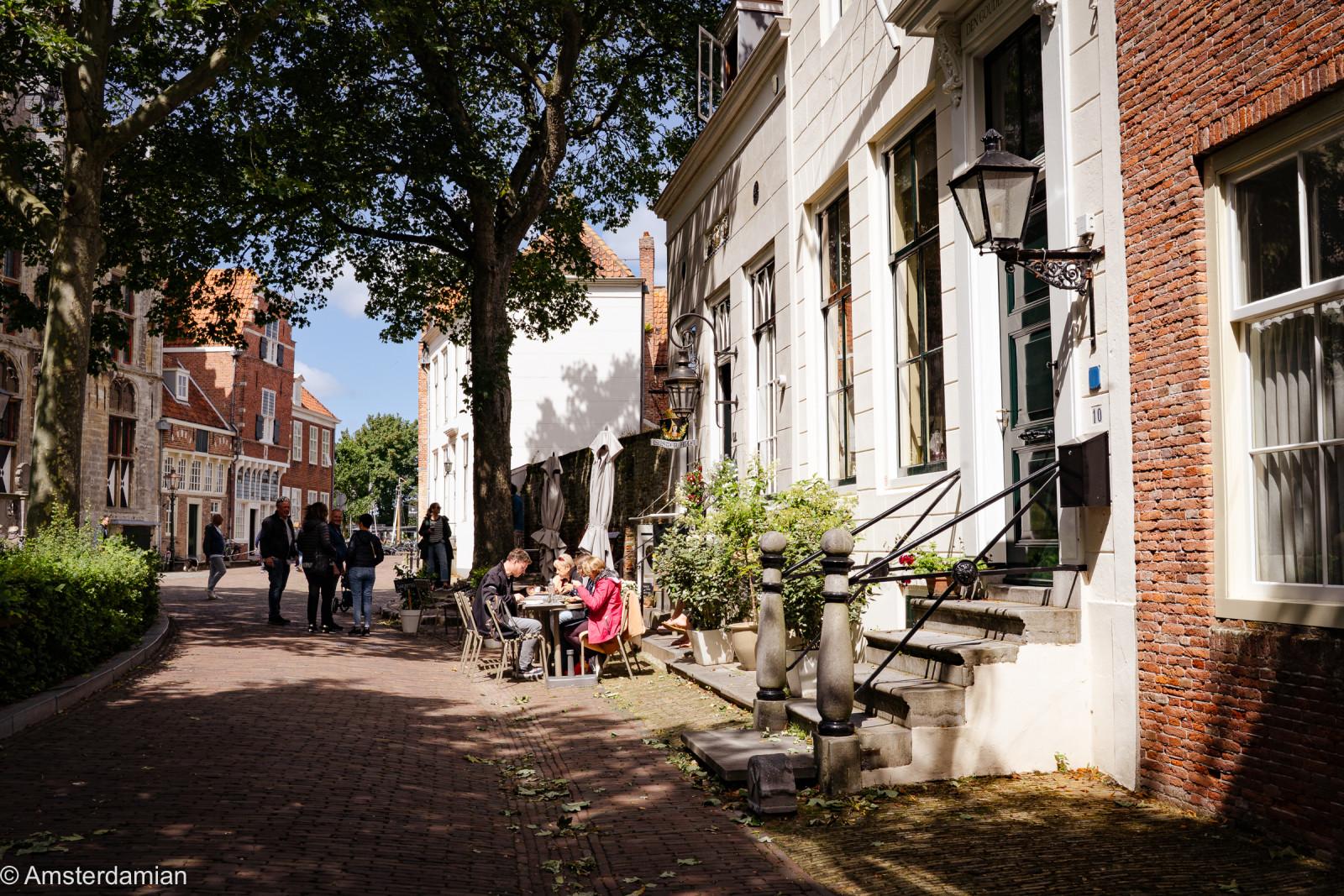
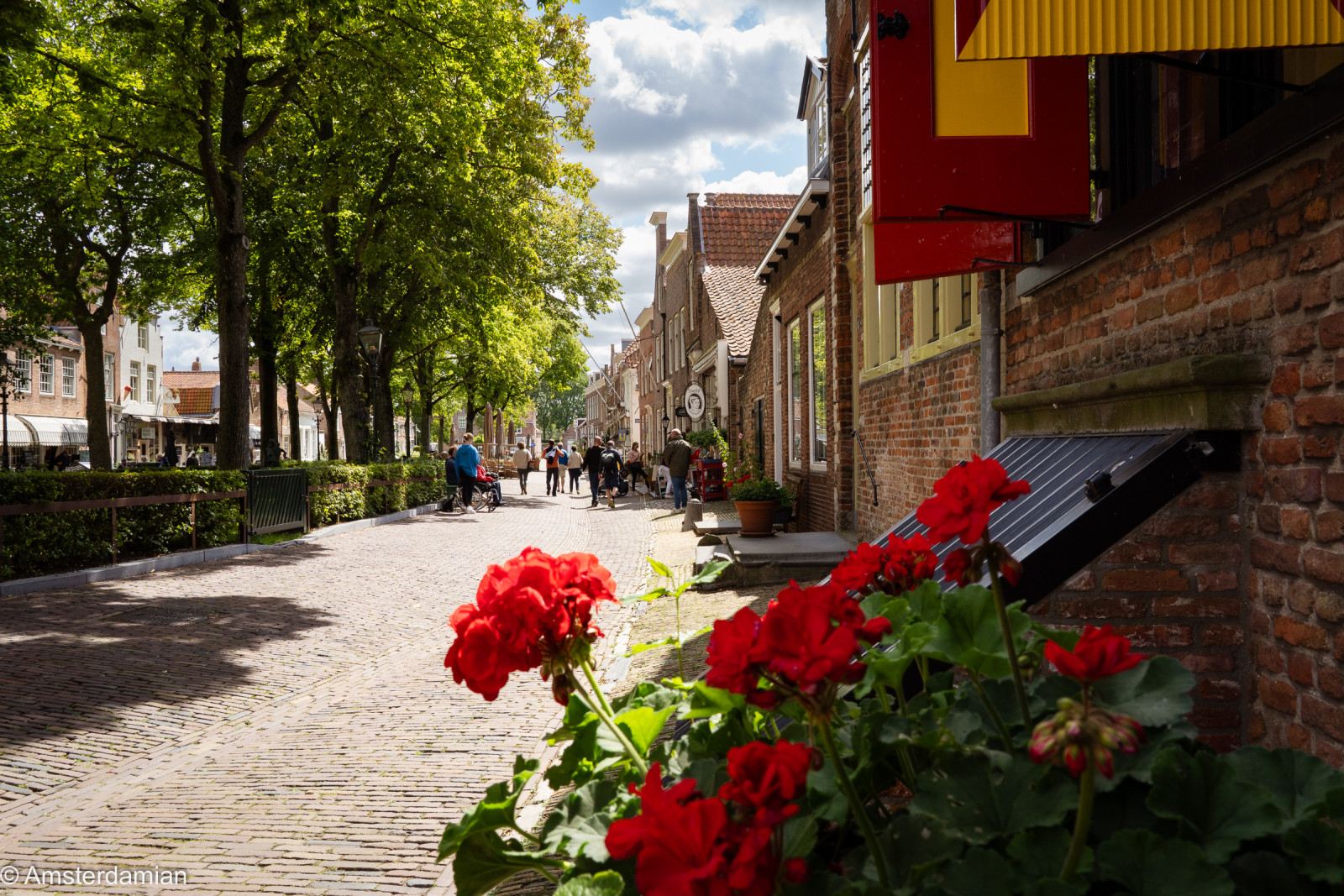
The best thing to do in such a small and picturesque town is to wander around aimlessly. The streets will guide you to the best spots. I went to Veere without a “must see” list and I loved discovering places by chance. Because it’s so small, it’s impossible to miss all the important landmarks. We only had a few hours there but we were not rushed. It was a warm summer day and we strolled the streets, finding important buildings but also little surprises like fruit baskets placed in front of houses, and painted oysters that you could buy and leave money in a box.
⏺ Grote Kerk and De Cisterne
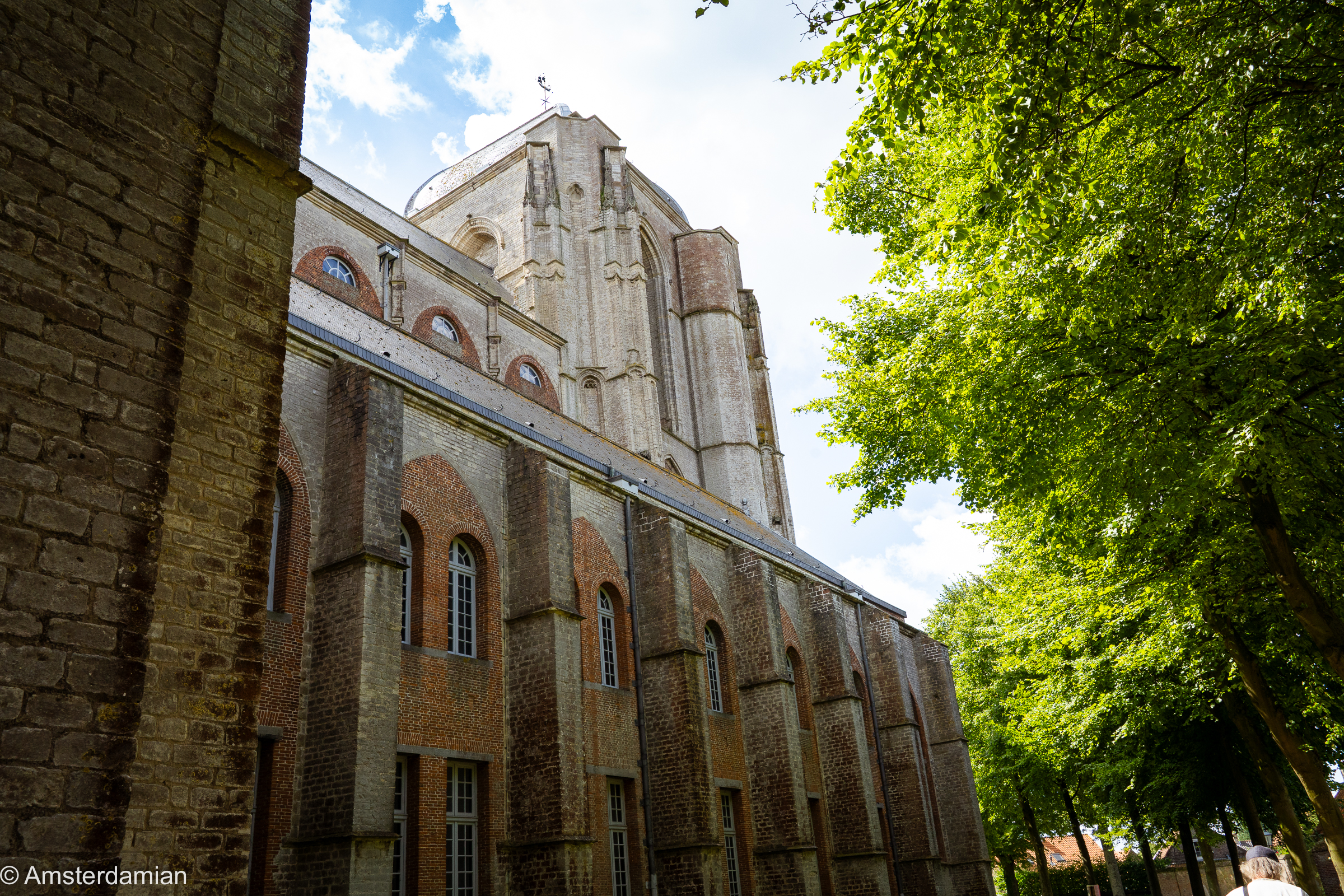
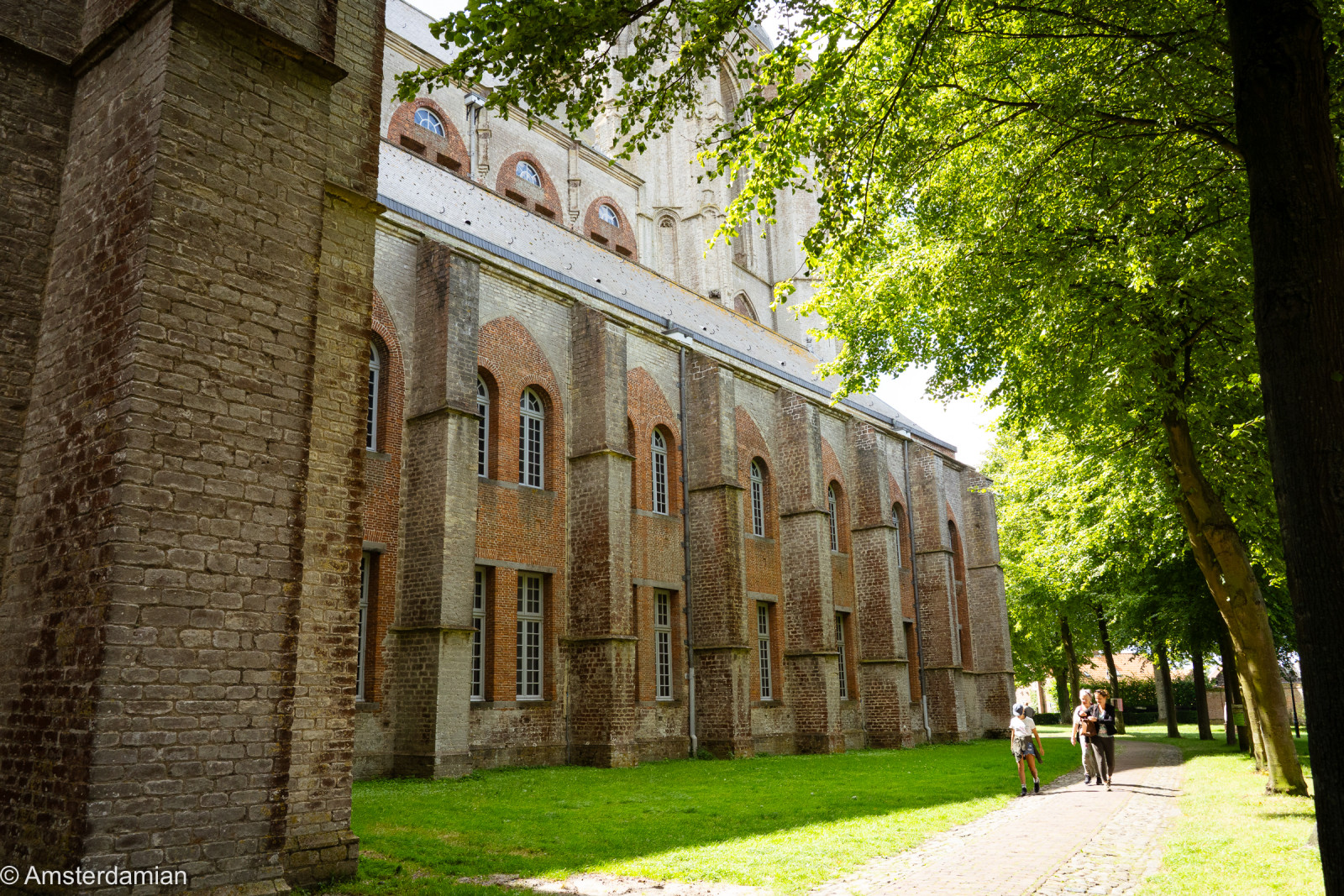
Construction of the Grote Kerk began in the 14th century, when Veere was much more prosperous and had ambitions that the town would eventually outgrow. Over the centuries, the church went through several changes and was even used as a military hospital by Napoleon’s troops. Today, it is a cultural venue with exhibitions and an audio tour about the building’s history. You can also climb the tower for a great view over Veere, the lake and much of Walcheren.
There is a weird legend connected to this church: Gries, the church’s mummified cat. It was found inside a wall during renovations in 1958, and it’s around 500 years old. The legend says it was deliberately placed in the wall as a medieval building sacrifice, intended to protect the church from evil. But how Gries died and why the cat ended up inside the wall remain a mystery. Today, you can meet Gries as part of the Grote Kerk experience.
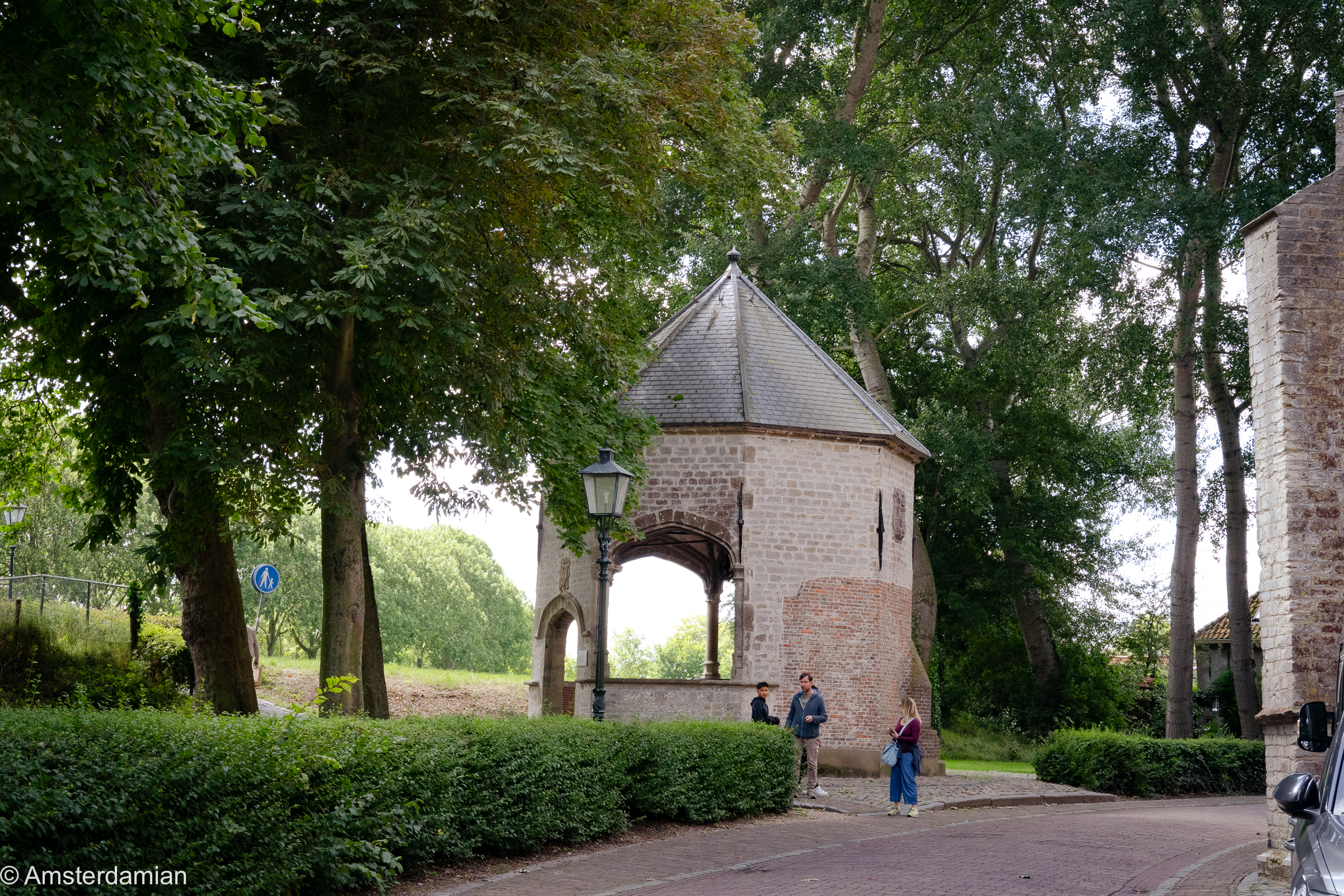
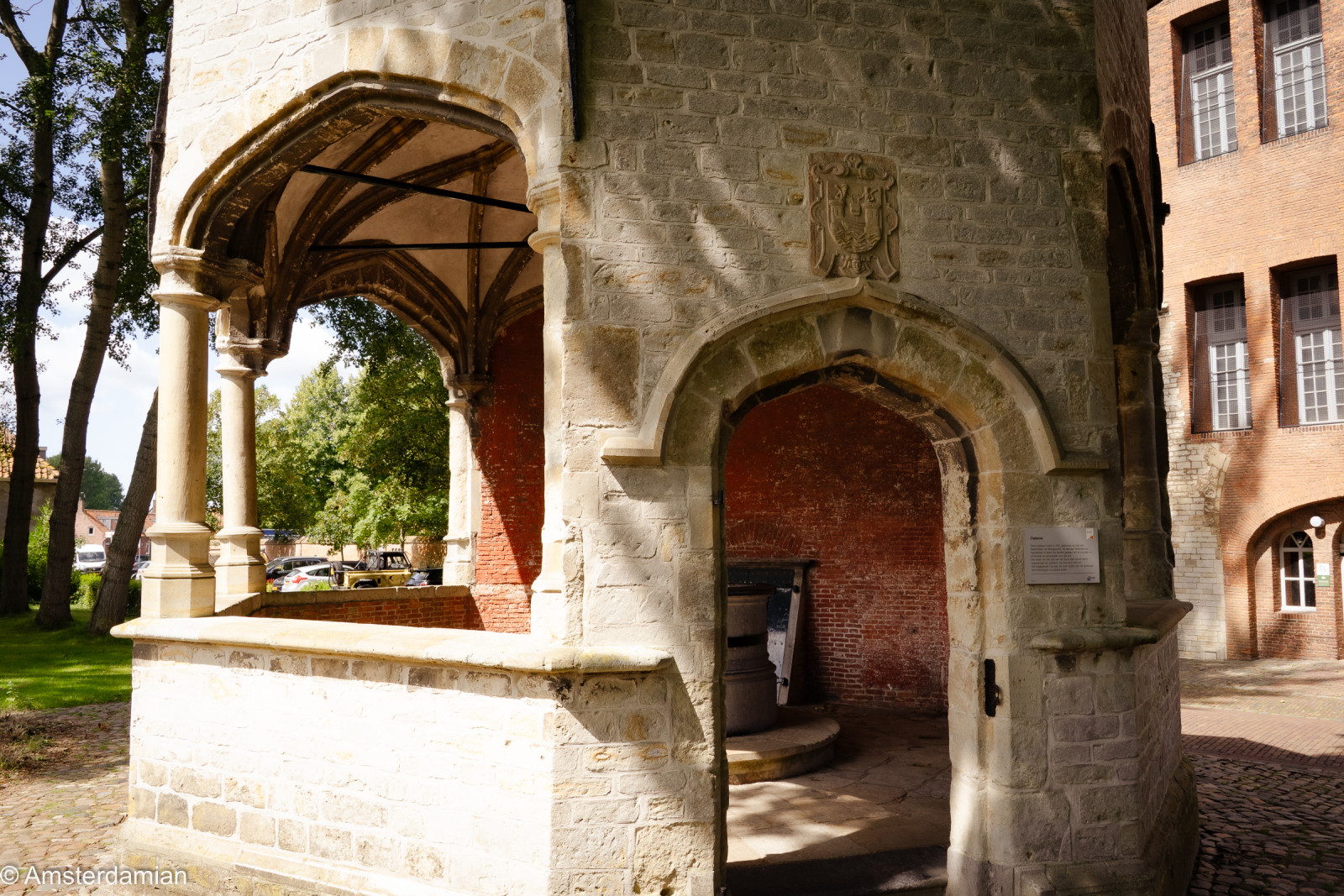
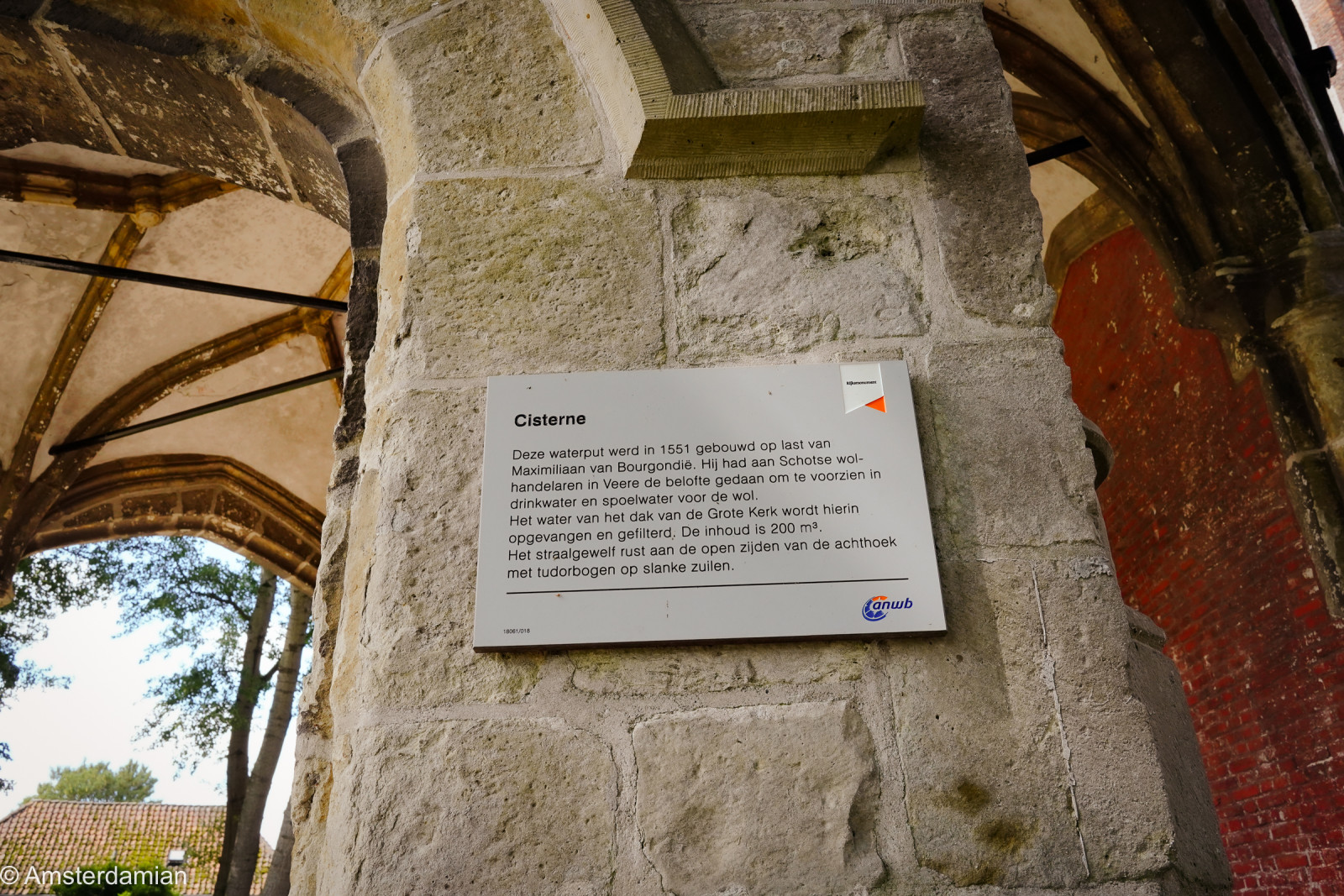
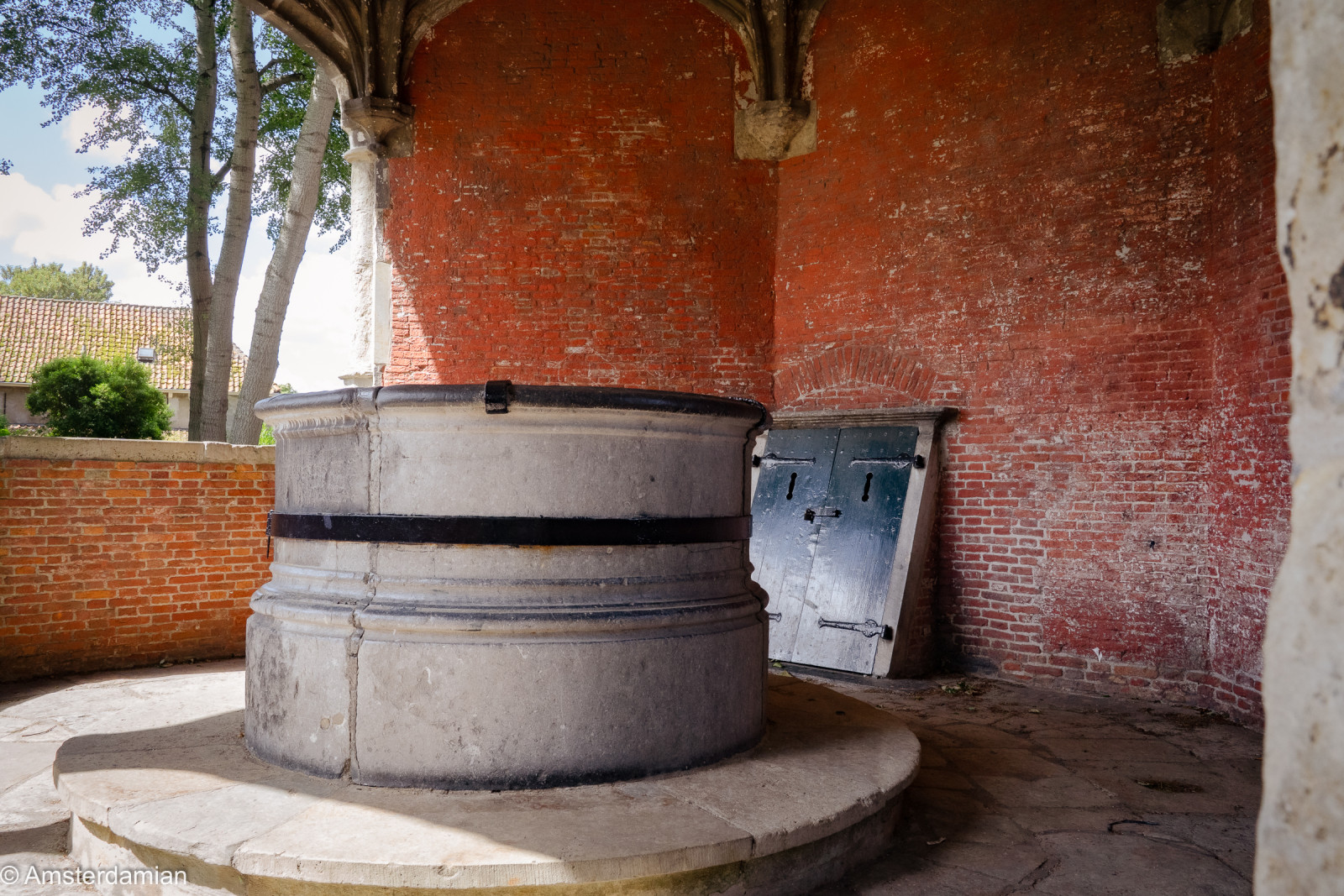
Next to the church stands De Cisterne (the Cistern), a small building with a pointed roof. Built in 1551, it was originally used by the Scottish merchants to wash their wool. But its role didn’t end there: the Cistern continued to supply Veere with drinking water for almost four centuries, until the town was finally connected to the water mains in 1938.
⏺ The Stadhuis
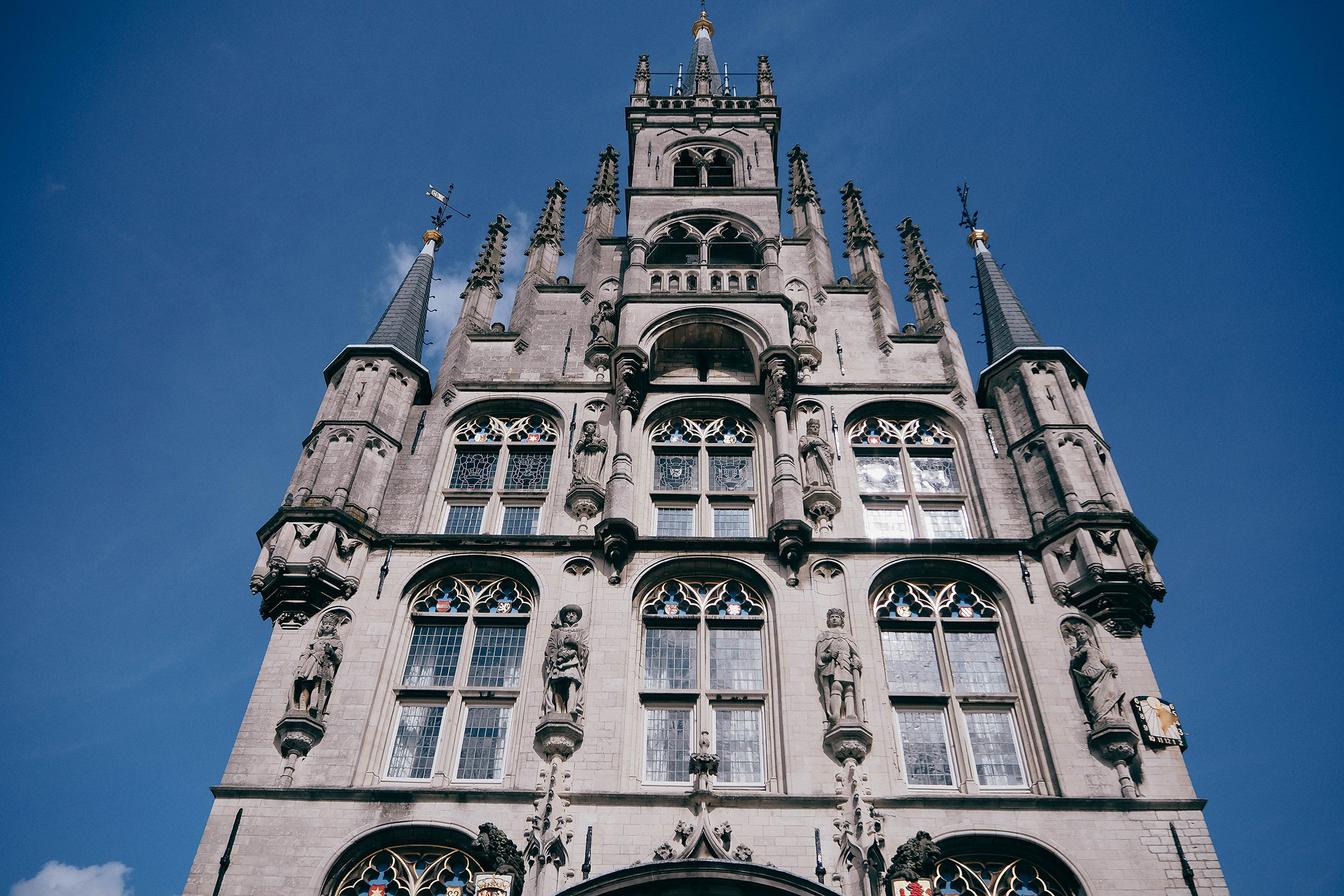
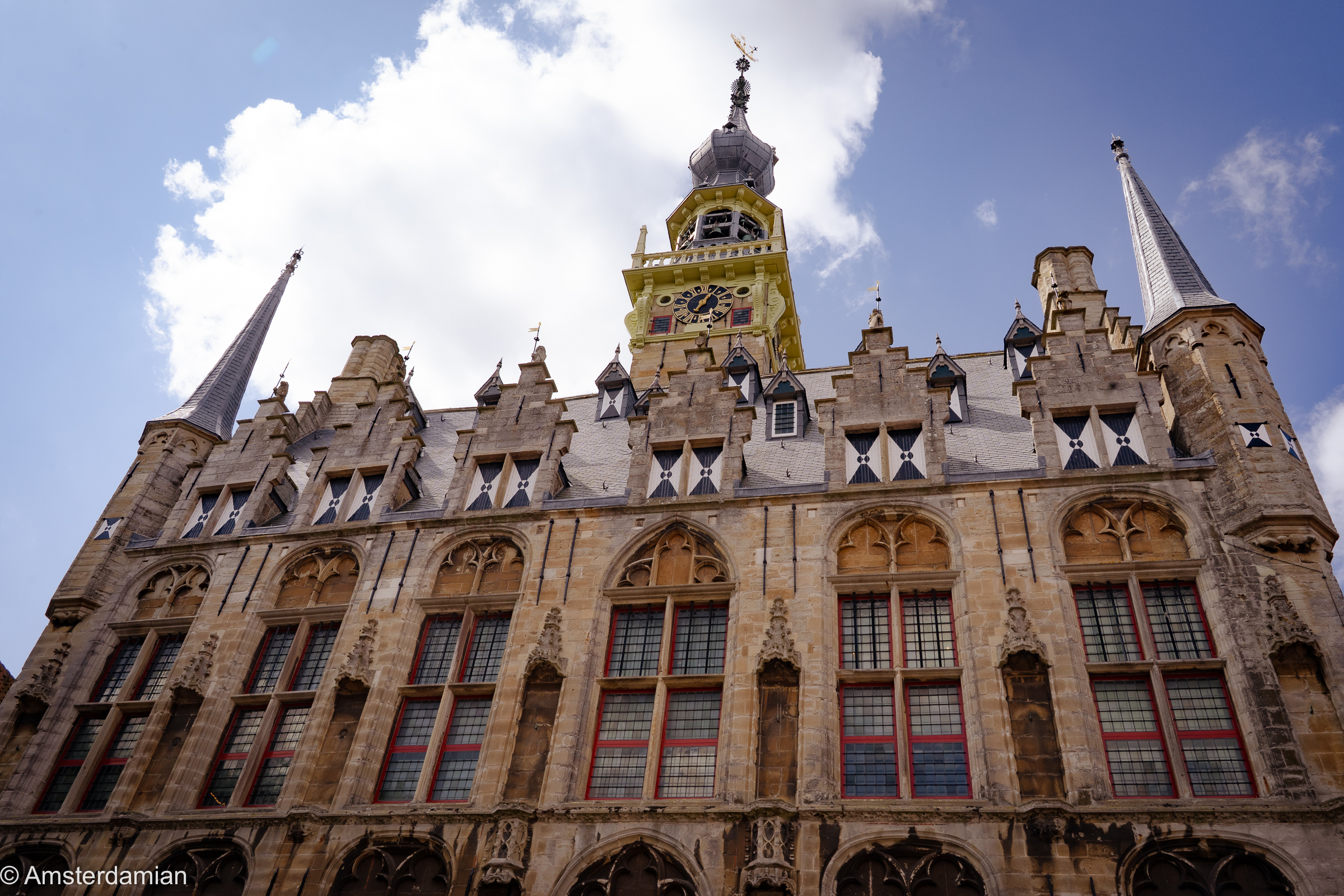
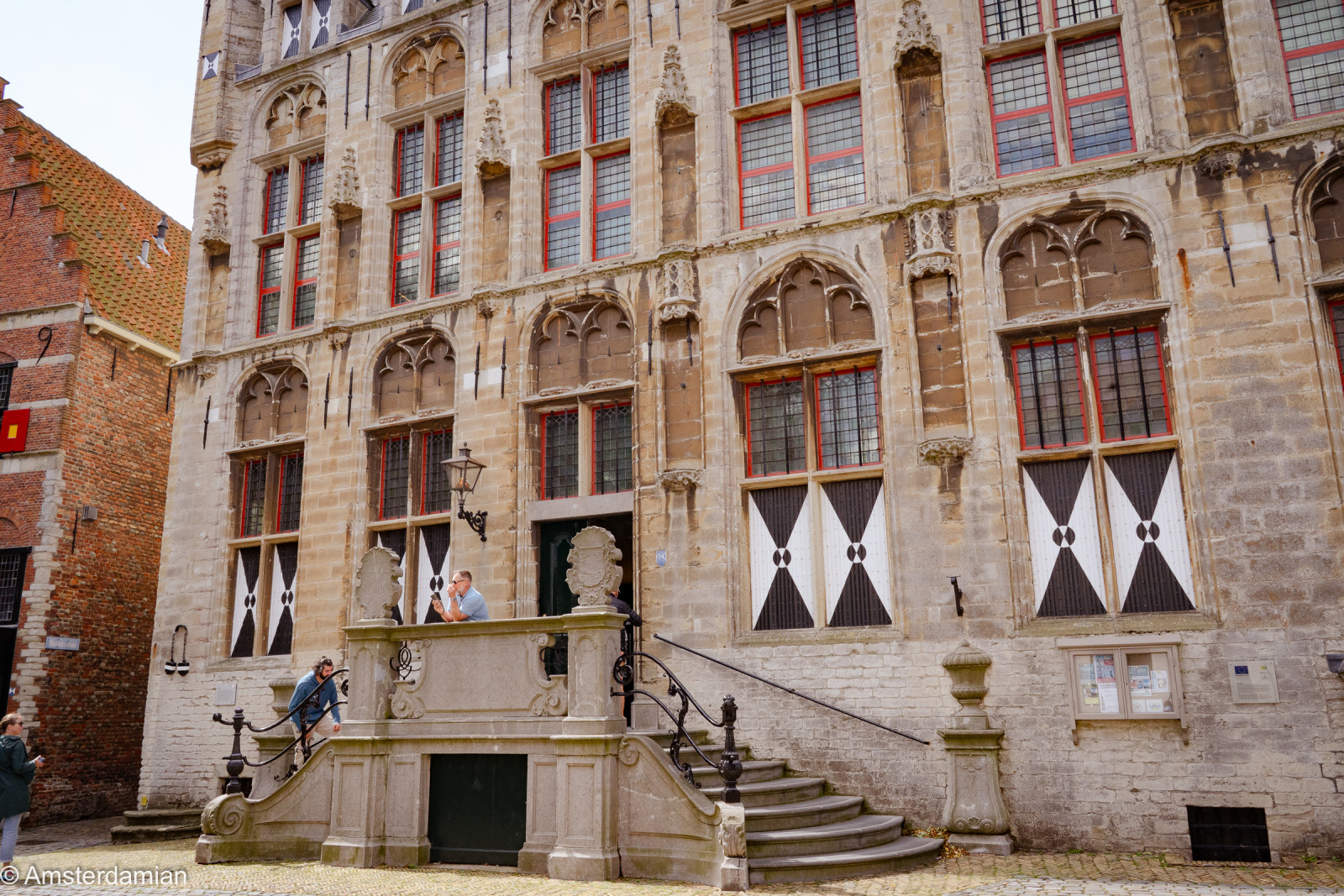
Veere’s town hall, built between 1474 and 1517, is one of the finest in the Netherlands; it’s a Gothic jewel-box with statues on the façade and a carillon tower out of all proportion to the town at its feet. It’s part of Museum Veere, and among its treasures is the gilded cup presented by Maximilian of Burgundy, the marquis who brought the Scots to town. You will find a tourist information point here, which is very useful.
⏺ Museum Veere and the Schotse Huizen
Museum Veere is situated in two historic locations: the former town hall on the Markt and the Schotse Huizen on the Kaai. Together, they tell the story of Veere and its centuries of connections with Scotland, from the wool trade and Scottish merchants to the town’s prosperous past.
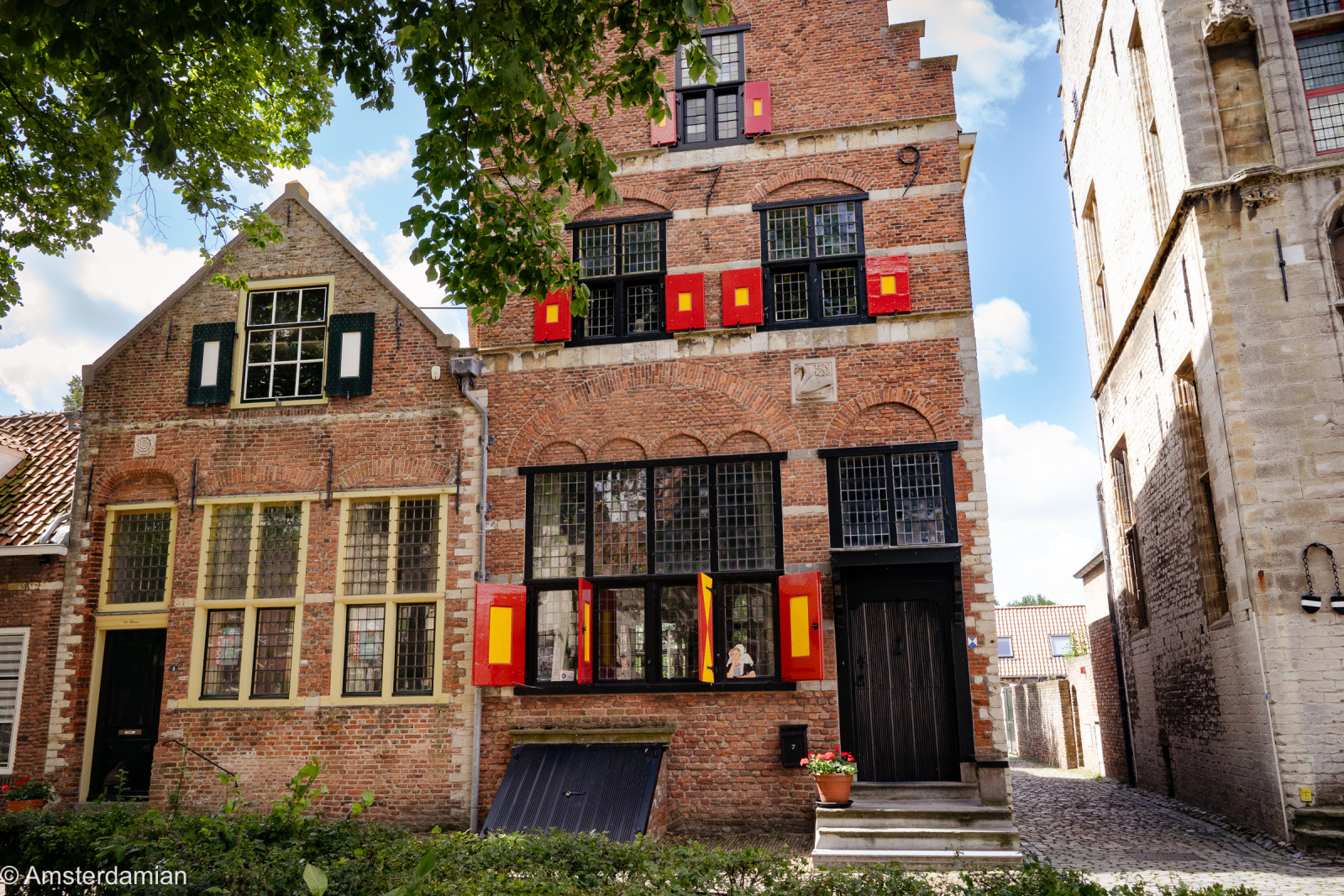
The Schotse Huizen themselves are worth a visit. The two 16th-century houses, Het Lammeken and De Struys, were built for Scottish merchants and still stand side by side overlooking the harbour. Inside, the museum has exhibitions about Veere’s history, art and the people who lived here. Het Lammeken also has a reconstructed Scottish merchants’ room, giving you an idea of how the wealthy traders who came to Veere lived.
The town hall is another highlight, with its impressive Gothic façade, historic interior and collection of portraits of Veere’s former lords and ladies. If you only have time for one museum in Veere, this is the one that brings the town’s surprisingly grand history together.
⏺ The harbour and the lanes
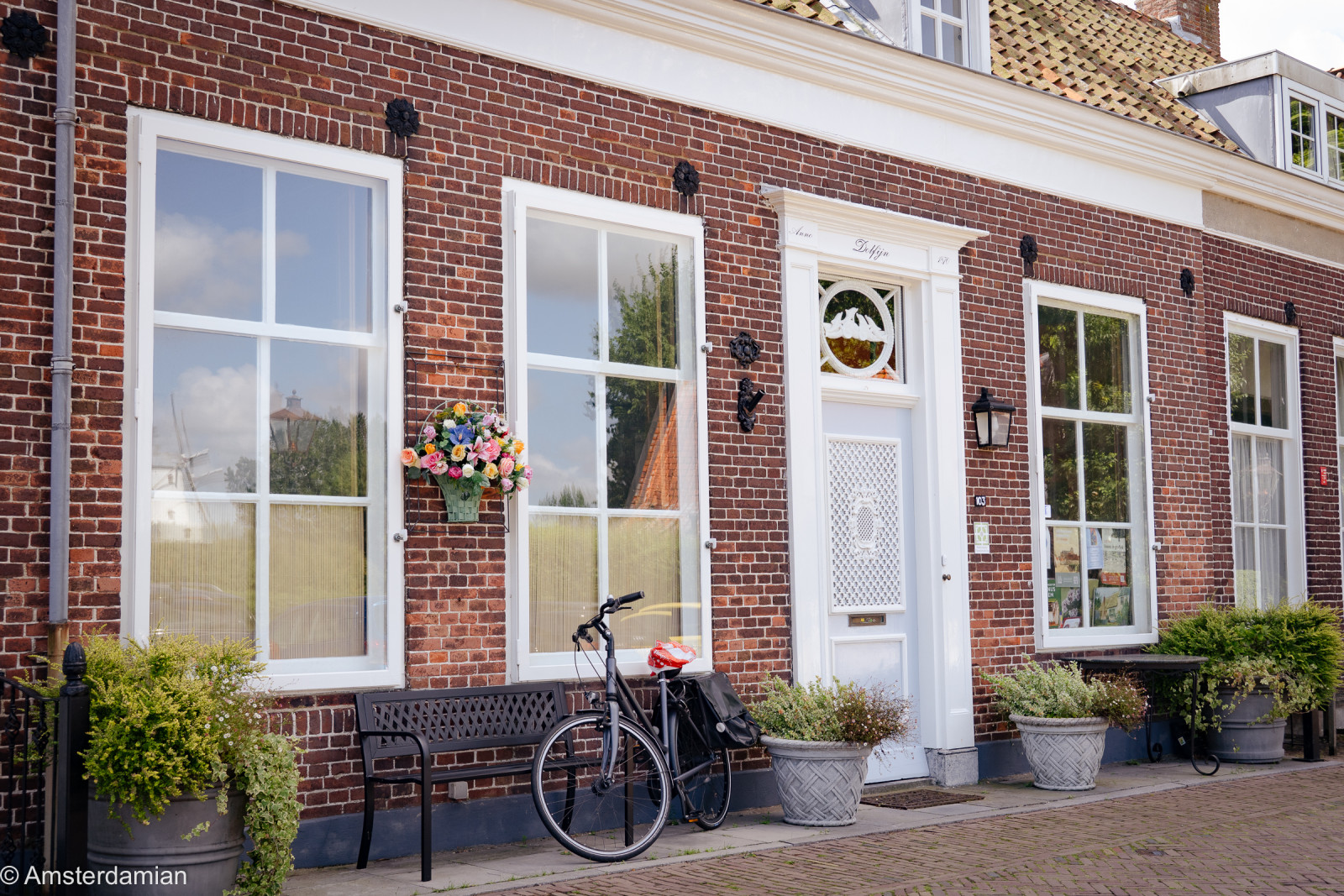
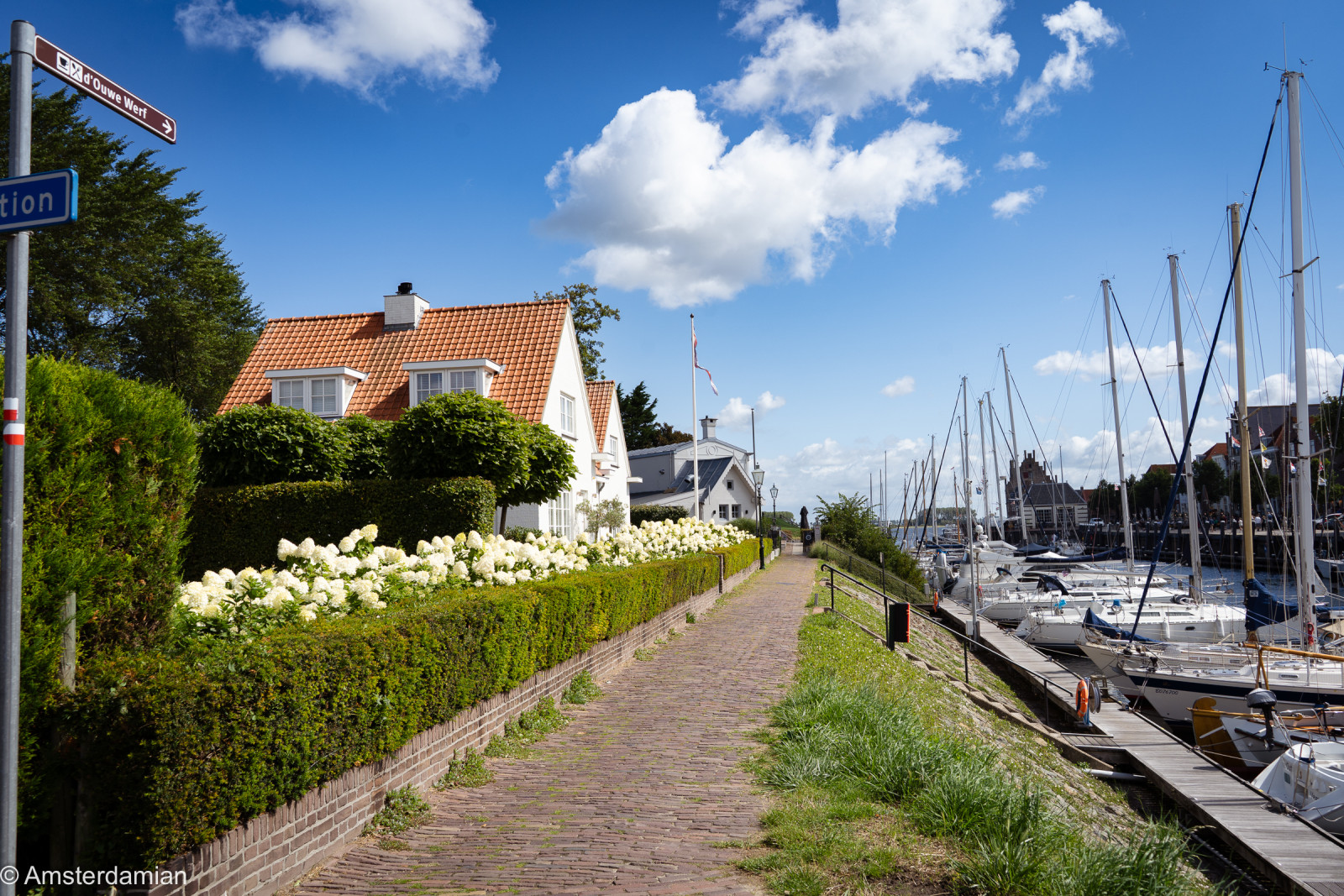
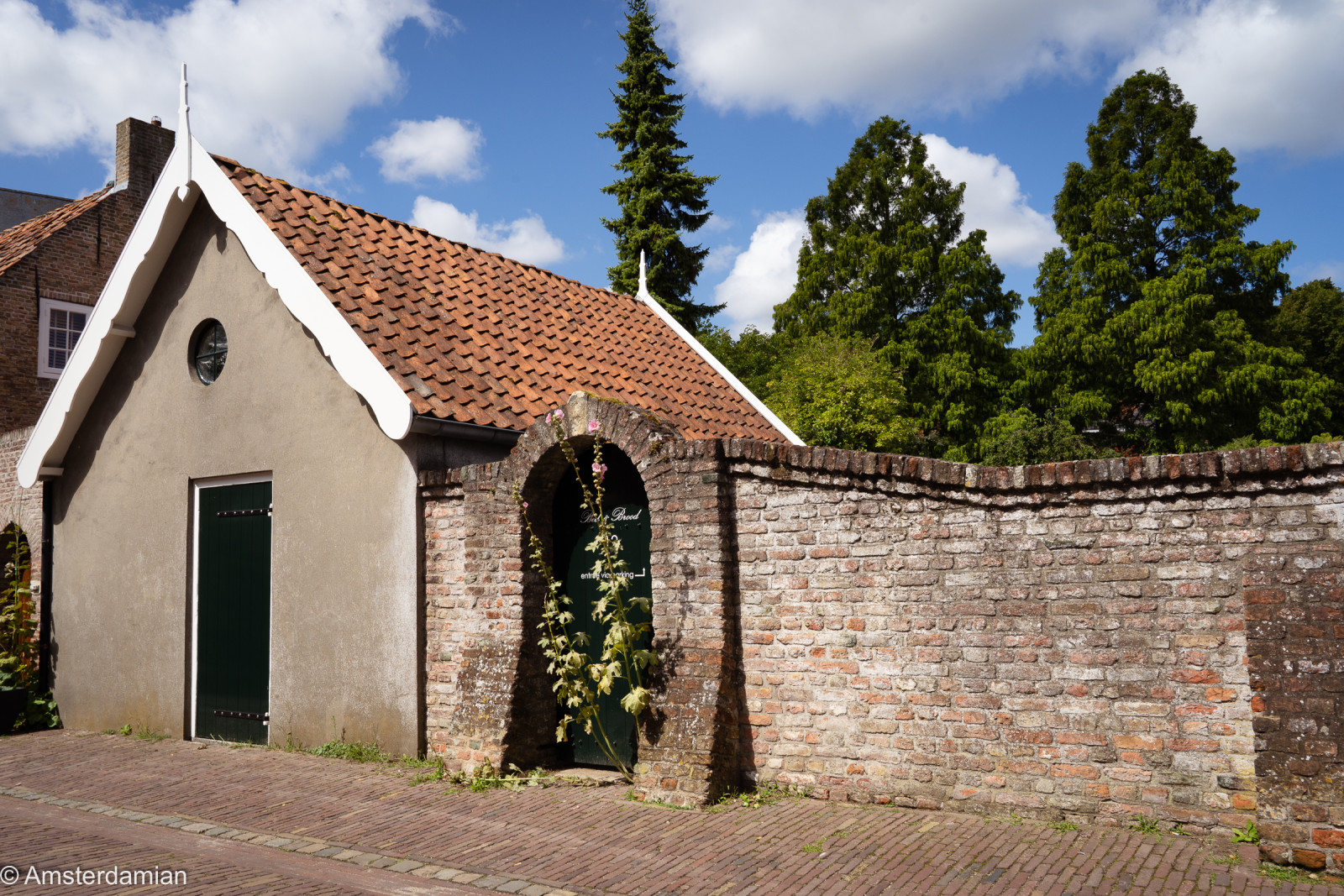
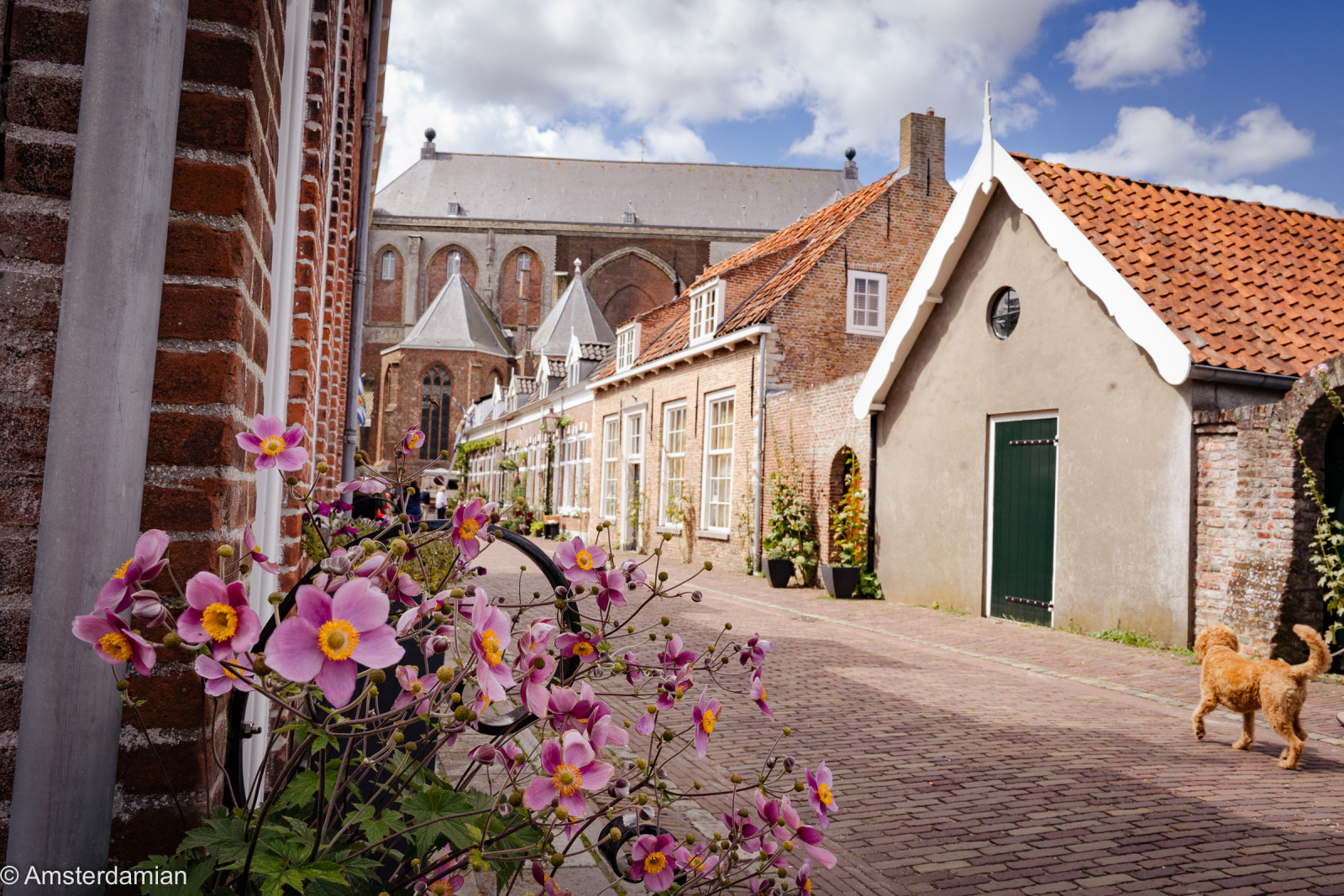
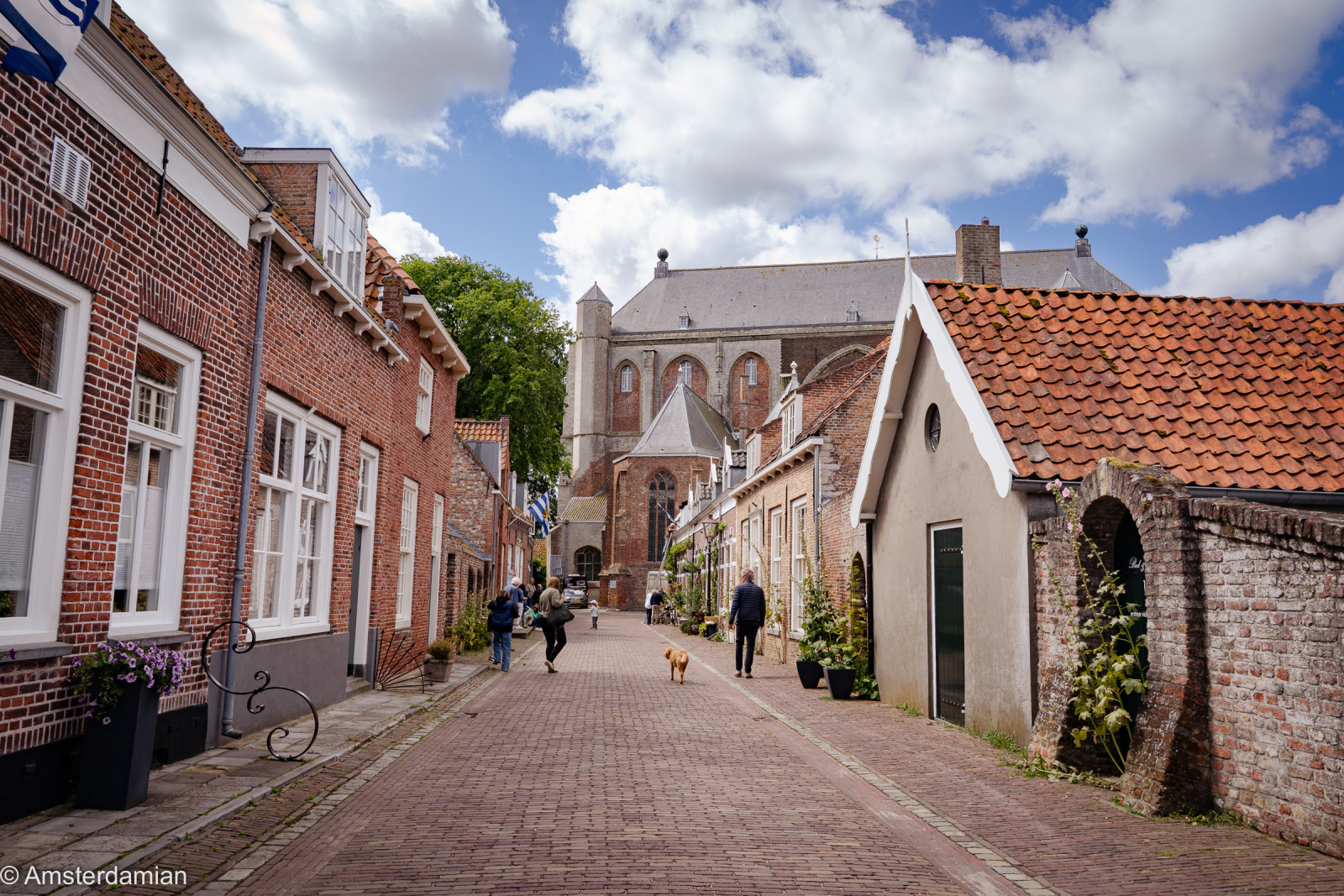
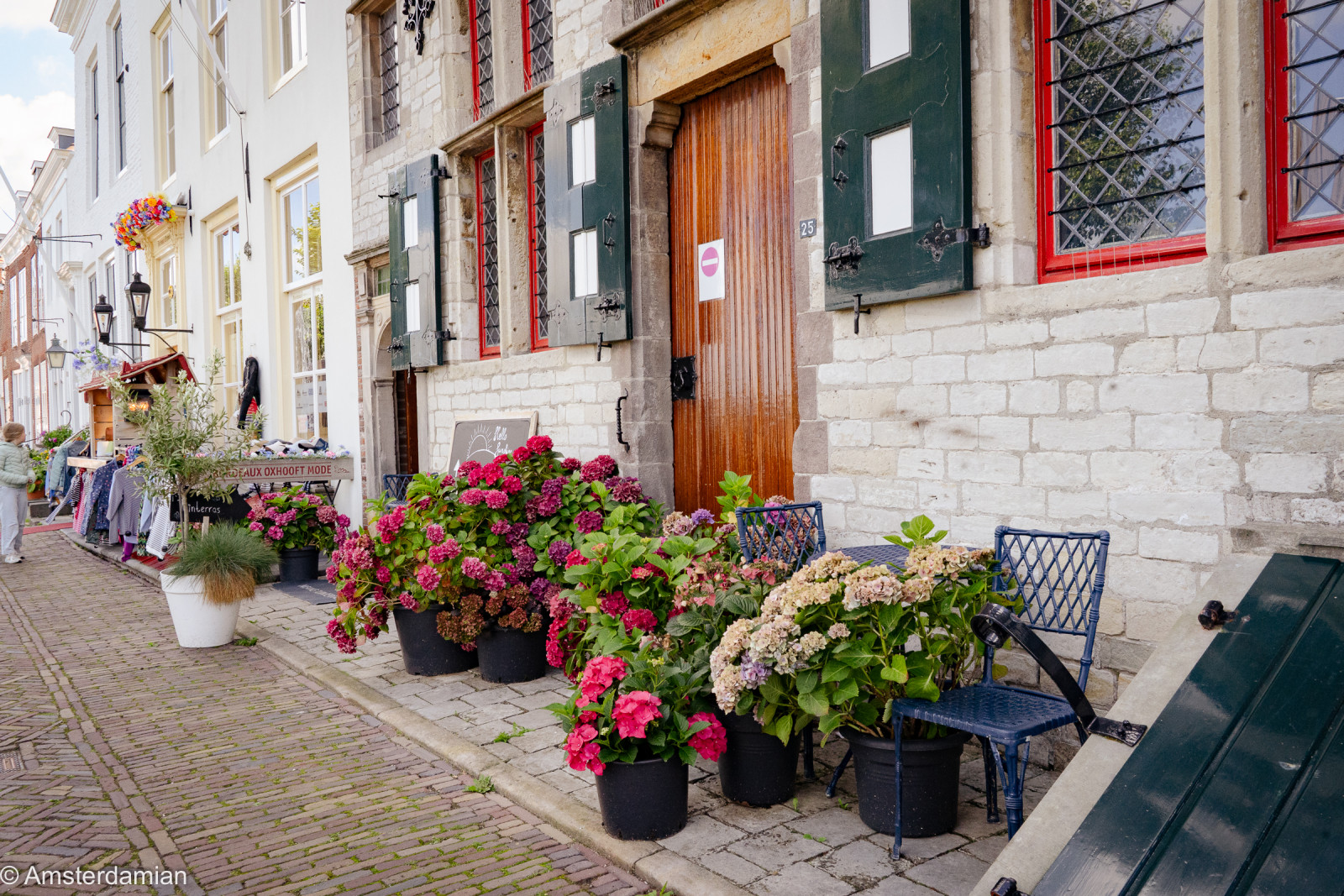
The harbour still fills with masts in season; the lanes behind the Kaai hold gables, courtyards and gardens that ask to be photographed and they are usually not overcrowded. After exploring, stop at one of the restaurants and enjoy a drink with a view over the boats and the water.
⏺ Go out on the Veerse Meer
There are many water activities that you can do on the lake: sailing, kayaking and paddleboarding in season, boat hire in the harbour, and swimming spots along the shores. You can go wind surfing, water skiing and even diving and snorkeling to see shipwrecks and the varied fishes in the area. There are also 17 islands on Veerse Meer. Five of these are wildlife havens for birds, but the others can all be accessed by visitors.
⏺ Walk along the old city walls
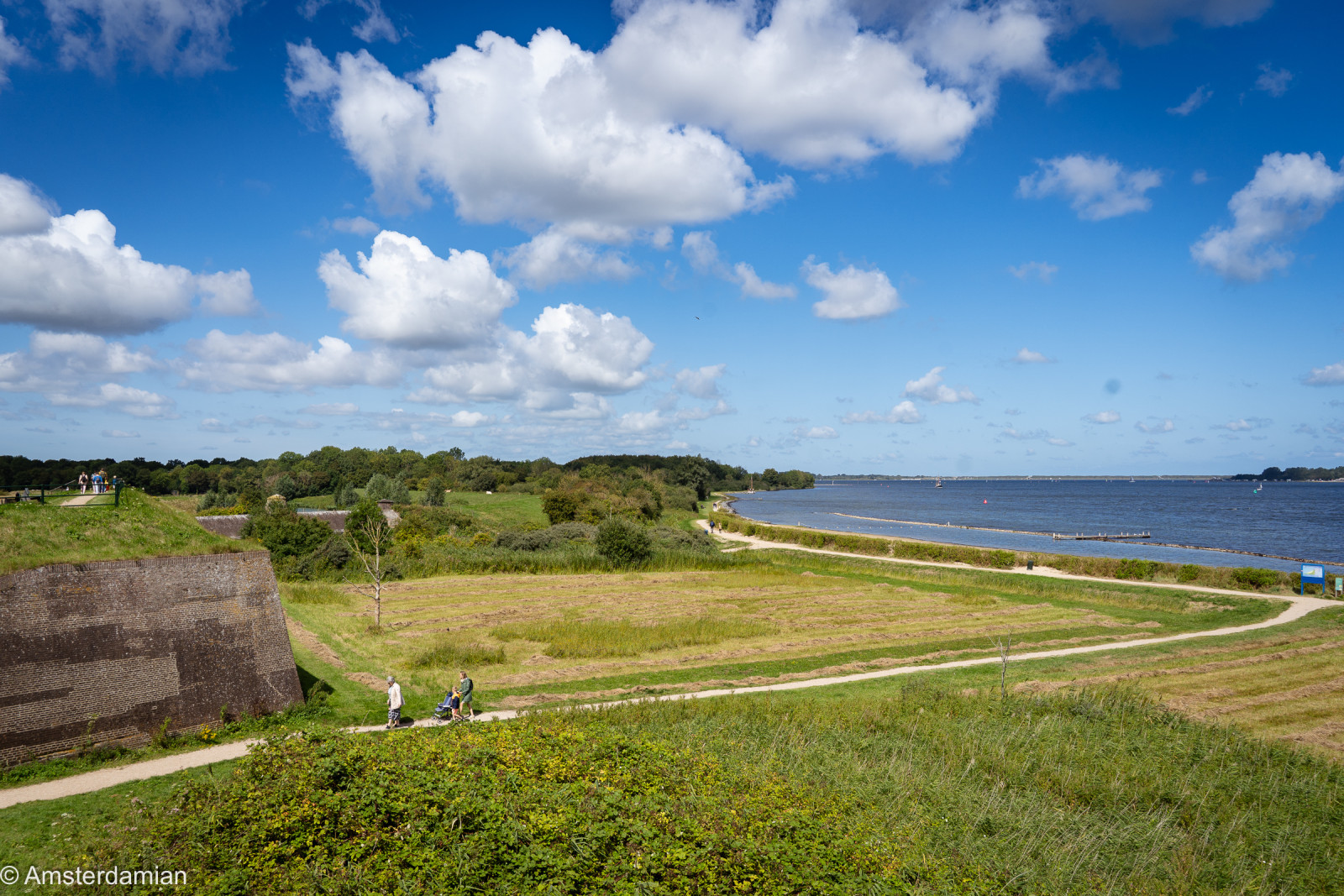
The city walls still can be seen and there’s a beautiful walking path along them. They offer great views and there are several beaches along where you can make a stop as well. We didn’t venture far on this path, only a bit close to the city, admiring the canons and the boats passing by.
⏺ De Stenen Beer
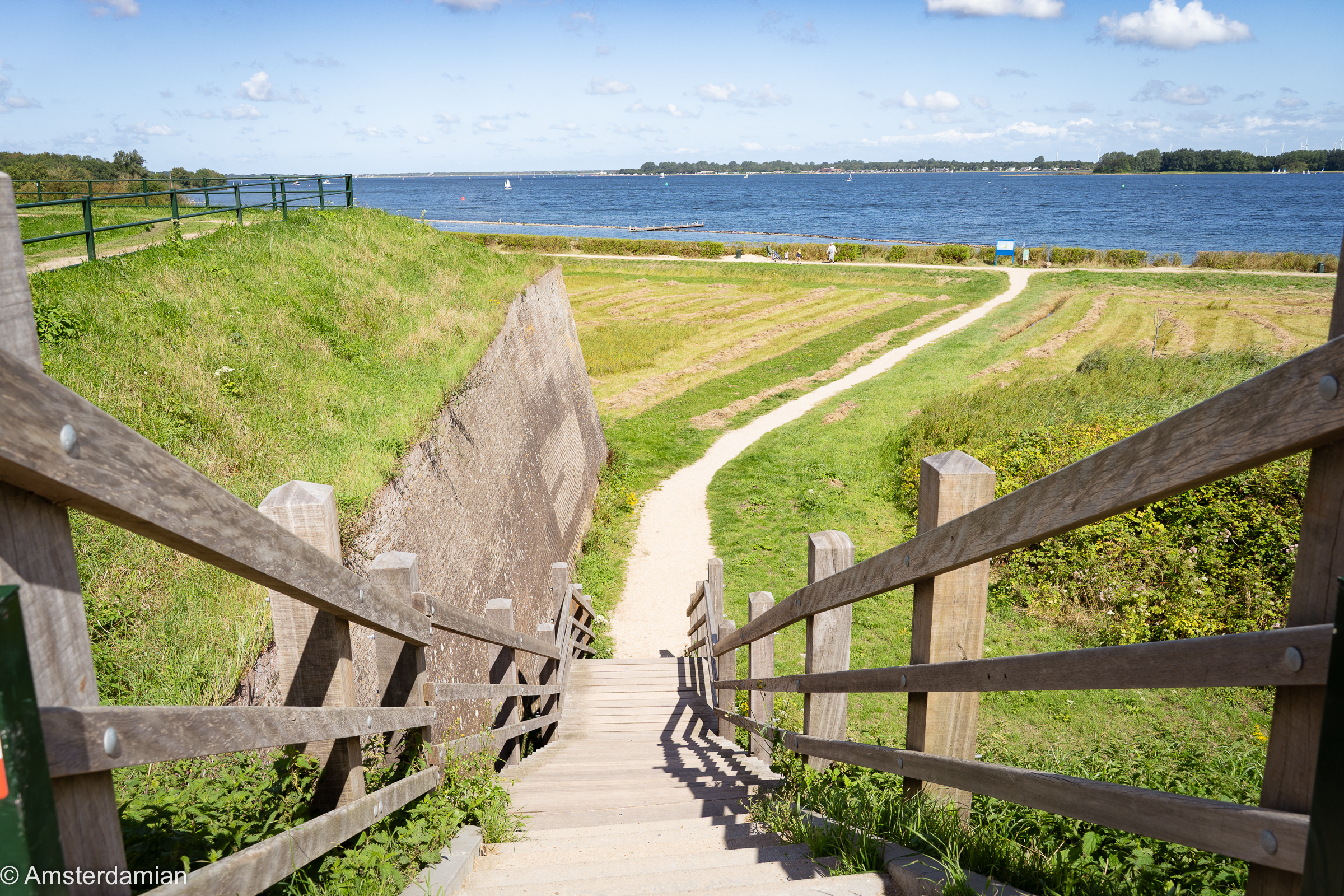
This is an old bastion that is part of the fortifications of Veere. It dates back to the time of Napoleon and you can still walk through it.
⏺ De Koe windmill
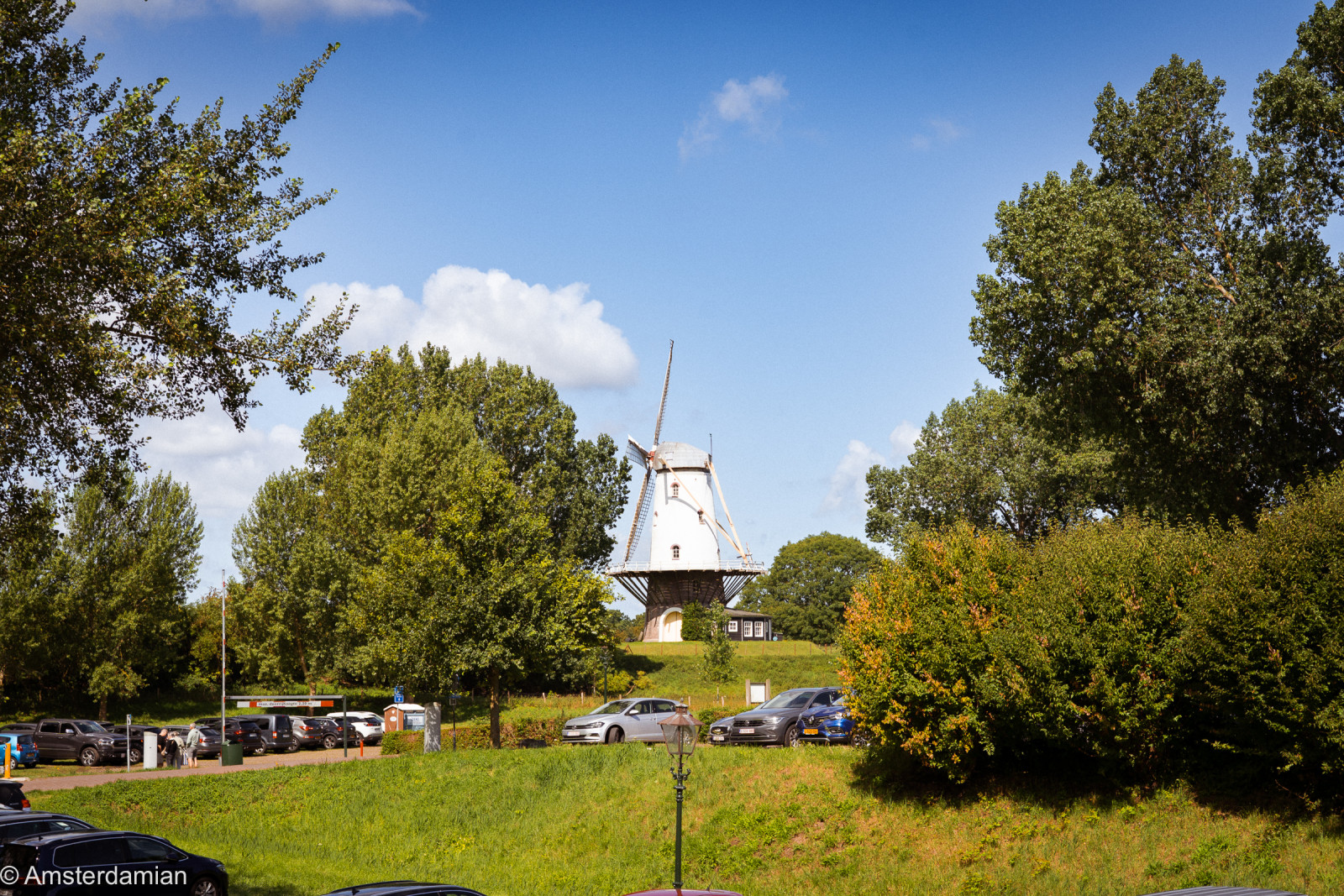
Standing on the old city walls, De Koe (meaning the Cow) windmill is one of the Veere’s most recognisable landmarks, although it is not open to visitors. You can see it even from the city or go closer to it if you feel like exploring the surroundings.
⏺ The Historic Market
The Historic Market is held on Tuesdays in the months of July, August and September in the city centre and the harbour. Here you can find people dressed in traditional Zeeland costumes, traditional crafts and demonstrations and much more.
In the winter, you can go to the Dickens Winter Market: Dickens Wintermarkt Veere. It takes place usually at the end of November and is an event inspired by the works of Charles Dickens, bringing the charm and spirit of his novels to life. Expect people dressed in Victorian costumes and the usual Dutch winter market gezelligheid.
⏺ The Campveerse Toren
The fortified tower guarding the harbour mouth has been an inn for over five centuries, and it’s one of the oldest in the Netherlands. William of Orange held his wedding feast here in 1575, when he married Charlotte de Bourbon. Today it’s a hotel-restaurant and a great place for dinner with a view.
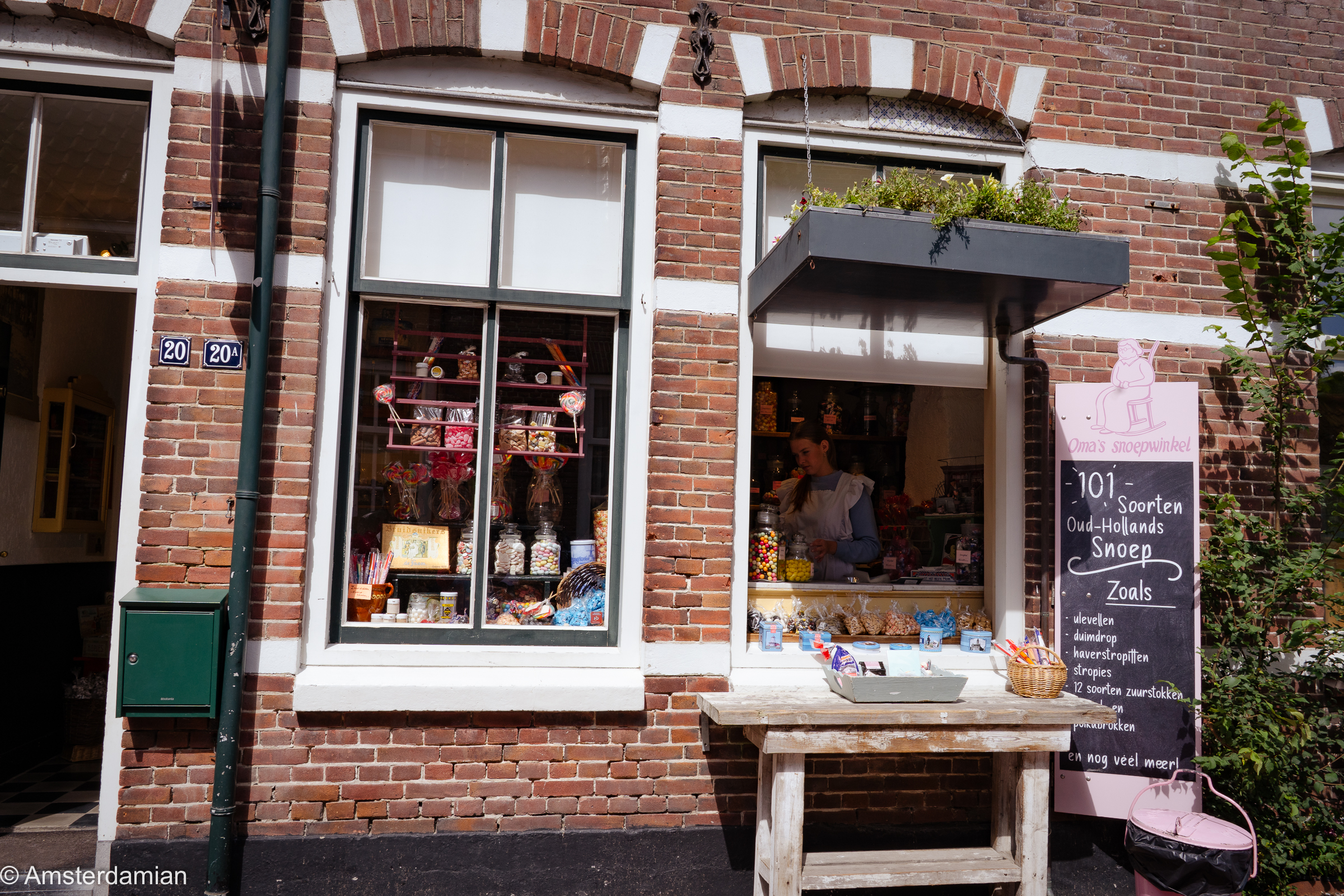
⏺ Visit Oma’s Snoepwinkel (Grandma’s Candy Store)
This tiny shop (18 m²) has been around for 30 years. The saleswomen wear old-fashioned aprons. Oma’s sells more than 100 kinds of old-fashioned candy.
⏺ Go outside the town
Middelburg, with its abbey and Zeeland’s best museum, is only a short hop away. You can do them in one day, although I would recommend you take a full day for each, to properly enjoy the peaceful atmosphere and everything these places have to offer.
You could also rent a bike and cycle in the surrounding area or simply take one of the walking (wandeling) routes.
Planning your trip? Check out activities in Veere and Zeeland: Guided tour Veere and more.
Where to stay in Veere
If you’d like to make this cosy town your base and explore the province from here, there are quite a few places where you can find great accommodation. Check out: Hotel Auberge de Campveerse Toren, the old inn mentioned above, or Het Veerse Gat with a view over the water, Hotel Veere and De Peperboom in the city centre.
Practical corner
- How to get to Veere: train to Middelburg, then a short bus ride (bus 584). You can also hire a bike and cycle the 8 kilometres through Walcheren’s countryside. You can also arrive in Veere by boat.
- How long: half a day for the town at a stroll; a full day with the lake, the beaches or Middelburg added.
- When to go: late spring to early autumn for the harbour in full sail; out of season to have the town to yourself.
- Museum Veere and the Grote Kerk have seasonal opening hours, so check their websites before travelling; the Zeeland tourism page for Veere is a good starting point.
- Coming from Amsterdam? Veere is one of the longer day trips from Amsterdam — best enjoyed with an overnight.
Veere turned out to be a wonderful day trip, and much more interesting than we expected. It was a place I had barely heard of before planning our trip to Zeeland, but once we arrived, there was history everywhere we looked. It’s a small town, but it has an unusually big story, and I’m very glad we decided to make a stop here.
If you want to discover more, check out my my Zeeland province guide and Exploring the Dutch provinces.
Stay tuned for more and follow Amsterdamian on Instagram and Facebook for more stories about life in the Netherlands, written by a real local, updated constantly.
Check out my photo book: Amsterdam Through the Seasons!
Love what you’re reading? Support my work with a small donation.
And share this post if you liked it!