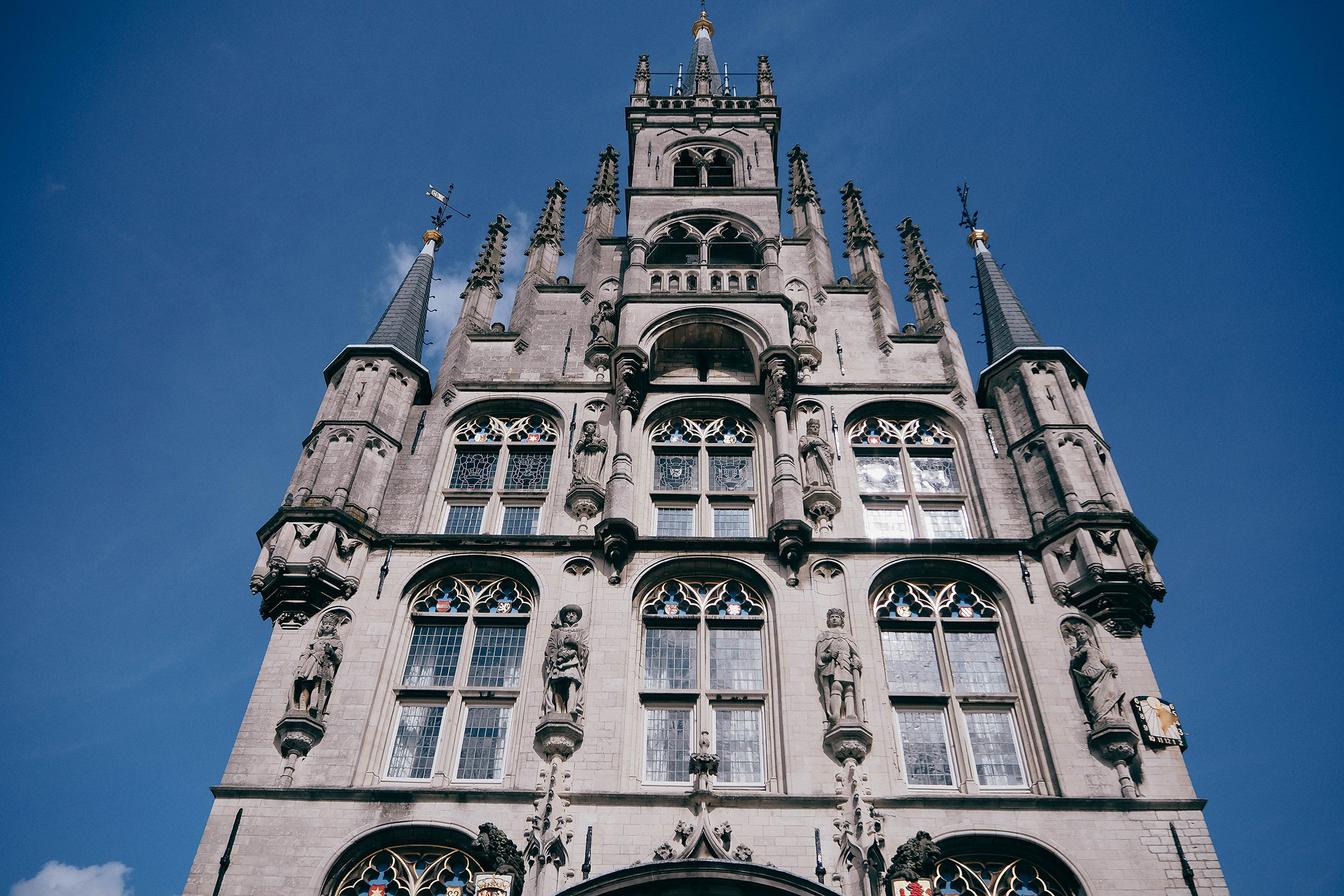
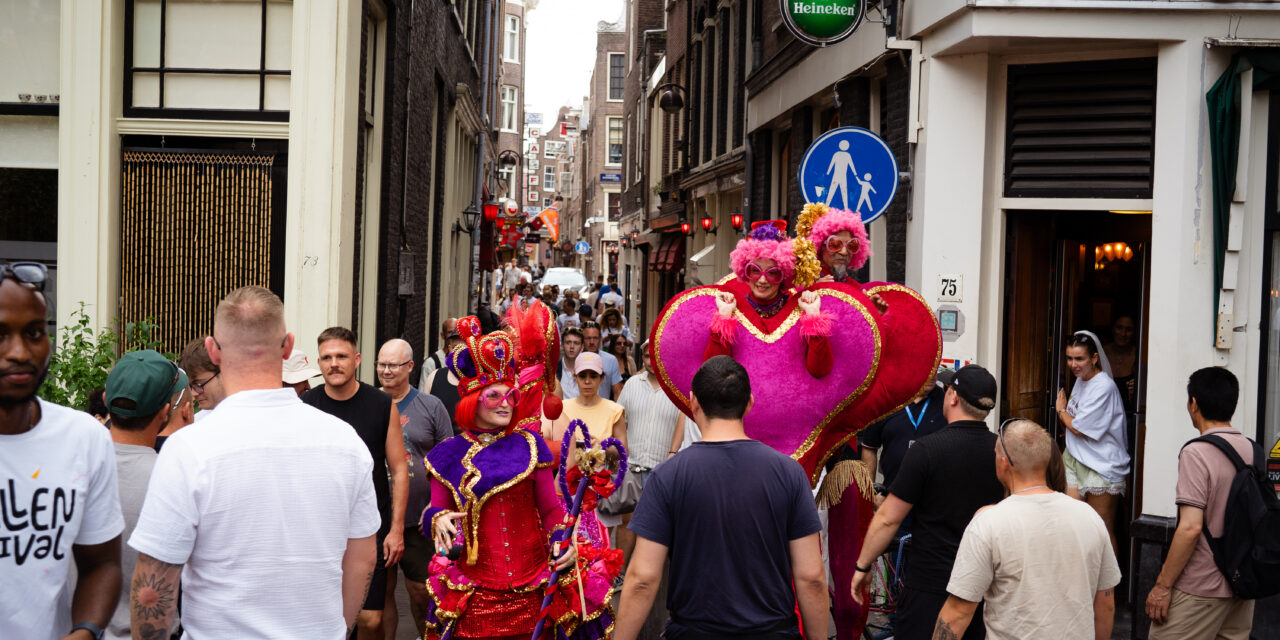
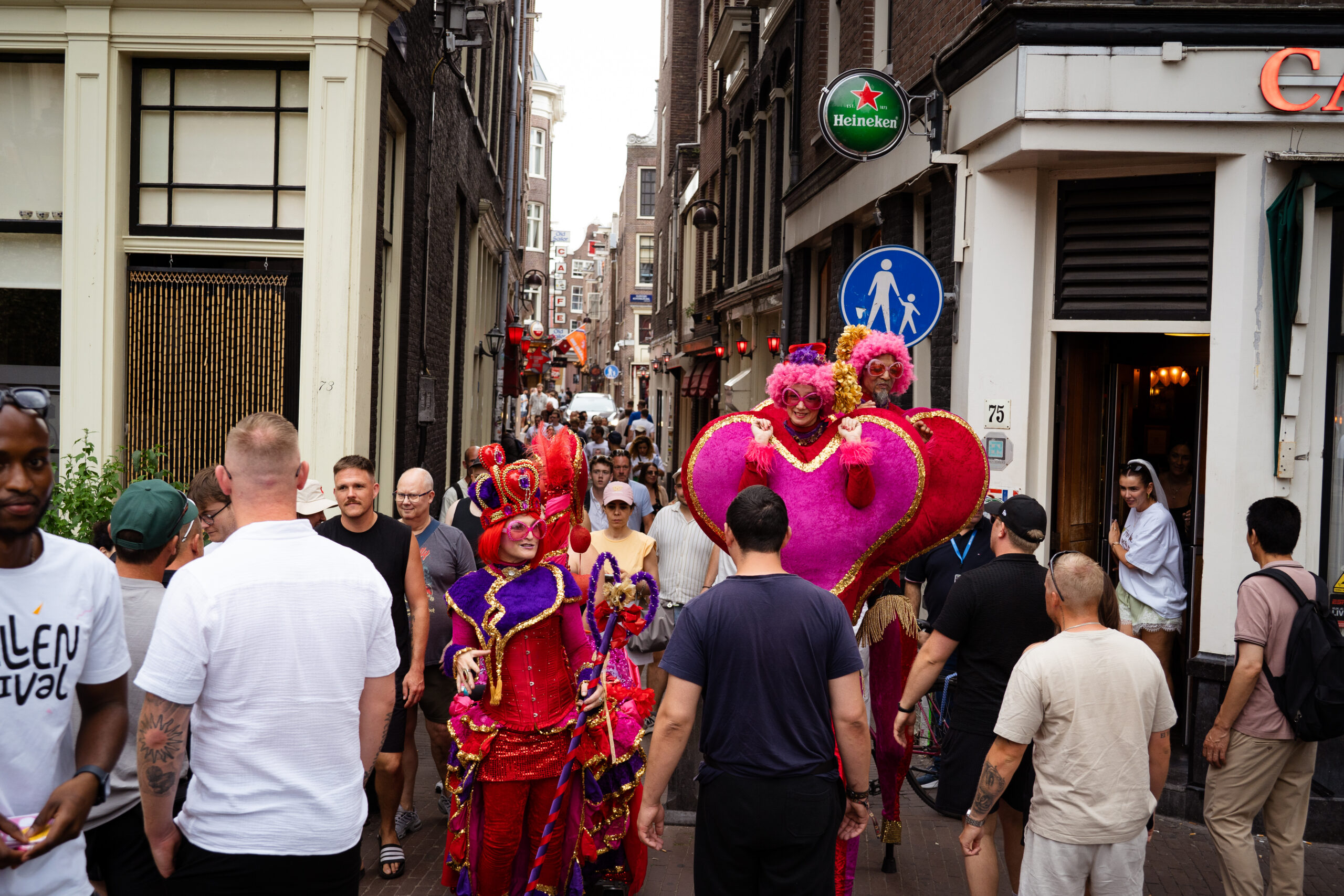
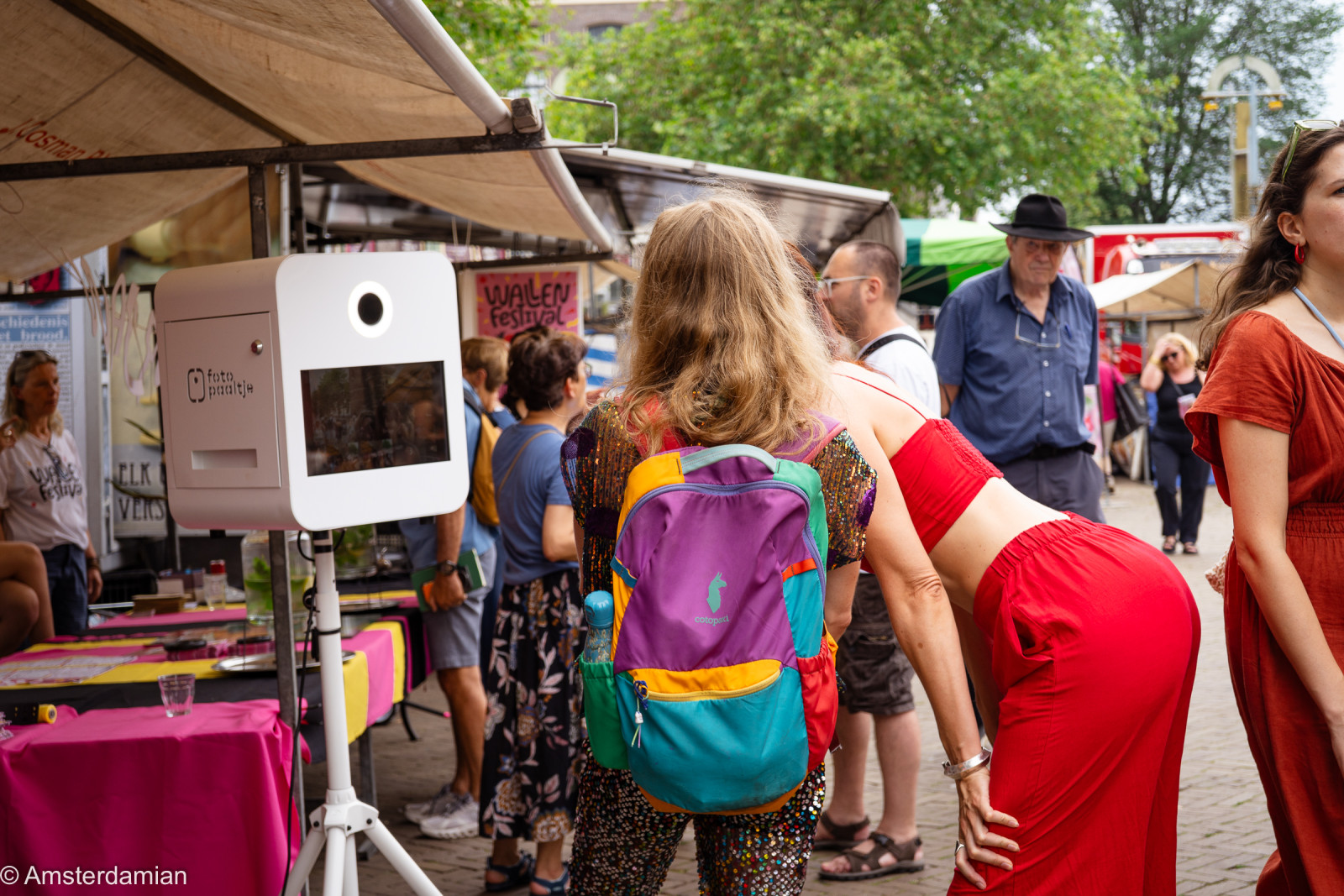
A few weekends ago, on a hot summer day when people fled from the city to the beach, I found myself roaming the busy streets of Amsterdam’s Red Light District. It wasn’t my first time standing in the most famous neighbourhood of Amsterdam holding a programme booklet; I’ve done that before for a few events where I was one of the designated photographers. But it’s always a thrilling adventure. There is a particular pleasure in doing this on a weekend when the neighbourhood has decided to show you everything the crowds usually walk past. At the end of June I finally went to the Wallen Festival, after being curious about it since it started. I managed only one of the two days, and it was packed.
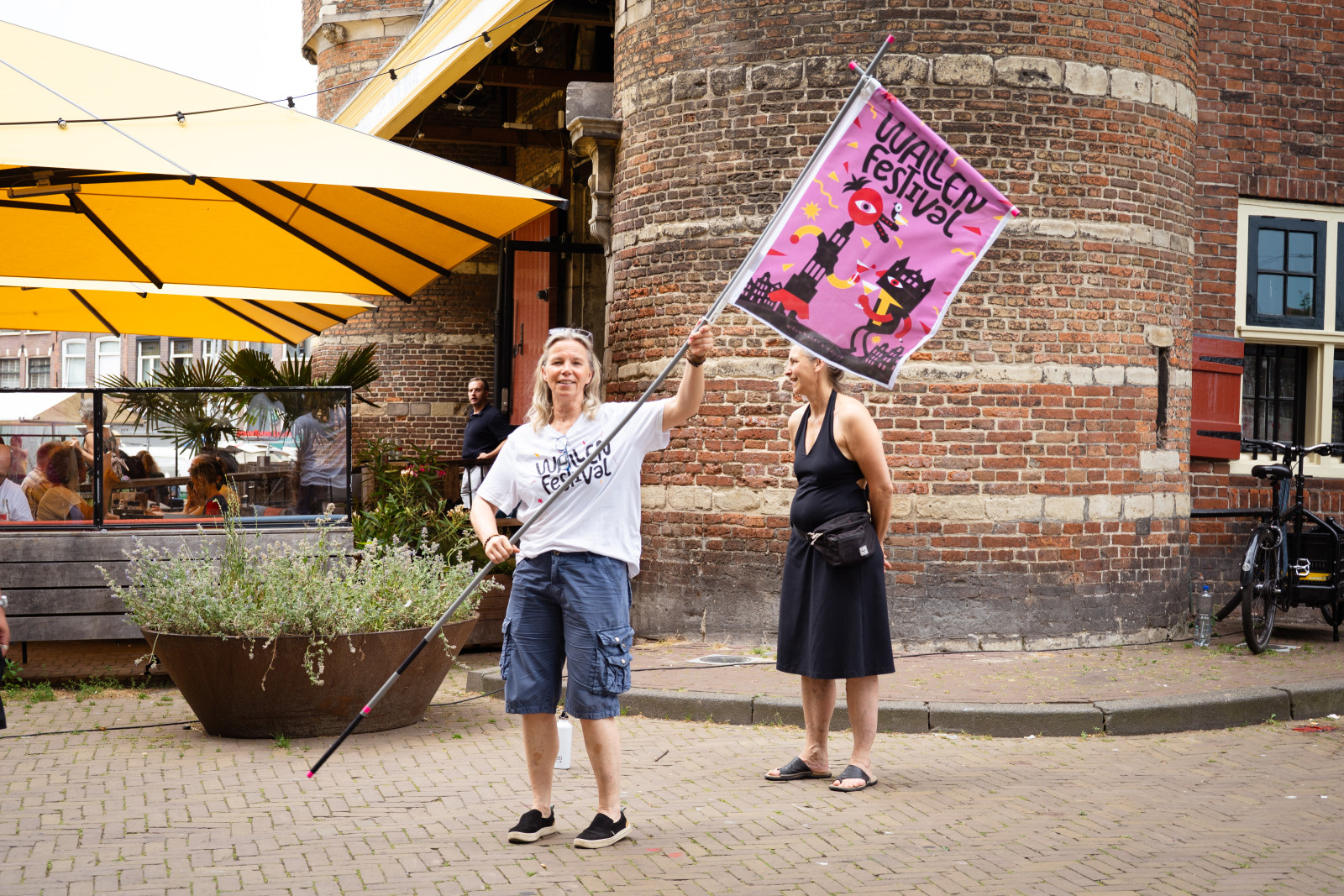
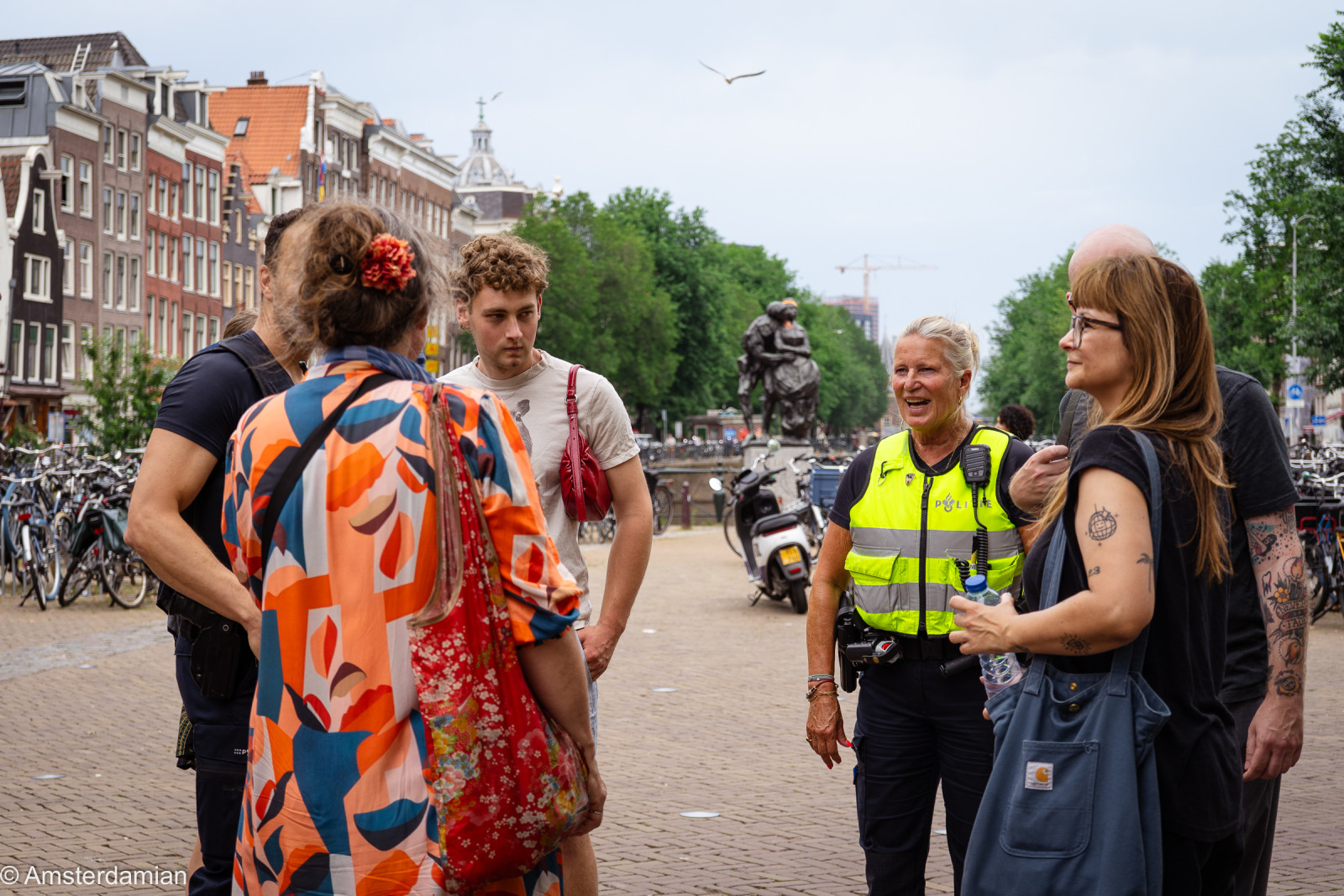
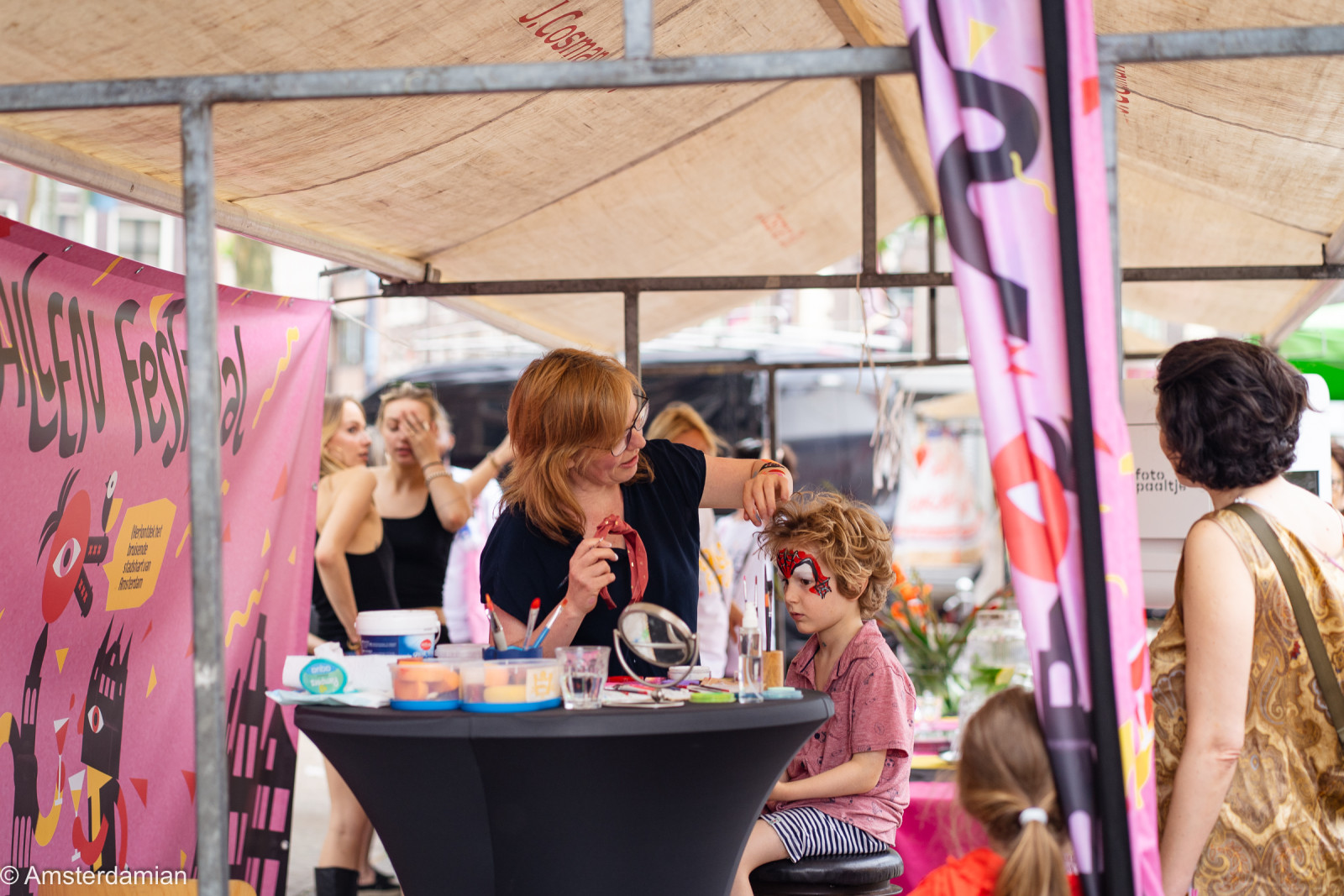
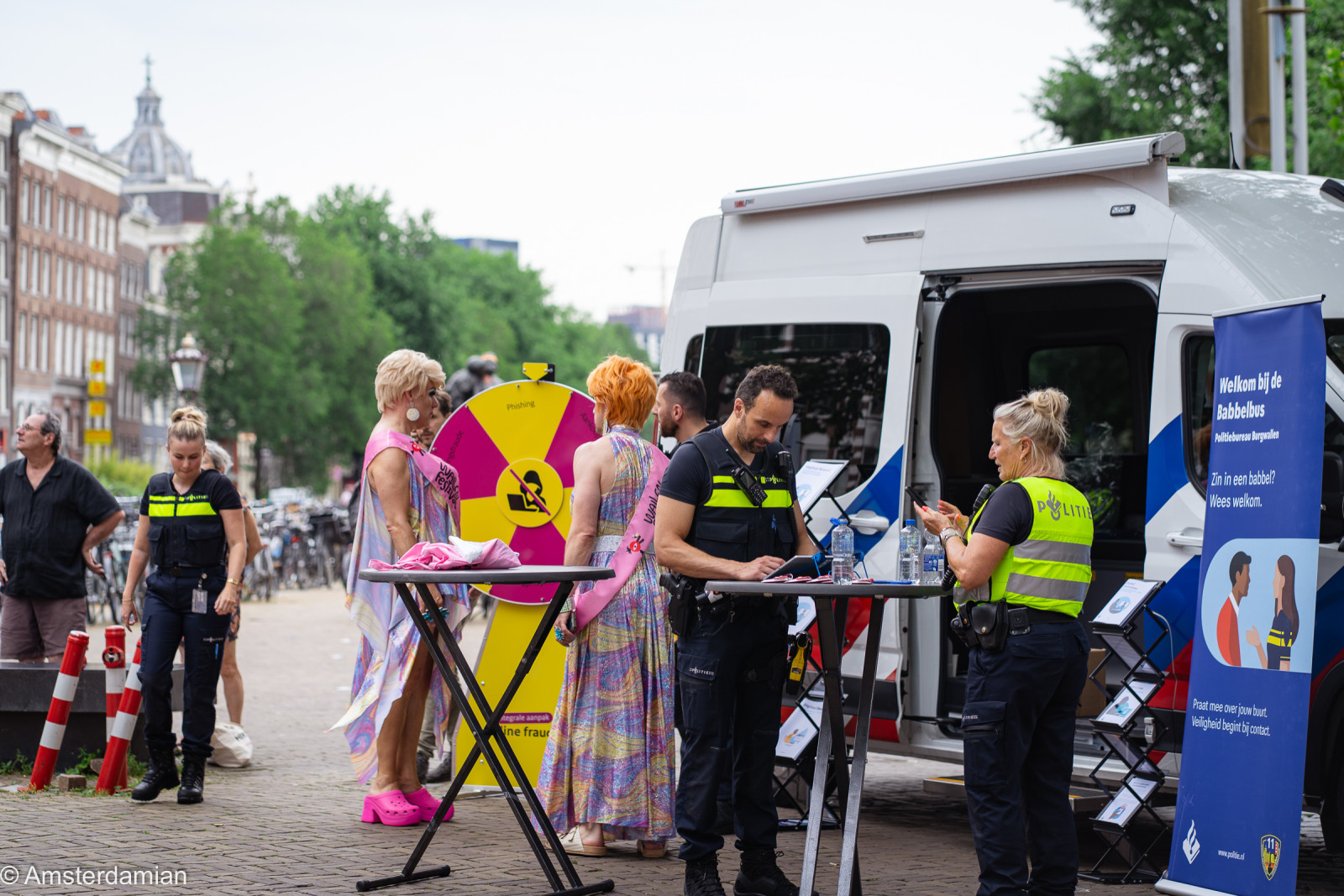
The festival is a young thing. It began in 2023 and it is organised from inside the neighbourhood itself: residents, shopkeepers and local organisations from the Wallen and Nieuwmarkt area putting together a weekend of more than ninety activities, nearly all of them free. You pick up the programme booklet, which comes with a map, you plan your own route, and doors start opening. The booklet even worked as a free ticket into the Oude Kerk, the Rembrandthuis and Ons’ Lieve Heer op Solder, the hidden church in an attic that is not that hidden anymore. There are things in their schedule for everyone, including a generous offer for kids. There are concerts, workshops, food tasting, open houses, a police stand where you can talk about the safety in the area, museums, and more. There was an information point at Nieuwmarkt, where you could get a booklet and ask questions.
A neighbourhood in layers
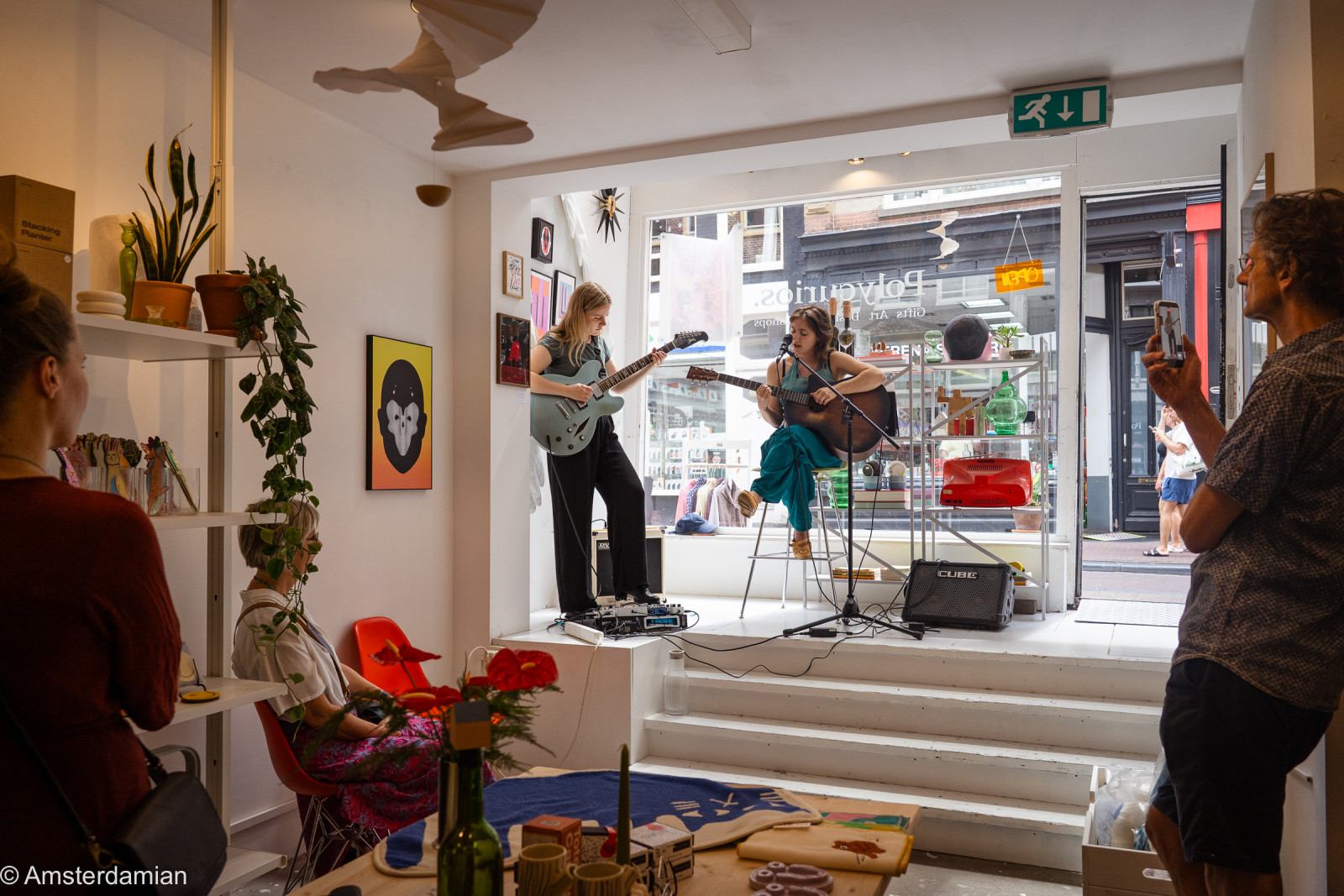
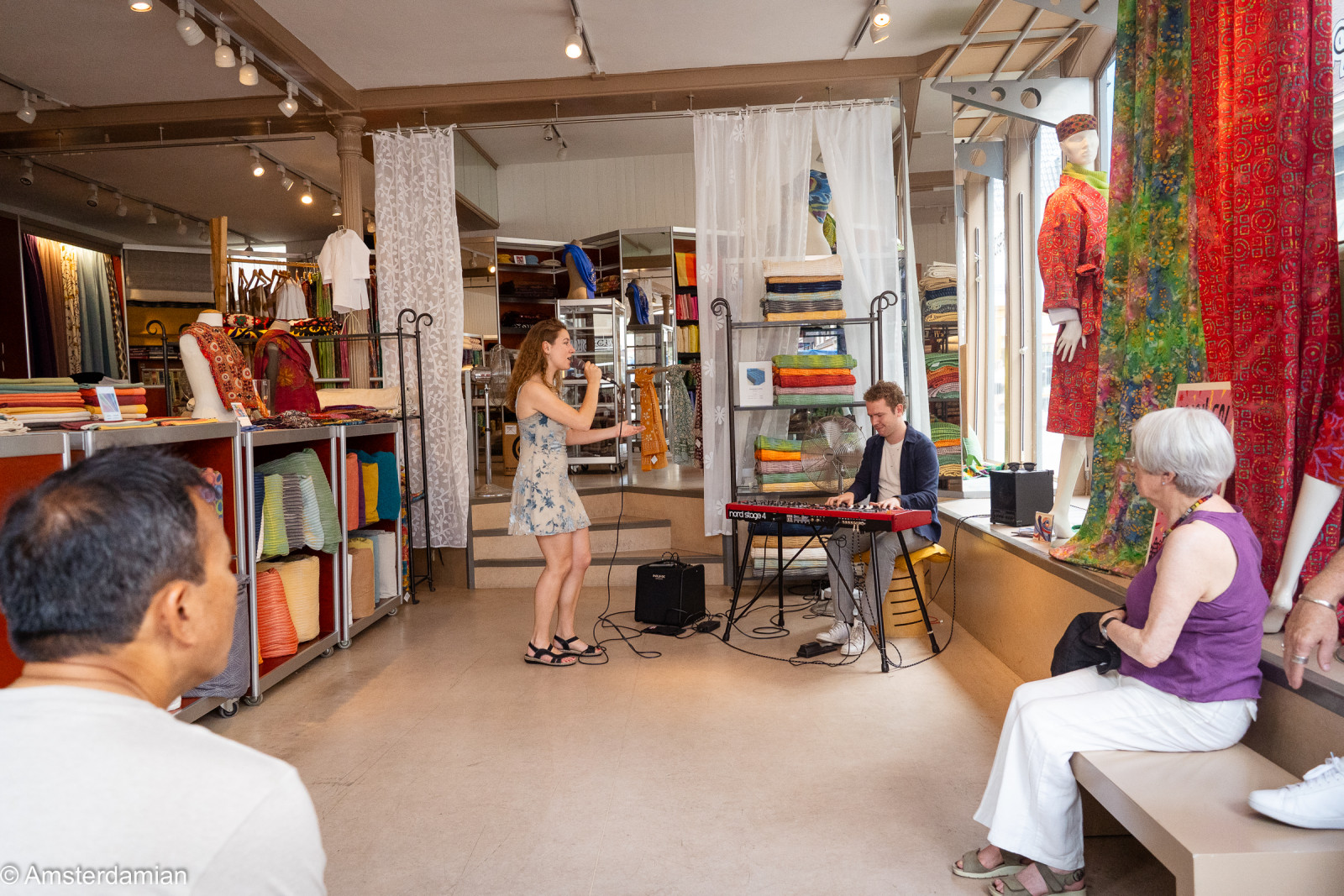
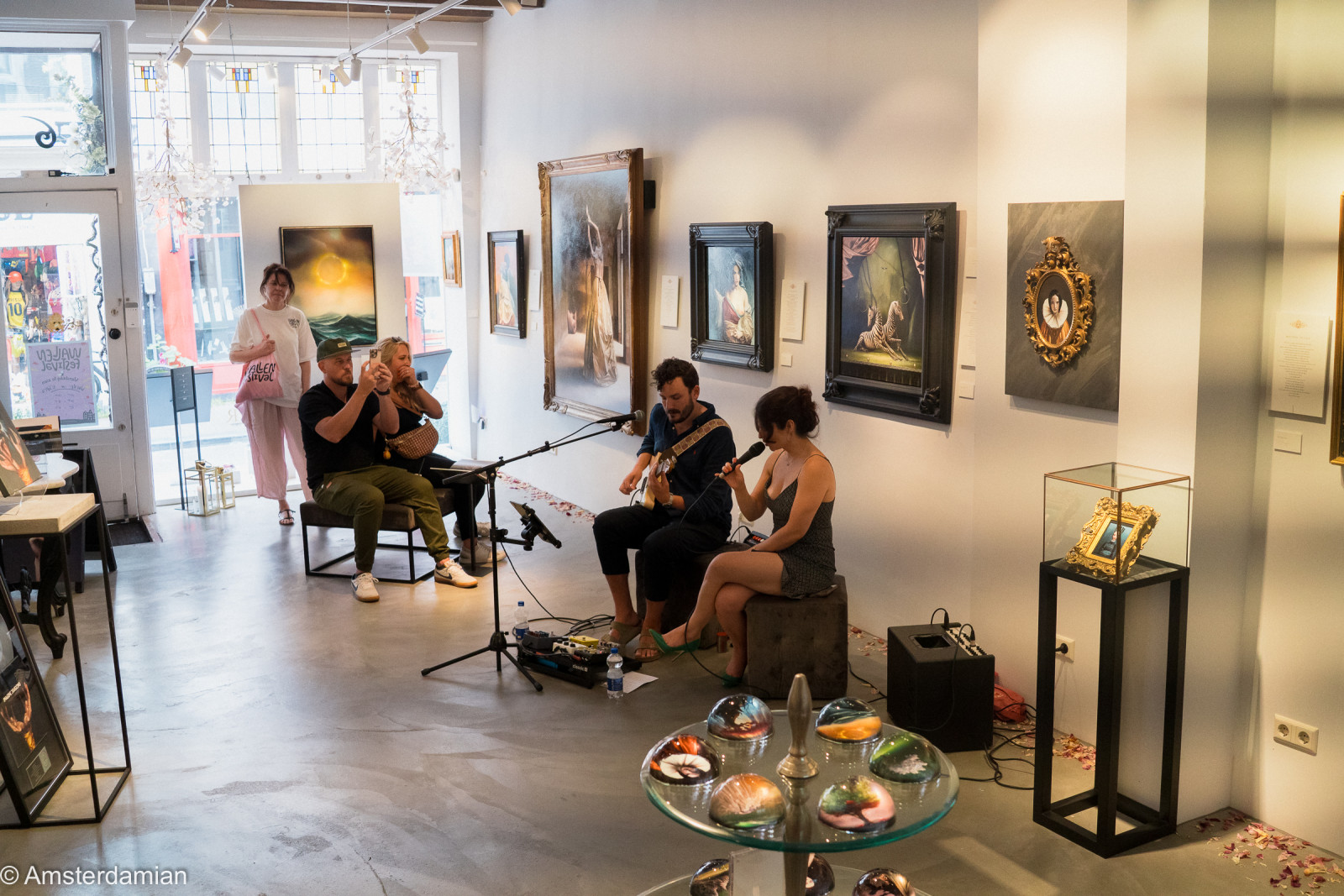
I loved the most how the festival lets you discover De Wallen layer by layer. There is the medieval layer: guides would tell visitors about the history of this neighbourhood and the very old buildings in it. There is the cultural layer nobody associates with the Red Light District: an artists’ space like W139 with a group exhibition, a book market at Huis de Pinto, live music in gardens, cafés, shops. There is the domestic layer, the most surprising one for tourists: people live here, thousands of them, and during the festival they were around (re)discovering their own neighbourhood.
And then there is the oldest layer, the one the Red Light District is famous for: the sex business. The festival does not hide it, and it does not dress it up either. A historic brothel on the Oudezijds Achterburgwal was open for visits, listed in the programme as matter-of-factly as the puppet theatre and the rowing trips. That, I think, is the festival’s quiet genius. It does not sanitise the neighbourhood. It completes it. The windows and the churches, the artists and the residents, all of it is one place, and the festival is the only occasion I know of where you can feel that wholeness in a single afternoon.
Join readers who love authentic Amsterdam and receive carefully curated tips, cultural discoveries and new stories every month.
What I saw in one day
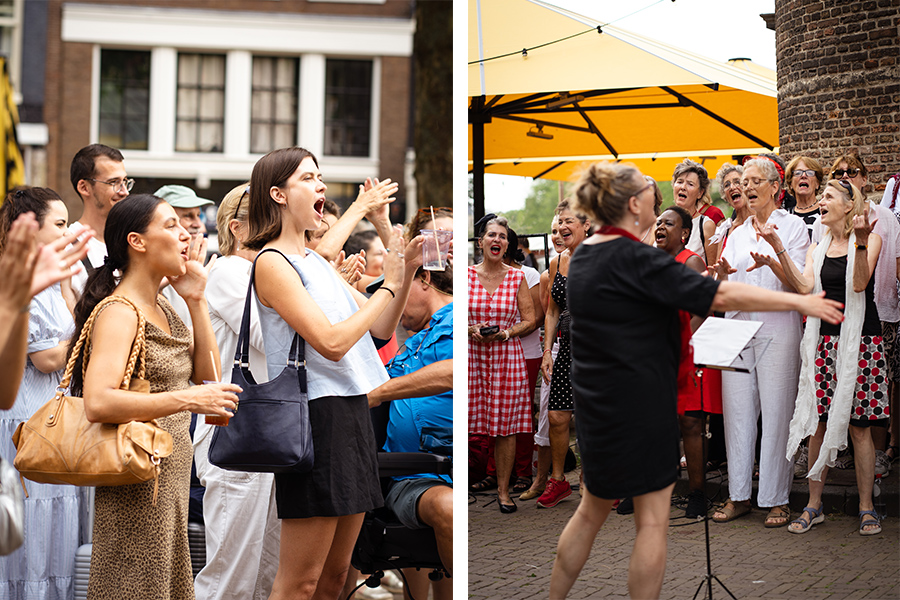
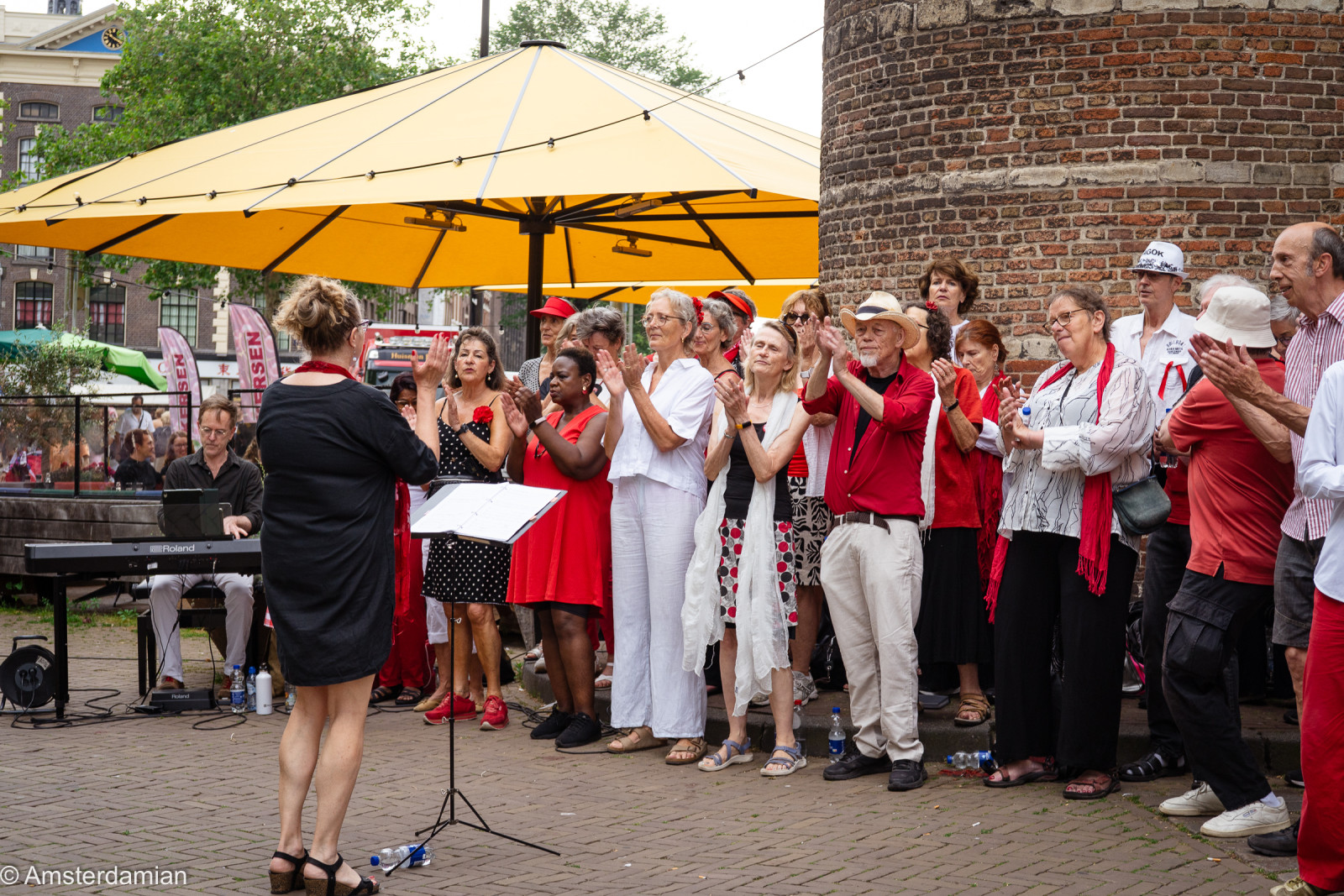
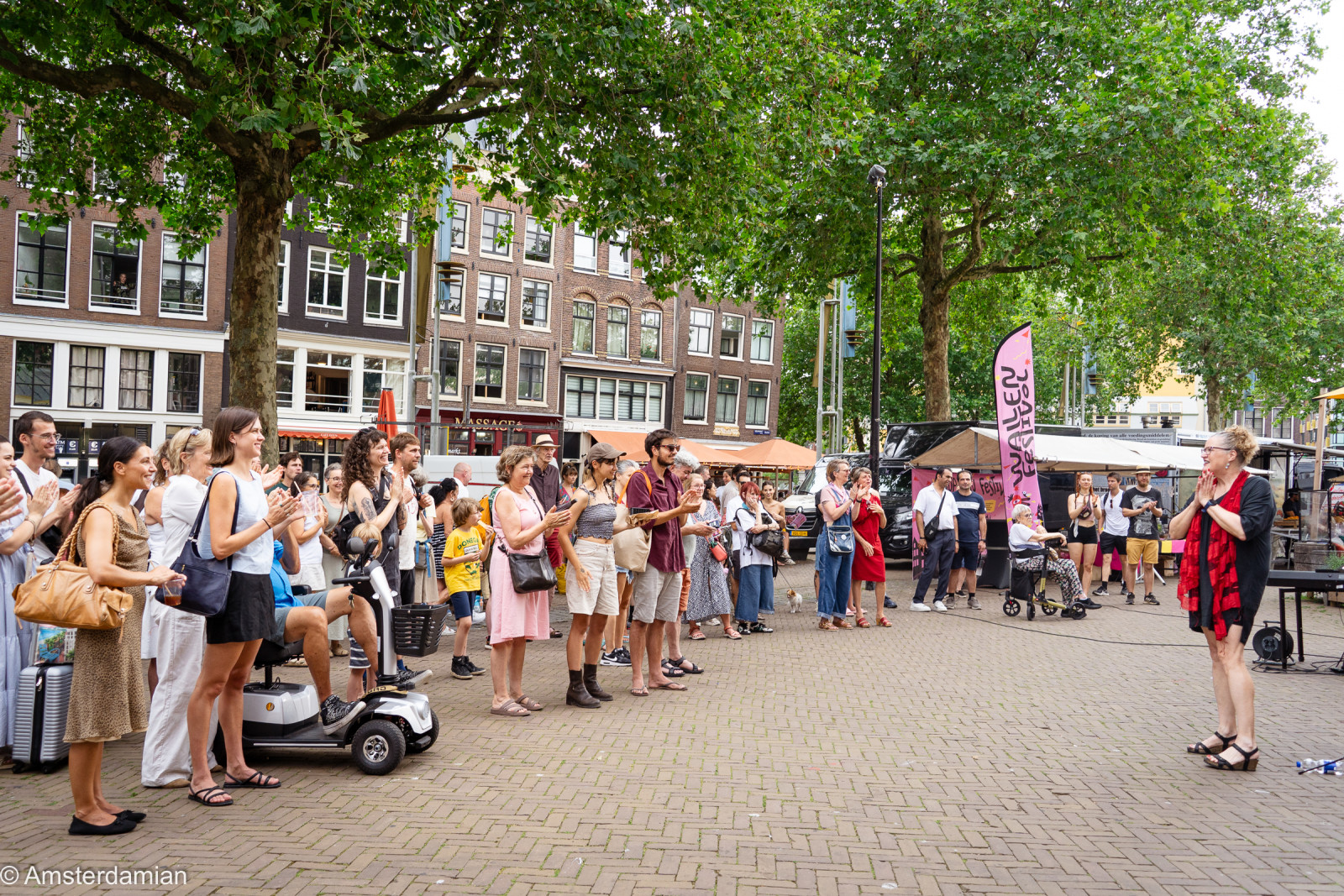
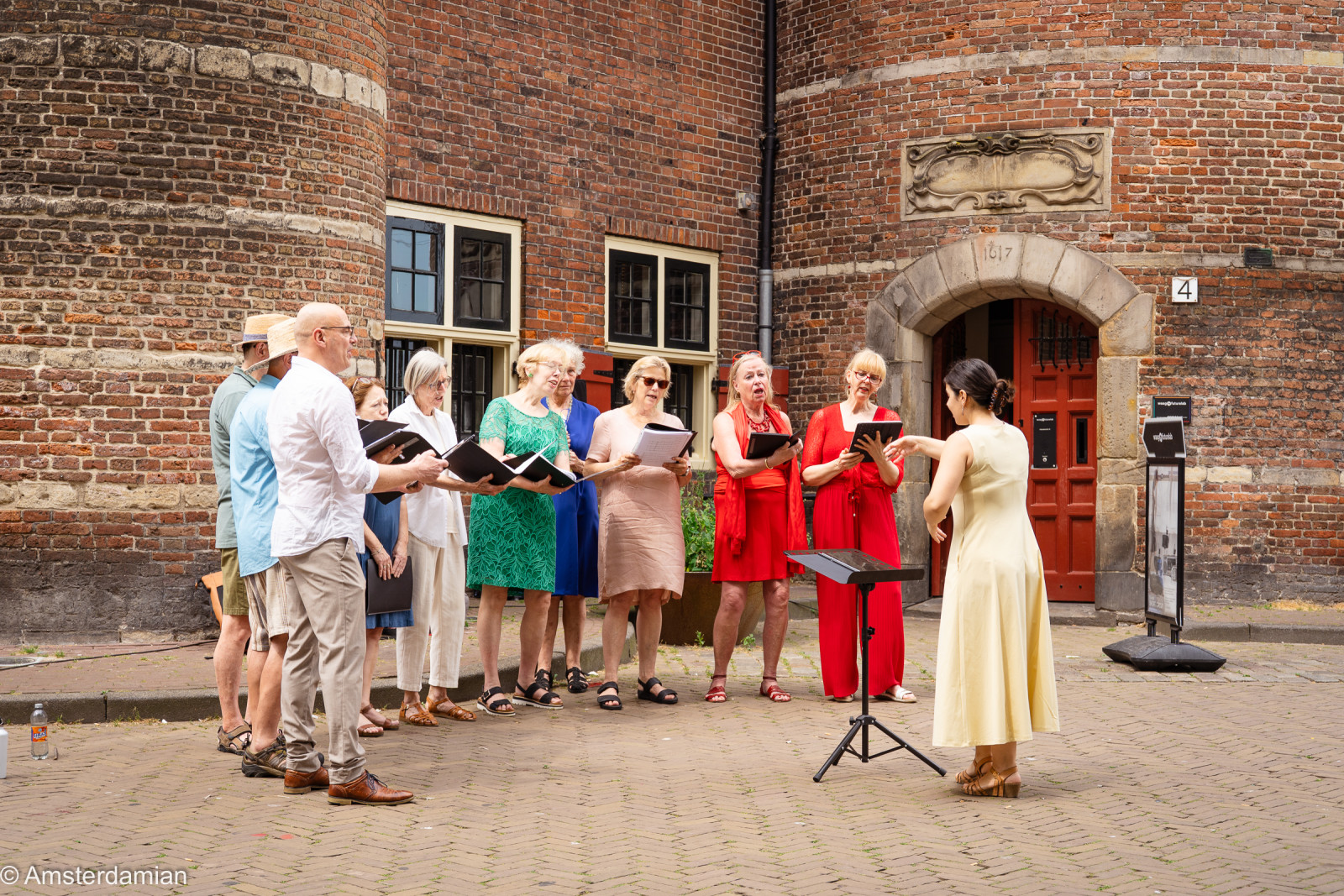
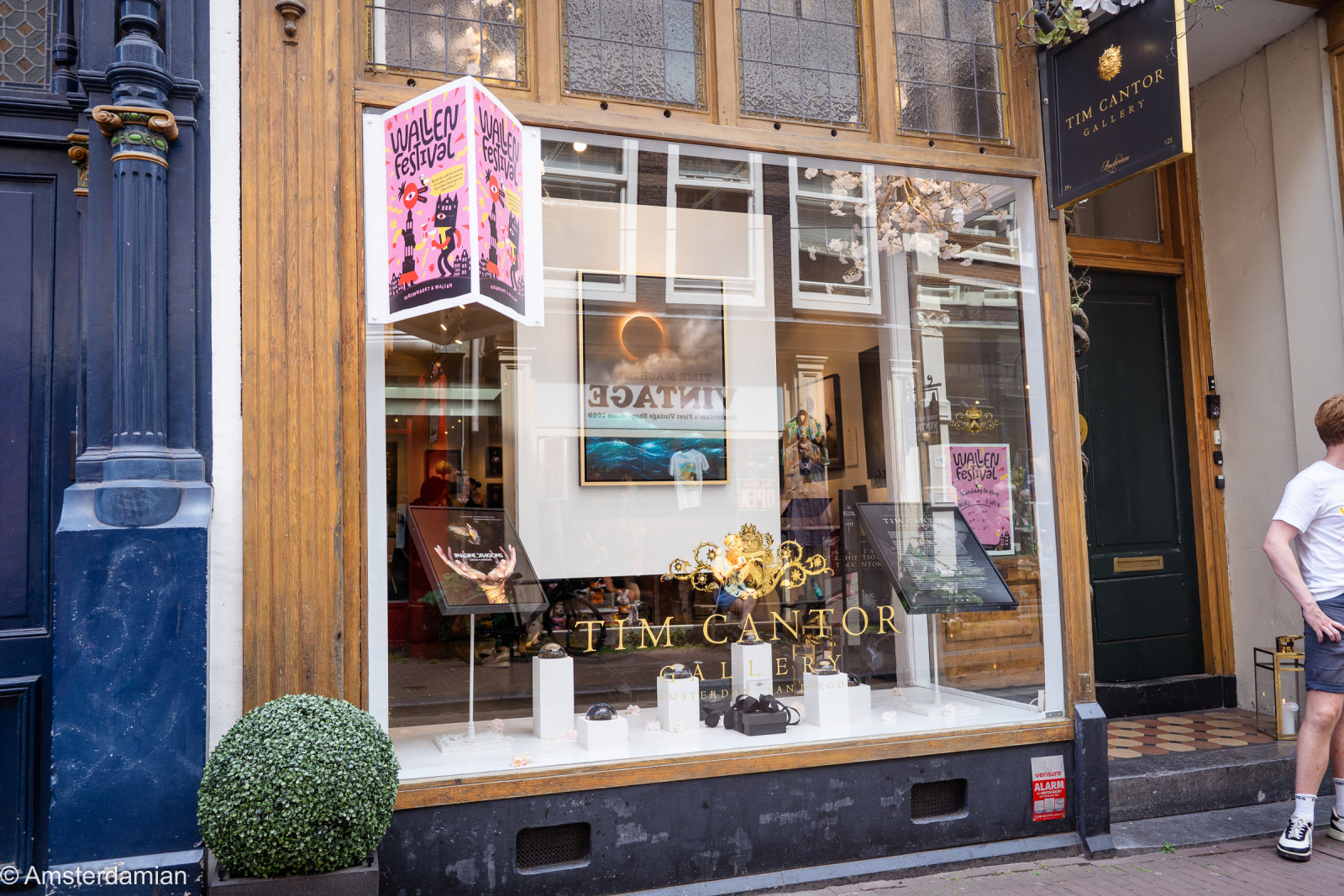
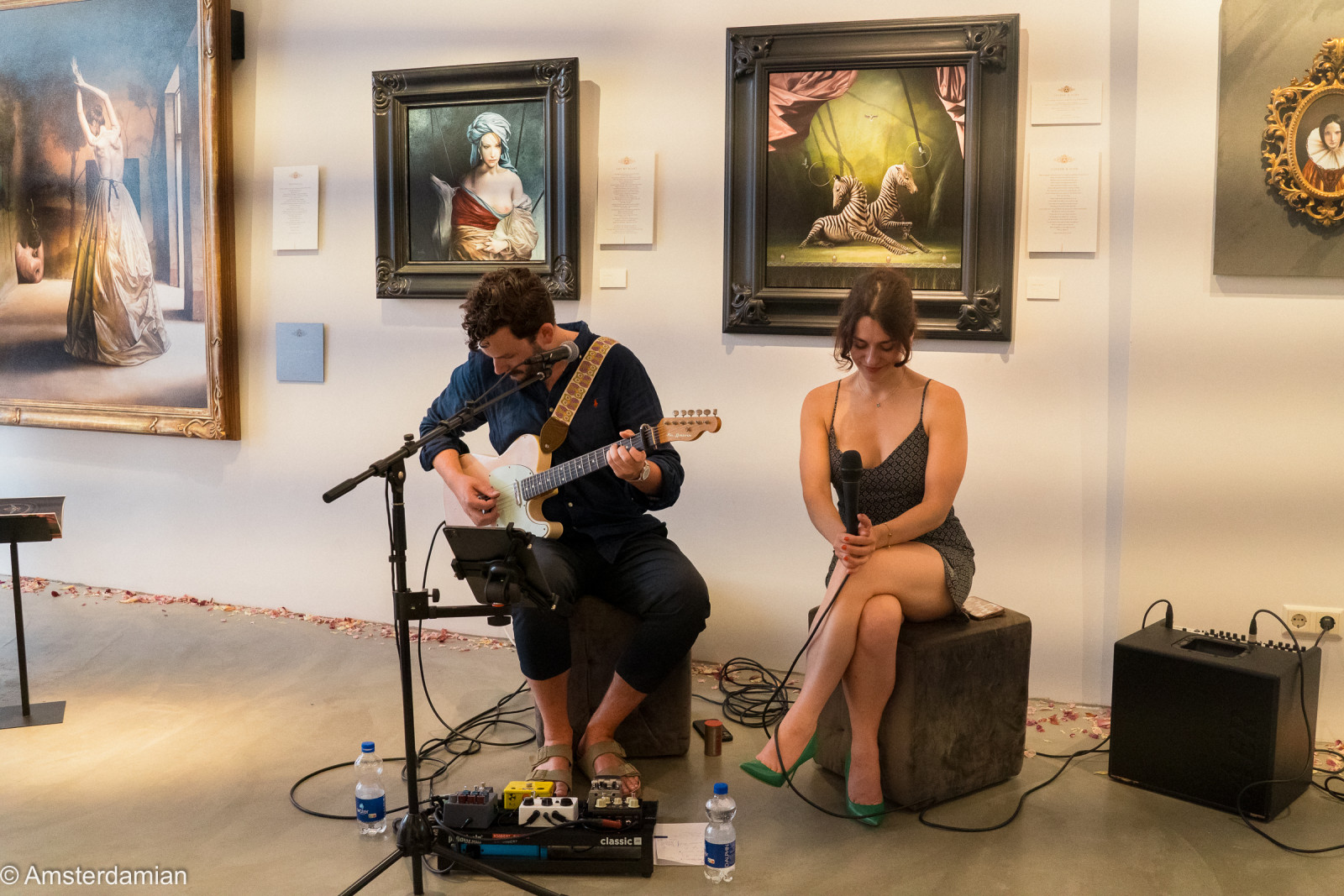
I started with listening to the local choirs at the Nieuwmarkt, and I loved the crowds they gathered. People were singing along and cheering loudly. I then went on to listen to a few other concerts, visited two art galleries, listened to the street DJ, and a few more activities.
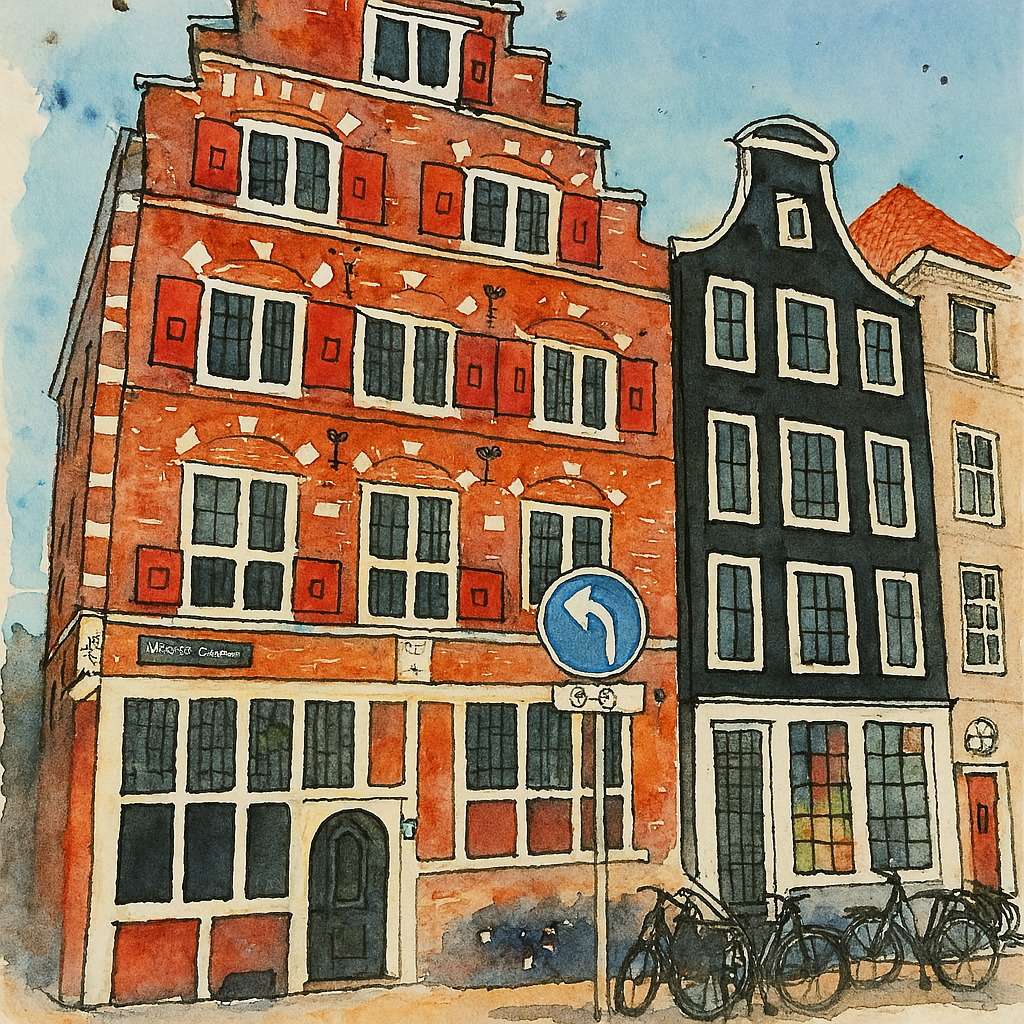
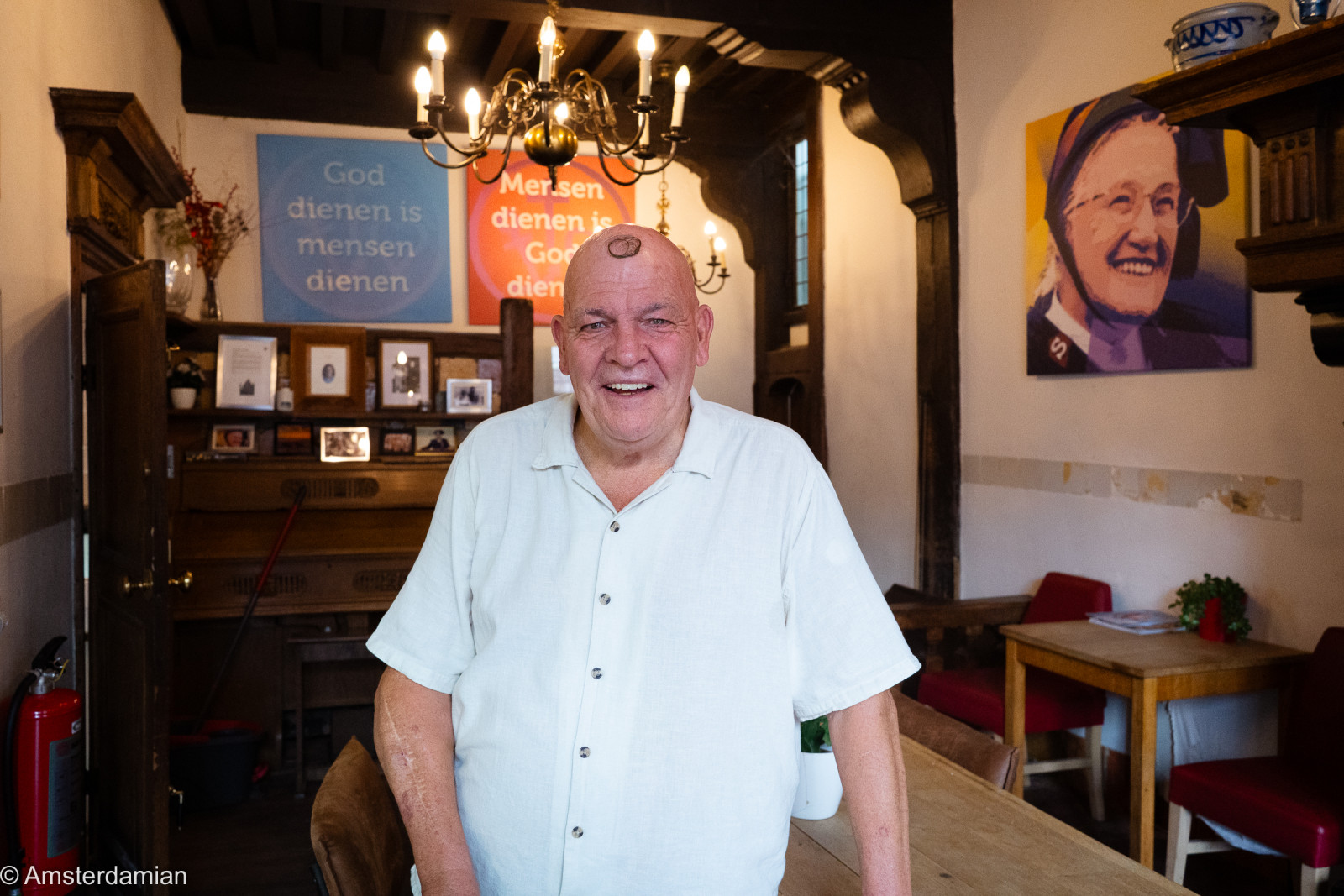
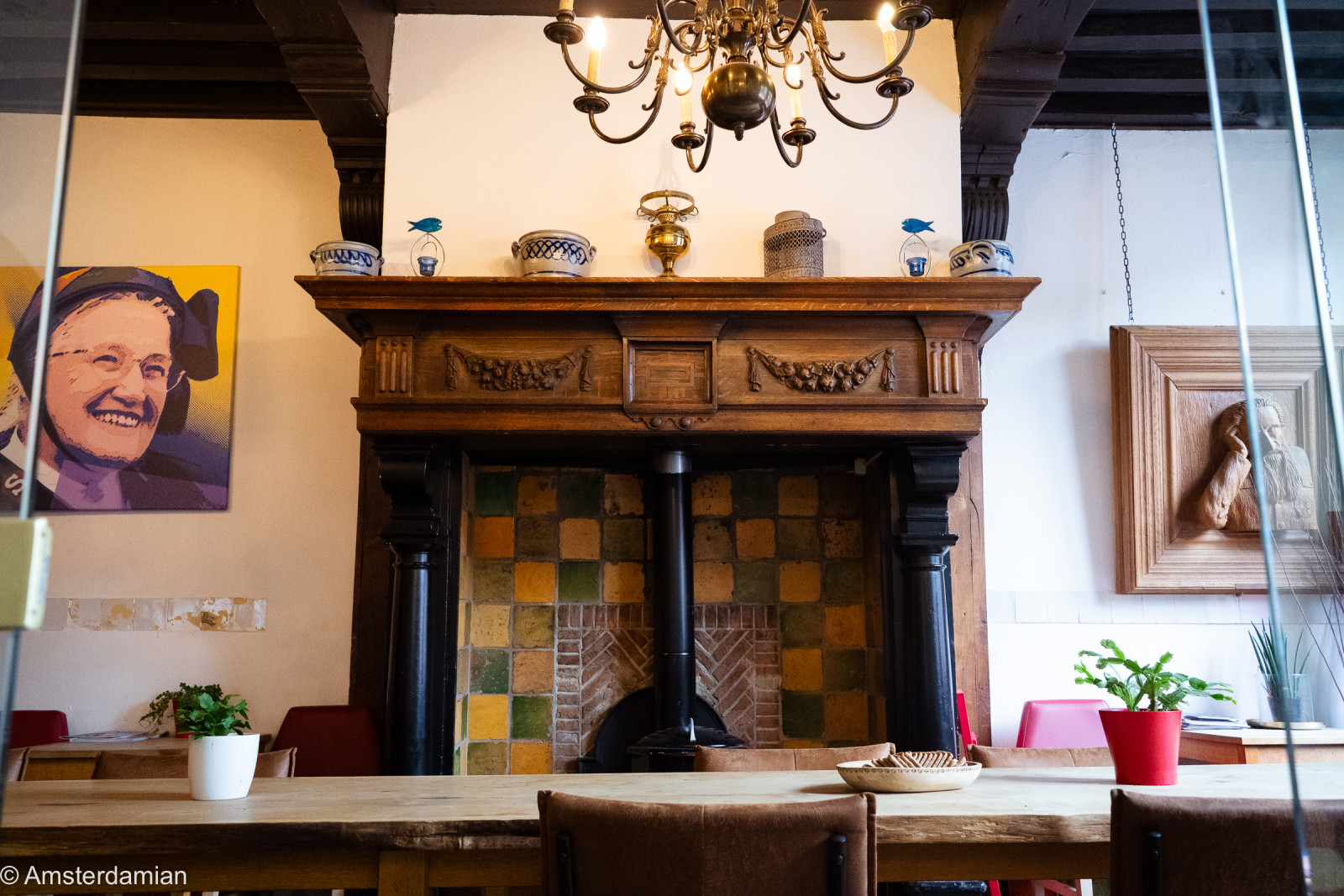
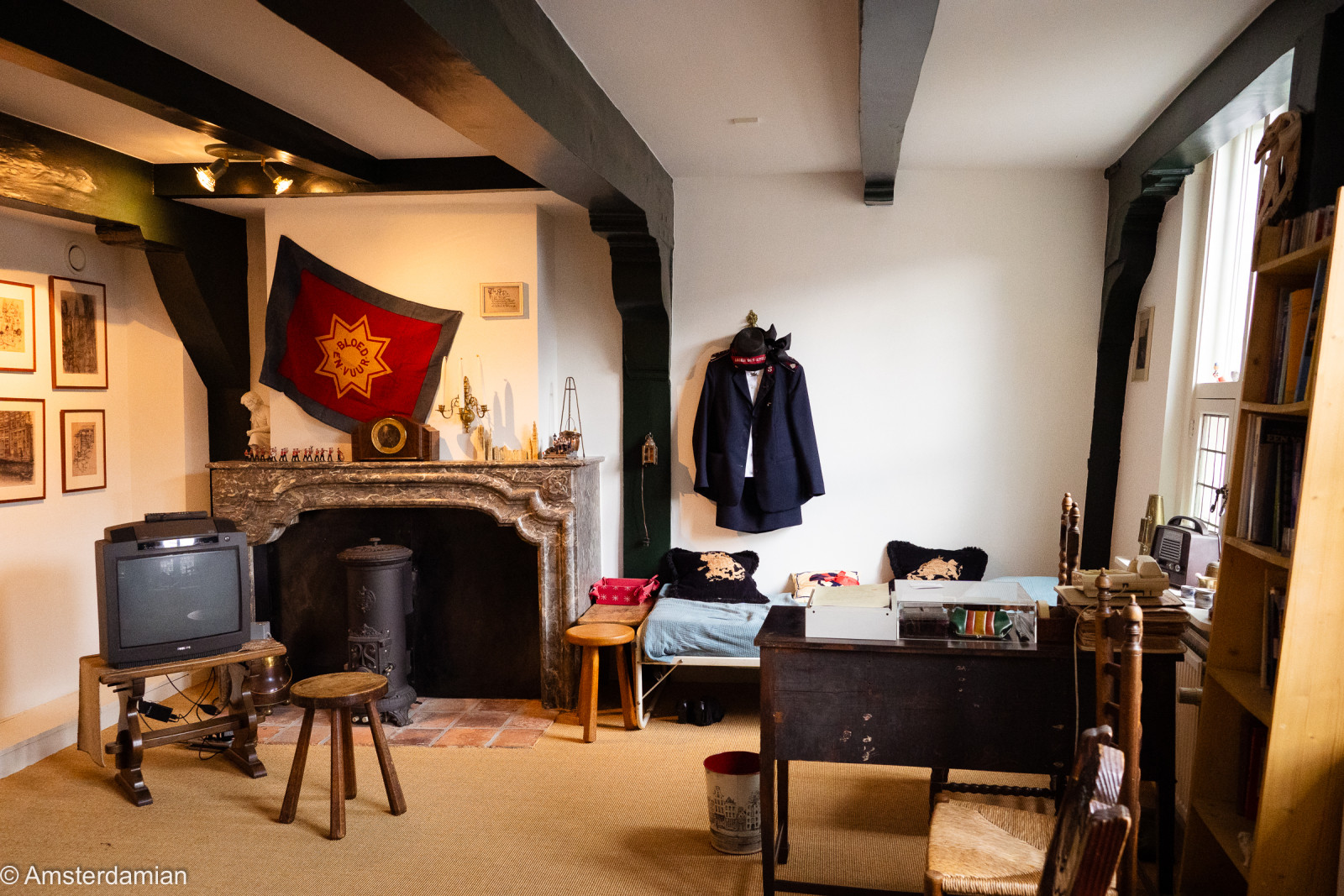
My favourite experience was visiting Huis Leger des Heils and Major Bosshardt House. Leger des Heils (Salvation Army) is one of the largest care and welfare organisations in the Netherlands. You’ve probably heard of them. They opened the doors of the building that inspired my logo and I had to go and see it from the inside. It’s connected with the Major Bosshardt Museum, and it’s a space offering a few hours of respite to homeless people during the day. Then I visited Major Bosshardt’s house, and learned more about her charity work (and a few anecdotes about her life and quirks). And while i was familiar with her work, I didn’t know about the museum and about all this community work that is done right here in the heart of the Red Light District.
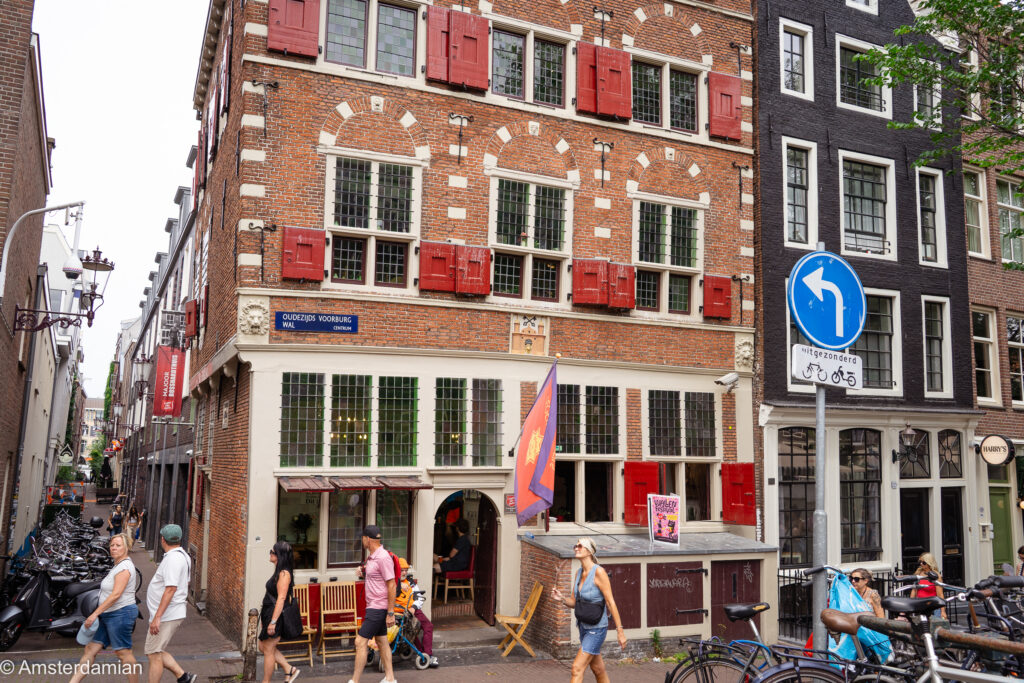
What surprised me the most was that the festival seems to target Dutch speakers, when I think this would be a great success among tourists and internationals living here. All events were in Dutch. They were accommodating for non Dutch speakers though: if you asked them to do a tour in English they were mostly ok with it, but definitely surprised and not expecting it. At least for the experiences I went to.
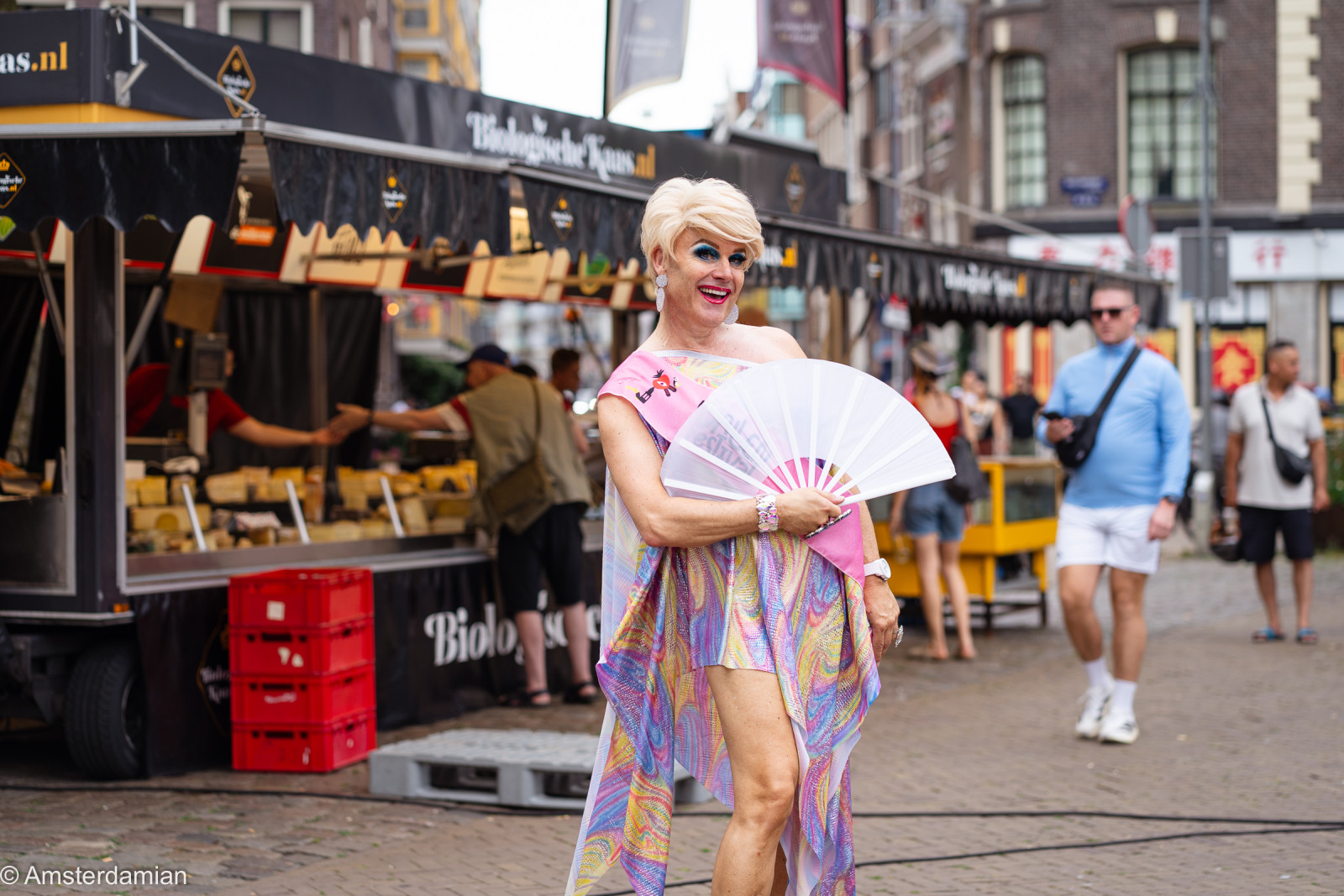
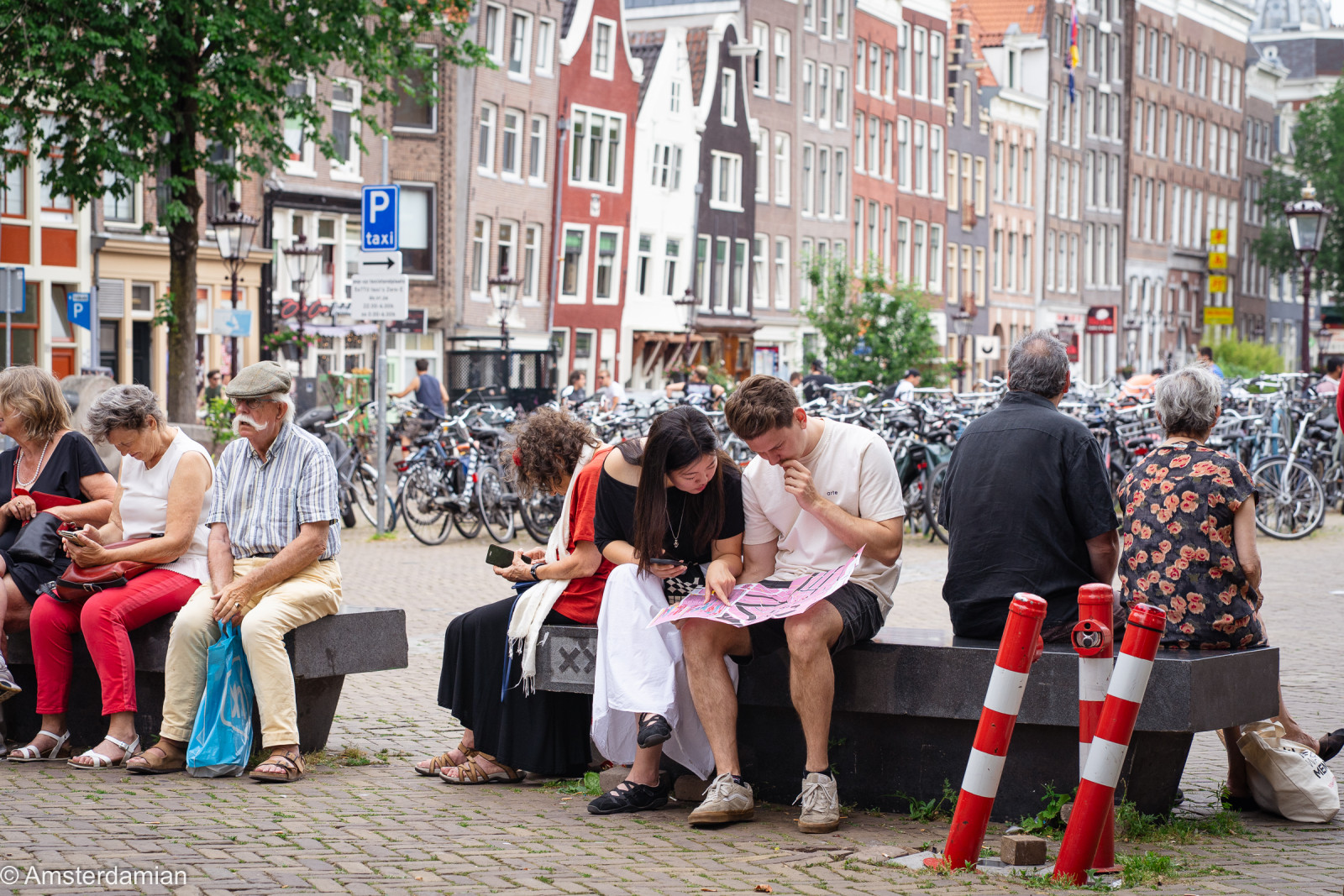
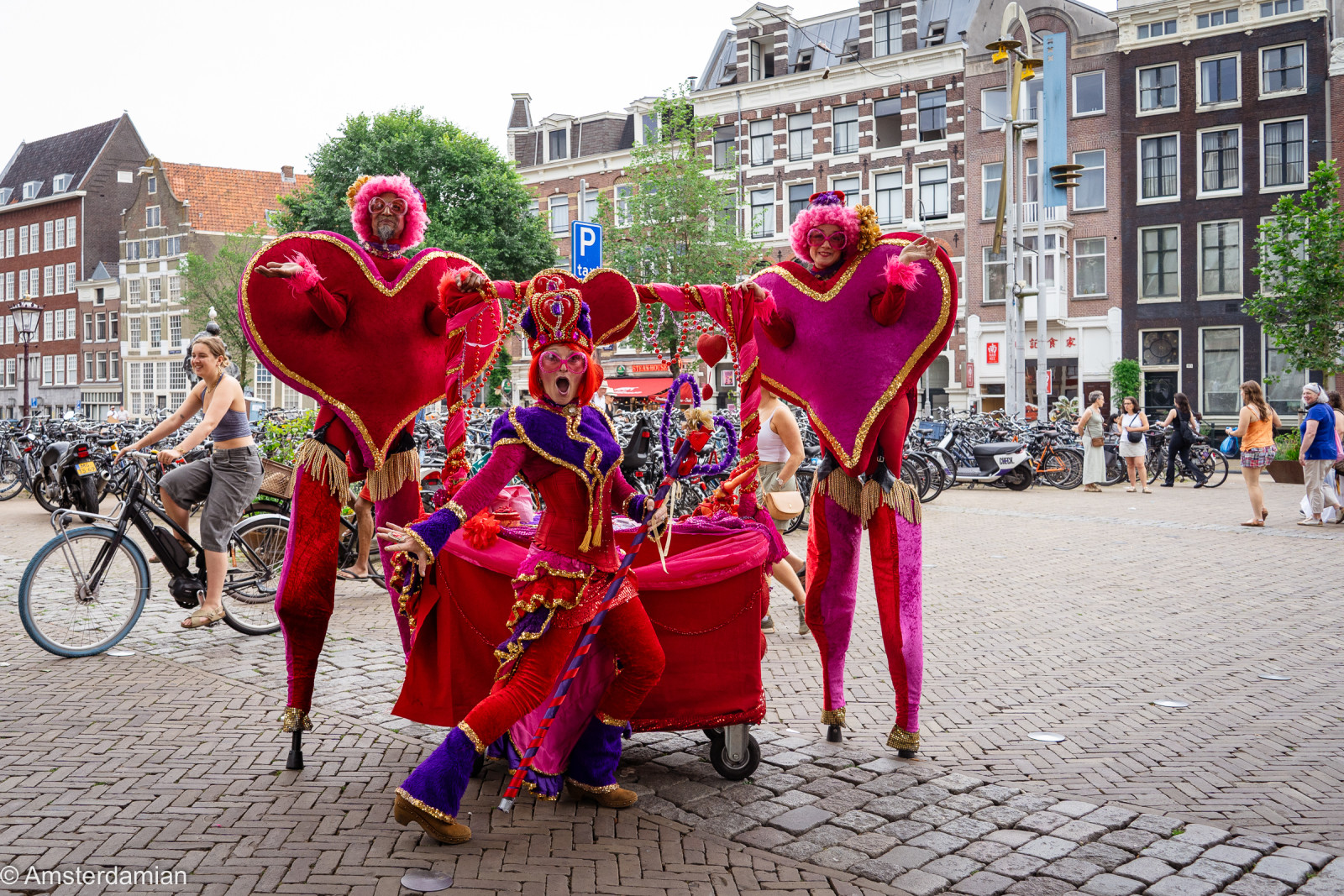
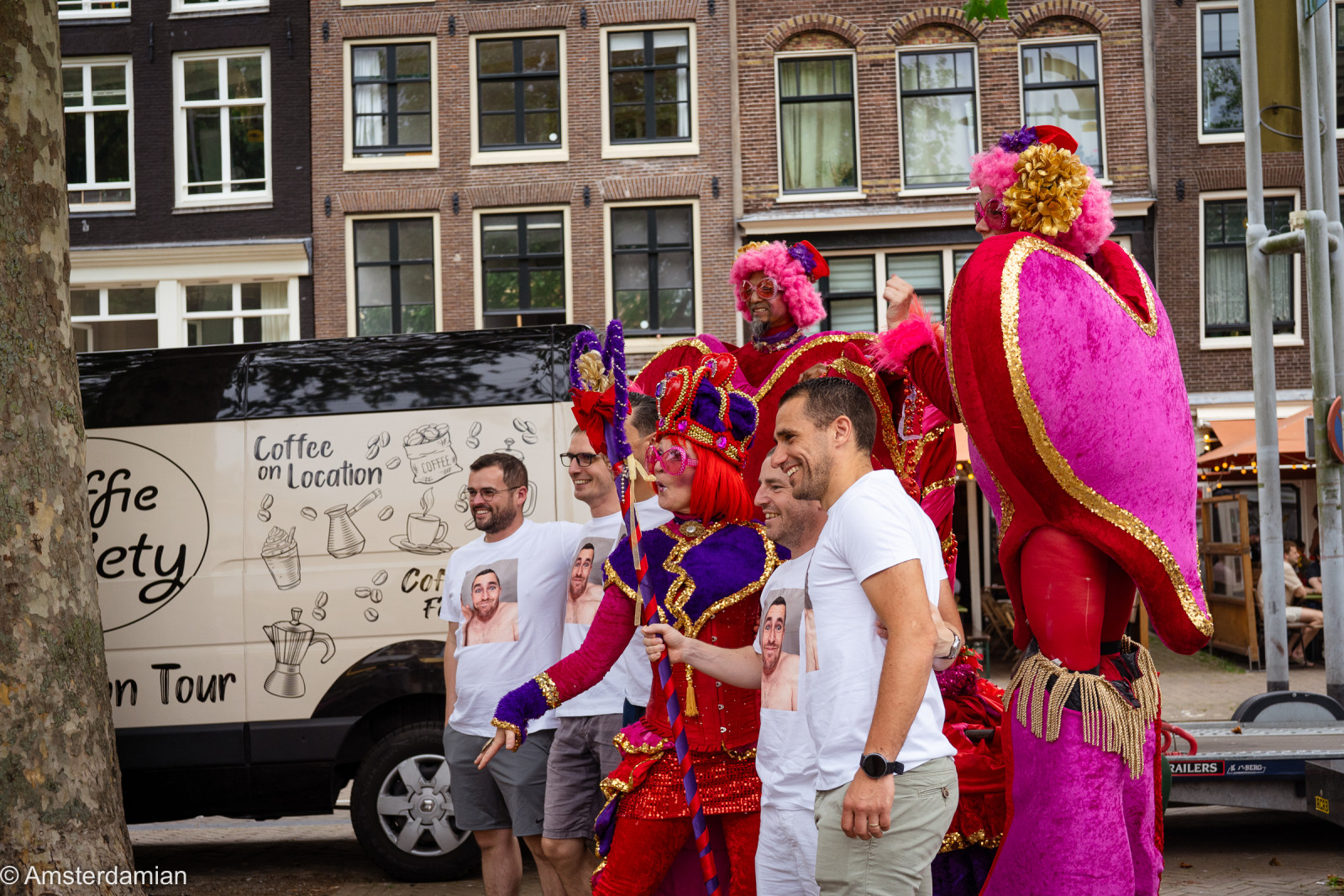
Between events, the neighbourhood did what it always does, only more so. Locals went to the market or joined the festival. Tourists wandered into concerts they had not planned to attend. The two Amsterdams that usually move through these alleys without seeing each other were, for one weekend, at the same party.
Here is the strange thing about De Wallen: it is the most visited neighbourhood in Amsterdam and possibly the least known. Millions of people walk through it every year and see exactly one layer, usually at night, usually quickly. The oldest part of the city, with its oldest church, its oldest profession and some of its most stubborn residents, has been reduced in the world’s imagination to a single red glow. That’s why the neighbourhood is throwing a festival, its own festival, on its own terms: for others to see the whole thing at once.
The Wallen Festival takes place over one weekend at the end of June, and almost everything is free. If you’re around next year, don’t miss it!
Stay tuned for more and follow Amsterdamian on Instagram and Facebook for more stories about life in the Netherlands, written by a real local, updated constantly.
Check out my photo book: Amsterdam Through the Seasons!
Love what you’re reading? Support my work with a small donation.
And share this post if you liked it!