
Last update: 2026
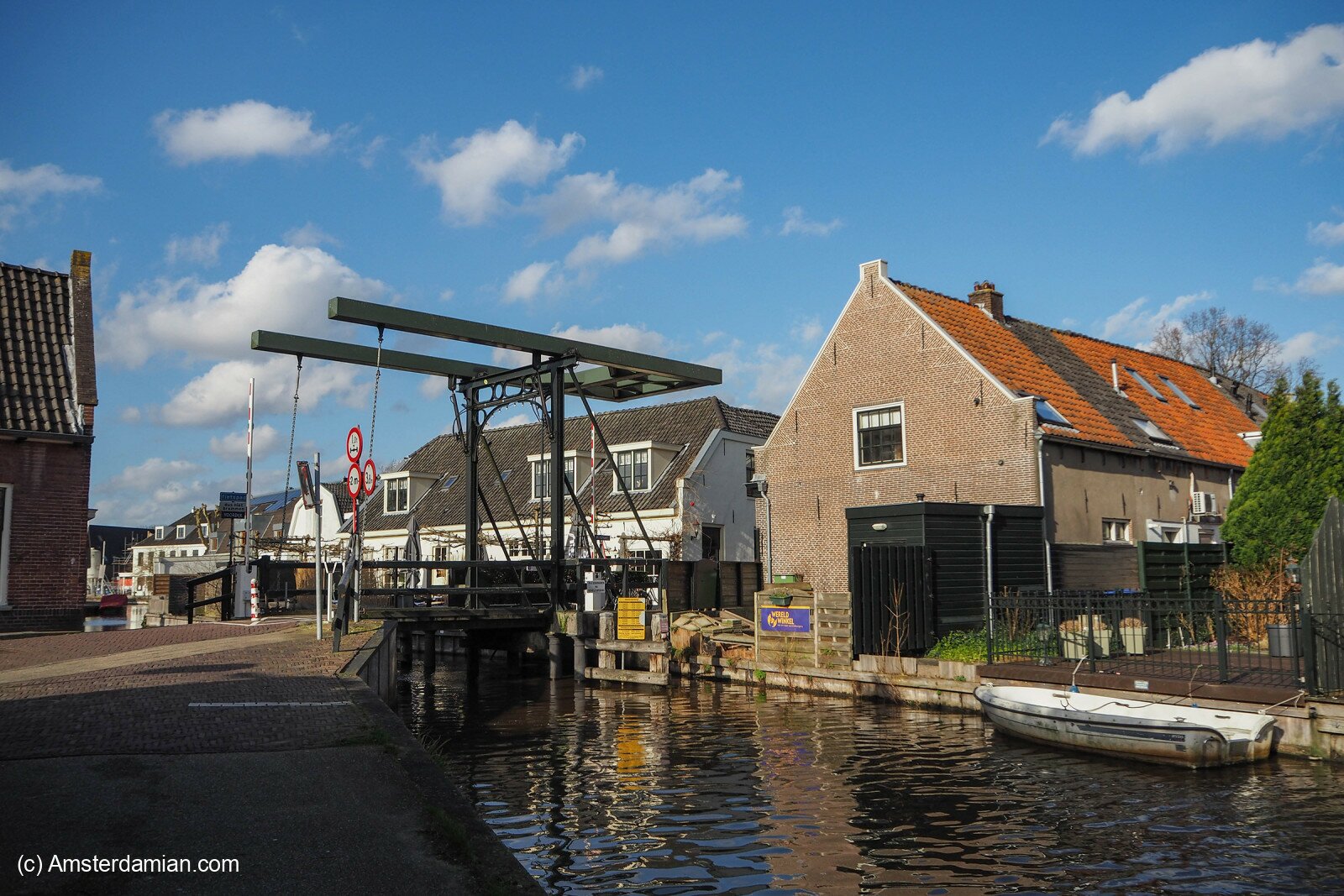
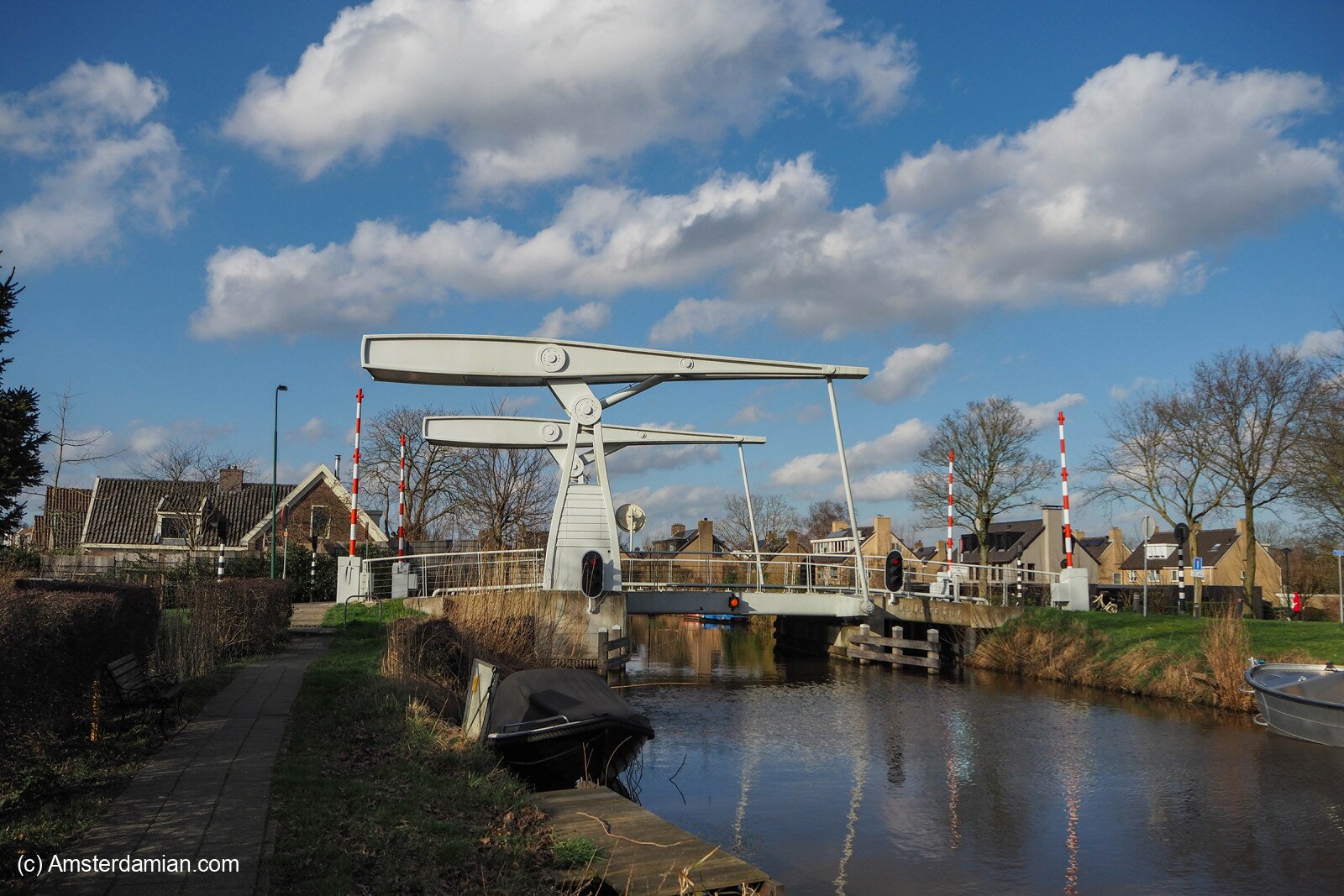
They say Abcoude is the most beautiful village in the Utrecht region, so I had to go see it. Abcoude is at the northern “border” of the province, very close to Amsterdam. It’s easy to reach by train or even by boat. According to Wikipedia, Abcoude is known as the only town whose name starts with the letters A, B, and C in that order and ends with D and E in that order. Well known for its fort (Fort bij Abcoude), it’s an old village with historical buildings and interesting bridges.
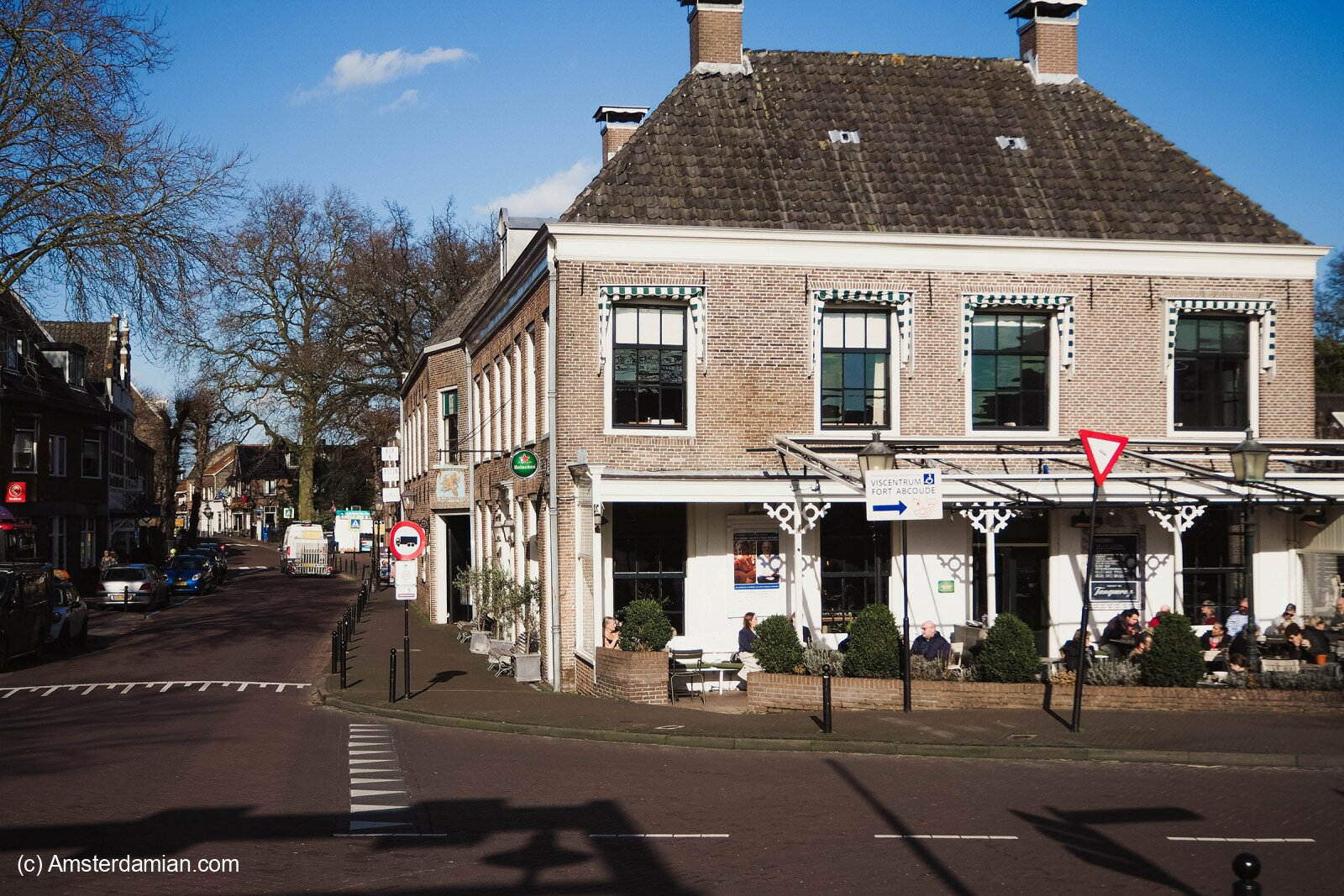
The day was sunny (albeit chilly) and it was a pleasure to walk around on the streets of this village. I combined Abcoude with Woerden, so I was already a bit tired when I arrived here (which was still OK, because Abcoude is the right size for a half-day). However, the visit was pleasant.
✨Day-trip suitability
International visitors: ● ● ● ○ ○ — Best for curious explorers
NL-based day-trippers: ● ● ● ○ ○ — Nice, especially if you’re nearby
● Circles indicate suitability, not quality. Some subjectivity included. How to read these ratings 📜
Wandering the village
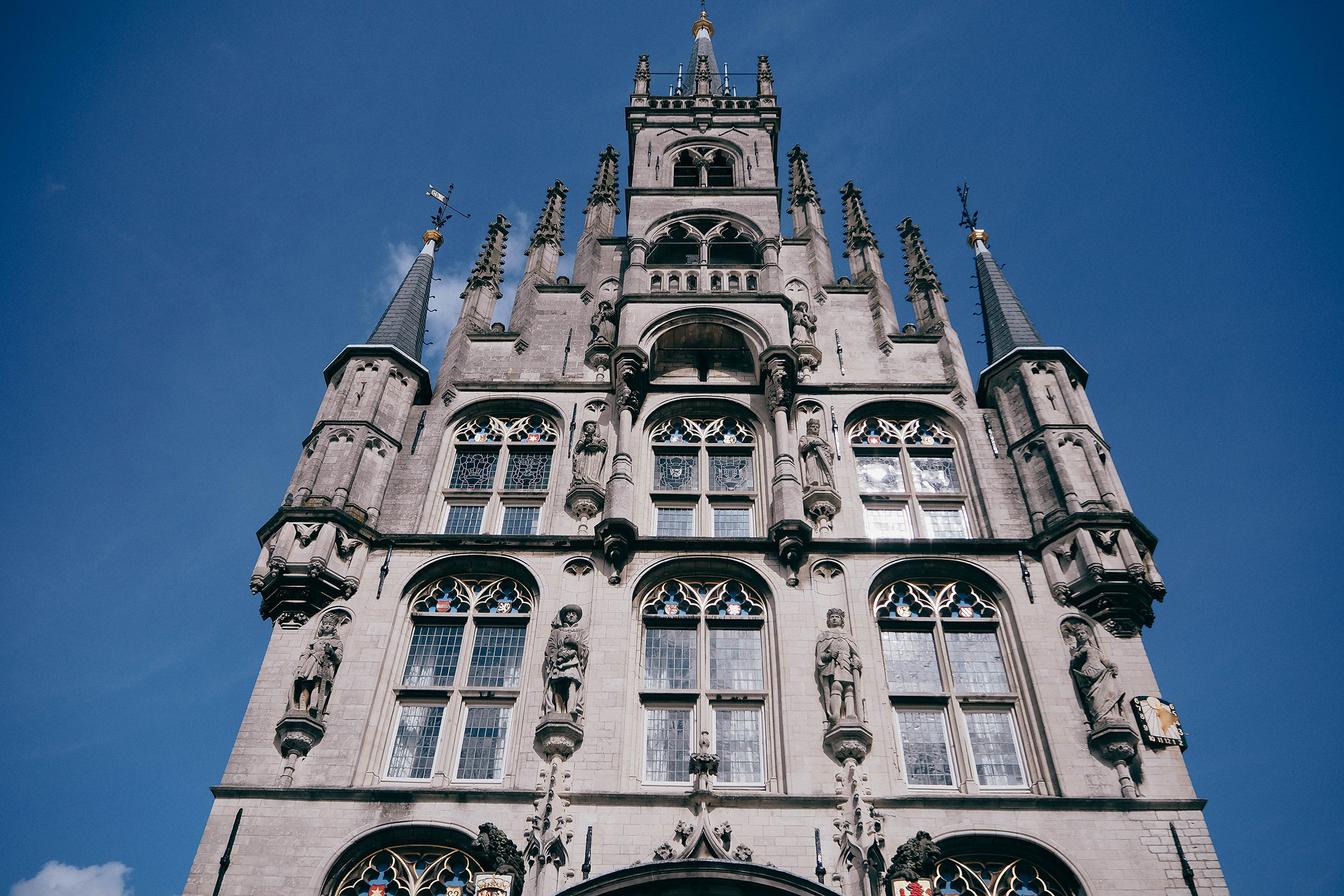
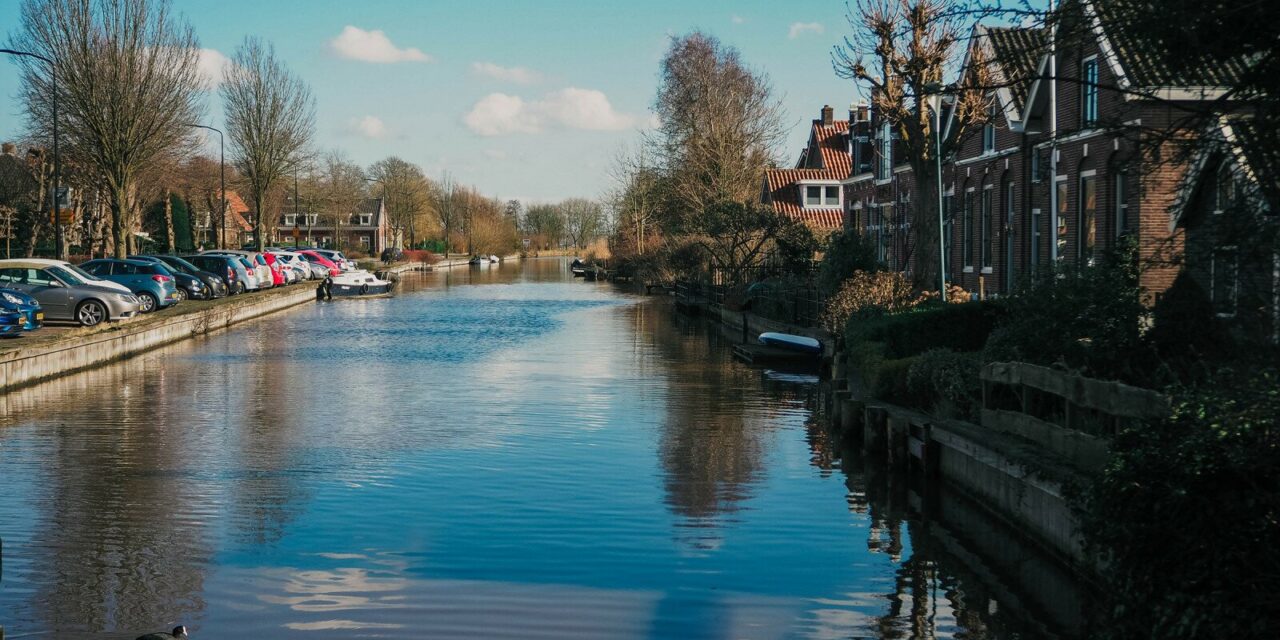
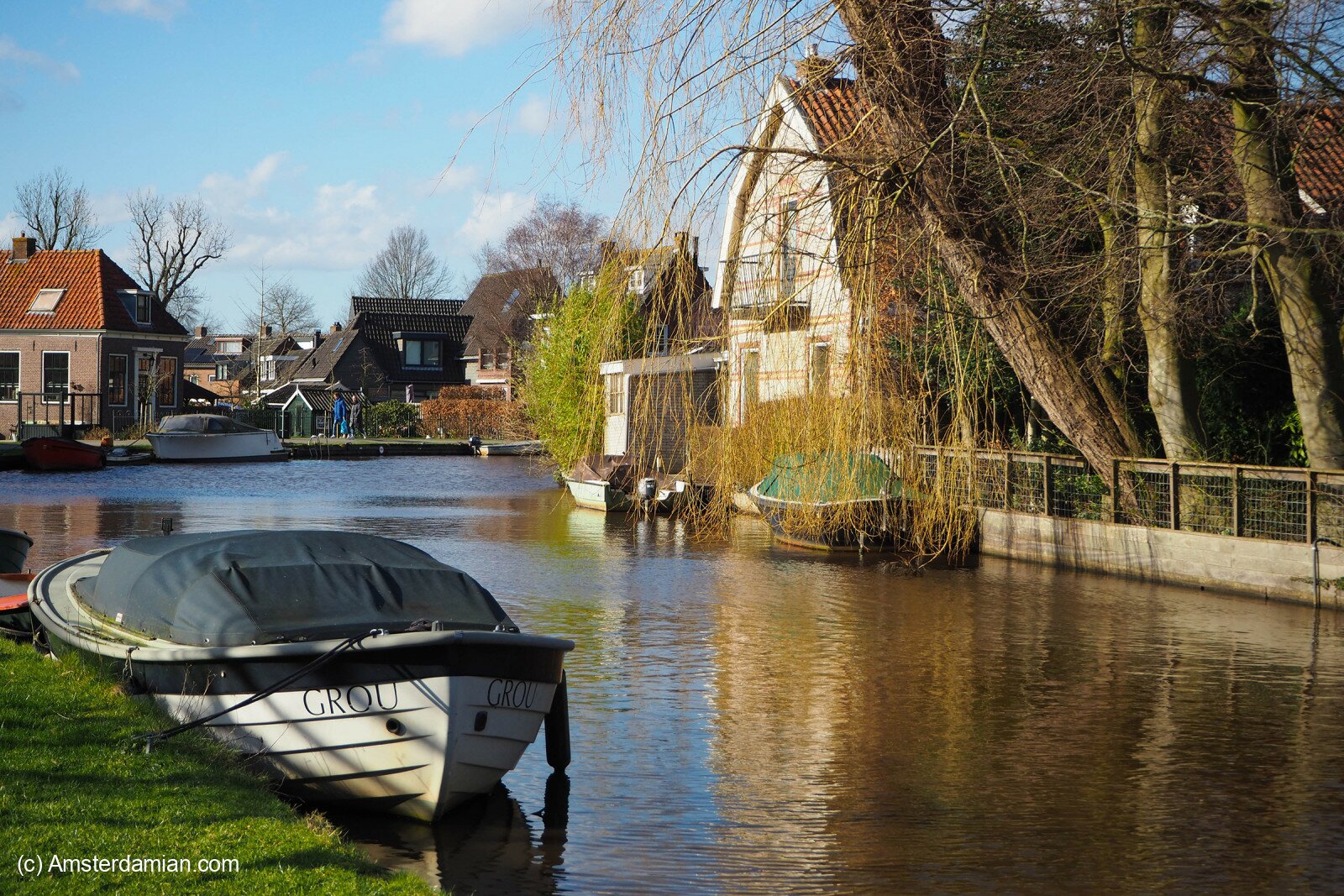
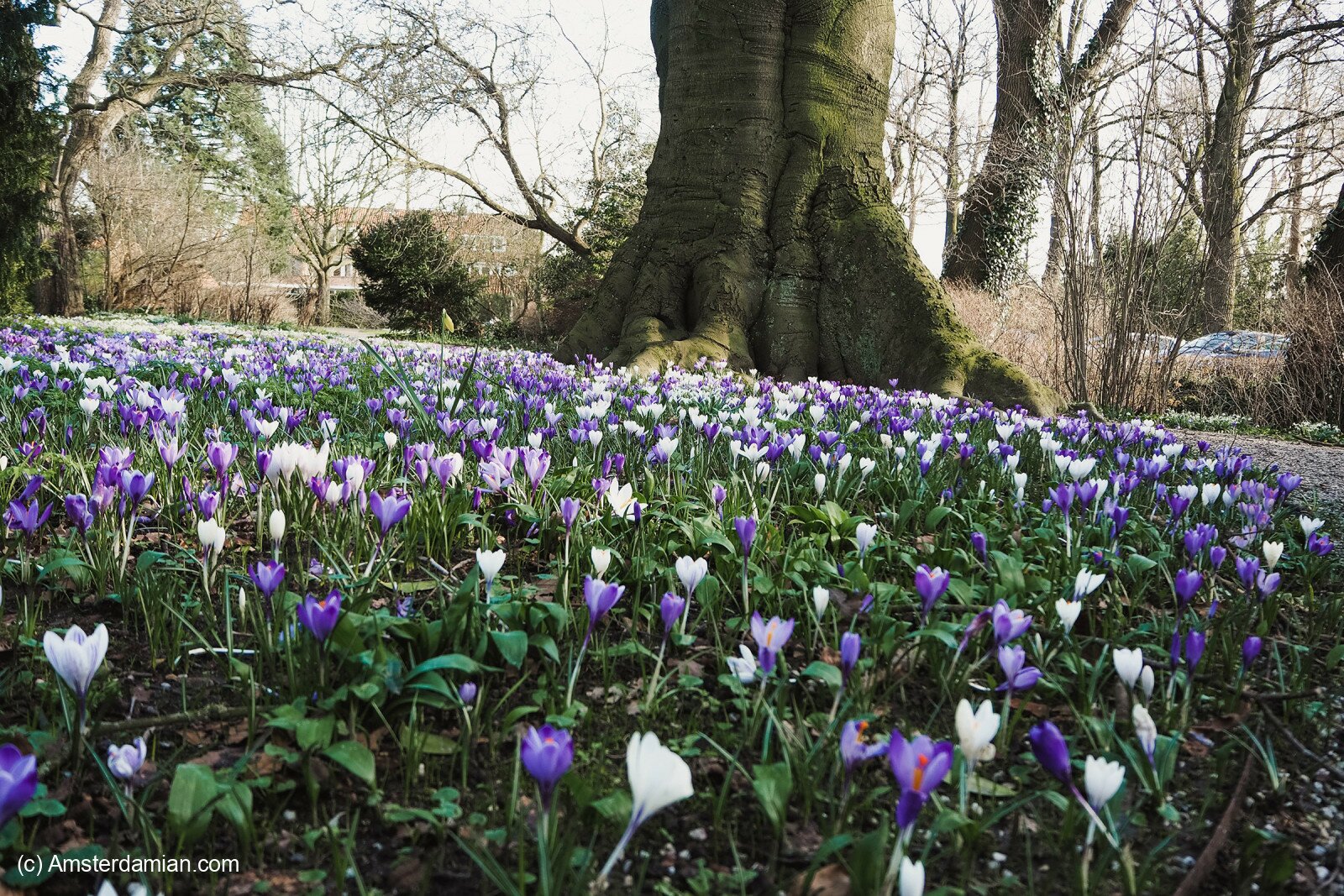
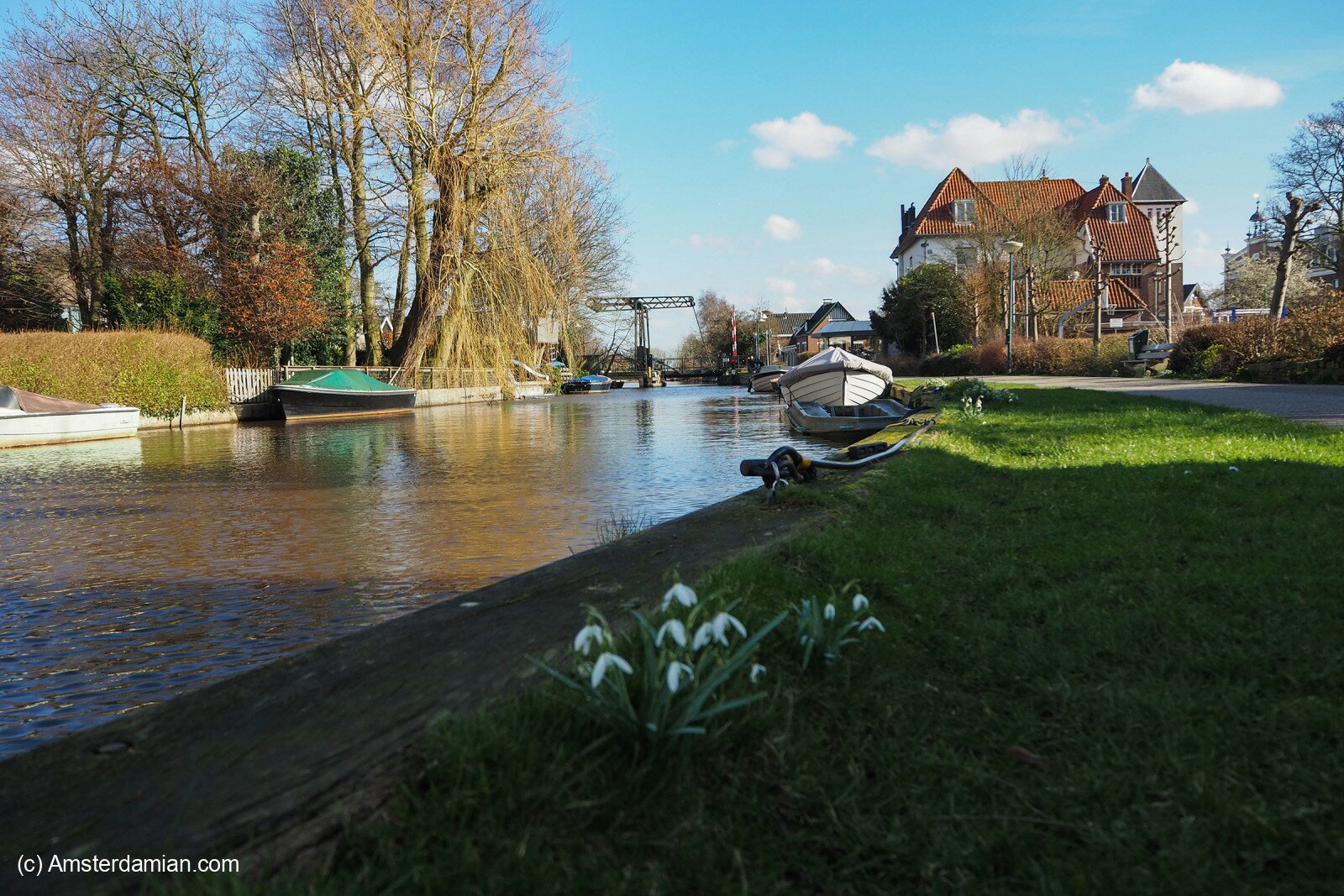
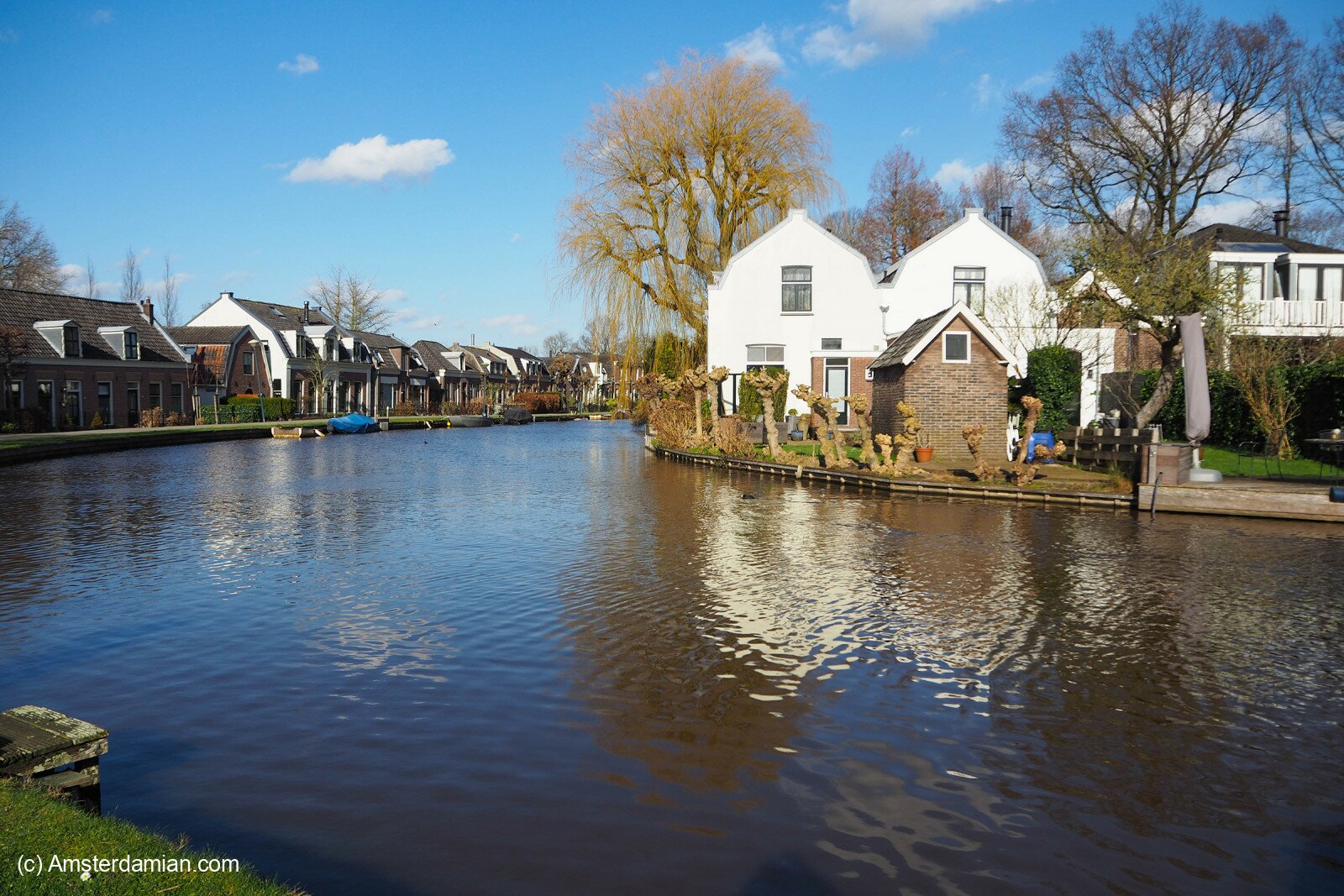
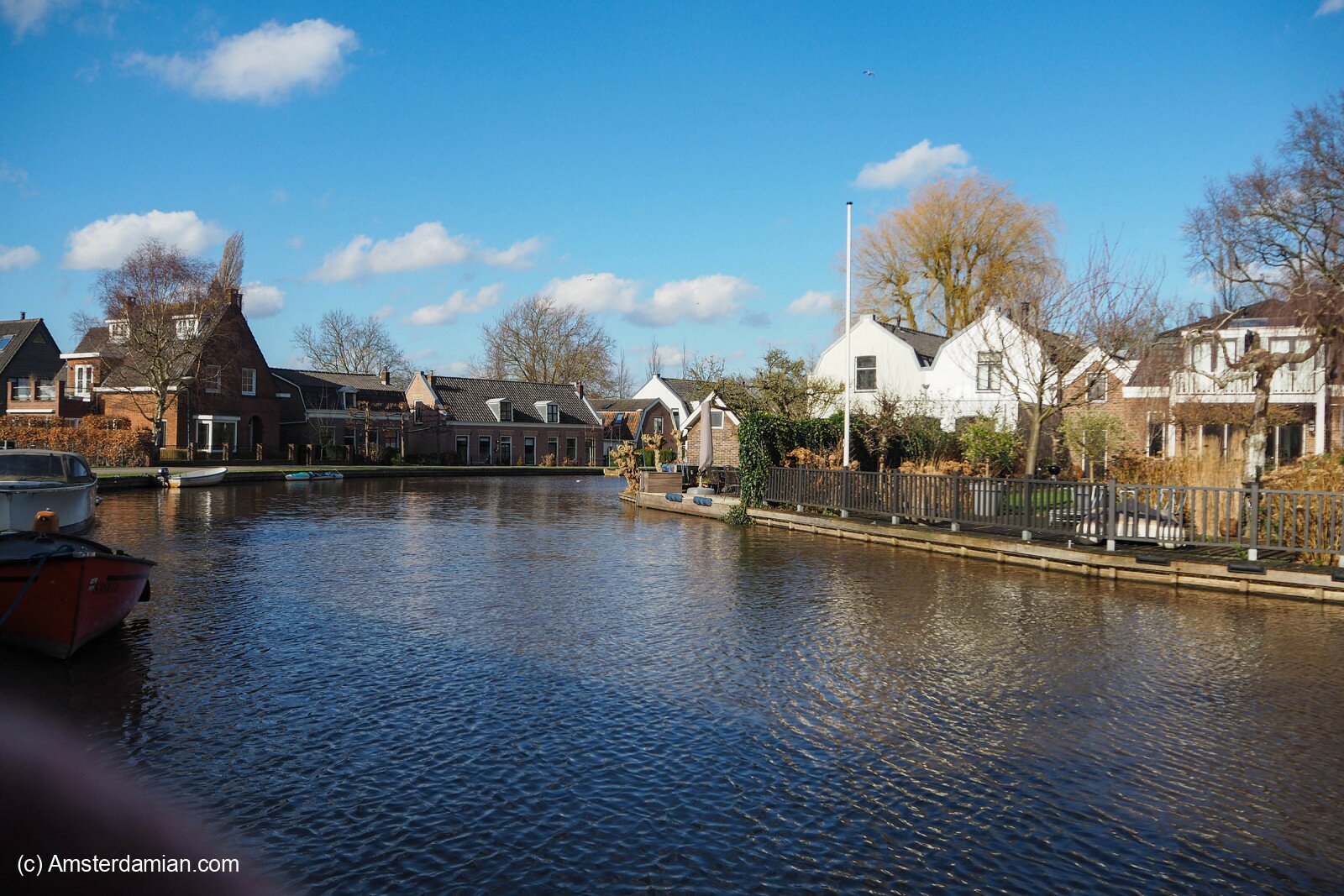
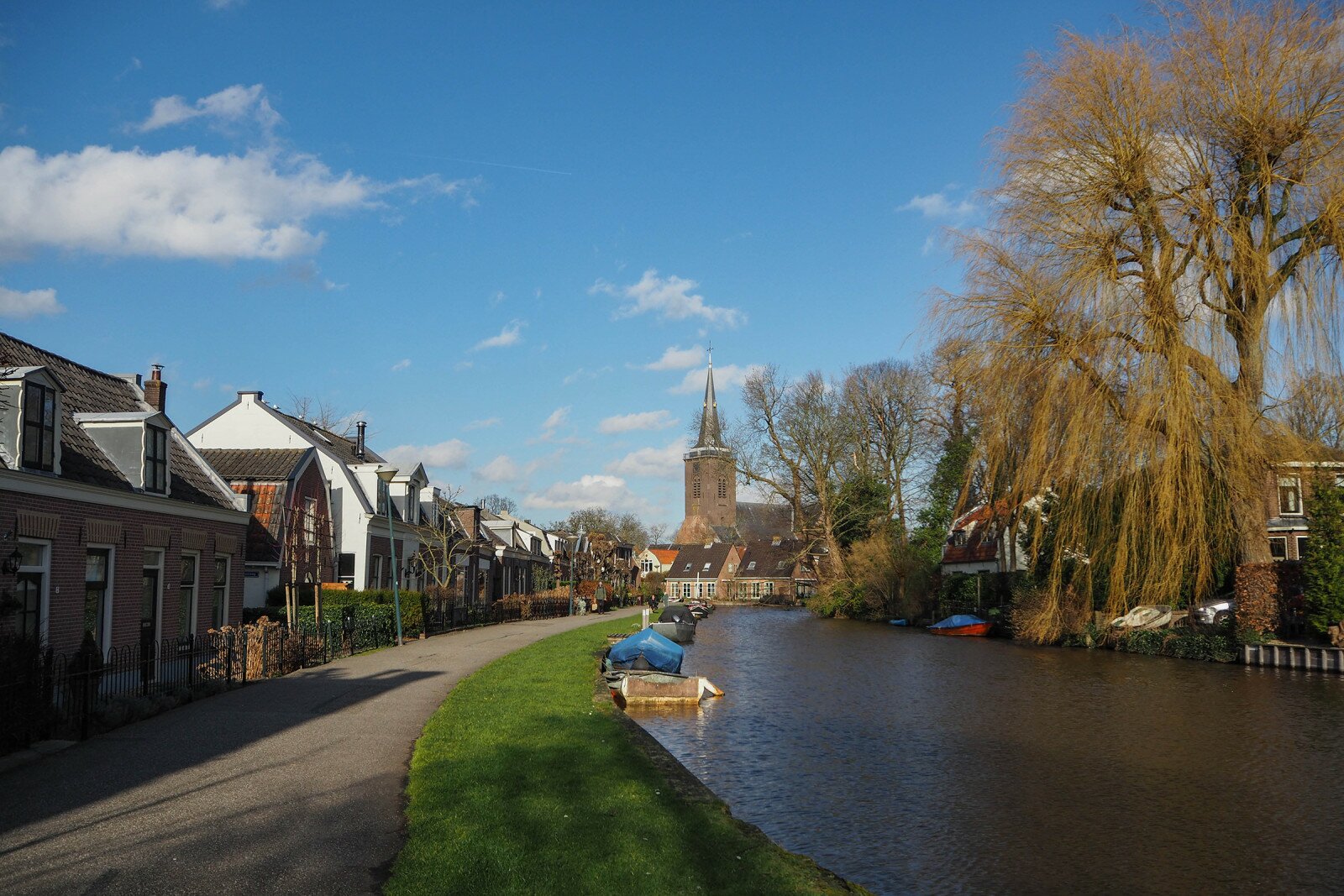
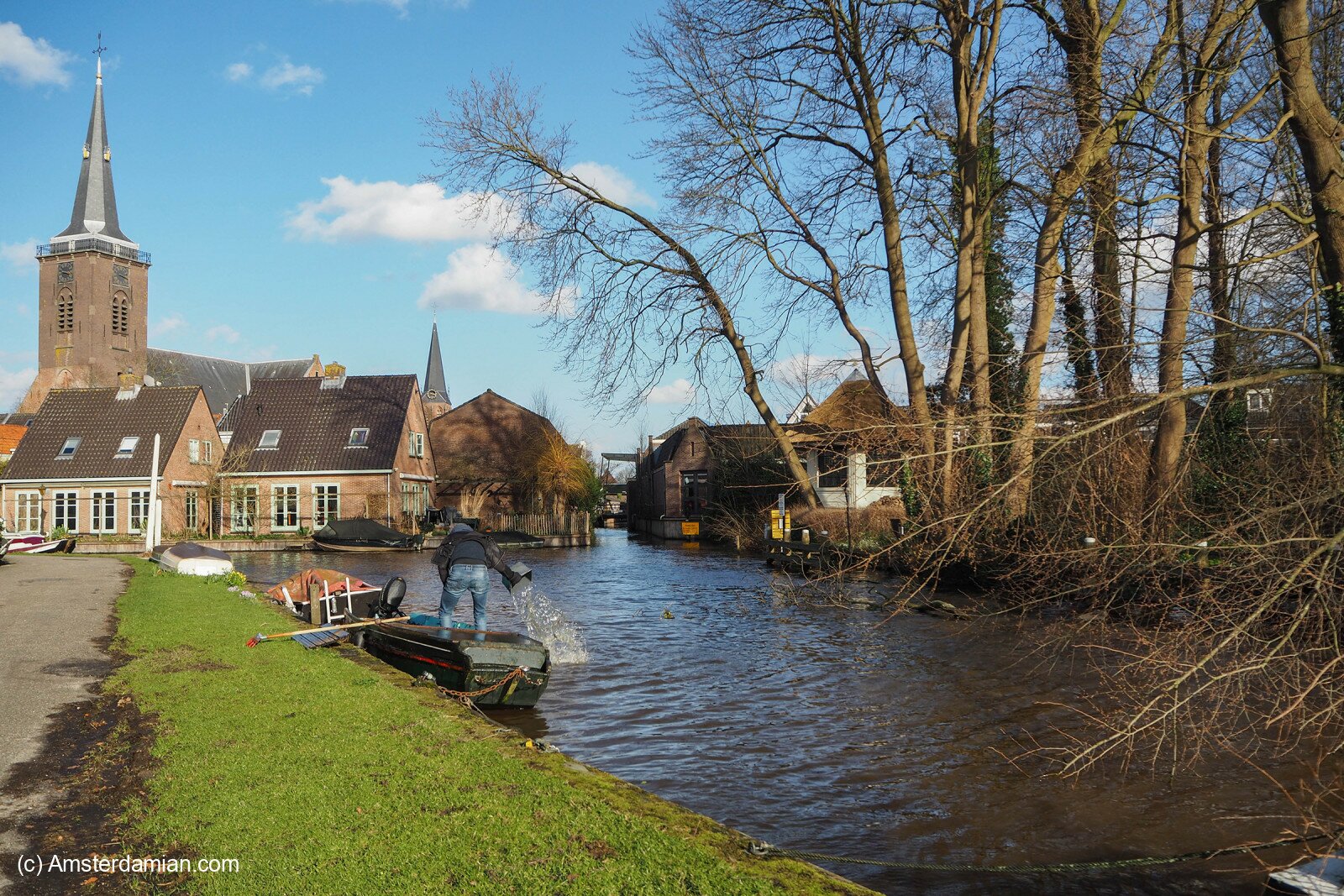
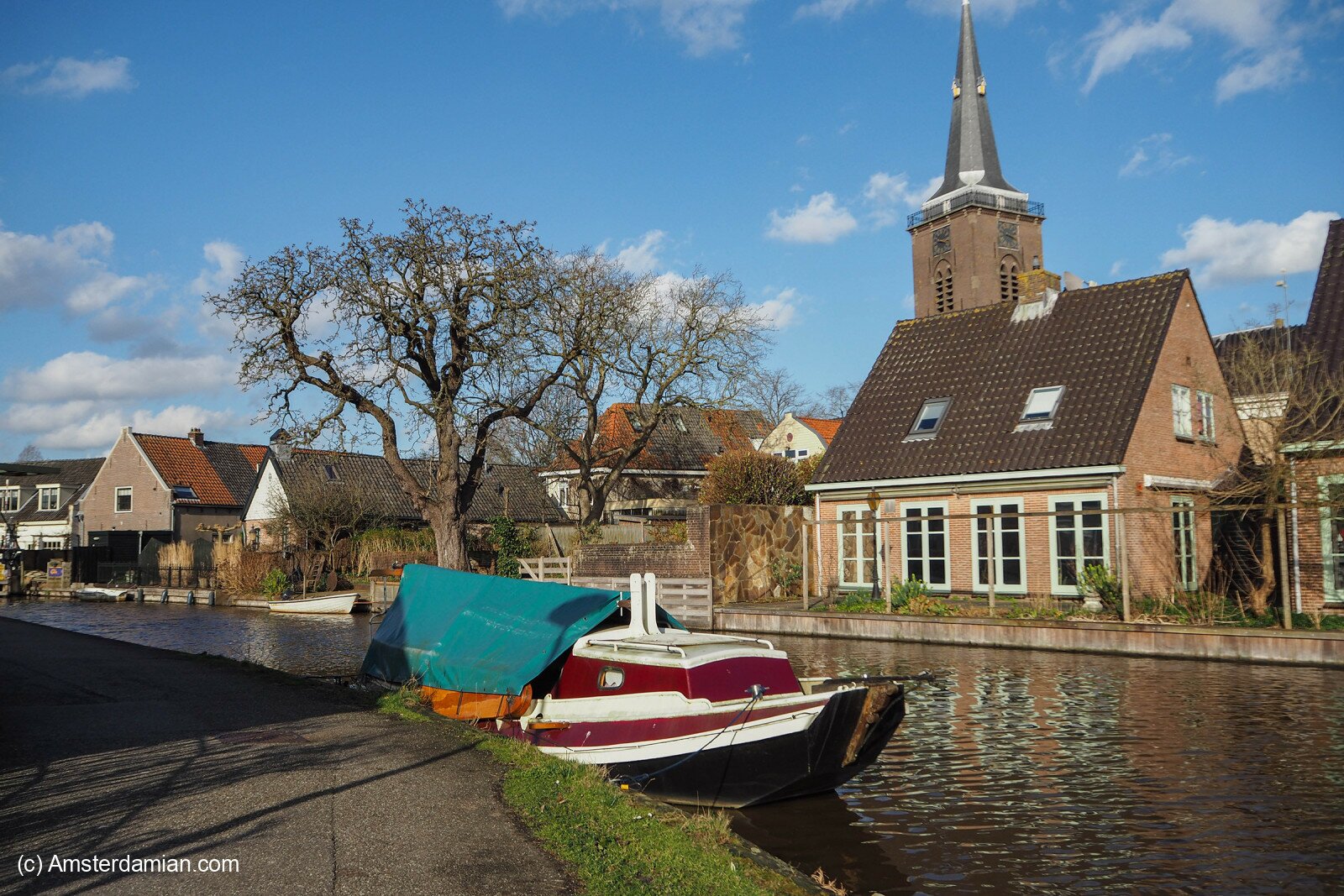
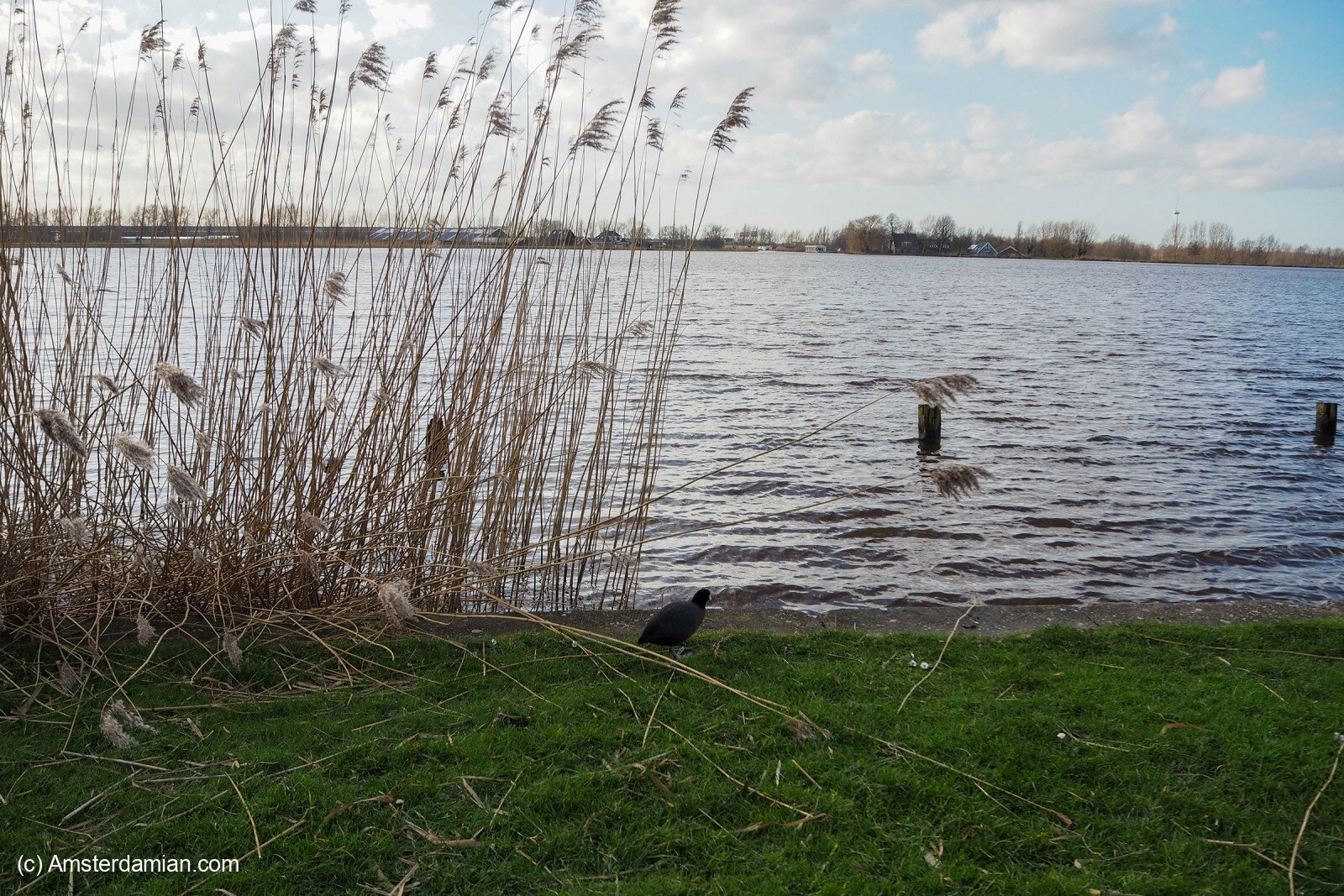
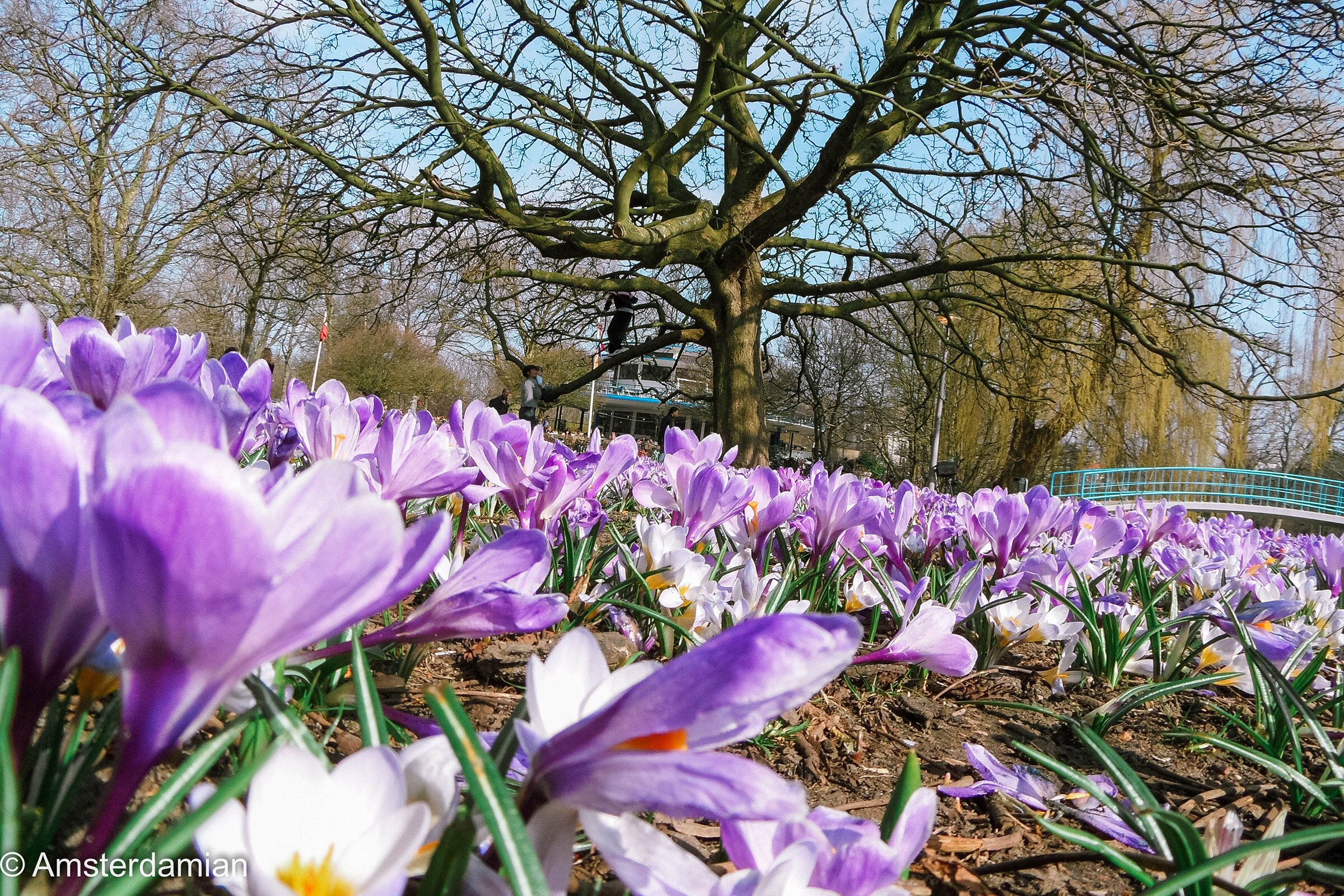
The village was quiet, with only a few people around, enjoying the sun and the spring flowers. The fort wasn’t open on that day. I walked around, and my favourite part was Voordijk, along the Angstel River. It was so peaceful; people were out, caring for their boats or cleaning the destruction that storm Eunice brought. The 15th-century St. Nicholas Church (Dorpskerk Abcoude) sits in the middle of the old centre and is the building you keep half-glimpsing through the trees as you walk, Gothic, simple, surprisingly handsome for such a small village.
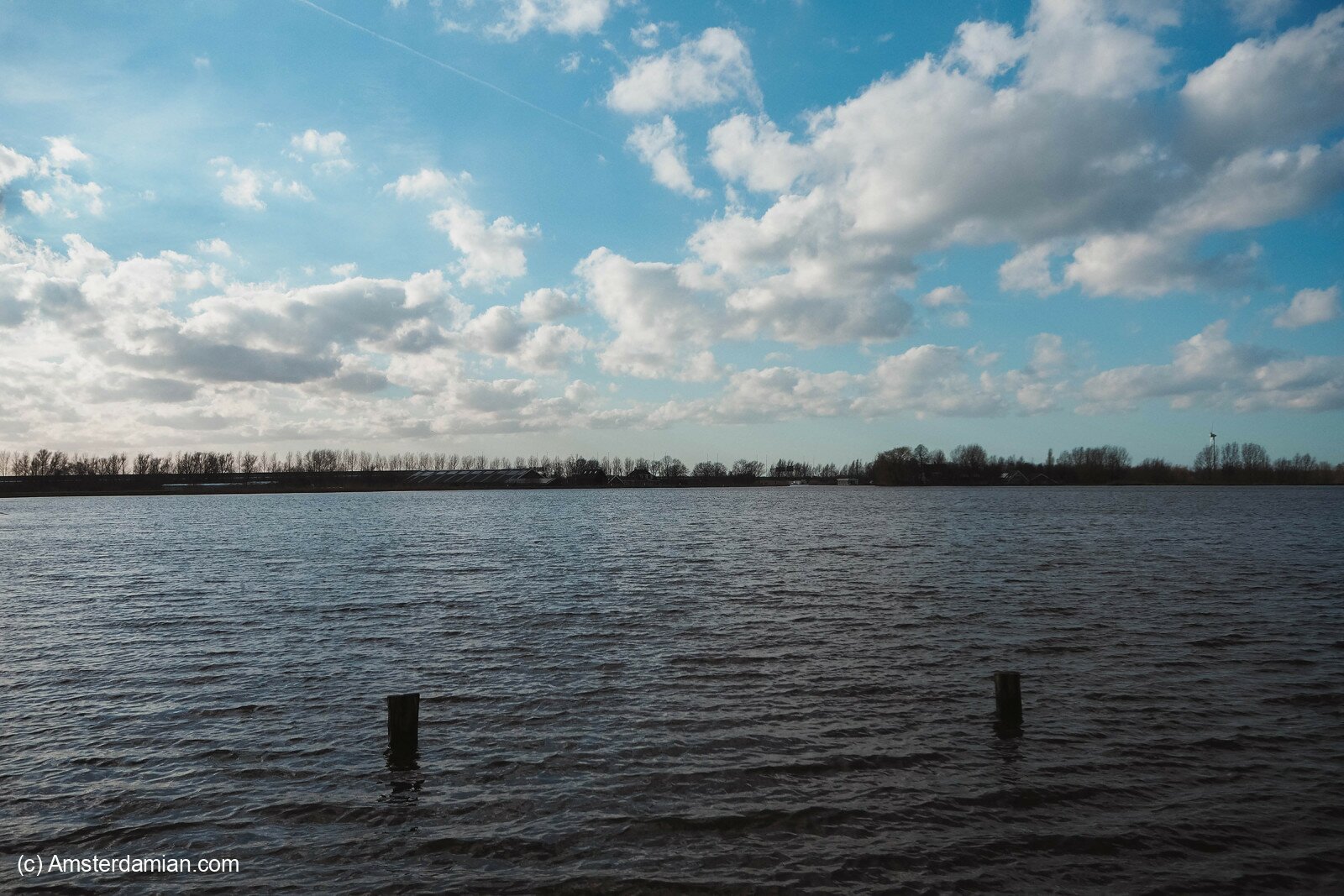
On my way to Abcoudemeer I made what counts as a friend on a day trip: a local photographer walking his dog, who stopped to chat with me. We talked about the village, the storm cleanup, the way the area has and hasn’t changed. It was the kind of pleasant conversation that quickly upgrades a place in your head from “nice” to “I’d come back here”.
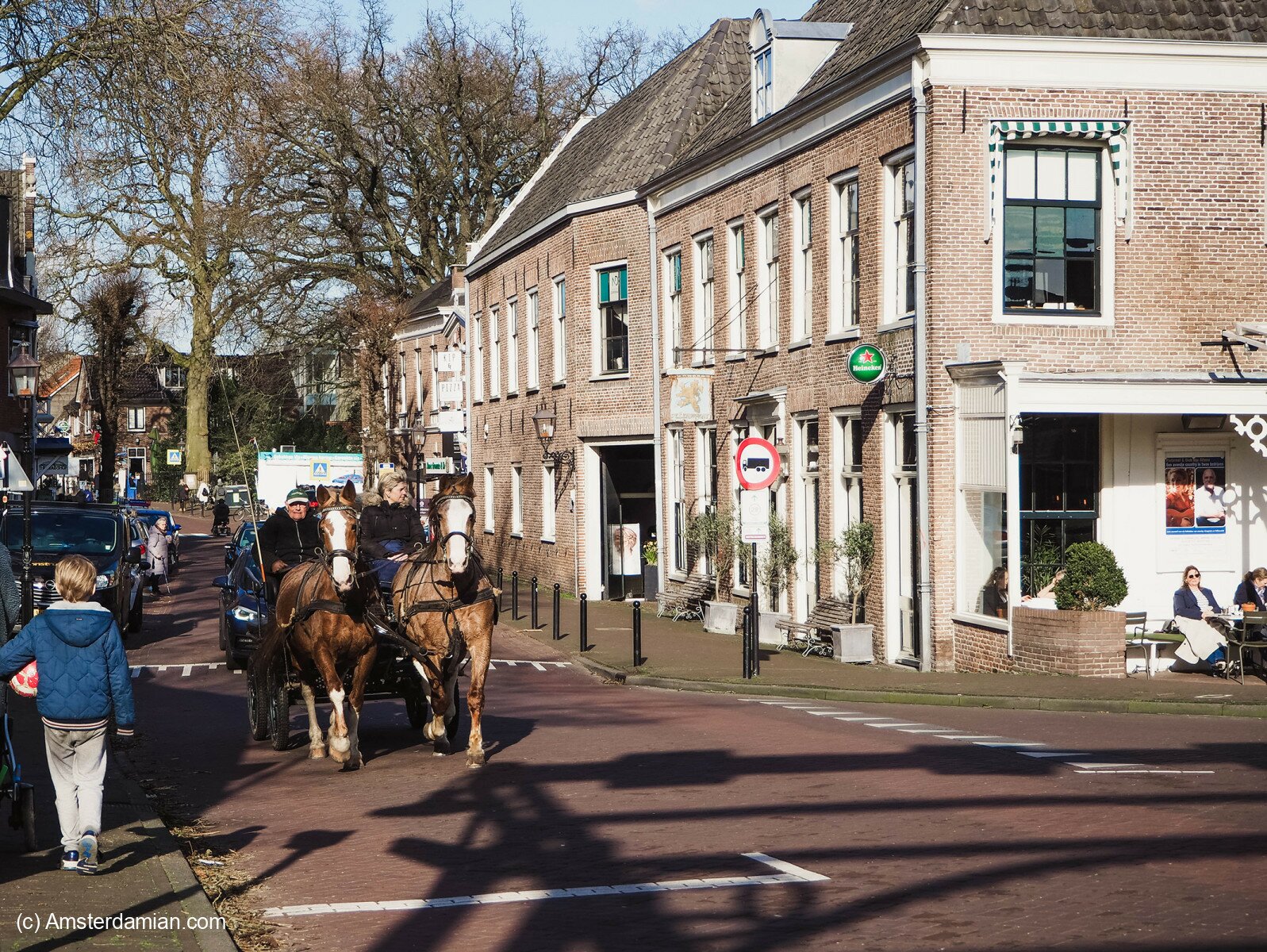
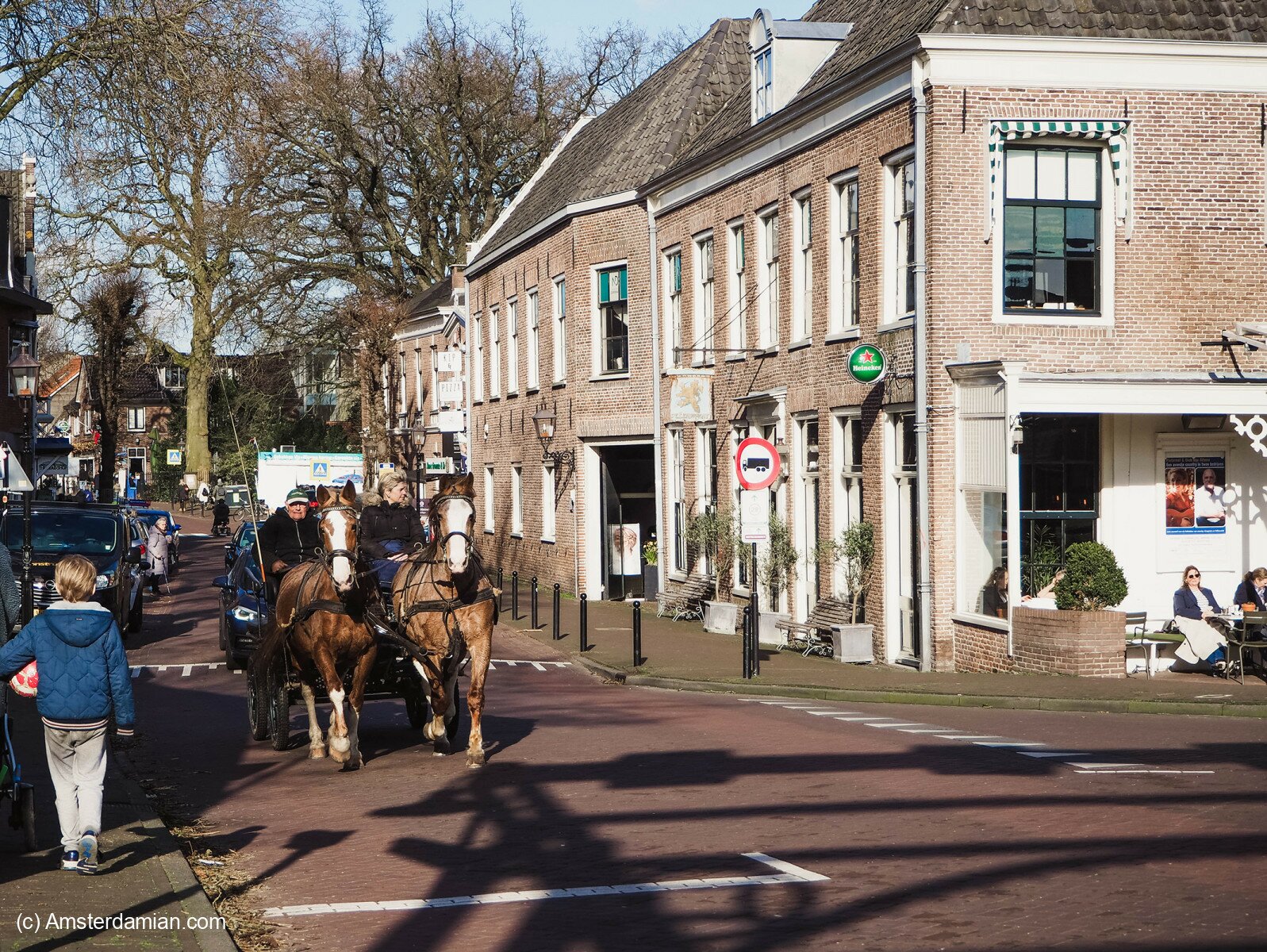
In the village I saw something that made me smile: people riding horses, and a horse-drawn carriage, going along the road like it was the most ordinary thing in the world. Which, in Abcoude, it more or less is, because the village was famous in the past for its traditional Horse Market, and that history has been reshaped into De Abcouder Feestweek, a five-day annual celebration with music, food, and a lot of locals visibly enjoying themselves. If you can time a visit to coincide with it, do.
Fort bij Abcoude and the Defence Line of Amsterdam
On the eastern edge of the village sits Fort bij Abcoude— and this is where the village quietly reveals it is more historically significant than it lets on. The fort was built between 1884 and 1887, and it is the oldest fort in the Stelling van Amsterdam — the Defence Line of Amsterdam, a 135-km ring of 46 forts constructed between 1880 and 1914 to protect the capital. The whole Stelling has been a UNESCO World Heritage site since 1996.
The concept behind the Defence Line is properly Dutch: instead of relying on walls, the engineers planned to flood the surrounding low-lying land in case of attack, creating a shallow lake too deep to march through but too shallow to float a proper boat on. The forts themselves were positioned at the points where roads, dikes, and railway lines passed through the otherwise drowned landscape. It worked in theory; it was never actually tested in war.
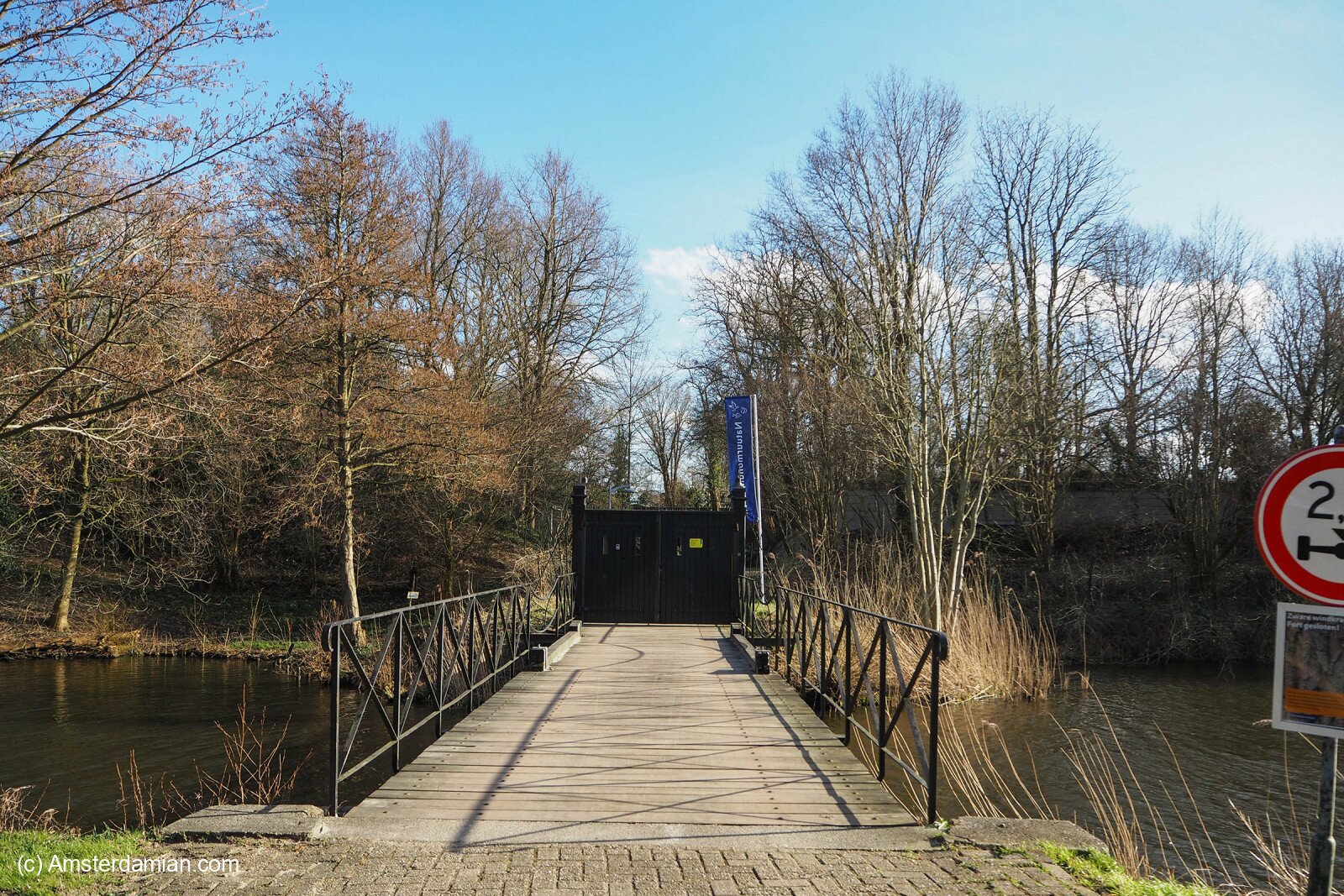
The fort is not open every day; it operates seasonally (roughly February to November, on specific days, so check the stellingvanamsterdam.nl website before you go). When I went, it was closed, but walking around it is still worthwhile: the earthworks, the moat, and the surrounding nature reserve (managed by Natuurmonumenten) make for a peaceful loop. There are usually a few cyclists making their way along the brick-walled approach, which is part of the official Stelling cycling route.
The Rivers, the Windmills, and the Countryside
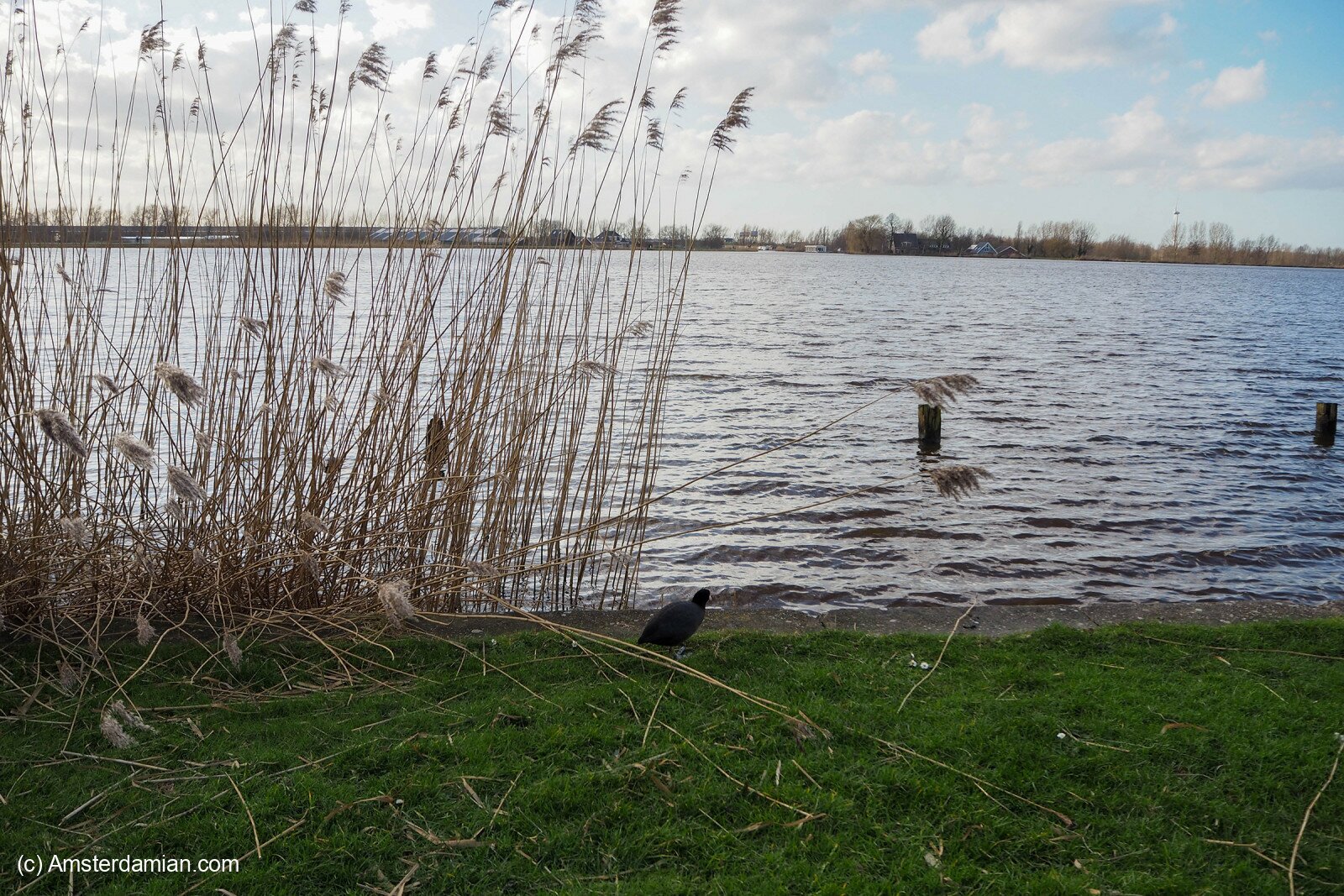
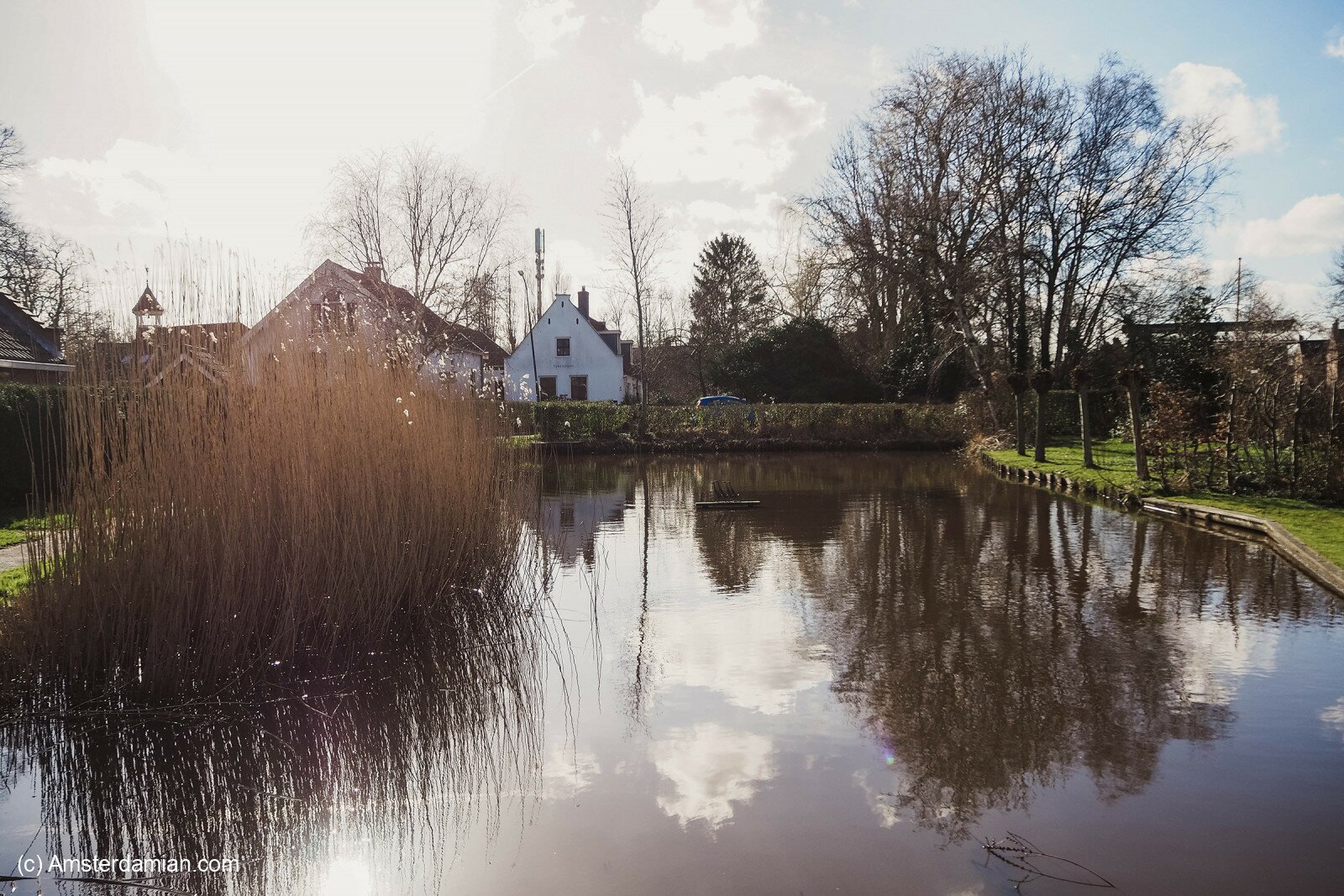
If I had to point at the single thing that makes Abcoude feel different from the average Dutch village, it would be the rivers. The Angstel, the Gein, and the Holendrecht all run through the area around Abcoude, and walking or cycling along any of them gives you the kind of postcard-perfect Dutch landscape that does not really need photography to be remembered. The Gein in particular — narrow, slow, lined with reeds — is one of the prettiest stretches of polder anywhere in the country, and along its banks you can spot the historic windmills Oostzijdse Molen and Broekzijder Molen, both still standing on the same dykes they have stood on for centuries.
If you can rent a bike at the train station (or bring your own), cycling the Gein loop is the best way to see all of this. It is short, flat in the way only the Netherlands can be, and it takes you past windmills, old farms, and polder views. The official Stelling van Amsterdam cycling route maps the loop properly if you want to follow it.
The Gein landscape also has an unexpected artistic connection: Piet Mondrian regularly came here in the early 1900s to paint the river, the farms, and especially the windmills along its banks. Several of his early works, including paintings of the Oostzijdse Molen and Broekzijder Molen, were created here.
Getting There
Abcoude is the easiest day trip in this whole series. Direct trains from Amsterdam Centraal take about 20 minutes on the Sprinter line. By car, it is about half an hour via the A2, with parking on the edge of the village. If you are feeling ambitious, you can also cycle in from Amsterdam along the Amstel; it takes roughly an hour each way through some of the prettiest commuter countryside in the country.
Final thoughts
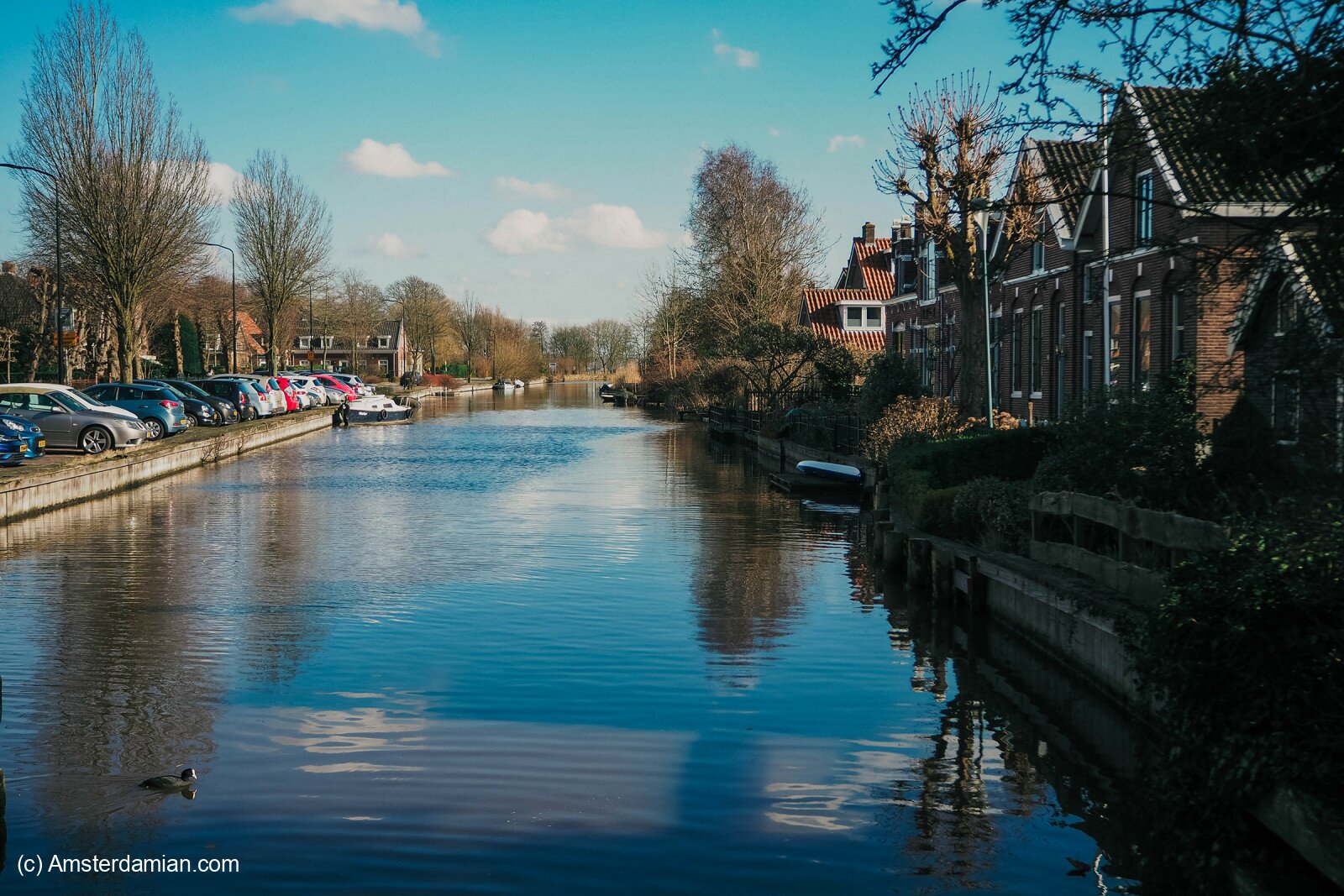
I think Abcoude would be best enjoyed in the warmer months, when you can sail in and around it, take bike trips or long walks around the village, exploring the countryside. I enjoyed my visit, although after two months of exploration, I can promise you that winter is not the best season to visit the Dutch countryside. Stick to the cities in winter and go visit the villages in warmer months! The villages need the sun.
If you liked this, you might also enjoy my day-trips-from-Amsterdam, my guide to the Dutch Provinces, or my piece on the Dutch love for day trips — dagje weg is a whole cultural thing here.






Stay tuned for more and follow Amsterdamian on Instagram and Facebook for more stories about life in the Netherlands, written by a real local, updated constantly.
Check out my photo book: Amsterdam Through the Seasons!
Love what you’re reading? Support my work with a small donation.
And share this post if you liked it!






Trackbacks/Pingbacks