Street names are easy to ignore. You take a quick look at them to figure out where you are, and that’s about it. But what if those names were actually invitations, doorways into lives you’ve never heard of, stories that shaped the city you’re walking through right now? And what if you would use them to discover some amazing women this month, since it’s Women’s Month?
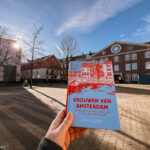
That is the idea behind Vrouwen van Amsterdam (Women of Amsterdam) by Aoife Fleming. Amsterdam has 7267 street names (from which 3000 are named after a person), but only 244 carry the name of a woman. Behind each of those names is a life often remarkable, and often mostly unknown to the general public. This book picks 100 of them, tells you who they were, and organises them into walking routes by neighbourhood. It’s a city guide and women’s history lesson at the same time.
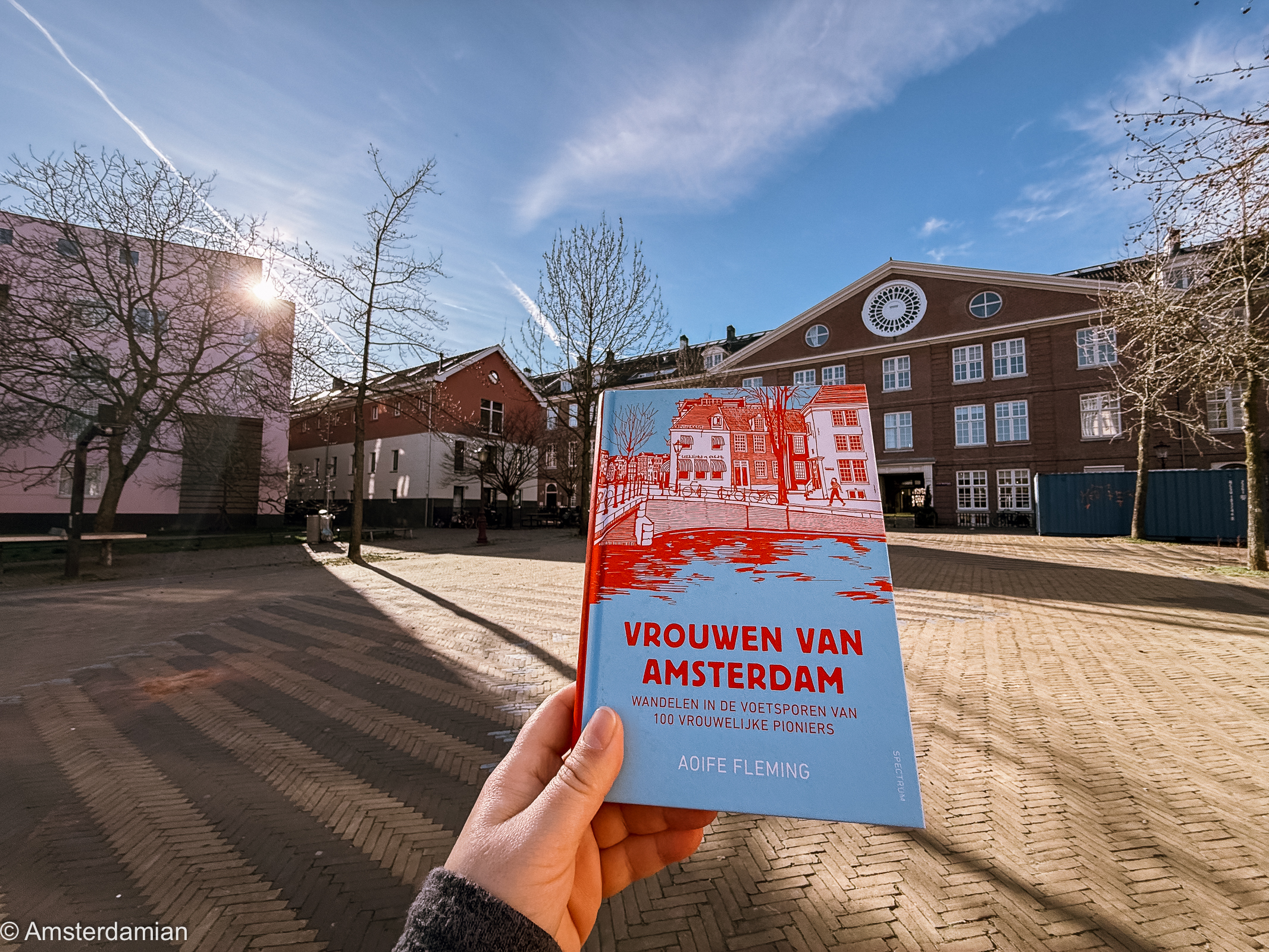
Who is Aoife Fleming?
Aoife is a lawyer, policy advisor, climate activist, former UN Youth Representative, and a connected member of the Dolle Mina’s (the Dutch feminist movement). She is committed to a more just world by placing women and youth at the center. She founded World’s Youth for Climate Justice and has been involved with Save the Children. She wrote this book on the side, out of passion and a refusal to let the women from Amsterdam’s history stay invisible.
↪You can find Aoife on Instagram: Aoife Fleming
Why this book?
I asked Aoife how the idea for this book came about:
” When I moved to Amsterdam last year, I started wondering about the street that I moved onto. Who was this named after? Living in West, I came to understand I was surrounded by writers and books. Doing more research about these women, I was interested in the incredible acts and service of many of these women. As there was no overview of all streets named after a woman, this led me to analyse the database of 7000+ streets of Amsterdam. In the database I came across women from social workers to activists, and from professors to athletes. I was so amazed by these women, and I shared their stories with the people around me. These positive responses led me to want to find a way to make the overview of women, and highlights of their incredible lives, publicly available in the form of a book.”
So how does the book work?
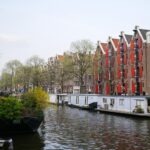
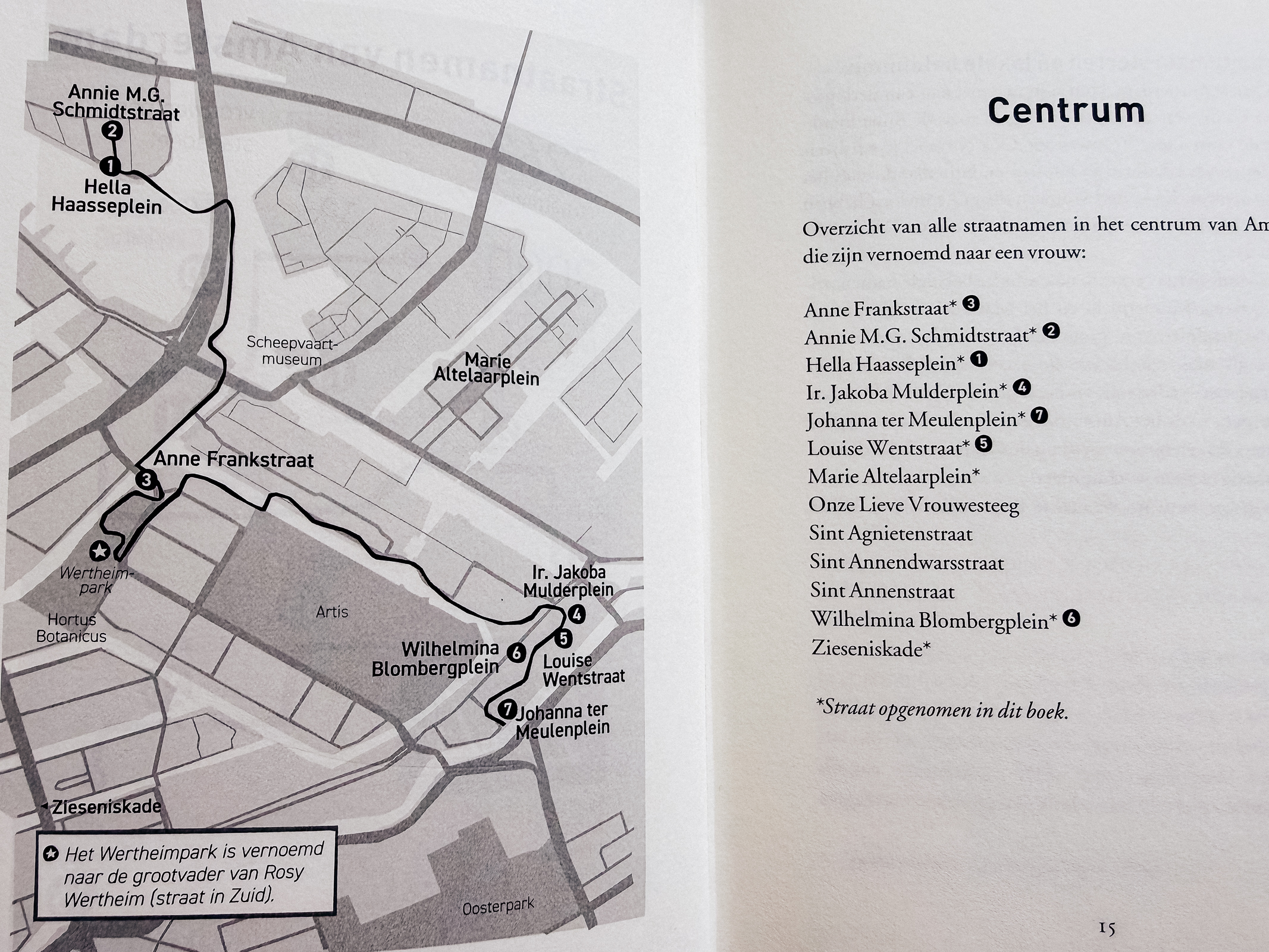
The book is organised by stadsdeel (city district). For each area, you get portraits of the women whose names are given to streets are in that neighbourhood, plus a map with a walking route that takes you past them. You can pick a neighbourhood and make a little tour out of this. And because you are looking for particular streets, you might discover a part of Amsterdam that you haven’t seen before, or find a route that you never thought walking.
The women you’ll encounter span centuries and backgrounds. There’s Aletta Jacobs, the first woman to attend a Dutch university. There’s Marie Heineken, an Amsterdam artist, and Lau Mazirel, a resistance heroine. Annie M.G. Schmidt, beloved children’s book author. Janey Tetary, a Surinamese freedom fighter. And dozens more women who shaped Amsterdam but whose stories most of us have simply never heard.
What I love is that you don’t need to be a history buff to enjoy this. It’s not a textbook. It reads more like a friend telling you stories while you walk. The book is in Dutch, but I don’t think that should stop you from getting it. You can still follow the routes and look up the names to read their stories in English or other languages (or use your phone to translate the book on the spot).
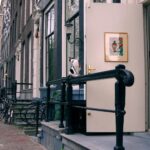
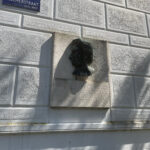
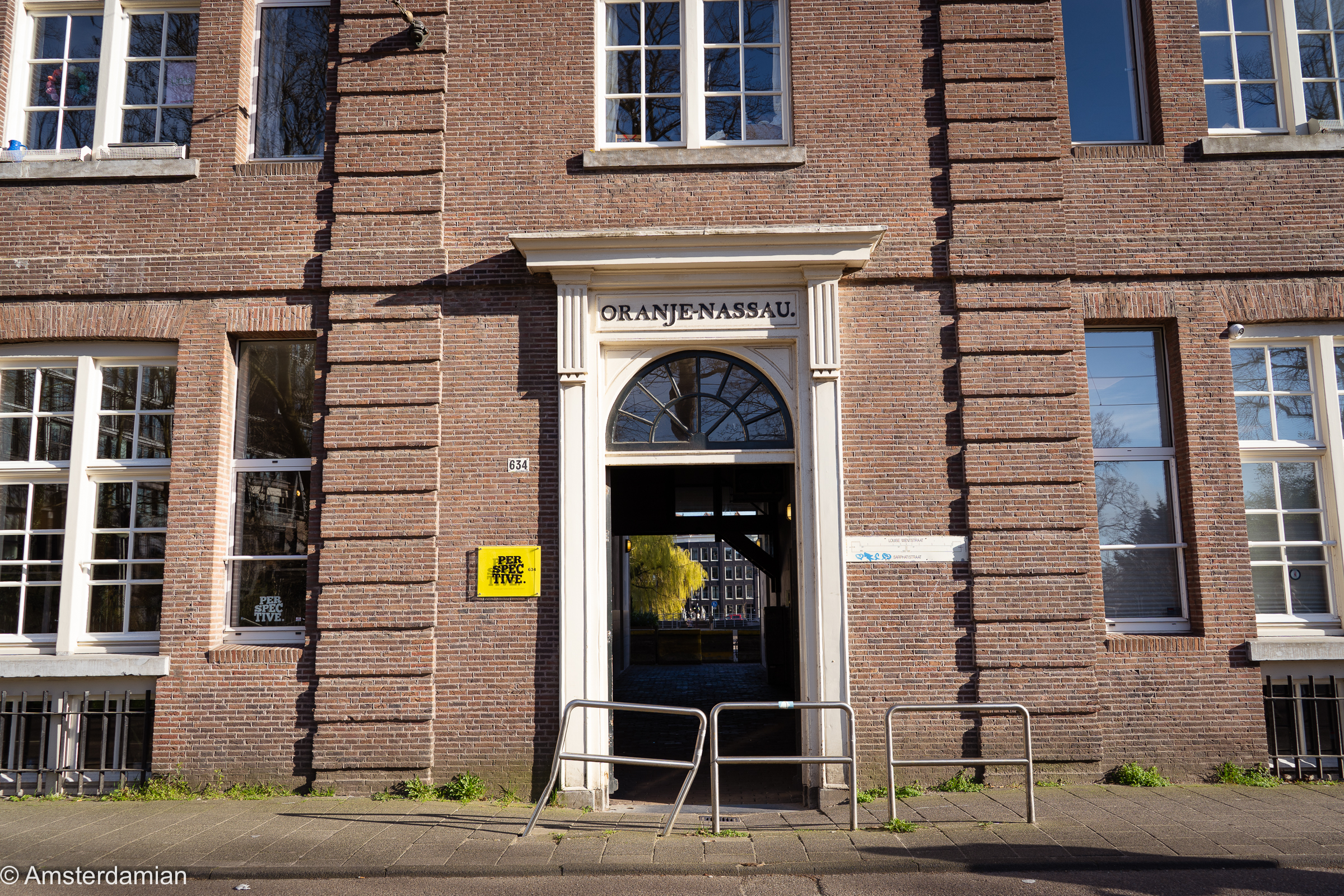
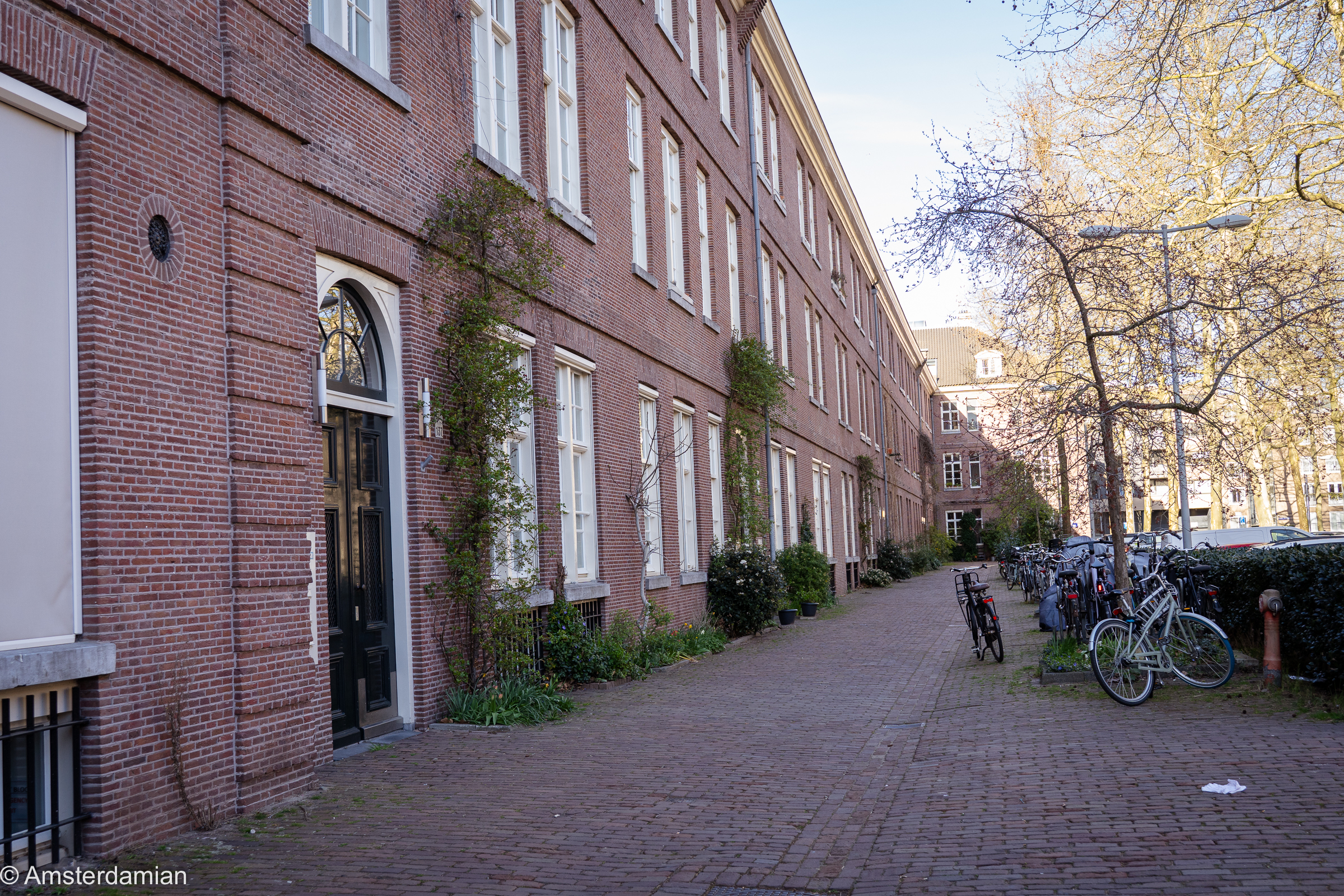
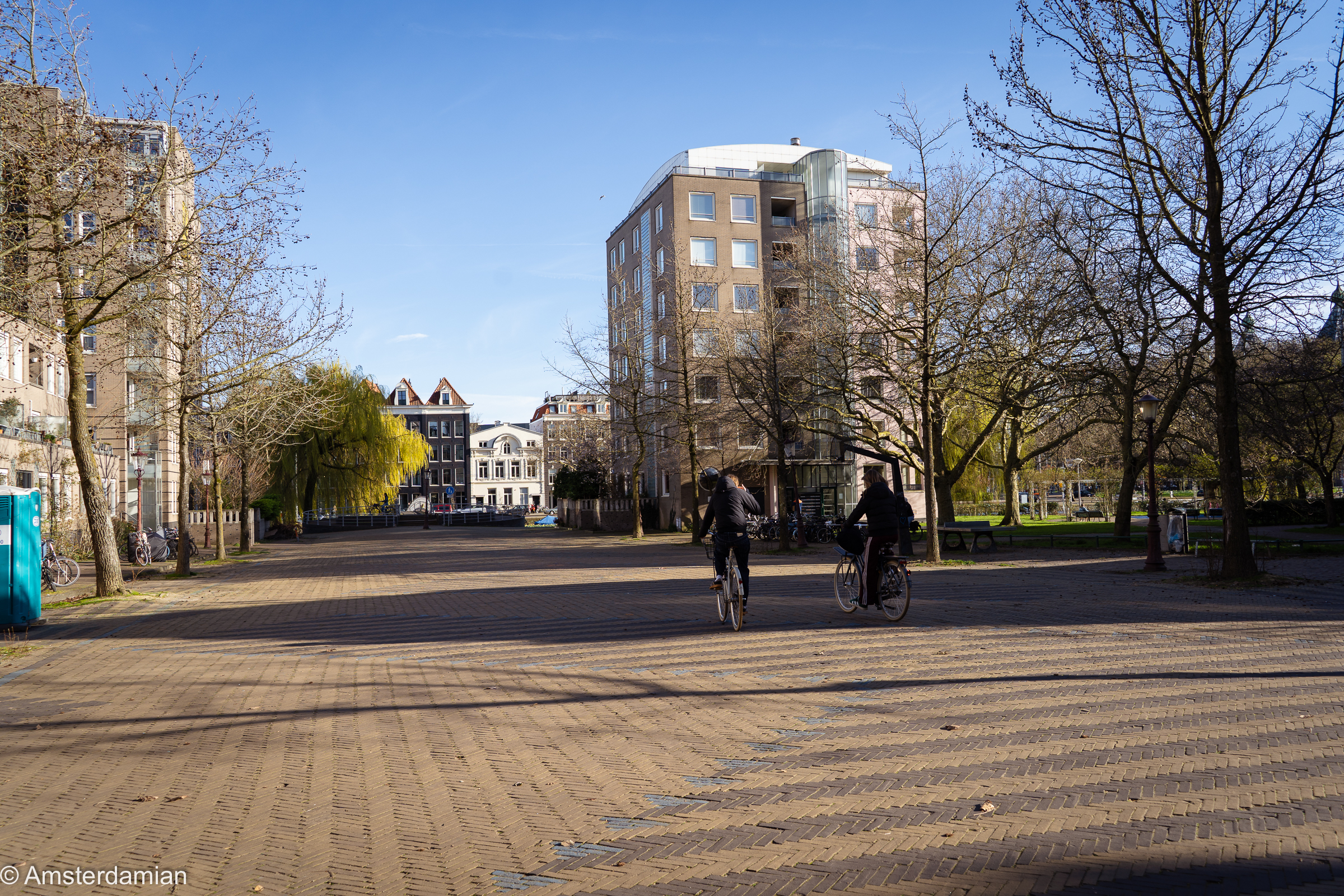
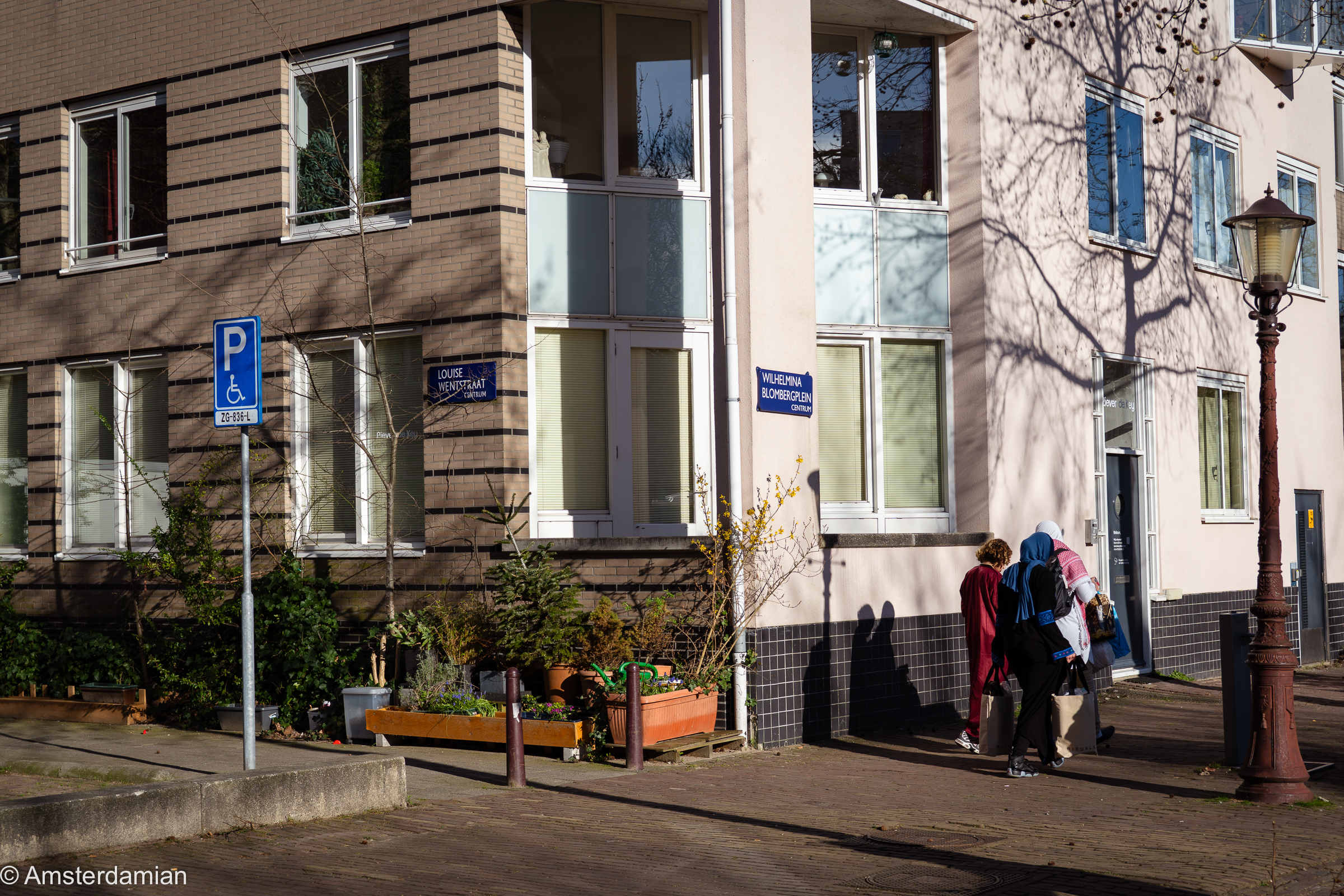
I did (part of) the Centrum route myself, and I discovered new parts of the city and women I’ve never heard before, like Wilhemina Blomberg (social worker in Amsterdam social housing) and Johanna ter Meulen (social reformer of the Jordaan). I also found out there was an Anne Frankstraat, which I have passed before without knowing. It’s amazing how, if you pause for a bit, streets you’ve walked a thousand times suddenly get a new meaning. You’re not just passing buildings anymore; you’re passing the places where these women lived, worked, fought, and created.
I didn’t finish the entire route in one go. But I guess that’s the beauty of it. You don’t have to power through. You can do a bit, go have lunch, come back another day. The book isn’t going anywhere, and neither are the streets.
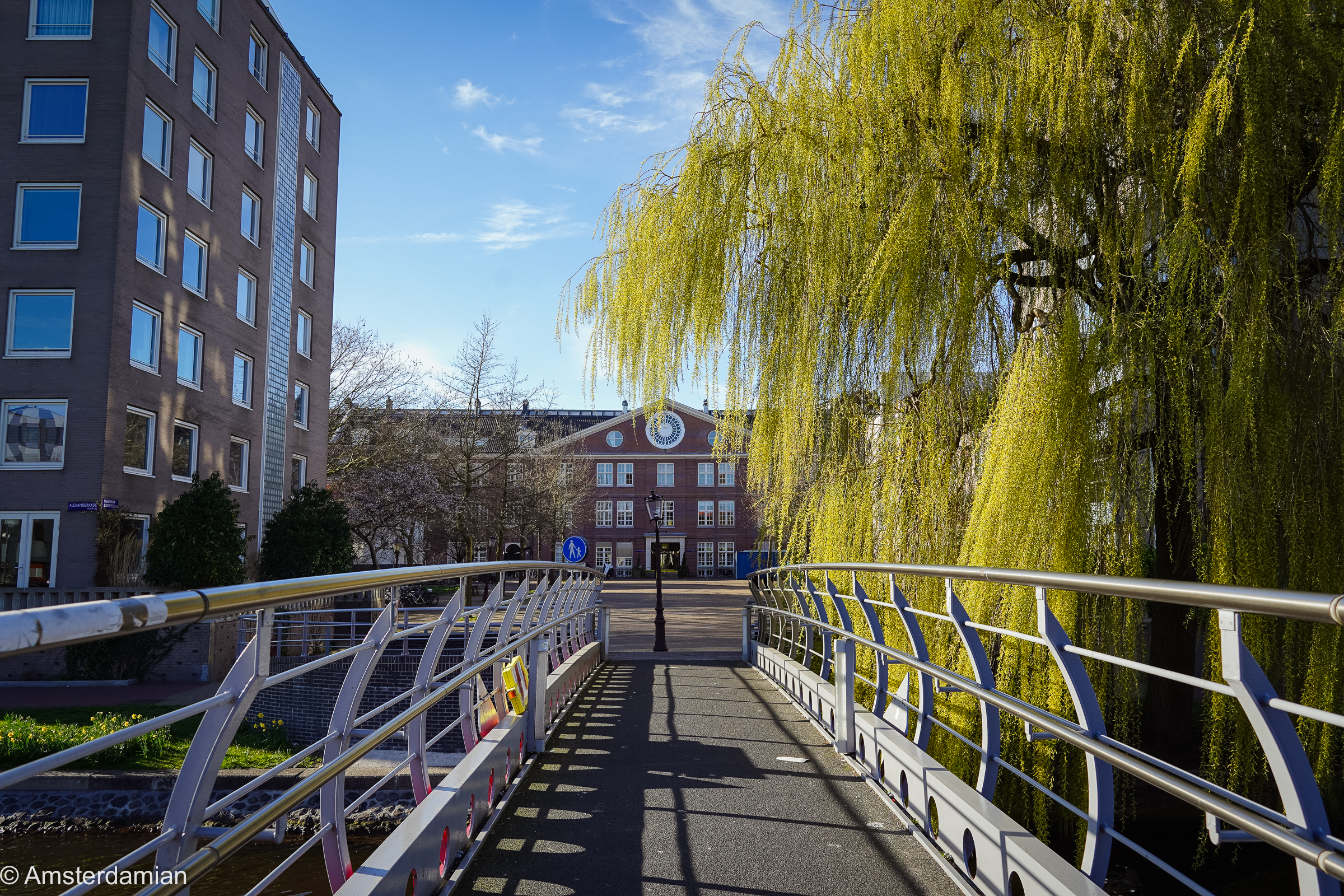
Why this book is so interesting
Women of Amsterdam is an interesting mixture of cool women’s history and walking guide. It gives you a reason to walk. And it’s not just “turn left at the church, look at the pretty canal.” It’s “turn left at the church, and let me tell you about the woman who lived on this street (or gave the street its name) and completely upended the medical establishment.” Every street becomes a story, and every story makes the next corner more interesting. It’s also a great way to explore neighbourhoods you might not normally visit, especially if you are a newcomer to Amsterdam.
For locals and visitors alike
This isn’t a book for tourists. Not really. I think it’s a book written mostly for people who already live here. I’ve lived in Amsterdam for a while now and I know this city pretty well, but I still have a lot to discover. Even Dutch people have something to learn from the book, as these women are not always well represented in the history lessons. That said, if you’re visiting Amsterdam and want to do something beyond the usual tourist agenda, picking up this book and choosing a route is a great idea. You’ll see the real city. And you’ll have stories to tell that no one else at home will have heard.
Have you read the book or done one of the routes? I’d love to hear which neighbourhood you picked and which woman’s story stuck with you. Let me know in the comments!
The book was published by Spectrum and you can find it in bookstores around the country.
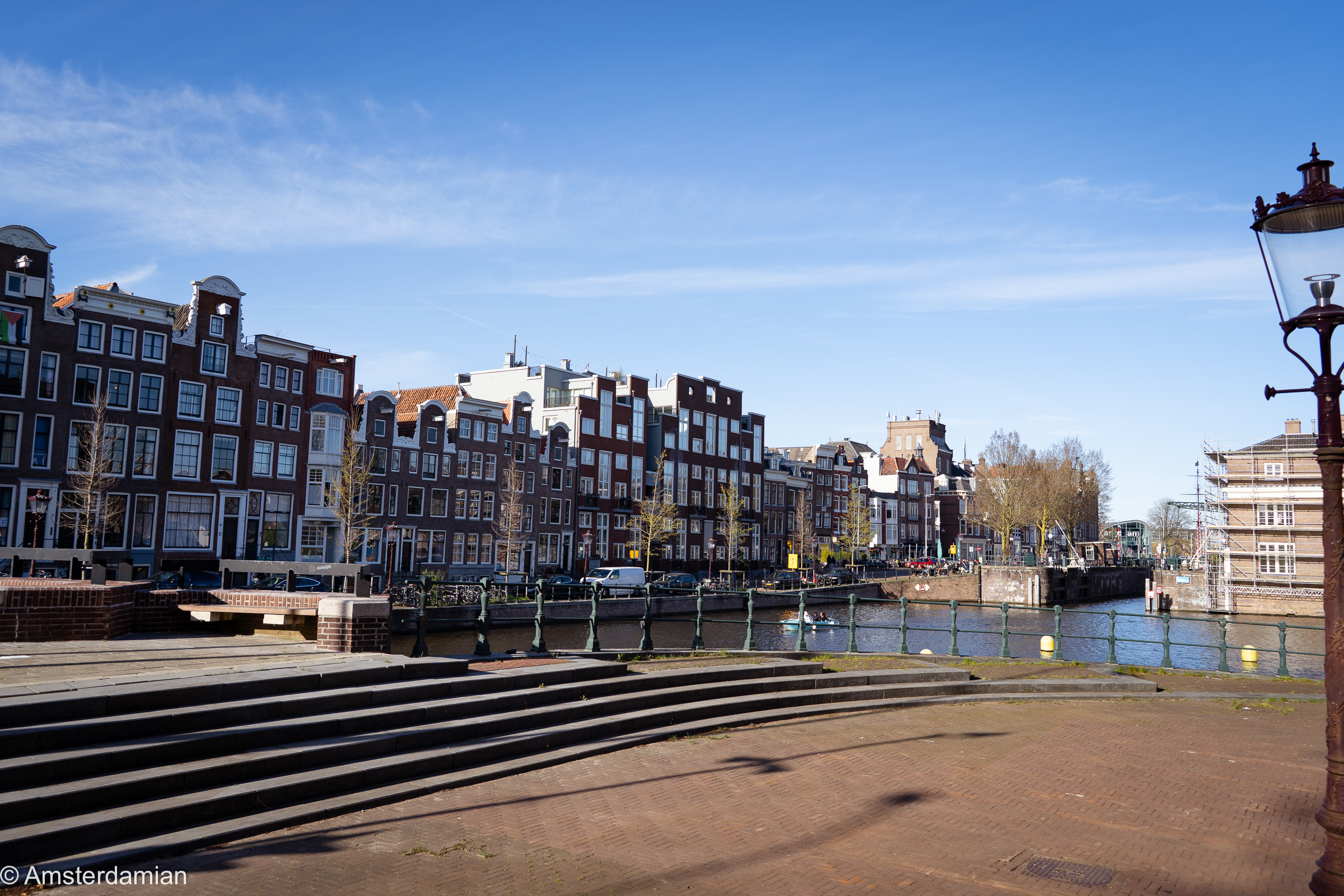
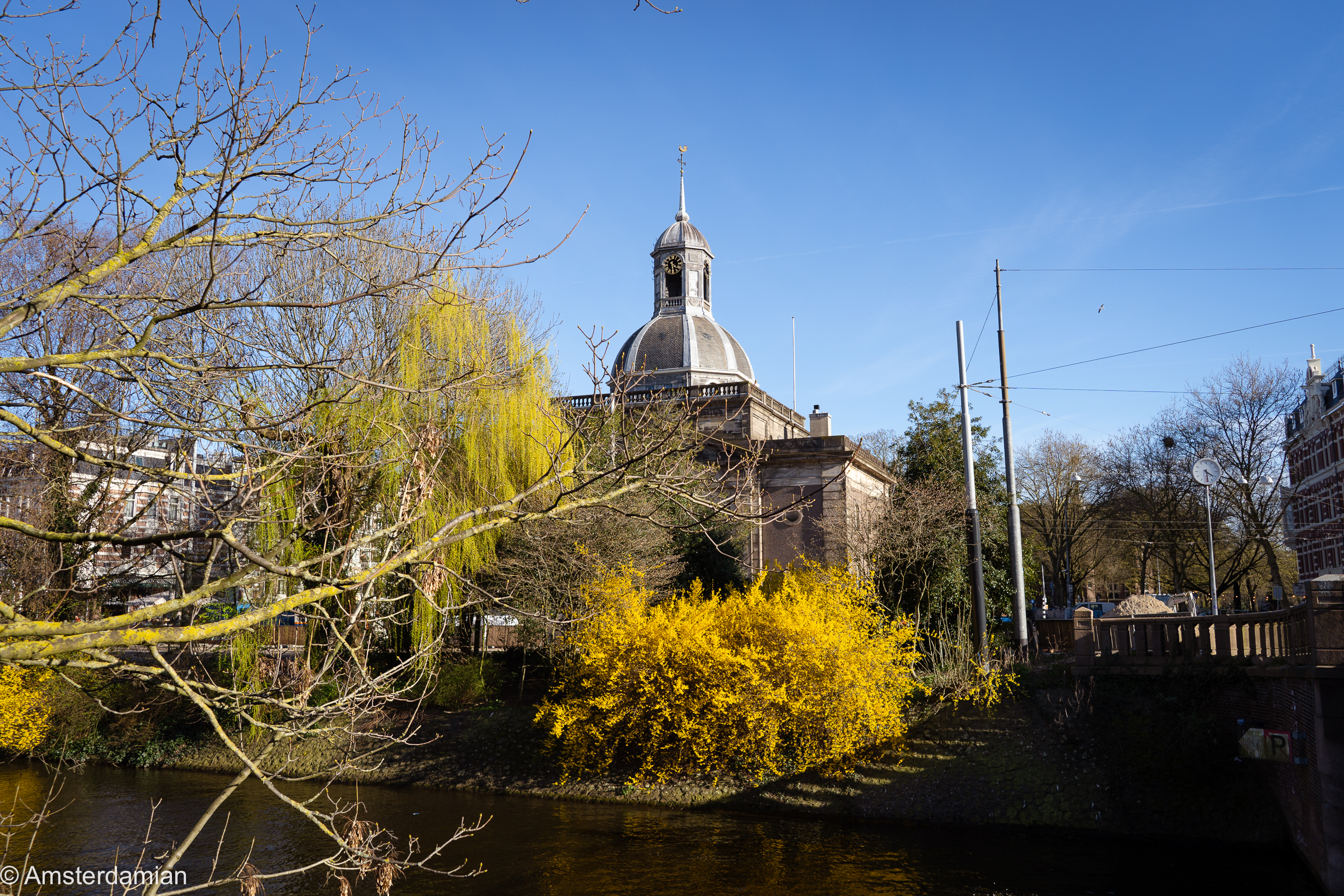
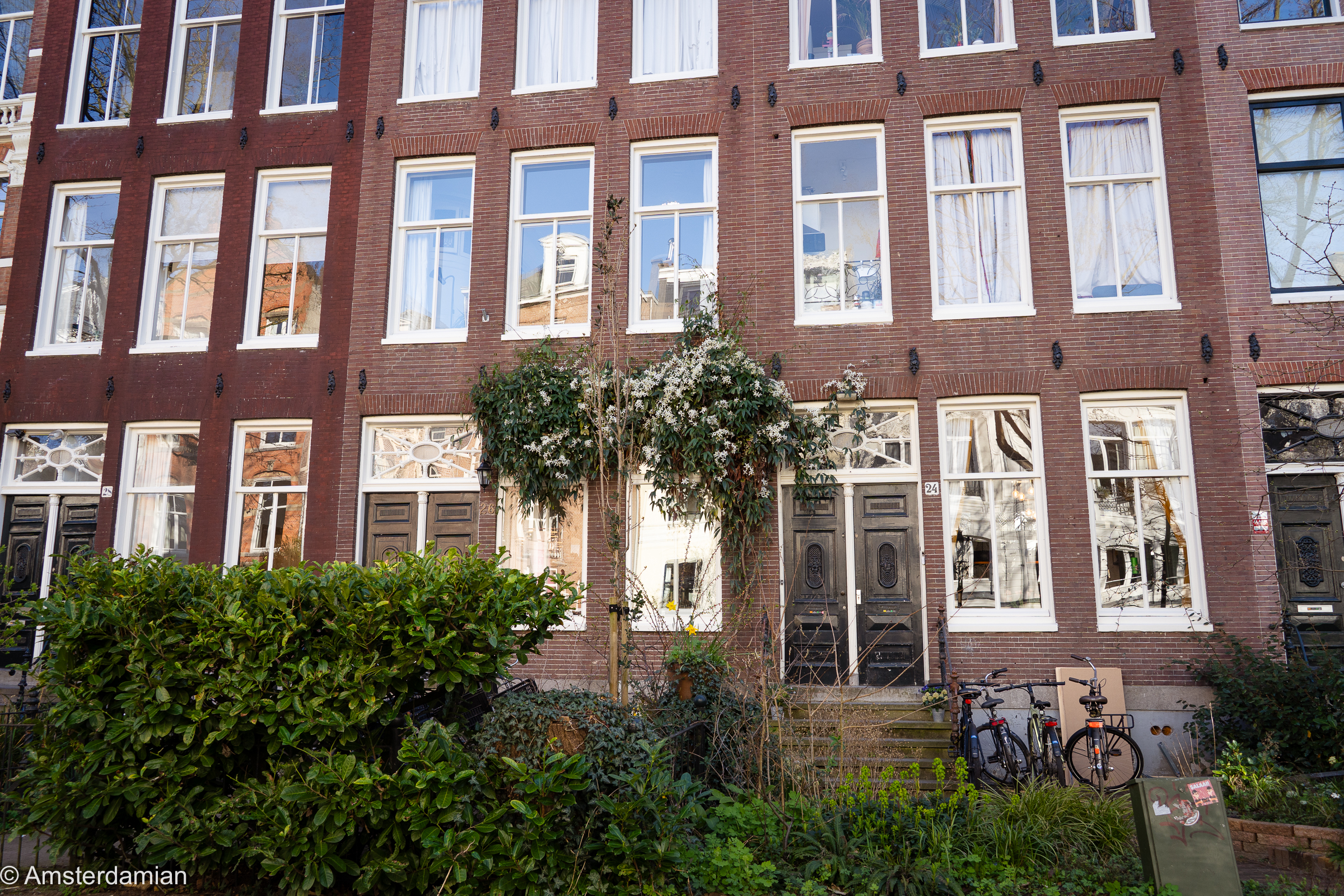
Want to walk part of the Centrum route with me?
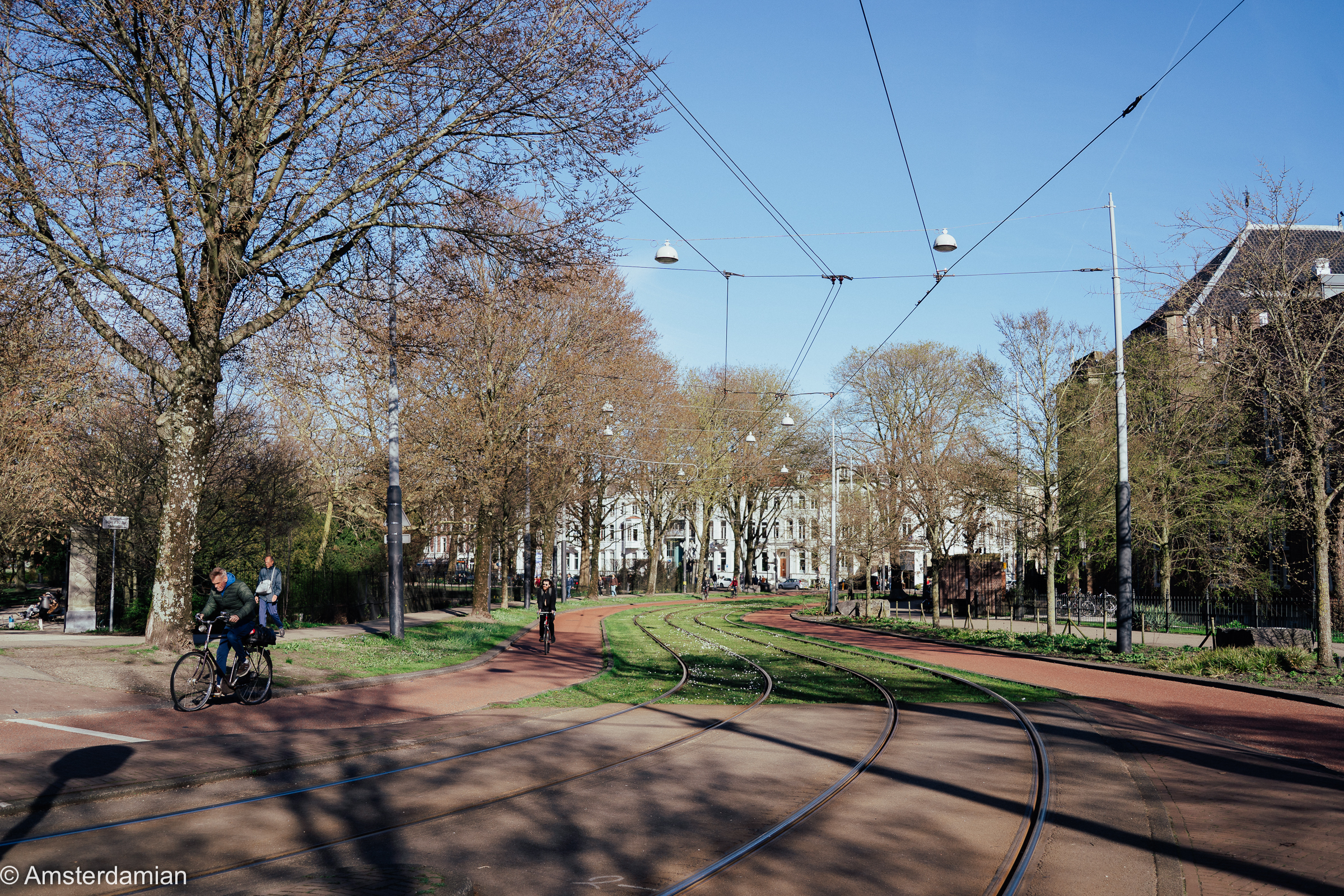
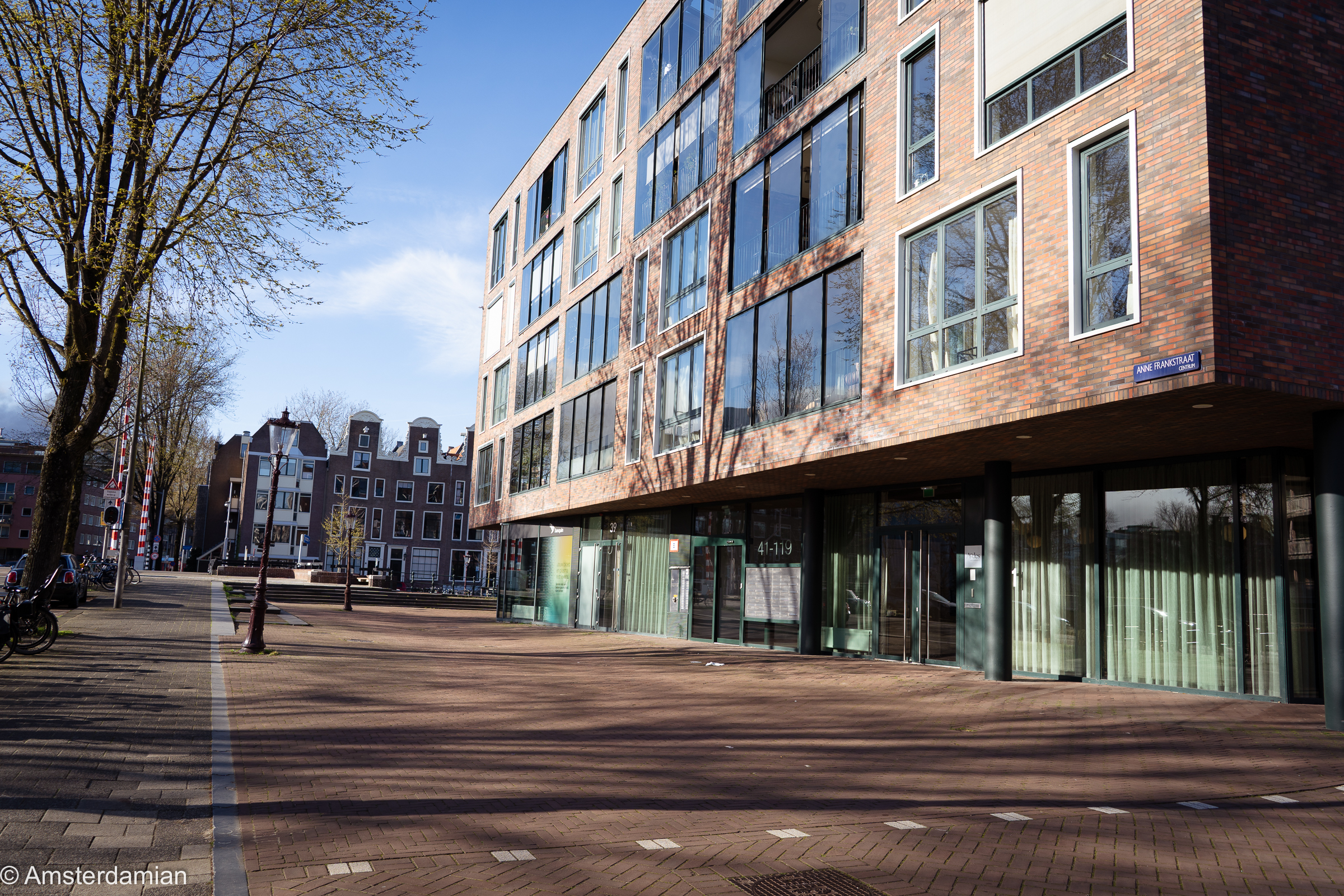
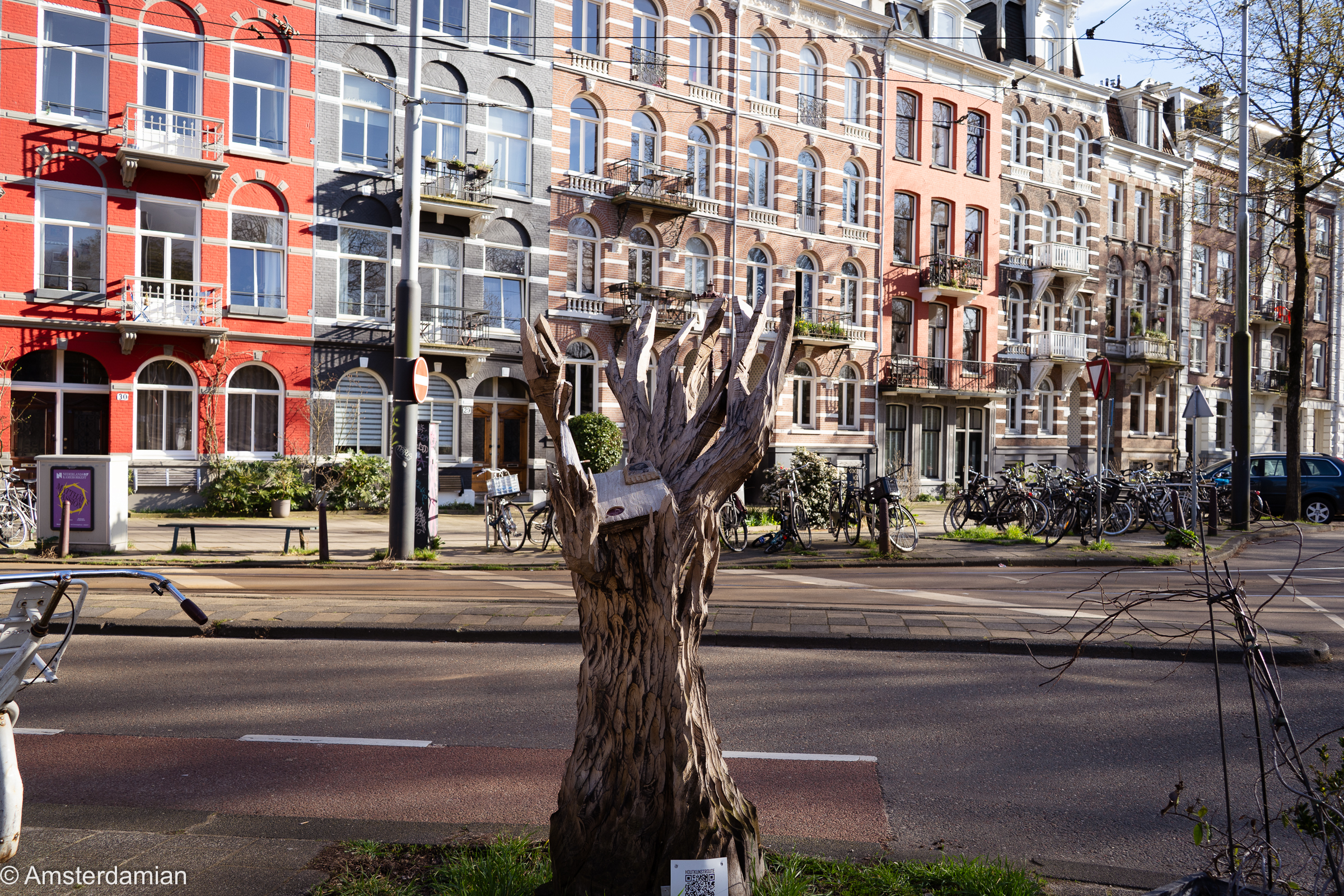
Stay tuned for more and follow Amsterdamian on Instagram and Facebook for more stories about life in the Netherlands. Please share this post if you liked it!
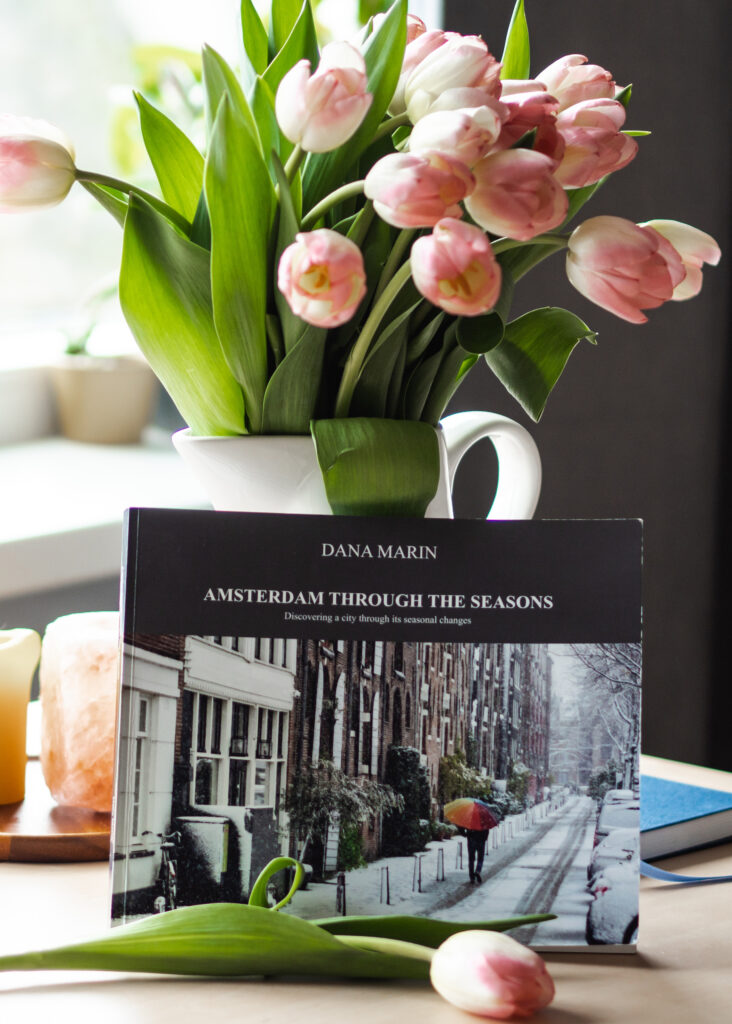
Check out my photo book: Amsterdam Through the Seasons!
Love what you’re reading? Support my work with a small donation.