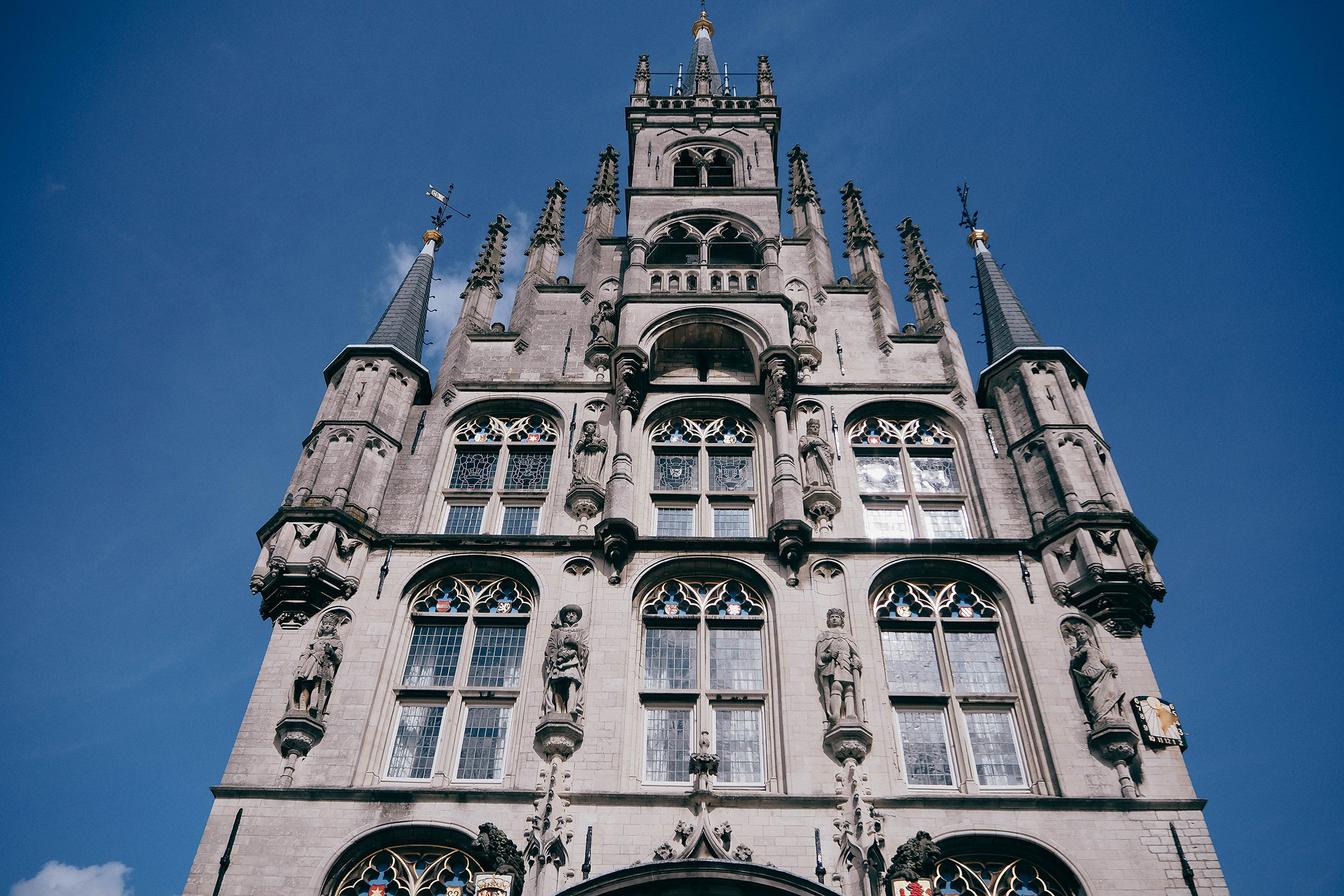
The Rijksmuseum Amsterdam is mostly known for its biggest names: Rembrandt, Vermeer, Frans Hals. The Gallery of Honour attracts visitors in with scale, drama, and masterpieces. But like most large museums, the Rijksmuseum also rewards those who slow down and wander sideways, into the quieter corners where smaller objects tell equally rich stories. If we can call any corner of the Rijksmuseum quiet or any of its objects small (they might be small by size, but they are all big in importance).
One of those corners is dedicated to miniature doll’s houses, objects that feel almost intimate in contrast to the monumental paintings nearby. The first time I saw them, they came as a total surprise, as I didn’t know they were there or anything about their history. They are totally worth stopping by if you visit the museum, so I thought I’d introduce them to you.
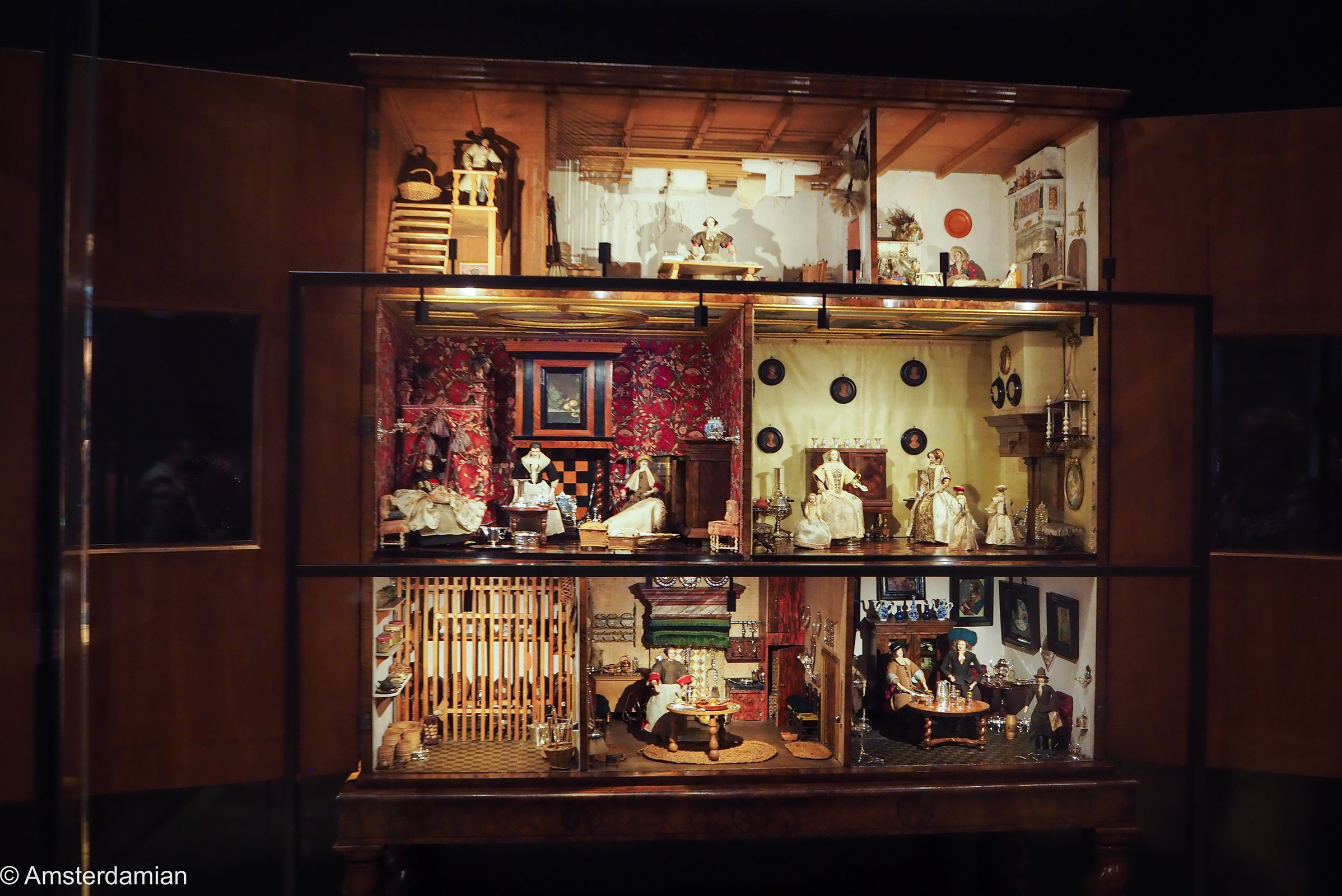
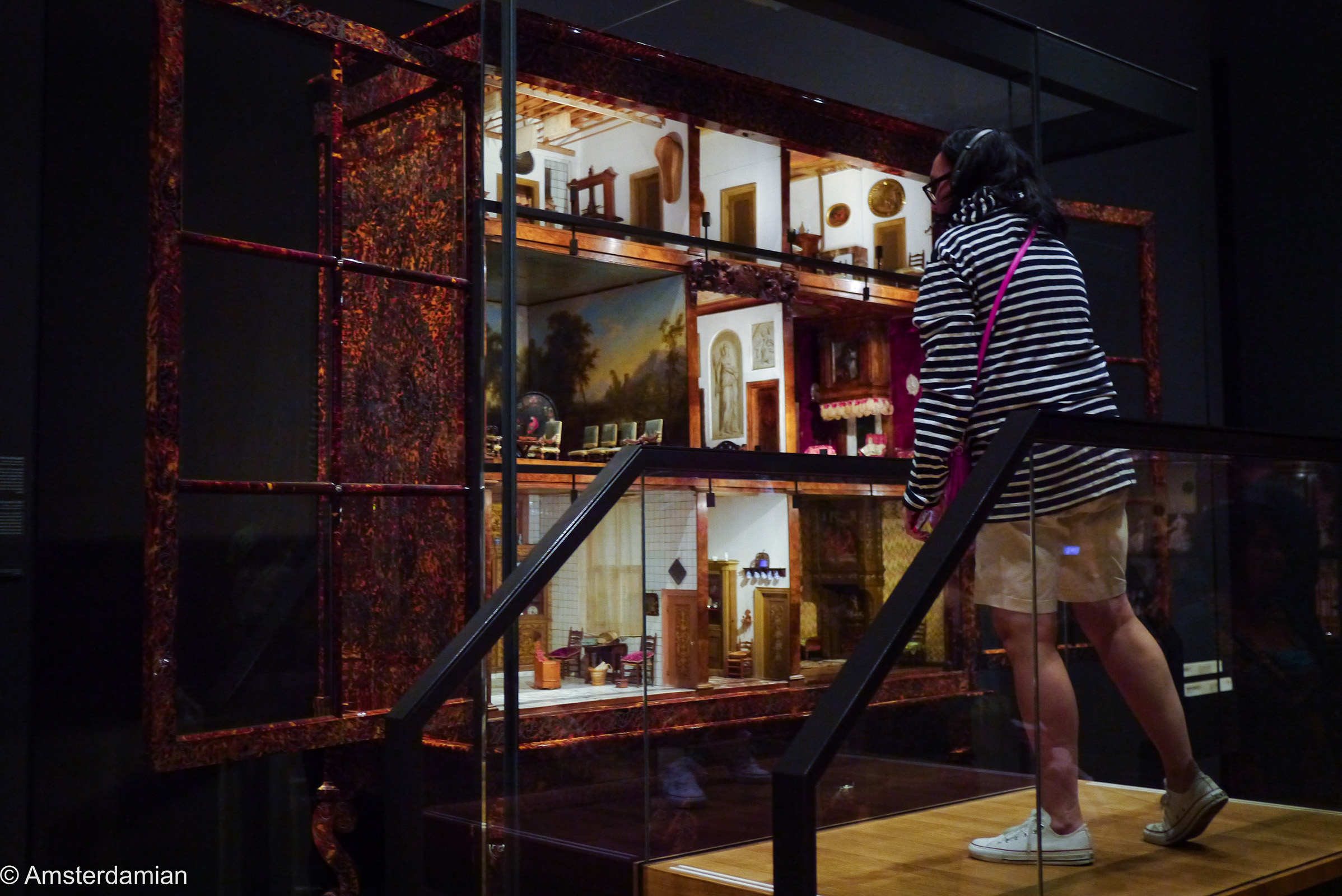
A world in miniature: doll’s houses in the Netherlands
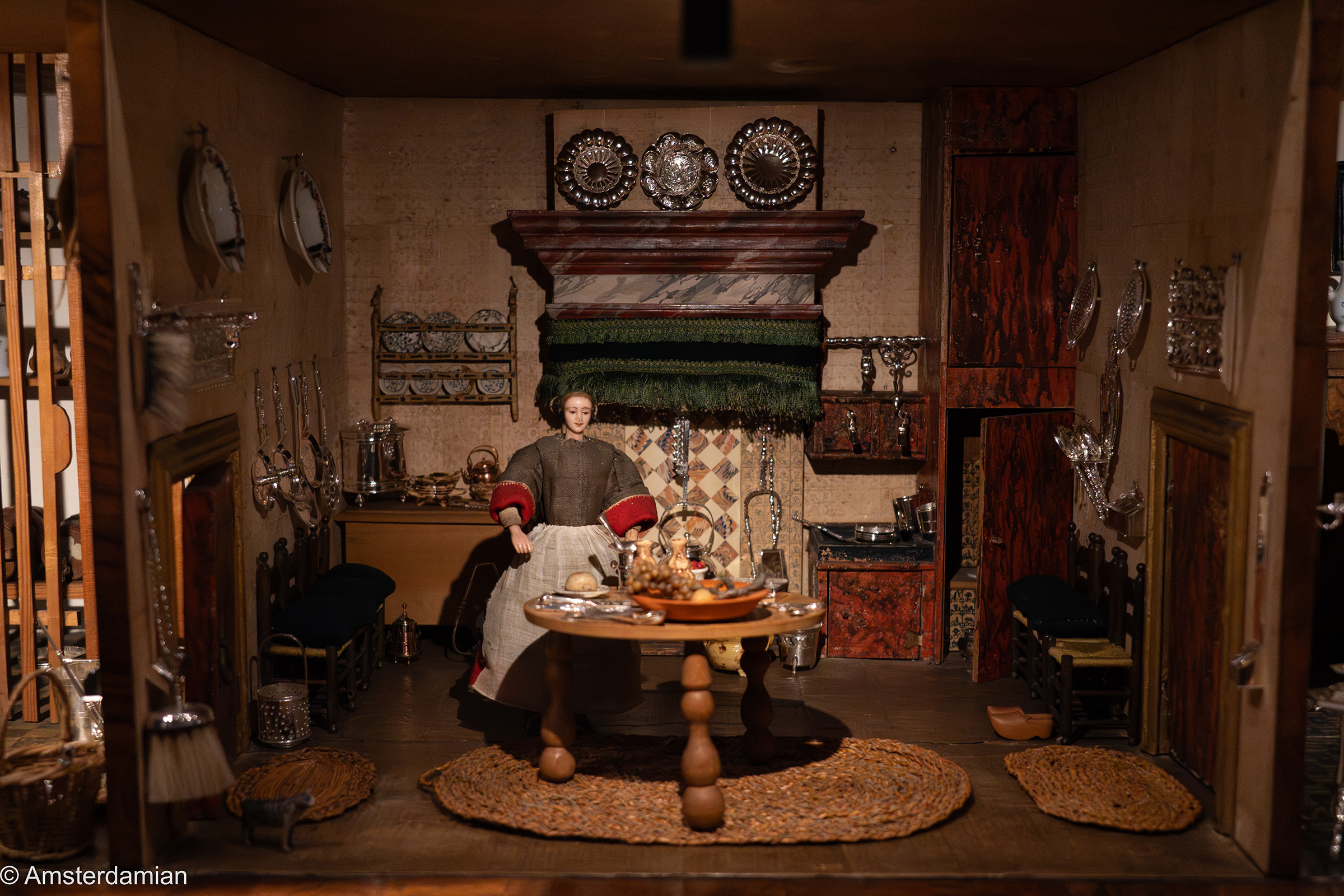
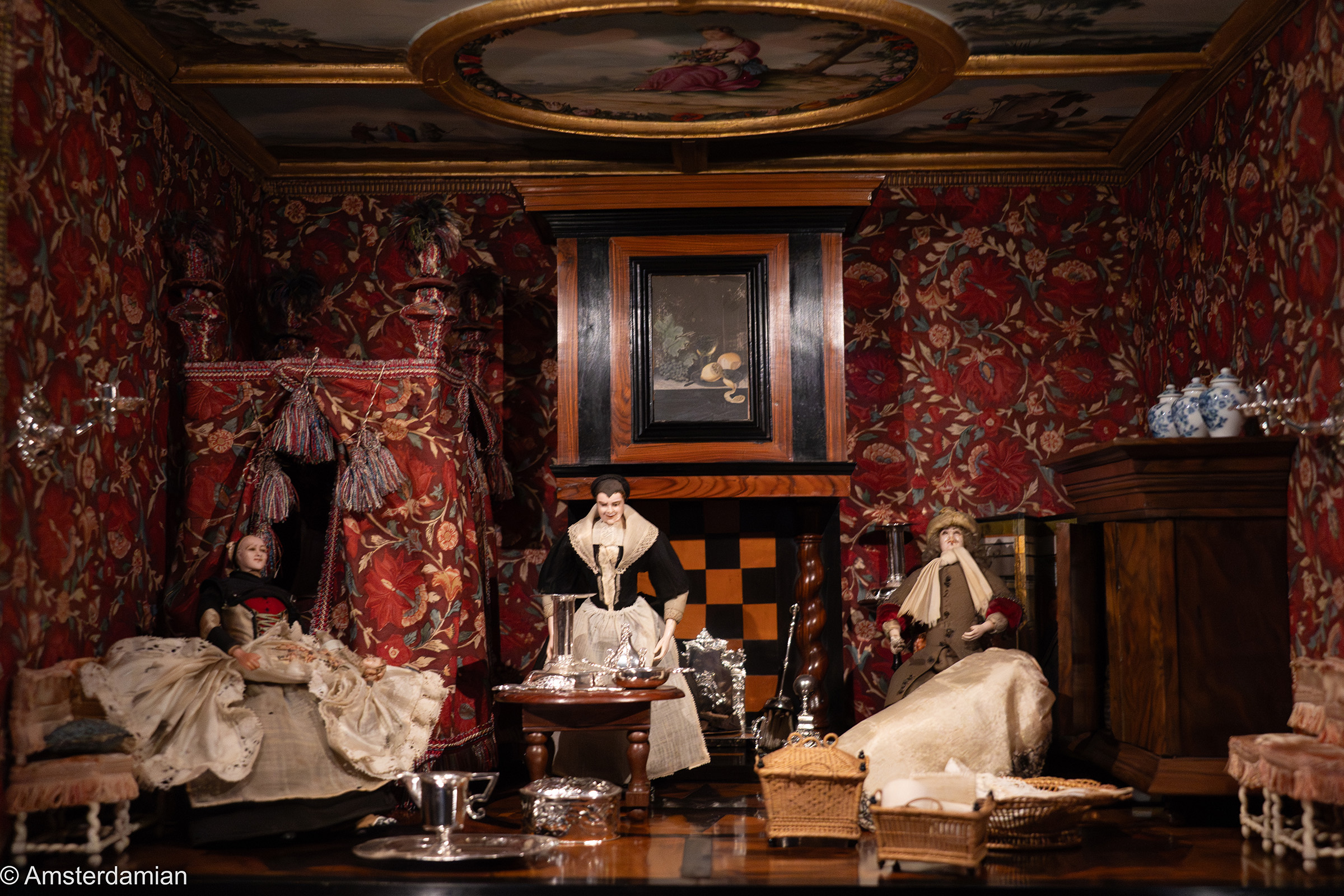
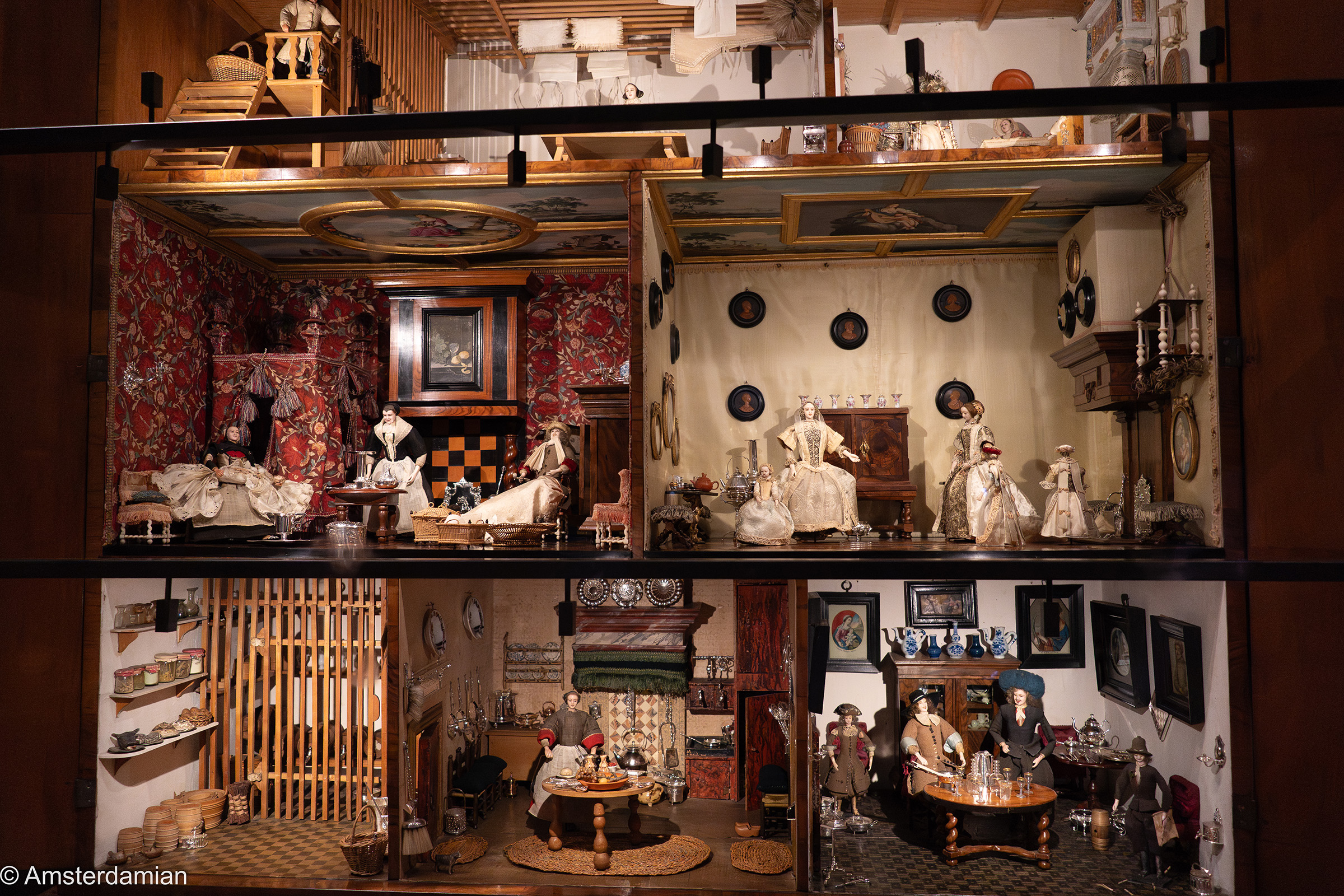
The doll’s houses in the Rijksmuseum are not toys, nor were they ever meant for children. These are meticulously crafted miniature interiors, created in the 17th and 18th centuries for wealthy women. Every room, object, and surface reflects real domestic life, scaled down to a size that invites close inspection. You can see kitchens stocked with copper pans, linen cupboards filled with neatly folded textiles, and living rooms arranged according to the rules of taste and status of the time. The level of detail is simply amazing, from miniature furniture to porcelain dishes ordered from China, from real paintings to finely worked lace!
Miniature houses have existed for centuries in one form or another, with some examples being traced as far back as ancient Egypt. But the miniatures that appeared and gained a lot of popularity in the 17th and 18th centuries, primarily in the Netherlands, Germany and England, have something in common: they were a way for affluent women to express refinement, wealth, and control over the domestic sphere. These dolls’ houses were handmade and custom-made, with women of high society competing to acquire the most elaborate or expensive items to add to their houses.
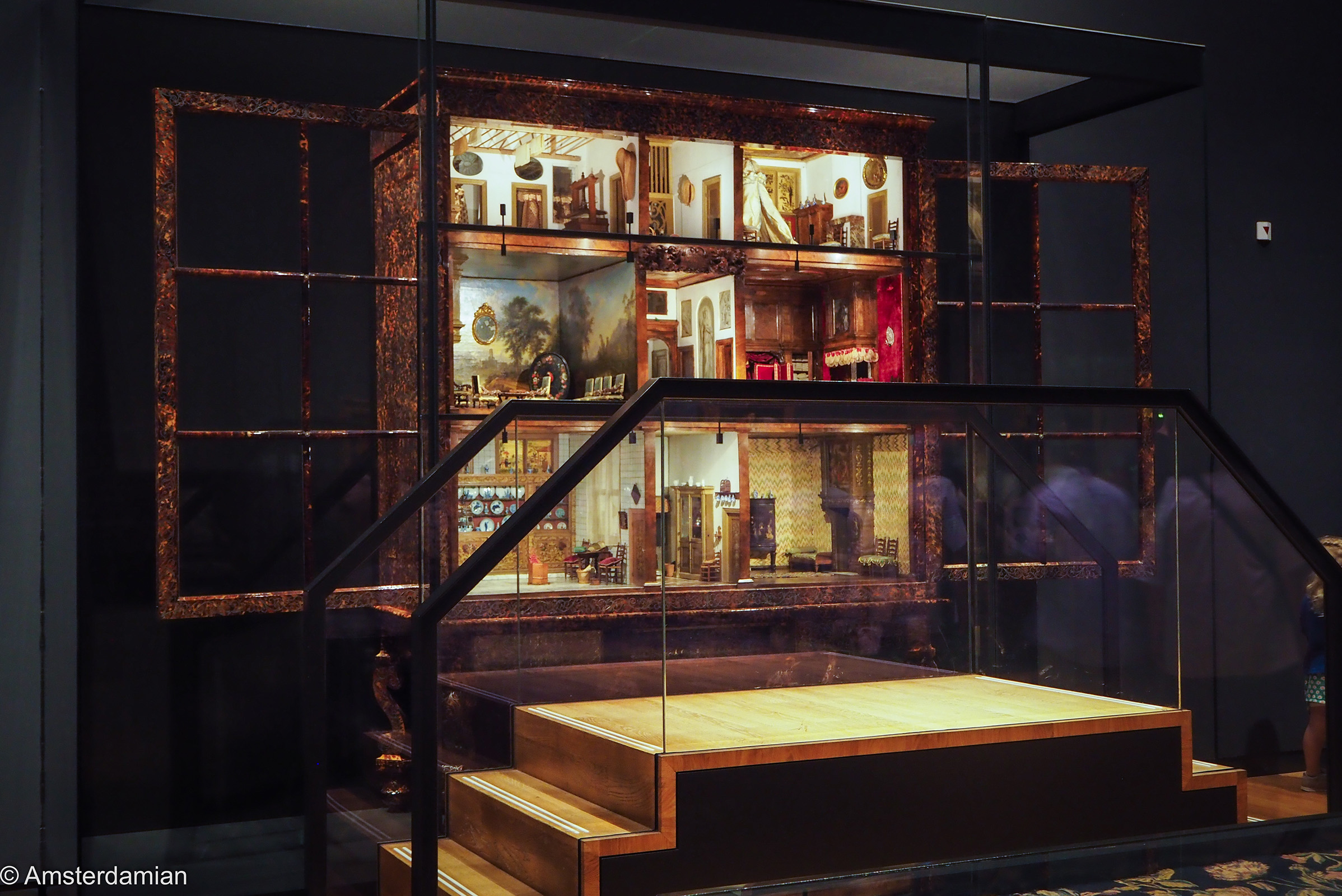
At the time they started appearing, Amsterdam was one of the wealthiest cities in Europe, with all kinds of exotic items coming from all over the world. It was common for gentlemen to own cabinets of curiosities, used to display collections gathered during their travels or purchased through trade and wealth. Their wives, in turn, began ordering dolls’ houses of their own, as personal status symbols. The miniatures inside were commissioned from skilled craftsmen, like silversmiths, cabinetmakers, and glassblowers, using the same materials and techniques as full-sized household objects. The miniature houses opened like a china cabinet, allowing the owner to display them to guests.
Owning a doll’s house was a statement. It showed not only financial means but also moral order and good household management. Everything had its place, and nothing was left to chance. In that sense, these doll’s houses were idealised versions of domestic life, carefully curated, perfectly balanced, and frozen in time. They were also like works of art, showing the skills of the owners, as they were the ones curating the interiors of these miniature households. They functioned as conversation pieces, being shown to guests, and sometimes discussing their contents in presentations that lasted for hours. Long before Instagram-worthy interiors, these miniature homes already communicated taste and social standing.
Subscribe to our newsletter!
Rijksmuseum’s doll’s houses
The Rijksmuseum houses some of the most famous historical doll’s houses in the Netherlands, including those of Petronella Oortman and Petronella Dunois. These are among the best-preserved examples, and they offer a rare, detailed look into upper-class domestic interiors of the Dutch Golden Age.
Petronella Oortman’s doll’s house, in particular, is often highlighted because of its completeness. How do we know it’s almost complete? Because we have a painting of it made in 1710 by Jacob Appel. The objects are all still there, only the wax figures depicting people have gone (with only a child left). Some say that this doll’s house cost as much as a real canal house, about 20.000-30.000 florins. While we don’t know for sure how much Petronella invested in the doll’s house, we know for sure it was expensive. From the cellar to the attic, the house reflects a real Amsterdam canal house of the late 17th century.
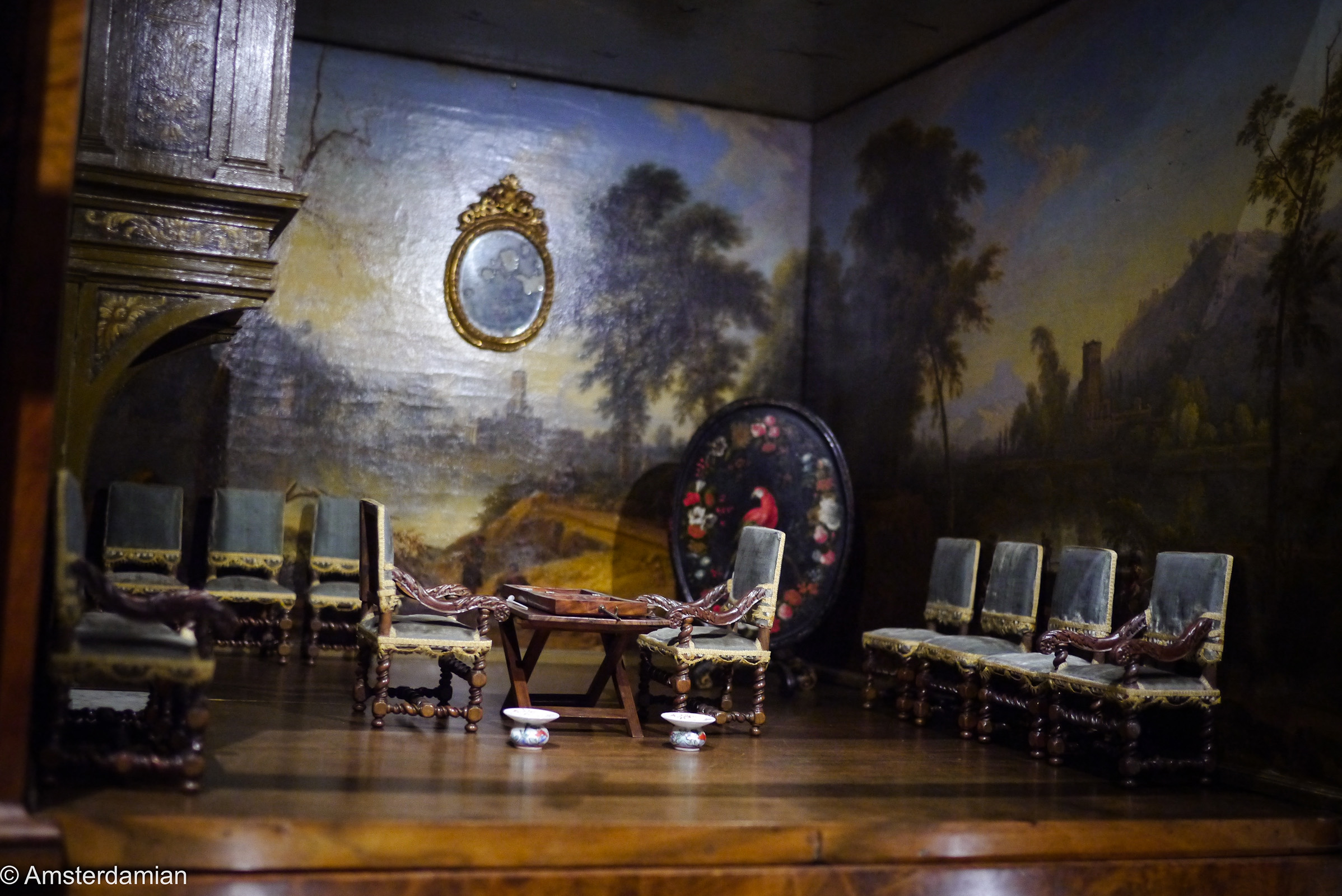
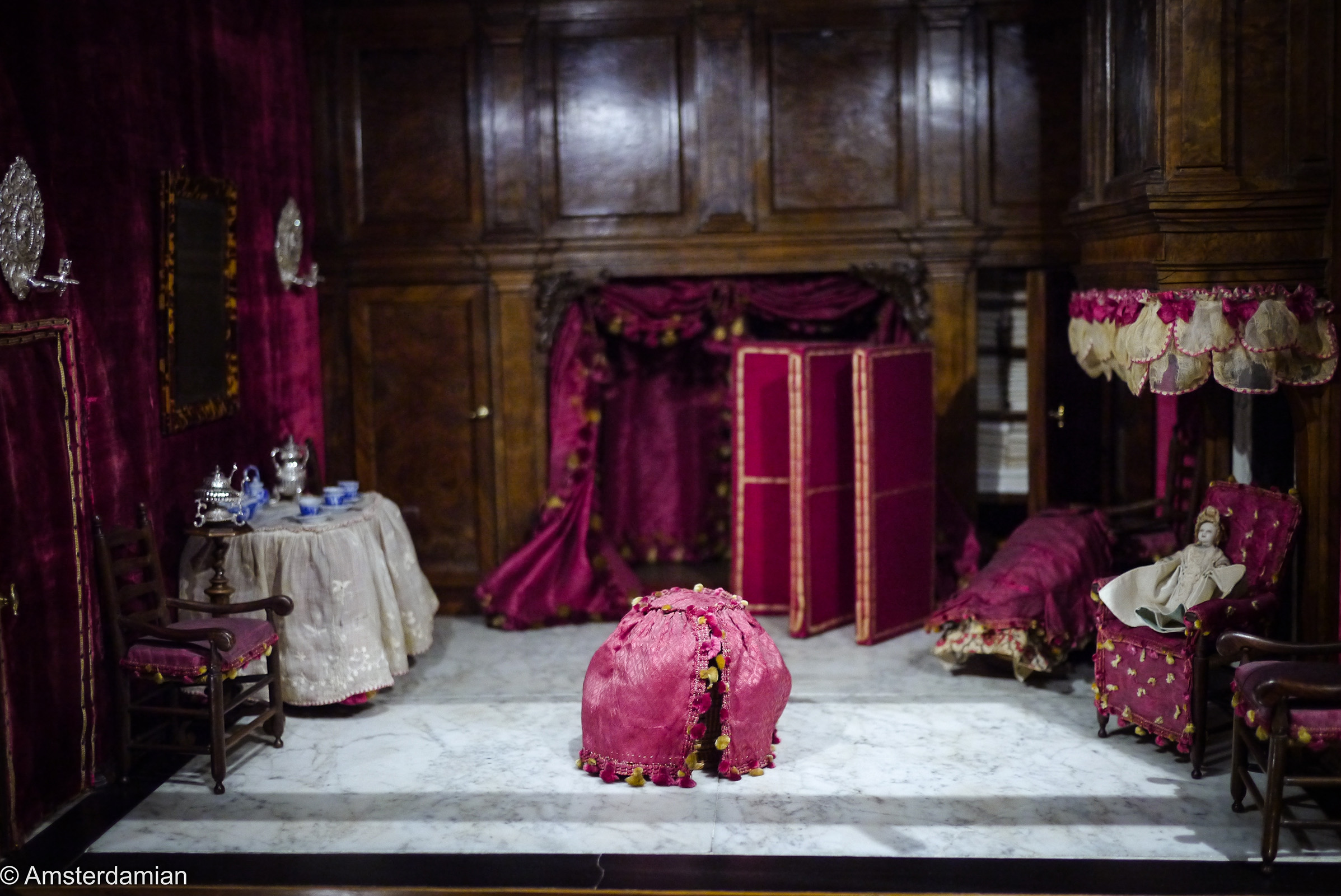
The objects inside were crafted by leading artisans of the time, from woodcarvers and basket weavers to silversmiths and glassblowers, many of whom also worked on full-scale commissions. There are event miniature paintings, made by real artists, hanging on the walls. What makes these doll’s houses amazing is not just their precision, but their humanity. You can almost imagine hands opening cupboards, preparing meals, managing a household. It feels inhabited.
The doll’s houses are part of the Rijksmuseum’s permanent collection, so you can visit them next time you go to this museum. They are a special kind of treat in a museum filled with large narratives and national history; they ask for a different kind of attention. They invite viewers to lean in and, like Alice in Wonderland, step into a tiny image of a home of centuries past. Notice a broom in a corner, a cradle by the bed, a carefully laid table, or a painting on the wall. When you step back to the larger world, you cannot help but be amazed by this transition.
I love that the doll’s houses offer a reminder that history doesn’t only live in grand events and famous names. Sometimes, it’s preserved in the image of a domestic interior, the order of a miniature kitchen, behind glass, waiting for someone willing to look closely.
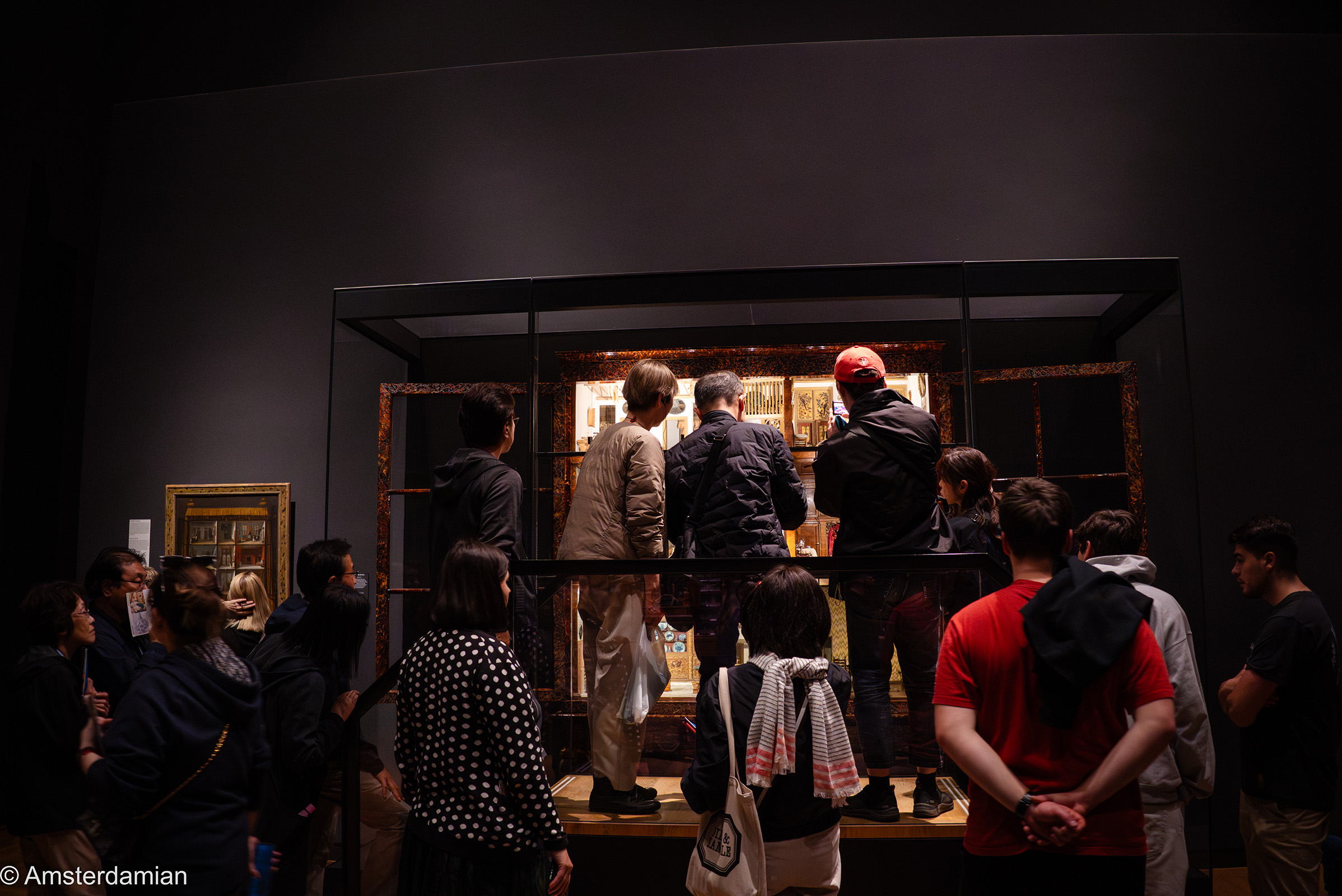
The doll’s house of Petronella Oortman can be seen online on the museum’s website, and its story told by the voice of Helena Bonham Carter, for the English version.
If you would like to read a book inspired by Petronella’s doll’s house, check out The Miniaturist, by Jessie Burton. It’s a lovely book that will give you more insights into the world of the 17th century Amsterdam and the age of the doll’s houses.
Stay tuned for more and follow Amsterdamian on Instagram and Facebook for more stories about life in the Netherlands, written by a real local, updated constantly.
Check out my photo book: Amsterdam Through the Seasons!
Love what you’re reading? Support my work with a small donation.
And share this post if you liked it!